


Remembering Gay Actors Who Died of AIDS

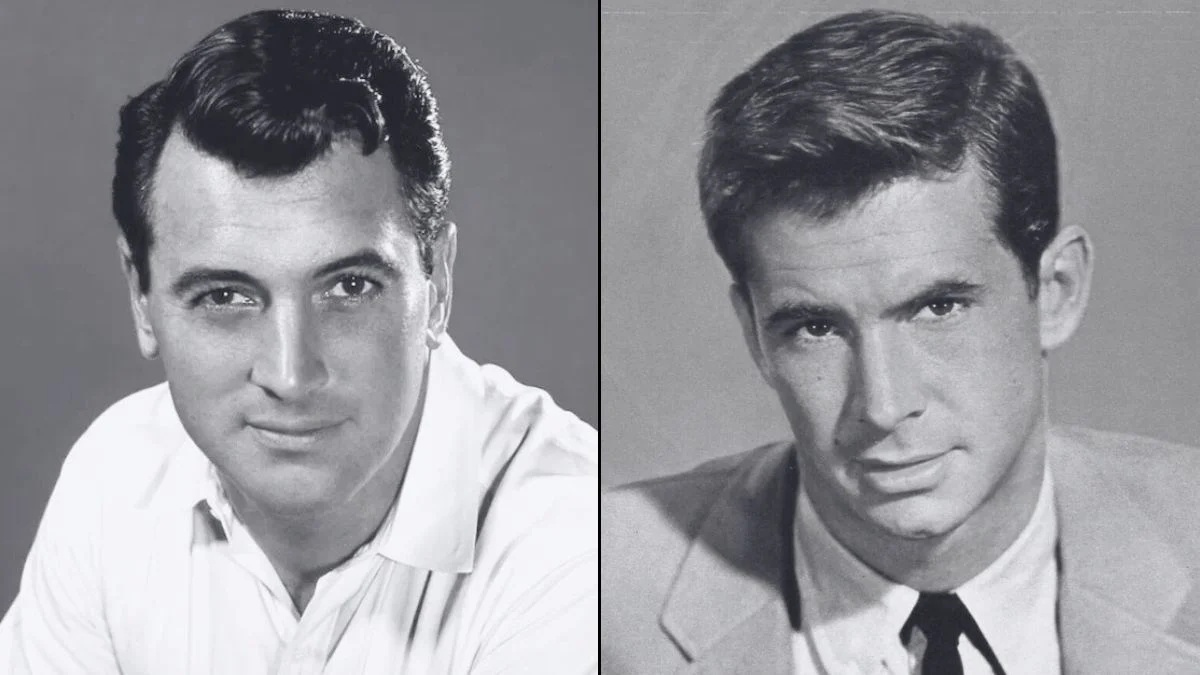


The AIDS crisis reshaped the entertainment world and took away thousands of talents at the height of their creativity. Many actors faced the illness in silence because of stigma, while others used their platform to raise awareness and push for compassion and research. Their stories remind us how hard won today’s progress has been.
This list honors actors whose lives ended because of AIDS related illnesses. It focuses on the work they left behind and the moments that show how they navigated their careers while living with HIV. By remembering their achievements, we keep their contributions alive and help carry forward the empathy and urgency they inspired.
Rock Hudson
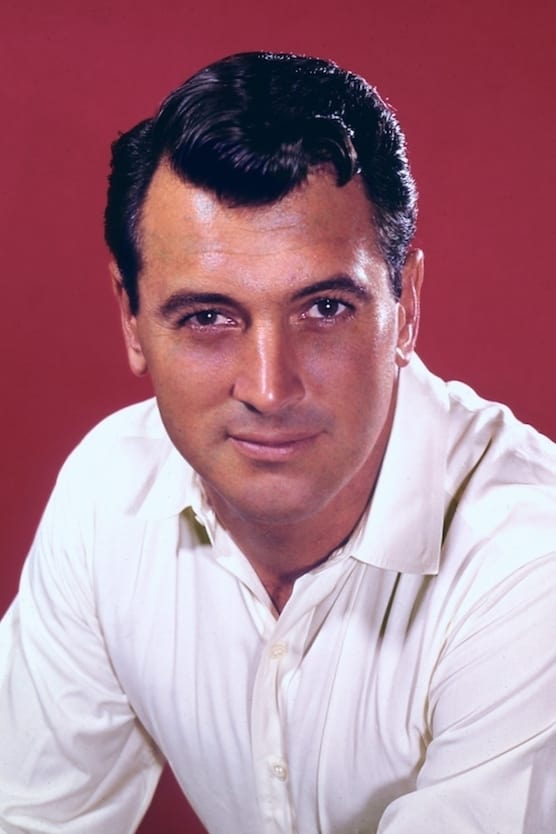
Rock Hudson was one of the biggest stars of the studio era with classic credits that include ‘Giant’ and ‘Pillow Talk’. He also reached a new generation on television with ‘Dynasty’ and its spinoff ‘The Colbys’. His work showed rare staying power as he moved from leading man roles into character parts that kept him in the public eye.
In 1985 he confirmed his AIDS diagnosis, which made global headlines and changed how the public understood the disease. His announcement spurred donations to research and helped shift media coverage toward the human cost of the epidemic. He died later that year and became a symbol of both Hollywood history and public health awareness.
Ian Charleson
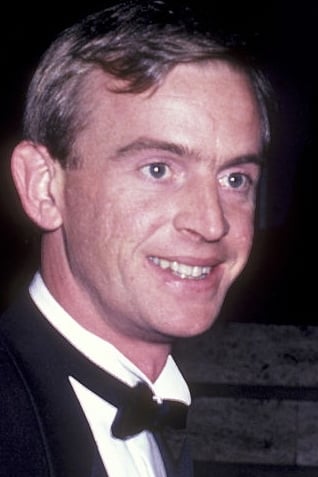
Ian Charleson earned worldwide recognition with ‘Chariots of Fire’ and was a respected presence on British stages. He gave acclaimed performances at the National Theatre and the Royal Shakespeare Company and was known for a thoughtful approach to roles that balanced precision with warmth.
He returned to the stage while ill and delivered a moving run in ‘Hamlet’. Before his death in 1990 he asked that his illness be acknowledged so others would better understand the reality of AIDS. His openness encouraged honest reporting in obituaries and helped reduce the silence that surrounded the disease.
Tom Villard
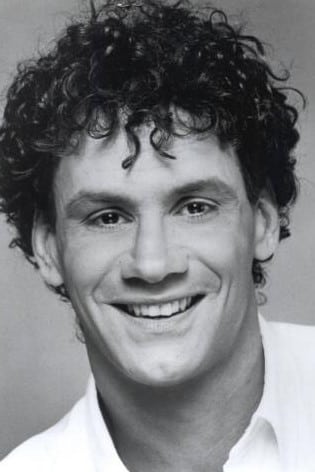
Tom Villard built a steady career in film and television with appearances in ‘Weird Science’, ‘My Girl’, and ‘The Golden Girls’. He also led the sitcom ‘We Got It Made’, which gave him a visible platform in prime time. Casting directors valued his range from comedy to gentle drama.
In 1994 he spoke candidly about living with AIDS on national television. That interview gave viewers a clear picture of the disease at a time when misinformation was common. He died later that year, and his willingness to speak publicly remains an important example of advocacy from within the industry.
Stephen Stucker
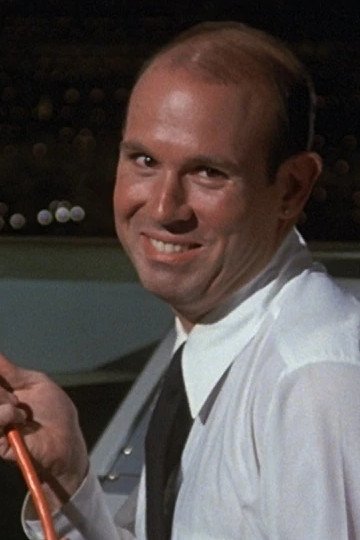
Stephen Stucker is best remembered for scene stealing moments in ‘Airplane!’ and its sequel. His comic timing and verbal agility made even small roles unforgettable. He also worked on television, adding quick sparks of energy to guest spots that showcased his wit.
He was one of the first performers to discuss AIDS openly on national TV. His interviews gave a human face to a crisis that was often discussed in abstract terms. He died in 1986, and many fans credit his public candor with helping people see AIDS as a public health issue that demanded compassion.
Leonard Frey
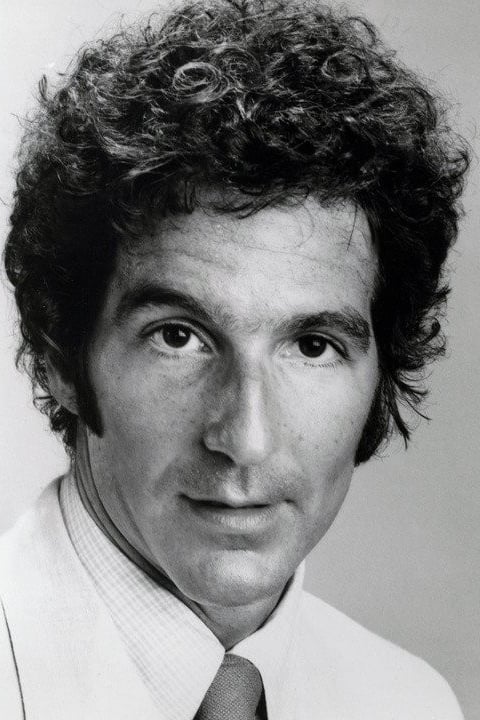
Leonard Frey earned a Tony nomination for ‘The Boys in the Band’ and reached a wide audience with ‘Fiddler on the Roof’. He moved easily between stage and screen and brought nuance to roles that might otherwise have been one note. Casting directors relied on him for intelligence and emotional clarity.
He died in 1988 of AIDS related complications. Colleagues have described how his professionalism never wavered during treatment. His performances in both theater and film continue to be studied for their precision and insight, and his work remains a touchstone for actors who value character detail.
Paul Shenar
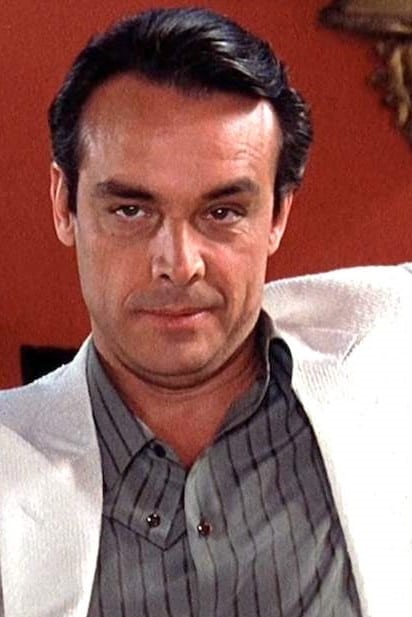
Paul Shenar delivered a memorable turn in ‘Scarface’ and also voiced Jenner in ‘The Secret of NIMH’. He brought elegance and gravity to authority figures and villains alike, which kept him in demand across film, television, and stage. His classical training showed in the control he brought to every scene.
He died in 1989 of AIDS related complications. Friends and collaborators have noted how he continued to work and mentor younger actors while undergoing treatment. His film and voice roles have stayed popular with audiences, which keeps his legacy visible to new viewers.
Ron Vawter
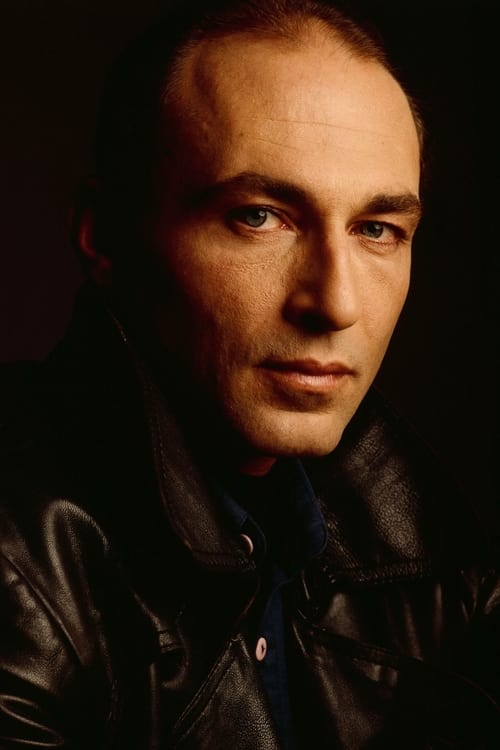
Ron Vawter was a founding member of The Wooster Group and helped define experimental theater in New York. He also appeared in films that reached mainstream audiences, which brought attention to his adventurous stage work. His performances blended intellectual rigor with emotional immediacy.
He died in 1994 of AIDS related complications after continuing to create new work while in treatment. His solo piece ‘Roy Cohn Jack Smith’ became a landmark of queer performance. Theater programs and acting classes still reference his methods because they show how to unite craft with risk taking ideas.
Charles Ludlam
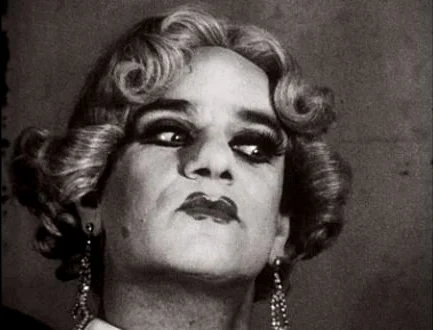
Charles Ludlam founded The Ridiculous Theatrical Company and changed American theater with plays like ‘The Mystery of Irma Vep’. He wrote, directed, and starred in productions that mixed high art and camp in a way that felt fresh and subversive. His company became a hub for artists who wanted to challenge conventions.
He died in 1987 of AIDS related complications. Even in his final months he remained active in rehearsal rooms and in public discussions about the arts. His plays are still produced around the world, and his creative model continues to influence playwrights and actors who value invention.
Timothy Patrick Murphy
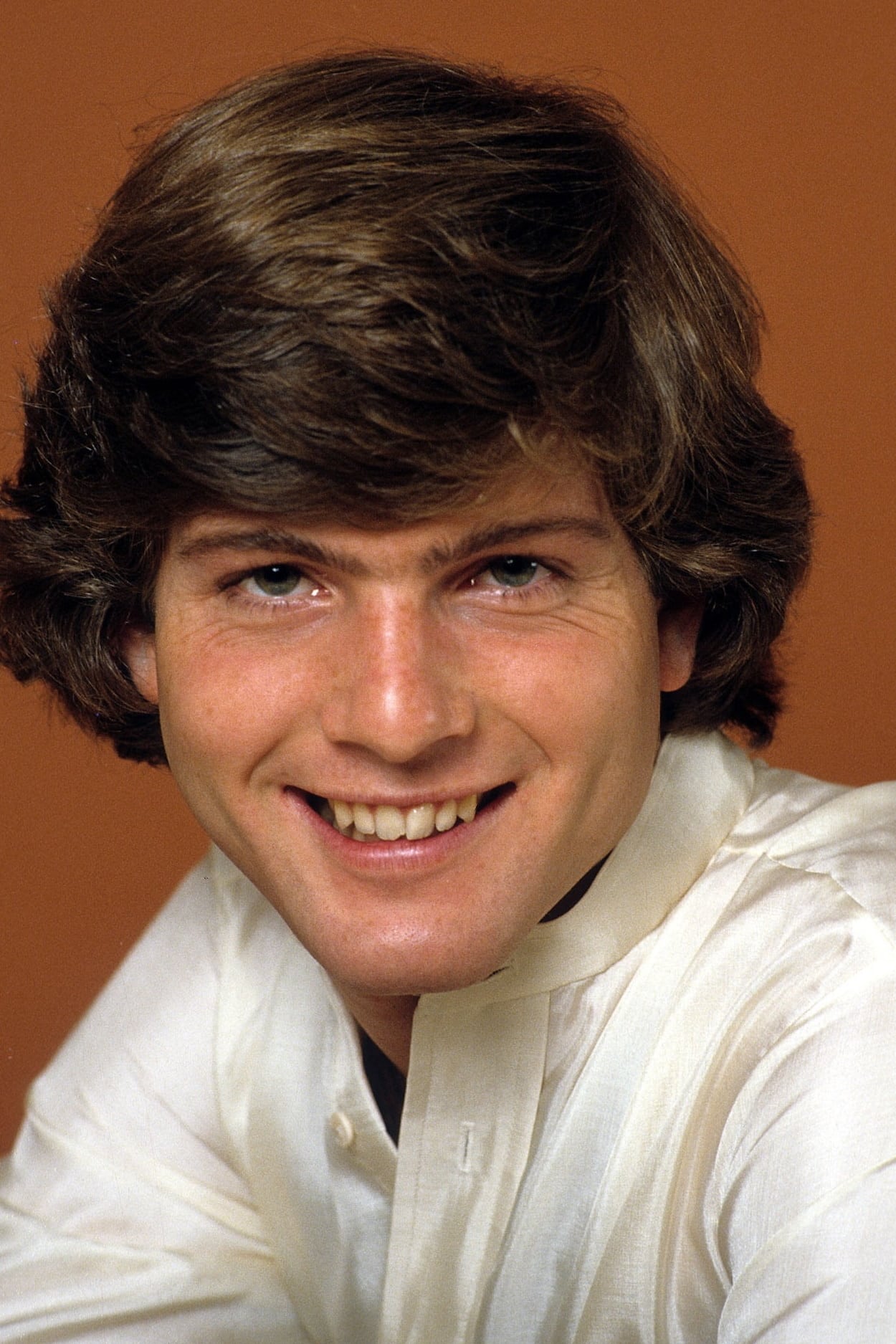
Timothy Patrick Murphy was known to television audiences for ‘Dallas’ and for roles on popular series throughout the early eighties. He also worked in film and made a strong impression in projects that required charm and vulnerability. Casting directors praised his reliability and generous presence on set.
He died in 1988 of AIDS related complications. Friends have recalled how he continued to support charitable events while ill. His performances remain part of the era’s television history, and his colleagues have kept his memory alive through scholarships and memorials.
John Megna
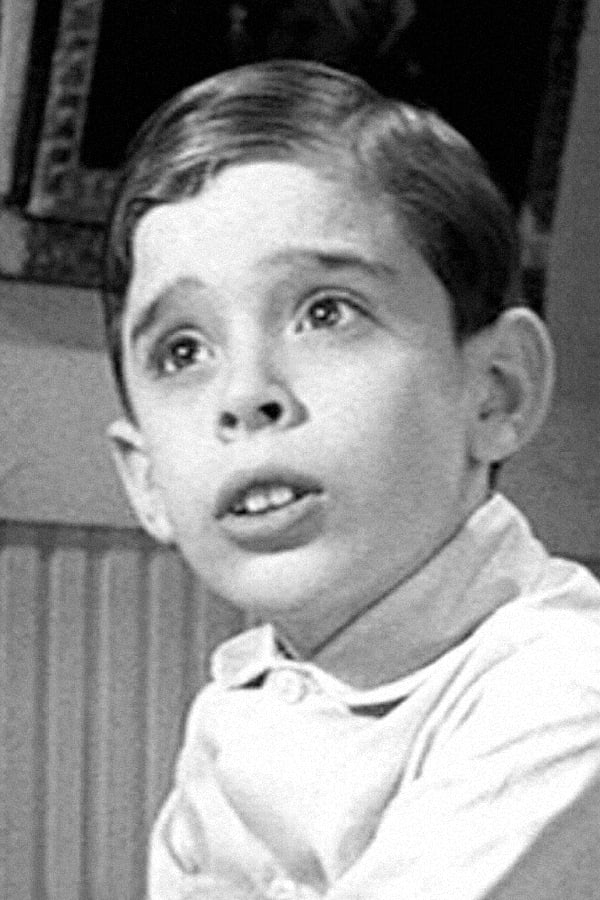
John Megna began his career as a child actor with a standout role in ‘To Kill a Mockingbird’. He later returned to acting and directing in theater and taught at the high school level, where he helped students build stage skills and confidence. His work showed a deep love for storytelling.
He died in 1995 of AIDS related complications. He continued to teach and direct as long as his health allowed, which gave his students lasting inspiration. His early film work and his later contributions to education show a life built around craft and mentorship.
Robert Drivas
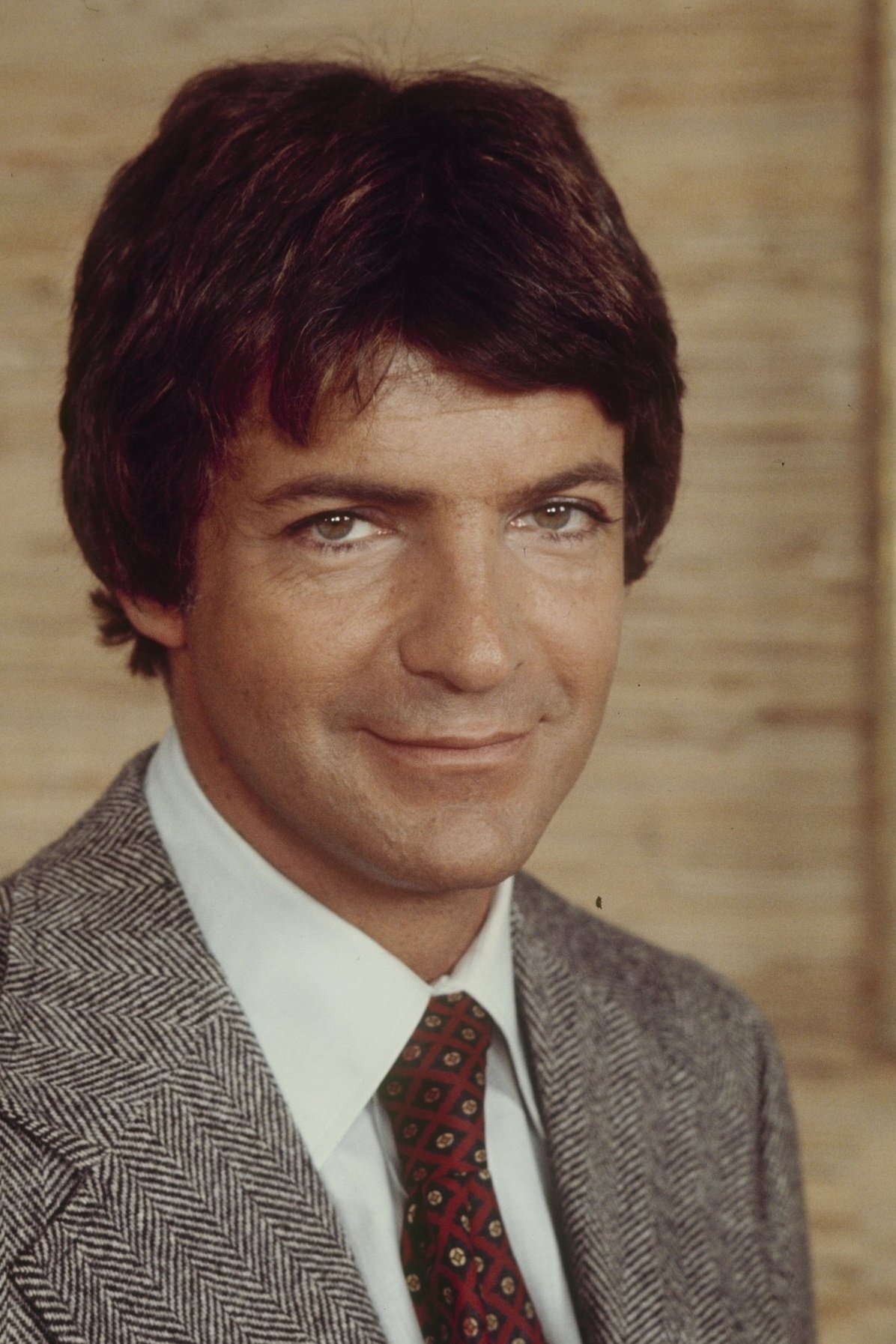
Robert Drivas appeared in films such as ‘Cool Hand Luke’ and was a prolific director in regional and Broadway theater. He had a reputation for discovering new talent and for shaping challenging plays into clear productions. His ability to move between acting and directing made him a valued collaborator.
He died in 1986 of AIDS related complications. Productions he led continued after his death and helped cement his reputation for artistic bravery. Archives and theater histories still point to his stagings as examples of sharp interpretation and actor centered direction.
Larry Kert
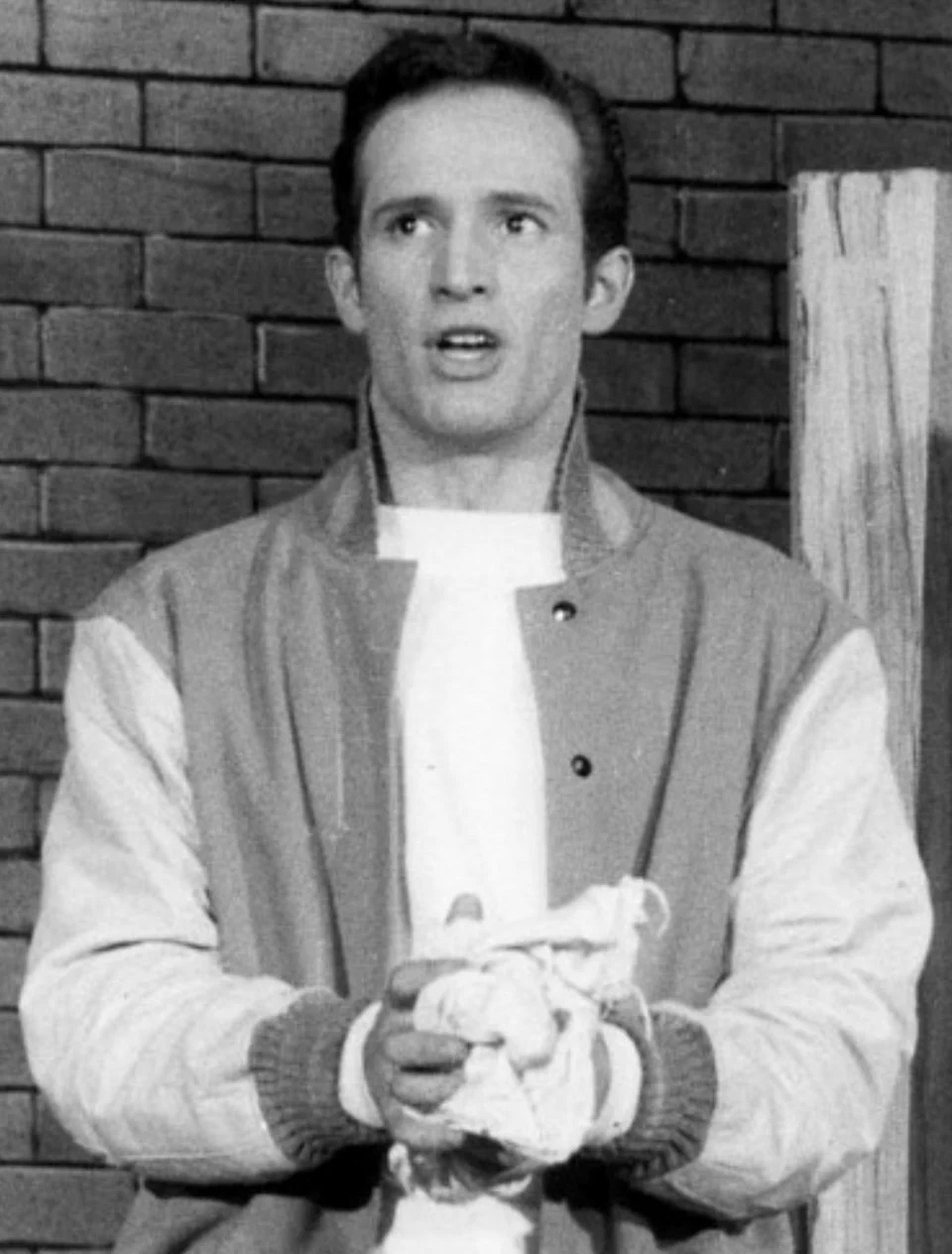
Larry Kert originated the role of Tony in the Broadway production of ‘West Side Story’ and later earned acclaim in ‘Company’. His voice and stage presence made him a favorite for demanding musical roles. He also recorded cast albums that preserve his interpretations for new listeners.
He died in 1991 of AIDS related complications. He kept working through concert appearances and benefit performances that supported research and care. His recordings remain staples for students of musical theater who want to hear original style and phrasing.
Kenneth Nelson
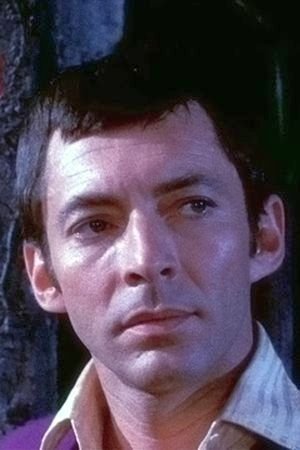
Kenneth Nelson starred in the stage and film versions of ‘The Boys in the Band’ and built a long career that spanned theater, television, and film. He brought sensitivity and quiet strength to roles that demanded emotional focus. His work helped audiences see complex gay characters at a time when nuance was rare.
He died in 1993 of AIDS related complications. Colleagues have said that his commitment to truthful performance made him a model for younger actors. His film and stage work is still discussed for its cultural impact and for the care he brought to character building.
Richard Warwick
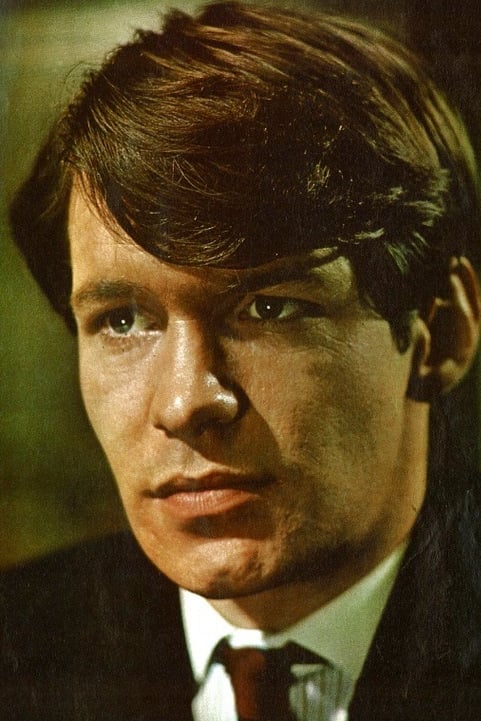
Richard Warwick made his debut in ‘If….’ and went on to memorable roles in ‘Romeo and Juliet’ and ‘Flash Gordon’. He balanced film and television with stage work that showed strong classical technique. Directors praised his ability to ground period roles with natural feeling.
He died in 1997 of AIDS related complications. He worked steadily throughout his illness and left a set of performances that continue to find new admirers. His presence in influential British films keeps his name in film histories and retrospectives.
Anthony Holland
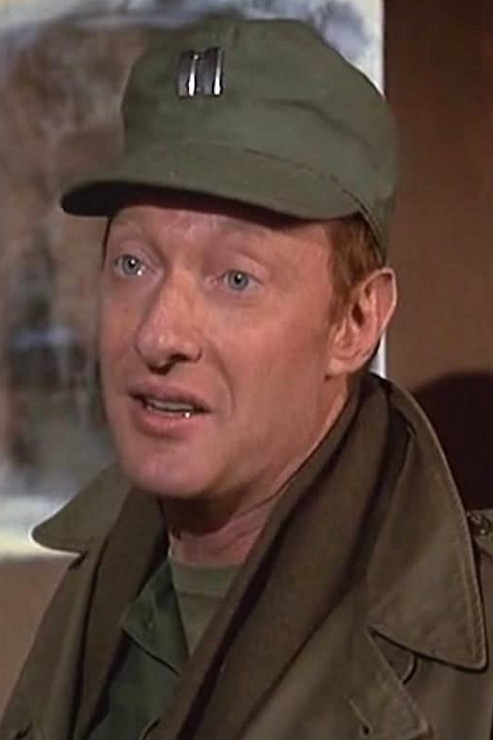
Anthony Holland appeared in ‘Kramer vs. Kramer’, ‘All That Jazz’, and many television series. He was also active in theater and brought a distinctive voice to both comedy and drama. His career showed how a skilled character actor can elevate every scene.
He died in 1988 of AIDS related complications. Friends from the theater community recall his generosity and his willingness to mentor. His work remains a reminder of the value of meticulous craft in supporting roles.
Gary Bond
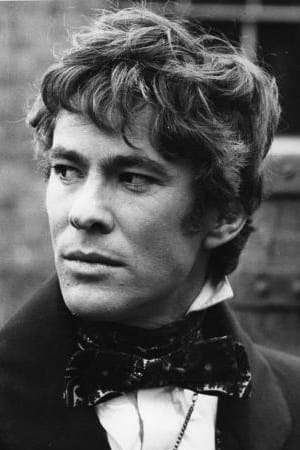
Gary Bond earned international attention with the film ‘Wake in Fright’ and enjoyed a respected stage career in London and on tour. He recorded cast albums and played leading parts that required vocal and emotional range. Critics often cited his natural ease on stage.
He died in 1995 of AIDS related complications. He continued to perform while in treatment and left a legacy that theatergoers still celebrate. Screenings of ‘Wake in Fright’ and revivals of shows he helped define keep his artistry in circulation.
Dursley McLinden
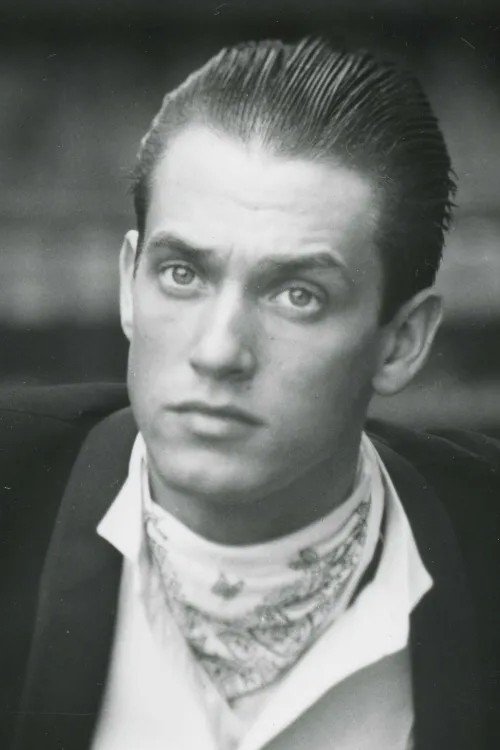
Dursley McLinden worked across television, film, and musical theater. Audiences remember him from ‘Doctor Who’ and from West End productions that highlighted his energy and charm. He trained as a dancer and brought sharp movement skills to his roles.
He died in 1995 of AIDS related complications. Friends in the theater community organized tributes that supported AIDS charities. His recordings and cast memories help preserve the promise he showed as a young leading man.
Keith Christopher
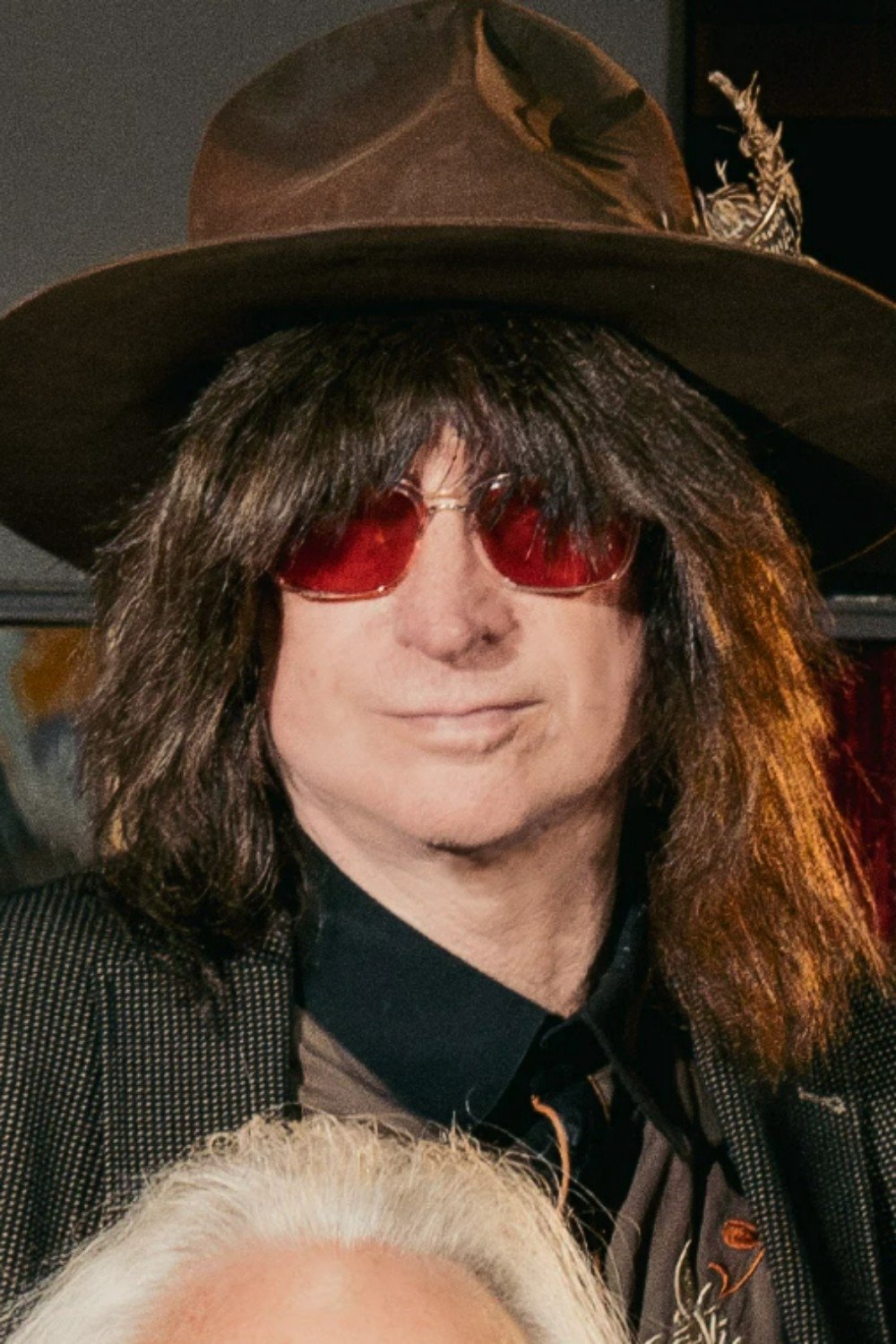
Keith Christopher appeared on the daytime drama ‘Another World’ as a character whose story reflected real life experience with HIV. He also toured as a singer and performed in benefits that raised funds for care and research. His visibility on television mattered to viewers who were looking for honest representation.
He died in 1998 of AIDS related complications. He worked closely with advocacy groups and used interviews to share practical information about testing and treatment. His efforts helped daytime television address the epidemic with clarity and empathy.
Anthony Perkins
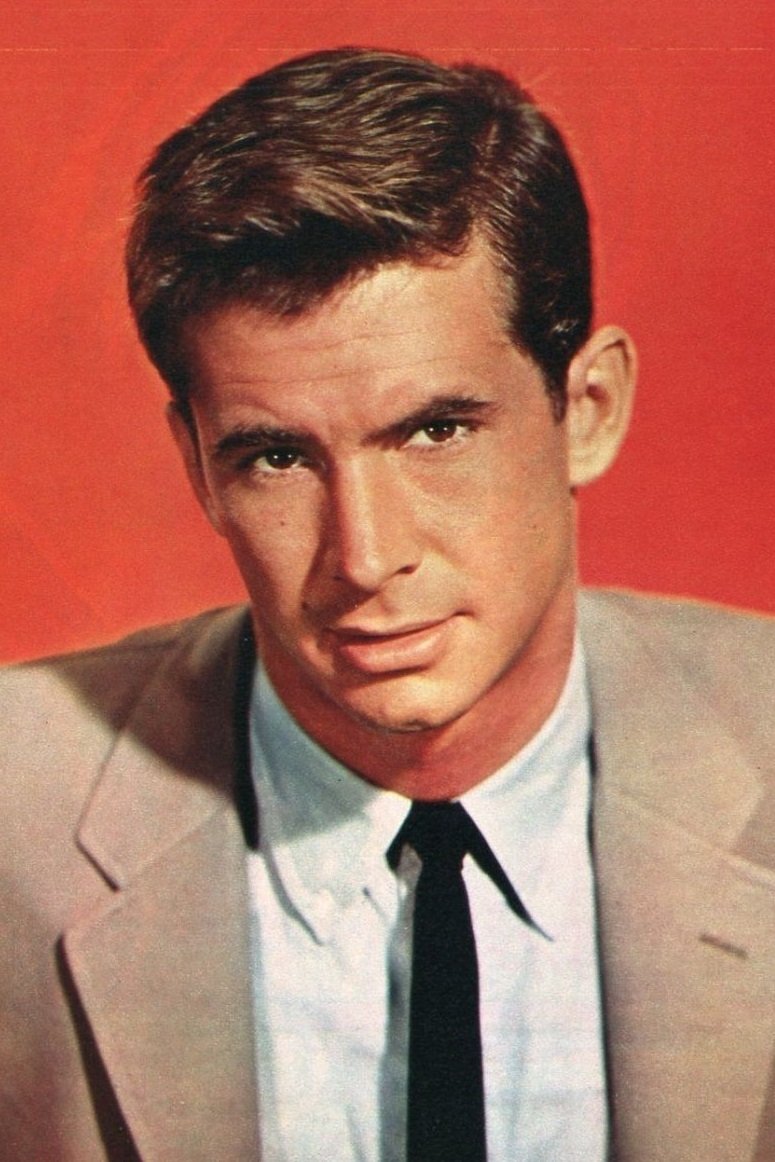
Anthony Perkins achieved screen immortality with ‘Psycho’ and returned to the role in later films. He also appeared on Broadway and worked as a director, showing a wide range of interests behind the camera. His choices kept his career varied and adventurous.
He died in 1992 of AIDS related pneumonia. In his final years he continued to act and stayed largely private about his health. After his death, colleagues highlighted how his professionalism never faltered, and his films remain central to discussions of twentieth century cinema.
Denholm Elliott
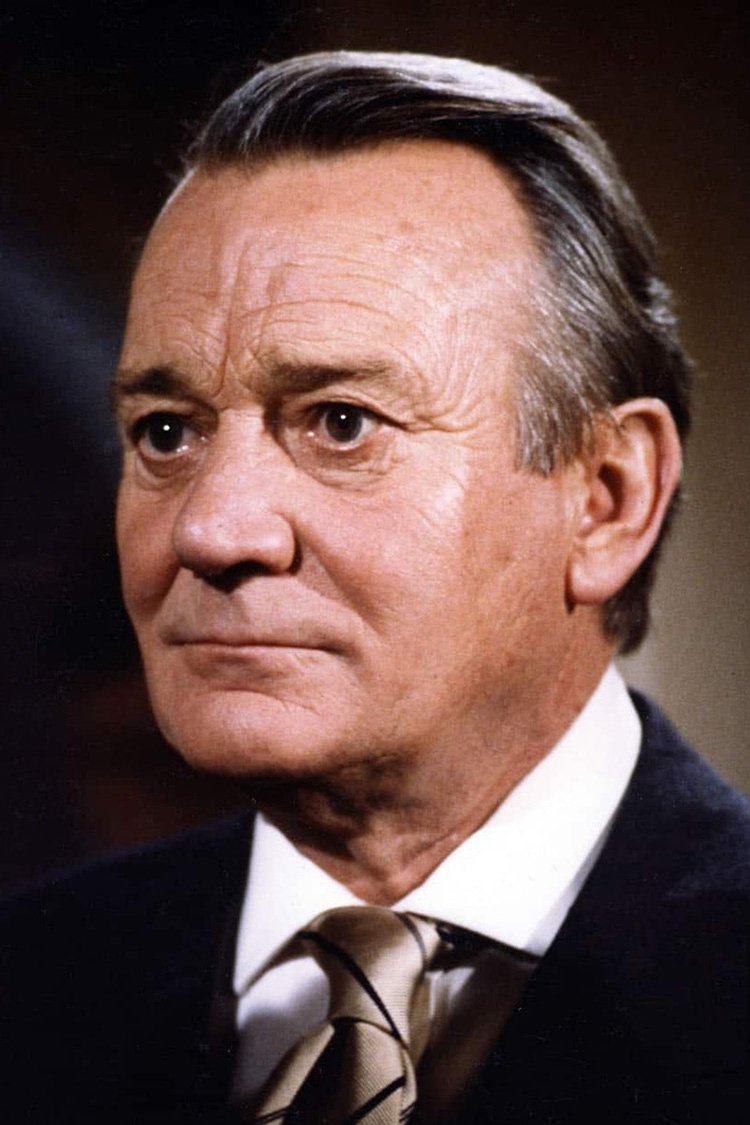
Denholm Elliott appeared in ‘Raiders of the Lost Ark’, ‘A Room with a View’, and ‘Trading Places’. He was known for bringing warmth and sly humor to character roles that might otherwise have felt routine. His body of work made him one of the most recognizable British actors of his era.
He died in 1992 of AIDS related tuberculosis. He continued to work until late in life, and his final roles showed the same precision that defined his early career. Film fans still celebrate his performances, and his characters remain fixtures in beloved classics.
Share your thoughts about the actors and performances that meant the most to you in the comments.