

‘Resident Evil 4’ Mistakes You’ll Never Be Able to Unsee

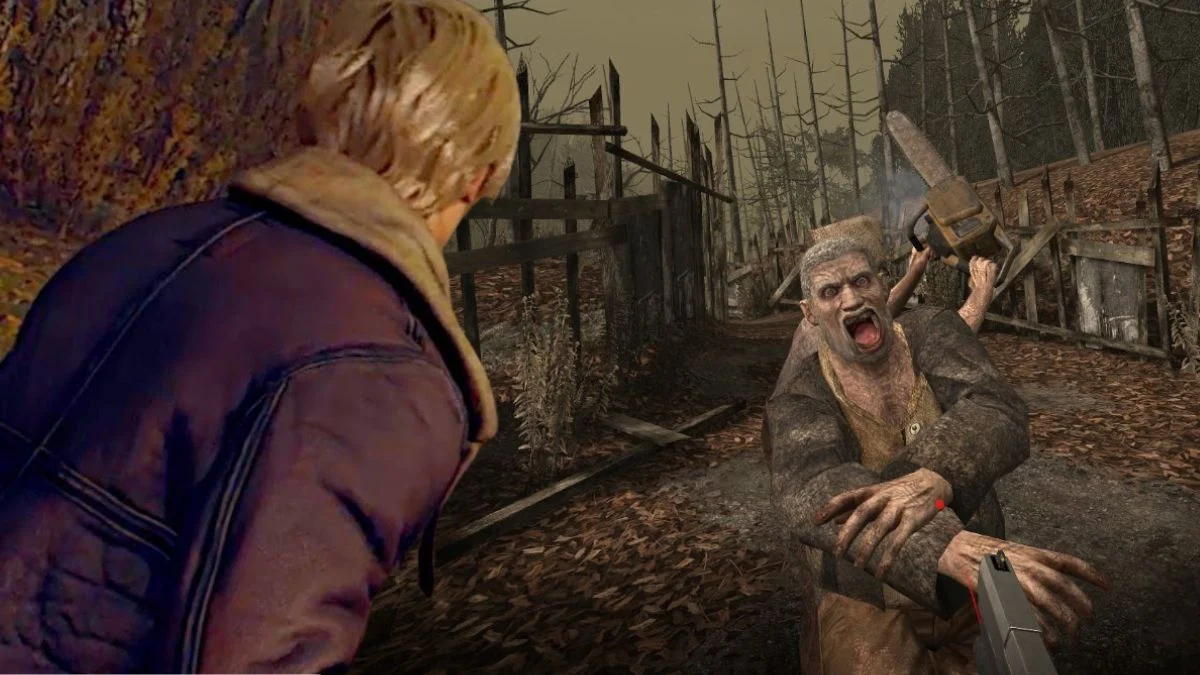


Whether you first played on GameCube, tackled later console ports, or jumped into the remake, ‘Resident Evil 4’ is packed with tiny quirks that stick out once you notice them. Some are classic speedrun glitches that bend the rules in funny ways. Others are AI hiccups or world-logic oddities that make tense moments feel a little less realistic. Here are ten recurring mistakes and oversights fans keep spotting across playthroughs.
The Ditman Speed Glitch
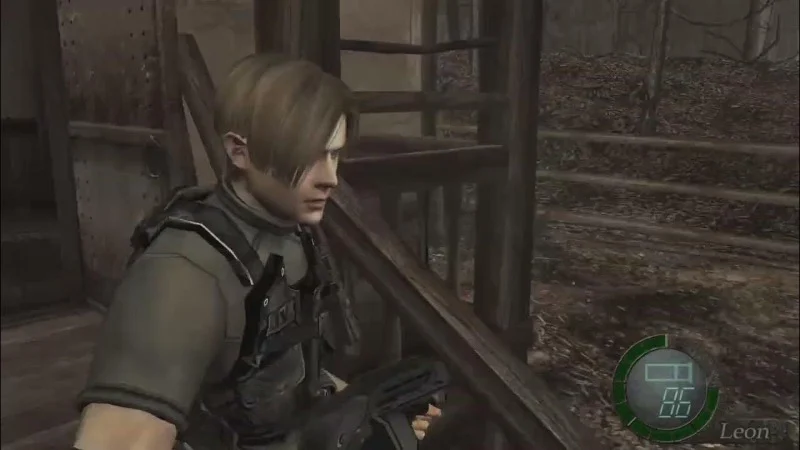
A long-standing bug tied to the Striker shotgun lets Leon move dramatically faster than intended after interrupting the weapon’s ready animation. The effect boosts running speed, shortens some traversal, and even desyncs a few interaction animations. It shows up most clearly in the village and castle where long backtracks become unusually quick. Speedrunners rely on it to skip enemy pressure that was designed to slow you down.
Enemies Looping On Ladders

Ganados frequently repeat the same climb after being kicked off a ladder, creating a predictable loop. The AI prioritizes the shortest route to Leon and often fails to try alternate paths when a ladder is contested. This behavior lets players farm safe stagger kicks while mobs queue up below. It undercuts the intended crowd-pressure in multi-level arenas where enemies should be flanking.
Ashley Getting Pinned In Doorways
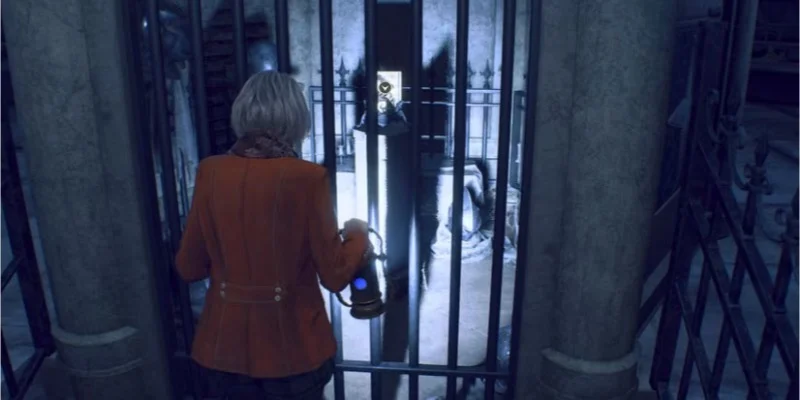
Ashley’s follow behavior can collide with Leon in narrow thresholds, causing her to stall or reopen a door you just closed. The navmesh favors sticking close to Leon, so tight chokepoints sometimes trap her between door states. This can re-trigger nearby enemy aggro or cancel your attempt to isolate a room. It is most noticeable in older versions where companion pathfinding is less forgiving.
Capacity Upgrades Refilling Ammo For Free
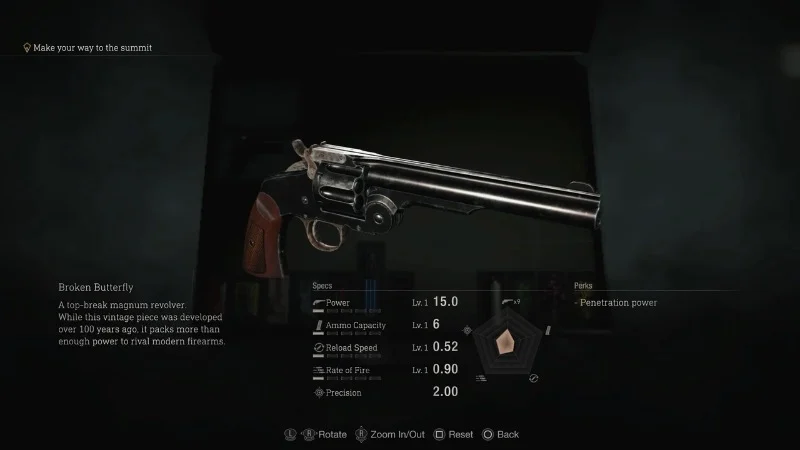
Raising a weapon’s ammo capacity instantly tops up the magazine, even if you were empty. The upgrade system applies the new capacity and then fills it without subtracting rounds from reserves. Players can time upgrades to bypass scarce ammo stretches and refill high-power guns at no resource cost. It is a persistent quirk across versions and dramatically changes resource routing.
The Merchant Ignored By Every Enemy
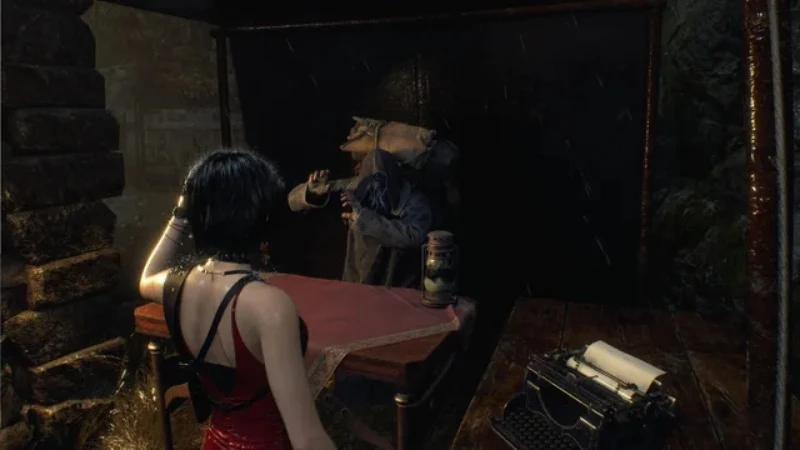
The Merchant sets up shop a few steps from active combat zones while nearby enemies behave as if he does not exist. His rooms function as safe bubbles where pursuers often disengage the moment you cross the threshold. The world never explains why hostile mobs ignore a cloaked trader selling high-grade weapons. It is a helpful convenience that breaks the game’s otherwise grounded threat logic.
Dynamite Throwers Nuking Their Own Squad
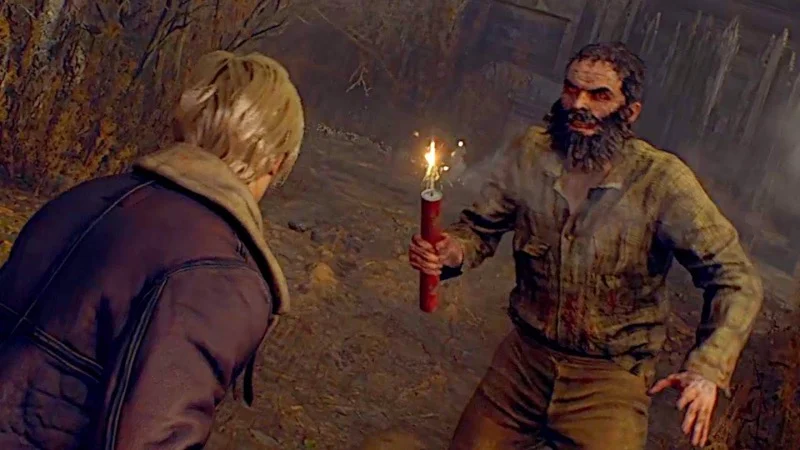
Villagers with explosives frequently clip scenery or allies with their throws, triggering team kills and chain reactions. The throw logic calculates a valid arc to Leon but does not always account for moving friendlies that wander into the path. Environmental clutter like beams and railings also causes premature detonations. Large fights can collapse fast when one bad toss wipes a crowd that should have boxed you in.
Shield Enemies Eating Bullets Through Planks
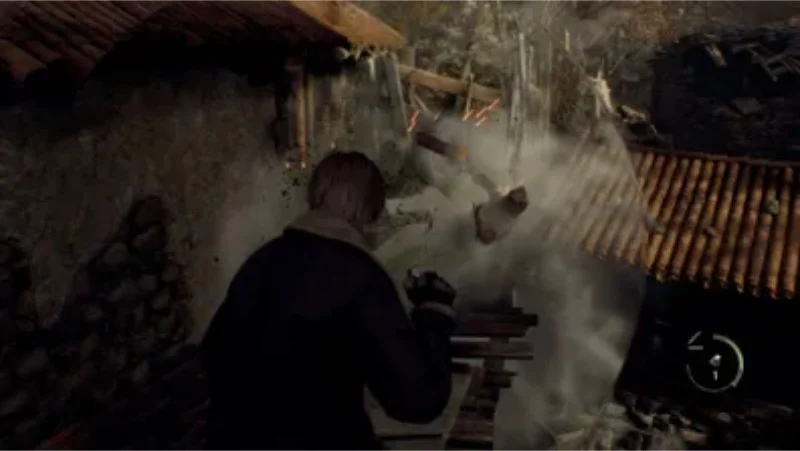
Shielded zealots sometimes register hits as blocked even when gaps or angles should expose their arms or legs. The collision for the shield can extend a little beyond the visible model, soaking rounds that appear to pass the edge. This leads to wasted ammo as you aim for openings that do not consistently count. Melee counters and staggers remain reliable while certain shot angles feel unfairly nullified.
Bodies And Items Clipping Through Geometry
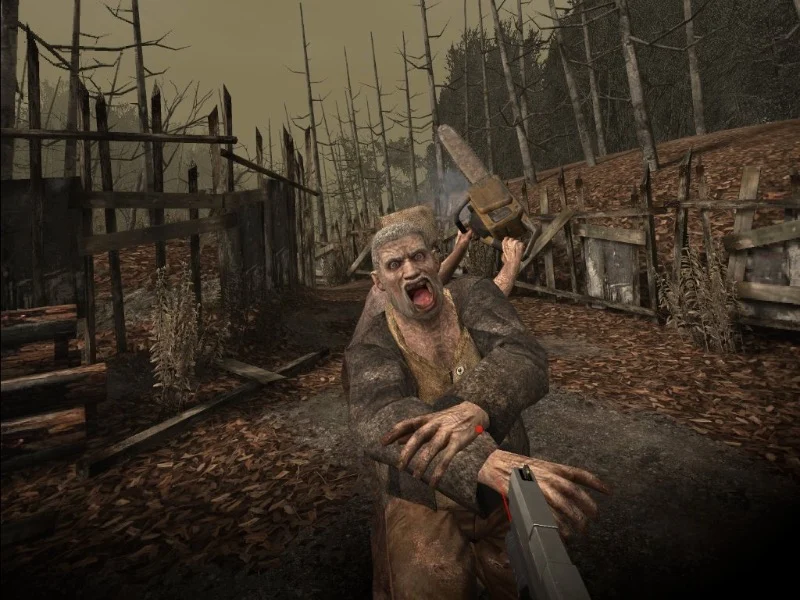
Fallen enemies and dropped treasures occasionally slide into walls, stairs, or railings where you cannot reach them. Ragdoll physics plus sloped or thin collision surfaces push corpses under meshes during death animations. This is most frustrating in cramped castle corridors with ornate trim and tight corners. The loss of pesetas or ammo changes the pacing of scarce sections more than intended.
Cutscene-To-Gameplay Gear Jumps

Transitions sometimes swap Leon’s weapon state or positioning between a pre-rendered sequence and live control. A pistol might be holstered in the cinematic, then appear ready to fire as gameplay resumes, or vice versa. The mismatch comes from separate animation sets not checking your current equip or aim state. It is harmless but jarring during high-stakes moments where continuity matters.
Stun Locks That Cancel Boss Attacks
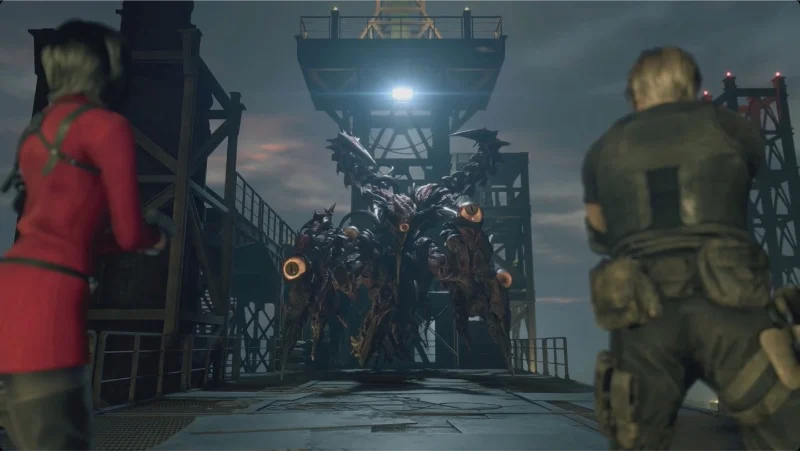
Certain stagger thresholds can repeatedly interrupt large enemies, preventing intended attack patterns from playing out. Well-timed shots to weak points chain into animation resets that never progress to the next phase. This is clearest with heavy weapons and precise flinch windows that keep loops going. The result is a safer, slower fight that undercuts the spectacle the encounter scripts are aiming for.
Share the mistakes you’ve noticed in ‘Resident Evil 4’ in the comments so everyone can hunt for them on their next run.