

15 Review-Bombed Games That Actually Deserved Better



Review bombing can bury a game under a wave of low scores that often reflect anger about policies or platforms more than the work on the screen. It happens fast and loud, and it can linger long after developers fix performance problems or rethink monetization. The result is a skewed snapshot that tells you what people felt in a moment rather than how the game actually plays months later.
This list looks at games that were hit hard by coordinated negative user ratings yet went on to add big updates, overhaul systems, or simply prove their staying power with strong communities and steady post launch support. Each entry explains what triggered the backlash and what changed afterward so you can see the full picture beyond that first storm.
No Man’s Sky
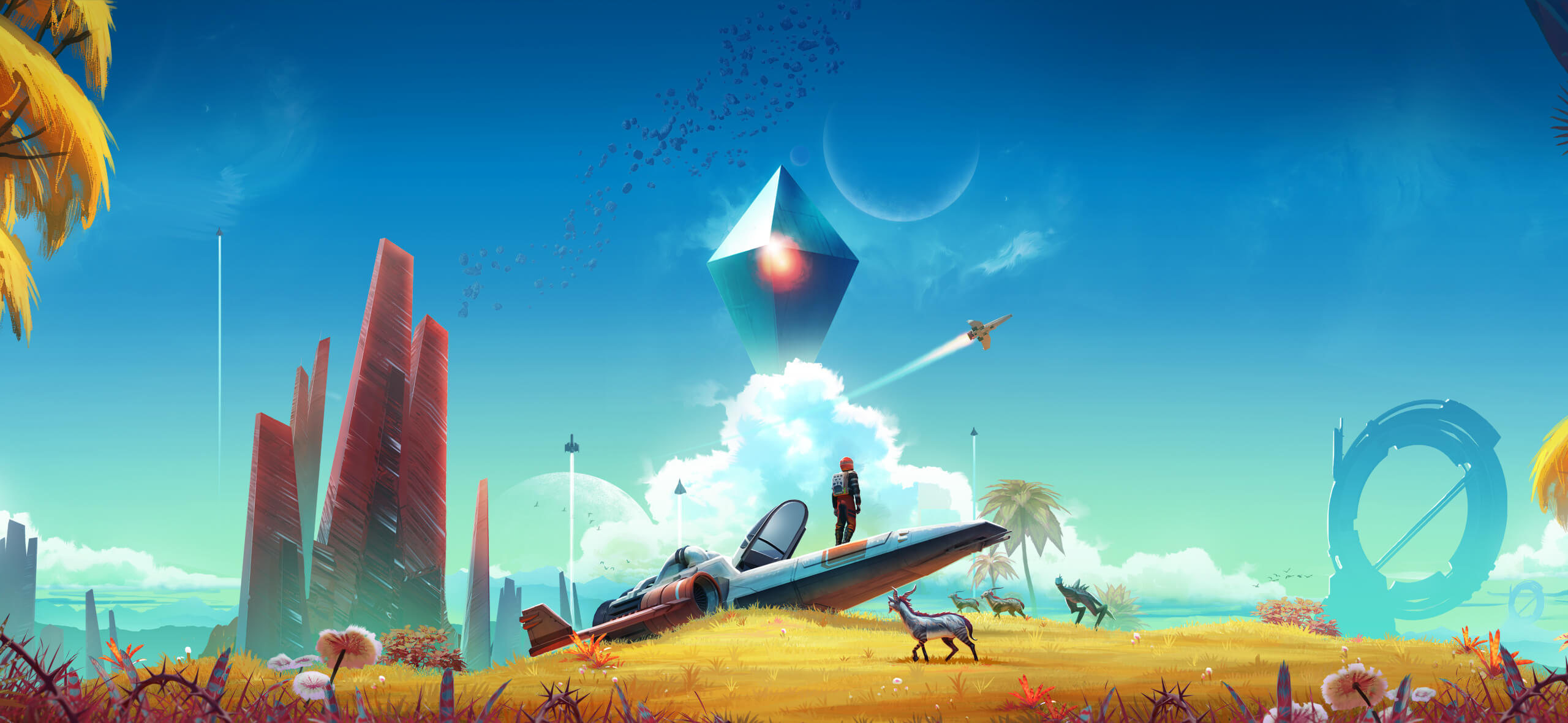
Hello Games launched in 2016 with a smaller feature set than players expected and the game was flooded with negative user scores tied to missing multiplayer and repetitive loops. The studio responded with a long running update plan that introduced base building, true multiplayer, VR support, and seasonal Expeditions with unique rewards.
Major milestones like Foundation, Next, Beyond, Frontiers, and Endurance steadily rebuilt the experience while cross play and Nintendo Switch support expanded the player base. Today it includes freight carriers, living ships, deep space piracy, and community events that run on a regular cadence.
Star Wars Battlefront II
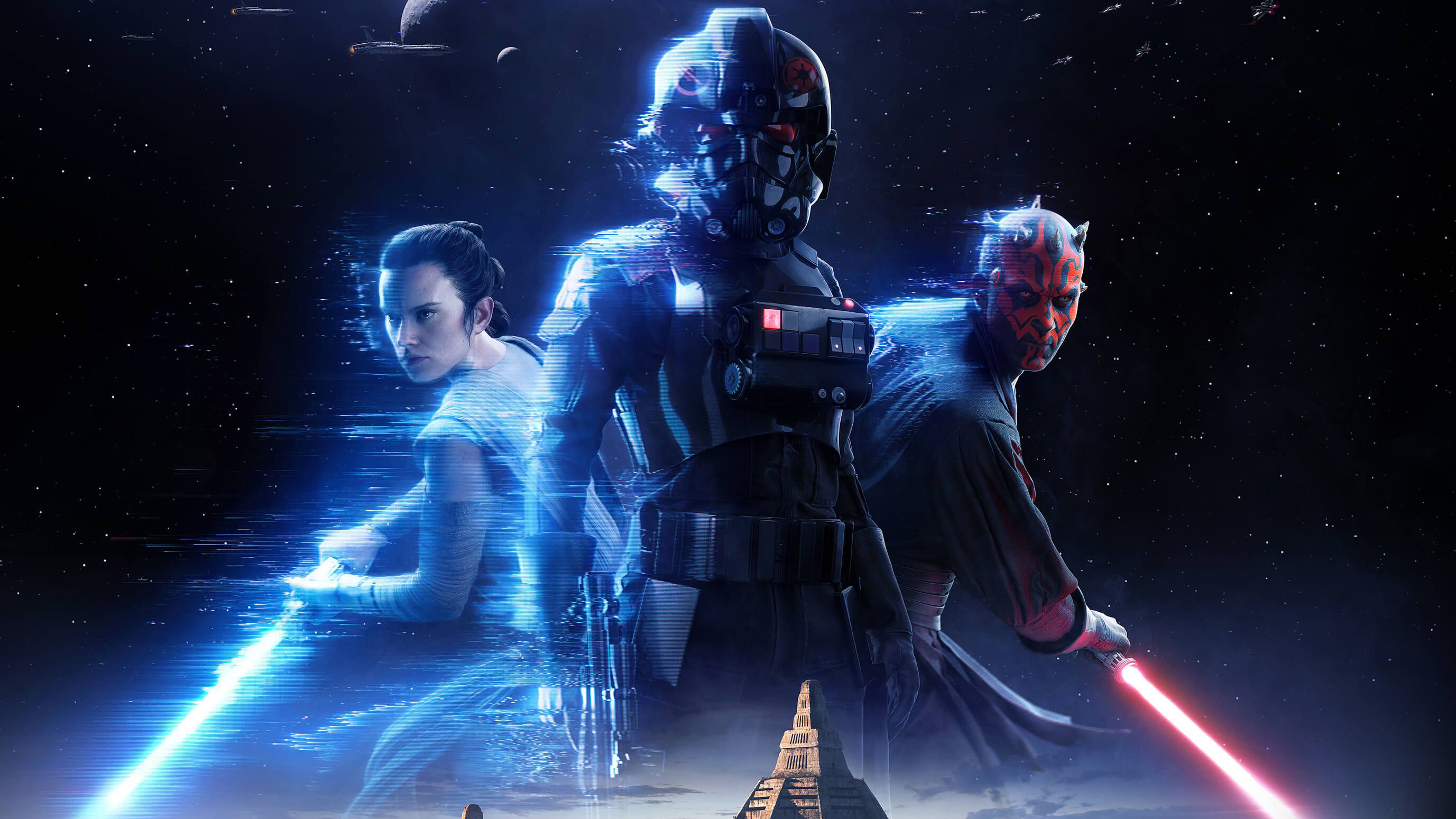
The 2017 release took heavy fire for progression tied to loot crates and the most visible review bombing of the year. Electronic Arts and DICE disabled the paid crystals, reworked progression to reward play time, and shifted cosmetics to direct purchases.
Subsequent updates added Clone Wars era content, new modes, and dozens of hero and trooper tweaks that made classes more distinct. The Celebration Edition later unlocked a massive cosmetic library in one package and sustained events kept the multiplayer lobbies active.
Diablo III
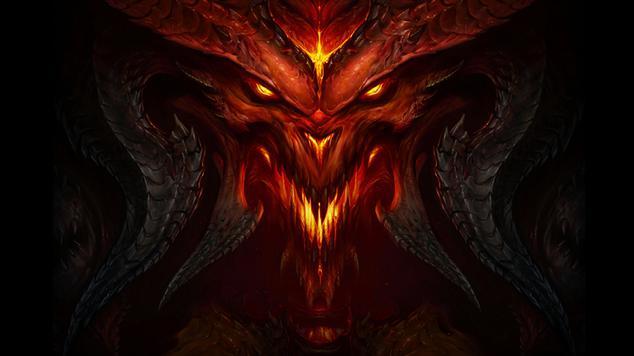
Launch week in 2012 was marred by server errors and the real money auction house sparked frustration about loot. Blizzard retired the auction house, introduced Loot 2.0, and shipped Reaper of Souls which added Adventure Mode, Nephalem Rifts, and Bounties for faster endgame progression.
Seasonal ladders began delivering themed modifiers and new legendary item powers on a predictable schedule. The Necromancer pack and years of balance passes turned the game into a quick hitting action RPG with clear builds and steady rewards.
Gran Turismo 7

In March 2022 an extended server outage and reduced race payouts triggered a flood of negative user scores. Polyphony Digital restored and increased rewards across events, granted in game compensation, and began monthly content drops that brought new cars, tracks, and physics updates.
A 2023 update added full PS VR2 support for the entire game along with a robust photo and music rally suite. Spec II followed with a new career style menu, expanded license tests, and improved multiplayer tools that helped organized leagues run cleaner races.
Prince of Persia The Lost Crown
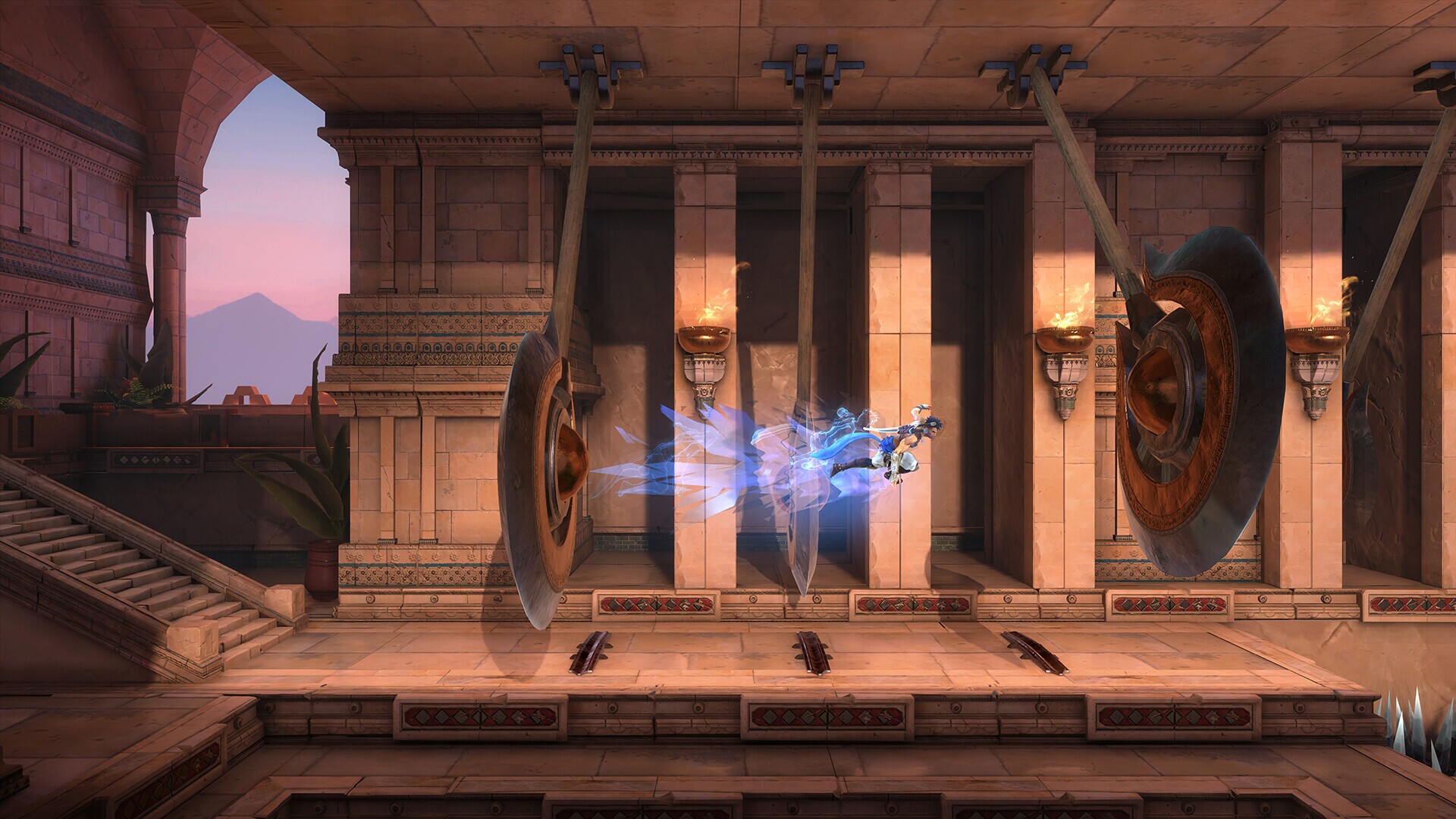
Pre release sentiment turned sour over art style debates and pricing which led to user score pile ons. The finished game arrived with responsive platforming, a deep amulet system, and a map that encourages route planning with clever screenshot style memory markers.
Ubisoft followed with performance improvements on all platforms, time attack modes, and free challenge packs that spotlight advanced movement tech. A substantial story expansion later added new areas and abilities that fit naturally into the existing save file structure.
Astral Chain
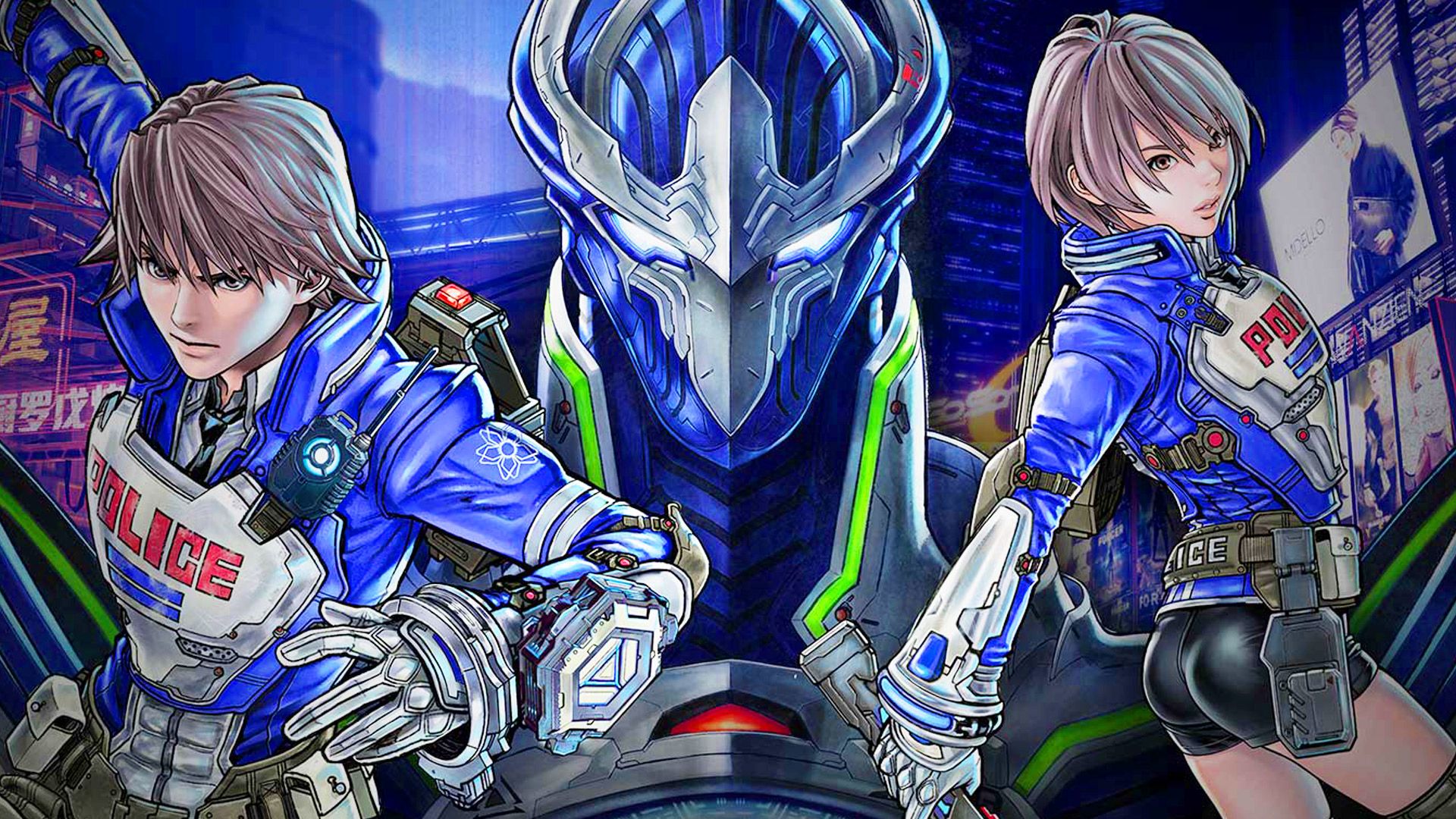
PlatinumGames faced user score brigades tied to platform exclusivity rather than content. On the ground it delivered a two character combat system that links the player to a Legion for synchronized attacks, crowd control, and stylish finishers across a full police case structure.
Post launch updates improved performance and addressed minor bugs while strong word of mouth highlighted its file based mission design with optional investigations and ranking challenges. The game’s sales milestone signaled healthy interest in original action IP on the platform.
Firewatch
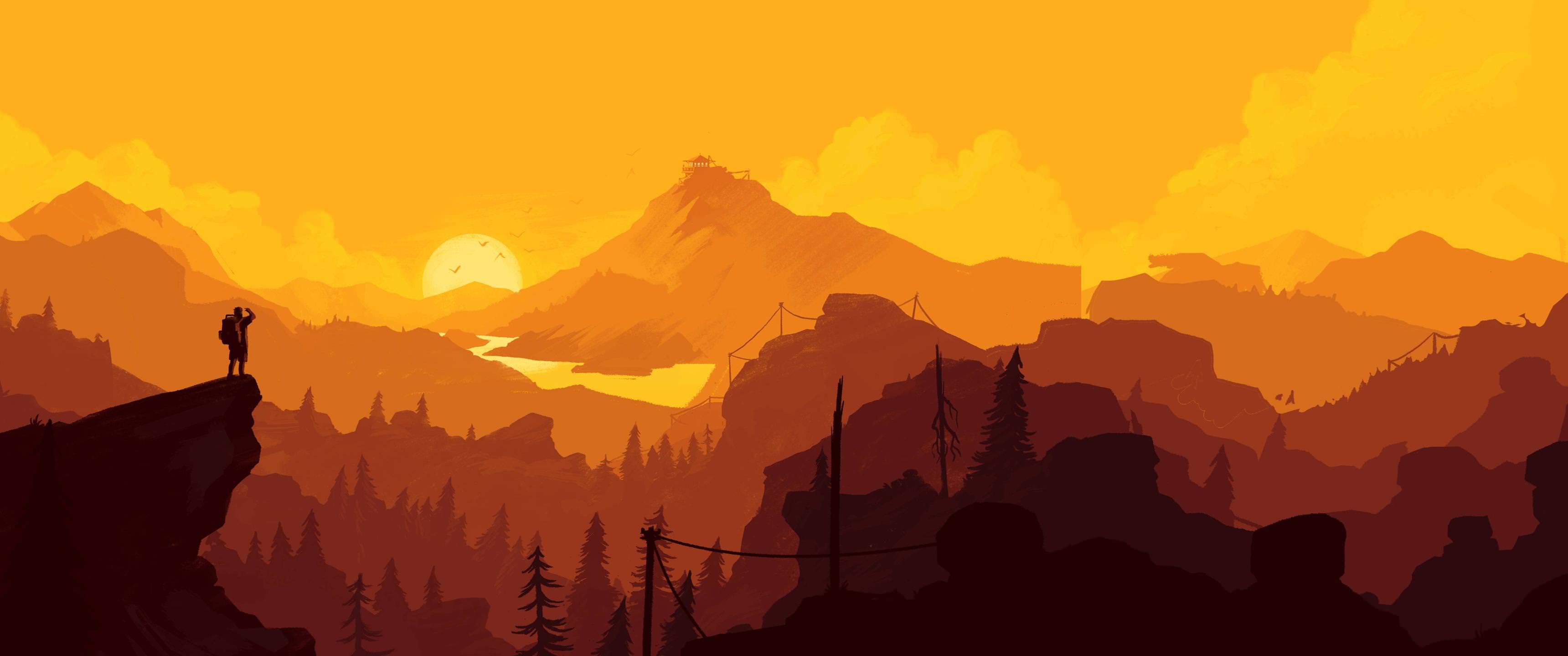
The narrative adventure drew a wave of negative user reviews after a public dispute unrelated to the in game content. The release itself offered a first person story with branching dialogue that tracks player choices across day by day shifts in a Wyoming lookout tower.
Campo Santo rolled out patches for hitching and minor quest blockers while console and later Switch versions broadened access. The game’s art direction and music were widely recognized and the photo feature that lets players order prints became a distinctive post game keepsake.
Metro Exodus
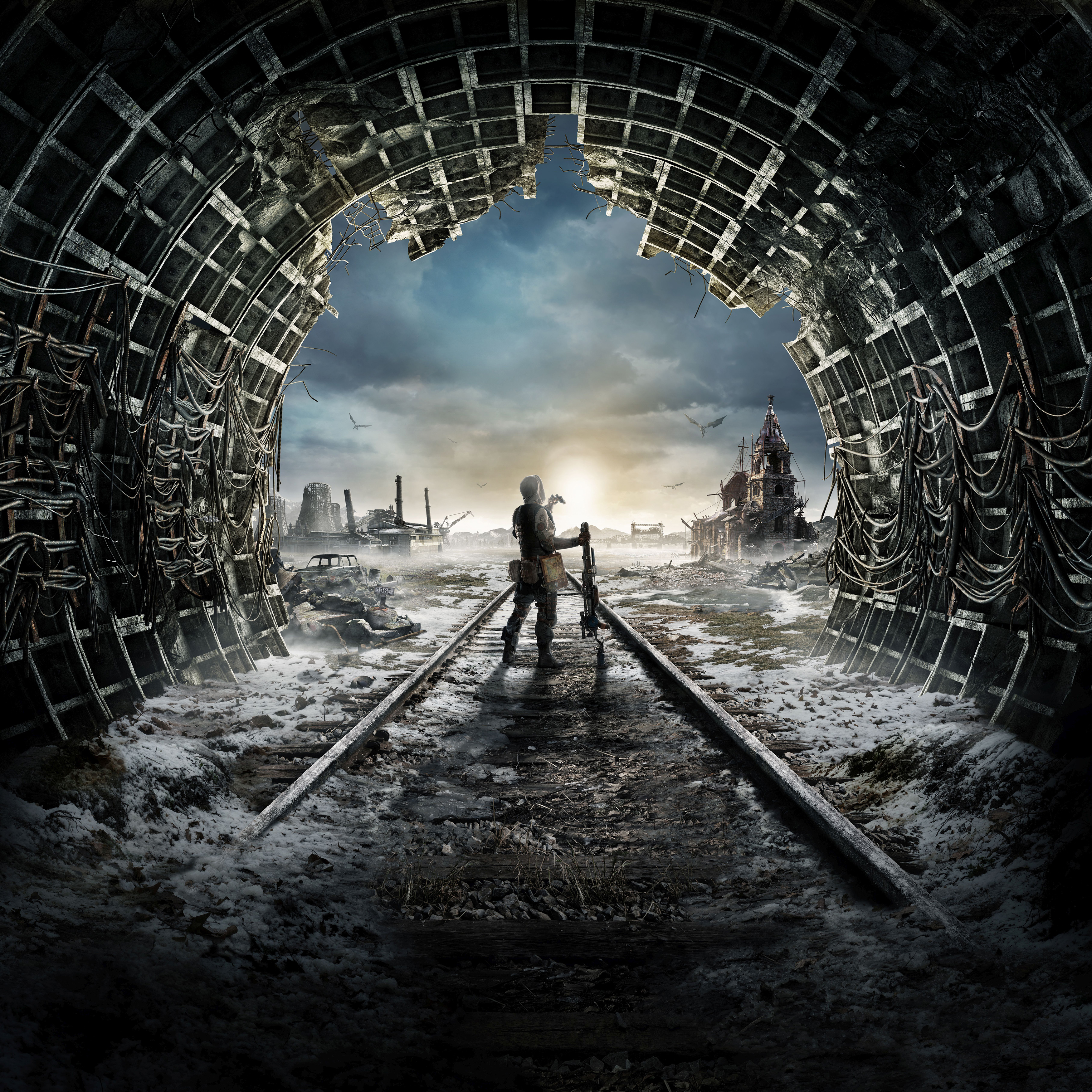
A late pre release storefront change led to protests that spilled into user reviews for earlier series entries. The game shipped with large sandboxes stitched by story trains, dynamic weather, and a day night cycle that pushes different enemy behavior and stealth options.
Two substantial expansions called The Two Colonels and Sams Story arrived with new weapons and environments and the PC Enhanced Edition added a fully ray traced pipeline. Console updates improved frame rates and input response which helped the excellent weapon maintenance loop shine.
Pokemon Sword and Shield

The removal of the full national Pokedex sparked widespread user score campaigns at launch. Game Freak supported the release with Wild Area events and then two paid expansions that added new zones, raid activities, and additional creatures to catch.
Max Raid Battles fostered a cooperative loop with rotating event bosses while quality of life updates streamlined breeding and competitive training. The games maintained strong online activity through seasonal competitions and distribution events.
Street Fighter V
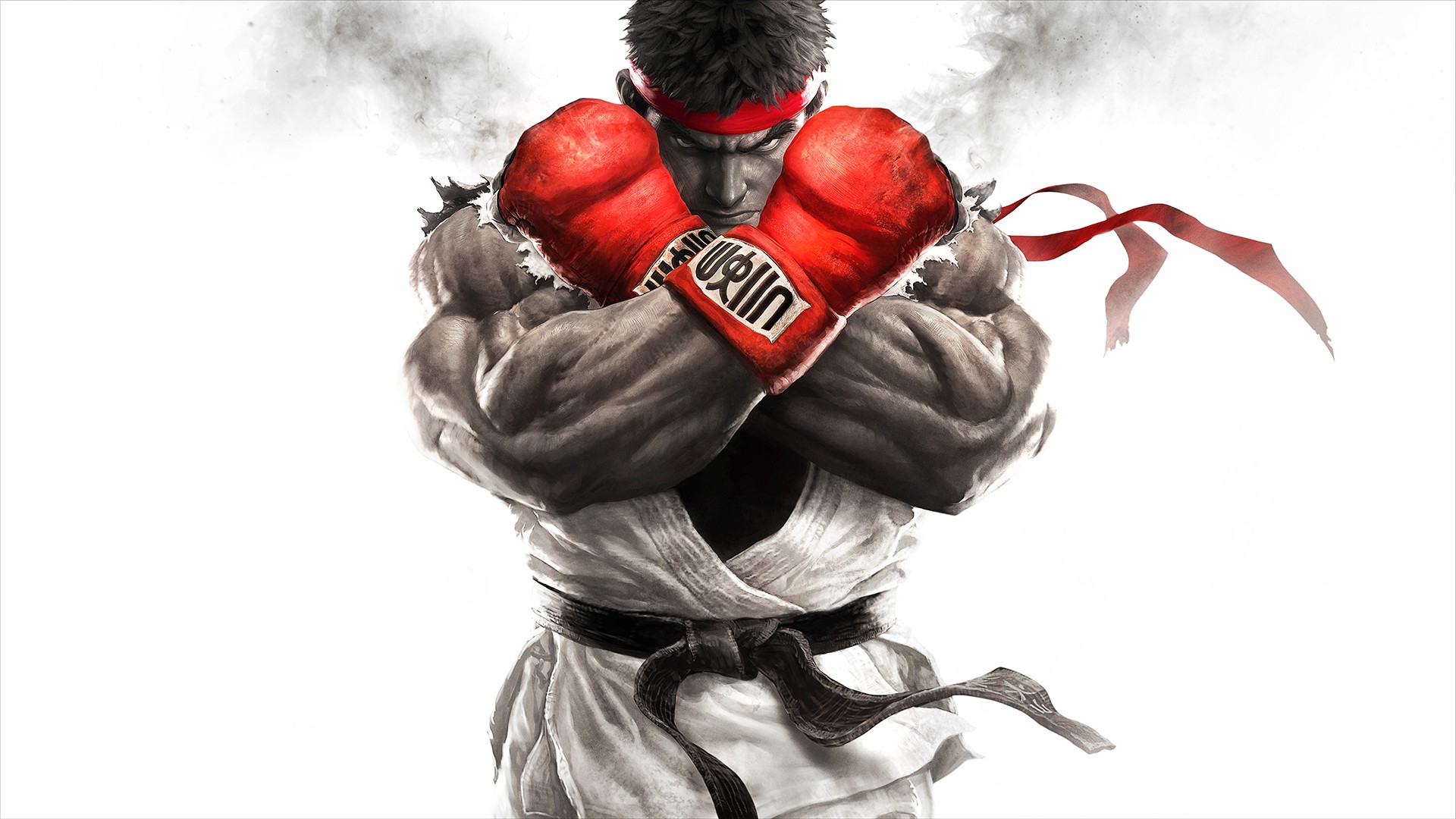
Players criticized the 2016 launch for limited modes and network issues which produced sharp review downturns. Capcom expanded offerings with the free Arcade Edition update that added Arcade mode, Team Battle, and a reworked user interface.
Champion Edition consolidated the roster and stages and long term netcode and balance updates refined match flow across platforms. A robust training toolset and replay features supported an active tournament scene through multiple seasons.
SimCity
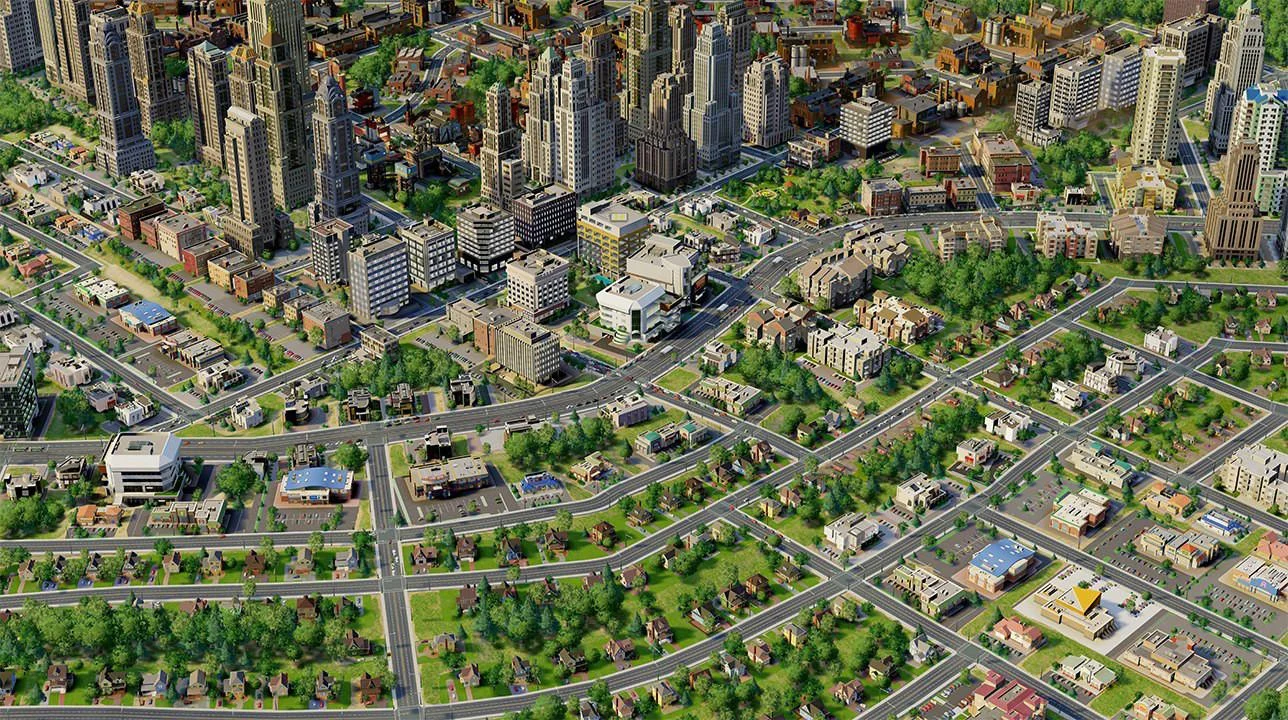
The 2013 entry required a constant internet connection at launch which led to server queues and negative user scores. Maxis later introduced an offline mode and broadened regional play so cities could specialize and share resources without connection stress.
The GlassBox simulation brought visible agent systems for power, water, and traffic that could be tuned through road upgrades and city planning. Post launch patches targeted pathfinding and industrial balance which improved service coverage and freight flow.
Star Wars Jedi Survivor
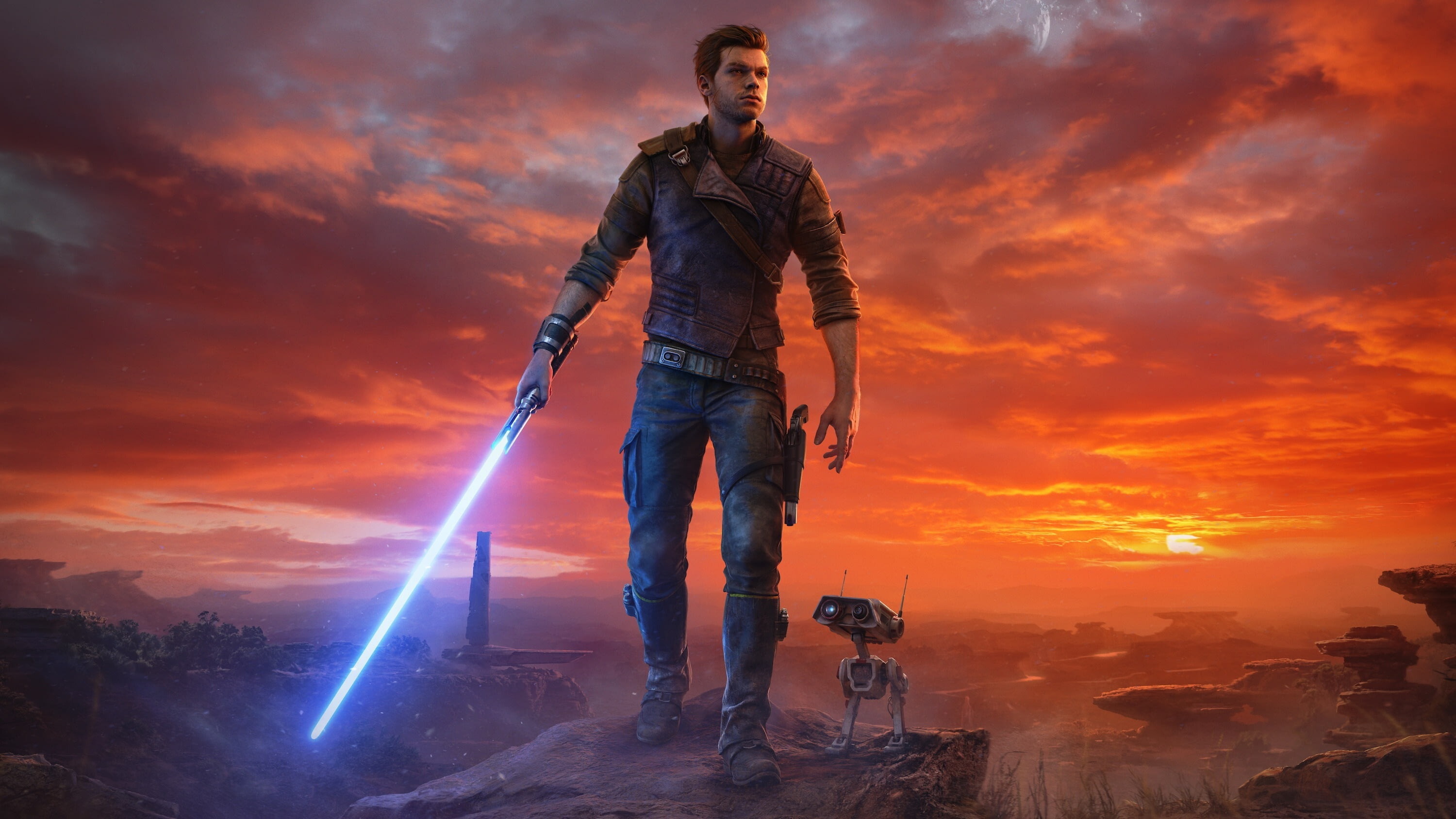
The 2023 release arrived with performance issues on PC and inconsistent console frame rates which pushed a wave of user negatives. Respawn issued multiple patches that stabilized traversal hotspots, improved shader compilation, and added support for newer upscalers on PC.
Quality updates expanded accessibility options, adjusted difficulty spikes, and improved save system reliability. New Game Plus features and cosmetic unlocks gave returning players reasons to revisit planets with late game abilities intact.
Horizon Zero Dawn Complete Edition on PC
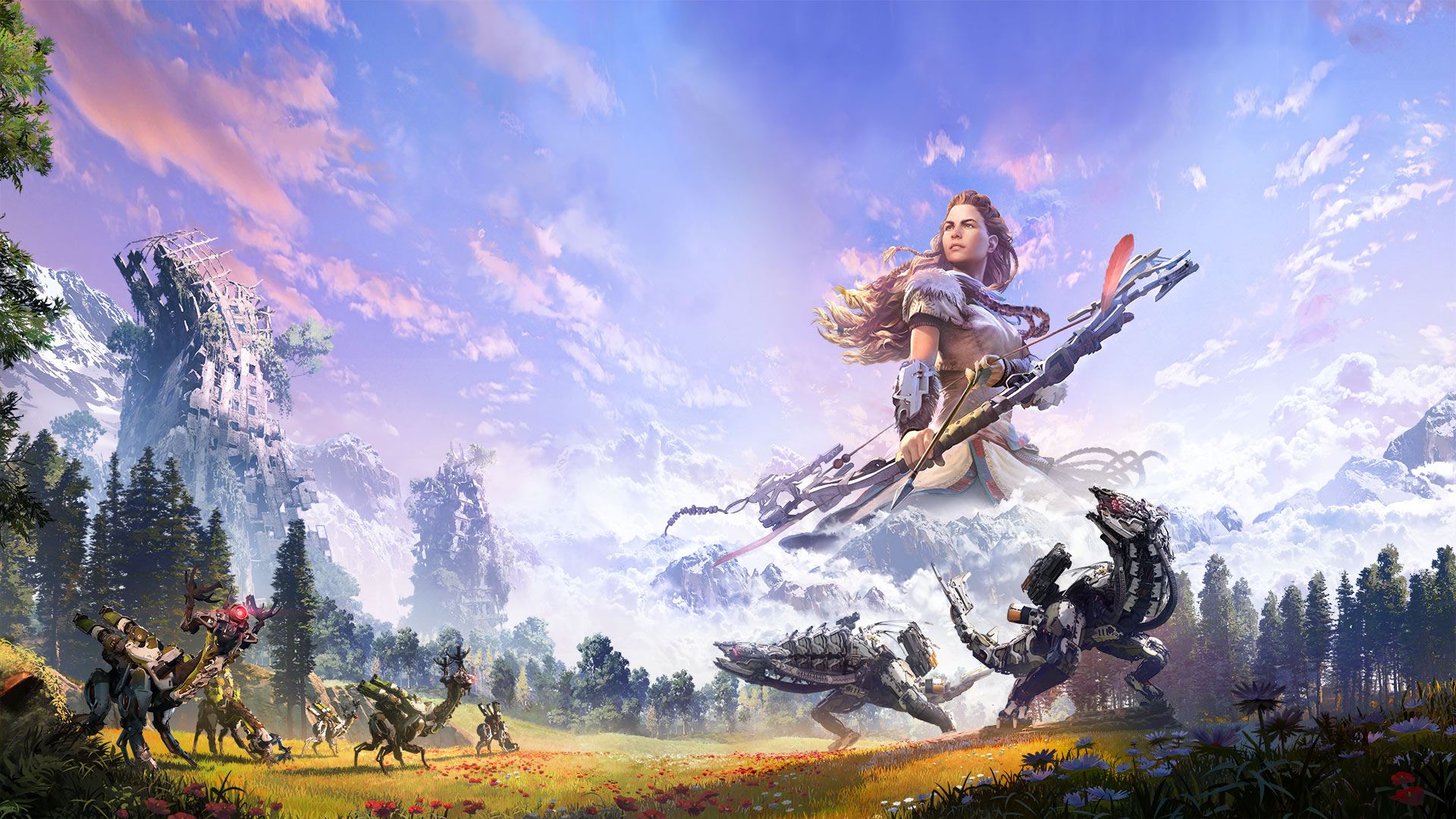
The 2020 PC launch suffered from stuttering and crashes that fueled review bombs. Guerrilla Games delivered a series of patches that addressed shader compilation, CPU spikes, and ultrawide UI behavior while expanding graphics options for fine tuning.
The Complete Edition bundled the Frozen Wilds expansion and included photo mode and benchmark tools that helped players dial in settings. Controller and mouse improvements plus support for higher frame rates made the PC version a solid way to explore the open world.
The Last of Us Part I on PC
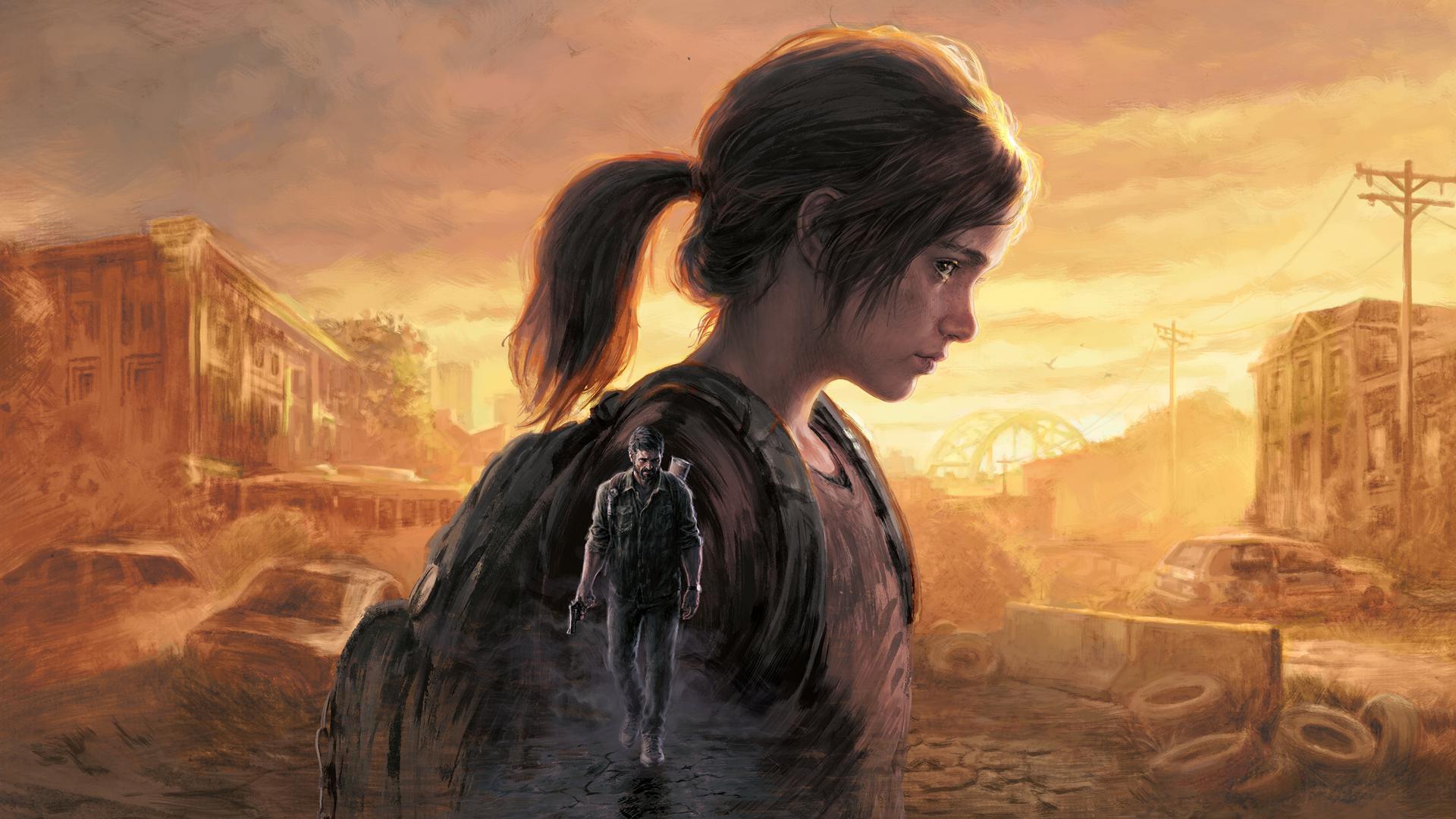
The 2023 PC port debuted with memory related crashes and long shader build times which drove a flood of low user ratings. Naughty Dog and Iron Galaxy released frequent hotfixes and patches that tackled stability and improved CPU and GPU utilization.
Subsequent updates added more granular graphics controls, better keyboard remapping, and broader upscaler support. Controller prompts and UI readability were refined and verification improvements helped handheld PC users reach stable performance targets.
Battlefield V
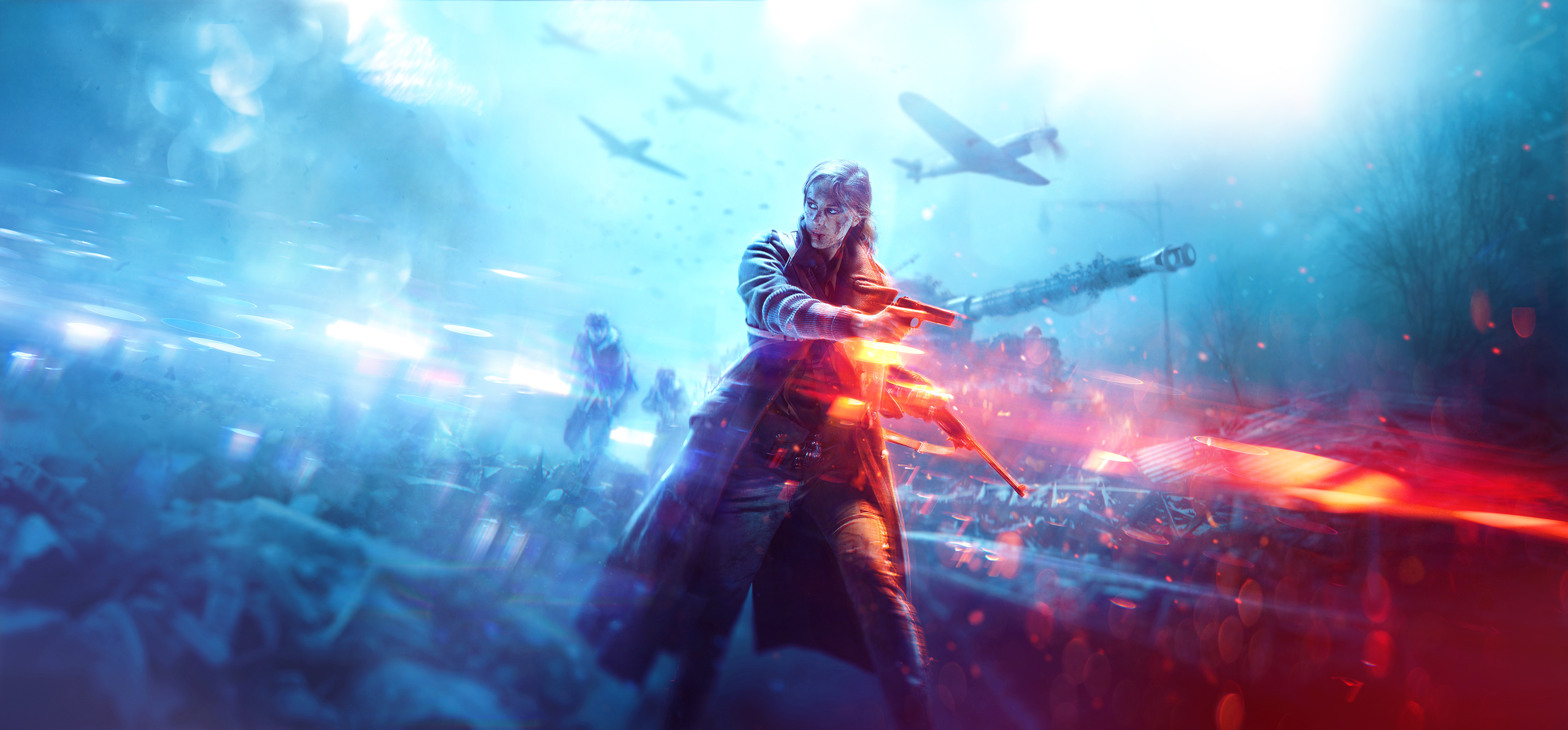
Pre release marketing sparked arguments about historical authenticity that spilled into coordinated negative user reviews. After launch DICE supplied a steady stream of free maps, weapons, and modes through live service chapters that culminated in a major Pacific theater update.
Server performance and time to kill values were iterated across seasons and class roles were clarified through weapon and gadget rebalances. The result was a tight infantry and vehicle sandbox that rewarded squad coordination and objective play across large scale maps.
Share the games you think were unfairly hit by review bombs in the comments and tell us what changed your mind once you played them.