

RPGs That Are Impossible To Beat Without A Guide

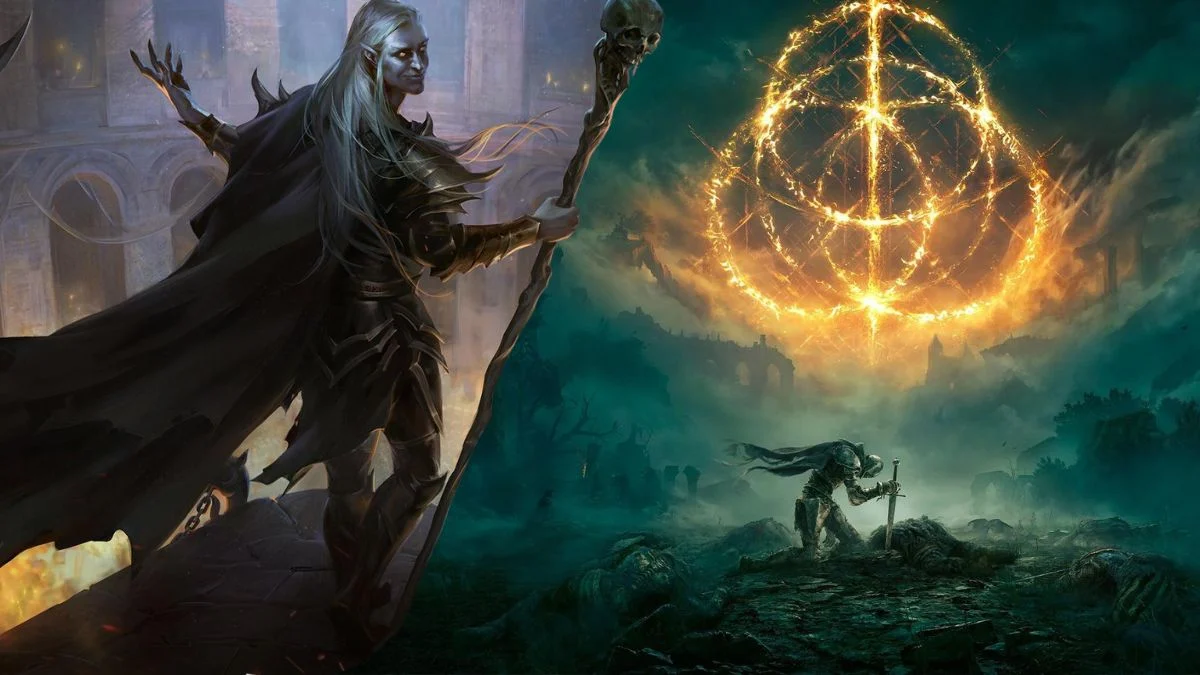


Role playing games often present players with vast worlds and intricate mechanics that test their problem solving skills. While some titles provide clear directions, others rely on cryptic clues or hidden systems to challenge the audience. Players frequently find themselves stuck at certain points without the help of a detailed strategy guide. These games often demand a high level of dedication and external research to fully understand their nuances. This list highlights some of the most difficult experiences in the genre that often require a helping hand.
‘Dragon Quest II’ (1987)
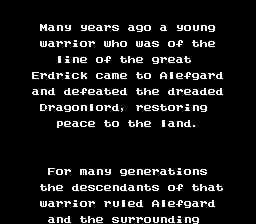
This classic title is famous for its steep difficulty spike and obscure quest objectives. Players must navigate a massive world map without clear directions regarding where to find essential items. The final dungeon features a complex layout and punishing enemy encounters that require precise preparation. Many early players found the endgame nearly impossible to finish without a strategy book. This game serves as a notable example of early hardware limitations influencing quest design.
‘Phantasy Star II’ (1989)
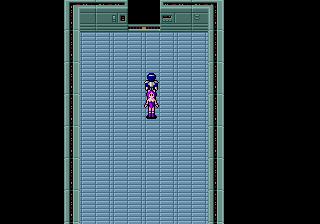
The sequel to the landmark original is known for its sprawling and multi leveled dungeons. These mazes are incredibly difficult to navigate because they use a tile based system with many dead ends. Players originally received a physical map with the game to help them survive the complex layout. Without these diagrams it is very easy to get lost and run out of health before reaching the boss. The encounter rate is also high which adds another layer of challenge to the exploration.
‘Wizardry: Proving Grounds of the Mad Overlord’ (1981)
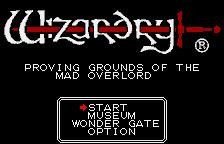
This foundational dungeon crawler requires players to draw their own maps on graph paper to track their progress. The game features various traps and spinning floor tiles that can easily disorient the player. Failing to keep an accurate record of the surroundings can lead to a party wipe and permanent character loss. Modern players often rely on digital guides or walkthroughs to navigate the treacherous depths of the maze. It remains one of the most uncompromising experiences in the history of the genre.
‘Ultima IV: Quest of the Avatar’ (1985)
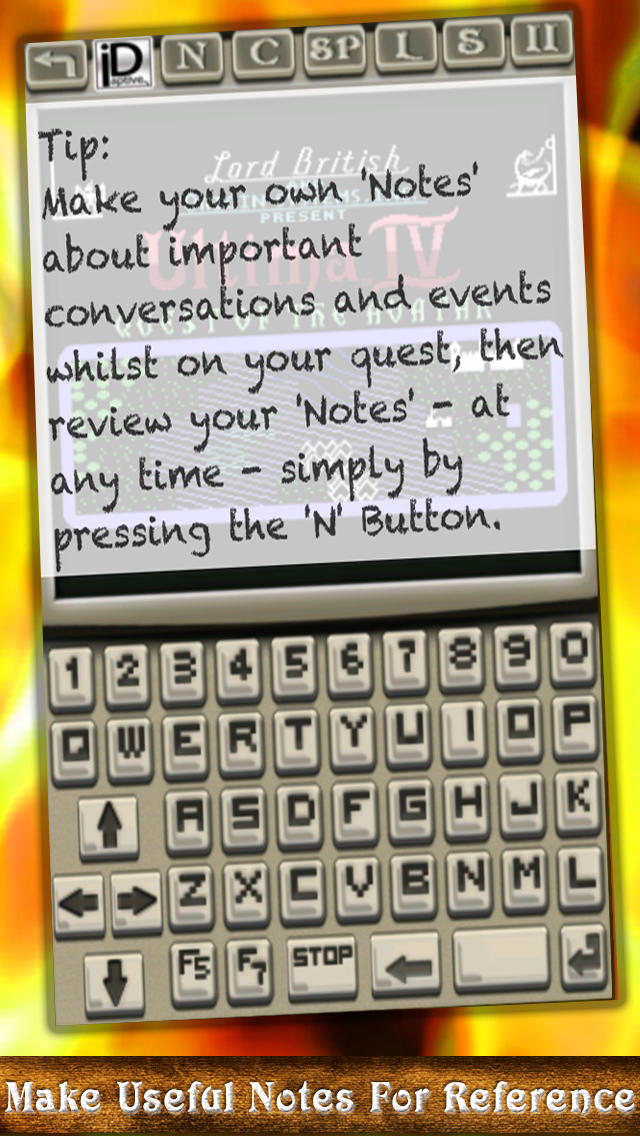
Success in this game depends on the player following a strict moral code and collecting specific information from non player characters. There are no direct combat goals that lead to victory because the focus is on achieving spiritual enlightenment. Players must learn secret words and find hidden shrines scattered throughout the world of Britannia. Finding these locations and understanding the complex systems of virtue is extremely difficult without external documentation. The game revolutionized the genre by shifting the focus from killing monsters to personal growth.
‘Castlevania II: Simon’s Quest’ (1987)
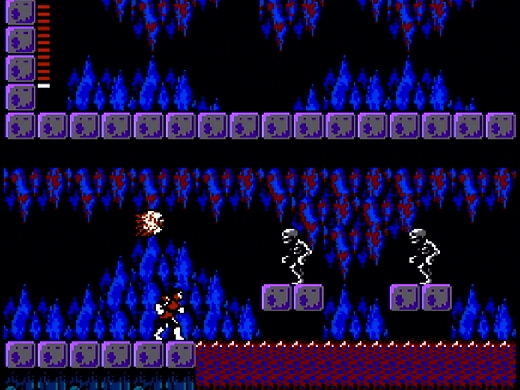
While it blends action and exploration, this title is notorious for its cryptic puzzles and poorly translated hints. One specific section requires the player to kneel with a red crystal at a dead end to summon a tornado. Without a guide or prior knowledge, there is no logical way to deduce this specific action from the gameplay. Many players spent hours wandering the world without knowing how to progress to the next area. This obscure design has made it a common subject of gaming discussions for decades.
‘Shin Megami Tensei’ (1992)
Navigating the post apocalyptic streets and dungeons of this title requires immense patience and spatial awareness. The game uses a first person perspective that makes every corridor look identical, leading to frequent confusion. Players must also manage a complex demon negotiation system that relies on specific responses to random questions. Certain quest lines and endings are locked behind hidden alignment points that are never clearly shown to the player. Relying on a walkthrough is often the only way to see the true conclusion of the story.
‘SaGa Frontier’ (1997)
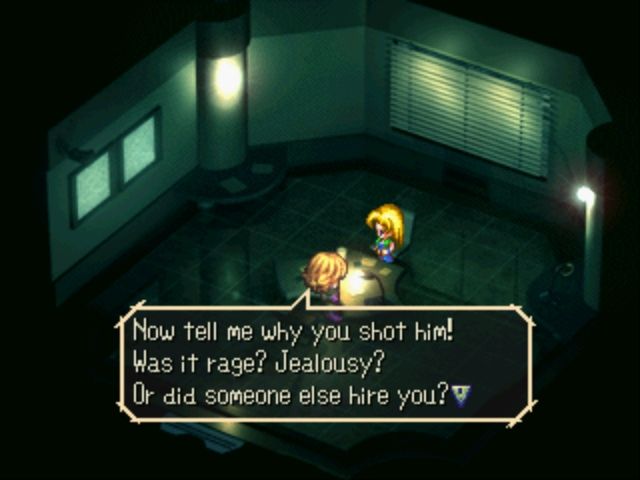
This non linear experience allows players to choose between seven different protagonists with unique storylines. The game features a complex leveling system where stats increase randomly based on actions taken during battle. Quest progression is often obscure and requires the player to visit specific locations in a certain order. There are very few in game tutorials to explain how to trigger events or recruit powerful allies. Most players find that a guide is essential to understanding the deep and experimental mechanics.
‘Valkyrie Profile’ (1999)
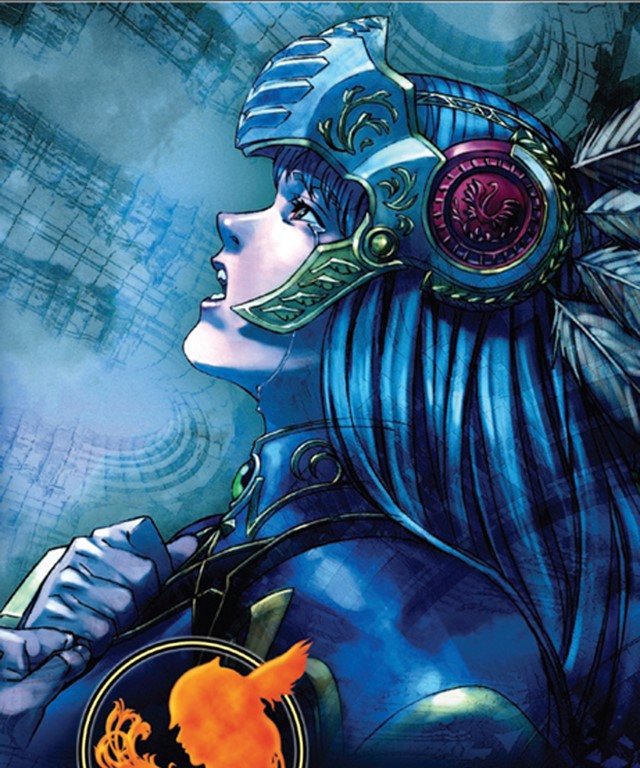
Achieving the best possible ending in this game requires following a very specific set of hidden requirements. Players must maintain a specific level of seal value and complete certain events during restricted time periods. There is no indication within the game itself about which actions lead to the true ending versus the standard conclusions. Without a guide, it is almost certain that a first time player will miss the most important story content. The game is highly praised for its unique Norse mythology theme and strategic combat.
‘Final Fantasy X-2’ (2003)
Reaching the one hundred percent completion mark in this sequel is a legendary challenge for fans. Players must speak to specific characters at exact moments and view optional cutscenes that are easily missed. Missing a single dialogue prompt can prevent the player from unlocking the perfect ending at the end of the journey. The non linear structure of the world makes it difficult to track which tasks have been completed. A detailed checklist is usually required for anyone attempting to see everything the game has to offer.
‘Dark Souls’ (2011)
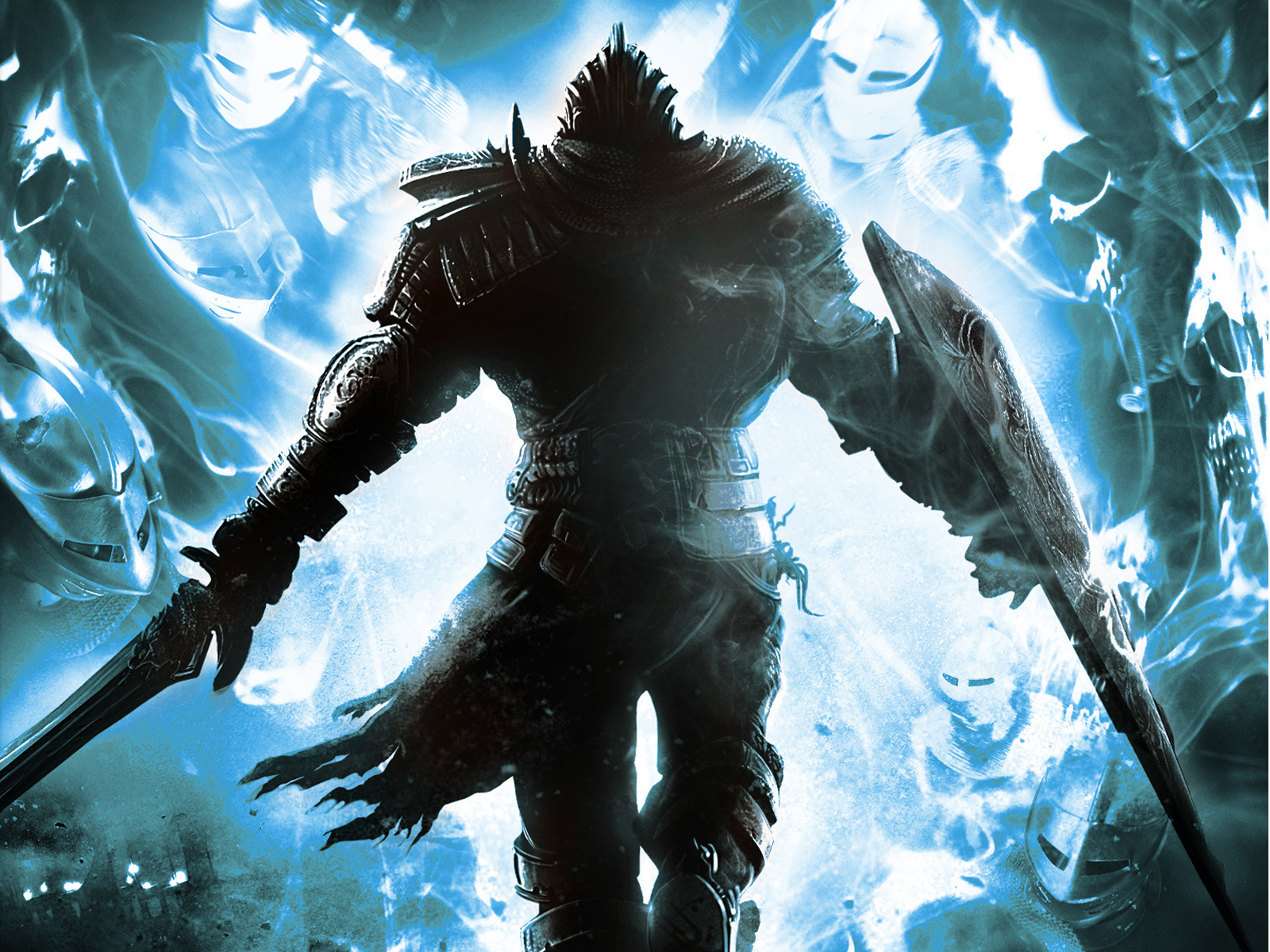
While the combat is the primary source of difficulty, the world design and quest lines are equally challenging. Characters frequently move between locations without warning and their stories can fail if the player proceeds too far in the main plot. Finding certain essential items and entering specific areas requires a level of exploration that borders on trial and error. The lack of a traditional map or quest log forces players to memorize the environment or seek help online. This approach to design has created a massive community dedicated to uncovering its many secrets.
‘Elden Ring’ (2022)
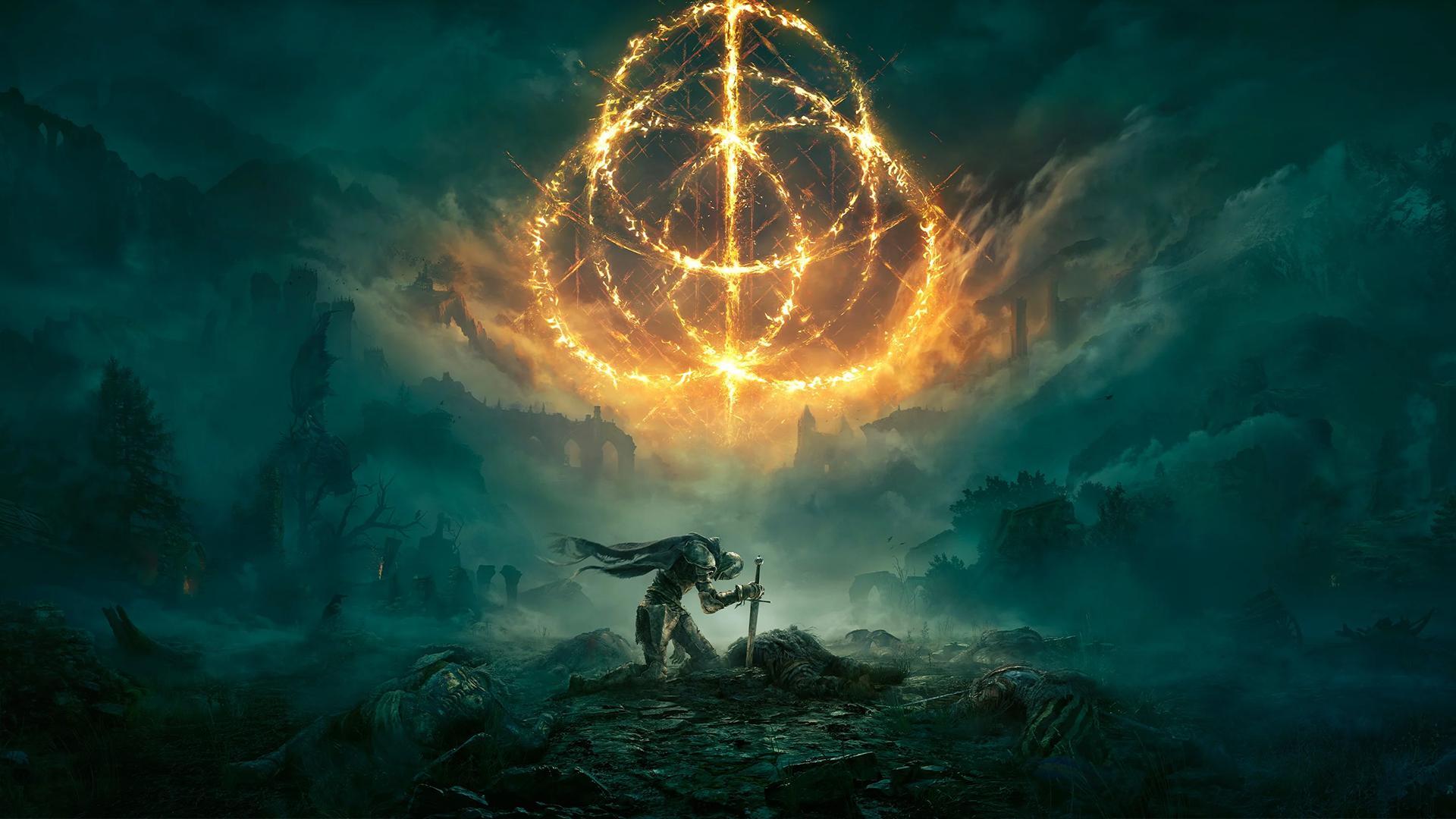
The massive open world of this game contains hundreds of secrets and interconnected side stories. Many important quests involve meeting characters in remote locations that are not marked on the map. Important items required for character builds are often hidden in invisible caves or guarded by optional bosses. Following a specific character arc to completion can be nearly impossible without consulting a community map or guide. The sheer scale of the landscape makes it easy to overlook vital content during a standard playthrough.
‘Resonance of Fate’ (2010)
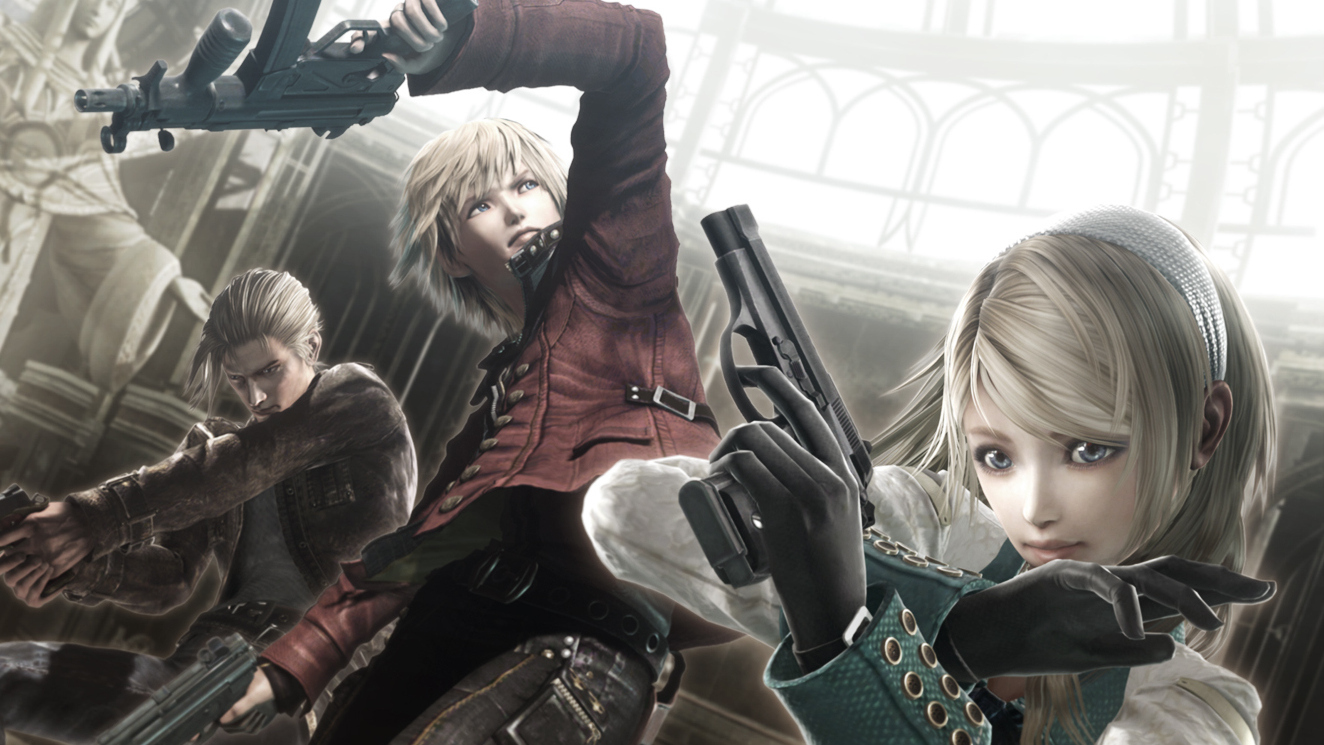
This title features one of the most unique and complicated combat systems ever seen in a role playing game. Players must master the use of hexes to uncover parts of the world map and gain access to new regions. The gun based battles involve positioning and movement patterns that require a deep understanding of the mechanics. Many players struggle with the initial learning curve because the tutorials do not fully explain the strategic depth. Consulting a guide for efficient hex placement and combat tactics is common for those seeking to reach the end.
‘Romancing SaGa’ (1992)
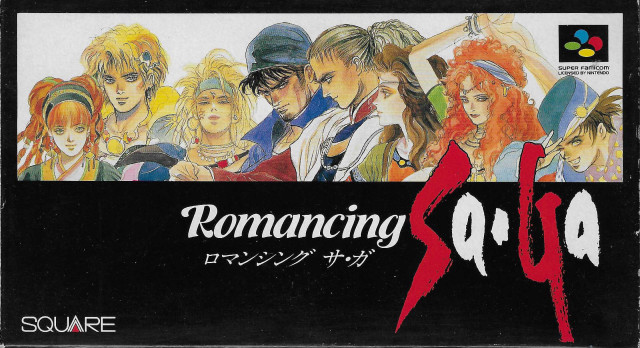
Like many entries in its series, this game uses a hidden event rank system that dictates what quests are available. As the player fights battles, time passes and certain opportunities disappear forever without any warning. It is very easy to find yourself in a situation where you are too weak for the final boss but unable to find new quests. Understanding how to manage the event rank and recruit the best characters is a complex task. Most fans recommend using a guide to avoid getting stuck in a dead end state.
‘Might and Magic: Clouds of Xeen’ (1992)
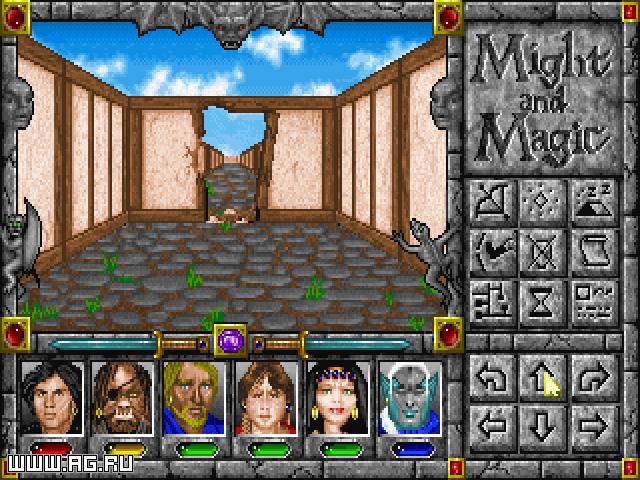
This classic western RPG features massive dungeons and intricate puzzles that span multiple game worlds. Players must manage a party of adventurers and solve riddles that require a lot of back and forth exploration. The game expects the audience to take detailed notes on coordinates and quest hints provided by various NPCs. Without a clear set of directions, it is easy to miss the items needed to merge the game with its sequel. The complexity of the world maps makes a walkthrough a very valuable resource.
‘Pool of Radiance’ (1988)
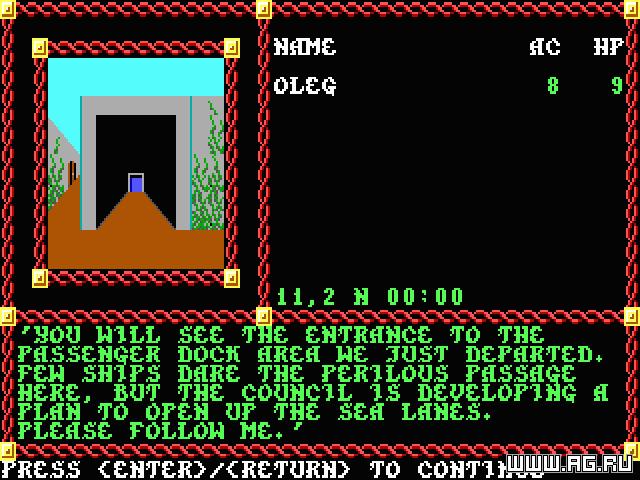
Based on the rules of the first edition of Advanced Dungeons and Dragons, this game is known for its high level of difficulty. Players must navigate the ruins of Phlan and clear out various districts filled with dangerous enemies. The tactical combat requires careful planning and knowledge of the underlying tabletop ruleset. Many quests are interconnected and require specific items found in earlier sections of the city. Consulting a manual or a guide is often necessary to build an effective party and survive the early game.
‘Wasteland’ (1988)
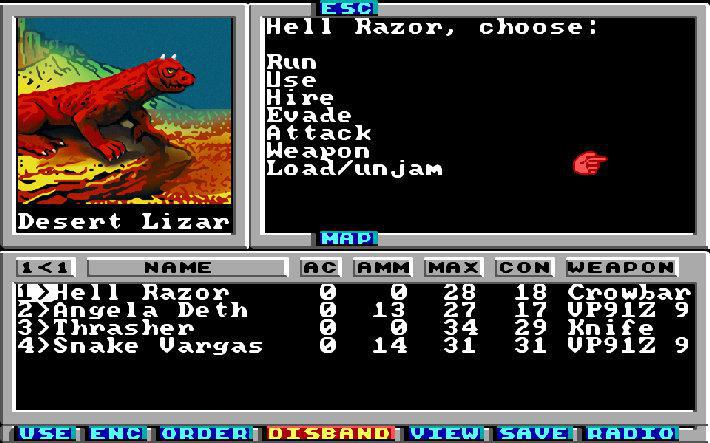
This post apocalyptic adventure is famous for including a paragraph book that players had to read at specific points. The game would prompt the player to read a specific entry to get more information about the current situation. Without these paragraphs, the story and the quest objectives remain extremely confusing. The game world is filled with radioactive hazards and powerful enemies that can quickly end a playthrough. Navigating the deserts and ruins requires a methodical approach that is much easier with a guide.
‘Etrian Odyssey’ (2007)
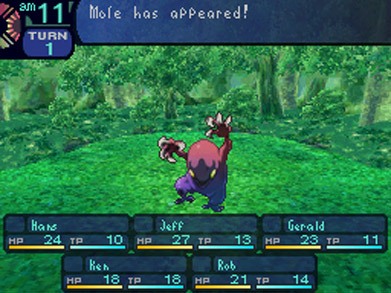
This series revived the tradition of drawing maps on the bottom screen of the handheld console. Players must carefully mark walls, doors, and points of interest to avoid getting lost in the deep forests. The boss battles are incredibly punishing and require specific team compositions to overcome. There is very little information given about the weaknesses of enemies until they are encountered and defeated. Using a guide for boss strategies and map layouts is a common way to manage the intense difficulty.
‘Suikoden II’ (1998)
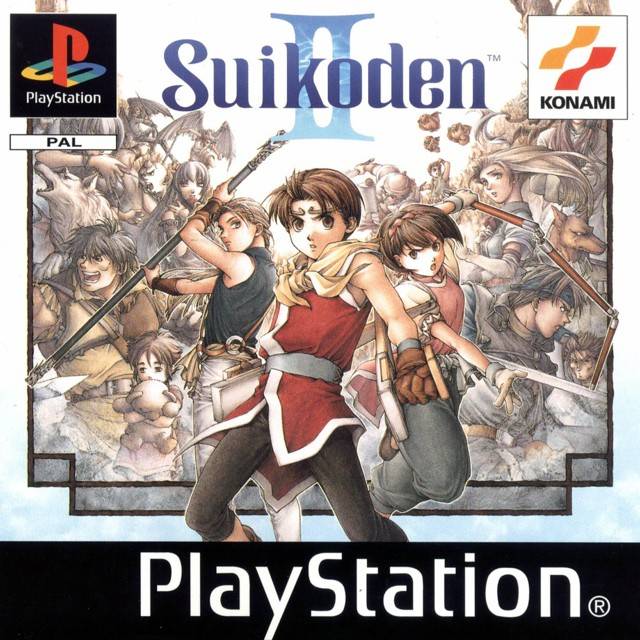
Recruiting all one hundred and eight stars of destiny is a major task that requires careful planning. Several characters can only be recruited at very specific times or by making particular choices in the story. Missing even one character prevents the player from seeing the best ending and getting the most powerful spells. Some of these recruitment windows are incredibly short and occur during the heat of the main plot. Most completionists use a guide to ensure they do not miss any potential allies.
‘Vagrant Story’ (2000)
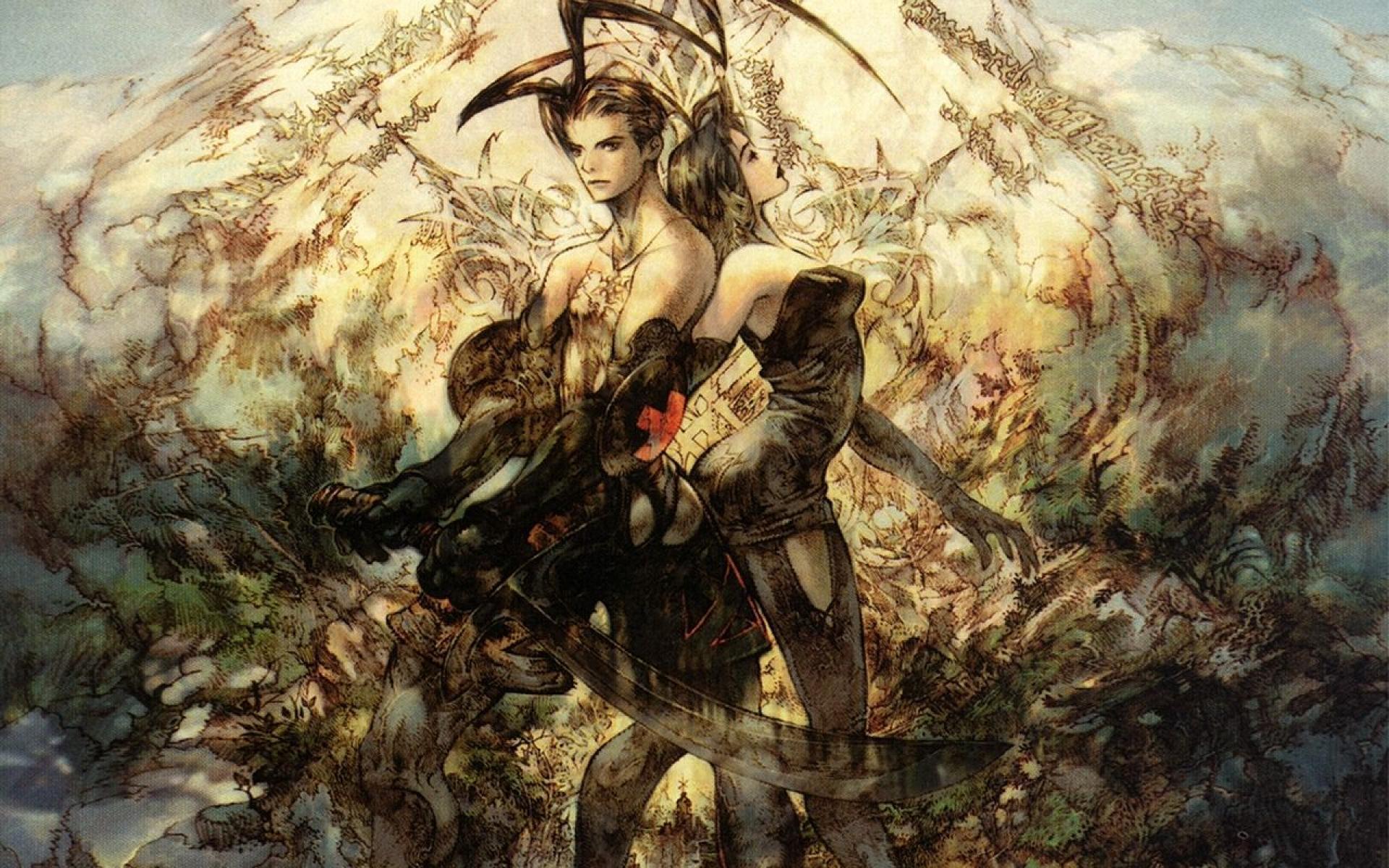
The complex crafting and weapon systems in this title are notorious for being difficult to understand. Players must manage different weapon types and affinities to deal damage to specific classes of enemies. The game features many block pushing puzzles that become increasingly difficult as the player descends into the city. There are very few tutorials that explain the intricacies of the risk meter and timing based attacks. A guide is often required to build the right equipment for the challenging boss encounters.
‘Demon’s Souls’ (2009)

This precursor to the popular series introduced the world tendency system that changes the environment based on player actions. Dying in human form can shift the world toward black tendency, making enemies stronger and spawning new threats. Many secret items and areas only appear when the world is at a specific tendency level. The game does not explain these systems clearly, leaving many players confused about the shifting difficulty. Understanding how to manipulate these mechanics is much easier with the help of a community guide.
‘Path of Exile’ (2013)

The passive skill tree in this action RPG is massive and contains hundreds of interconnected nodes. It is very easy for a new player to create a character that is too weak to finish the later acts of the story. The game features deep crafting systems and currency mechanics that are not fully explained within the client. Many successful players spend hours researching builds and trade strategies before even starting a character. A guide is almost essential for those who want to reach the end game content.
‘Baldur’s Gate’ (1998)
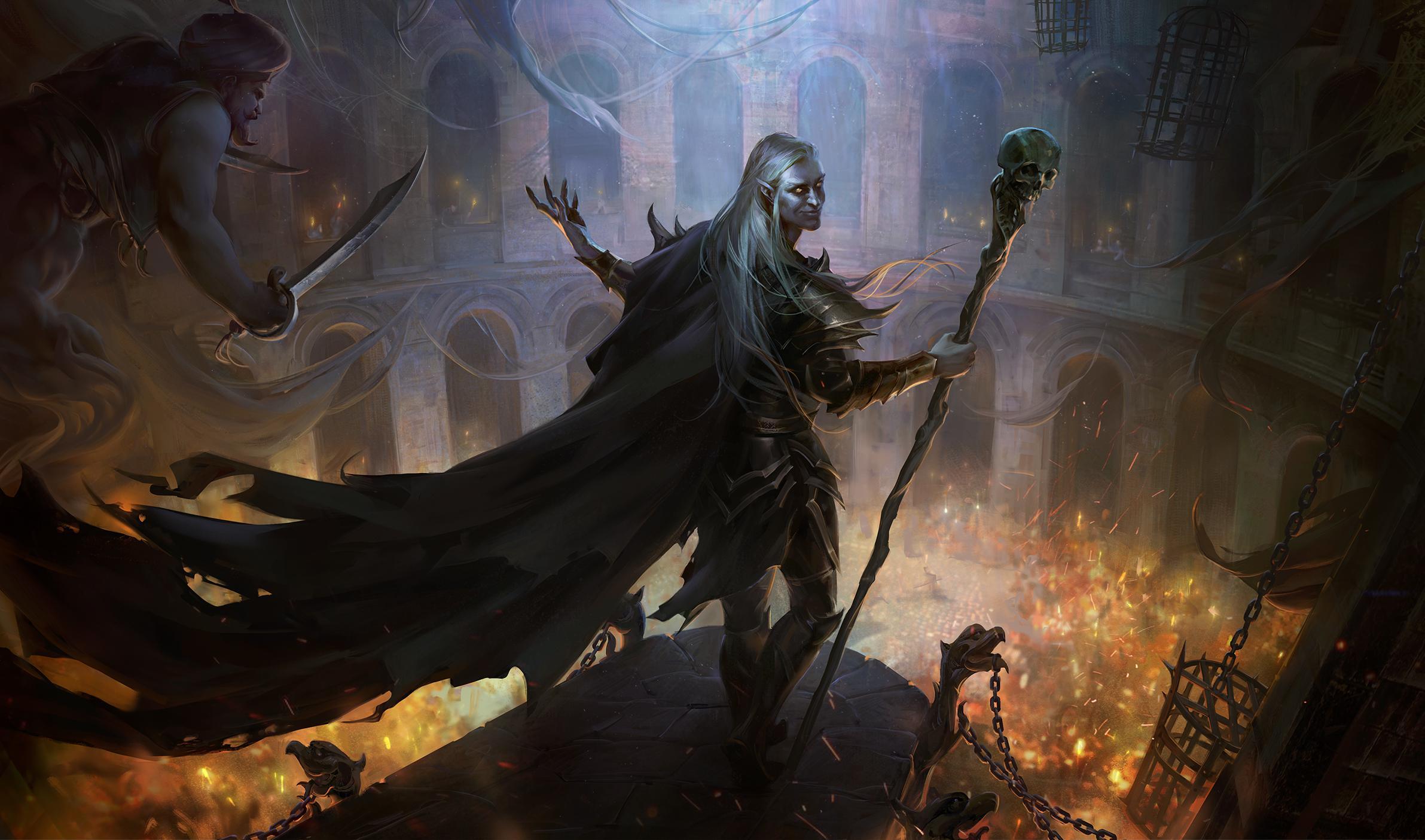
This title uses a complex combat system based on the second edition of Dungeons and Dragons. Understanding how armor class and hit rolls work is vital for surviving the many dangerous encounters in the wilderness. The world is filled with optional side quests that can be difficult to find without exploring every corner of the map. Some companions will leave the party if their personal goals are not met or if the player’s reputation changes. A guide helps players navigate the complex rules and find the best equipment for their party.
‘Diablo II’ (2000)
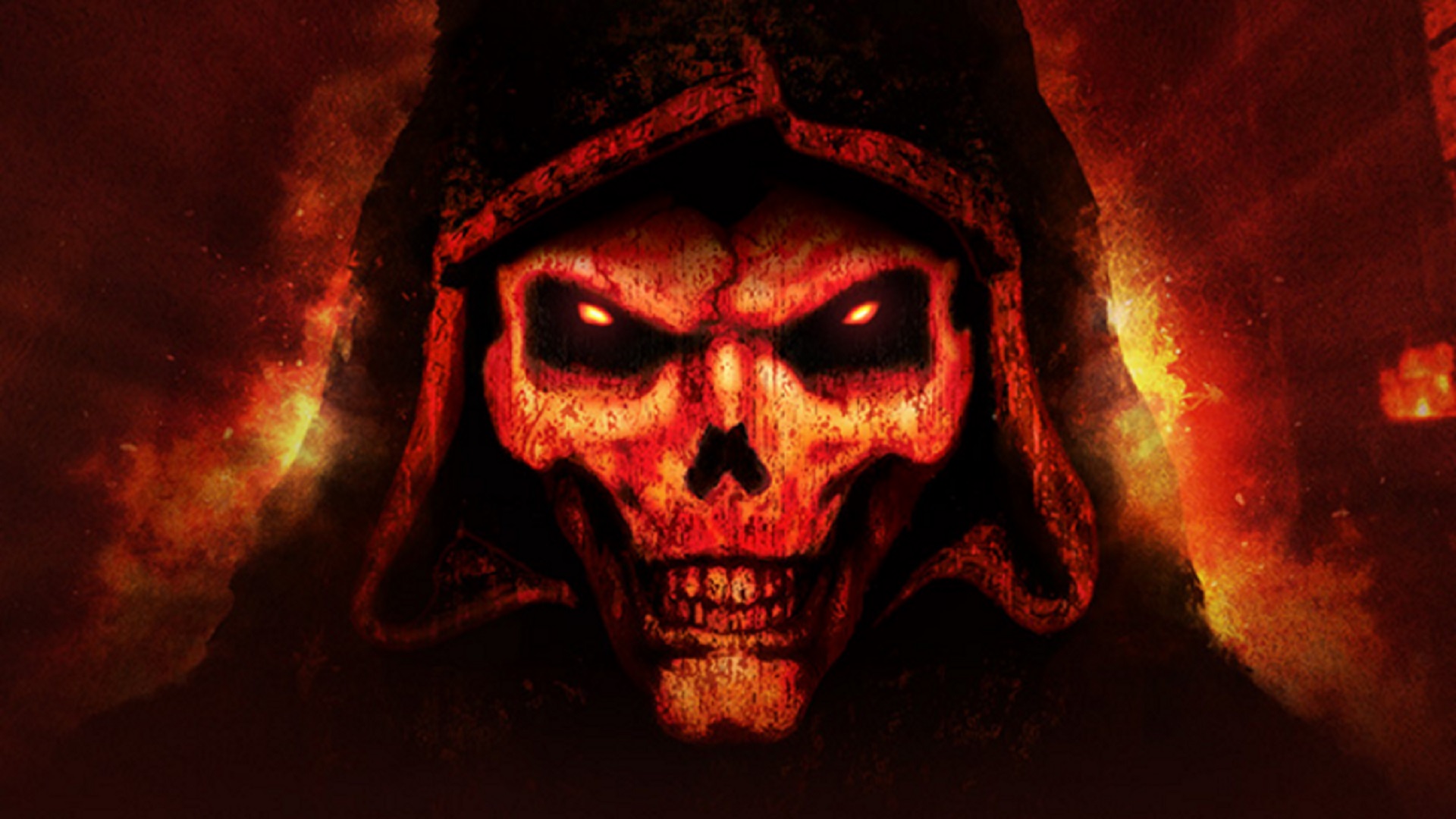
The skill and attribute point system in this game is permanent, meaning mistakes cannot be easily fixed without specific items. Building a character that can survive the highest difficulty level requires knowledge of synergies and gear requirements. Many of the best items come from secret recipes and specific boss drops that are not documented in the game. The secret cow level and other hidden areas are only accessible through specific actions. Most players consult guides to optimize their character builds and find the rarest loot.
‘The Last Remnant’ (2008)
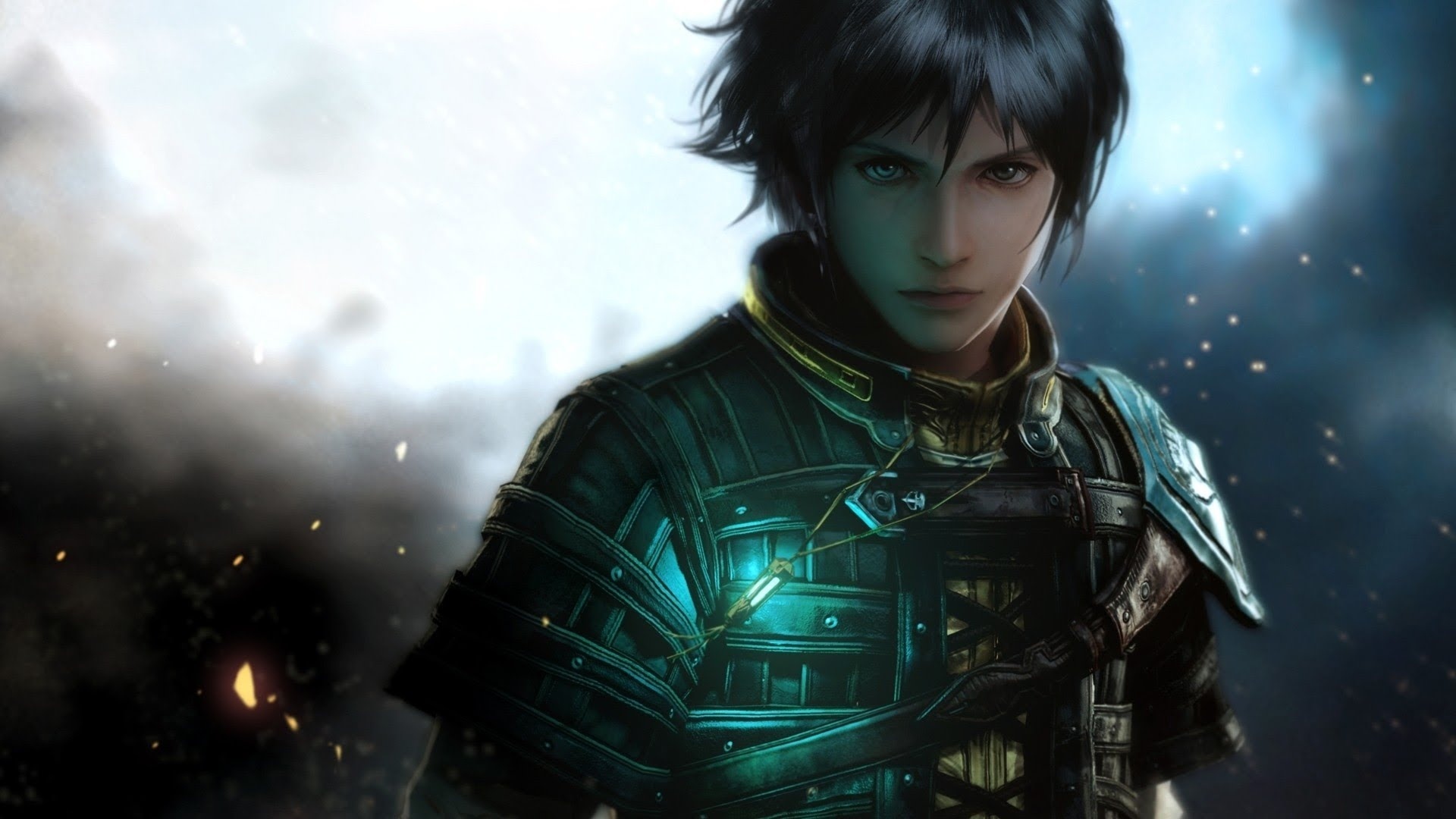
This title features a unique battle system that focuses on commanding squads of soldiers rather than individuals. A hidden battle rank system dictates the strength of enemies and the rate at which characters gain stats. If the player fights too many weak enemies, their battle rank will increase without their characters getting stronger. This can lead to a situation where the game becomes impossibly difficult to finish. Understanding the math behind the battle rank is nearly impossible without looking at a guide.
‘Final Fantasy VII’ (1997)
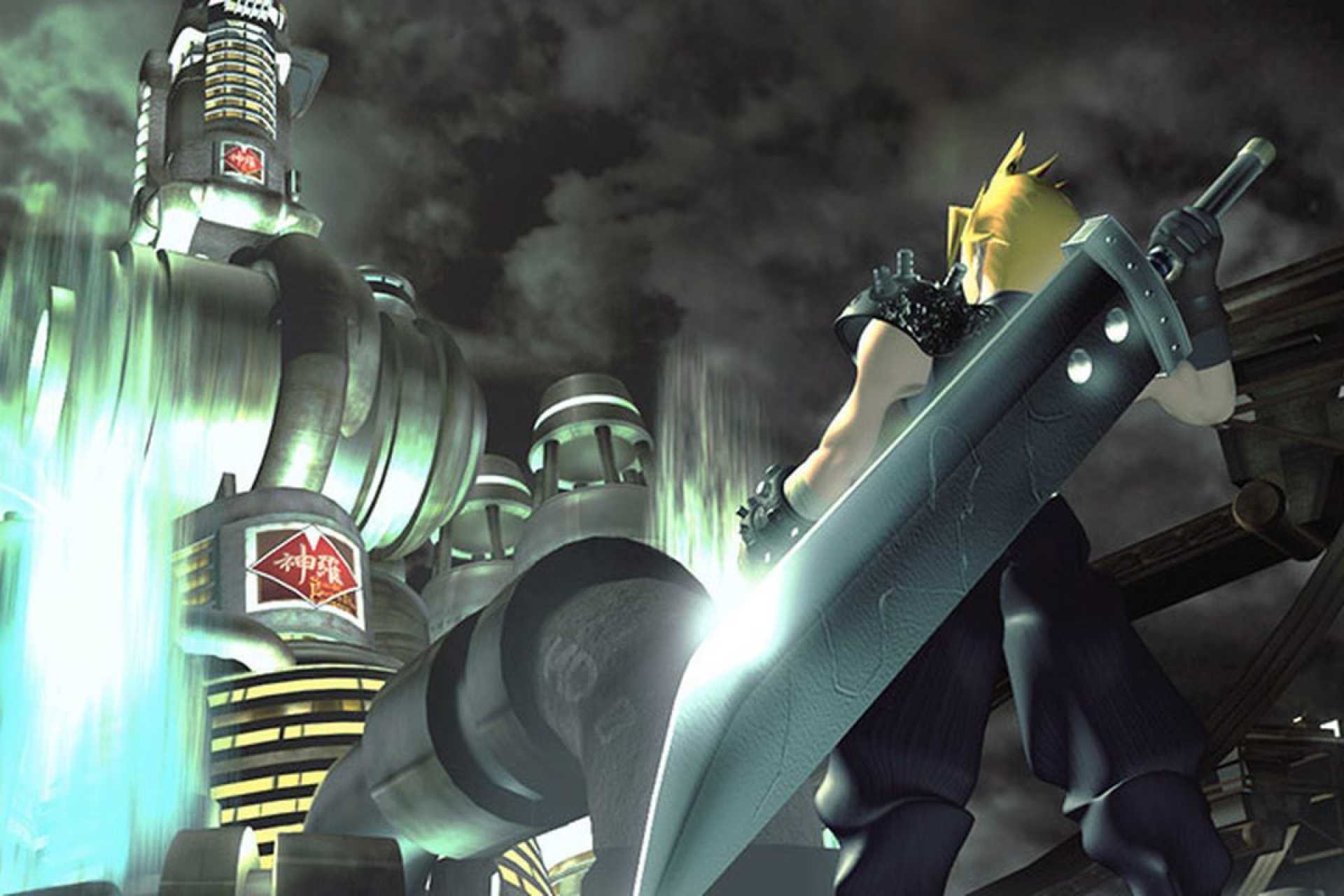
While the main story is relatively straightforward, the side content and ultimate weapons are hidden behind obscure tasks. Breeding a gold chocobo to reach the most powerful magic in the game requires a long series of specific steps. Many of the best items and characters, like Vincent and Yuffie, are entirely optional and easy to miss. The super bosses found in the endgame require very specific strategies and materia combinations to defeat. Most players find themselves consulting a guide to uncover all the secrets of the planet.
‘Kingdom Hearts’ (2002)
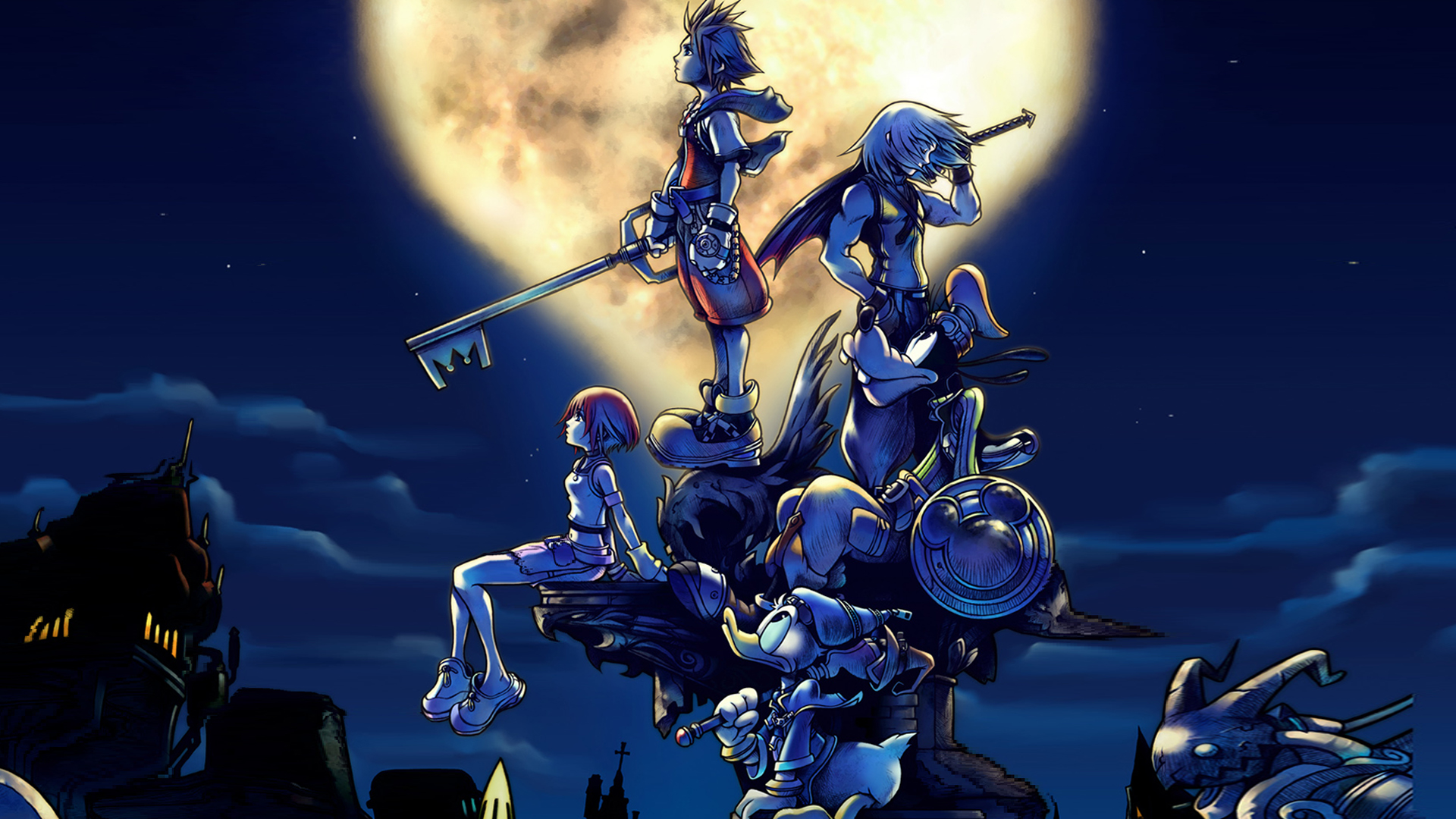
The original entry in this series features several platforming sections and puzzles that can be frustrating to navigate. Finding all the hidden puppies and trinity marks requires backtracking to previous worlds with new abilities. The synthesize system for creating powerful items involves farming rare materials from specific heartless spawns. Some of the secret bosses are hidden in remote areas and have very high difficulty levels. A guide is often the only way to find every collectible and achieve one hundred percent completion.
‘Tales of Vesperia’ (2008)
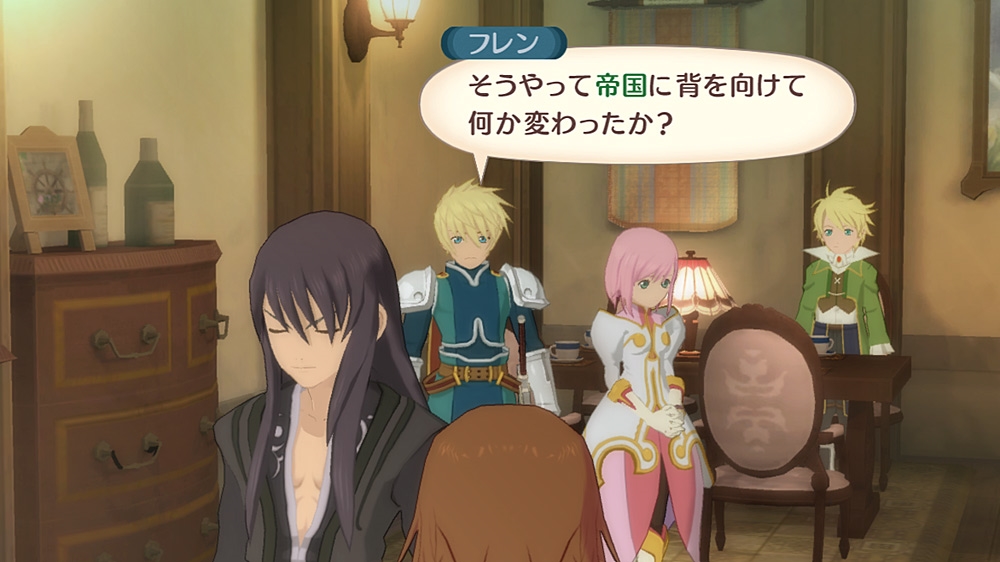
This game features a long list of side quests that are only available during very specific windows of the story. Missing one conversation can lock the player out of powerful weapons and character costumes forever. The secret missions during boss battles require the player to perform specific actions to earn extra rewards. Many of these requirements are not hinted at during the fight and require trial and error. Completionists almost always use a guide to ensure they don’t miss any of the extensive side content.
‘Star Ocean: The Second Story’ (1998)
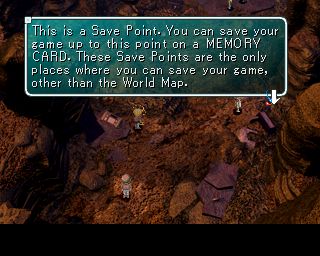
The item creation and specialty systems in this game are incredibly deep and complex. Players can create everything from powerful weapons to musical scores that affect the entire party. Many of the best endings and character relationships depend on private actions that occur in specific towns. Missing these moments can change the outcome of the story and prevent the player from seeing certain scenes. A guide is helpful for navigating the many branching paths and mastering the crafting mechanics.
‘Fire Emblem: Genealogy of the Holy War (1996)’
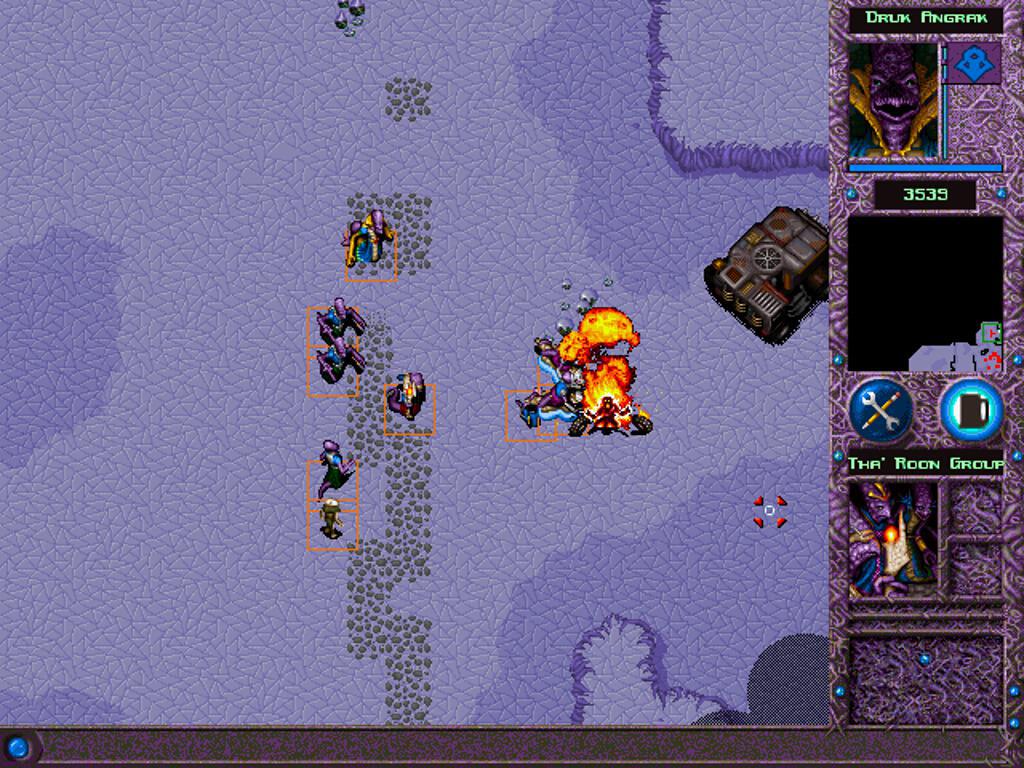
This strategy RPG features a generational system where the children of the first half characters become the heroes of the second half. The stats and skills of the children are determined by who their parents are and when they were married. It is very easy to end up with a weak second generation if the player does not plan the pairings carefully. The maps are massive and feature many hidden items and secret conversations between characters. Most players use a guide to optimize their army and ensure they have the best units for the final battles.
‘Dragon Quest VII’ (2000)
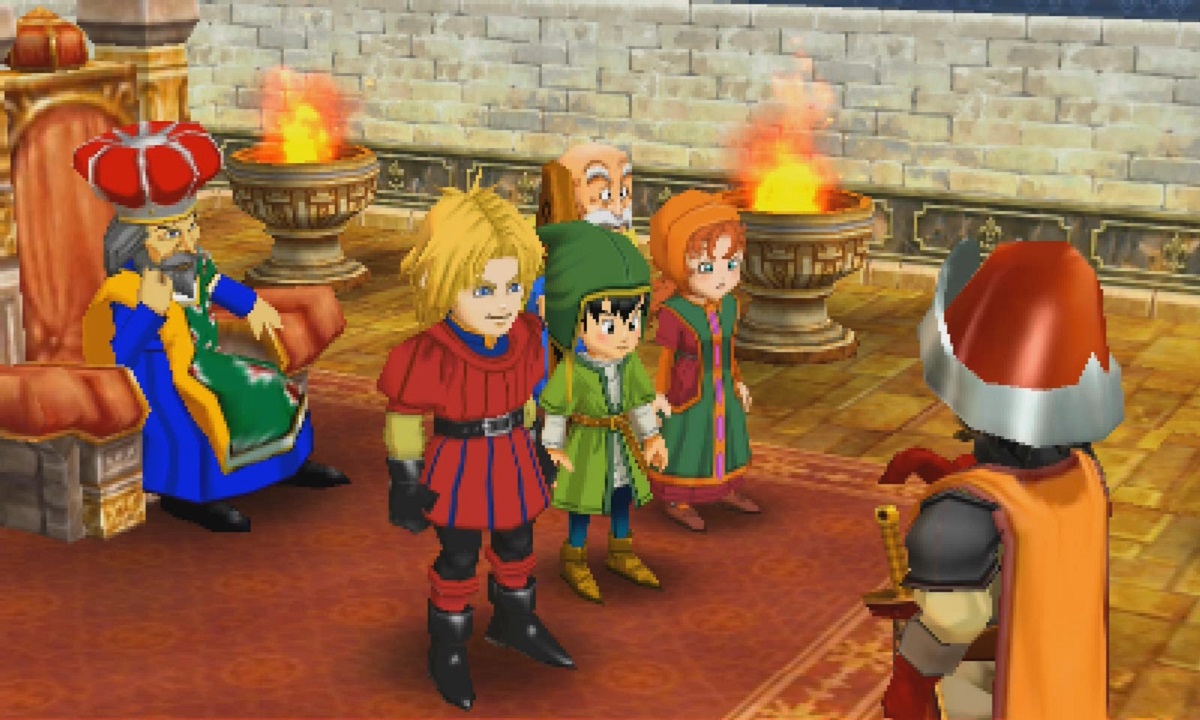
This title is one of the longest RPGs ever made and features a world that must be reconstructed piece by piece. Players must find stone tablets scattered throughout different time periods to unlock new islands. Some of these tablets are hidden in very obscure locations that are easy to overlook. The class system is also quite complex and requires many battles to master the best vocations. Given the sheer length and scale of the game, a guide is often used to keep track of missing tablet fragments.
‘Xenoblade Chronicles X’ (2015)
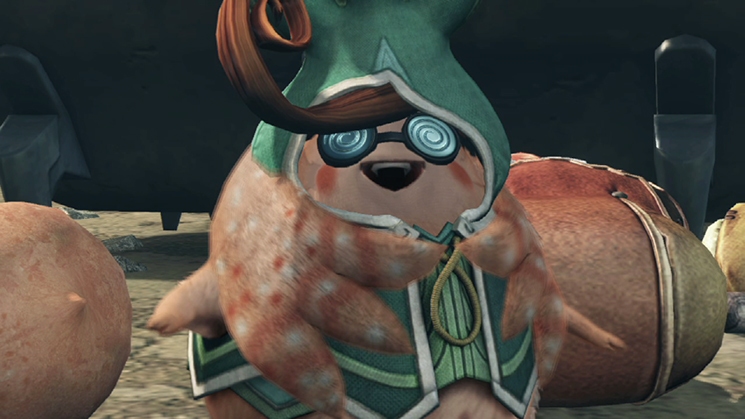
The planet of Mira is a massive open world filled with alien creatures and complex topography. The game features deep systems for squad missions, character builds, and giant robot customization. Many of the quest objectives are vague and require the player to find specific items in the environment. The interface does not always provide clear directions on how to unlock the most powerful gear. A guide is a valuable tool for players trying to navigate the complex world and finish the main story.
‘NieR Replicant’ (2010)
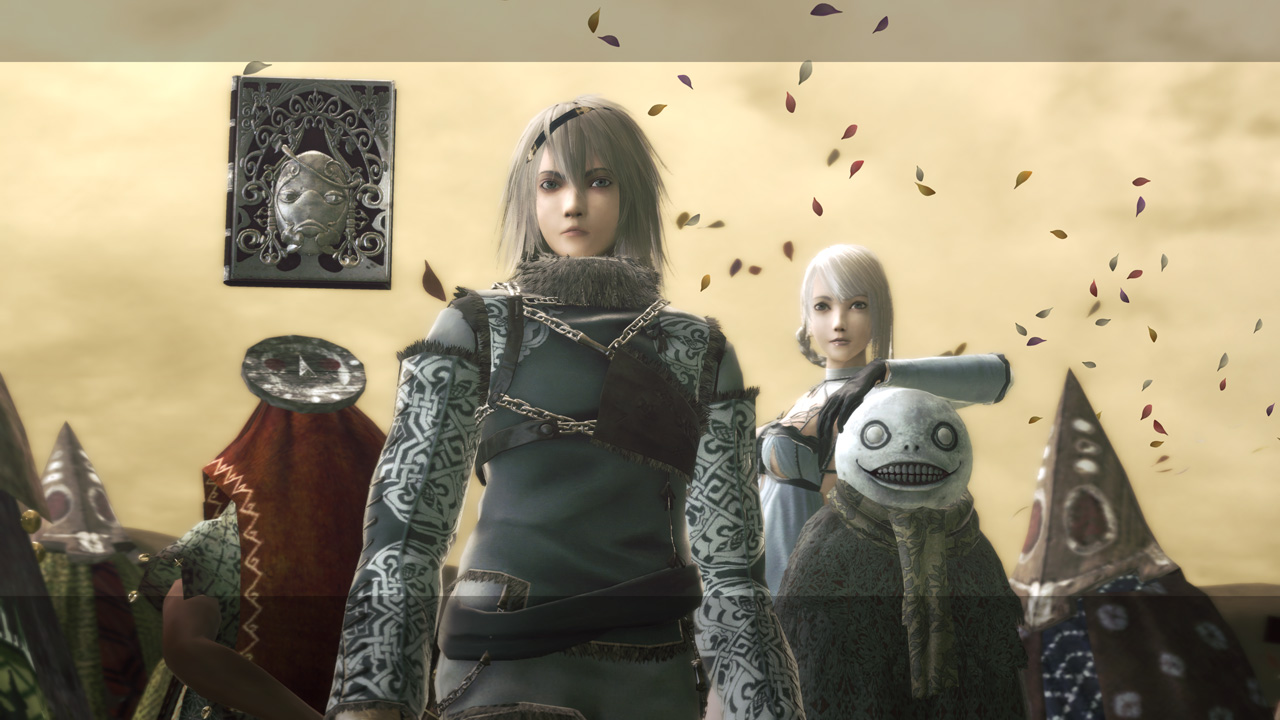
Seeing the true ending of this game requires the player to collect every single weapon available in the world. Some of these weapons are found in shops, while others are hidden in crates or rewarded for completing side quests. The game also requires multiple playthroughs with different perspectives to see the full story. Many of the quest lines involve back and forth travel that can be tedious without a plan. Most players look up weapon locations to ensure they can access the final conclusion of the narrative.
‘EarthBound’ (1994)
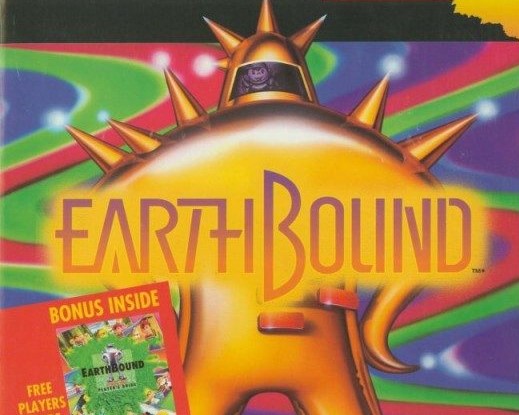
While the game is known for its quirky humor and modern setting, it features several moments that can leave players confused. One specific part requires the player to stand still for three real minutes to enter a secret base. There is also a complex late game puzzle involving a specific item that must be used in a particular location. The game originally came with a full strategy guide to help players navigate these unusual moments. Without that guide, many of the puzzles feel like they rely on external logic.
‘The Legend of Dragoon’ (1999)
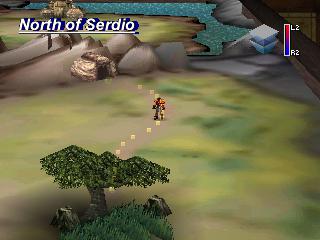
The addition system in this game requires precise timing to deal maximum damage and gain special points. Finding all fifty stardust items is a massive task that involves searching every corner of the game world. These items are necessary to unlock a powerful optional boss and get the best equipment. Many of the stardust locations are invisible and can only be found by pressing the confirm button near specific objects. A guide is almost a requirement for those who want to find every collectible in the game.
‘Slay the Spire’ (2019)
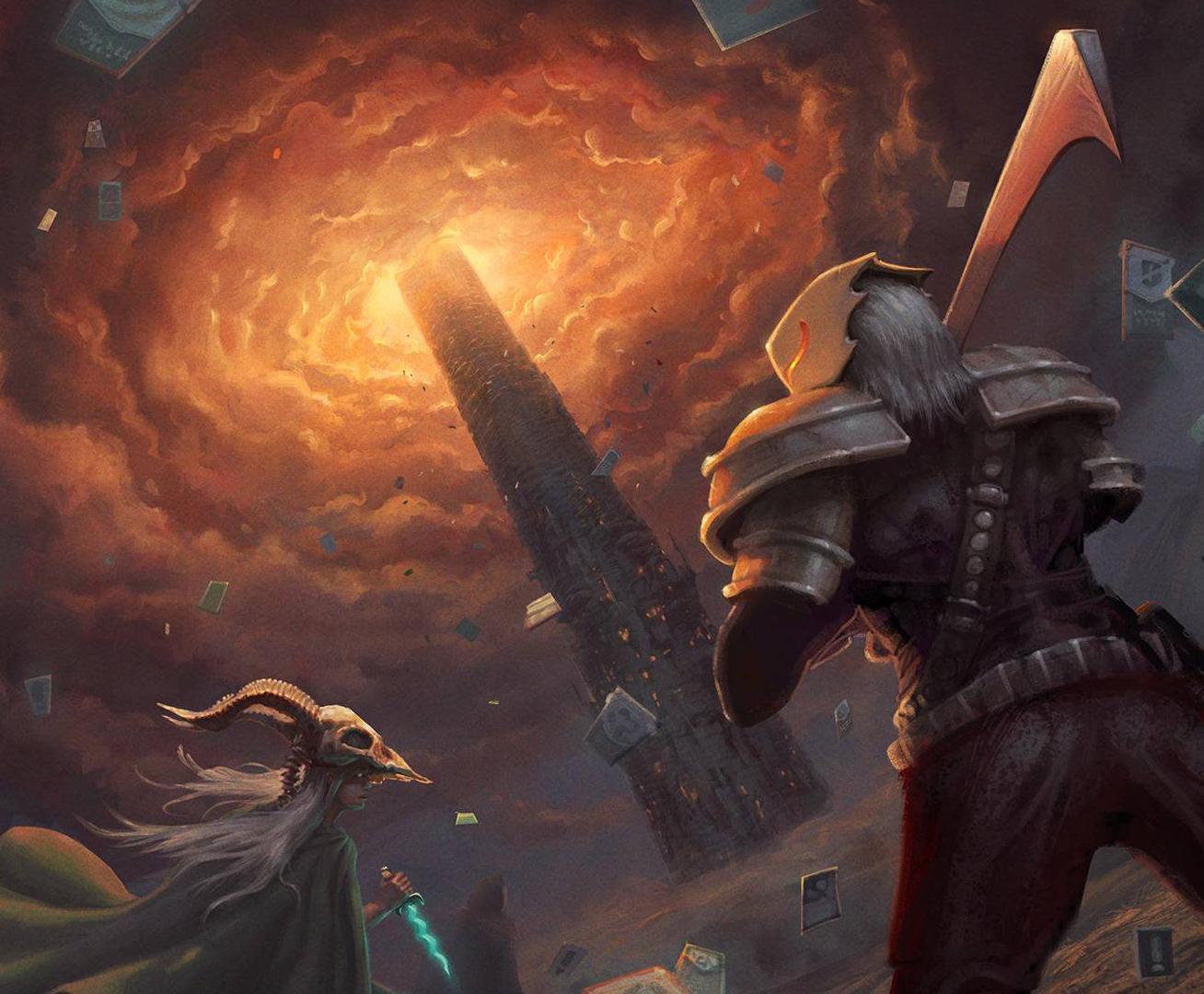
Reaching and defeating the final hidden boss requires the player to collect three specific keys during a run. This involves making tactical sacrifices at campfires and fighting elite enemies that are stronger than usual. Building a deck that can survive the final encounter requires a deep understanding of card synergies and enemy patterns. Many players struggle to find the right balance without researching the best archetypes and strategies. A guide helps players understand the hidden mechanics and improve their chances of success.
‘Bravely Default’ (2012)

This title features a controversial late game section that requires the player to repeat several tasks multiple times. To reach the true ending, players must perform a specific action that goes against the instructions given by the game. If the player follows the directions exactly, they will reach a standard conclusion and miss the final chapters. This subversion of player expectations is a major part of the narrative but can be confusing without a hint. A guide is helpful for navigating the final segments and understanding the true goal.
‘Radiant Historia’ (2010)
The time travel mechanics in this game create many branching timelines and parallel stories. Players must constantly jump between two main paths to resolve obstacles and progress the plot. Some events require the player to find information in one timeline and use it in another at a specific moment. It is very easy to get stuck when the next objective is not clearly stated. A walkthrough is a useful resource for keeping track of the various time nodes and character arcs.
‘Tactics Ogre: Let Us Cling Together’ (1995)
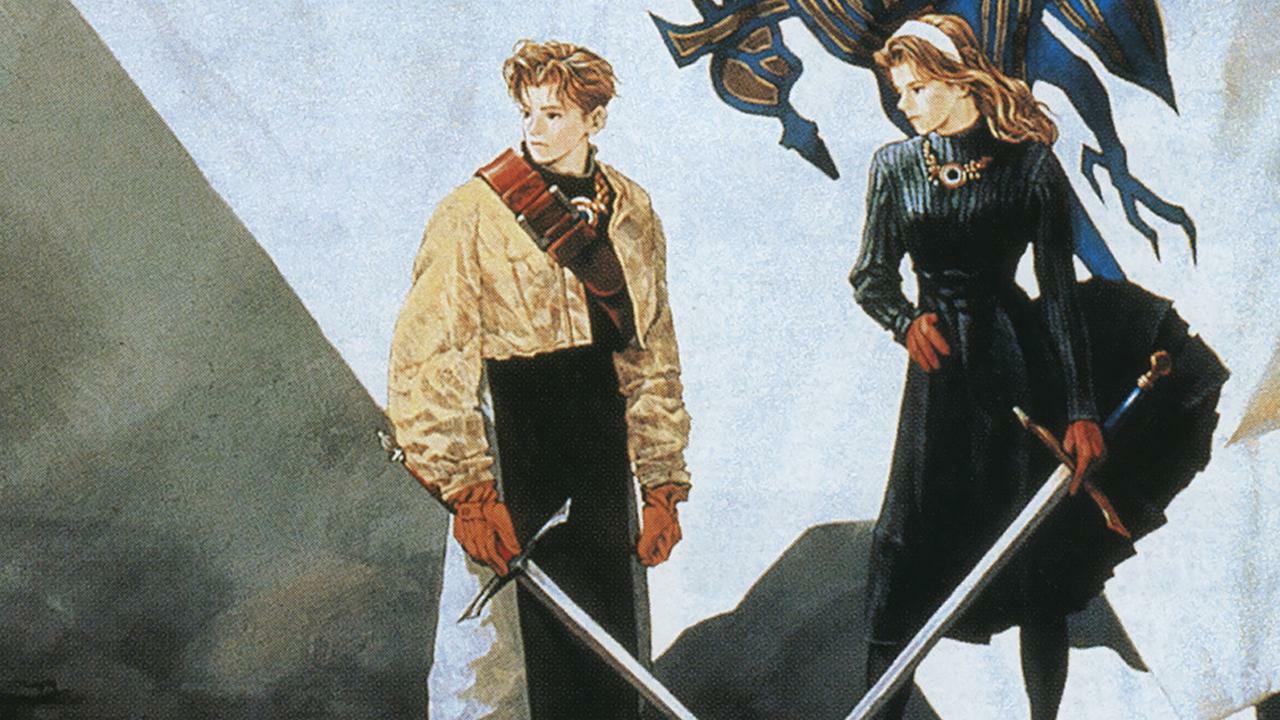
This tactical RPG features a complex story with multiple paths based on moral choices. Recruiting certain characters requires following a very specific set of actions across different chapters. The game also features a deep crafting system and class progression that can be difficult to optimize. Some of the most powerful units are only available if the player fulfills hidden requirements during the main missions. Most fans recommend a guide to see all the different story branches and recruit the best allies.
‘Mother 3’ (2006)

This sequel features rhythm based combat and several sections where the player must find hidden items to progress. One late game area involves a complex maze with many identical rooms that can lead to frustration. The game also includes several emotional story moments that are influenced by player choices and exploration. While the main path is generally clear, finding all the equipment and hidden secrets often requires help. A guide ensures that players can experience the full weight of this acclaimed narrative.
‘The Elder Scrolls III: Morrowind’ (2002)
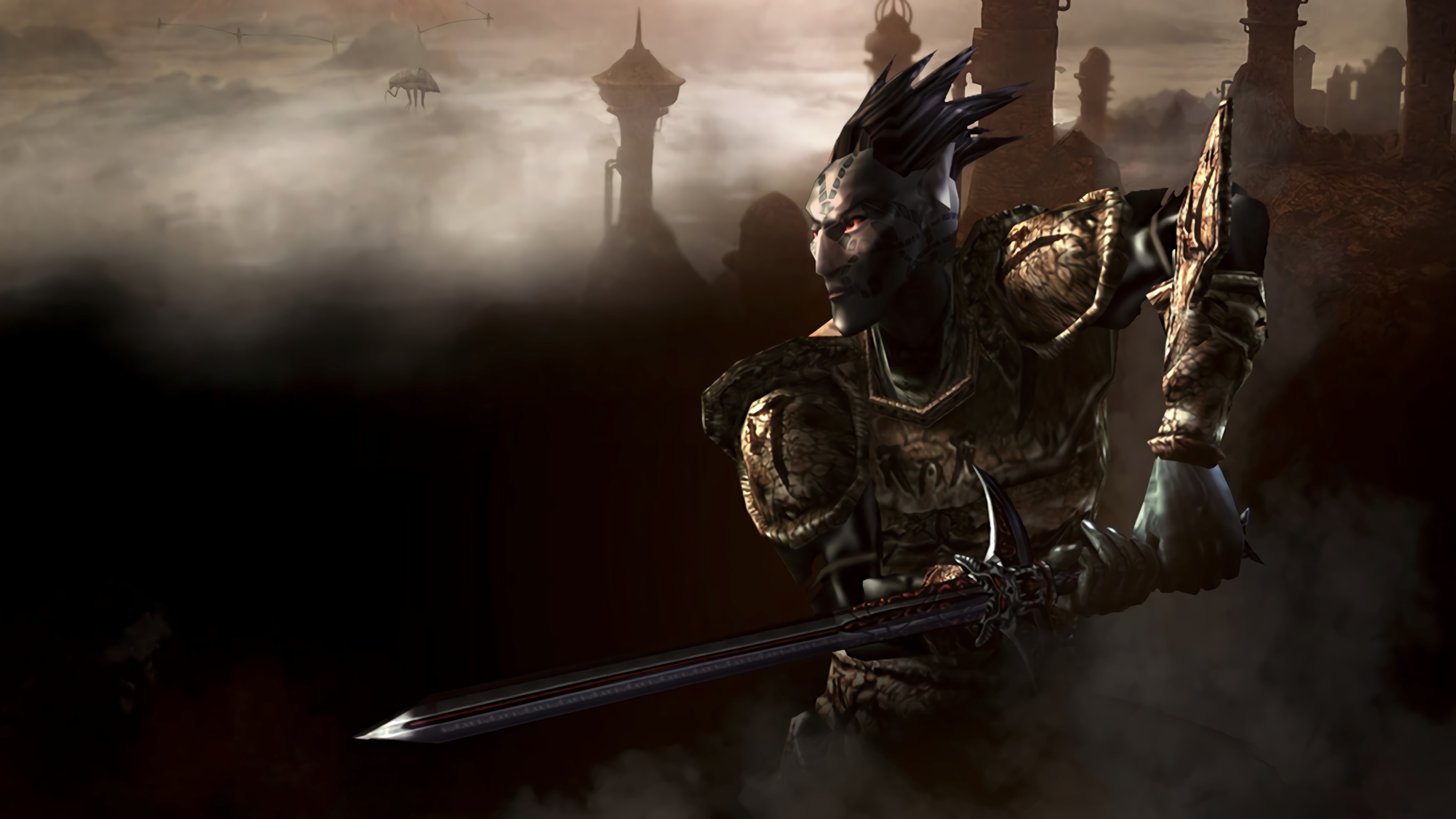
The world of Vvardenfell is massive and lacks a modern quest marker system to guide the player. Quest givers provide verbal directions based on landmarks like hills, rivers, and specific ruins. It is very easy to get lost or misunderstand the instructions, especially in the more desolate areas. The game also features complex systems for character progression and faction reputations. A detailed map and a guide are often essential for new players trying to find their way through the land.
‘Final Fantasy XII’ (2006)
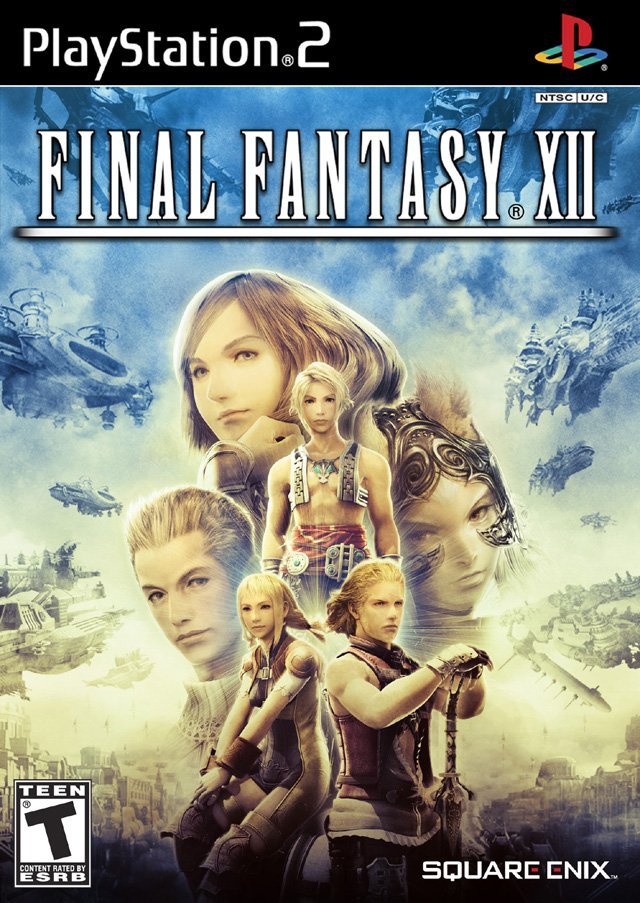
The original version of this game featured a legendary chest mechanic that could permanently lock out the best weapon. Opening specific, seemingly random chests earlier in the game would cause the Zodiac Spear to disappear from its final location. The game provides no warning about this mechanic, leading many players to miss the most powerful item. Finding and defeating the highest level marks also requires complex strategies and specific gambit setups. A guide is a valuable tool for anyone trying to master the hunting system and find all the rare loot.
‘Breath of Fire IV’ (2000)
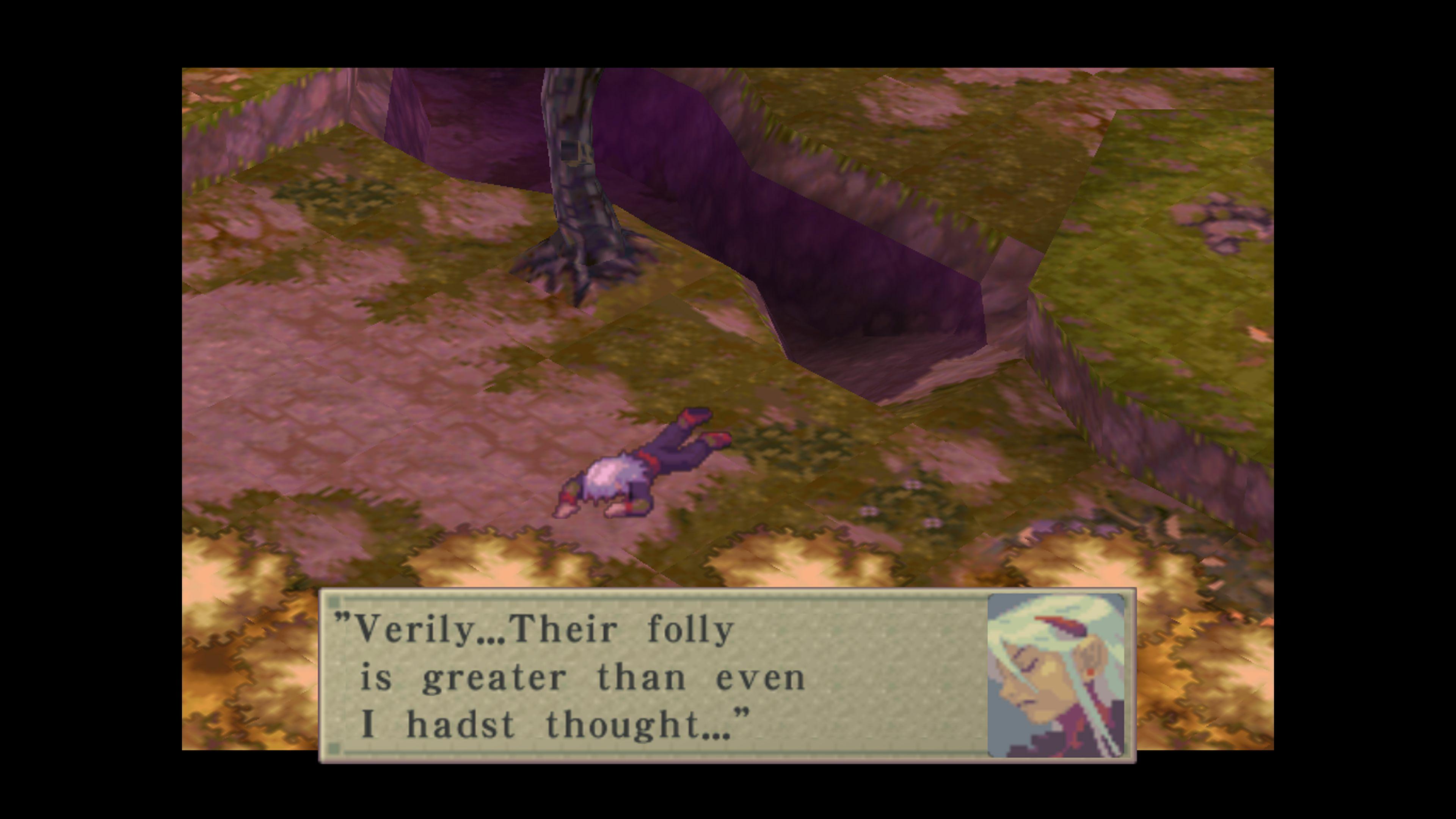
This title features a complex dragon transformation system and many hidden master characters. To learn new skills, players must find these masters and fulfill specific requirements to become their apprentices. Some of these locations are hidden and require the player to use specific character abilities to access them. The game also includes a fishing minigame and a village building mechanic that are quite deep. A guide helps players find all the masters and optimize their party for the challenging endgame.
‘Chrono Trigger’ (1995)
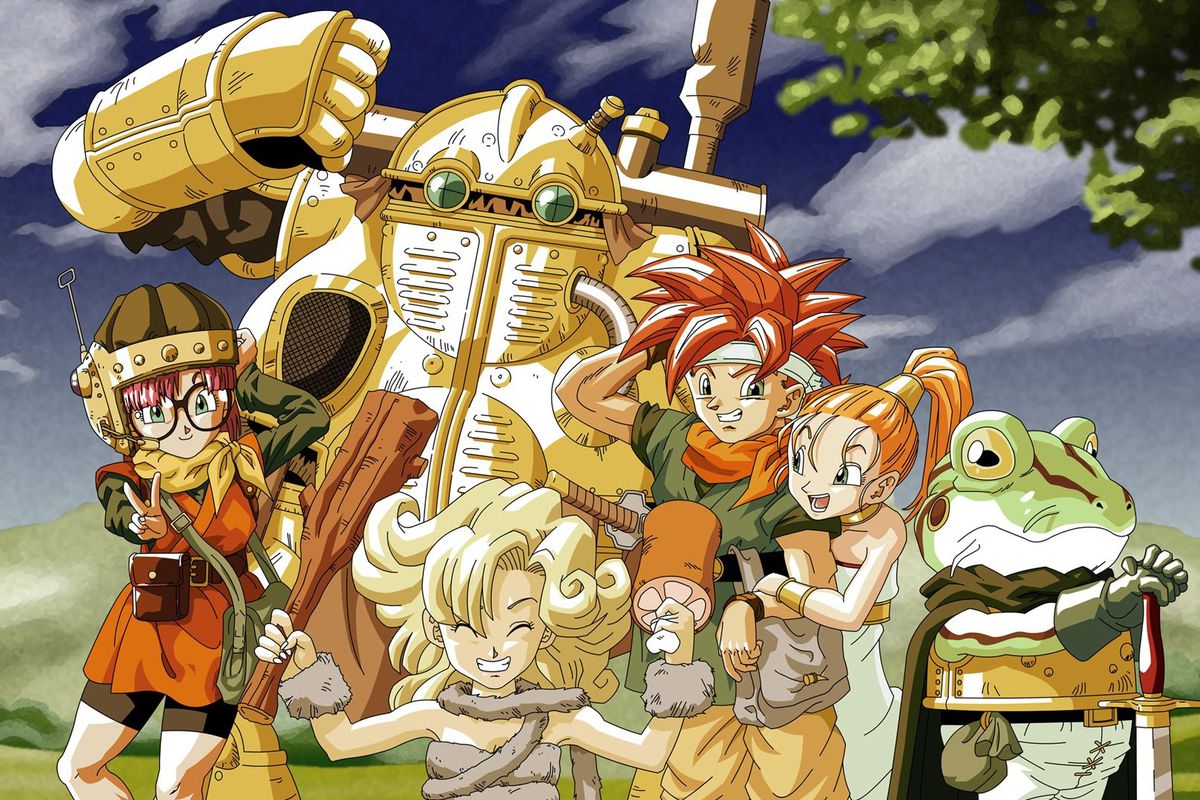
With over a dozen different endings, seeing everything in this time travel adventure is a major undertaking. The game features many optional character side quests in the final act that change the world and provide the best equipment. Some of these quests involve specific actions across different time periods that are not always obvious. Finding every secret and unlocking every ending is a task most players use a guide to complete. The game is celebrated for its tight pacing and innovative design.
‘Chrono Cross’ (1999)
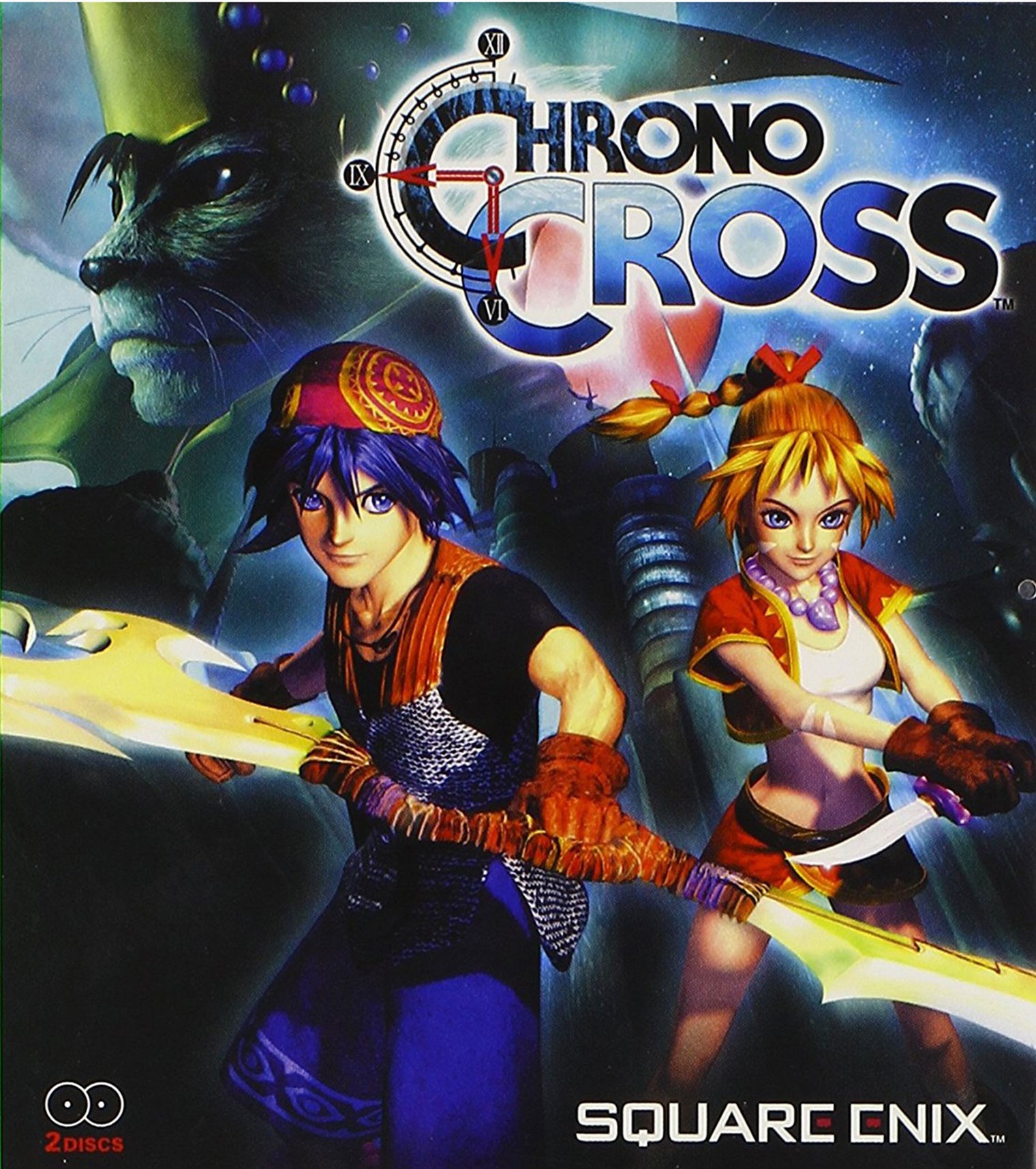
Recruiting all forty four playable characters in this sequel requires multiple playthroughs and specific choices. Some characters can only be obtained if the player refuses to help others or takes a particular path through the story. Reaching the true ending also requires the player to use a specific sequence of elements during the final battle. There is very little information in the game about how to trigger this sequence correctly. A guide is almost necessary for those who want to see the full roster and the best conclusion.
‘Secret of Mana’ (1993)
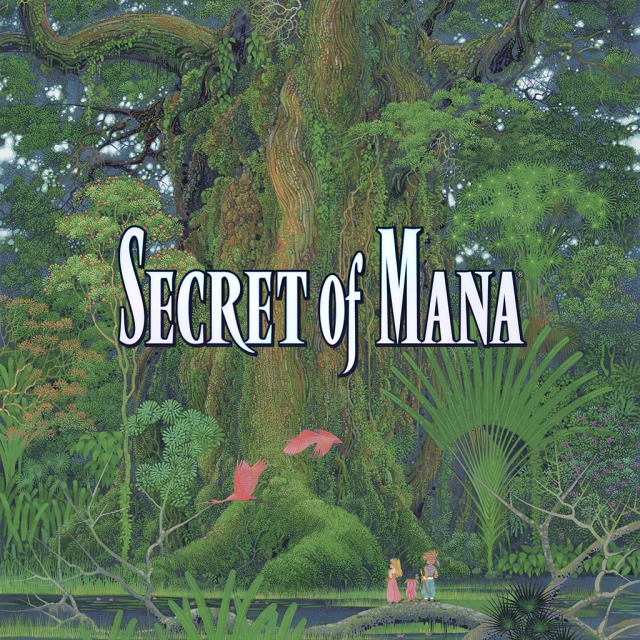
This action RPG features a complex weapon leveling system and many hidden magic seeds. To reach the final dungeon, players must find all the seeds and upgrade their weapons at specific blacksmiths. Some of these upgrades are easy to miss, and the world map can be difficult to navigate once the player gains the ability to fly. The game also features several bosses with unique patterns that require specific elemental spells to defeat. Most players find that a guide makes the journey through the Mana world much smoother.
‘Paper Mario: The Thousand-Year Door’ (2004)
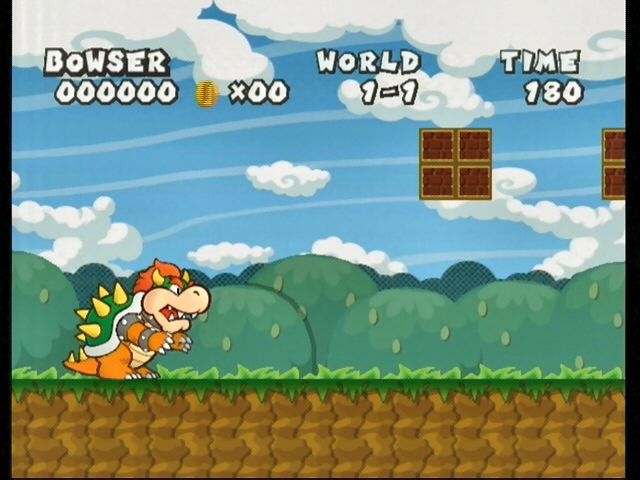
While the main quest is guided, finding all the star pieces and hidden badges is a significant challenge. The game features many optional areas and a hundred floor dungeon that tests the player’s endurance. Some of the puzzles in the later chapters involve environmental clues that can be difficult to decipher. The cooking system also relies on experimenting with different item combinations to find the best recipes. A guide helps players track their collectibles and survive the more difficult combat challenges.
‘Lunar: Silver Star Story Complete’ (1996)
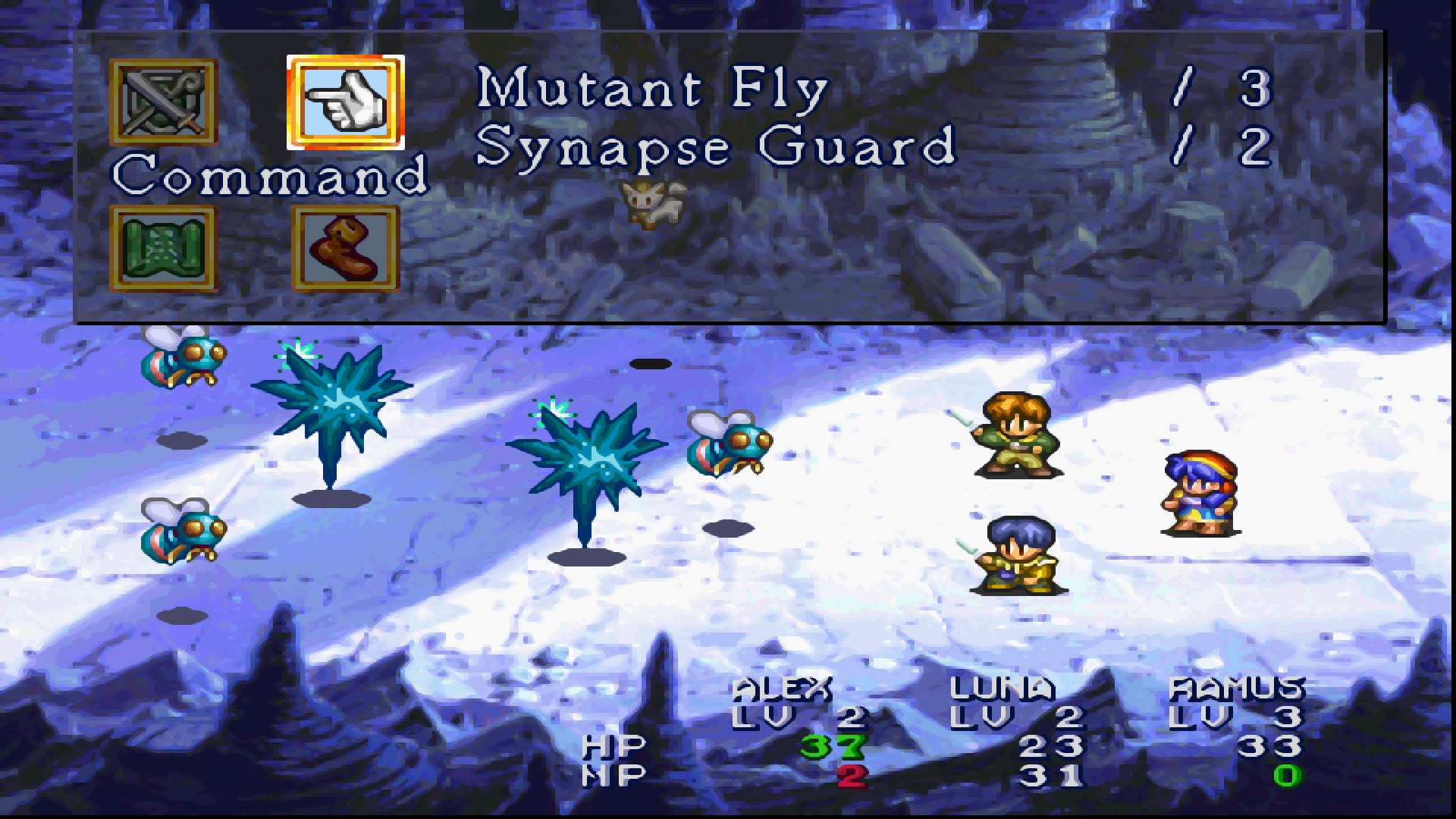
This classic adventure features several dungeons with puzzles that require the player to move objects in specific patterns. The boss encounters are scaled to the player’s level, meaning that grinding does not always make the game easier. Finding all the hidden items and bromides requires searching every town and speaking to NPCs multiple times. The game’s charm is matched by its occasionally obtuse quest requirements. A guide is a helpful companion for those who want to see all the character interactions and find every secret.
‘Final Fantasy XI’ (2002)
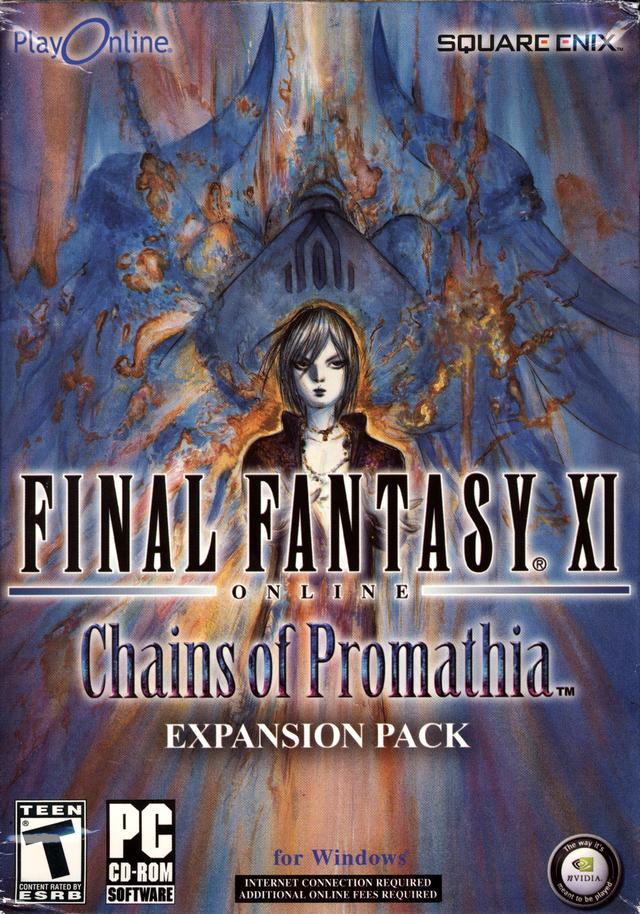
As a massive multiplayer online RPG, this title originally featured very few directions for its complex quest lines. Players had to rely on community notes and external wikis to figure out where to go and what items were needed. The mission structure involves long journeys and difficult battles that often require a coordinated group. Understanding the job system and equipment requirements for the end game is a massive undertaking. A guide has always been a fundamental part of the player experience for this long running title.
‘EverQuest’ (1999)
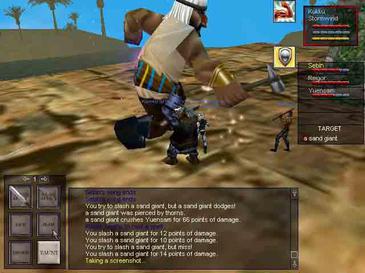
Known for its unforgiving difficulty and lack of in game maps, this title defined the early era of online RPGs. Players had to navigate massive continents and dangerous dungeons with almost no guidance from the interface. Dying often meant losing hours of progress and having to perform a difficult corpse run to recover gear. The quest for epic weapons involved months of effort and obscure steps that were only documented by the player community. Most successful adventurers spent as much time reading guides as they did playing the game.
Share your thoughts on which of these challenging RPGs required you to use a guide in the comments.