

10 RPGs That Left Players Disappointed With their Ending

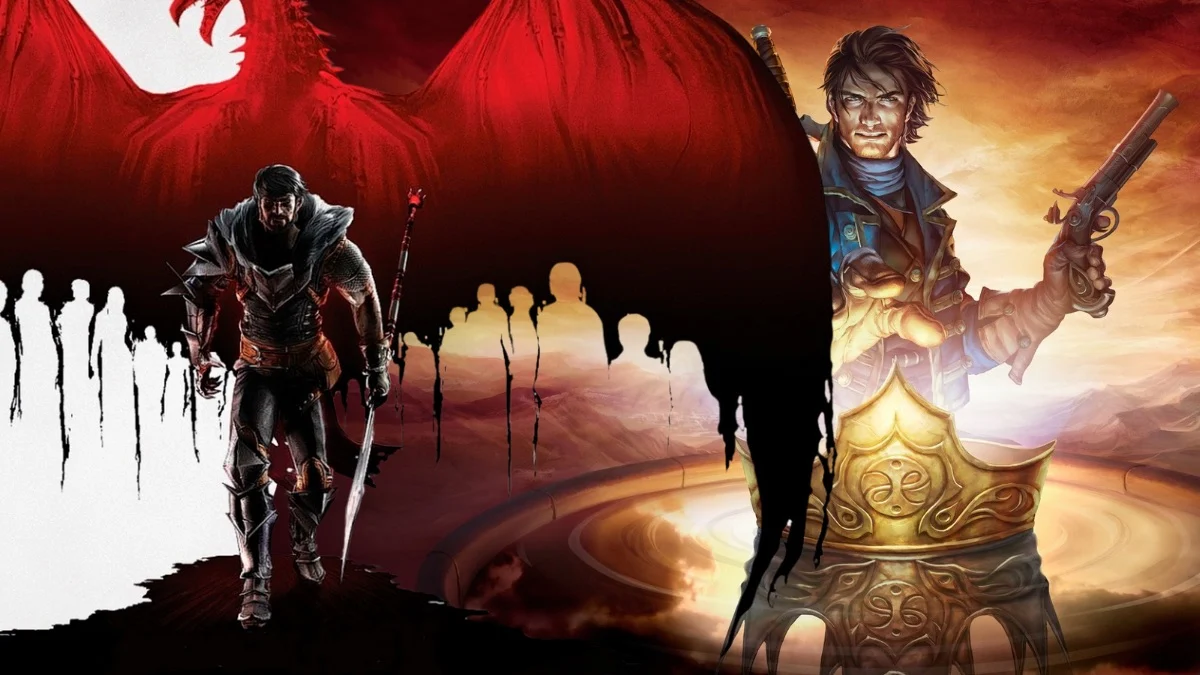


Role-playing games (RPGs) pull you into sprawling worlds with deep stories and tough choices. A great ending can make the journey unforgettable, but a weak one can sour the whole experience.
I’ve played countless RPGs, and some endings just don’t land right. Here are ten RPGs with finales that left me and many others disappointed, often failing to tie up epic adventures in a satisfying way.
10. Dragon Age II (2011)
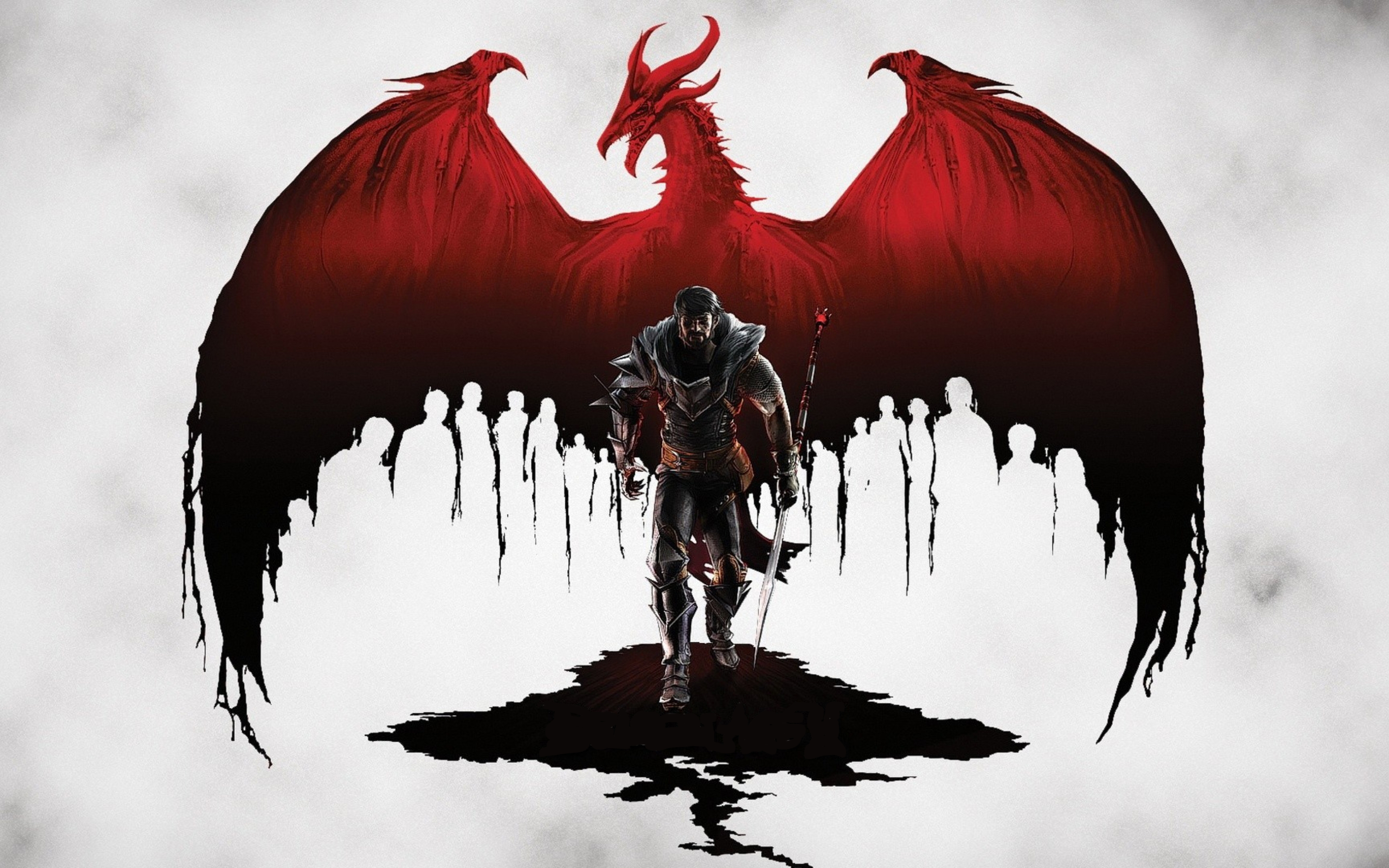
‘Dragon Age II’ follows Hawke, a refugee turned champion in the city of Kirkwall. The game’s story dives into political turmoil and personal struggles, but the ending feels rushed. No matter your choices, the final act boils down to a single conflict between mages and templars, with little variation in outcomes.
This lack of closure stings after hours of building relationships and shaping Hawke’s legacy. The abrupt resolution and limited impact of your decisions make the climax feel like a missed opportunity for a game with such rich character moments.
9. Fable III (2010)
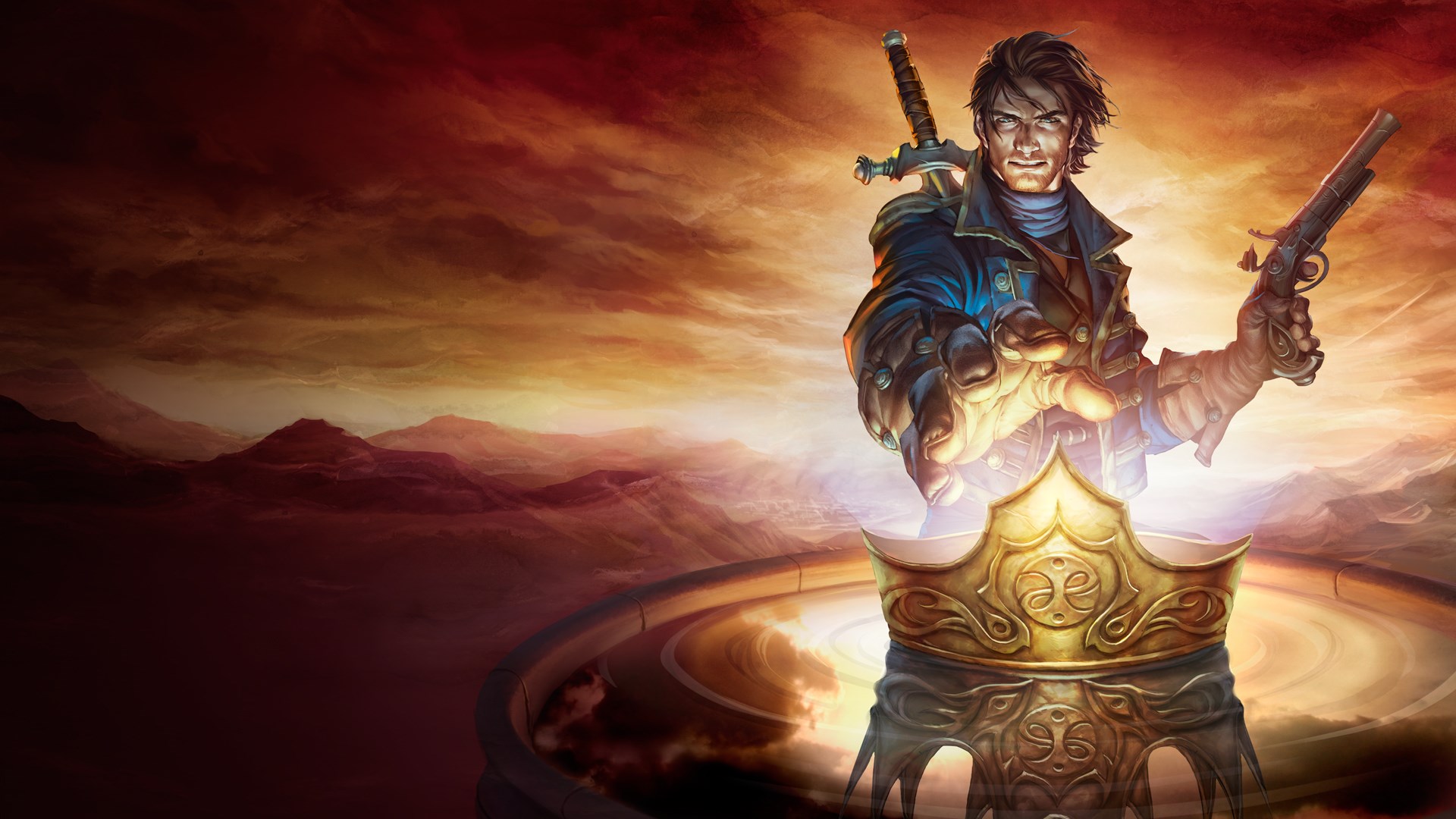
‘Fable III’ puts you as Albion’s ruler, tasked with overthrowing a tyrant and making tough calls to save the kingdom. The setup promises a grand finale, but the ending falls flat. After building up a rebellion, the final battle is a brief, underwhelming skirmish.
Your choices as king or queen don’t carry the weight you’d expect, and the story wraps up with minimal fanfare. It feels like the game ran out of steam, leaving players with a hollow victory that doesn’t match the journey’s ambition.
8. Final Fantasy XIII (2010)
‘Final Fantasy XIII’ weaves a tale of l’Cie, cursed heroes fighting fate on the world of Cocoon. Its flashy visuals and emotional beats are strong, but the ending confuses more than it satisfies. The resolution hinges on a vague deus ex machina, with key plot points left unclear.
Characters’ fates feel rushed or unresolved, despite the game’s long runtime. After such a linear journey, I wanted a clearer, more impactful close to the epic struggle, not a muddled cutscene that raises more questions than answers.
7. The Elder Scrolls V: Skyrim (2011)
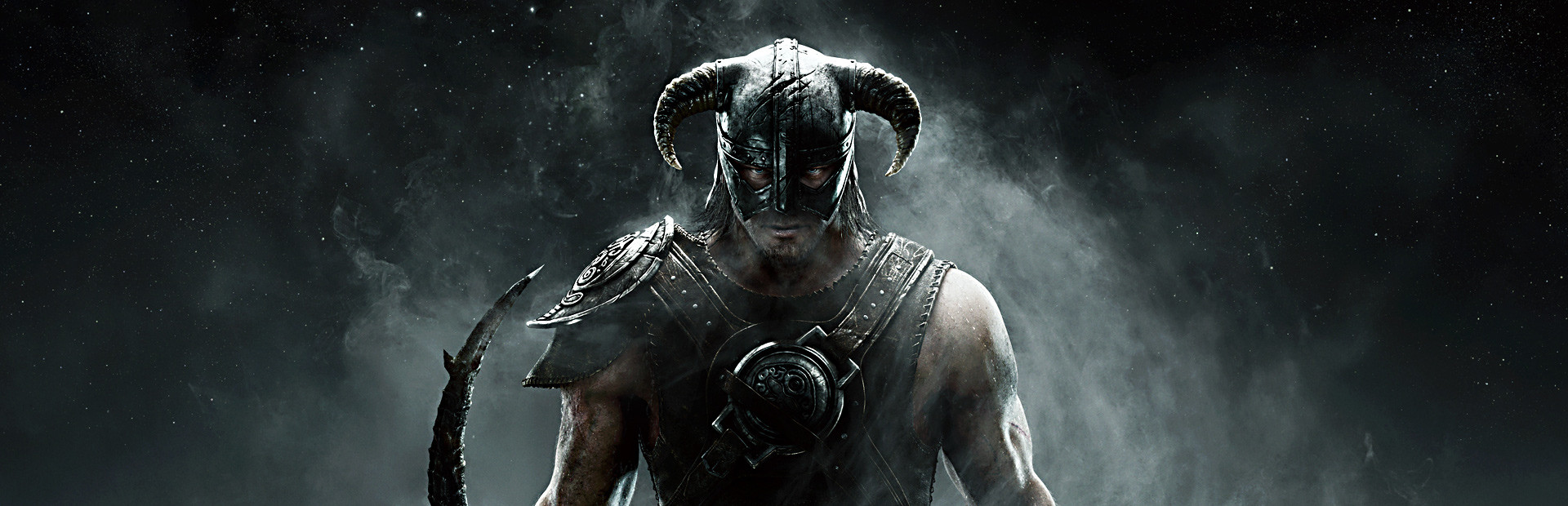
‘Skyrim’ is a masterpiece of open-world exploration, with dragons and ancient prophecies driving the main quest. But the final battle against Alduin, the world-eating dragon, feels oddly small. It’s over quickly, lacking the epic scale of the game’s lore.
The ending doesn’t reflect your choices or the vast world you’ve explored. It’s forgettable compared to the side quests and factions, leaving me wishing for a finale that matched the game’s massive scope.
6. Nier: Automata (2017)
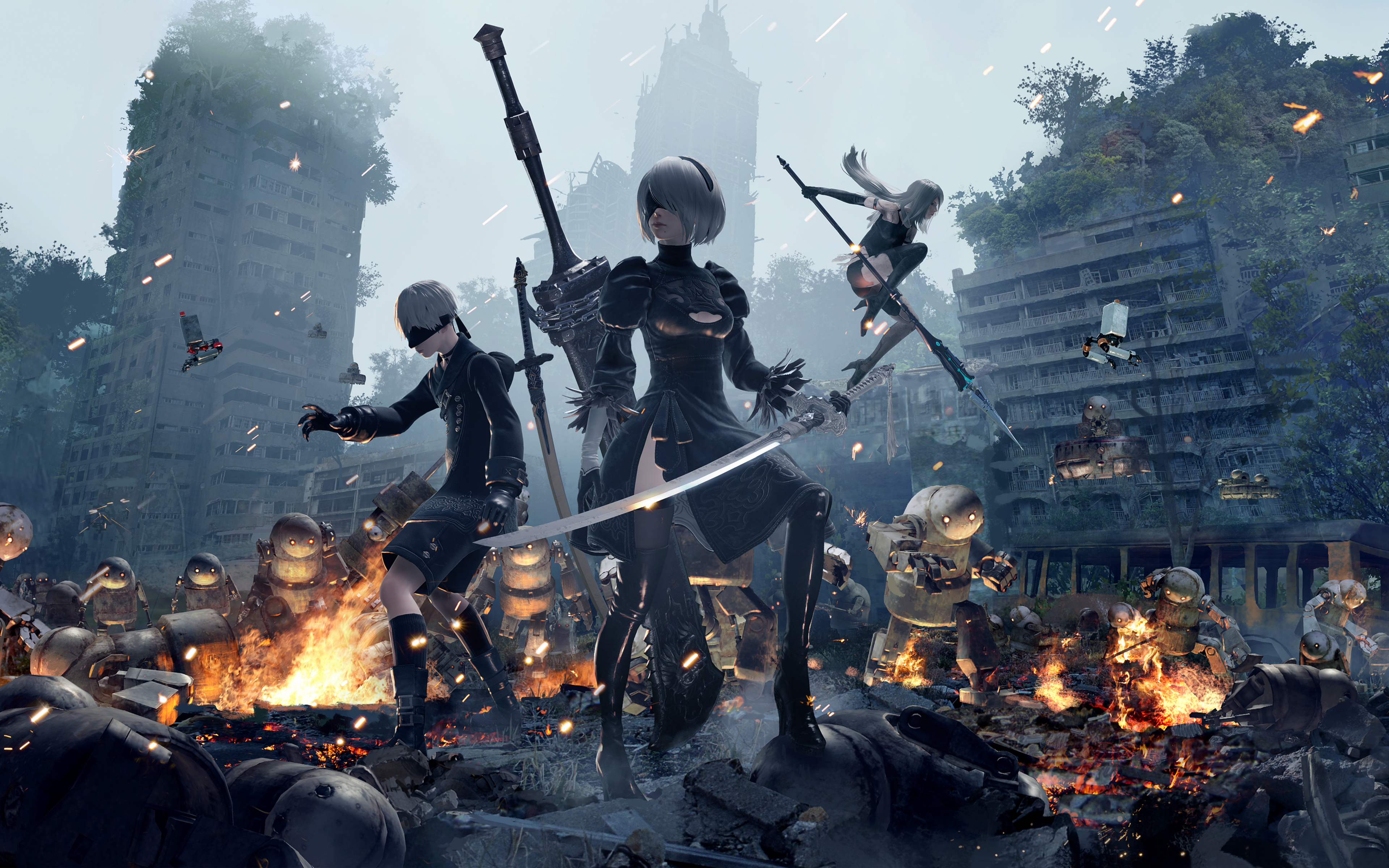
‘Nier: Automata’ is a bold action RPG about androids and humanity’s remnants. Its multiple endings are creative, but the true ending, where you sacrifice your save file, feels more gimmicky than fulfilling. The emotional payoff doesn’t quite land for all characters.
While the game’s themes of sacrifice are powerful, the lack of clear resolution for the cast left me unsatisfied. I loved the journey, but the finale needed more closure to feel complete.
5. Fallout 4 (2015)
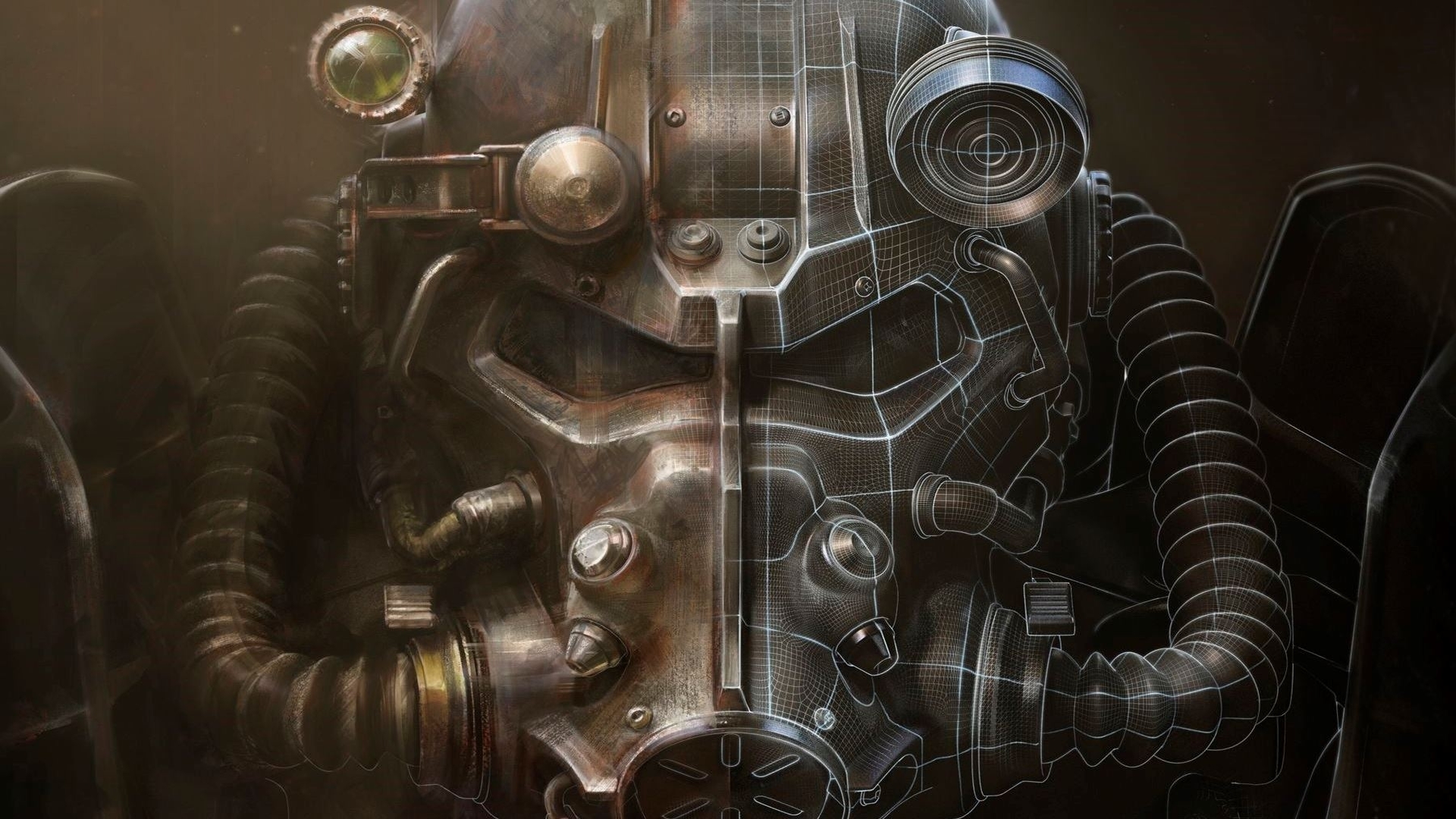
‘Fallout 4’ lets you shape the Commonwealth’s future through faction alliances. Yet, its four endings feel repetitive and shallow. Whether you side with the Institute or destroy it, the outcomes don’t explore the moral dilemmas deeply enough.
The story builds up complex themes, but the endings lack nuance, offering flashy set pieces over meaningful consequences. I wanted my choices to ripple more visibly across the wasteland, not fade into a generic conclusion.
4. Assassin’s Creed III (2012)
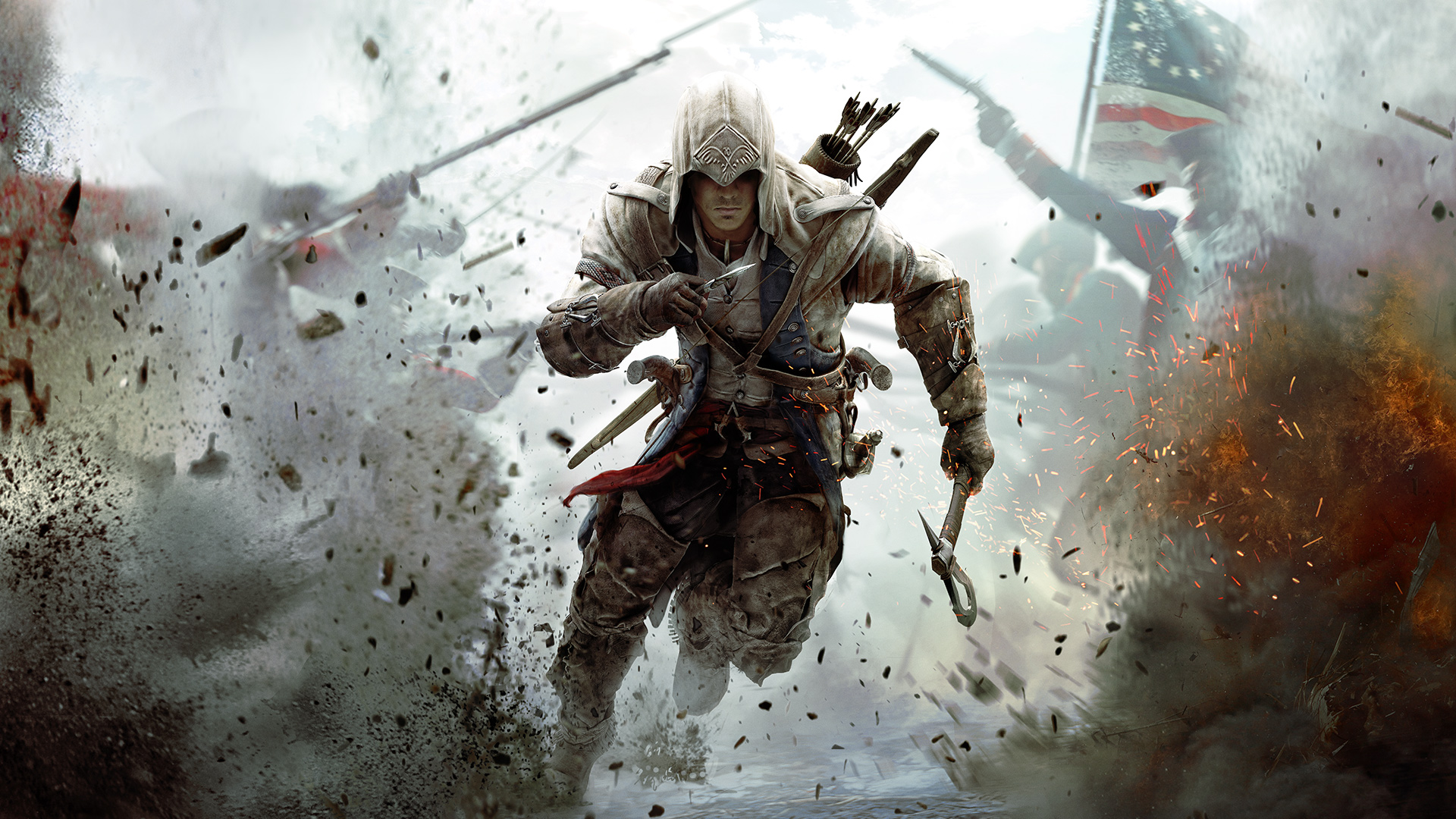
‘Assassin’s Creed III’ follows Connor, a Native American assassin, during the American Revolution. The historical setting and stealth mechanics shine, but the ending crashes hard. The modern-day storyline resolves in a confusing, anticlimactic way, with Desmond’s arc feeling pointless.
Connor’s personal journey also ends abruptly, with little closure for his struggles. After investing so much time, I felt cheated by an ending that didn’t honor the stakes or the series’ buildup.
3. Mass Effect 3 (2012)
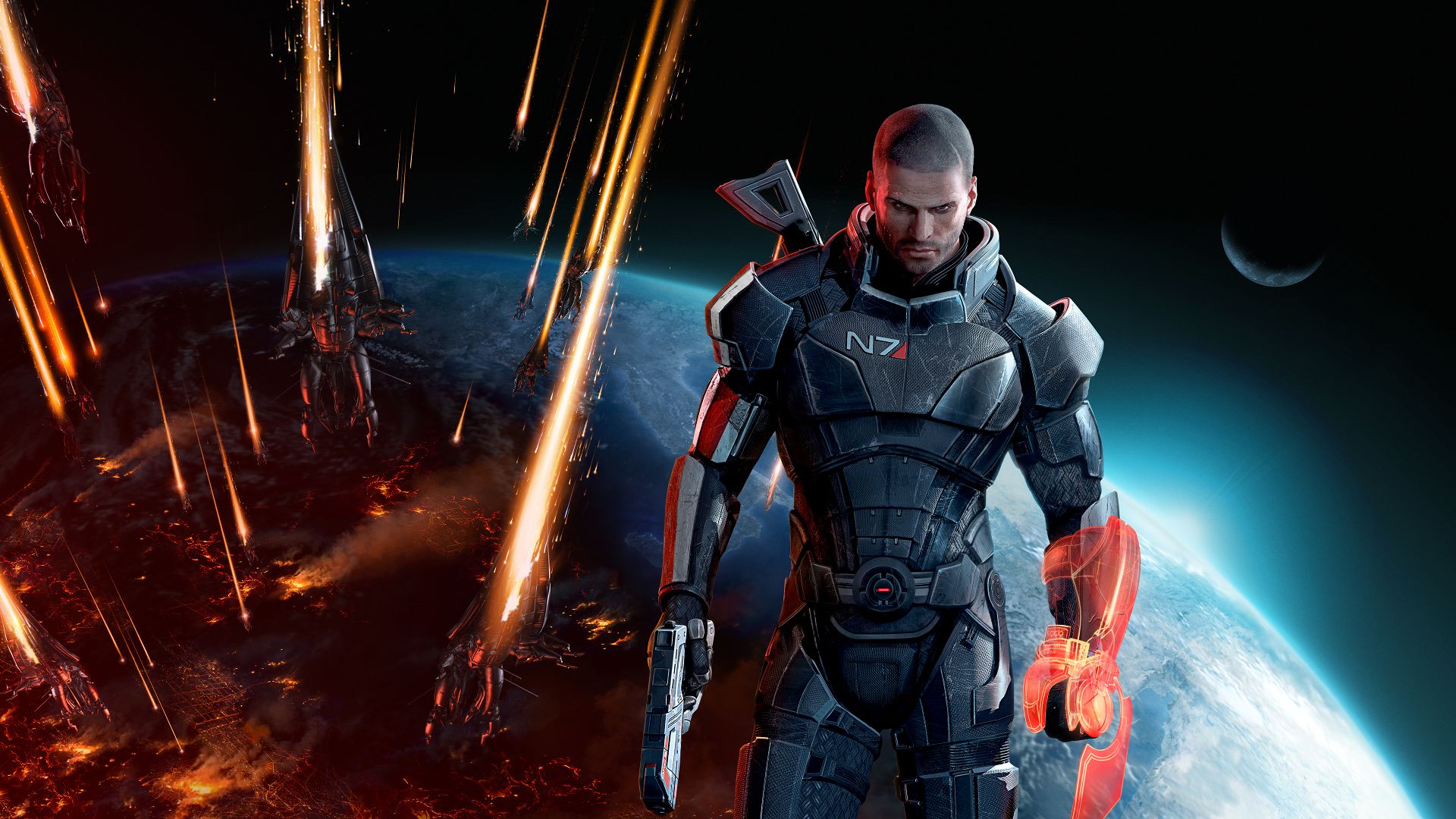
‘Mass Effect 3’ caps a trilogy of galaxy-spanning choices, with Commander Shepard facing the Reaper threat. The ending, though, ignores much of your journey. The three main outcomes feel too similar, reducing your decisions to a color-coded cutscene.
Fans expected a finale that reflected their choices across three games, but it falls short, leaving Shepard’s fate and the galaxy’s future vague. It’s a letdown for a series built on player agency.
2. Like a Dragon: Infinite Wealth (2024)
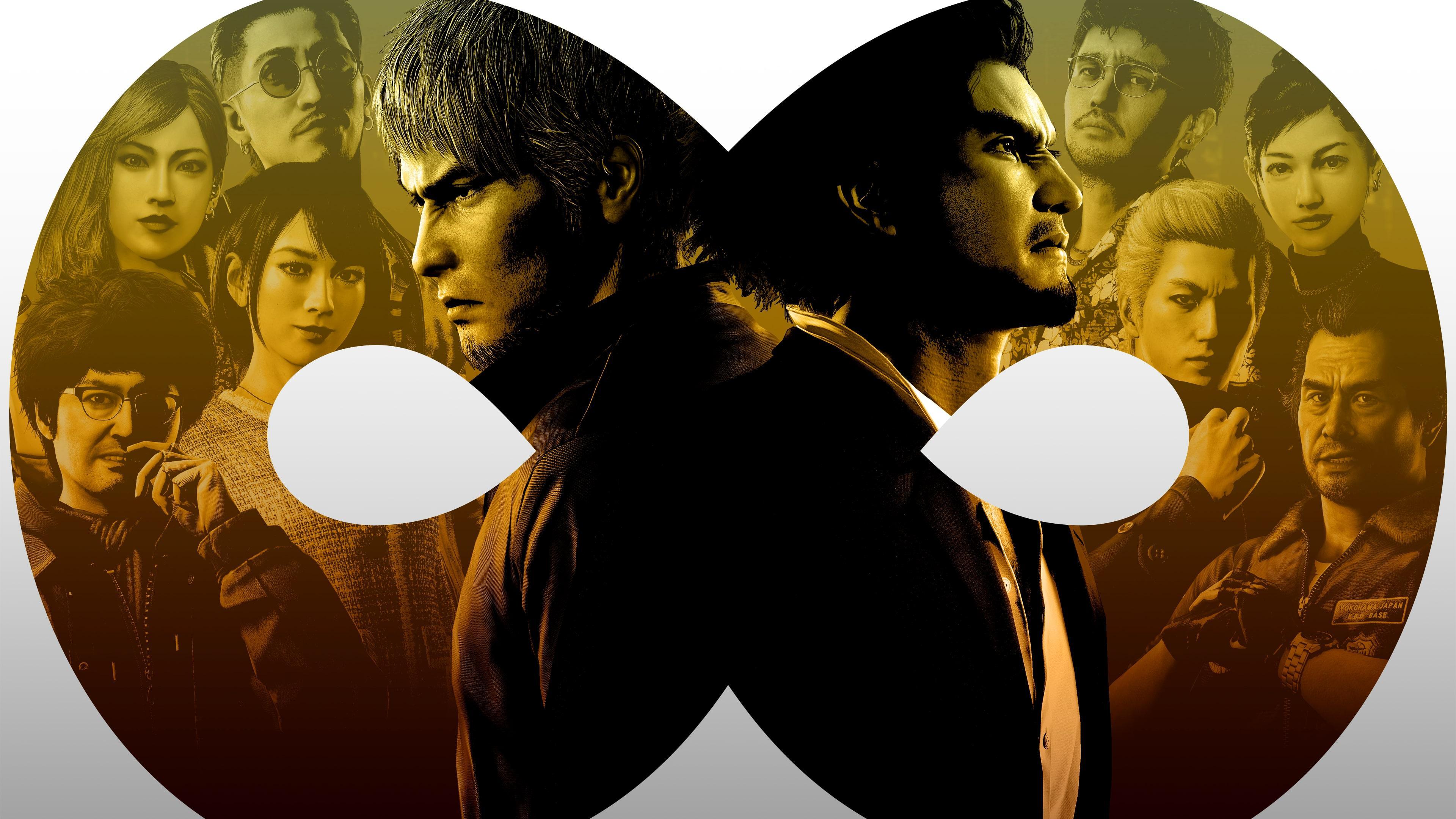
‘Like a Dragon: Infinite Wealth’ delivers a heartfelt story with Ichiban Kasuga and Kiryu Kazama. Its emotional depth is top-notch, but the ending frustrates. The final resolution ties up major plotlines too neatly, ignoring some character arcs and leaving key conflicts unresolved.
It feels like a setup for a sequel rather than a proper close. After such a strong narrative, I was disappointed by a finale that didn’t fully honor the characters’ journeys.
1. Bayonetta 3 (2022)
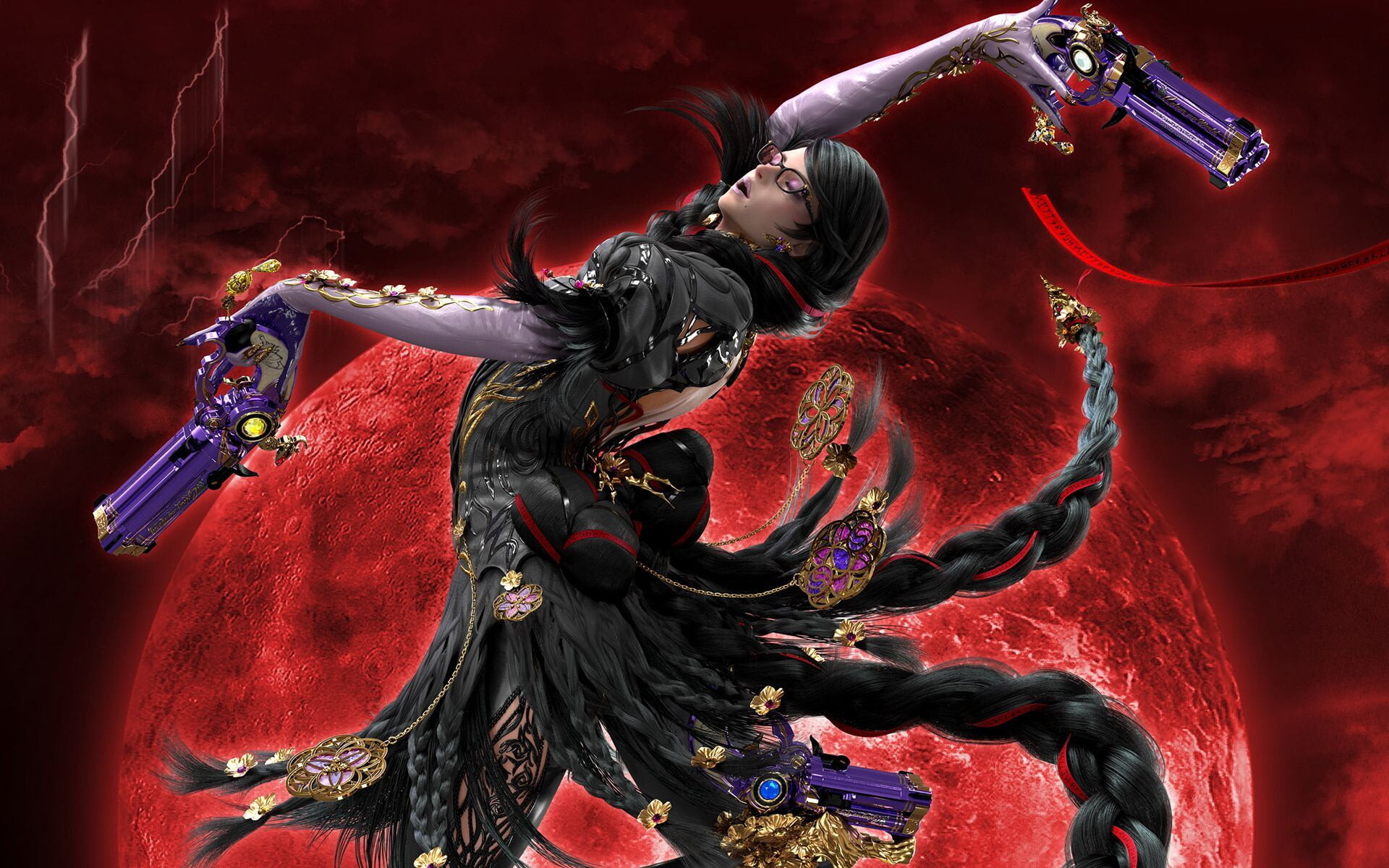
‘Bayonetta 3’ is a stylish action RPG with multiverse-spanning chaos. The story builds up Bayonetta’s legacy, but the ending fumbles it. A sudden shift to a new protagonist and a vague cliffhanger undo the emotional weight of the trilogy.
It retroactively weakens the first two games by breaking their narrative continuity. I wanted a bold, satisfying close for Bayonetta, not a rushed tease for a new direction that left me confused.
Which RPG ending disappointed you the most, or did I miss one that left you hanging? Drop your thoughts in the comments!