

Sandbox Games Where the Physics Engine Is the Real Enemy

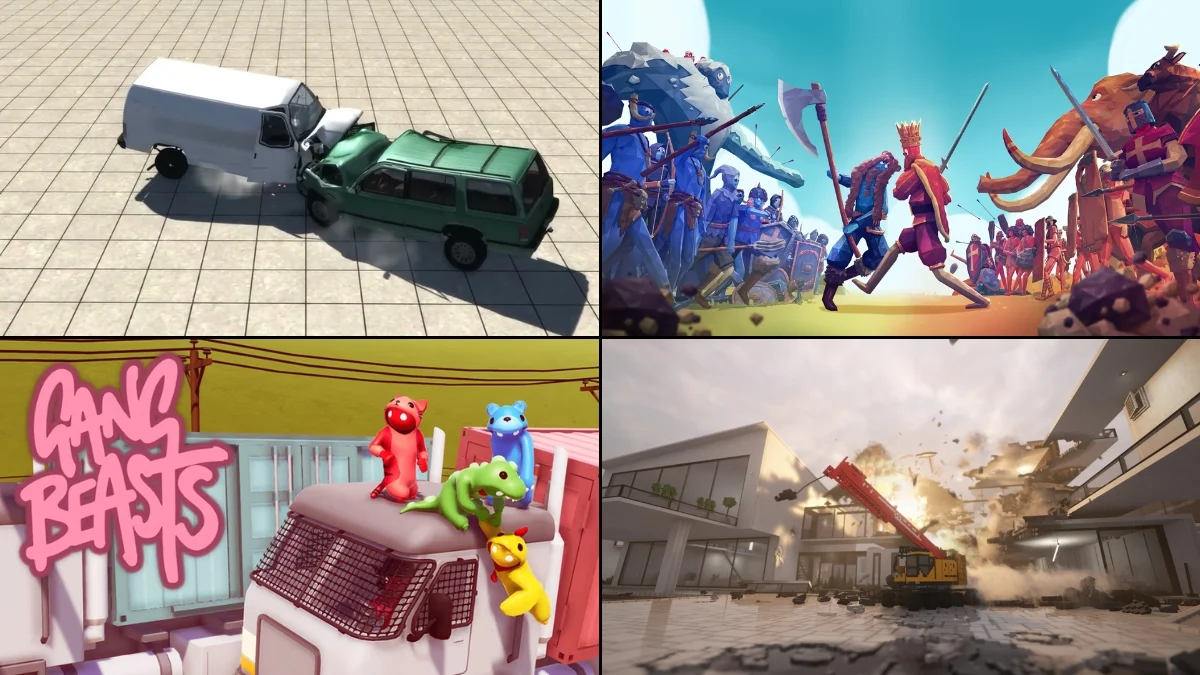


When a game lets systems collide freely, the physics engine can turn routine actions into unpredictable chain reactions that reshape your plans on the fly. These sandbox titles lean into simulated forces—ragdolls, constraints, soft bodies, fluids, voxels, and destructible structures—so momentum, mass, and contact points matter as much as your inputs. Expect emergent hazards like flying debris, collapsing supports, ricocheting projectiles, and vehicles that react to torque and traction rather than scripted behavior. Here are sandbox games where understanding the simulation is just as important as mastering the controls.
‘Goat Simulator’ (2014)

Coffee Stain Studios built its sandbox around exaggerated ragdoll constraints, collision impulses, and springy joints that transfer energy unpredictably between objects and the player avatar. Trampolines, vehicles, and explosive props apply large impulse forces, often launching the goat or NPCs into secondary collisions that cascade across the map. Physics-driven attachments like the “lick” tether act as dynamic constraints, letting players swing payloads and convert angular momentum into distance. Coffee Stain also published the game, with frequent updates adding more interactable props that extend the simulation’s chaos.
‘Garry’s Mod’ (2006)

Facepunch Studios’ sandbox exposes Source engine physics tools directly—welds, ropes, thrusters, and constraints—so any contraption inherits real-time mass, friction, and break limits. The physics gun lets players reposition rigid bodies and test joint stress, making unintended oscillations and jitter a constant risk. NPC ragdolls and vehicle bodies respond to force vectors rather than scripts, producing emergent failures like resonance explosions in over-thrusted builds. Published via Valve’s platform, the mod-turned-standalone remains a long-running playground for user-made physics experiments.
‘Kerbal Space Program’ (2015)
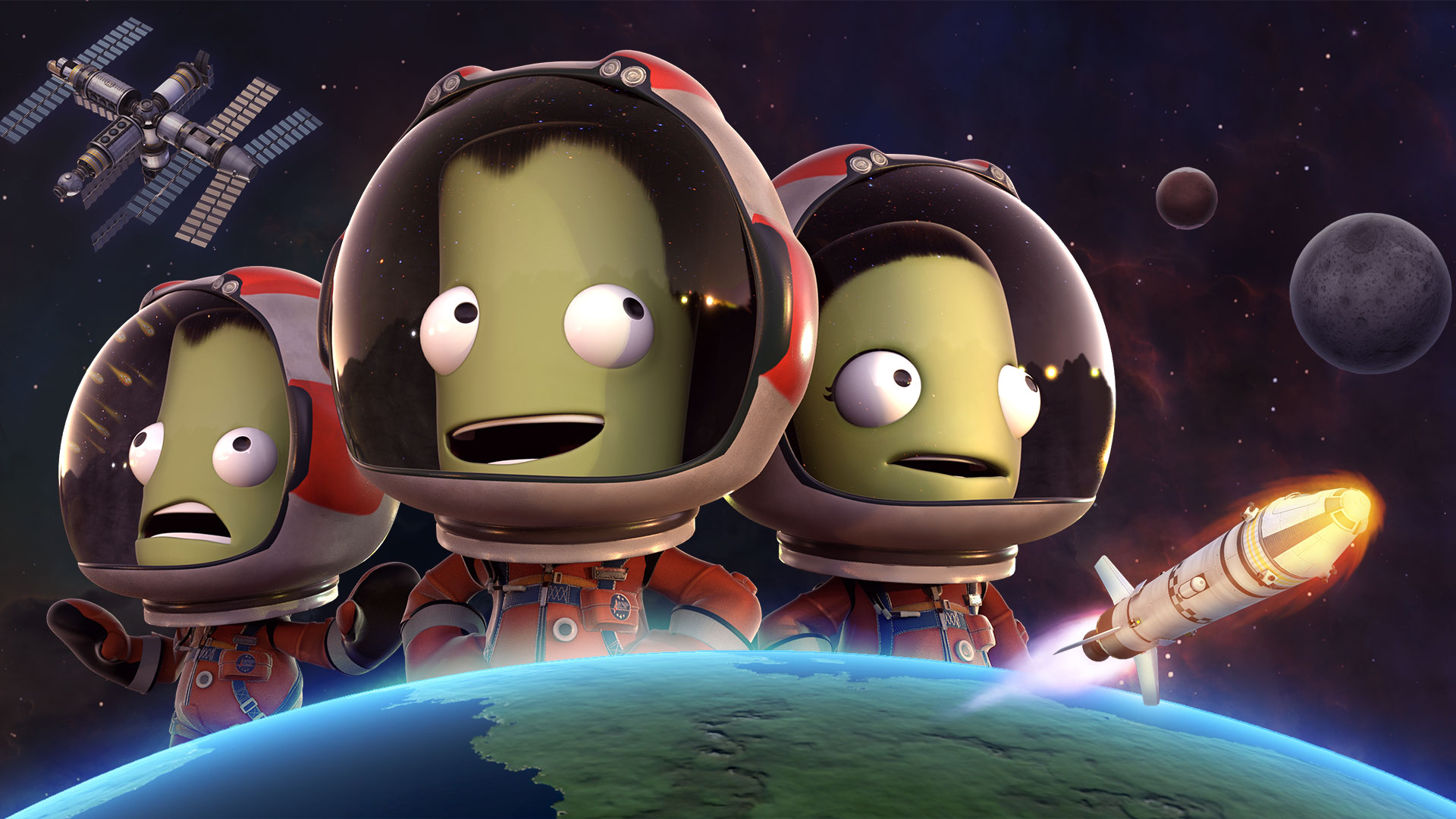
Developed by Squad, this spaceflight sandbox models mass distribution, thrust, and aerodynamics across multi-part vehicles where flexing joints can induce destructive wobble. Staging and structural reinforcement change center-of-mass behavior, while atmospheric drag and reentry heating punish unstable designs. Orbital mechanics use patched conics, so small burns or off-axis torque can yield large trajectory deviations. Squad self-published on PC, with later console releases under Private Division.
‘Besiege’ (2020)
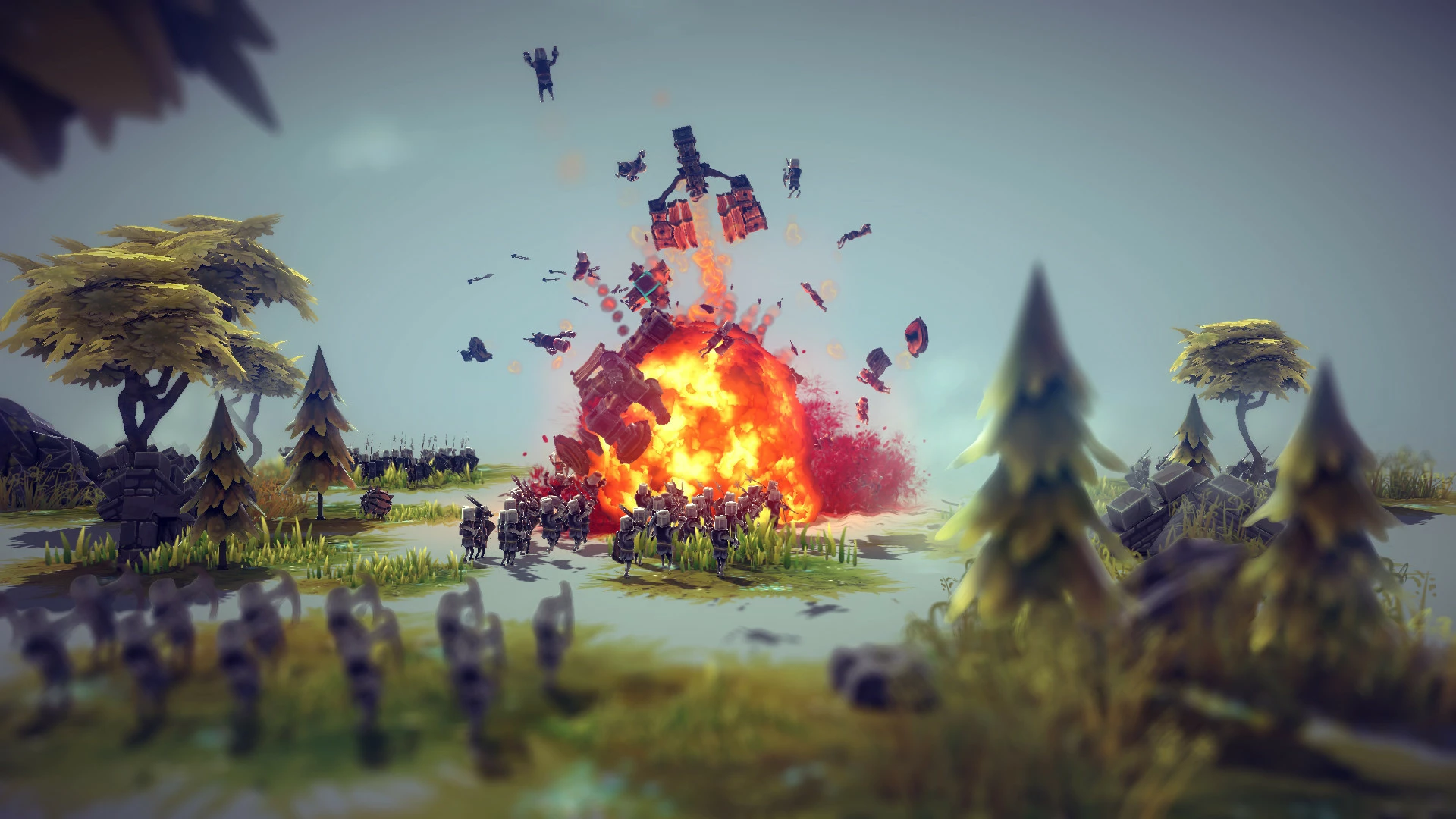
Spiderling Studios’ builder simulates torque, center of gravity, and joint stress across custom siege engines made of wood, metal, and spinning components. Collisions with level geometry can shear off weak links, causing chain failures that alter steering and thrust mid-mission. Fire, explosives, and rotating blades interact through rigid-body and particle forces, so debris impacts can trigger unintended self-destruction. Spiderling developed and published the 1.0 release following a long early access period.
‘Teardown’ (2022)
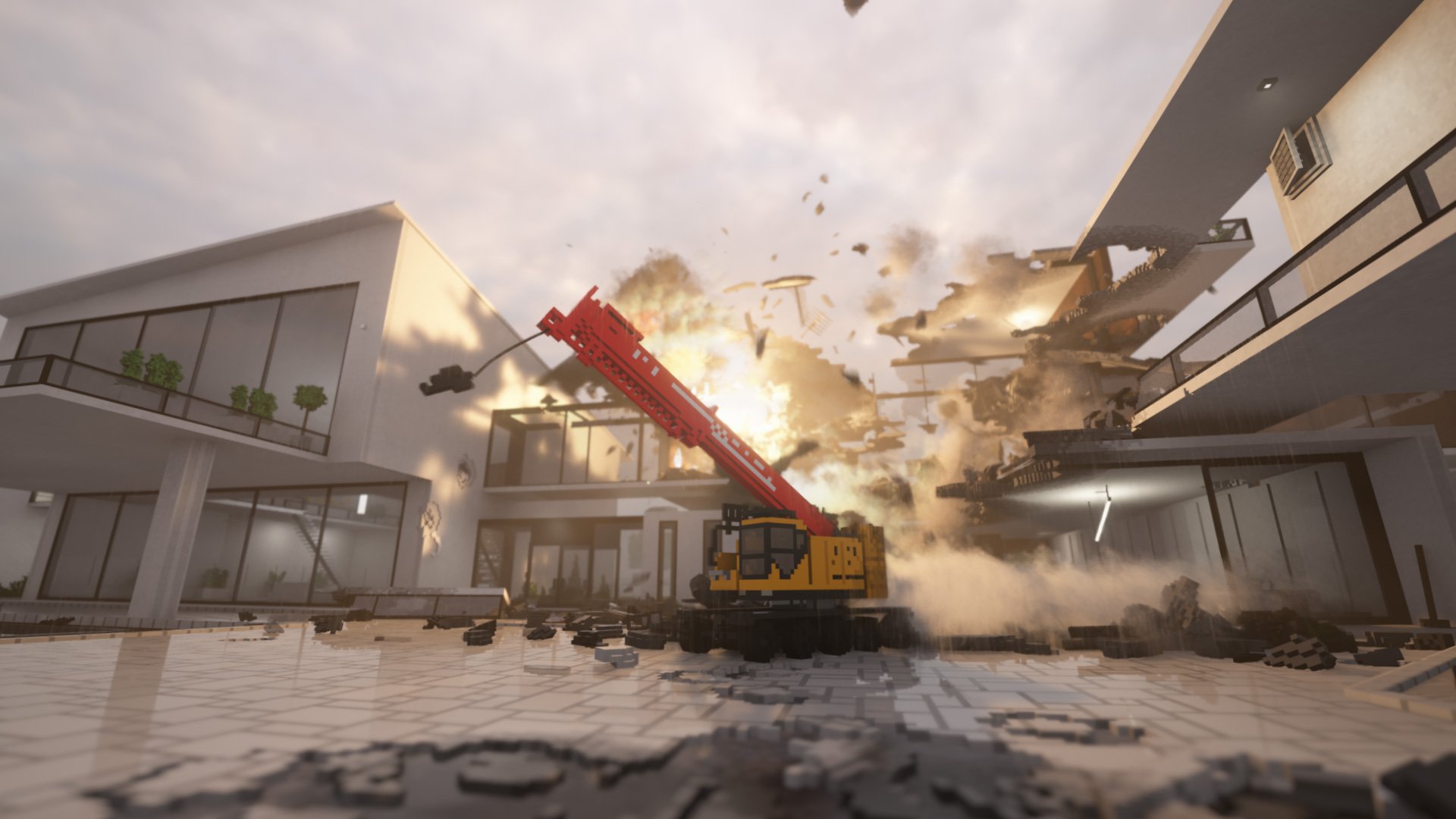
Tuxedo Labs’ voxel-based sandbox calculates structural integrity at the block level, making every explosion, cut, or vehicle impact affect load-bearing paths. Buildings collapse when supports fail, and debris settles under gravity, altering navigation routes dynamically. Fire spreads through flammable voxels and can be accelerated by airflow from demolition equipment or explosives. Developed and published by Tuxedo Labs, the game’s heist objectives leverage these physical systems to create emergent solutions and setbacks.
‘Totally Accurate Battle Simulator’ (2019)
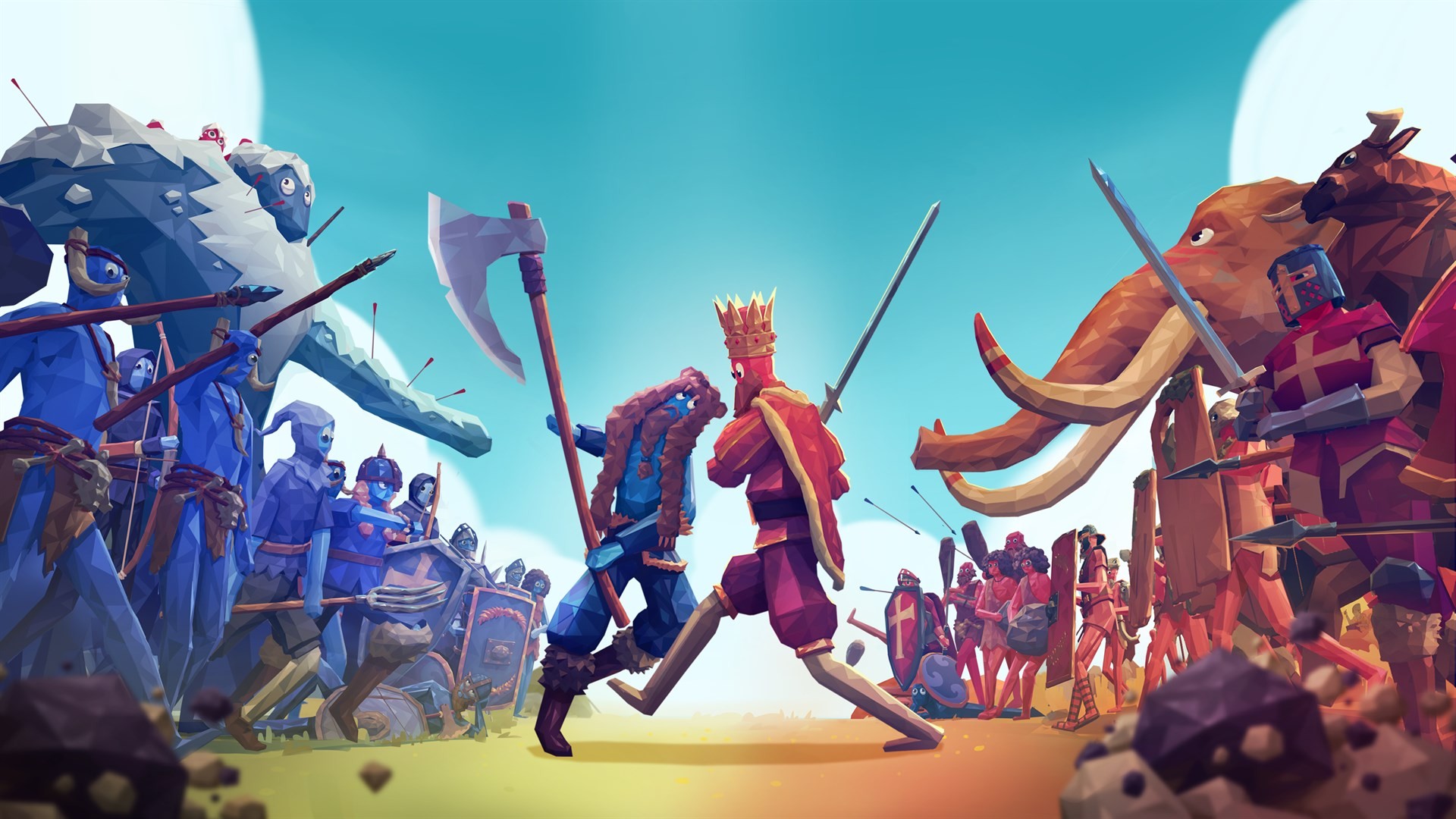
Landfall’s unit battler uses ragdoll physics and joint constraints to simulate combat outcomes rather than rely on deterministic animations. Weapon swings, projectile arcs, and knockback forces create chain reactions where units trip, entangle, or propel each other unexpectedly. Terrain slope and mass distributions further skew balance, turning narrow bridges and cliffs into high-risk zones. Developed and published by Landfall, the sandbox modes let players stress-test unit combinations against the simulation.
‘Human: Fall Flat’ (2016)
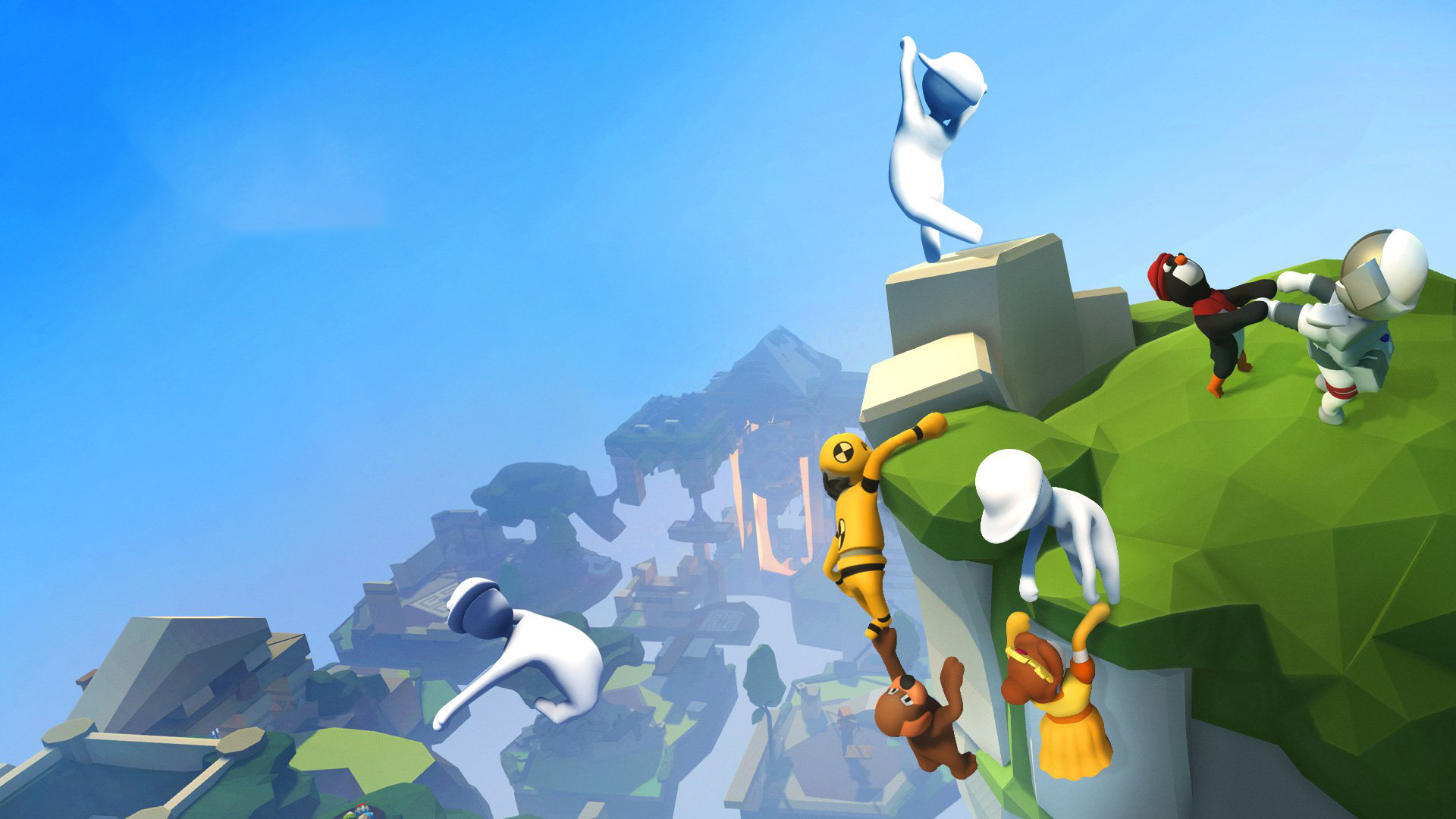
No Brakes Games’ puzzle sandbox models character control as a set of physics-driven grabs and lever pulls, where balance and swing timing determine success. Boxes, ropes, and platforms react to combined player weight and momentum, making cooperation—or mistimed jumps—a key variable. The game’s ragdoll body can create pendulum effects on bars and cranes, amplifying minor inputs into large swings. Published by Curve Digital (now Curve Games), it supports online co-op that multiplies those forces across multiple players.
‘Grand Theft Auto IV’ (2008)
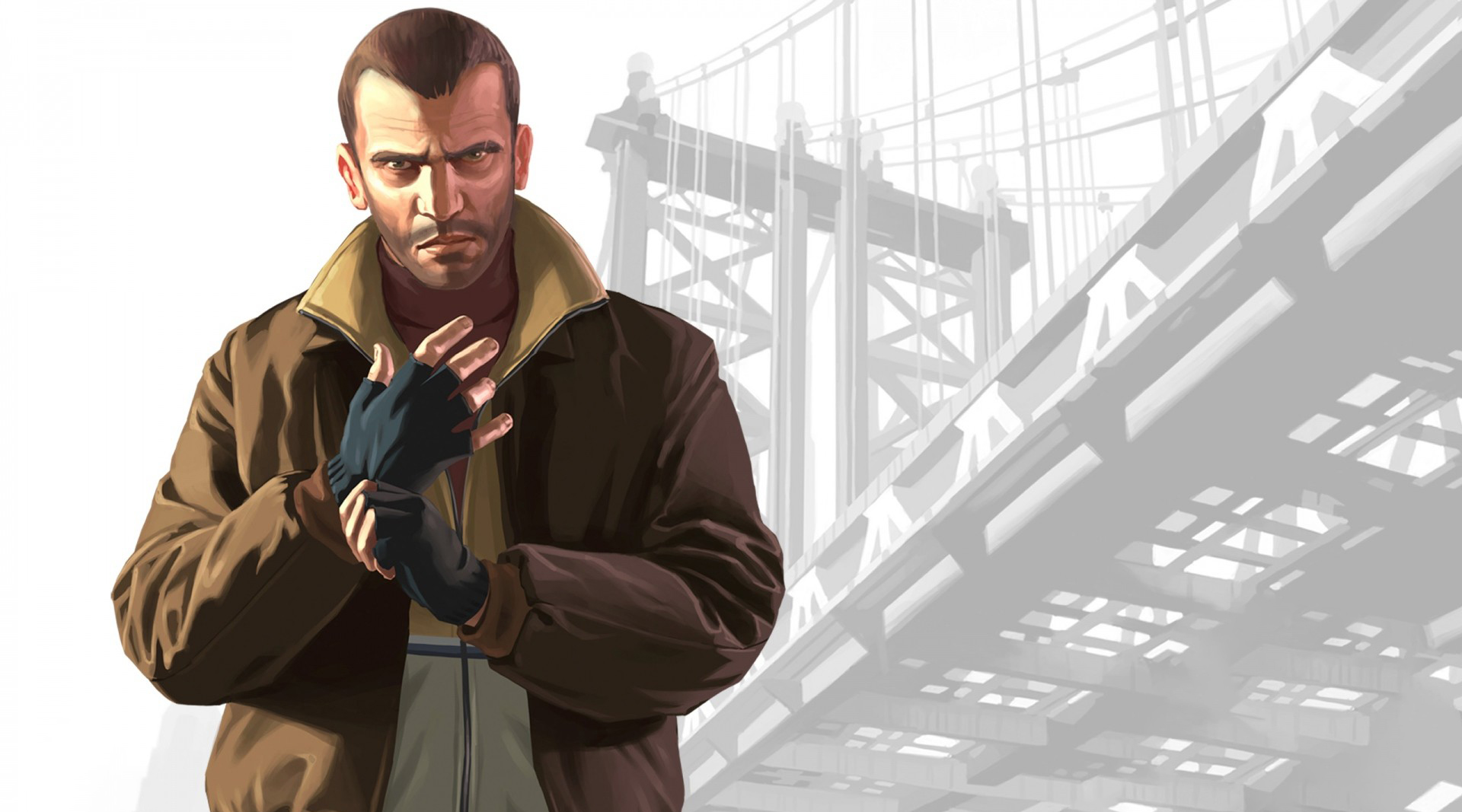
Rockstar North integrated NaturalMotion’s Euphoria to drive character ragdolls and dynamic reactions to vehicle impacts and abrupt accelerations. Pedestrians brace, stumble, and tumble based on force vectors rather than canned animations, making curbs, handrails, and car doors potent hazards. Vehicle suspensions and weight transfer affect braking distance and cornering under collision stress. Published by Rockstar Games, the sandbox’s traffic, debris, and weather combine to produce frequent unplanned pileups.
‘Grand Theft Auto V’ (2013)

Rockstar North’s open world layers rigid-body physics for vehicles with ragdoll and cloth interactions for characters and world props. Off-road traction, curb impacts, and mass differentials between vehicles produce spinouts and barrel rolls that can escalate from minor bumps. Explosions impart impulse forces that scatter debris and ignite secondary fuel sources, affecting pursuit and heist scenarios. Released by Rockstar Games, the online mode adds player-spawned props that further complicate physical interactions.
‘The Elder Scrolls V: Skyrim’ (2011)
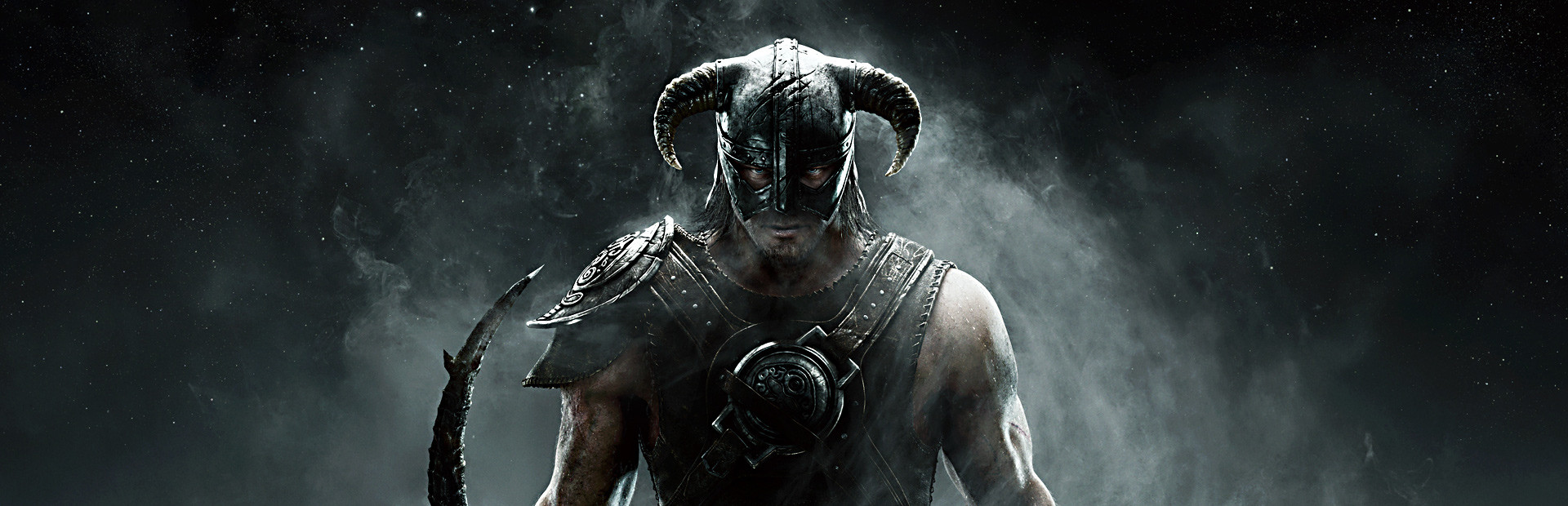
Bethesda Game Studios’ sandbox uses Havok physics for ragdolls, projectiles, and environmental objects that respond to magic and shouts as applied forces. ‘Unrelenting Force’ and similar effects generate impulse vectors that can send enemies and clutter into lethal secondary collisions. Weight and friction influence how dropped gear slides across surfaces, occasionally interacting with traps and moving platforms. Published by Bethesda Softworks, updates and editions retained the same core physics behavior across platforms.
‘The Legend of Zelda: Breath of the Wild’ (2017)
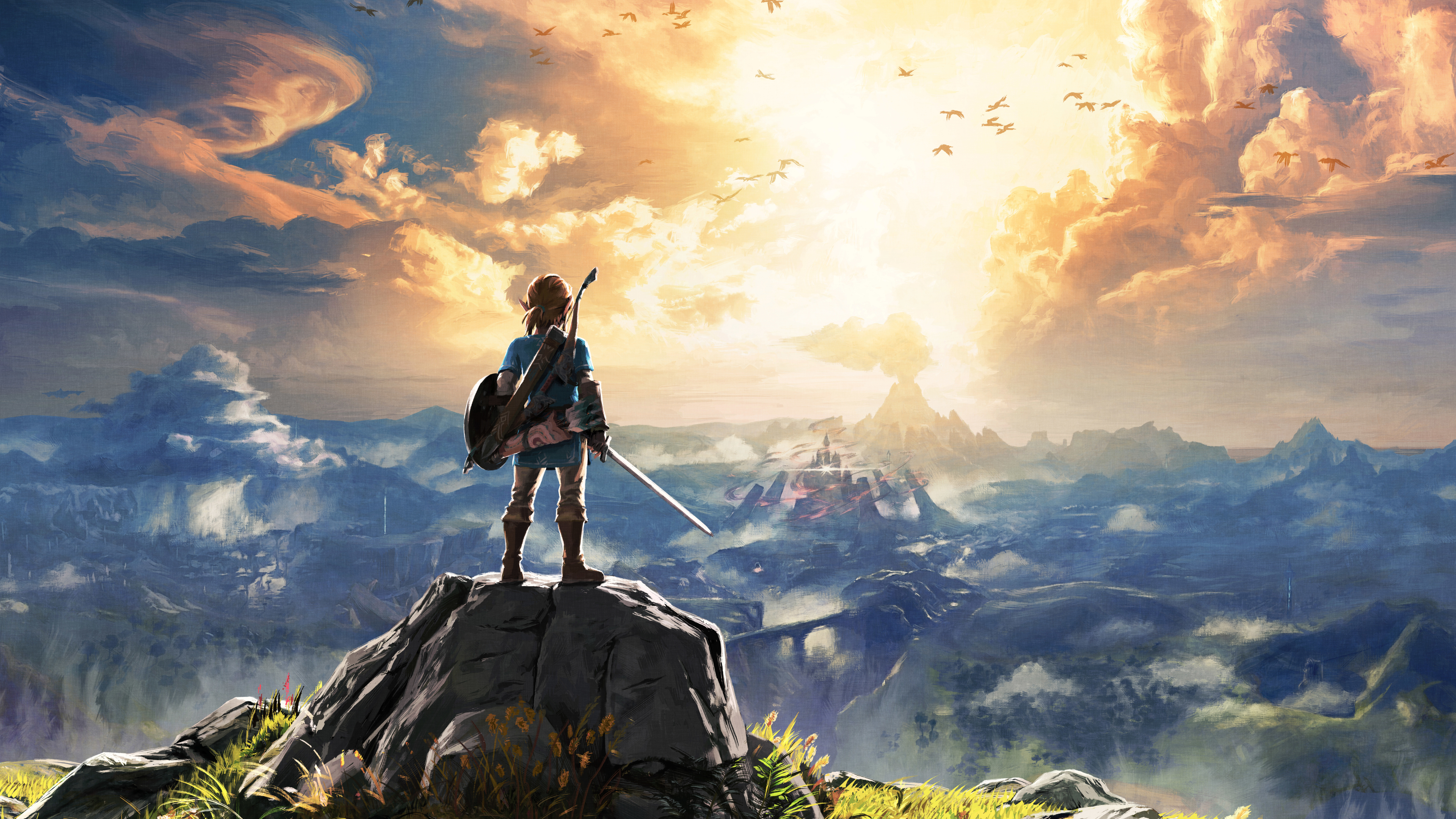
Nintendo EPD’s systemic sandbox models forces across magnetic, thermal, and kinetic interactions, letting metal objects, wind, and temperature affect traversal and combat. Stasis stores kinetic energy in frozen objects, then releases it as impulse along a calculated vector, enabling long-distance launches or unintended ricochets. Rolling boulders, updrafts, and weather-driven friction changes add variability to predictable routes. Published by Nintendo, its rune toolkit exemplifies physics-first problem solving.
‘The Legend of Zelda: Tears of the Kingdom’ (2023)
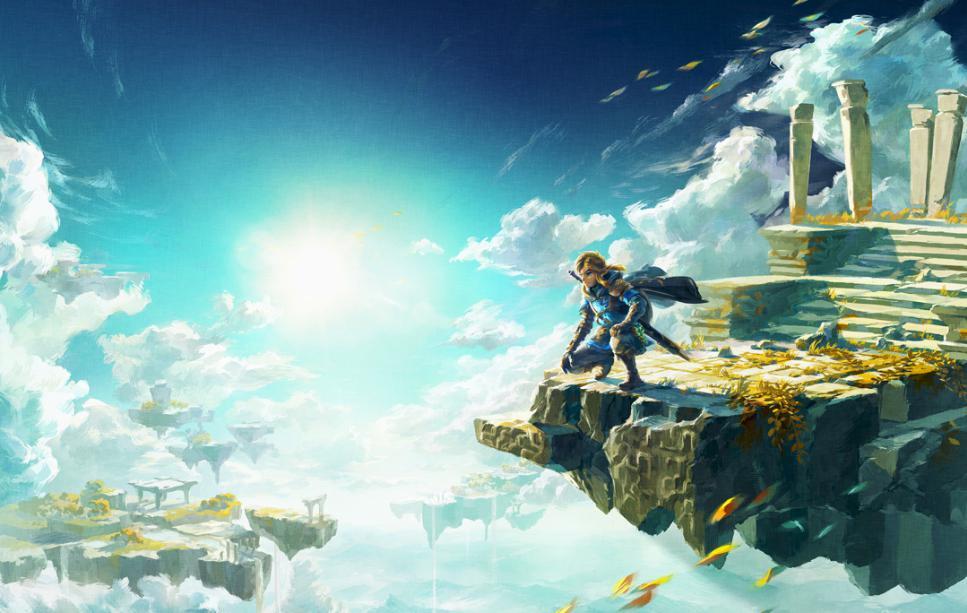
Nintendo EPD extends the prior simulation with vehicle assembly using Zonai devices that introduce thrust, lift, and torque as player-configurable variables. Ultrahand attachments create complex mass distributions, so offset weight and asymmetrical propulsion cause drift and spin. Fuse can alter weapon durability and impact behavior, resulting in different recoil and knockback profiles. Published by Nintendo, the sandbox elevates emergent physics by letting parts interact under power and gravity.
‘Red Faction: Guerrilla’ (2009)
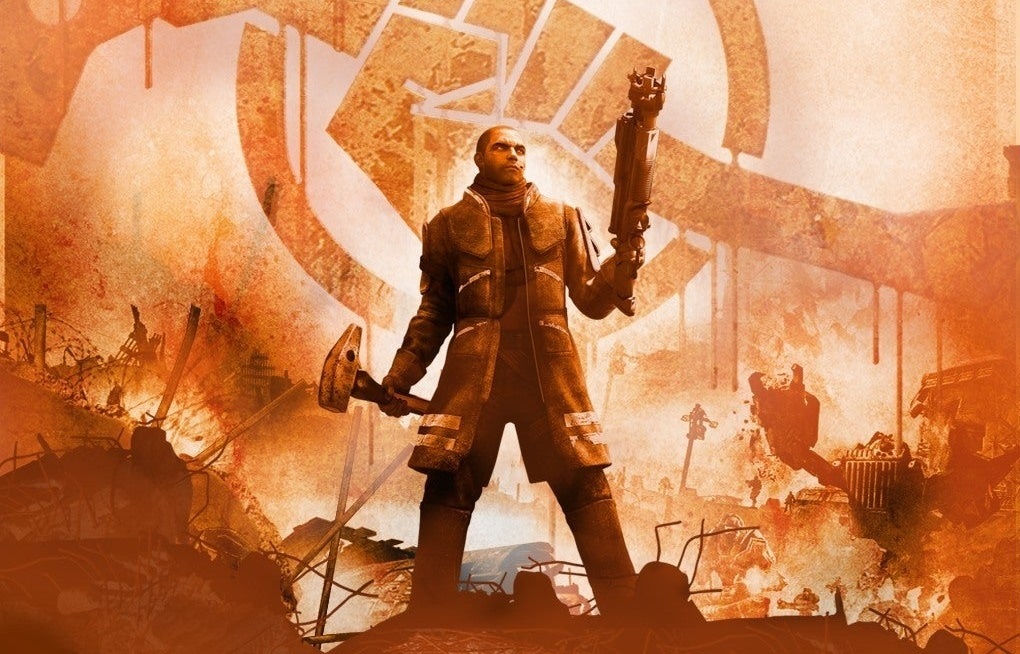
Volition’s GeoMod 2.0 simulates structural stress and directional damage, so targeted charges on supports bring down entire buildings according to load paths. Falling debris retains mass and momentum, flattening vehicles and altering cover mid-fight. Shockwaves and blast impulse vary with placement, creating different collapse patterns even on the same structure. Published by THQ, the open-world missions leverage destructibility to reshape routes dynamically.
‘BeamNG.drive’ (2015)
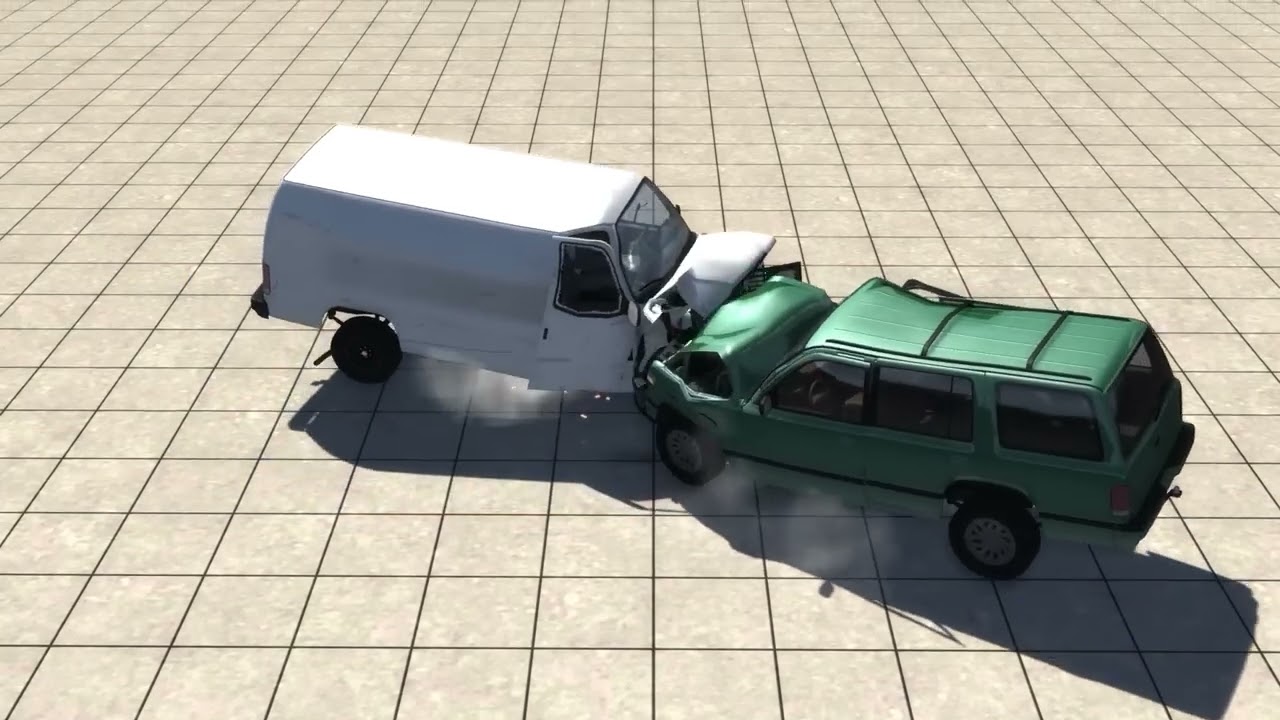
BeamNG GmbH’s soft-body physics calculate deformations across thousands of nodes, making vehicle bodies flex, crumple, and rebound under realistic forces. Suspension geometry, tire friction, and weight transfer determine traction and braking distance on varied surfaces. Collisions persist as damage that changes handling traits—bent frames, misaligned wheels, and punctured radiators feed back into control. Released in early access by BeamNG, the sandbox maps and scenarios highlight the simulation’s unforgiving accuracy.
‘SnowRunner’ (2020)
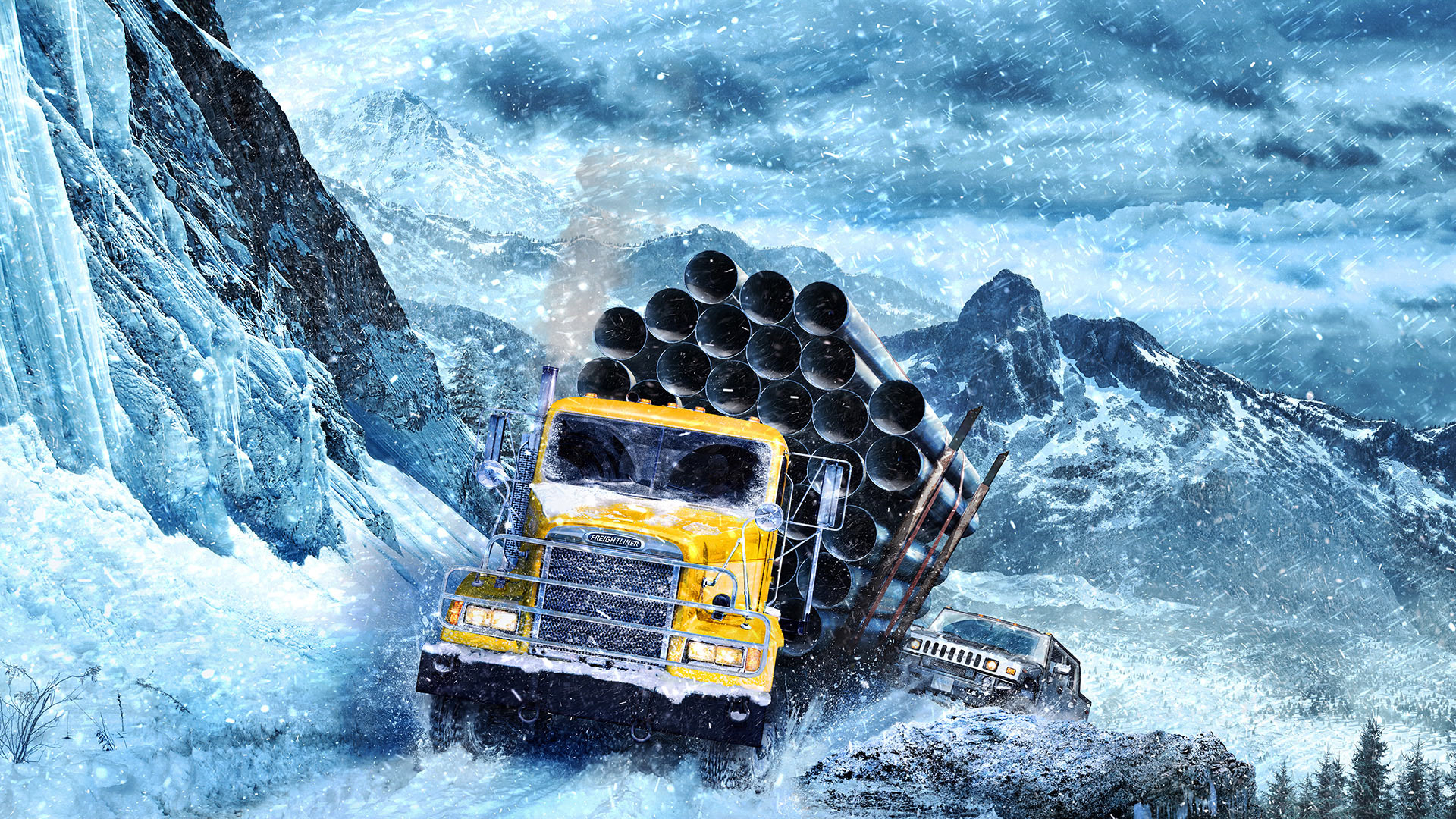
Saber Interactive models terrain deformation, tire sink, and fluid resistance, so mud, snow, and water impose varying drag and shear forces. Differential locks, winches, and tire types adjust torque delivery, but misjudged angles can tip loads or bury axles. Cargo mass shifts alter a truck’s center of gravity, influencing rollover risk on side slopes and bridges. Published by Focus Entertainment (then Focus Home Interactive), the game’s contracts play out as logistics puzzles bound by physics.
‘BONEWORKS’ (2019)
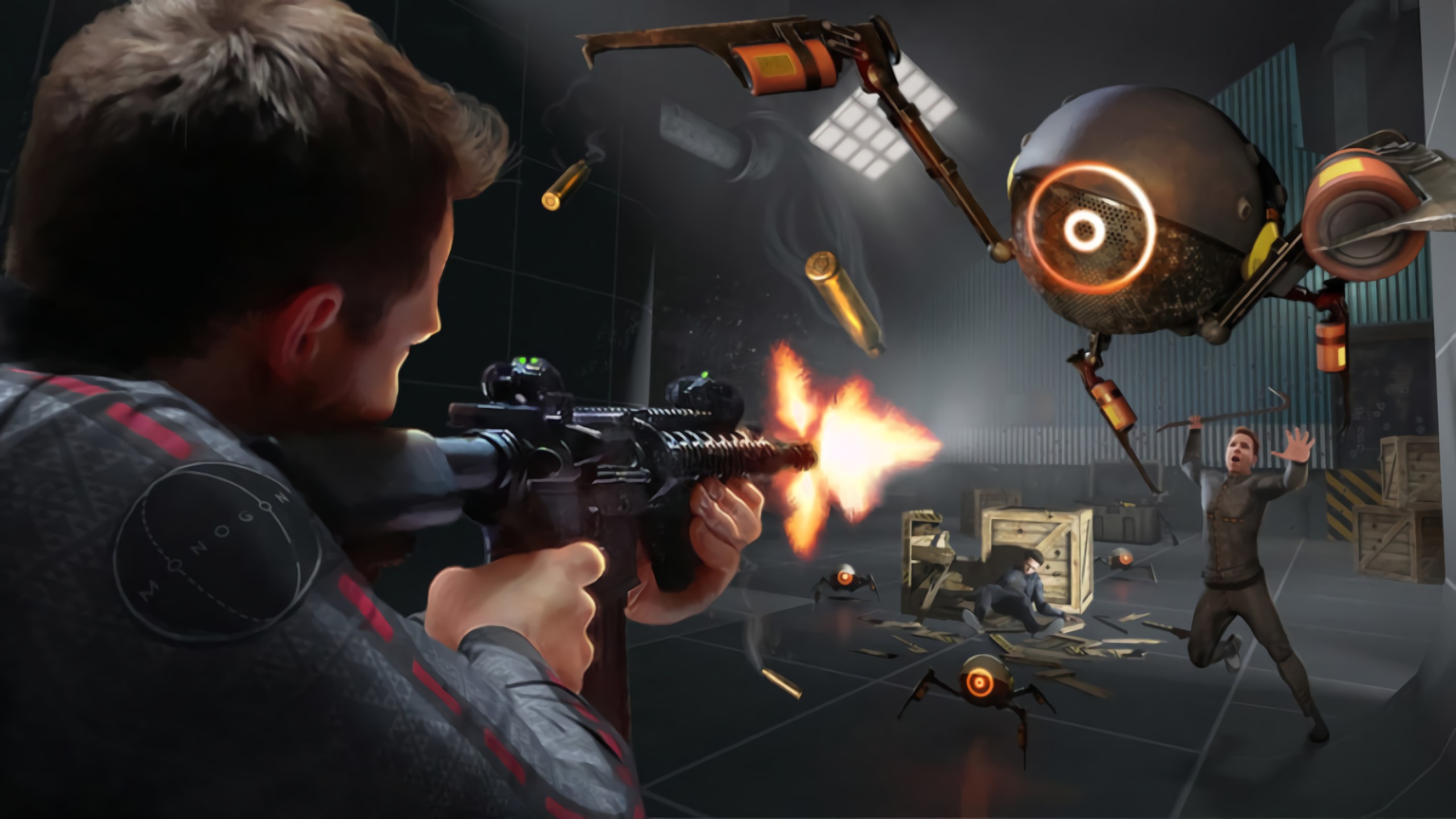
Stress Level Zero’s VR sandbox simulates full-body IK with weighty collisions, making object mass and leverage central to navigation and combat. Two-handed grips stabilize recoil and melee arcs, while off-balance stances increase the chance of dropping or mis-throwing items. Physics-driven ladders, ropes, and props demand precise hand placement and momentum control. Self-published by Stress Level Zero, it emphasizes consistent physical rules across all interactables.
‘Noita’ (2020)
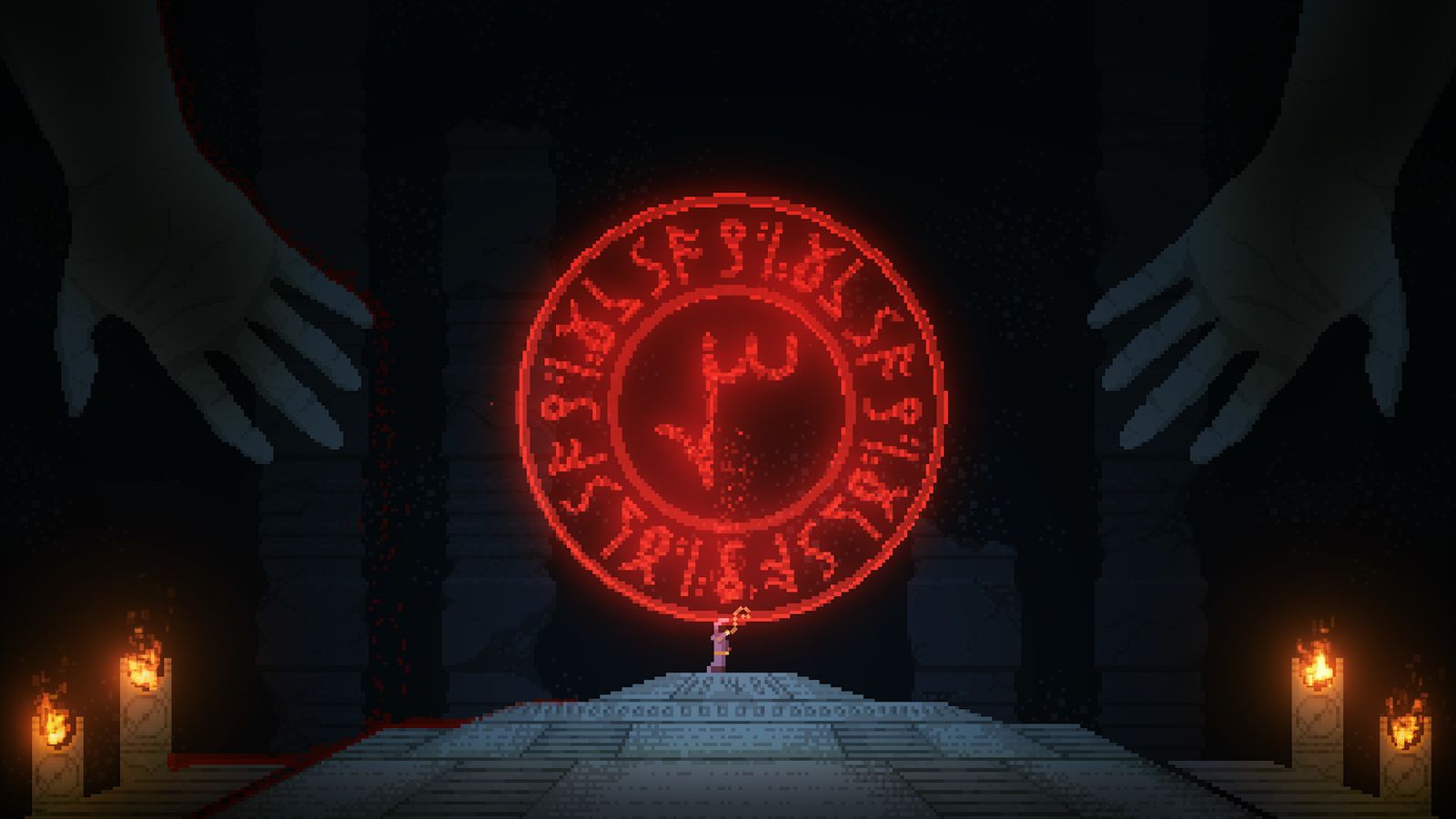
Nolla Games models every pixel as a simulated particle with properties like temperature, state, and reactivity. Liquids flow and mix, gases ignite, and powders collapse, creating emergent hazards such as steam explosions and toxic spills. Spell projectiles interact with materials, altering terrain and triggering chain reactions that spread quickly. Developed and published by Nolla Games, the sandbox emphasizes chemistry-like outcomes from small disturbances.
‘Minecraft’ (2011)
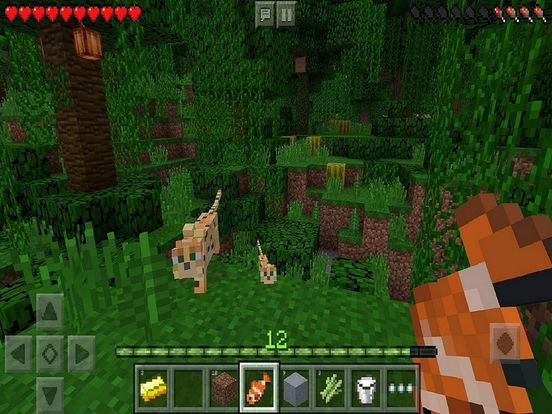
Mojang Studios’ block sandbox applies gravity selectively to materials like sand, gravel, and anvils, enabling collapses when supports are removed. Water and lava flow according to block-based rules that still create currents strong enough to push entities. Redstone devices can move blocks via pistons, converting timing errors into mechanical jams or suffocation hazards. Developed and published by Mojang, the simulation underpins farms, traps, and large-scale engineering builds.
‘Saints Row: The Third’ (2011)
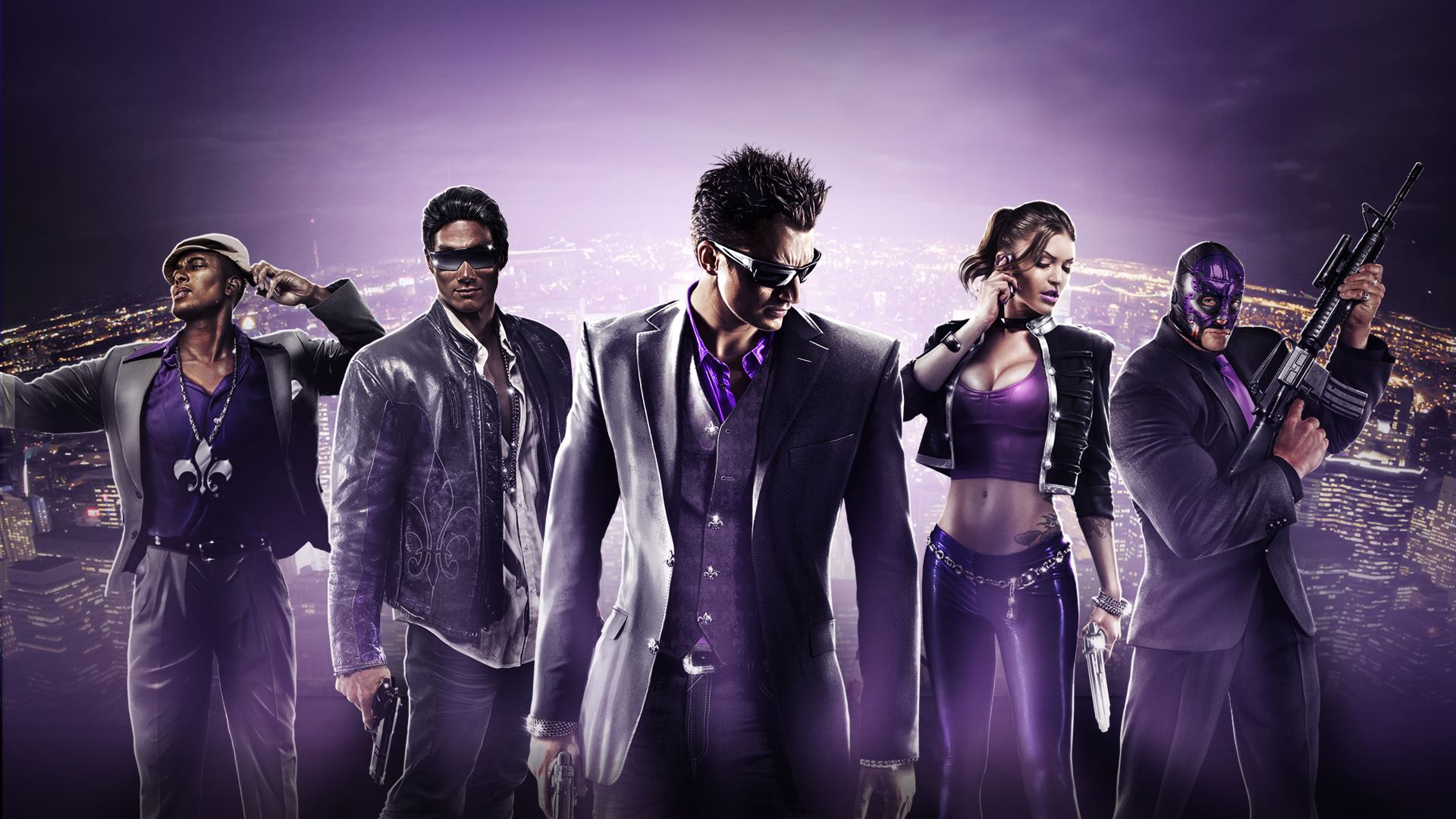
Volition’s open world pairs ragdoll physics with destructible props and vehicles that react to mass and impulse. High-speed collisions transfer energy to pedestrians, traffic, and barricades, often causing secondary pileups. Environmental objects like dumpsters and scaffolding can become projectiles when struck by explosives. Originally published by THQ, the sandbox missions frequently intersect with these systems during chases and set pieces.
‘Just Cause 2’ (2010)
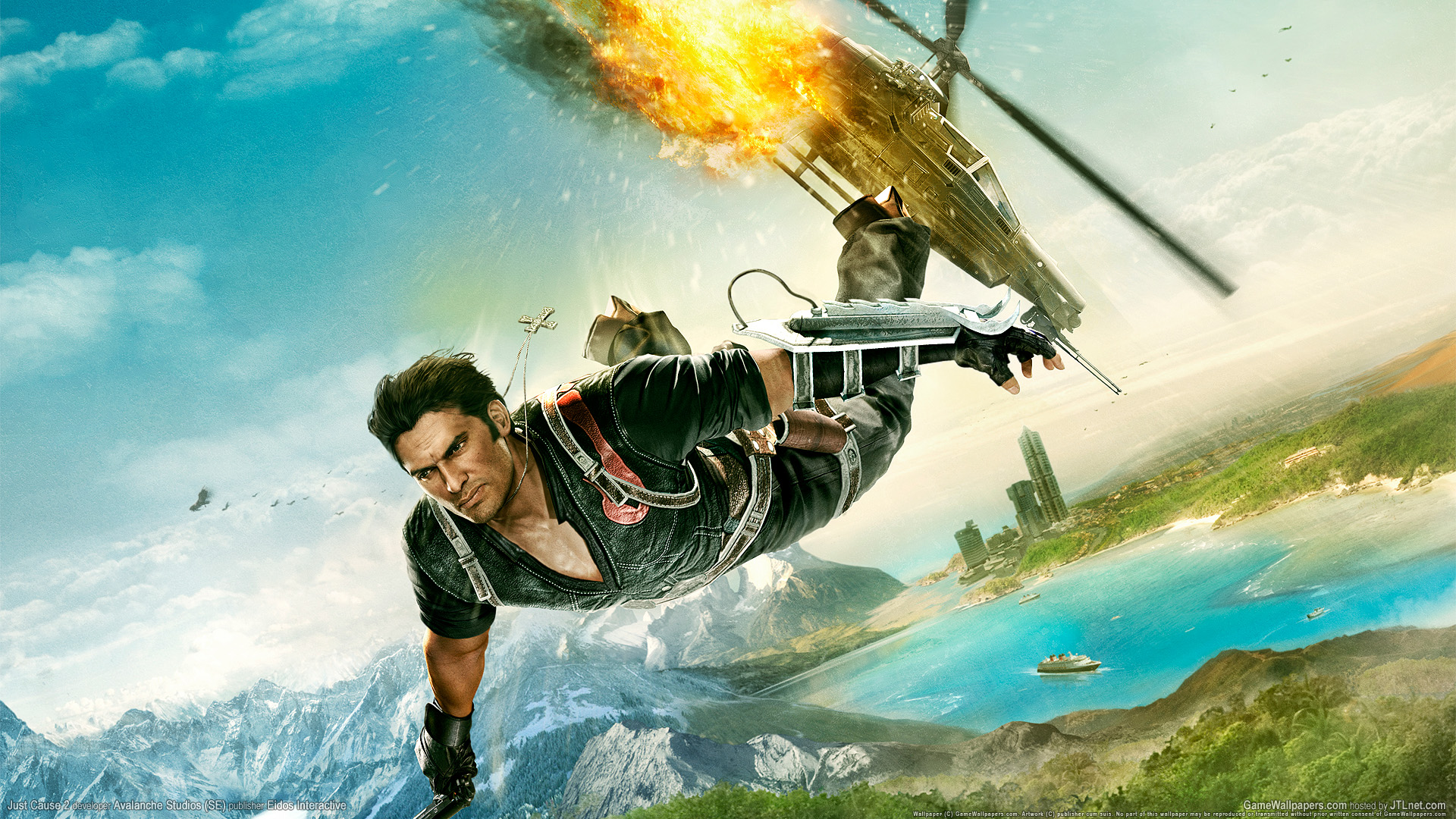
Avalanche Studios’ open world centers on tether mechanics that act as dynamic constraints, pulling vehicles and objects together under tension. Explosives and jets add impulse forces that amplify the tether’s effect, producing mid-air collisions and wrecks. Aircraft and parachute physics consider momentum and drag, so abrupt reel-ins can invert flight paths. Published by Square Enix, the game’s systemic tools let players rig multi-object chain reactions.
‘Just Cause 3’ (2015)
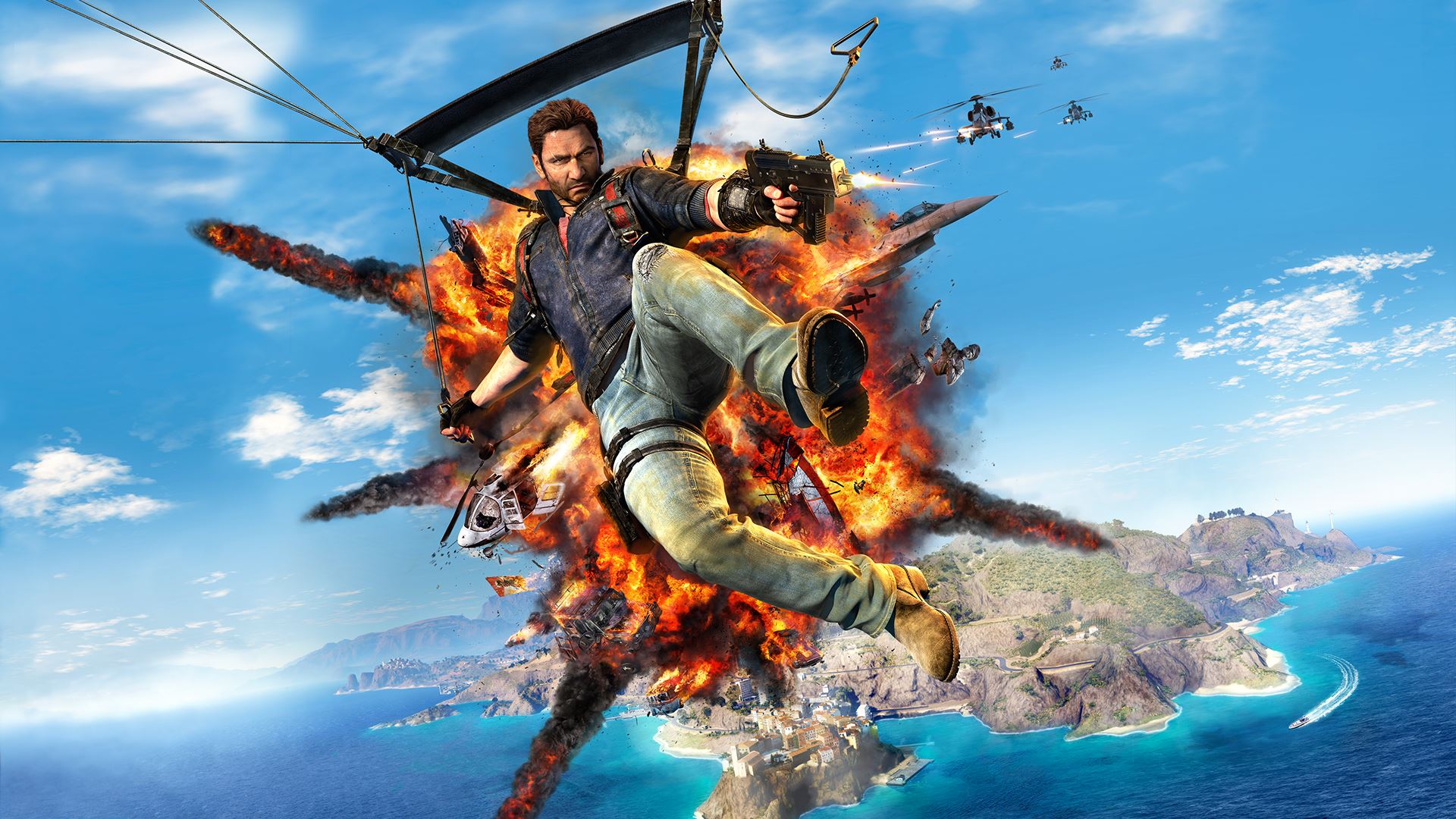
Avalanche Studios expanded the tether system with multiple anchors and winch strength settings, enabling controlled demolition and high-energy impacts. The wingsuit and parachute respond to airflow and terrain, making lift and drag management crucial during stunts. Fuel tanks, transformers, and cranes propagate explosions and falls across bases as structural links fail. Square Enix published the sequel, which scales up object counts and destructible elements across large outposts.
‘Gang Beasts’ (2017)
Boneloaf’s brawler uses compliant ragdoll joints and grip mechanics, creating unstable grapples that swing, slip, and throw players unexpectedly. Moving hazards—trucks, turbines, conveyor belts—impart forces that interact with those joints, making balance a mechanical challenge. Knockout timers and limb collisions depend on contact and momentum rather than fixed animations. Published initially under Double Fine Presents and later by Boneloaf, the sandbox arenas are built to exploit these physical interactions.
‘Crackdown 3’ (2019)
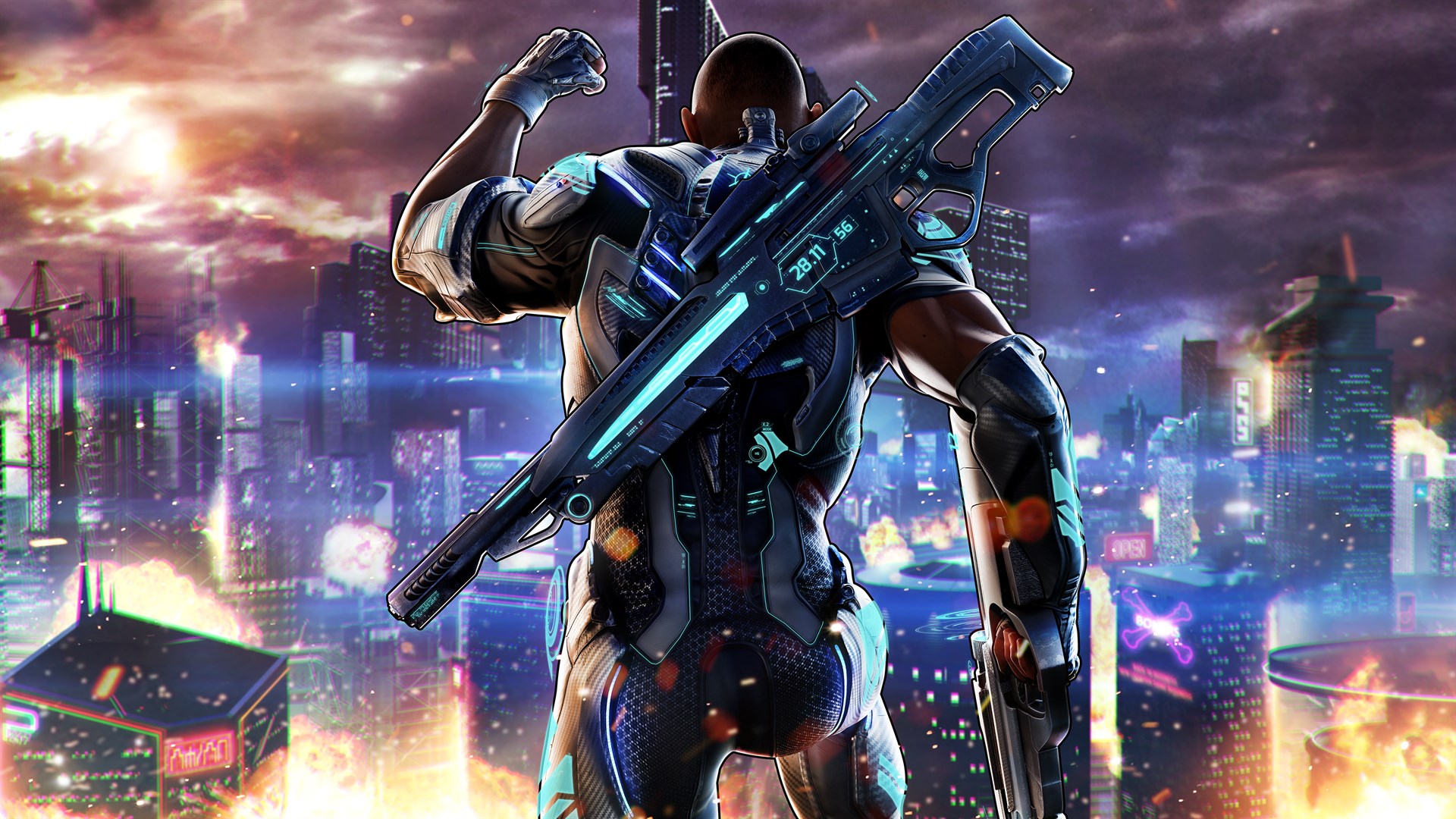
Sumo Digital’s sandbox features explosive props and vehicle physics that compound damage through chained detonations and debris. The campaign’s structures and enemy placements encourage vertical movement, where fall damage and impulse from blasts shape engagements. The separate Wrecking Zone mode showcased cloud-assisted destruction with collapsing geometry that altered sightlines. Published by Xbox Game Studios, it integrates physics-driven chaos with open-world objectives.
‘Universe Sandbox’ (2015)
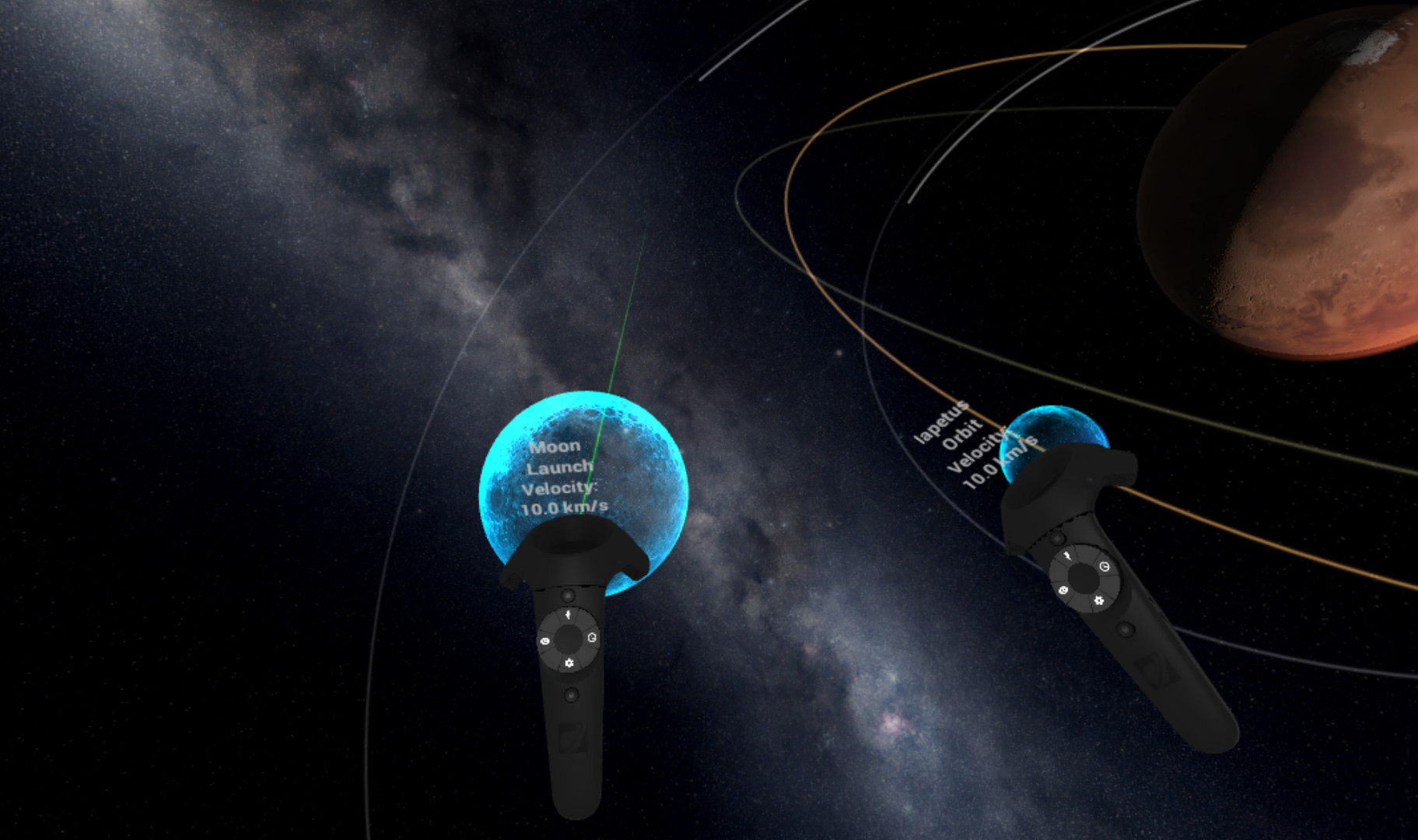
Giant Army’s simulation treats stars, planets, and debris as bodies under n-body gravity, so orbits evolve chaotically from even small perturbations. Collisions conserve momentum and convert kinetic energy into heat, fragmenting bodies or merging them based on impact parameters. Material and temperature models allow tidal heating, atmosphere loss, and ring formation to emerge over time. Developed and published by Giant Army, the sandbox’s tools expose variables that can destabilize entire systems.
‘Wobbly Life’ (2020)
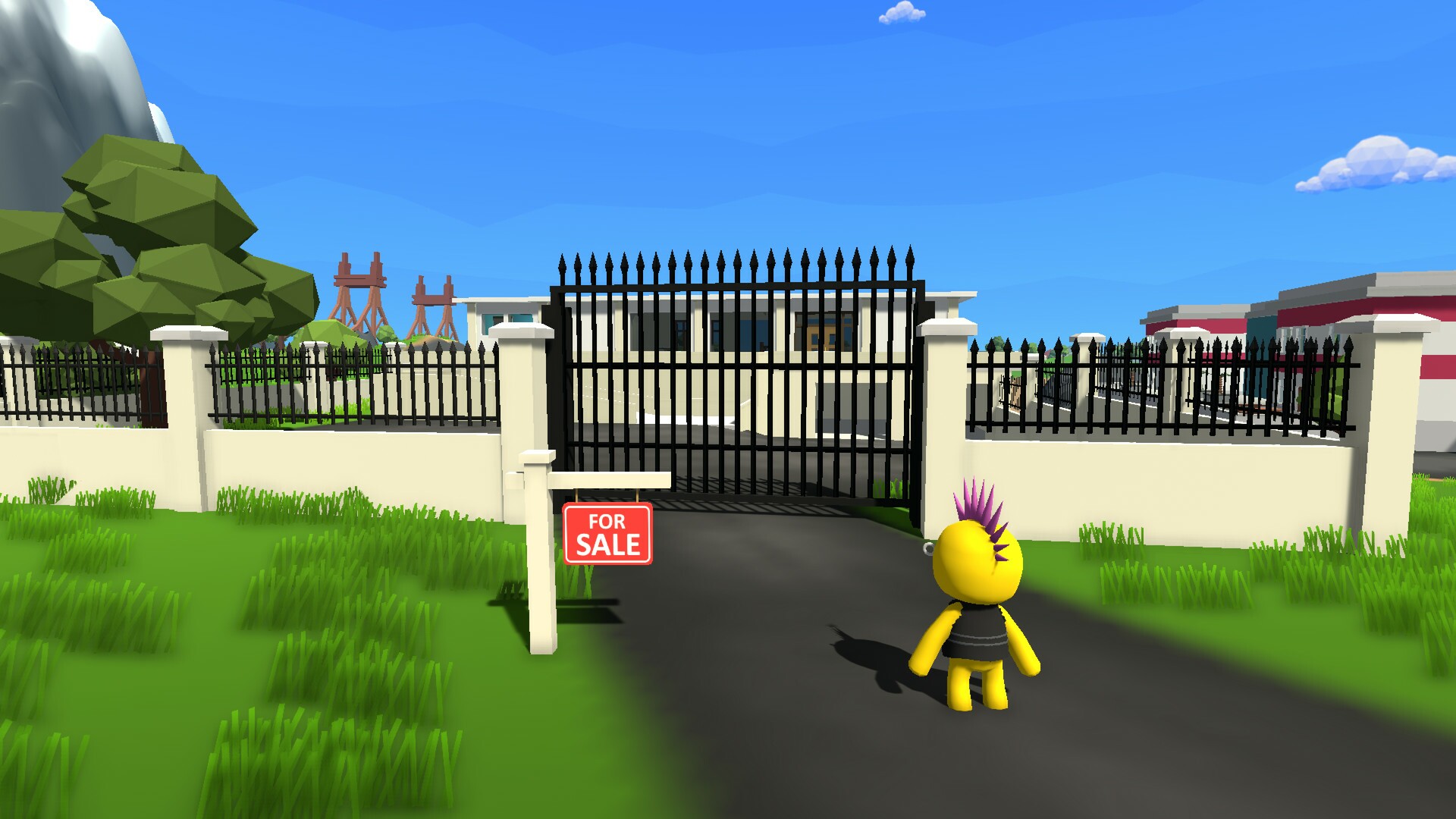
RubberBandGames’ open-world sandbox uses ragdoll physics for characters and arcade-style rigid-body behavior for vehicles and job equipment. Movable objects like crates, parachutes, and furniture respond to impulse and friction, affecting deliveries and mini-games. Co-op play multiplies forces as players tug, collide, and stack items with variable mass. Developed and published by RubberBandGames, the game’s activities and toys rely on the same shared physical rules.
Share your favorite “the physics did it” moments from these sandboxes in the comments!