


Saturday Morning Cartoons That Still Hit Hard Today

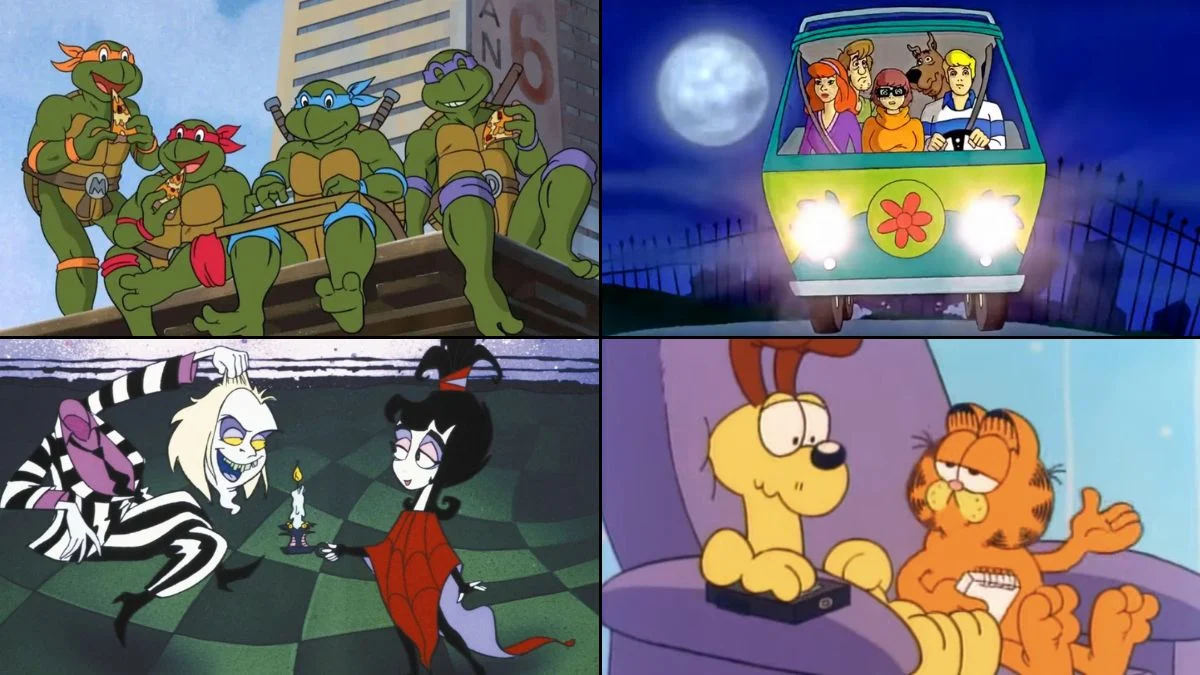


Saturday morning cartoons shaped weekly routines for decades, with network blocks on ABC, CBS, NBC, Fox Kids, and Kids WB filling hours of animation every weekend. These shows launched franchises, sold out toy aisles, and turned theme songs into instant earworms that kids could recite from memory. The era stretched from the late 60s into the early 2000s before cable and streaming changed how families watched.
What follows is a tour through standouts that reached big audiences and kept going through reruns, reboots, movies, and games. You will find series built on comics and films, original creations that grew into global brands, and classroom friendly shorts that aired between full episodes. All of them left footprints that are easy to spot today.
‘Scooby-Doo, Where Are You!’ (1969–1970)
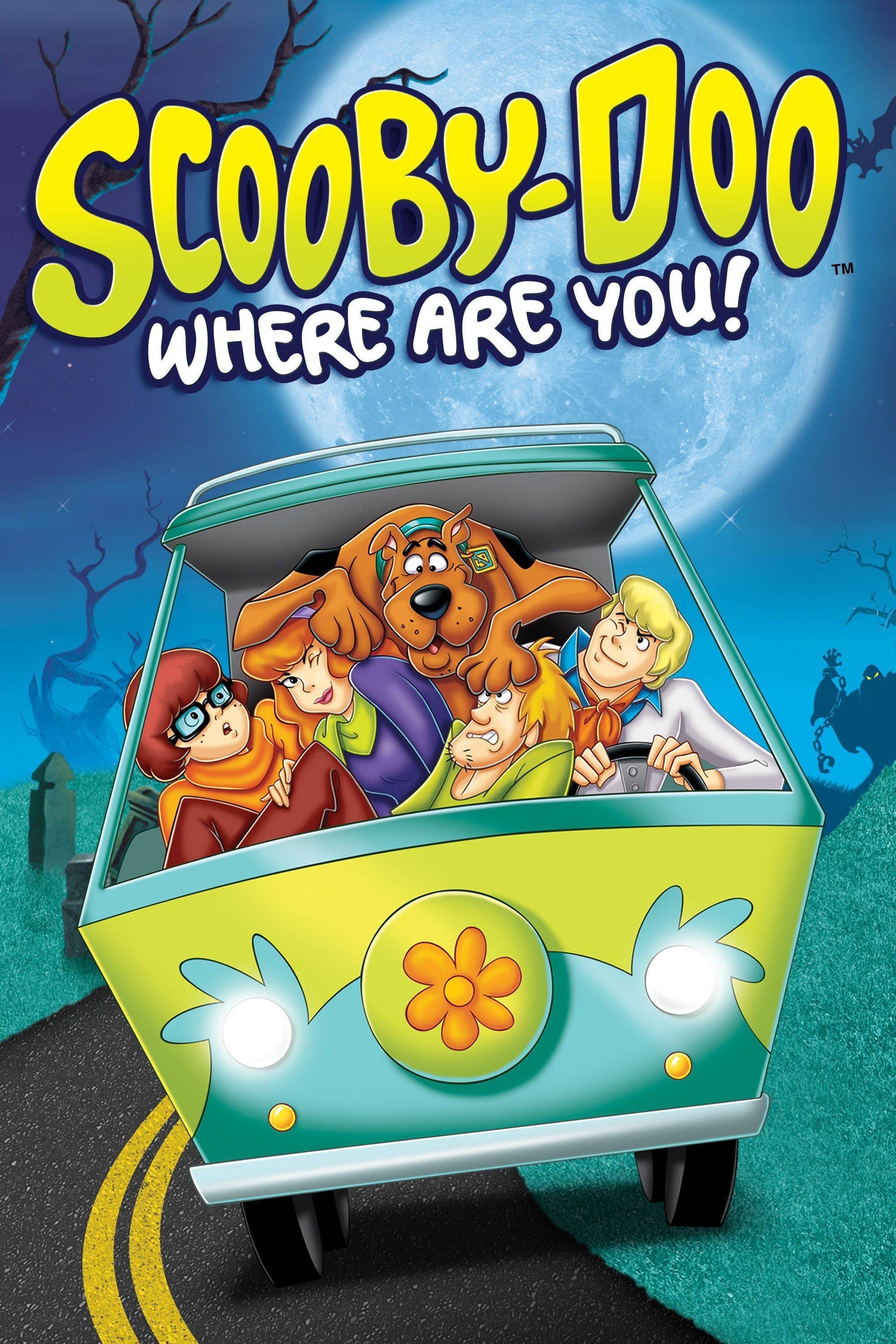
Hanna-Barbera launched the Mystery Inc. template on CBS with teens and a Great Dane traveling in the Mystery Machine to unmask costumed villains. Joe Ruby and Ken Spears created the show, with Don Messick voicing Scooby and Casey Kasem voicing Shaggy, and its laugh track and chase sequences set a format that the studio reused across multiple series.
The brand expanded into many later series, TV movies, and direct to video features under the ‘Scooby-Doo’ banner. The characters crossed into specials, video games, and theme park shows, and the core formula of clues and trap plans remains one of the longest running setups in television animation.
‘Schoolhouse Rock!’ (1973–1984)
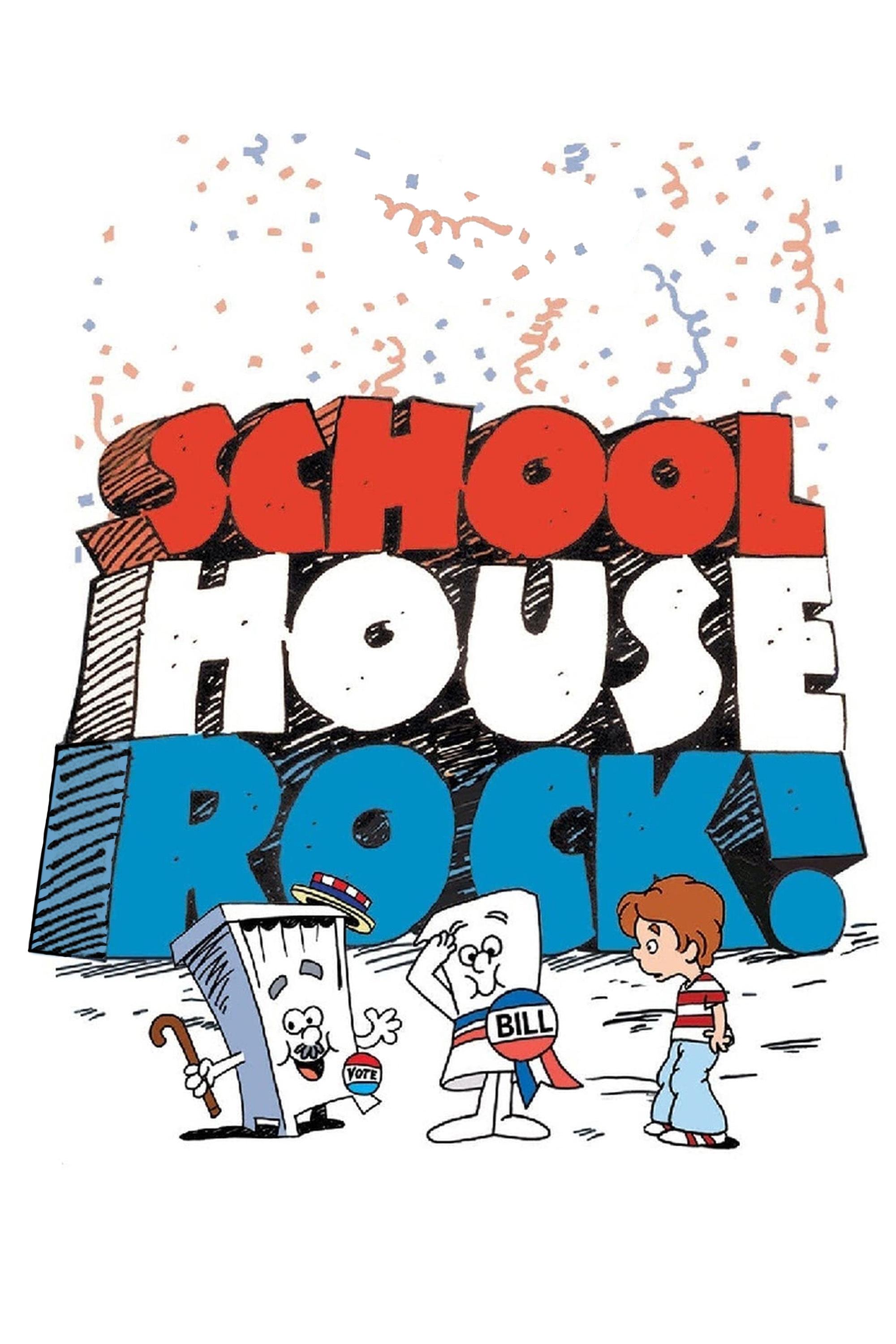
ABC aired these educational shorts during commercial breaks, combining catchy music with lessons in grammar, math, science, and civics. The project began when an advertising executive noticed his child remembered song lyrics better than multiplication tables and worked with songwriters and animators to build classroom friendly segments.
New batches returned in the 90s and 2000s, and the original run entered classroom use through VHS and DVD sets. The interstitial format allowed the pieces to resurface across anniversary specials and streaming collections, and the simple visual style keeps the content clear for new students.
‘The Smurfs’ (1981–1989)
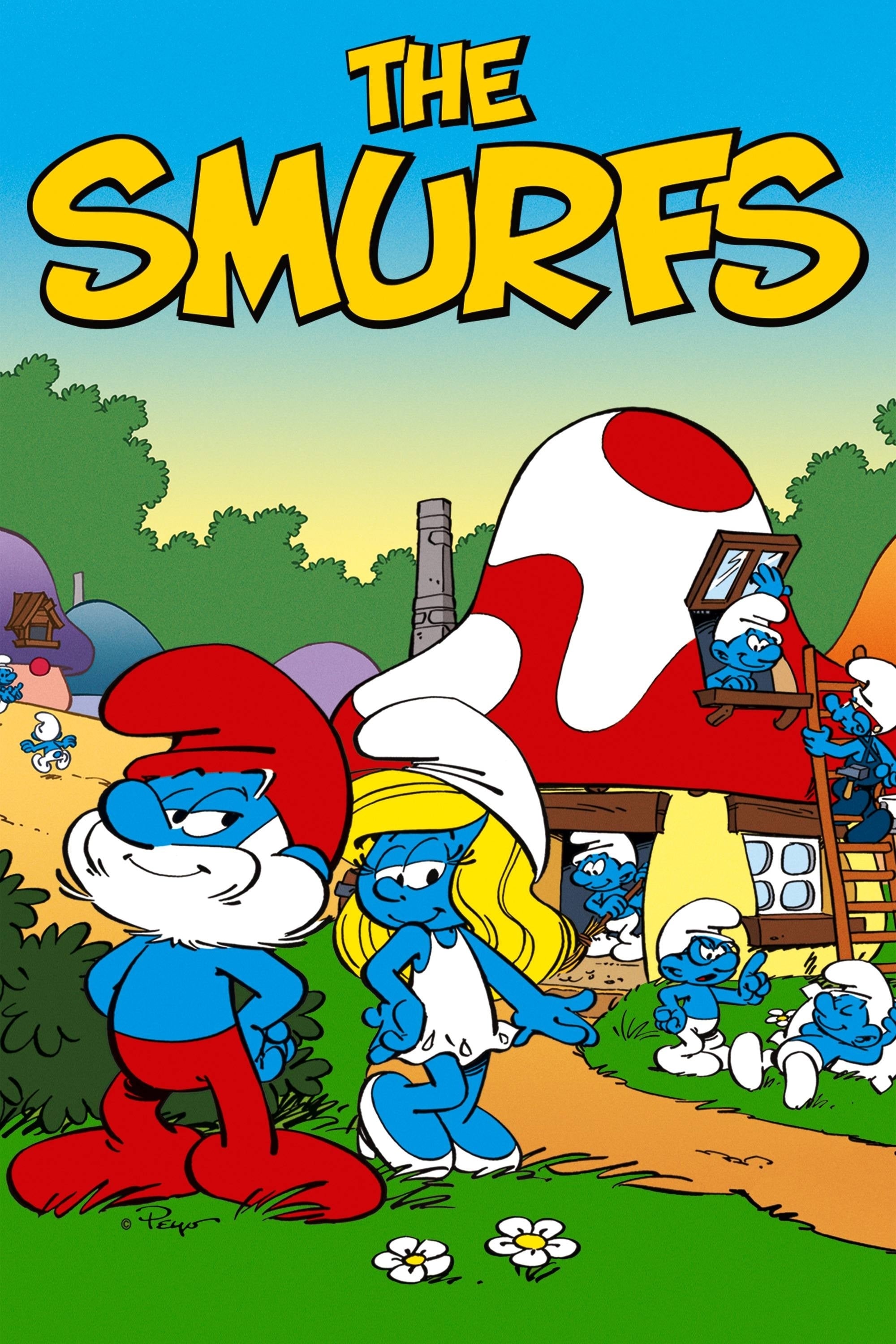
Based on Peyo’s Belgian comics, this Hanna-Barbera series followed the blue village as they dodged Gargamel on NBC Saturdays. Don Messick voiced Papa Smurf, Lucille Bliss voiced Smurfette, and Danny Goldman voiced Brainy, while Paul Winchell performed Gargamel, and the show ran for nine seasons with holiday specials.
Merchandise, albums, and games spread the village beyond television, and the brand later added films and new series that reused the same cast lineup. The show also introduced characters created for animation that later appeared in comics, keeping the property active across formats.
‘Muppet Babies’ (1984–1991)
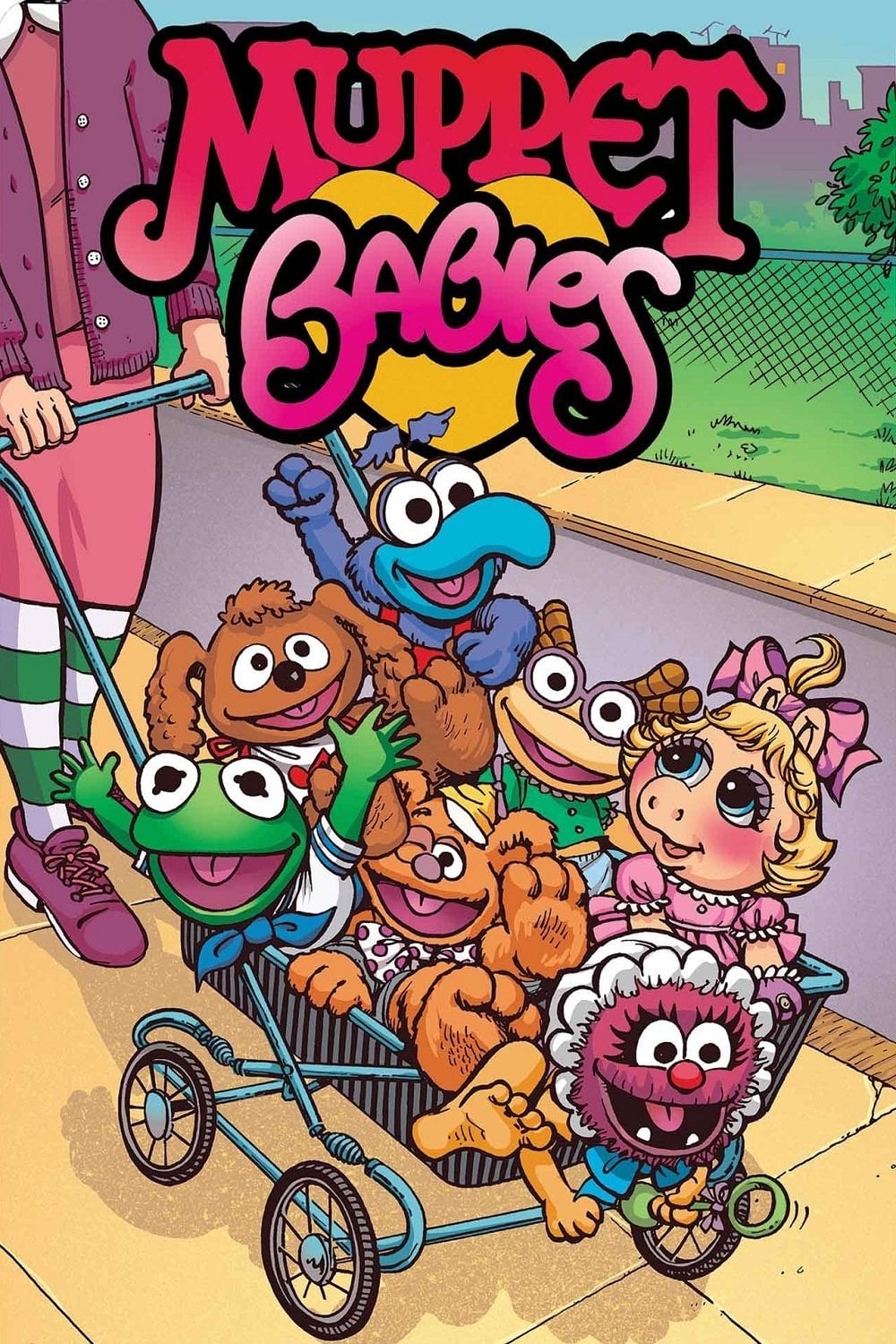
Jim Henson Productions and Marvel Productions delivered a fantasy heavy format on CBS that used live action clips inside animated daydreams. Frank Welker performed Baby Kermit, while Laurie O’Brien performed Baby Piggy and Greg Berg performed Baby Fozzie, and the series won multiple Daytime Emmy Awards during its run.
Home video releases and reruns kept the nursery setting in circulation after the finale. The concept returned with a modern revival on cable, and the original series remains a reference point for cross media mashups that blend archival footage with new animation.
‘The Real Ghostbusters’ (1986–1991)
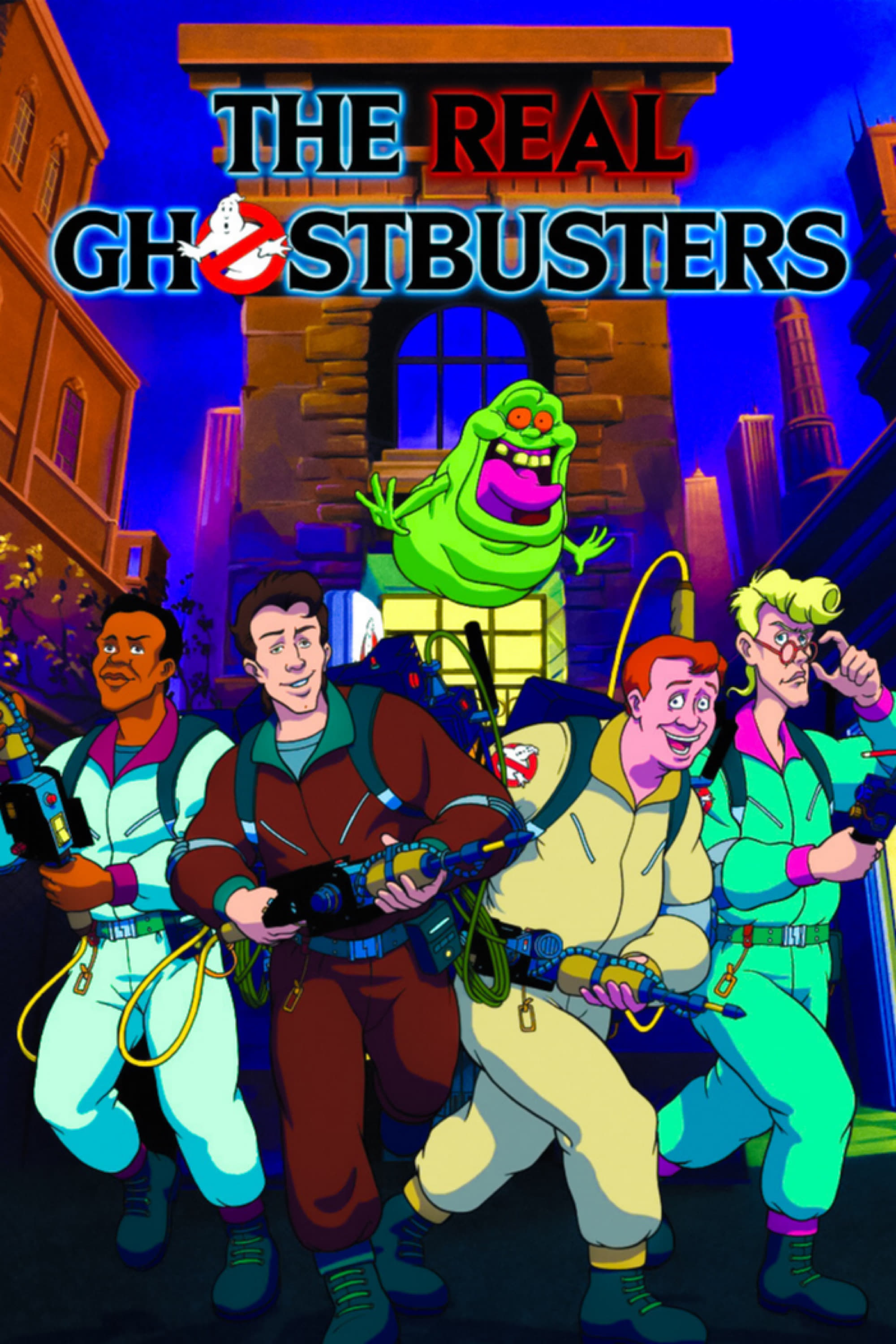
DiC adapted the 1984 film for ABC with an expanded roster of spirits and gadgets. Maurice LaMarche performed Egon, Frank Welker performed Ray and Slimer, Arsenio Hall performed Winston in early seasons, and Dave Coulier later took over Peter, while character designs shifted through network notes over time.
The show added the ‘Slimer and the Real Ghostbusters’ hour for a period, with short segments that leaned into the green mascot. Toys, comics, and games filled out a large product line, and the animated continuity introduced ghosts and equipment that later returned in other media.
‘Teenage Mutant Ninja Turtles’ (1987–1996)
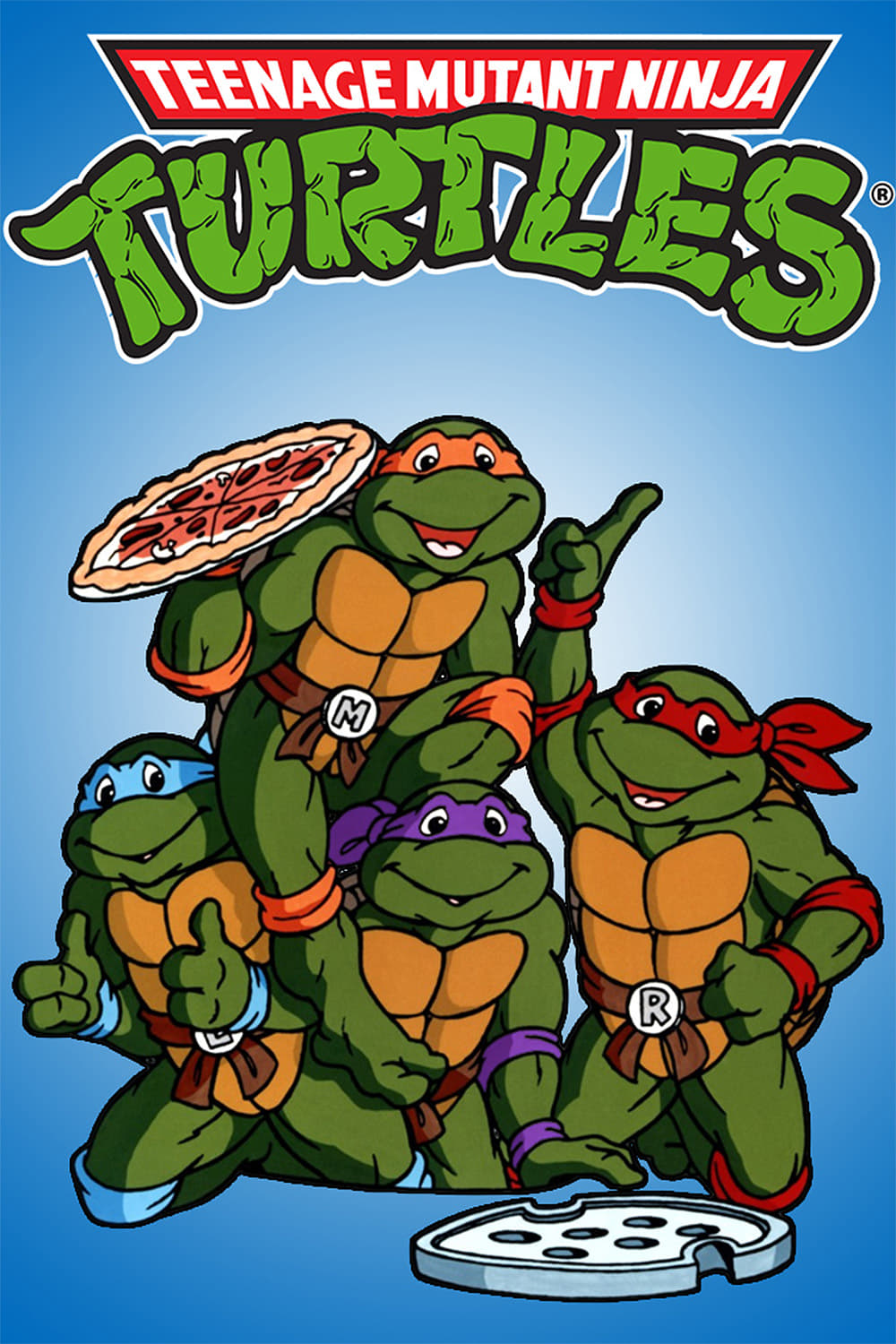
Murakami Wolf Swenson and Fred Wolf helmed the first TV series for the Mirage Studios heroes, starting with a five part introduction in syndication. The show moved to CBS for Saturday mornings, and voice actors Cam Clarke, Rob Paulsen, Townsend Coleman, and Barry Gordon defined Leonardo, Raphael, Michelangelo, and Donatello for a generation.
Later seasons shifted tone and visuals, and the franchise continued with multiple reboots on television and in films. The original series kept a steady presence through DVD sets, streaming runs, and compilation games that collect classic levels and art.
‘Garfield and Friends’ (1988–1995)
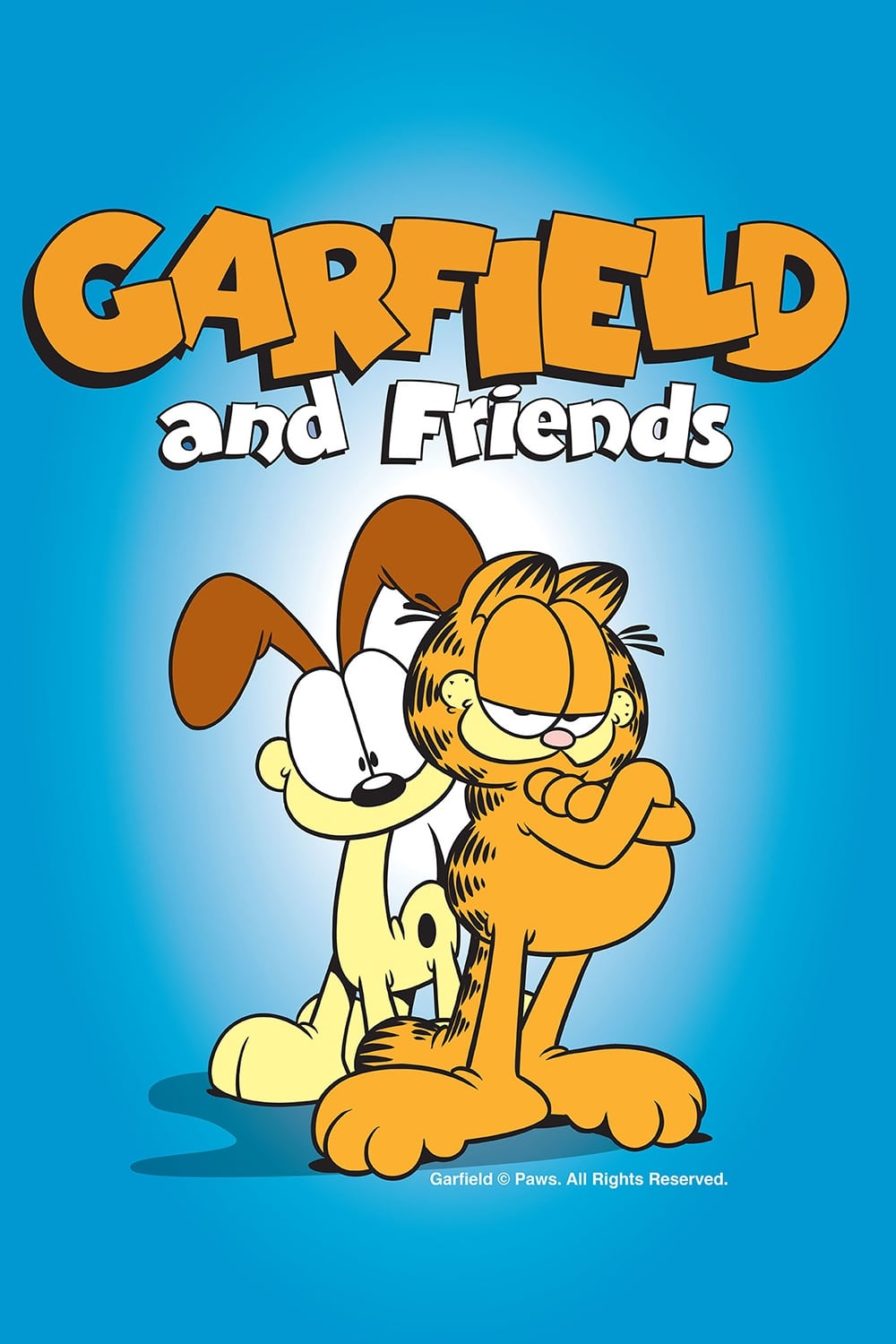
Film Roman produced the CBS series that paired ‘Garfield’ shorts with ‘U.S. Acres’ segments based on Jim Davis’s newspaper strips. Lorenzo Music voiced Garfield, Thom Huge voiced Jon, and Gregg Berger voiced Odie and Orson, while the show delivered seven production seasons with wraparound farm and living room settings.
Syndicated reruns extended the run after original episodes ended. The series timeline bridges to later ‘Garfield’ projects across CGI films and new shows, and the anthology structure makes it easy to repurpose segments for compilations.
‘Beetlejuice’ (1989–1991)
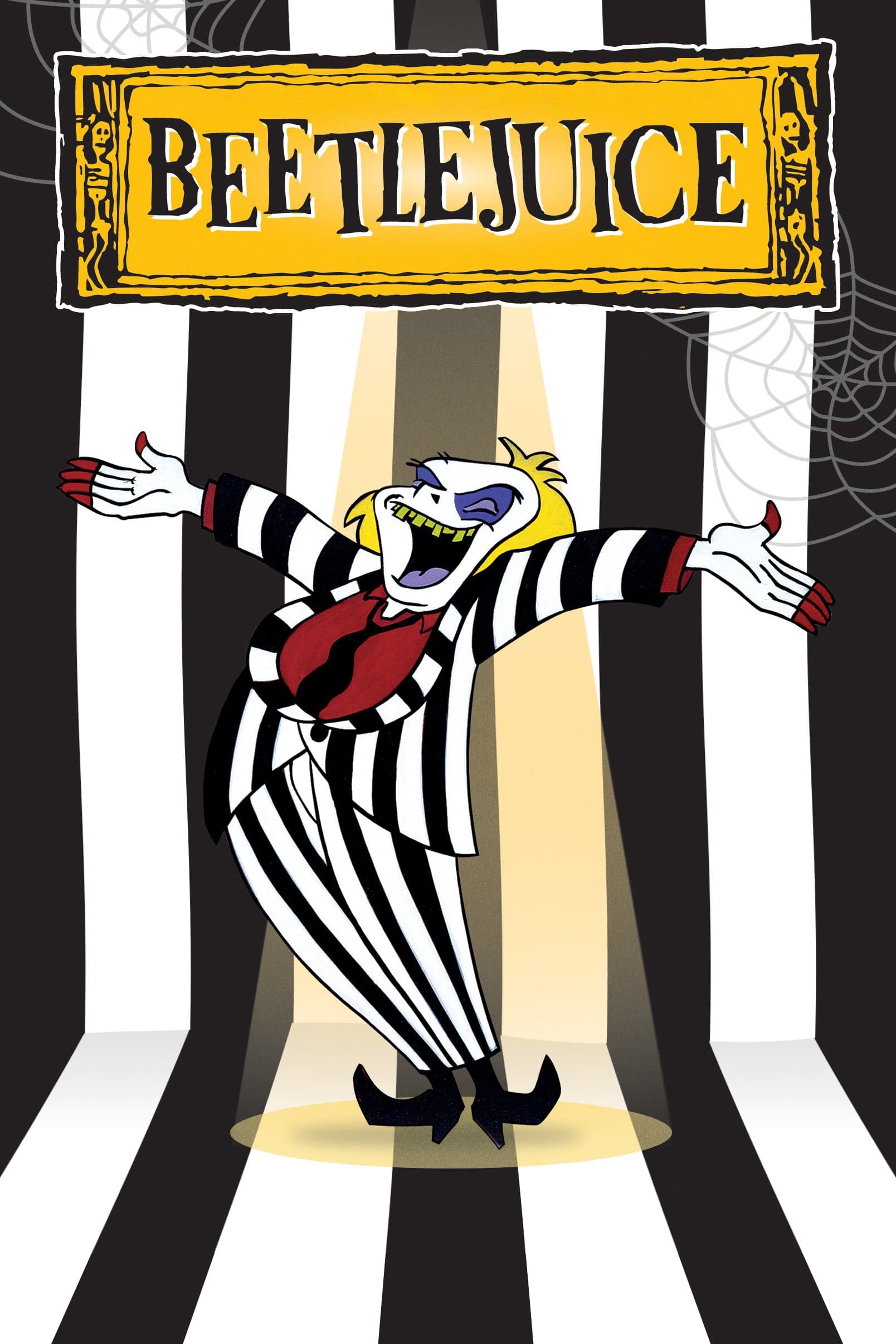
Nelvana and Warner Bros. Animation produced this ABC series with Stephen Ouimette voicing Beetlejuice and Alyson Court voicing Lydia. The show reimagined the lead pair as friends who travel between the Neitherworld and the human world while adding a wide assortment of monster residents.
Episodes aired on Saturdays and in weekday slots, and the series moved to other networks for additional runs. Tie in games, toys, and a stage musical years later kept the character in circulation, and the animated designs influenced later licensed art.
‘X-Men: The Animated Series’ (1992–1997)
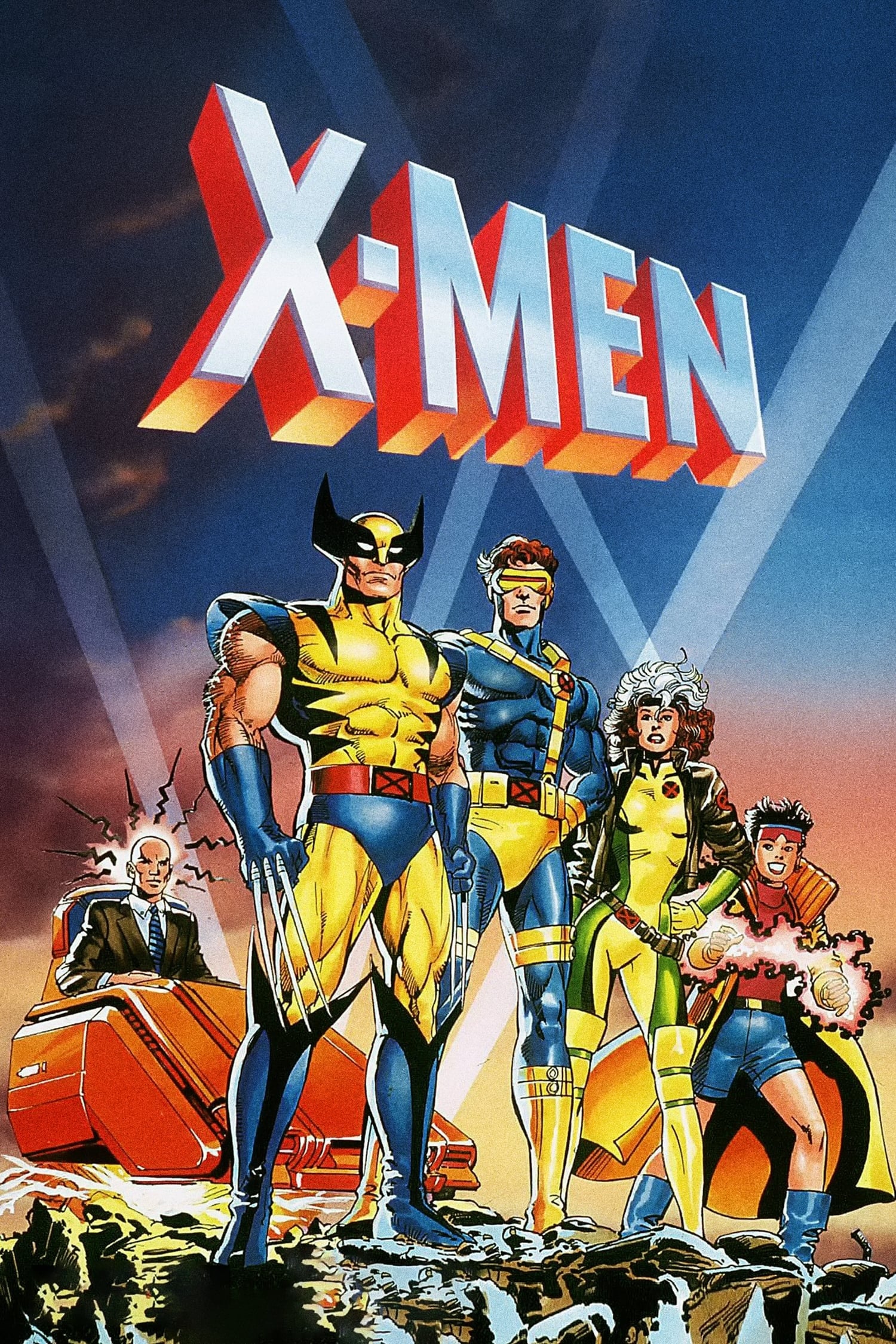
Fox Kids premiered this Marvel adaptation with story arcs that drew from major comic events. Cal Dodd voiced Wolverine, George Buza voiced Beast, Lenore Zann voiced Rogue, and Catherine Disher voiced Jean Grey, and the production worked with overseas studios to deliver action heavy episodes on a weekly schedule.
Five seasons built a throughline that covered team changes and returning villains. The series fed a wave of toys and games and set designs and character lineups that later shows revisited, and a modern continuation brought back voice actors and plot threads.
‘Batman: The Animated Series’ (1992–1995)
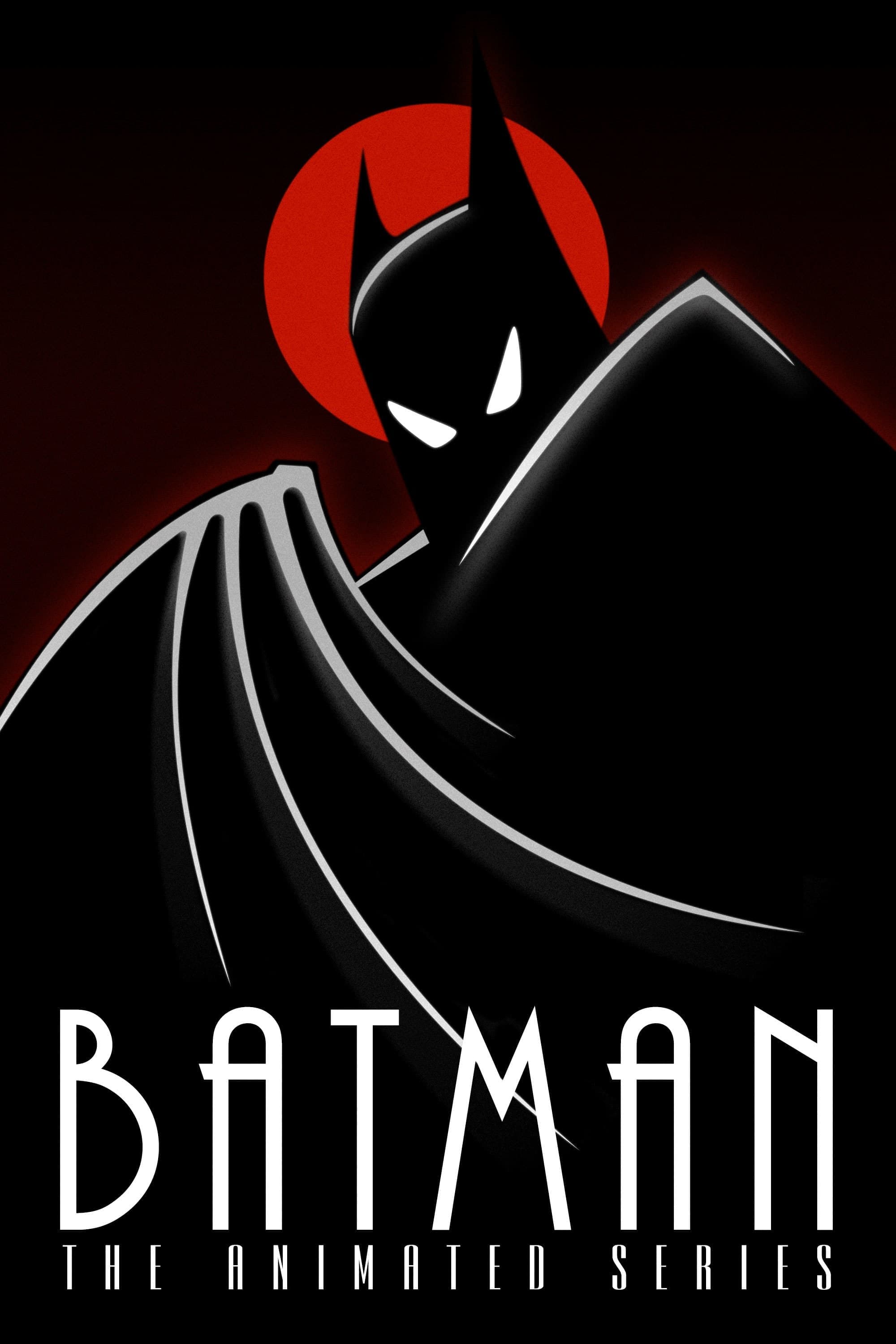
Warner Bros. Animation built this Fox Kids series with a dark deco art direction from Bruce Timm and Eric Radomski. Kevin Conroy voiced Batman and Mark Hamill voiced the Joker, while Shirley Walker led a full orchestral score and writers introduced characters who later entered comic canon.
The production continued under new titles after the initial run, and episodes spawned a theatrically released animated film and a long list of direct to video features. The design bible influenced later ‘Justice League’ entries, and the show’s continuity remains a touchstone for licensed games.
‘Spider-Man’ (1994–1998)
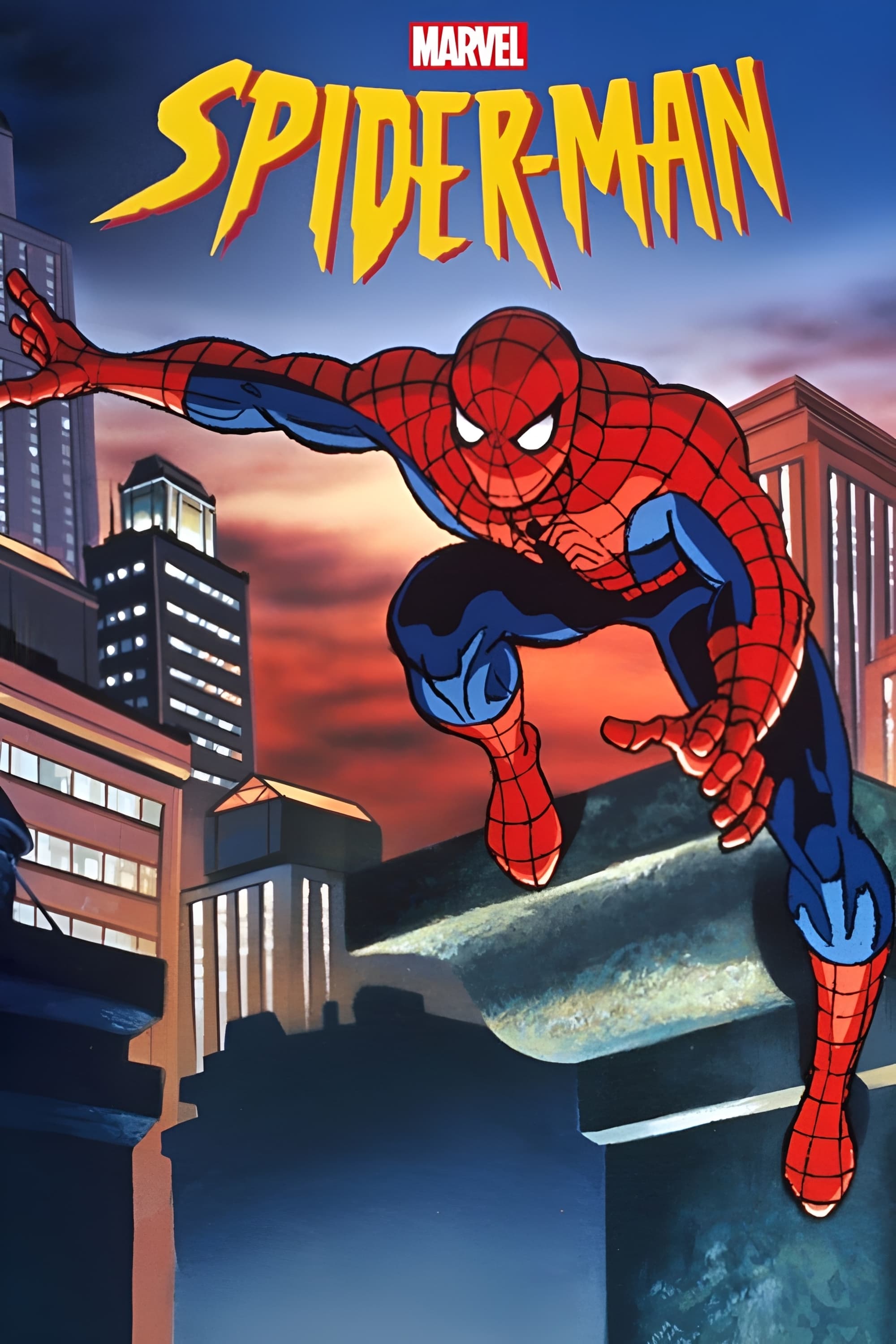
Marvel Films Animation and Saban brought Peter Parker to Fox Kids with Christopher Daniel Barnes as the voice of the title role. The show used season long arcs that introduced the Sinister Six lineup, the symbiote suit, and a multiverse finale, while early CGI sequences rendered city flyovers to connect scenes.
A full 65 episode order allowed the series to air in syndication blocks after the finale. Its character models and story beats fed future adaptations across games and television, and the series continues to appear in collections that group 90s Marvel animation.
‘The Tick’ (1994–1996)
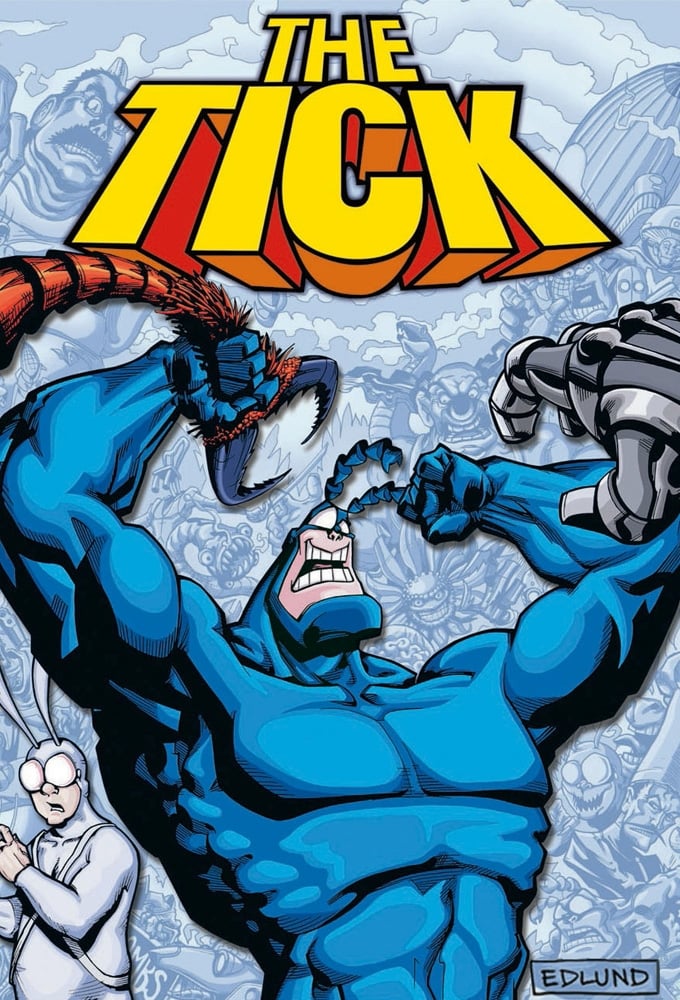
Based on Ben Edlund’s comic, this Fox Kids series cast Townsend Coleman as The Tick with Micky Dolenz and later Rob Paulsen as Arthur. The show introduced a gallery of oddball heroes and villains and kept a format that rotated stand alone adventures with recurring threats.
Three seasons led to a dedicated toy line and a later live action version that brought the brand to new audiences. The animated run returned through DVD releases and streaming packages that collect mid 90s network staples.
‘Pinky and the Brain’ (1995–1998)
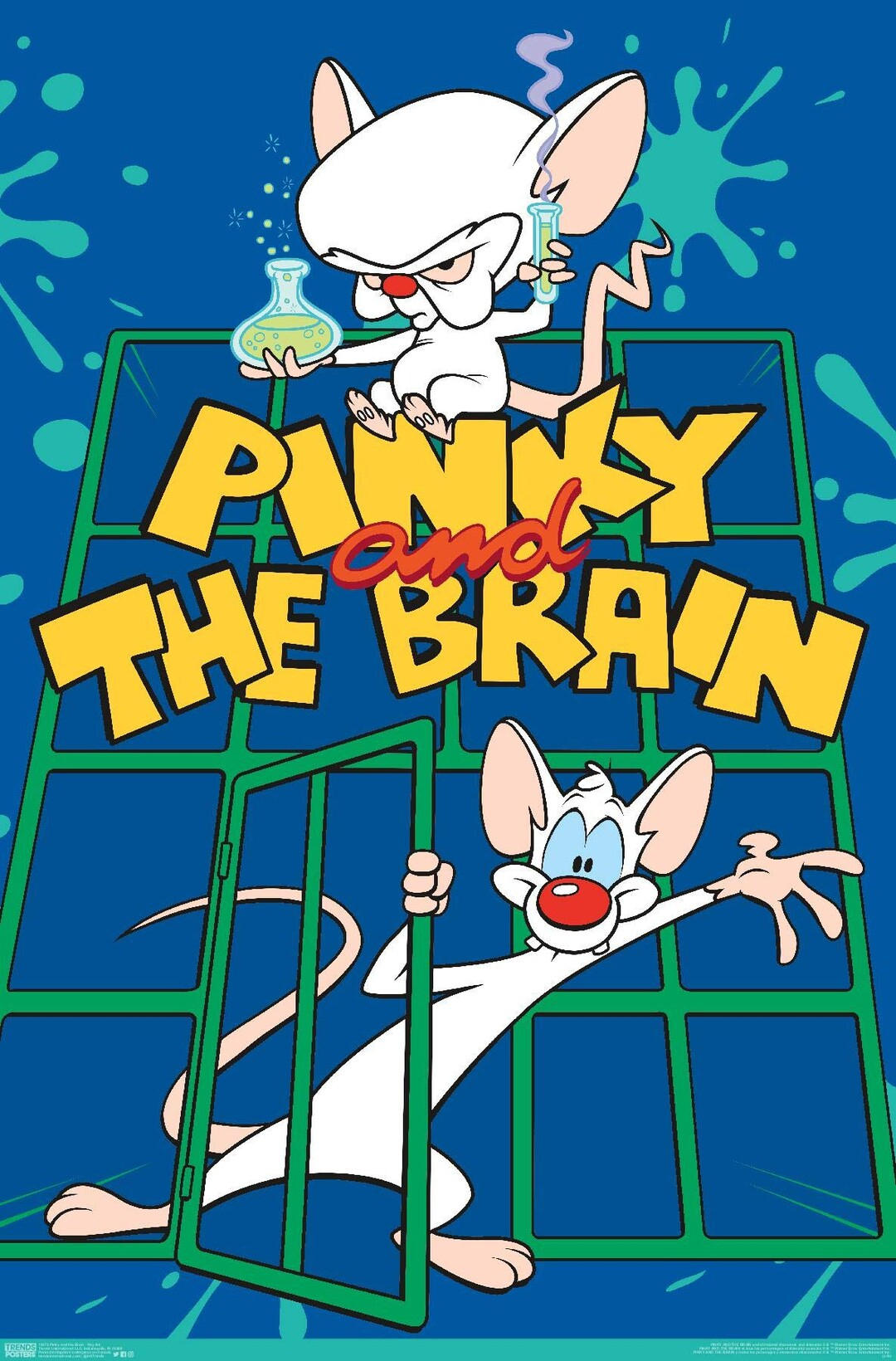
This ‘Animaniacs’ spinoff starred Rob Paulsen as Pinky and Maurice LaMarche as the Brain under the Amblin Television banner. The show began in prime time on The WB before moving to Kids WB, and it centered each episode on a new plan for global control that pulled in music, history, and geography references.
The duo appeared across crossover episodes and later reboots, and the series produced a large catalog of singles and albums tied to musical segments. Reruns and new recordings kept the characters active across radio, podcasts, and live appearances.
‘Freakazoid!’ (1995–1997)

Kids WB premiered this superhero comedy with Paul Rugg voicing the lead and Tom Ruegger steering production after an early action first concept. The show used short segments and meta gags across a cast that included recurring agents and monsters, and episodes moved quickly between set pieces.
Two seasons built a small but steady library that reappeared in later ‘Animaniacs’ crossover events and reunions. DVD and digital releases circulated complete runs, keeping the character visible in retrospectives on 90s television.
‘Recess’ (1997–2001)
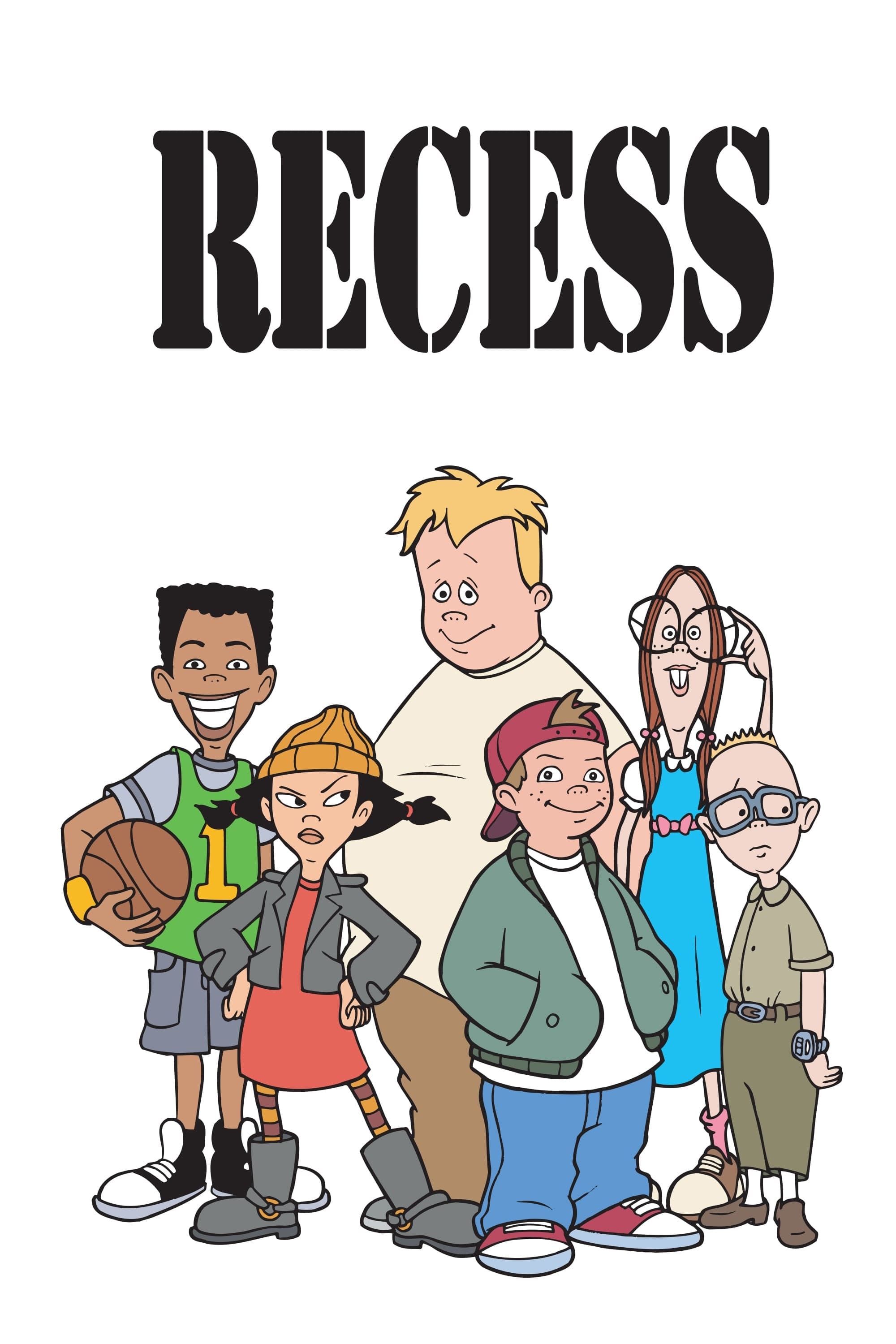
Paul Germain and Joe Ansolabehere created this ABC One Saturday Morning series that followed six friends navigating school rules and playground politics. Andrew Lawrence, Rickey D’Shon Collins, Ashley Johnson, and other young actors voiced the main crew across multiple grade years.
The show led to several TV movies and the theatrical ‘Recess: School’s Out’ while remaining a fixture in daytime reruns. International dubs took the playground to many markets, and the school setting made the series a reliable pick for family blocks.
‘Pokémon’ (1997–present)

The TV adaptation of the Game Freak and Nintendo game series began in Japan and reached the United States on Kids WB. Ash Ketchum and Pikachu traveled across regions with companions who rotated each saga, and early seasons used a localized script and soundtrack from 4Kids for weekend airings.
The franchise produced many films and special episodes, with card game releases and video games tying in new creatures and regions. The series switched dubbing teams and continued with fresh leads, and multiple seasons remain available across rotating streaming platforms.
‘Static Shock’ (2000–2004)
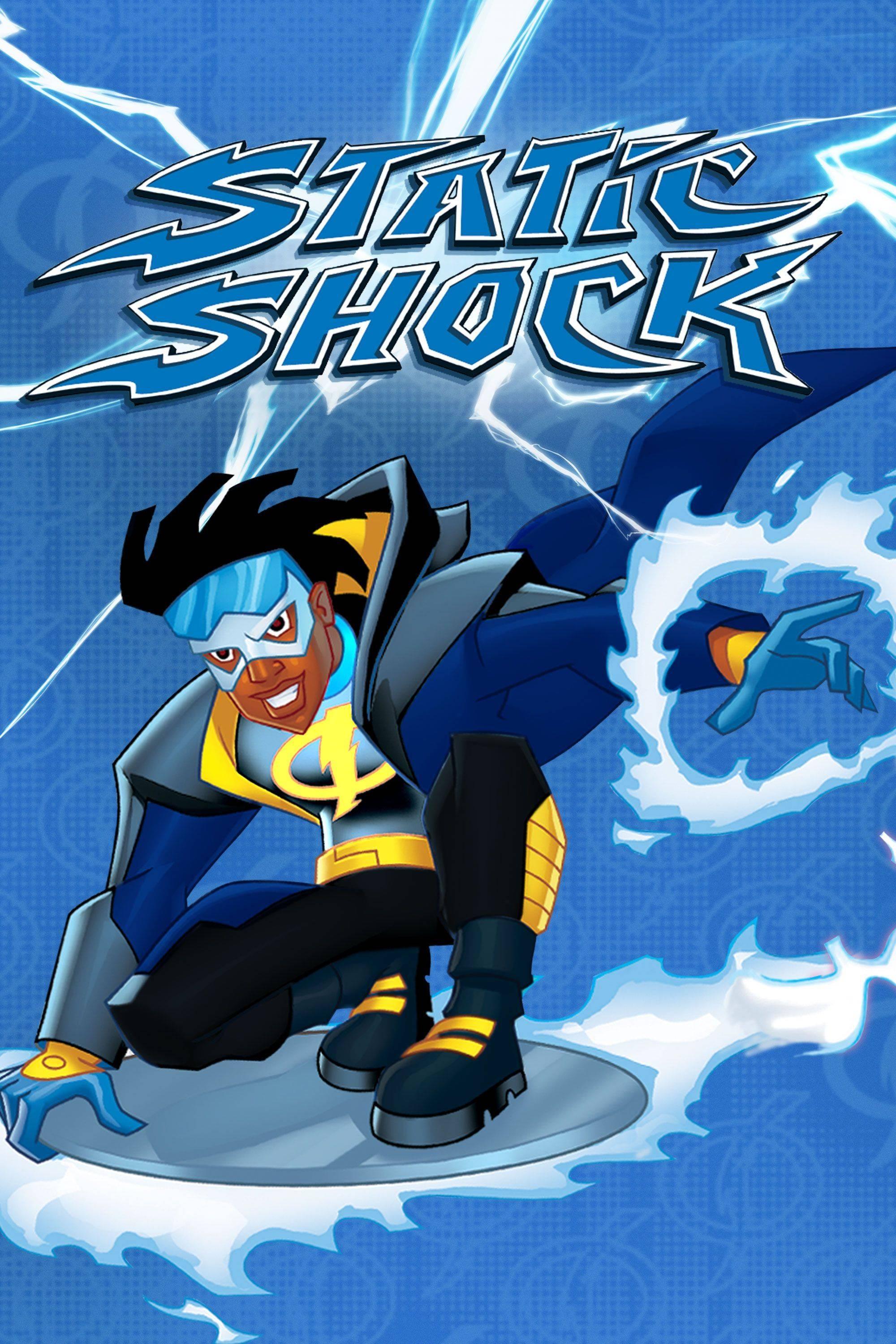
Kids WB adapted the Milestone Comics hero Static created by Dwayne McDuffie, Denys Cowan, Michael Davis, and Derek Dingle. Phil LaMarr voiced Virgil Hawkins, and the show introduced many powered teens called Bang Babies while bringing in guest stars from ‘Batman Beyond’ and ‘Justice League’.
Crossovers placed the hero inside the larger DC animated continuity, and the series addressed community issues alongside action stories. Home releases and digital storefronts kept the full run accessible after broadcast, and comic relaunches reintroduced Virgil to new readers.
‘Jackie Chan Adventures’ (2000–2005)
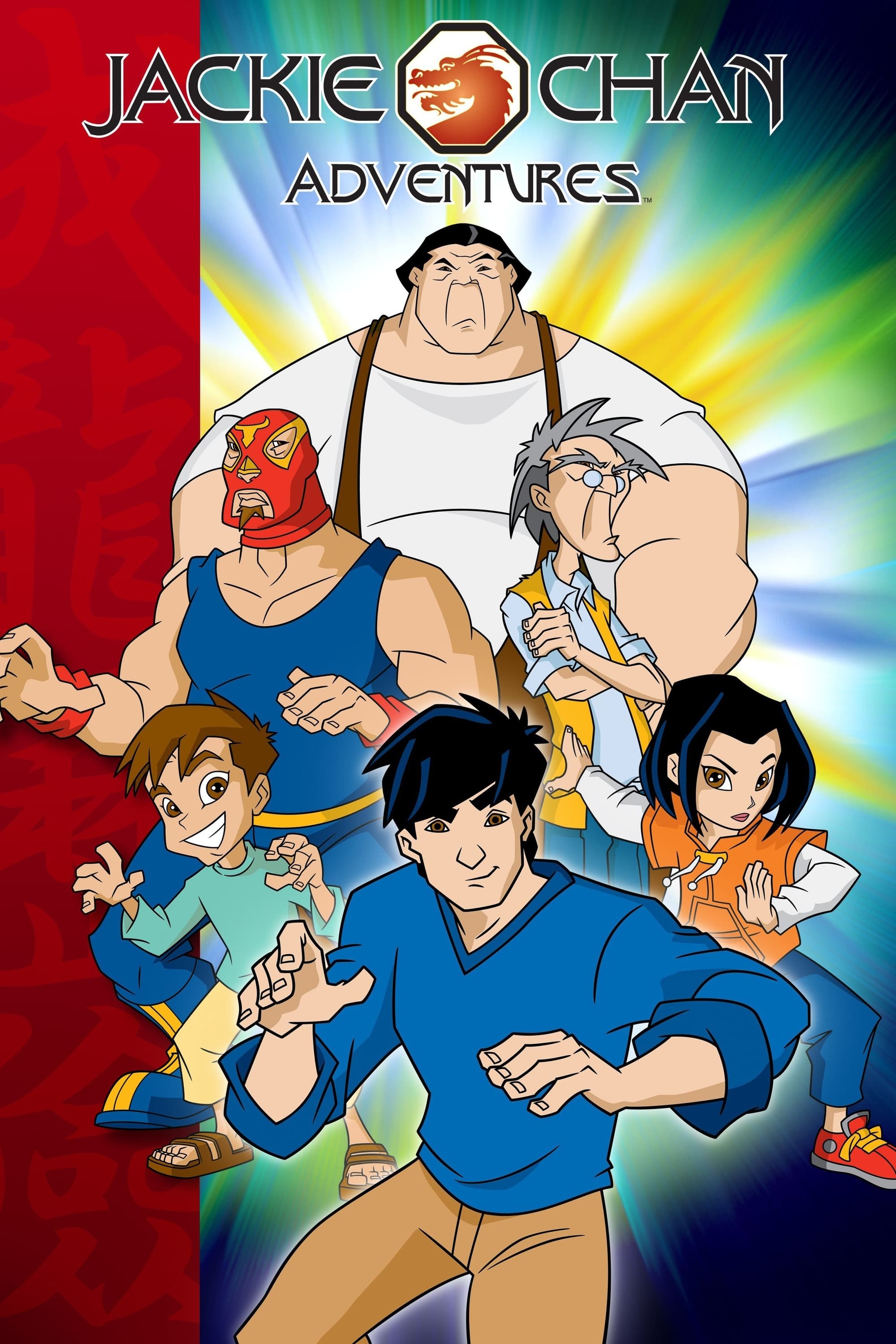
This Kids WB series centered on an archaeologist who collected magical talismans while trading one liners with family and foes. James Sie voiced Jackie with Stacie Chan as Jade and Sab Shimono as Uncle, while Jackie Chan appeared in live action bumpers that closed out many episodes.
The production ran for five seasons and moved through story arcs that introduced demons and masks with clear rules. The show supported a toy line and several video games, and reruns kept the talisman hunt alive on cable.
‘Yu-Gi-Oh!’ (2001–2006)

Adapted from Kazuki Takahashi’s manga, this TV series focused on the Duel Monsters card game with storylines that moved through Duelist Kingdom and Battle City. 4Kids handled the English version for Kids WB, with new episodes anchoring weekend mornings and promotional spots running alongside card product launches.
The property expanded through multiple sequel series and a large organized play network that scheduled local tournaments. The original episodes continued to air in rotation while new sets arrived, and the structure of televised matches matched the rules used at hobby stores.
‘Sonic the Hedgehog’ (1993–1994)
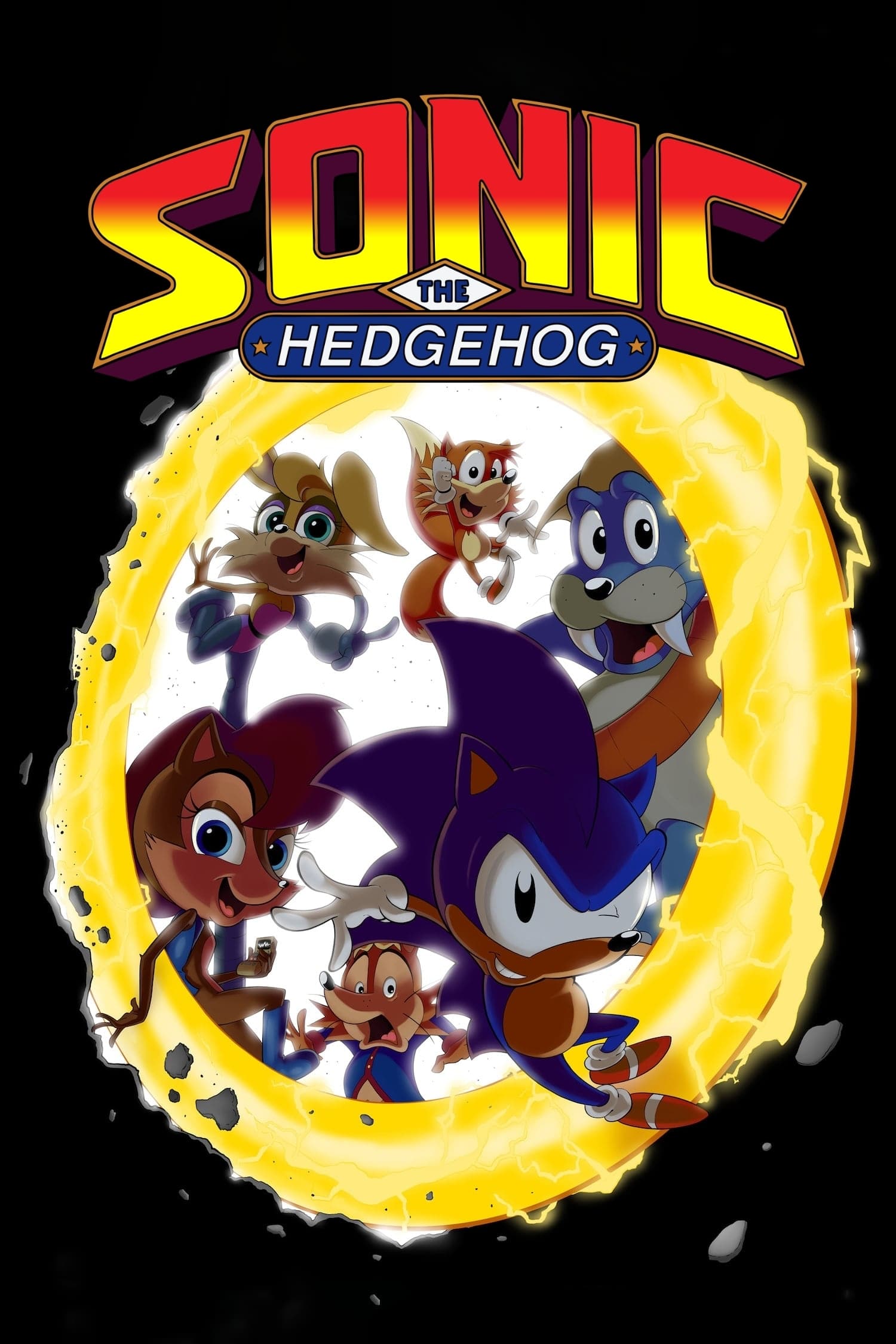
ABC’s Saturday morning ‘Sonic’ featured Jaleel White as the voice of the title character and a cast of Freedom Fighters who protected Mobius from Dr. Robotnik. DiC produced the show with a distinct visual style that set it apart from weekday ‘Adventures of Sonic the Hedgehog’ episodes produced for syndication.
Two seasons gave the team a base, a roster, and a set of objectives that supported tie in comics for many years. The brand continued through many TV interpretations, and the SatAM run stayed in circulation through DVD releases and streaming rotations.
Share your own weekend favorites in the comments and tell us which episodes you still revisit today.