


18 Sci-Fi Concepts Borrowed from Obscure Books and Made Iconic

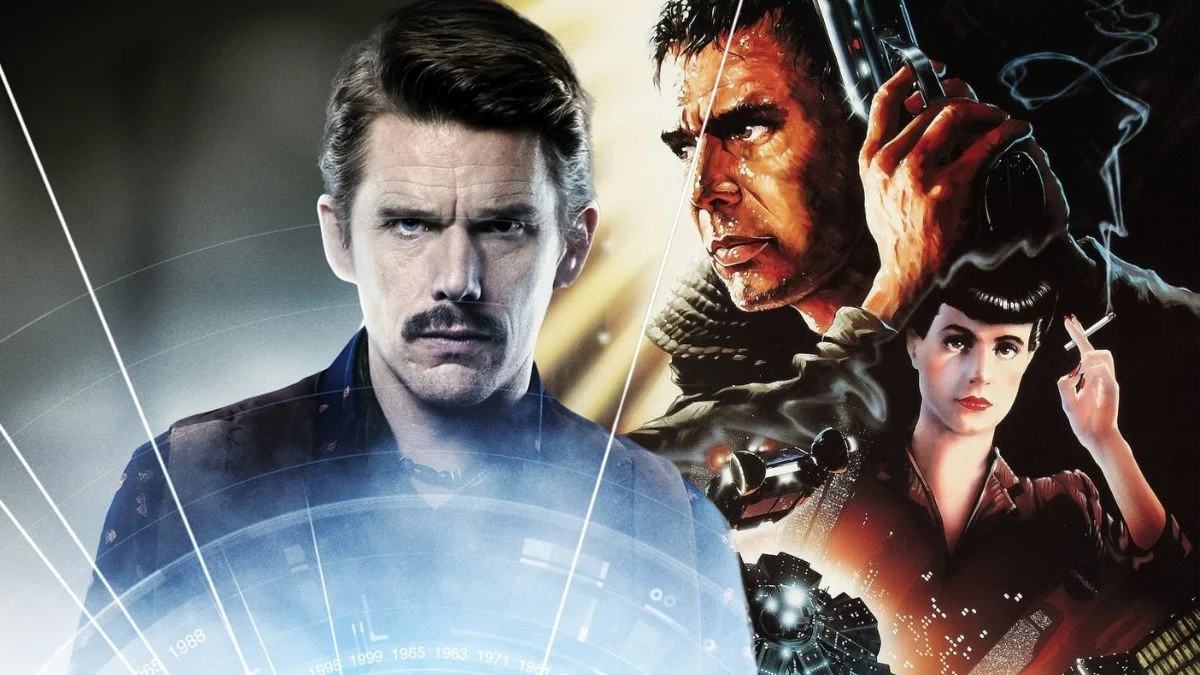


Sci-fi movies often draw inspiration from literary sources that the general public has largely forgotten. These films took concepts from short stories or lesser-known novels and transformed them into cultural touchstones. The adaptations often eclipsed the original works to become the definitive version of the story. Here are 18 science fiction concepts that originated in obscure books.
‘Blade Runner’ (1982)
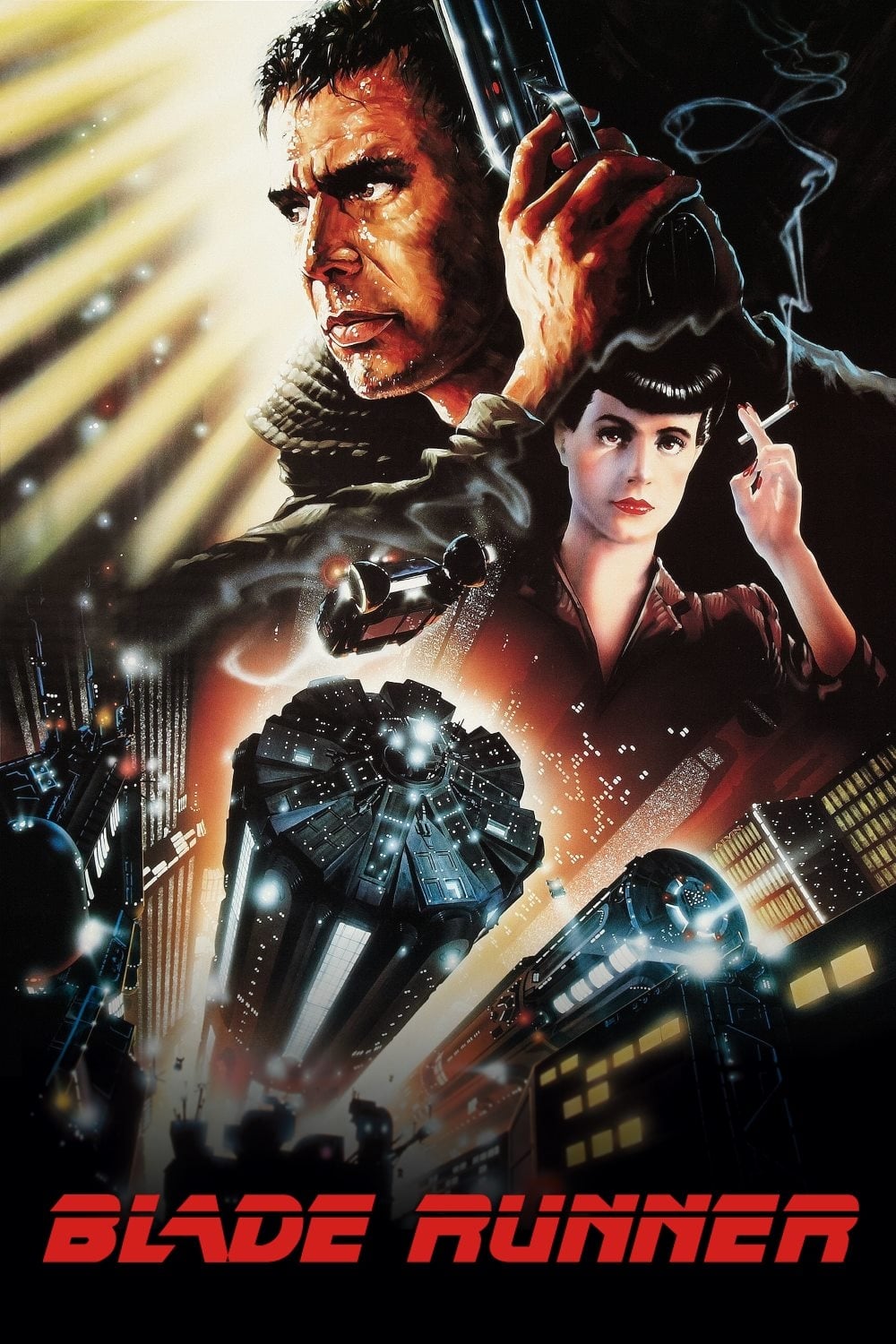
Ridley Scott adapted Philip K Dick’s novel regarding androids to create a cyberpunk masterpiece. The film explores what it means to be human through the eyes of Rick Deckard. He hunts bioengineered beings known as replicants in a futuristic and rainy Los Angeles. The visual style and philosophical questions have influenced the genre for decades.
‘Total Recall’ (1990)
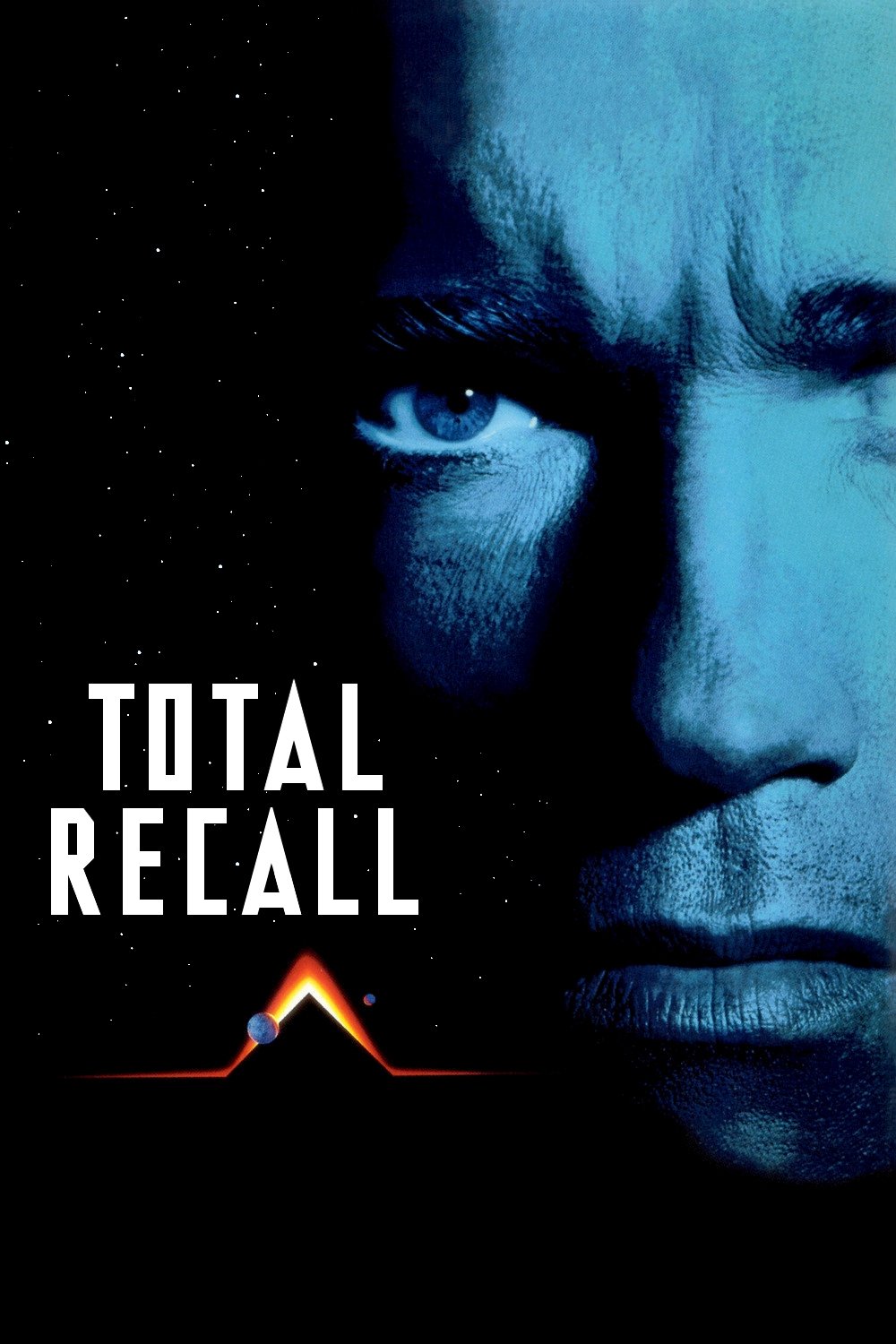
Paul Verhoeven turned a short story by Philip K Dick into a high-octane action film starring Arnold Schwarzenegger. The plot involves a construction worker who discovers his memories of being a secret agent might be real. It questions the nature of reality and identity amidst a backdrop of Martian colonization. This adaptation cemented the concept of implanted memories in pop culture.
‘The Thing’ (1982)
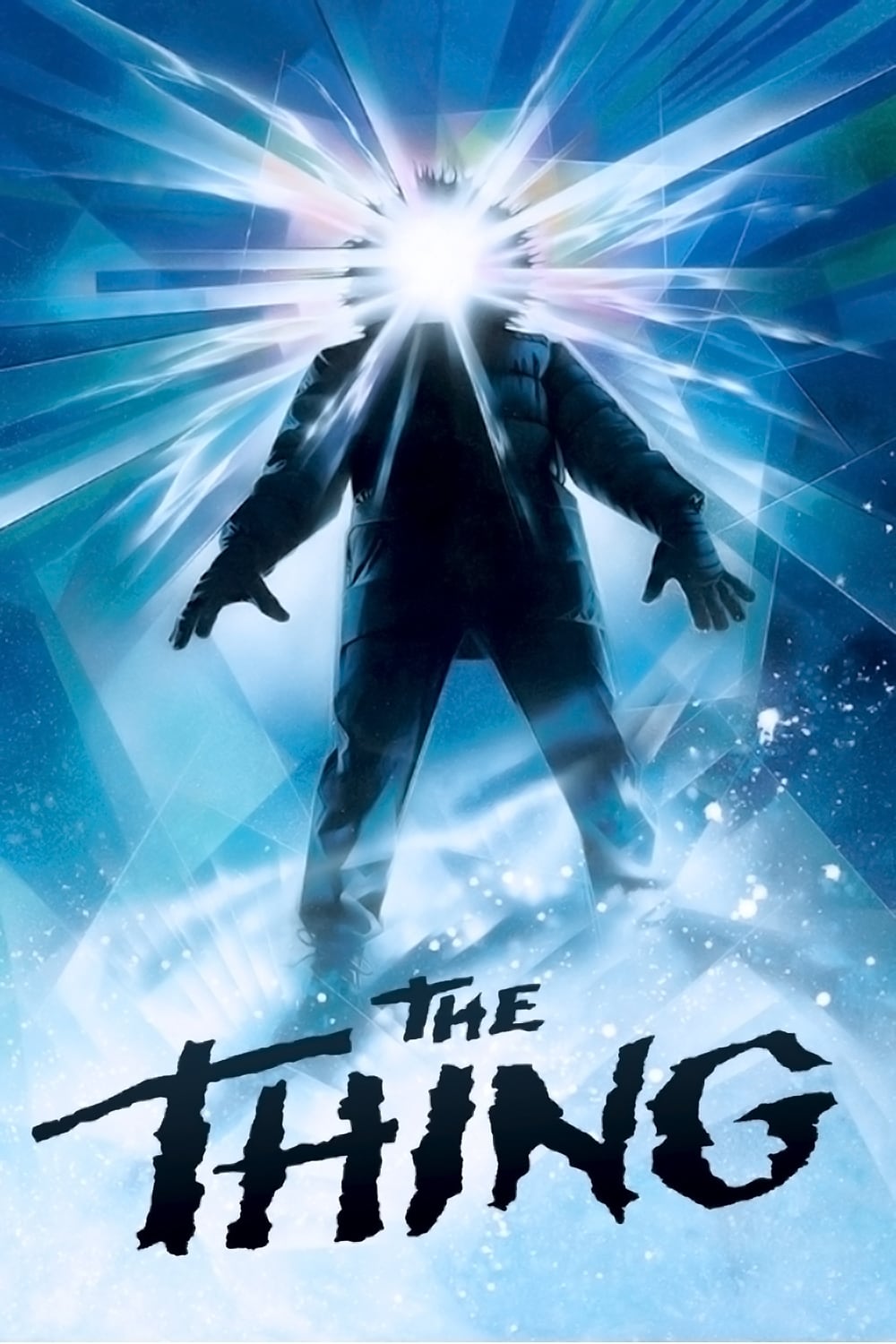
John Carpenter based his film on the novella Who Goes There? by John W Campbell Jr. A research team in Antarctica encounters a parasitic alien life form that assimilates other organisms. The creature imitates its victims perfectly which creates intense paranoia among the group. Practical effects in this movie set a new standard for body horror cinema.
‘Edge of Tomorrow’ (2014)
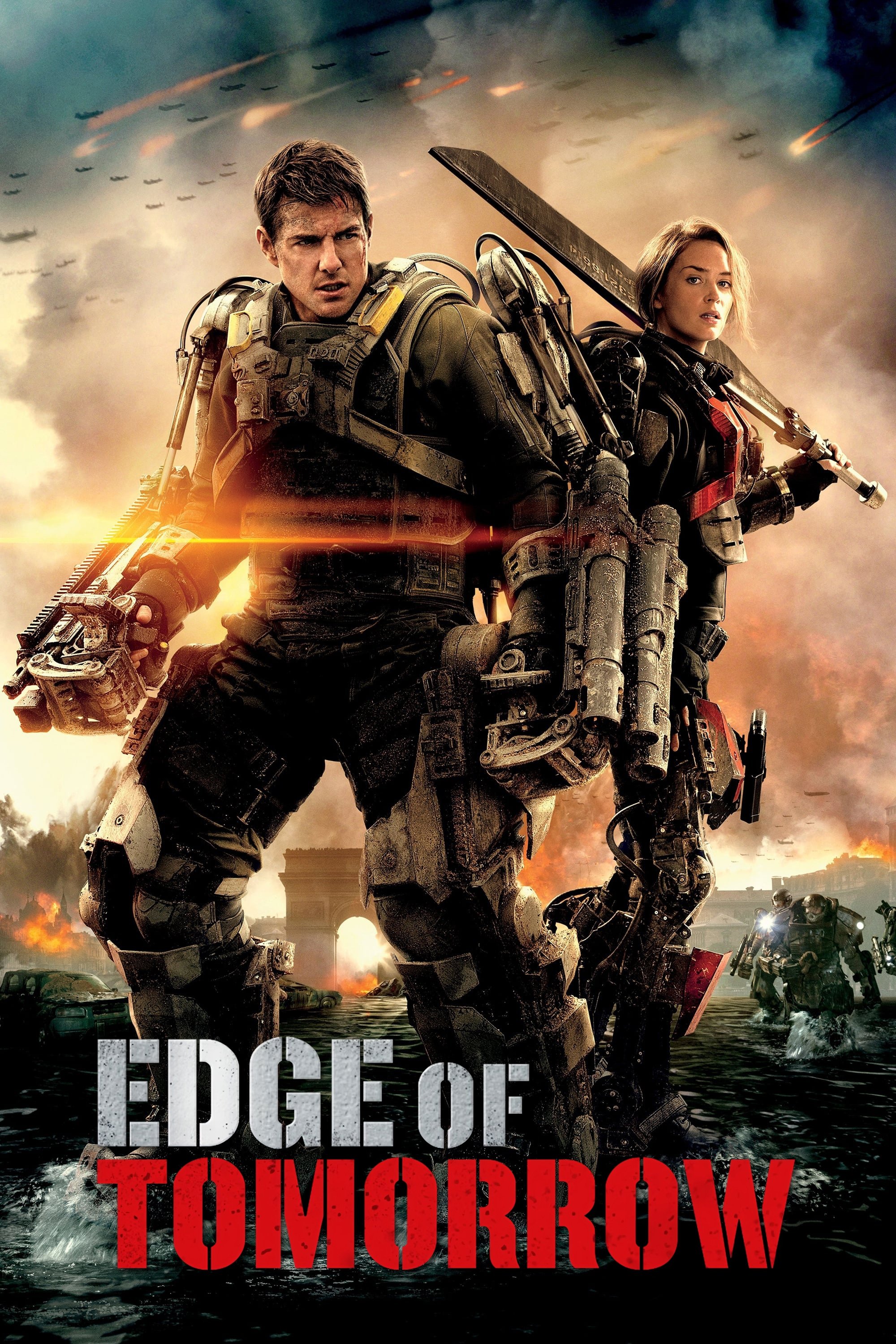
This action film takes its time loop concept from the Japanese light novel All You Need Is Kill. Tom Cruise plays a soldier who relives the same battle against aliens every time he dies. He must learn from each iteration to defeat the extraterrestrial mimics alongside a celebrated warrior. The movie popularized the video game logic of respawning within a cinematic narrative.
‘Arrival’ (2016)
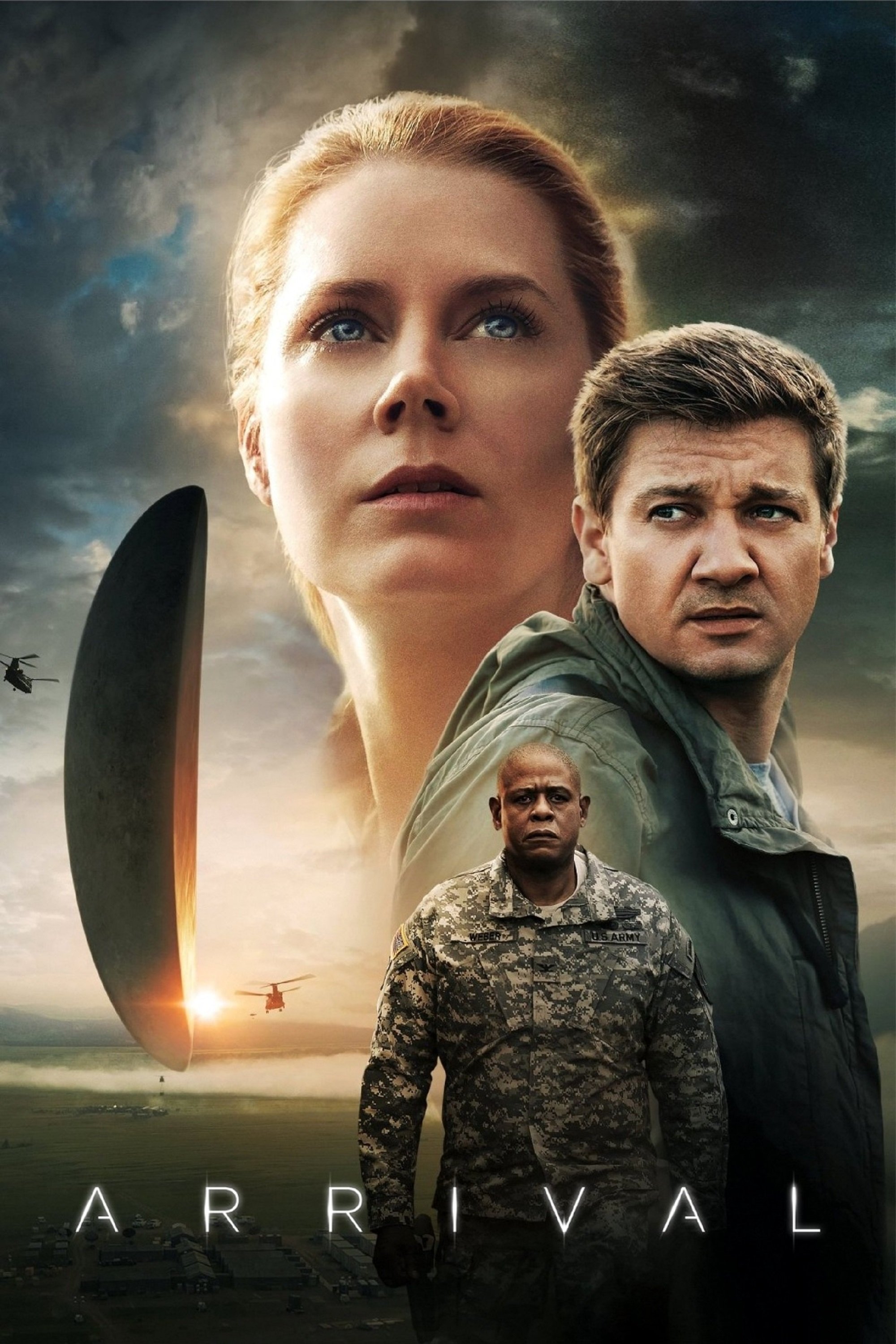
Denis Villeneuve adapted the short story Story of Your Life by Ted Chiang for this cerebral sci-fi drama. A linguist attempts to communicate with aliens who have landed on Earth in twelve mysterious spacecraft. She discovers that learning their language alters her perception of time and memory. The film is celebrated for its intellectual approach to first contact scenarios.
‘Soylent Green’ (1973)
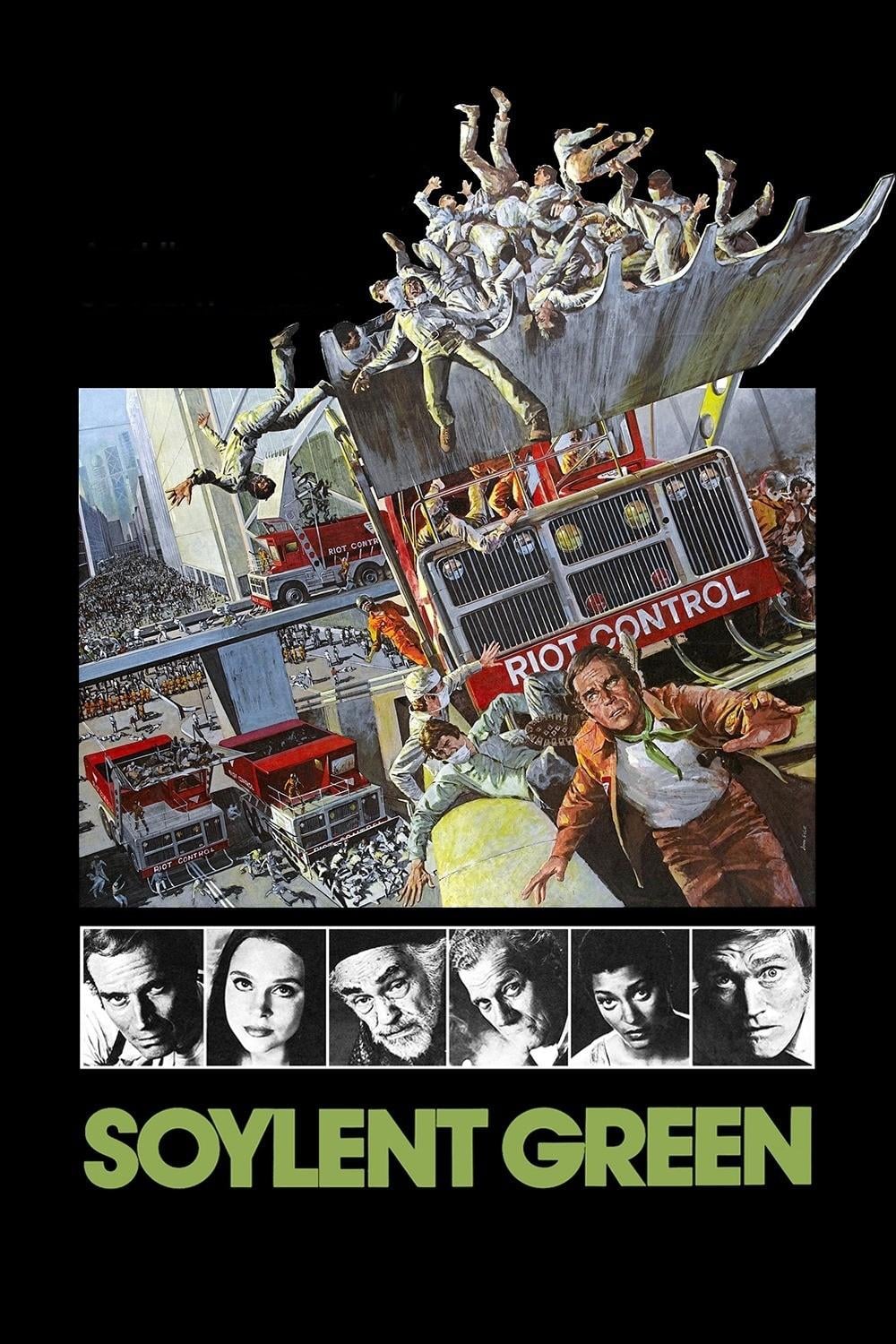
This dystopian classic draws inspiration from Harry Harrison’s novel Make Room! Make Room!. The story depicts an overcrowded world suffering from the greenhouse effect and resource depletion. A detective investigates the murder of a wealthy businessman while uncovering the horrifying truth behind the food supply. It remains famous for its shocking twist ending regarding the titular sustenance.
‘Planet of the Apes’ (1968)
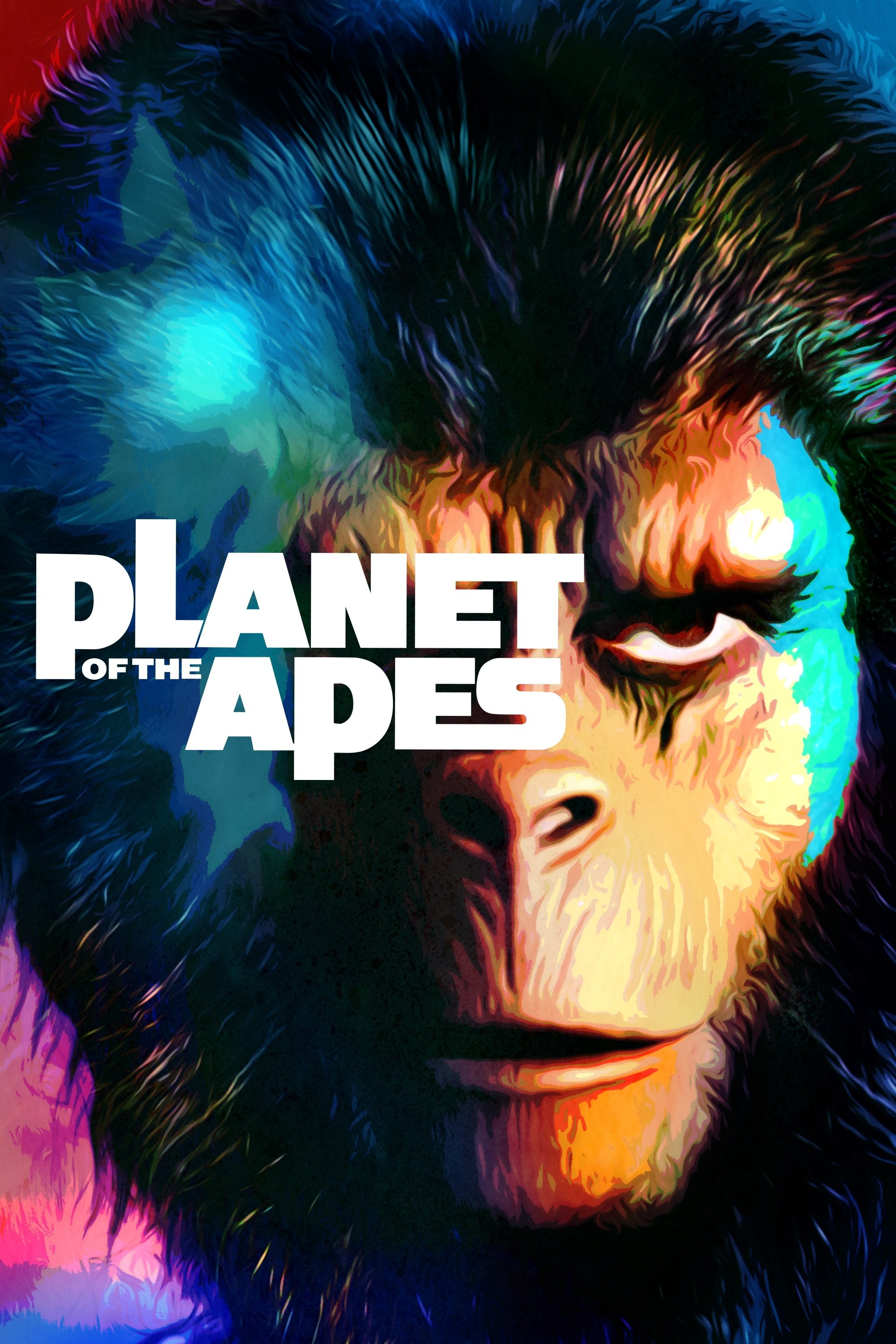
Pierre Boulle wrote the French novel that inspired this franchise about an inverted social order. Astronauts crash land on a planet where talking apes are the dominant species and humans are mute primitives. The film deviates from the book’s technology but retains the core satire of human civilization. Its final scene provides one of the most enduring images in film history.
‘Minority Report’ (2002)
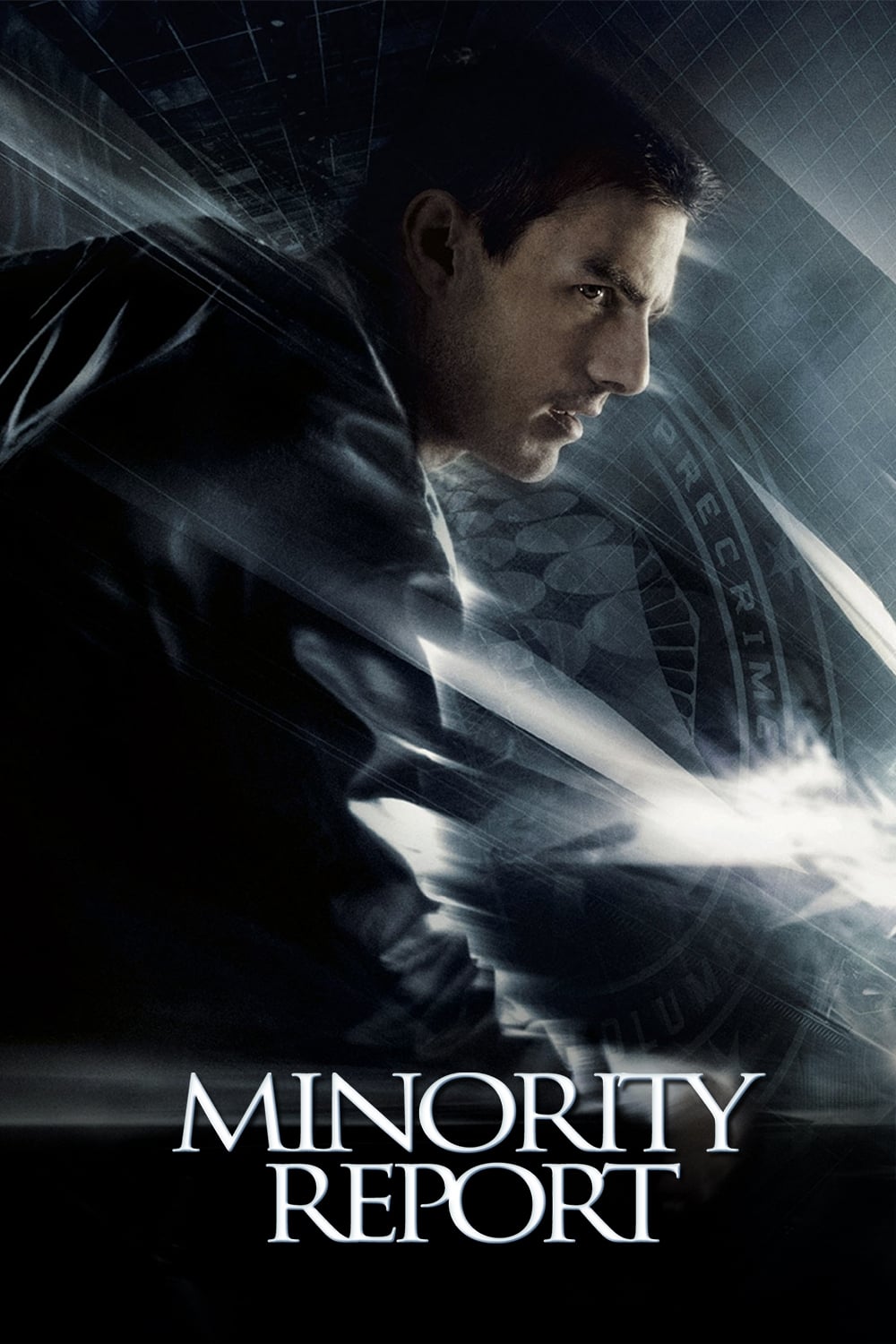
Steven Spielberg expanded a short story by Philip K Dick into a sleek futuristic thriller. The police force uses psychic mutants to arrest criminals before they commit crimes. Tom Cruise stars as an officer who must go on the run when he is accused of a future murder. The movie is renowned for its depiction of gesture-based computing and personalized advertising.
‘Paprika’ (2006)

Satoshi Kon directed this anime based on a novel by Yasutaka Tsutsui about a device that allows therapists to enter dreams. A detective and a dream terrorist clash in a psychedelic landscape where reality and fantasy merge. The visual creativity influenced later live-action blockbusters dealing with dream incursions. It stands as a landmark in animation for its fluid transitions and complex narrative.
‘The Day the Earth Stood Still’ (1951)
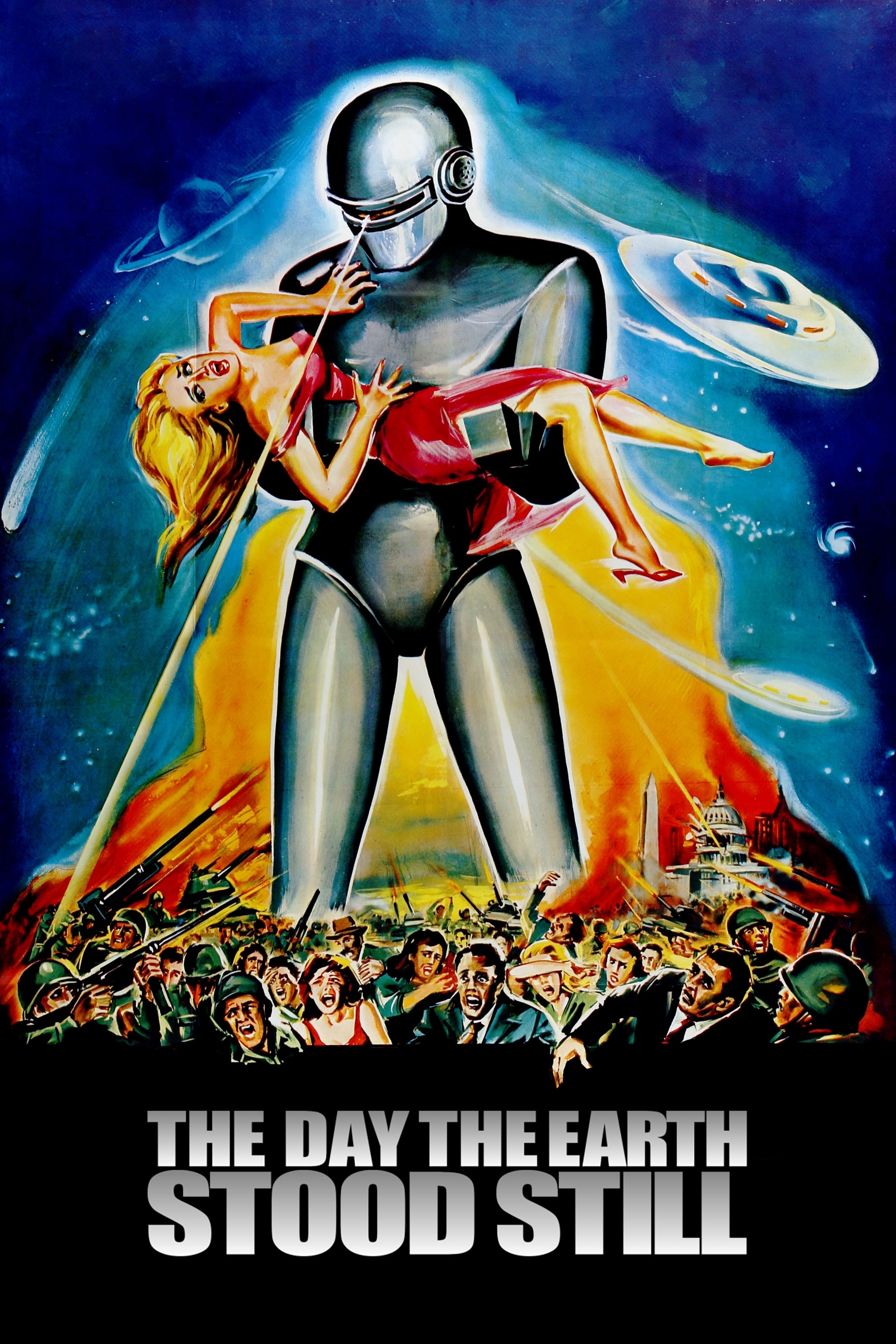
Harry Bates wrote the story Farewell to the Master which served as the basis for this wise alien encounter. An alien visitor named Klaatu arrives with his powerful robot Gort to deliver a warning to humanity. They demand that Earth’s leaders cease their aggression or face total destruction. The film is a staple of atomic age cinema and advocates for global peace.
‘Invasion of the Body Snatchers’ (1956)
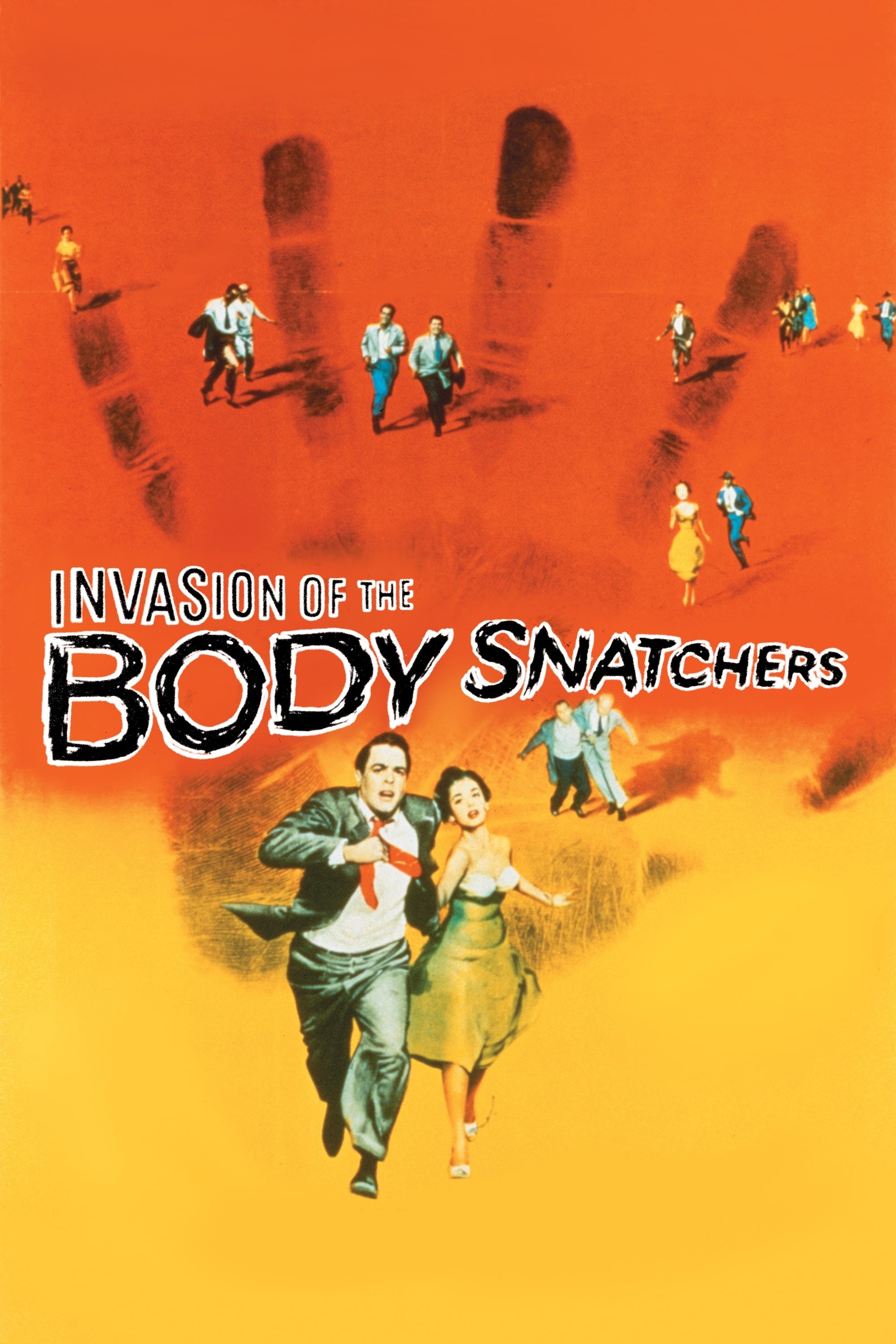
Jack Finney’s novel The Body Snatchers provided the terrifying concept of emotionless alien duplicates. A small town doctor discovers that his neighbors are being replaced by identical imposters grown from giant pods. The film serves as a potent allegory for the loss of individuality during the Cold War era. Its ending remains one of the most chilling moments in horror history.
‘The Fly’ (1986)
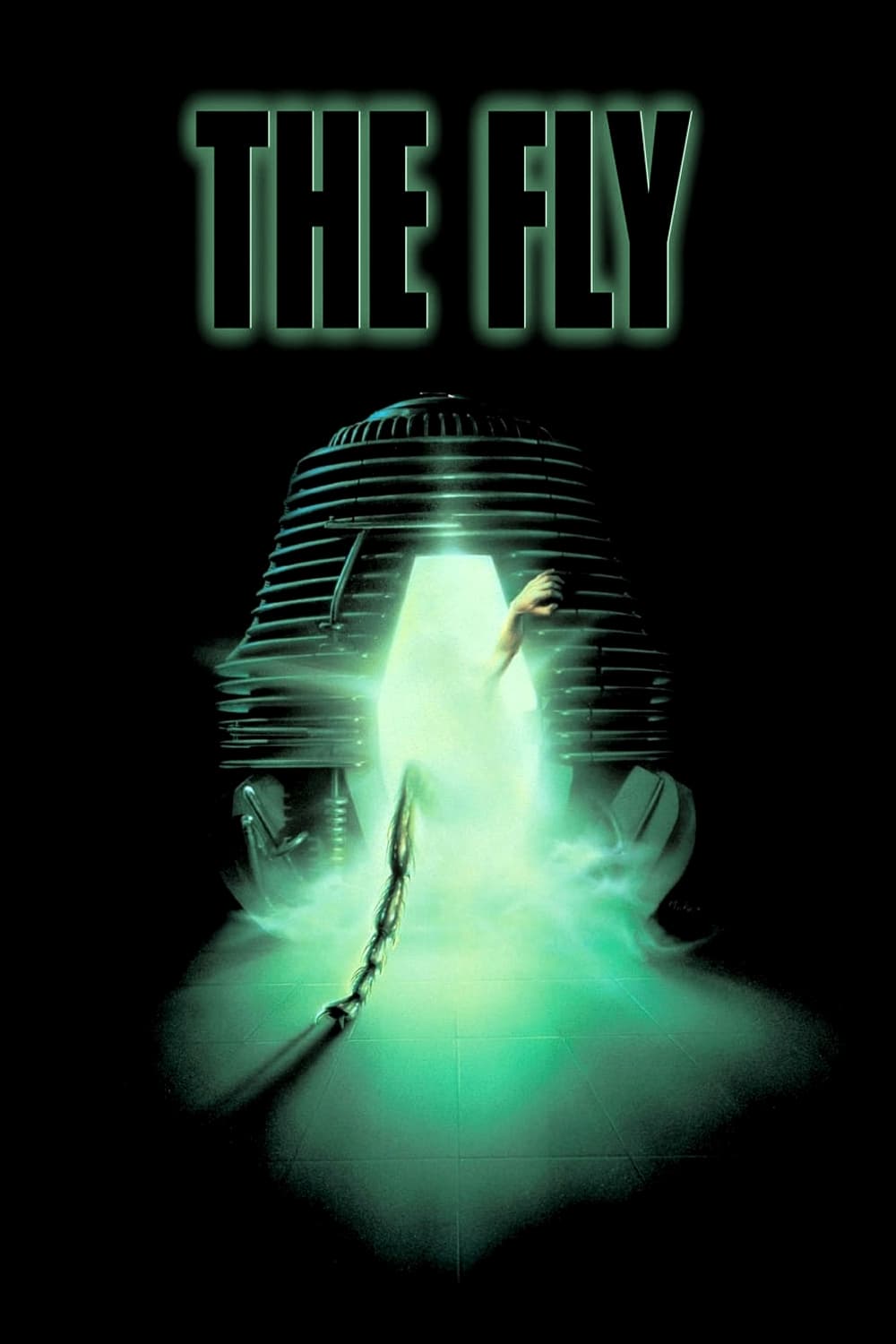
David Cronenberg reworked a short story by George Langelaan into a tragic tale of scientific hubris. A scientist accidentally fuses his DNA with a housefly during a teleportation experiment. The film documents his slow and grotesque transformation into a hybrid creature. It is praised for its tragic romance and groundbreaking makeup effects.
‘Predestination’ (2014)
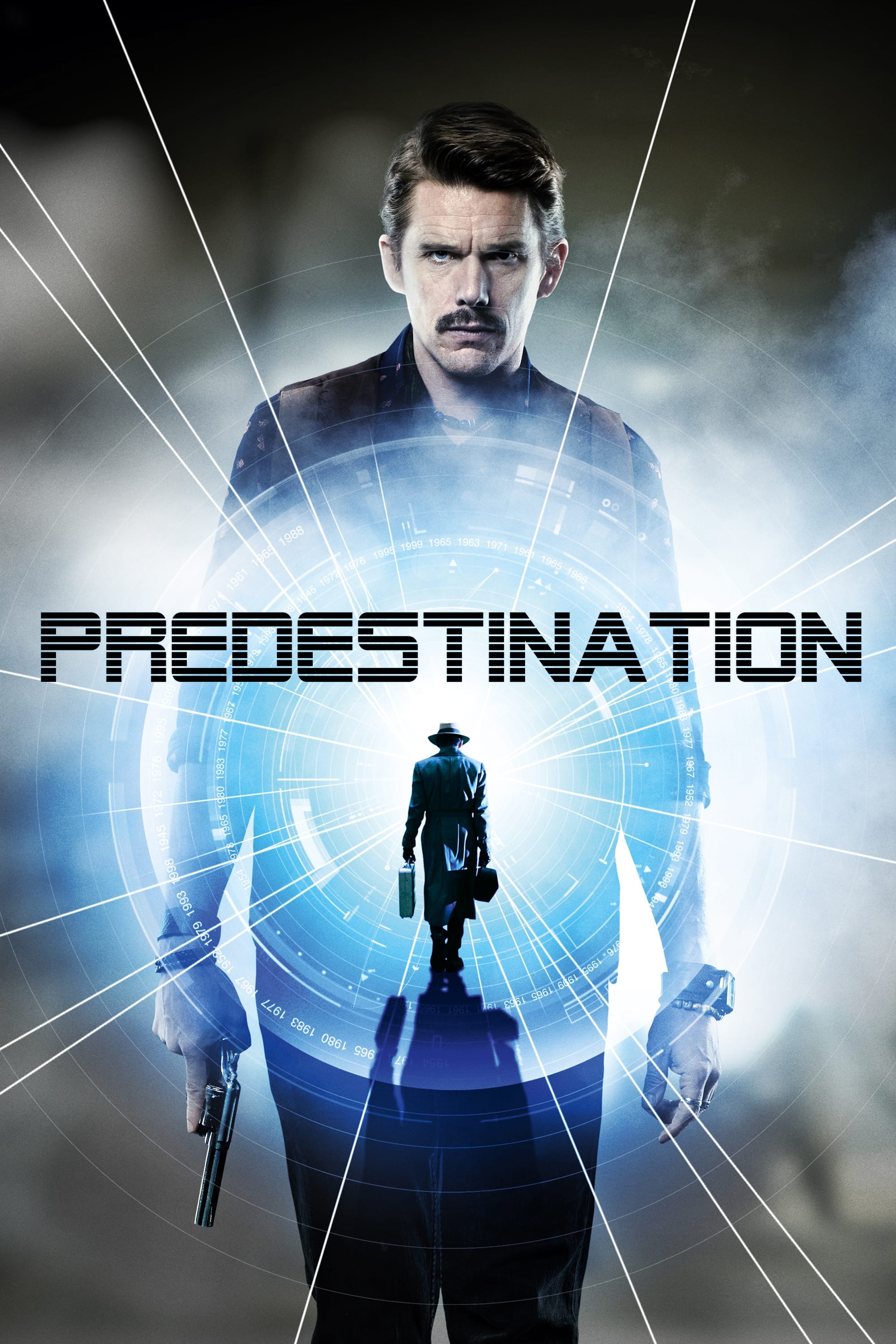
The Spierig Brothers adapted Robert A Heinlein’s short story All You Zombies into this complex time travel film. A temporal agent embarks on a final assignment to stop a criminal known as the Fizzle Bomber. The narrative weaves a tangled web of cause and effect that explores gender and identity. Viewers often require multiple watches to fully grasp the paradoxes presented.
‘They Live’ (1988)
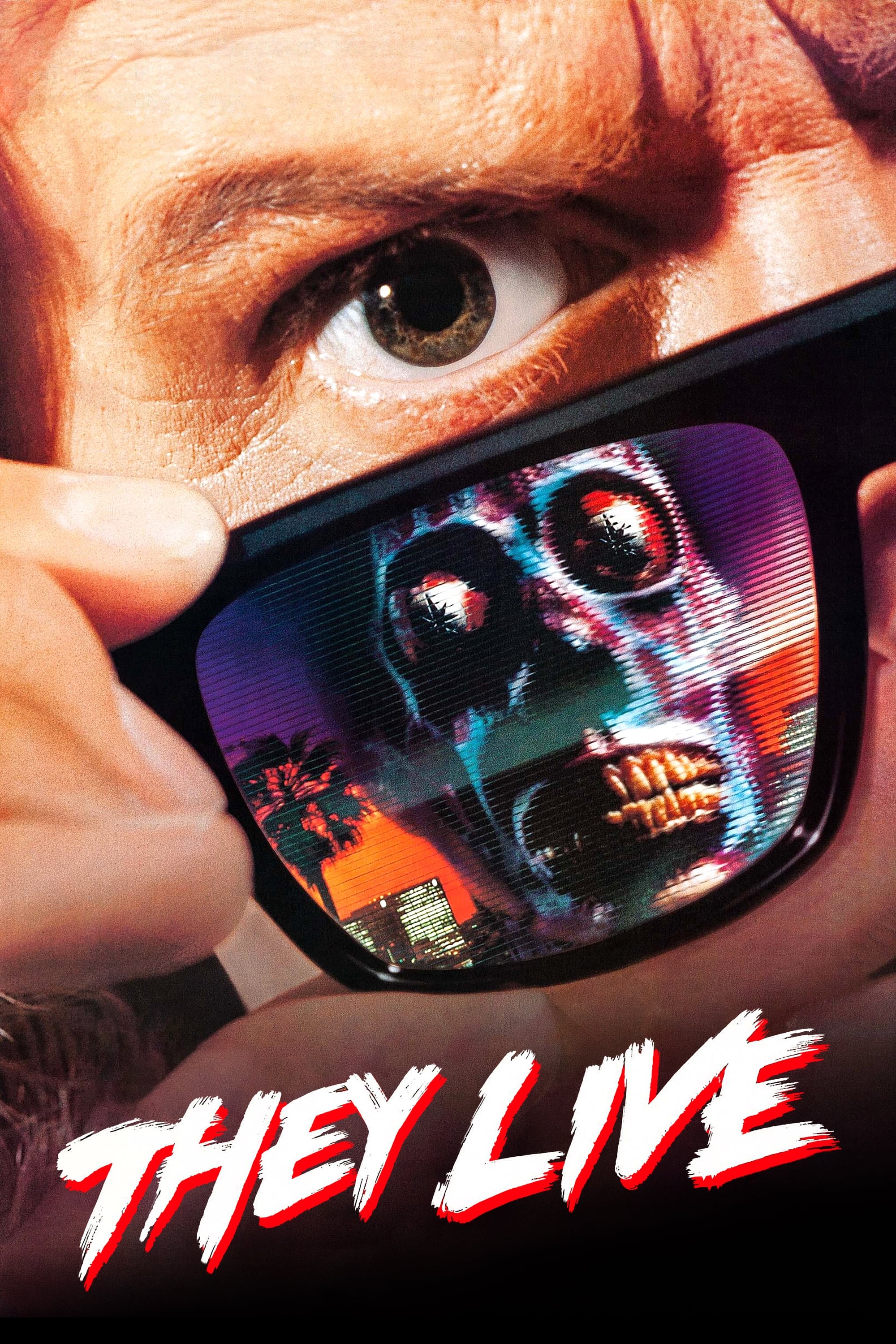
John Carpenter utilized the short story Eight O’Clock in the Morning by Ray Nelson for this satirical action movie. A drifter discovers a pair of sunglasses that reveal the ruling class are actually skeletal aliens. The invaders use subliminal messages in media to keep the human population docile and consuming. It is remembered for its critique of consumerism and a prolonged street fight scene.
‘2001: A Space Odyssey’ (1968)
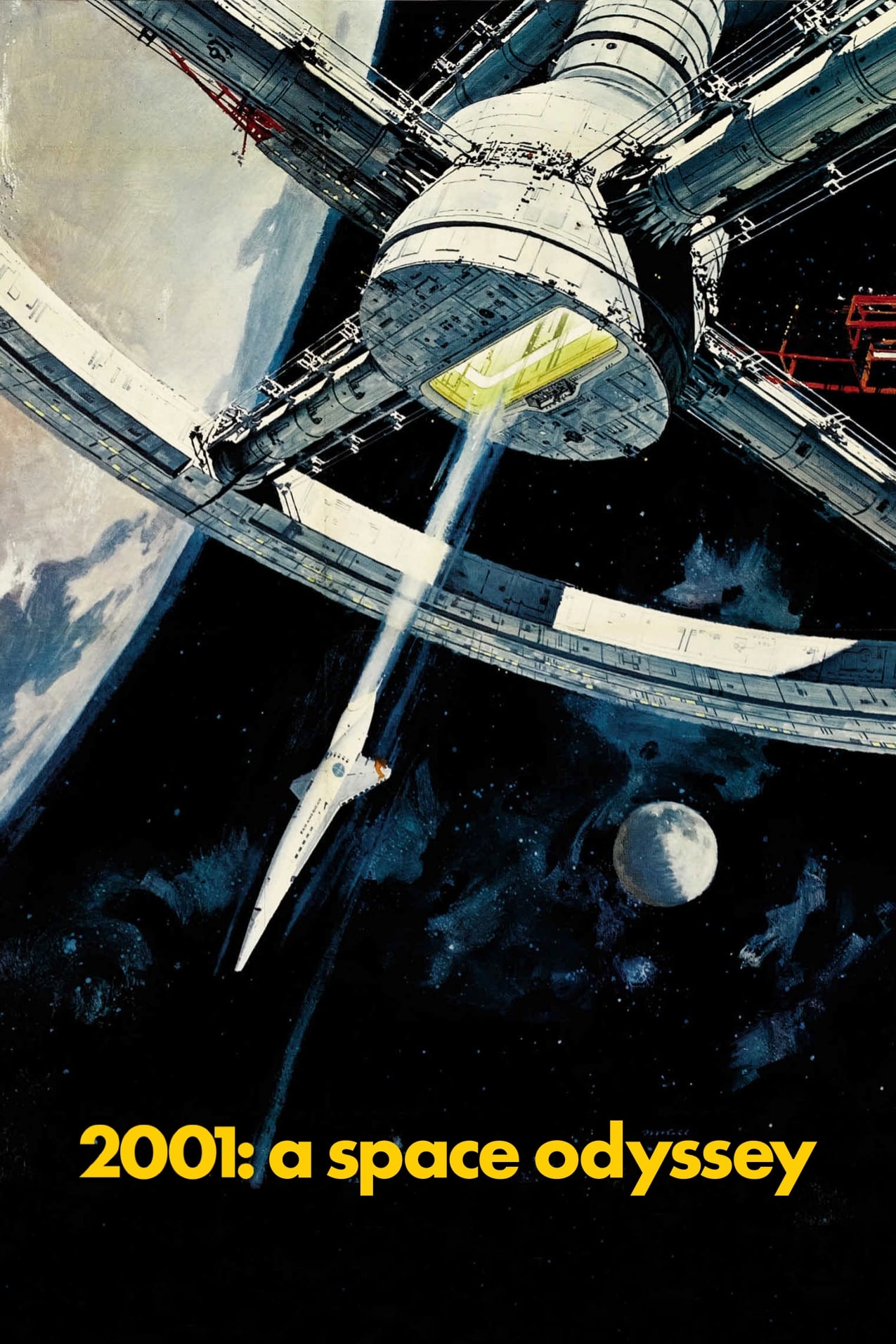
Arthur C Clarke wrote The Sentinel which inspired the narrative backbone of this Stanley Kubrick masterpiece. The discovery of a mysterious monolith on the moon triggers a mission to Jupiter controlled by a sentient computer. The film minimizes dialogue in favor of stunning visuals and classical music to depict human evolution. It set the template for realistic space travel in cinema.
‘Children of Men’ (2006)
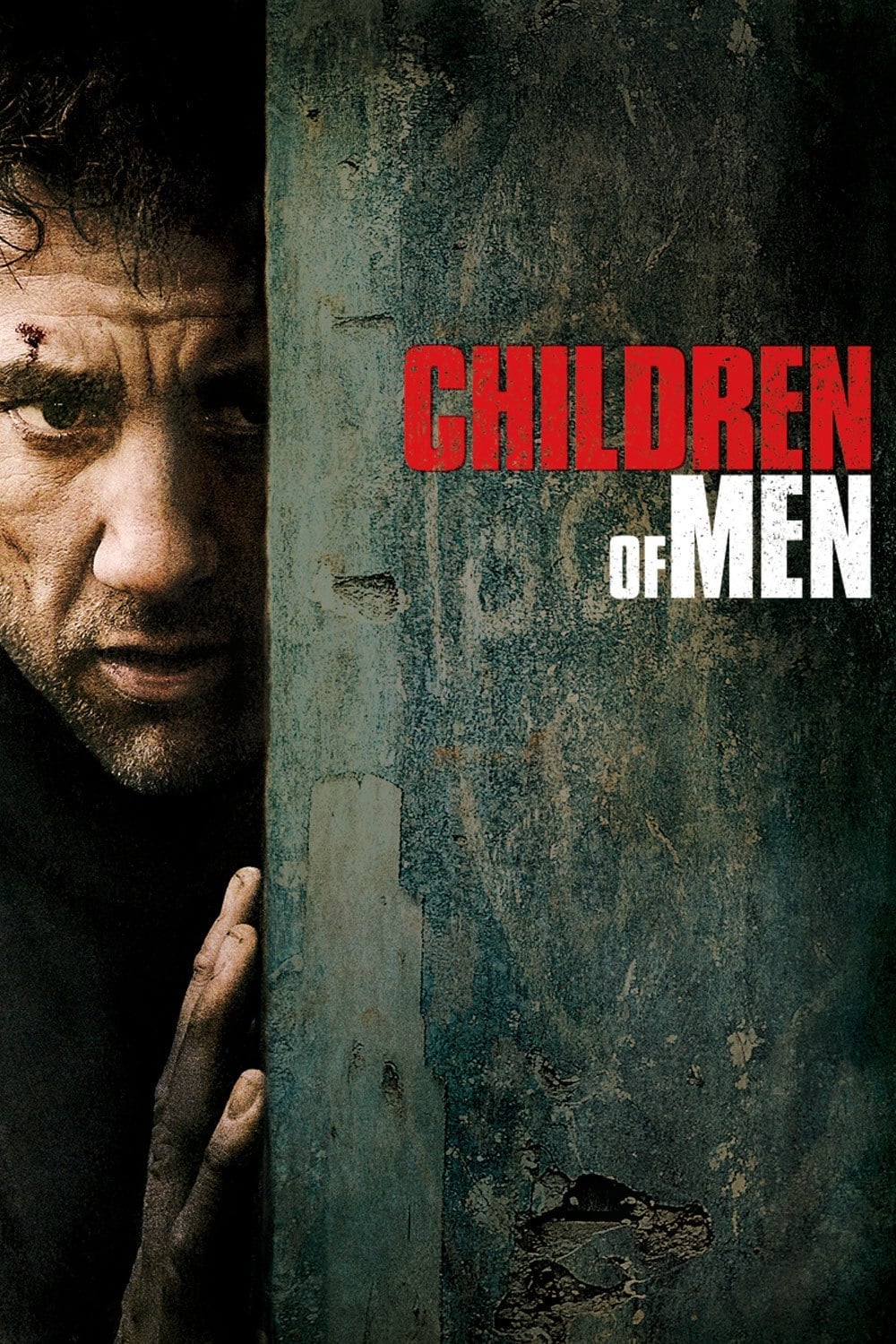
Alfonso Cuarón brought PD James’s novel to life with a gritty and realistic visual style. The story takes place in a world where two decades of human infertility have led to societal collapse. A former activist agrees to protect the only pregnant woman left on Earth as they journey to safety. The film is lauded for its single-take action sequences and immersive world-building.
‘Logan’s Run’ (1976)
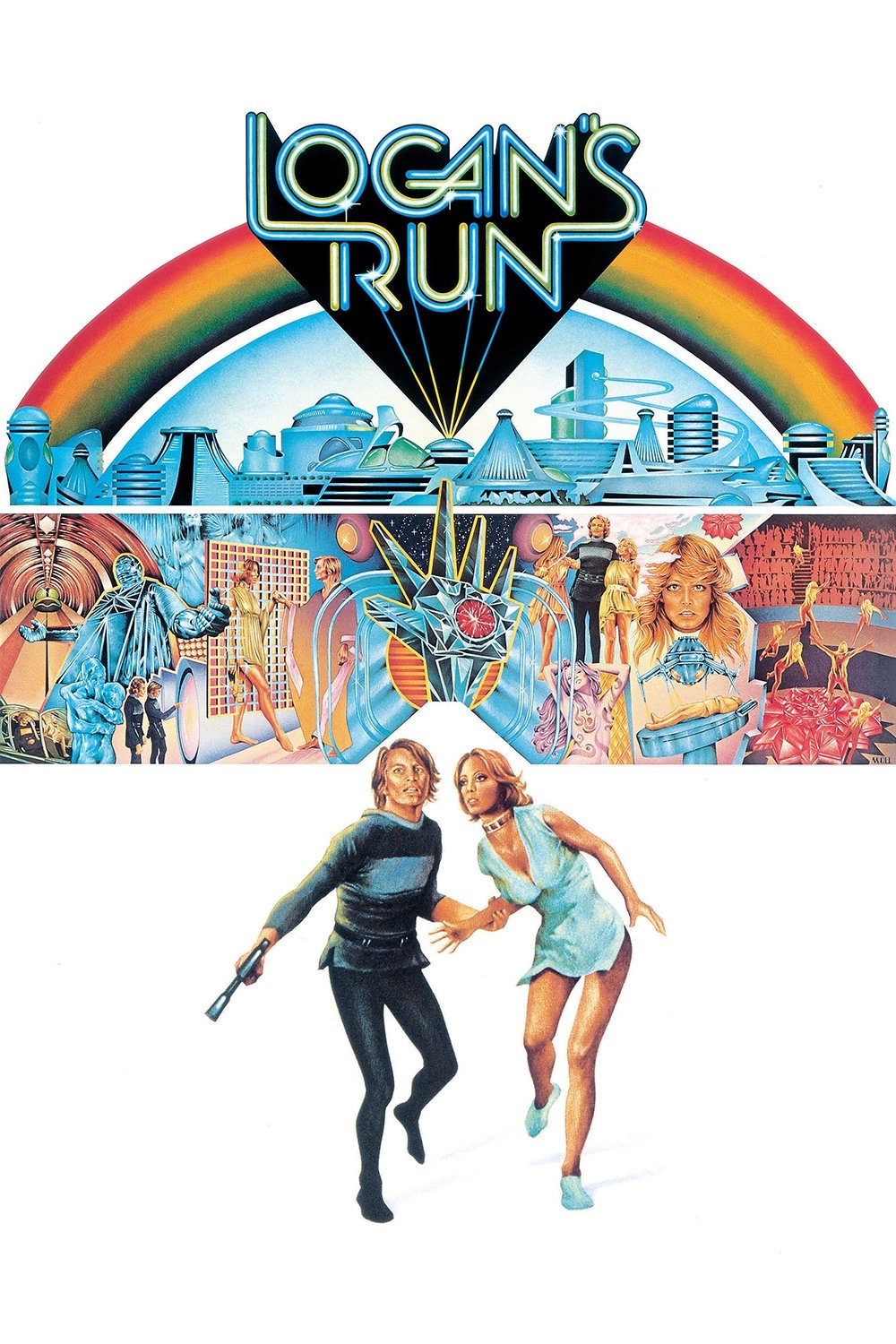
William F Nolan and George Clayton Johnson co-wrote the novel about a society where everyone must die at a certain age. The film adaptation depicts a hedonistic dome city where residents are terminated upon turning thirty. A violently enforced ritual called Carousel serves as the method of population control. The protagonist decides to flee the city to find a legendary sanctuary.
‘The Iron Giant’ (1999)
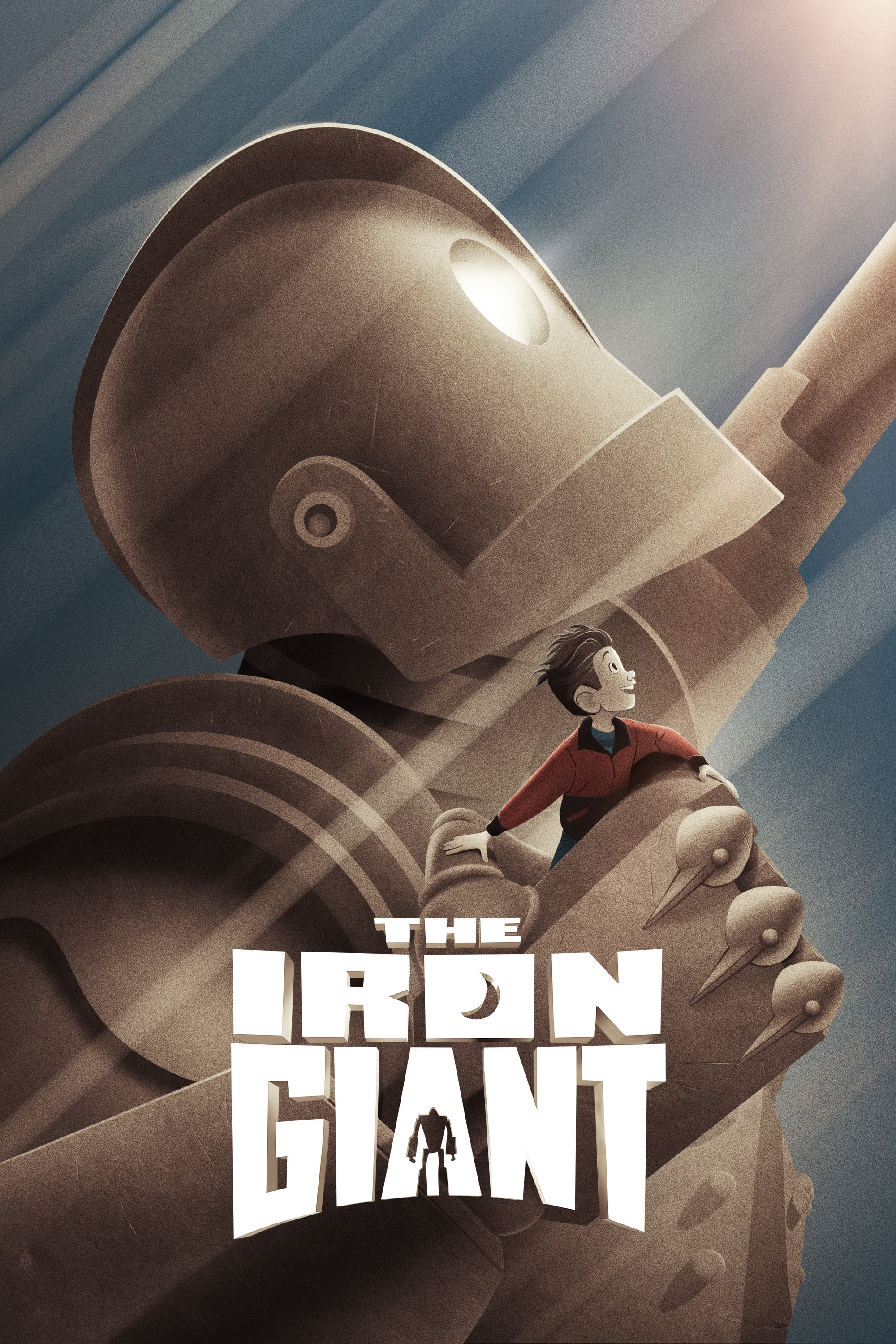
Ted Hughes wrote the children’s book The Iron Man which was adapted into this beloved animated feature. A young boy befriends a massive robot from outer space during the height of Cold War paranoia. The government sees the machine as a threat while the boy teaches it that it has a soul. The film explores themes of pacifism and choosing who you want to be.
Please share which of these adaptations surprised you the most in the comments.