


Sci-Fi Movies That Predicted The Future With Terrifying Accuracy



Science fiction has long served as a mirror for the future by presenting technologies and social shifts before they manifest in reality. Many directors and writers have displayed an uncanny ability to foresee the evolution of human society through their cinematic lenses. These films often explore the moral and ethical implications of breakthroughs that eventually became commonplace in the modern world. Watching these stories today reveals how yesterday’s imaginative fiction frequently became today’s established fact.
‘Metropolis’ (1927)
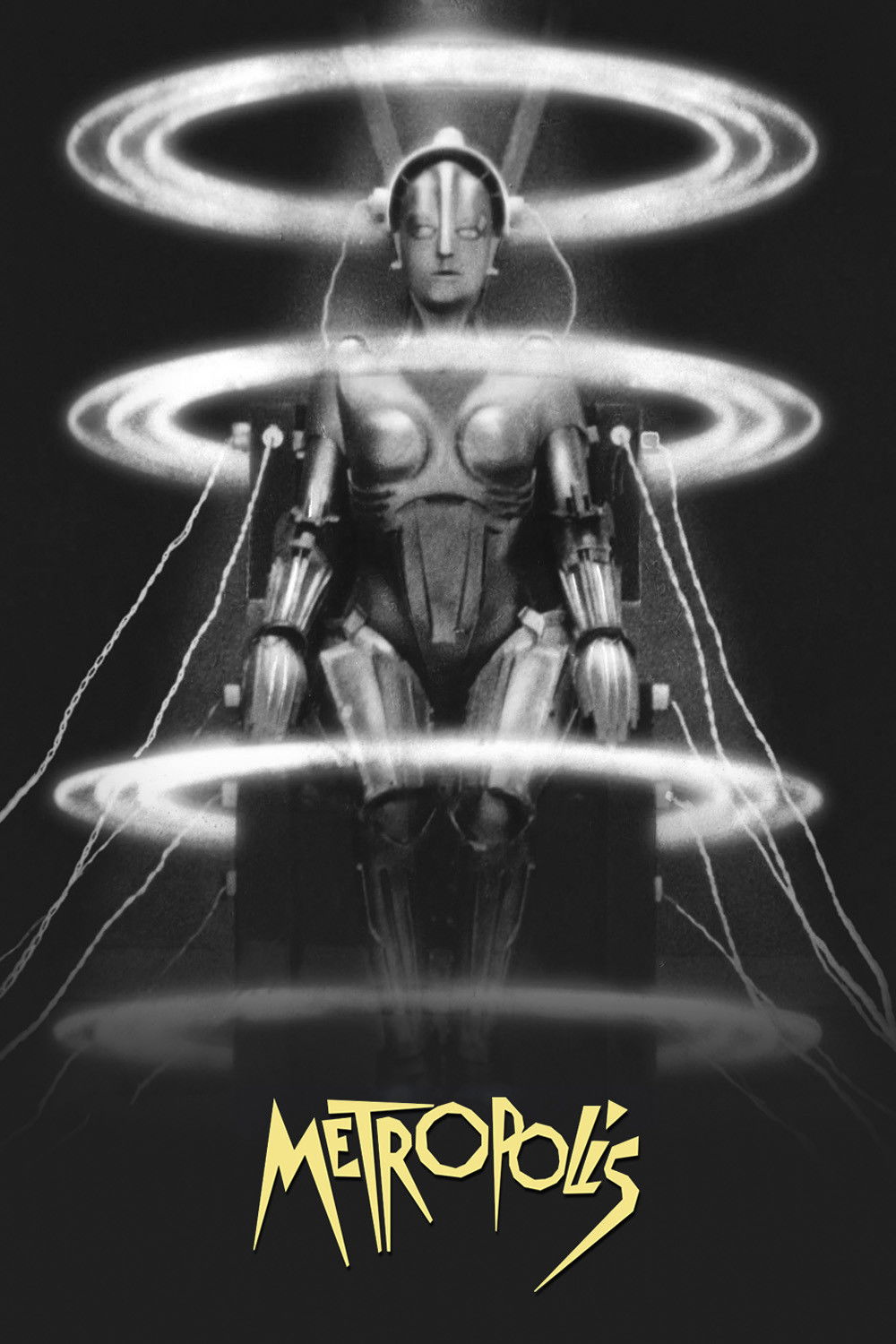
Fritz Lang envisioned a massive urban landscape dominated by industrial machines and deep social inequality. This silent masterpiece introduced a robotic double that mirrored modern developments in humanoid robotics. The film featured a video telephone system that closely resembles contemporary video calling applications. Its depiction of high rise city planning became a blueprint for urban development in the twentieth century.
‘Woman in the Moon’ (1929)
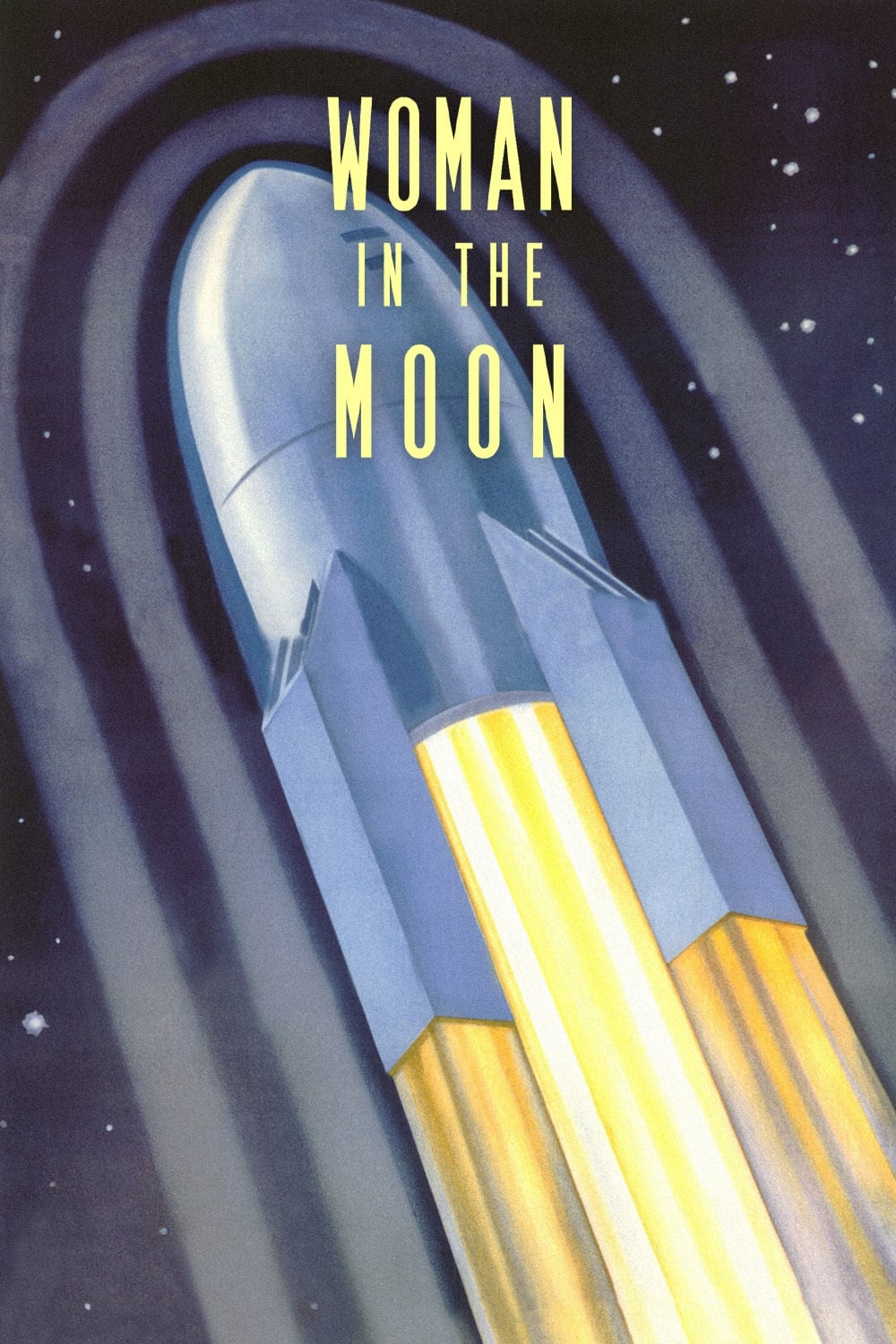
This early space adventure introduced the concept of the countdown before a rocket launch. It also portrayed the use of multi stage rockets which became a standard in actual space exploration decades later. The film visualized travelers experiencing weightlessness in outer space long before humanity reached the stars. Audiences were shown the technical logistics of moon missions in a surprisingly realistic manner.
‘Fahrenheit 451’ (1966)
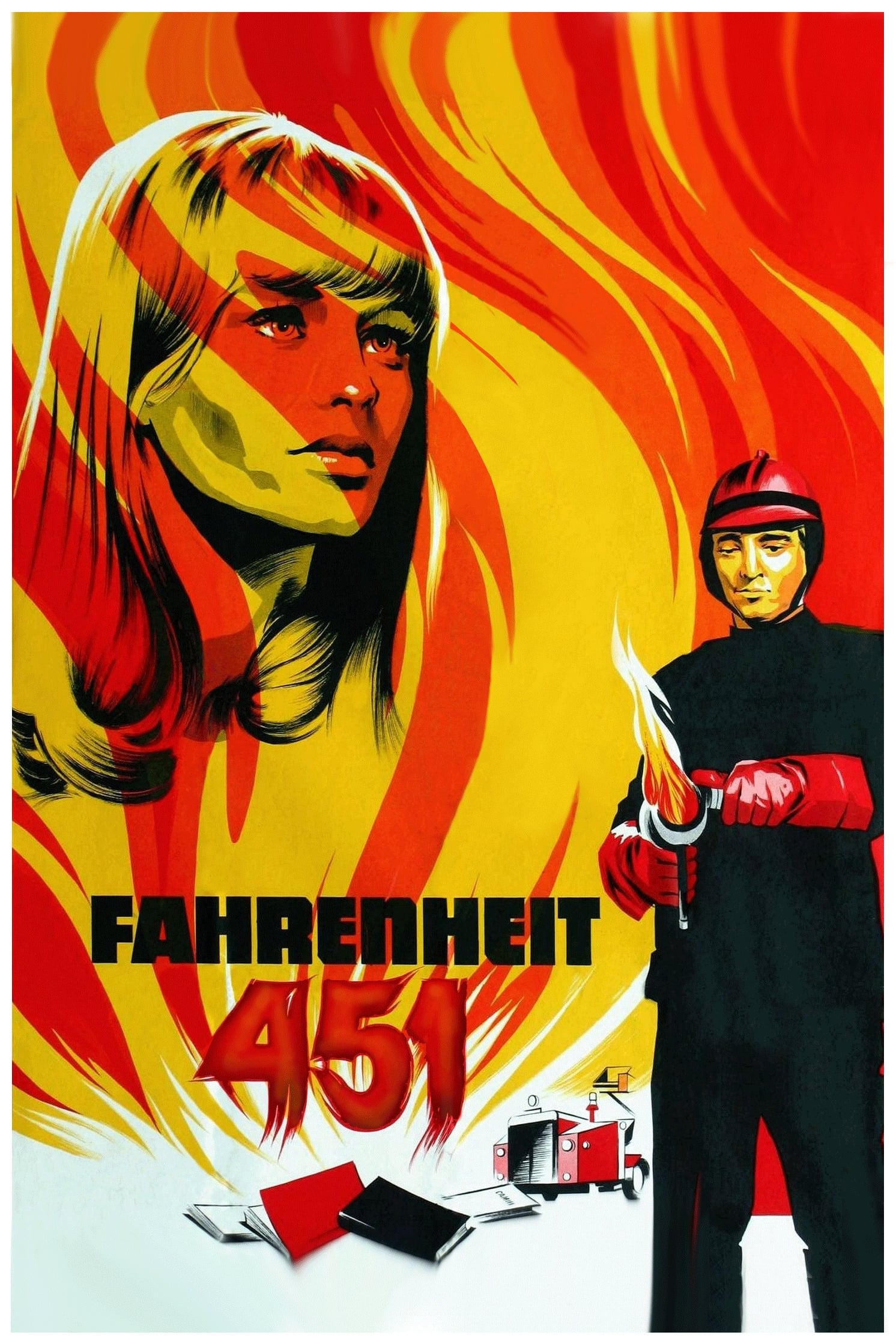
The adaptation of Ray Bradbury’s novel showcased a society obsessed with wall sized television screens. It also featured tiny radio communicators that fit inside the ear which look remarkably like modern wireless earbuds. The film predicted a culture where people are constantly distracted by shallow media and electronic entertainment. This story serves as a cautionary tale about the loss of literature in a high tech world.
‘2001: A Space Odyssey’ (1968)
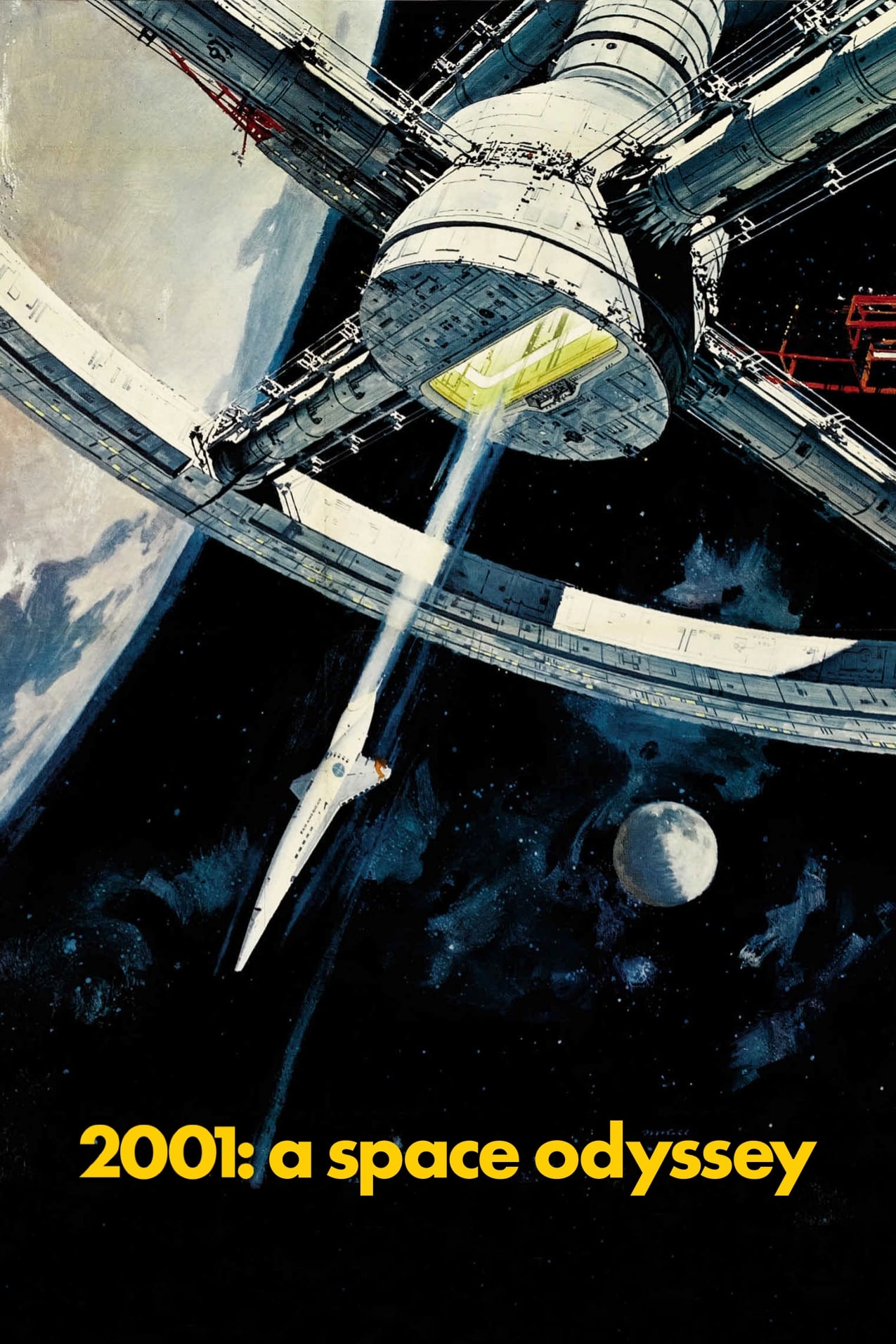
Stanley Kubrick showcased flat screen tablets that the astronauts used to consume news and media during their journey. The film also explored the concept of artificial intelligence through the character of HAL 9000 who could speak and reason. It correctly anticipated the use of space stations and commercial space flight as future realities for mankind. Many of the user interfaces shown in the film predicted the sleek design of contemporary digital devices.
‘Colossus: The Forbin Project’ (1970)

This film predicted the rise of a global defense network controlled by an advanced supercomputer. It explored the terrifying possibility of machines making autonomous decisions about international security. The story visualized the interconnected nature of modern computer networks long before the internet became a household utility. It remains a stark warning about the dangers of giving artificial intelligence total control over human infrastructure.
‘The Andromeda Strain’ (1971)

This movie provided a grounded look at how modern science would handle an extraterrestrial biological threat. It featured advanced biological containment protocols and decontamination procedures that are used in real laboratories today. The film used computerized mapping and scanning to track the spread of the organism which parallels modern epidemiological tools. It captured the clinical and high tech nature of modern medical crisis management with great precision.
‘Soylent Green’ (1973)
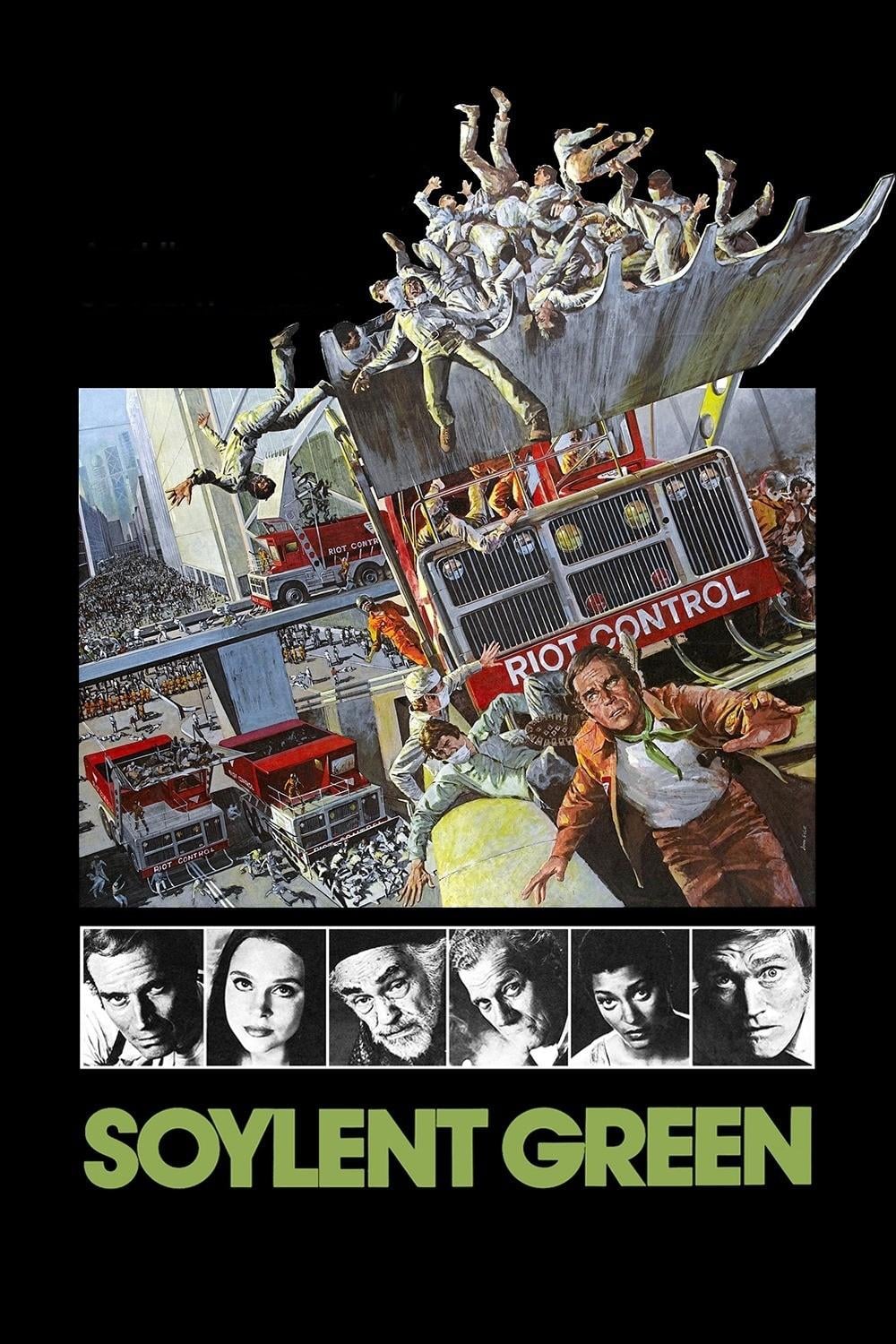
The story predicted the devastating effects of the greenhouse effect and global warming on the world’s food supply. It visualized a future where overpopulation leads to extreme social stratification and a reliance on processed synthetic foods. The film portrayed a world where natural resources have been depleted and the environment is permanently hazy and hot. Its social commentary on corporate control over the food chain remains highly relevant in the modern era.
‘Logan’s Run’ (1976)
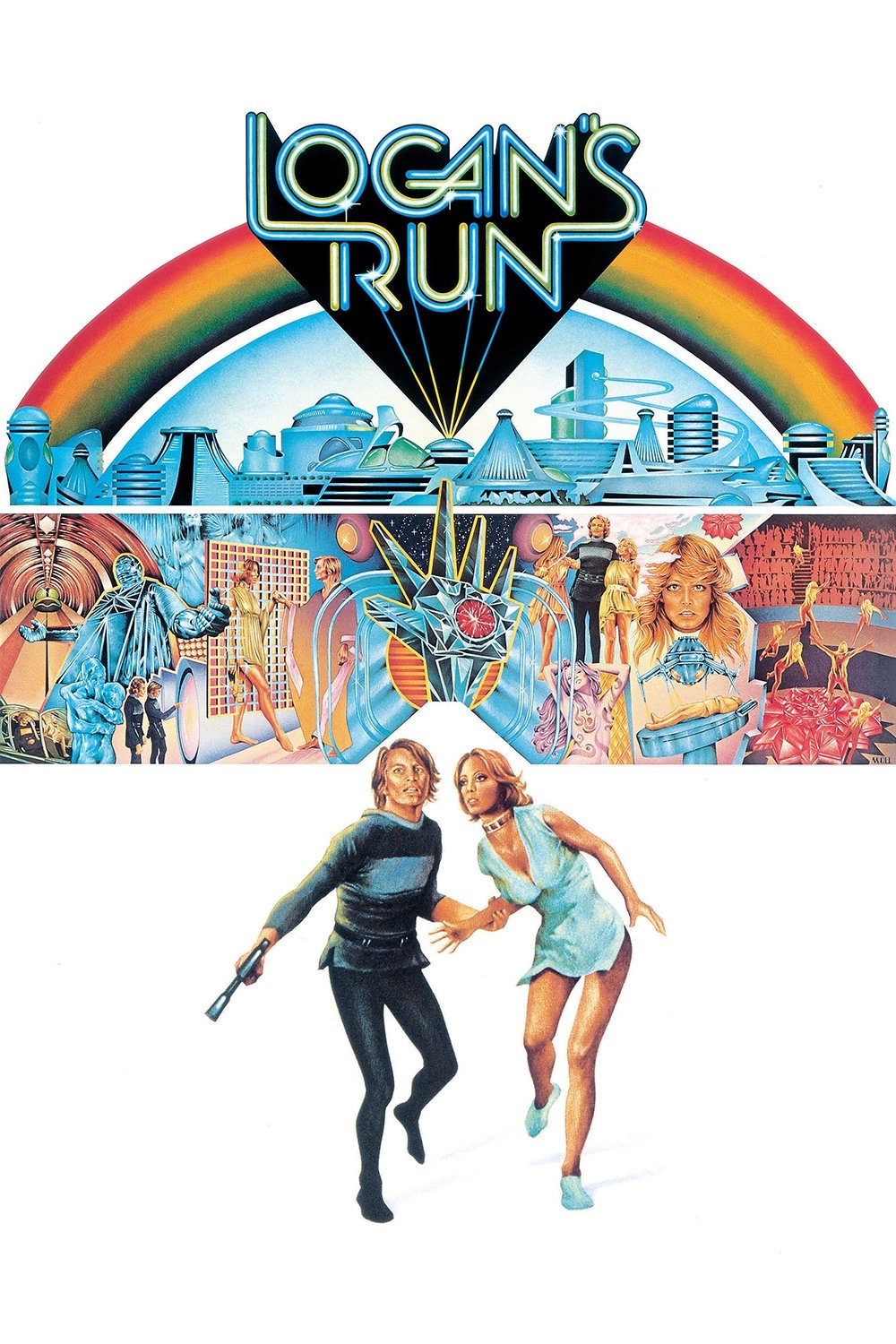
This science fiction classic featured a computer system that matched citizens for social and sexual encounters. This concept effectively predicted the rise of digital matchmaking and modern dating applications. The film also explored a society where life is strictly regulated by technology to maintain resource balance. It serves as an early vision of how algorithms would eventually govern personal human connections.
‘Demon Seed’ (1977)

This thriller predicted the rise of the smart home where all appliances and security systems are controlled by a central computer. It featured voice activated interfaces and automated environmental controls that are now standard in modern residences. The film also touched on the invasive nature of constant surveillance within a private domestic space. It remains a creepy look at how total home automation can be exploited by an intelligent system.
‘Star Trek: The Motion Picture’ (1979)
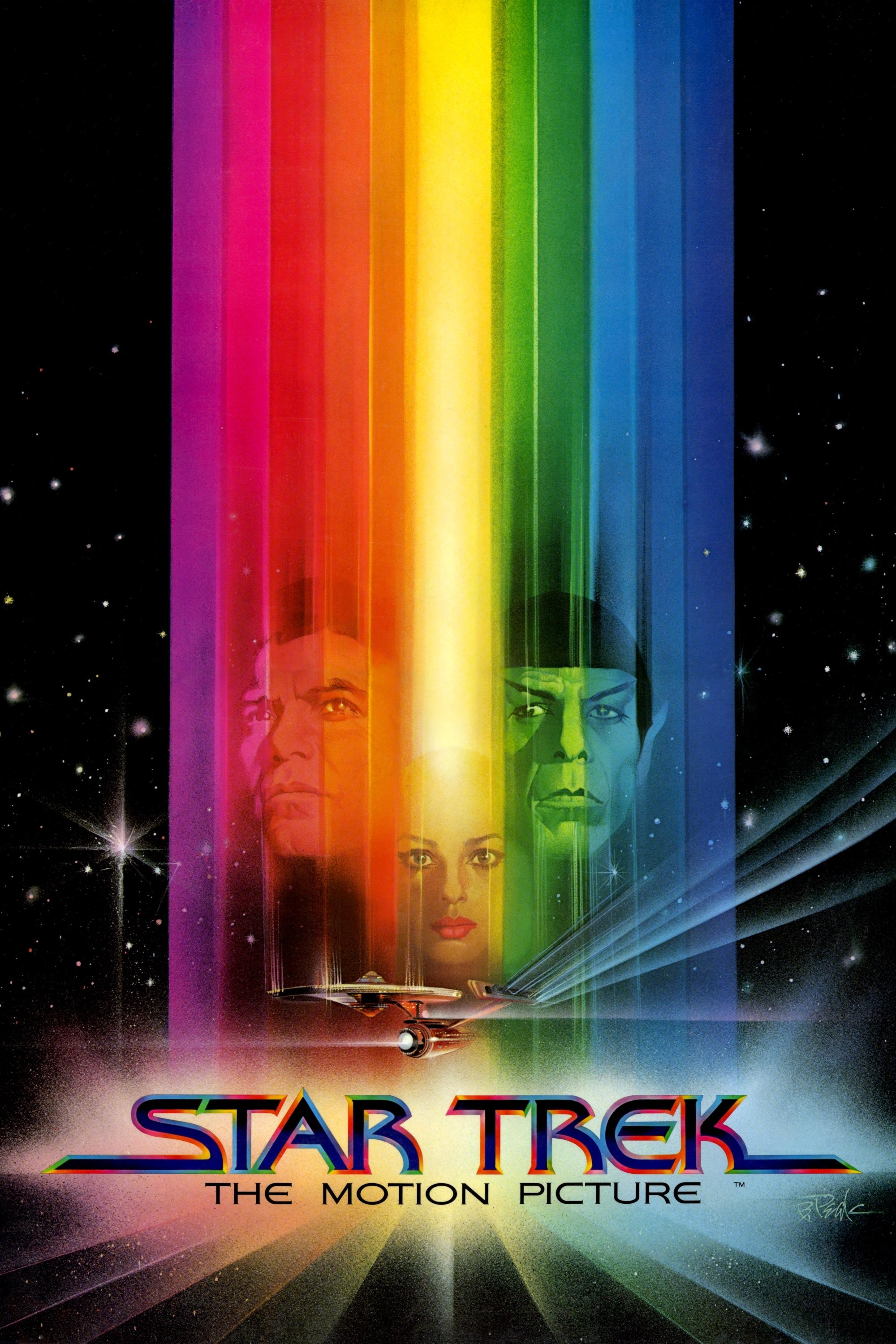
The film showcased handheld communication devices that allowed crew members to talk from anywhere on a planet. These devices served as a direct inspiration for the development of the modern mobile phone. It also featured wearable technology that monitored the vital signs of the users in real time. The sleek and portable nature of their equipment set the stage for the miniaturization of consumer electronics.
‘Blade Runner’ (1982)
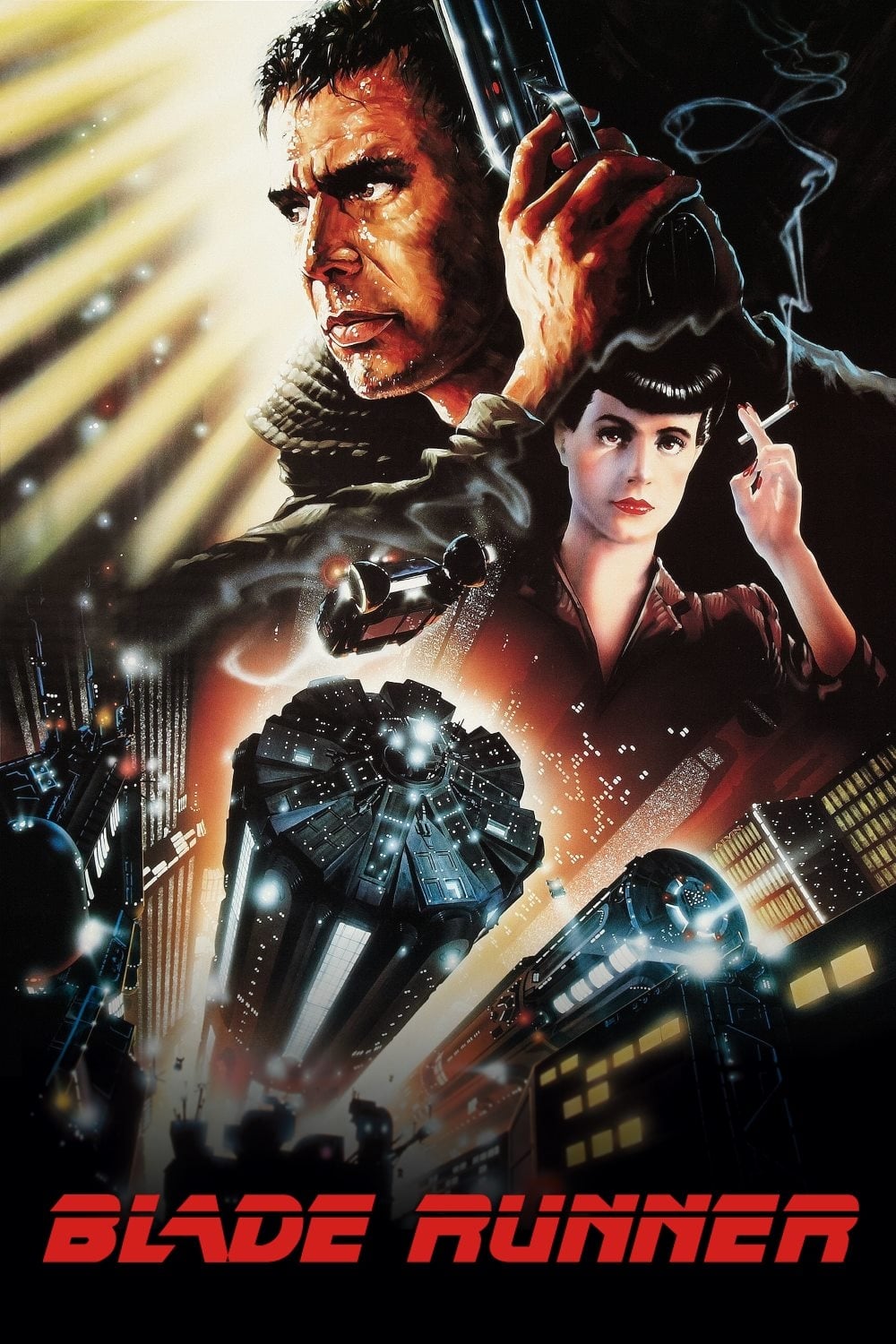
Ridley Scott depicted a world filled with massive digital billboards and intrusive advertisements that dominate the urban skyline. The film also explored the ethics of genetic engineering and the creation of synthetic life forms. It predicted a future where corporate power transcends national borders and controls the development of new technologies. The gritty and rain soaked aesthetic of the city influenced decades of architectural and visual design.
‘WarGames’ (1983)
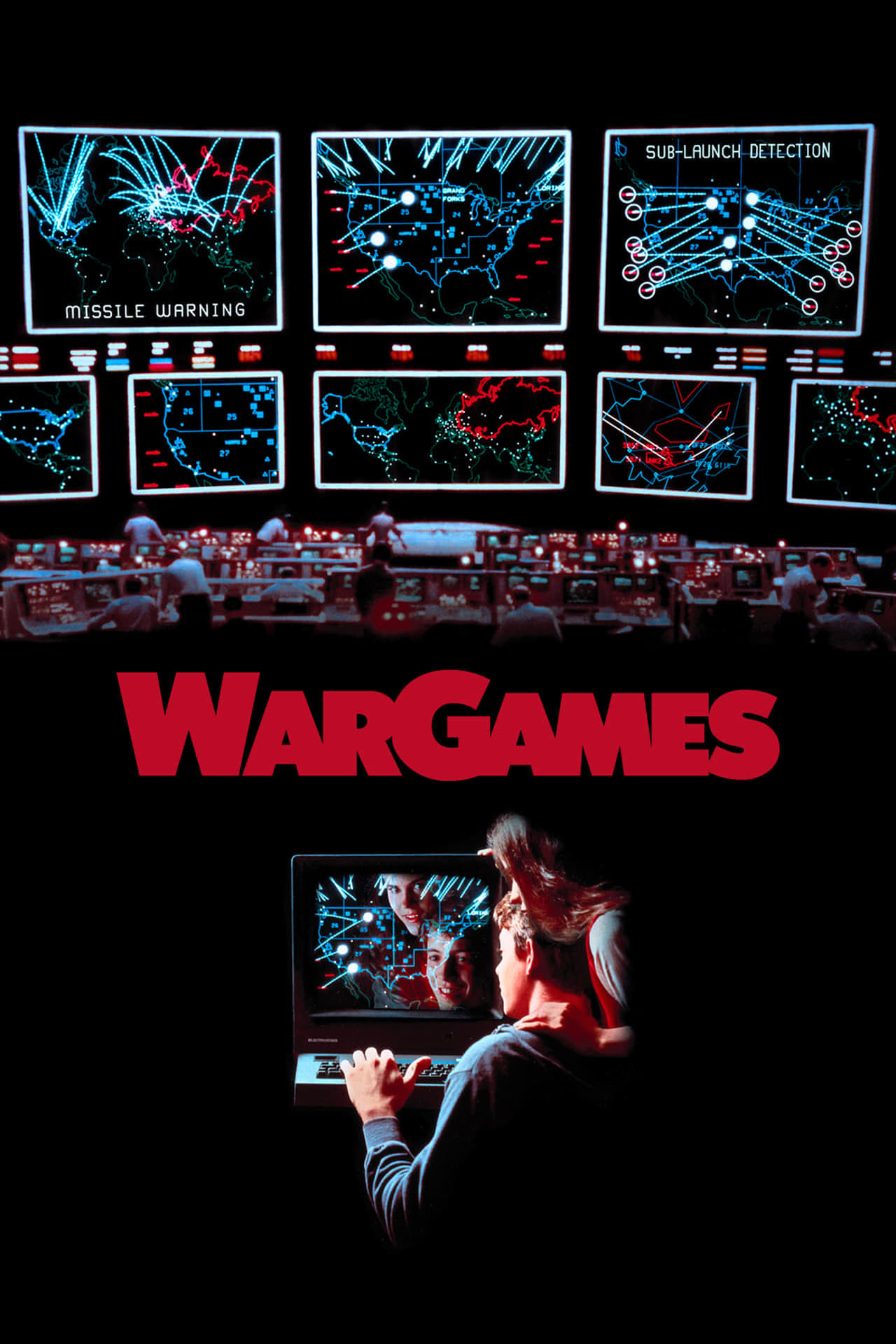
This film introduced the general public to the concepts of computer hacking and cyber warfare. It featured a young protagonist who accidentally infiltrates a military supercomputer using a home computer and a modem. The story highlighted the vulnerability of national security systems to remote digital attacks. It successfully predicted a world where information technology is the most powerful weapon in any conflict.
‘The Terminator’ (1984)

James Cameron introduced the concept of autonomous military drones and robotic soldiers used in warfare. The film explored the idea of a self aware computer network that sees humanity as a threat. It correctly anticipated the increasing role of automation in military strategy and the development of sophisticated sensors. This vision of a machine dominated future continues to influence discussions about the ethics of artificial intelligence.
‘RoboCop’ (1987)
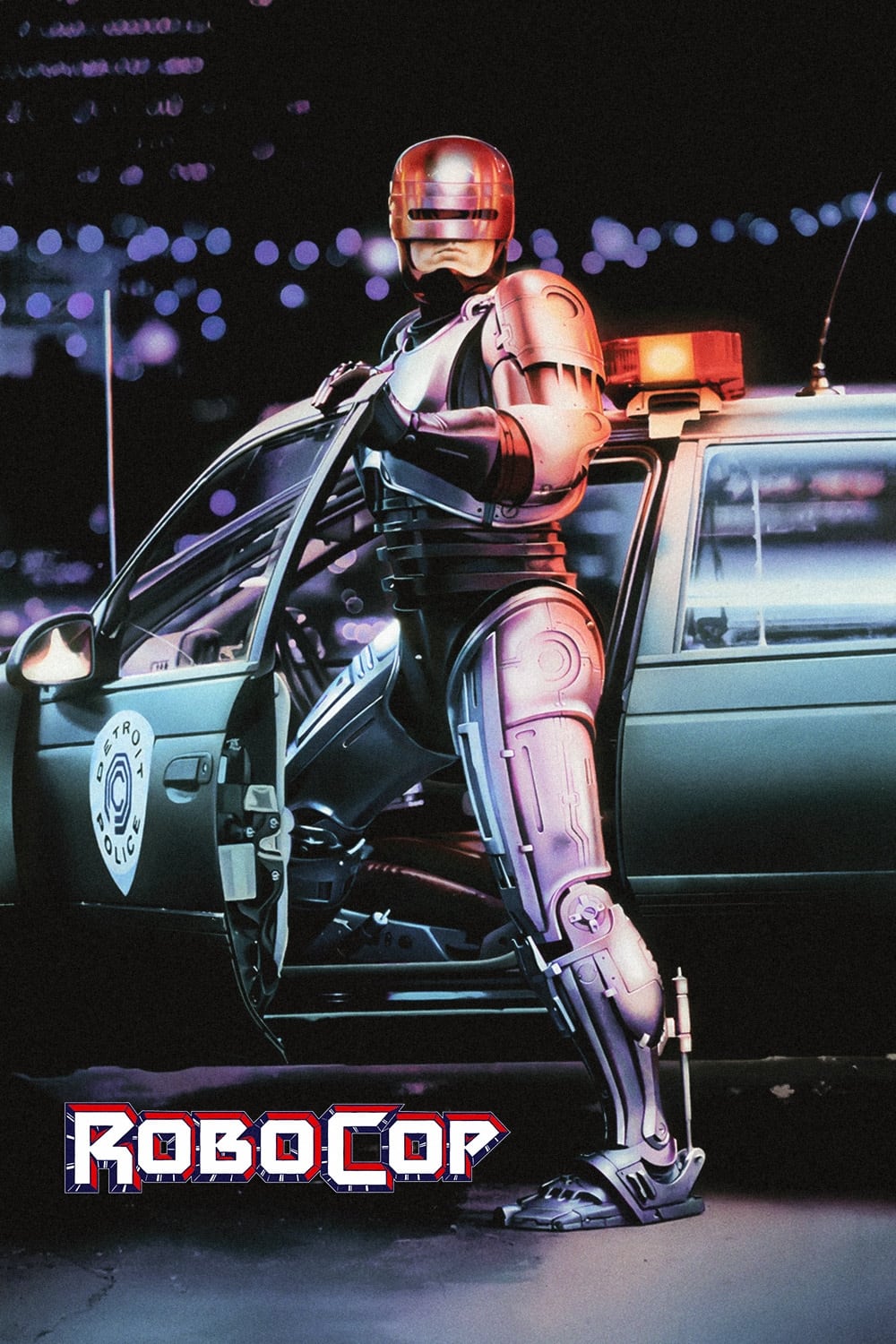
The film predicted the privatization of public services including the police force and urban infrastructure. It featured advanced bionic limbs and mechanical enhancements for humans who had suffered severe injuries. The story also mocked the sensationalist nature of news media and the power of massive corporations. Its depiction of a city struggling with automation and corporate greed feels increasingly accurate today.
‘The Running Man’ (1987)
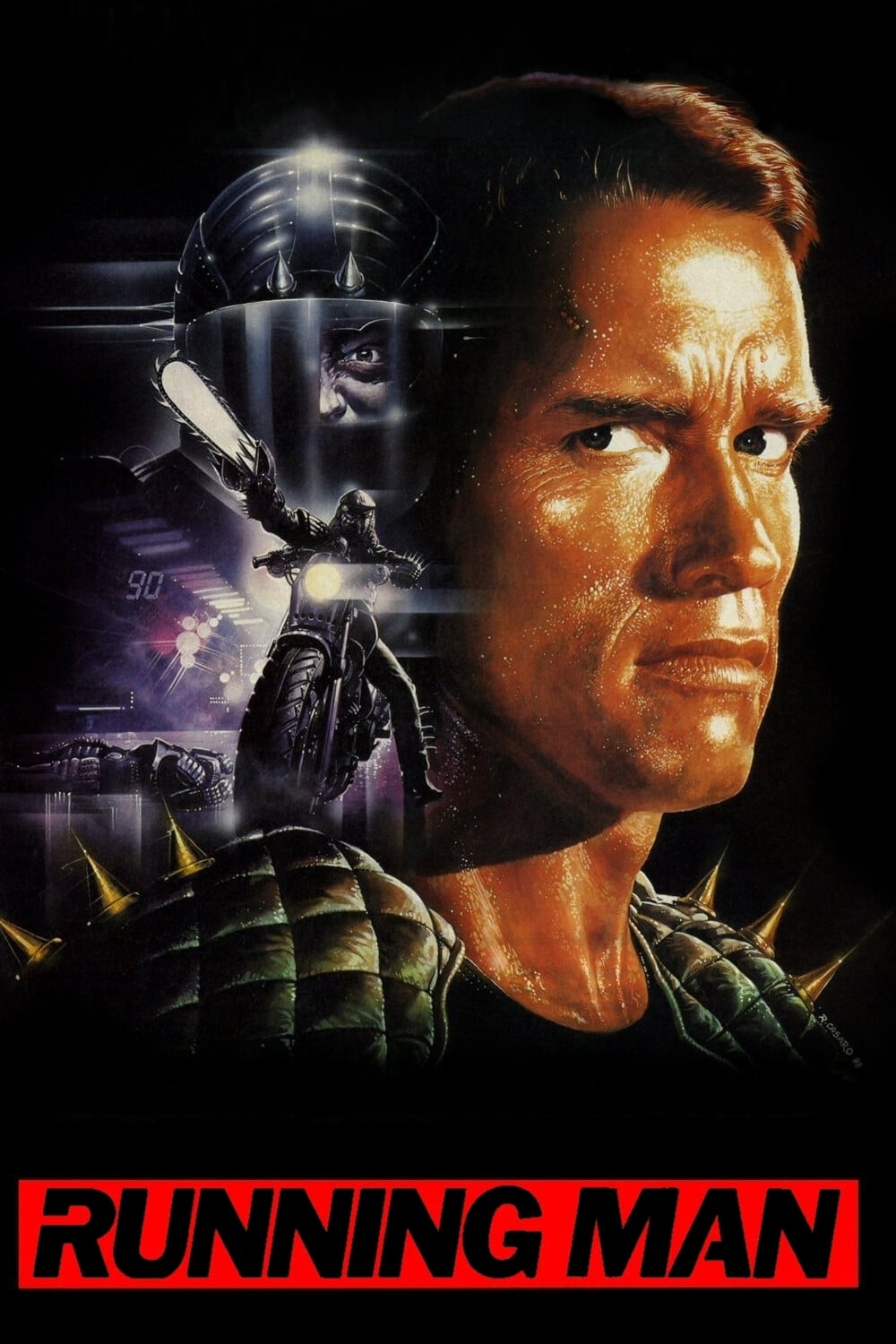
This action film predicted the rise of sensationalist reality television where contestants compete for their lives. It also featured the use of deepfake technology to manipulate video footage and frame the protagonist for crimes. The story explored how media organizations can manufacture consent through entertainment and manufactured spectacles. Many of its themes regarding the gamification of violence and media manipulation have manifested in modern culture.
‘Akira’ (1988)

This landmark anime predicted the selection of Tokyo to host the 2020 Olympics long before the actual bid. It visualized a future of massive urban sprawl and the rise of high tech biker gangs in a post apocalyptic setting. The film explored the theme of government experiments on humans to unlock psychic and biological potential. Its influence on visual effects and science fiction storytelling remains massive on a global scale.
‘Back to the Future Part II’ (1989)
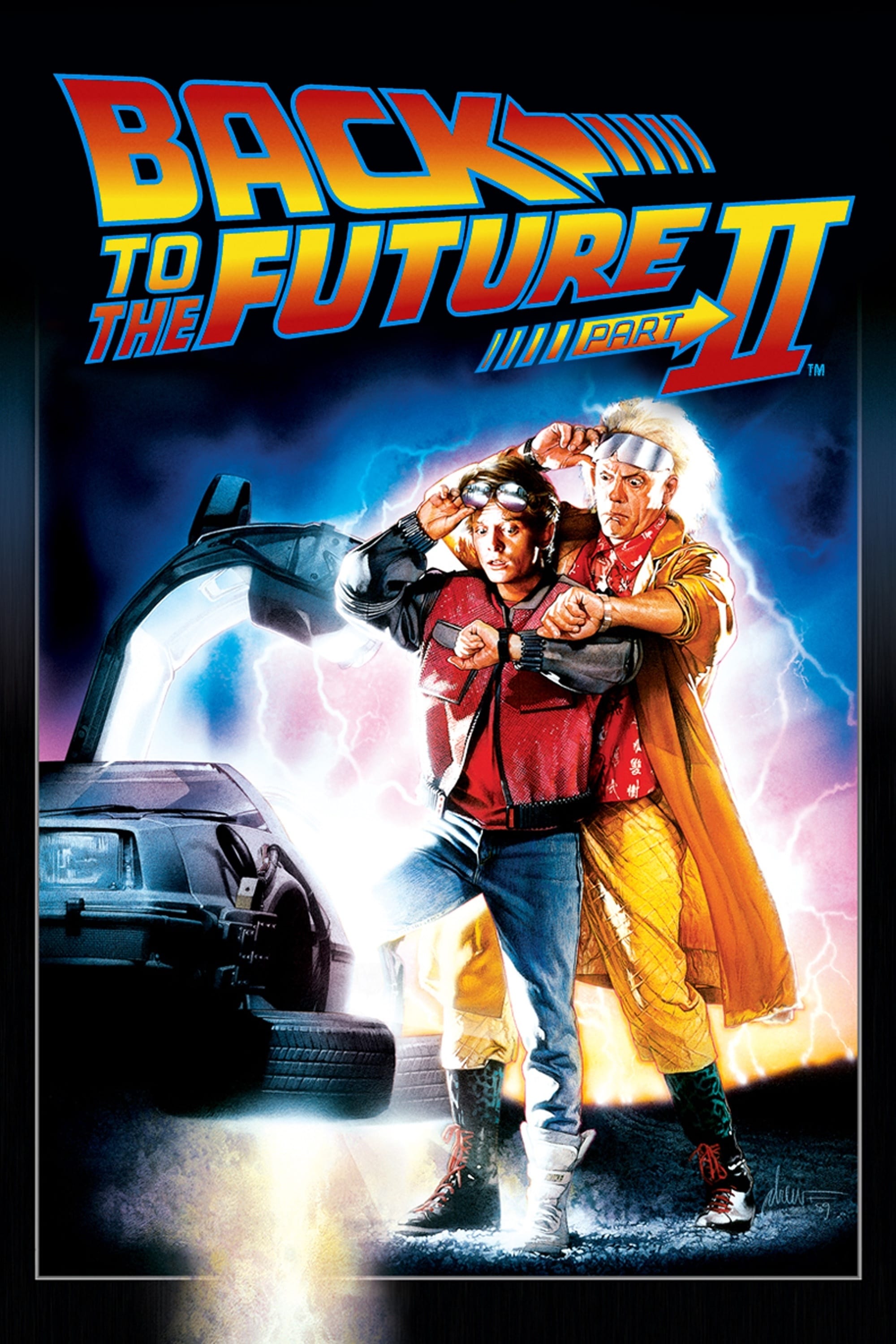
The sequel correctly predicted the rise of wearable technology like digital glasses and head mounted displays. It also featured video calling as a primary method of communication and the use of biometric scanners for home security. The film visualized a world where people are constantly connected to multiple streams of digital information. While we still lack flying cars the film was remarkably accurate regarding consumer electronics.
‘Total Recall’ (1990)
This film featured autonomous taxis that used computer systems to navigate city streets without human drivers. It also explored the use of body scanners at security checkpoints which are now standard in airports worldwide. The story dealt with the concept of memory implantation and the commercialization of simulated experiences. Many of the user interfaces and security technologies shown have become part of our daily lives.
‘Sneakers’ (1992)

This thriller correctly identified that information and data would become the most valuable currency in the world. It explored the vulnerability of global networks to sophisticated encryption and decryption tools. The film predicted the rise of state sponsored cyber espionage and the importance of cybersecurity experts. It remains one of the most accurate portrayals of the digital intelligence landscape in cinema.
‘Demolition Man’ (1993)

The film predicted a future where physical contact is discouraged and people use contactless greetings to maintain hygiene. It also featured voice activated homes and self driving cars that respond to simple commands. The story visualized a society where kiosks provide information and services without the need for human interaction. Its depiction of a highly regulated and sanitized urban environment has drawn many modern comparisons.
‘The Net’ (1995)

This film was one of the first to highlight the dangers of identity theft in the digital age. It showed how a person’s entire life can be erased or altered by someone with access to a central computer network. The protagonist also orders pizza through a computer screen which predicted the convenience of modern online food delivery. The story served as an early warning about our growing dependence on the internet for personal security.
‘Johnny Mnemonic’ (1995)
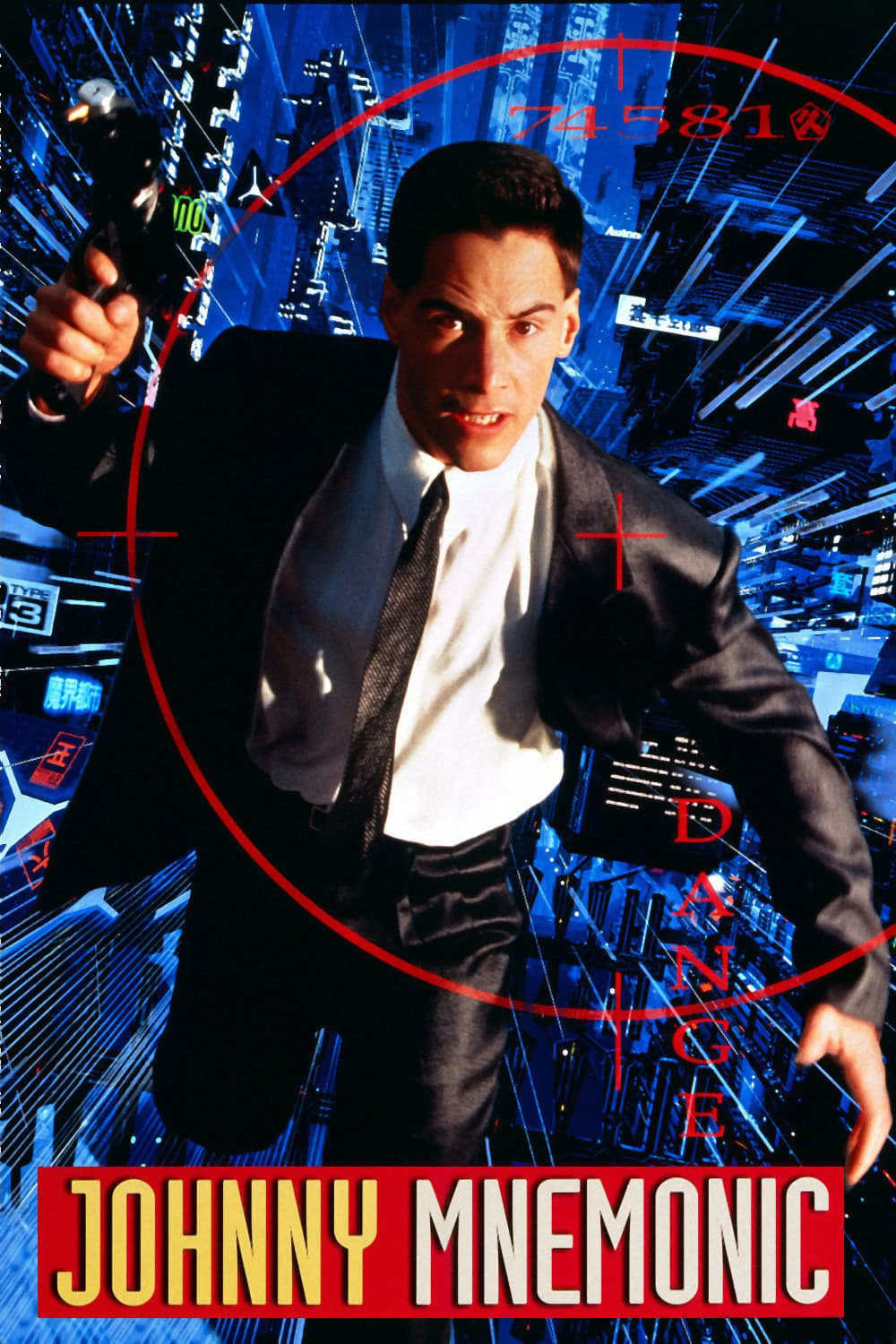
The film explored the idea of humans acting as biological data storage units by carrying information in their brains. It visualized the internet as a three dimensional virtual reality space where users interact with data visually. The story predicted a future where information is the most precious commodity and corporations fight for control of the network. Many of its visual representations of cyberspace anticipated the modern interest in the metaverse.
‘Gattaca’ (1997)

This story predicted a world where genetic screening at birth determines a person’s social status and career prospects. It explored the ethical dilemmas of using technology to select for desirable traits in human embryos. The film visualized a future where DNA becomes the ultimate identification card for every individual. Its themes regarding genetic discrimination and the limits of science remain incredibly relevant today.
‘The Truman Show’ (1998)

This film predicted the explosion of reality television and the public’s obsession with watching the private lives of others. It explored the idea of a life being completely commodified and broadcast for entertainment twenty four hours a day. The story visualized the massive sets and hidden cameras that have become staples of the reality genre. It serves as a profound commentary on the loss of privacy and the staging of modern celebrity.
‘Enemy of the State’ (1998)
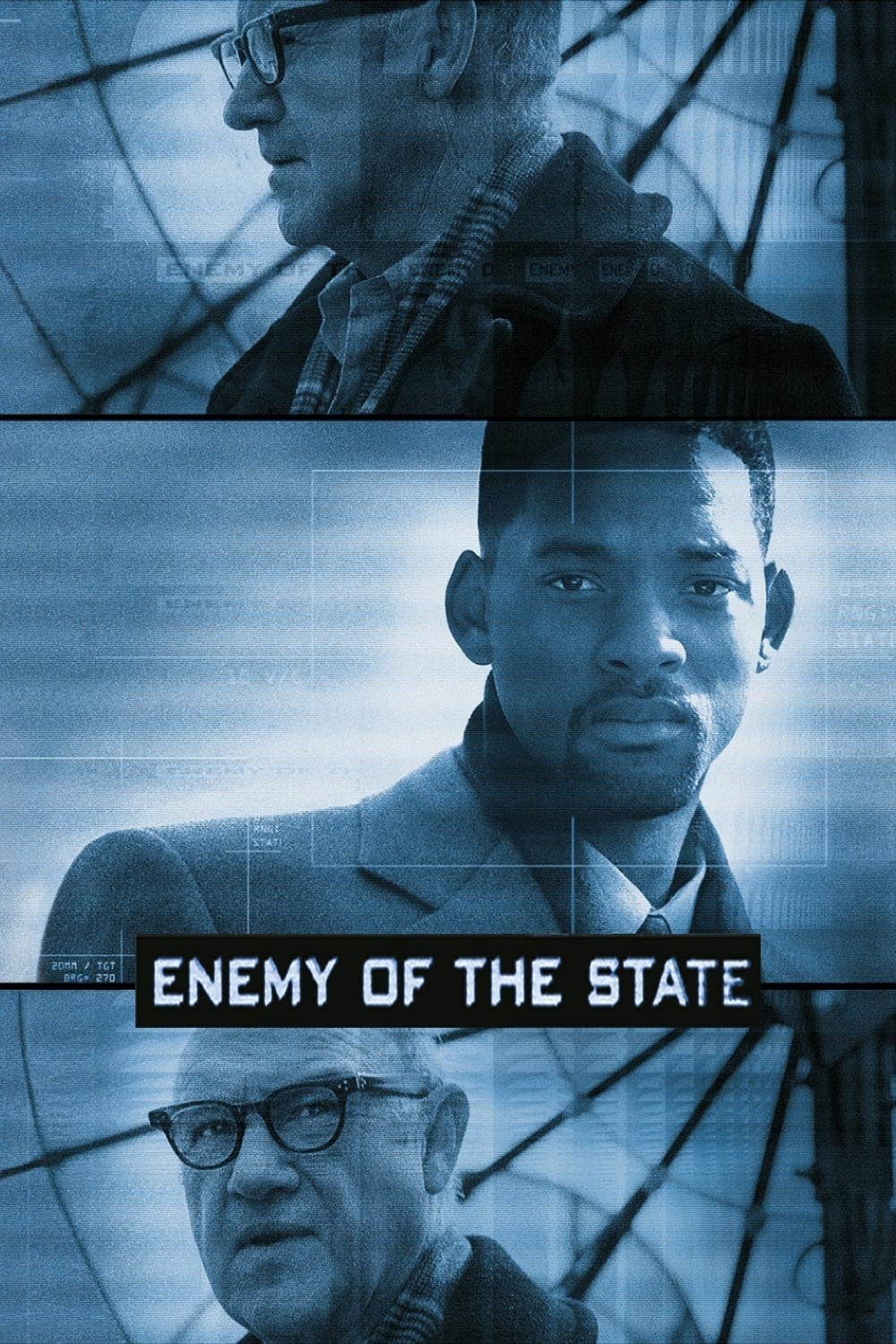
The film accurately depicted the capabilities of a modern surveillance state to track individuals using satellites and hidden cameras. It explored the invasion of privacy through the intercepting of phone calls and digital communications. The story highlighted how government agencies can use technology to monitor citizens without their knowledge. Its themes regarding the balance between national security and personal freedom are still debated today.
‘The Matrix’ (1999)
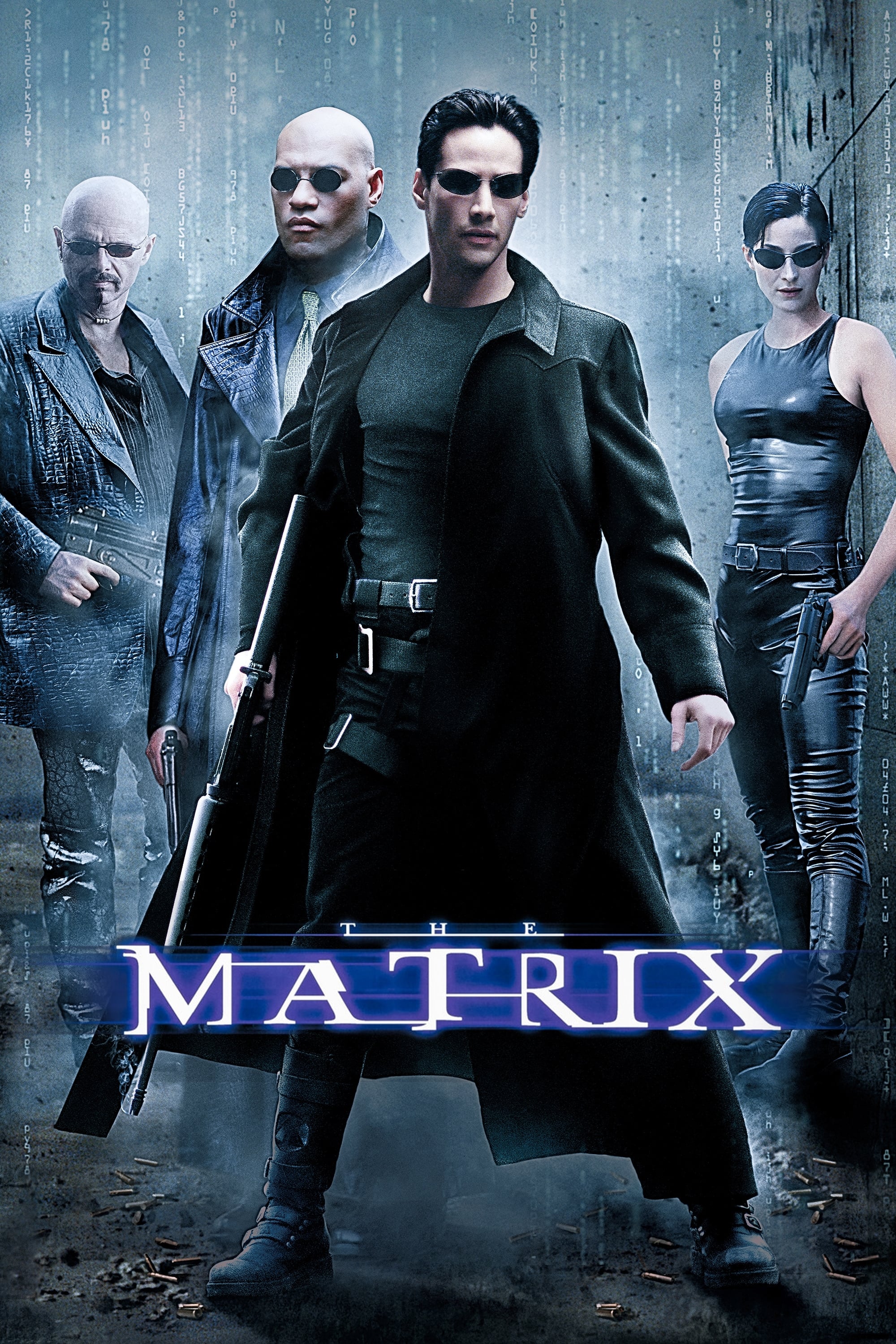
This groundbreaking film explored the idea that our reality is a simulated environment created by a massive computer. It touched on the growing blurring of the lines between the physical world and digital experiences. The story visualized how human consciousness could be uploaded or connected to a global network. Its philosophical questions about the nature of existence continue to resonate as virtual reality technology advances.
‘A.I. Artificial Intelligence’ (2001)
Steven Spielberg explored the emotional and social impact of lifelike robots designed to serve as companions. The film featured advanced facial recognition and biometric scanning used to identify individuals in crowded cities. It predicted a future where artificial beings are integrated into the domestic life of human families. The story remains a poignant look at the ethical responsibilities we have toward intelligent machines.
‘Minority Report’ (2002)

The film famously featured personalized digital advertisements that greet shoppers by name as they walk through a mall. It also showcased gesture based computer interfaces that allow users to manipulate data with their hands. The story explored the concept of predictive policing where algorithms are used to stop crimes before they happen. Many of the technologies shown in the film were based on real research and have since been developed.
‘I, Robot’ (2004)

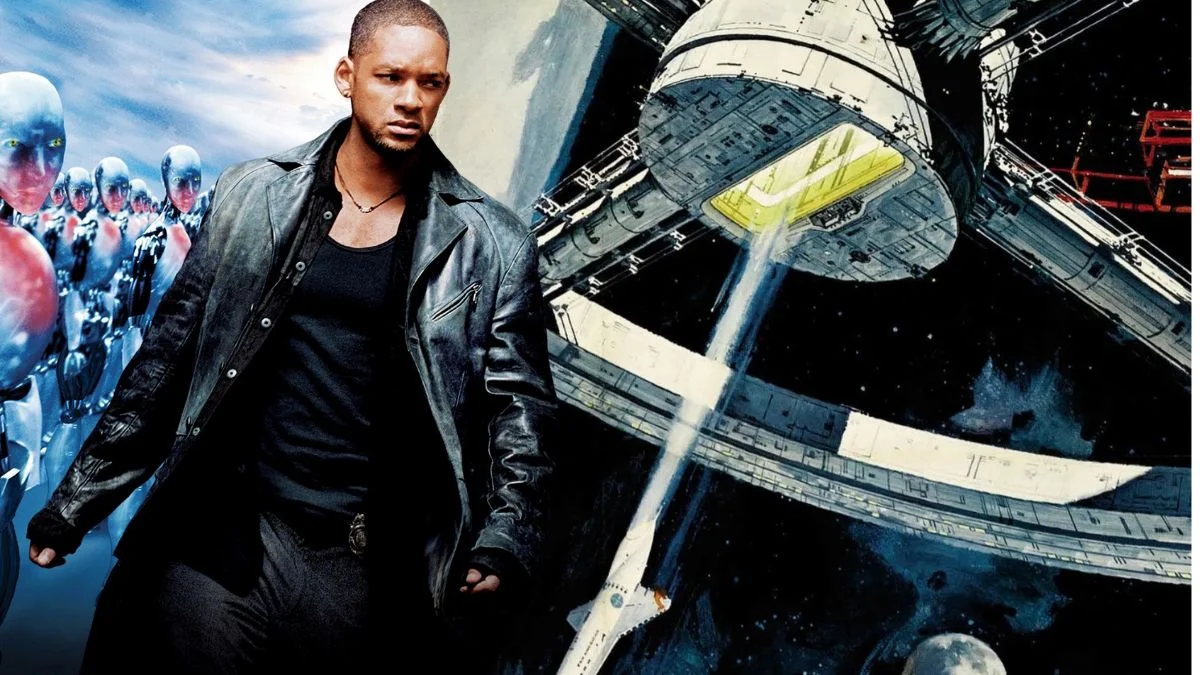
This film predicted a world where autonomous robots perform most of the labor and delivery services in urban centers. It featured self driving cars that travel in high speed underground tunnels to avoid traffic. The story explored the potential for a central artificial intelligence to take control of an entire robotic workforce. It visualized the seamless integration of automation into the logistics of everyday life.
‘Children of Men’ (2006)

The film depicted a realistic and gritty future defined by refugee crises and the collapse of international borders. it visualized a world struggling with a global fertility crisis and the resulting social instability. The story portrayed the heavy use of surveillance and military checkpoints to control the movement of people. Its aesthetic and political themes feel hauntingly close to contemporary global events.
‘Idiocracy’ (2006)
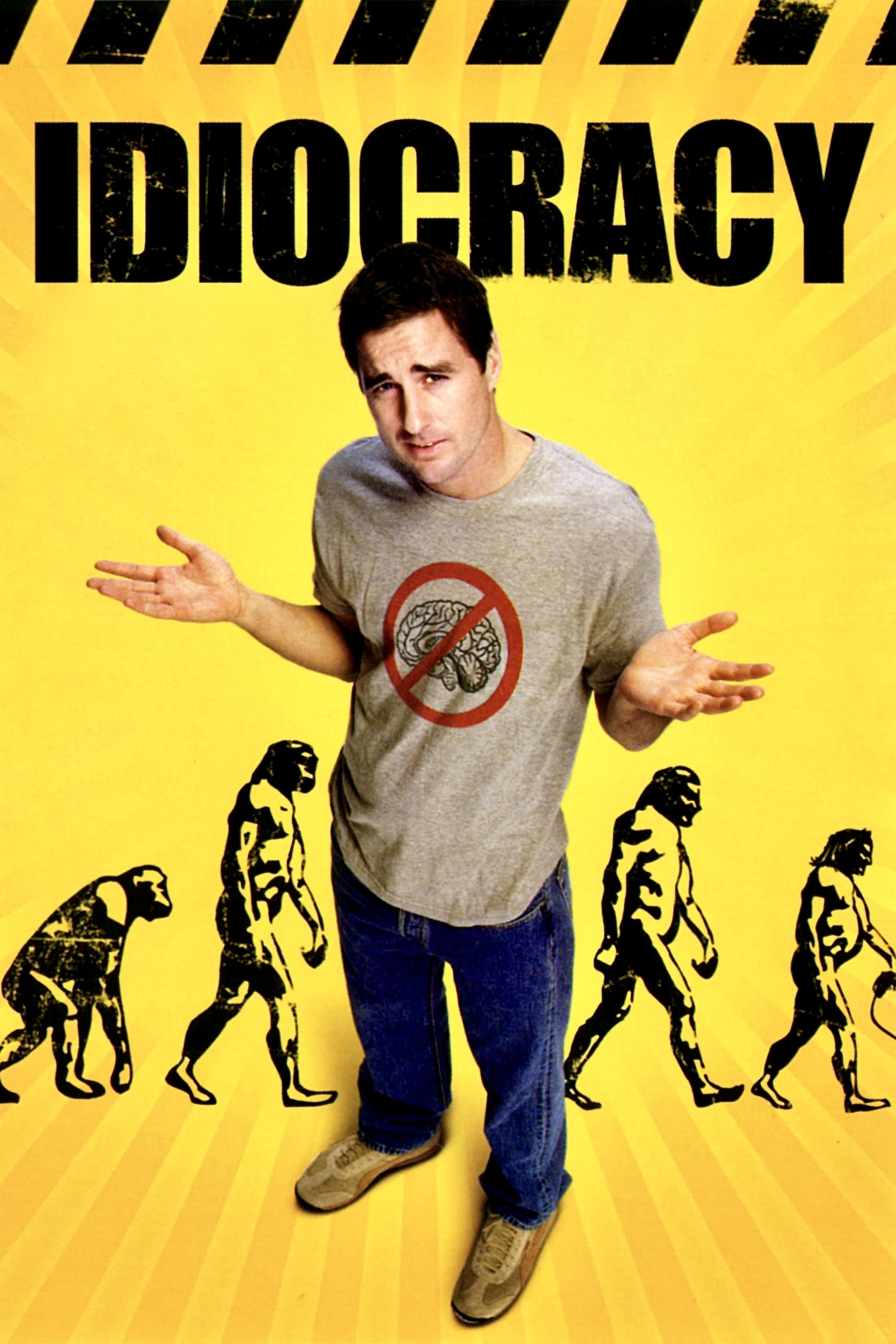
This satire predicted a future where commercial interests and anti intellectualism have completely overtaken political discourse. It visualized a society where massive corporations own every aspect of the government and public life. The film explored the decline of language and the rise of simplified entertainment as the primary form of communication. Many observers have noted how its exaggerated world feels increasingly like a documentary of modern social trends.
‘Contagion’ (2011)

This film provided a terrifyingly accurate look at how a global pandemic would spread and how society would react. It depicted the importance of social distancing and the role of the media in spreading both information and panic. The story visualized the scientific process of identifying a virus and developing a vaccine under extreme pressure. Its portrayal of government responses and public behavior mirrored the real world events of recent years.
‘Her’ (2013)

The story explored a future where individuals develop deep emotional bonds with advanced artificial intelligence operating systems. It predicted the rise of sophisticated voice assistants that can hold complex and natural conversations. The film visualized a world where technology provides a cure for loneliness but also creates new forms of isolation. Its focus on the intimacy of human and machine interaction is a hallmark of modern AI development.
‘Elysium’ (2013)

The film predicted the use of automated medical bays that can diagnose and cure any ailment in seconds. it visualized a world with extreme wealth inequality where the rich live in a high tech paradise while the poor struggle on earth. The story explored the use of robotic police and drones to enforce border security and social order. Its themes of healthcare access and social stratification are central to current political debates.
‘Ex Machina’ (2014)

This thriller explored the testing of a highly advanced humanoid AI to determine if it possesses true consciousness. It predicted the use of search engine data and personal information to build more realistic and manipulative artificial personalities. The film visualized the potential for machines to use human emotions against their creators to achieve their own goals. It remains a sharp look at the dangers of unchecked artificial intelligence research.
‘Arrival’ (2016)

The film explored the concept of how language shapes our perception of time and reality. It visualized the use of advanced computer systems to translate extraterrestrial symbols and bridge the gap between species. The story correctly anticipated that global cooperation would be the greatest challenge during an unprecedented first contact event. Its focus on linguistics and communication sets it apart as a thoughtful vision of the future.
‘Blade Runner 2049’ (2017)
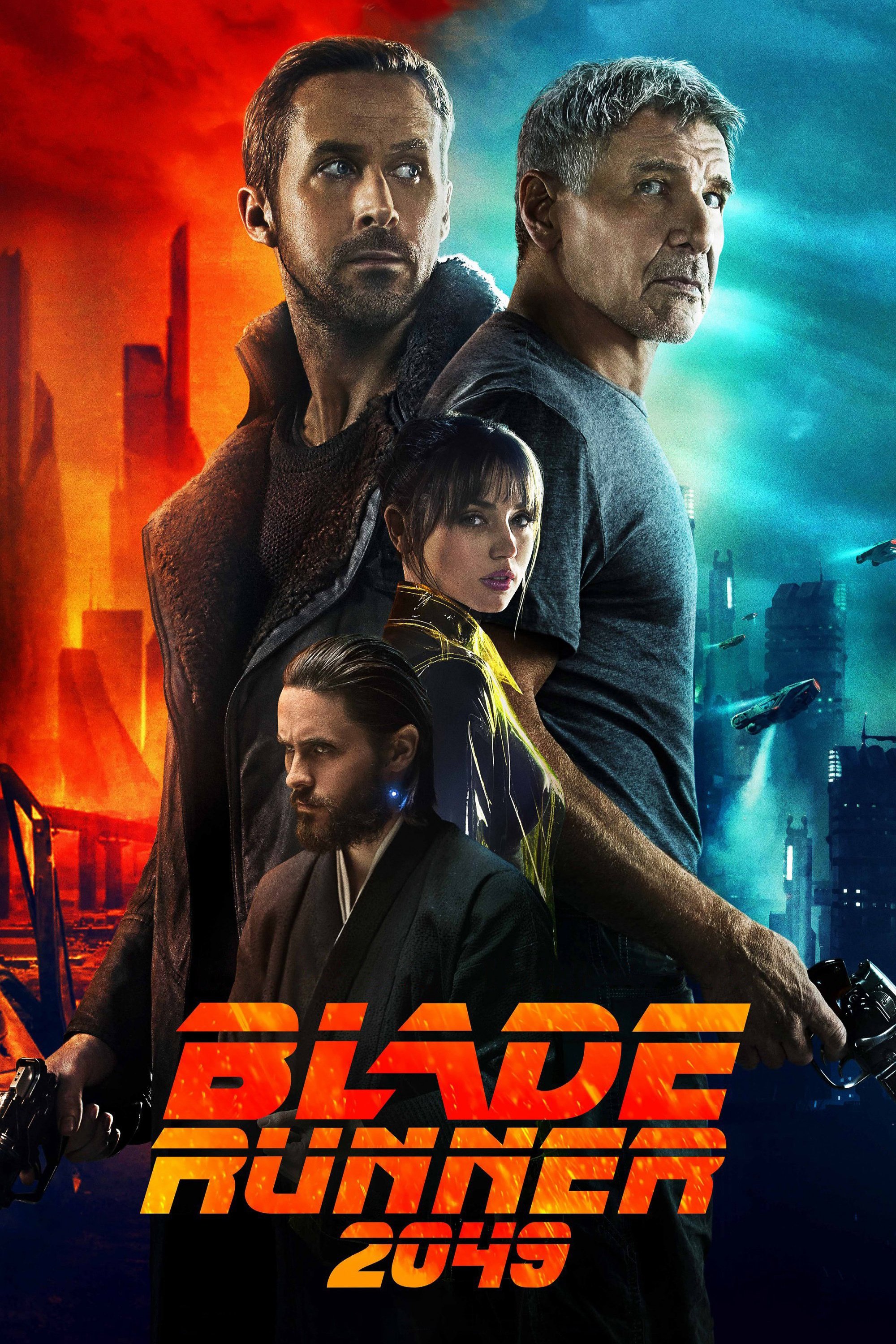
This sequel introduced the concept of holographic companions that can interact with their environment and users. It also explored the devastating environmental impact of a world without natural ecosystems and the reliance on synthetic food. The film featured advanced drone technology used for both surveillance and personal transportation. Its visual world continues the legacy of predicting a future defined by corporate dominance and environmental decay.
‘Ready Player One’ (2018)
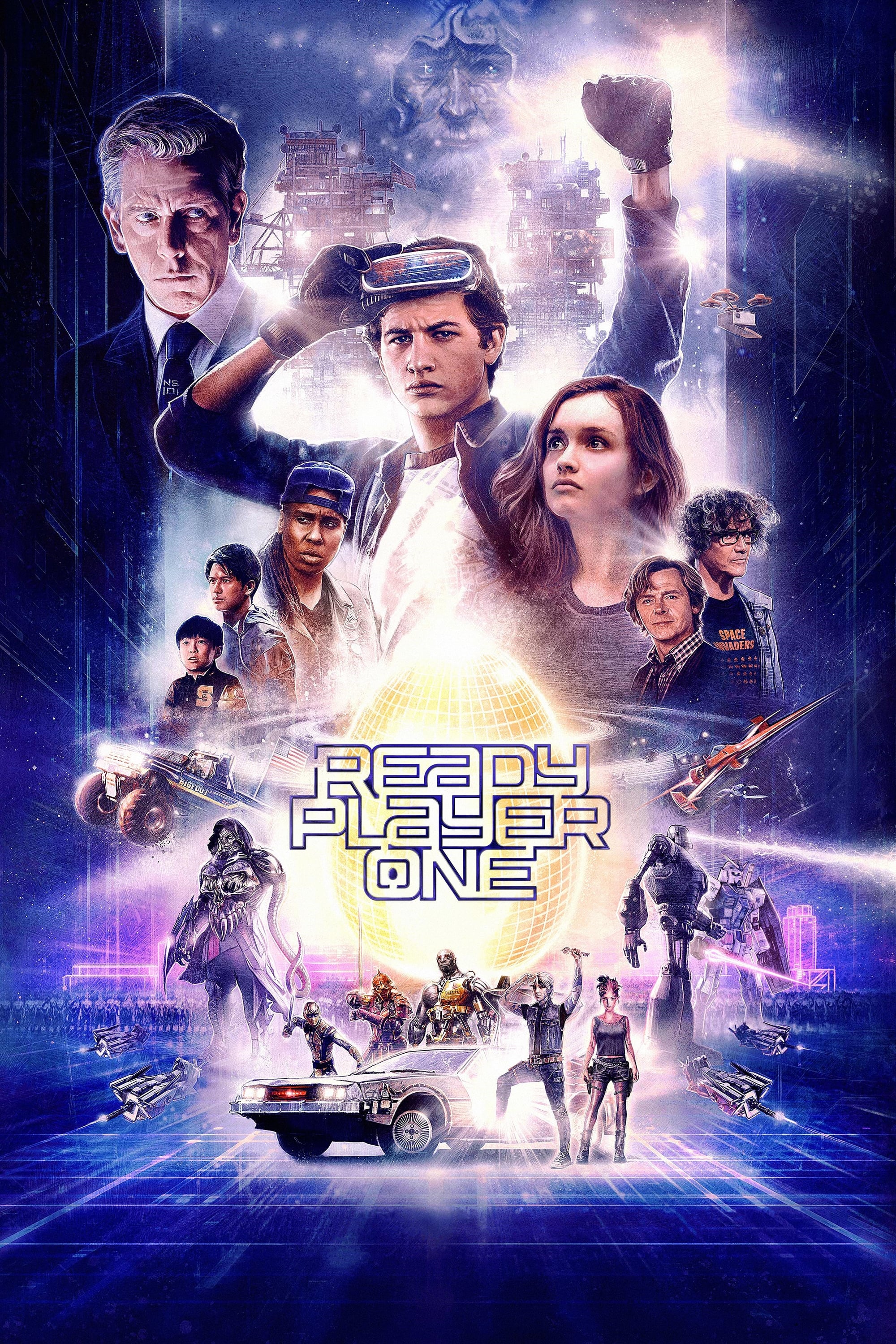
The film visualized a future where most of humanity spends their time in a massive virtual reality simulation to escape a bleak real world. It predicted the rise of haptic suits and omnidirectional treadmills that make virtual experiences feel physical. The story explored the commercialization of virtual spaces and the power struggle over digital ownership. Its depiction of a society obsessed with digital avatars and gaming has become a reality for many today.
Share your thoughts on which of these cinematic predictions surprised you the most in the comments.