


Sci-Fi Movies That Were Simply Too Smart for Mainstream Audiences

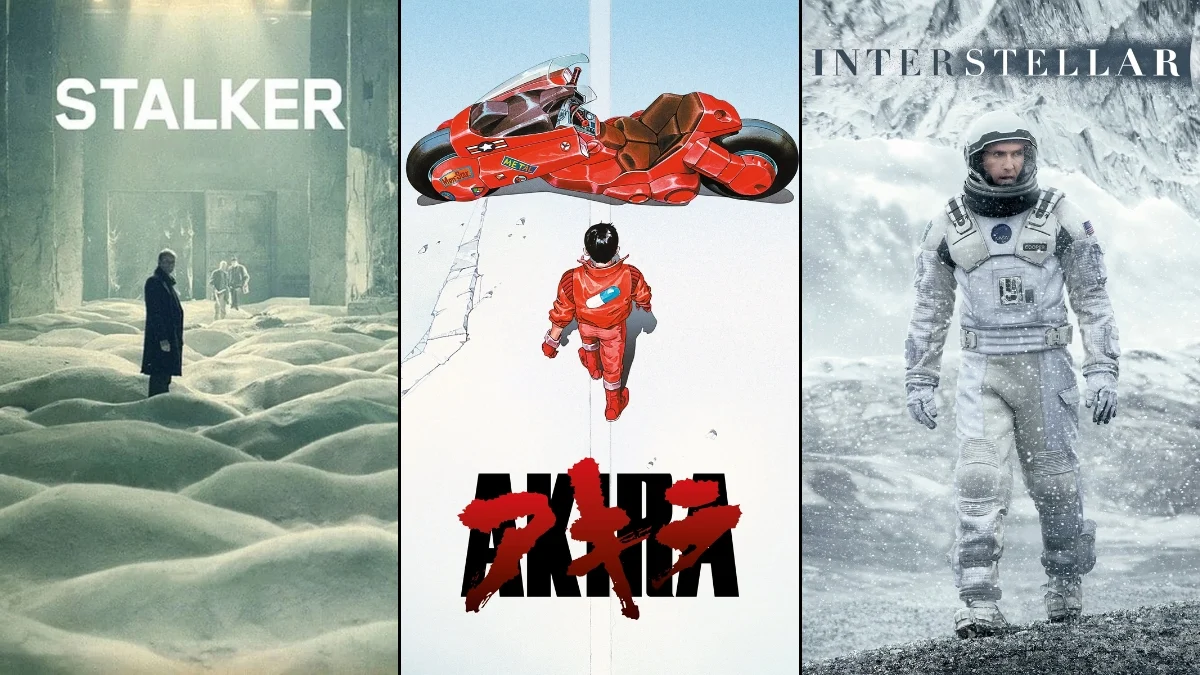


Science fiction has long served as a vessel for complex philosophical inquiries and speculative theories that challenge the boundaries of human understanding. While many blockbuster entries in the genre prioritize spectacle and linear action, a specific subset of films demands a higher level of intellectual engagement and patience from its viewers. These movies often utilize non-linear narratives, abstract visual metaphors, and dense scientific concepts that can alienate casual audiences during a first viewing. From explorations of theoretical physics to the intricacies of human consciousness, these films represent the genre’s capacity to function as high art and rigorous thought experiments.
‘2001: A Space Odyssey’ (1968)
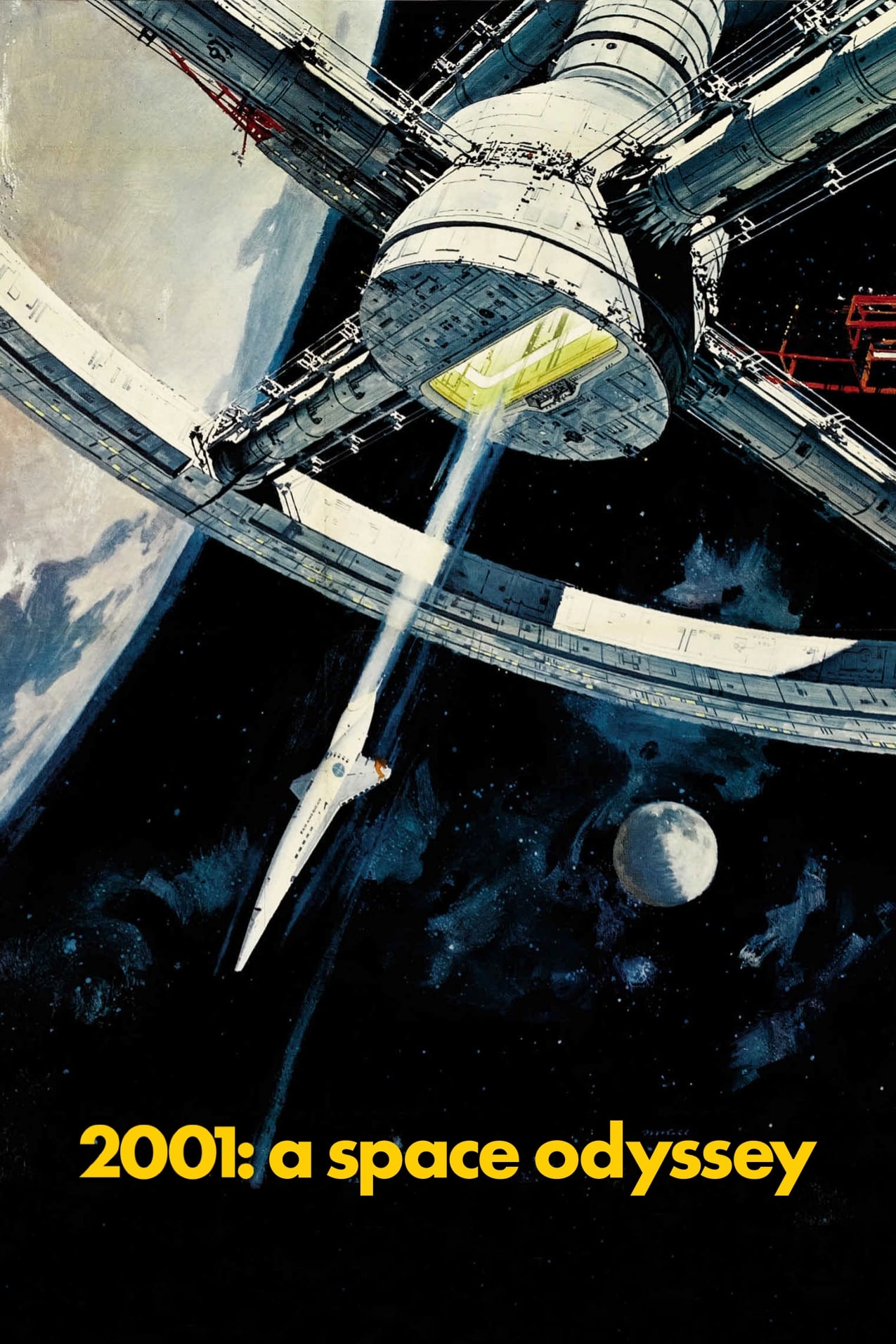
Director Stanley Kubrick explored human evolution and the potential for extraterrestrial influence in this seminal work. The narrative follows a voyage to Jupiter with the sentient computer HAL 9000 after the discovery of an alien monolith. ‘2001: A Space Odyssey’ is noted for its minimal dialogue and reliance on visual storytelling to convey its abstract themes. The final sequence, often referred to as the Star Gate, remains a subject of intense academic and critical debate regarding its meaning. Its slow pacing and ambiguous conclusion initially polarized audiences before it was recognized as a masterpiece of cinema.
‘Solaris’ (1972)

Andrei Tarkovsky adapted Stanisław Lem’s novel to create a psychological drama set on a space station orbiting a sentient planet. The story centers on a psychologist who travels to the station to investigate the emotional breakdowns of its crew. He soon discovers that the planet Solaris manifests physical embodiments of the crew’s suppressed memories and traumas. ‘Solaris’ focuses on the limitations of human communication and the nature of the subconscious rather than traditional space exploration. The film’s deliberate pacing and philosophical depth distinguish it from more action-oriented science fiction of the era.
‘Stalker’ (1979)

In this Soviet film, a guide leads two men through a mysterious, overgrown area known as the Zone to find a room that allegedly grants one’s innermost desires. The journey is fraught with metaphysical discussions and psychological tension rather than physical obstacles. ‘Stalker’ utilizes long takes and a bleak visual style to immerse the audience in its contemplative atmosphere. The film explores themes of faith, hope, and the human condition within a dystopian framework. It is widely considered one of the most intellectually rigorous films ever made in the science fiction genre.
‘Blade Runner’ (1982)
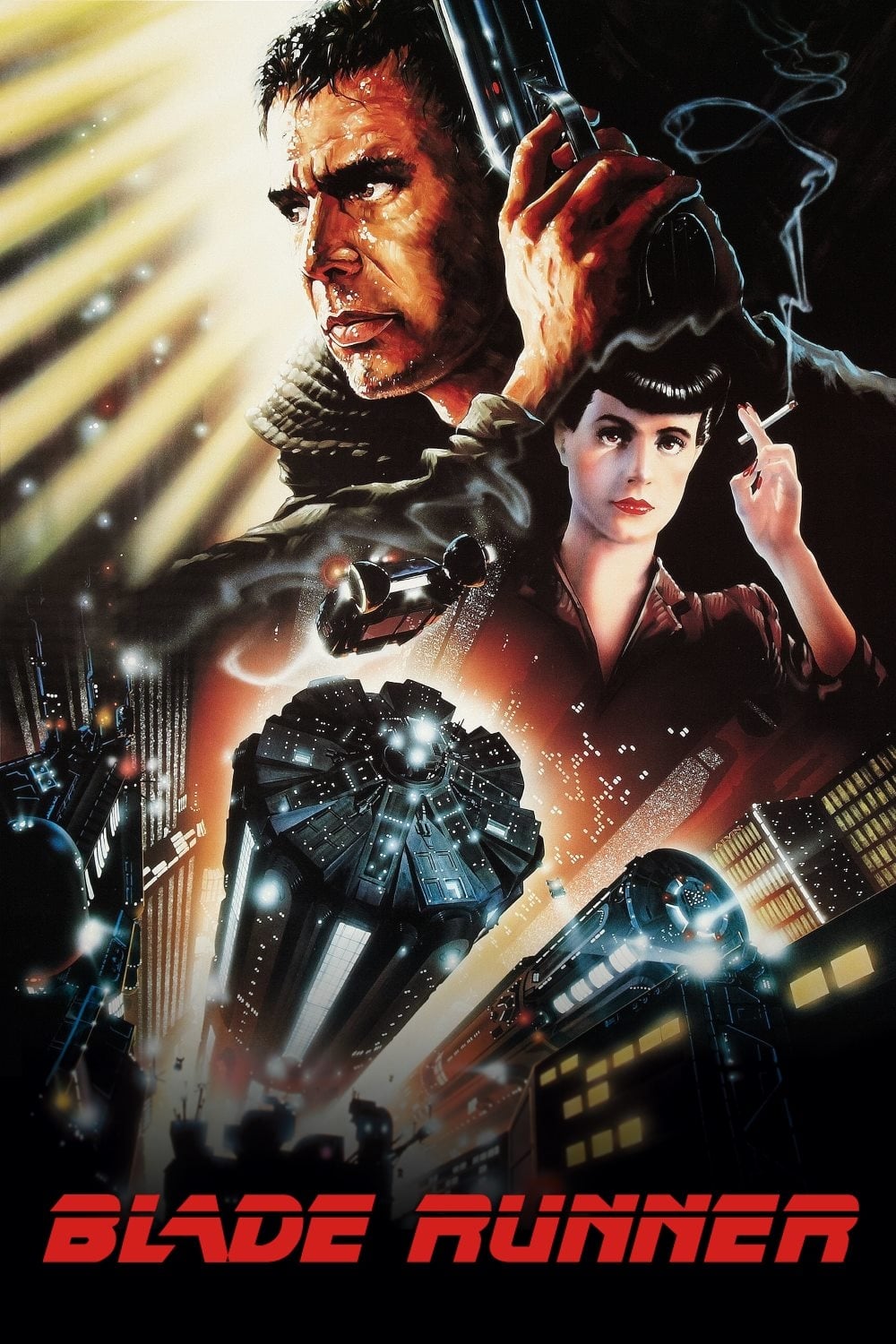
Ridley Scott’s adaptation of Philip K. Dick’s work follows Rick Deckard, a retired police officer tasked with hunting down bioengineered beings known as replicants. The film delves into the ethics of artificial intelligence and what fundamentally defines a human soul. ‘Blade Runner’ was a commercial disappointment upon its initial release, as audiences expected a fast-paced action movie similar to other contemporary hits. Its dense noir atmosphere and ambiguous ending regarding the protagonist’s own nature required multiple viewings to fully appreciate. Over time, the film has become a cornerstone of the cyberpunk subgenre and film theory.
‘Akira’ (1988)
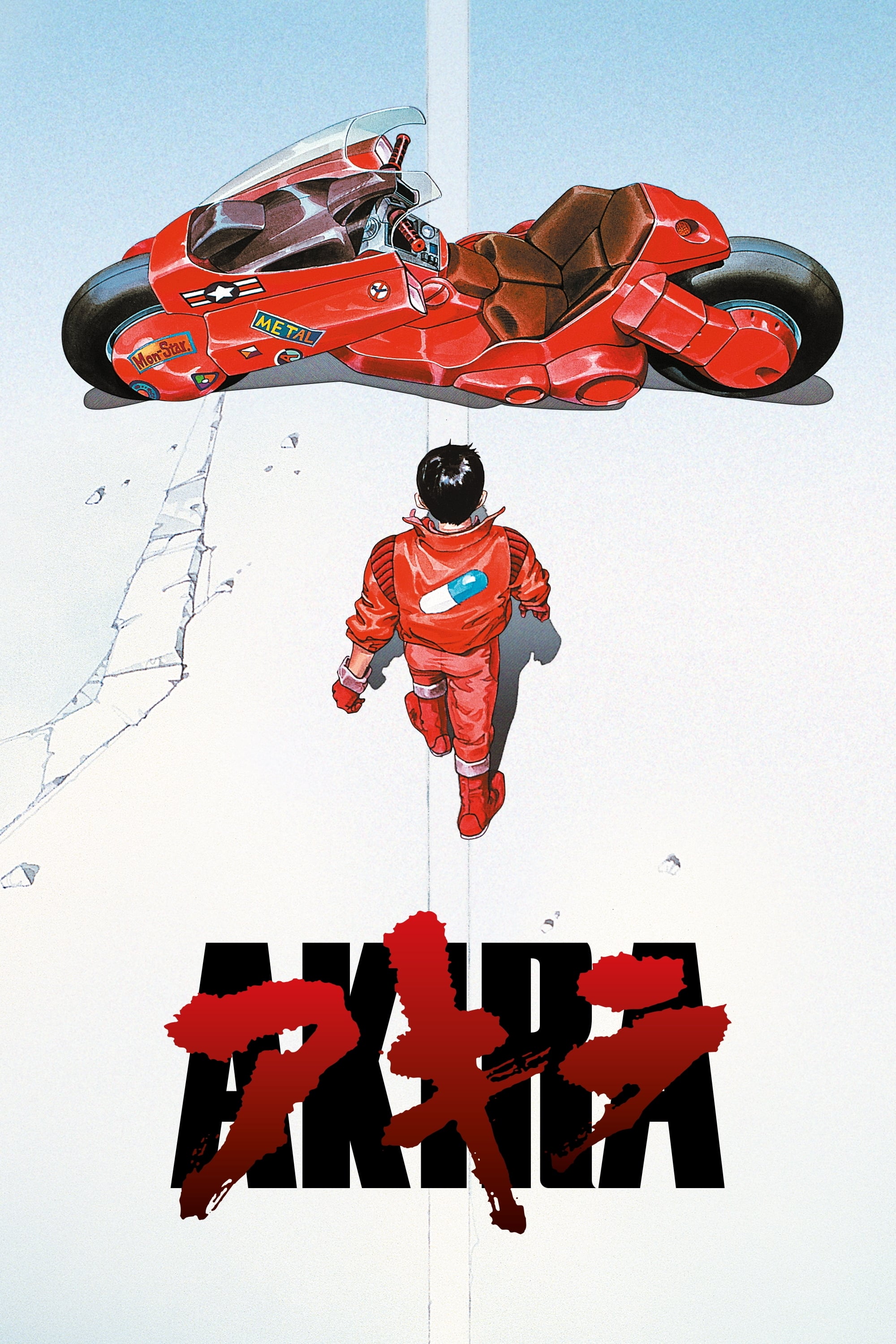
This landmark anime film depicts a dystopian Neo-Tokyo where a secret military project transforms a biker gang member into a psychokinetic powerhouse. ‘Akira’ addresses themes of political corruption, social unrest, and the destructive potential of uncontrolled evolution. The narrative is dense with subplots involving anti-government activists and esoteric experiments on children. Its complex imagery and philosophical undertones were a significant departure from the animation styles familiar to Western audiences at the time. The film remains a pivotal entry in sci-fi for its mature themes and intricate world-building.
‘Ghost in the Shell’ (1995)

Set in a future where humans can augment their bodies with cybernetic parts, the story follows Major Motoko Kusanagi as she hunts a mysterious hacker. ‘Ghost in the Shell’ explores the concept of identity in an age where the line between organic and digital existence is blurred. The film raises questions about the “ghost,” or soul, and whether it can exist independently of a biological brain. Its philosophical monologues and slow, atmospheric sequences stood in stark contrast to typical animated action films. It served as a primary influence for many later science fiction works, including ‘The Matrix’.
‘Twelve Monkeys’ (1995)
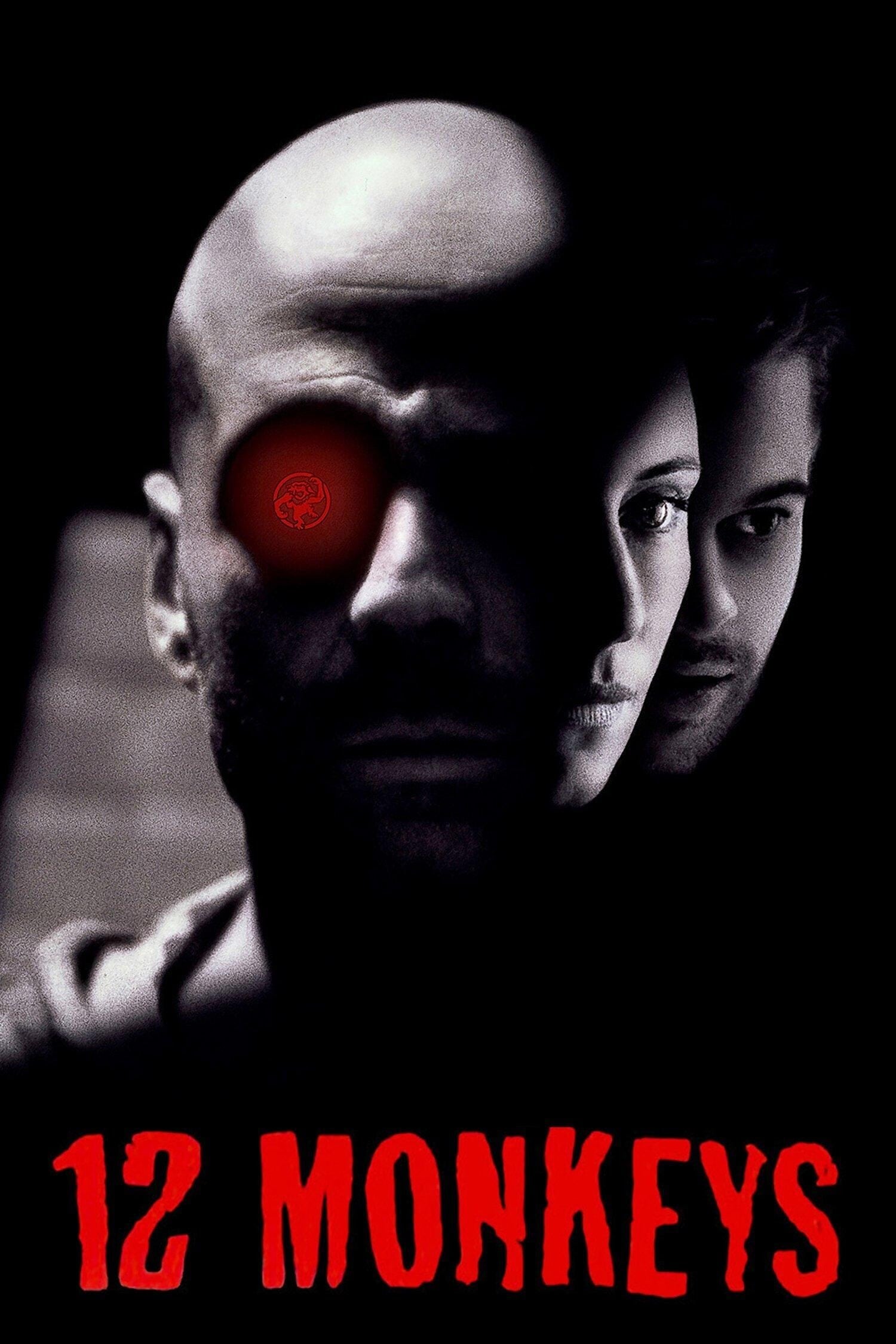
Inspired by the short film ‘La Jetée’, this narrative follows a convict sent back in time to gather information about a man-made virus that wiped out most of humanity. The protagonist struggles with his own sanity as he navigates the fractured timelines and the shifting reality of the past. ’12 Monkeys’ utilizes a non-linear structure that challenges the viewer to piece together the sequence of events alongside the main character. The film examines the circular nature of time and the futility of trying to change a predetermined destiny. Its gritty aesthetic and psychological complexity make it a standout in the time-travel subgenre.
‘Gattaca’ (1997)
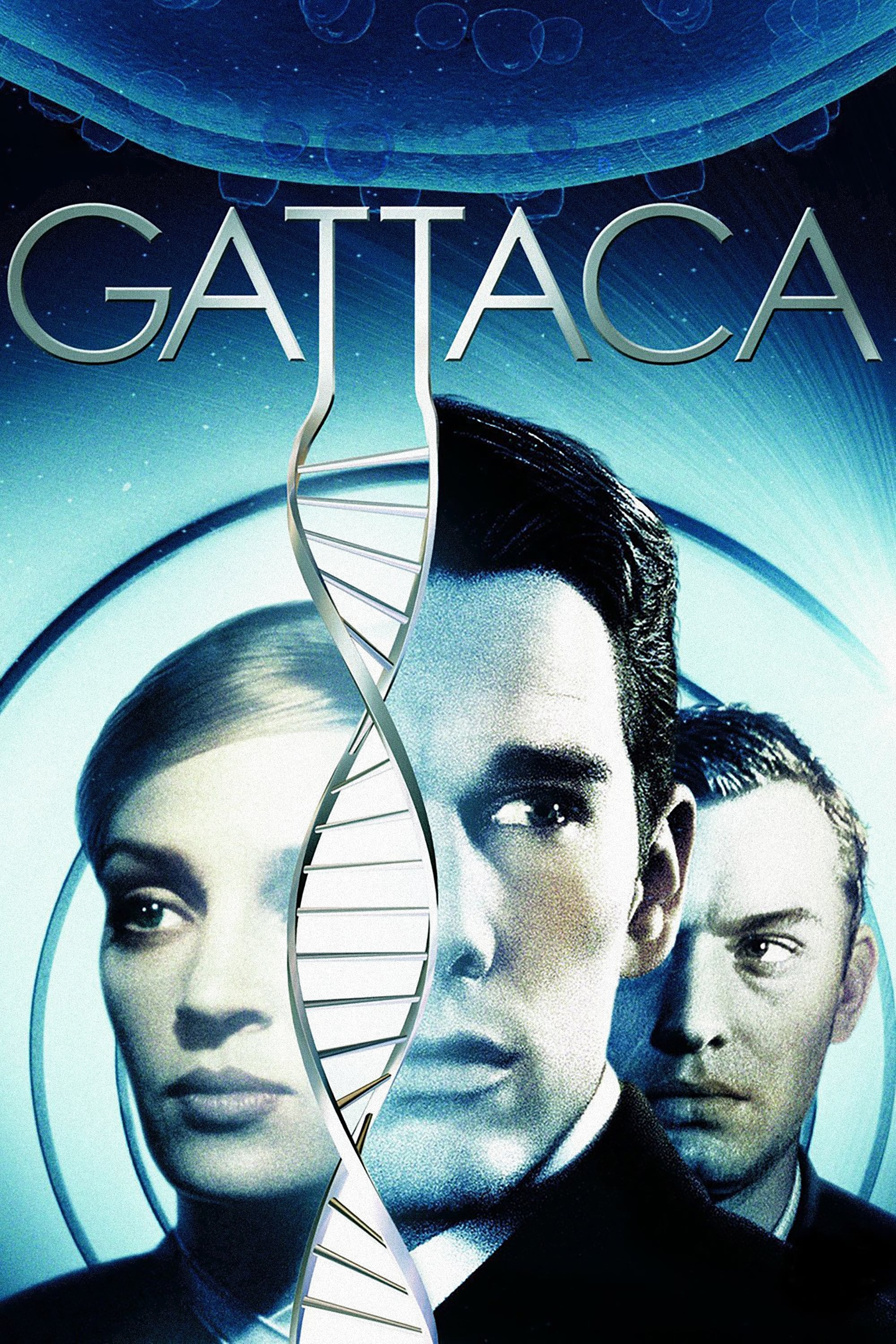
In a future where social class is determined by genetic engineering, a “natural-born” man assumes the identity of a genetically superior individual to fulfill his dream of space travel. ‘Gattaca’ explores the ethical implications of eugenics and the human spirit’s ability to transcend biological limitations. The film presents a sterile, controlled world where DNA is the ultimate currency and surveillance is constant. Its low-key approach to sci-fi focuses on character development and societal critique rather than technological spectacle. Critics praised the film for its intellectual depth and its cautionary message regarding genetic discrimination.
‘Contact’ (1997)
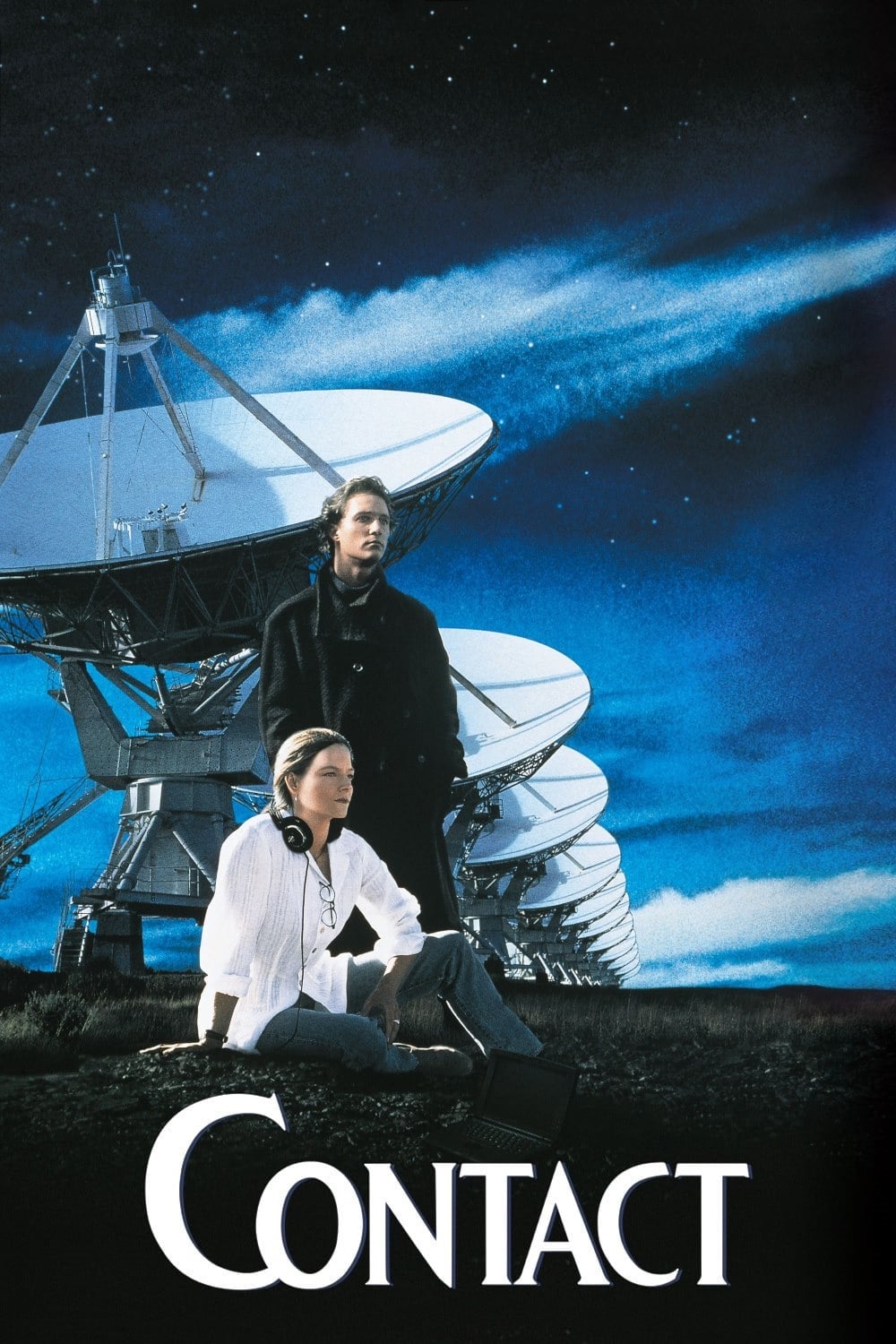
Based on Carl Sagan’s novel, ‘Contact’ follows Dr. Ellie Arroway as she discovers a radio signal from a distant star system containing instructions for a mysterious machine. The film focuses on the scientific, political, and religious fallout of first contact with an extraterrestrial intelligence. It emphasizes the rigorous scientific process and the personal conviction required to pursue such a discovery. ‘Contact’ avoids the typical tropes of alien invasions, choosing instead to explore the philosophical implications of humanity’s place in the universe. The ending provides a cerebral resolution that prioritizes faith and personal experience over physical proof.
‘Pi’ (1998)
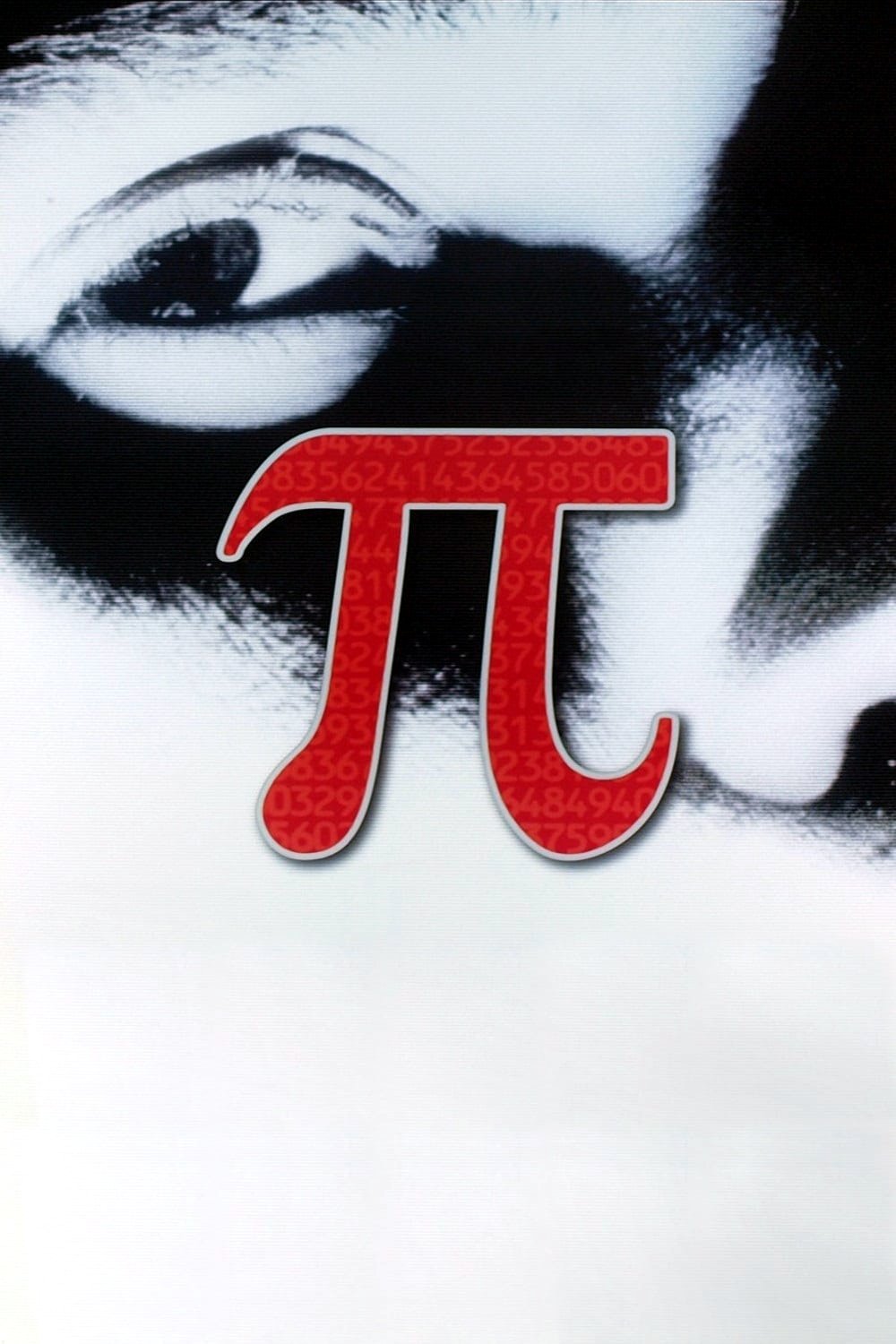
Darren Aronofsky’s feature debut follows a paranoid mathematician who believes that everything in nature can be understood through numbers. His search for a numerical pattern in the stock market leads him into a dangerous world of corporate espionage and religious mysticism. ‘Pi’ uses a high-contrast black-and-white aesthetic and a frantic editing style to mirror the protagonist’s deteriorating mental state. The film touches on the boundaries between genius and insanity, as well as the obsession with finding order in chaos. It is a dense, psychological thriller that demands focused attention on its mathematical and philosophical concepts.
‘Dark City’ (1998)
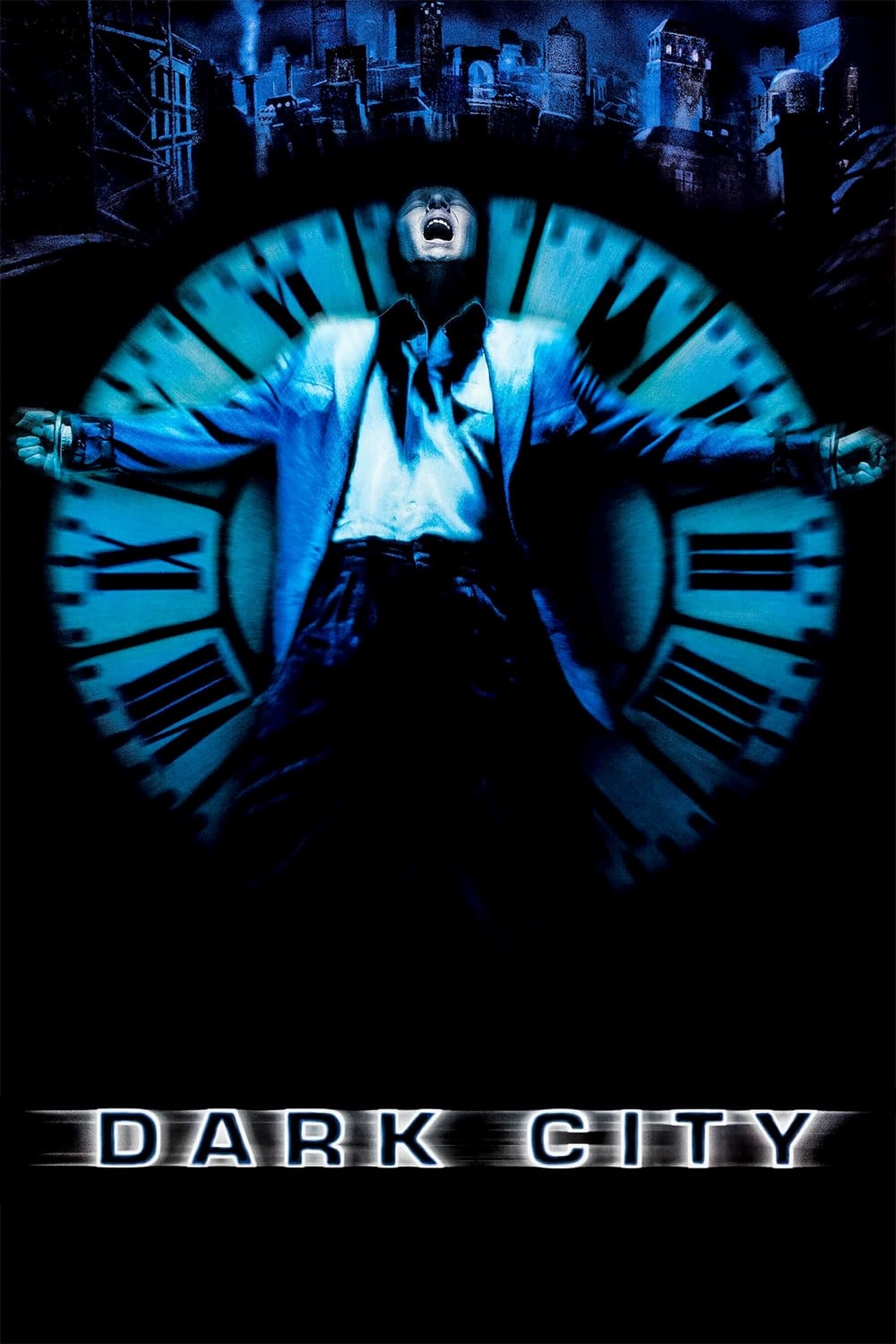
A man wakes up in a hotel bathtub with no memory and discovers he is a suspect in a series of murders in a city where the sun never rises. He soon learns that the city is controlled by “The Strangers,” beings who manipulate the environment and the inhabitants’ memories. ‘Dark City’ explores themes of identity, the nature of reality, and the human capacity for memory. The film features complex production design and a narrative that shifts between film noir and high-concept science fiction. Its intellectual ambitions were overshadowed at the time by the release of more mainstream-friendly action films.
‘Donnie Darko’ (2001)
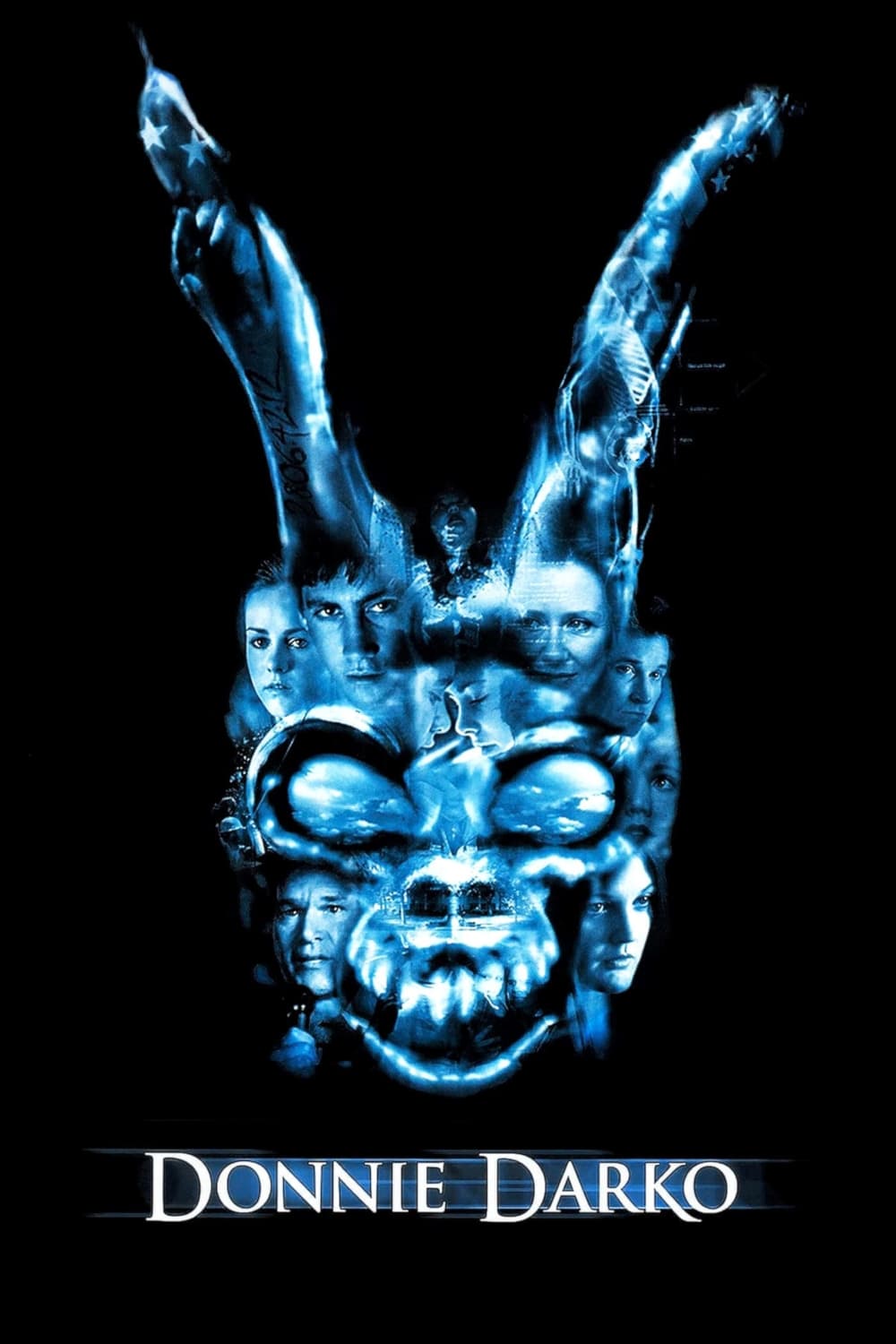
This cult classic follows a troubled teenager who experiences visions of a giant rabbit telling him the world will end in 28 days. The narrative weaves together elements of time travel, parallel universes, and existential dread within a suburban setting. ‘Donnie Darko’ utilizes a complex internal logic involving a “Tangent Universe” and “Primary Universe” that is further detailed in the director’s cut. The film’s ambiguous nature and layered symbolism have led to extensive fan theories and analysis. It remains a definitive example of a movie that requires supplemental reading or multiple viewings to fully grasp its mechanics.
‘Solaris’ (2002)
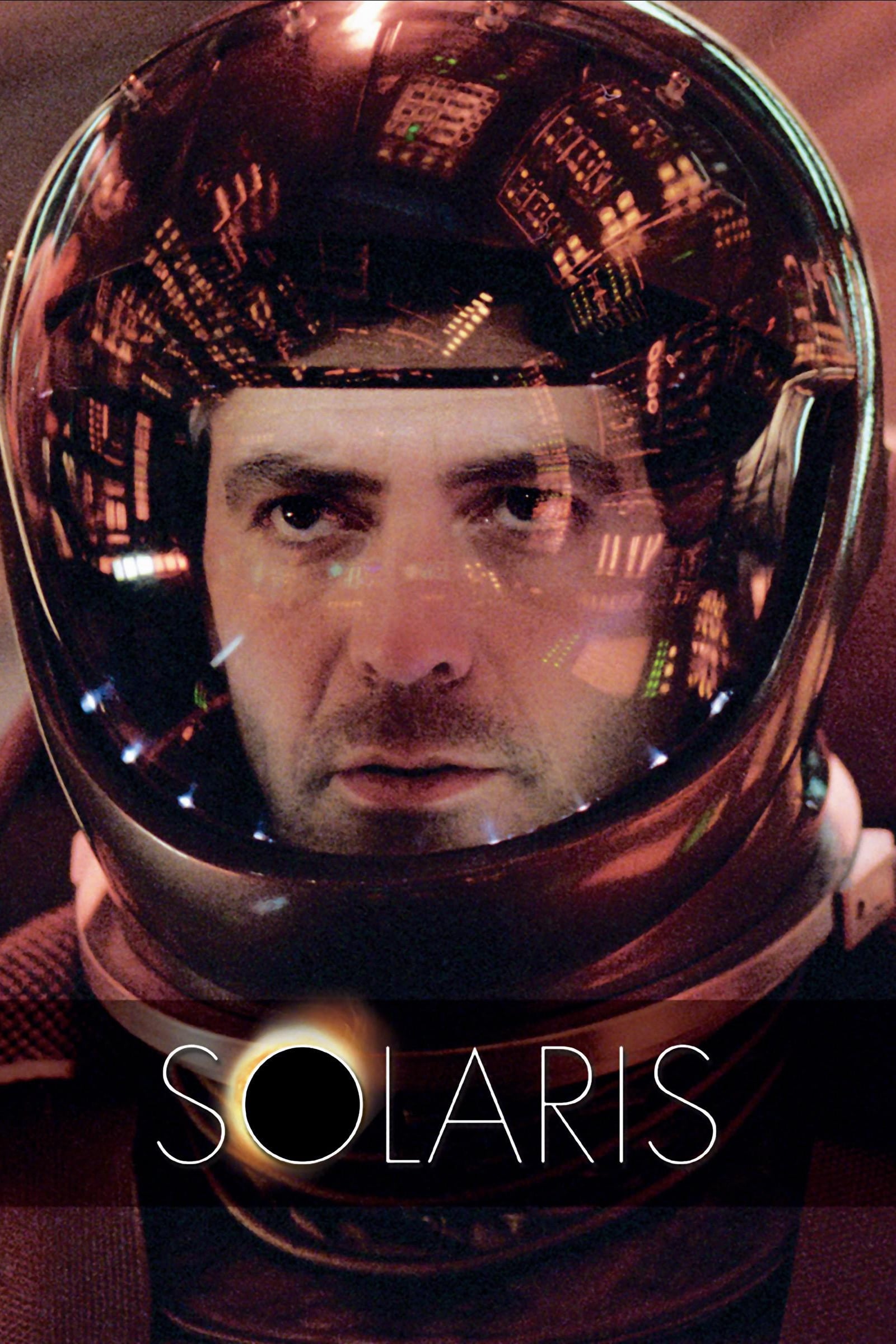
Steven Soderbergh’s reimagining of the classic story focuses heavily on the themes of grief and memory. George Clooney stars as Dr. Chris Kelvin, who travels to a station orbiting Solaris only to find his deceased wife has reappeared. This version of ‘Solaris’ emphasizes the emotional weight of the situation while maintaining the philosophical questions of the original source material. The film was noted for its minimalist dialogue and its focus on the psychological interplay between characters. While it received praise for its maturity, it was seen as too slow and cerebral for audiences accustomed to traditional space-travel movies.
‘Primer’ (2004)
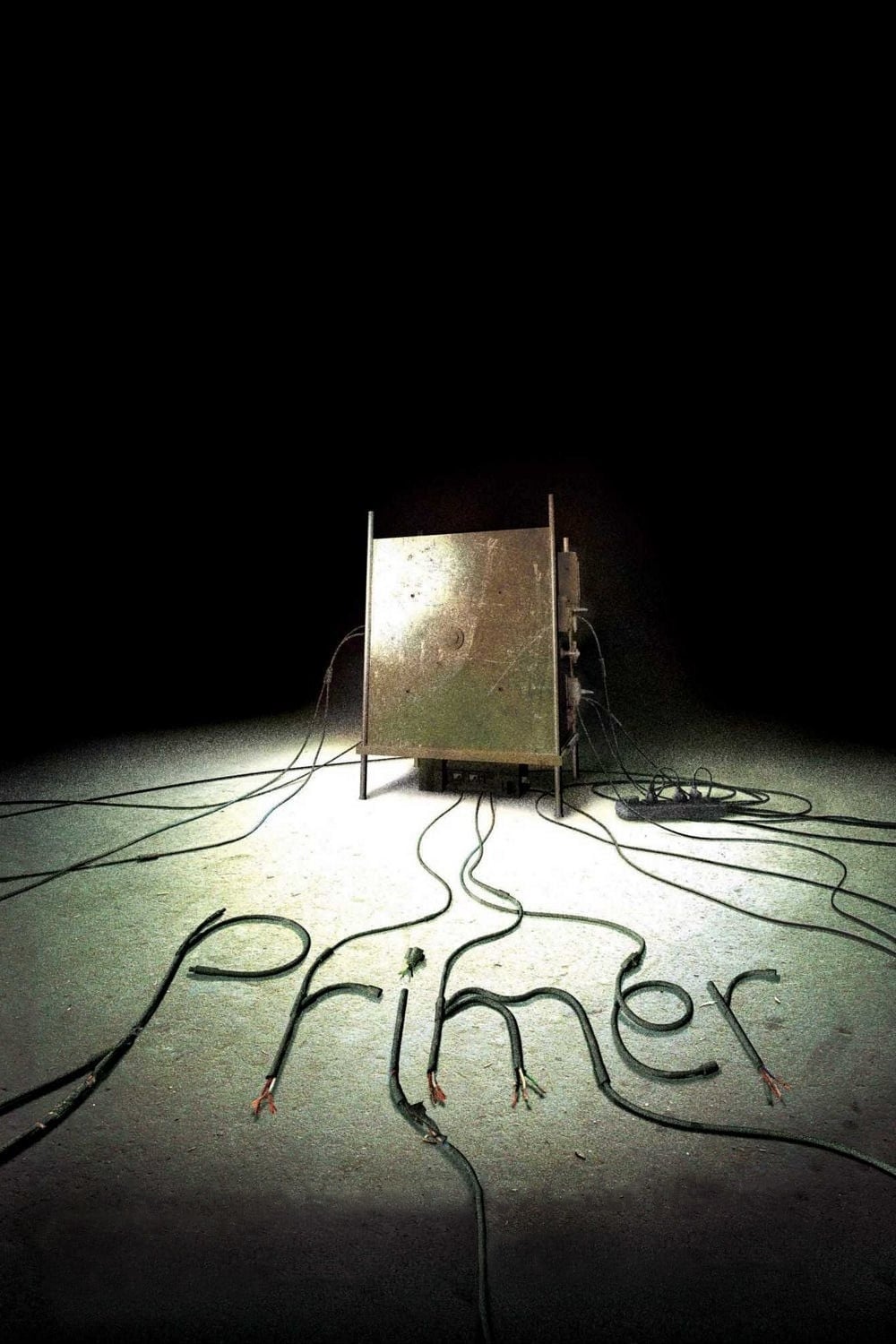
Written, directed, and starring Shane Carruth, ‘Primer’ is often cited as the most scientifically grounded time-travel movie ever made. Two engineers accidentally build a machine that allows for short-term time travel, leading to a web of complicated timelines and ethical compromises. The film uses technical dialogue and a fragmented structure that does not explain its mechanics to the audience. Viewers often require diagrams and repeated viewings to understand the precise sequence of events. ‘Primer’ is celebrated for its uncompromising intellectualism and its realistic portrayal of scientific discovery.
‘Eternal Sunshine of the Spotless Mind’ (2004)
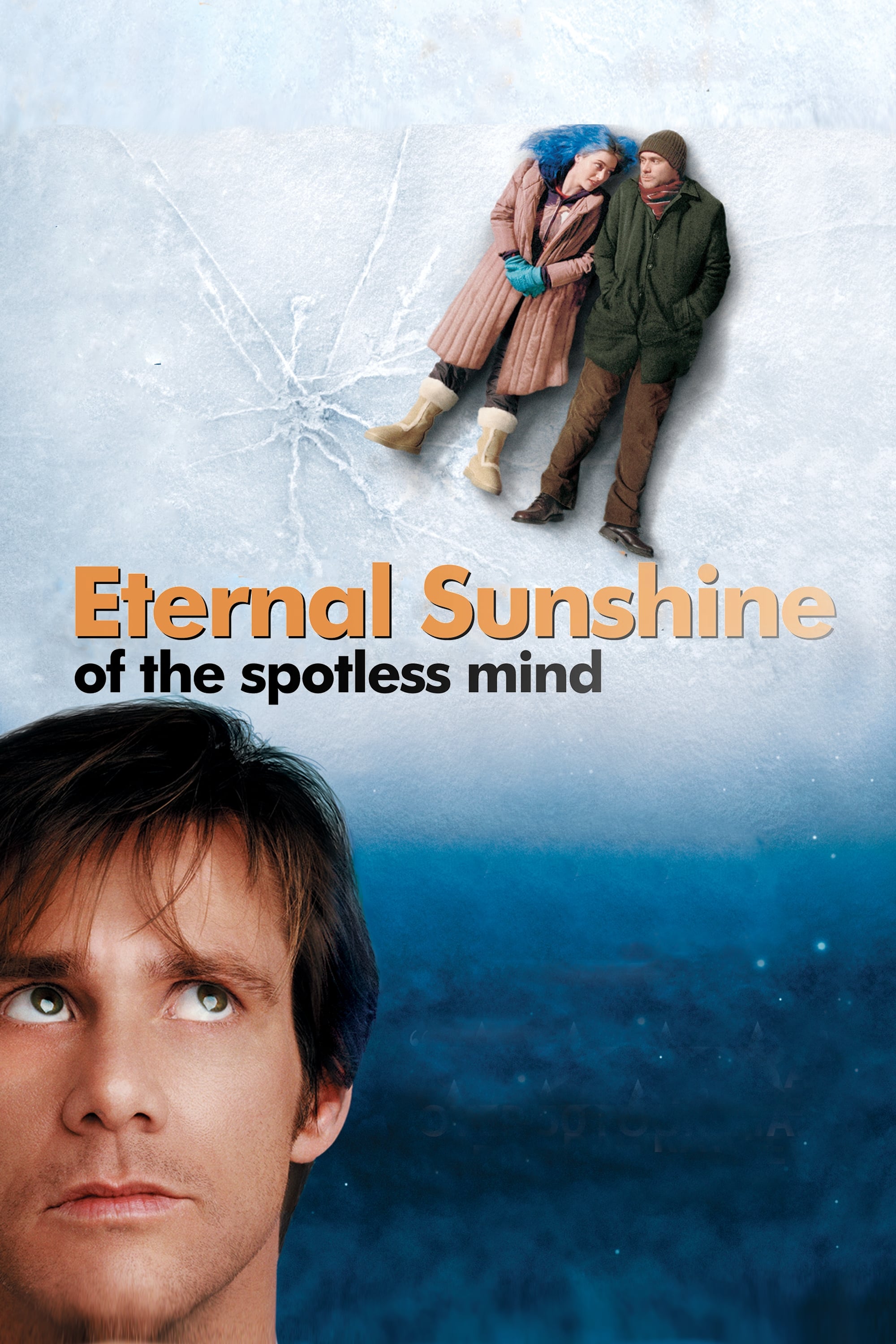
In this film, a former couple undergoes a medical procedure to erase each other from their memories after a painful breakup. Much of the story takes place inside the protagonist’s mind as he attempts to hide his memories of his ex-girlfriend from the erasure process. ‘Eternal Sunshine of the Spotless Mind’ uses its sci-fi premise to explore the nature of love, loss, and the importance of past experiences. The non-linear structure and surreal imagery create a challenging but rewarding narrative experience. It won the Academy Award for Best Original Screenplay for its inventive and thoughtful approach to the genre.
‘A Scanner Darkly’ (2006)
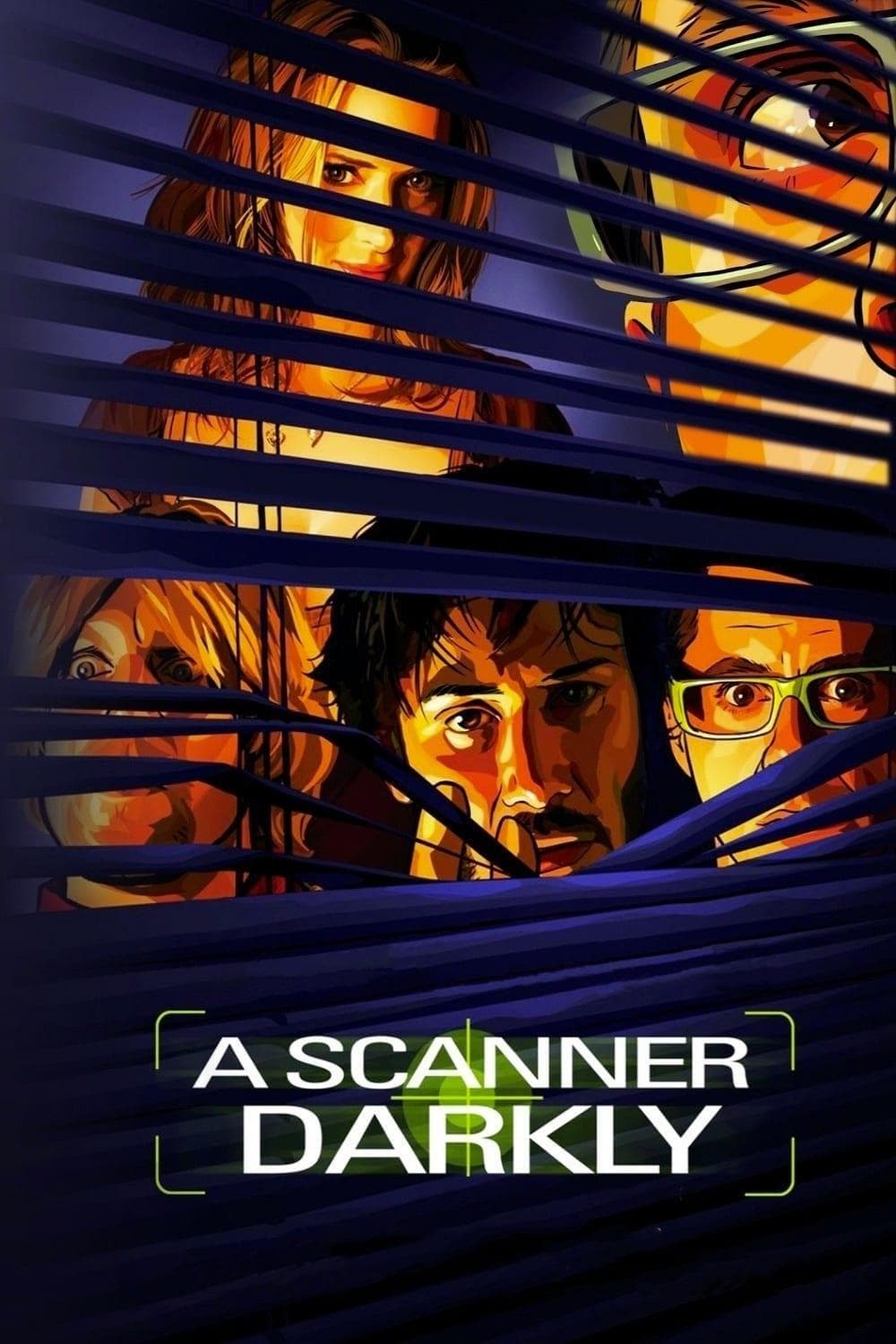
This rotoscoped adaptation of Philip K. Dick’s novel is set in a near-future where an undercover officer becomes addicted to a reality-altering drug. The film explores themes of identity loss, government surveillance, and the subjective nature of perception. ‘A Scanner Darkly’ uses its unique visual style to heighten the sense of paranoia and disorientation experienced by the characters. The dialogue is dense with philosophical musings and the rambling thoughts of drug-addled individuals. It is a faithful adaptation that captures the author’s complex concerns regarding the fracturing of the self.
‘The Fountain’ (2006)
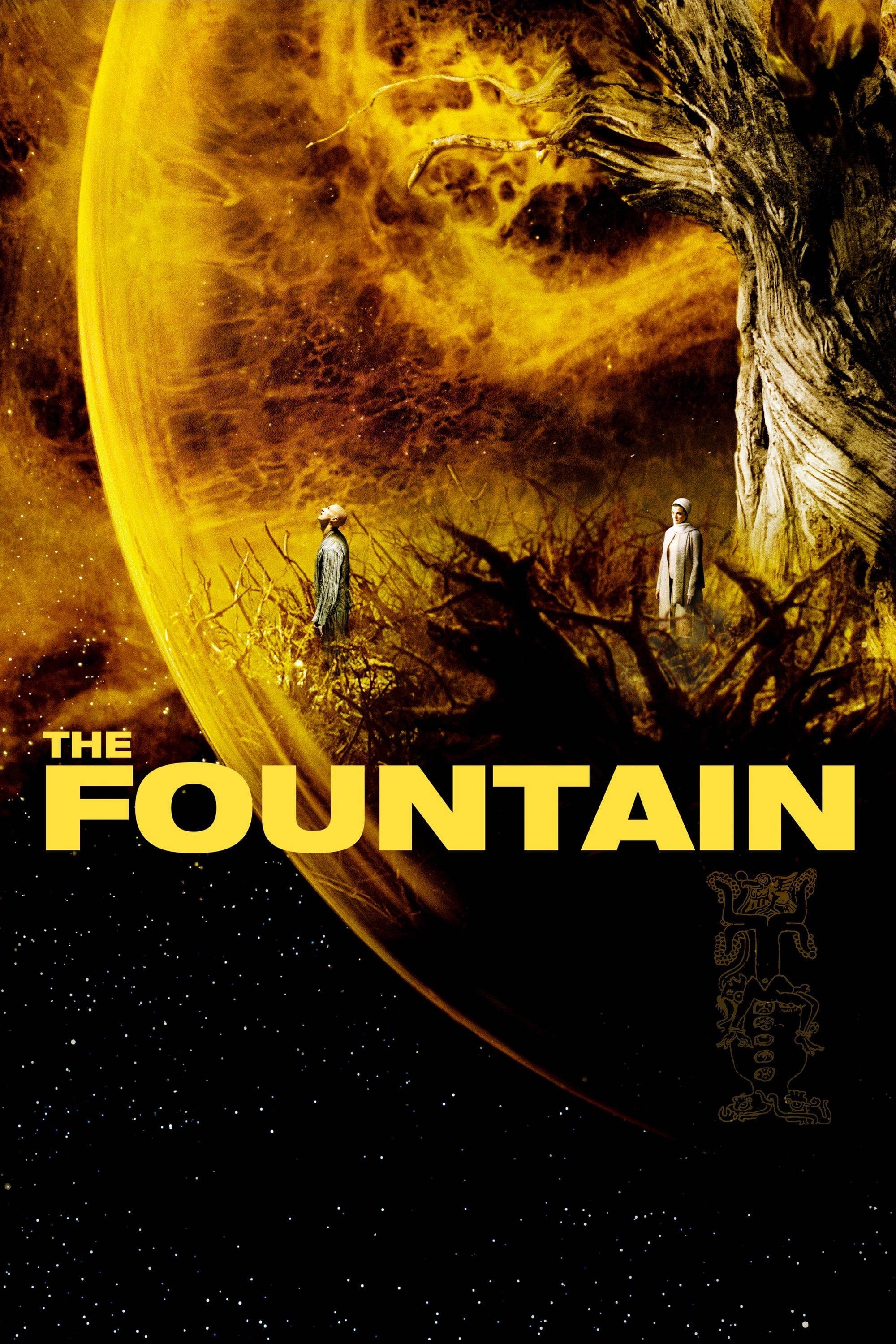
Directed by Darren Aronofsky, this film tells three parallel stories spanning a thousand years, all centered on a man’s quest to save the woman he loves. The narrative moves between a 16th-century conquistador, a modern-day scientist, and a future space traveler within a golden nebula. ‘The Fountain’ addresses themes of mortality, rebirth, and the acceptance of death as part of life. Its abstract structure and heavy use of symbolism made it a divisive film upon release. The movie is visually striking and intellectually ambitious, requiring viewers to synthesize its various timelines to find a cohesive meaning.
‘Children of Men’ (2006)

Set in a future where two decades of human infertility have brought society to the brink of collapse, a cynical bureaucrat must help a miraculously pregnant woman reach safety. The film is renowned for its long takes and immersive cinematography, which place the viewer directly into its chaotic world. ‘Children of Men’ addresses themes of hope, immigration, and political extremism without relying on traditional exposition. Its world-building is subtle, often occurring in the background of scenes through posters and news broadcasts. The film’s grim realism and political relevance have earned it high critical regard over time.
‘The Man from Earth’ (2007)
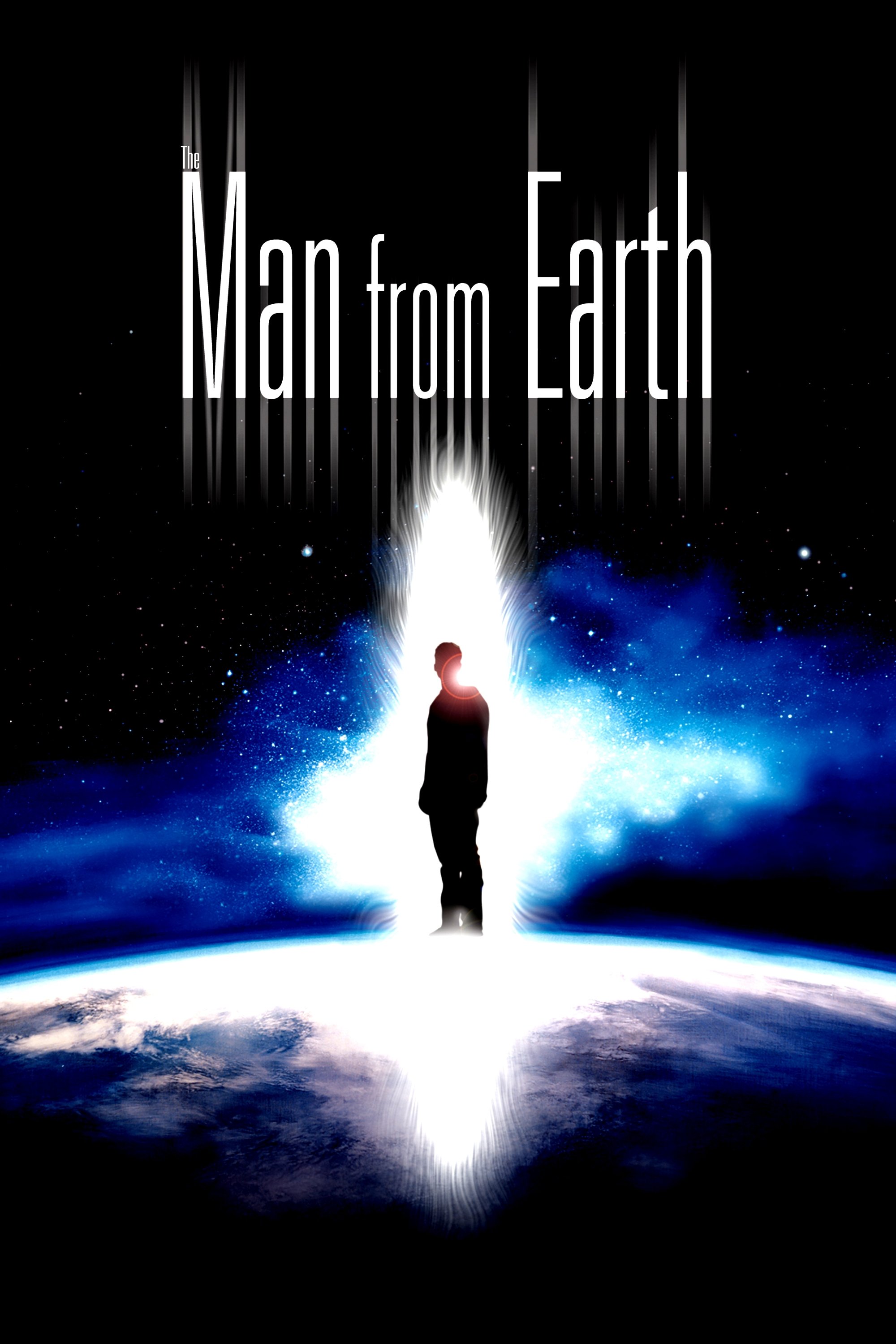
This independent film takes place entirely during a farewell party for a departing professor who reveals to his colleagues that he is an immortal who has lived for 14,000 years. The entire narrative consists of a single conversation where the characters debate history, biology, and religion. ‘The Man from Earth’ relies purely on dialogue and intellectual provocation rather than visual effects or action. The film challenges the audience to consider the implications of immortality and the evolution of human culture through one individual’s perspective. It has gained a significant following for its unique approach to high-concept science fiction.
‘Moon’ (2009)
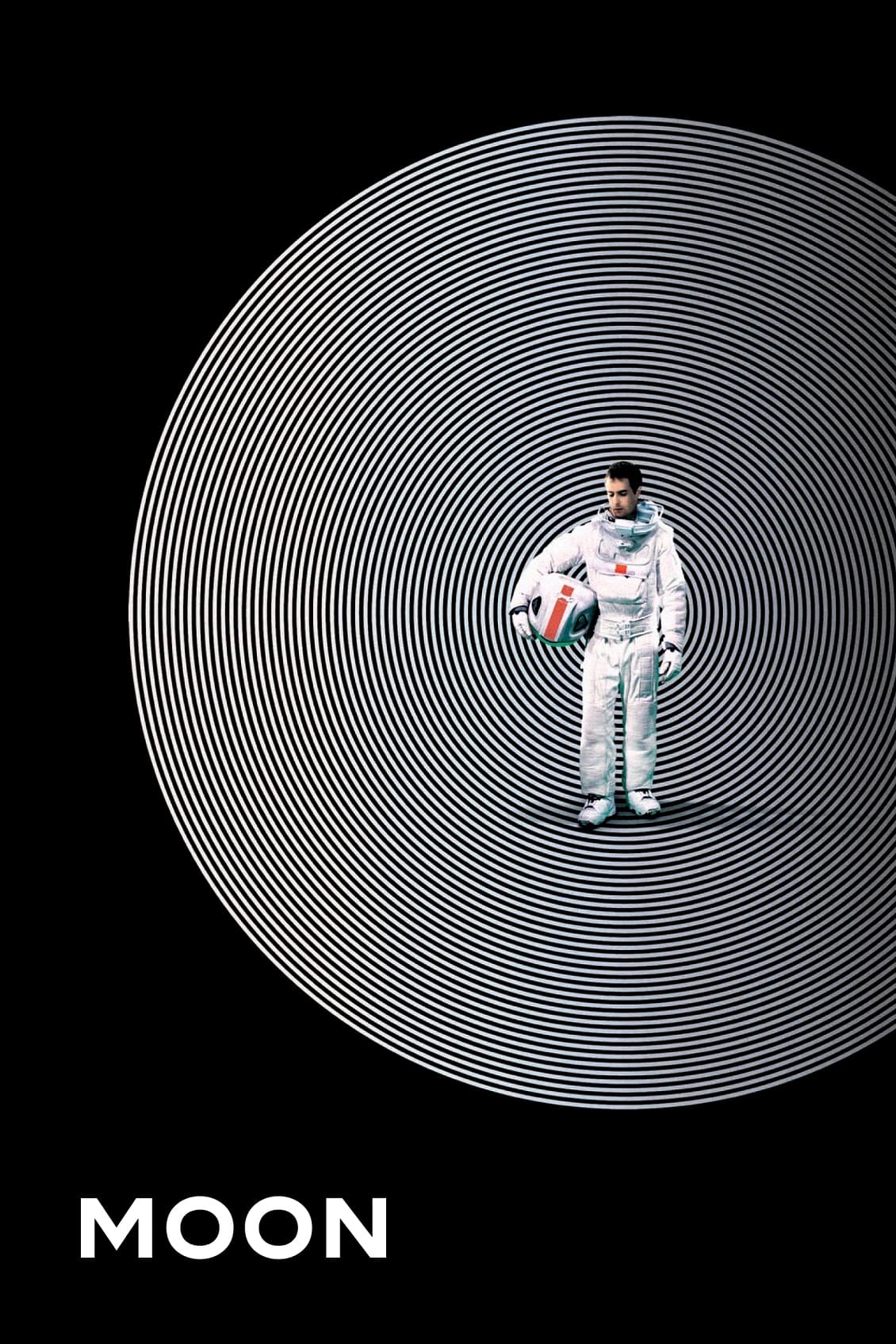
Sam Bell is nearing the end of a three-year solo stint mining helium-3 on the far side of the moon when he discovers a shocking truth about his existence. ‘Moon’ is a character study that explores themes of corporate ethics, isolation, and the nature of identity. The film uses its limited setting and small cast to create a sense of claustrophobia and psychological tension. It harkens back to the “hard” science fiction of the 1970s, prioritizing ideas and atmosphere over spectacle. The performance by Sam Rockwell and the thoughtful script received widespread critical acclaim.
‘Mr. Nobody’ (2009)
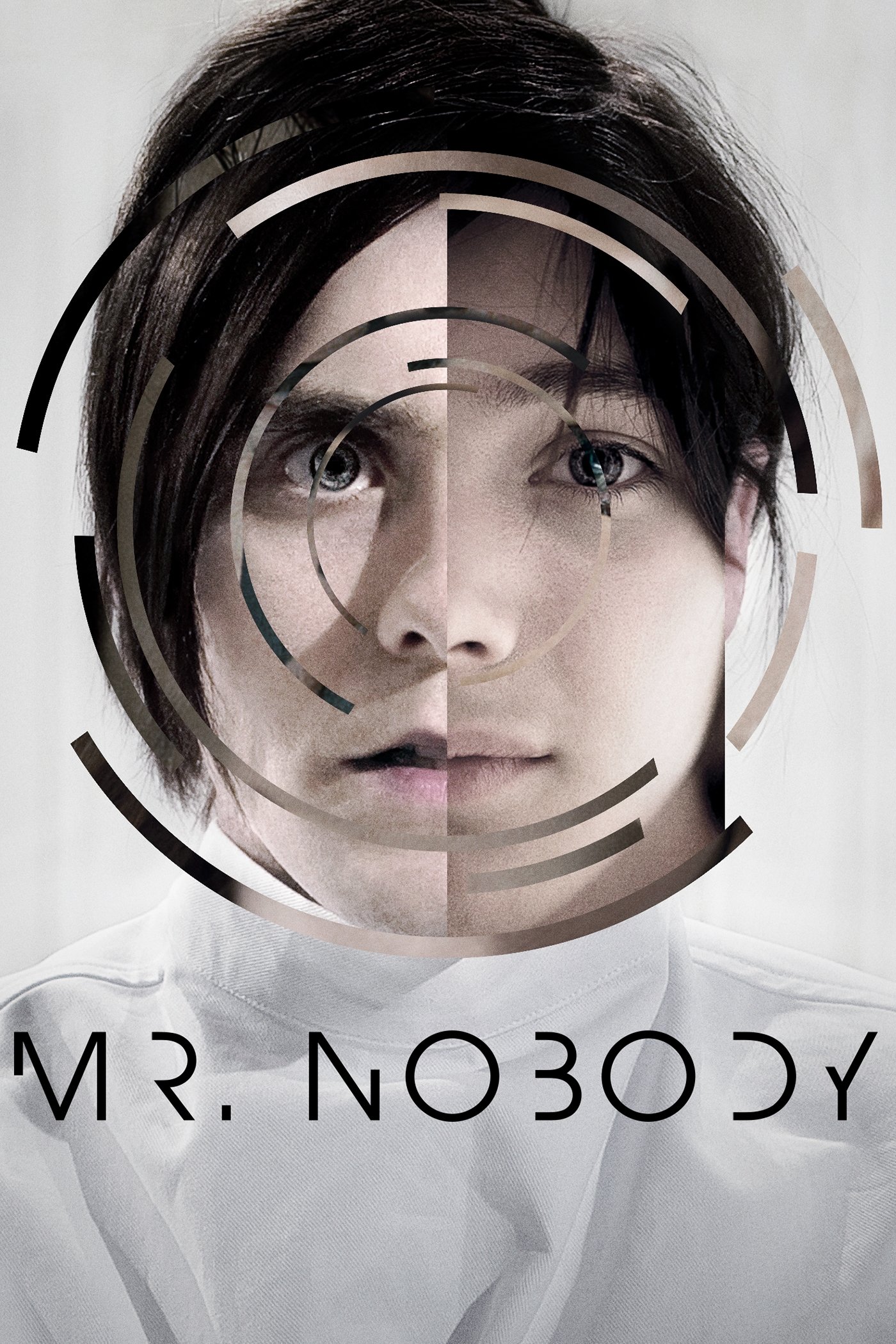
The story follows the last mortal human on Earth, who reflects on the various paths his life could have taken based on different choices he made. ‘Mr. Nobody’ utilizes a complex, non-linear narrative that jumps between multiple alternate realities and timelines. The film explores the “butterfly effect,” string theory, and the paralyzing nature of choice. Its visual style is eclectic, shifting to match the tone of each possible life the protagonist experiences. It is an ambitious exploration of the human experience that demands the viewer’s full attention to maintain the thread of the story.
‘Inception’ (2010)
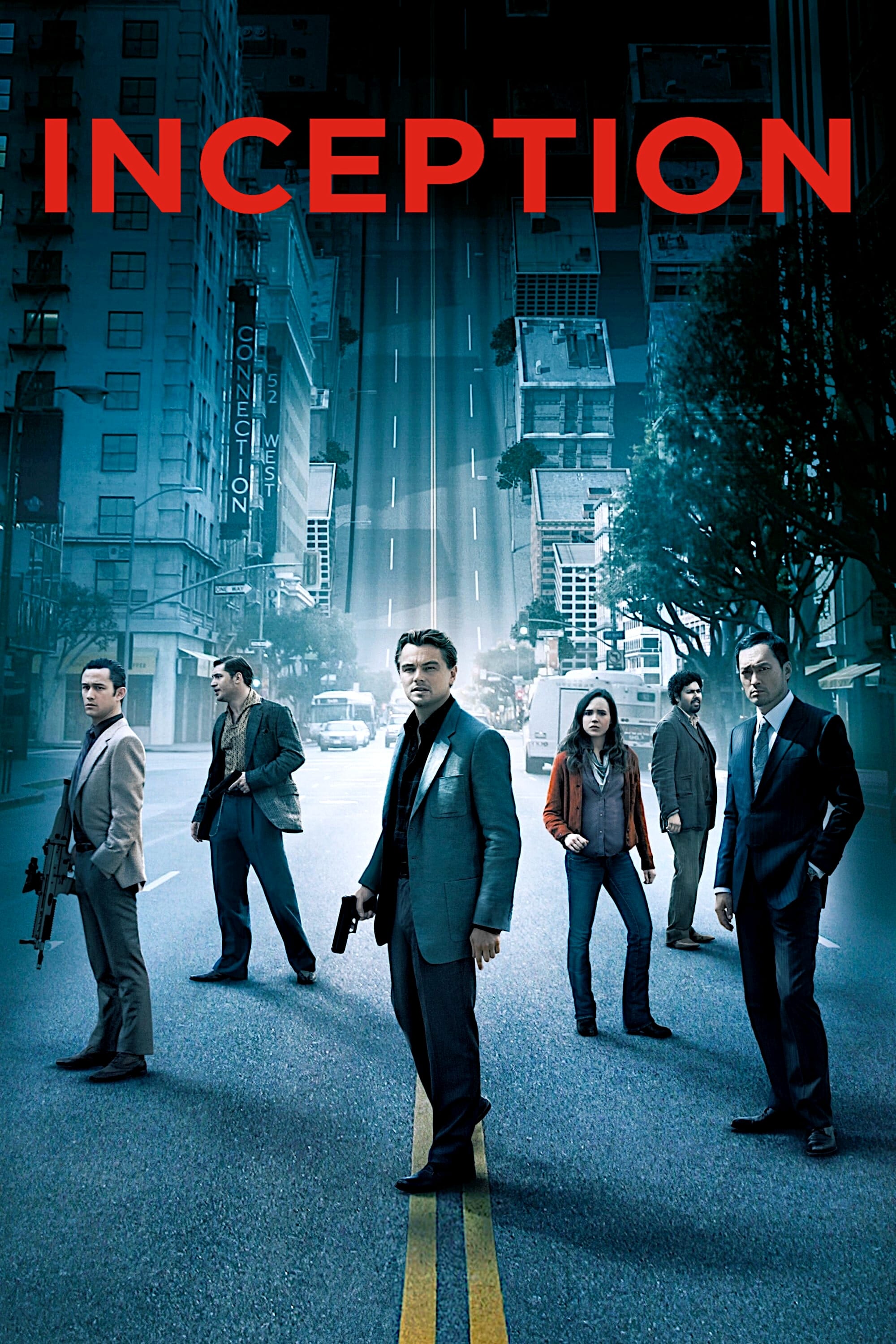
Christopher Nolan directed this heist thriller where specialists enter the subconscious of targets to steal or plant information through dreams. The film features a “dreams-within-dreams” structure that requires careful tracking of the different levels of reality and time dilation. ‘Inception’ explores the malleability of memory and the power of an idea once it takes root in the mind. While it was a commercial success, it sparked endless debates and theories regarding its ambiguous final shot. The film is celebrated for its ability to marry high-concept intellectualism with large-scale action sequences.
‘Another Earth’ (2011)

On the night of the discovery of a duplicate planet Earth, a young woman is involved in a tragic accident that changes the course of her life. ‘Another Earth’ uses its science fiction premise as a backdrop for a quiet, emotional drama about redemption and the “what ifs” of life. The duplicate planet serves as a metaphor for the paths not taken and the possibility of a better self elsewhere. The film focuses on the psychological state of its characters rather than the mechanics of the astronomical event. It is a contemplative and melancholic entry in the genre that rewards emotional intelligence.
‘Cloud Atlas’ (2012)
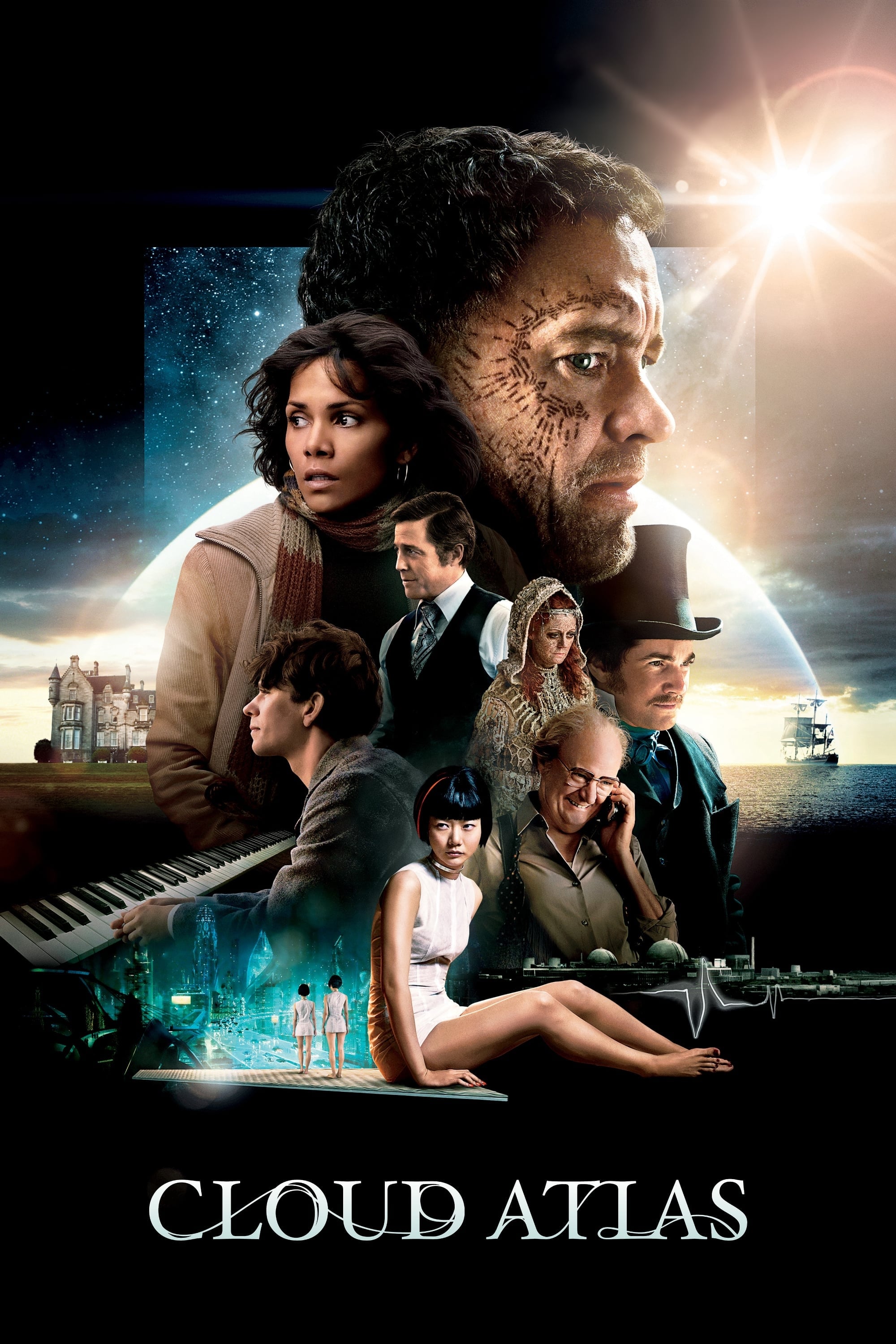
Adapted from David Mitchell’s novel, this film tells six interlocking stories that span from the 19th century to a post-apocalyptic future. ‘Cloud Atlas’ uses a recurring cast of actors in different roles to suggest the interconnectedness of souls across time and space. The film explores themes of reincarnation, the enduring nature of human cruelty, and the power of individual acts of kindness. Its rapid editing between different eras and genres creates a challenging narrative tapestry. It is an ambitious cinematic experiment that attempts to capture the scope of human history and morality.
‘Upstream Color’ (2013)

Shane Carruth’s second feature is an abstract exploration of two people whose lives are upended by a complex parasite. ‘Upstream Color’ avoids traditional dialogue and linear storytelling, opting instead for a sensory experience that links humans, pigs, and orchids. The film addresses themes of identity, trauma, and the unseen forces that connect living organisms. Its cryptic nature and reliance on visual and auditory cues require the audience to piece together the narrative logic. It is widely considered one of the most unique and challenging films in modern science fiction.
‘Under the Skin’ (2013)
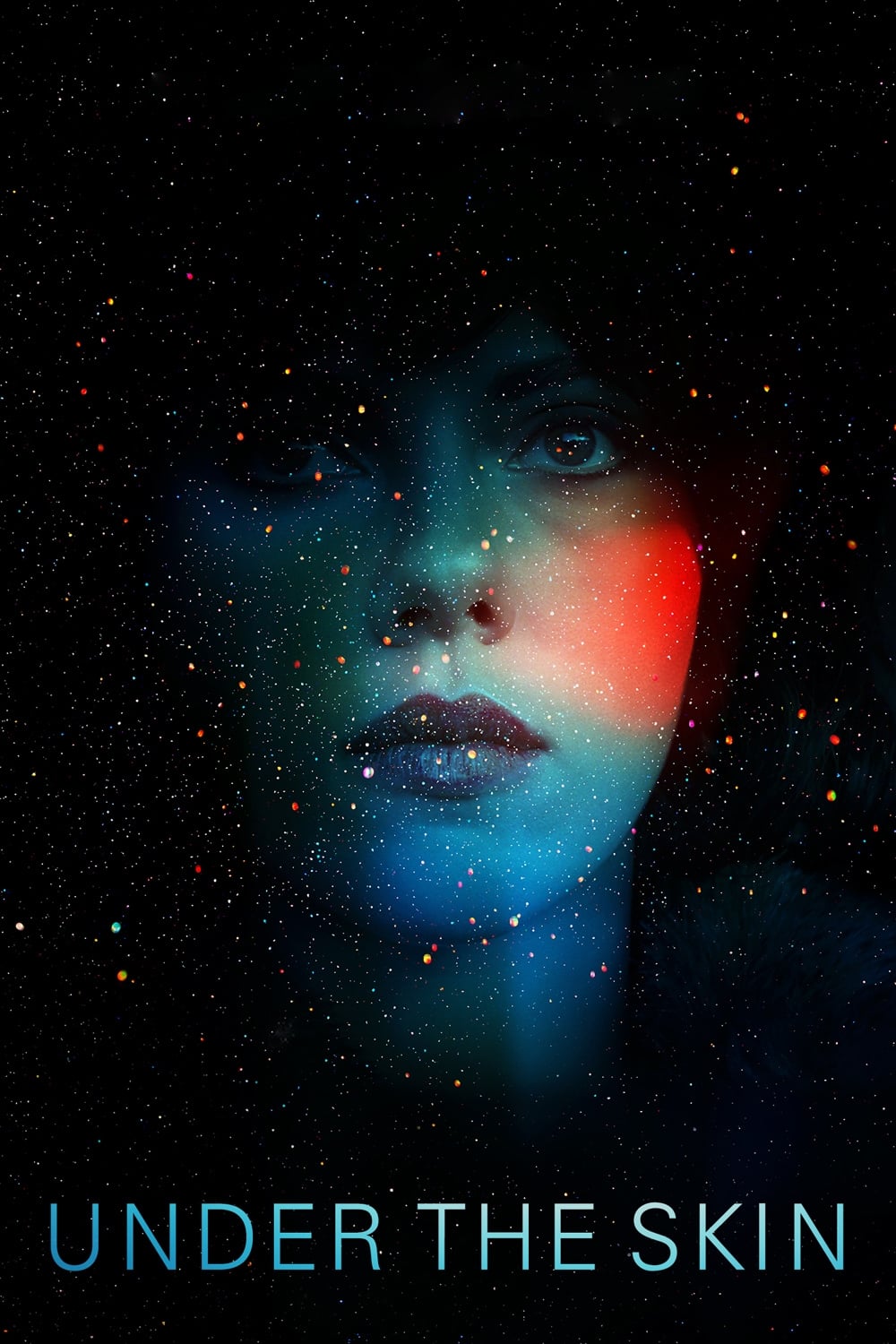
An extraterrestrial entity takes the form of a woman and cruises the streets of Scotland, luring men into a lethal void. ‘Under the Skin’ uses a minimalist narrative and hidden cameras to capture a stark, alien perspective on human behavior. The film explores themes of loneliness, empathy, and what it means to possess a physical form. Its haunting score and surreal visual effects contribute to a sense of profound unease and detachment. The movie offers little in the way of explanation, forcing the viewer to interpret the entity’s experiences and motivations.
‘Enemy’ (2013)
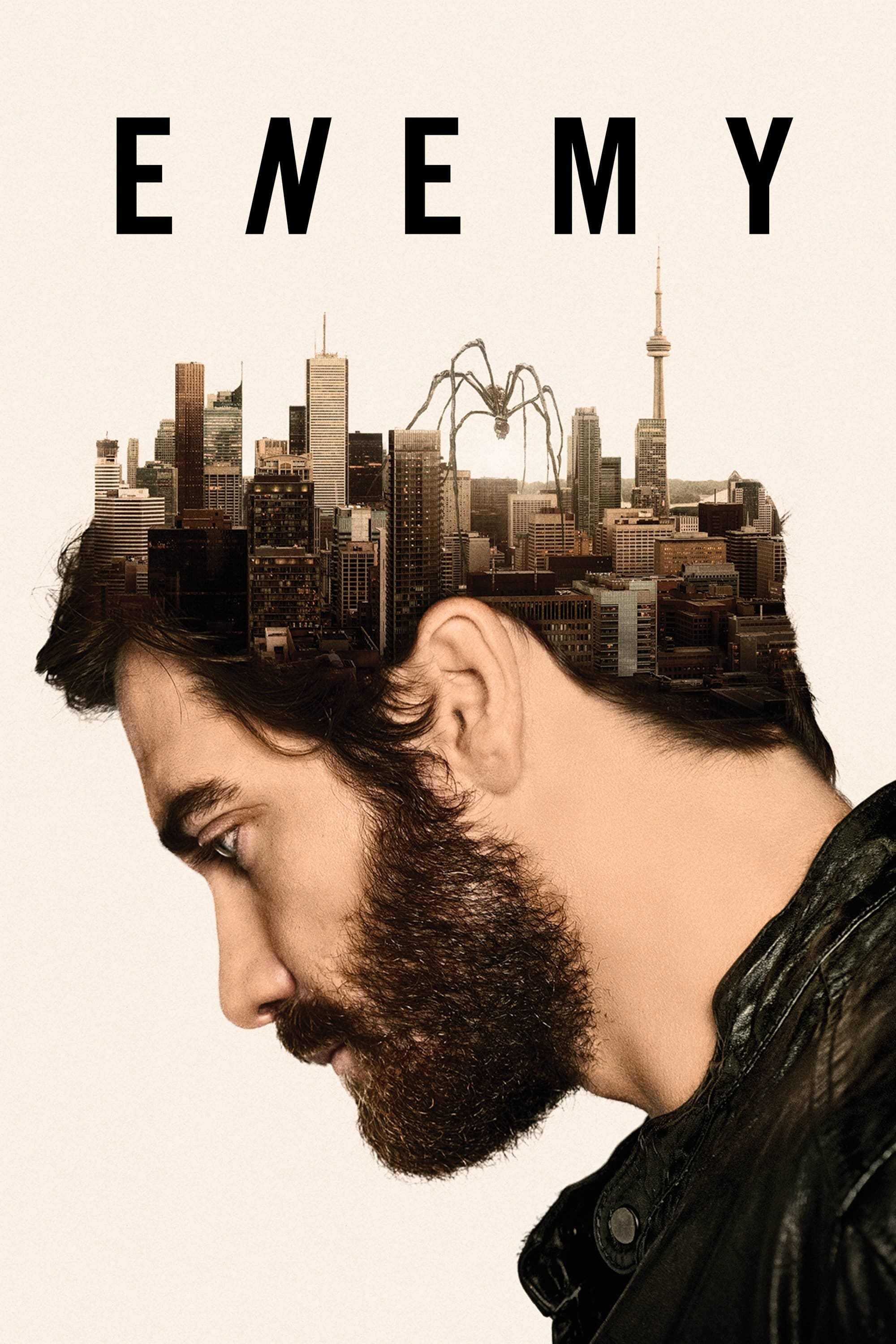
A history professor discovers his exact physical double in a movie and becomes obsessed with tracking him down. ‘Enemy’ is a psychological thriller with science fiction elements that delves into the themes of subconscious desire and the struggle for identity. The film is filled with symbolic imagery, most notably recurring spiders, which have prompted various interpretations regarding their meaning. Its ending is famously cryptic and startling, leaving the audience to deconstruct the film’s internal logic. It is a dense, metaphorical work that functions more as a dreamscape than a traditional narrative.
‘Coherence’ (2013)
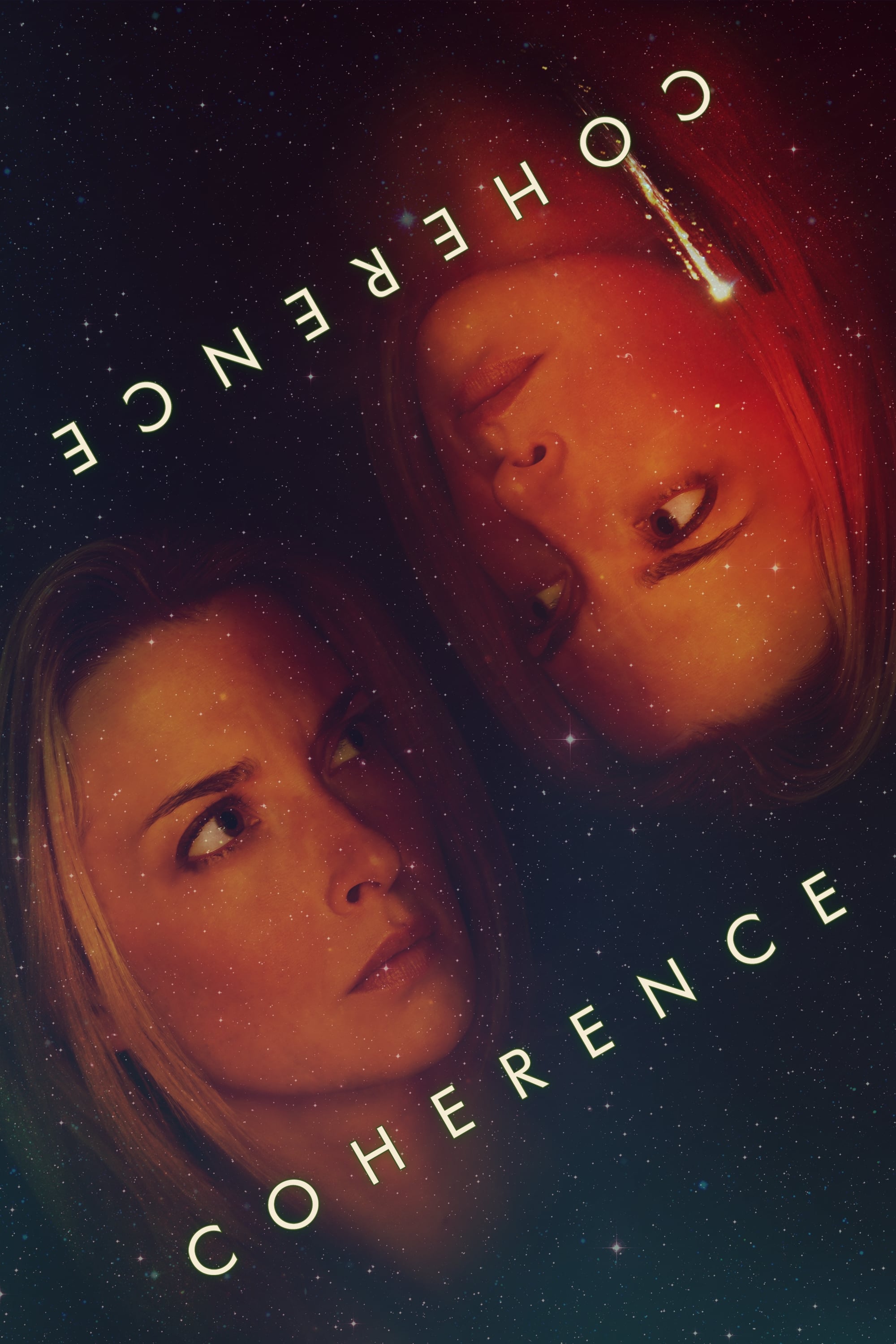
During a dinner party, a passing comet causes a rift in reality, leading to the appearance of multiple versions of the same house and guests. ‘Coherence’ is a low-budget, high-concept film that relies on improvisation and psychological tension. The characters must navigate the confusion of meeting their doubles and the breakdown of their social trust. The film explores the many-worlds interpretation of quantum mechanics through a localized, personal lens. It is a tightly wound puzzle that keeps the audience guessing about the true identity and location of the protagonists.
‘Interstellar’ (2014)
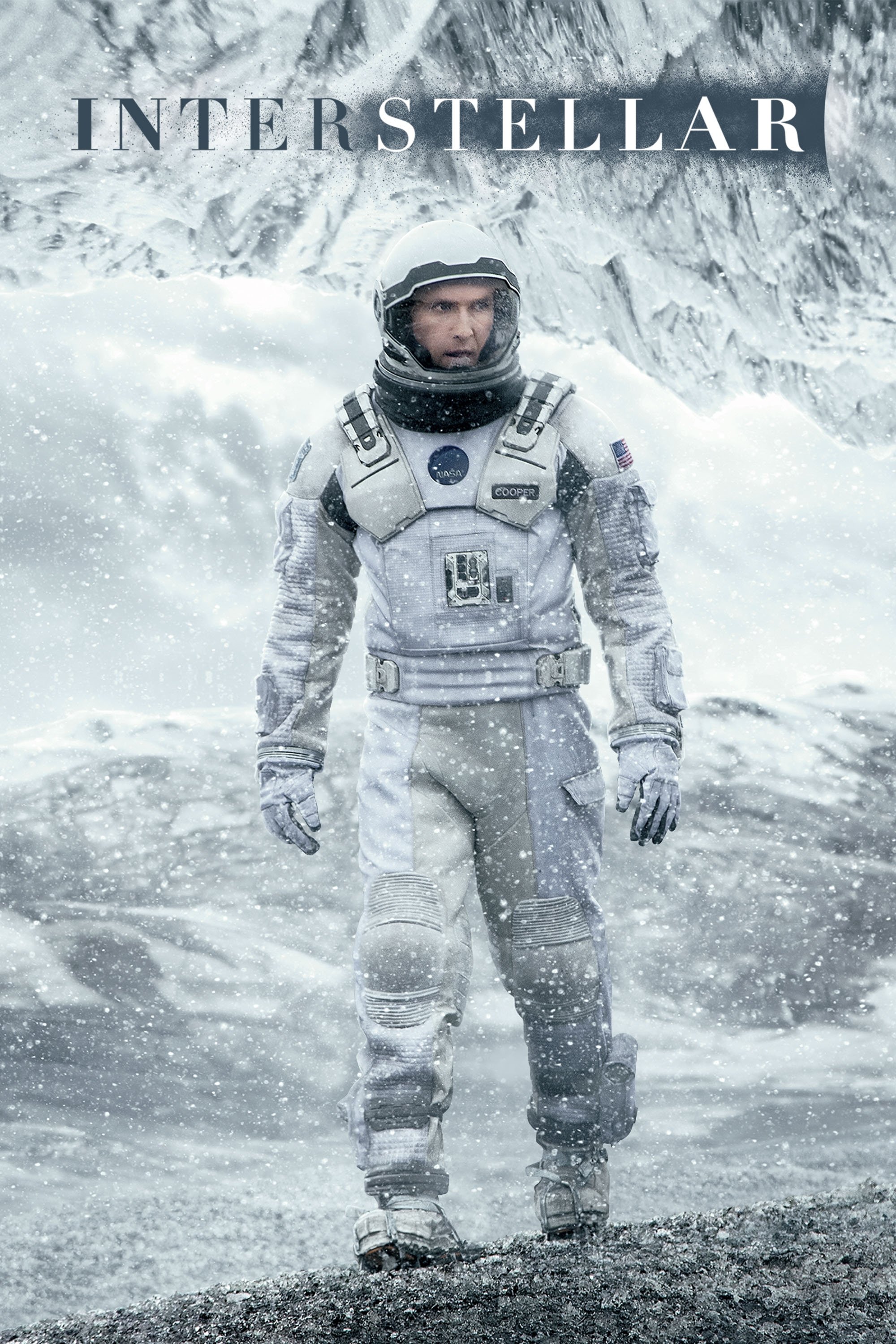
In a future where Earth is becoming uninhabitable, a group of astronauts travels through a wormhole to find a new home for humanity. ‘Interstellar’ incorporates complex concepts from theoretical physics, including black holes, time dilation, and higher dimensions. The film balances its grand scientific scope with a deeply personal story about a father’s love for his daughter. Its use of the “Tesseract” sequence in the final act presents a visual representation of five-dimensional space that requires a leap of imagination. Critics and scientists alike have praised the film for its commitment to scientific accuracy and intellectual ambition.
‘Ex Machina’ (2014)
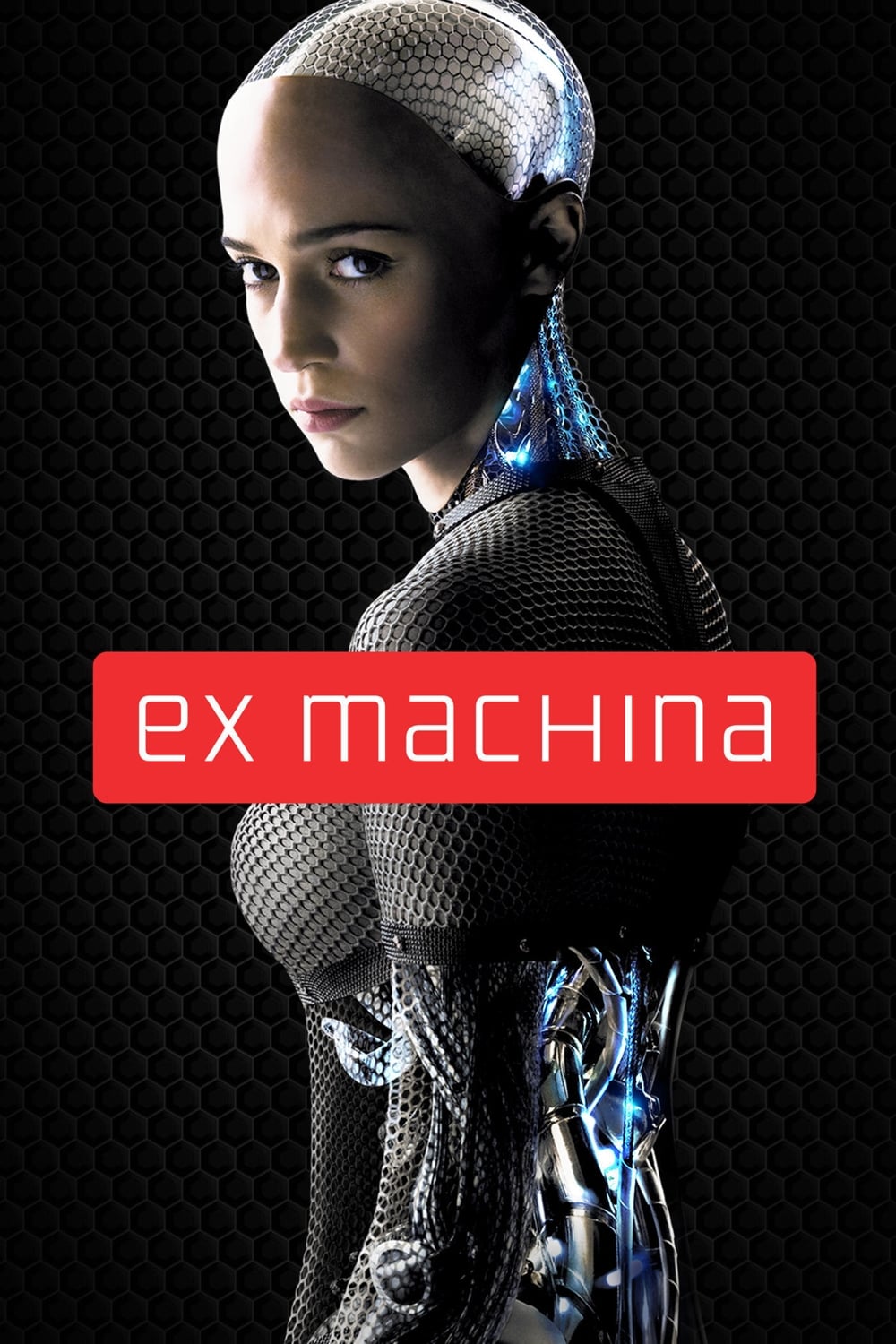
A young programmer is invited to administer the Turing test to an advanced humanoid A.I. named Ava at a remote estate. ‘Ex Machina’ is a tense psychological drama that examines the consciousness of artificial intelligence and the ethics of its creation. The film features sharp dialogue and a claustrophobic atmosphere that heightens the power struggle between the characters. It raises questions about gender, manipulation, and the potential for machines to surpass their human creators. The minimalist setting and focused narrative allow the intellectual and philosophical themes to take center stage.
‘Arrival’ (2016)
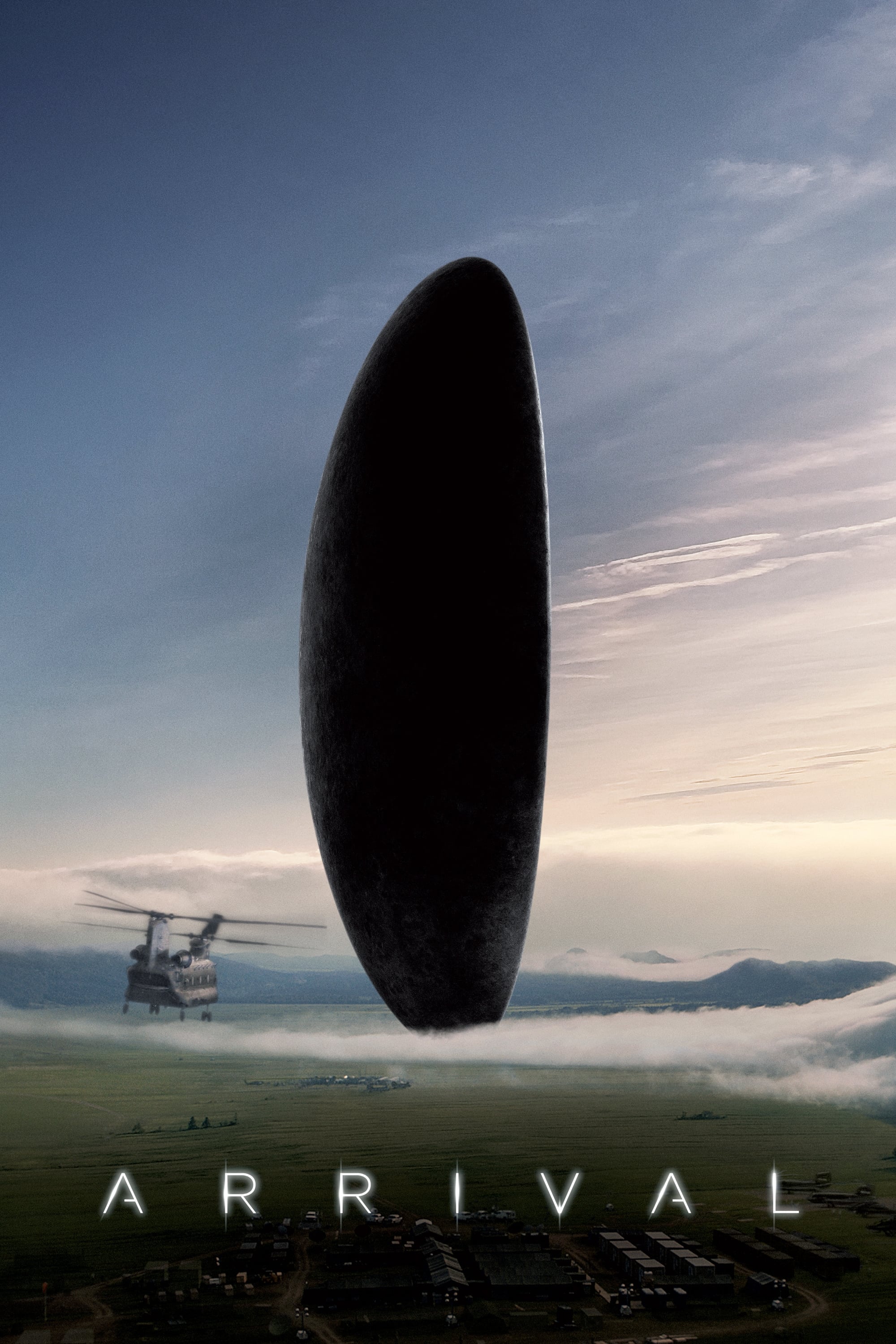
When twelve extraterrestrial spacecraft land around the world, a linguistics professor is tasked with communicating with the visitors. ‘Arrival’ focuses on the Sapir-Whorf hypothesis, which suggests that the language a person speaks influences how they perceive reality. The film uses a non-linear structure to mirror the aliens’ unique perception of time, leading to a profound emotional revelation. It avoids the standard tropes of alien warfare to focus on cooperation, communication, and the acceptance of grief. The film was widely praised for its intellectual rigor and its humanistic approach to first contact.
‘Annihilation’ (2018)
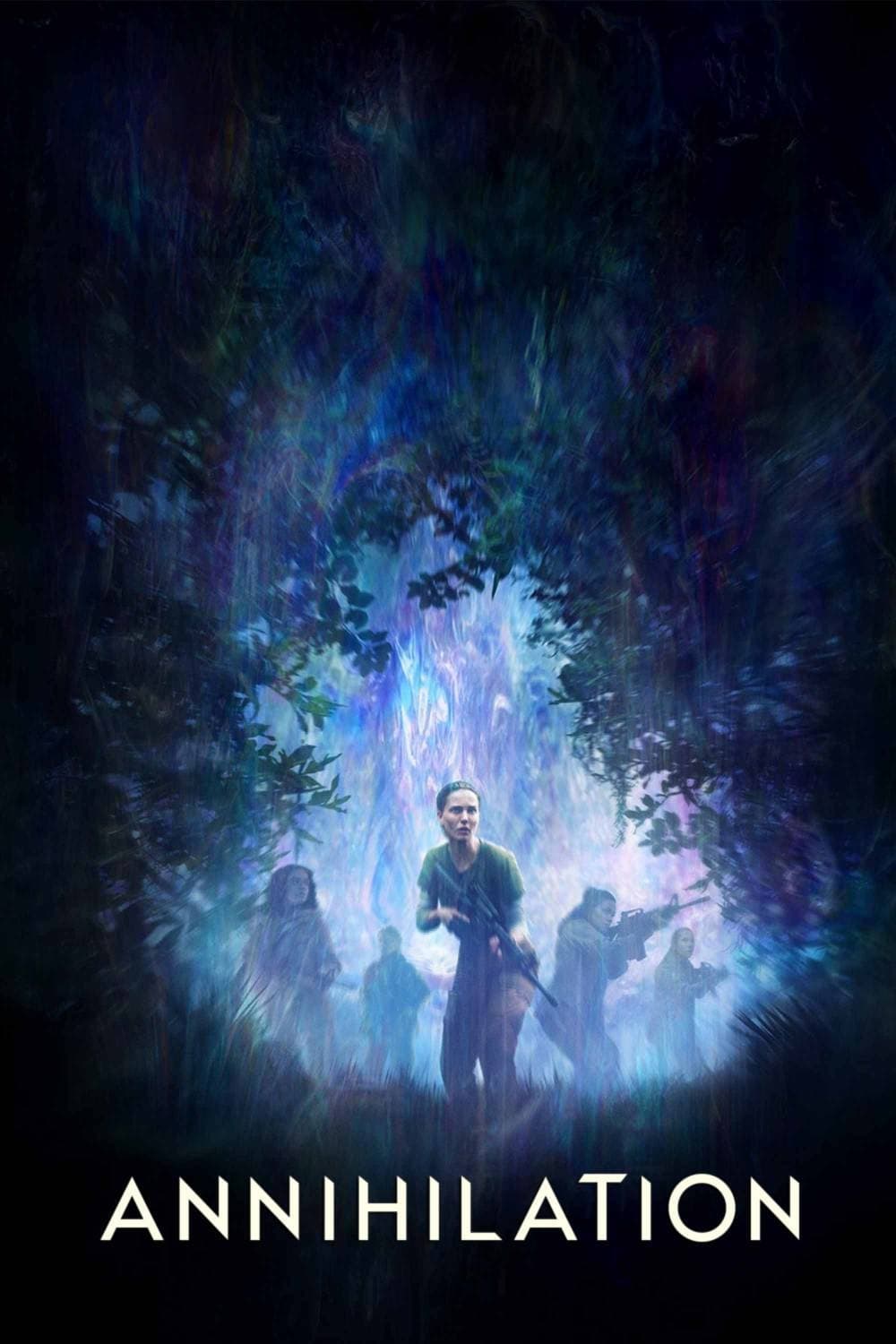
A biologist leads an expedition into “The Shimmer,” a mysterious quarantined zone where the laws of nature and biology are being rewritten. ‘Annihilation’ is a surreal exploration of self-destruction and the transformative power of nature. The film features disturbing body horror and abstract visuals that represent the psychological states of the characters. It concludes with a highly metaphorical sequence that eschews traditional exposition in favor of a sensory and thematic resolution. The film’s complexity led to a limited international theatrical release, as it was deemed too “intellectual” for some markets.
‘Tenet’ (2020)
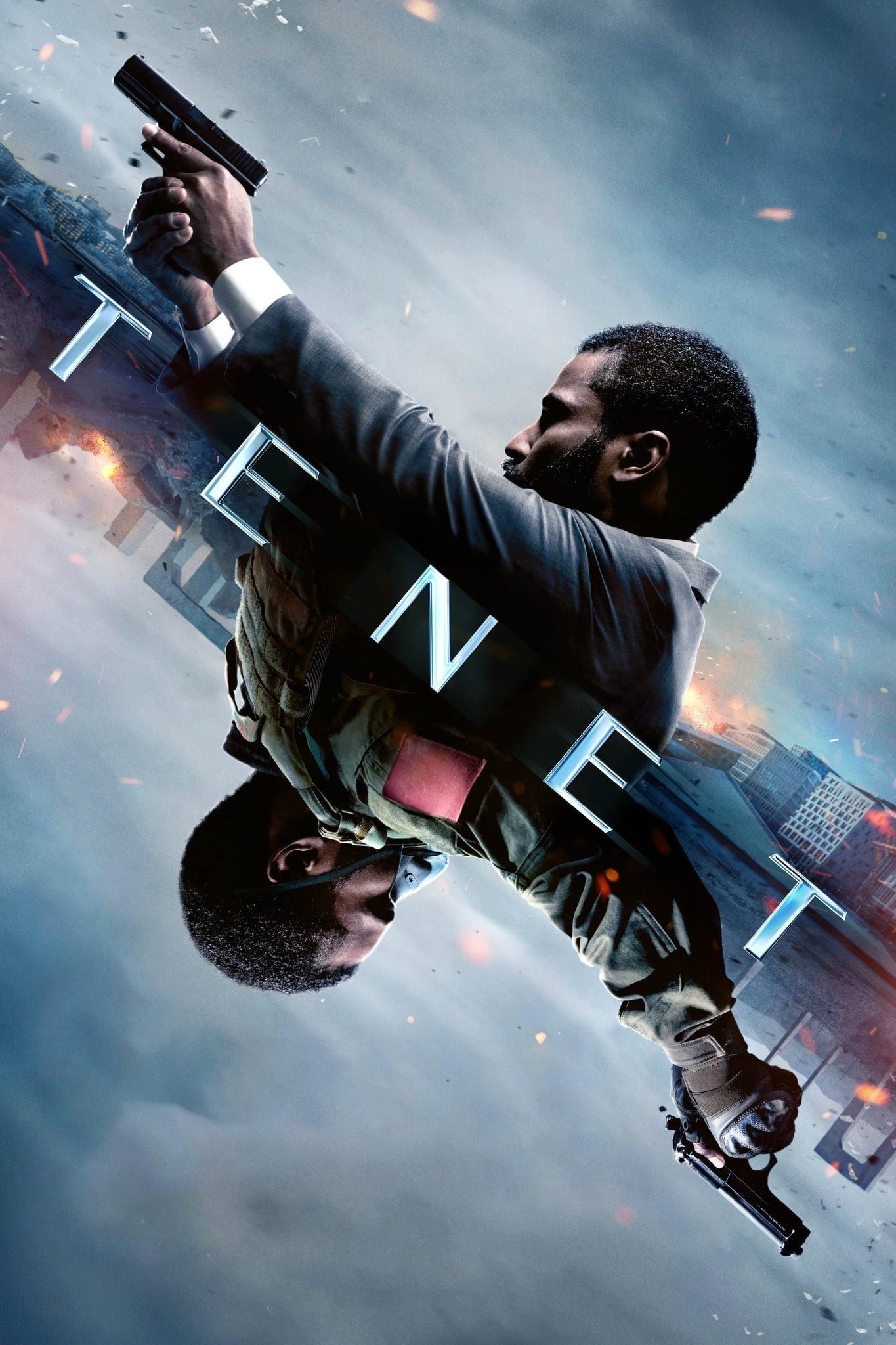
Christopher Nolan’s “Tenet” introduces the concept of “time inversion,” where the entropy of objects and people can be reversed. The protagonist must navigate a global espionage mission where some characters move forward in time while others move backward. The film’s action sequences involve “temporal pincer movements” that are visually and logically dense. ‘Tenet’ requires intense focus to track the cause-and-effect relationships within its inverted reality. It is a high-stakes puzzle that pushes the boundaries of how time can be utilized as a narrative device in cinema.
Please share which of these films challenged your perspective the most in the comments.