


Sci-Fi Stories Told Entirely Through Found Documents




When sci-fi unfolds through logs, tapes, dossiers, and feeds, the audience pieces the truth together like investigators sifting evidence. These stories lean on black boxes, mission readouts, security cams, and curated files instead of traditional narration. The format turns timestamps, glitches, and redactions into plot mechanics while preserving diegetic reasons for every shot and page. Here are films, a series, and an anime that commit to document-driven storytelling from start to finish.
‘Europa Report’ (2013)
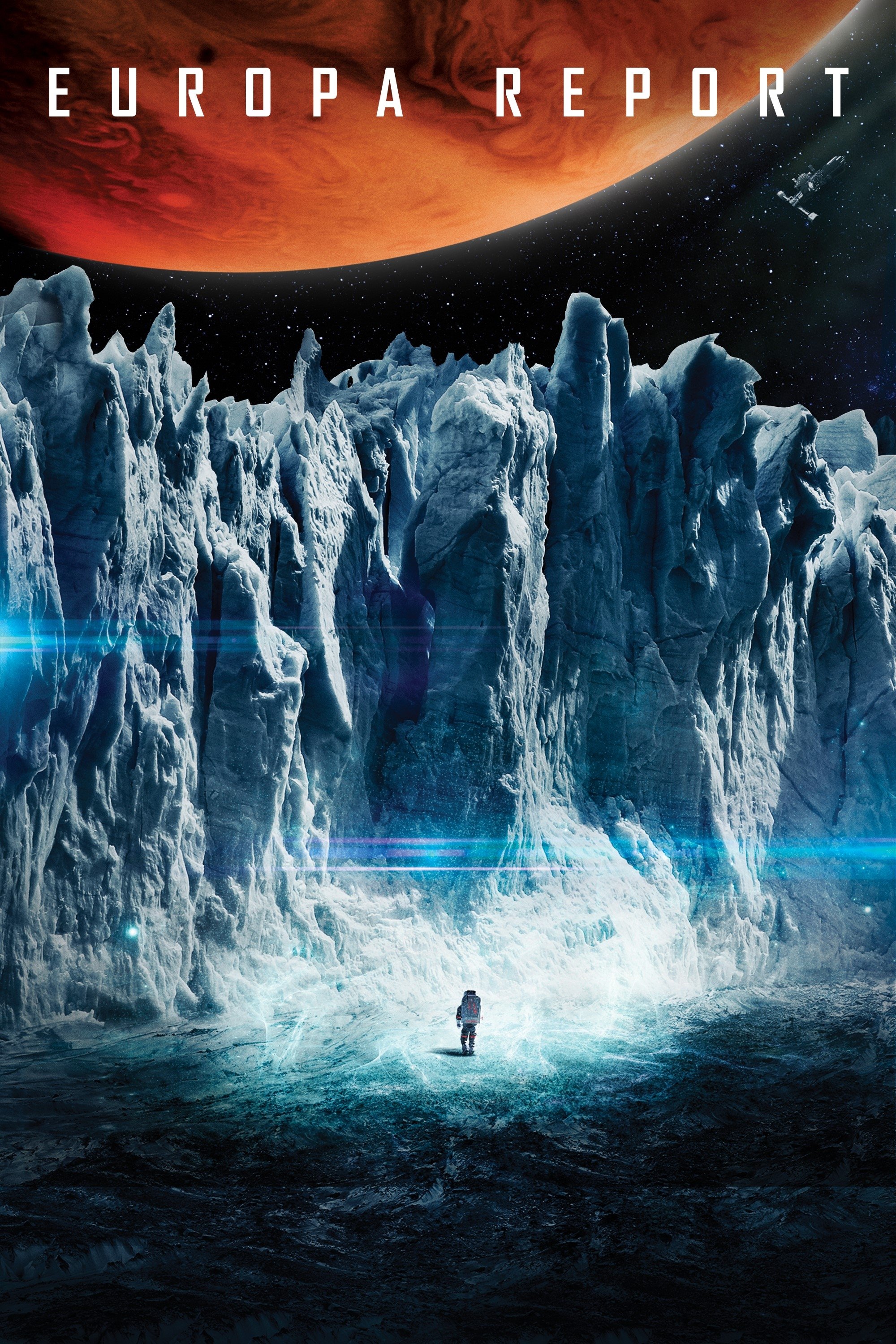
Structured as a corporate debrief, ‘Europa Report’ reconstructs a private mission to Jupiter’s moon via recovered ship cameras, helmet cams, and interview inserts. Onscreen telemetry—oxygen levels, trajectory data, radiation exposure—appears as operational overlays within footage. The film intercuts timecoded logs with mission-control statements to chart procedural decision points. Its evidence chain is framed as a post-incident analysis assembled from intact and partial media files.
‘Apollo 18’ (2011)
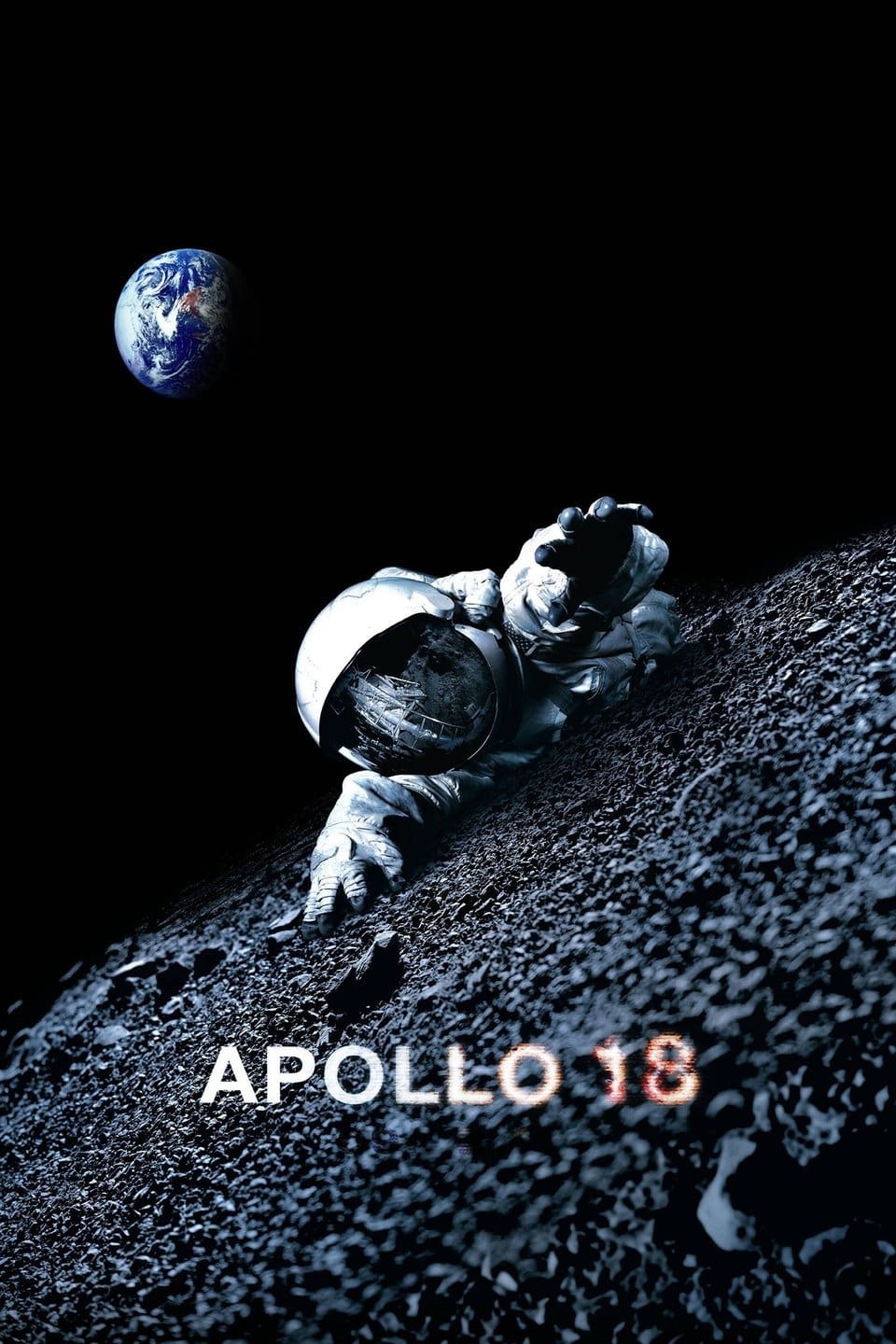
‘Apollo 18’ presents newly “declassified” reels that explain a covert lunar mission’s fate. The imagery mimics period NASA materials, including 16mm textures, mission timers, and fixed lander vantage points. Audio consists largely of comms chatter, tone bursts, and diagnostic callouts that map system status. The compilation is positioned as archival assembly, with gaps and dropouts signposted as part of the record.
‘Chronicle’ (2012)
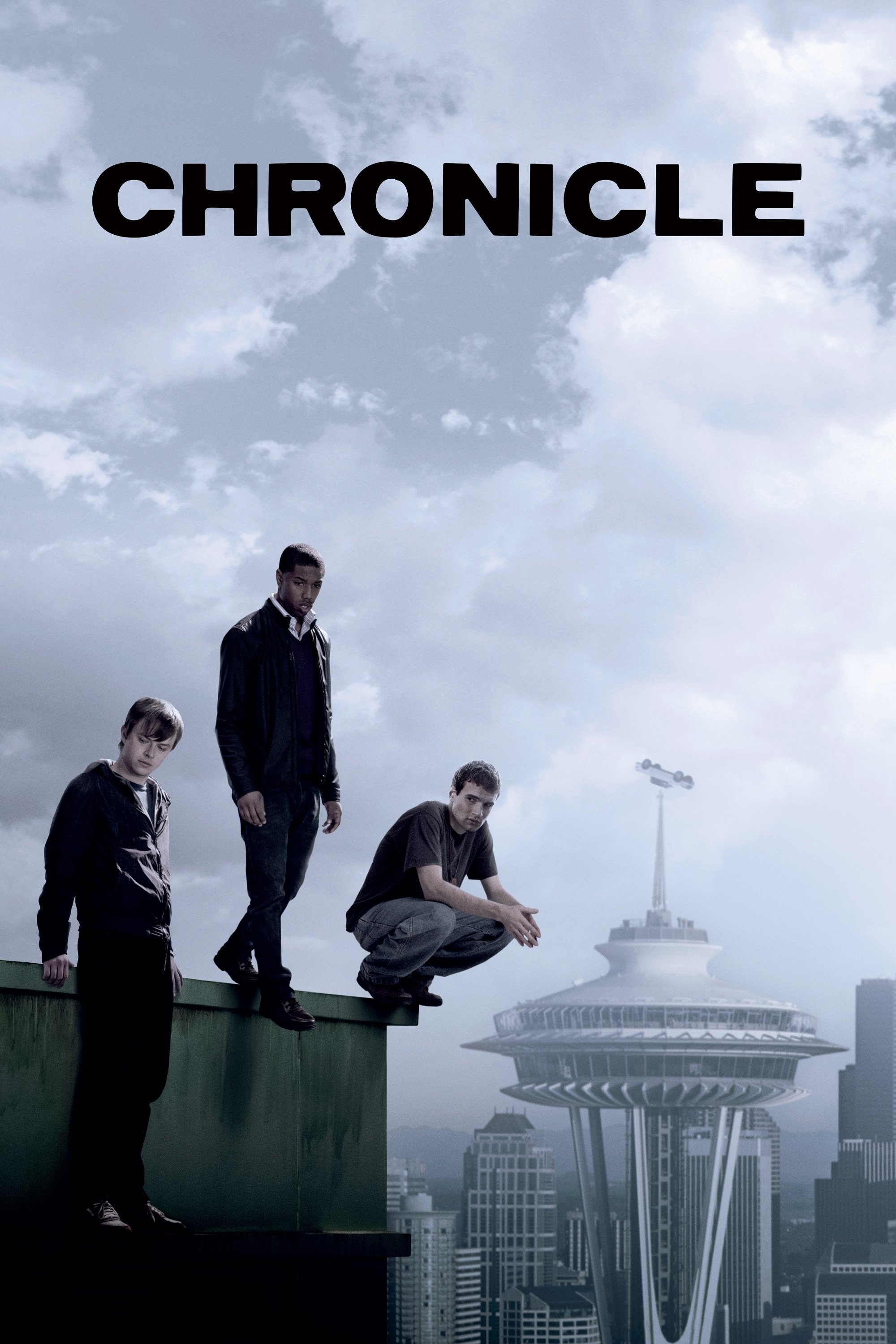
‘Chronicle’ stitches together consumer camcorders, phone clips, street bystander videos, and news broadcasts after a subterranean encounter grants telekinetic powers. The diegetic camera logic expands as events escalate, incorporating security domes and aerial feeds. Variable compression, rolling shutter, and timestamp drift are retained to track perspective and sequence. The narrative remains anchored to sources that plausibly exist within the world.
‘Project Almanac’ (2015)
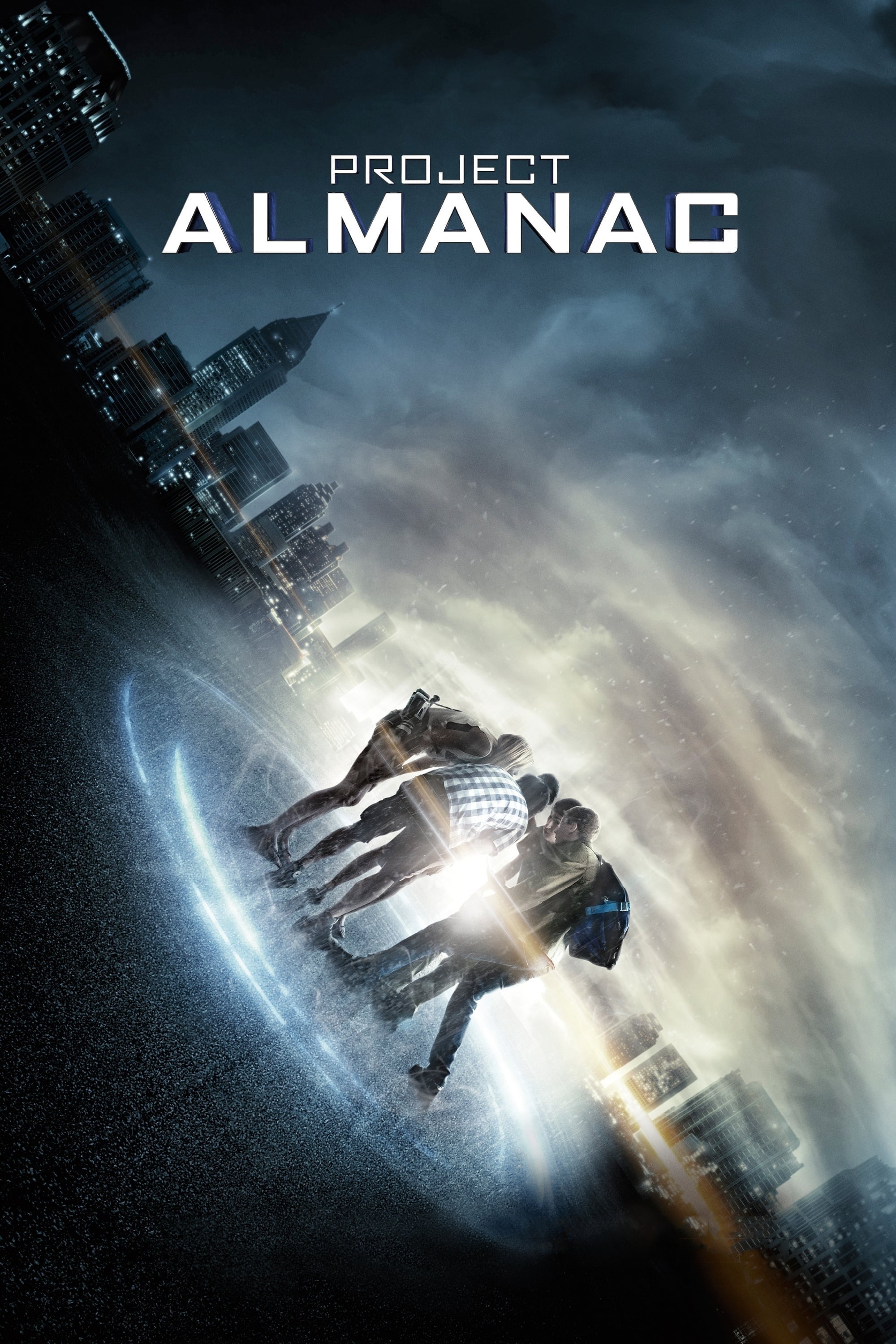
Told through vlog entries, school-project footage, and action cameras, ‘Project Almanac’ documents students iterating on a time-travel device. Whiteboards, parts close-ups, and engineering notes appear as captured artifacts, not cutaway explanations. Timeline changes are represented via frame-accurate repeats, audio stutters, and visual discontinuities in the footage. All spectacle is mediated through devices the characters are actively using or setting up.
‘Cloverfield’ (2008)
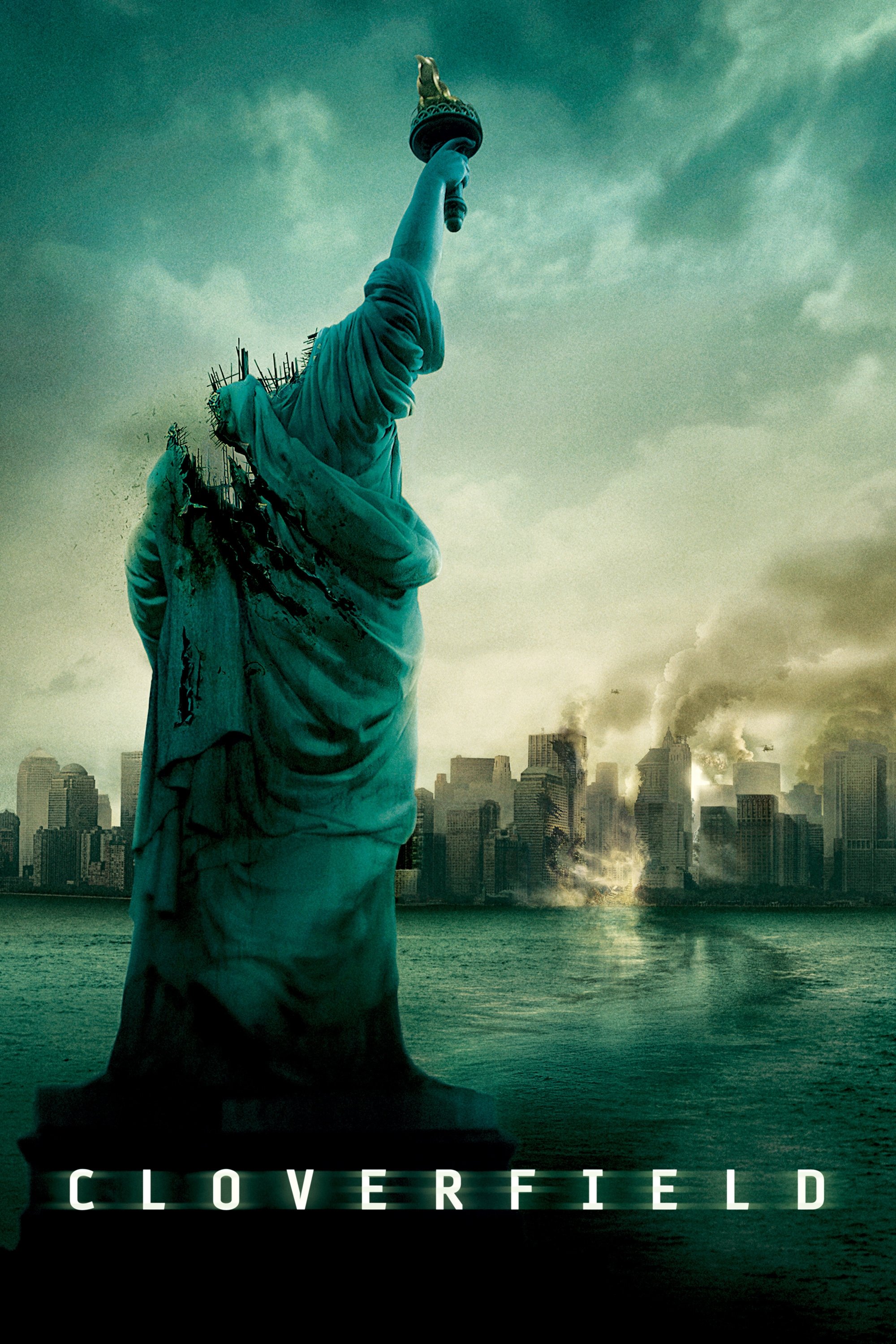
‘Cloverfield’ is presented as a recovered SD card from a handheld camcorder, complete with overwritten fragments from an earlier day. Emergency alerts, TV news clips, and incidental eyewitness recordings are folded into the single-card narrative. Timecodes and accidental “underfootage” build parallel personal and citywide timelines. The constrained vantage point preserves the plausibility of continuous, uncurated capture.
‘Phoenix Forgotten’ (2017)
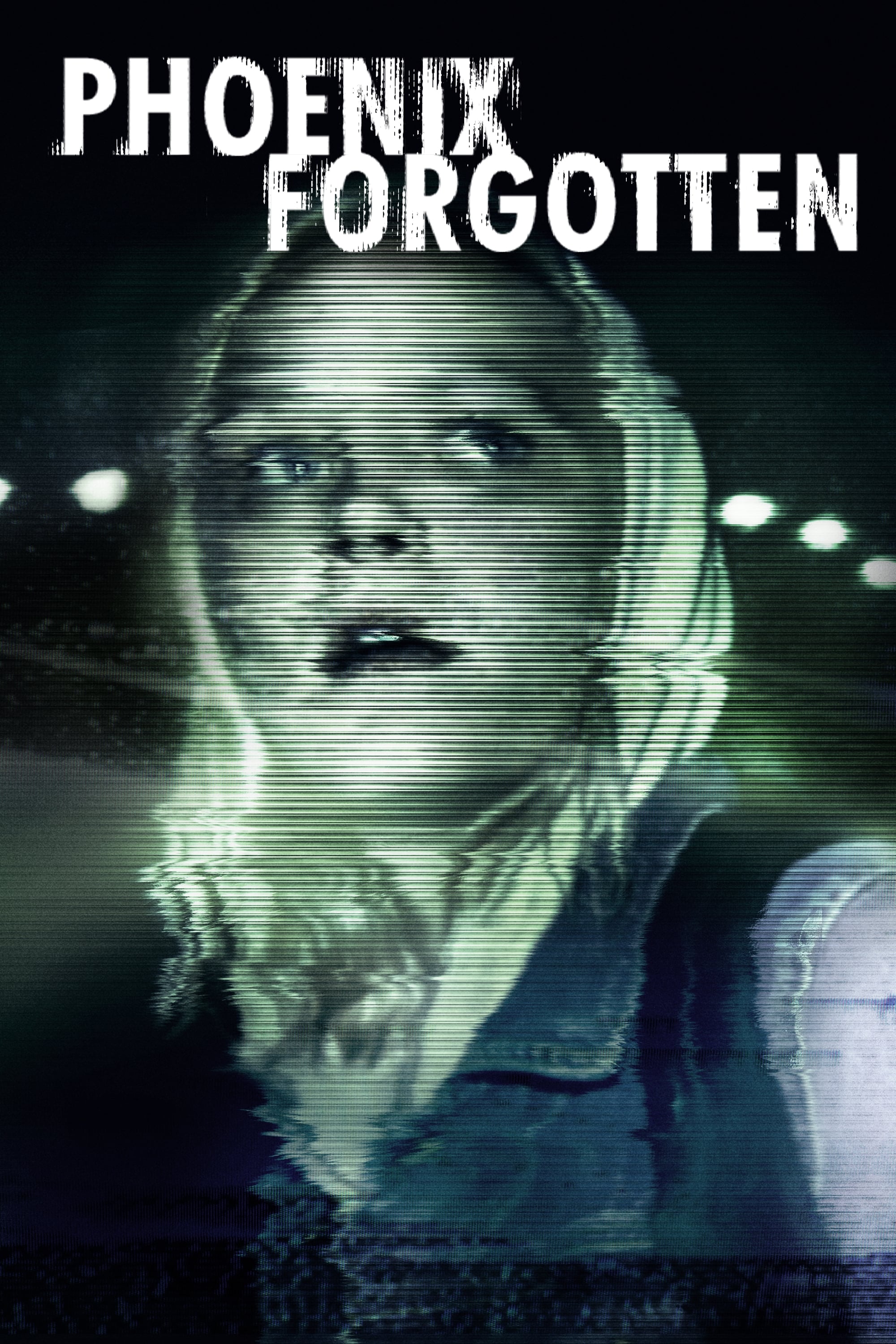
Framed as a present-day investigation into 1990s disappearances around the Phoenix Lights, ‘Phoenix Forgotten’ blends modern interviews with period home videos. Analog artifacts—tracking errors, chroma noise, tape hiss—are preserved as meaningful signals. Local newscasts, police statements, and map checks create a breadcrumb trail of official and unofficial records. The film positions the assembled media as the basis for a family’s attempt to resolve an unsolved case.
‘Area 51’ (2015)
‘Area 51’ relies on stealth rigs, night vision, dashboard cams, and handheld reconnaissance during an illicit incursion into a classified site. Environmental audio—badge beeps, air handlers, proximity alarms—provides spatial cues instead of explanatory dialogue. Lab placards, access signage, and corridor maps are captured on the move to establish location. The footage is treated as contraband media collated after the fact.
‘UFO Abduction’ (1989)
Presented as unedited home video from a family gathering, ‘The McPherson Tape’ imitates a single-source recording interrupted by an encounter. Autofocus hunting, clipped audio, and abrupt pans operate as constraints that shape what can be known. Domestic lighting and mic pickup reflect consumer-grade equipment of the era. The film’s continuity depends on uninterrupted tape flow and reactions to sounds or sights just off-camera.
‘Alien Abduction: Incident in Lake County’ (1998)
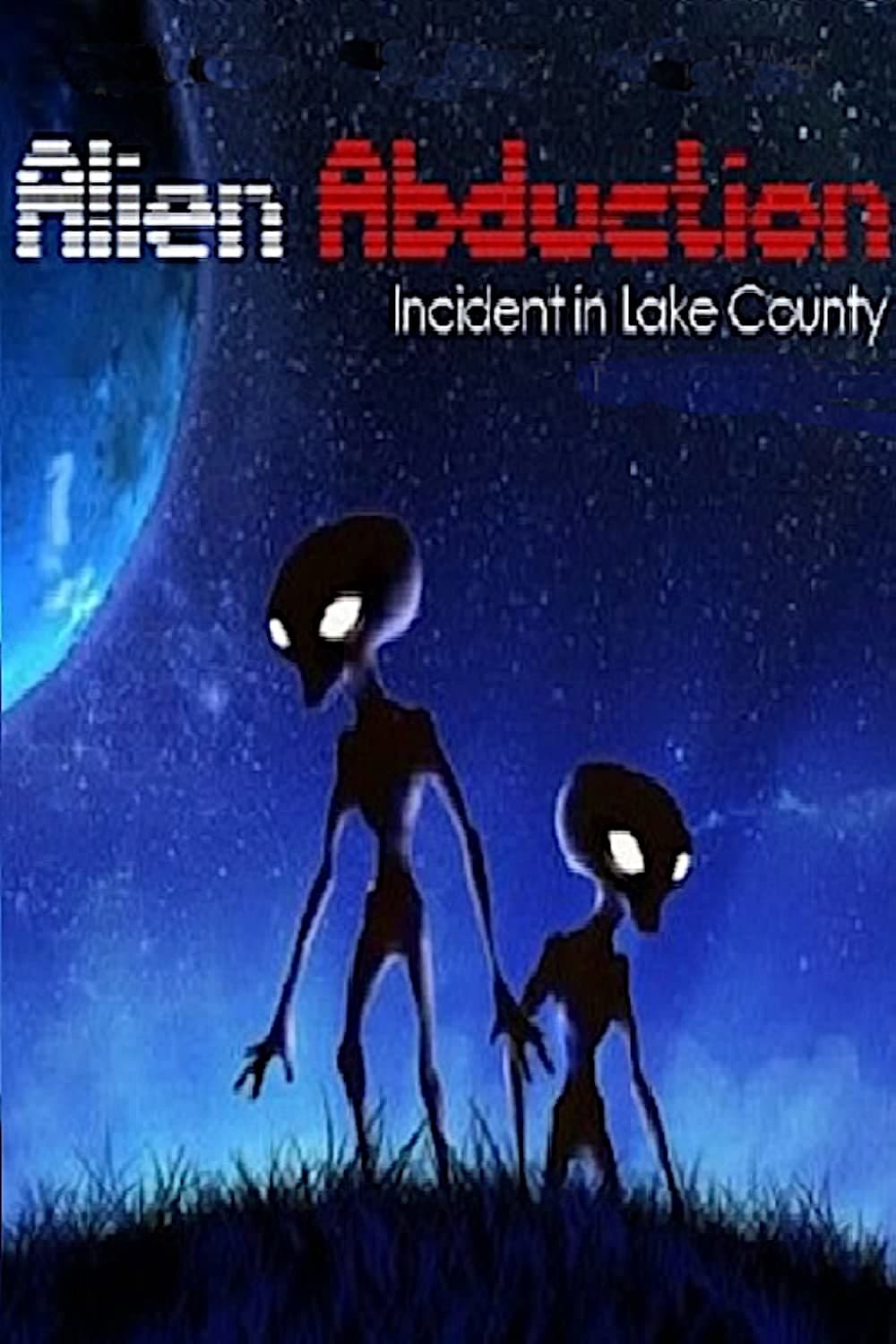
A reimagining presented as a local family’s Thanksgiving recording, ‘Alien Abduction: Incident in Lake County’ maintains the home-video premise throughout. Onboard camera mic limitations, dim interiors, and sudden handheld swings are preserved as-captured. Police radio, TV newscasts, and neighbor testimony are folded in as ambient evidence. The narrative advances via what the camcorder can plausibly see and hear in real time.
‘The Bay’ (2012)
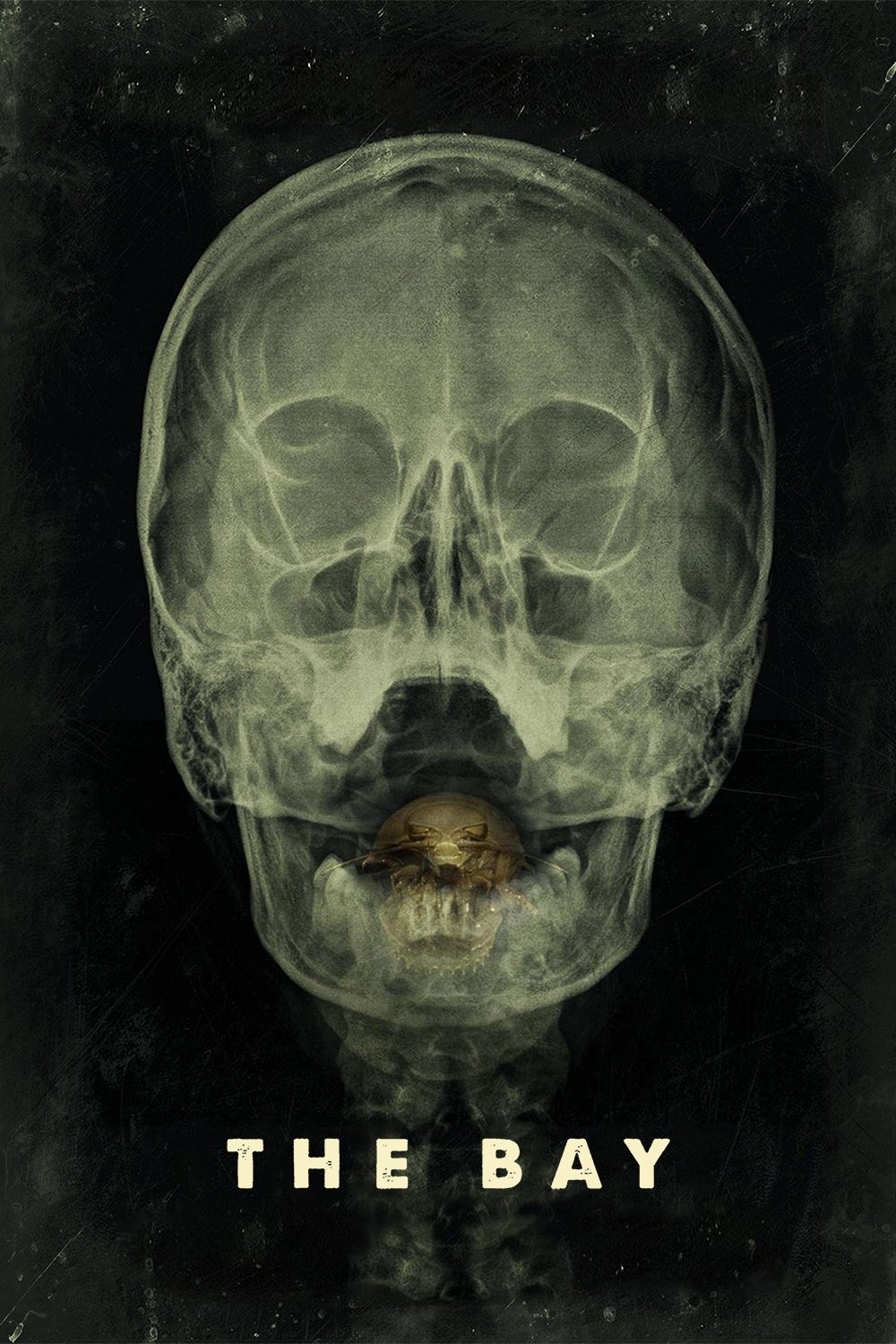
‘The Bay’ compiles body cams, 911 calls, hospital surveillance, municipal CCTV, and news packages to document a coastal town’s parasitic outbreak. Video-chat windows, web uploads, and timestamped dashboards establish provenance for each clip. Medical readouts, water-quality charts, and emergency bulletins are inserted as captured materials rather than external explanation. The film’s timeline emerges from synchronized logs across public and private systems.
‘Alien Abduction’ (2014)
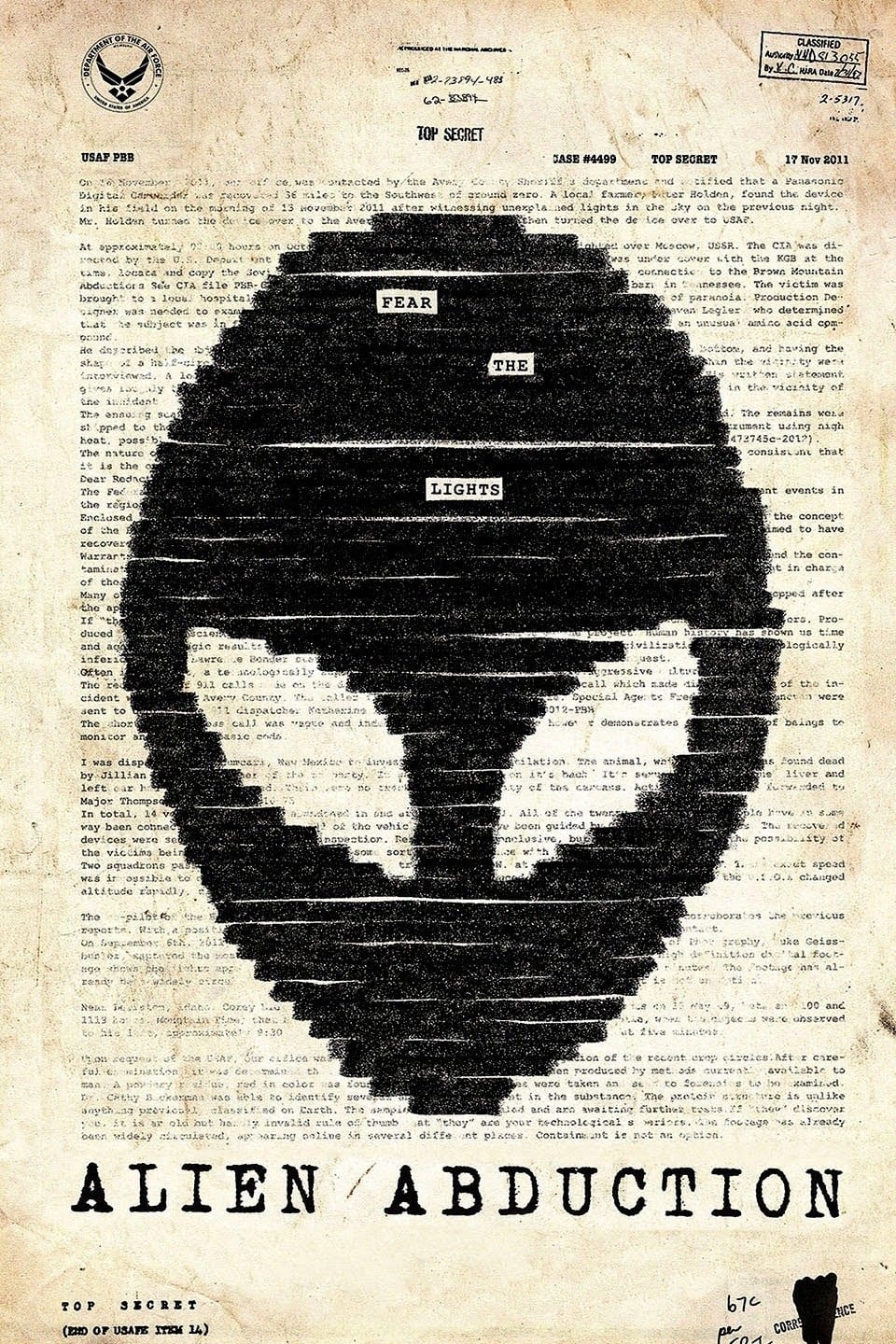
Set around North Carolina’s Brown Mountain area, ‘Alien Abduction’ aggregates a family’s camcorder footage with roadside cameras and ranger installations. GPS readouts, route overlays, and tunnel mics provide location continuity amid rapid movement. The film uses drops to black, signal loss, and re-acquired focus as in-universe events. All information arrives through devices the characters or infrastructure already operate.
‘Lunopolis’ (2009)
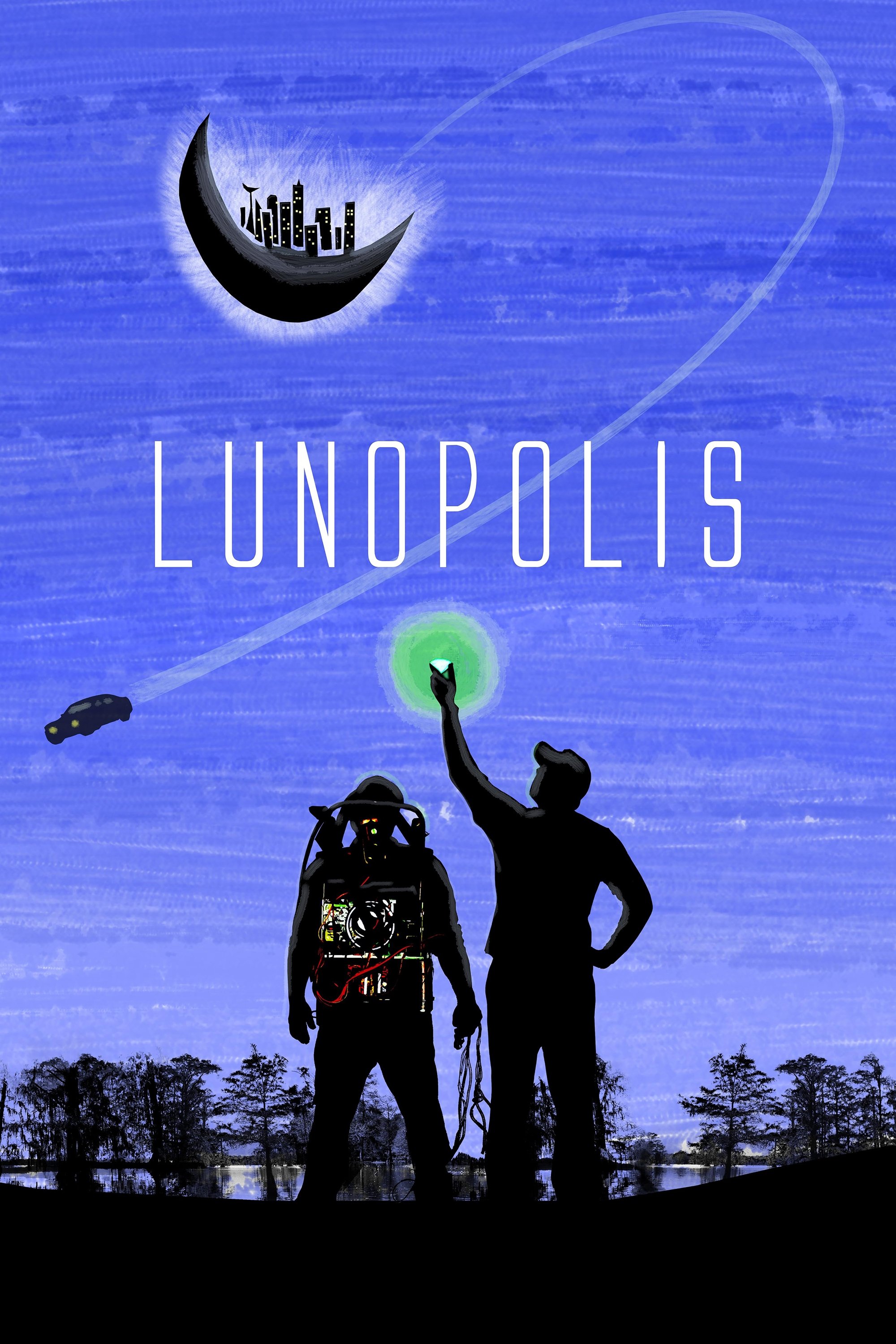
‘Lunopolis’ adopts a mockumentary approach, compiling interviews, surveillance captures, radio chatter, and clandestine documents about a secretive lunar organization. Whiteboard sessions and artifact demonstrations are recorded as part of an investigative production. Leaked memos, ID badges, and audio cassettes are inserted as exhibits within the assembled film. The story’s revelations depend on linking these discrete records into a coherent hypothesis.
‘The Dinosaur Project’ (2012)
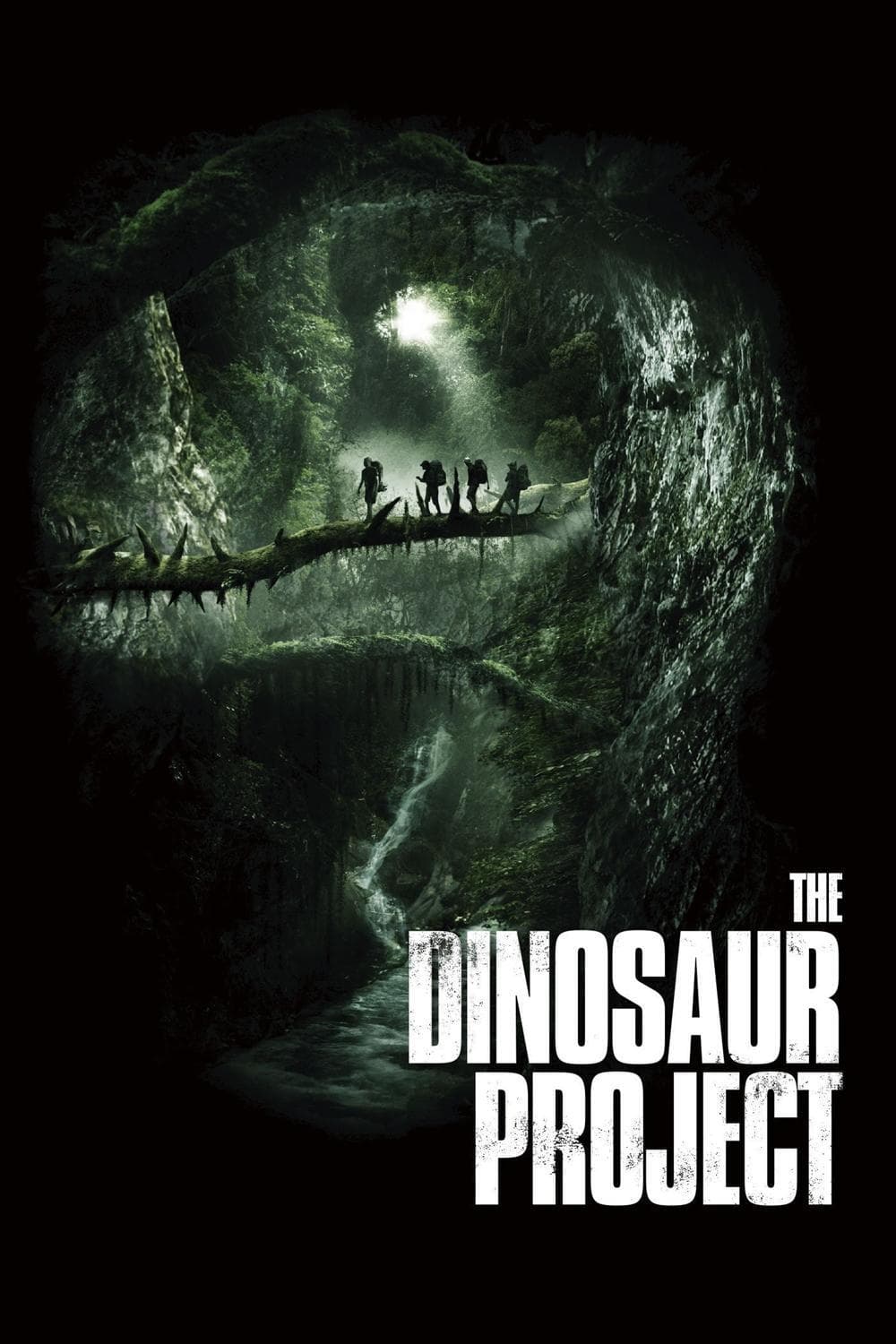
Framed as recovered expedition media, ‘The Dinosaur Project’ uses helmet cams, helicopter feeds, and field equipment recorders during a Congo trek. Battery readouts, GPS breadcrumbs, and file headers are retained to justify cuts and jumps. Satellite phone logs and expedition manifests appear as photographed or scanned materials. The film’s chronology is reconstructed from metadata and partial uploads.
‘Archive 81’ (2022)
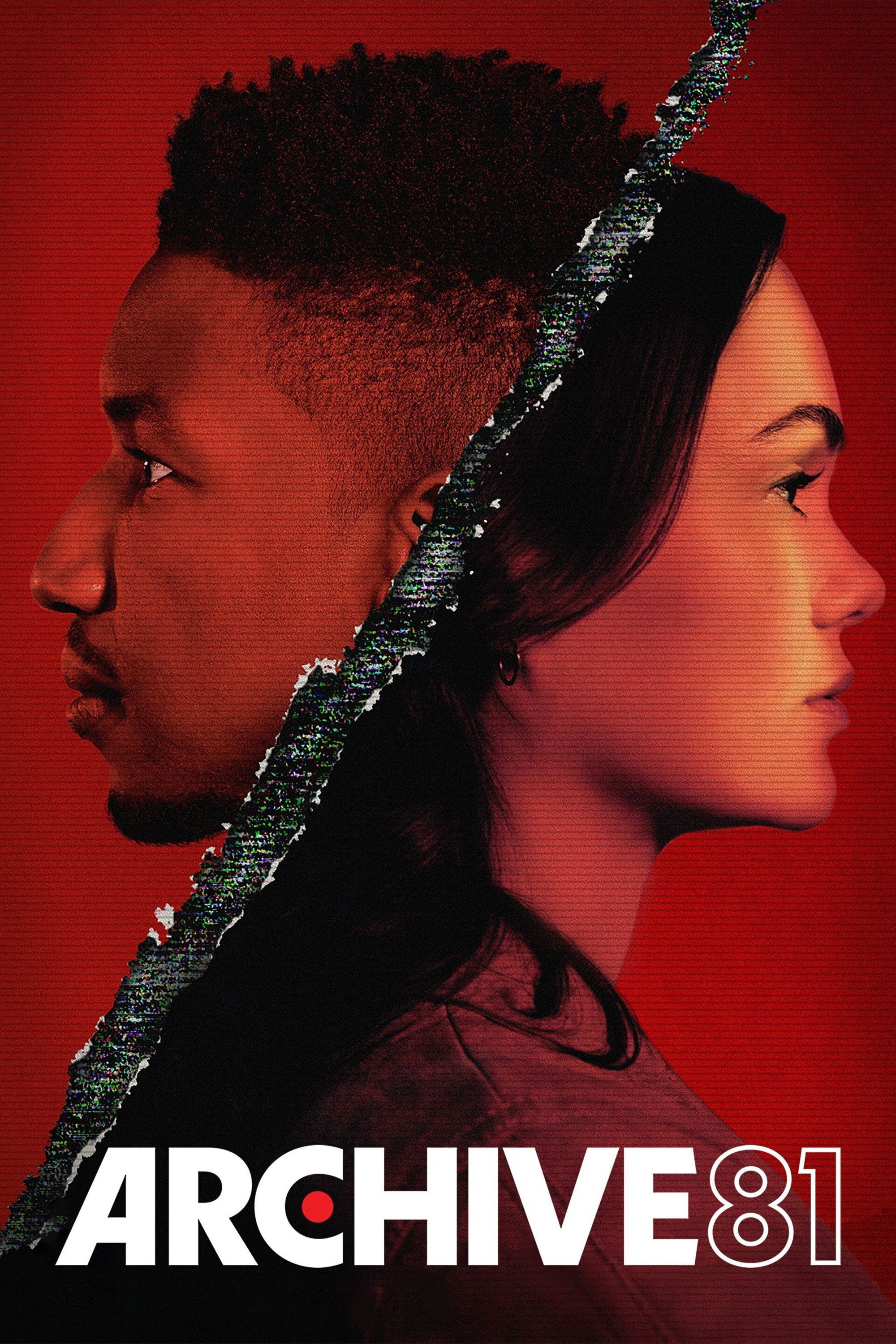
‘Archive 81’ centers on a conservator hired to restore damaged tapes tied to a 1990s apartment building and a research collective. Each episode builds around the media under restoration—Hi8 camcorders, audio cassettes, voicemail—aligned to catalog numbers and work tickets. Tape warping, dropout, and wow-and-flutter are depicted as real constraints on what can be recovered. Office webcams, building security, and access logs extend the record while staying within the archive premise.
‘The Animatrix’ (2003)
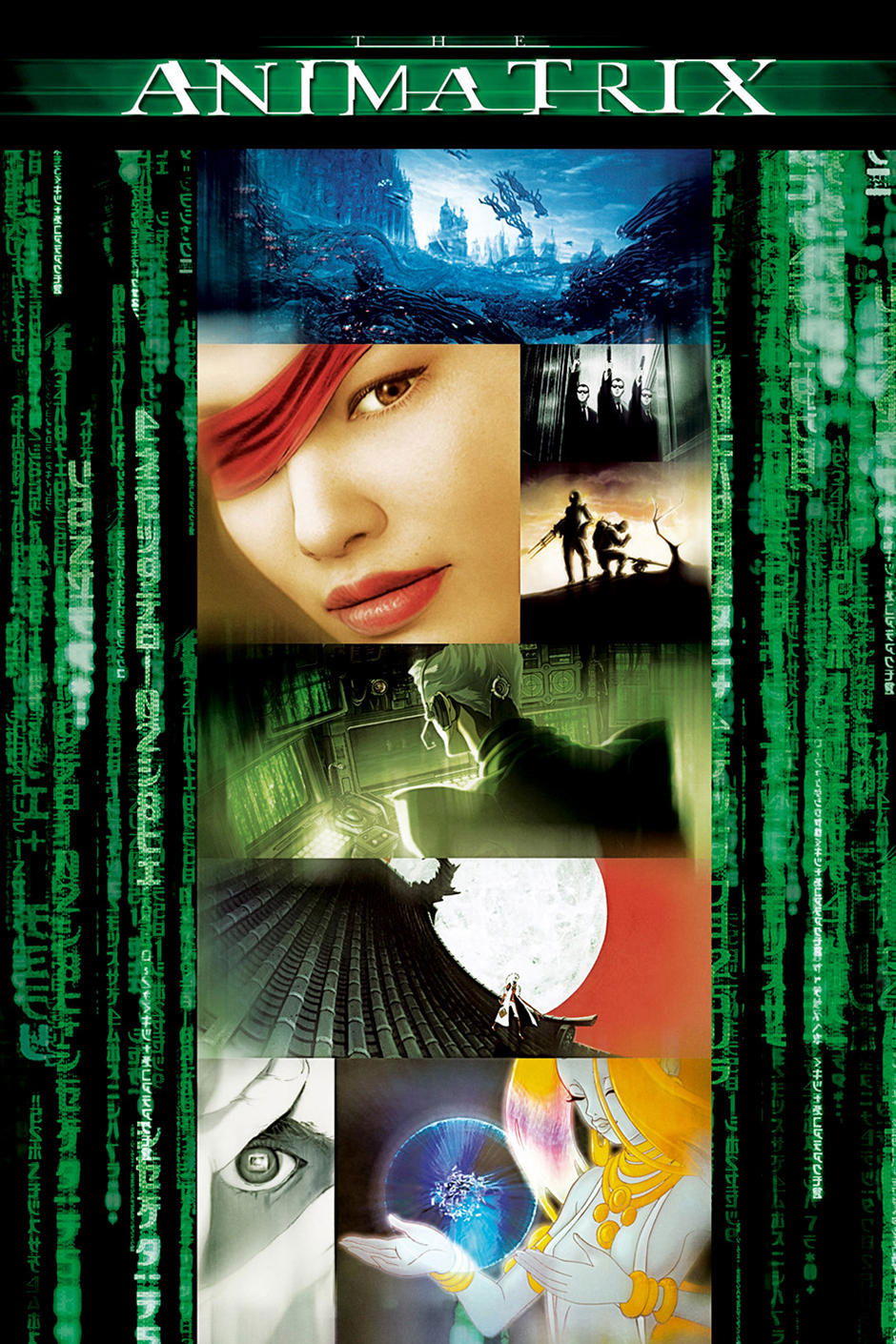
Multiple segments in ‘The Animatrix’—especially ‘The Second Renaissance’—are framed as curated historical files compiled by in-universe systems. Propaganda reels, schematics, and tribunal records are presented as exhibits with implied chain-of-custody. The anthology uses captions, figure labels, and archival stamps to authenticate provenance. Each piece maintains an evidence-driven posture rather than conventional narrative omniscience.
Tell us which found-document sci-fi entries you’d add—and which formats pulled you in the deepest—in the comments!