

20 Sequels That completely Misunderstood The Original Game

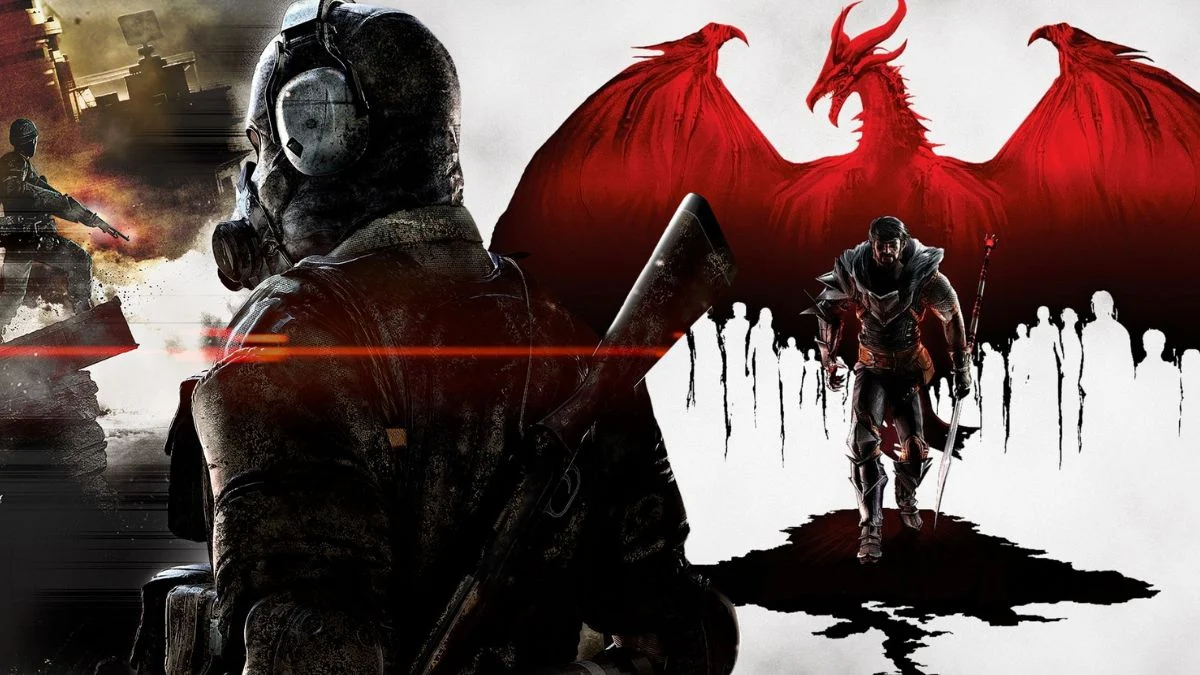


Great sequels usually carry a series forward by building on what players loved while adding smart new ideas, but some follow ups changed focus so drastically that they felt disconnected from the games that came before. These entries often shifted genres, rewired progression, or reworked tone in ways that sidelined the core loop fans expected. Many chased trends like online co op or live service systems that clashed with earlier designs. Others traded careful pacing and distinct identity for louder set pieces or heavy monetization. Here are twenty sequels that veered away from what made their originals click and ended up feeling like entirely different games.
‘Banjo-Kazooie: Nuts & Bolts’
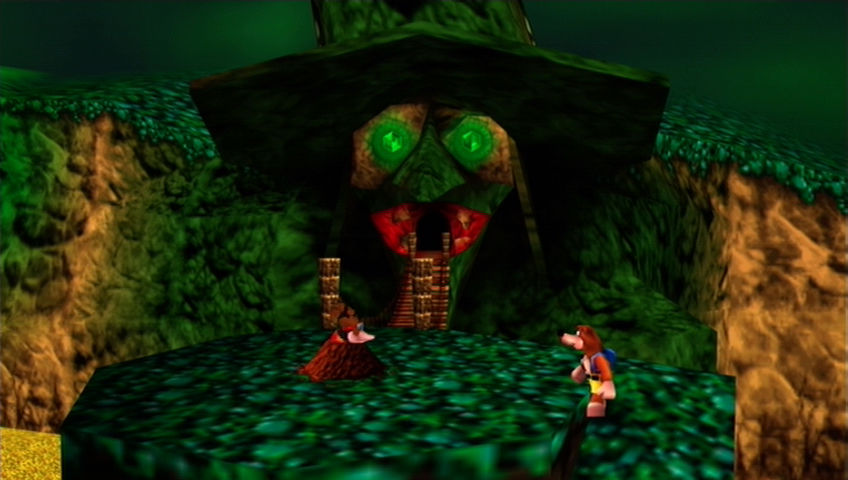
This sequel replaced the prior collectathon platforming with a vehicle building sandbox where players crafted cars and planes to solve challenges. Traditional moves and whimsical level traversal gave way to blueprint tuning and physics puzzles. Jiggies were mostly earned by racing and delivery tasks rather than exploring dense platforming stages. The result centered on engineering systems over character abilities. It left fans of the earlier jump and glide exploration with a very different core loop.
‘Resident Evil 6’
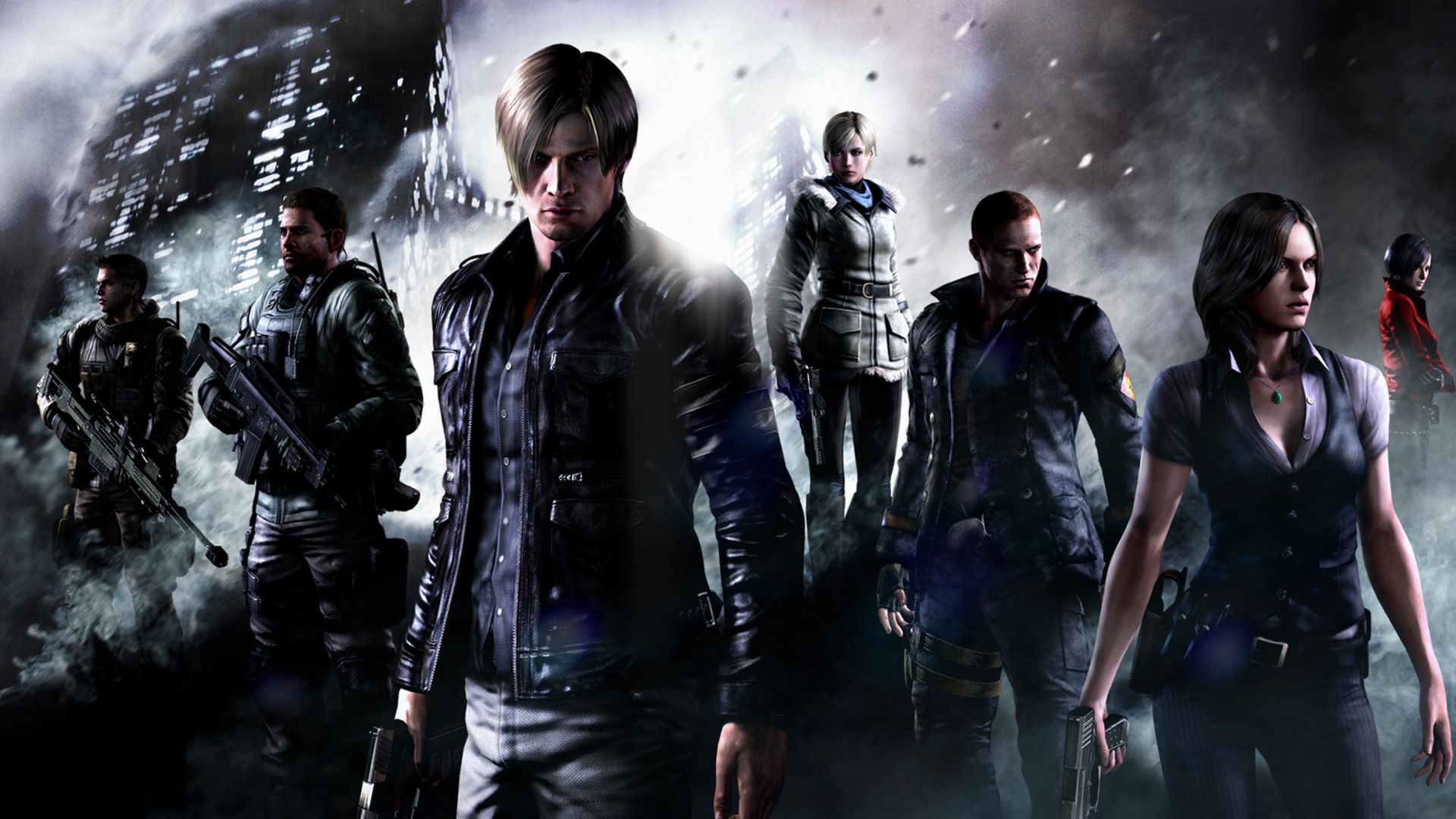
The series moved from measured survival horror into a sprawling action spectacle with multiple intersecting campaigns. Ammunition and melee combat were plentiful which reduced the pressure that defined earlier entries. The camera and movement favored quick shooting and sliding rather than cautious room to room tension. Cooperative design shaped encounter layouts and enemy counts. The focus on set pieces overshadowed resource management and puzzle pacing.
‘Dead Space 3’
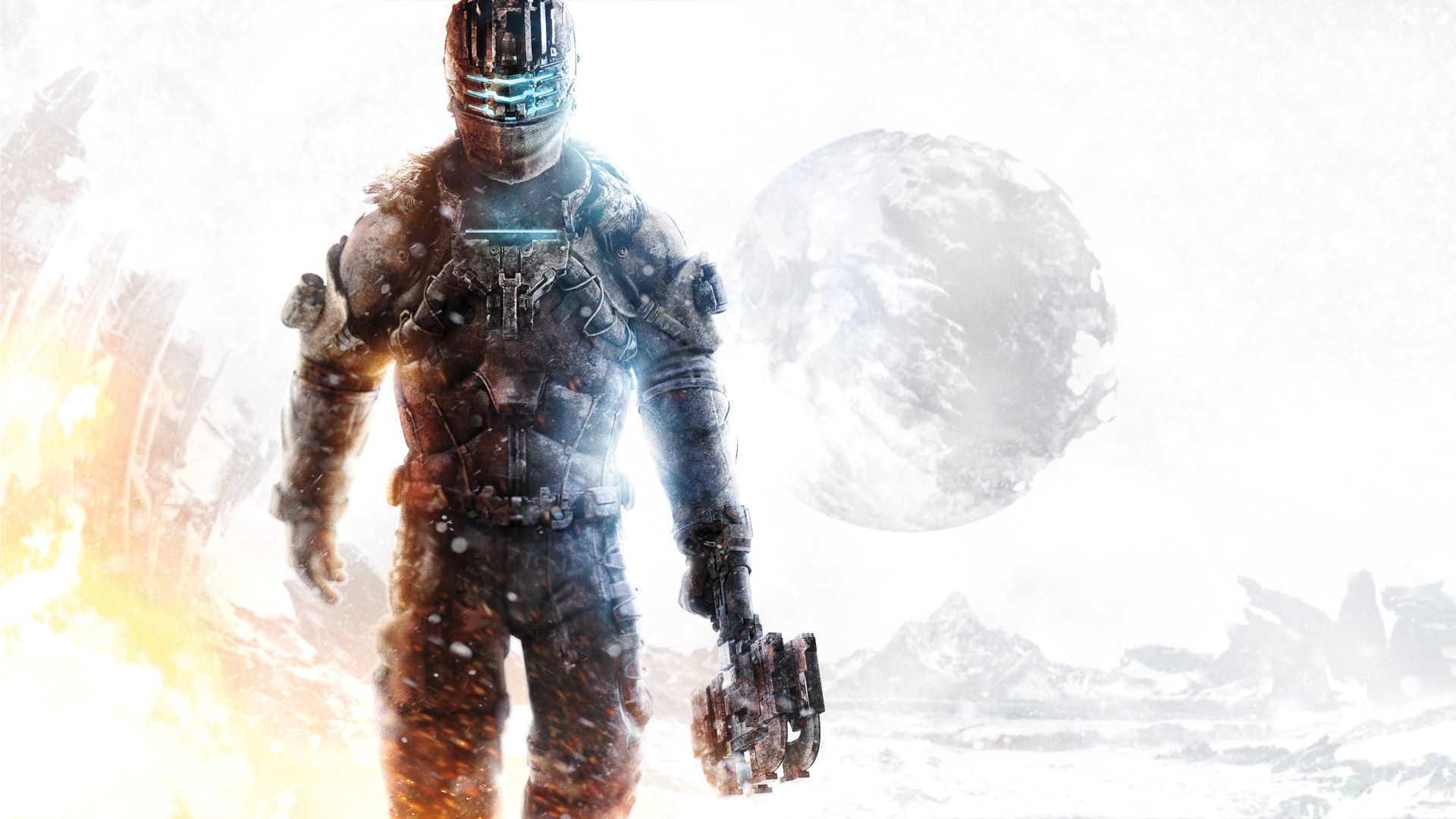
Solo atmospheric terror shifted toward drop in co op and heavier gunplay. Weapon crafting blended parts into universal tools which flattened the distinct feel of classic plasma cutters and rifles. Shared resources and abundant pickups lowered the fear created by scarcity. Optional microtransactions sat on top of the loot economy. The campaign leaned on firefights with human enemies instead of slow burn encounters in tight corridors.
‘Bomberman: Act Zero’
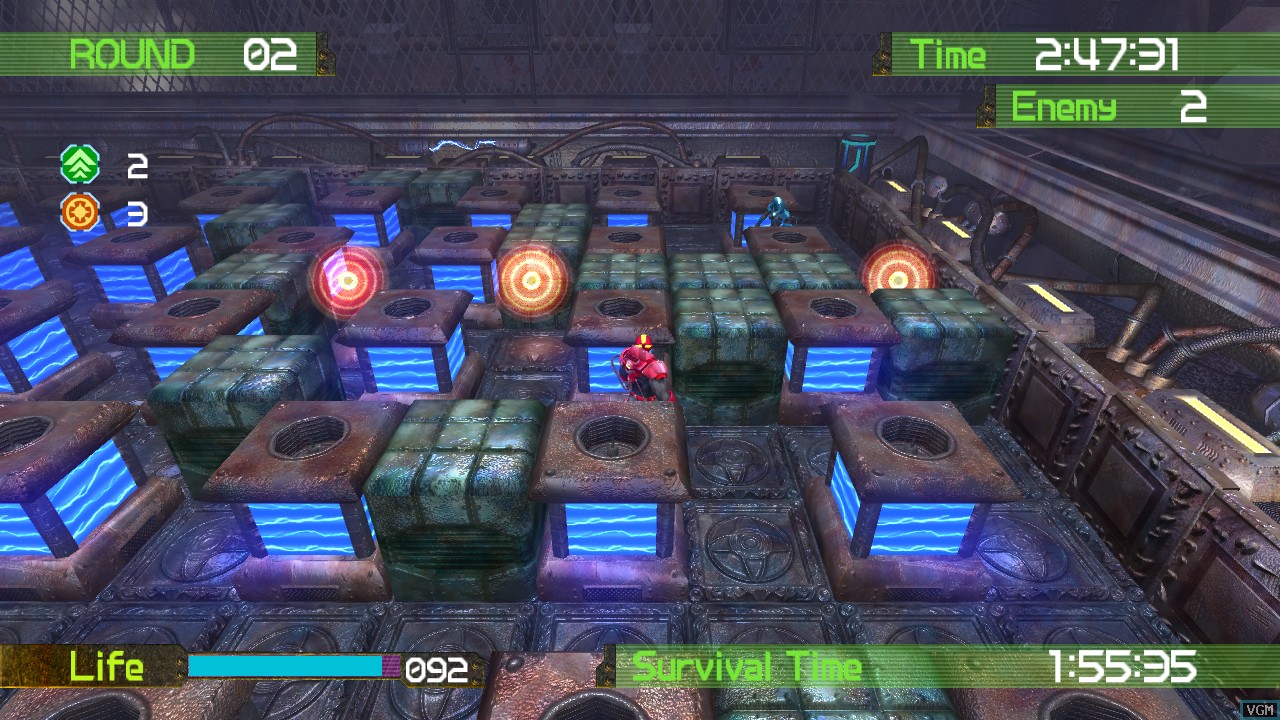
The bright party puzzling of earlier entries was swapped for a grim aesthetic and slow third person movement. Classic grid based chaos with colorful power ups became a muted arena with long animations. Local multiplayer staples were not the focus which undercut the series social appeal. The visual overhaul also obscured blast patterns at a glance. The shift sidelined quick matches that defined the original formula.
‘Syndicate’
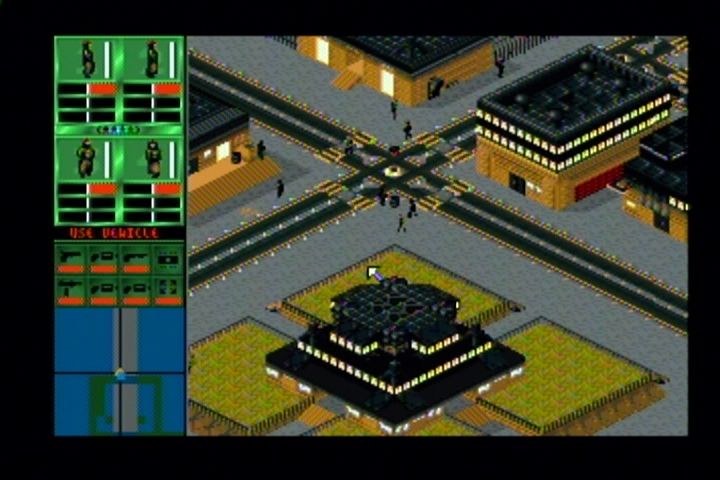
A tactical isometric strategy series was reimagined as a first person shooter. Squad control and corporate sandbox choices were replaced by corridor firefights and scripted abilities. Player agency over agents and upgrades narrowed to linear progression. Hacking became a contextual power rather than an open ended toolset. The change traded systemic missions for level driven action.
‘Star Fox Adventures’
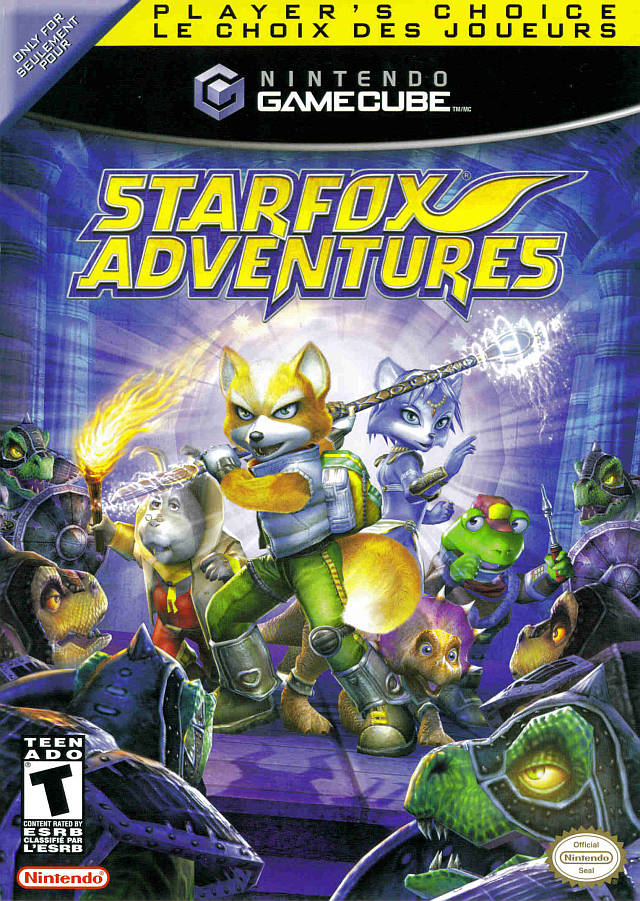
What began as an on rails space shooter turned into a ground based adventure with staff combat and fetch quests. Arwing segments appeared only in short transitions. Exploration focused on hub areas and puzzle gates rather than skill based aerial stages. Collectibles and inventory management took center stage. The structure resembled an action adventure more than an arcade shooter.
‘Metroid: Other M’
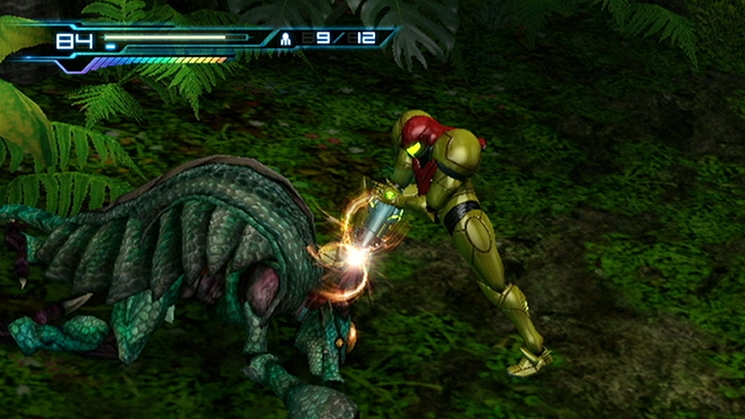
A series known for solitary exploration adopted a heavily scripted story with frequent cutscenes and authorization gates. Upgrades were locked behind narrative triggers rather than discovery. Navigation relied on linear corridors with limited backtracking. First person aiming was confined to stationary segments. The design deemphasized open ended route finding that defined earlier entries.
‘Jak II’
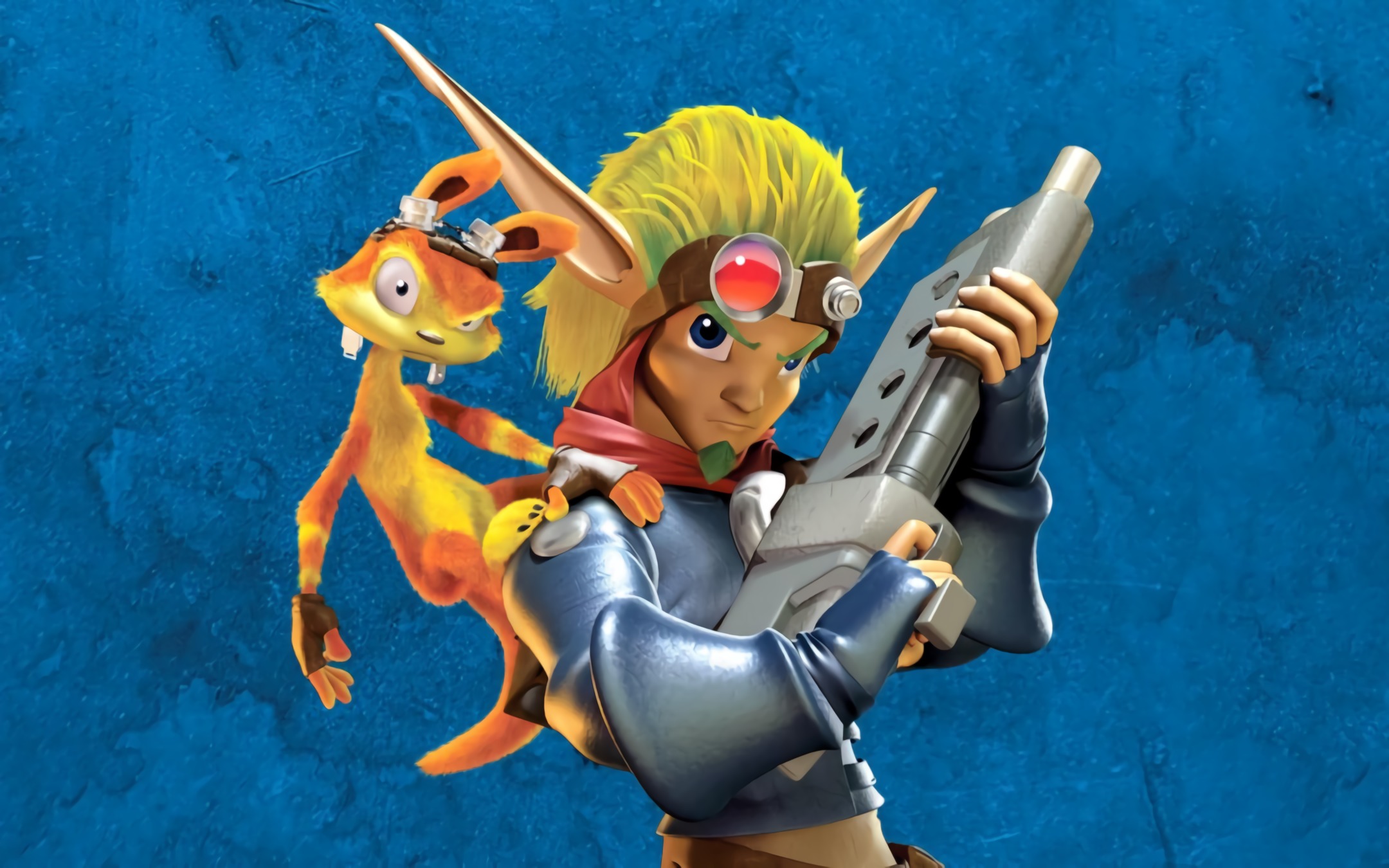
A colorful platformer shifted into open city missions with firearms and a harsher tone. Driving and fetch objectives borrowed from urban sandbox design. Precision jumping challenges appeared less often in favor of combat checkpoints. Difficulty spikes and mandatory errands broke the relaxed flow of collection and discovery. The new structure prioritized mission chains over freeform platforming.
‘Perfect Dark Zero’
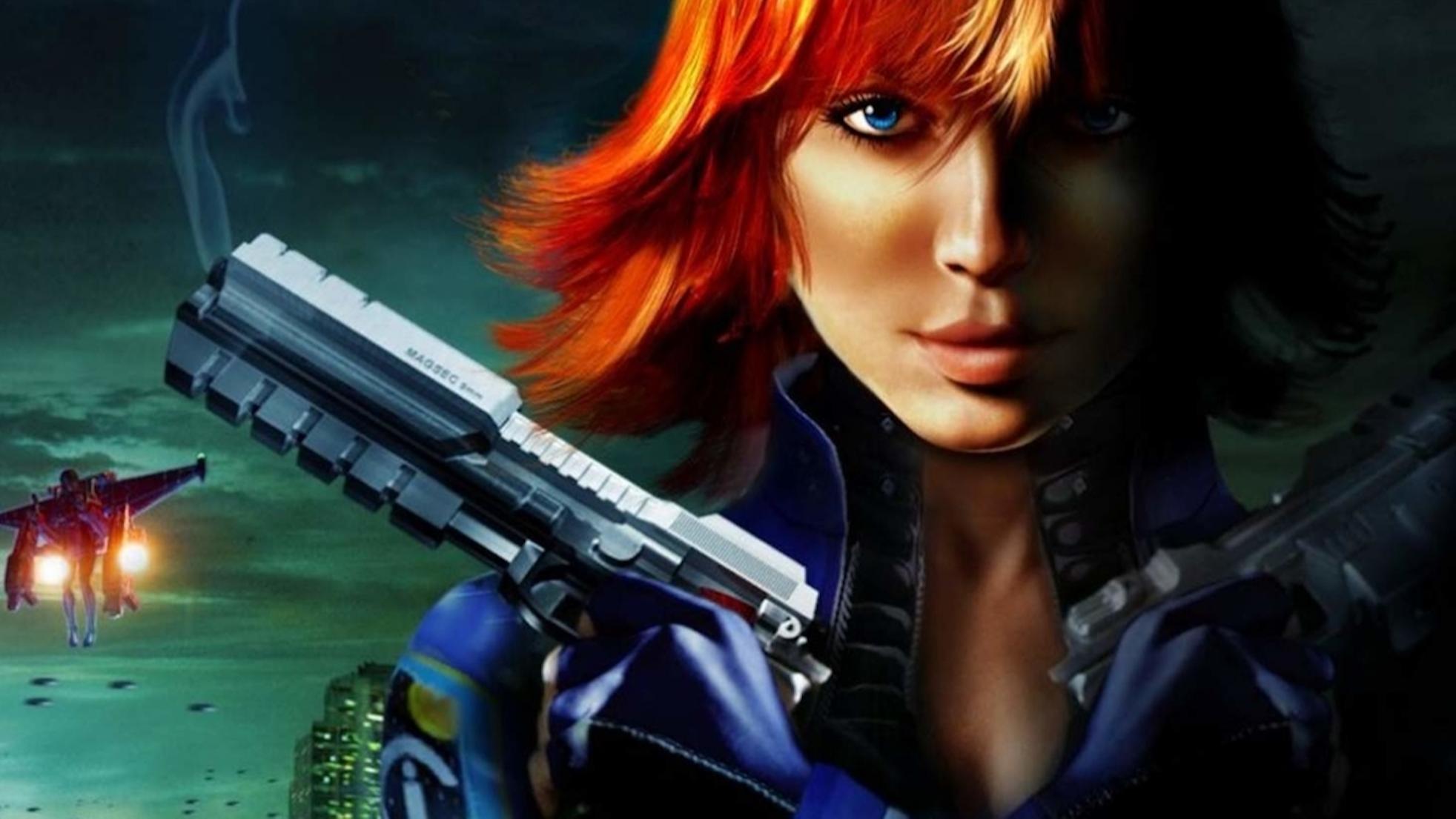
The sequel emphasized co op arenas and flashy gadgets over the nuanced mission design of the original. Stealth options and alternative objectives were pared back. Enemy behavior and level layouts pushed firefights instead of infiltration. Weapon feel and time to kill aimed at arcade speed rather than tactical pacing. The campaign design leaned on spectacle instead of layered objectives.
‘Command & Conquer 4: Tiberian Twilight’
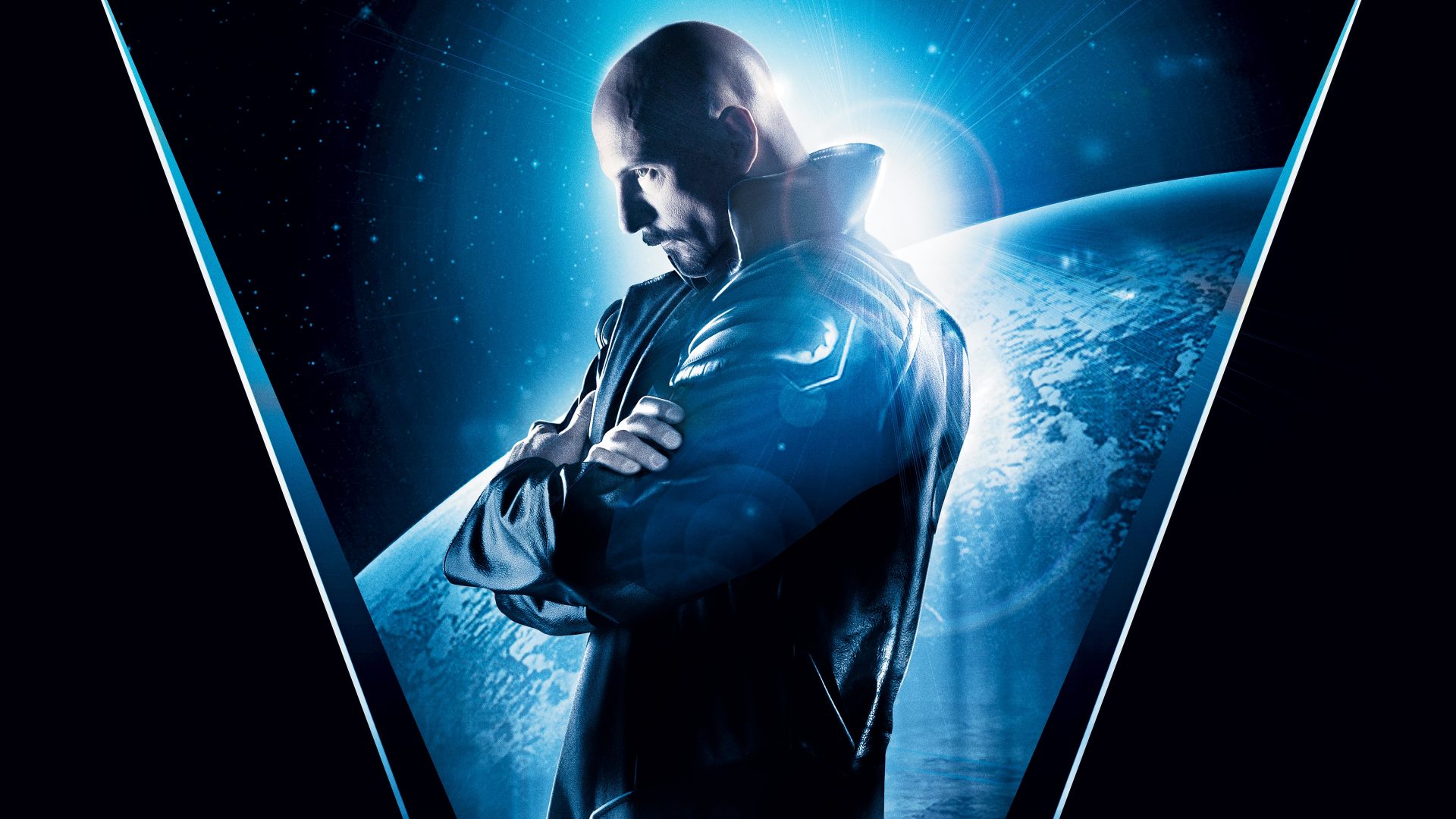
Traditional base building and resource harvesting were removed in favor of mobile command crawlers. Population cap and class roles funneled players into predefined unit paths. Matches revolved around control point tug of war rather than expansion and tech timing. Single player missions mirrored the same constraints. The shift reduced the strategic economy play that anchored the series.
‘Paper Mario: Sticker Star’
Turn based battles were rebuilt around single use stickers that disappeared after each action. Experience leveling was removed which made random encounters feel unrewarding. Overworld progression leaned on puzzle tokens and backtracking. Partner characters and narrative driven mechanics took a smaller role. The combat economy replaced the character growth loop that earlier entries used.
‘Contra: Rogue Corps’
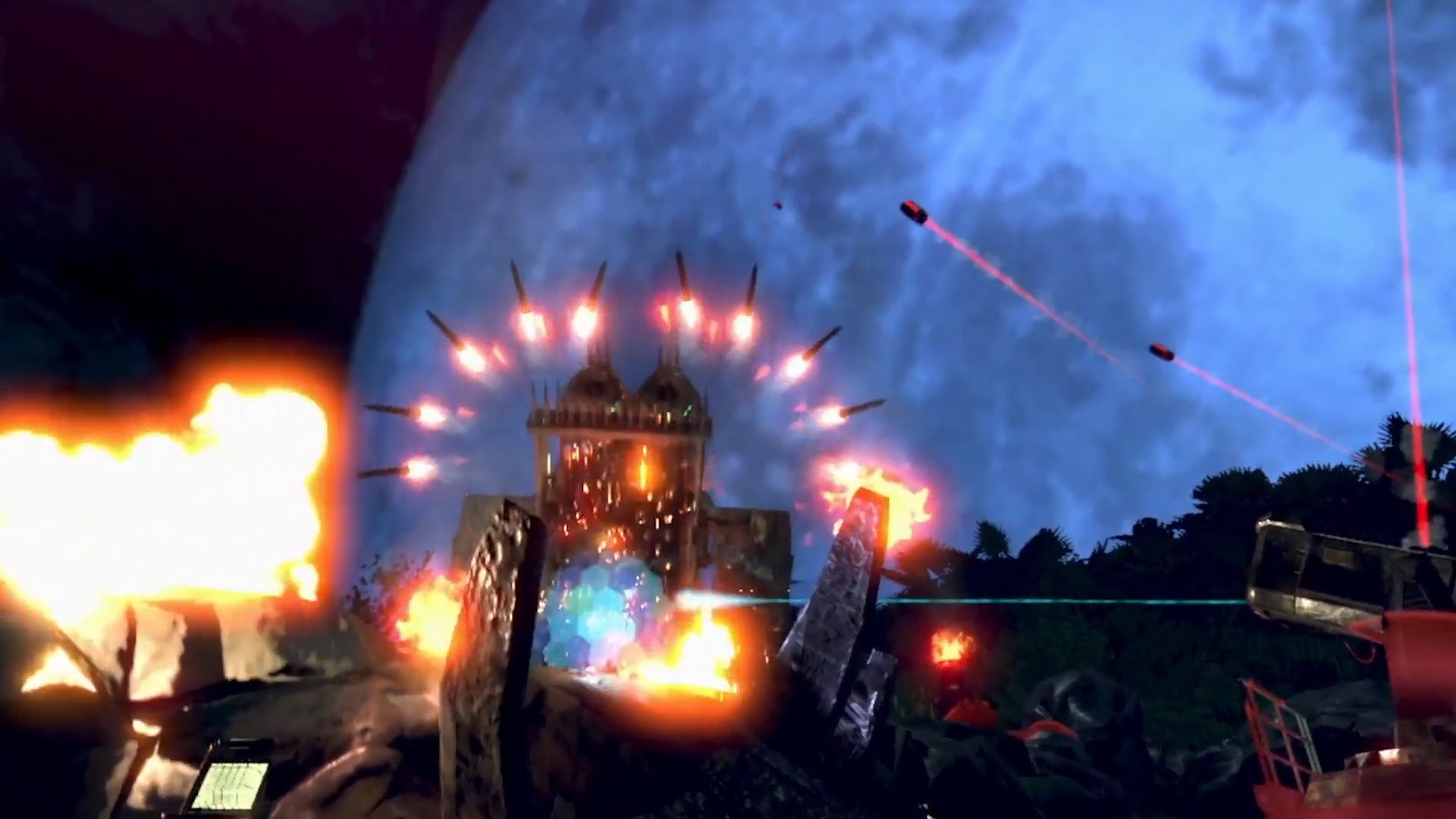
A fast side scrolling shooter became a top down loot driven brawler. Procedural gear and cooldown abilities took priority over tight stage memorization. Mission hubs and crafting stretched sessions between runs. The camera and pace changed how enemy waves could be read. The series hallmark of precise platform shooting was largely absent.
‘Silent Hill: Homecoming’
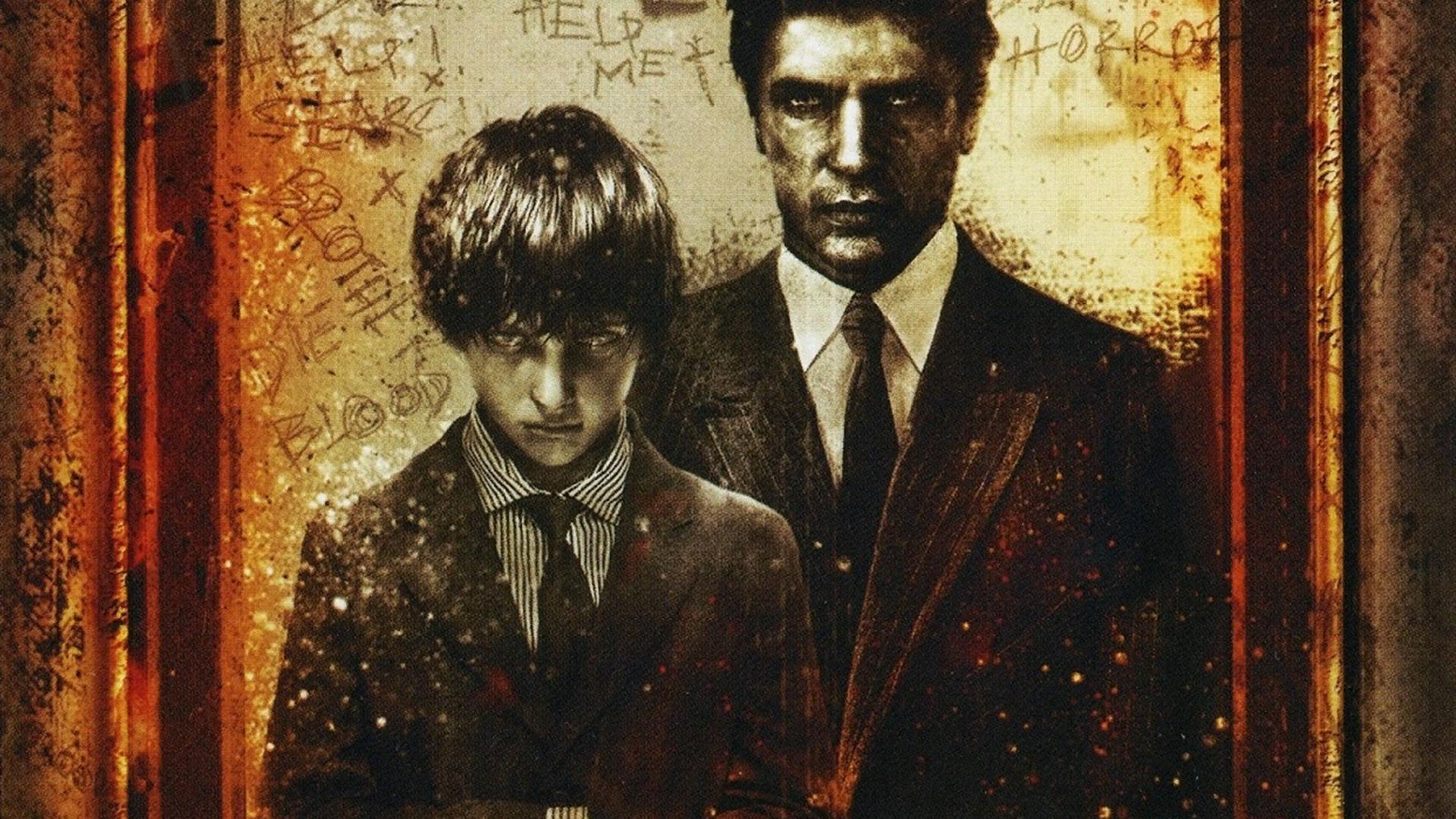
Combat design became heavier with parries and combos which shifted attention away from psychological unease. Exploration areas were narrower with more enemy encounters. Puzzle complexity decreased in favor of action sequences. The narrative aimed for direct confrontations rather than subtle dread. The balance moved from atmosphere to fighting proficiency.
‘Prince of Persia: Warrior Within’
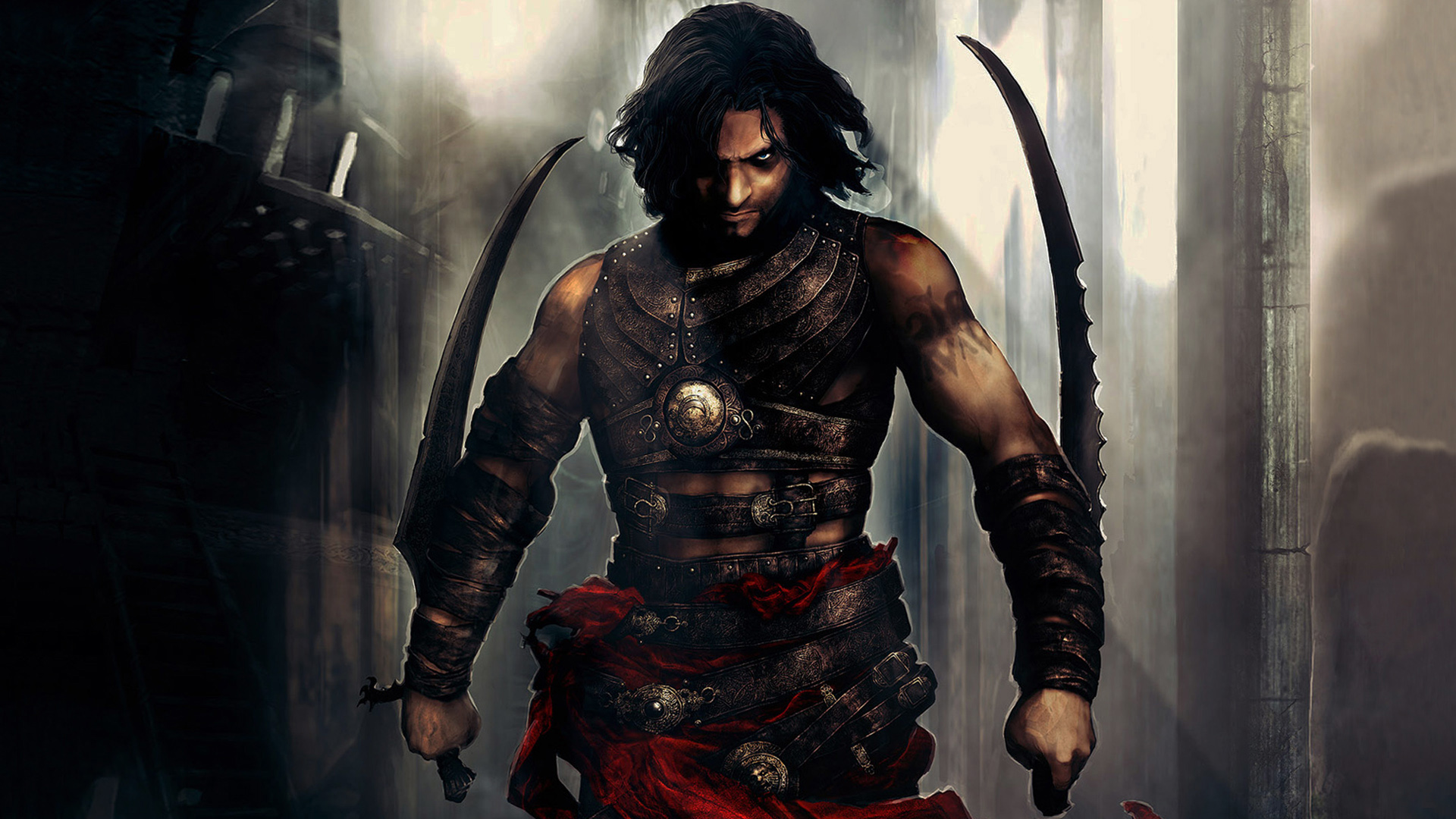
A reflective fairytale tone gave way to a darker presentation with aggressive combat emphasis. Platforming routes were interrupted by frequent arena style fights. Chasing sequences and backtracking dominated progression. Environmental storytelling took a back seat to edgy characterization. The change reframed the series away from graceful traversal.
‘Deus Ex: Invisible War’
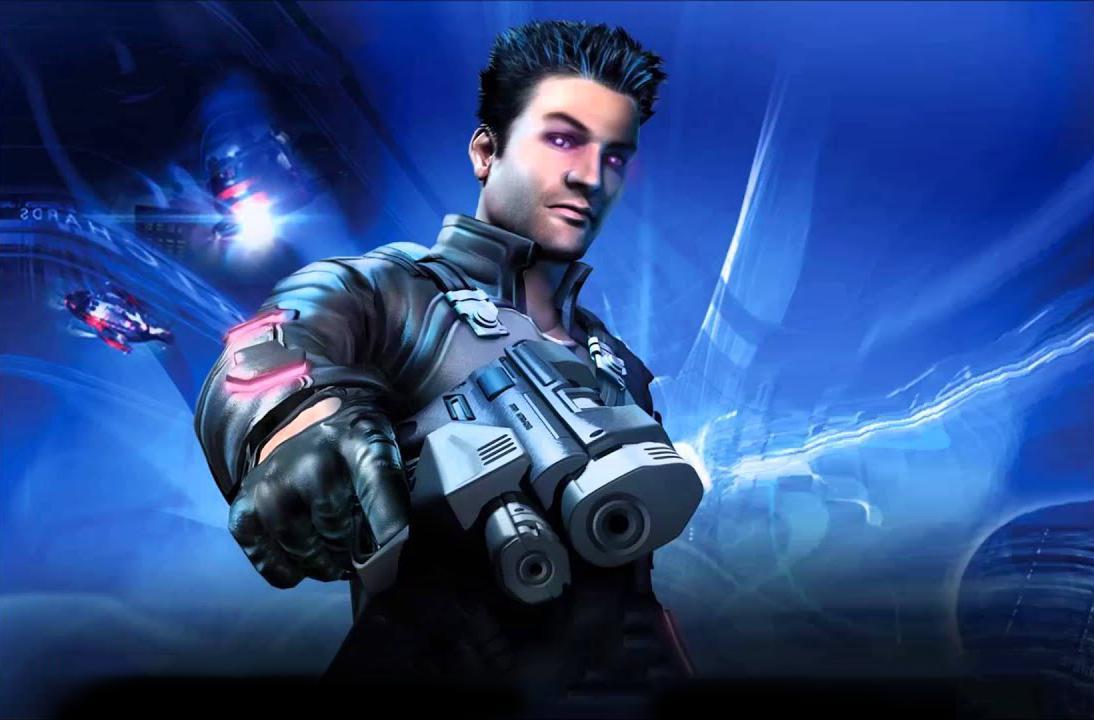
Large interconnected maps became segmented hubs optimized for shorter loads which reduced route experimentation. A universal ammo system blurred weapon identities. Faction choices collapsed into fewer distinct outcomes. Physics and stealth interactions were simplified for broad hardware targets. The depth of simulation took a noticeable step down from the earlier systems driven approach.
‘Red Faction: Armageddon’
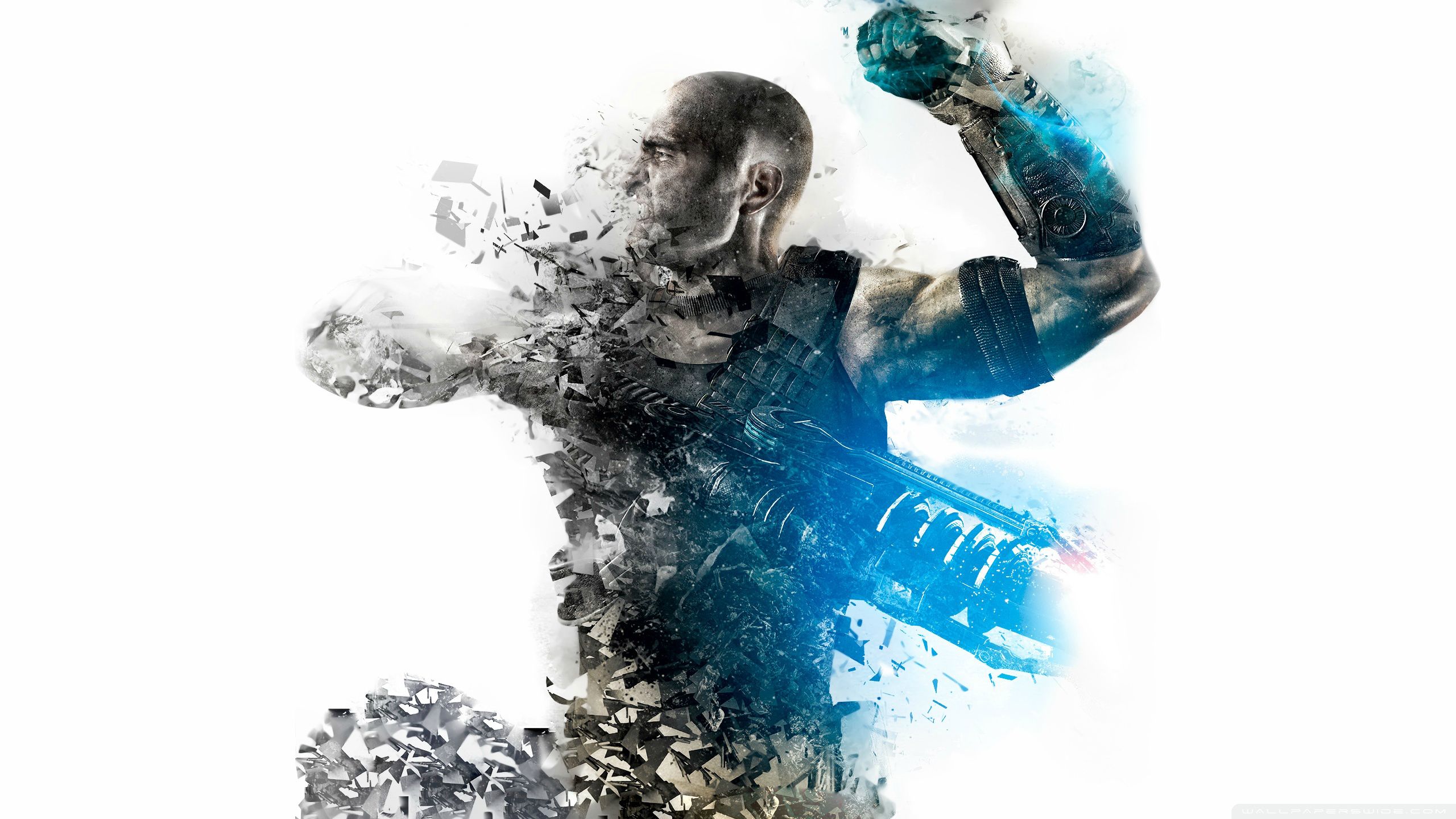
An open world demolition playground narrowed into a linear corridor shooter. Destructible structures were mostly confined to set pieces. Side missions and emergent vehicle chaos disappeared. The magnet gun and repair tool centered scripted encounters instead of freeform destruction. The campaign pushed forward momentum over sandbox experimentation.
‘Thief’
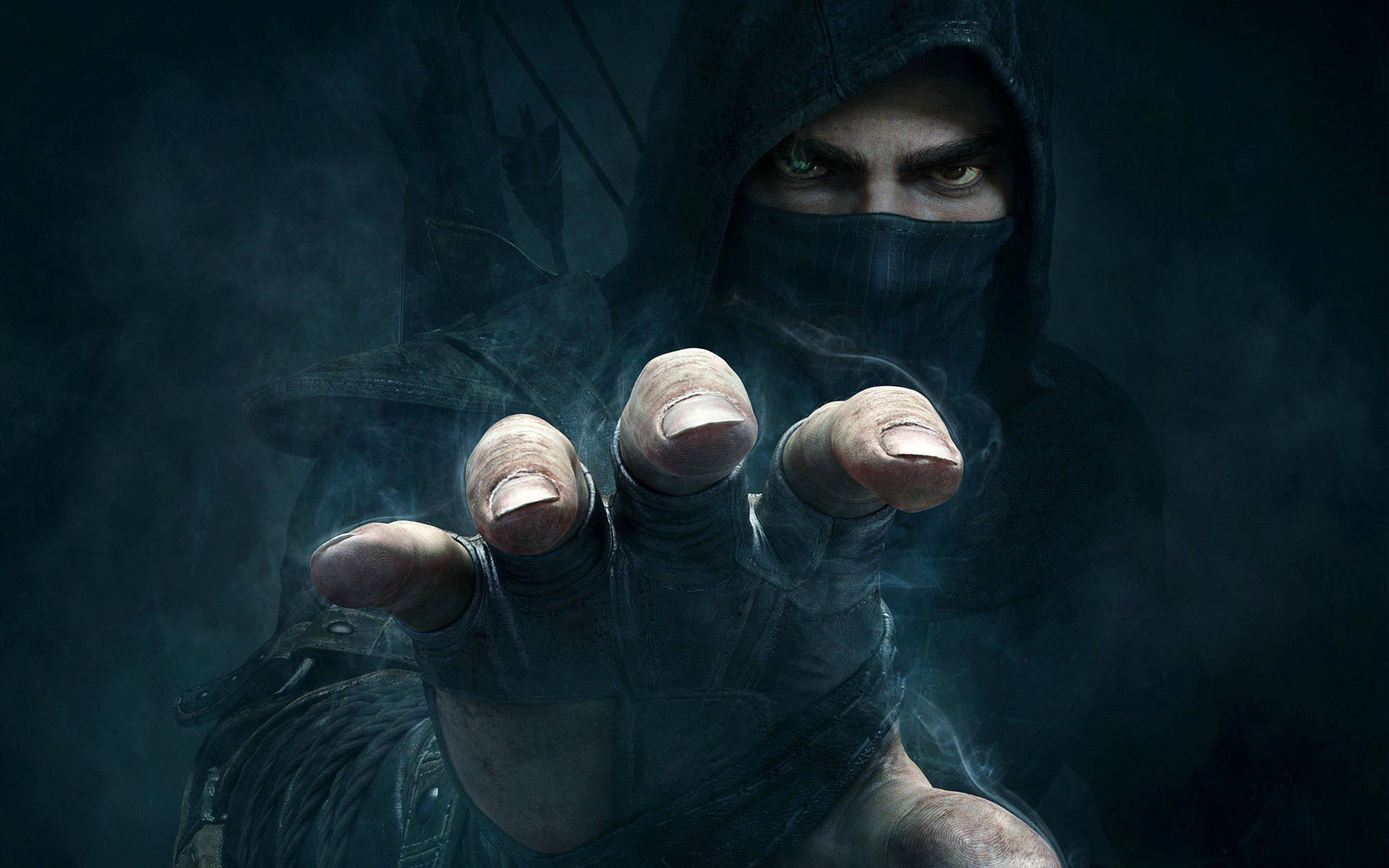
Levels introduced heavy scripting and a focus meter that replaced observational stealth habits. The city hub restricted entry to many interiors and reused paths. Sound propagation and light visibility systems were less transparent to the player. Optional objectives could not compensate for narrow routes. The experience reduced the sense of planning heists across layered spaces.
‘Dragon Age II’
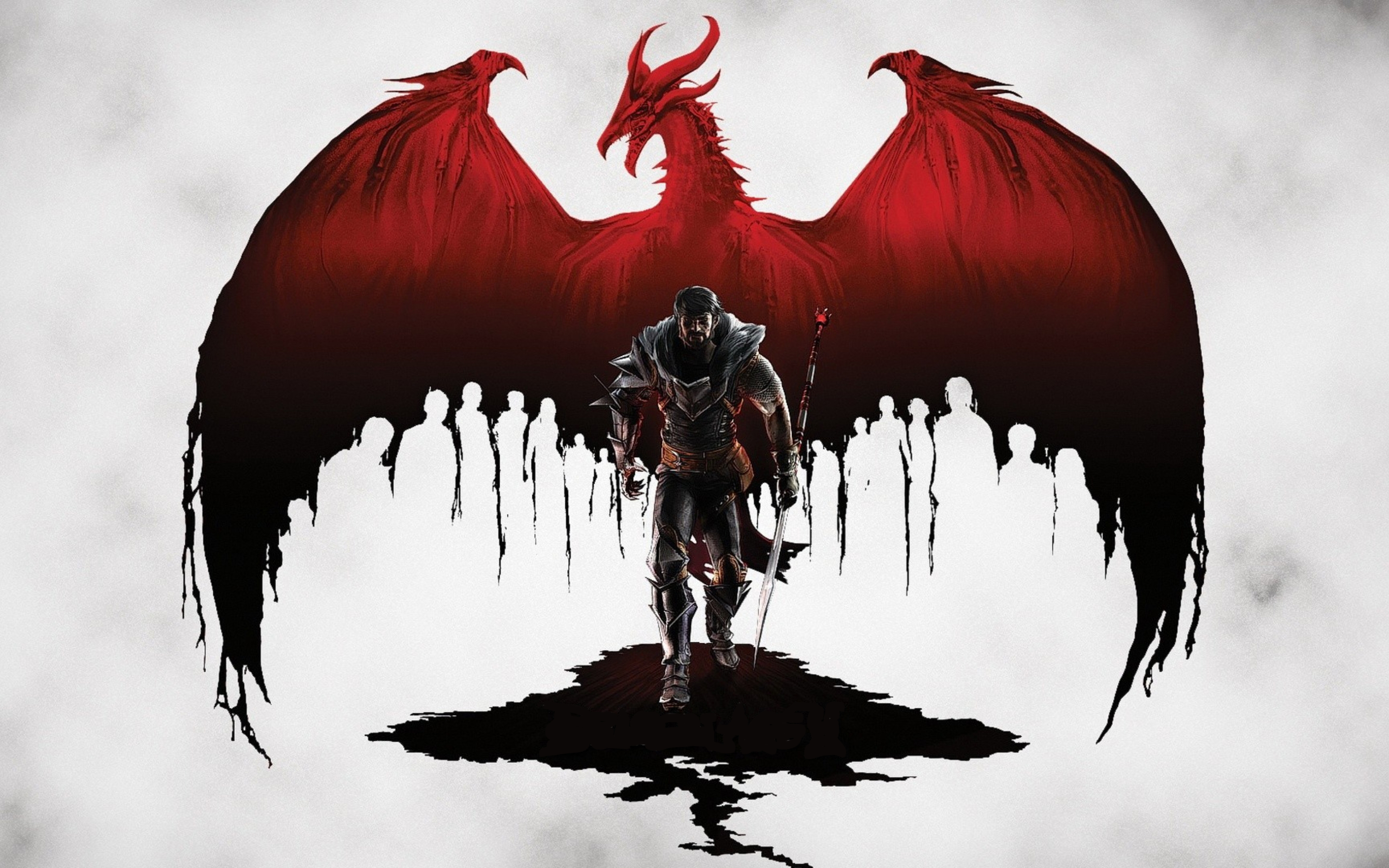
Expansive journeys and varied regions were replaced by a single city with repeated interior layouts. Combat speed increased while tactical pausing mattered less on standard fights. Questlines recycled locations which limited discovery. Party builds were constrained by fewer gear types and narrower trees. The scope shifted to a contained saga that sacrificed variety.
‘Metal Gear Survive’
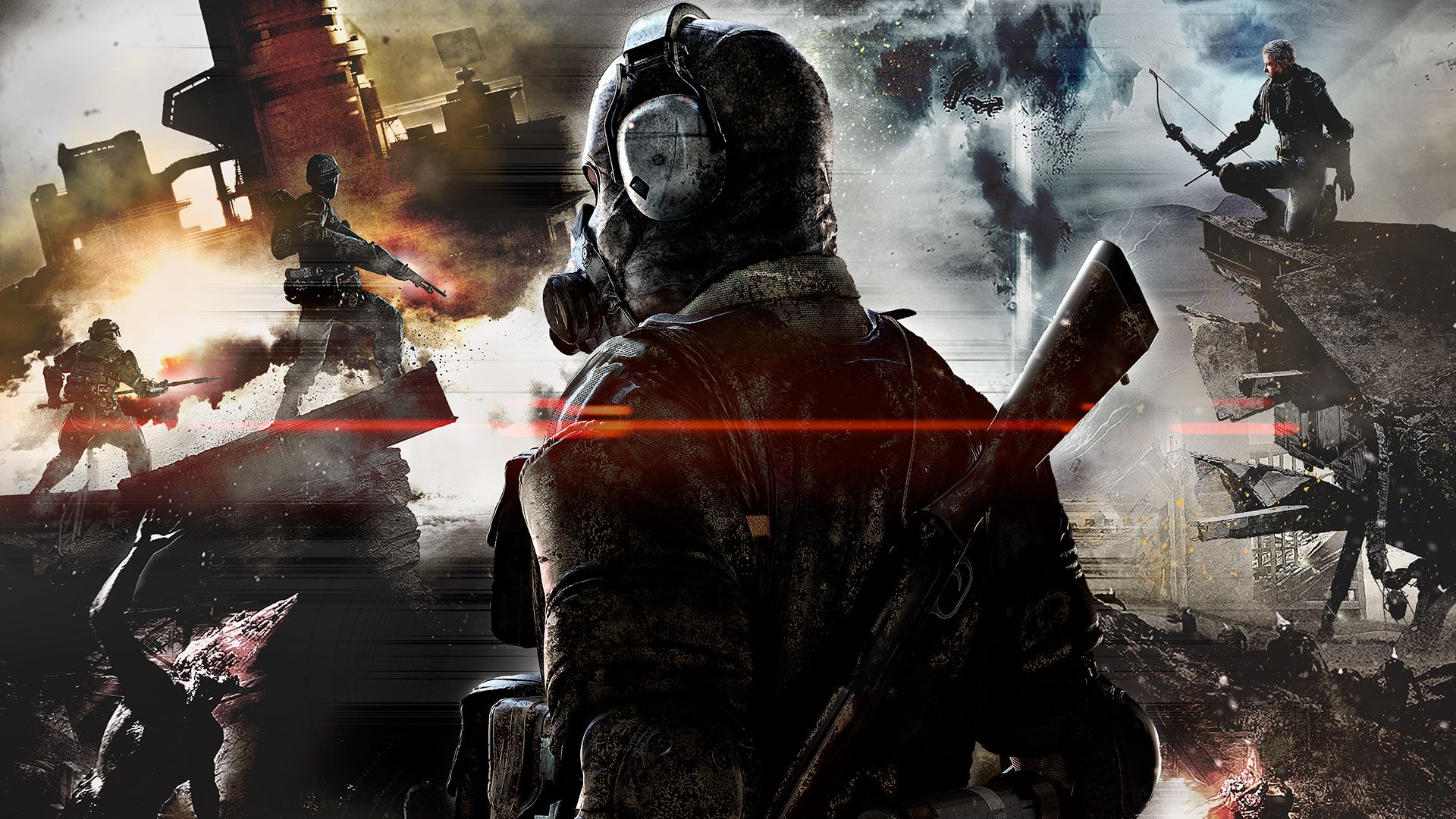
A stealth espionage series became a survival crafting spin off with base defense. Resource gathering and hunger management drove the loop. Dimensional zones and zombies replaced grounded infiltration scenarios. Cooperative sorties and gear tiers anchored progression. The use of the brand sat atop largely unrelated systems.
‘SimCity’
Always online requirements and small city plots reshaped planning into micro regions. The simulation distributed systems across neighboring tiles which limited standalone design. Traffic and resource models assumed cooperation that did not always function well. Modding and expansive single city builds were restricted. The structure discouraged the self contained metropolises that players expected.
Share your picks for sequels that missed what made the originals special in the comments.