


25 Series That Got Axed After One “Woke” Episode Too Many

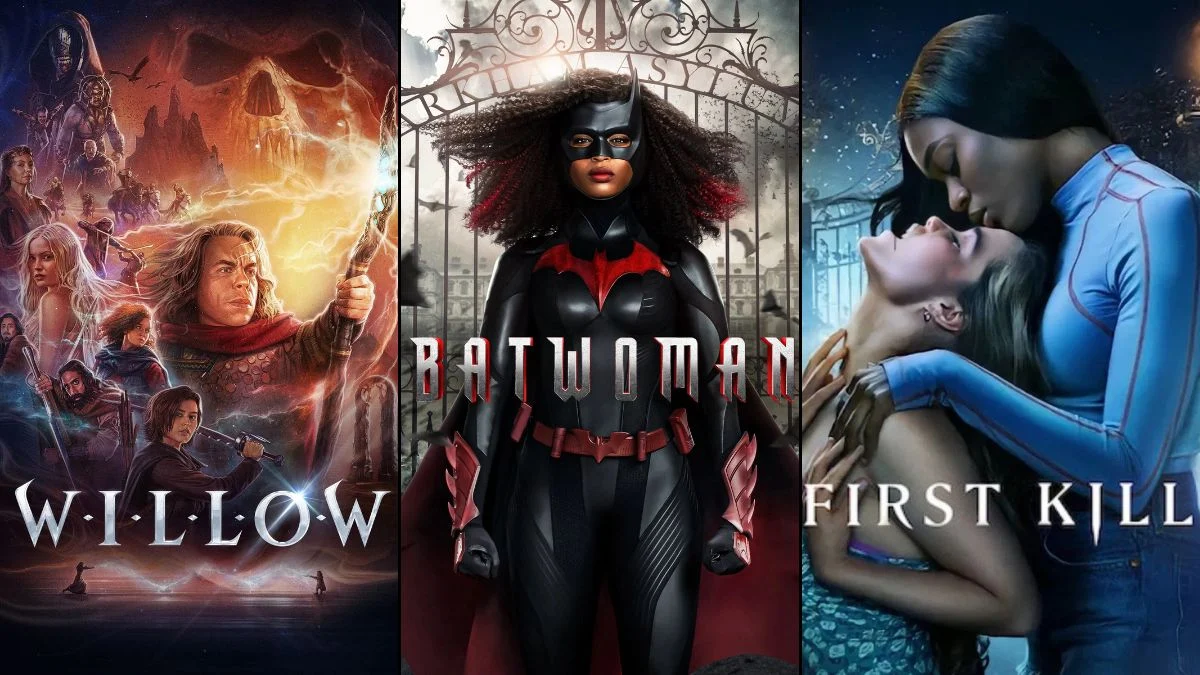


television networks and streaming platforms are constantly reevaluating their content strategies based on viewership data and audience reception. Many modern series have attempted to integrate contemporary social themes or reimagine classic properties for a new generation. This creative direction sometimes results in a disconnect between production teams and the core fanbase of established franchises. The following series struggled to find a sustainable audience after incorporating elements that viewers labeled as political or performative. These shows were ultimately cancelled after failing to meet the engagement metrics required for renewal.
‘The Acolyte’ (2024)
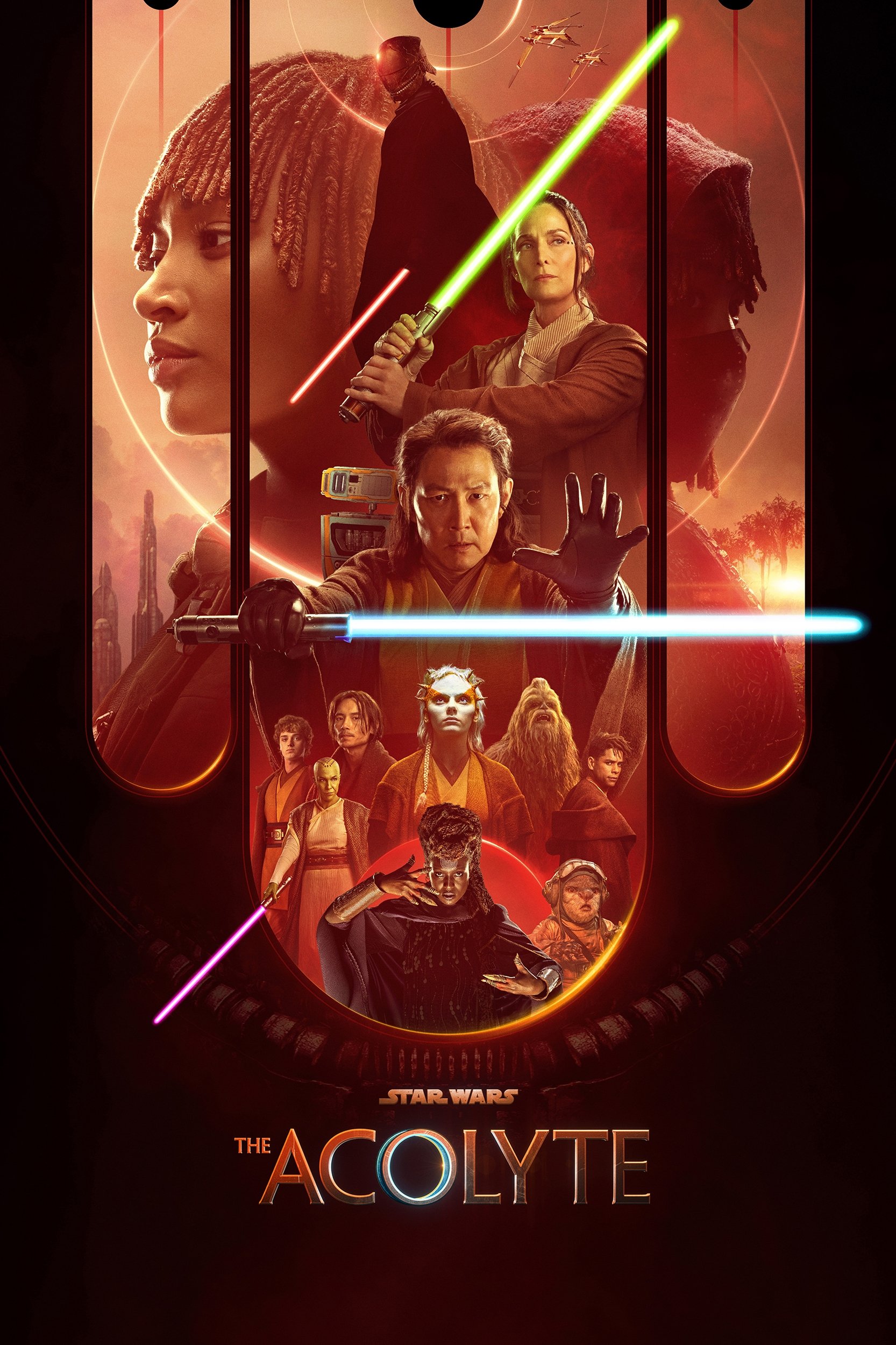
This entry in the Star Wars universe sparked immediate controversy for its reinterpretation of established Jedi lore and the Force. The third episode specifically drew intense criticism for a chanting sequence that many fans found disconnected from the franchise tone. Viewership dropped significantly as online discourse focused on the creative choices regarding the witch coven and the origin of the protagonist. Lucasfilm decided not to renew the series for a second season shortly after the finale aired. The high production costs could not be justified by the diminishing audience interest and mixed critical reception.
‘Batwoman’ (2019–2022)
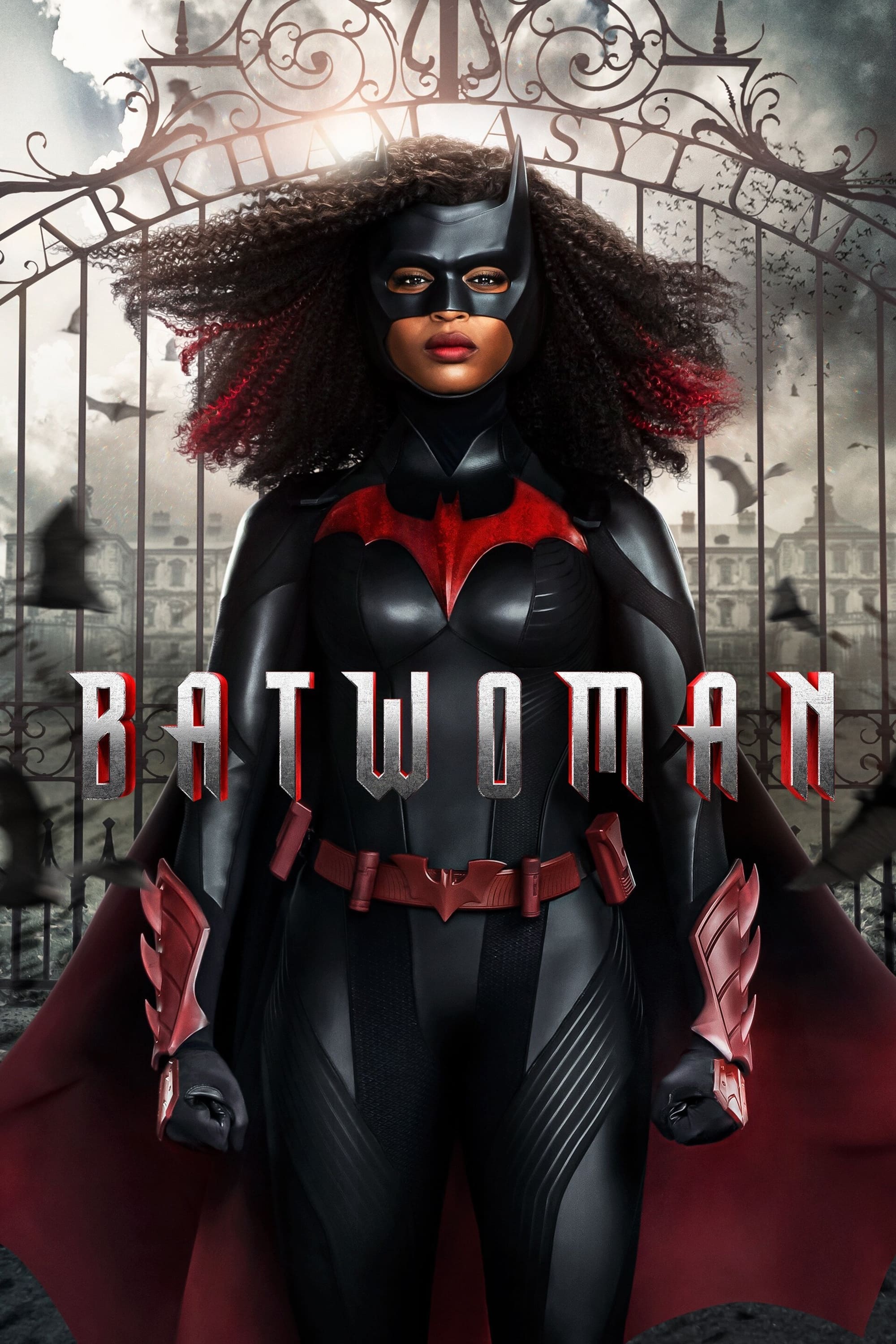
The series faced challenges from its inception regarding the casting and characterization of the titular hero. Audience retention suffered heavily after the first season when the lead actress was replaced and the storyline shifted focus. Scripts often prioritized social commentary over the traditional crime-fighting narratives expected by fans of the comic books. The writers introduced plot points that alienated viewers who felt the political messaging was too heavy-handed. The CW cancelled the show after three seasons following a steady decline in ratings.
‘She-Hulk: Attorney at Law’ (2022)
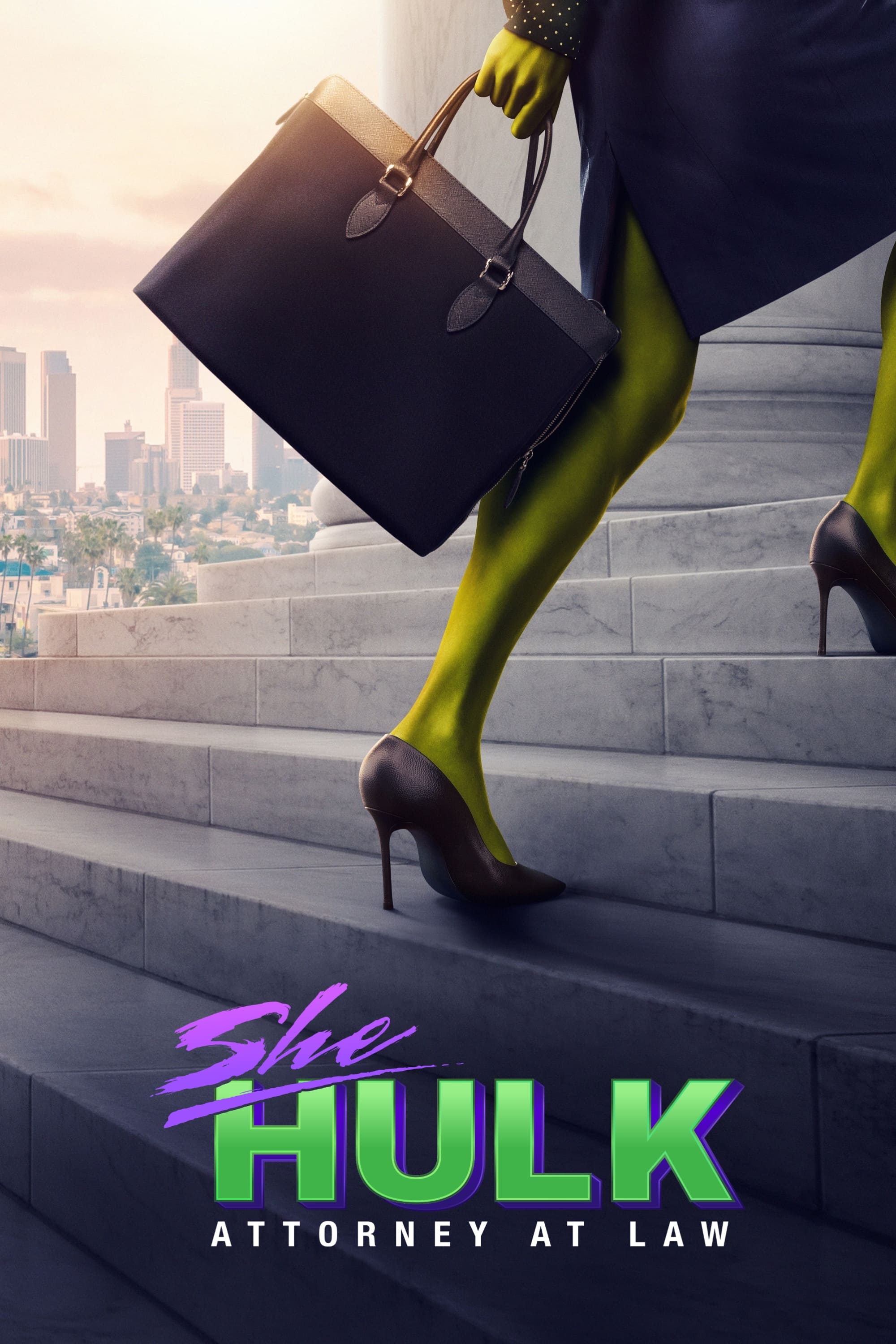
Marvel Studios ventured into legal comedy with this series that broke the fourth wall to address real-world sexism and toxic fandom. A specific scene involving the main character twerking with a celebrity guest became a viral point of contention for critics. The finale featured a meta-commentary on the Marvel Cinematic Universe that many viewers felt undermined the narrative stakes. While the show generated high social media engagement it failed to secure a second season renewal. The writing approach divided the audience between those who enjoyed the satire and those who wanted a serious superhero drama.
‘Resident Evil’ (2022)

Netflix attempted to adapt the popular survival horror video game franchise into a serialized drama with two timeline narratives. Fans of the source material criticized the show for deviating wildly from the established game canon and characters. The script focused heavily on teenage drama and modern social dynamics rather than the atmospheric horror of the games. Viewers expressed frustration with the changes made to the antagonist Albert Wesker and the dialogue choices. The streaming giant cancelled the adaptation shortly after its release due to poor completion rates.
‘Cowboy Bebop’ (2021)
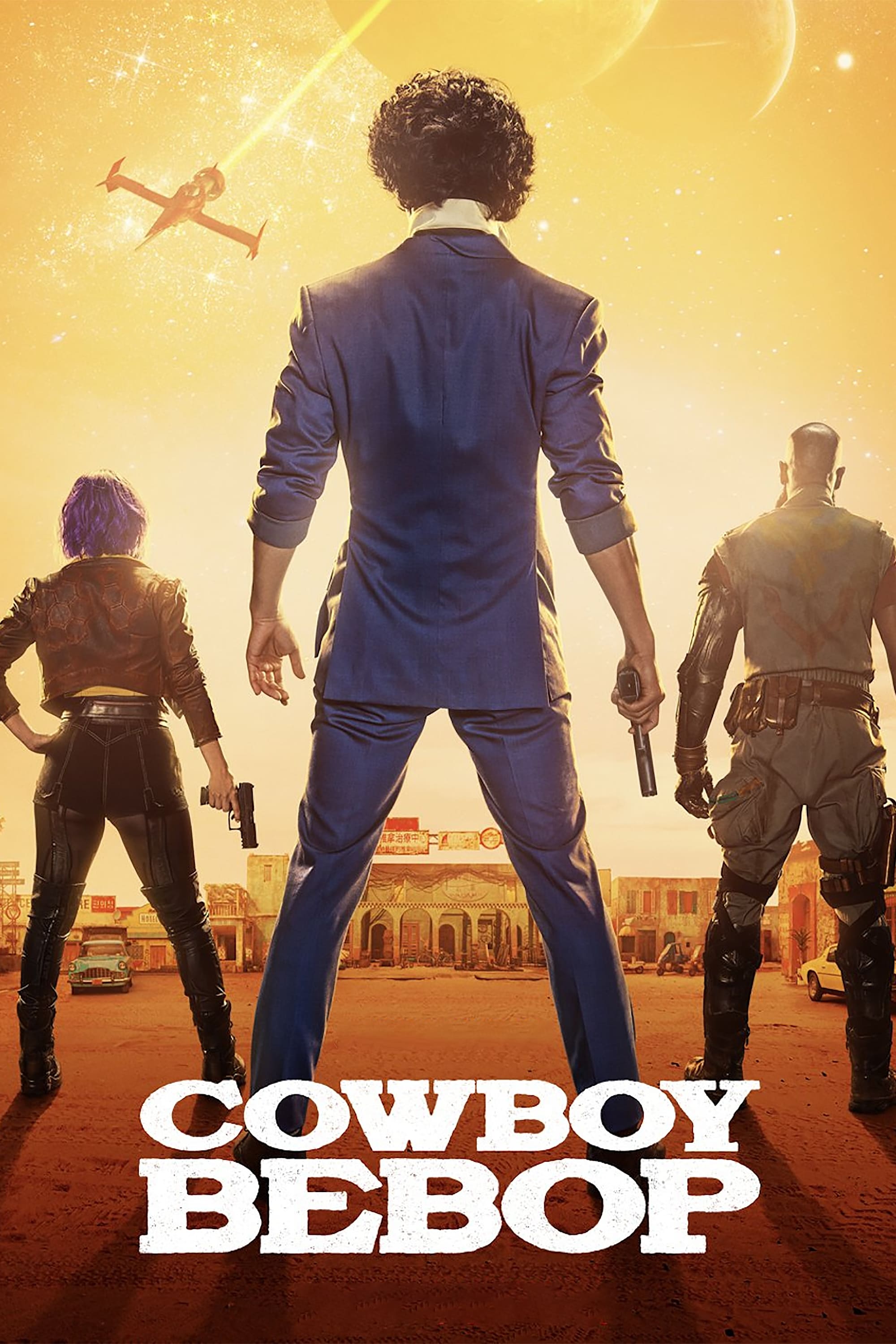
The live-action adaptation of the legendary anime struggled to capture the noir atmosphere and philosophical depth of the original. Critics and fans alike pointed to the tonal shift and the rewritten character dynamics as major flaws. The dialogue frequently utilized modern slang that felt out of place in the futuristic setting established by the anime. A specific backlash occurred regarding the reimagining of the character Faye Valentine and her interactions with the crew. Netflix cancelled the production less than a month after its premiere due to the rapid drop in viewership.
‘Willow’ (2022–2023)
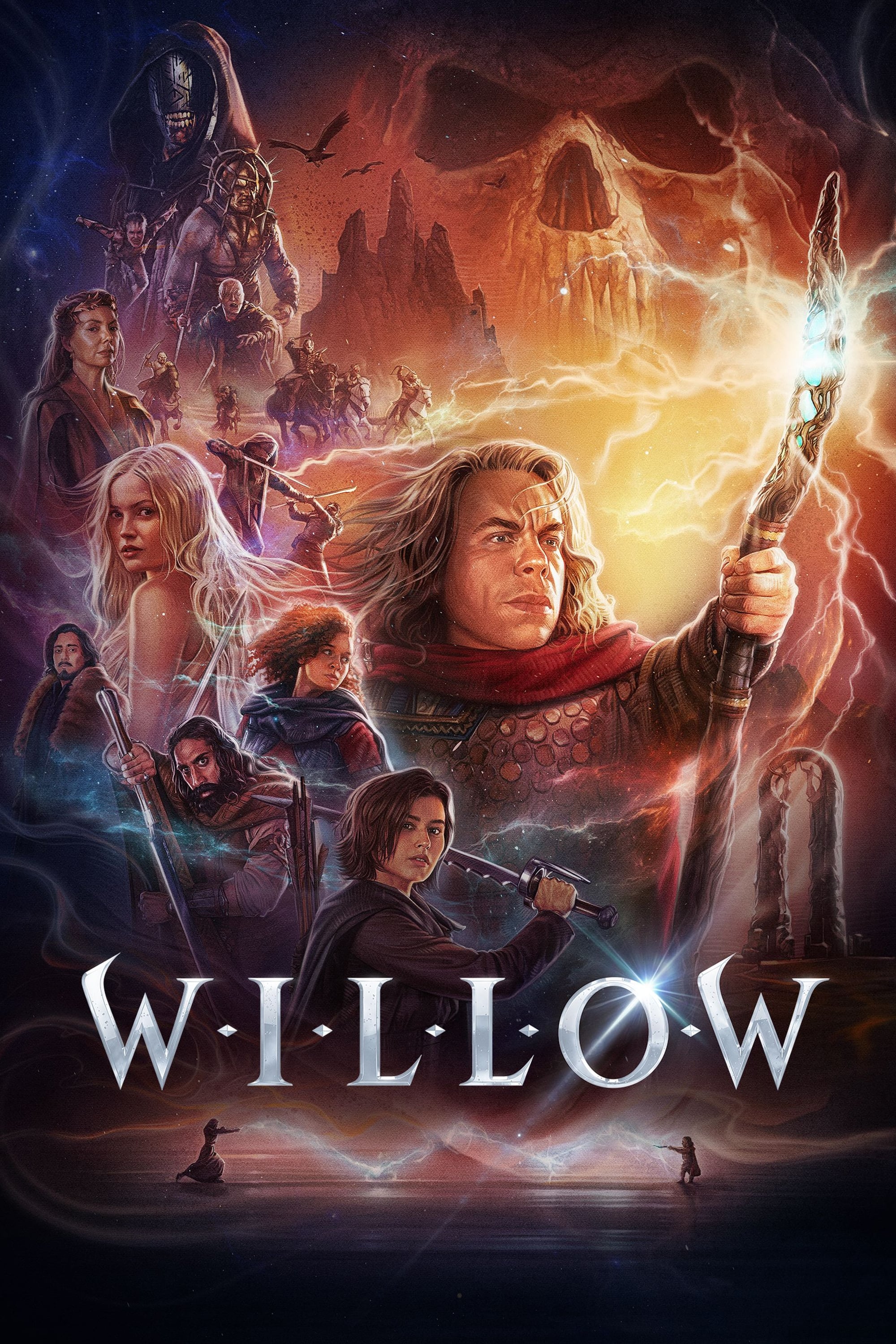
Disney revisited the world of the 1988 fantasy film with a sequel series that introduced a new generation of adventurers. The show faced criticism for infusing modern vernacular and rock music into a high fantasy setting. Longtime fans felt the writing deconstructed the legacy characters in a way that was disrespectful to the original film. The series was removed from the streaming platform entirely during a content purge following its cancellation. This removal signaled a complete retreat from the creative direction taken by the showrunners.
‘Velma’ (2023–2024)
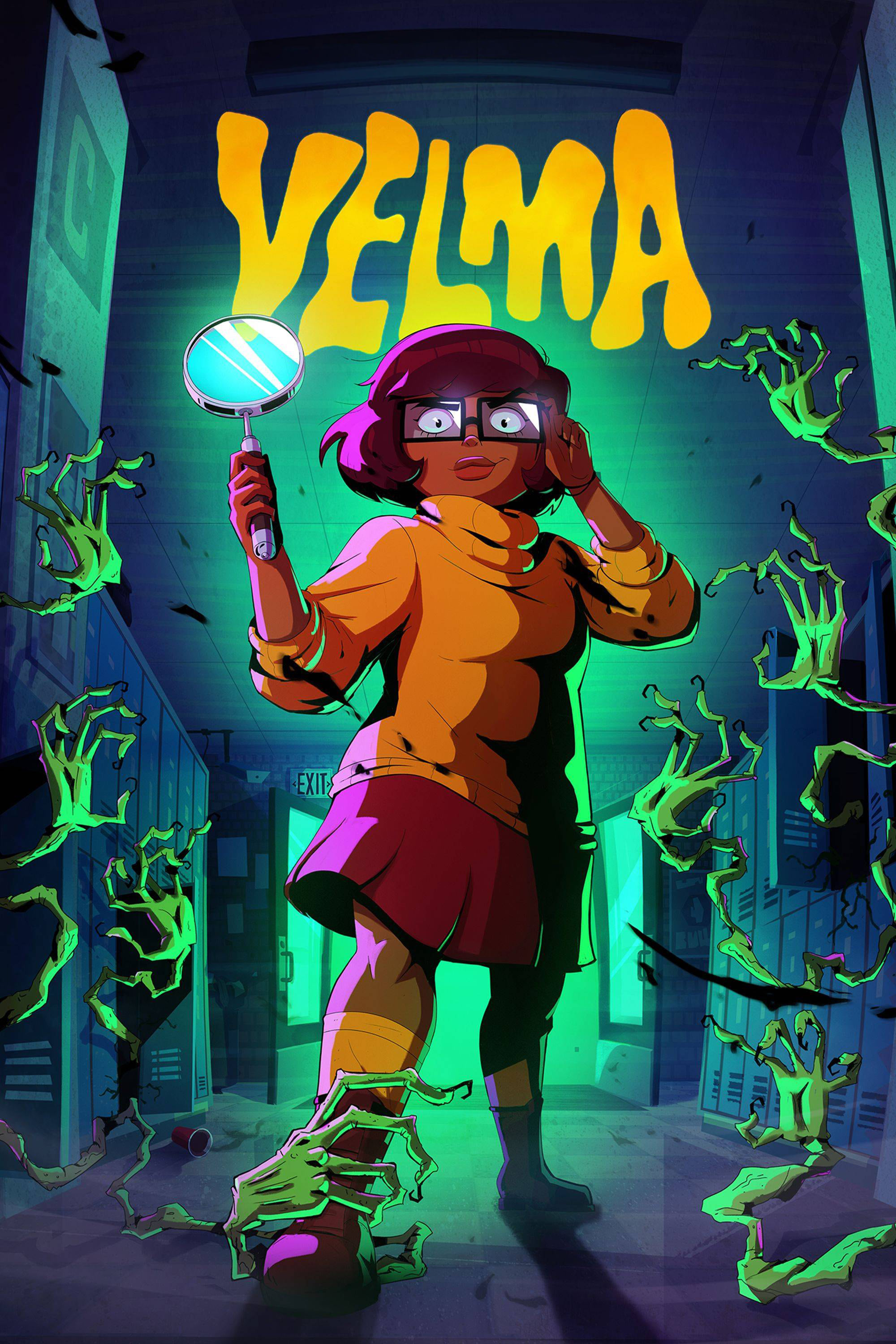
This animated prequel to the Scooby-Doo franchise reimagined the mystery gang with an adult-oriented tone and significant character changes. The writing heavily utilized meta-humor to critique the original cartoons and social tropes. Audiences gave the series historically low user ratings due to the unlikable depiction of the titular character. The show alienated fans by removing Scooby-Doo entirely and altering the personalities of the core team. Max confirmed there would be no third season after the hate-watching trend dissipated.
‘Y: The Last Man’ (2021)
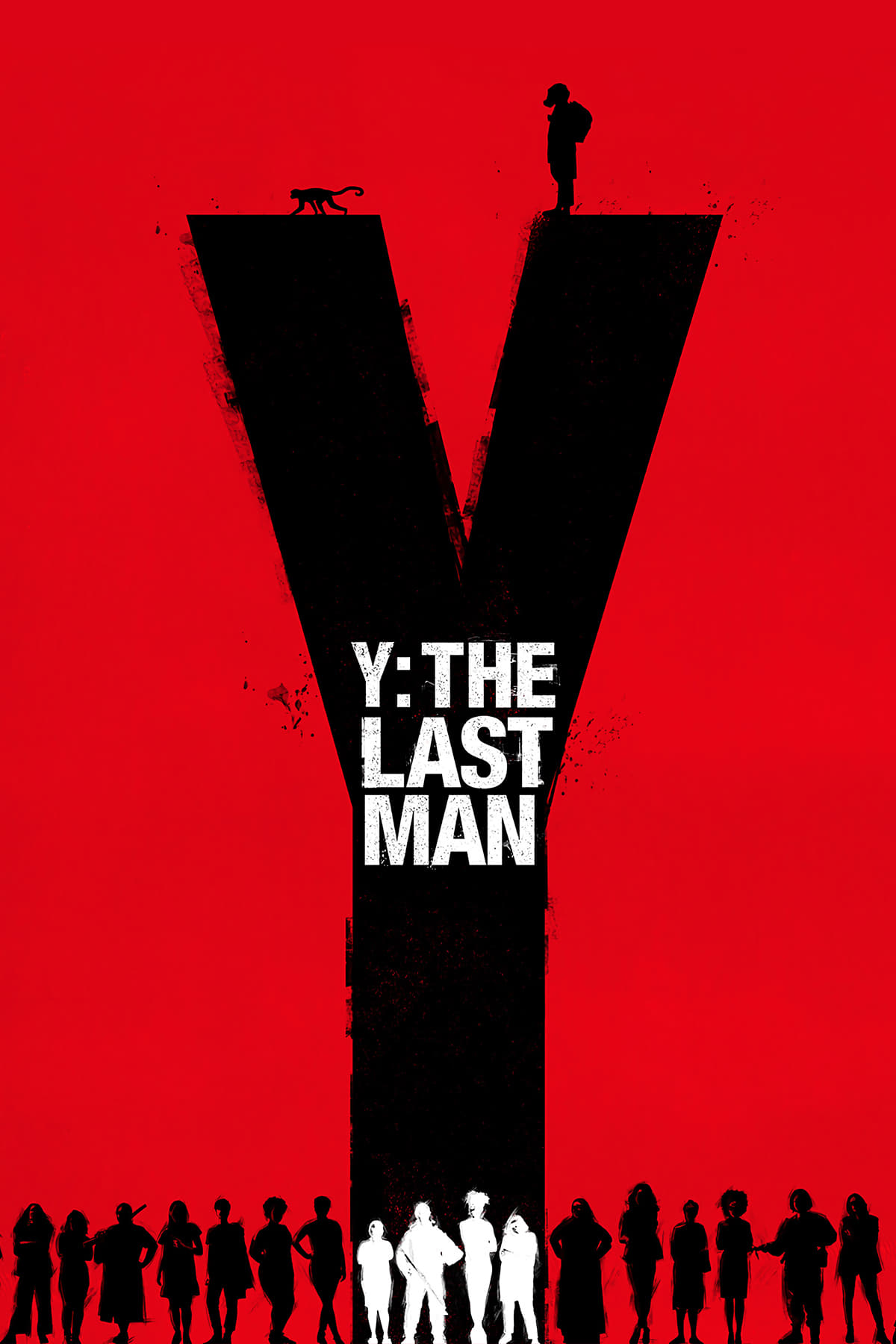
The adaptation of the acclaimed graphic novel spent years in development hell before finally hitting the screen. The series diverged from the comic by focusing extensively on the political ramifications of the gender-culling event rather than the adventure aspect. Viewers felt the show prioritized institutional drama over the survivalist journey of the protagonist Yorick. The pacing was criticized for being too slow and the thematic changes failed to resonate with the comic readership. Hulu cancelled the series before the first season had even finished airing.
‘Gossip Girl’ (2021–2023)
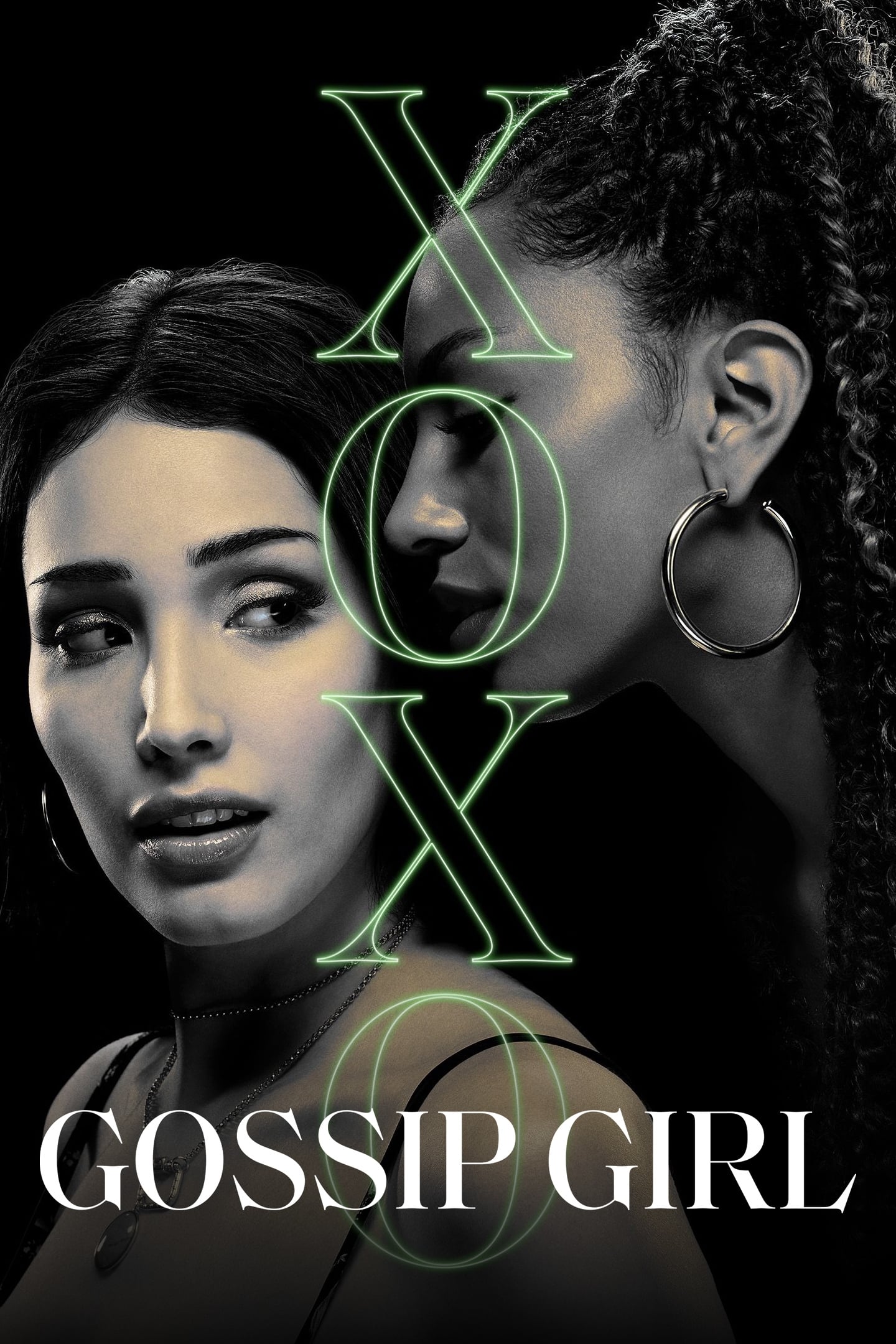
HBO Max rebooted the hit teen drama with a focus on how social media influences the lives of elite New York students. The new iteration attempted to be more socially conscious than its predecessor by addressing privilege and wealth disparity. Critics noted that the characters lacked the unapologetic wickedness that made the original series entertaining. The writers struggled to balance the moral lessons with the scandalous melodrama expected from the franchise. The platform axed the show after two seasons as it failed to capture the cultural zeitgeist.
‘Charmed’ (2018–2022)
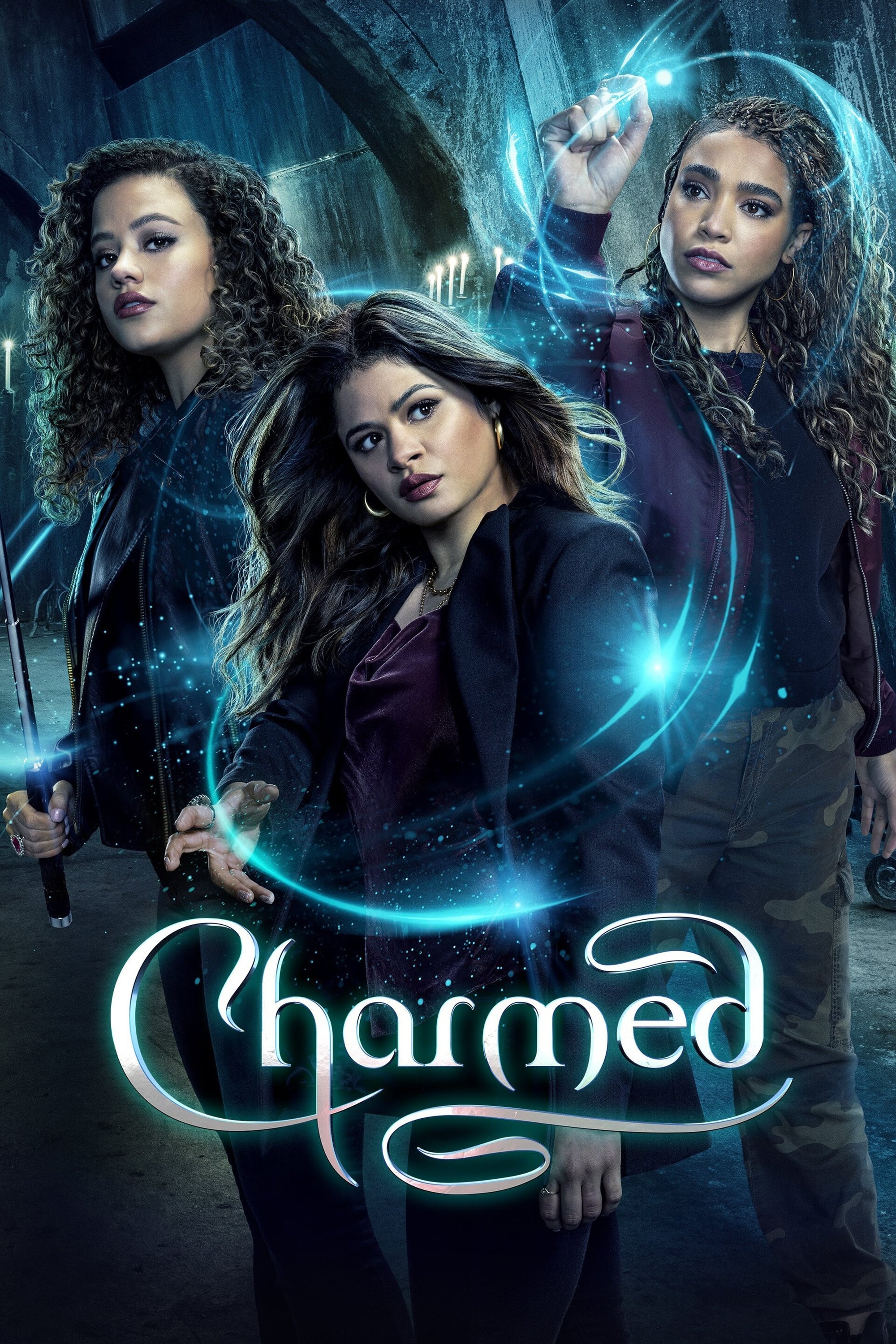
The reboot of the beloved supernatural series centered on three sisters discovering their witch heritage in a university town. The showrunner explicitly marketed the series as a feminist reimagining which drew skepticism from fans of the original. Scripts often incorporated current political headlines into the magical storylines in a way that felt forced to some viewers. The antagonistic relationship between the reboot writers and the original cast members further alienated the potential audience. The CW cancelled the show after four seasons of declining ratings.
‘Q-Force’ (2021)
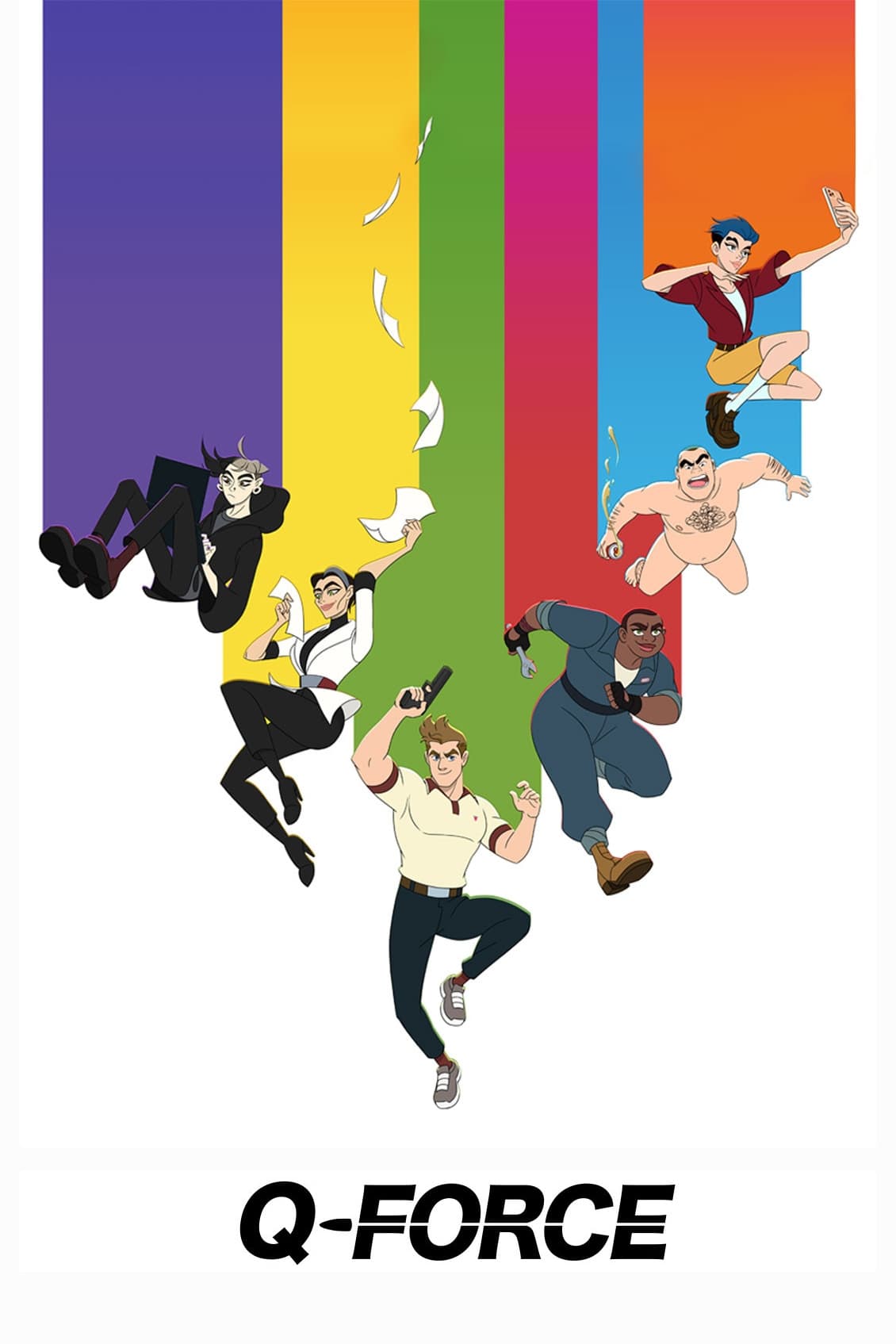
Netflix released this animated comedy about a team of LGBTQ+ superspies aiming to prove themselves to their agency. The trailer alone caused a significant backlash within the community it was trying to represent due to its reliance on stereotypes. The humor was criticized for being dated and reducing the characters to single-trait caricatures. Viewers found the writing to be pandering rather than genuinely inclusive or funny. The streamer quietly cancelled the series after a single season without an official announcement.
‘First Kill’ (2022)
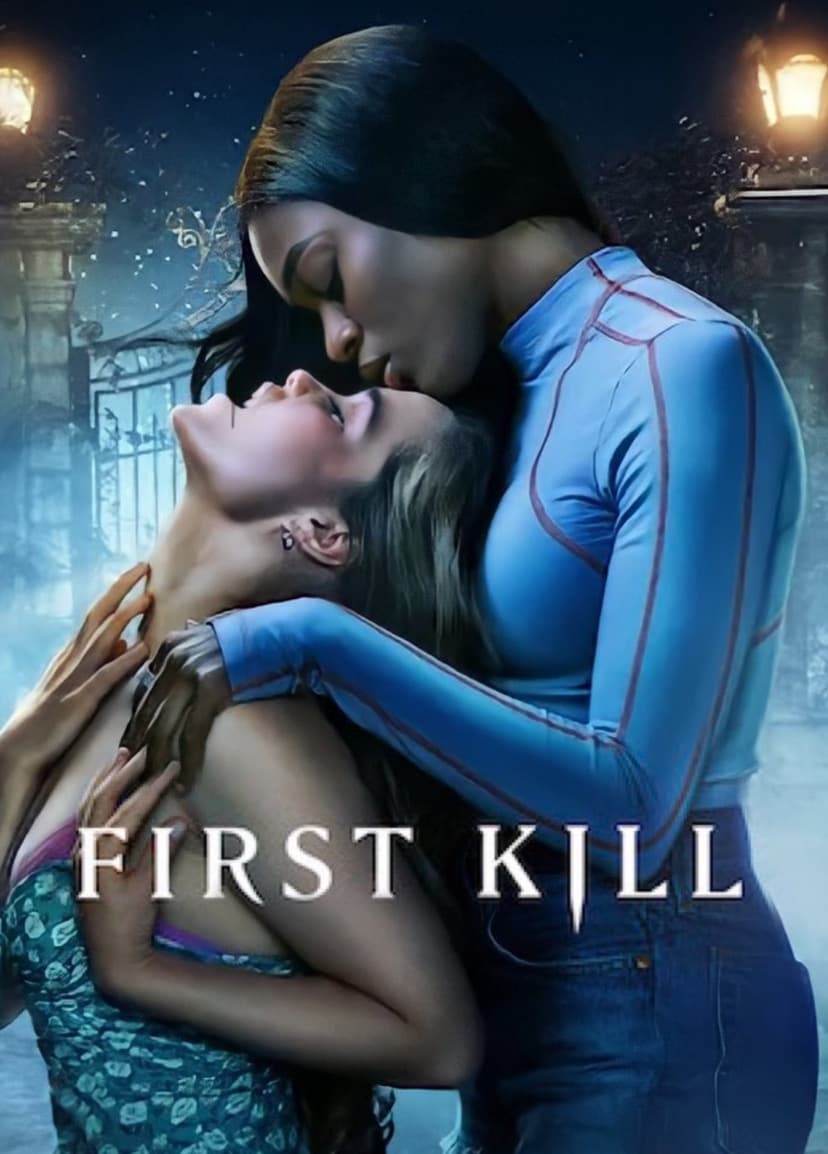
This supernatural teen drama focused on the forbidden romance between a vampire and a monster hunter. While the show developed a dedicated online following the completion rate did not meet Netflix standards. Critics pointed out the low production values and the melodramatic writing that felt derivative of other genre shows. The series attempted to blend social commentary with vampire lore but struggled to maintain narrative momentum. Netflix cancelled the show after one season despite the vocal protests of its fanbase.
‘Santa Inc.’ (2021)
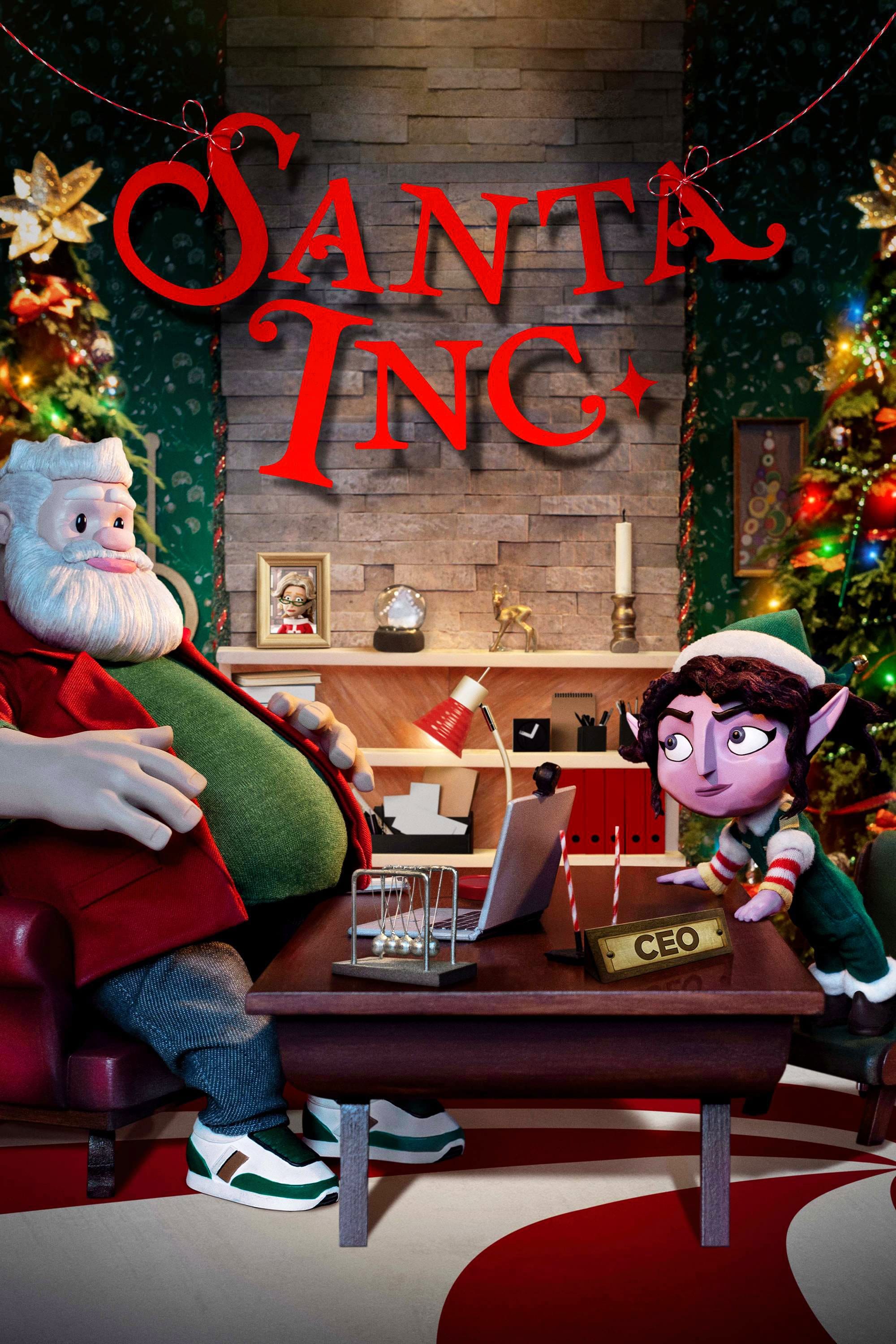
Seth Rogen and Sarah Silverman starred in this stop-motion animated series aimed at an adult audience. The plot focused on an elf aiming to become the next Santa Claus while critiquing the patriarchal structure of the North Pole. The show holds one of the lowest audience scores in history on major review aggregators. Viewers universally rejected the crude humor and the deconstruction of holiday traditions. HBO Max did not order a second season following the overwhelmingly negative reception.
‘Grease: Rise of the Pink Ladies’ (2023)
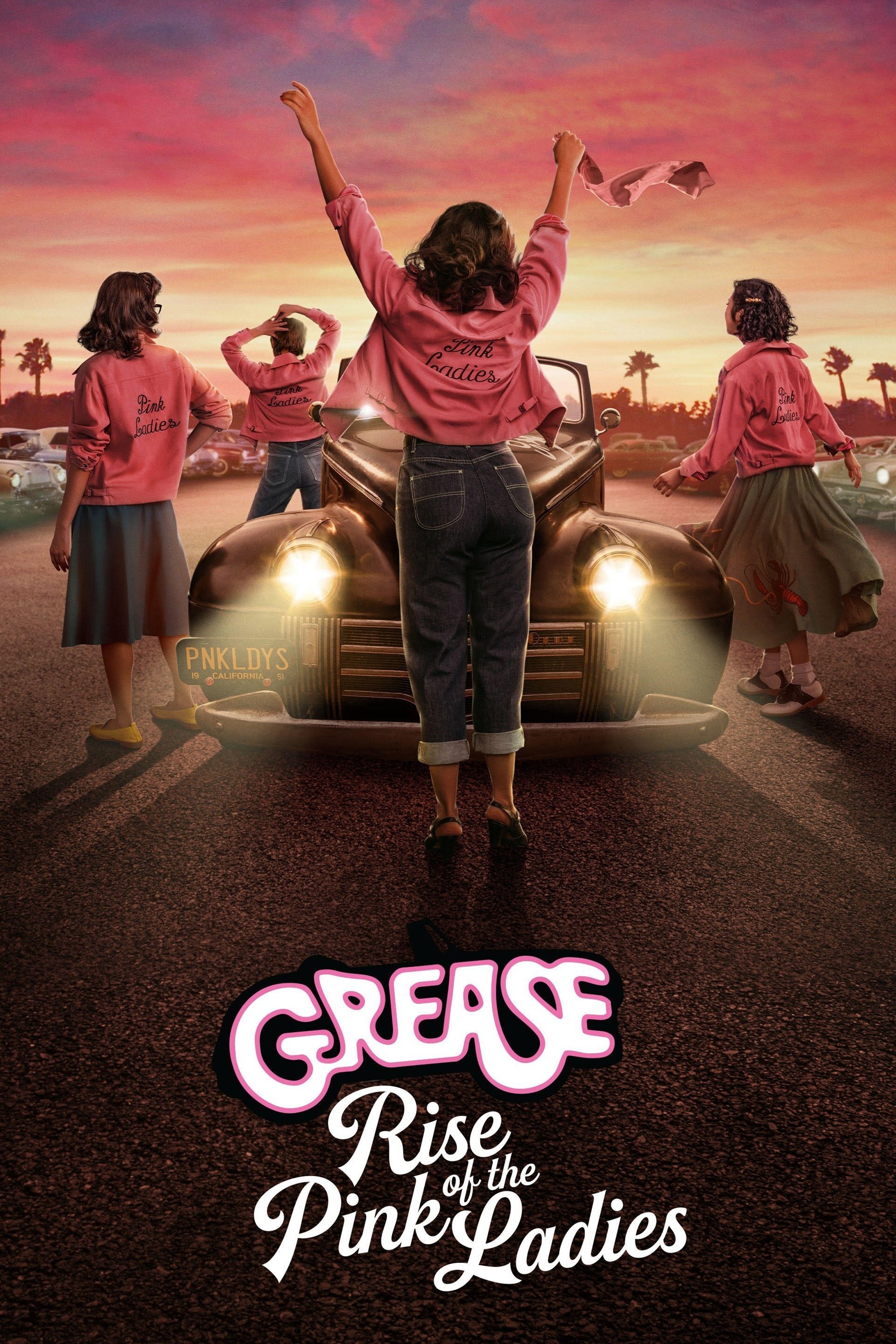
This musical prequel explored the origins of the famous girl gang at Rydell High before the events of the original film. The series integrated modern discussions on gender and race into the 1950s setting. Critics felt the songs were forgettable and the modern sensibilities clashed with the period aesthetic. Paramount+ removed the series from its library entirely just months after the finale aired. The tax write-down strategy used by the studio cemented its permanent cancellation.
‘National Treasure: Edge of History’ (2022–2023)
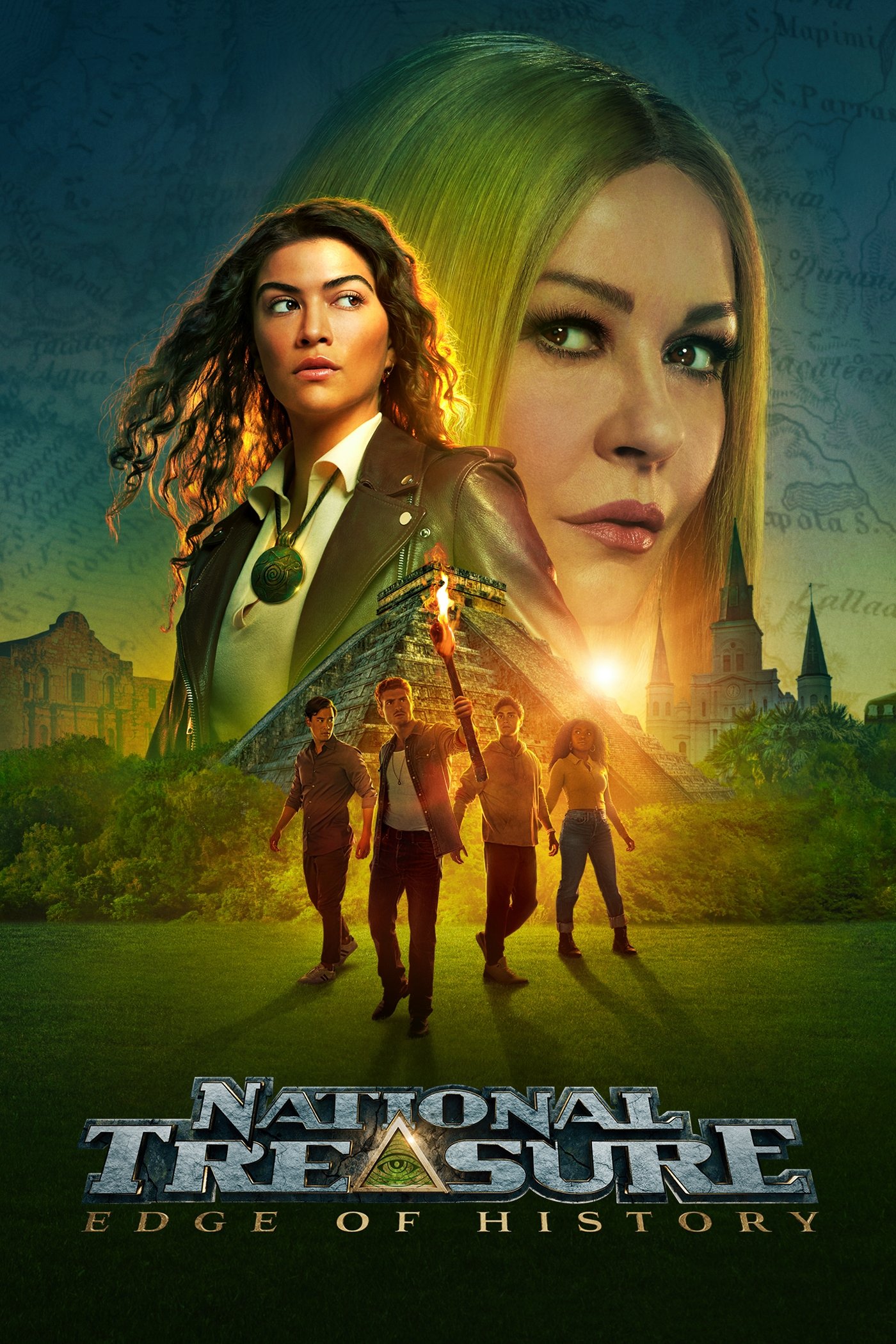
Disney attempted to expand the adventure franchise without the involvement of Nicolas Cage or the original cast. The show focused on a younger protagonist and incorporated themes regarding historical repatriation and identity. Fans of the movies found the tone too juvenile and the puzzles lacking the complexity of the theatrical releases. The absence of the beloved Ben Gates character proved too difficult for the series to overcome. Disney+ cancelled the show after one season due to lack of subscriber engagement.
‘High Fidelity’ (2020)

Zoë Kravitz starred in this gender-swapped adaptation of the Nick Hornby novel and the subsequent film. The series followed a record store owner recounting her past relationships through music and breaking the fourth wall. While critical reviews were generally positive the show failed to generate a broad enough audience on Hulu. Some viewers felt the modernization lost the specific angst that defined the original story. The cast expressed surprise and disappointment when the cancellation news broke after just one season.
‘4400’ (2021–2022)
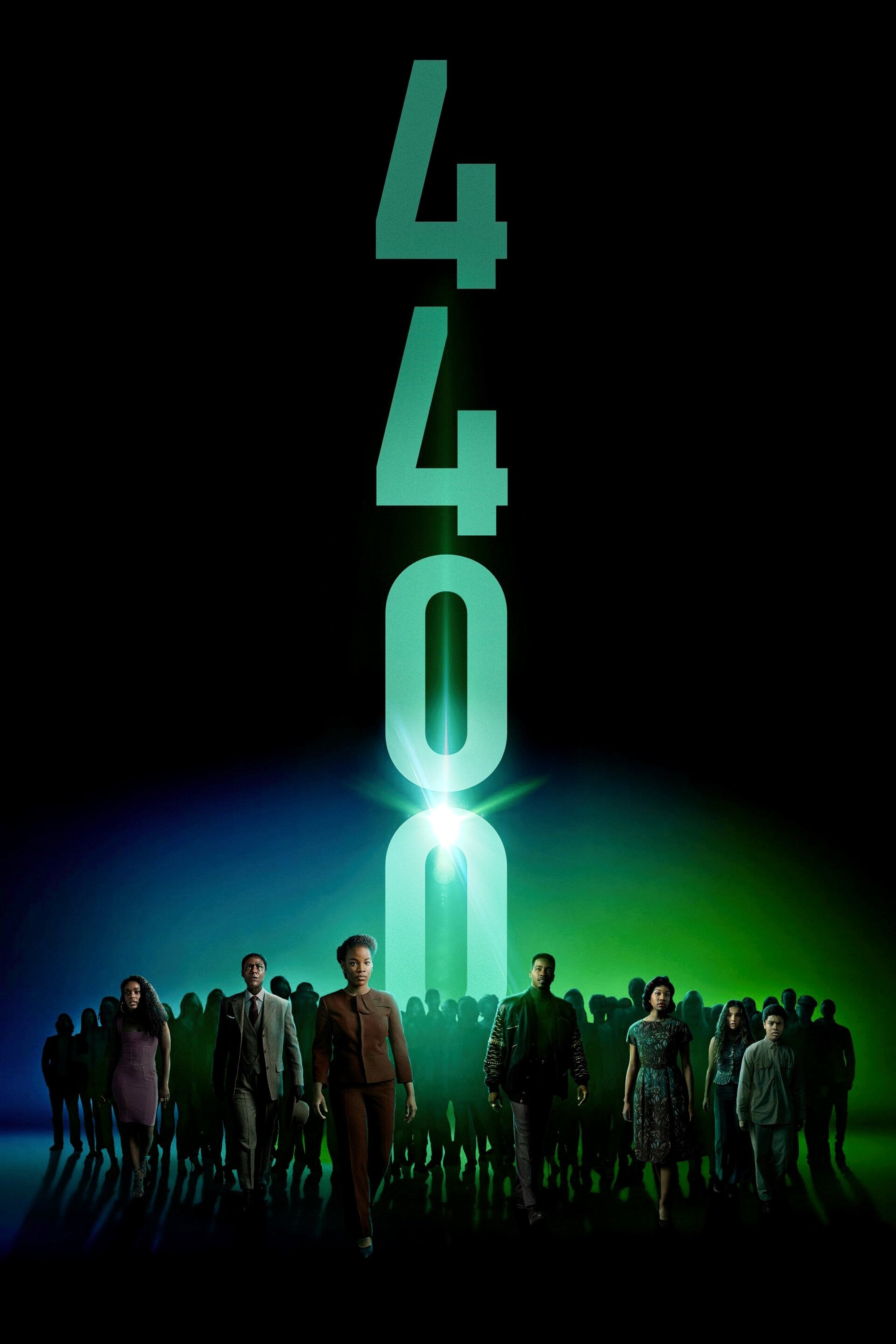
The CW rebooted the 2004 sci-fi series about missing people returning from the future with no memory of the elapsed time. The new version placed a heavy emphasis on the marginalized identities of the returnees and their treatment by the government. Viewers of the original series found the reboot lacked the mystery and suspense that defined the premise. The writing was criticized for prioritizing message over plot progression. The network cancelled the show after one season as part of a larger programming purge.
‘Tom Swift’ (2022)
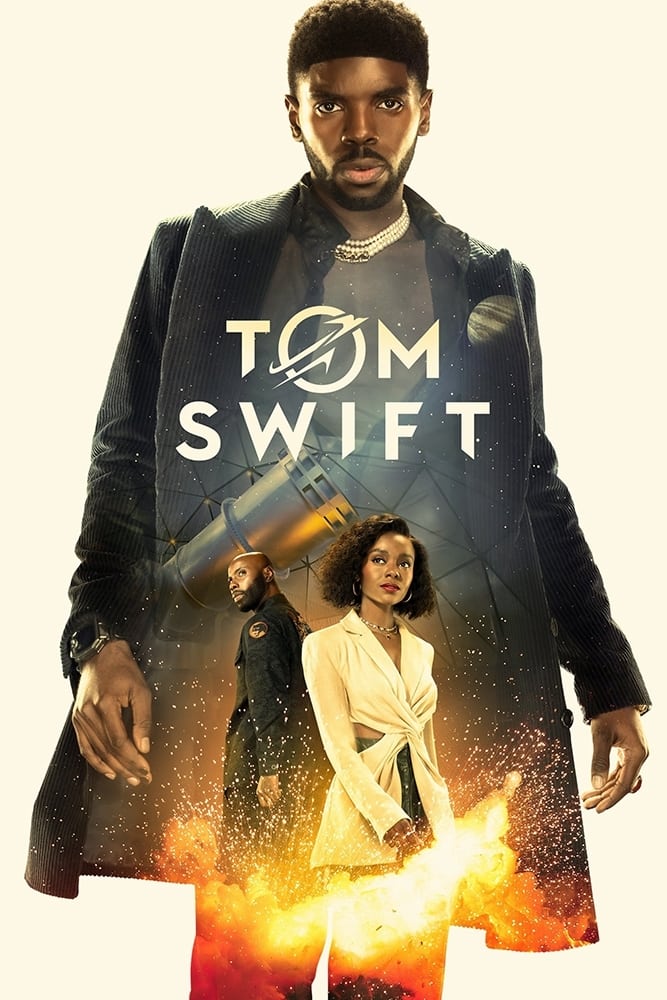
This spin-off from the Nancy Drew series featured a brilliant billionaire inventor solving sci-fi mysteries. The show aimed to present a diverse lead in a genre typically dominated by traditional archetypes. It struggled to find an audience and recorded some of the lowest viewership numbers in network history. The CW cancelled the series after only five episodes had aired although the full season was eventually broadcast. The combination of a niche premise and low promotion led to its swift demise.
‘Naomi’ (2022)
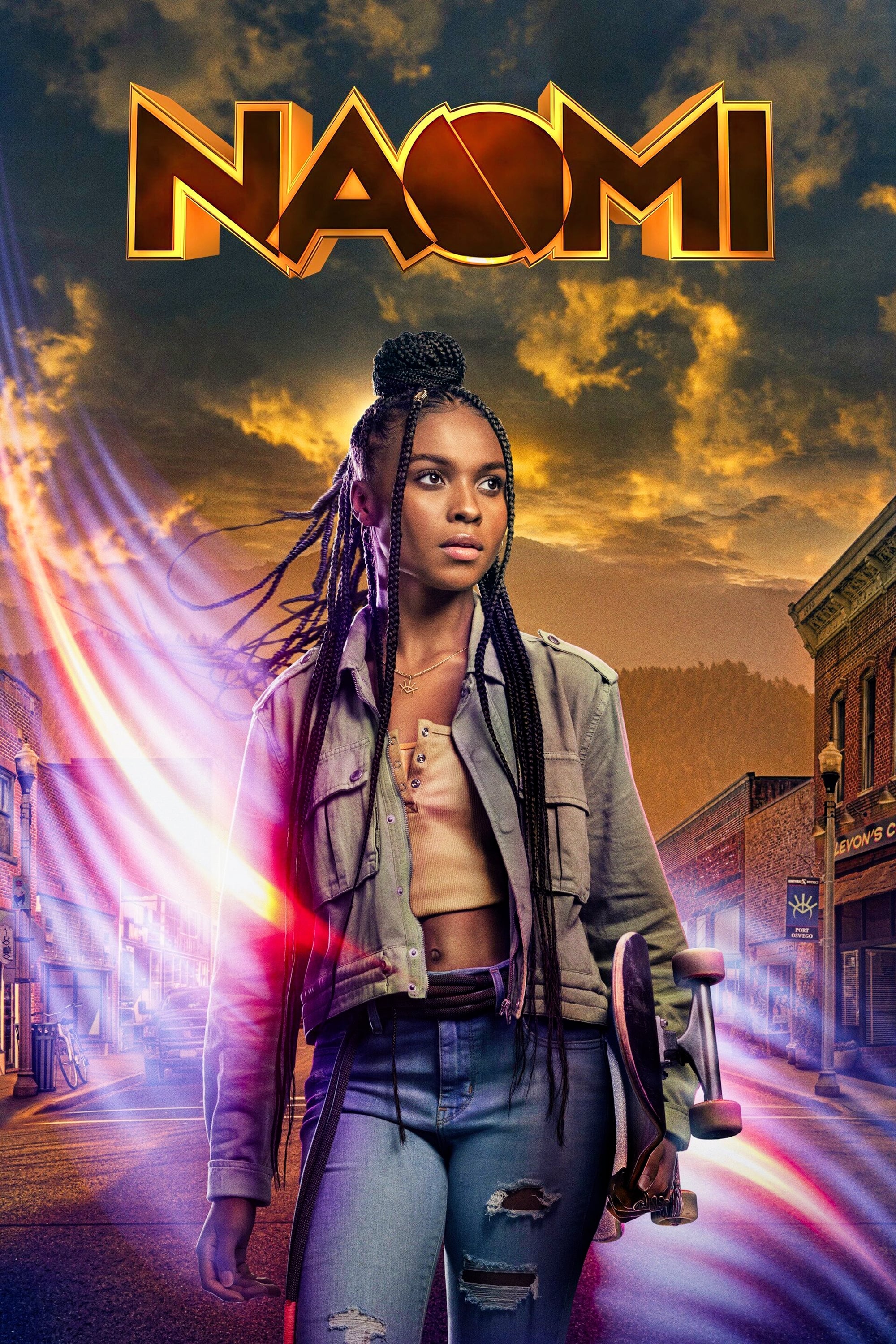
Ava DuVernay produced this adaptation of a relatively new DC comic book character for The CW. The story followed a teenager solving a supernatural mystery in her hometown while discovering her own origins. Fans criticized the slow pacing and the significant changes made to the source material lore. The show failed to capture the superhero demographic that usually sustains network comic book adaptations. It was cancelled after a single season alongside several other DC properties.
‘Saved by the Bell’ (2020–2021)
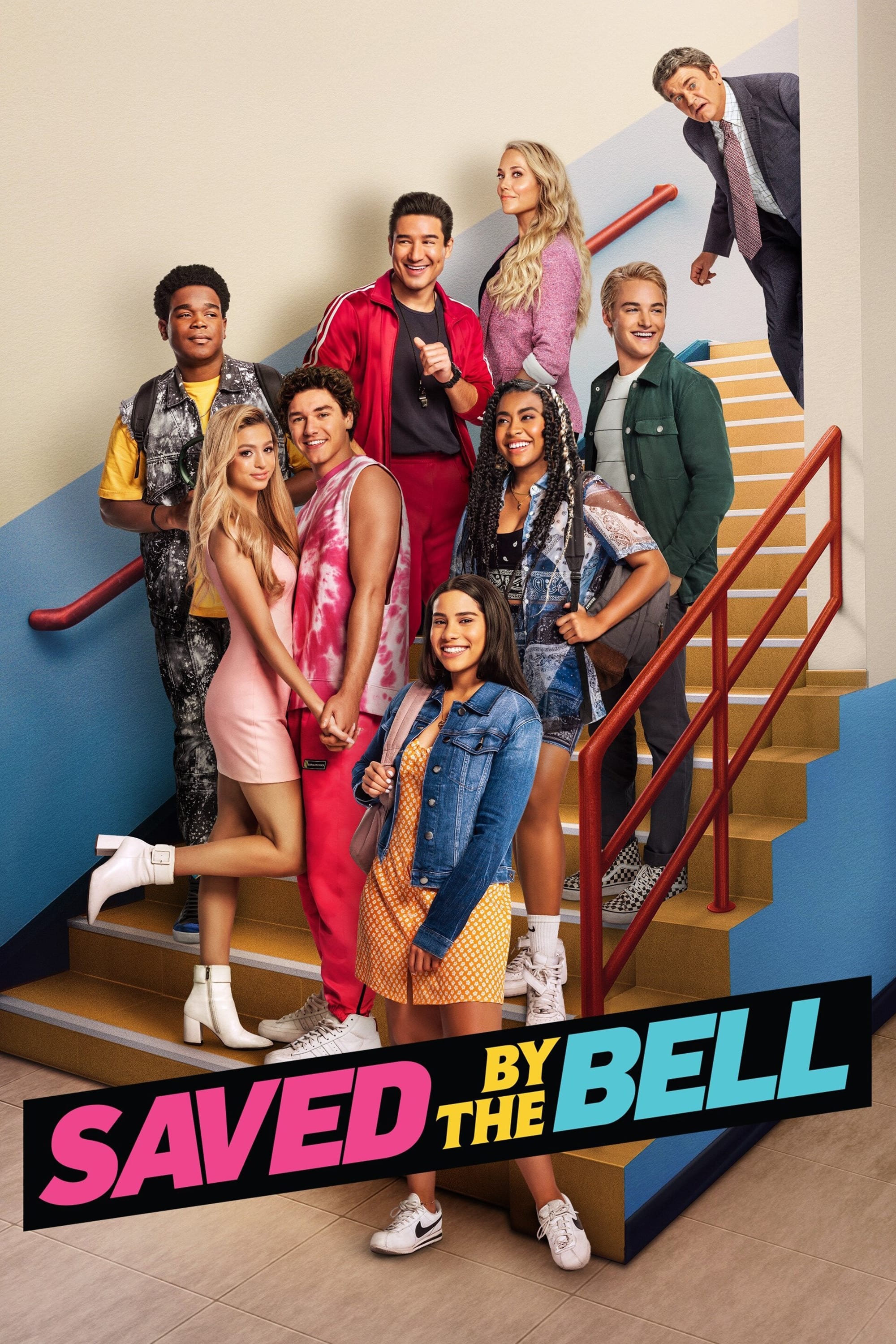
Peacock revived the 90s sitcom with a mix of original cast members and a new class of students at Bayside High. The show functioned as a satire of the original series and highlighted the privilege of the wealthy characters. While critics appreciated the sharper wit the nostalgia factor was not enough to keep the show afloat. The meta-humor eventually wore thin for audiences looking for a traditional sitcom experience. The streaming service cancelled the reboot after two seasons.
‘Renegade Nell’ (2024)
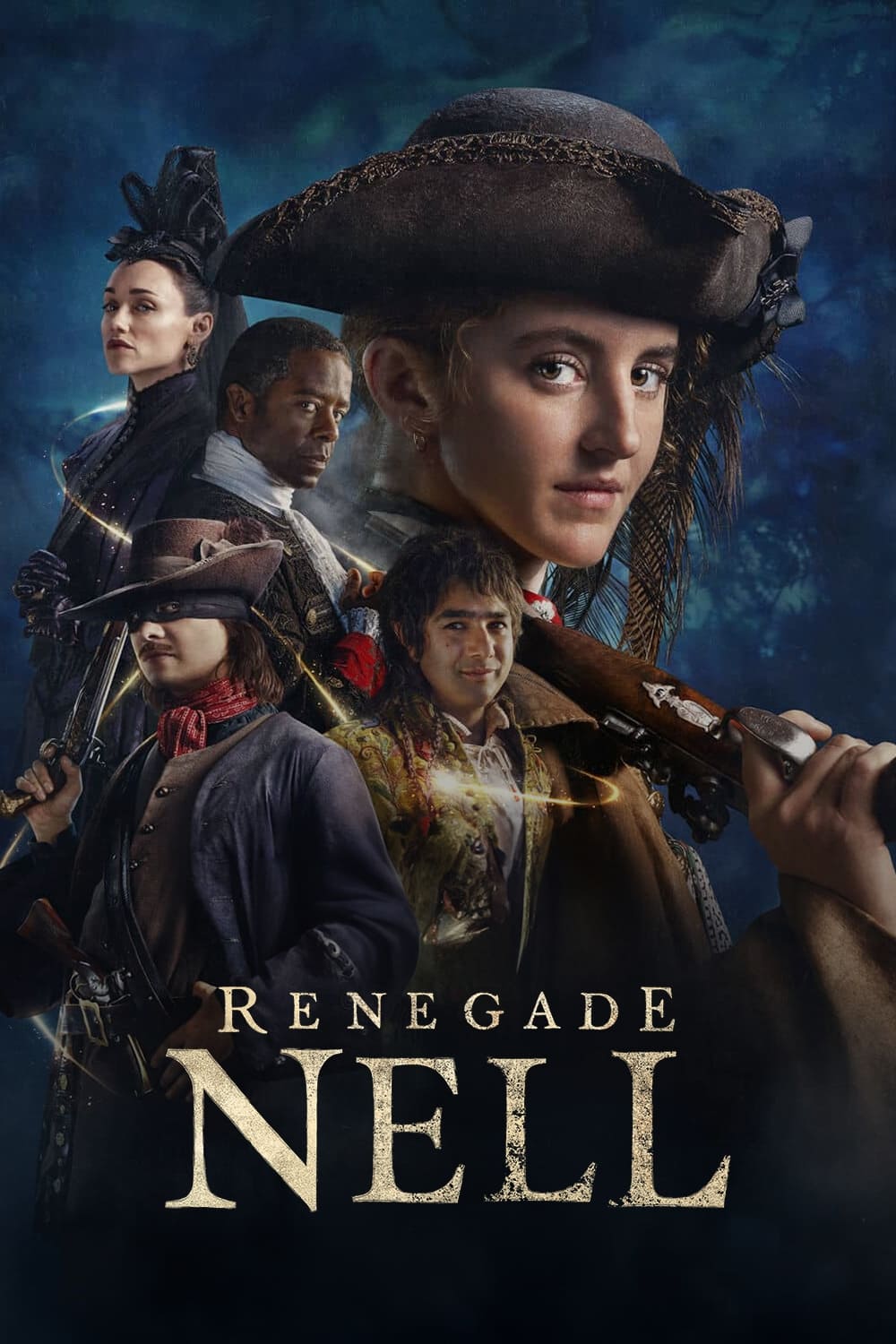
This British historical fantasy adventure followed a young woman framed for murder who becomes a highwayman. The series featured magical elements and anachronistic casting choices that drew comparisons to other modern period dramas. Viewers were divided on the tone which fluctuated between gritty action and whimsical fantasy. Disney opted not to renew the series despite the involvement of celebrated writer Sally Wainwright. The high production costs associated with a period fantasy likely contributed to the decision.
‘Paper Girls’ (2022)
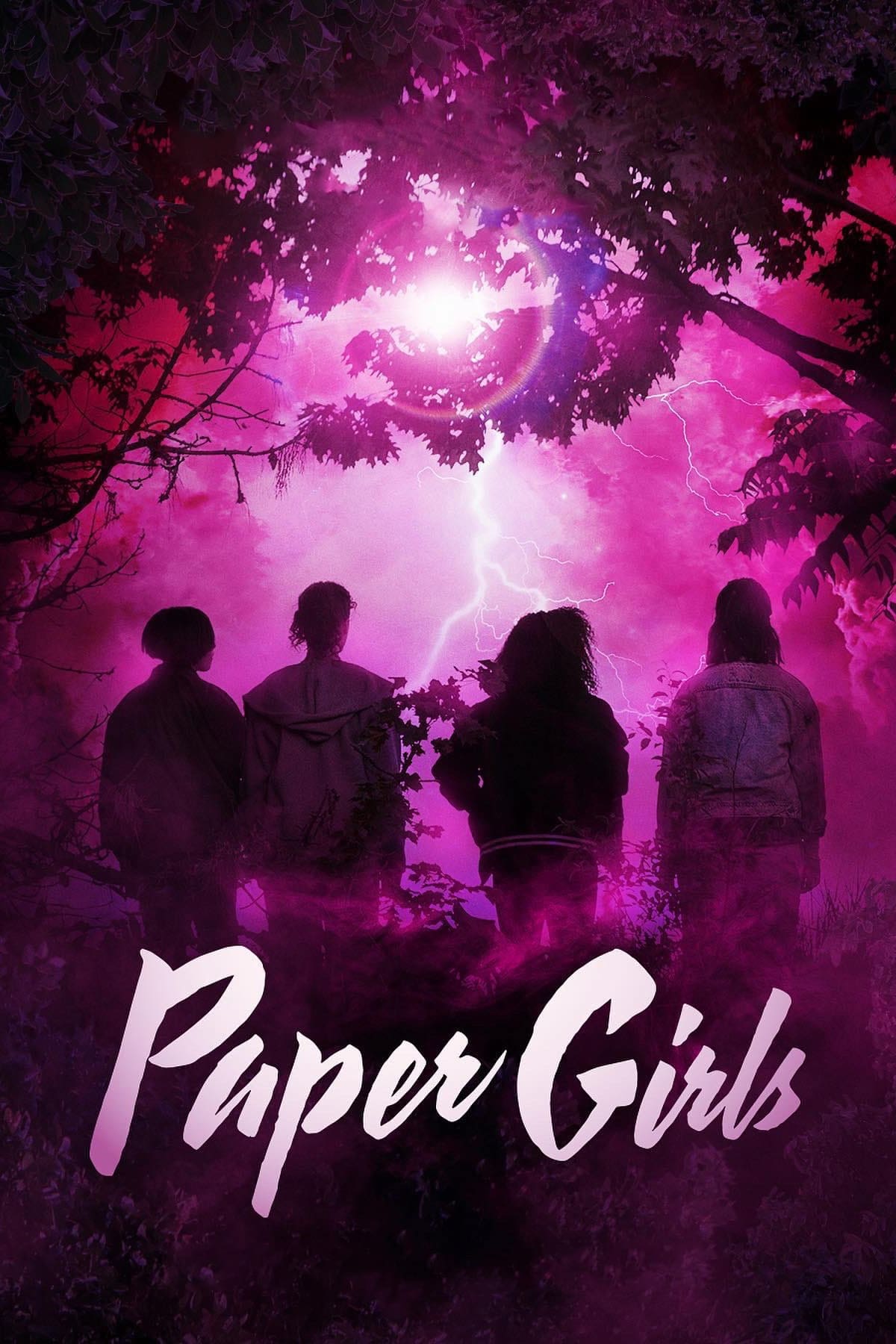
Amazon adapted the popular comic book about four newspaper delivery girls who get caught in a time war. The show made several changes to the aesthetic and timeline of the source material to fit a television budget. Fans felt the series lost the vibrant visual style and pacing that made the comics successful. The marketing for the show was minimal compared to other Amazon tentpole releases. It was cancelled after one season leaving the story on a major cliffhanger.
‘Queer as Folk’ (2022)
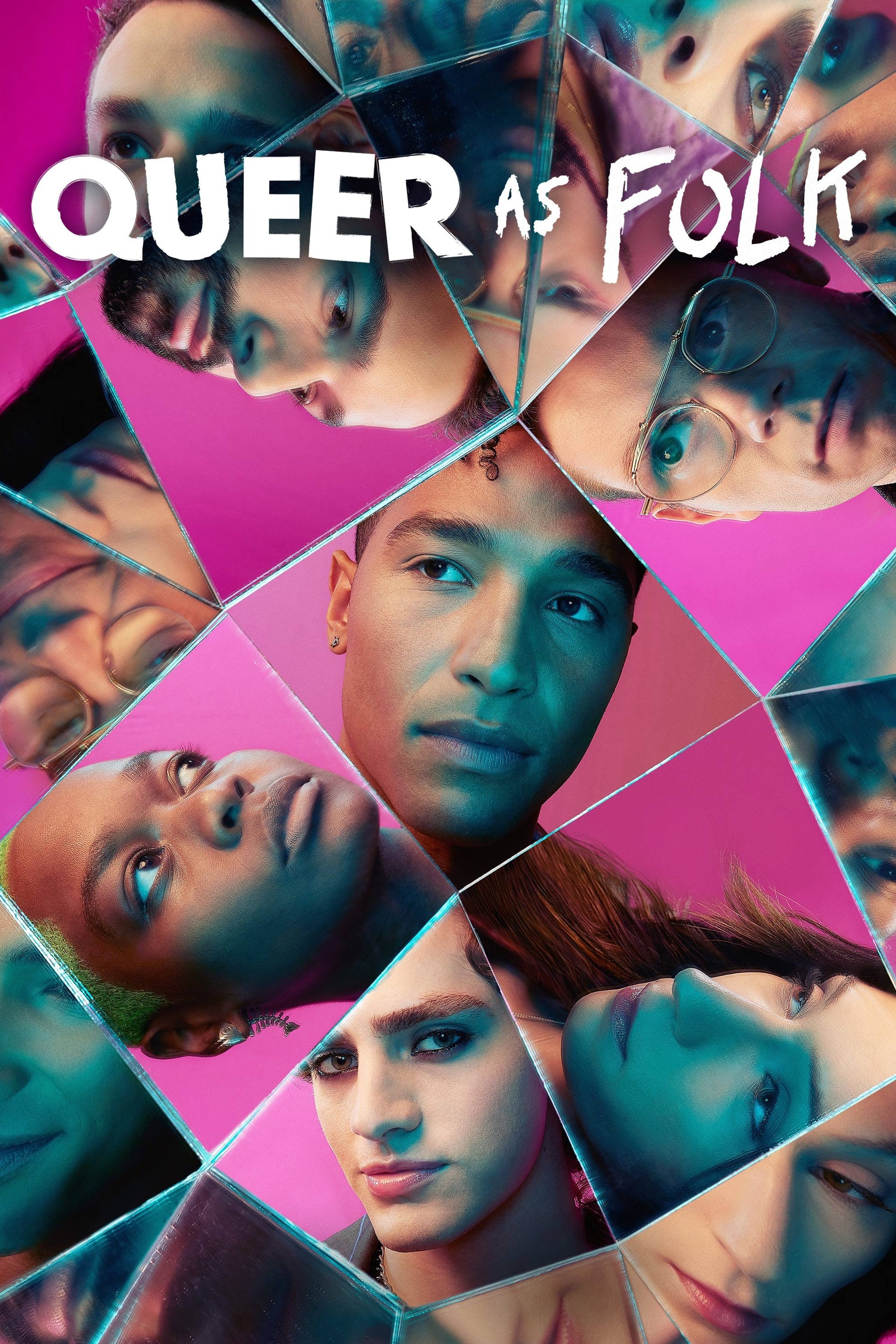
Peacock reimagined the groundbreaking British and American series for a modern New Orleans setting. The reboot focused on a diverse group of friends in the aftermath of a tragedy at a nightclub. Viewers felt the tone was significantly darker and more traumatic than the celebratory nature of the previous versions. The series struggled to find the same cultural resonance that the original iterations achieved. It was cancelled after one season due to low viewership.
‘The Fairly OddParents: Fairly Odder’ (2022)
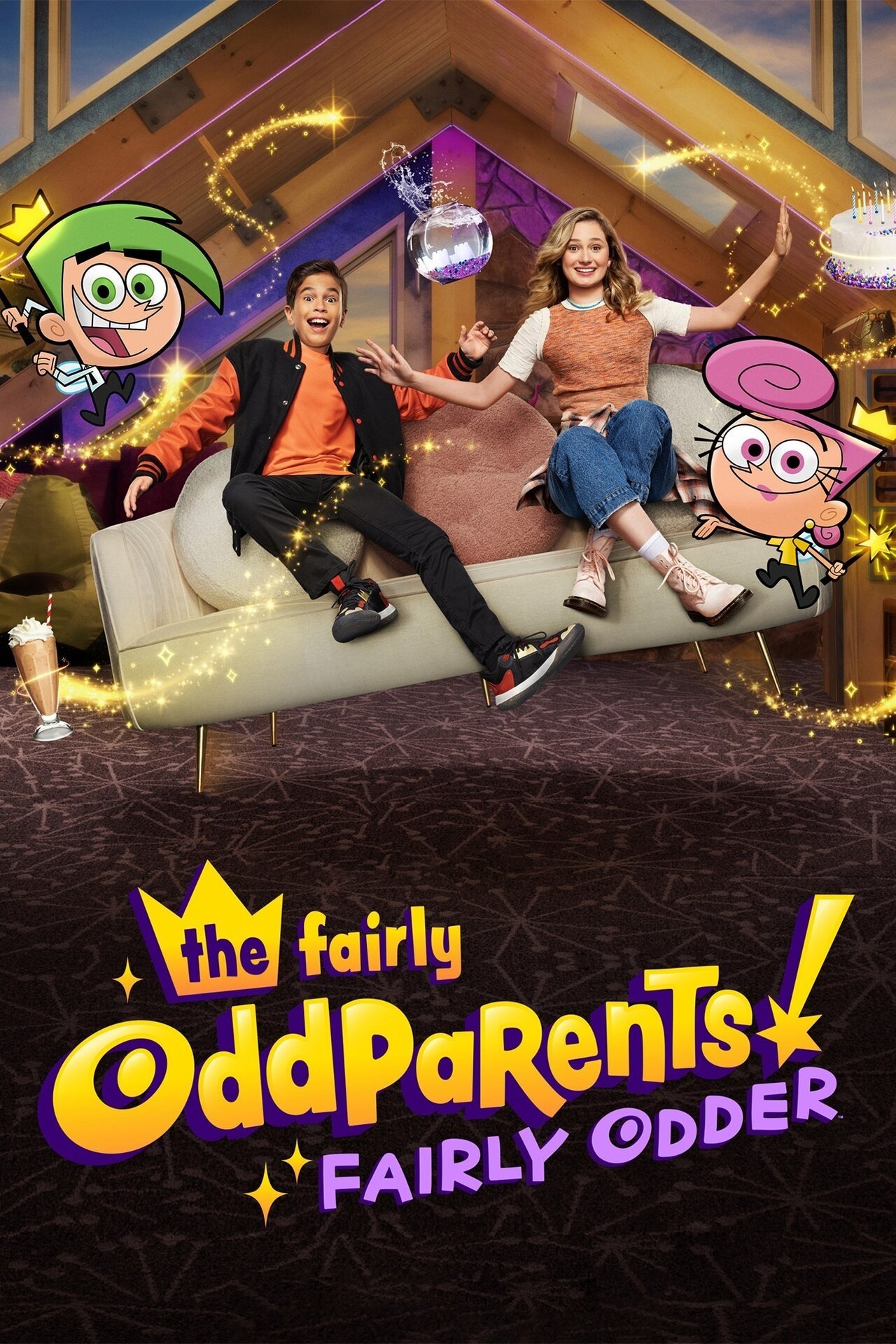
This live-action sequel to the long-running animated series introduced a new protagonist alongside the animated fairy godparents. The show was criticized for its chaotic humor and the decision to shift focus away from Timmy Turner. Longtime fans found the live-action format jarring and the writing quality inferior to the original cartoon. Paramount+ removed the series from its platform entirely shortly after cancellation. The project is cited as a failed attempt to monetize 2000s nostalgia.
‘The Wonder Years’ (2021–2023)
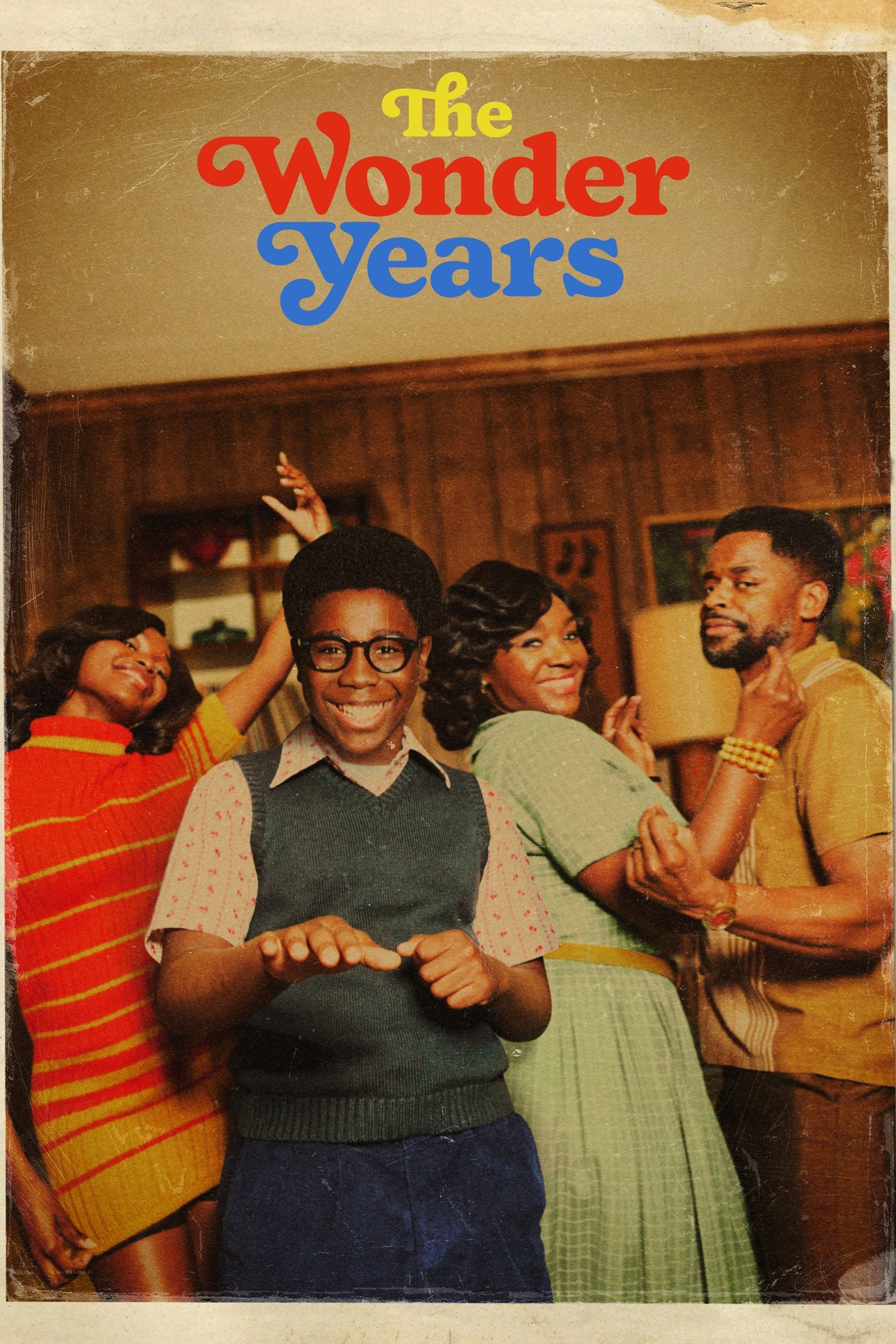
This reimagining of the classic coming-of-age sitcom focused on a Black family living in Alabama during the late 1960s. The show received critical praise for its performances but struggled to attain the massive viewership of the original. Audiences noted that the serious tone of certain episodes clashed with the nostalgic comedy format. The series faced production delays and behind-the-scenes issues that hampered its momentum. ABC cancelled the show after two seasons following a prolonged hiatus.
Share your thoughts on which of these cancellations were justified in the comments.