

18 Series That Race-Swapped a White Manga Character and Improved Them

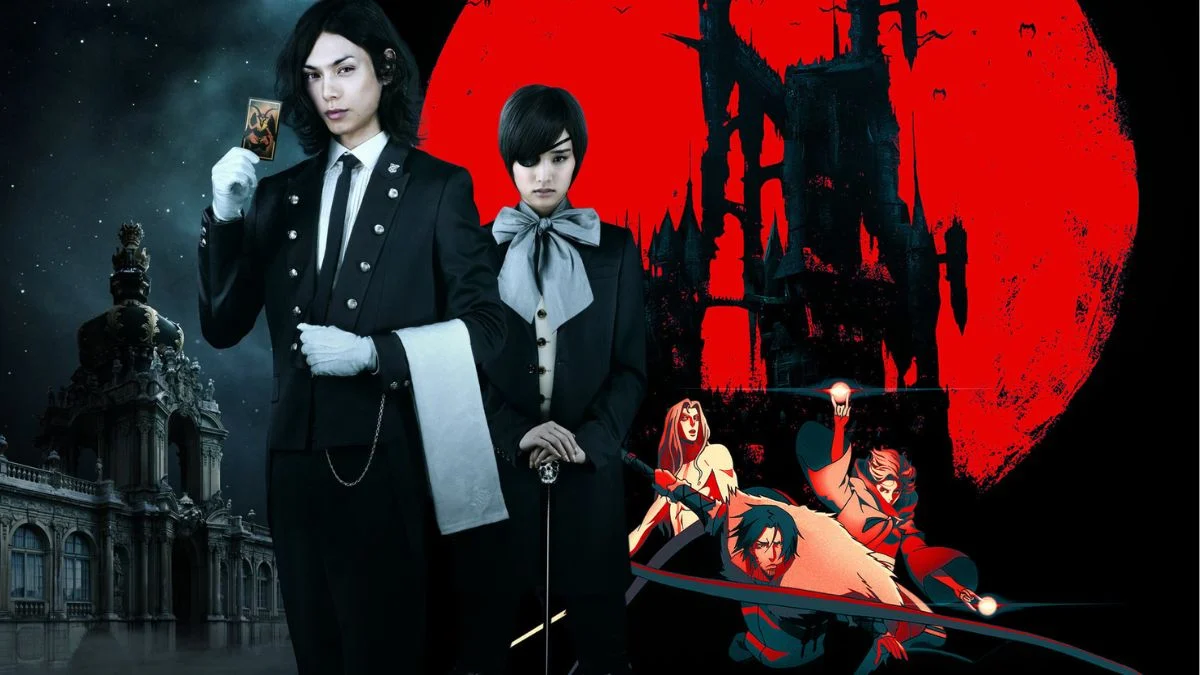


Race-swapping in adaptations is a frequent topic of debate, but there are numerous instances where changing a character’s ethnicity brought new depth or charisma to the role. Casting directors often prioritize capturing the spirit of a character over rigid adherence to their illustrated appearance. This approach has led to standout performances that redefine iconic figures for a new generation. The following adaptations successfully reimagined white or European-coded manga characters with actors of different backgrounds.
‘Castlevania’ (2017–2021)

Isaac appears in the original video games as a pale redhead with a bondage-style outfit, but the animated series completely reinvented him. The show presents Isaac as a Black Forgemaster with a complex philosophical outlook and a fiercely loyal personality. This change allowed the writers to explore themes of agency and humanity that were absent in the source material. He stands out as one of the most compelling and well-developed characters in the entire series.
‘One Piece’ (2023)

In the original manga, Alvida is a pale-skinned pirate captain who undergoes a magical transformation. The live-action series cast Ilia Isorelýs Paulino, an Afro-Latina actress who brought an immense amount of charisma and power to the role. Her portrayal captured the terrifying yet comedic essence of the Iron Mace captain perfectly. The casting choice added a vibrant layer to the show’s diverse world without losing the core of the character.
‘Cowboy Bebop’ (2021)
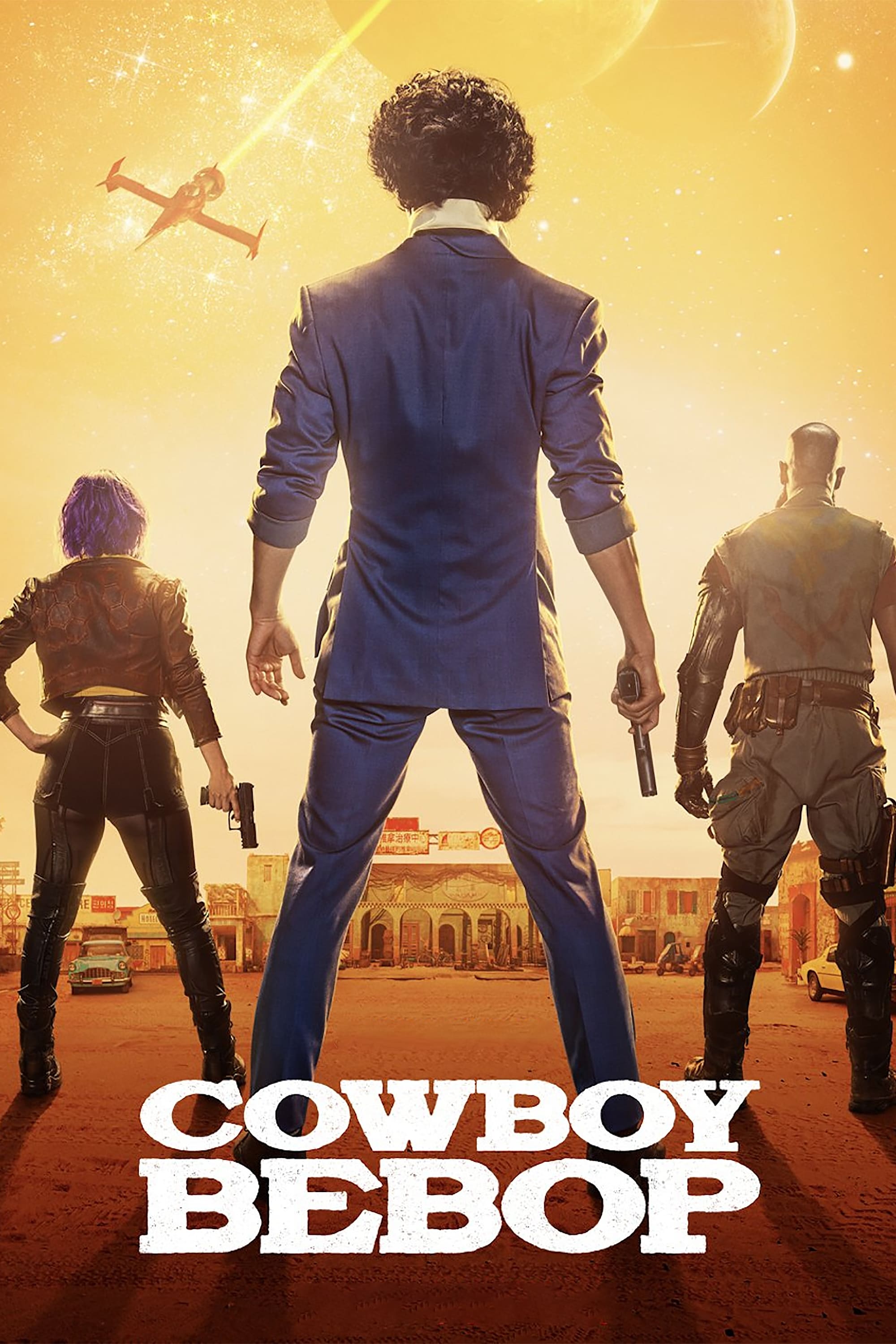
Jet Black was originally depicted in the anime with a racially ambiguous but generally light-skinned appearance from the moon Ganymede. Mustafa Shakir stepped into the role for the live-action adaptation and was widely hailed as the best part of the series. He perfectly embodied the gruff yet caring father figure energy that defines the character. Shakir mastered the voice and physical presence of the bounty hunter so well that the change felt entirely natural.
‘Thermae Romae’ (2012)

Lucius Modestus is a Roman architect in the original manga which focuses on bathhouse culture in ancient Rome. The Japanese live-action adaptation cast Hiroshi Abe, a Japanese actor known for his strong features, to play the Roman lead. His serious demeanor and commitment to the absurdity of the time-travel plot made the cultural juxtaposition even funnier. The film successfully sold the illusion through pure performance and set design.
‘Fullmetal Alchemist’ (2017)

Edward Elric is canonically from the European-inspired country of Amestris and is depicted with blond hair and golden eyes. The live-action film utilized an all-Japanese cast with Ryosuke Yamada taking on the role of the State Alchemist. Yamada brought a frenetic energy and emotional intensity that mirrored the shonen protagonist’s spirit. The production chose to focus on the cultural heart of the story rather than matching the Western setting with Western actors.
‘Attack on Titan’ (2015)

Eren Yeager lives in a world heavily influenced by German architecture and culture in the source material. Haruma Miura played the lead role in this Japanese production that reimagined the setting with a post-apocalyptic Asian focus. Miura delivered a passionate performance that captured the rage and desperation essential to Eren’s character. The shift in setting allowed the film to ground the fantastical elements in a more familiar local context for its primary audience.
‘Black Butler’ (2014)

Sebastian Michaelis is a demon butler serving a Victorian English earl in the original manga series. The live-action movie shifted the setting to a futuristic Asia and cast Hiro Mizushima as the titular character. Mizushima exuded the perfect blend of elegance and menace required for the demonic servant. This localized approach allowed the film to maintain the gothic aesthetic while making the story accessible to Japanese theatergoers.
‘The Promised Neverland’ (2020)

Norman is one of the three genius orphans at Grace Field House and is depicted with snowy white hair and blue eyes in the manga. Rihito Itagaki played the character in the live-action adaptation that featured a Japanese cast. Itagaki successfully conveyed the terrifying intelligence and calm leadership that defines Norman. The film proved that the psychological tension of the story relied on acting prowess rather than the racial accuracy of the children.
‘Death Note’ (2015)
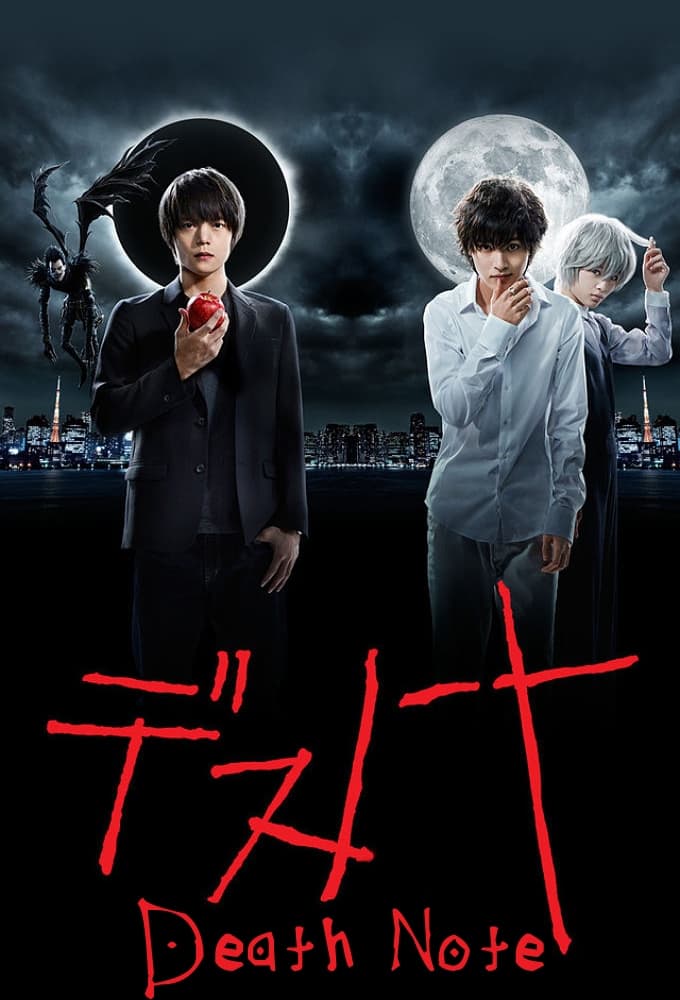
L is a world-renowned detective of mixed European and Japanese heritage who operates out of England in the manga. The television drama series reimagined L as a refreshing and slightly more social character played by Kento Yamazaki. This version stripped away some of the extreme eccentricities to create a rivalry that felt more grounded and personal. Yamazaki provided a “princely” contrast to Light Yagami that offered a new dynamic for fans of the franchise.
‘Ouran High School Host Club’ (2011)

Tamaki Suoh is the half-French princely president of the Host Club who constantly flaunts his foreign heritage. Yusuke Yamamoto took on the role in the drama series and fully embraced the over-the-top theatricality of the character. He managed to make the melodramatic personality endearing rather than annoying. The adaptation leaned into the comedy of a Japanese student acting out Western tropes to great effect.
‘Nodame Cantabile’ (2006)

Franz von Stresemann is a legendary German conductor with a wild personality in the original manga. Naoto Takenaka played the character in the drama series while wearing a wig and affecting an accent. The performance was a masterclass in physical comedy that became one of the most memorable parts of the show. His portrayal remains beloved by fans for capturing the chaotic genius of the maestro despite the obvious ethnic difference.
‘Terra Formars’ (2016)

Adolf Reinhard is a German officer with a tragic backstory and electric powers in the original sci-fi manga. The live-action film reimagined him as a Japanese character named Asuka Moriki played by Hideaki Ito. The adaptation retained the core emotional beats and the devastating power that made the character a fan favorite. This change streamlined the narrative by focusing on a unified national team.
‘Assassination Classroom’ (2015)

Irina Jelavic is a Serbian professional assassin who uses her looks to manipulate targets in the manga. Korean actress Kang Ji-young was cast in the role for the Japanese live-action films. She perfectly balanced the comedic incompetence of the character with moments of genuine lethality. The casting added an international flair to the classroom dynamic that fit the character’s role as a foreign language teacher.
‘Kids on the Slope’ (2018)

Sentaro Kawabuchi is a jazz drummer of mixed American and Japanese descent who faces discrimination in the 1960s. Taishi Nakagawa played the role in the live-action movie with a focus on the character’s rebellious energy. He learned to play the drums for the role to ensure the musical performance scenes were authentic. Nakagawa captured the raw emotion and deep friendship that drives the heart of the story.
‘Alita: Battle Angel’ (2019)

Alita is a cyborg found in a scrapyard who is often depicted with pale features in the original Gunnm manga. Rosa Salazar played the role using performance capture and brought a distinct Latina heritage to the character. Her performance was widely praised for its emotional vulnerability and intensity. The film used large digital eyes to mimic the manga style while grounding the character in Salazar’s human performance.
‘Kiki’s Delivery Service’ (2014)

Kiki is a young witch living in a European-inspired town in the original novel and Studio Ghibli anime. The live-action adaptation cast Fuka Koshiba and set the story in a fantasy version of Japan with Asian aesthetics. Koshiba brought a spirited innocence to the role that resonated with the coming-of-age themes. The film successfully translated the universal struggle of finding one’s independence to a new cultural setting.
‘Lupin the 3rd’ (2014)
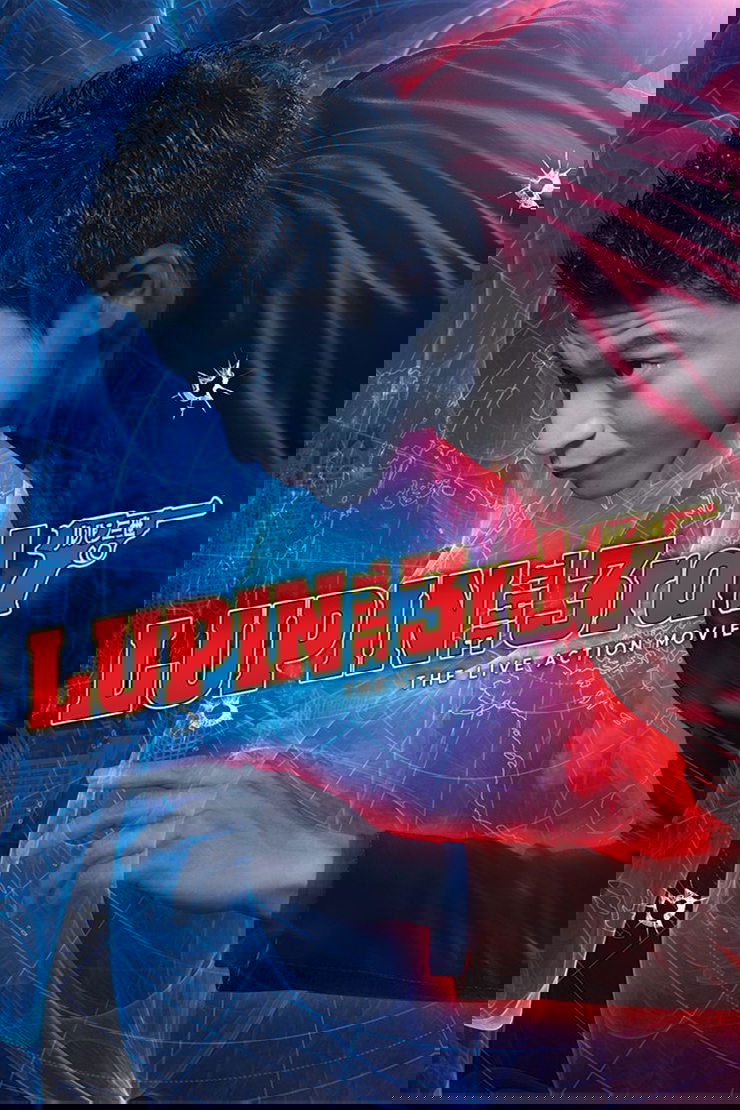
Lupin III is canonically the grandson of the French thief Arsène Lupin and is often treated as a mix of French and Japanese heritage. Shun Oguri played the master thief in the live-action movie with his own suave interpretation. He nailed the lanky physicality and monkey-like mannerisms that are essential to Lupin’s silhouette. Oguri proved that the character’s charm transcends his lineage.
‘Saint Young Men’ (2018)

Jesus is one of the two main protagonists in this slice-of-life comedy and is visually based on traditional Western religious art. Kenichi Matsuyama played the divine figure in the live-action drama with a long wig and a gentle demeanor. The humor comes from seeing a Japanese actor embody the holiest figure in Western religion living in a cramped Tokyo apartment. Matsuyama played the role with a warmth that made the absurd premise heartwarming.
Which of these casting choices do you think worked the best? Share your thoughts in the comments.