


‘Sherlock’ Mistakes You’ll Never Be Able to Unsee

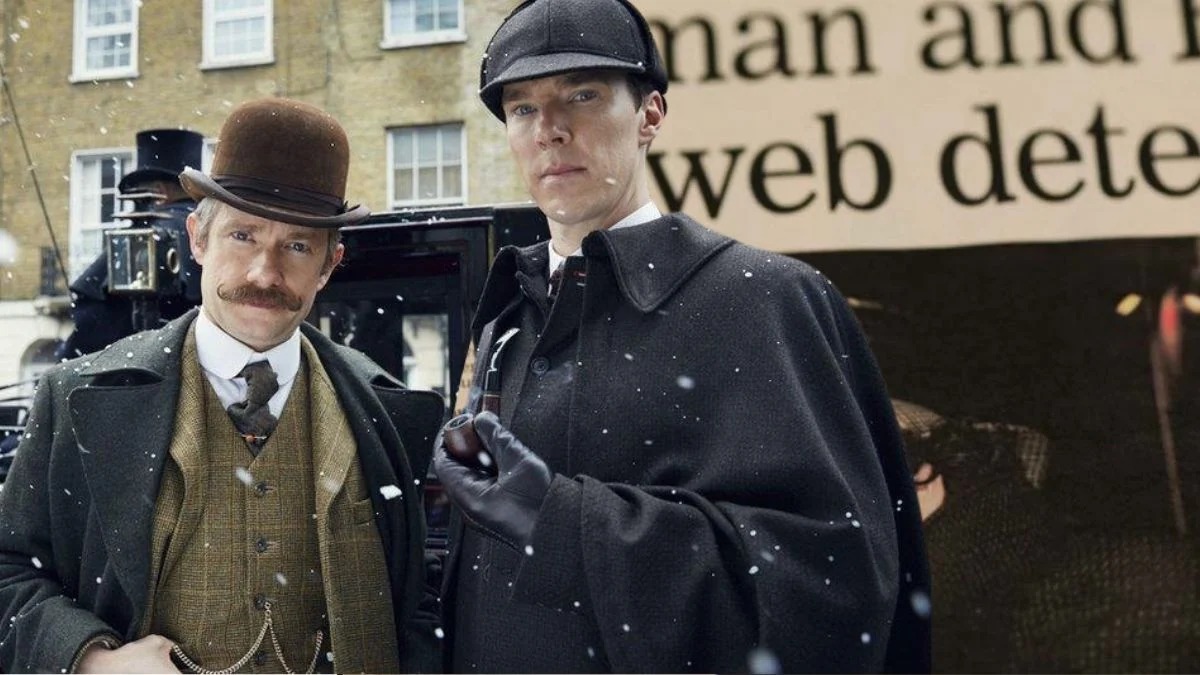


The BBC series ‘Sherlock’ is packed with clever details, but a closer look reveals a handful of production slips that sharp eyes can spot on rewatch. These are the practical hiccups that creep in when a fast moving show juggles real London locations, complex edits, and lots of on screen tech. None of them break the story, but they do show how TV magic is stitched together. Here are ten goofs that fans often notice once and then can’t ignore.
Baker Street That Isn’t Baker Street
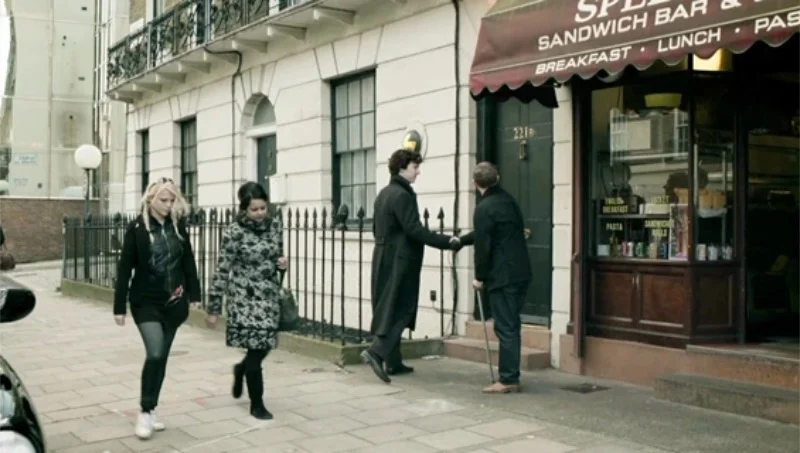
Most exterior shots of 221B are filmed on North Gower Street, which stands in for Baker Street. Because it is a working street, background traffic and parked cars change between cuts, so a taxi can vanish or reappear across a single exchange. Shopfront signs and door displays also shift between episodes as the real businesses update their windows. If you compare establishing shots from different cases, you can see the same location dressed slightly differently to match the story’s needs.
Teleporting Across London
Travel time is often compressed so characters can jump between distant landmarks in a single scene. A walk from the 221B area to St Bartholomew’s Hospital is several kilometers in real life, but the edit will cut straight from the flat to the rooftop or lab without any travel cushion. The same thing happens with scenes that hop from central London to the Thames embankment in what looks like minutes. It keeps the pace brisk, but the geography on screen does not match the city’s actual distances.
Props With Changing Fill Levels
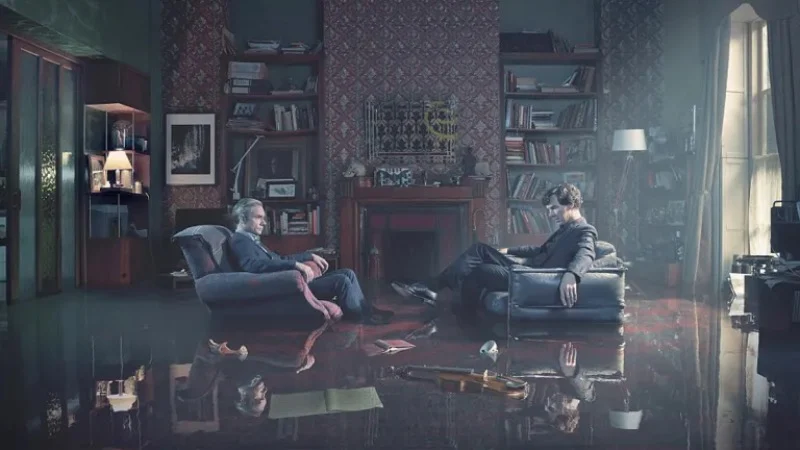
Tea mugs, beakers, and glassware in 221B and the crime lab frequently change fill levels between shots. A cup set down nearly full can turn into a half empty prop after a cut, then return to full in the next angle. This happens most around long dialogue scenes where multiple takes are stitched together. You can spot it with milk levels in the fridge and reagent volumes on the worktable as well.
Phones That Morph Between Shots
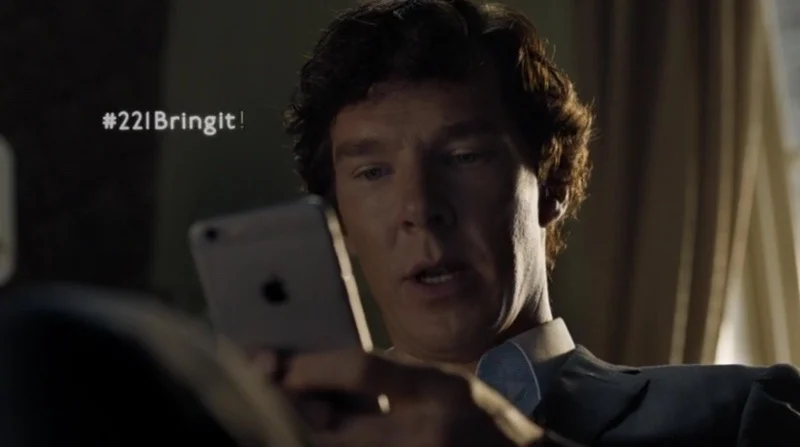
Closeups of text messages are often filmed with hero devices while wider shots use dummy handsets, so the phone can subtly change. Case colors, bezel thickness, and even the lock screen design sometimes switch within the same scene. Notification badges and battery icons also jump around as overlays are added in post. When characters compare messages side by side, timestamps can mismatch the spoken timeline by a few minutes.
On Screen Text With Drifty Timestamps

Those floating message overlays occasionally carry times that clash with the daylight shown outside. You might see a chat time stamp suggest night while sunlight streams through the windows. In multi person threads, reply order can flip when inserts are rearranged for clarity. The formatting of contact names also varies, with some screens showing full names and others showing only first names for the same person.
Wardrobe Continuity in the Coat and Scarf

Sherlock’s coat collar, lapels, and signature scarf shift position across intercut angles. A popped collar will sit flat after a reaction shot, then spring back up in the next line. Glove on and glove off slips happen during doorways and cab entries, especially in rainy exterior scenes. Lestrade’s tie and pocket items also move between takes when scenes are shot out of sequence.
Gloves and Tape at Crime Scenes

Evidence handling is not always consistent during busy crime scene coverage. Characters will put on gloves to pick up an item, remove them to talk, then handle the same item bare handed after a cut. Police tape lines move closer or farther from a doorway between angles as the camera team resets. Numbered evidence markers can change positions slightly between wide and close shots, which makes the layout look different.
Mirror Flips That Swap Instrument Details

Occasional mirror flipped shots slip into final edits, which swaps left and right in the frame. On those shots you can see a violin chin rest appear on the wrong side or a ring jump from one hand to the other. Street signs and jacket buttons also give the flip away when they appear reversed. It usually lasts only a few seconds, but once you notice it the frame feels off.
Reused Newspapers and Documents

Prop newspapers and case files are reused with fresh covers, which can lead to repeating page layouts. Background extras might hold a paper whose inside spread shows up again later with a new front headline. Case folders sometimes carry the same typed filler paragraphs even when the suspect name changes. You can catch it by pausing on the inner columns and spotting the identical blocks of text.
Computer Screens With Movie Logic

Laptops and lab monitors display bespoke graphics that are composited after filming, and they are not always realistic. You will see terminal windows run commands that do not match the result shown in the next pane. IP addresses and email headers appear in formats that standard systems would not accept. Progress bars also jump in big chunks between cuts, finishing far faster than the spoken timeline implies.
Share the sneakiest ‘Sherlock’ slip you have spotted in the comments so other fans can hunt for it too.