


20 Shows That Hired Zero Black Writers But Called Themselves “Authentic”

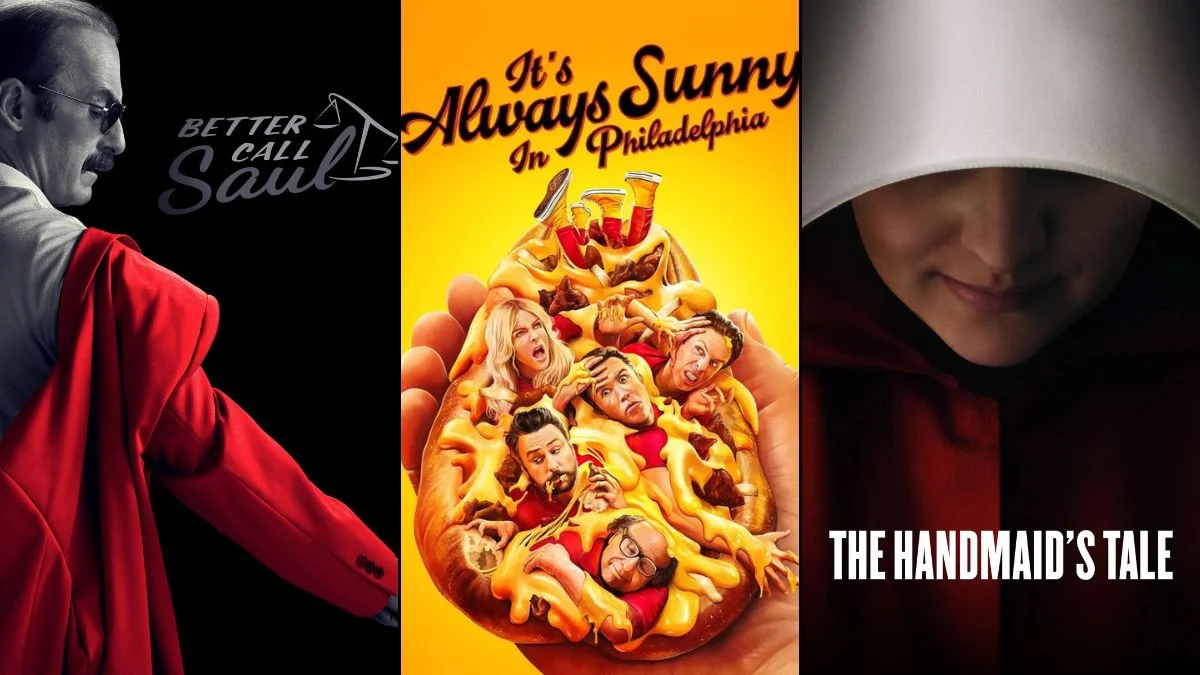


Authenticity in storytelling is a coveted label that television producers and networks strive to achieve. A show often claims to represent the real world or the complexities of the human condition while failing to employ a diverse team to write those stories. Many of the most acclaimed series in television history operated with writers rooms that completely excluded Black screenwriters for the majority or entirety of their runs. This lack of representation behind the scenes frequently resulted in blind spots regarding race and culture within the narratives themselves.
‘Friends’ (1994–2004)
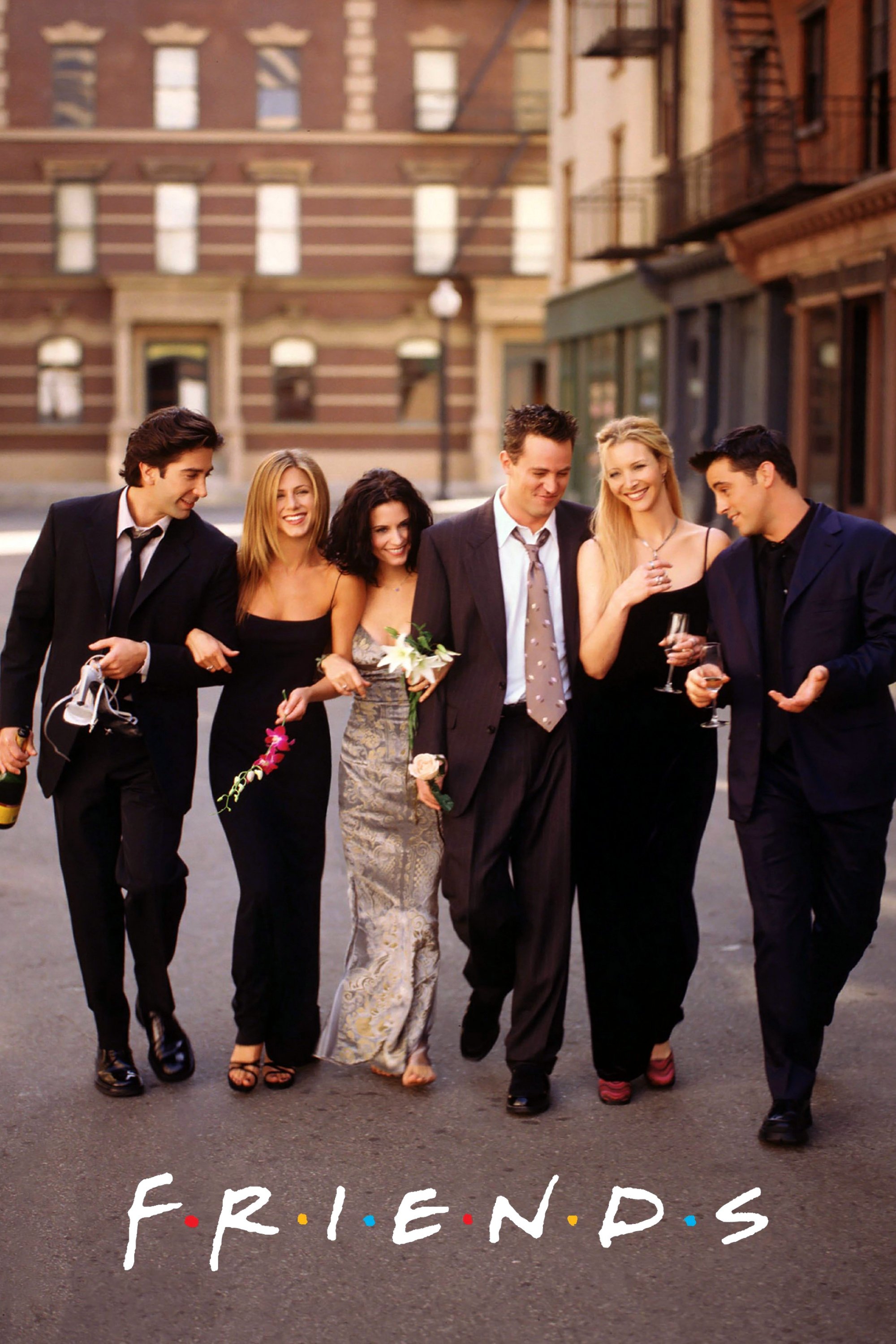
This sitcom became a global phenomenon by depicting the lives of six close companions living in Manhattan. Critics and audiences have long pointed out the disconnect between the diverse reality of New York City and the all-white main cast and writers room. The showrunners later admitted they did not do enough to include Black voices or characters during the decade the series aired. This exclusion stood in stark contrast to the show’s setting in one of the most multicultural cities in the world.
‘Seinfeld’ (1989–1998)
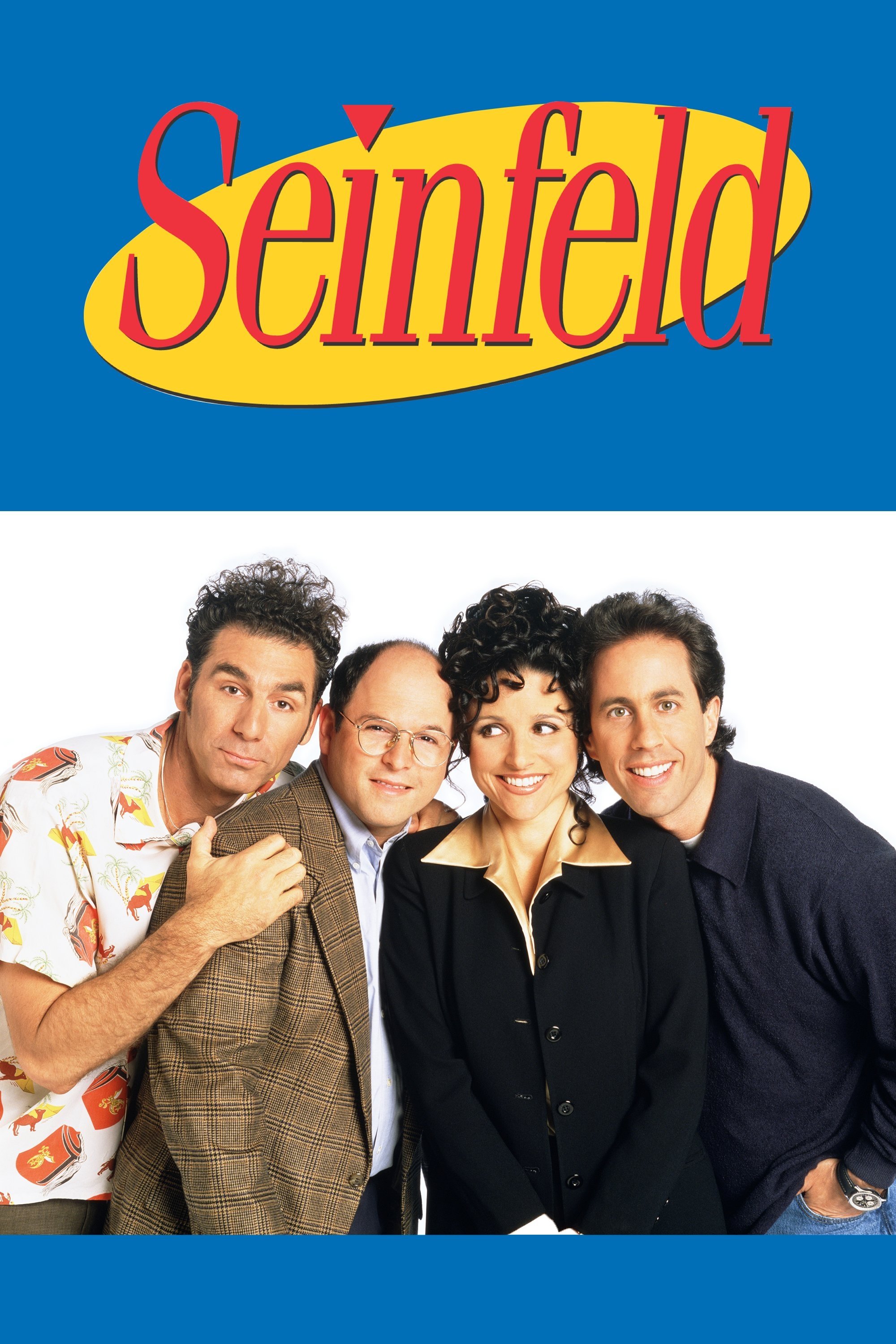
Larry David and Jerry Seinfeld created what was famously known as a show about nothing that found humor in the minutiae of daily life. The series was set in New York City yet the writers room remained exclusively white throughout its highly successful run. Minor characters of color were often relegated to stereotypes or fleeting appearances that lacked depth. The creative team focused on their own specific experiences without incorporating perspectives that would have reflected the city’s actual demographics.
‘Girls’ (2012–2017)
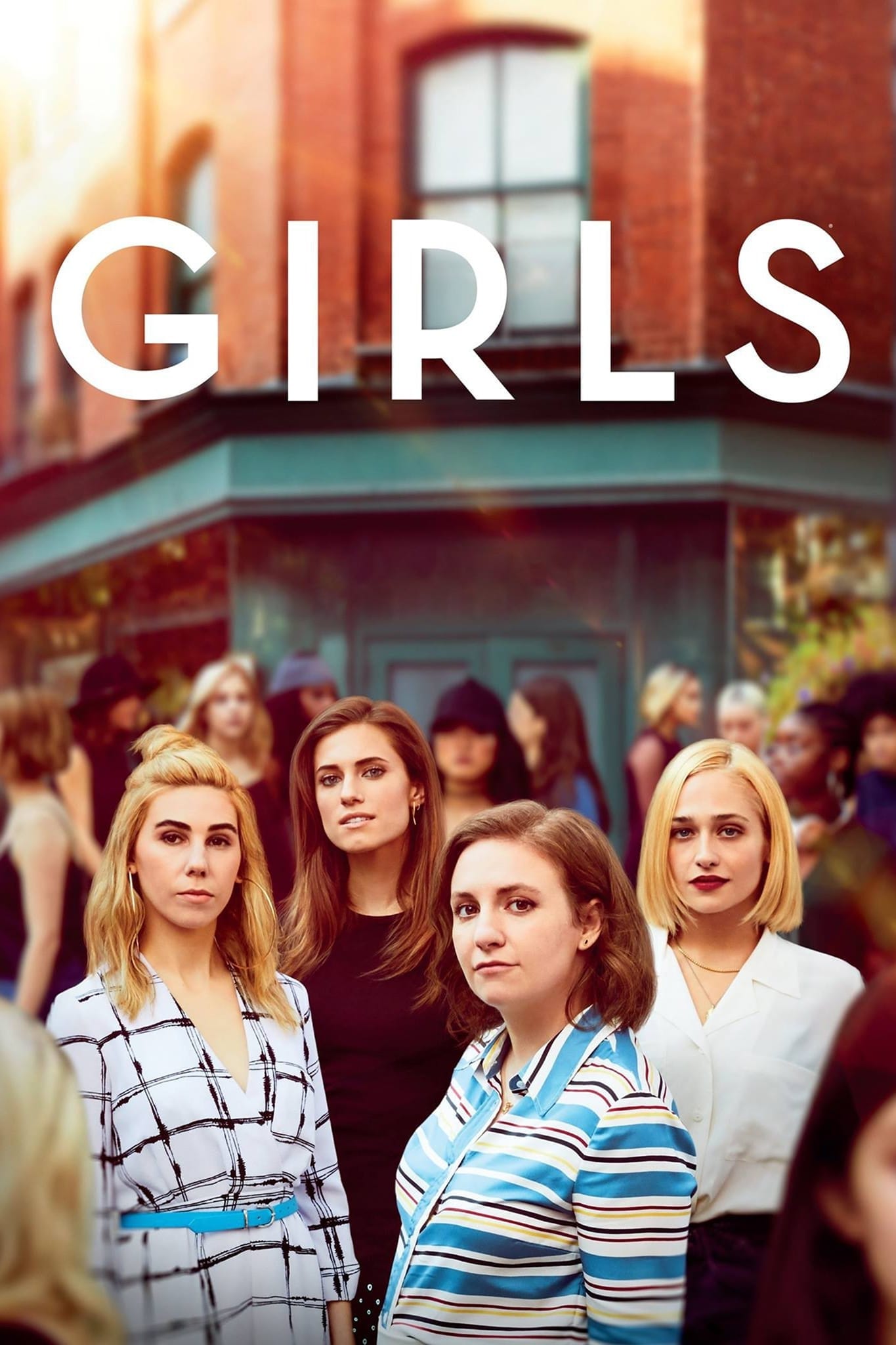
Lena Dunham created this HBO series with the specific intention of portraying a realistic look at the lives of young women in Brooklyn. The show faced immediate and intense backlash for featuring an all-white primary cast and writing staff despite its setting in a gentrified but diverse neighborhood. Dunham responded to criticism by stating she was writing from her own experience but the lack of inclusivity remained a point of contention. The writers room failed to include Black women who could have offered a broader perspective on the millennial experience in New York.
‘Sex and the City’ (1998–2004)

This groundbreaking series explored the dating lives and sexual escapades of four women in New York City. The writing team was composed predominantly of white women and gay white men who focused on a very specific slice of Manhattan society. Black characters were virtually nonexistent in the influential world the protagonists inhabited. The show claimed to offer an authentic look at modern relationships but completely omitted the intersectional experiences of women of color.
‘The Handmaid’s Tale’ (2017–)
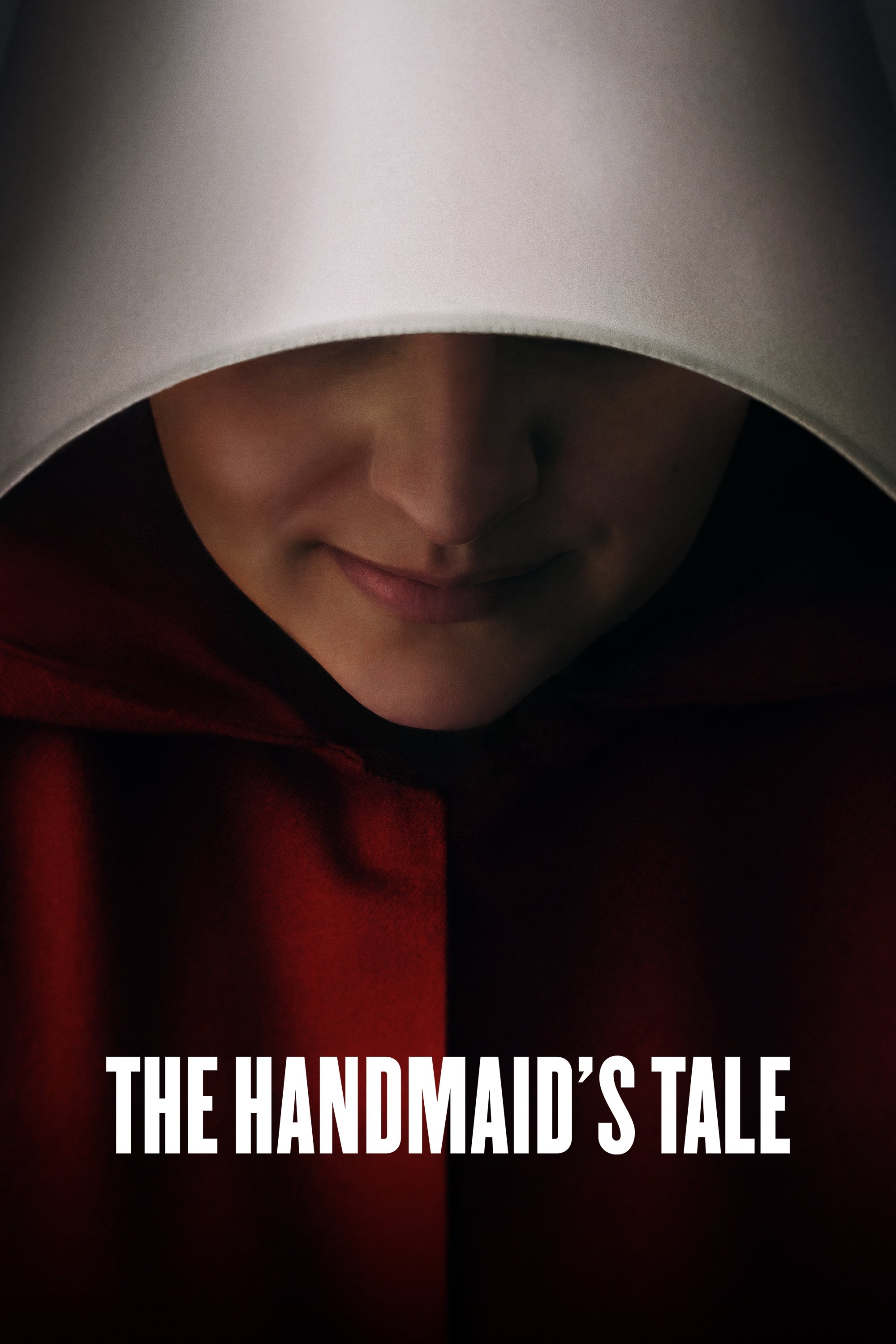
The first season of this dystopian drama received critical acclaim for its exploration of female oppression and bodily autonomy. Industry reports revealed that the writers room for the debut season included no Black screenwriters despite the narrative borrowing heavily from the history of slavery. Critics argued that the show ignored the racial dynamics inherent in its themes of servitude and forced reproduction. The showrunner later acknowledged this oversight and took steps to diversify the room in subsequent seasons.
‘Game of Thrones’ (2011–2019)
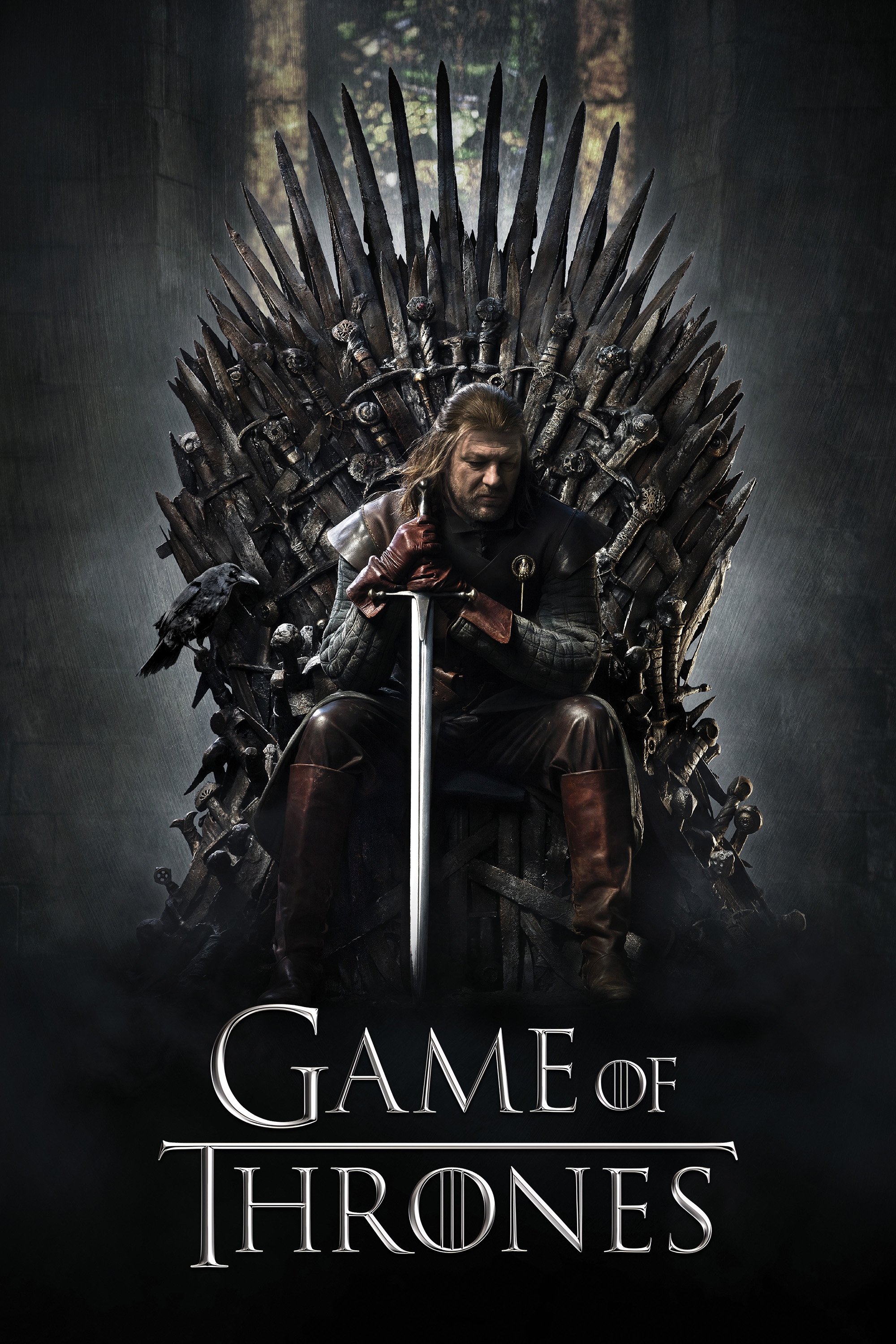
This fantasy epic spanned continents and cultures while boasting one of the largest budgets in television history. The core writing team consisted almost entirely of white men for the duration of the series. While the show featured fictional cultures based on non-European societies the portrayal of these groups often relied on exoticized tropes. The lack of diversity behind the camera meant that the vast world of Westeros was filtered through a singular cultural lens.
‘Breaking Bad’ (2008–2013)
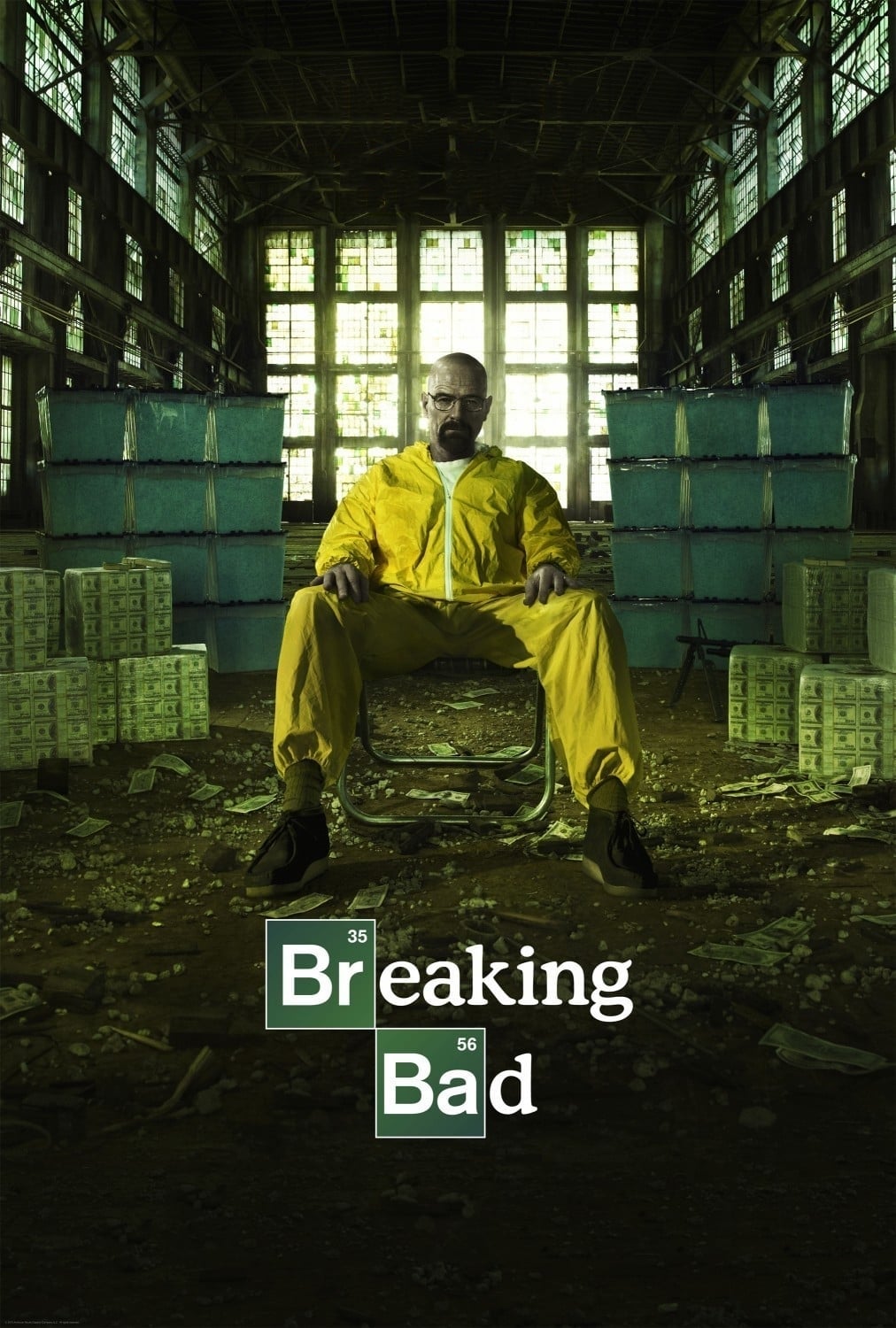
Vince Gilligan crafted a crime drama that is widely considered one of the greatest television series of all time. The writers room was staffed by a talented group of white writers who crafted the intricate downfall of Walter White. The story was set in New Mexico which has a large Hispanic population but the creative team lacked significant diversity. The narrative focused intensely on the white anti-hero while the perspectives of other cultural groups in the drug trade were written from the outside looking in.
‘Better Call Saul’ (2015–2022)
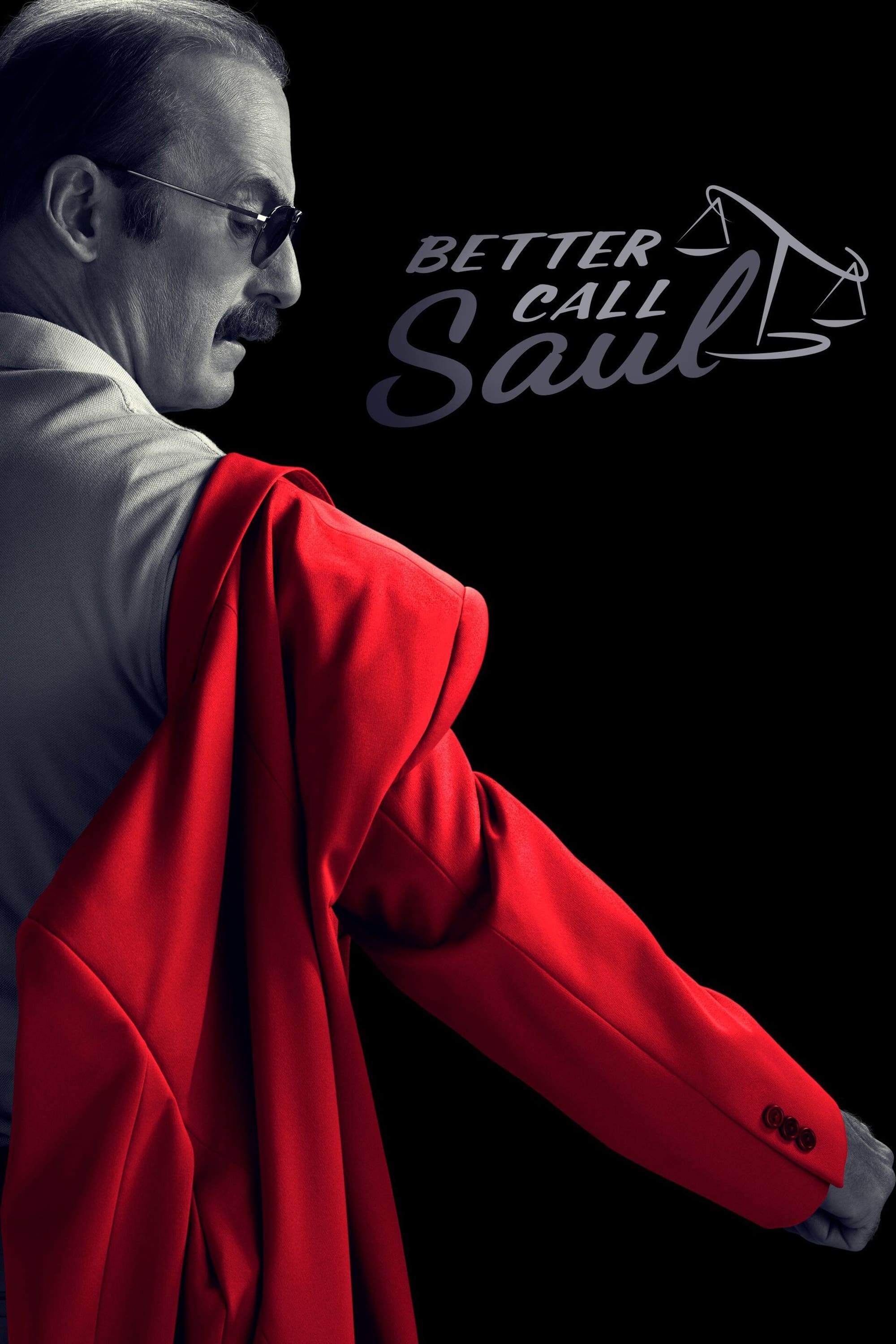
This prequel series continued the legacy of its predecessor by delivering high-quality writing and complex character development. The show maintained a similar staffing approach with a writers room that lacked Black representation for the majority of its run. The series garnered praise for its attention to legal details and the criminal underworld but persisted with a homogeneous creative team. This lack of diversity was noted in industry reports that highlighted the slow progress of inclusion in prestige dramas.
‘The Big Bang Theory’ (2007–2019)

The show centered on a group of socially awkward scientists and became the most popular comedy on television. The writers room remained uniformly white for its long tenure on CBS. While the cast included an Indian character the writing often relied on stereotypes for humor rather than cultural nuance. The series claimed to celebrate outsider culture but failed to include diverse voices in the creation of its jokes and storylines.
‘Modern Family’ (2009–2020)
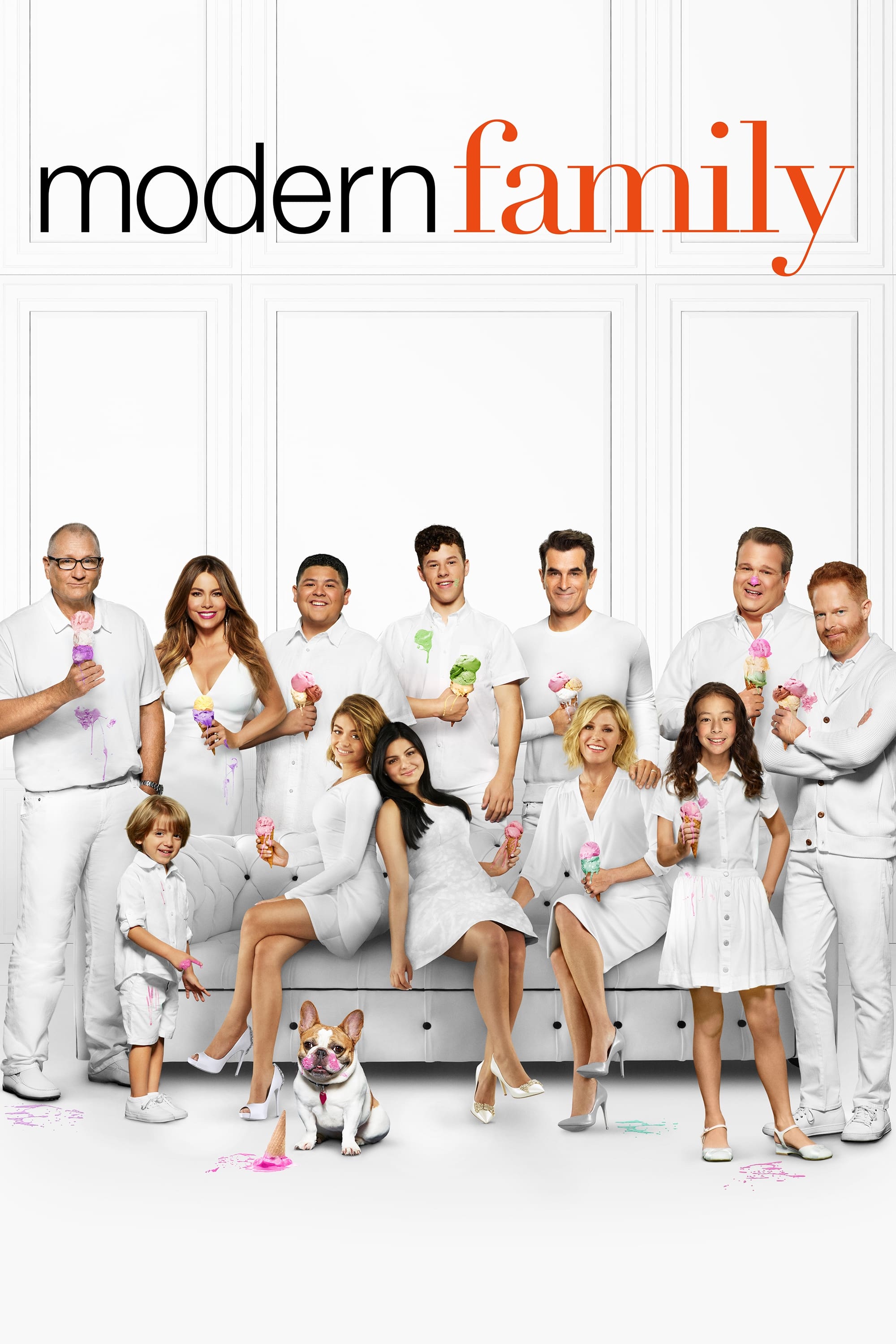
The mockumentary sitcom was celebrated for redefining the portrayal of the American family and featured a gay couple and a Colombian character. Reports indicated that the writers room did not employ any Black writers for a significant portion of the series. The show prided itself on representing the changing face of domestic life but lacked the creative input of Black storytellers. This omission meant that the definition of a modern family was crafted without the input of a major segment of the American population.
‘Stranger Things’ (2016–)
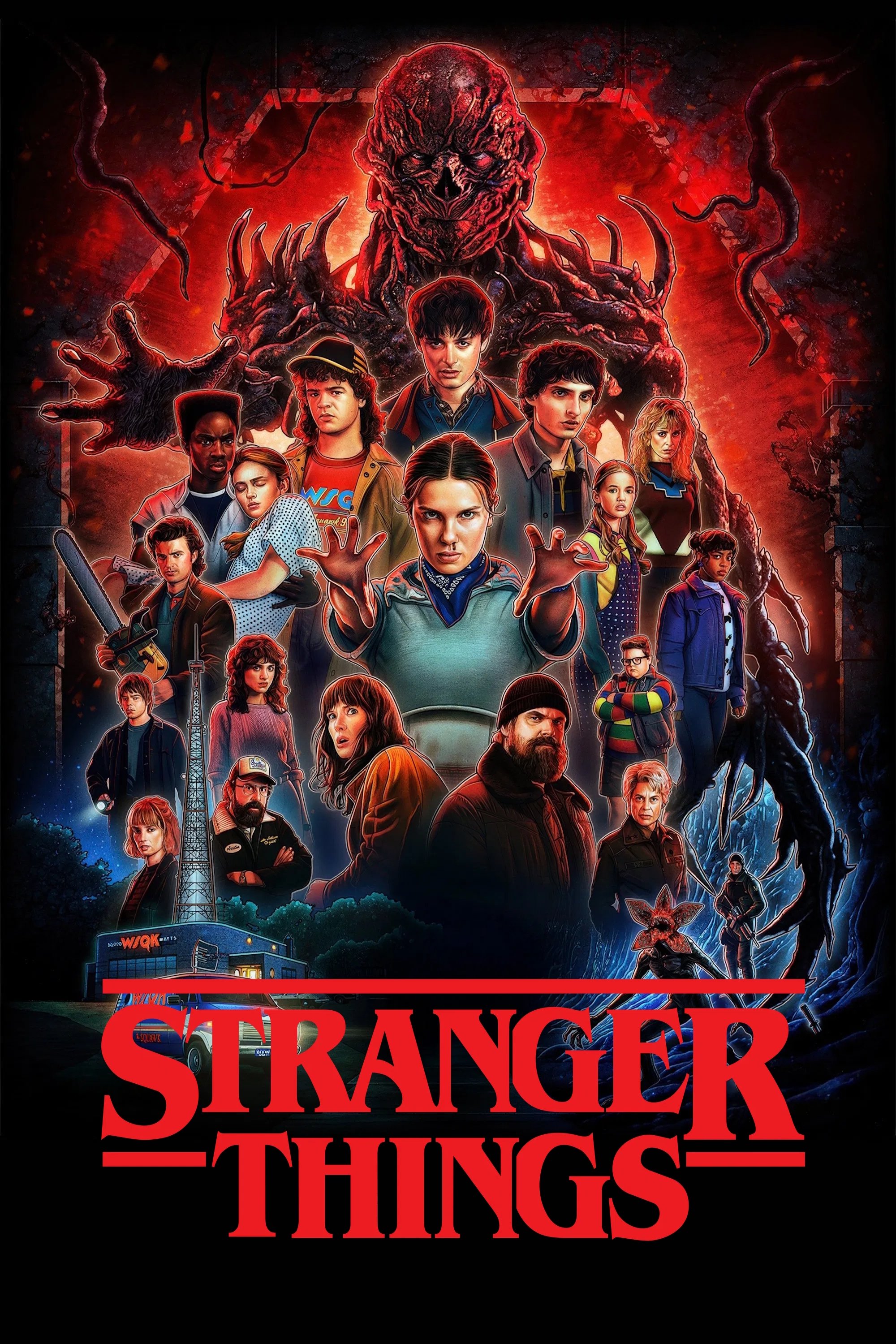
The Duffer Brothers created a nostalgic sci-fi hit that paid homage to the pop culture of the 1980s. The first season was written by a small team that did not include any Black writers. While the show featured a Black main character in Lucas Sinclair the lack of Black writers meant his cultural background was rarely explored in depth initially. The series aimed for period authenticity but the creative team did not reflect the diversity of the audience it captivated.
‘The Marvelous Mrs. Maisel’ (2017–2023)
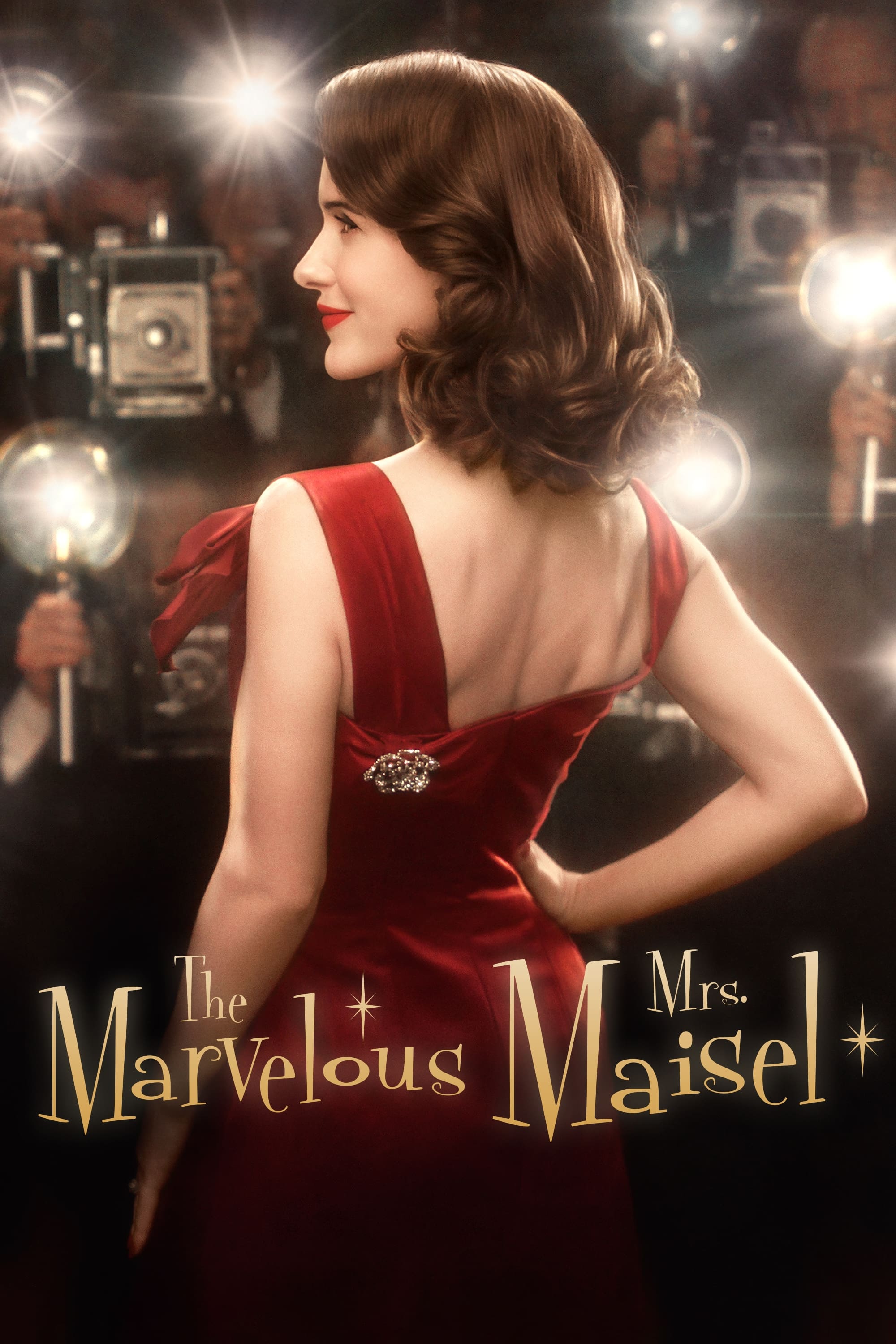
Amy Sherman-Palladino created this fast-talking comedy about a housewife turned stand-up comic in the late 1950s. The show was criticized for its lack of Black writers given the significant contribution of Black artists to the history of jazz and comedy in that era. The narrative often glossed over the racial segregation and civil rights struggles that were occurring simultaneously with Midge’s rise to fame. The writers room focused heavily on a specific Jewish-American experience without broadening the scope to include other marginalized voices of the time.
‘It’s Always Sunny in Philadelphia’ (2005–)
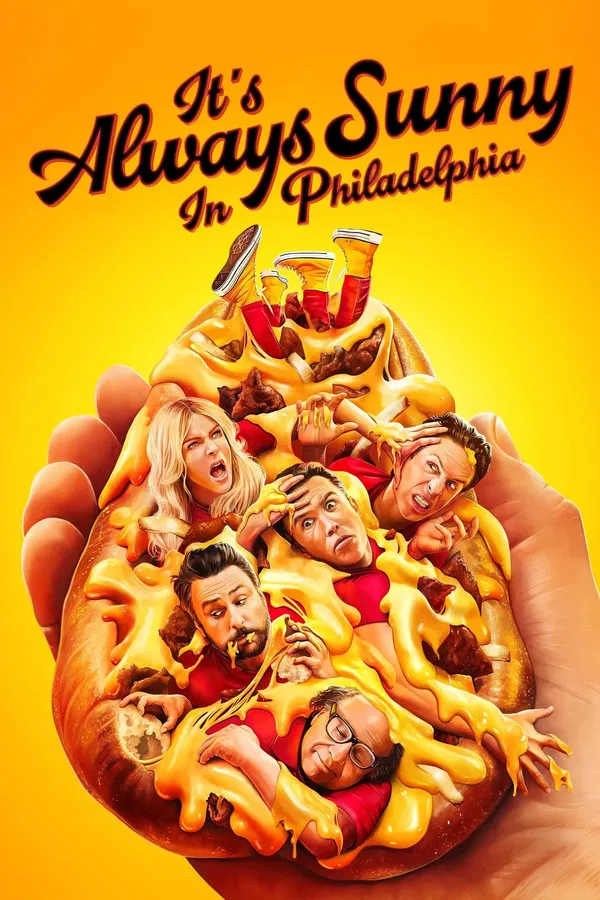
The creators of this long-running satire admitted that they hired mostly white men for the first twelve seasons of the show. The series is set in Philadelphia which is a city with a demographic that is majority non-white. Rob McElhenney later expressed regret over the exclusion and acknowledged that it limited the types of stories they could tell effectively. The show claimed to be a gritty and authentic look at terrible people but the creative team was insulated from the reality of the city they depicted.
‘Silicon Valley’ (2014–2019)
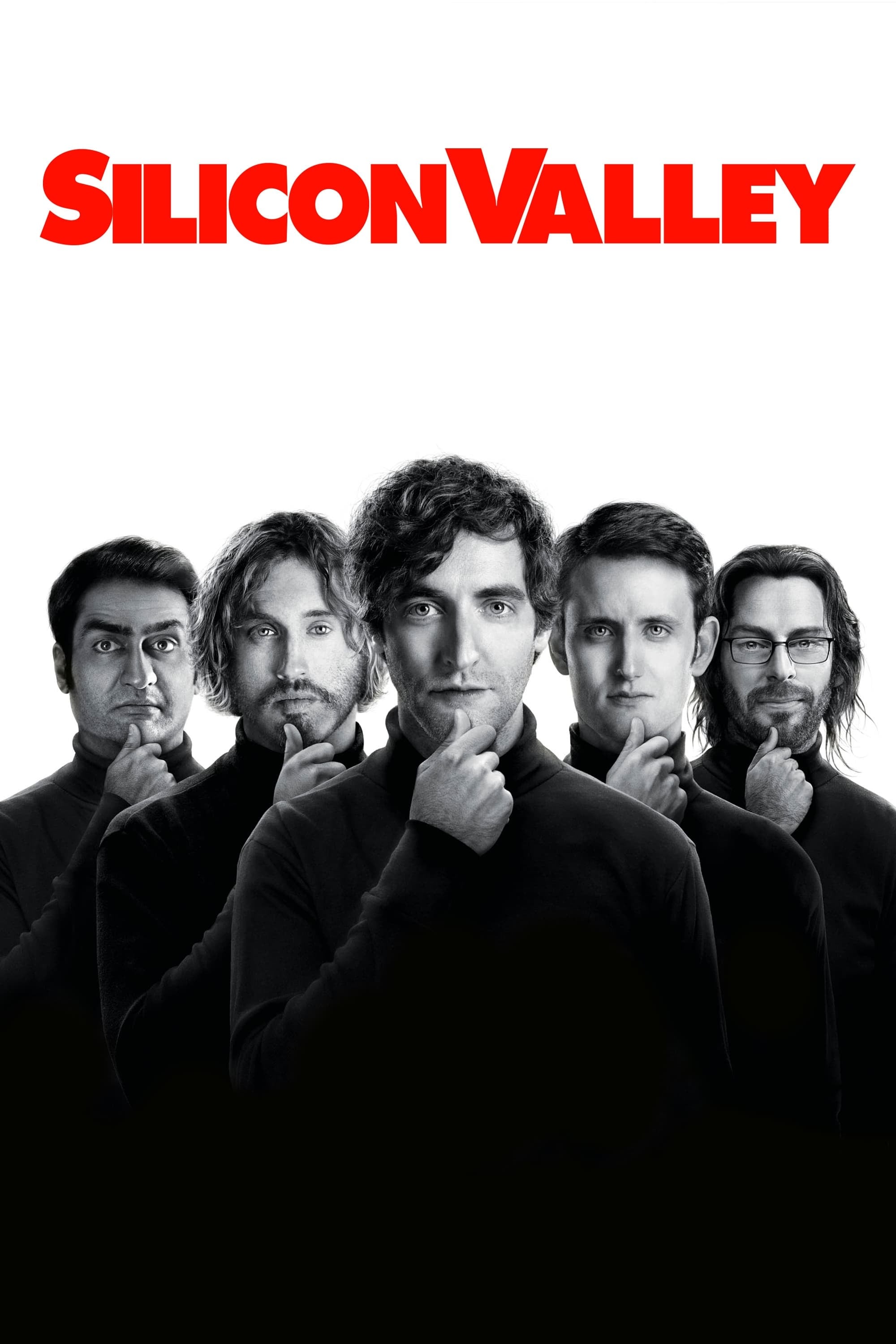
This HBO comedy satirized the tech industry and its culture of excess and awkwardness. The writers room was criticized for mirroring the very lack of diversity found in the real tech world it mocked. Industry diversity reports noted the absence of Black writers on the staff during its run. The show successfully lampooned the white male dominance of Silicon Valley but failed to challenge that status quo within its own creative hierarchy.
‘Veep’ (2012–2019)
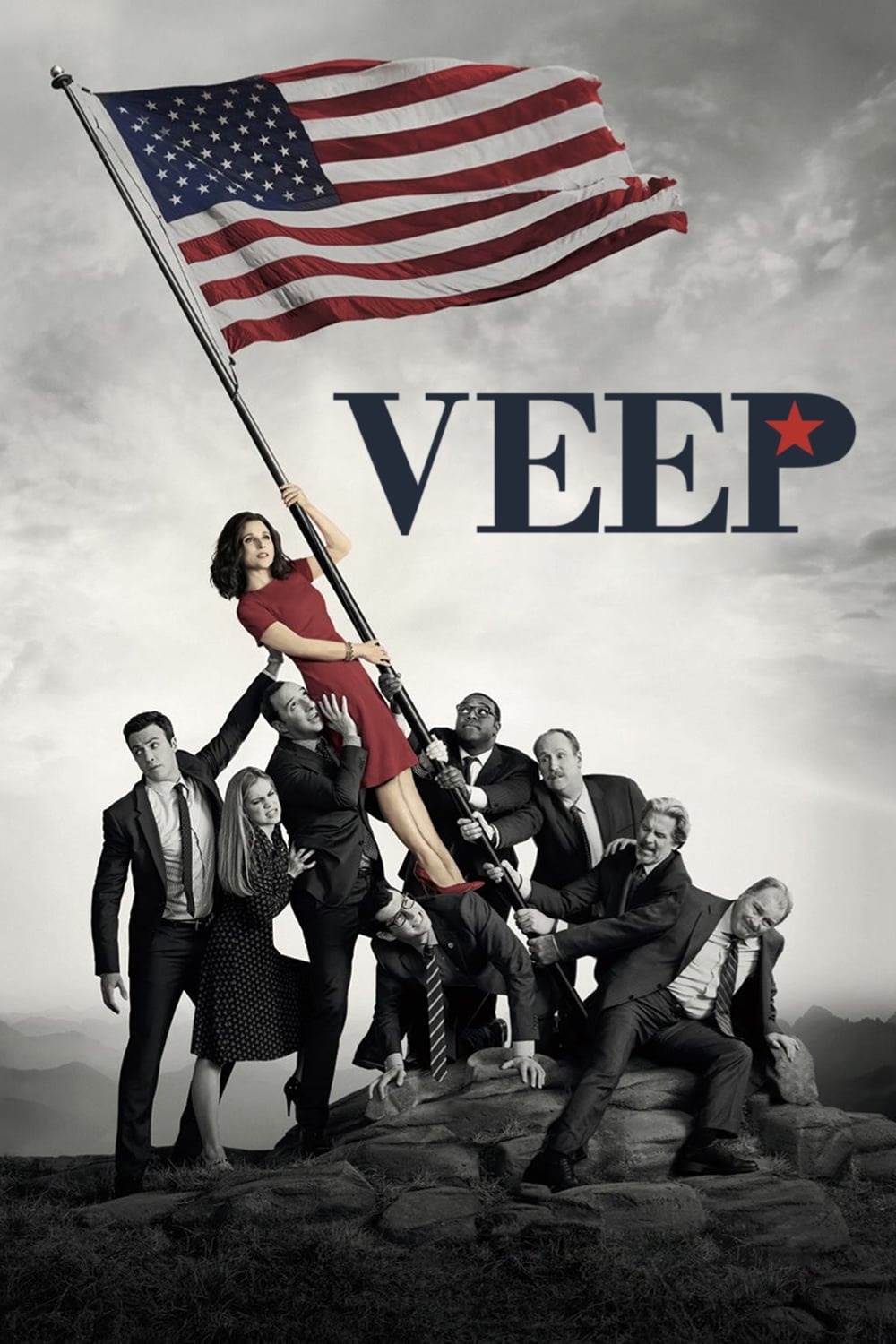
The political satire was lauded for its sharp dialogue and cynical take on Washington dynamics. The writing staff for the earlier seasons was primarily composed of white British and American writers. The show aimed to expose the absurdity of American politics but did so without significant input from Black creatives. Later seasons saw some diversification but the foundational voice of the series was established by a homogeneous group.
‘Fargo’ (2014–)
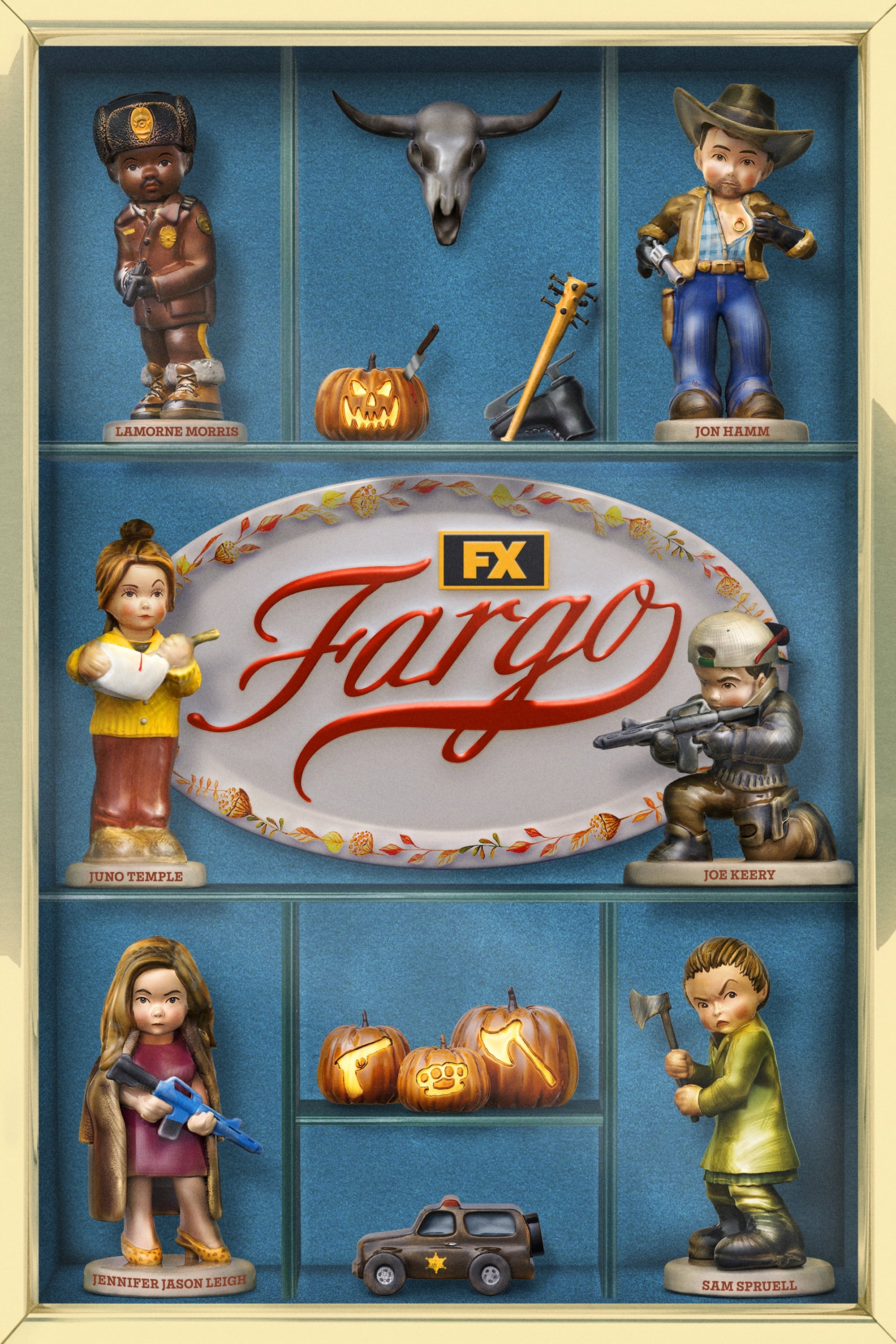
Noah Hawley adapted the Coen Brothers film into an anthology series that explored crime in the Midwest. The first few seasons were written by a predominantly white staff that captured the specific dialect and tone of the region. Critics noted that while the show introduced Black characters in later seasons the writing team did not initially reflect that diversity. The series claimed to tell true crime stories but the perspective was consistently filtered through a white lens.
‘Mindhunter’ (2017–2019)
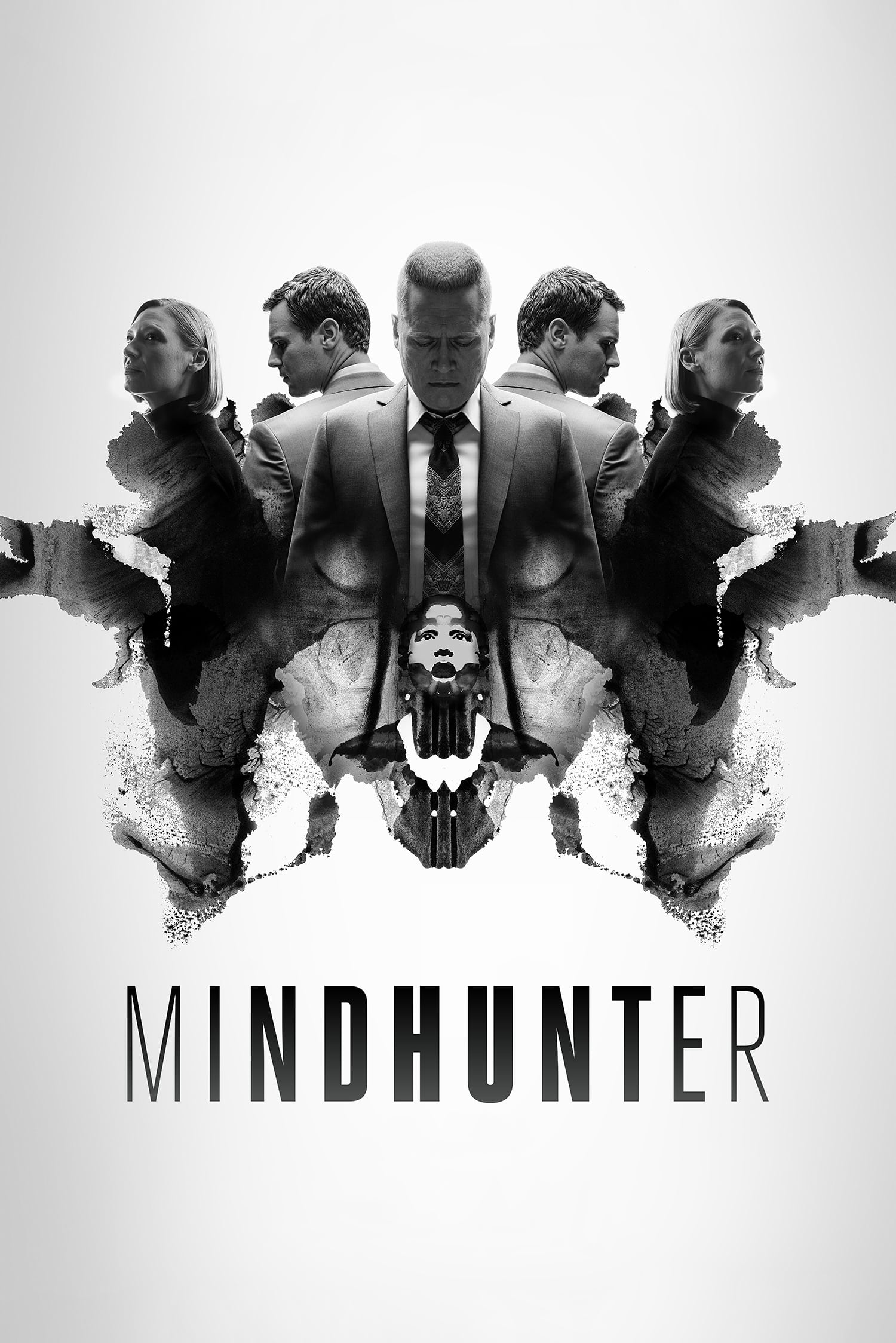
This psychological thriller focused on the FBI’s early efforts to understand and profile serial killers. The writers room lacked Black representation even though the show dealt with the Atlanta Child Murders in its second season. The series prided itself on historical accuracy and attention to detail regarding criminal psychology. The absence of Black writers raised questions about how the show navigated the racial tensions inherent in the investigations it portrayed.
‘How I Met Your Mother’ (2005–2014)
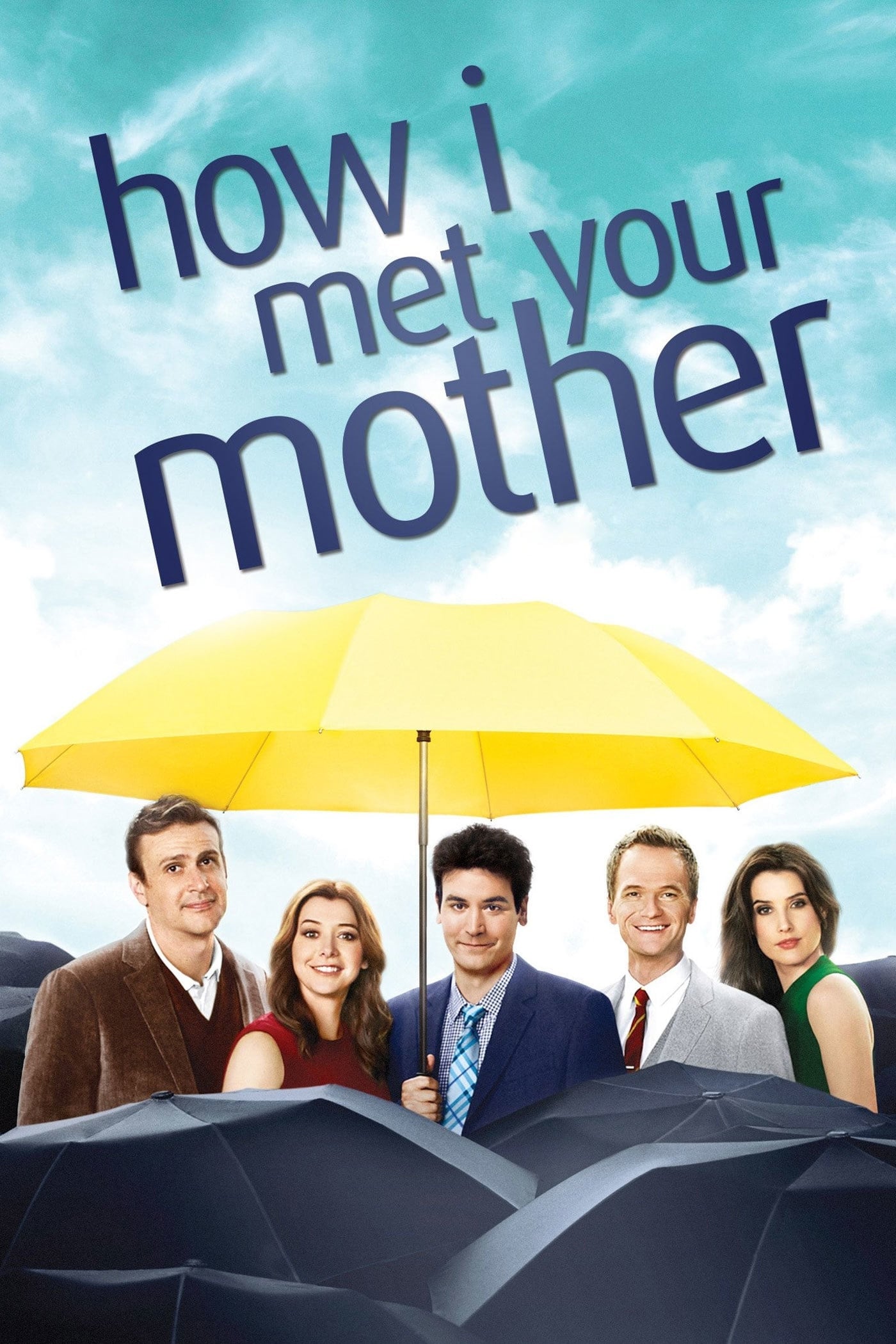
The sitcom followed a group of friends navigating life and love in New York City over the course of nine seasons. The writing staff was entirely white for the duration of the show. The series often utilized the city as a backdrop but rarely engaged with its diversity beyond background extras. The authentic search for love depicted in the show was strictly limited to a white perspective.
‘Buffy the Vampire Slayer’ (1997–2003)
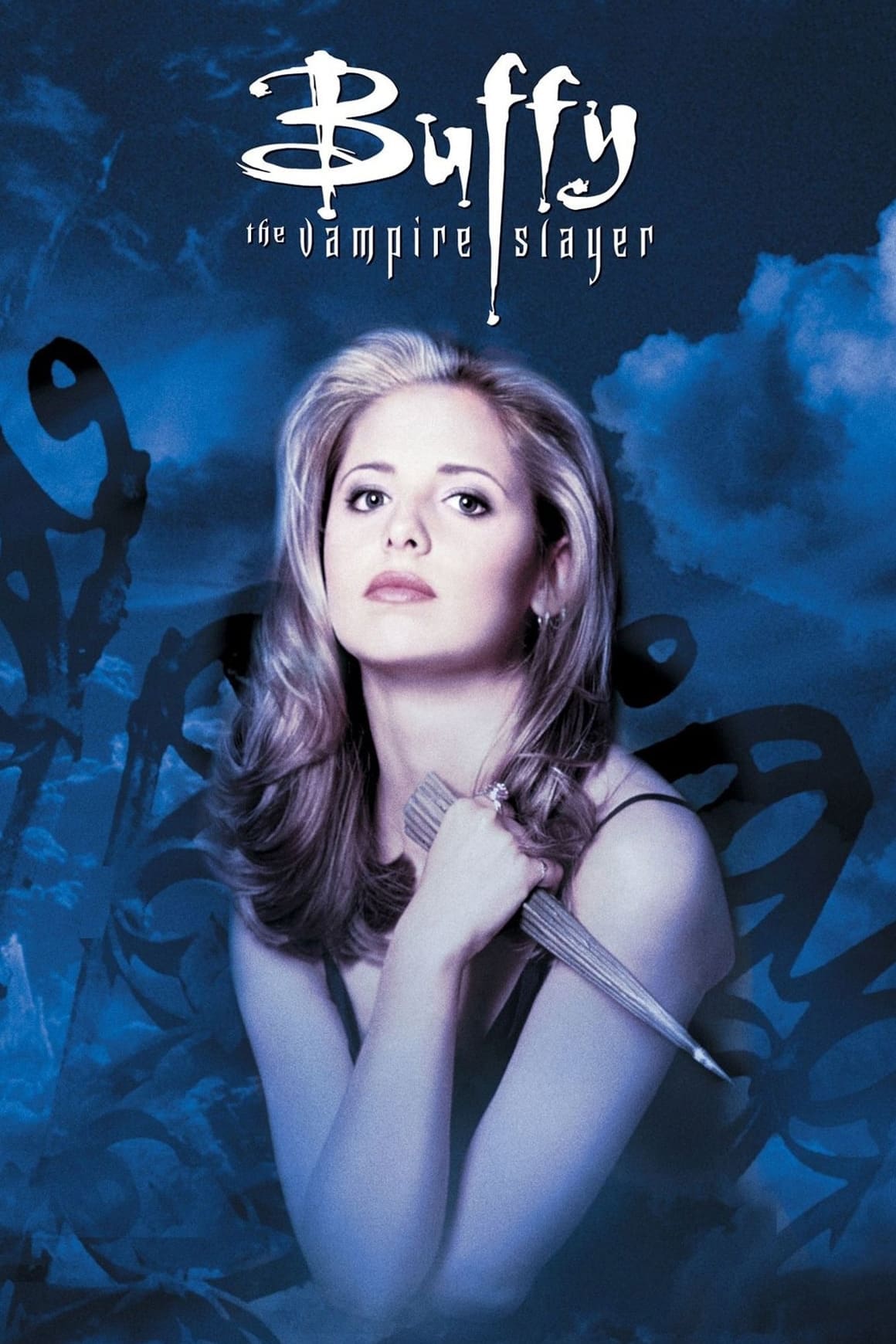
Joss Whedon created a cult classic that used supernatural metaphors to explore the horrors of high school and growing up. The writers room was filled with talented staff who were almost exclusively white. Writer Marti Noxon later admitted that the lack of diversity was a significant blind spot for the production. The show claimed to speak for the outsider but failed to include racially diverse voices in its exploration of otherness.
‘Mad Men’ (2007–2015)
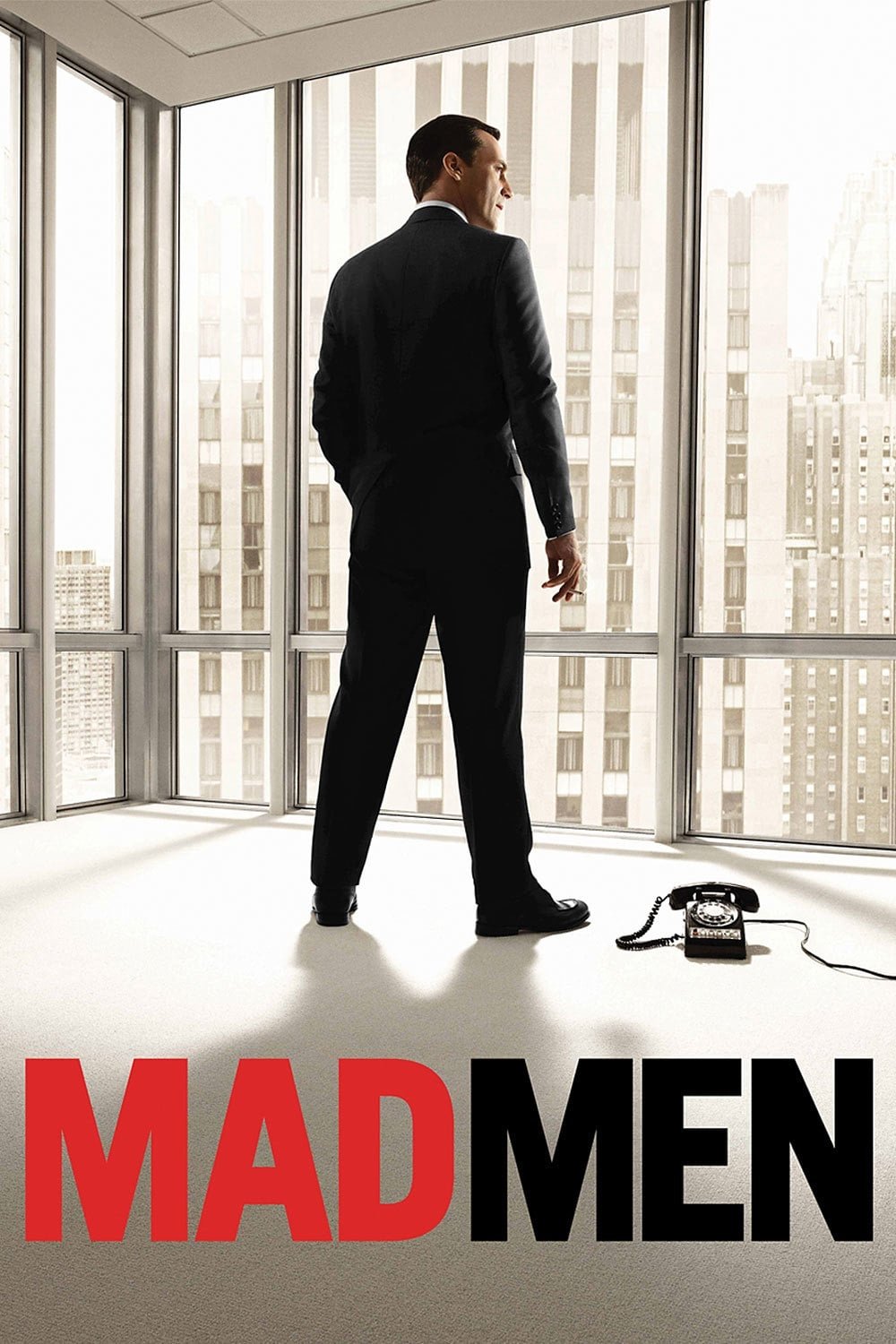
Matthew Weiner created a period drama that was obsessive about historical accuracy regarding the 1960s advertising world. The writers room was famously all-white and included no Black writers across its seven seasons. The show dealt with the Civil Rights movement and the changing social landscape but always from the perspective of the white characters. Critics argued that the claim to historical authenticity was undermined by the exclusion of Black perspectives in the creation of the narrative.
Share your thoughts on these writers rooms in the comments.