


Simone Signoret’s Career: From ‘Behold Beatrice’ to ‘L’étoile du nord’

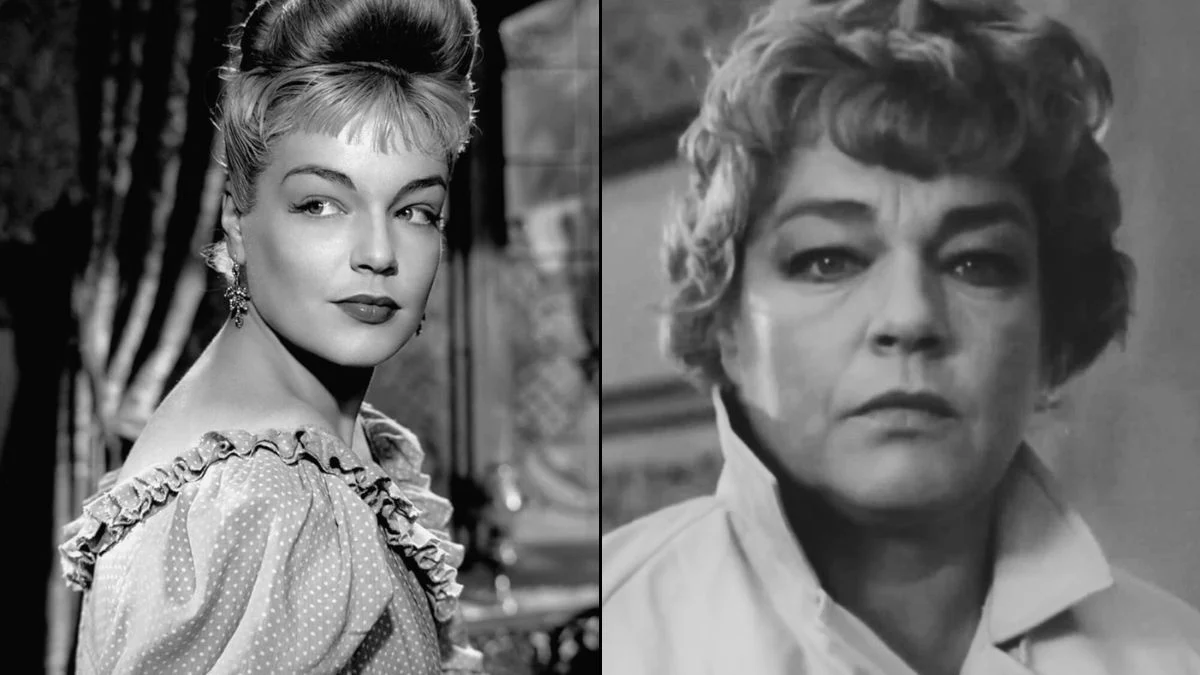


Simone Signoret was a German-born French actress who became one of her country’s most respected stars. Her career began during World War II, and she initially played minor roles before gaining recognition. Signoret was often cast as a cynical, world-weary woman with a hidden vulnerability, and she brought a powerful and authentic presence to the screen. Her talent for conveying complex emotions made her a favorite of audiences and critics alike.
Over her four-decade career, she worked with some of the most acclaimed directors in European cinema. She achieved international fame and won numerous awards, including an Academy Award, a BAFTA, and a César Award. Her performances were known for their depth and intensity, and she remains a significant figure in the history of French cinema. Her body of work showcases her remarkable range as an actress, from prostitutes and lonely wives to strong, resilient heroines.
‘Behold Beatrice’ (1944)

This French drama marked one of Simone Signoret’s early credited roles, showcasing the emerging talent that would later make her a star. The story revolves around a young woman, Béatrice, and the complex web of desire and manipulation that surrounds her. Signoret played the supporting role of Liliane Moraccini in the film.
Although not a leading part, her performance in ‘Behold Beatrice’ was a step forward from the uncredited extra work that began her career. The film provided her with an opportunity to work alongside established French actors. It was one of several roles she took on during the war, carefully building a foundation for the more significant parts that would soon come her way.
‘Dedee’ (1948)

In this French noir film, Simone Signoret plays the title role of Dédée, a prostitute working in a waterfront bar in Antwerp. She is controlled by her abusive pimp, Marco, but finds a chance at a new life when she meets a compassionate Italian sailor named Francesco. Their love offers her a glimpse of escape from her grim reality, but her past and the dangerous world she inhabits threaten their happiness.
Signoret’s performance was a breakout role that established her as a leading lady in French cinema. Her portrayal of Dédée is both tough and vulnerable, capturing the character’s weariness and her desperate hope for a better future. The film was praised for its atmospheric depiction of the Antwerp underworld and its compelling story of love and betrayal.
‘La Ronde’ (1950)
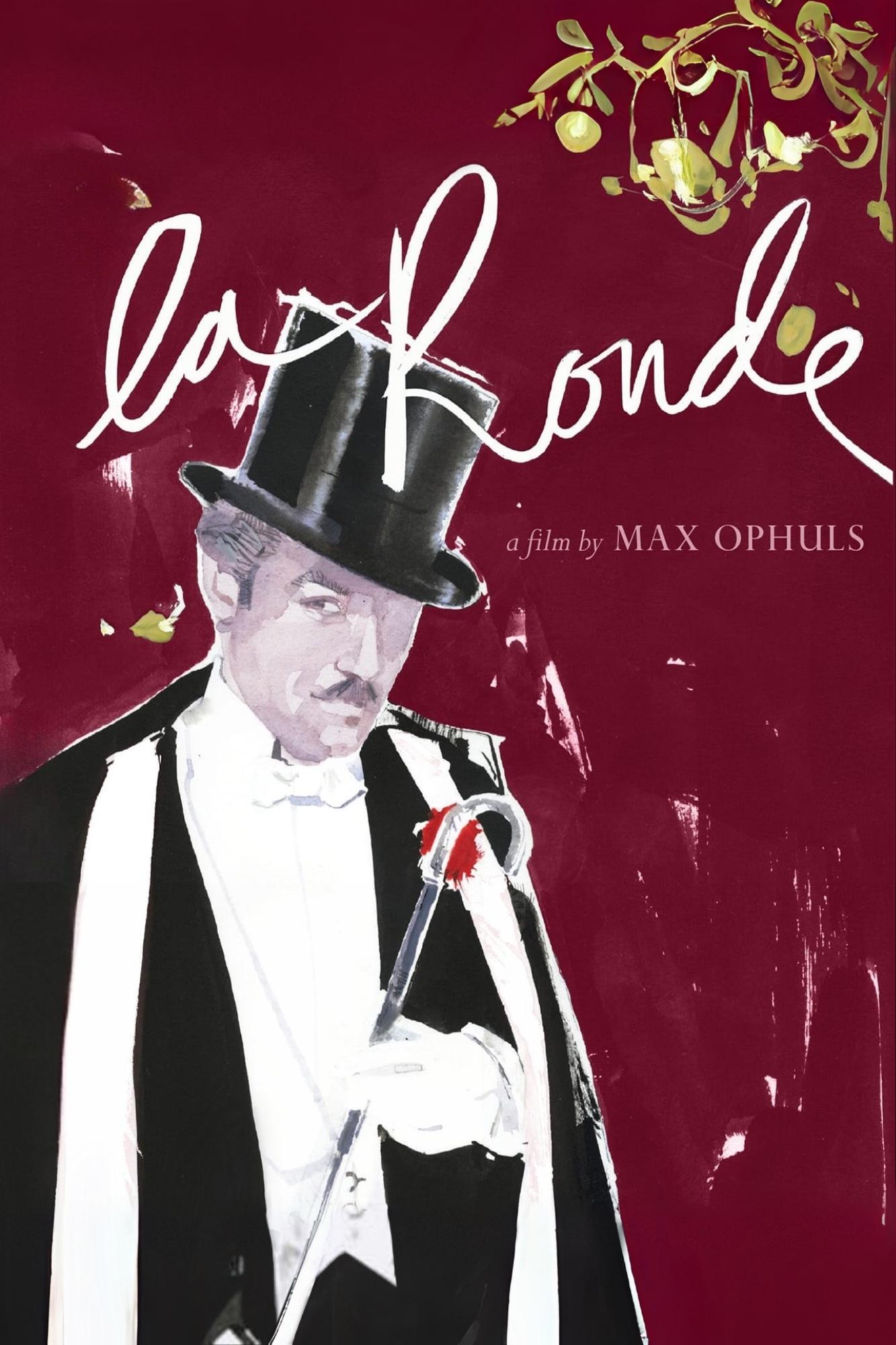
This French film weaves together a series of amorous encounters in Vienna around 1900. The story follows a chain of characters from different social classes, with one character from each romantic liaison moving on to the next segment. Signoret opens and closes this circle, playing Léocadie, a prostitute.
The film is a witty and visually elegant commentary on love, desire, and social mores. Signoret’s role as the beautiful and approachable prostitute provides a key bookend to the narrative’s circular structure. The film was a major international success and received widespread acclaim for its clever storytelling and sophisticated style.
‘Casque d’or’ (1952)
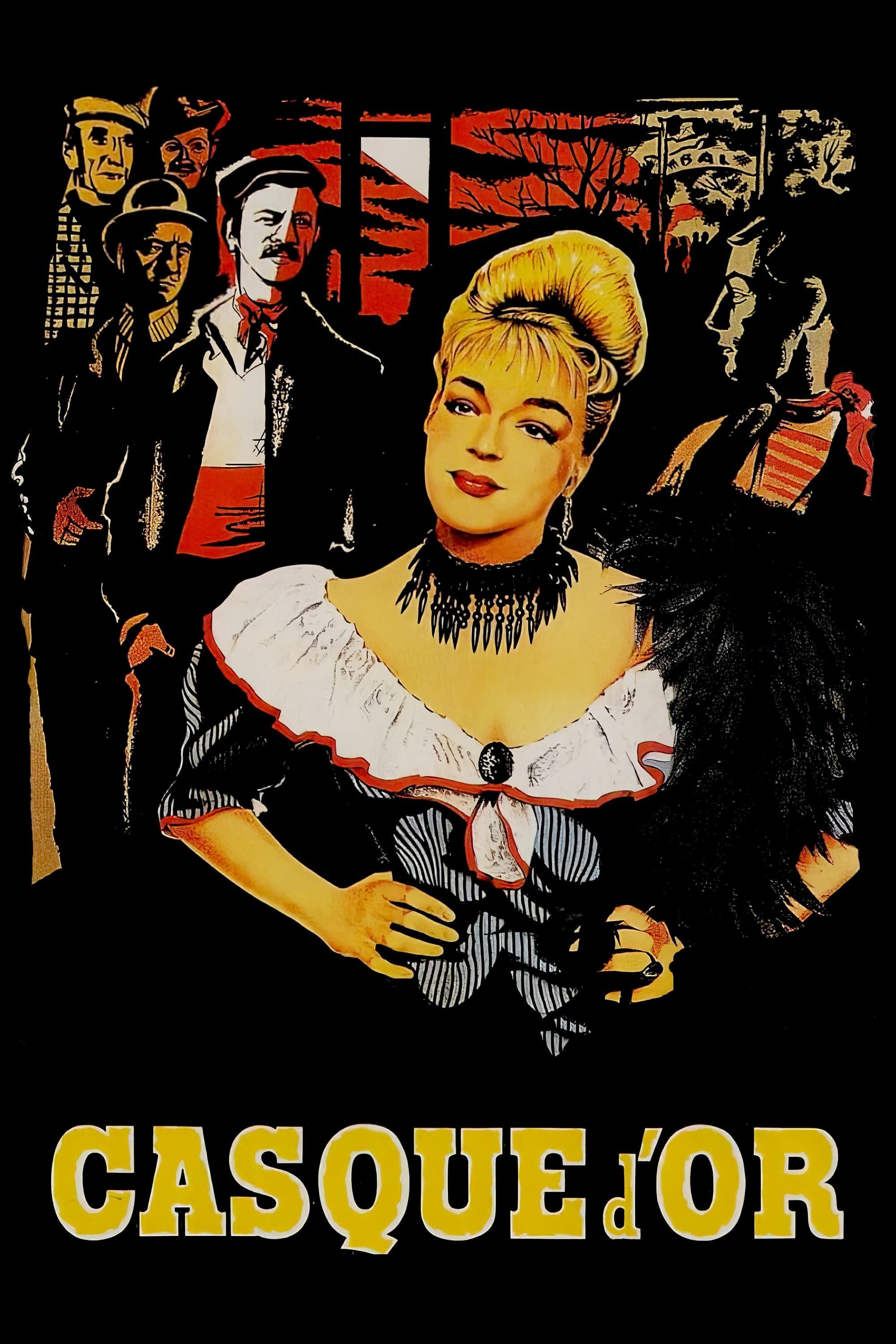
Set in the Parisian underworld of the Belle Époque, ‘Casque d’or’ tells the story of Marie, a beautiful prostitute known for her golden hair. Marie is entangled with a local gang but falls in love with an honest carpenter named Manda. Their passionate affair incites a violent rivalry between Manda and a ruthless gang leader, leading to tragic consequences for everyone involved.
Signoret’s portrayal of Marie earned her international awards and recognition. The film is celebrated for its stunning cinematography and its intense, romantic storyline. Signoret’s performance is a highlight, capturing Marie’s spirit and her doomed love with a raw emotional power that has made the film a classic of French cinema.
‘Thérèse Raquin’ (1953)
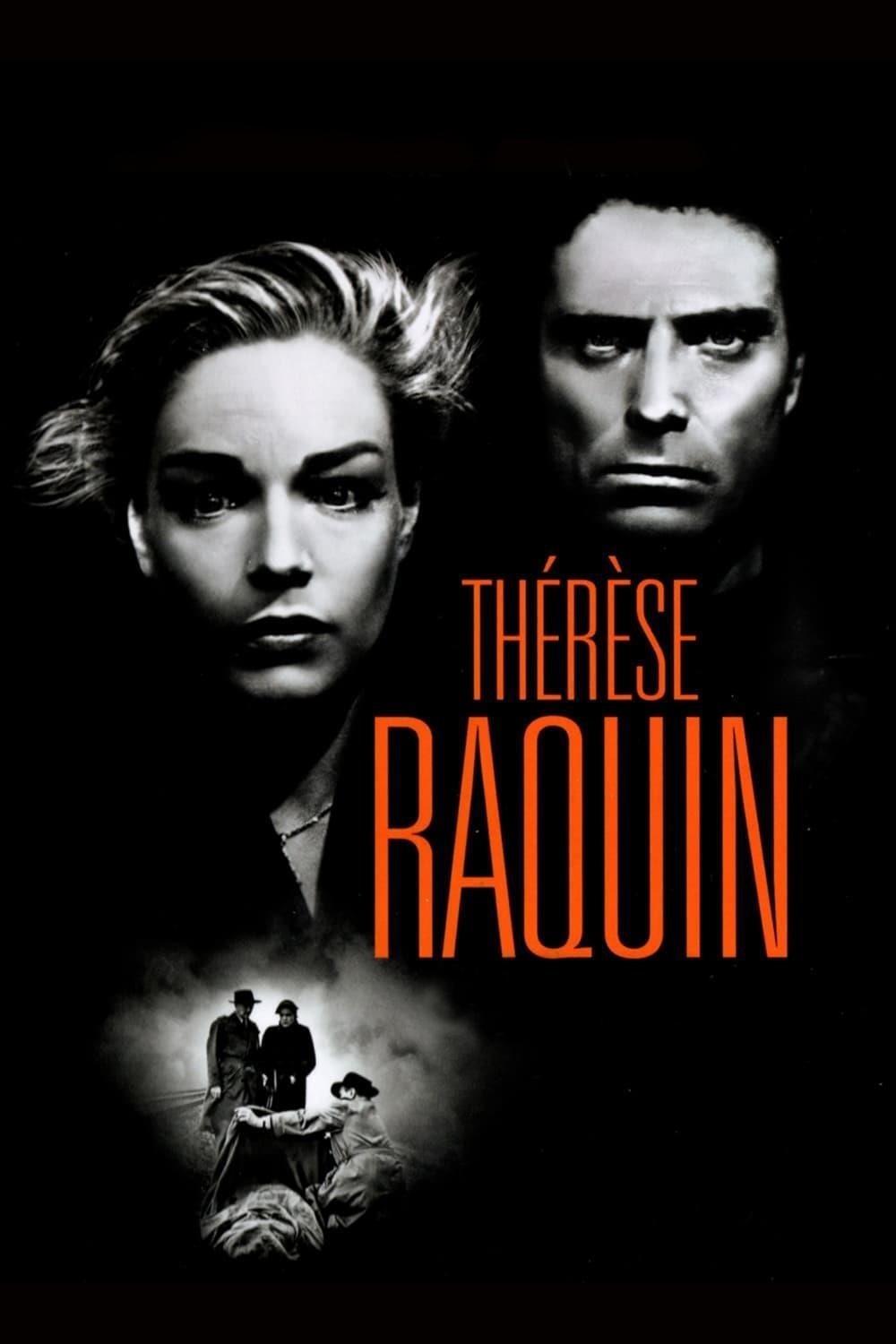
In this film, Signoret plays the title character, a woman trapped in a loveless marriage to her sickly cousin, Camille. Her dreary life in a gloomy shop in Lyon is upended by the arrival of Laurent, a charismatic truck driver with whom she begins a passionate affair. The relationship leads to a violent confrontation and a tragic outcome that will haunt the lovers.
The film updates the story’s setting to the 1950s. Signoret’s powerful performance captures Thérèse’s desperation and her struggle for a life of passion. The film was a critical success and received international honors, further cementing Signoret’s status as a leading dramatic actress in European cinema.
‘Diabolique’ (1955)

This psychological thriller features Simone Signoret as Nicole Horner, the mistress of a cruel boarding school headmaster. She conspires with the headmaster’s frail wife, Christina, to murder him. They drown him in a bathtub and dump his body in the school’s murky swimming pool, but when the pool is drained, the body is gone, and a tense, terrifying mystery unfolds.
‘Les Diaboliques’ is a landmark of the thriller genre, renowned for its suspenseful plot and shocking twist ending. Signoret’s portrayal of the cold and calculating Nicole is a stark contrast to the timid wife, and their tense alliance is central to the film’s unnerving atmosphere. The film’s success further solidified her reputation as a versatile and powerful actress.
‘The Crucible’ (1957)
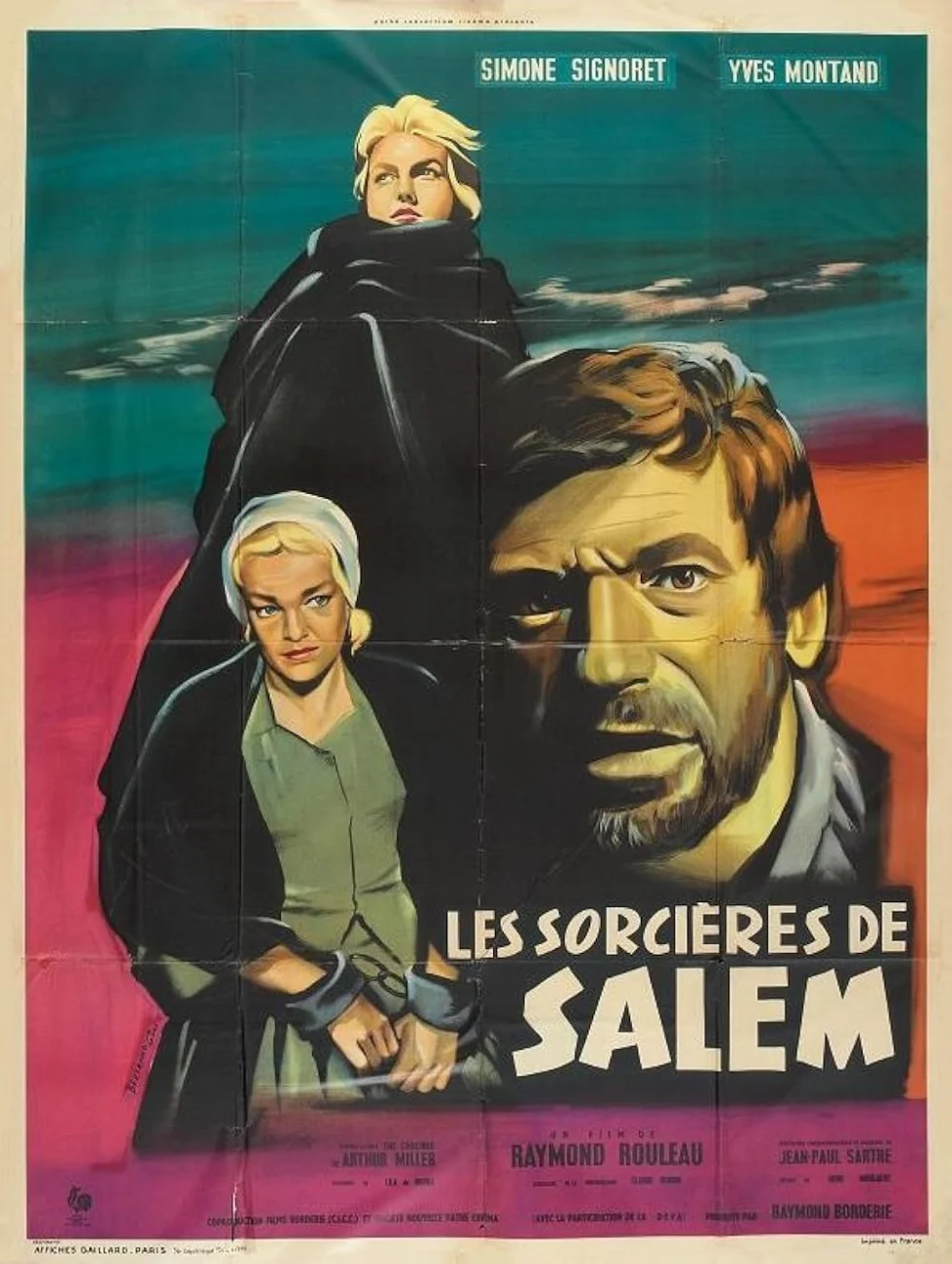
This film is about the Salem witch trials of 1692. Signoret stars as Elisabeth Procter, the puritanical and stern wife of farmer John Proctor. When her husband ends his affair with their young servant, Abigail, the vengeful girl accuses Elisabeth of witchcraft, setting off a wave of hysteria and deadly trials in the town.
The film is a powerful allegory for political persecution. Signoret delivers a compelling performance as the wronged wife, earning her further international acclaim. Her portrayal captured the character’s cold exterior and the deep-seated integrity that defines her tragic stand against injustice.
‘Room at the Top’ (1958)
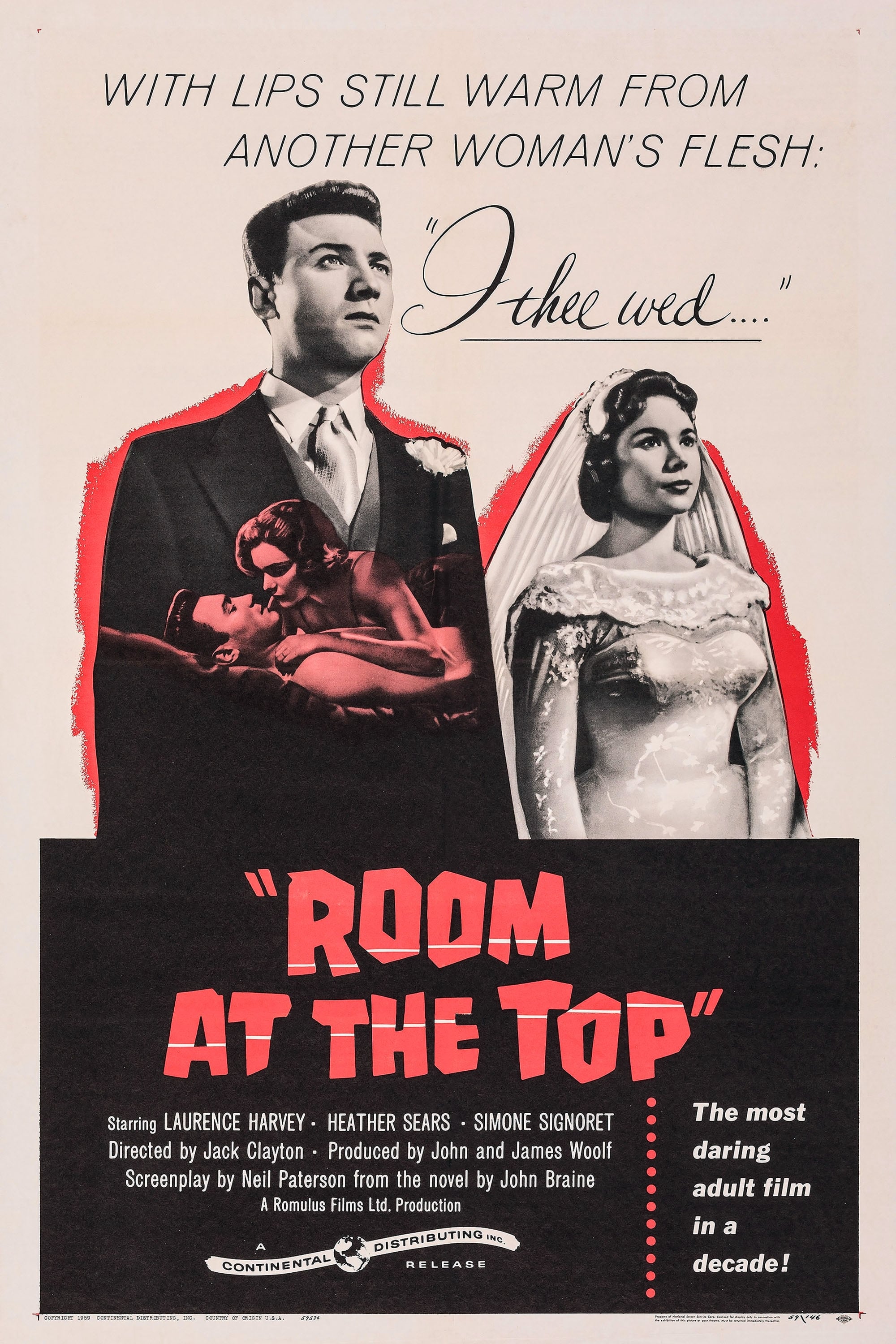
In this British drama, Signoret plays Alice Aisgill, an unhappily married older woman who begins an affair with Joe Lampton, an ambitious young man from a poor background. Joe is torn between his genuine feelings for Alice and his desire to marry the daughter of a wealthy industrialist to advance his social standing. His opportunism ultimately leads to a tragic end for Alice.
For her role as Alice, Simone Signoret received the highest acting honors, including an Academy Award. She became the first French actress to win this prestigious award. Her performance was widely acclaimed for its emotional depth and nuance, capturing the character’s warmth, intelligence, and heartbreaking vulnerability.
‘Ship of Fools’ (1965)

‘Ship of Fools’ follows the intertwined stories of a diverse group of passengers on an ocean liner traveling from Mexico to Germany in 1933. Signoret portrays La Contessa, a Spanish countess being deported to a labor camp. She develops a bond with the ship’s doctor, who is battling his own demons and addiction.
Signoret’s performance as the weary but dignified Contessa earned her several nominations for major acting awards. The film features a large ensemble cast, but her storyline provides a poignant and moving emotional core to the narrative. Her ability to convey deep sorrow and resilience with subtle expressions solidified her status as a world-class actress.
‘Army of Shadows’ (1969)

This film portrays the grim reality of the French Resistance during World War II. Signoret plays Mathilde, a resourceful and courageous member of a small resistance cell. The film offers a bleak and unromanticized look at the daily lives of these fighters as they navigate a world of betrayal, torture, and constant danger.
Signoret’s character is a master of disguise and a key strategist for the group, showcasing immense strength and dedication. Her performance is a standout in a powerful ensemble cast, embodying the quiet heroism and immense sacrifices made by those who fought in the shadows. ‘Army of Shadows’ is considered a masterpiece and a profound work about honor and defiance.
‘Le Chat’ (1971)
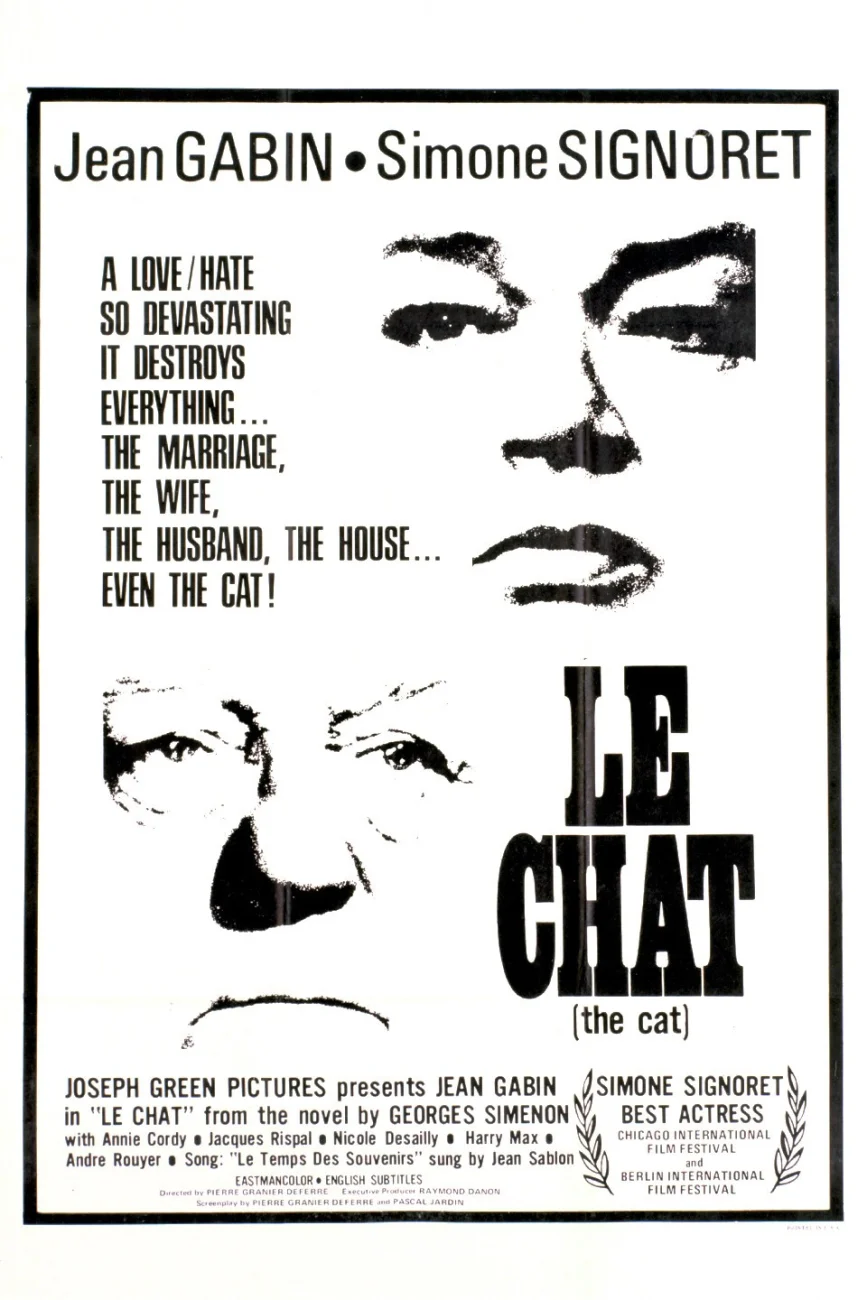
In this intense domestic drama, Signoret and Jean Gabin star as Clémence and Julien, an elderly married couple who have fallen into a bitter silence after 25 years together. Living in a house slated for demolition, their crumbling relationship is pushed to its breaking point when Julien brings home a stray cat and showers it with the affection he no longer gives his wife.
Clémence’s jealousy towards the cat escalates into a cruel psychological battle, becoming the focus of all their resentment and unspoken frustrations. Signoret and Gabin deliver powerful performances as the two leads, creating a devastating portrait of a love that has curdled into hate. Her powerful role earned her a major award for Best Actress.
‘Madame Rosa’ (1977)

Signoret gives a transformative performance as Madame Rosa, an aging Jewish woman and Holocaust survivor living in Paris. A former prostitute, she now runs an unofficial boarding home for the children of other sex workers. Her health is failing, and she relies increasingly on the help of Momo, an adolescent Algerian boy she has cared for since he was a baby.
The film explores the deep, unconventional bond that forms between the two as they navigate poverty, racism, and Rosa’s declining health. For this role, Signoret won France’s highest acting honor, the César Award. The film itself also won an Academy Award for Best Foreign Language Film. Her portrayal is a testament to her incredible range, capturing both the feisty humor and the profound vulnerability of the character.
‘The North Star’ (1982)
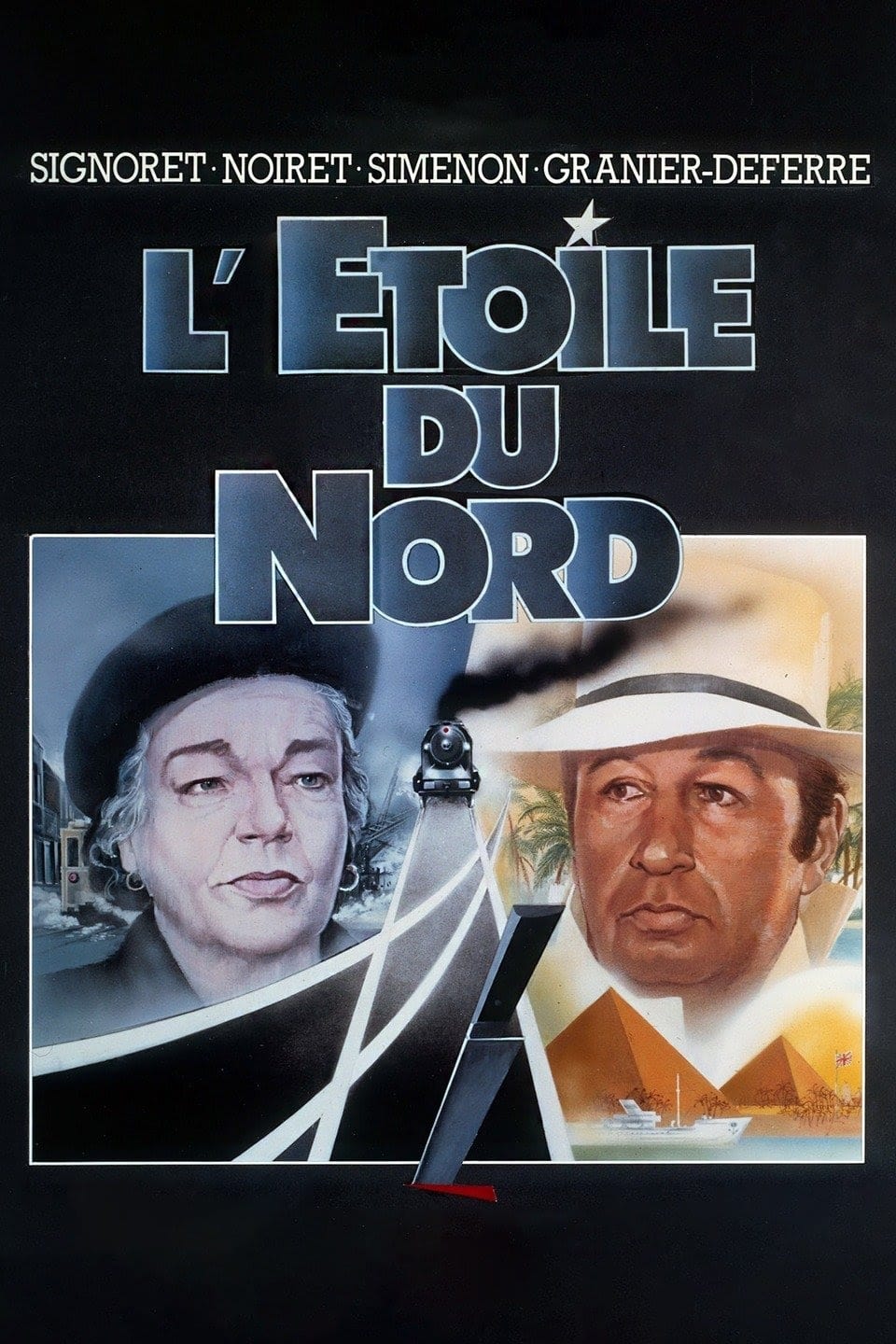
In one of her final major film roles, Simone Signoret plays Madame Louise Baron, a kind-hearted landlady in Belgium. Her quiet life is disrupted by the arrival of a mysterious French traveler, Édouard Binet, who rents a room from her. As a romance blossoms between Édouard and Louise’s daughter, his dark past as a fugitive comes to light.
Based on a novel by Georges Simenon, the film gave Signoret a chance to showcase a softer, more maternal side. Her portrayal of the trusting and warm Louise is both charming and heartbreaking. The performance earned her a nomination for a César Award, bringing her celebrated career full circle with another powerful and nuanced character study.
Which Simone Signoret performance do you believe best defines her incredible career?