


Sitcom Finales That Enraged the Entire Fanbase

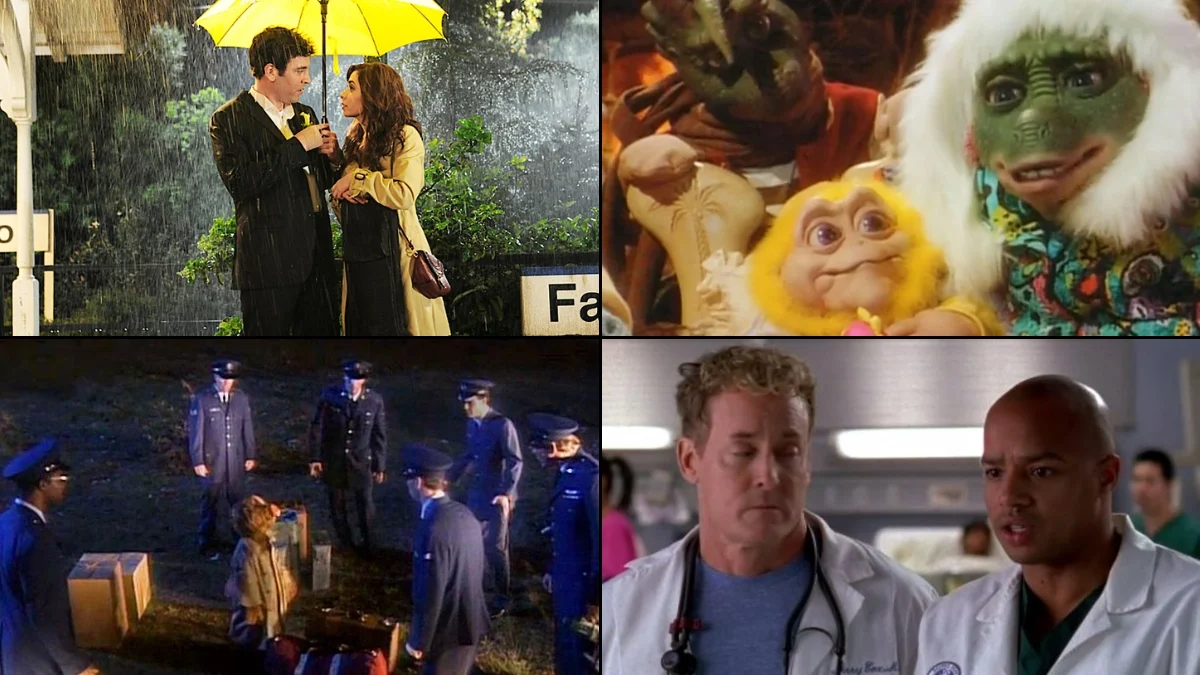


The conclusion of a beloved sitcom is meant to provide closure and celebration for fans who have spent years following their favorite characters. However some series finales take creative risks that backfire and leave viewers feeling frustrated or betrayed. Whether it is a shocking character death or a nonsensical plot twist or an abrupt cancellation these episodes sparked intense debate and anger within their fanbases. This list explores twenty five television endings that are remembered more for the controversy they caused than for their quality.
‘How I Met Your Mother’ (2005–2014) – “Last Forever”
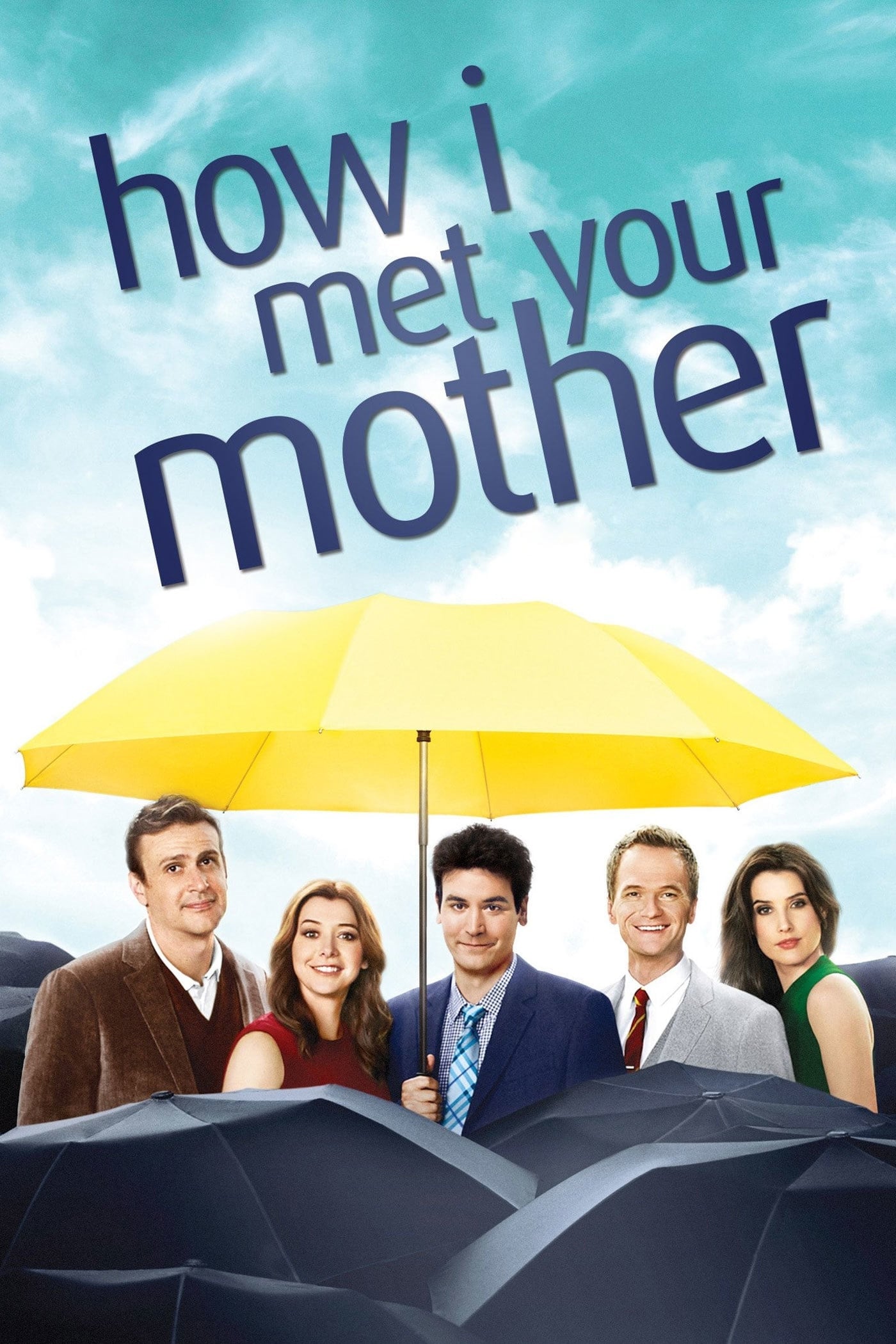
The long running sitcom concluded with a two part finale that revealed the ultimate fate of the titular mother. Fans expressed significant frustration when the story killed off the character Tracy shortly after her introduction to the group. The final moments saw Ted Mosby returning to Robin Scherbatsky many years after the death of his wife. This creative choice sparked backlash because it seemed to undo seasons of character development for the entire cast. Many viewers felt the ending prioritized a predetermined concept over the natural progression of the story.
‘Seinfeld’ (1989–1998) – “The Finale”
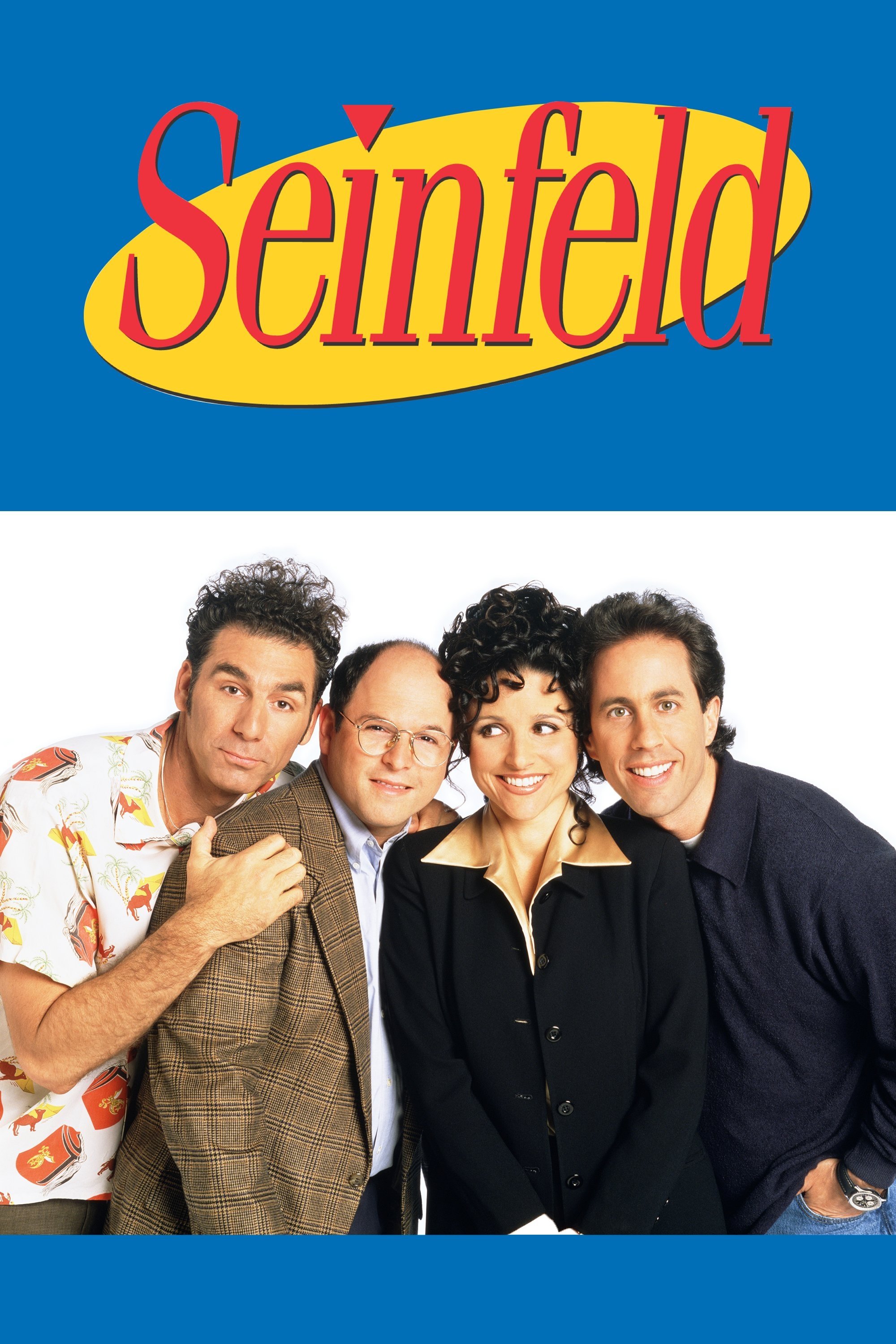
The iconic series about nothing ended with the main characters being put on trial for their lack of empathy. Jerry and George and Elaine and Kramer faced a courtroom filled with past guest stars who testified about their various misdeeds. The episode concluded with the group being sentenced to a year in prison for violating a Good Samaritan law. Audience members were disappointed by the clip show format and the bleak outcome for the beloved protagonists. The finale remains a polarizing topic in television history due to its departure from the standard sitcom structure.
‘Roseanne’ (1988–1997) – “Into That Good Night”
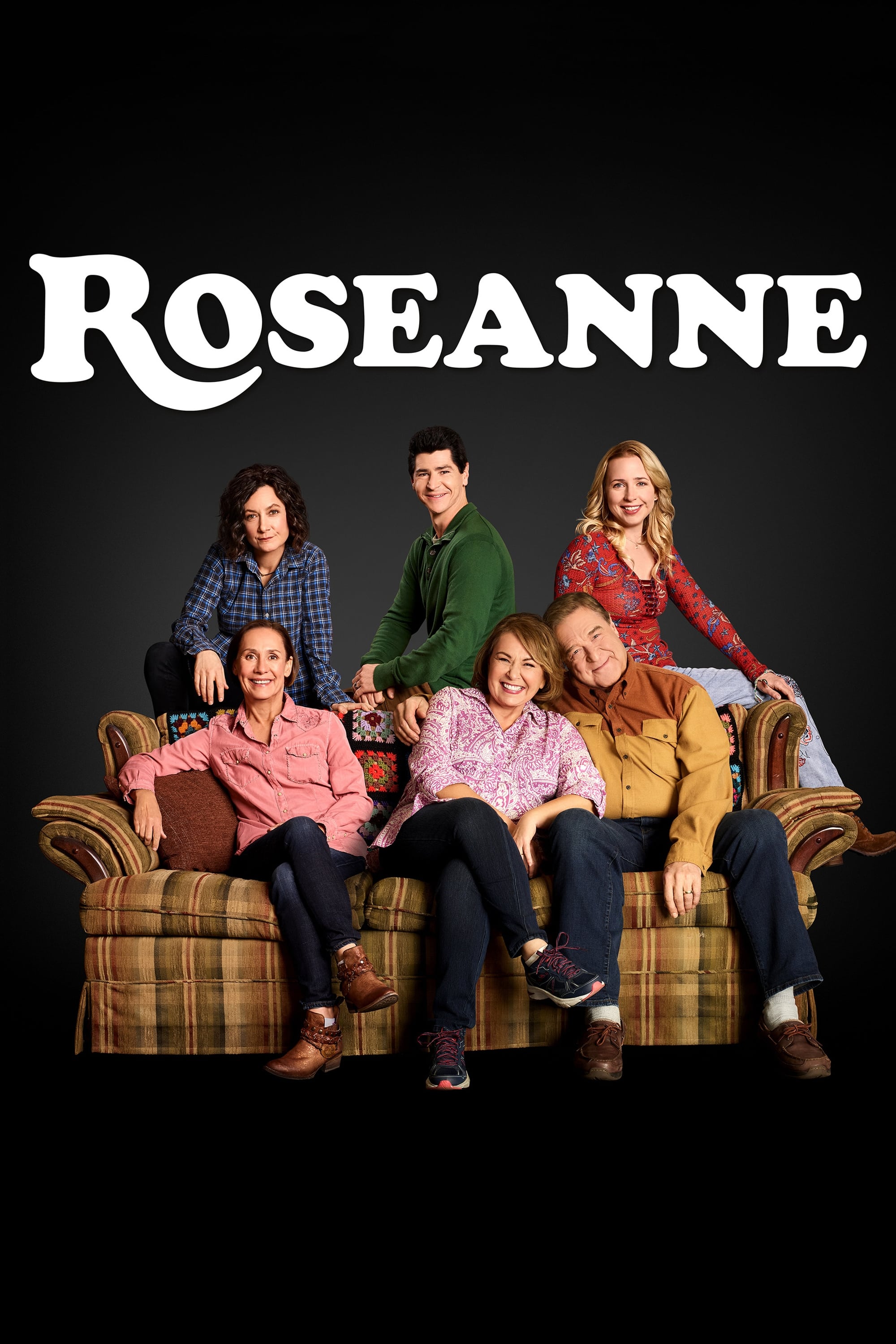
The ninth season of the blue collar sitcom took a surreal turn when the Conner family won the lottery. In the final episode viewers learned that the entire season was actually a fictional story written by Roseanne to cope with her reality. The twist revealed that Dan had actually died from a heart attack at the end of the previous season. Fans felt betrayed by the erasure of an entire year of storytelling and the shift in tone from the show grounded roots. The later revival series eventually retconned these events to satisfy the audience.
‘Two and a Half Men’ (2003–2015) – “Of Course He’s Dead”
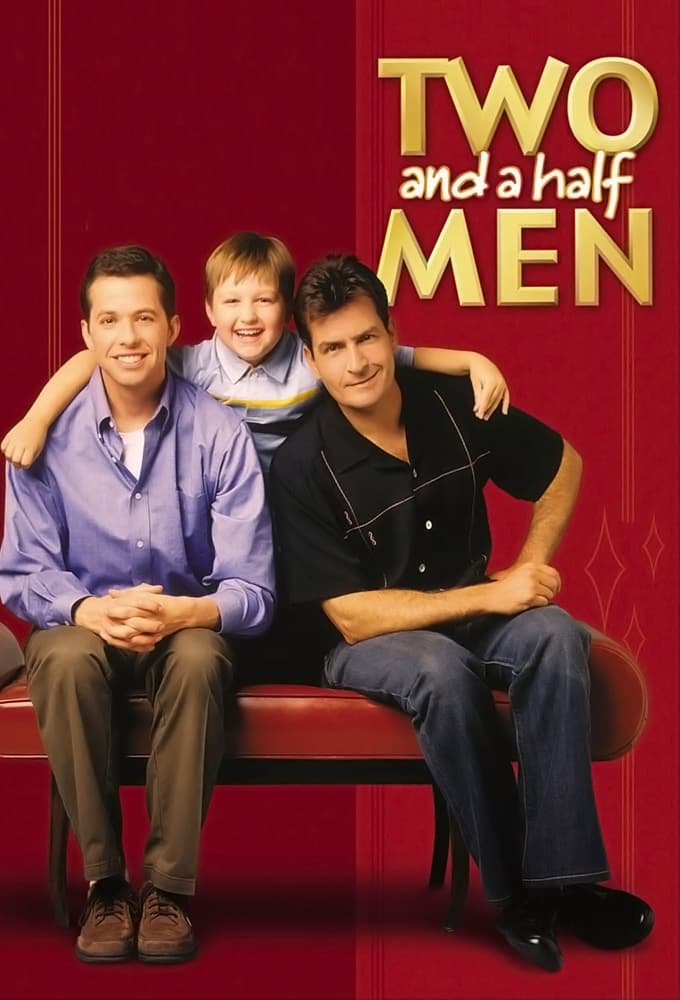
The series finale focused heavily on the off screen character of Charlie Harper rather than the current cast members. Instead of a return by Charlie Sheen a stunt double was used for a scene where a piano falls on the character. Creator Chuck Lorre appeared in the final frame to address the camera before a piano fell on him as well. This meta approach angered many long time viewers who wanted a sincere resolution for Walden and Alan. The episode was criticized for being a petty jab at a former star instead of a proper farewell.
‘Alf’ (1986–1990) – “Consider Me Gone”
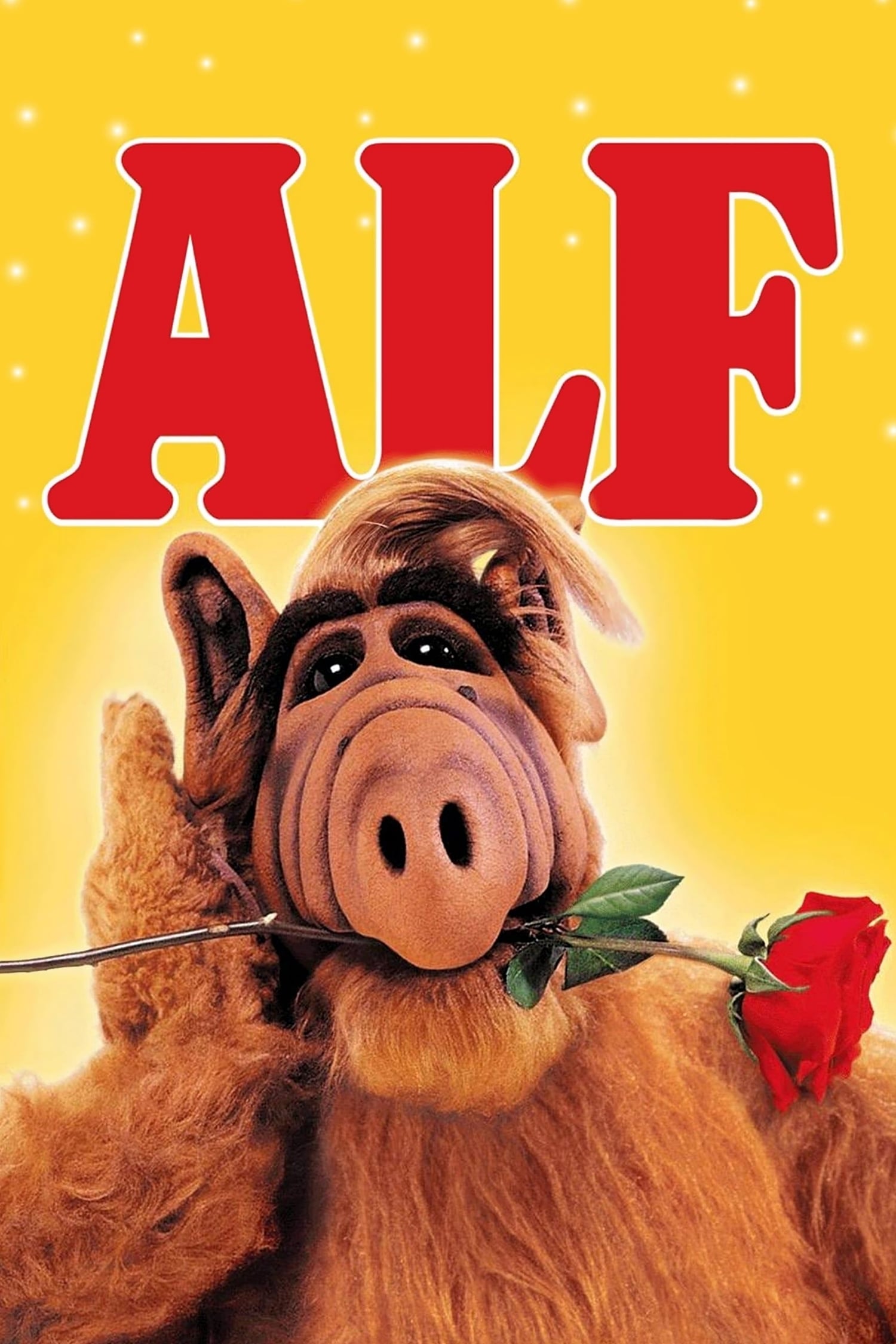
The friendly alien Gordon Shumway prepared to leave Earth to establish a new colony with other survivors of his race. The episode ended with the Alien Task Force surrounding Alf just as he was about to board his spacecraft. A screen appeared with the words to be continued but the show was cancelled before the story could resolve. This left the audience with the haunting implication that the protagonist was captured and potentially dissected by the government. Fans were outraged that a lighthearted family comedy ended on such a dark and unresolved note.
‘Dinosaurs’ (1991–1994) – “Changing Nature”
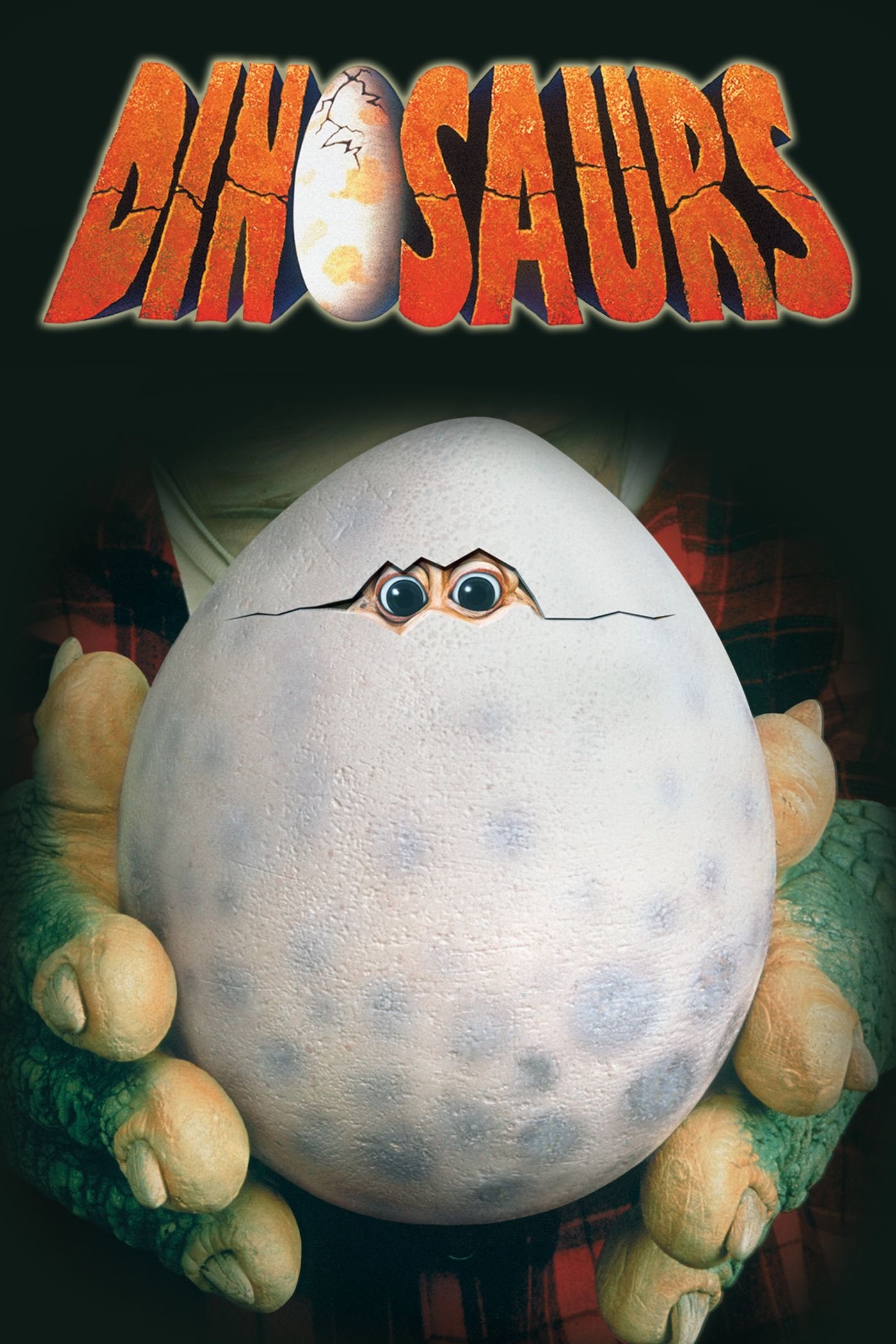
The Sinclair family faced the end of the world after their corporate actions triggered a global ecological disaster. Unlike most sitcoms that end with a celebration or a move the characters in this series prepared for an inevitable extinction event. The final scene showed the family huddled together in a freezing home as the planet entered a permanent ice age. Parents were particularly upset that a show popular with children ended with the implied death of the entire cast. The grim message about environmental destruction left a bitter taste for many viewers.
‘Will & Grace’ (1998–2006) – “The Finale”
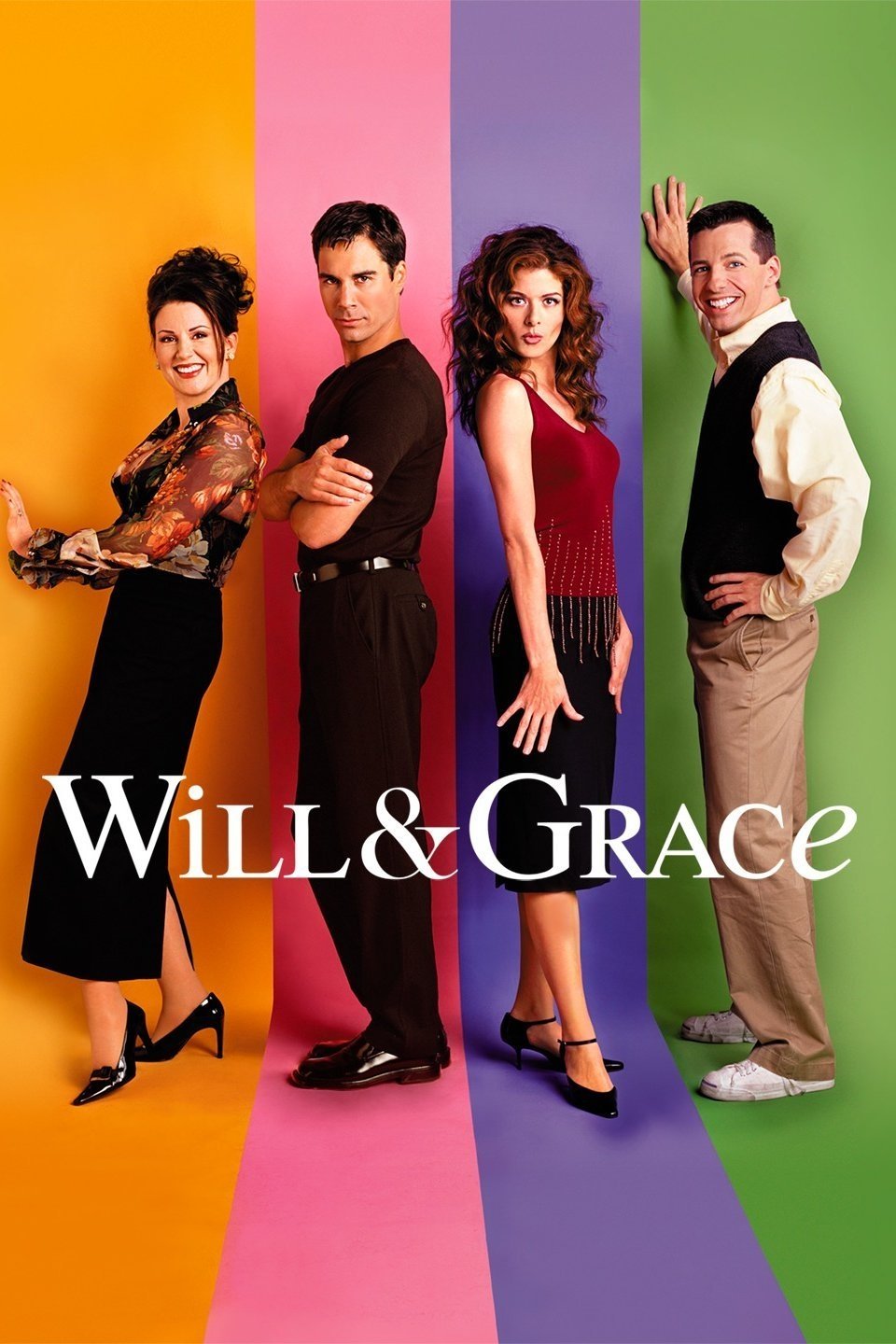
The original run of the series concluded with the two main friends drifting apart for nearly two decades. Will and Grace stopped speaking after a series of disagreements and only reunited when their children met in college. Many fans found this development heartbreaking because the central premise of the show was their unbreakable bond. The idea that their friendship could not survive the challenges of adulthood felt overly cynical for a comedy. The 2017 revival eventually ignored this finale entirely to bring the characters back together.
‘That ’70s Show’ (1998–2006) – “That ’70s Finale”

The final season was heavily impacted by the departures of Topher Grace and Ashton Kutcher which left a void in the main cast. While both actors returned for the final episode the focus on the replacement character Randy had already soured the experience for many. The finale centered on the group ringing in the new year of 1980 and saying goodbye to their teenage years. Viewers were frustrated by the lack of screen time for the original leads and the feeling that the show had overstayed its welcome. The chemistry that made the early seasons successful was largely missing from the conclusion.
‘Scrubs’ (2001–2010) – “Our Thanks”
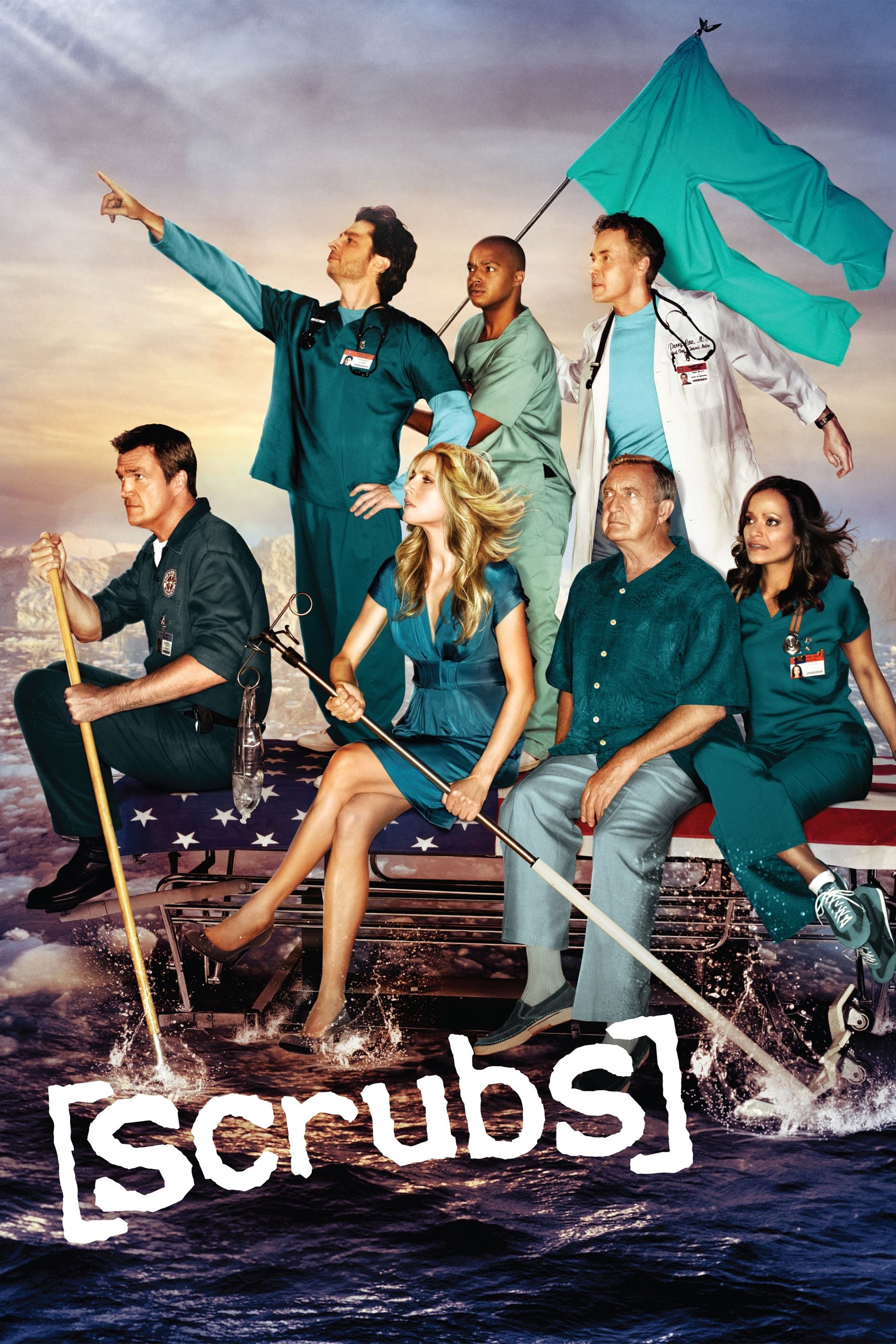
The medical sitcom originally had a highly praised finale in season eight titled My Finale. However the network opted for a ninth season that shifted the focus to a new group of medical students at a different location. This transition was poorly received and the final episode of the ninth season felt like a generic weekly installment rather than a series conclusion. Fans were enraged that the emotional impact of the true finale was diluted by this unnecessary continuation. The show was cancelled shortly after the episode aired leaving the new characters without any closure.
‘Married… with Children’ (1987–1997) – “The Chicago Wine Party”

The long running Fox series ended without any warning or a proper series finale due to a sudden cancellation. The final produced episode involved the Bundy family protesting a new tax on beer while Kelly was courted by a wealthy suitor. Because the producers did not know the show was ending there was no emotional farewell or resolution for Al and Peg. Fans were left without a sense of closure after eleven years of following the dysfunctional family. The lack of a definitive ending remains a point of contention for those who supported the series since its debut.
‘Weeds’ (2005–2012) – “It’s Time”

The final episode featured a significant time jump that showed Nancy Botwin as a successful but isolated legal marijuana mogul. Many viewers were frustrated by the lack of consequences for Nancy after years of reckless and often criminal behavior. The ending felt disjointed from the previous seasons and many secondary characters were given unsatisfying resolutions. The final scene of the family sitting together in the snow was intended to be poignant but came across as hollow to some. Critics argued that the show had lost its way long before reaching this final chapter.
‘Girls’ (2012–2017) – “Latching”

The HBO comedy ended with a quiet episode focused on Hannah Horvath and her struggle to breastfeed her new baby. Most of the main cast members like Jessa and Shoshanna and Ray were absent from the finale after their stories were wrapped up in the penultimate episode. This choice left fans feeling that the show neglected the ensemble dynamic that had defined it for years. The slow pace and small scale of the ending were seen as a letdown for a series known for its provocative storytelling. Many viewers wanted to see the group together one last time before the show concluded.
‘Moesha’ (1996–2001) – “Paying the Price”

The UPN sitcom ended on a series of dramatic cliffhangers that were never resolved because the show was not renewed. The finale revealed that Moesha found a positive pregnancy test in her dormitory room while her brother Myles was missing. Fans were outraged that the series ended on such a stressful and uncertain note for the Mitchell family. The unresolved storylines left many questions about the character future and the safety of the younger brother. This abrupt ending is often cited as one of the most frustrating in television history.
‘The Game’ (2006–2015) – “The Power of Love”
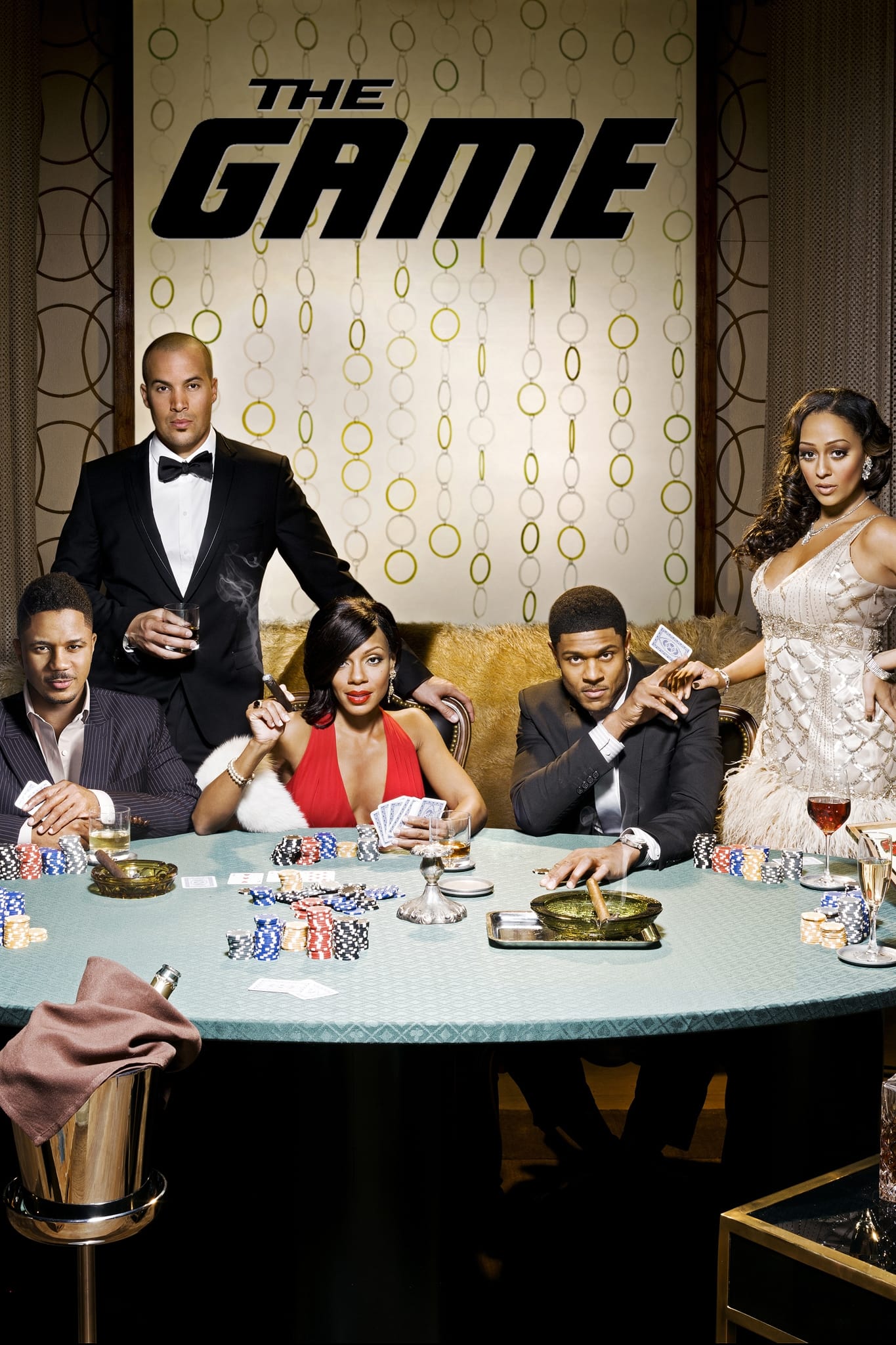
The finale of this sports themed sitcom was criticized for focusing on the wrong characters and providing a rushed ending for the leads. Many fans who had followed the show since its original run on The CW felt the BET era finale lacked heart. The focus on Tasha Mack and her romantic struggles did not resonate with viewers who wanted more from Melanie and Derwin. The series ended with a sense of incompletion that left the audience feeling unsatisfied. This was a disappointing conclusion for a show that had a very dedicated and vocal fanbase.
‘Entourage’ (2004–2011) – “The End”
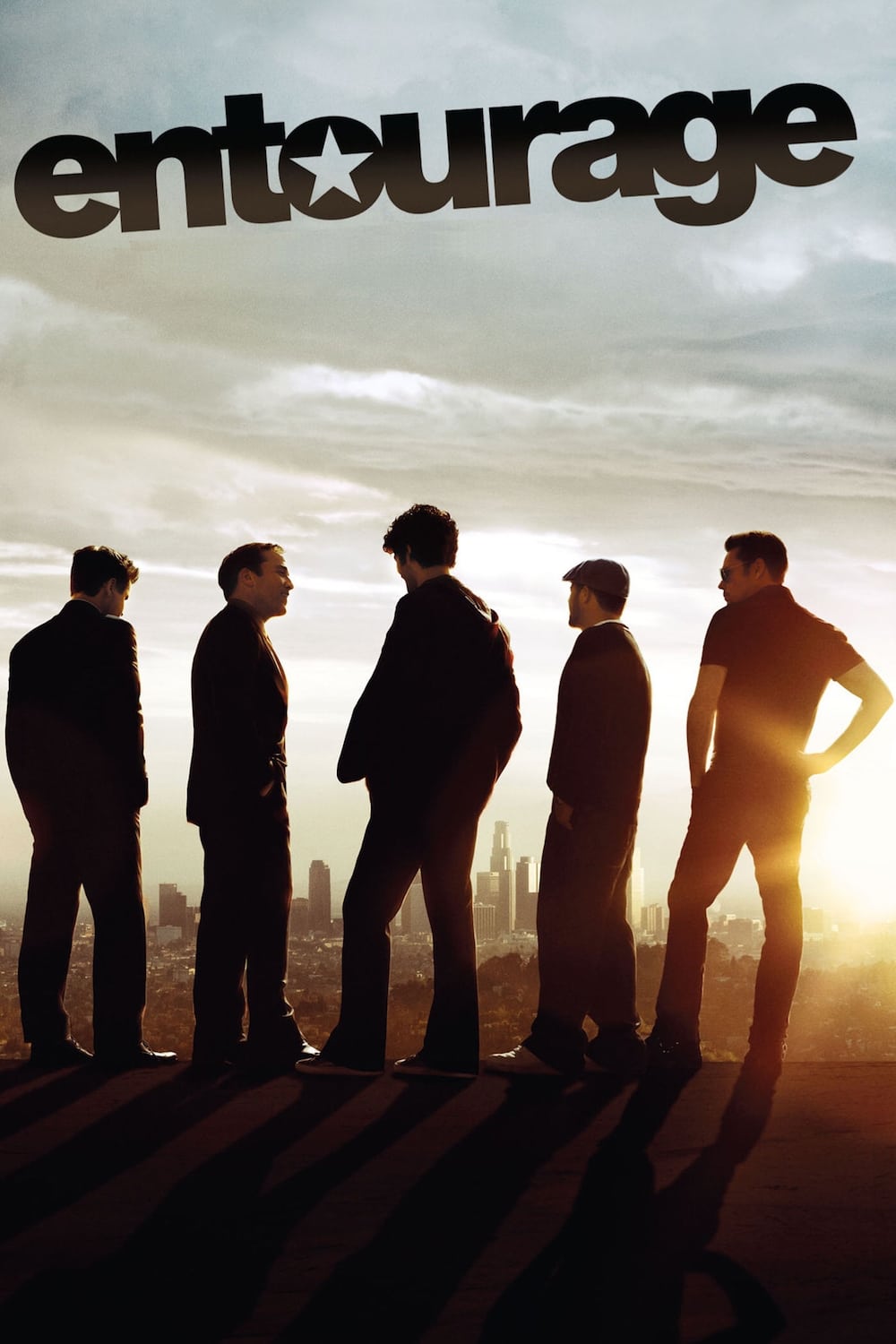
The series finale attempted to wrap up the lives of Vince and Eric and Turtle and Drama in a very short runtime. Fans were annoyed by the sudden marriage of Vince to a woman he had only just met in the final episodes. Many felt the resolutions for the characters were too clean and unearned after years of Hollywood excess. The cliffhanger involving Ari Gold accepting a massive job offer was seen as a blatant setup for a movie rather than a proper ending. The episode was criticized for prioritizing plot convenience over character growth.
‘Designing Women’ (1986–1993) – “Gone with a Whim”
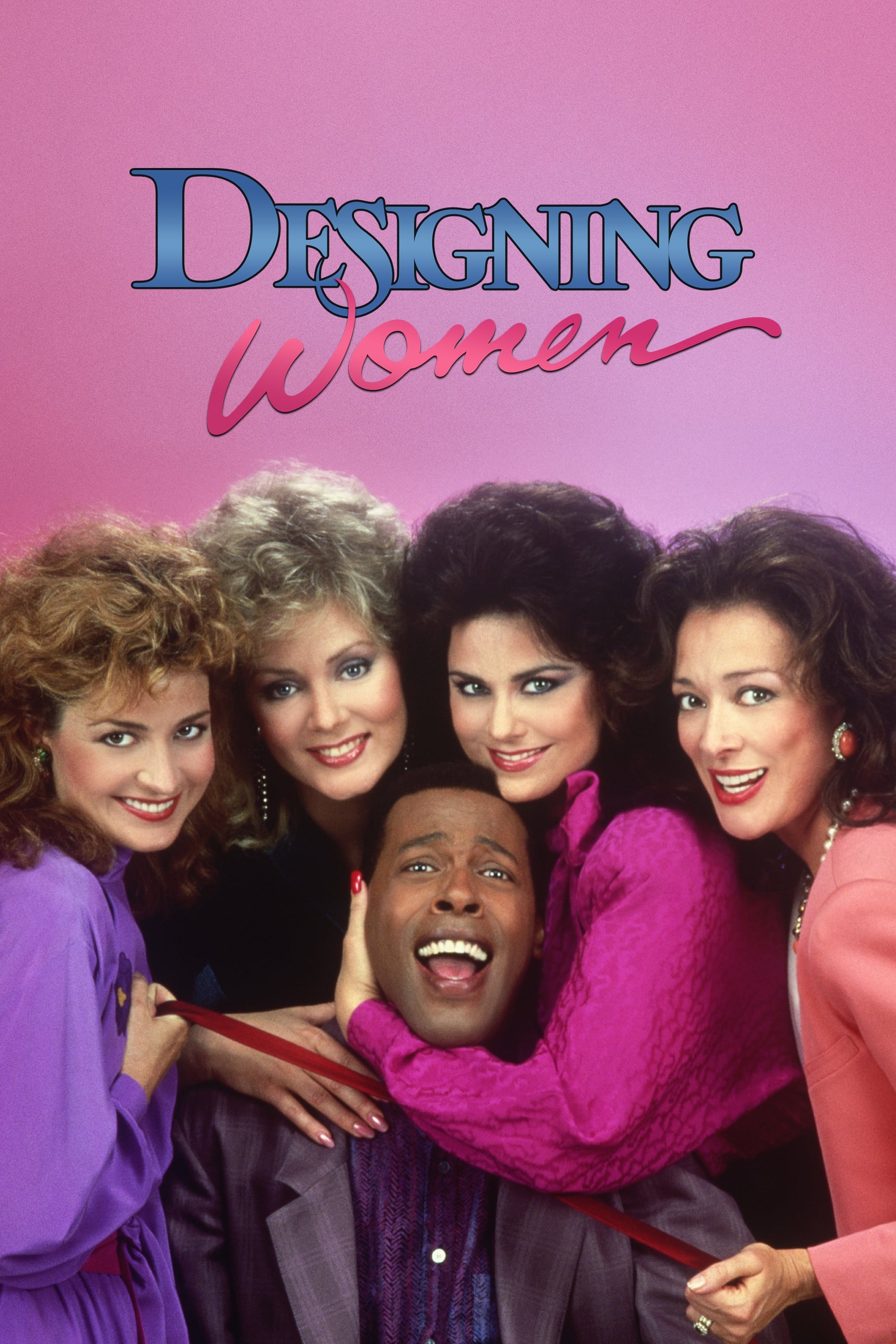
The final episode of this Southern sitcom took the form of a dream sequence parodying Gone with the Wind. Many fans found the hour long finale to be disjointed and lacking the sharp wit that the show was known for in its early years. The absence of original cast members like Delta Burke and Jean Smart had already changed the chemistry of the show. The choice to spend the final hour on a fantasy scenario rather than a realistic goodbye for the Sugarbaker firm was widely pilled. This ending left viewers feeling that the show had completely lost its identity.
‘Sex and the City’ (1998–2004) – “An American Girl in Paris: Part Deux”

While many were happy to see Carrie Bradshaw find love with Mr. Big some fans felt the ending betrayed the show feminist themes. The series had spent years exploring Carrie independence and her complex relationship with herself. Having her rescued from Paris by a man she had a tumultuous history with felt like a regression to some viewers. Critics argued that the ending was too much of a fairy tale for a show that prided itself on being cynical about romance. The resolution of the other three women stories also felt somewhat rushed and overly sentimental.
‘Glee’ (2009–2015) – “Dreams Come True”
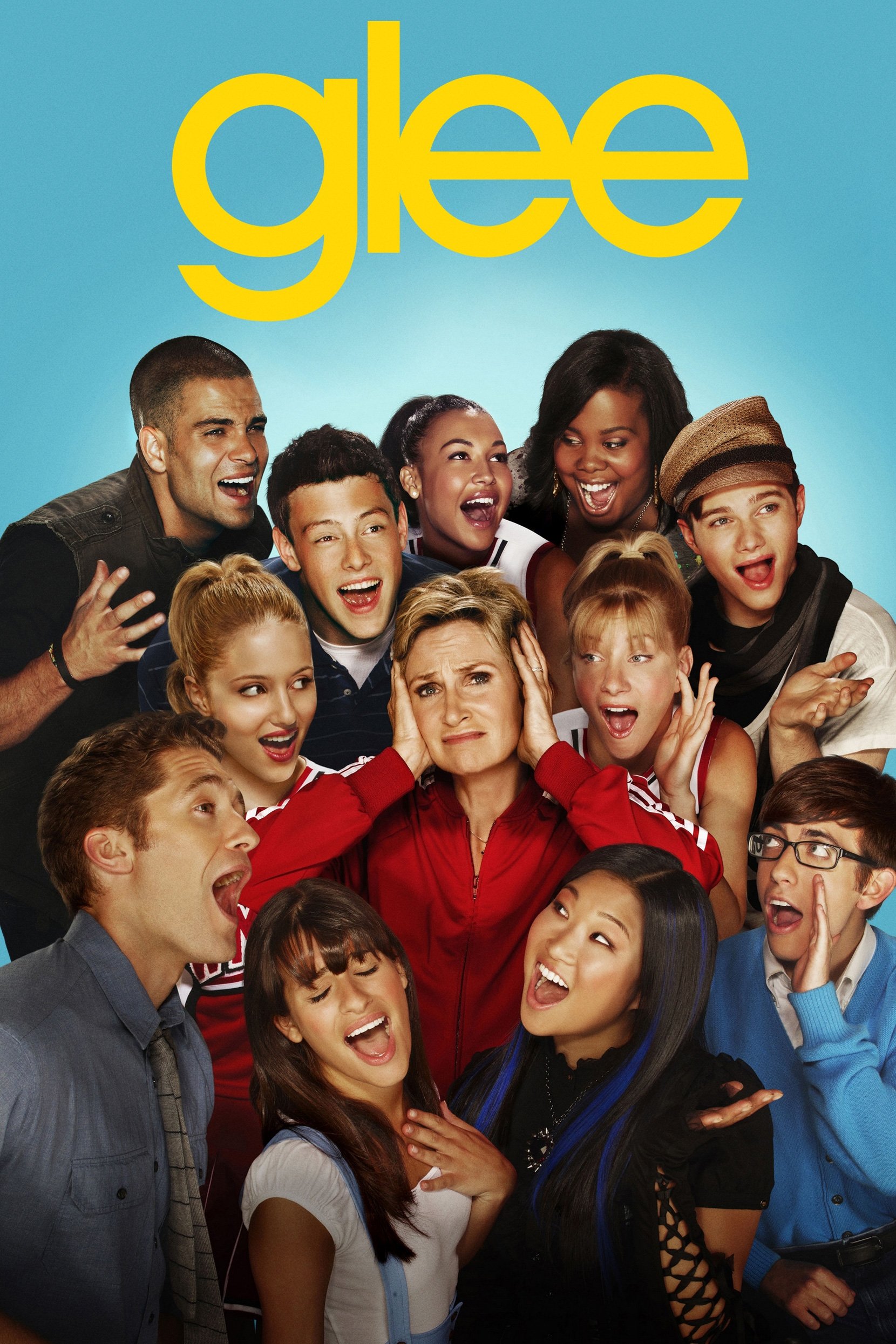
The final episode of this musical comedy featured a flash forward to the year 2020 where everyone achieved their wildest dreams. Rachel Berry won a Tony Award and served as a surrogate for Kurt and Blaine while Sue Sylvester became the Vice President. Many viewers found these outcomes to be unrealistic and saccharine even for a show known for its high energy. The finale also had to navigate the absence of Finn Hudson after the death of actor Cory Monteith which cast a somber shadow over the ending. Fans were left feeling that the show had become a parody of its former self by the time it reached the finish line.
‘Murphy Brown’ (1988–1998) – “Never Can Say Goodbye”

The original series finale featured Murphy contemplating retirement and receiving a visit from the ghost of her former colleague. While the episode was meant to be a nostalgic farewell many fans found it to be underwhelming and lacking in energy. The plot centered on a medical scare that felt like a recycled storyline from earlier in the season. When the show was revived years later the events of this finale were mostly set aside to continue Murphy career. The lack of a definitive and impactful ending in the first place made the revival seem more like a necessity than a choice.
‘Happy Days’ (1974–1984) – “Passages”

The long running nostalgia series ended with the wedding of Joanie and Chachi and a final toast from the Cunningham family. While the episode was sweet it also highlighted how much the show had changed since its origins as a small sitcom. Many fans felt the series had stayed on the air far too long and had lost the magic of the early seasons with Richie and the Fonz. The departure of Ron Howard years prior was still a sore point for those who viewed him as the heart of the show. The finale felt like a routine ending for a series that had once been a cultural phenomenon.
‘The Drew Carey Show’ (1995–2004) – “Finale”
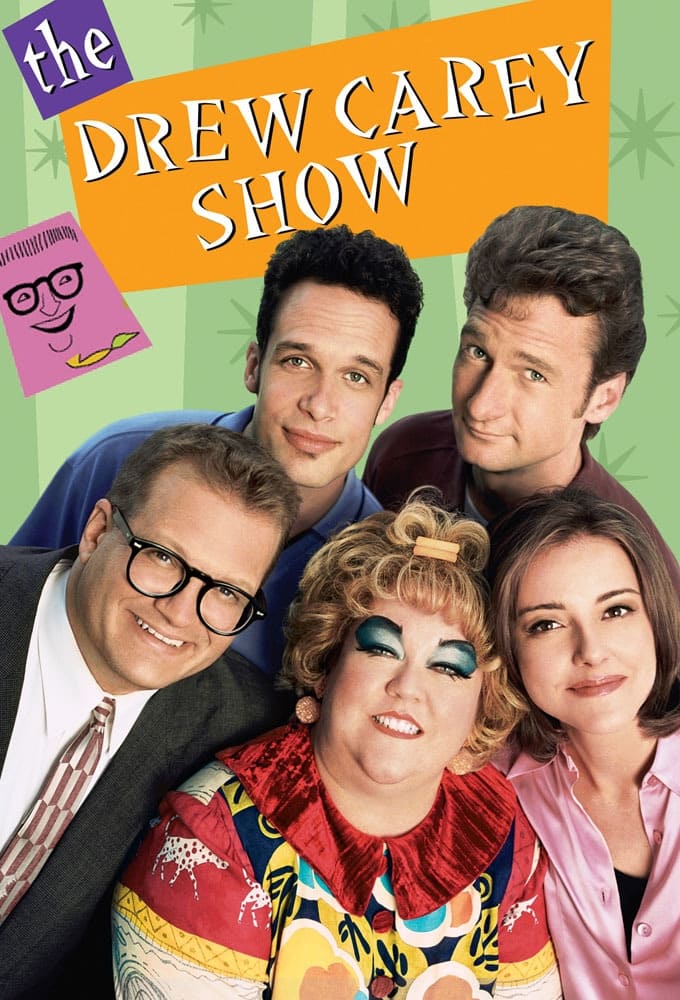
The final season of this workplace comedy was burned off by the network during the summer months due to low ratings. The finale involved Drew finally marrying his long time friend Kellie but the episode was overshadowed by the show declining quality. Many fans were frustrated by the surreal and often nonsensical plots that dominated the later seasons. The ending lacked the relatability and humor that made the Cleveland based show a hit in the late nineties. By the time the last episode aired much of the original audience had already stopped watching.
‘Spin City’ (1996–2002) – “A After Many a Summer Dies the Swan”

The show underwent a massive shift when Charlie Sheen replaced Michael J. Fox as the lead character in the final two seasons. The series finale attempted to bring back characters from the past but it felt disconnected from the show original premise. Many fans felt the political humor had been replaced by more generic sitcom tropes. The ending for the characters in the Mayor office was seen as perfunctory and uninspired. Viewers who had stayed loyal to the show through the casting changes were left wanting a more cohesive conclusion.
‘Suddenly Susan’ (1996–2000) – “The Finale”

The Brooke Shields sitcom ended with a finale that saw the main character moving to a small town to run a local newspaper. This plot felt like a desperate attempt to reboot the series rather than a way to conclude it. Fans were already disgruntled by the show drastic changes in tone and supporting cast over its four seasons. The finale failed to provide a satisfying wrap up for the relationships and career goals established in earlier years. The show was cancelled shortly after this episode aired leaving viewers with a sense of disappointment.
‘According to Jim’ (2001–2009) – “Heaven Opposed to Hell”
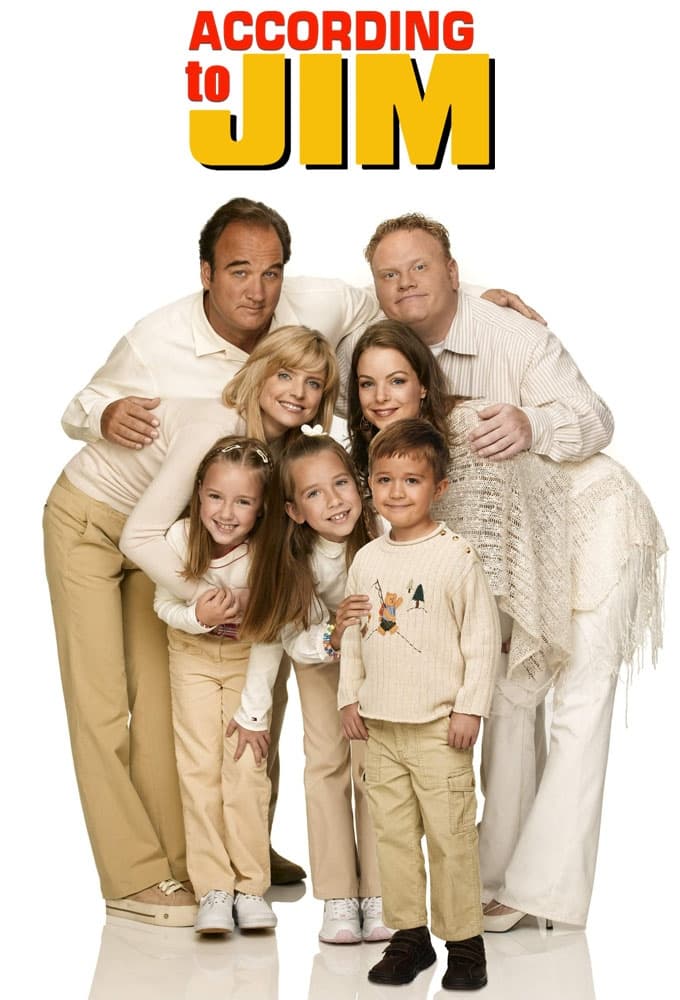
The series finale featured Jim being put on trial in heaven for his behavior throughout the series. Many viewers found this supernatural turn to be jarring and out of place for a standard domestic sitcom. The trial format felt like a copy of the Seinfeld finale but without the same level of cultural impact or cleverness. Fans were annoyed that the final moments were spent on a gimmick rather than on the family dynamics that defined the show. The episode is often cited as an example of a show running out of ideas by its eighth season.
‘My Name Is Earl’ (2005–2009) – “Dodge’s Dad”
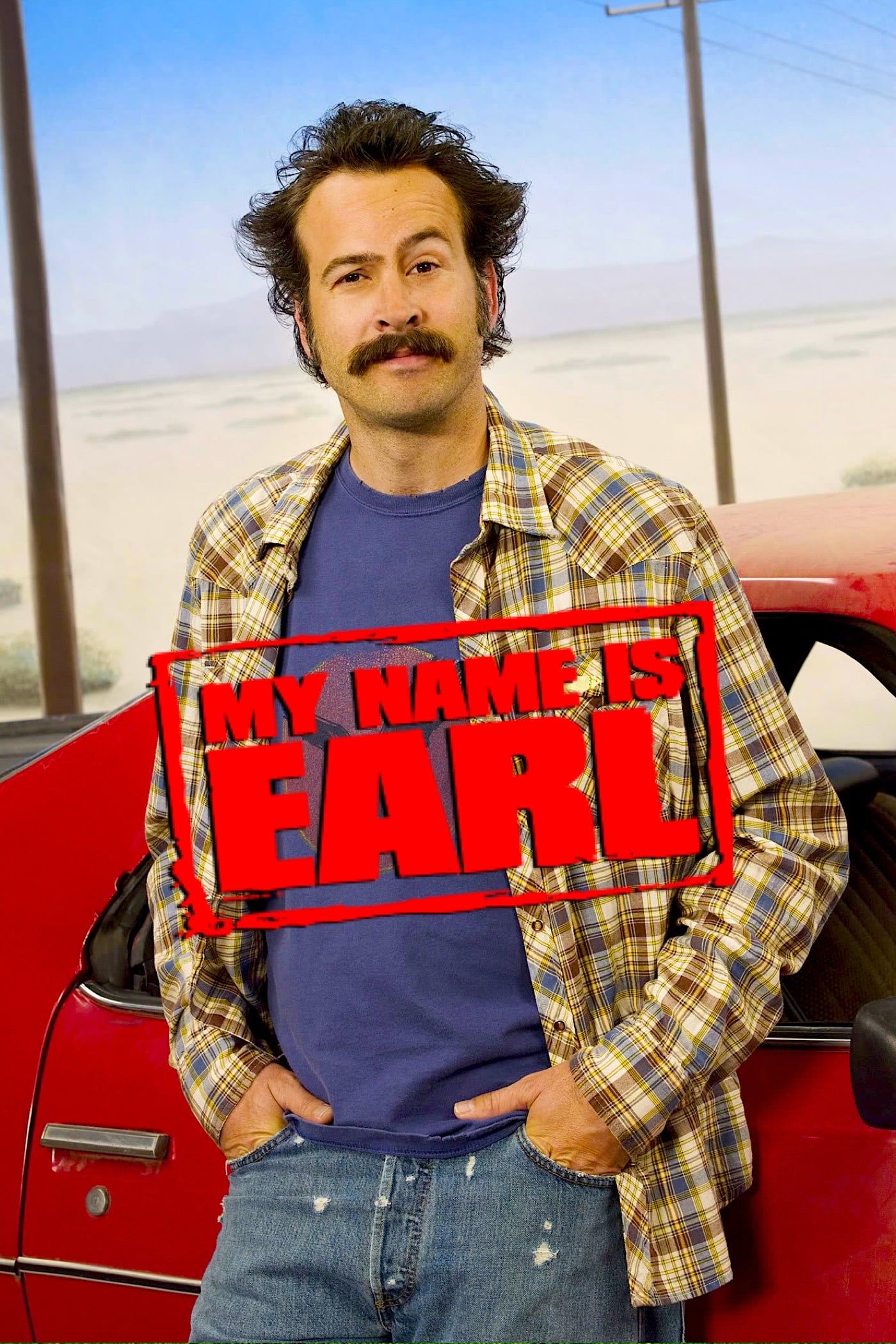
This sitcom about a man trying to fix his past mistakes ended on a cliffhanger that was never resolved due to a sudden cancellation. The final episode revealed that Earl was actually the biological father of his ex wife child Dodge which complicated his quest. The episode ended with a to be continued message that left fans waiting for an answer that would never come. Viewers were enraged that the central mission of Earl finishing his list was left incomplete. The creator later revealed how he planned to end the show but this was little comfort to the audience who wanted to see it on screen.
Please share your thoughts on which of these sitcom endings frustrated you the most in the comments.