‘Somewhere in Time’ Ending Explained Why Richard and Elise’s Fate Still Haunts Viewers Decades Later

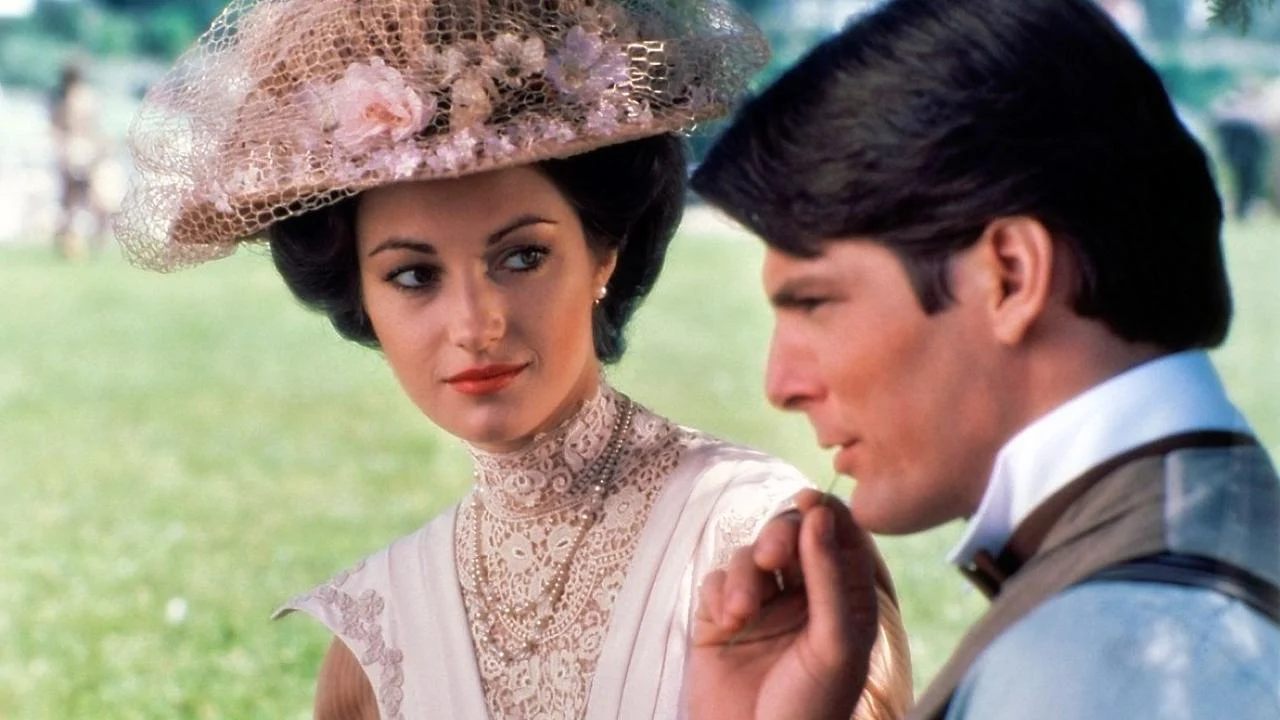

Few romantic dramas from the early 1980s have held onto audiences the way ‘Somewhere in Time’ has. The film follows Chicago playwright Richard Collier, who becomes fixated on a photograph of stage actress Elise McKenna and uses self hypnosis to travel back to 1912 in an attempt to find her, a story pulled from Richard Matheson’s novel Bid Time Return and directed by Jeannot Szwarc. The 1980 romantic fantasy has quietly built a cult following that outlasted its rocky box office debut, and its bittersweet finale remains the reason people still bring the movie up in conversation today.
Even people who have never seen the film tend to know its reputation as a tearjerker, largely because of how the story resolves. The ending of ‘Somewhere in Time’ continues to generate discussion among longtime fans and first time viewers alike, particularly around what happens to Richard once his connection to the past is severed.
What Happens in the Final Act of ‘Somewhere in Time’
Once Richard and Elise agree to marry, she checks the time on his pocket watch while he empties his pockets and discovers he had missed a penny with a 1979 mint date. That small object becomes the turning point of the entire story, since it does not belong in 1912 and threatens to unravel the fragile mental state that allowed Richard to travel back in the first place.
Before that discovery, the film spends its middle stretch building the romance between Richard and Elise on Mackinac Island, where she initially swoons at the sight of him and asks “Is it you,” a line tied to a prophecy from her manager William Fawcett Robinson about a man destined to change her life forever. The couple share a boat ride, and Richard hums a piece of music that will not be written for another twenty two years, a detail Elise finds lovely despite never having heard it before.
That romantic high point makes the arrival of the penny all the more jarring for viewers who have settled into the fantasy alongside Richard. The modern coin acts as the mechanism that breaks the spell, and its placement in the story is deliberate, since it is the one piece of tangible evidence from 1980 that Richard cannot explain away or ignore.
The Penny That Breaks the Spell and Sends Richard Home
The fantasy collapses the moment Richard finds that 1979 penny in his coat pocket, a stray piece of modern currency that shatters the illusion holding him in 1912 and pulls him back to his own time. The transition is abrupt and unwilling, and the film frames it less like a clever plot twist and more like a cruel trick of fate.
Richard wakes up in 1980 physically weakened by the time travel, and his subsequent attempts to return to 1912 do not succeed. He is left disoriented in the same hotel room where he and Elise had last been together, and the disconnect between where his heart remains and where his body has landed becomes the emotional core of the film’s final act.
What follows is not a race against time or a clever workaround, since Richard’s mental state simply will not allow him back through. He scrambles desperately to hypnotize himself again without success, and after wandering the hotel grounds and revisiting the places where he spent time with Elise, he eventually retreats to his room and remains there for days.
The hotel staff eventually intervenes, though by then the damage to Richard is already done. Arthur, the hotel groundskeeper and Richard’s friend, calls for paramedics, but it is too late. The film does not soften this moment, choosing instead to let Richard’s decline play out as a slow and quiet unraveling rather than a sudden shock.
Richard and Elise’s Reunion in the Afterlife
Richard dies of grief after being separated from Elise and returned to his own time, but the film gives him one final grace note by reuniting the pair in what is presented as an afterlife. In his last moments, Richard smiles and appears to drift above his own body, drawn toward a light where Elise is waiting for him.
That closing image has become the single most discussed element of ‘Somewhere in Time,’ and the framing carries specific detail that fans still point to. Even writers who find parts of the plot contrived have acknowledged the emotional weight of that final image, describing the pair reunited with Richard appearing at the age he died while Elise appears at the age she knew him.
Much of the film’s ending relies on the idea that surrender, rather than persistence, is what ultimately reunites the couple. The story establishes that Richard’s obsession with changing the past is ultimately futile, and it is acceptance rather than continued struggle that becomes his path back to Elise.
Fans and critics alike have leaned into the idea that this send off works as a comfort rather than a straightforward tragedy, framing Richard’s death as an acceptance of fate rather than a defeat. That reading has helped the ending endure as something viewers return to rather than simply remember.
How ‘Somewhere in Time’ Became a Cult Classic
The film’s path to becoming a beloved romance took an unusual route, since its theatrical run did not go smoothly. Somewhere in Time was released on October 3, 1980, in the middle of an actors’ strike, which meant its cast could not appear on television or radio to promote it, and the studio was also focused on recouping money spent on The Blues Brothers. The film underperformed domestically despite mixed to poor reviews, though it was far better received overseas, particularly in Hong Kong, where it became a genuine cult hit and screened at one theater for a record breaking 223 straight days.
Decades later, that overseas embrace and slow building fan base have turned the film into something closer to a phenomenon than a modest romance picture. Richard Matheson’s tragic book and subsequent screenplay have stood the test of time over the ensuing four decades, developing a cult like following complete with fan clubs and fanzines around the world.
Part of that devotion is tied directly to the film’s shooting location, which fans still treat as something of a pilgrimage site. Legions of fans continue to travel to Mackinac Island, Michigan, to visit the Grand Hotel where the story of love and tragedy takes place, alongside annual conventions built around the movie.
There is also a real life layer to the film’s legacy that has kept interest alive well beyond typical nostalgia. Jane Seymour confirmed at the 2022 TCM Classic Film Festival that she and Christopher Reeve fell for each other while both single during filming, though the relationship ended abruptly near the close of production once Reeve’s former girlfriend revealed she was pregnant with his child.
That mix of on screen tragedy and off screen heartbreak has given ‘Somewhere in Time’ a staying power that few films from its era can claim. For a movie that barely registered at the domestic box office in 1980, its ending has proven durable enough to still spark debate about whether Richard and Elise’s reunion is the most romantic resolution imaginable or a bittersweet cheat that denies them the life they should have shared, and that is exactly the kind of argument worth hearing from anyone who has sat with that final scene.