Spike Lee’s Defense of ‘Michael’ Puts Critics on Blast and He Has a Point


Spike Lee is not staying quiet about the divided reception surrounding the Michael Jackson biopic ‘Michael’, and his argument is one that a surprising number of viewers seem to agree with. The Oscar-winning director sat down with CNN’s Laura Coates to share his unfiltered take on the film, and what he said has reignited an already heated debate about where criticism ends and unfair expectation begins.
Lee, who revealed he has seen the film twice and loved it, made the case that critics complaining about the absence of Jackson’s abuse allegations are fundamentally misreading what the film is trying to do. In his conversation with CNN, he explained that since the movie concludes in 1988, years before the first accusation surfaced in 1993, critics are essentially faulting the film for not depicting events that fall entirely outside its own timeline.
Speaking to CNN, Lee said the movie ends in 1988, and the accusations people keep bringing up happened later, meaning critics are evaluating the film based on something that was never going to be in it to begin with. He also noted that fans worldwide showed up regardless, a point hard to argue against given what the box office has delivered.
‘Michael’ debuted to $97.5 million domestically on its opening weekend and has since crossed $423 million globally through two weekends in theaters, making it one of the biggest opening weekends ever for a musical biopic. That kind of audience enthusiasm tells its own story, especially when placed alongside a critical reception that has been far less warm.
On Rotten Tomatoes, only 39 percent of critics’ reviews are positive, with the site’s consensus describing the film as playing like a greatest hits album that could have benefited from more insight into the icon. Audiences, however, have pushed the film’s score to 97 percent on the same platform, one of the starkest critic-versus-audience divides seen on a major release in recent memory.
Part of why the allegations were excluded was actually out of the filmmakers’ hands entirely. The Jackson estate discovered a clause in the settlement with accuser Jordan Chandler that barred his depiction or mention in any future commercial projects, forcing a complete restructuring of the film’s third act and a shift in dramatic focus toward Jackson’s relationship with his controlling father.
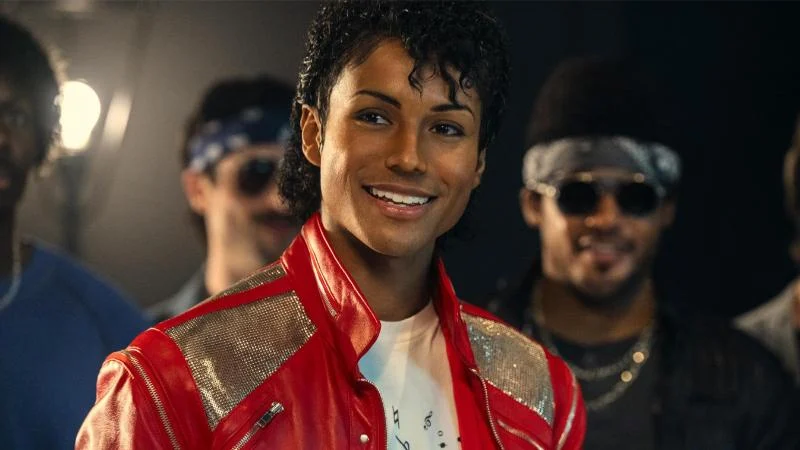
Lee, who collaborated with Jackson on the music video for “They Don’t Care About Us” and later directed the documentary “Bad 25”, described the King of Pop as a longtime friend and said he misses him deeply, calling him a beautiful person alongside Prince as artists who shaped his own work. The film itself, directed by Antoine Fuqua and starring Jackson’s real-life nephew Jaafar Jackson in the lead role, covers the icon’s journey from his early days with the Jackson 5 through his rise to global superstardom.
The cast also includes Colman Domingo as Joe Jackson, Nia Long as Katherine Jackson, and Miles Teller as attorney John Branca, with audiences singling out Domingo’s performance in particular as a standout alongside Jaafar’s uncanny physical embodiment of his uncle. With a sequel already being discussed to cover the later chapters of Jackson’s life, the debate about what belongs on screen is far from over.
If you’ve seen ‘Michael’, do you think Spike Lee is right that critics are holding the film to an impossible standard, or does the missing context matter too much to overlook?