

Spin-Off Games That Are Canonically Important But Terrible To Play



Spin-offs sometimes carry key plot threads, bridge timelines, or introduce characters that the main entries later rely on—yet the gameplay can be clunky, compromised, or plainly out of step with the series’ strengths. This list gathers spin-offs that matter for canon or continuity while being widely criticized for things like awkward controls, grindy design, uneven pacing, or technical limitations. Each entry notes what it contributes to the story and who made it, so you can decide whether to watch a synopsis or grit your teeth and play through. If you want the lore without the pain, consider cutscene compilations, wikis, or official recaps after checking how each title fits into its universe.
‘Metroid Prime: Federation Force’ (2016)
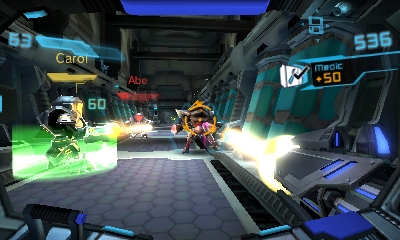
Set after the fall of the Space Pirates, this side-story expands Galactic Federation operations on the fringes of the Alimbic Cluster and hints at post-‘Prime’ power dynamics without Samus in the lead. It introduces the Federation’s mech program and touches on ongoing Phazon-era aftermath that later entries reference in background materials. Developed by Next Level Games and published by Nintendo, it uses mission-based co-op to tell bits of canon between brief cutscenes. The campaign’s lore beats—particularly around Federation R&D and Space Pirate remnants—are the main reasons it’s still cited in timeline discussions.
‘Assassin’s Creed: Altair’s Chronicles’ (2008)
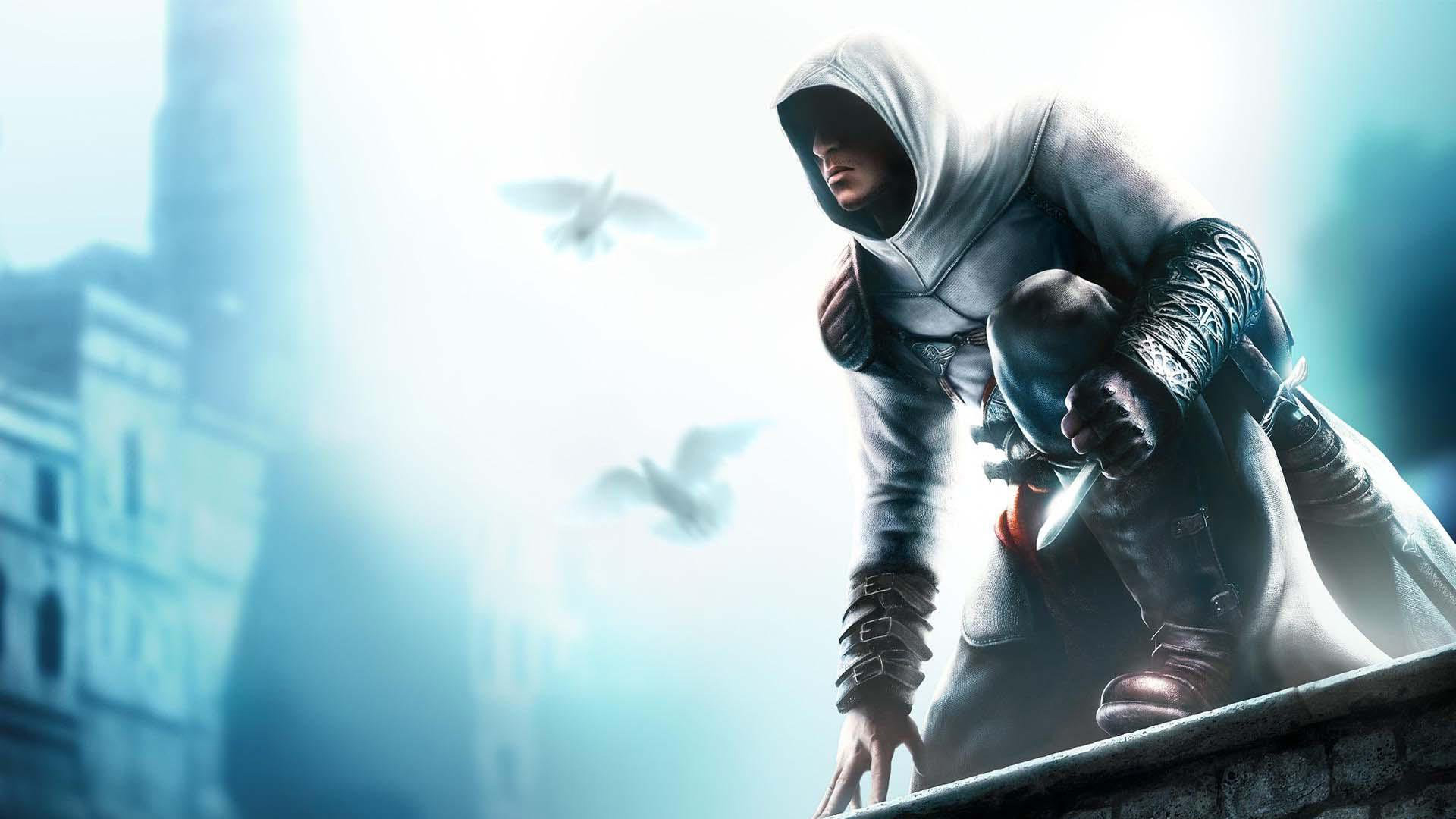
A prequel to the first main game, this DS entry follows Altaïr’s hunt for the Chalice and fills in events that shape his standing with the Brotherhood before the Third Crusade storyline. It establishes locations, factions, and relationships that are referenced in codex-style materials across the early era of the franchise. Developed by Gameloft with oversight from Ubisoft and published by Ubisoft, it delivers its narrative in short handheld chapters. Its plot points often appear in franchise encyclopedias and companion books that treat the events as part of Altaïr’s early career.
‘Assassin’s Creed: Bloodlines’ (2009)
Bridging the gap between the first and second main games, this PSP installment shows Altaïr traveling to Cyprus to dismantle surviving Templar networks and sets up threads that pay off in Ezio-era lore. Several characters and documents in later entries point back to the Cyprus operations as context for the Templars’ shifting strategies. Developed by Griptonite Games with Ubisoft Montreal involvement and published by Ubisoft, it’s structured as a portable companion with frequent story interludes. Its canonical value lies in connecting Altaïr’s late-career choices to Brotherhood doctrine that Ezio inherits.
‘Assassin’s Creed: Discovery’ (2009)
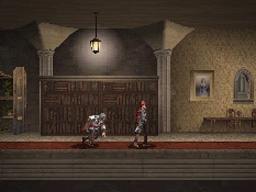
Positioned within Ezio’s timeline, this DS side-story covers his covert mission in Spain and encounters with historical figures tied to the Inquisition, which get name-checked in in-game databases. It provides additional background on Assassin–Templar activity on the Iberian Peninsula, complementing the broader Renaissance arc. Developed by Griptonite Games and published by Ubisoft, it presents mission-by-mission narrative beats that slot between major sequences of the mainline saga. The Spanish cells and their outcomes surface in franchise chronology summaries, giving it canonical weight despite its scale.
‘Batman: Arkham Origins Blackgate’ (2013)
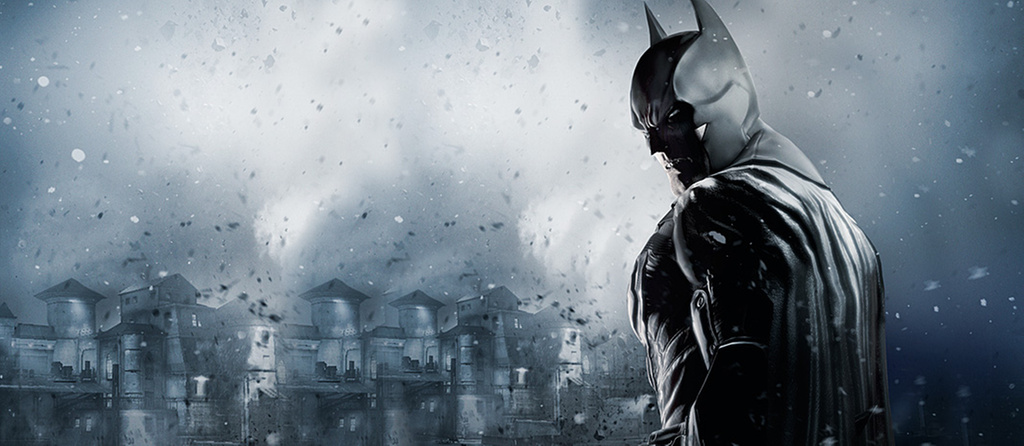
Taking place three months after ‘Arkham Origins’, this handheld sequel details a Blackgate prison uprising that explains how certain villains reposition before ‘Arkham Asylum’. The case files and epilogues clarify villain transfers and foreshadow alliances that the console games assume you know. Developed by Armature Studio and published by Warner Bros. Interactive Entertainment, it uses a “2.5D” structure to deliver investigation logs and boss dossiers. Those collectibles and endgame reports are the canon glue that ties this prequel era to the Rocksteady timeline.
‘Dead Space Ignition’ (2010)
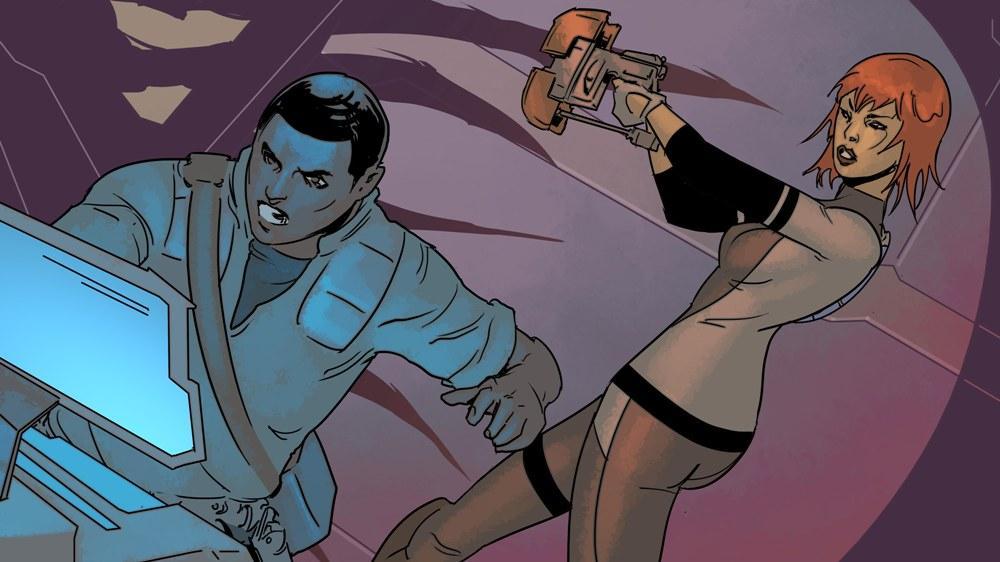
A prelude to ‘Dead Space 2’, this downloadable tie-in chronicles engineer Franco Delille’s actions during the Sprawl outbreak and directly sets up the opening moments of the sequel. Its branching scenes document early breaches, Unitologist interference, and security failures that the main game references in text logs. Developed by Sumo Digital in collaboration with Visceral Games and published by Electronic Arts, it mixes interactive comic panels with mini-games to deliver key incident reports. The canonical handoff into ‘Dead Space 2’ makes it an oft-cited companion despite its format.
‘Dead Space’ (Mobile) (2011)
Set between the first two main games, this mobile entry covers a Marker-related incident that explains additional Necromorph activity beyond the Ishimura and Titan Station records. The mission briefings and audio logs expand on EarthGov experimentation and RIG protocols later acknowledged in franchise materials. Developed by IronMonkey Studios and published by EA Mobile, it packages its story in compact chapters designed for touch controls. Its logs and surviving reports are treated as part of the wider Marker chronology.
‘Mass Effect: Infiltrator’ (2012)
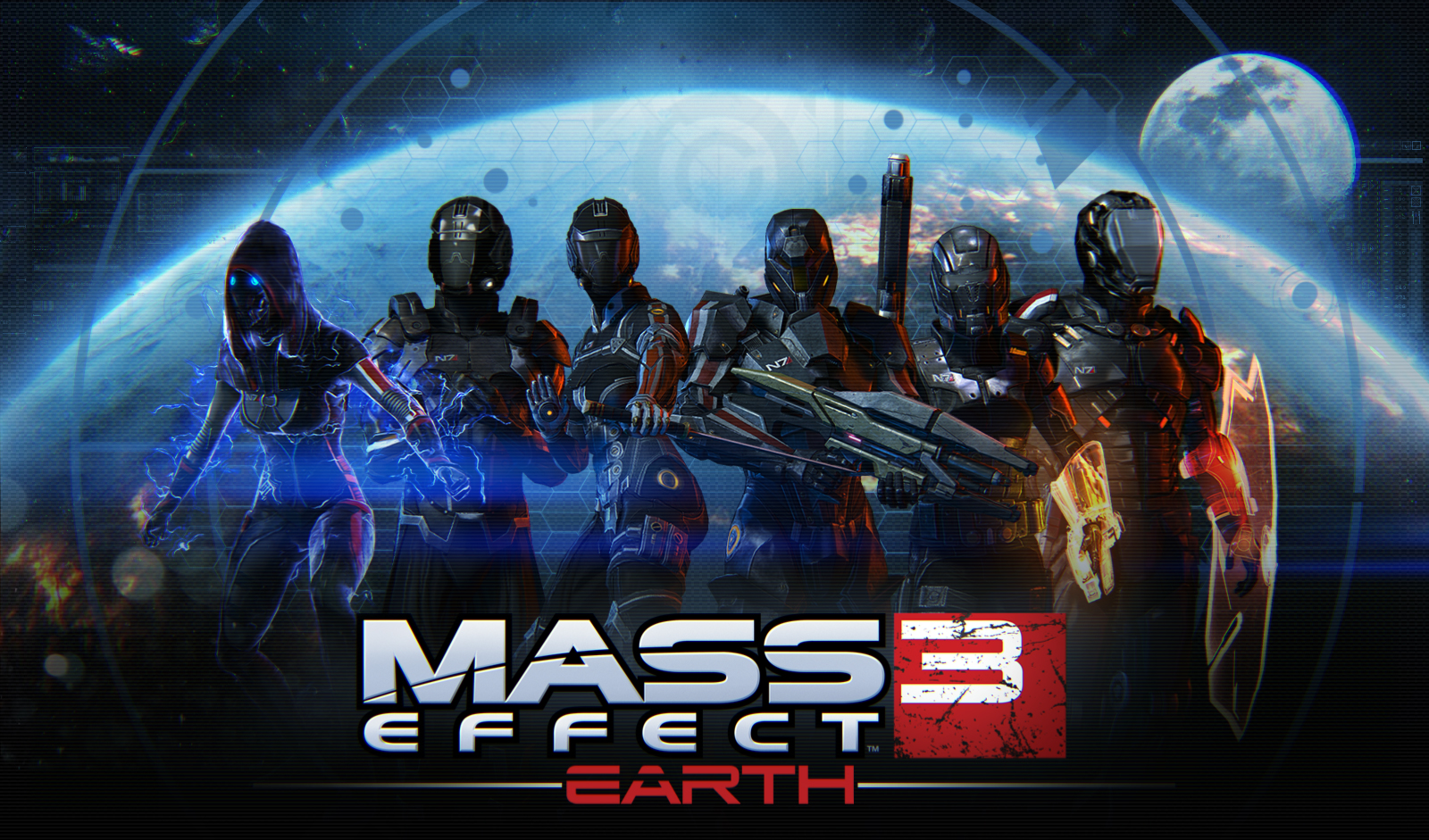
This side-story follows a Cerberus operative’s defection during the Reaper war, adding context for Cerberus facilities and research that are alluded to in codex entries. Completing objectives also ties back to war readiness systems used during the trilogy’s finale period. Developed by IronMonkey Studios and published by Electronic Arts, it uses short mission vignettes to drip-feed intel and correspondence. Its value is in the canonical peek at Cerberus internal operations outside Shepard’s line of sight.
‘Gears Pop!’ (2019)
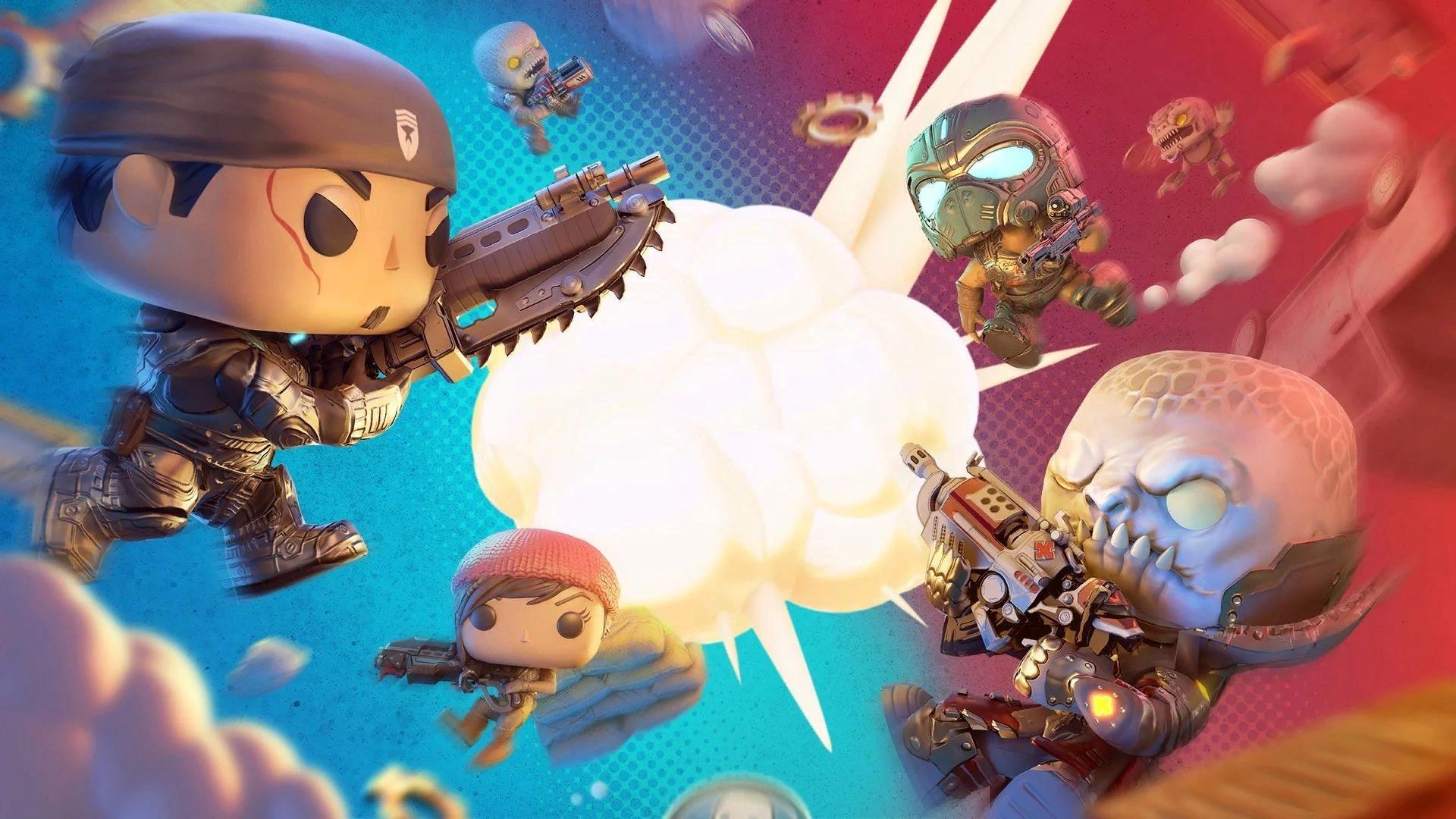
Telling light narrative beats around Kait and other COG faces, this mobile spin-off sprinkles in collectibles and descriptions that reference the post-‘Gears 4’ climate. Its events and character blurbs align with the franchise’s established factions and timeframe even though the tone is playful. Developed by Mediatonic in partnership with The Coalition and published by Xbox Game Studios, it framed limited-time events with lore snippets. Those in-game descriptions and bios are treated as ancillary canon for character status during that era.
‘Fable: The Journey’ (2012)
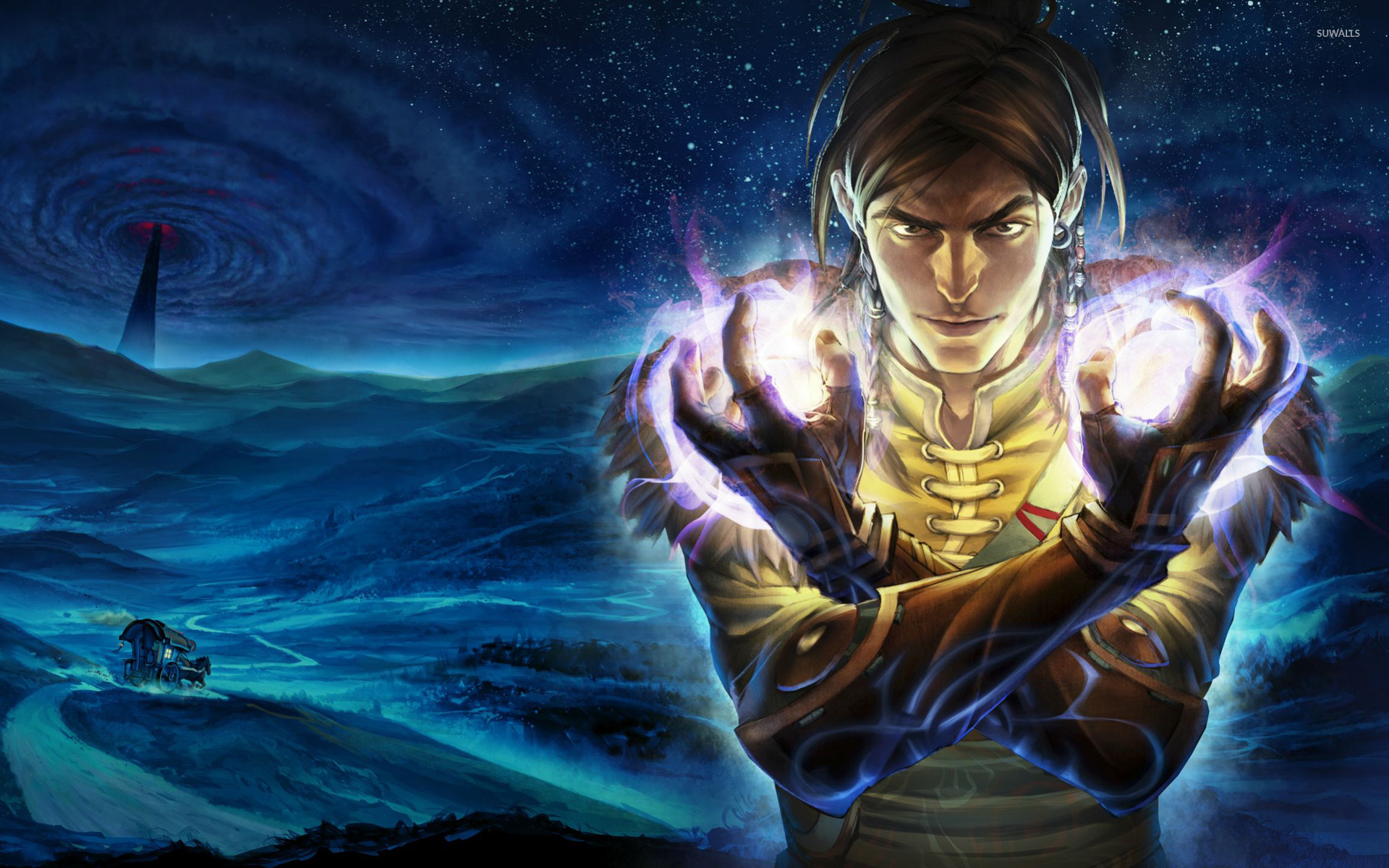
Set in Albion after ‘Fable III’, this Kinect-focused entry follows Gabriel and Theresa, clarifying Theresa’s role and the lingering Dark threat that threads through series mythology. Dialogue and journals connect directly to guild history and prophecy elements referenced across the trilogy. Developed by Lionhead Studios and published by Microsoft Studios, it structures its narrative as guided travel segments punctuated by story interludes. The canonical relationship between Gabriel and Theresa is the key reason this installment is included in lore timelines.
‘Halo: Spartan Assault’ (2013)
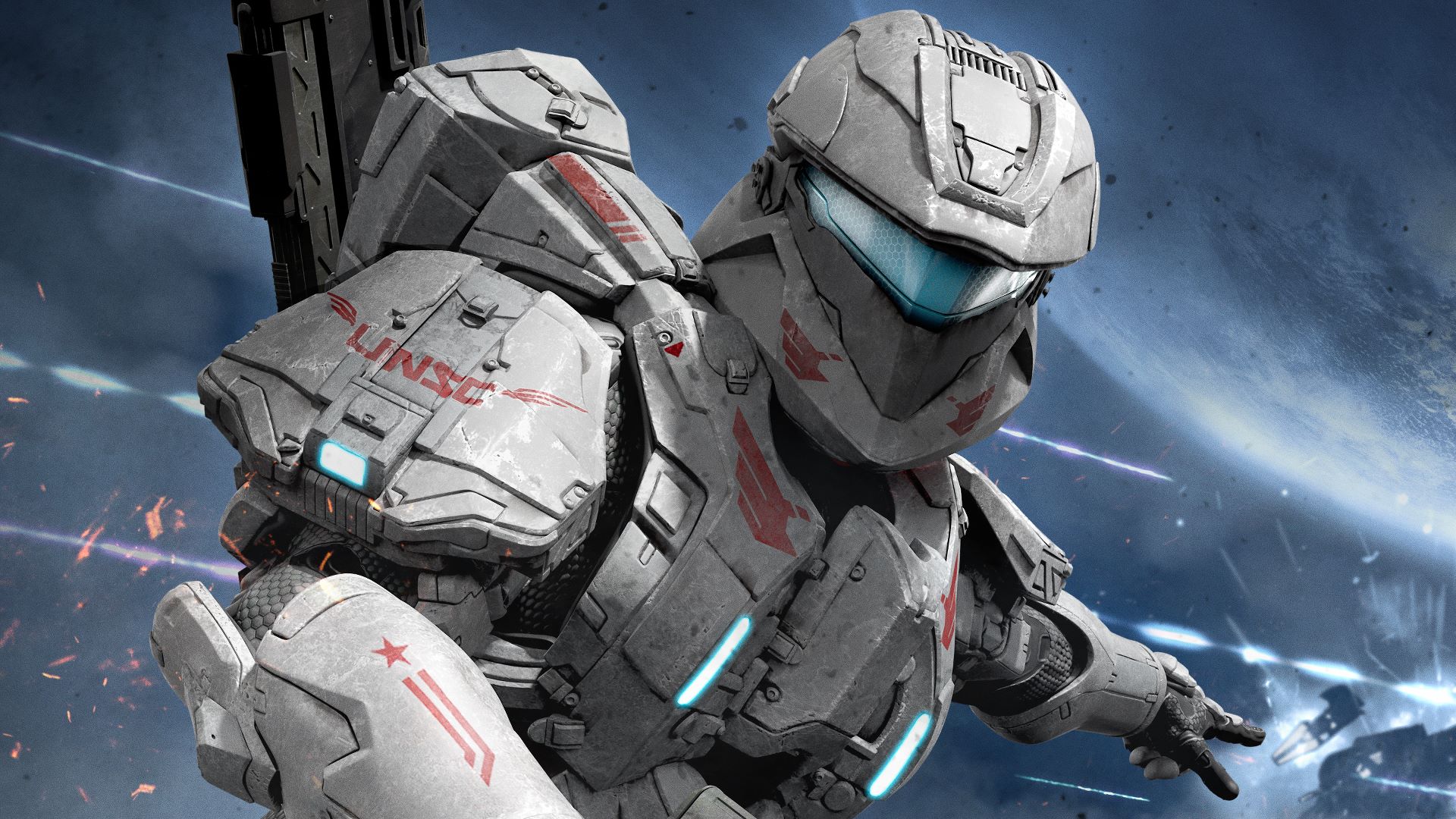
This top-down shooter depicts operations between ‘Halo 3’ and ‘Halo 4’, documenting Spartan-IV training methods and specific battles against Covenant remnants. Mission intel and after-action reports are cited within UNSC archives that the series references in books and terminals. Co-developed by 343 Industries and Vanguard Games and published by Microsoft Studios, it parcels the story into brief operations with text logs. Its canonical standing comes from how it formalizes Spartan-IV doctrine and certain commanders’ records.
‘Halo: Spartan Strike’ (2015)
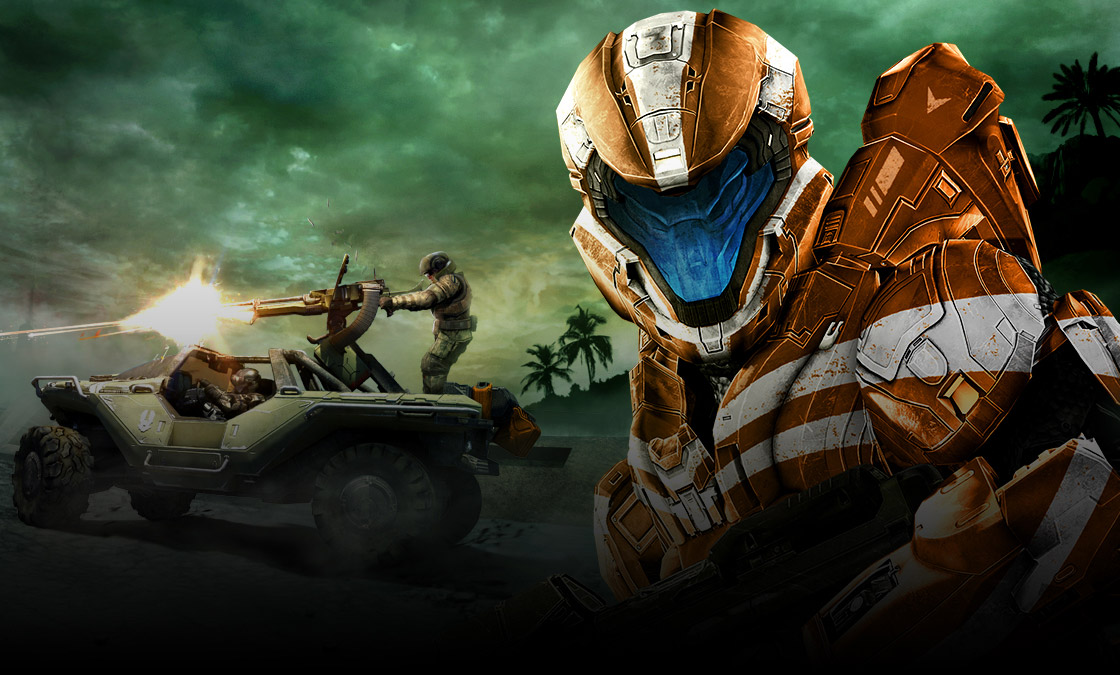
Set during and shortly after the ‘Halo 2’ timeframe, this companion follows ONI-led operations tied to the Janus Key, an artifact referenced in transmedia materials. The campaign’s data pads and mission summaries extend ONI’s portfolio of black-ops incidents concurrent with the main war. Developed again by 343 Industries and Vanguard Games and published by Microsoft Studios, it retains the briefings-and-logs presentation. Its notes on ONI asset recovery are folded into official chronology resources for the franchise.
‘Umbrella Corps’ (2016)
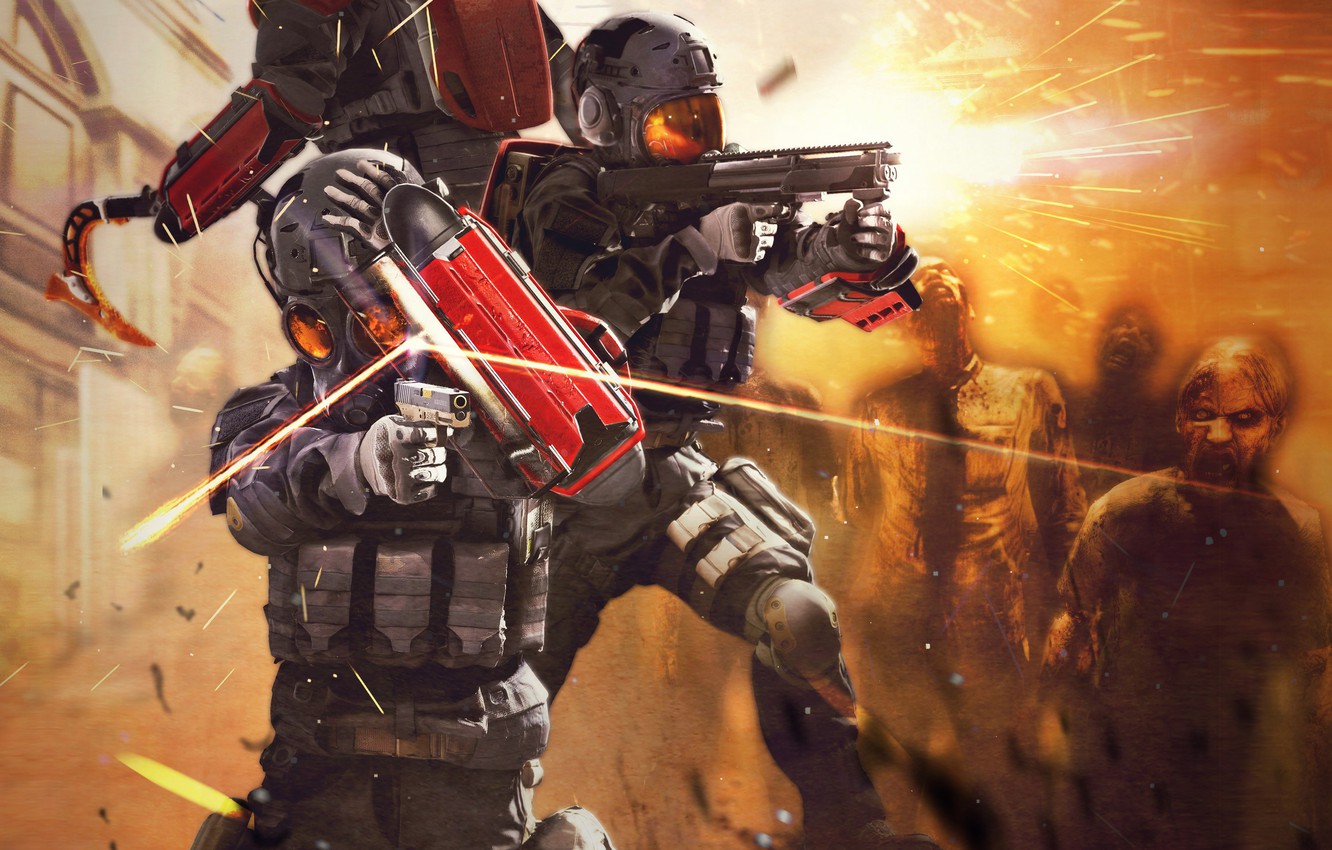
Positioned after ‘Resident Evil 6’, this competitive spin-off frames its maps and missions as mercenary skirmishes at canon locations while including files that advance post-Umbrella corporate activity. The collectible reports mention biotech successors and leftover data caches that connect to ongoing global outbreaks. Developed and published by Capcom, it embeds its lore through stage briefings, unlockable dossiers, and emails. Those materials are referenced when charting the series’ corporate landscape heading into later entries.
‘Resident Evil Survivor’ (2000)
This light-gun offshoot occurs on Sheena Island and explores remnants of Umbrella’s B.O.W. program, providing names and locations that Umbrella files and later encyclopedias preserve. Its documents and endings contribute to the broader map of Umbrella facilities beyond Raccoon City. Developed by Tose with Capcom and published by Capcom, it delivers most of its narrative through found notes and post-mission text. The island’s research lineage appears in series timelines, which is why it remains part of canon discussions.
‘Silent Hill: Book of Memories’ (2012)
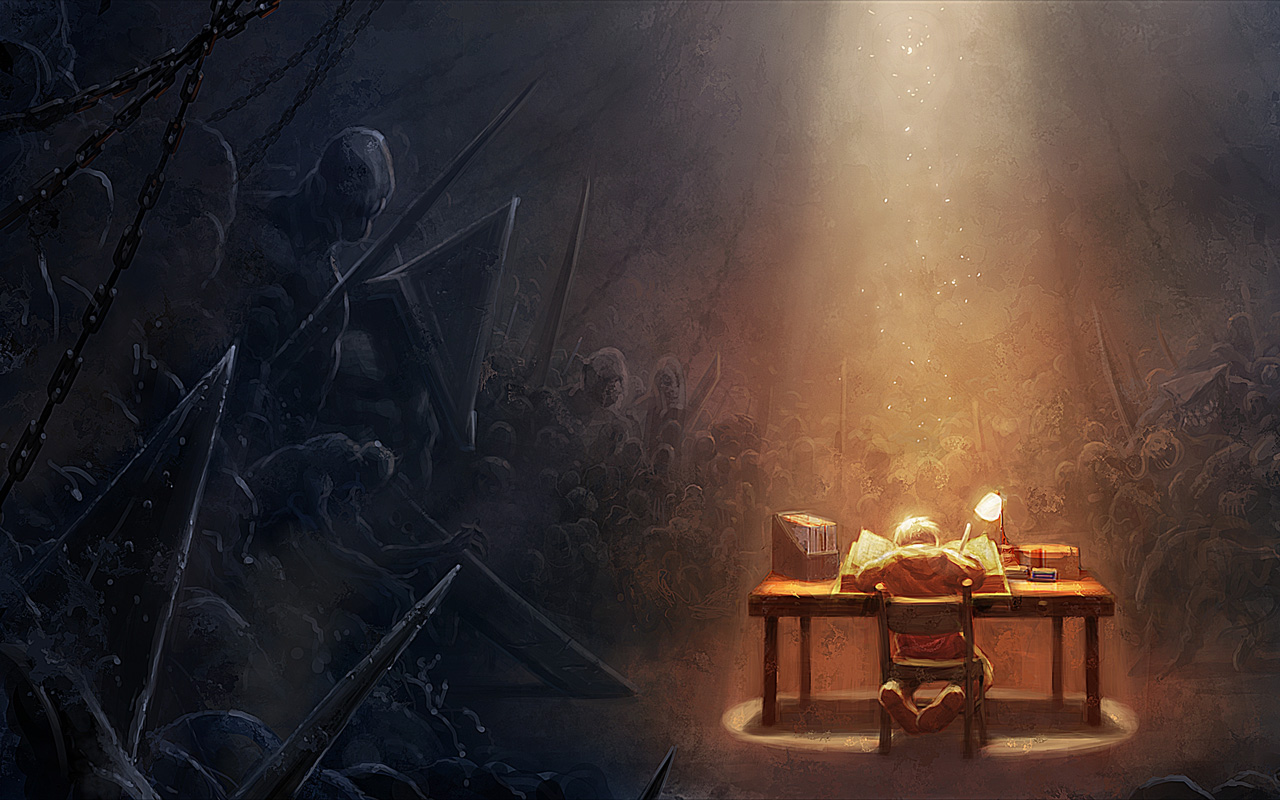
Built around the Otherworld’s reality-bending premise, this entry uses the titular Book to rewrite personal histories, expanding rules that later analyses treat as consistent with the town’s metaphysics. Cameos and artifacts tie it to established characters and events acknowledged by Konami’s official materials. Developed by WayForward Technologies and published by Konami, it strings its narrative through notes, boss encounters, and endings. Its lore relevance stems from how it codifies consequences of altering the Book rather than from its dungeon-crawling systems.
‘Dirge of Cerberus: Final Fantasy VII’ (2006)
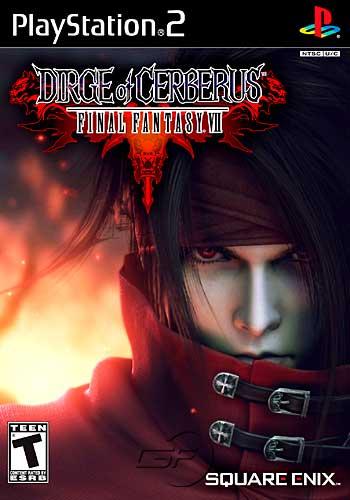
Set three years after the original story, this shooter focuses on Vincent Valentine, Deepground, and the aftermath of Meteorfall, establishing organizations and characters that recur in the ‘Compilation of Final Fantasy VII’. Key plot points—like Omega and the Tsviets—are referenced in guidebooks and later media tied to the same continuity. Developed and published by Square Enix, it conveys much of its canon through lengthy cutscenes and optional emails. Its events fill a postgame gap that other ‘Compilation’ works assume the audience knows.
‘Before Crisis: Final Fantasy VII’ (2004)
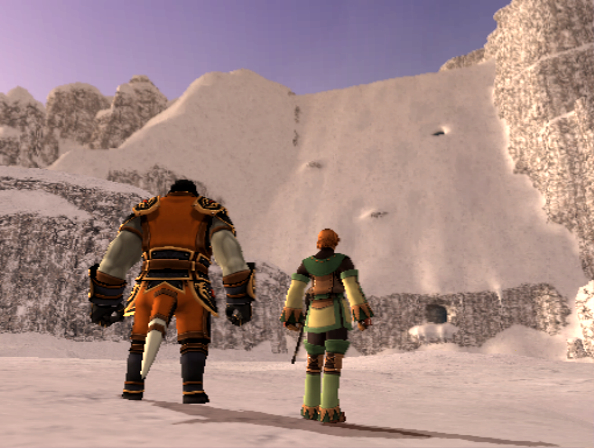
Taking place six years before the main story, this Japan-only mobile title follows the Turks and documents pivotal missions—like events surrounding AVALANCHE—that later ‘Compilation’ entries treat as established history. Character dossiers and mission logs created here are echoed in books and side materials. Developed and published by Square Enix, it delivered episodic chapters with phone-era controls and short scene transitions. The Turks’ internal structure and operations introduced here underpin later references across the continuity.
‘Kingdom Hearts Re:coded’ (2010)
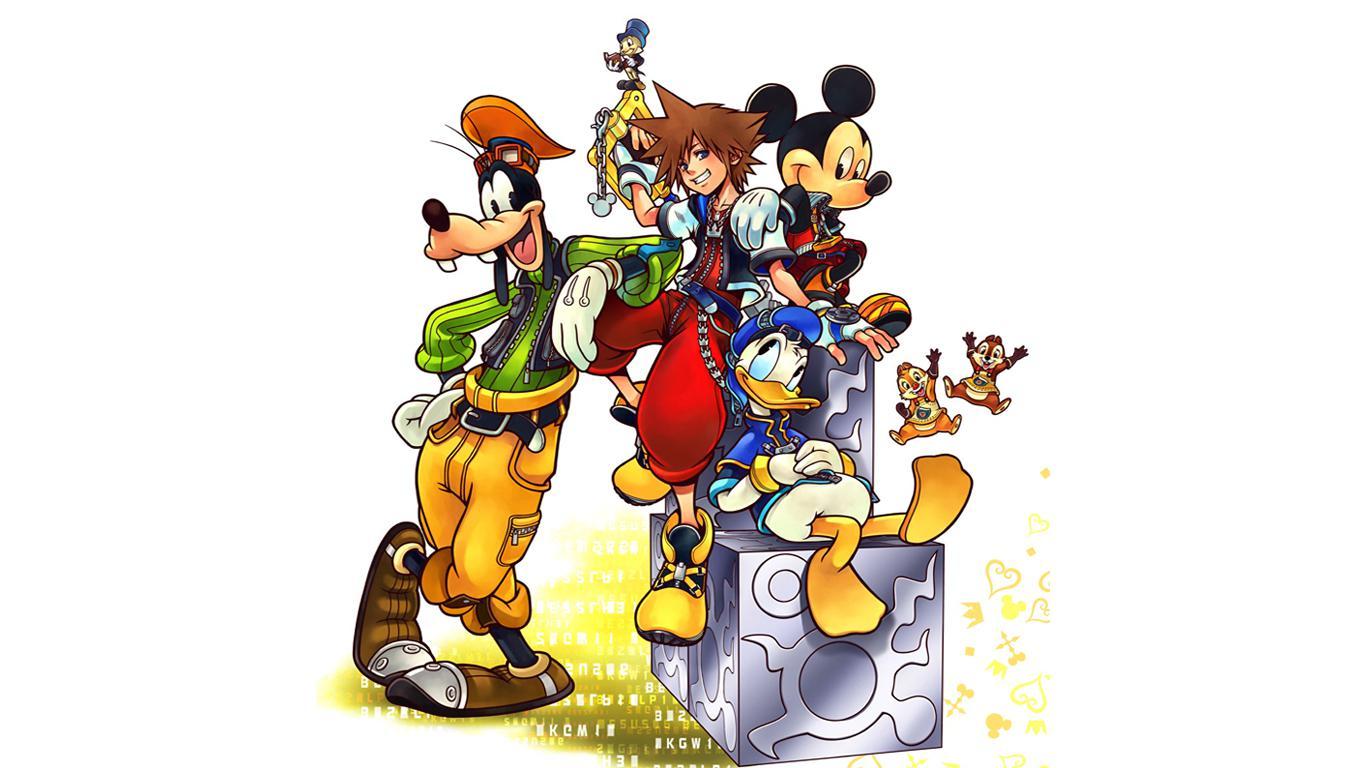
This retelling-and-expansion of the mobile ‘Coded’ storyline explains mysteries left in Jiminy’s Journal and introduces messages that set up future arcs. Its ending stinger and the reports you unlock are repeatedly cited as the springboard into later saga phases. Developed by h.a.n.d. with Square Enix and Disney and published by Square Enix, it uses a data-world framing to deliver crucial epilogue content. The final scenes are the canonical payload that other entries build upon.
‘Kingdom Hearts Union χ’ (2015)
A prequel-era narrative about Keyblade factions, Dandelions, and the Foretellers, this mobile title provides foundational mythology that later games reference directly. Story updates introduced characters and concepts—like the Master of Masters and specific “Union” politics—that become central to the overarching plot. Developed and published by Square Enix in collaboration with Disney, it rolled out chapters over years via live-service updates. The accumulated cutscenes are considered essential viewing for understanding subsequent arcs.
‘Diablo Immortal’ (2022)
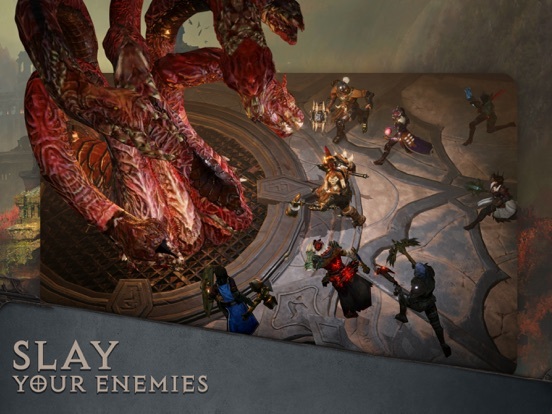
Set between the second and third main games, this installment chronicles the hunt for Worldstone fragments, explaining how demonic factions maneuvered to exploit the chaos. Several characters’ whereabouts and motivations during this gap are clarified in questlines and codex entries. Co-developed by Blizzard Entertainment and NetEase and published by Blizzard Entertainment, it delivers serialized narrative through regional quest hubs and seasonal updates. Its placement in the timeline makes its story beats canon for Sanctuary’s post-Worldstone period.
‘The Walking Dead: Survival Instinct’ (2013)
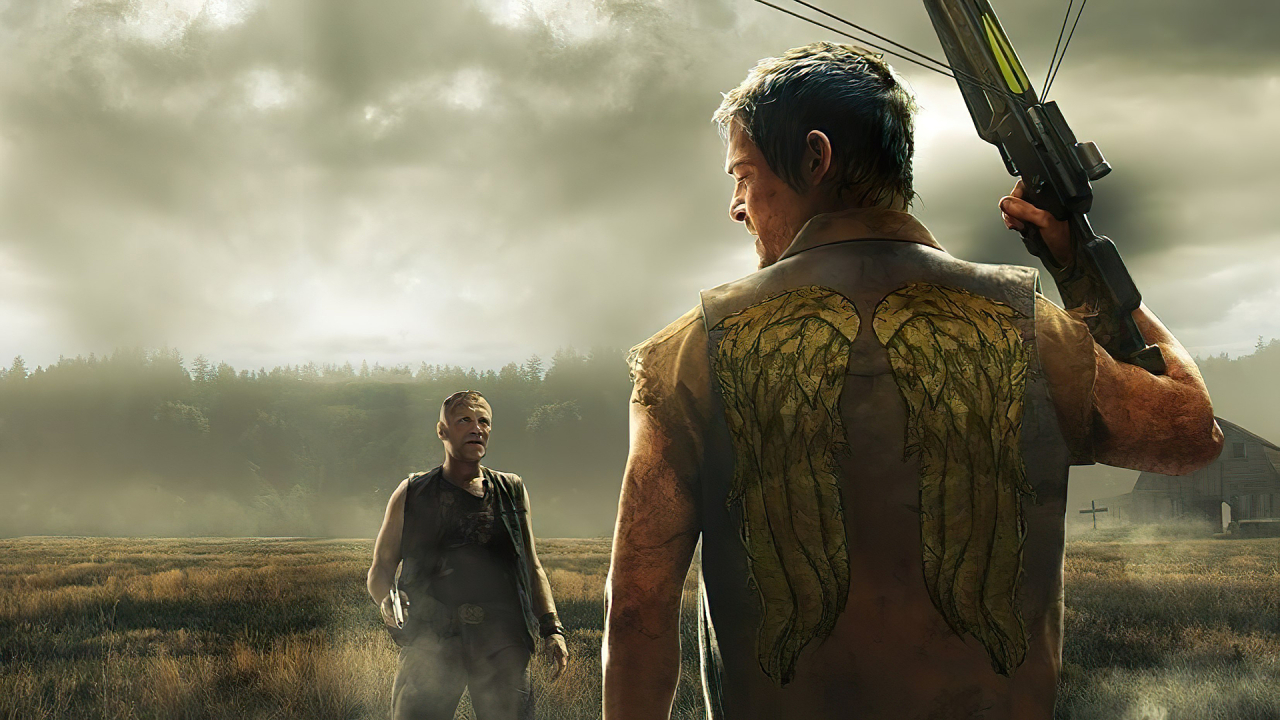
A prequel to the AMC series, this game follows Daryl and Merle Dixon on their route to Atlanta, establishing encounters and supplies that the show references in ancillary materials. It provides origin context for Daryl’s gear and relationships prior to joining the main group. Developed by Terminal Reality and published by Activision, it structures episodes around objectives that mirror TV continuity needs. For fans tracking the show’s canon, its cutscenes function as official backstory despite the rough edges.
‘God of War: Betrayal’ (2007)
Slotted between console entries, this mobile side-scroller introduces the assassin who frames Kratos, fueling Olympus tensions that carry into later narratives. It also includes lore about Kratos’s standing among mortals that subsequent games acknowledge in passing. Developed by Javaground and SOE Los Angeles and published by Sony Online Entertainment, it delivers its plot via brief, text-led interludes. Its canonical status is affirmed by official franchise timelines that include the assassin incident.
‘Prince of Persia: The Fallen King’ (2008)
Linked to the 2008 reboot continuity, this handheld adventure pairs the Prince with Magus threads that complement the console game’s ending state. It fills in travel and conflict details across regions that the main game references in concept art and lore blurbs. Developed by Ubisoft Casablanca and published by Ubisoft, it uses stylus-heavy mechanics with brief story scenes between zones. Its chief value is how it preserves the reboot’s tone and lore within an additional chapter of that timeline.
‘The Elder Scrolls: Blades’ (2019)
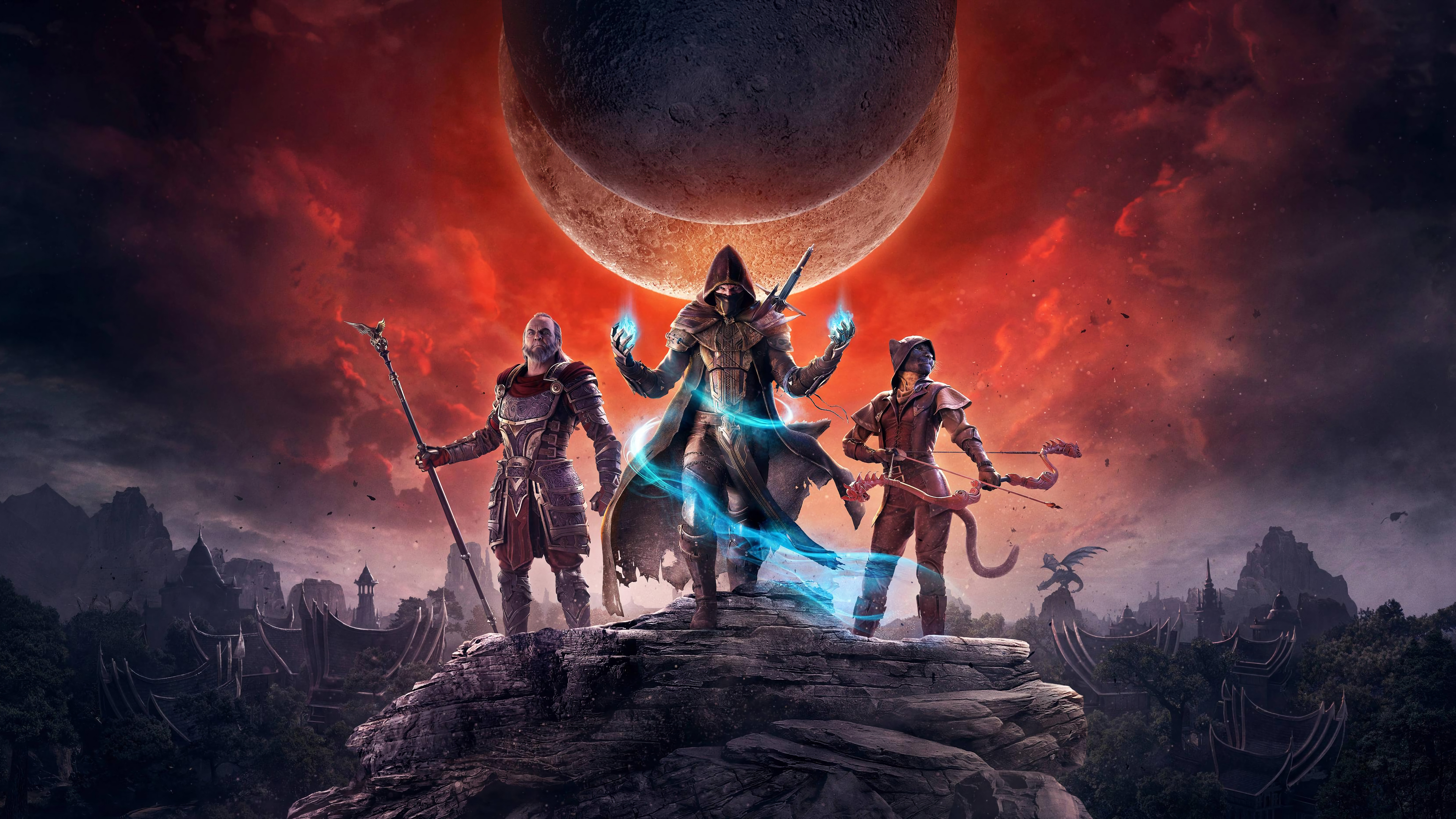
Taking place within the established Tamriel setting, this mobile entry has you rebuild a town as an exiled member of the Blades, expanding knowledge of the organization’s post-crackdown status. Quest text and NPC dialogue reference provinces, factions, and political fallout consistent with series lore. Developed and published by Bethesda Game Studios/Bethesda Softworks, it uses repeatable jobs and a main quest to deliver its story. Its codex-style entries and named characters are treated as part of the broader ‘Elder Scrolls’ canon.
‘Final Fantasy XII: Revenant Wings’ (2007)
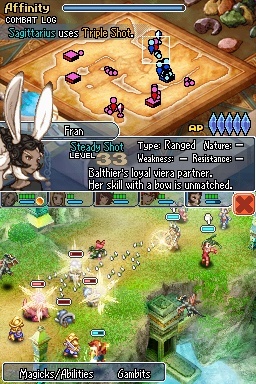
A direct sequel to ‘Final Fantasy XII’, this DS real-time tactics spin-off follows Vaan and Penelo to Lemurés, explaining airship ambitions and character trajectories referenced in later materials. It also elaborates on the Aegyl and Auracite, concepts that appear in franchise encyclopedias tied to Ivalice. Developed by Think & Feel with Square Enix and published by Square Enix, it splits its narrative into short missions with cutscene bridges. The character developments and worldbuilding make it canon within the ‘XII’ subseries even if its mechanics diverge from the main game.
‘Star Ocean: Anamnesis’ (2016)
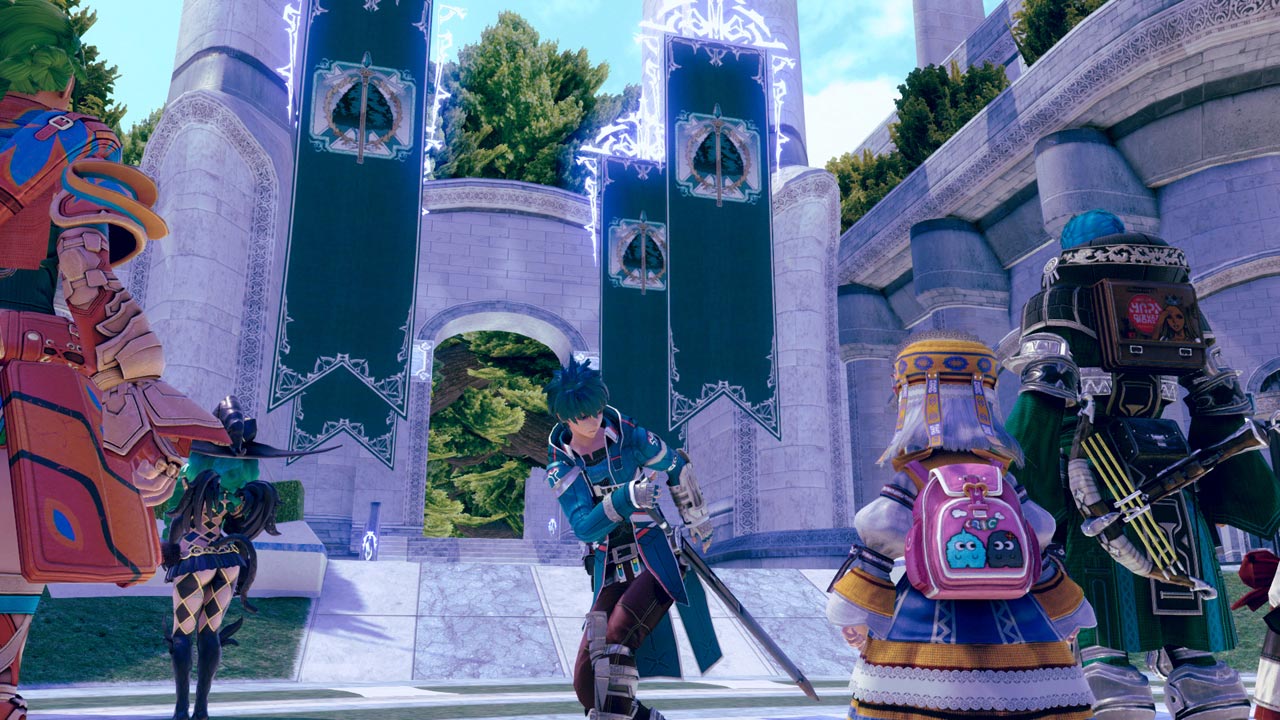
This mobile crossover gathers characters across timelines but frames its premise with a Federation rescue that sits within the series’ spacefaring canon. Event stories and character episodes add biography notes that official sites and databases preserve. Developed by tri-Ace with Square Enix and published by Square Enix, it delivered seasonal events and gacha-driven story updates. Its codified character lore and era placements are the canon hooks that persist beyond the service window.
Share the spin-offs you powered through purely for the lore—and which ones you’ll only ever experience via a story recap—in the comments!