


14 Spy Series With Gadgets That Could Actually Work In Reality




Espionage fiction often relies on fantastical technology to advance the plot or save the hero from certain death. Many television shows ground their gadgets in scientific plausibility or base them on existing technology. These series demonstrate how surveillance and communication tools have evolved over the decades to match real capabilities. Viewers can observe the realistic application of wiretaps and hidden cameras alongside modern cyber warfare tools. The following list explores shows where the spy tech is surprisingly functional rather than magical.
‘The Americans’ (2013–2018)

This period drama highlights the low-tech but effective tradecraft used during the Cold War. The Soviet deep-cover agents utilize concealed cameras inside everyday objects like pens and coat buttons to capture sensitive documents. They also employ shortwave radios and one-time pads for unbreakable encrypted communication with their handlers. The show features a portable suitcase recorder that was a genuine tool used by intelligence agencies for wiretapping. These analog devices demonstrate how patience and engineering often outweighed digital convenience in historic espionage.
‘Mr. Robot’ (2015–2019)

The series is widely praised by cybersecurity experts for its accurate depiction of hacking tools and digital espionage. The protagonist uses a Raspberry Pi computer concealed within a climate control thermostat to bypass physical network security. Characters frequently utilize directional antennas to intercept Bluetooth signals from nearby devices. The show demonstrates the use of a femtocell to intercept cellular traffic by mimicking a legitimate cell tower. Every line of code shown on screens corresponds to real exploits and commands used in the information security industry.
‘Burn Notice’ (2007–2013)

Michael Westen relies on improvised gadgets created from consumer electronics found at local hardware stores. He constructs directional microphones using high-gain antennas and simple umbrellas to listen through windows. The team frequently creates mobile phone jammers and RFID spoofers using spare parts from old radios and computers. One notable episode features a homemade x-ray device built from a magnetron taken from a microwave oven. These DIY engineering feats illustrate the practical application of basic physics and electronics in field operations.
‘Person of Interest’ (2011–2016)

The Machine represents a mass surveillance system that aggregates video feeds and electronic communications to predict threats. This concept mirrors real government initiatives that process vast amounts of data for pattern recognition. The characters utilize cloning tools to copy cellular identities and intercept text messages in real time. Facial recognition software in the series operates similarly to modern systems used by law enforcement agencies globally. The show explores the very real capabilities of predictive algorithms and ubiquitous camera networks.
‘Homeland’ (2011–2020)

This thriller emphasizes the intersection of human intelligence and modern drone warfare technology. The CIA agents utilize high-definition surveillance feeds from unmanned aerial vehicles to track targets across borders. The show depicts the cloning of mobile devices to turn them into remote listening bugs without the user knowing. Later seasons explore the vulnerability of medical devices when a pacemaker is hacked remotely to induce a heart attack. These plot points reflect genuine concerns regarding the security of internet-connected medical hardware and autonomous military systems.
’24’ (2001–2010)
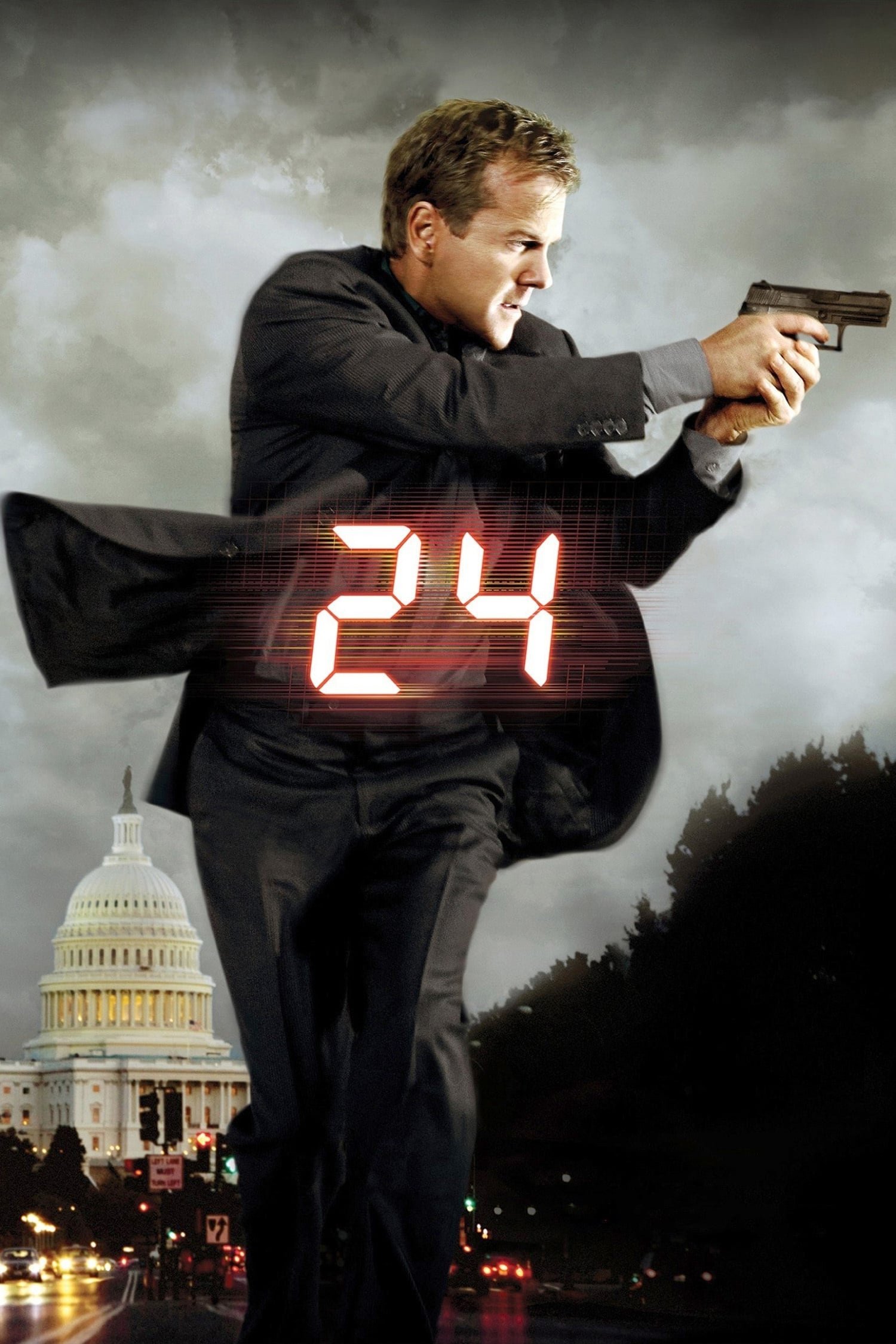
Jack Bauer and the Counter Terrorist Unit rely heavily on satellite imagery and thermal scans to locate suspects in urban environments. The agents use PDAs to access blueprints and government databases while moving through the field. The series showcases biometric scanners that require fingerprints or retinal scans to access secure server rooms. Real-time tracking of vehicles via transponders became a staple of the show and is now standard GPS technology. The reliance on persistent digital surveillance accurately predicted the modern intelligence landscape.
‘MacGyver’ (1985–1992)

The titular character is famous for using chemistry and physics to solve problems without firearms. He combines common household cleaners to create smoke screens or small explosives to breach doors. The show features improvised listening devices built from spare wires and telephone handsets. MacGyver frequently uses magnets and mirrors to manipulate locking mechanisms or redirect laser beams. These on-the-fly inventions are rooted in scientific principles that make them theoretically possible given the right circumstances.
‘Spooks’ (2002–2011)

This British series focuses on the daily operations of MI5 and their reliance on audio surveillance. The agents deploy tiny bugs and pinhole cameras in offices and homes to gather intelligence on domestic threats. They utilize keystroke loggers to capture passwords and encryption keys from target computers. The show accurately depicts the use of faraday cages to block electronic signals during sensitive meetings. Technicians also use voice stress analysis software during interrogations to detect potential deception.
‘Tom Clancy’s Jack Ryan’ (2018–2023)

The modern iteration of the CIA analyst focuses heavily on financial tracking software to uncover terrorist funding networks. The series highlights the use of chat rooms within video games as a secure communication channel for operatives. Drone surveillance plays a massive role in reconnaissance and target acquisition throughout the different seasons. The analysts use social media scraping tools to build profiles and connections between disparate suspects. These digital forensic methods represent the current state of open-source intelligence gathering.
‘Tehran’ (2020–Present)

This Israeli espionage thriller focuses on the disabling of air defense systems through cyber warfare. The protagonist uses a hacked credentials dongle to gain access to the local power grid infrastructure. The agents utilize standard smartphone apps modified to override security protocols on local servers. The show depicts the vulnerability of critical infrastructure to digital sabotage rather than physical destruction. It highlights how modern spies use coding skills as their primary weapon against enemy states.
‘Slow Horses’ (2022–Present)

The agents of Slough House use mundane but effective tools like USB drives loaded with extraction software. They frequently employ simple GPS trackers magnetically attached to the undercarriage of vehicles. The tradecraft involves cloning keycards to gain access to secure buildings during off-hours. The show emphasizes that human error and physical breaches are often more effective than sophisticated hacking. This grounded approach reflects the reality of intelligence work where budget constraints and older technology are common.
‘Get Smart’ (1965–1970)
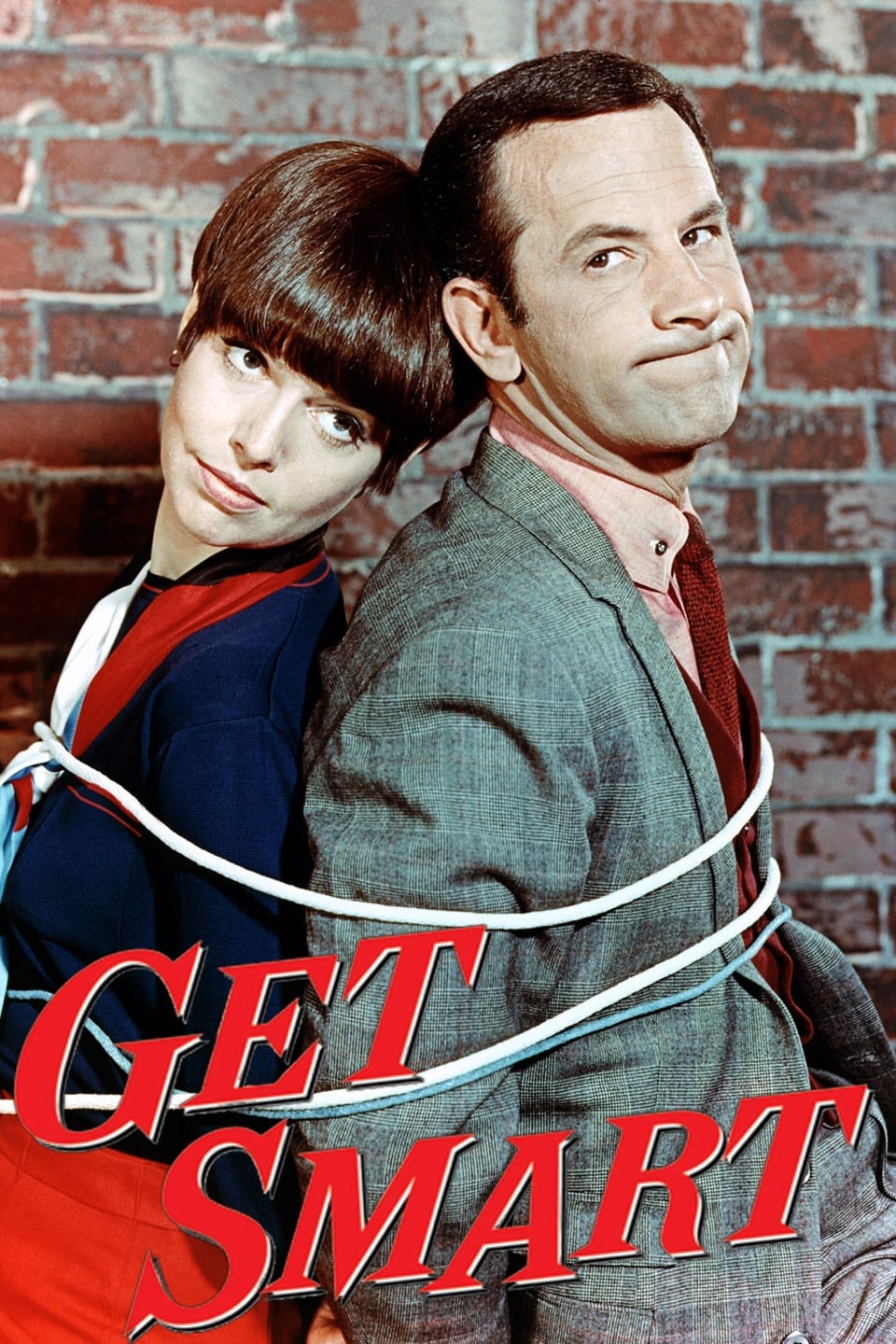
The shoe phone was originally intended as a comedic gadget but it successfully predicted the miniaturization of mobile telephones. Agents in the show use listening devices hidden in artwork and furniture to spy on KAOS. The Cone of Silence exaggerates the very real need for soundproof rooms and secure compartmented information facilities. The series also features hidden cameras inside wearable accessories like ties and watches. These early concepts of wearable technology have since become functional reality for consumers and spies alike.
‘The Bureau’ (2015–2020)
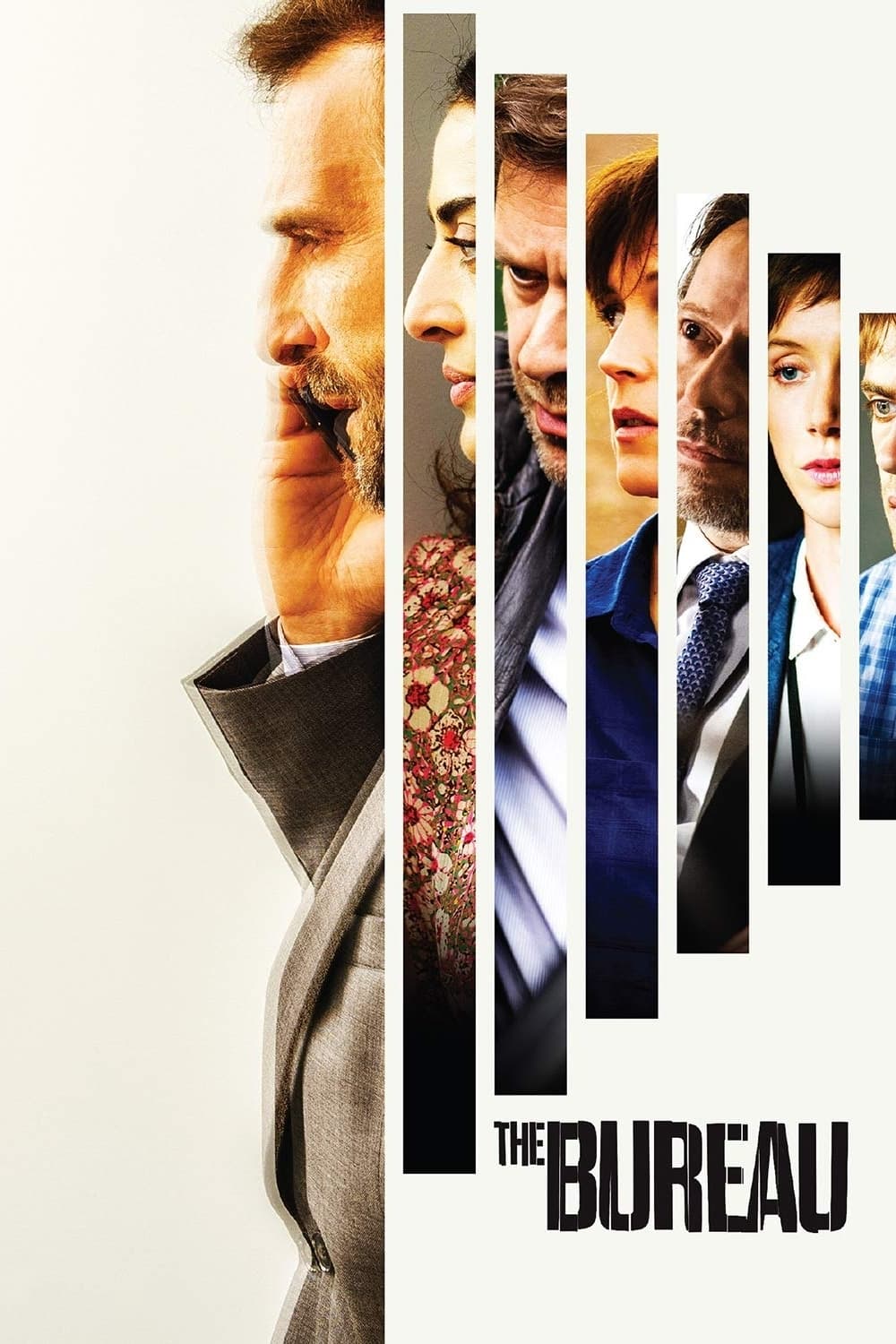
This French series is renowned for its realistic depiction of deep-cover legends and communication protocols. Agents use steganography to hide encrypted messages inside innocent-looking digital image files. The characters rely on burner phones and internet cafes to avoid digital triangulation by counter-intelligence agencies. They employ seismic sensors and laser microphones to detect conversations through walls and windows. The technology serves the tradecraft rather than acting as a magic solution to narrative problems.
‘Condor’ (2018–2020)

The series updates the classic thriller concept with modern data analytics and algorithm-based threat detection. The protagonist creates a plague algorithm designed to identify potential terrorists based on purchasing habits and travel patterns. Surveillance teams use packet sniffers to intercept data traffic on public Wi-Fi networks. The show highlights how metadata analysis can reveal more about a person than direct observation. This focus on big data reflects the shift from physical spying to digital intelligence analysis.
Tell us which gadget you think would be the most useful in your daily life in the comments.