


Stars Who Are Openly Neurodivergent and How It Helped Their Acting Careers




The landscape of modern entertainment has been profoundly shaped by performers who process the world through a neurodivergent lens. Actors with conditions such as autism, ADHD, and dyslexia often report that these neurological differences provide them with unique tools for character development and script analysis. From heightened focus to a deep capacity for emotional empathy, these traits allow stars to bring a distinct authenticity to the screen. By speaking openly about their experiences, these individuals have challenged industry norms and inspired a more inclusive understanding of creative genius.
Anthony Hopkins
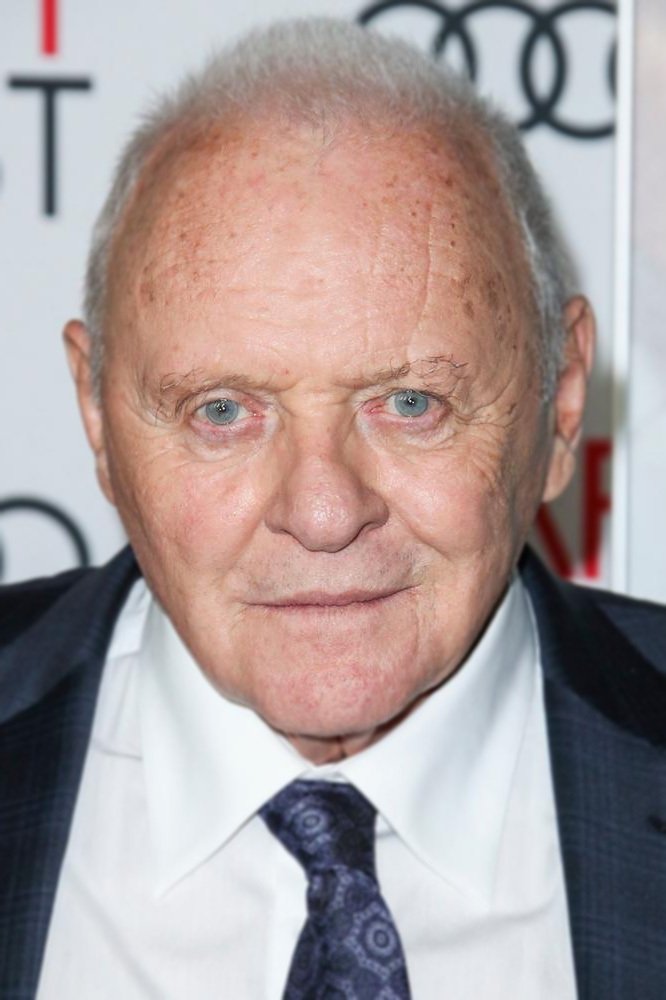
Anthony Hopkins has spoken about how his late diagnosis of Asperger syndrome helped him develop a distinct approach to his roles. This condition allows him to look at characters through an analytical lens that often results in highly controlled and intense performances. He frequently breaks down scripts with a mathematical focus that helps him memorize vast amounts of dialogue and understand the underlying structure of a scene. His legendary performance in ‘The Silence of the Lambs’ showcased a still and observant quality that has become his professional trademark. This neurological perspective continues to provide him with a unique advantage in the world of dramatic acting.
Daryl Hannah
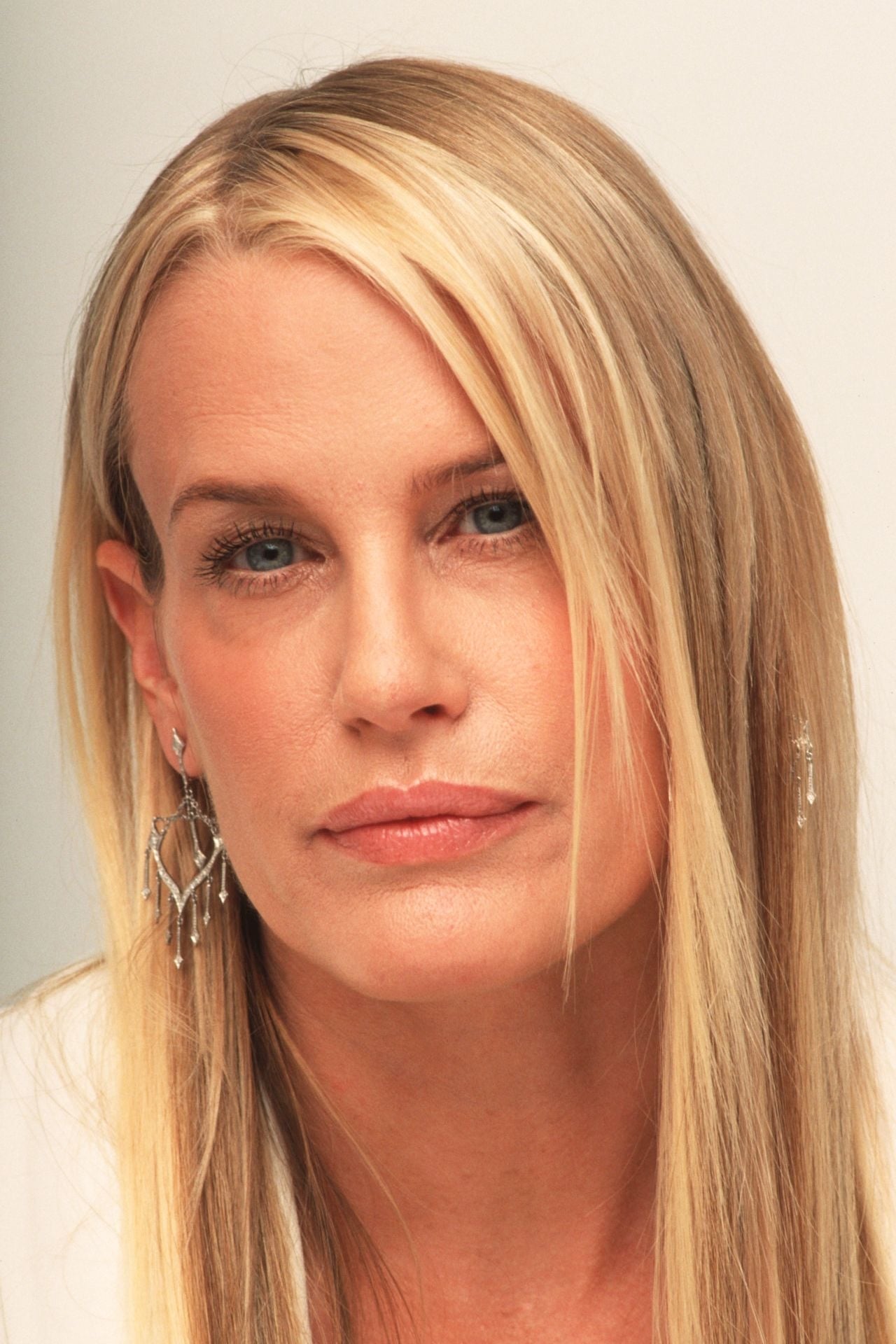
Daryl Hannah was diagnosed with autism as a child and has discussed how it impacted her life in the public eye. She found that her natural tendency to focus intensely on specific interests translated well into the immersive requirements of film acting. While she often struggled with the social demands of the industry, she used her internal world to build complex characters in movies like ‘Blade Runner’ and ‘Splash’. Her ability to inhabit otherworldly or socially isolated figures felt authentic because of her personal experiences with neurodivergence. She has become an advocate for understanding how different ways of thinking can lead to creative breakthroughs.
Dan Aykroyd
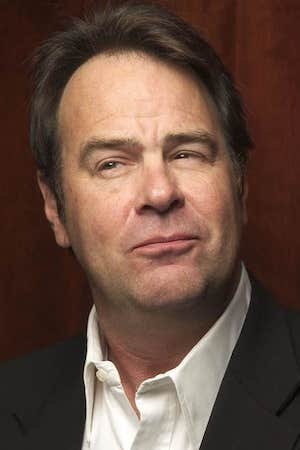
Dan Aykroyd has credited his experiences with Asperger syndrome and Tourette syndrome for sparking his creative imagination. One of his symptoms included an obsession with ghosts and law enforcement which eventually led to the creation of ‘Ghostbusters’. He found that his ability to focus on niche topics allowed him to write detailed and innovative screenplays that others might not have conceived. His career on ‘Saturday Night Live’ benefited from his capacity to inhabit varied characters with specific physicalities and speech patterns. He views his neurodivergence as a vital component of his success as both a writer and a performer.
Wentworth Miller
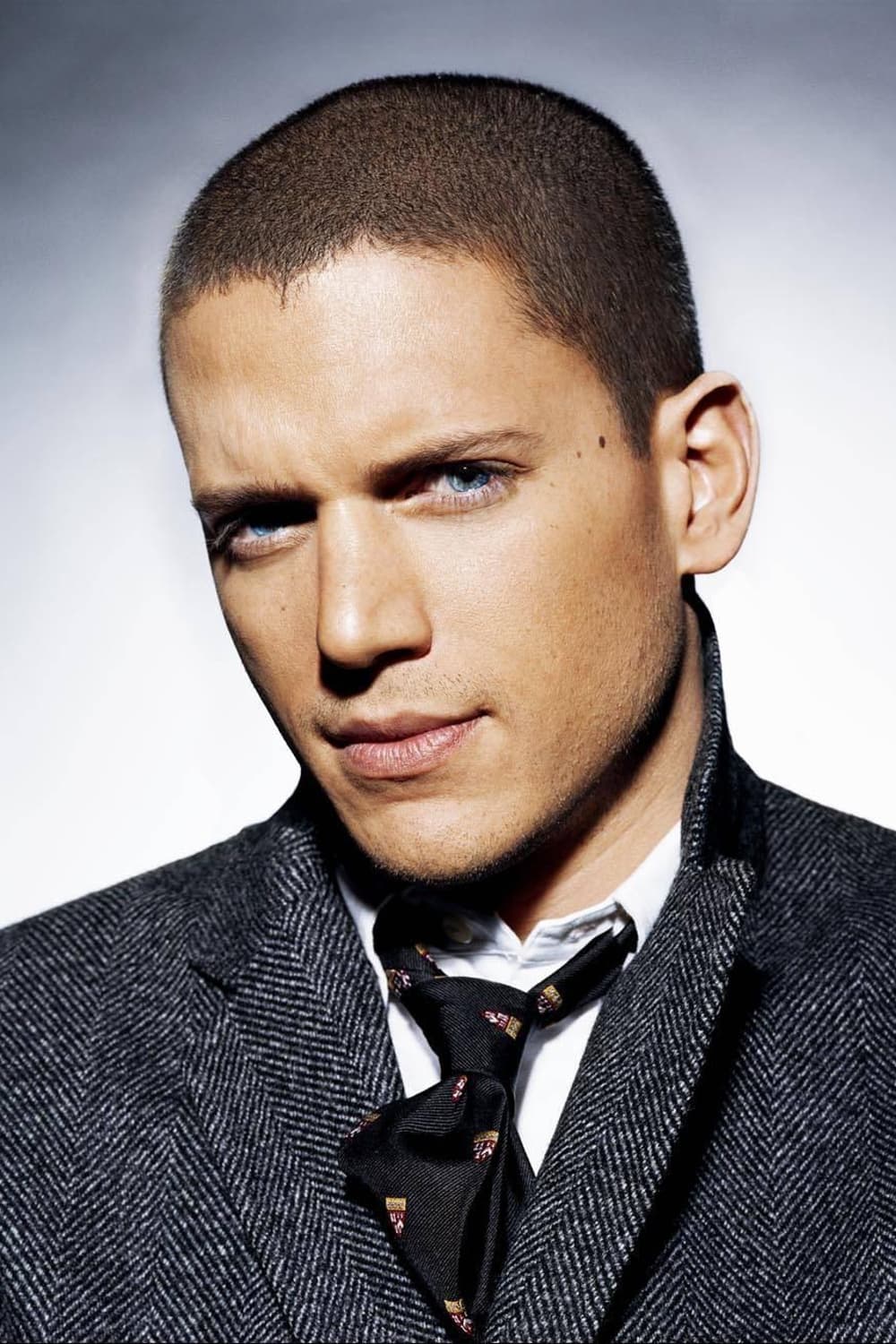
Wentworth Miller received an autism diagnosis later in life and has since reflected on how it shaped his career trajectory. He noted that the condition likely influenced his preference for roles that require a certain level of stoicism and internal calculation. In the series ‘Prison Break’ he portrayed a character whose highly structured mind was central to the plot which resonated with his own mental processes. Miller has described the diagnosis as something that helped him understand his need for routine and preparation on set. His openness has provided a platform for discussing how neurodivergent actors navigate the social pressures of Hollywood.
Paddy Considine
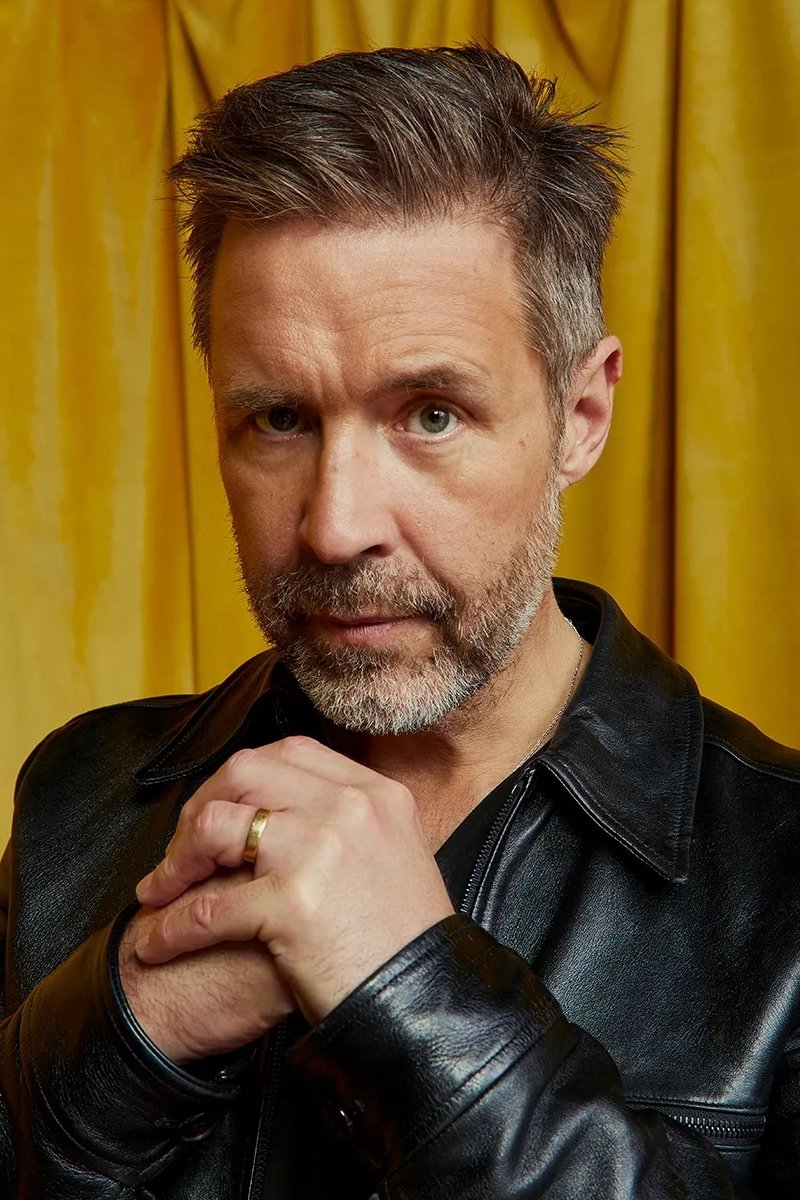
Paddy Considine was diagnosed with Asperger syndrome in his late thirties after years of feeling disconnected from those around him. He found that the diagnosis explained his intense focus and his ability to completely vanish into the roles he played in films like ‘Dead Man’s Shoes’. This neurodivergent trait allows him to bring a raw and unfiltered energy to his performances that many critics have praised for its realism. On the set of ‘House of the Dragon’ he utilized his specific way of processing information to build a complex and tragic portrayal of a king. He has expressed that understanding his brain helped him manage the sensory challenges of busy film sets.
Kayla Cromer
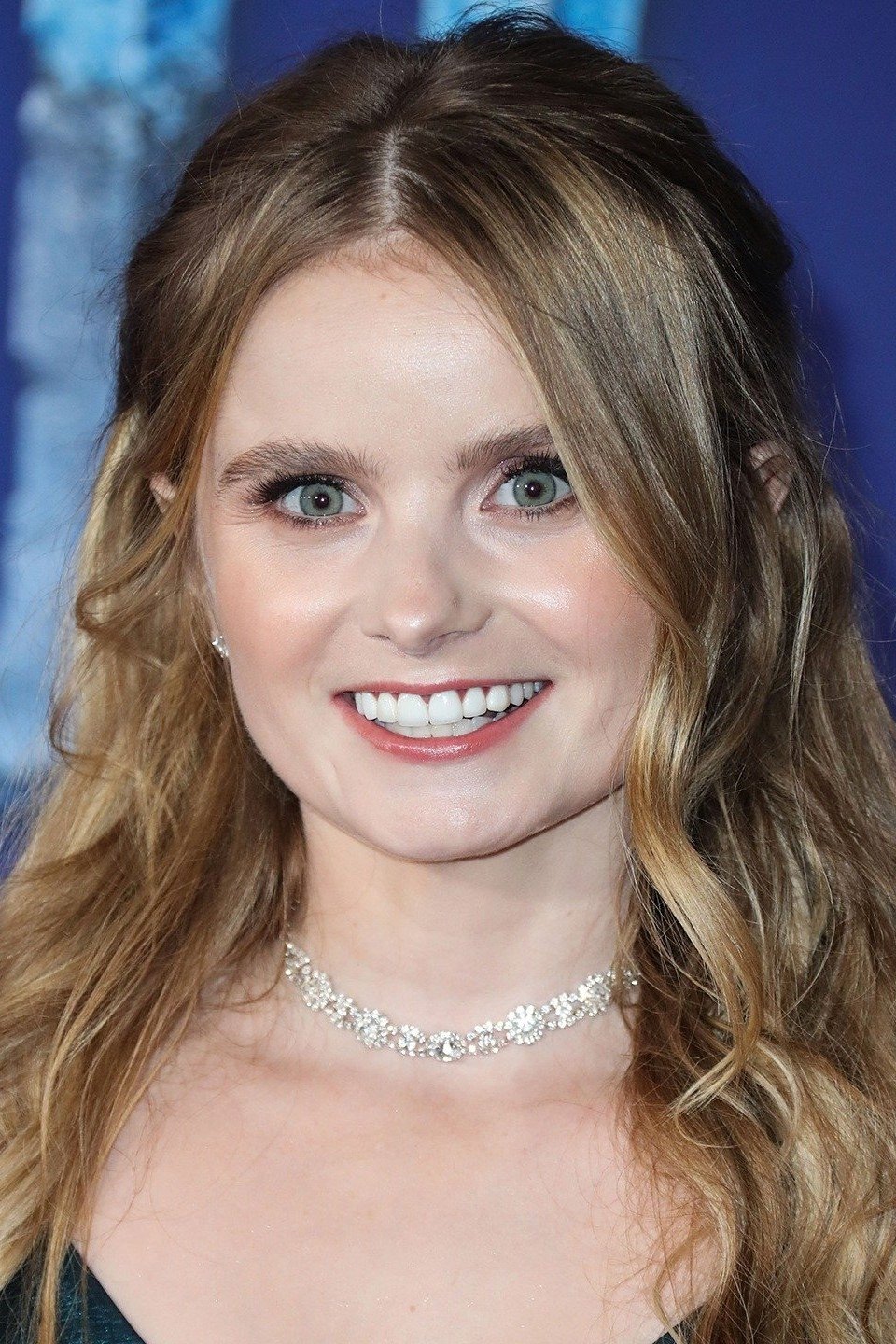
Kayla Cromer made history as one of the first openly autistic actors to play an autistic lead character in a television series. Her role in ‘Everything’s Gonna Be Okay’ allowed her to bring her lived experience to a medium that often lacks authentic representation. She has stated that her neurodivergence helps her understand the nuances of her characters in ways that neurotypical actors might overlook. By being open about her diagnosis she has paved the way for more inclusive casting practices in the entertainment industry. Her career demonstrates the power of seeing neurodivergent talent as a primary asset rather than a limitation.
Whoopi Goldberg
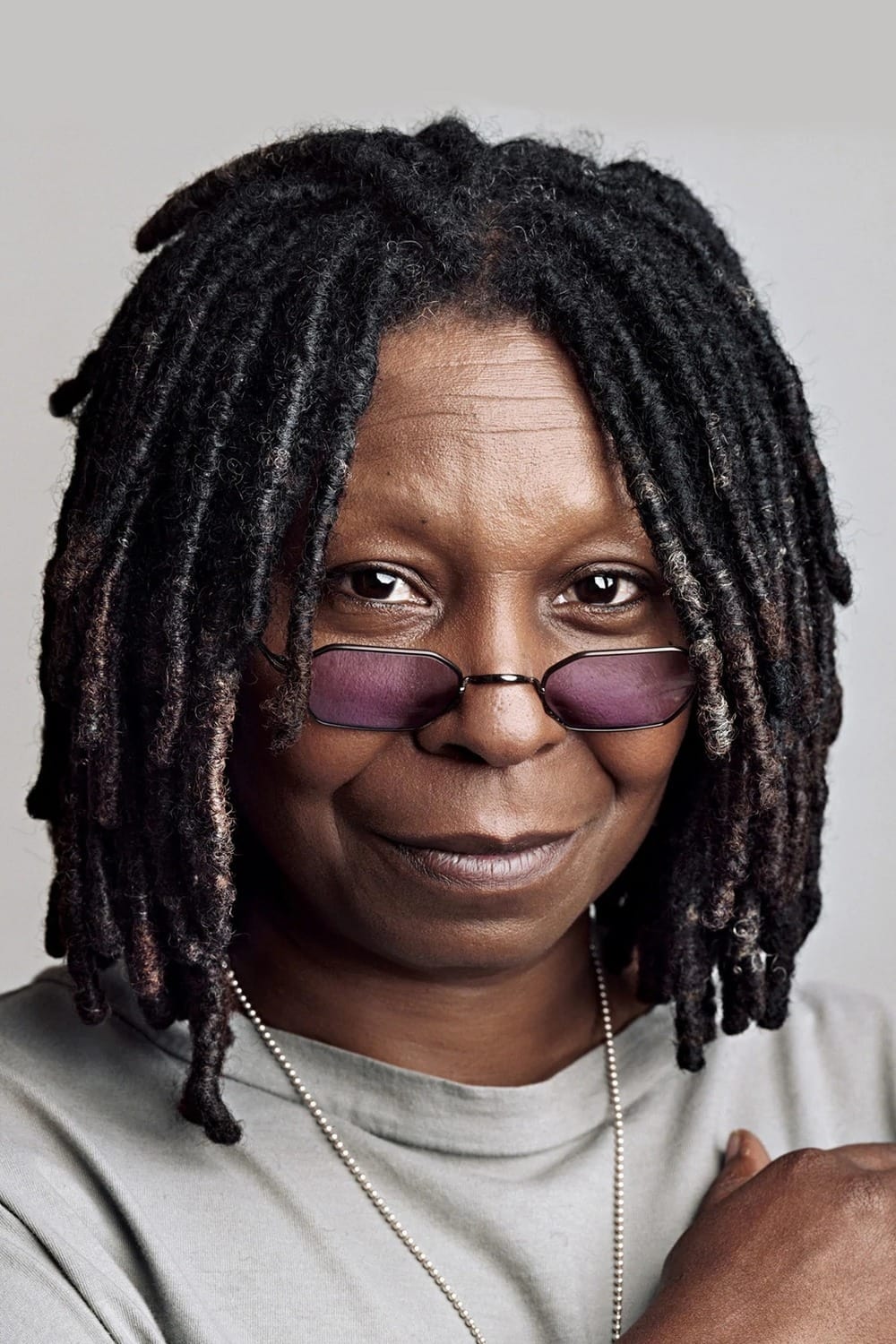
Whoopi Goldberg has been vocal about her journey with dyslexia and how it initially made her feel different from her peers. She learned to adapt by listening to people read scripts and memorizing her lines through auditory processing rather than reading. This skill sharpened her ability to improvise and react naturally to her co-stars in films like ‘The Color Purple’ and ‘Ghost’. Her success as an EGOT winner proves that neurodivergence does not hinder the ability to reach the highest levels of artistic achievement. She continues to inspire young people with learning differences to pursue careers in the performing arts.
Orlando Bloom
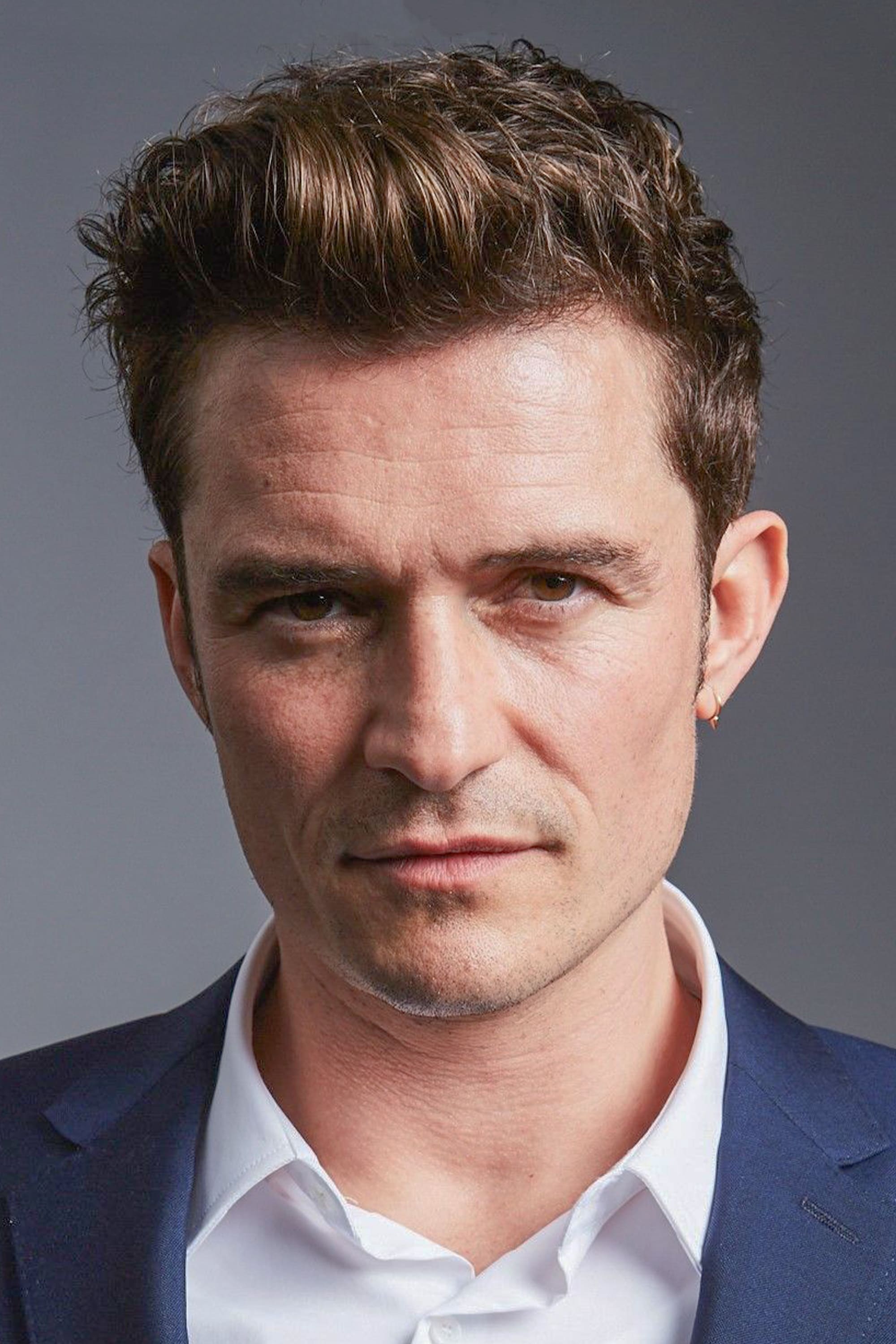
Orlando Bloom struggled with severe dyslexia throughout his childhood and early career. He found that the challenge of reading scripts forced him to develop a strong visual and physical approach to his characters. This physicality became a defining feature of his roles in major franchises like ‘The Lord of the Rings’ and ‘Pirates of the Caribbean’. He has noted that his brain processes information in a way that allows him to think outside the box during rehearsals. His career serves as a testament to how overcoming academic hurdles can lead to exceptional creative resilience.
Keira Knightley

Keira Knightley was diagnosed with dyslexia at a young age and used her passion for acting as a motivation to improve her reading skills. She often uses recording devices to help her memorize scripts and spends extra time preparing for her roles in period dramas like ‘Pride and Prejudice’. This rigorous preparation process results in a deep understanding of her characters and their emotional landscapes. She has mentioned that her neurodivergent brain helps her see patterns in stories that others might miss. Her transparency about her learning difference has helped destigmatize dyslexia for a generation of fans.
Daniel Radcliffe
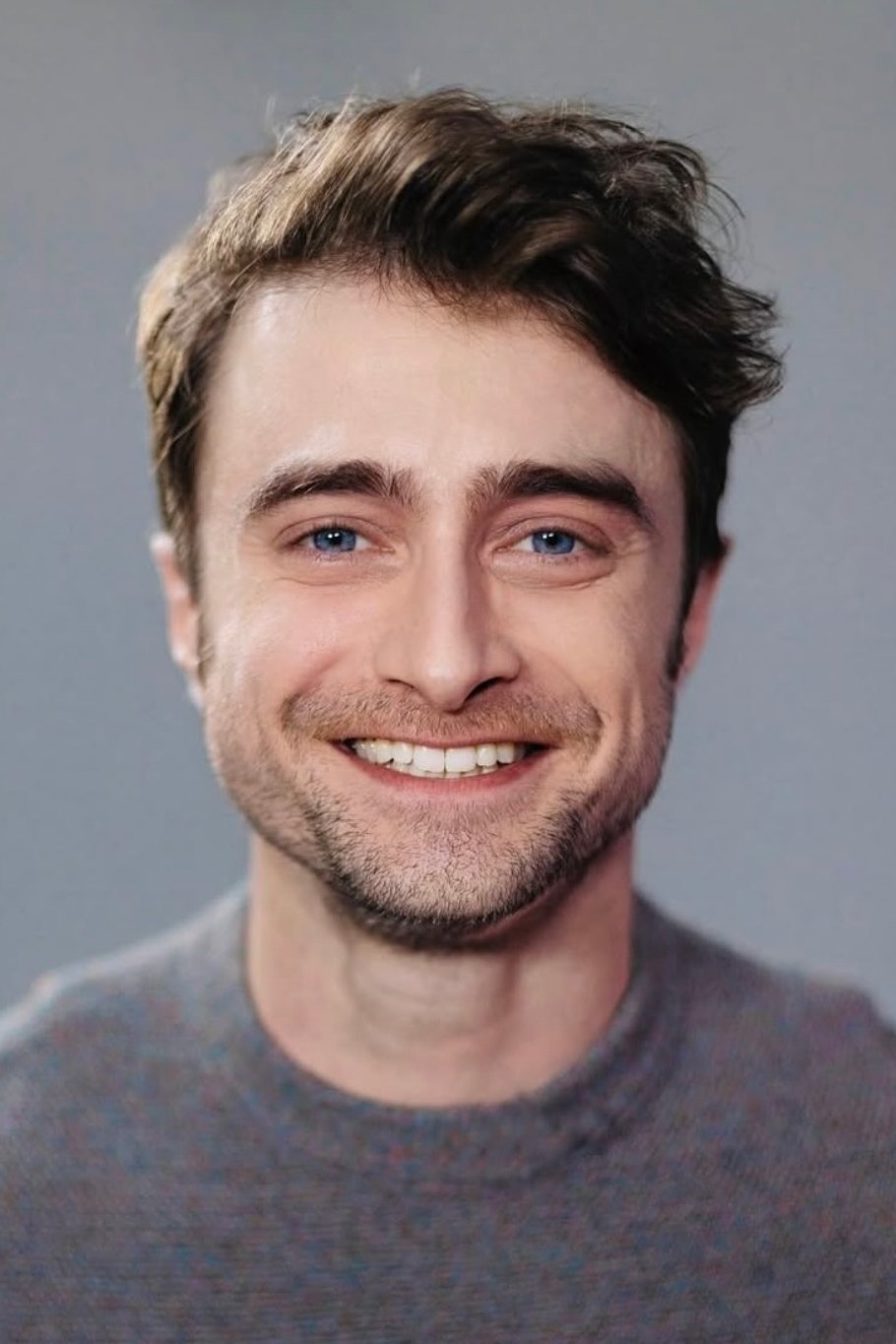
Daniel Radcliffe has spoken openly about having dyspraxia which is a neurological disorder that affects physical coordination. He found that while simple tasks like tying shoelaces could be difficult the structured environment of a film set provided him with a clear sense of purpose. Throughout the ‘Harry Potter’ film series he worked closely with movement coaches to refine his physical presence on screen. He has credited his neurodivergence with giving him a strong work ethic and a desire to prove his capabilities. His success across film and theater shows that physical challenges can be managed through dedication and passion.
Tom Holland

Tom Holland has discussed his experiences with dyslexia and how it has influenced his career as a global superstar. He found that the traditional school environment was difficult but the active and creative world of acting felt like a natural fit. His ability to perform complex stunts and physical comedy in ‘Spider-Man: Homecoming’ stems from a deep connection to movement and physical expression. He uses his platform to encourage other young people with dyslexia to find their own strengths outside of the classroom. His high-energy performances are a direct result of his unique way of interacting with the world.
Emma Watson

Emma Watson has been open about her ADHD diagnosis and how it helped her manage the intense schedule of a child actor. She found that the high-stimulation environment of a movie set allowed her to stay engaged and focused on her work. Her ability to multitask and process information quickly became an asset during the filming of the ‘Harry Potter’ series and her subsequent projects. She has noted that her neurodivergence contributes to her passion for activism and her drive to learn new skills. Her career exemplifies how ADHD can be channeled into a productive and versatile professional life.
Ryan Gosling
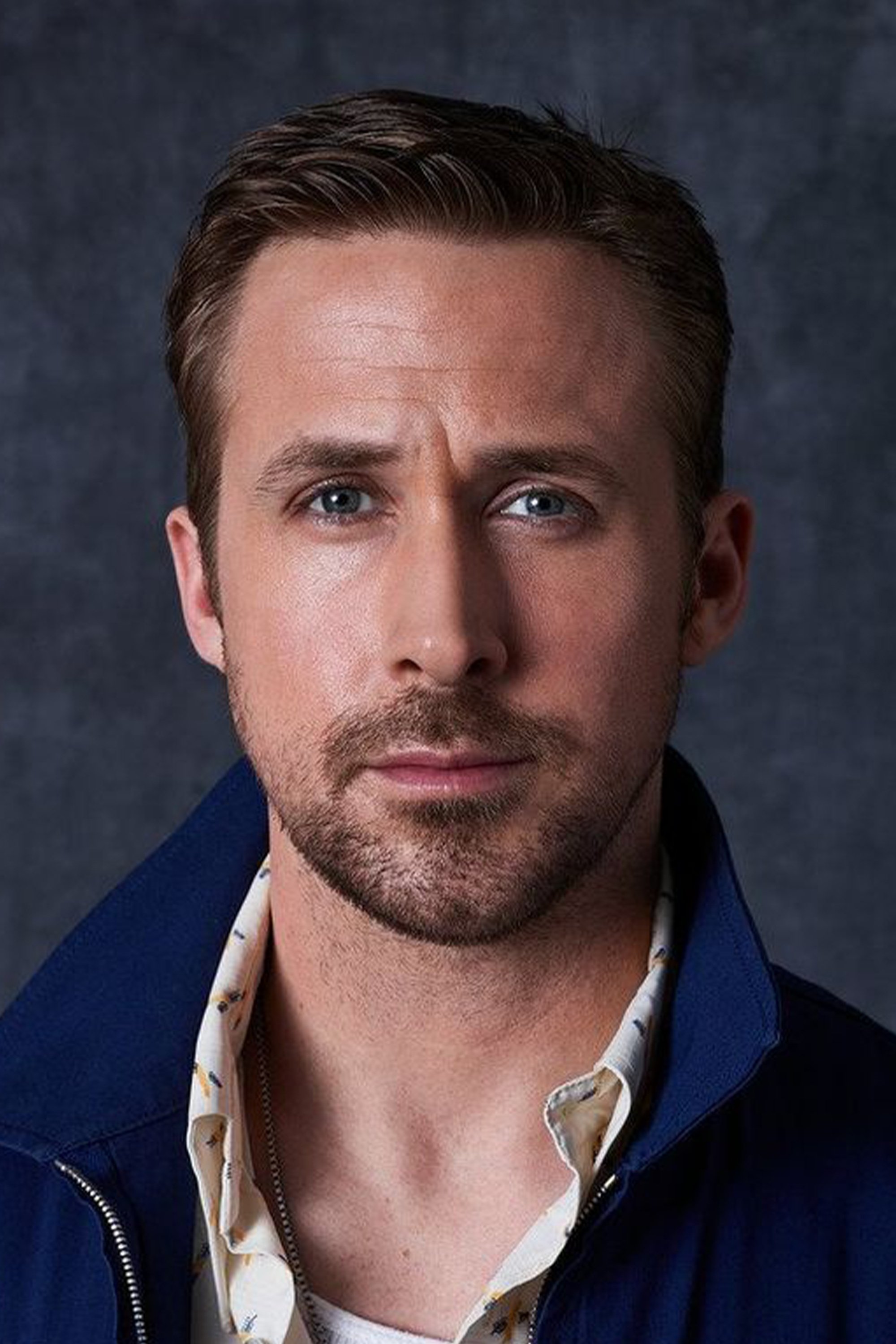
Ryan Gosling was diagnosed with ADHD as a child and has reflected on how it shaped his early interest in the arts. He found that traditional schooling was a struggle which led him to focus his energy on performing and dancing. This early focus helped him develop the charisma and screen presence that defined his roles in films like ‘Drive’ and ‘La La Land’. He has often portrayed characters who are quiet but observant which reflects his own internal processing style. His success in the industry highlights the value of providing creative outlets for neurodivergent children.
Channing Tatum
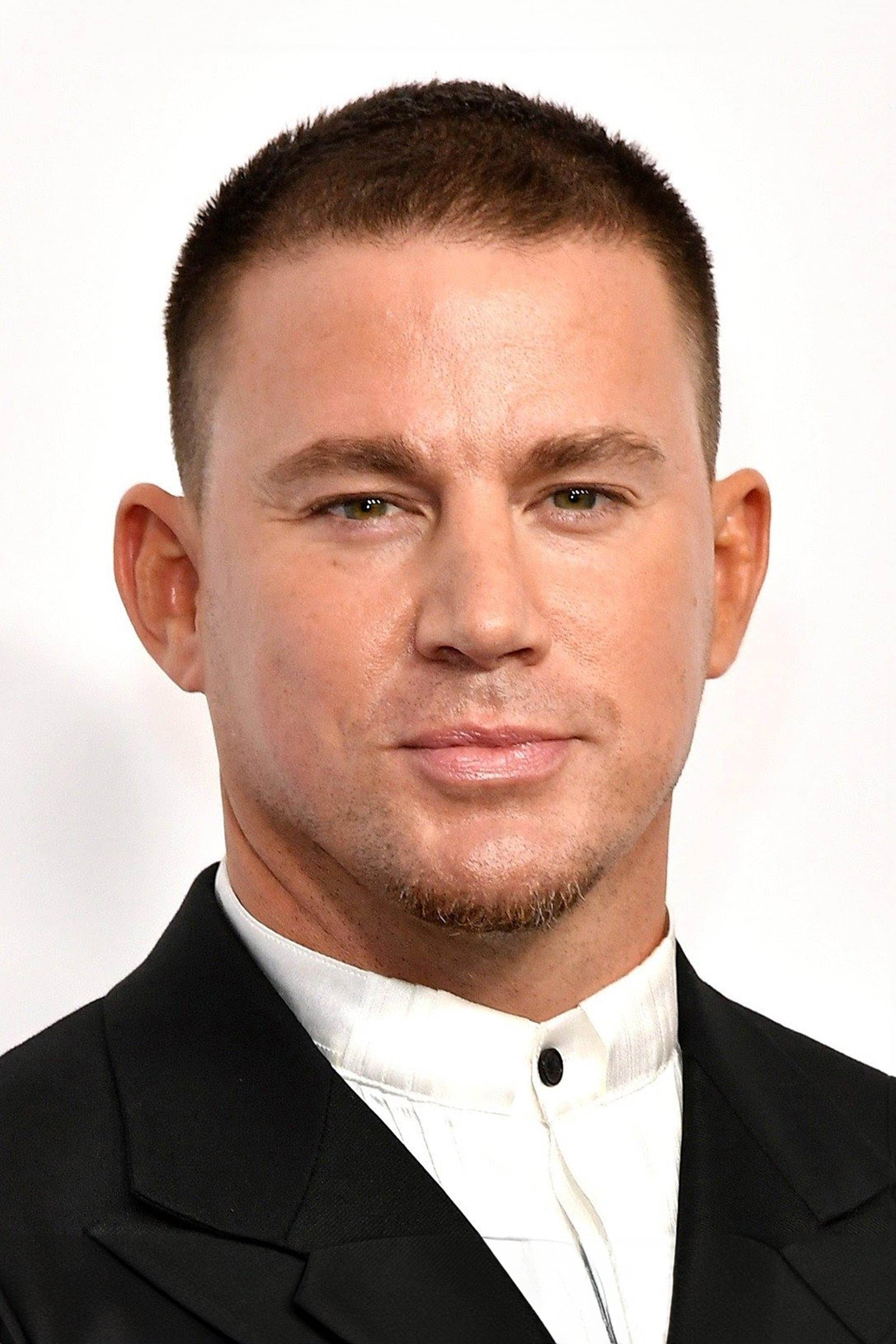
Channing Tatum has spoken candidly about his struggles with ADHD and dyslexia during his formative years. He discovered that he learned best through physical action and movement rather than sitting in a classroom. This physical intelligence translated directly into his career as a dancer and an actor in films like ‘Magic Mike’ and ‘Step Up’. He has noted that he often has to work harder to digest scripts but this extra effort leads to a more profound connection with the material. His career illustrates how neurodivergence can drive a performer to find unconventional paths to success.
Jim Carrey
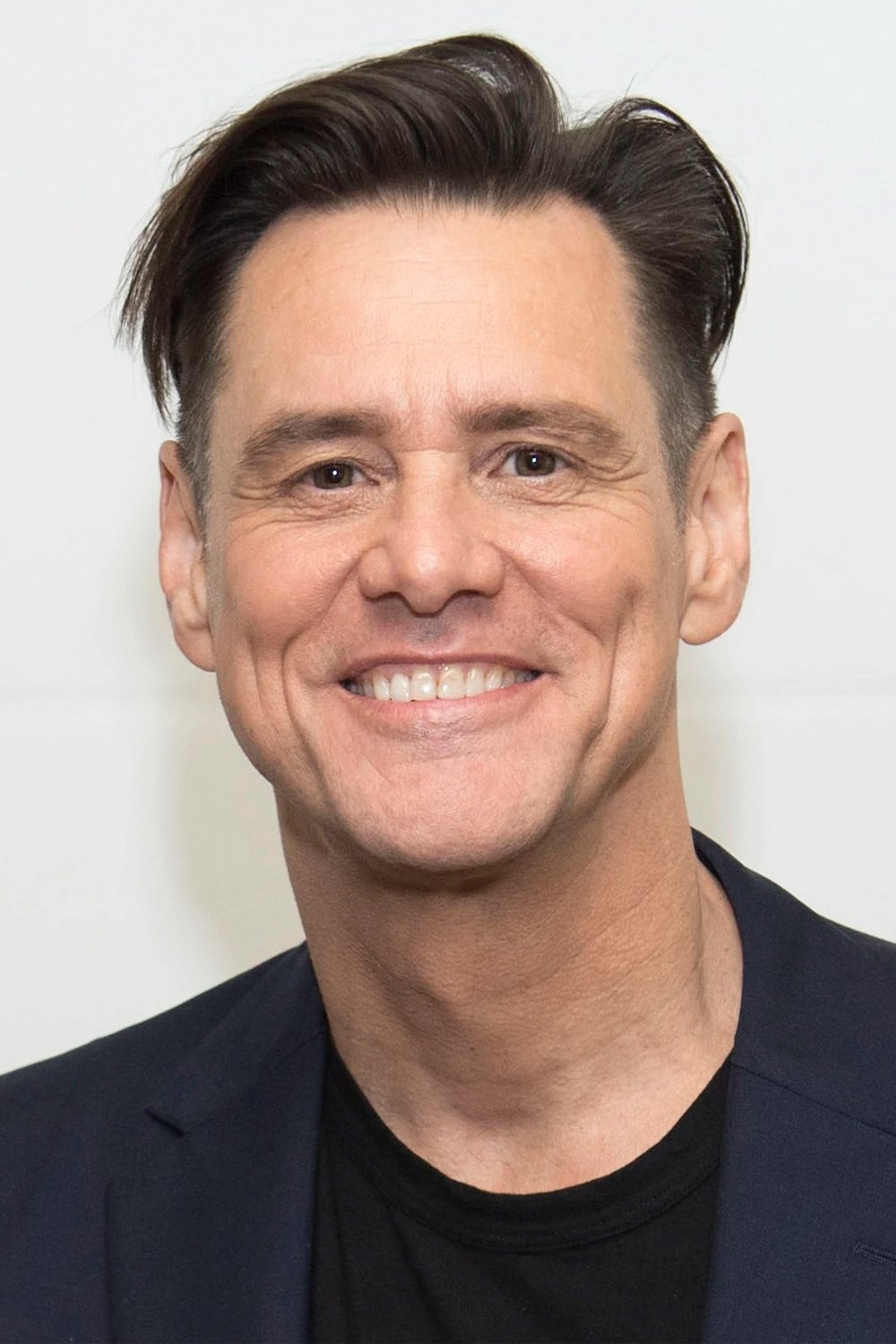
Jim Carrey has often mentioned his ADHD and how it contributed to his legendary comedic energy. His ability to move rapidly between different personas and physical expressions in films like ‘The Mask’ and ‘Ace Ventura: Pet Detective’ is a hallmark of his career. He found that his hyperactive mind provided a constant stream of creative ideas that he could use to entertain others. While he has also spoken about the challenges of managing his energy he views his unique brain as the source of his comedic genius. His work has redefined the limits of physical comedy in cinema.
Woody Harrelson
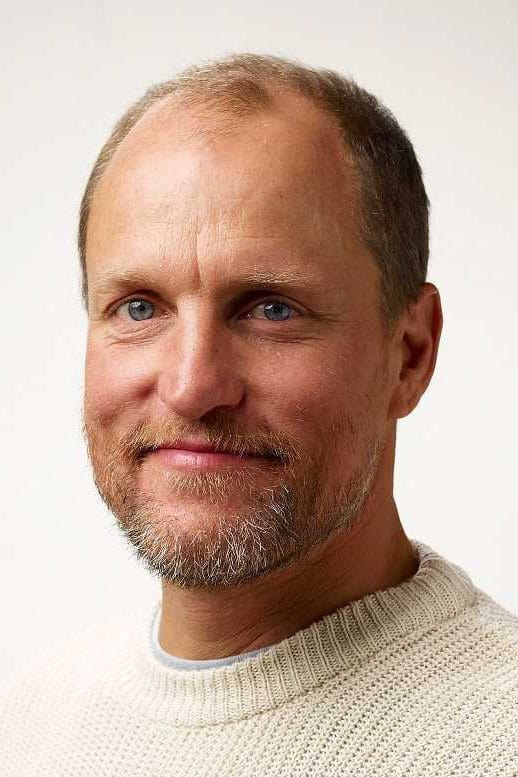
Woody Harrelson was diagnosed with ADHD and dyslexia which influenced his rebellious and energetic approach to life and acting. He found that the spontaneity required in acting allowed him to use his high energy in a constructive way. This quality is evident in his diverse range of roles from ‘Cheers’ to ‘True Detective’ where he often brings an unpredictable edge to his characters. He has discussed how his neurodivergence helps him stay present in the moment during a performance. His long and successful career proves that a non-linear way of thinking can be a major professional advantage.
Henry Winkler
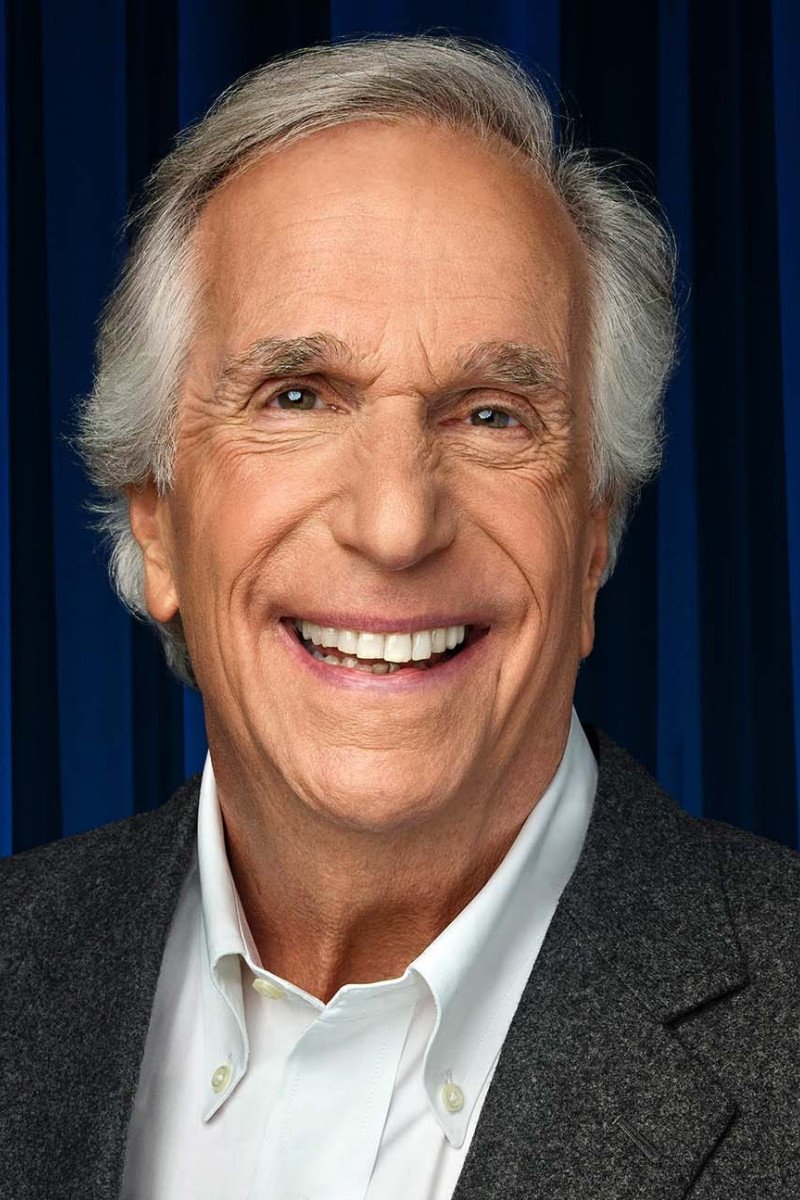
Henry Winkler struggled with undiagnosed dyslexia for many years before finally understanding his learning difference. He famously played the character of the Fonz on ‘Happy Days’ while secretly struggling to read the scripts. He developed strategies like memorizing lines instantly and using his intuition to guide his performance. This experience taught him resilience and the importance of self-advocacy in the workplace. He has since become a celebrated author of children’s books that feature neurodivergent protagonists to help kids feel seen.
Audra McDonald
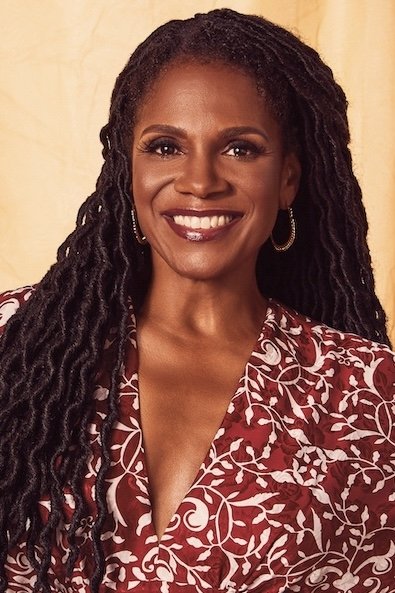
Audra McDonald has discussed her ADHD diagnosis and how it has been a factor in her illustrious career on Broadway and television. She found that the discipline and structure of theater helped her channel her energy into her award-winning performances. Her ability to deeply inhabit a character and maintain a high level of vocal and physical precision is a testament to her focus. She has used her platform to talk about the importance of mental health and neurodiversity in the performing arts. Her record-breaking six Tony Awards demonstrate that ADHD can coexist with unparalleled professional excellence.
Billie Eilish
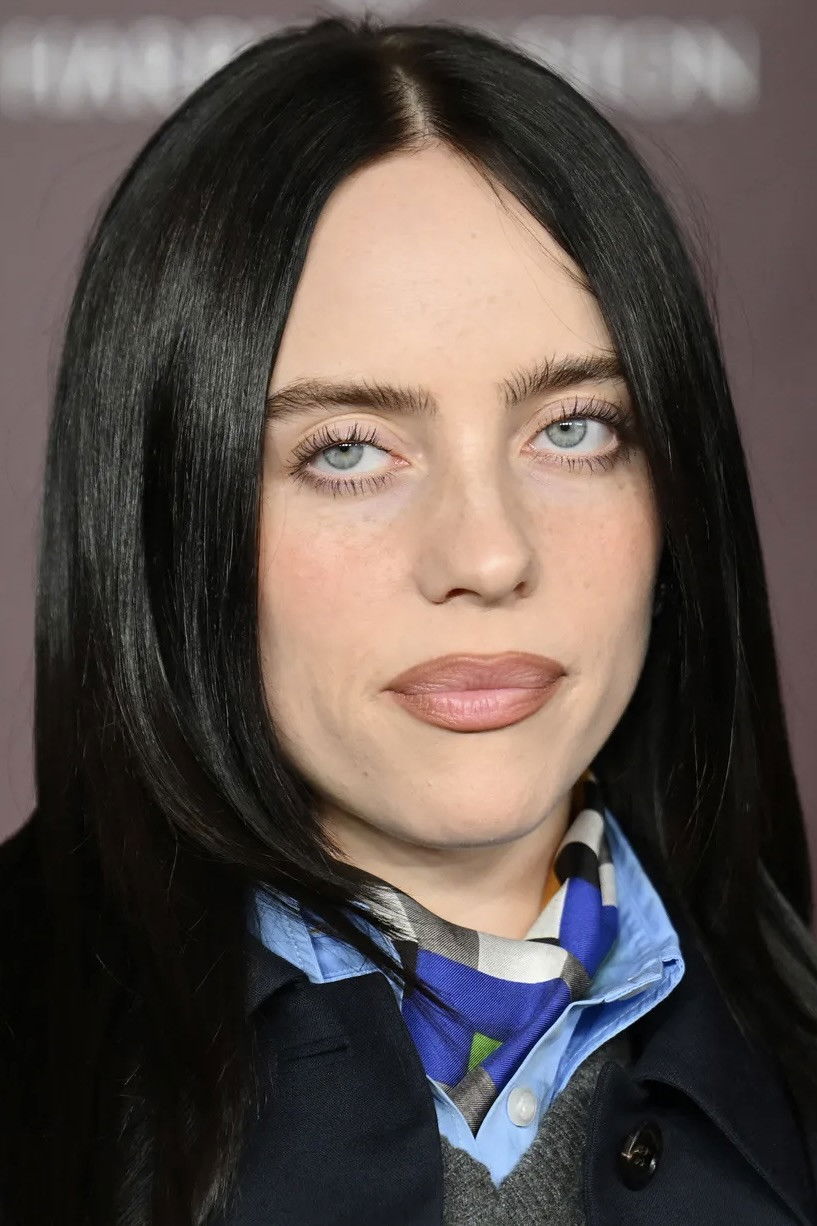
Billie Eilish has been very open about living with Tourette syndrome and how it influences her life as a performer. She has noted that she often experiences tics that are not always visible to the public but require her to manage her energy carefully. Her neurodivergence contributes to her unique perspective on sound and visual aesthetics in her music videos and film appearances. She has discussed how the focus required during a performance often helps her tics subside momentarily. Her honesty has helped millions of fans understand the reality of living with a neurological condition while pursuing a high-profile career.
Seth Rogen

Seth Rogen has shared that he has ADHD and mild Tourette syndrome which he believes have influenced his creative output. He found that his high energy and constant flow of ideas were perfectly suited for the fast-paced world of comedy writing and acting. In films like ‘Superbad’ and ‘Pineapple Express’ his unique comedic timing and delivery reflect his neurodivergent way of processing humor. He has noted that his ability to hyperfocus on projects he is passionate about has helped him become a successful producer and director. His career shows how embracing one’s natural tendencies can lead to a prolific and influential body of work.
Cher
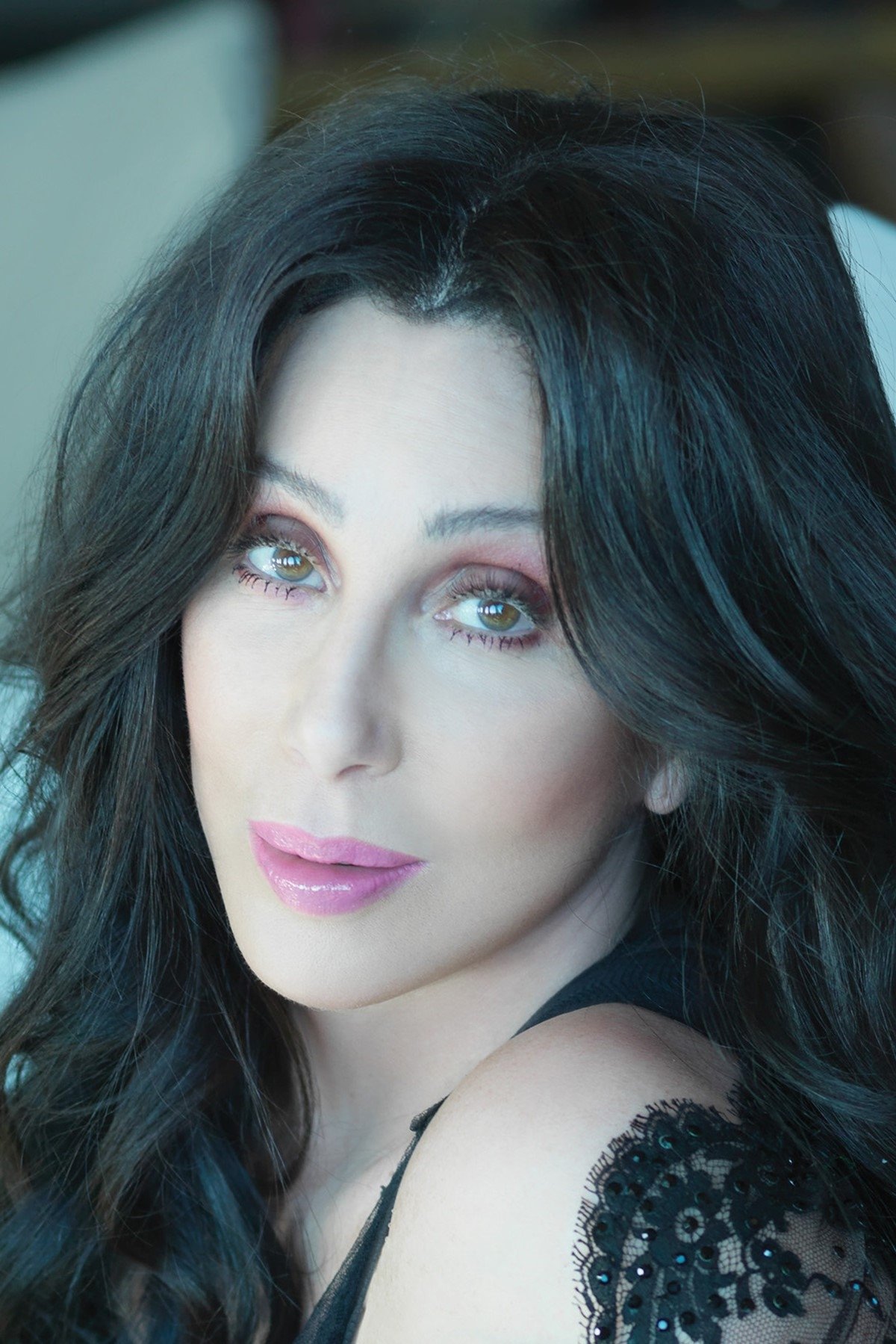
Cher has spoken frequently about her dyslexia and how it made her early school years very difficult. She found that she was able to excel in the arts where she could use her voice and physical presence to communicate. This challenge forced her to develop an incredible memory for lyrics and scripts which served her well in movies like ‘Moonstruck’. Her ability to overcome these early obstacles helped her build the confidence necessary to become a global icon. She remains a powerful advocate for the neurodivergent community and often shares her experiences to encourage others.
Jennifer Aniston
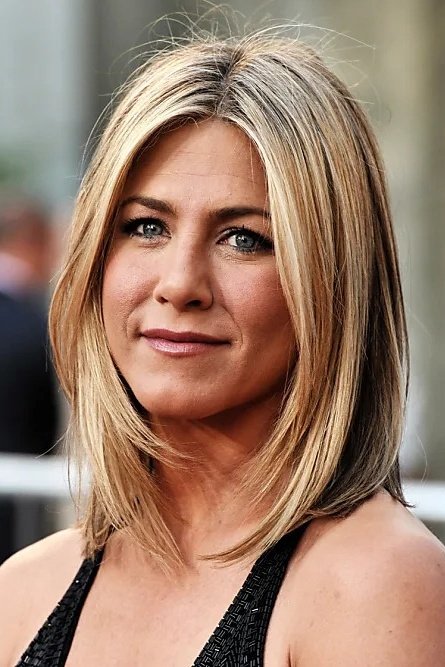
Jennifer Aniston discovered she had dyslexia in her twenties and described the revelation as a major turning point in her life. Before the diagnosis she believed she was not intelligent because she struggled with traditional learning methods. Understanding how her brain worked allowed her to approach her career with a new sense of confidence and self-acceptance. This clarity helped her manage the massive success of the television series ‘Friends’ and her subsequent film career. She has noted that her neurodivergence gives her a unique way of looking at the world and her characters.
Vince Vaughn
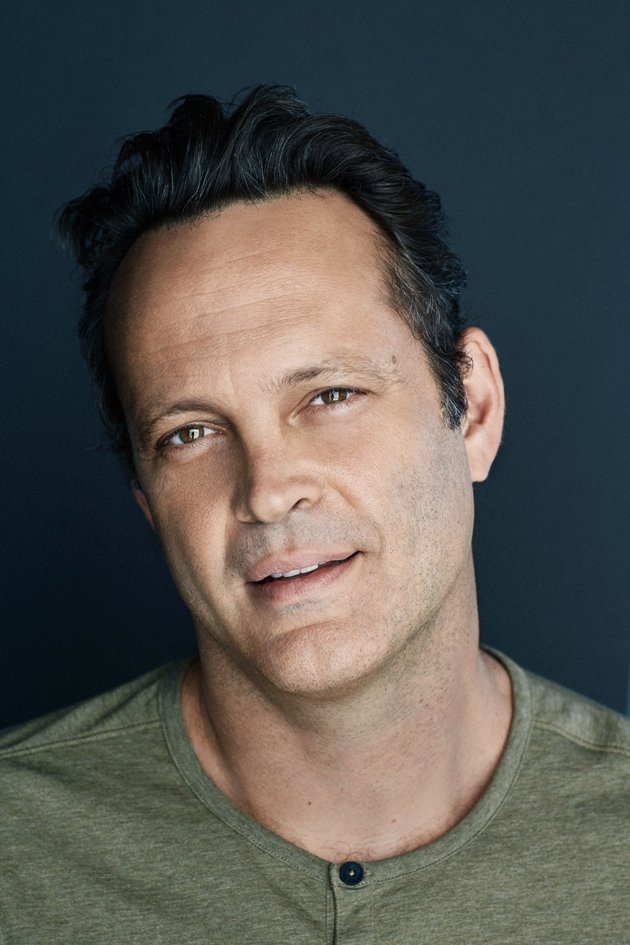
Vince Vaughn has talked about his struggles with ADHD and dyslexia during his childhood and how they shaped his personality. He found that his ability to talk quickly and think on his feet became a major asset in his comedic career. In films like ‘Wedding Crashers’ and ‘Swingers’ his rapid-fire delivery and improvisational skills are central to his appeal. He has credited his neurodivergence with giving him the drive to succeed in a competitive industry. His success demonstrates how traits that are seen as challenges in school can become professional strengths in adulthood.
Salma Hayek Pinault

Salma Hayek was diagnosed with dyslexia as a teenager and has discussed the difficulties she faced while learning a second language. She found that her visual way of thinking helped her understand the emotional core of her characters in films like ‘Frida’. She often spends extra time working through scripts to ensure she fully grasps the material. This dedication to her craft has made her one of the most respected actresses and producers in Hollywood. She views her dyslexia as a part of her identity that has taught her the value of persistence and hard work.
Octavia Spencer
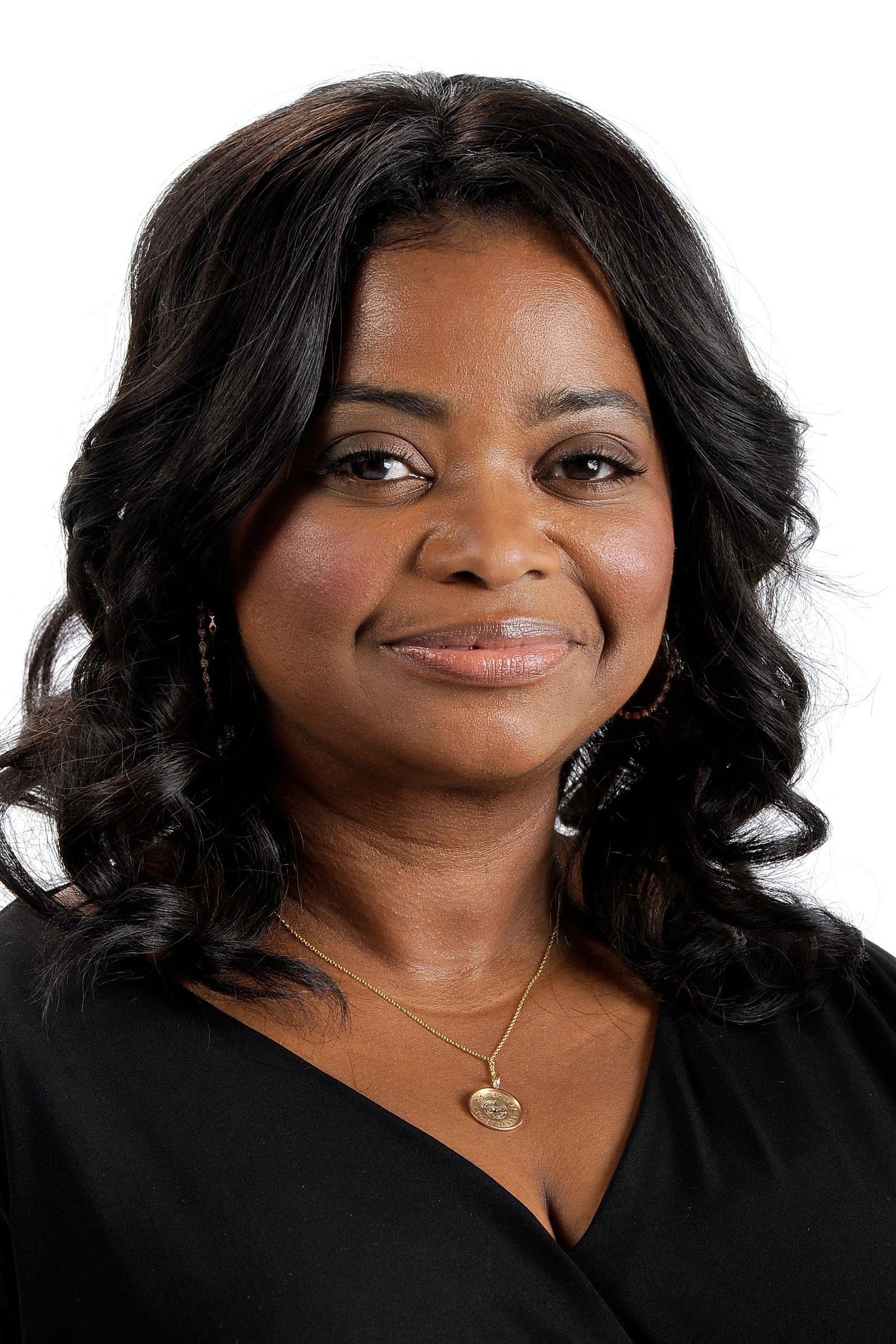
Octavia Spencer has shared her experiences with dyslexia and how it has impacted her journey as an actress and author. she found that she was able to use her strong observational skills to build complex and memorable characters on screen. This ability was particularly evident in her Oscar-winning performance in ‘The Help’. She has noted that her neurodivergent brain helps her see stories from a unique angle which also aids her in writing children’s books. Her career is a shining example of how learning differences can be integrated into a multi-faceted and successful life in the arts.
Mark Ruffalo
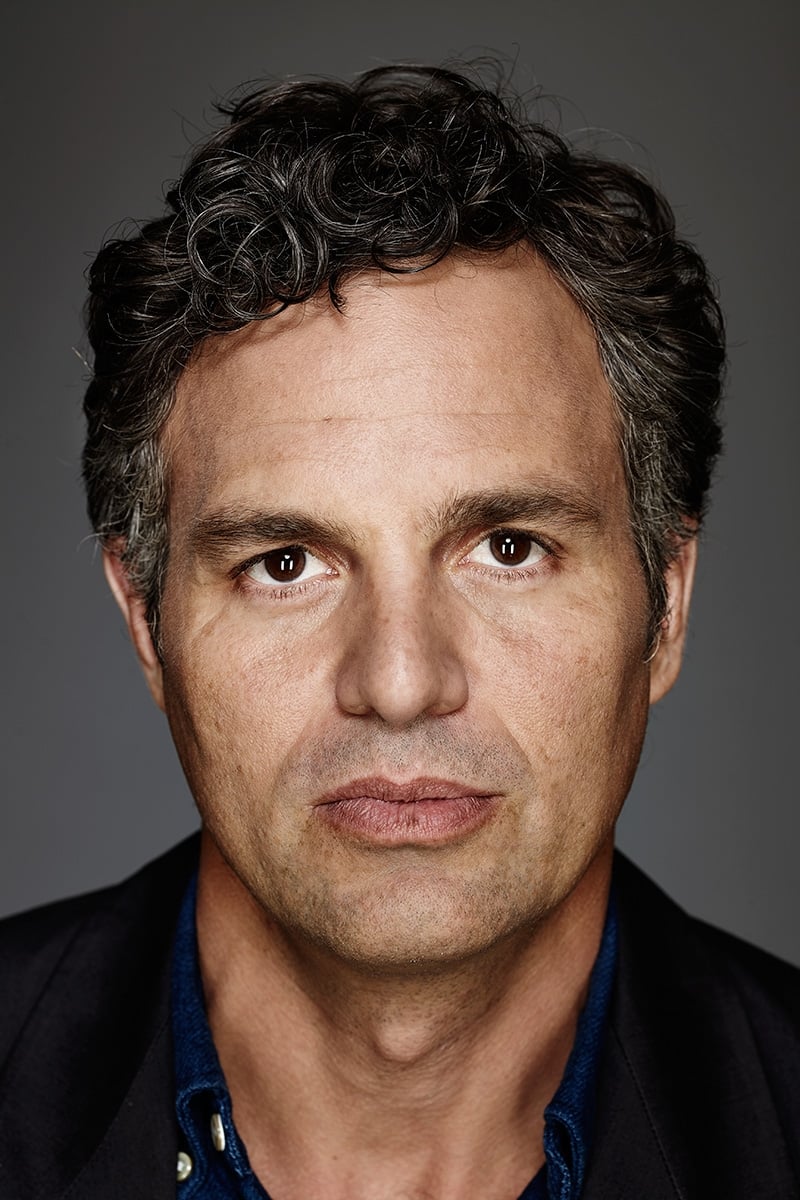
Mark Ruffalo has spoken about his ADHD and how it made his early life feel chaotic and difficult to navigate. He found that the creative outlet of acting provided a sense of grounding and allowed him to focus his intense emotions. This emotional depth is a hallmark of his performances in ‘The Avengers’ and ‘Spotlight’. He has mentioned that his neurodivergence helps him connect with the vulnerability of his characters in a profound way. His advocacy for social and environmental causes also reflects the passion and focus that often accompany an ADHD brain.
Greta Gerwig
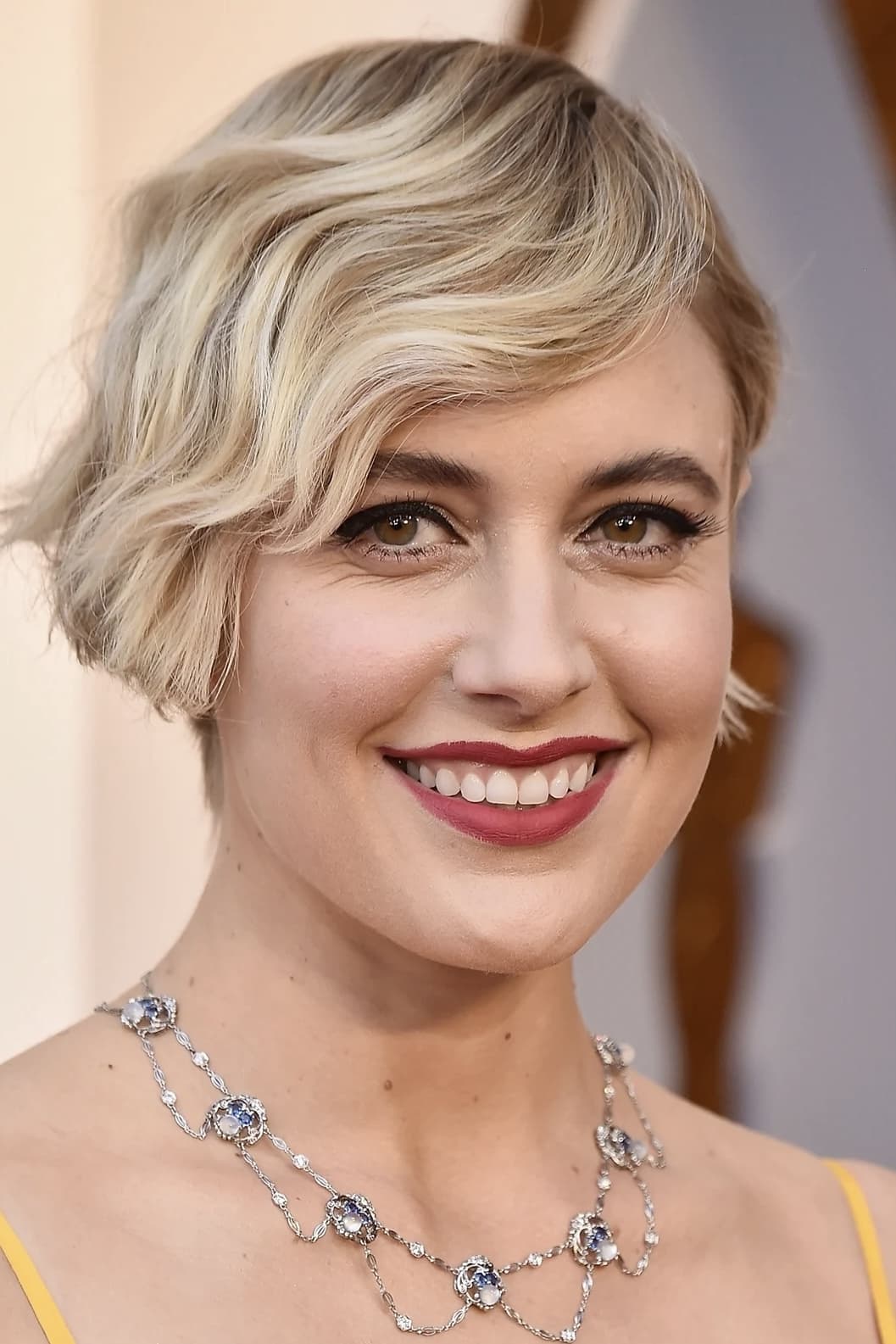
Greta Gerwig has mentioned her ADHD and how it has influenced her career as an actress, writer, and director. She found that her brain’s tendency to jump between ideas helped her create the layered and fast-paced dialogue in films like ‘Lady Bird’ and ‘Barbie’. This neurodivergent trait allows her to see connections in narratives that others might miss. She has discussed the importance of finding a creative environment that accommodates her specific way of working. Her success as a visionary filmmaker shows that ADHD can be a powerful engine for storytelling and innovation.
Lily Allen
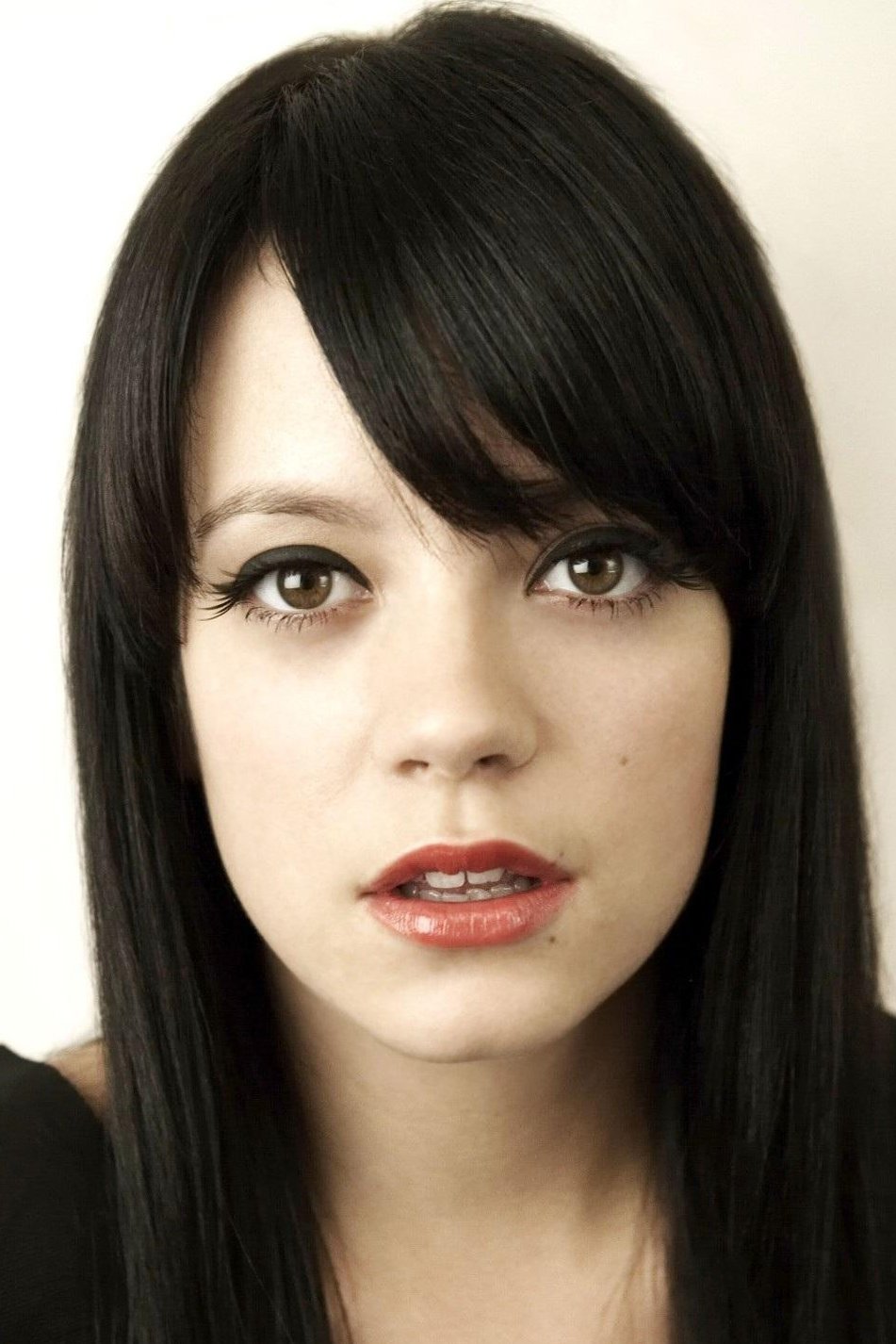
Lily Allen recently shared her adult diagnosis of ADHD and how it helped her understand her life-long patterns of behavior. She found that the diagnosis provided clarity on why she often felt overwhelmed by the demands of her career in the public eye. This new understanding has allowed her to approach her acting roles with more self-compassion and focus. In her stage and screen work she brings a raw honesty that resonates with audiences who appreciate her authentic presence. Her journey highlights the importance of neurodivergent visibility at all stages of a professional career.
Josh Thomas
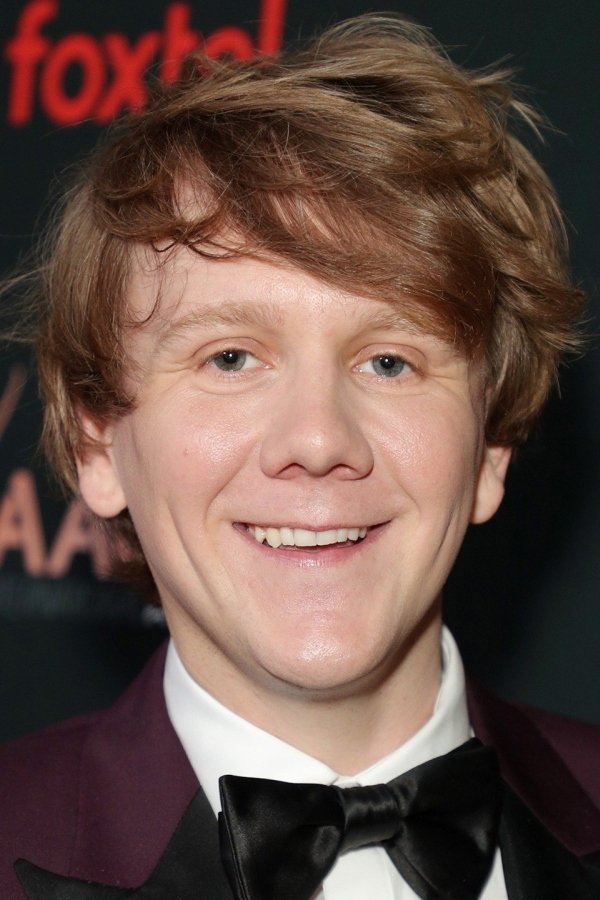
Josh Thomas is an actor and creator who has used his own experiences with autism and ADHD as the basis for his work. In his series ‘Please Like Me’ and ‘Everything’s Gonna Be Okay’ he features neurodivergent characters who are portrayed with humor and nuance. He has noted that his neurodivergent brain allows him to find humor in everyday situations that others might overlook. By casting neurodivergent actors in his projects he has become a leader in authentic representation in the television industry. His work demonstrates the creative richness that comes from telling stories through a neurodivergent perspective.
Hannah Gadsby
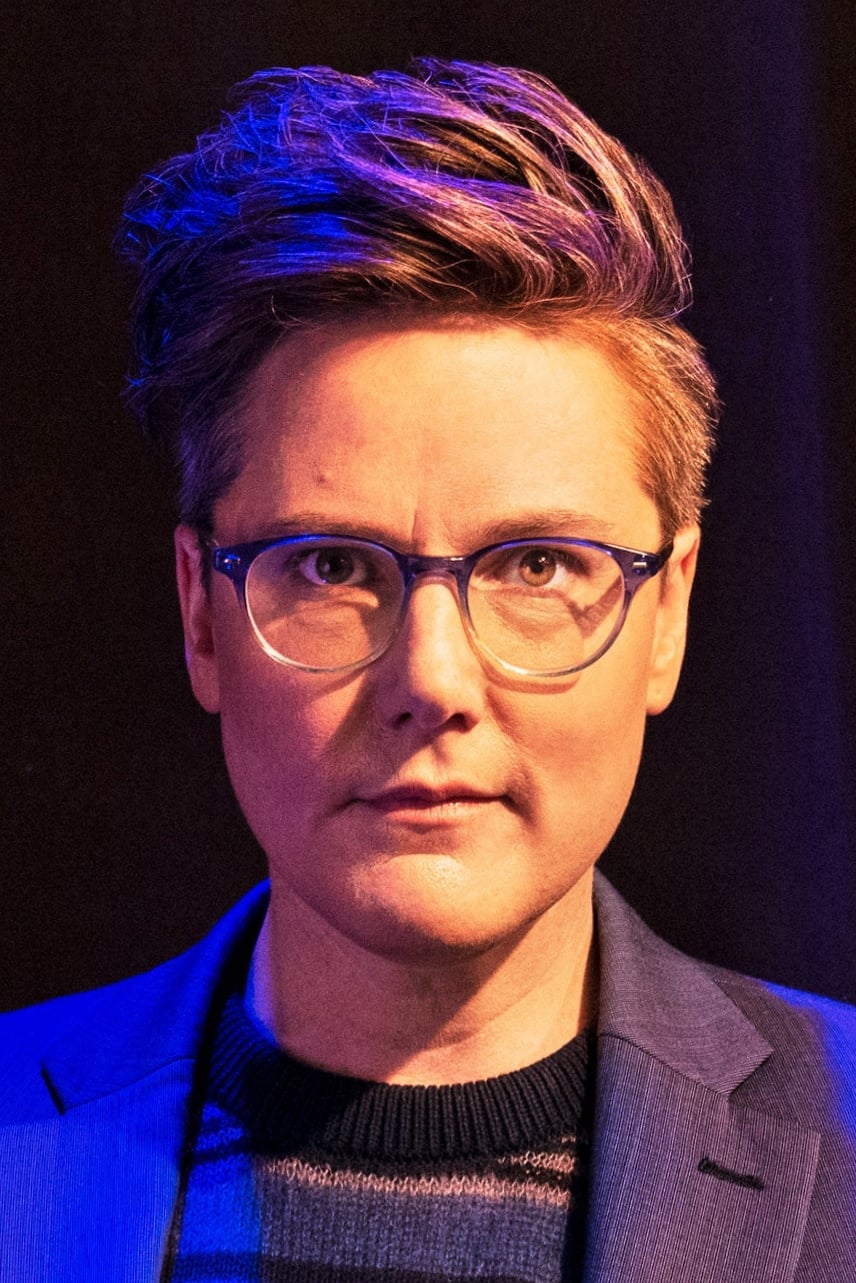
Hannah Gadsby has gained international acclaim for her stand-up specials which often touch on her late-in-life diagnosis of autism and ADHD. She has discussed how her neurodivergence allows her to deconstruct social norms and expectations with a sharp and insightful wit. Her performance in ‘Douglas’ explores the unique way she processes information and sensory experiences. She found that the structure of a solo show provided her with the perfect platform to share her unique worldview. Her success has sparked important conversations about how neurodiversity can redefine traditional forms of entertainment.
Sia
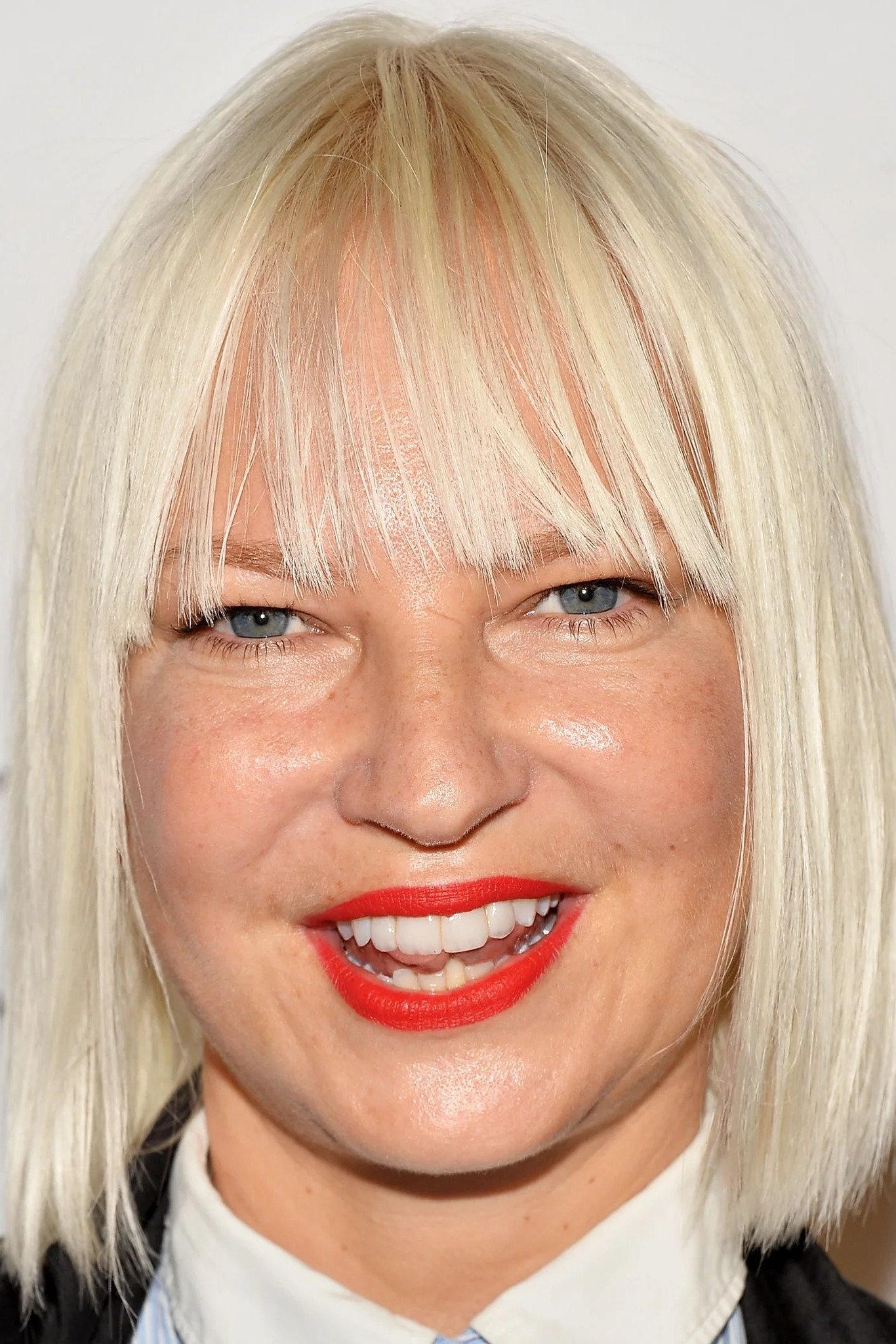
Sia revealed her autism diagnosis later in life and has spoken about the relief of finally understanding her brain’s wiring. She found that her neurodivergence played a significant role in her highly creative and often unconventional approach to music and performance art. While she primarily works as a singer and songwriter her visual storytelling in music videos and her directorial debut in ‘Music’ show her unique artistic vision. She has discussed the sensory challenges of fame and how she manages them to continue her creative work. Her openness has added to the growing dialogue about neurodiversity in the high-stakes world of pop culture.
Tallulah Willis
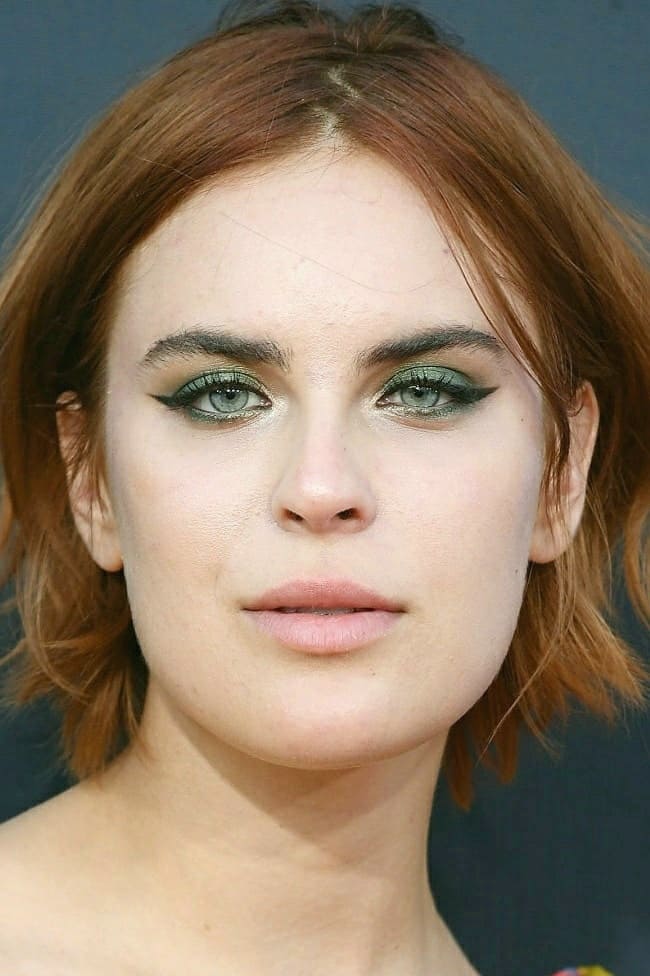
Tallulah Willis has been open about her autism diagnosis which she received in her late twenties. She found that the diagnosis helped her make sense of the social and emotional challenges she faced while growing up in the spotlight. This awareness has allowed her to approach her creative projects with a better understanding of her own needs and strengths. She has used her platform to advocate for greater acceptance and understanding of neurodivergent women. Her transparency provides a relatable voice for others who are navigating their own paths toward self-discovery.
Courtney Love
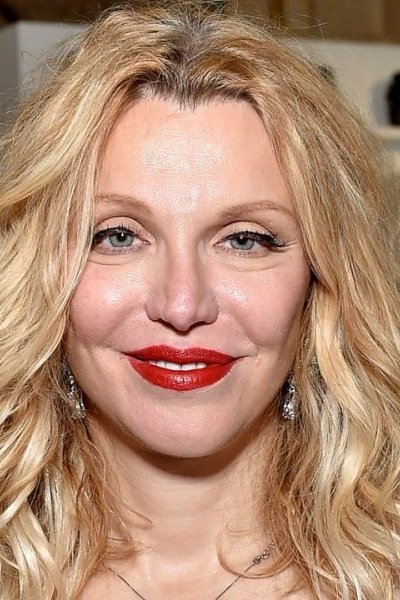
Courtney Love was diagnosed with autism as a child and has frequently discussed how it influenced her life and career. She found that her intense focus and unconventional way of thinking were perfect for the world of rock music and independent film. Her performance in ‘The People vs. Larry Flynt’ earned her critical acclaim for its raw and uncompromising nature. She has noted that her neurodivergence has often made her feel like an outsider which she channeled into her artistic identity. Her career remains a powerful example of how a neurodivergent perspective can challenge mainstream culture.
Chris Rock
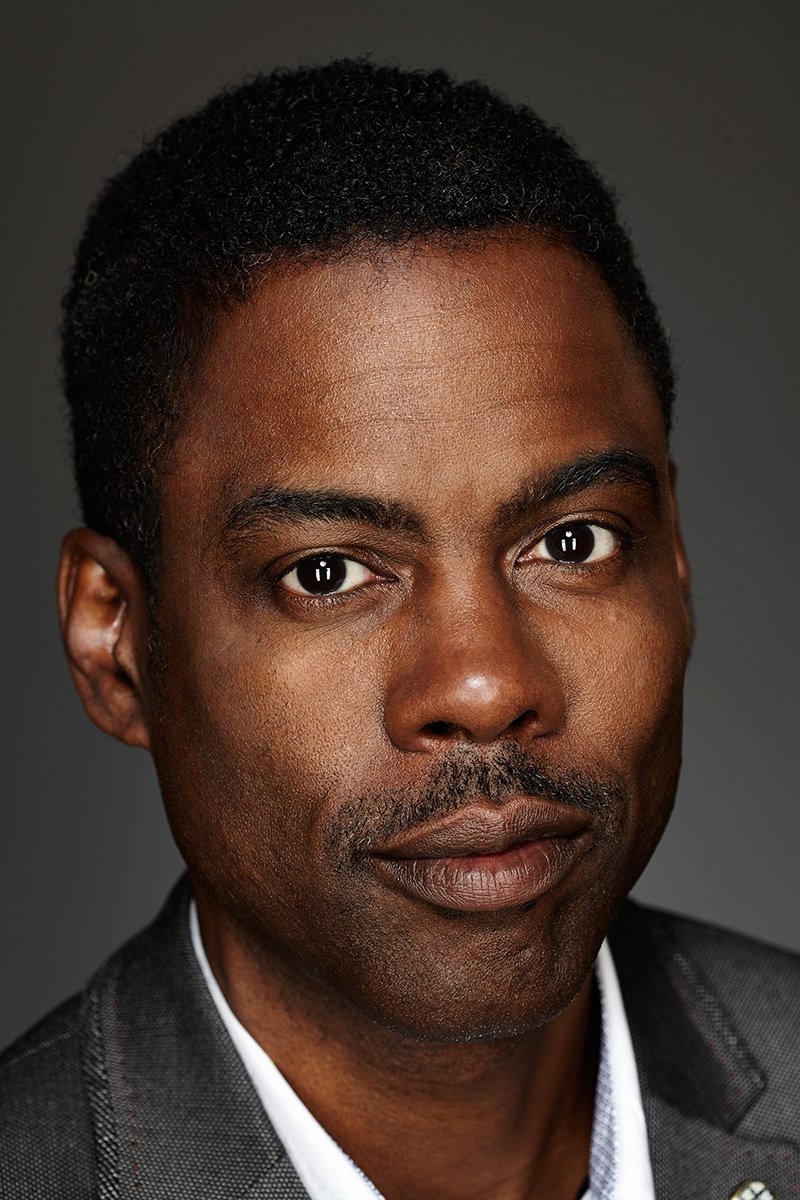
Chris Rock revealed that he has a non-verbal learning disorder which affects his ability to interpret social cues and non-verbal communication. He found that this condition likely contributed to his highly observational and analytical style of comedy. By focusing on the literal meaning of words and actions he is able to point out the absurdities of social behavior in his stand-up and acting roles. His performance in ‘Fargo’ showed a different side of his talents and demonstrated his ability to master complex dramatic material. His openness about his diagnosis has helped broaden the public’s understanding of learning differences.
Michelle Rodriguez
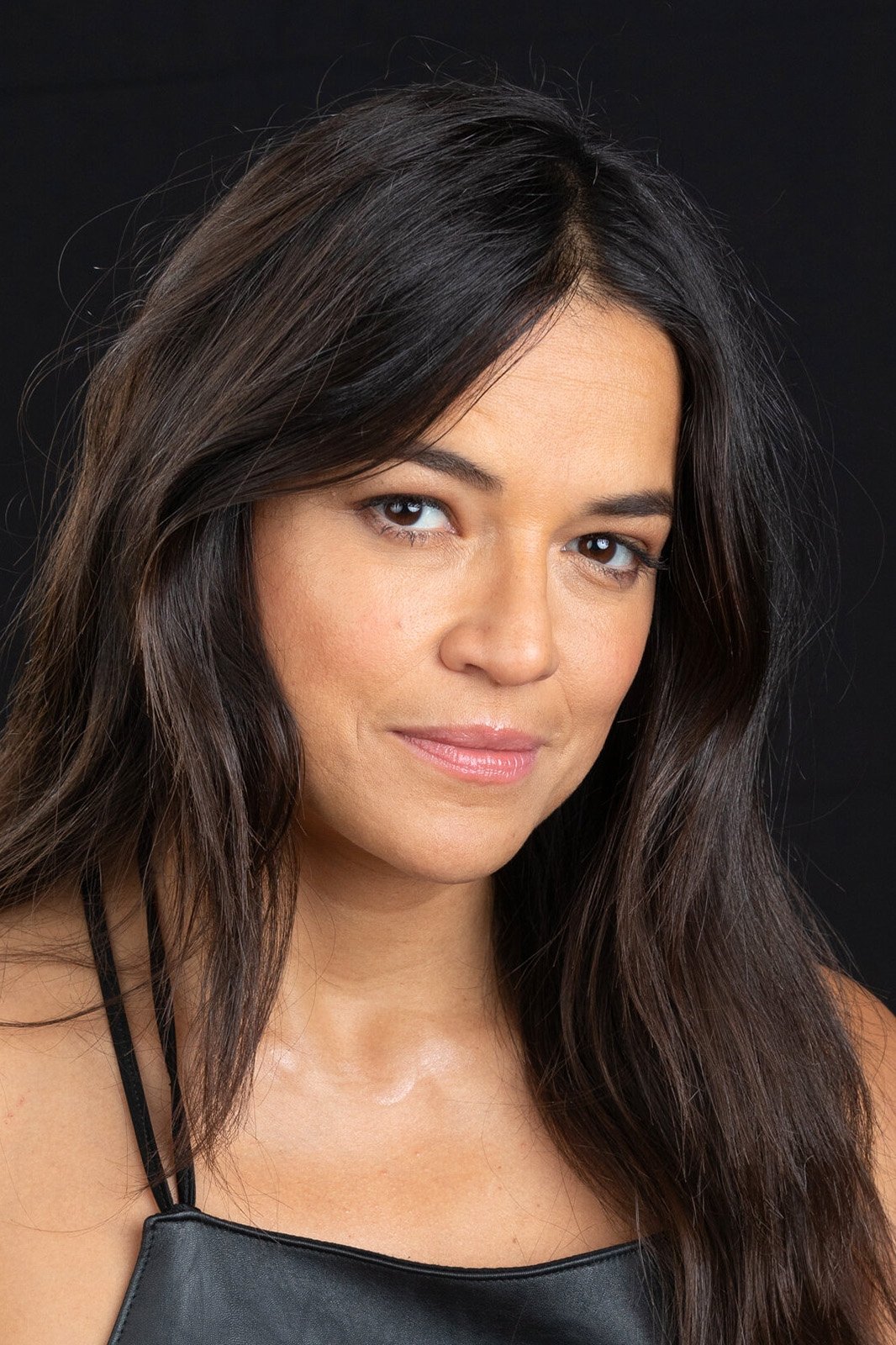
Michelle Rodriguez has spoken about her ADHD and how it influenced her energetic and often physical approach to acting. She found that the high-octane environment of action films like ‘The Fast and the Furious’ series was a great fit for her high-energy personality. Her ability to perform stunts and maintain a strong screen presence is a testament to her focus and drive. She has noted that her neurodivergence makes her a naturally restless person which she channels into her demanding film roles. Her career shows how ADHD can be an asset in the fast-paced world of cinema.
Liv Tyler
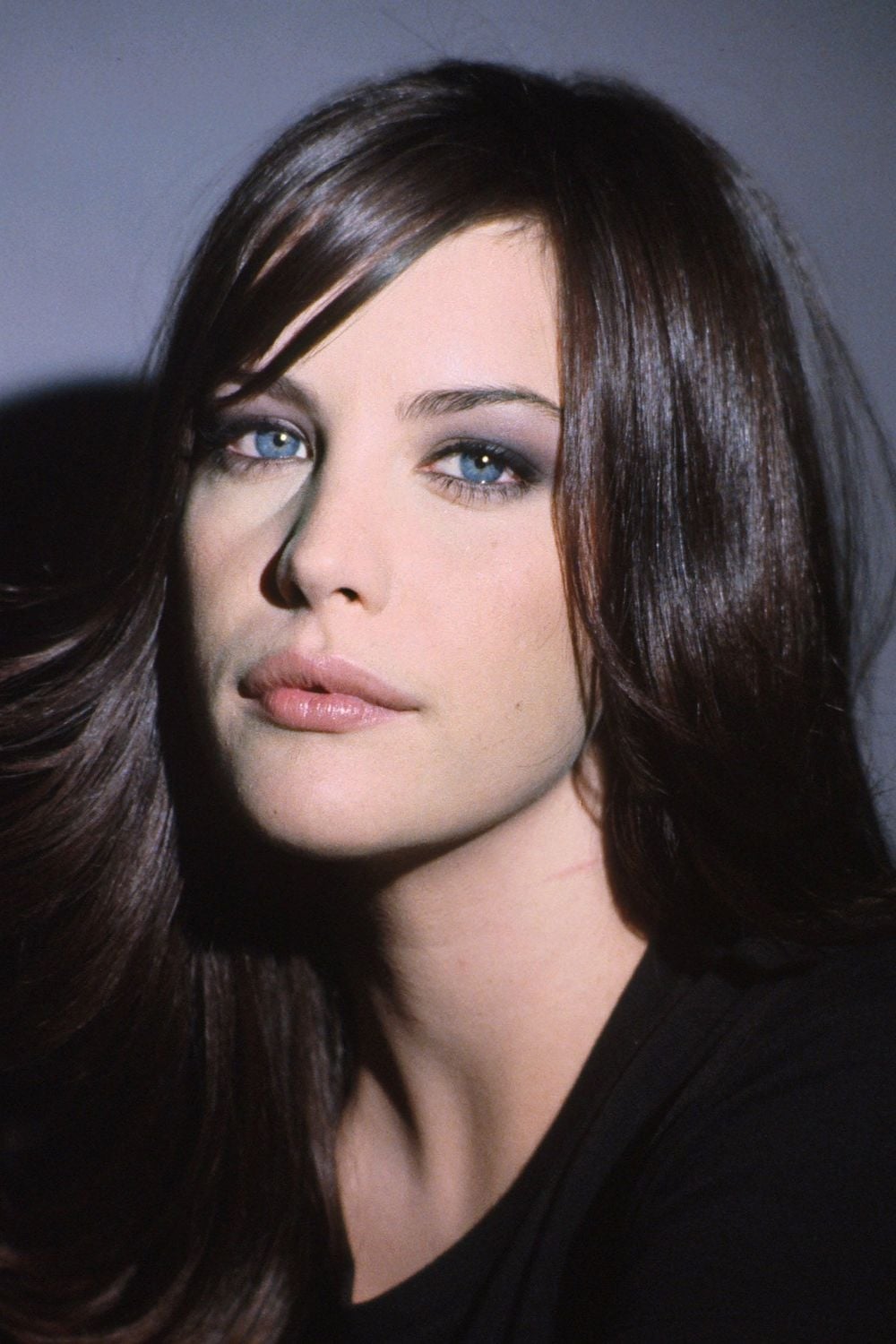
Liv Tyler has discussed her ADHD and how it has been a part of her life since childhood. She found that the creative and often unpredictable nature of film sets allowed her to thrive in ways that traditional environments did not. Her ethereal and presence in films like ‘The Lord of the Rings’ has made her a beloved figure in the industry. She has noted that her neurodivergence helps her stay present and intuitive during her performances. Her success over several decades demonstrates the long-term viability of a career built on a unique neurological foundation.
Justin Timberlake
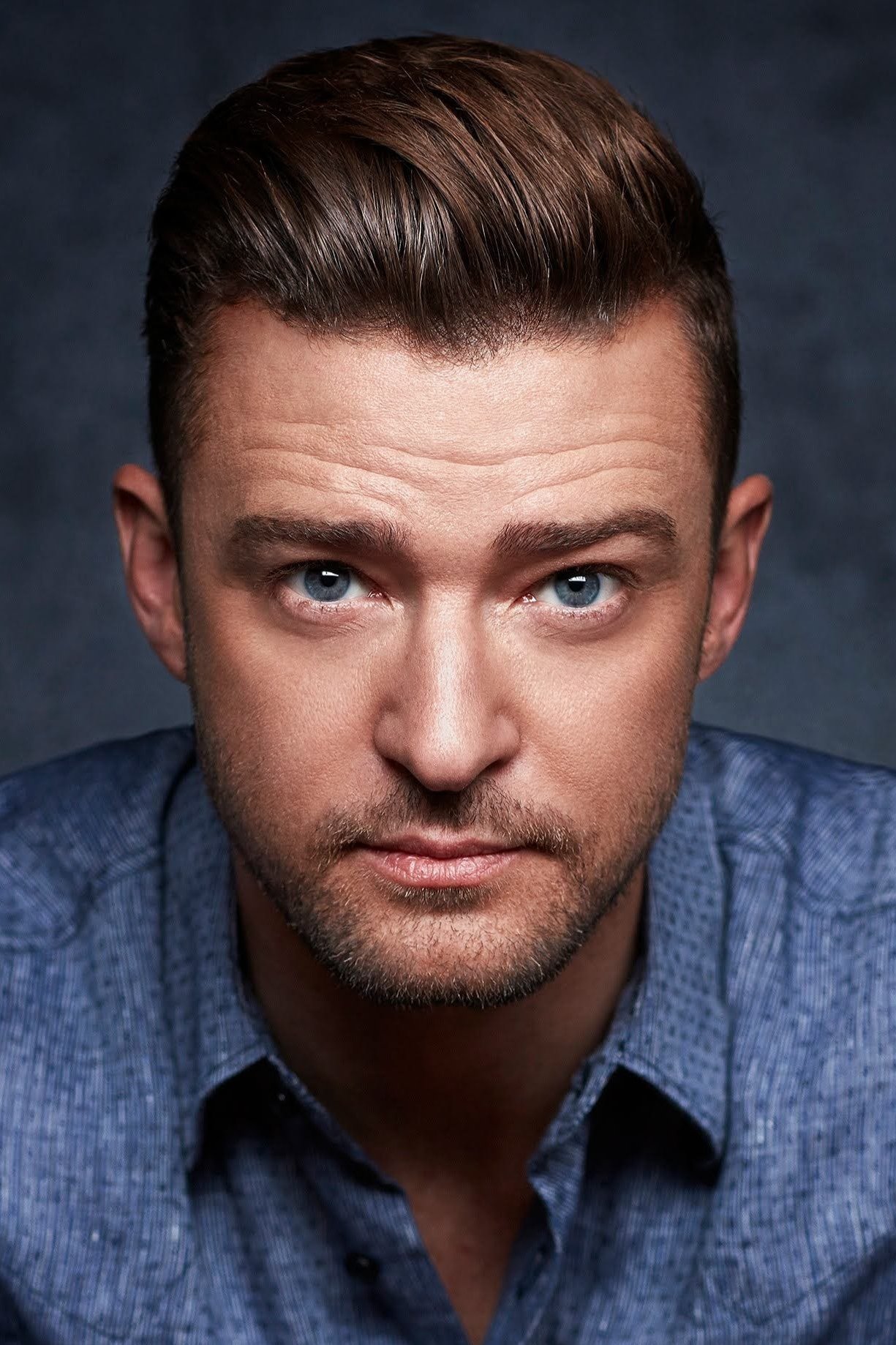
Justin Timberlake has mentioned having both ADHD and OCD which he manages while maintaining a massive career as an actor and singer. He found that his need for precision and his high energy levels have contributed to his success as a disciplined performer. In films like ‘The Social Network’ he demonstrated an ability to deliver complex dialogue with a sharp and focused energy. He has noted that the structured environment of rehearsals and performances helps him manage his symptoms. His career is an example of how neurodivergent traits can be channeled into high-level professional discipline.
Patrick Dempsey
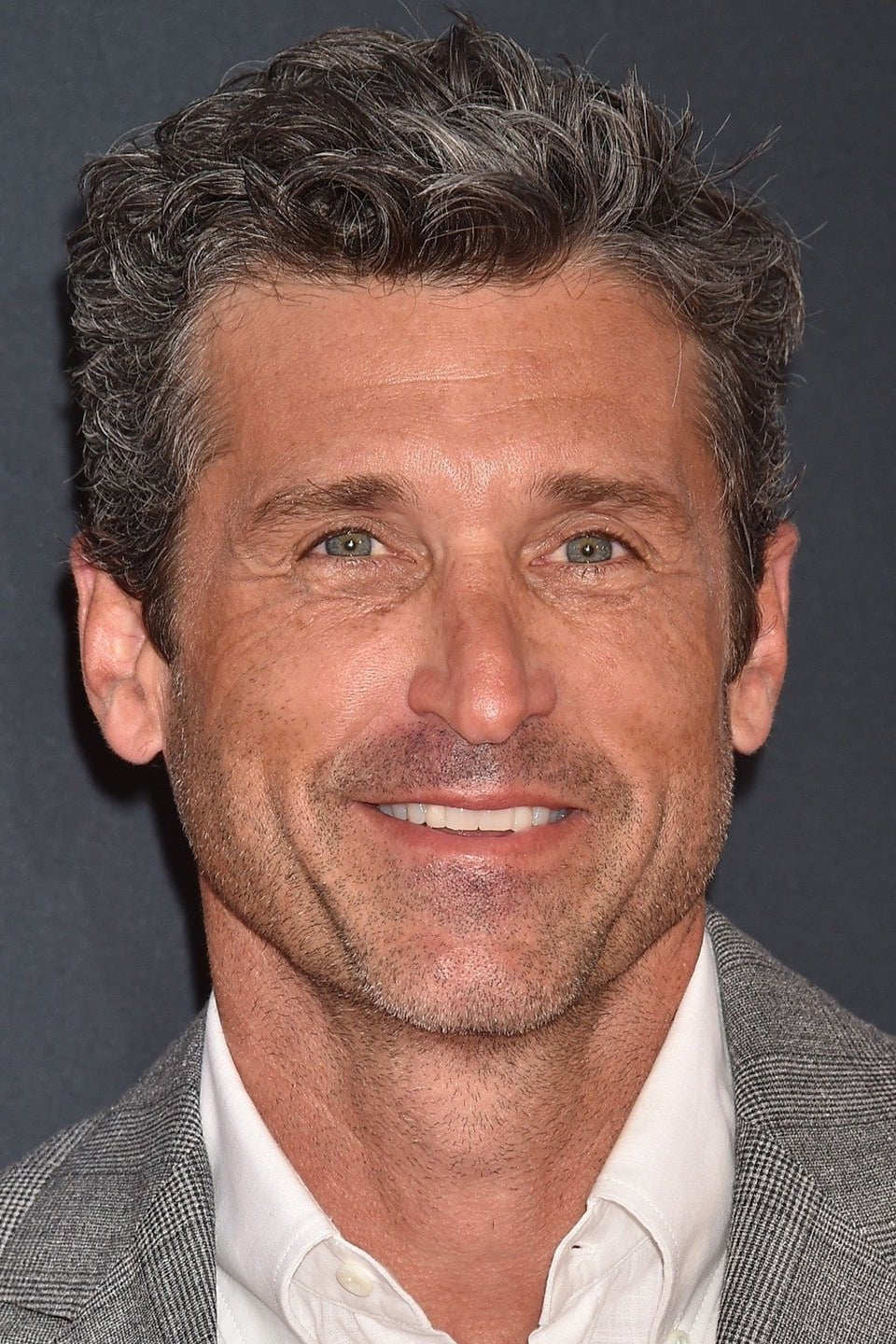
Patrick Dempsey was diagnosed with dyslexia at age twelve and has described the condition as something that gave him a strong work ethic. He found that because he had to work harder to read scripts he became incredibly disciplined in his preparation for roles. His long-running role on ‘Grey’s Anatomy’ required him to master a vast amount of medical terminology which he did through persistence and unique learning strategies. He has credited his dyslexia with helping him develop the resilience necessary to survive in the entertainment industry. He remains an active supporter of organizations that help children with learning differences.
Steven Spielberg
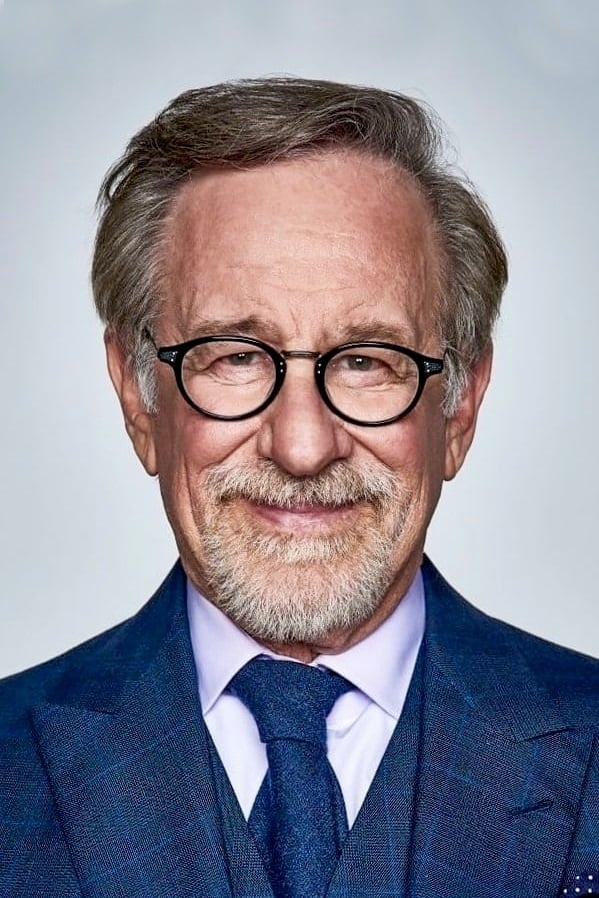
Steven Spielberg was diagnosed with dyslexia as an adult and has reflected on how it shaped his visual approach to filmmaking. He found that because reading was difficult he focused more on visual storytelling and the use of imagery to convey emotion. This unique perspective helped him create some of the most iconic and successful films in cinematic history. He has noted that his neurodivergence allowed him to think differently about narrative structure and pacing. His legendary career is a testament to the power of a visual brain in a creative industry.
Tom Cruise
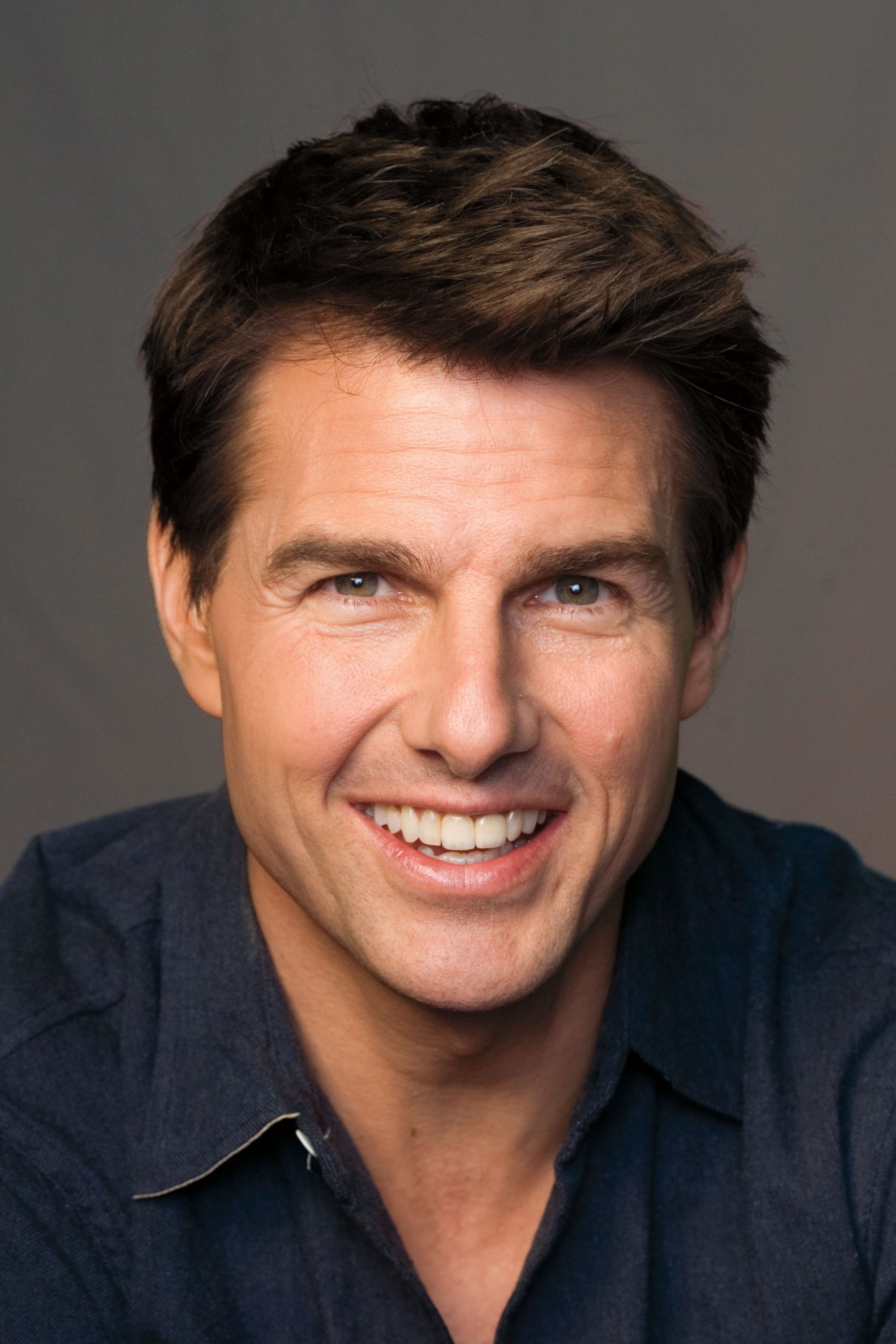
Tom Cruise has been very public about his journey with dyslexia and how it impacted his early career. He developed a method of learning scripts by listening to tapes and working closely with assistants to memorize his lines. This intensive process helped him develop a legendary focus and a reputation for being one of the most hardworking actors in Hollywood. His success in massive franchises like ‘Mission: Impossible’ shows that neurodivergence does not limit one’s ability to become a global star. He has often spoken about the importance of finding tools that work for your specific brain.
Jamie Campbell Bower

Jamie Campbell Bower has discussed his ADHD and how it contributes to his intense and transformative acting style. He found that the ability to hyperfocus was a major asset when preparing for his villainous role in ‘Stranger Things’. His high energy levels and creative restlessness have led him to explore a variety of artistic pursuits including music and theater. He has noted that understanding his neurodivergence has allowed him to better manage the pressures of a high-profile career. His performances often feature a captivating intensity that reflects his unique way of processing the world.
Kit Harington
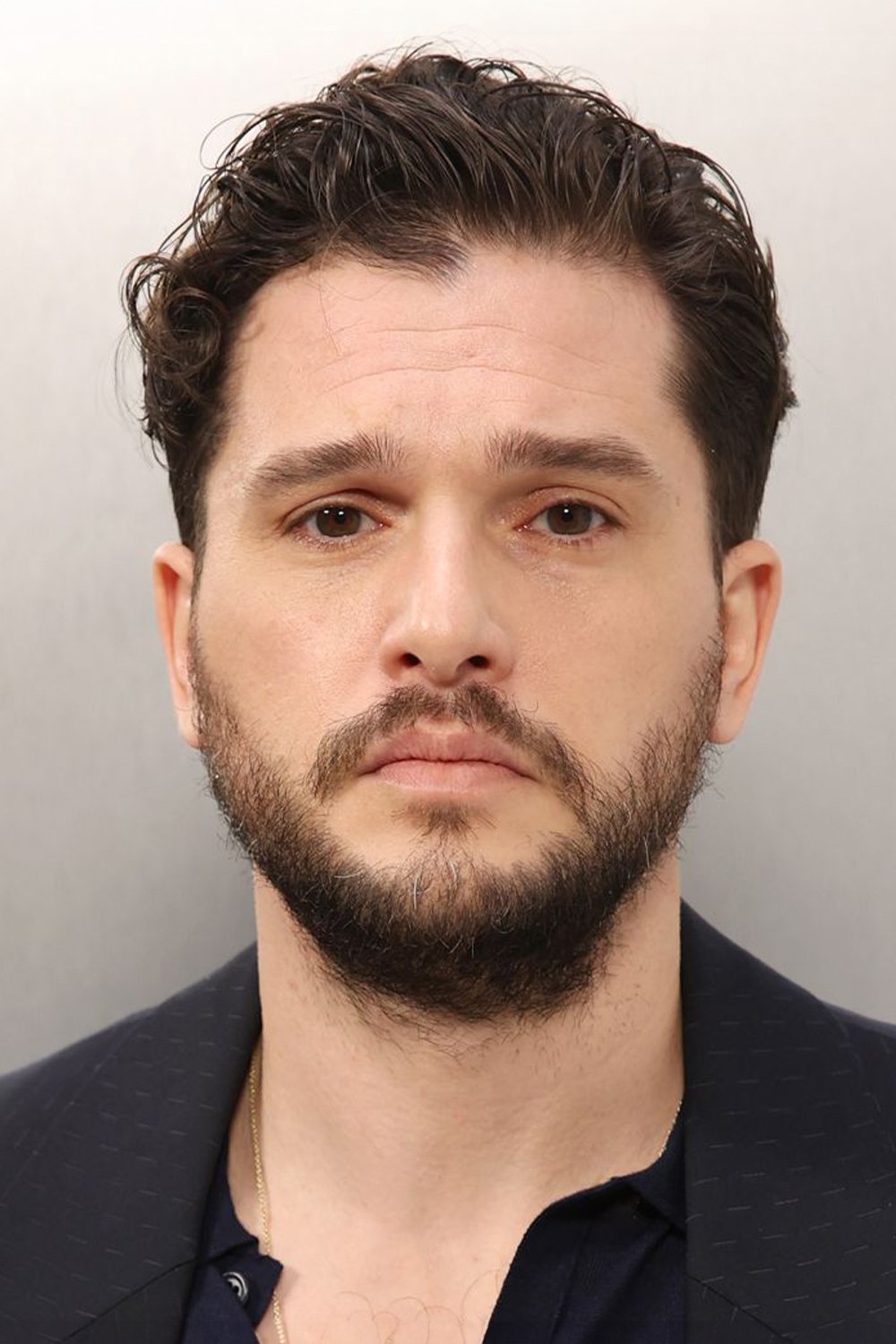
Kit Harington recently revealed his ADHD diagnosis and how it has provided a new perspective on his life and work. He found that the structure of the ‘Game of Thrones’ set helped him manage his energy and focus during a decade of intense filming. He has spoken about the challenges of the industry and how his neurodivergent brain can sometimes lead to feelings of overwhelm. By being open about his diagnosis he hopes to encourage others to seek the support they need. His career continues to evolve as he uses his newfound self-awareness to choose roles that challenge him.
Barry Keoghan
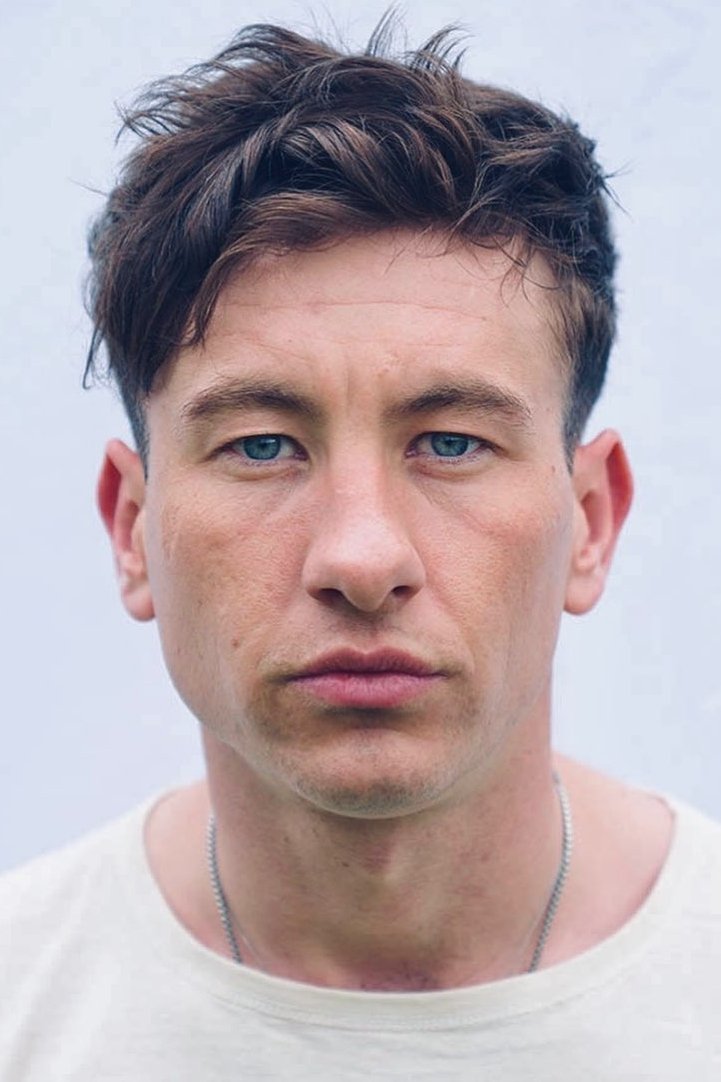
Barry Keoghan has shared his ADHD diagnosis and how he uses medication and routine to manage his career. He found that his natural curiosity and high energy helped him bring an unpredictable and authentic quality to his roles in films like ‘The Banshees of Inisherin’. This neurodivergent trait allows him to fully immerse himself in the atmosphere of a film set. He has noted that his brain’s unique wiring gives him a different way of interpreting scripts and character motivations. His rapid rise in the acting world demonstrates the value of embracing one’s natural personality.
Abby McEnany
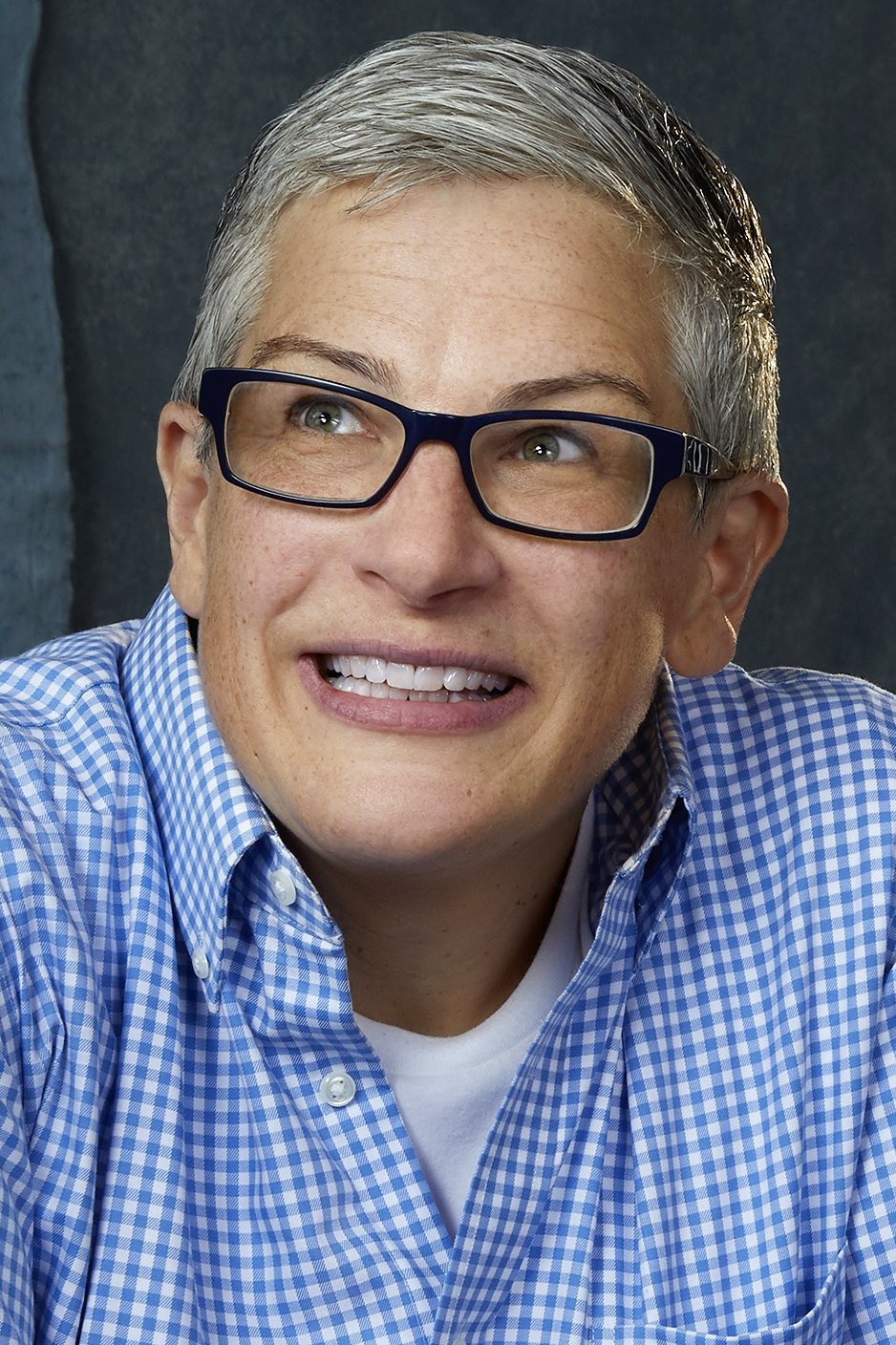
Abby McEnany is an actress and writer who has used her diagnosis of ADHD and OCD as a central theme in her work. In her semi-autobiographical series ‘Work in Progress’ she explores the daily realities of neurodivergence with humor and honesty. She found that the process of writing and starring in her own show allowed her to control the narrative around her mental health. Her work has been praised for its authentic and relatable portrayal of neurodivergent life. She has become an important voice for visibility in the television industry.
Naomie Harris
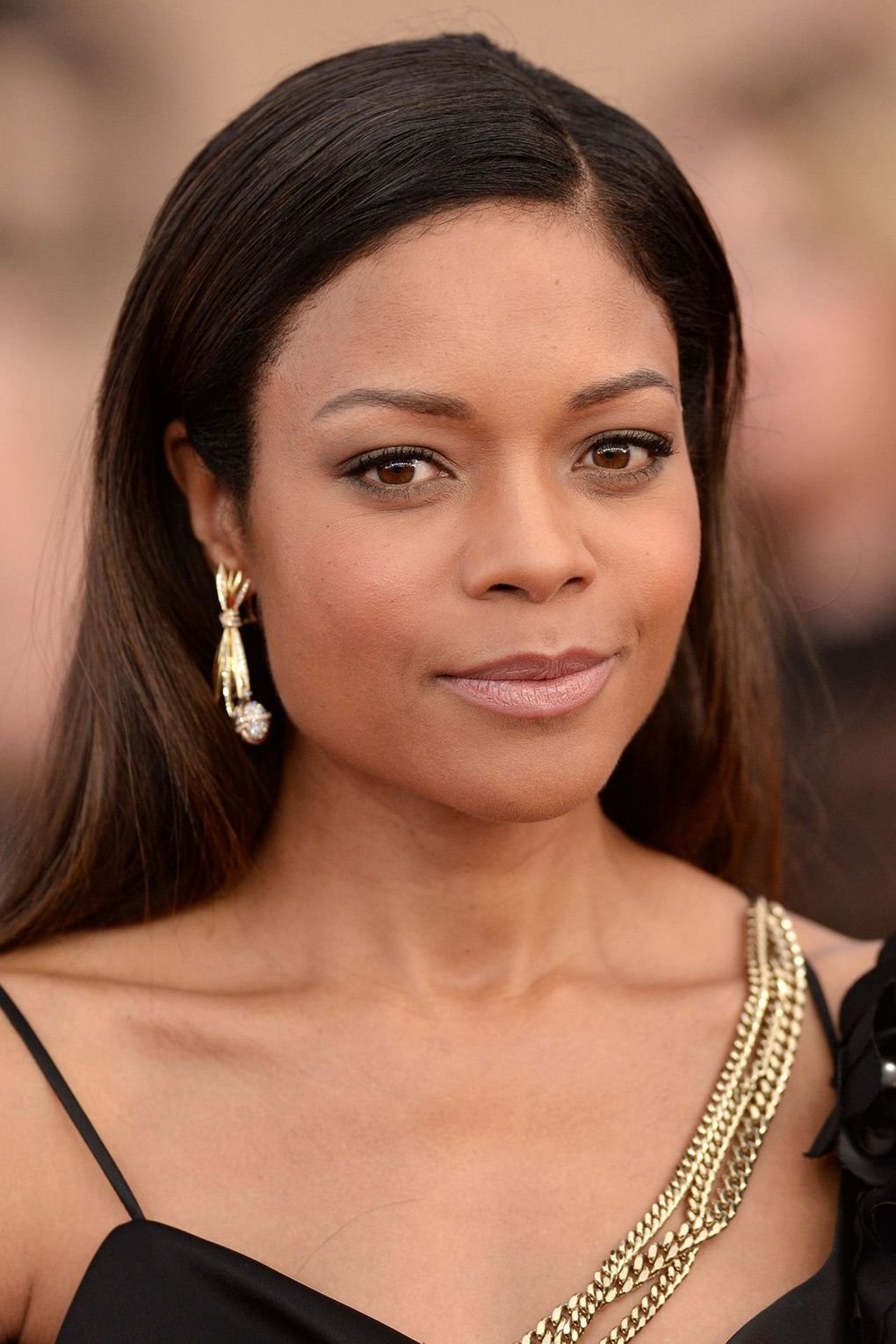
Naomie Harris has spoken about her dyslexia and how it shaped her approach to acting and learning. She found that her need to work harder on scripts led to a deeper level of preparation and a stronger connection to her characters. This discipline was evident in her performances in the ‘James Bond’ series and her Oscar-nominated role in ‘Moonlight’. She has noted that her neurodivergent brain helps her think laterally and find creative solutions to problems on set. Her success proves that learning differences can be a source of professional strength and resilience.
Zoe Saldaña
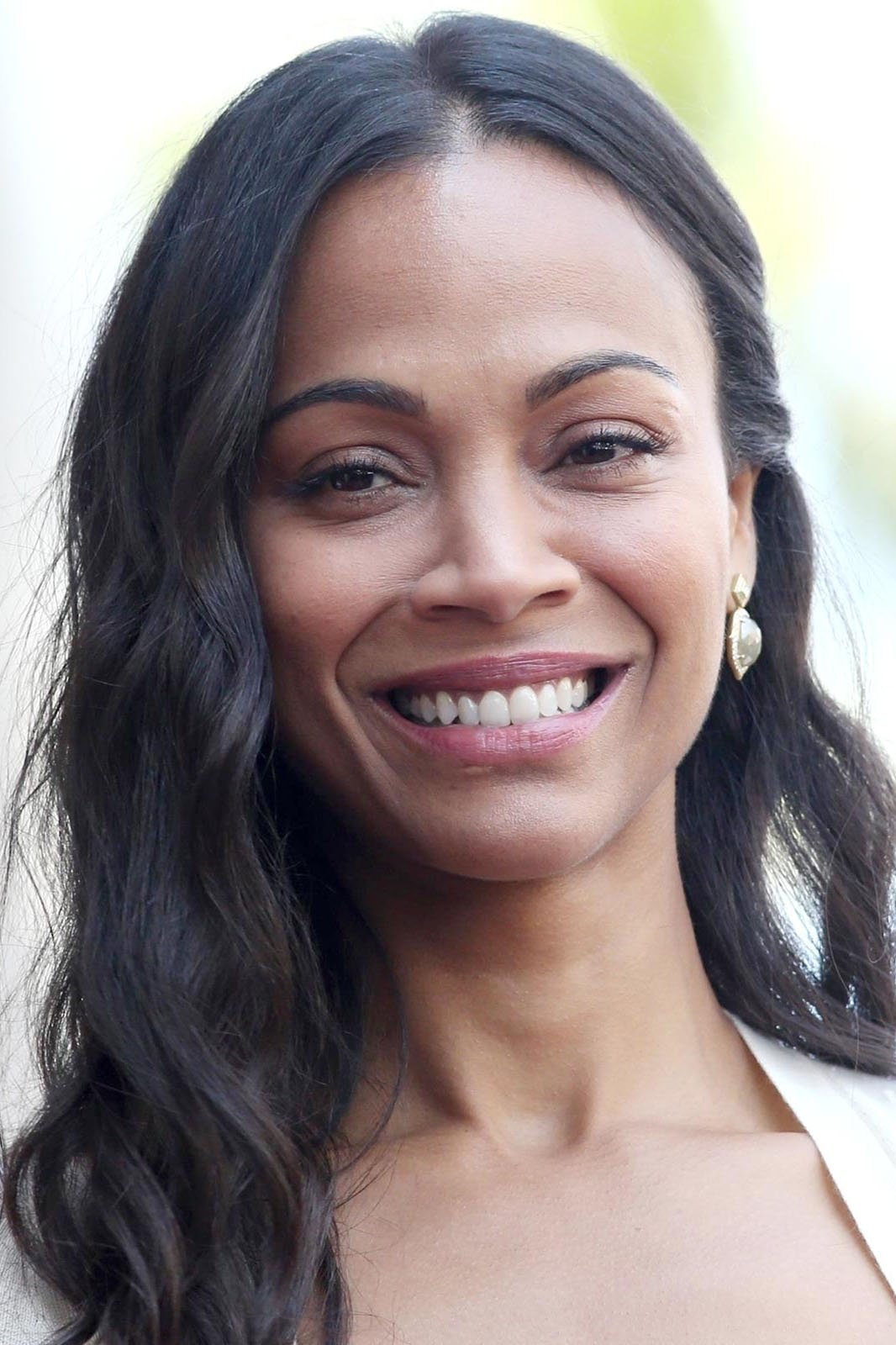
Zoe Saldana has discussed her experiences with ADHD and dyslexia and how they have influenced her career in major film franchises. She found that the physical demands of roles in ‘Avatar’ and ‘Guardians of the Galaxy’ allowed her to use her high energy in a productive way. Her ability to master complex choreography and stunts is a hallmark of her professional life. She has noted that she often has to find unconventional ways to process scripts but this effort leads to a more nuanced performance. Her career is a prime example of how neurodivergence can drive a performer to excel in demanding environments.
James Marsden
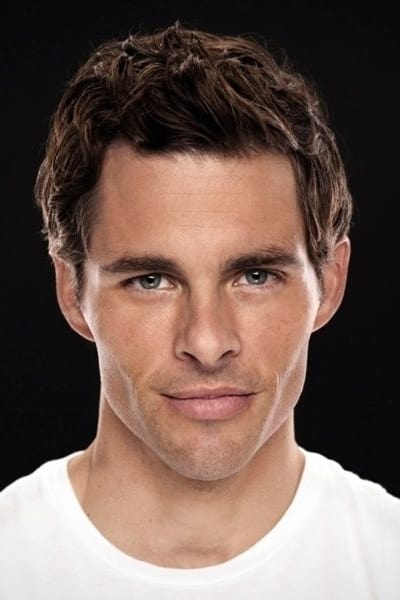
James Marsden has mentioned his ADHD and how it has played a role in his versatile career as an actor. He found that his ability to jump between different genres like musical comedy in ‘Hairspray’ and sci-fi in ‘Westworld’ was a good fit for his active mind. He has noted that the variety of his roles helps him stay engaged and focused on his craft. His neurodivergence provides him with a natural energy that translates well to the screen. He remains one of the most consistent and hardworking actors in the industry.
Holly Hunter
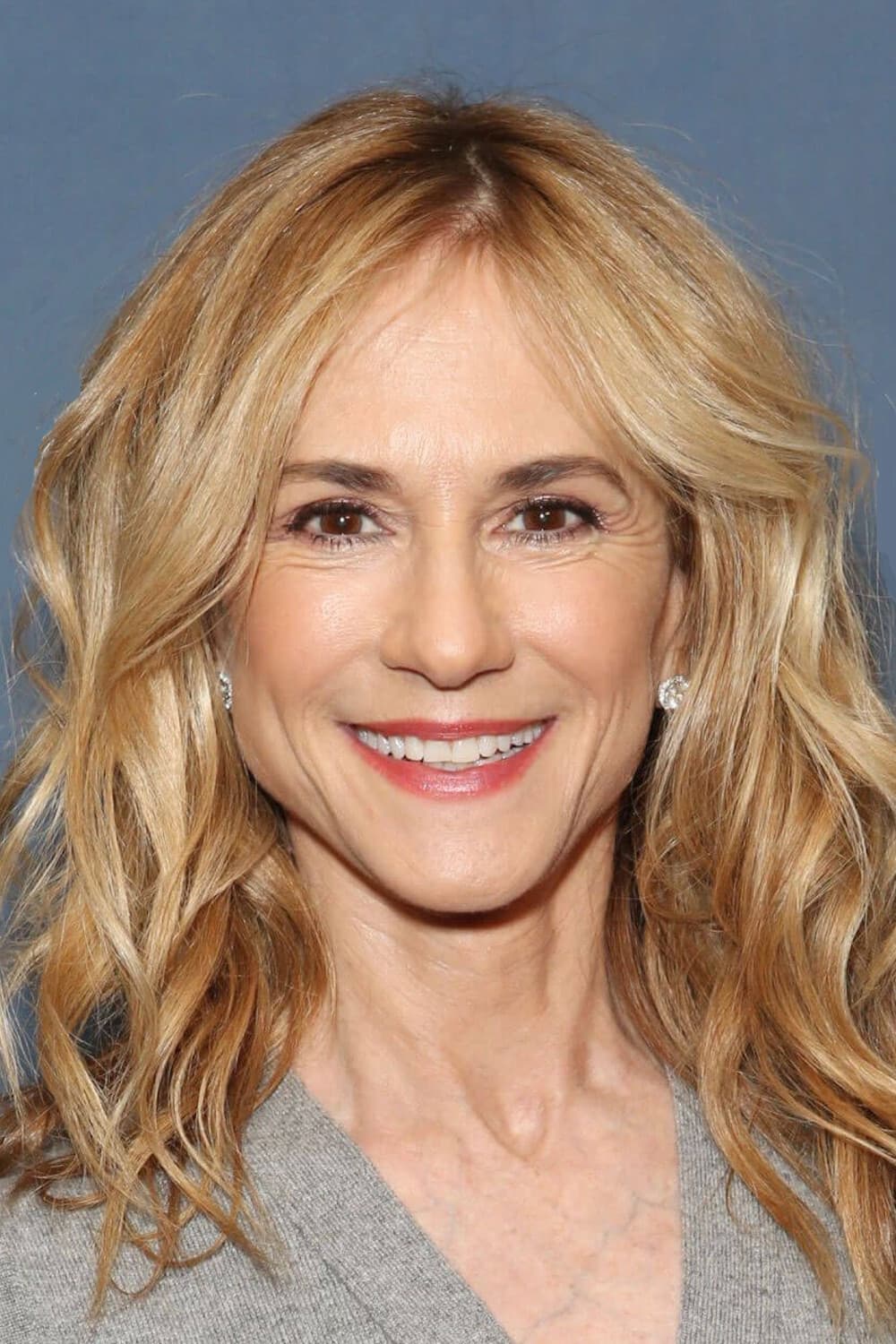
Holly Hunter has discussed her dyslexia and how it impacted her early life and her career as an Oscar-winning actress. She found that she was able to develop a strong auditory memory which helped her learn lines and master various accents. Her performances in films like ‘The Piano’ are characterized by a profound emotional depth and a unique physical presence. She has noted that her neurodivergent brain allows her to see the subtext of a scene in a very clear way. Her long and successful career is a testament to the power of adaptation and creative focus.
Susan Boyle
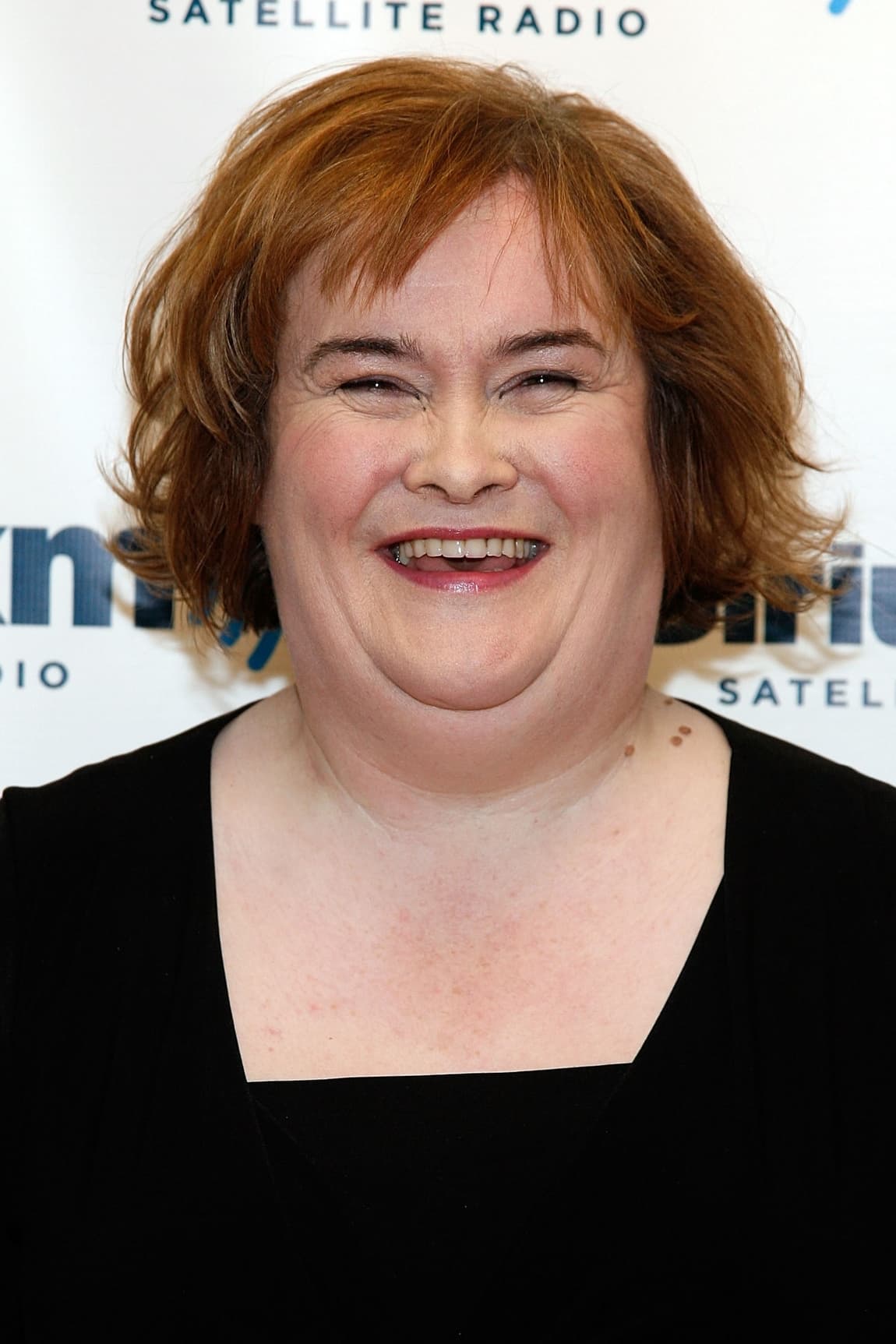
Susan Boyle became a global sensation after her appearance on ‘Britain’s Got Talent’ and later revealed her diagnosis of Asperger syndrome. She found that the diagnosis explained her lifelong feelings of being different and helped her understand her sensory sensitivities. Her ability to focus intensely on her music allowed her to develop a world-class singing voice that has captivated millions. While she primarily works as a singer her presence on stage and in film roles shows her unique ability to connect with audiences. Her story remains a powerful example of how neurodivergent individuals can achieve extraordinary success when given the opportunity.
Share your favorite stories about neurodivergent performers in the comments.