


15 Stars Who Created Billion-Dollar Fortunes

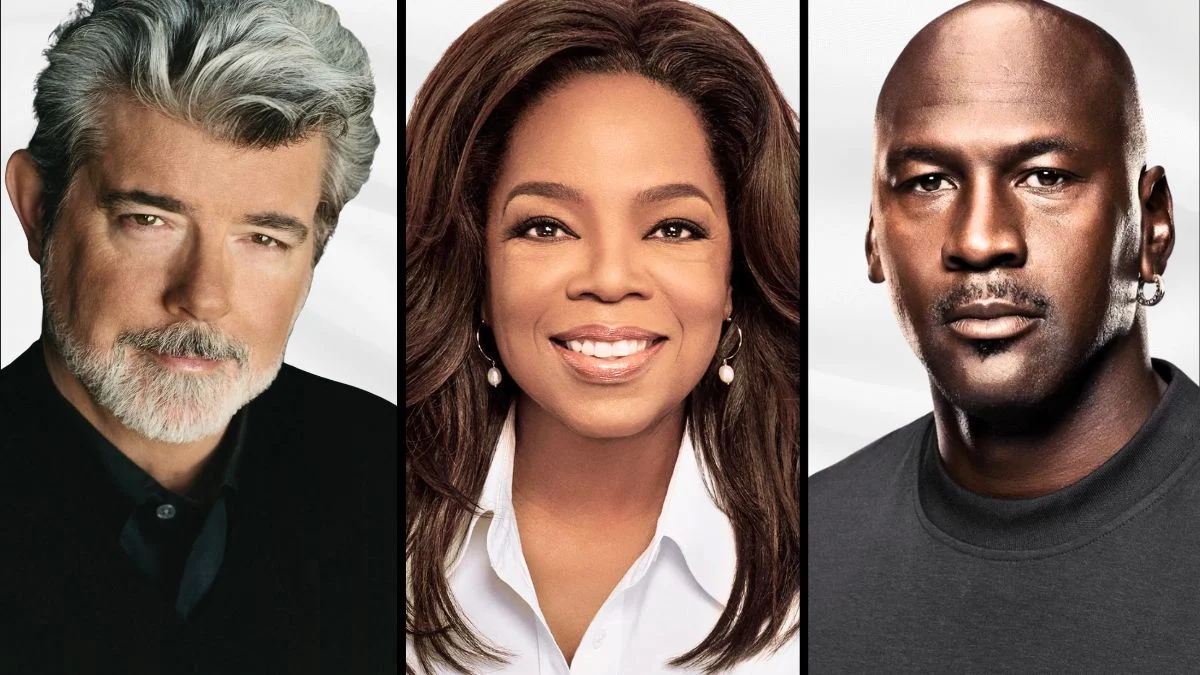


Building a fortune that crosses the billion mark is not only about talent in front of an audience. It often comes down to ownership, equity, and control of brands that scale far beyond a stage or screen. The stars here turned fame into serious enterprise value through smart stakes in companies, rights to their own work, and deals that kept them at the center of the money flow.
You will see media empires, fashion powerhouses, production studios, and catalog rights that generate steady income year after year. Each of these names shows how business infrastructure multiplies earnings from touring, television, endorsements, and licensing into lasting wealth.
Oprah Winfrey
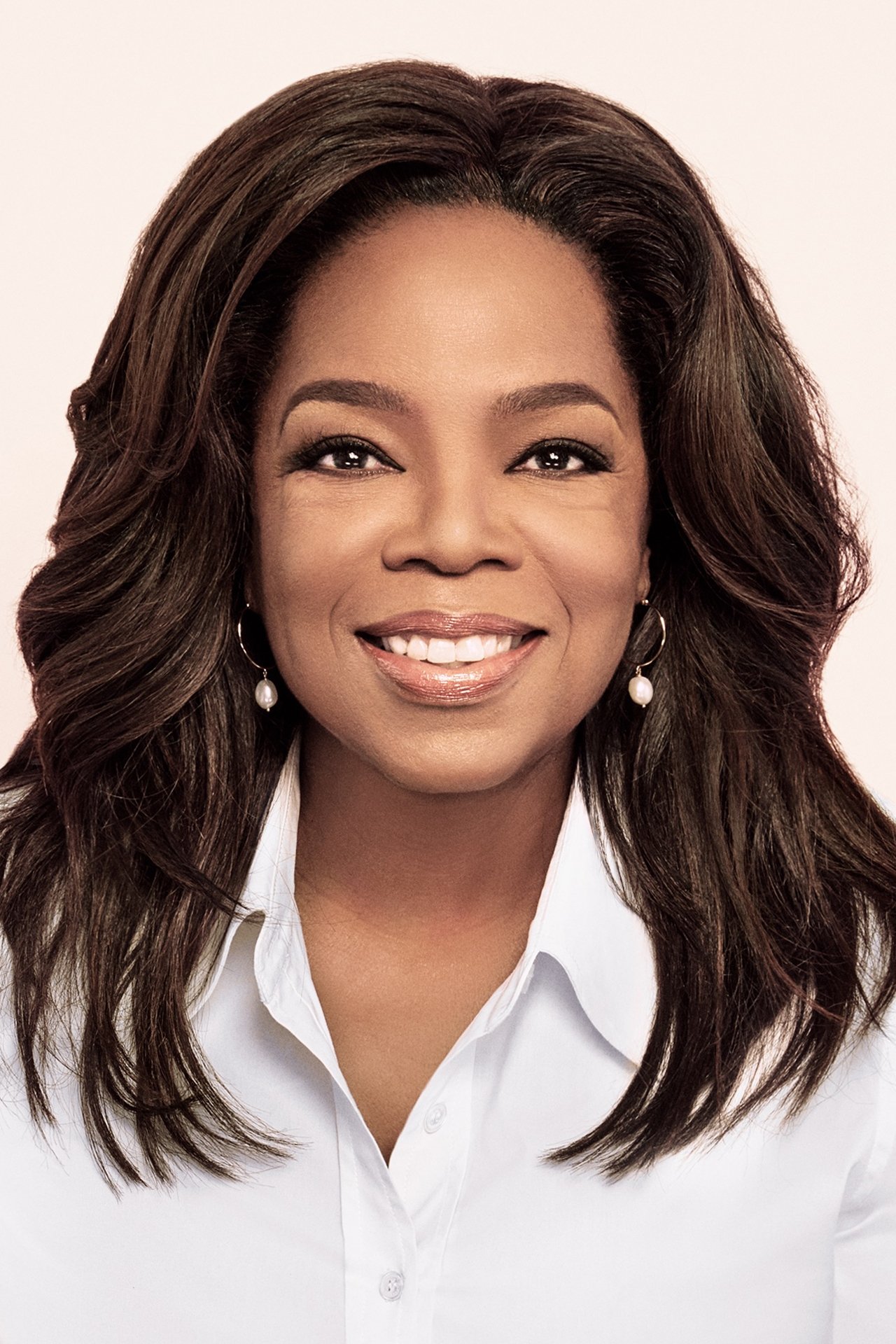
Oprah Winfrey built a media ecosystem that began with daily syndication and expanded into production, publishing, and a cable network. Harpo Productions owned and controlled segments of ‘The Oprah Winfrey Show’ and leveraged that library for ongoing licensing. She launched OWN in partnership with a major distributor and kept meaningful equity through restructuring that moved the channel toward profitability.
Her investments extended to consumer companies and digital media while she continued to produce premium projects for film and streaming. The combination of production ownership, network equity, and brand licensing created a diversified income base that sustained a billionaire level fortune.
Rihanna
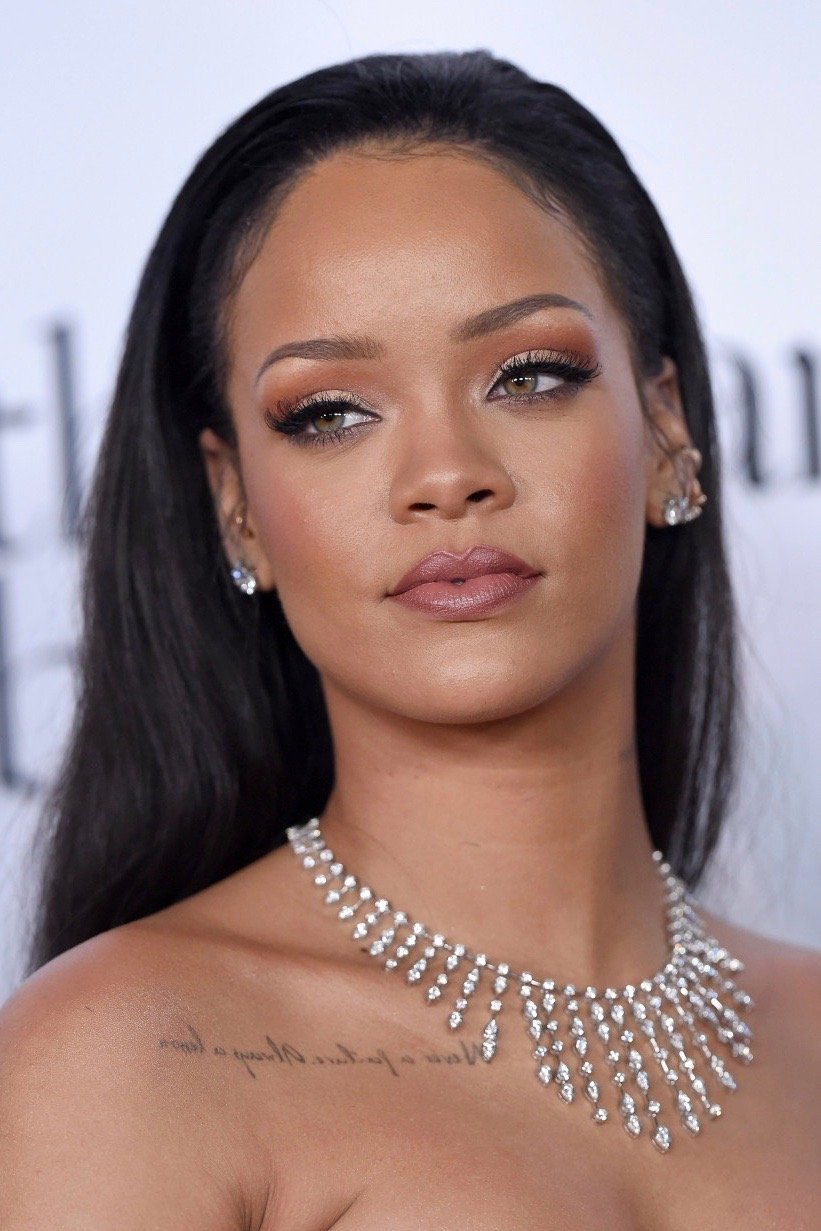
Rihanna co founded Fenty Beauty in partnership with a global luxury group and built the line around inclusive shade ranges and high velocity product drops. Distribution through the partner’s worldwide retail network gave the brand immediate shelf space and marketing reach that smaller labels usually lack.
She added Savage X Fenty as a separate company focused on direct to consumer sales with recurring collection launches. Her equity positions in both beauty and lingerie, supported by music and touring visibility, turned product lines into major brand platforms that pushed her personal wealth past the billion threshold.
Jay-Z

Jay Z assembled a portfolio that combines music rights, premium spirits, and entertainment services under one umbrella. He scaled Roc Nation across management, publishing, sports representation, and live events, which created multiple fee streams tied to long term client relationships.
He developed or acquired equity in luxury alcohol brands and later sold sizable stakes while retaining ongoing participation. Add catalog ownership, a successful exit from a streaming platform stake, and real estate, and the result is a broad business holding that generates cash flow beyond touring or releases.
Kim Kardashian
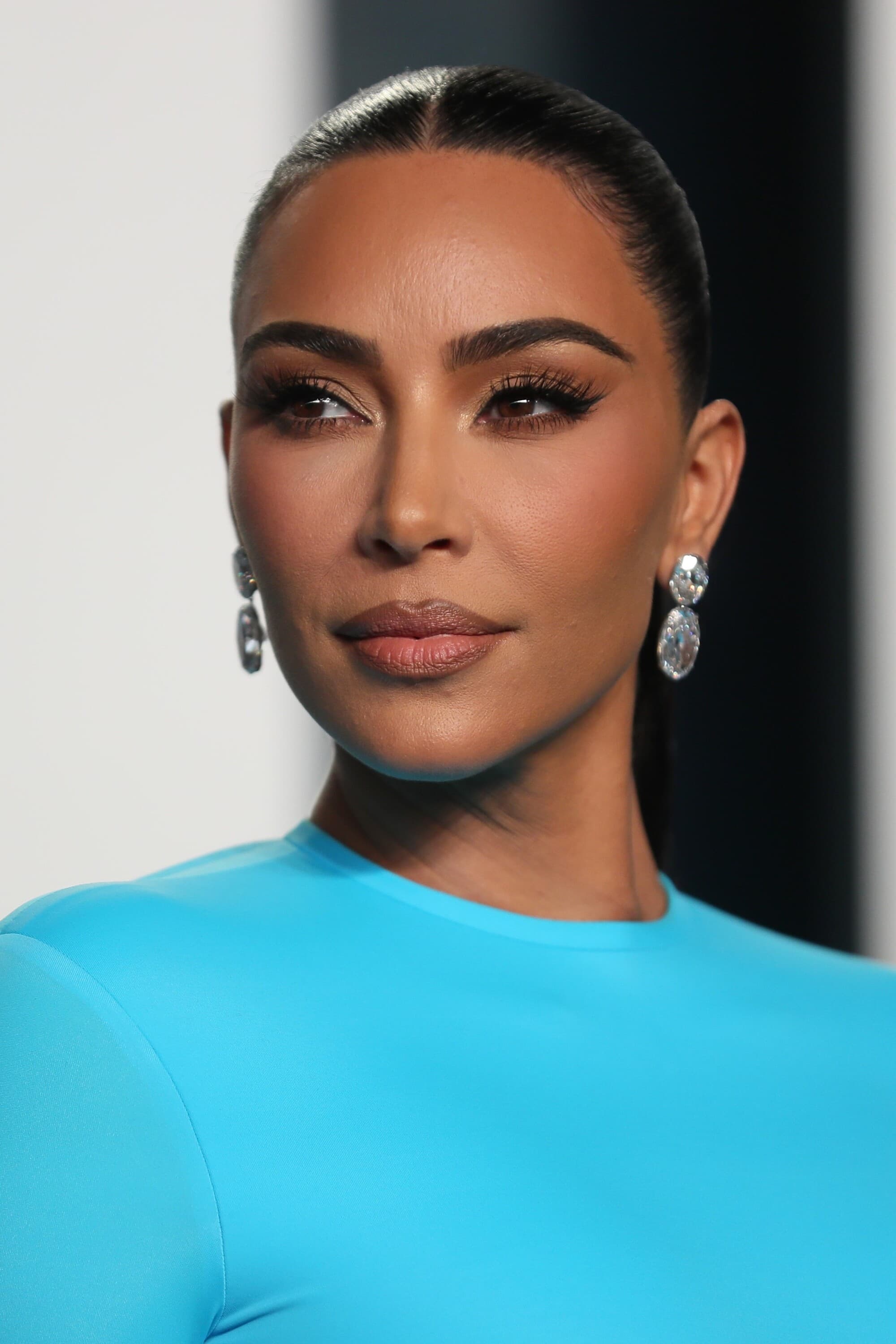
Kim Kardashian grew Skims from shapewear into a global apparel platform with core basics and seasonal capsules. The company expanded into mens products and wholesale partnerships while maintaining a strong direct channel that drives margins and data on repeat customers.
She also launched SKKN by Kim and previously monetized beauty through a strategic stake sale that brought in capital and distribution support. With Skims reaching multi billion valuations in private rounds, her founder equity became the engine of a billionaire fortune grounded in consumer goods rather than appearance fees.
Taylor Swift
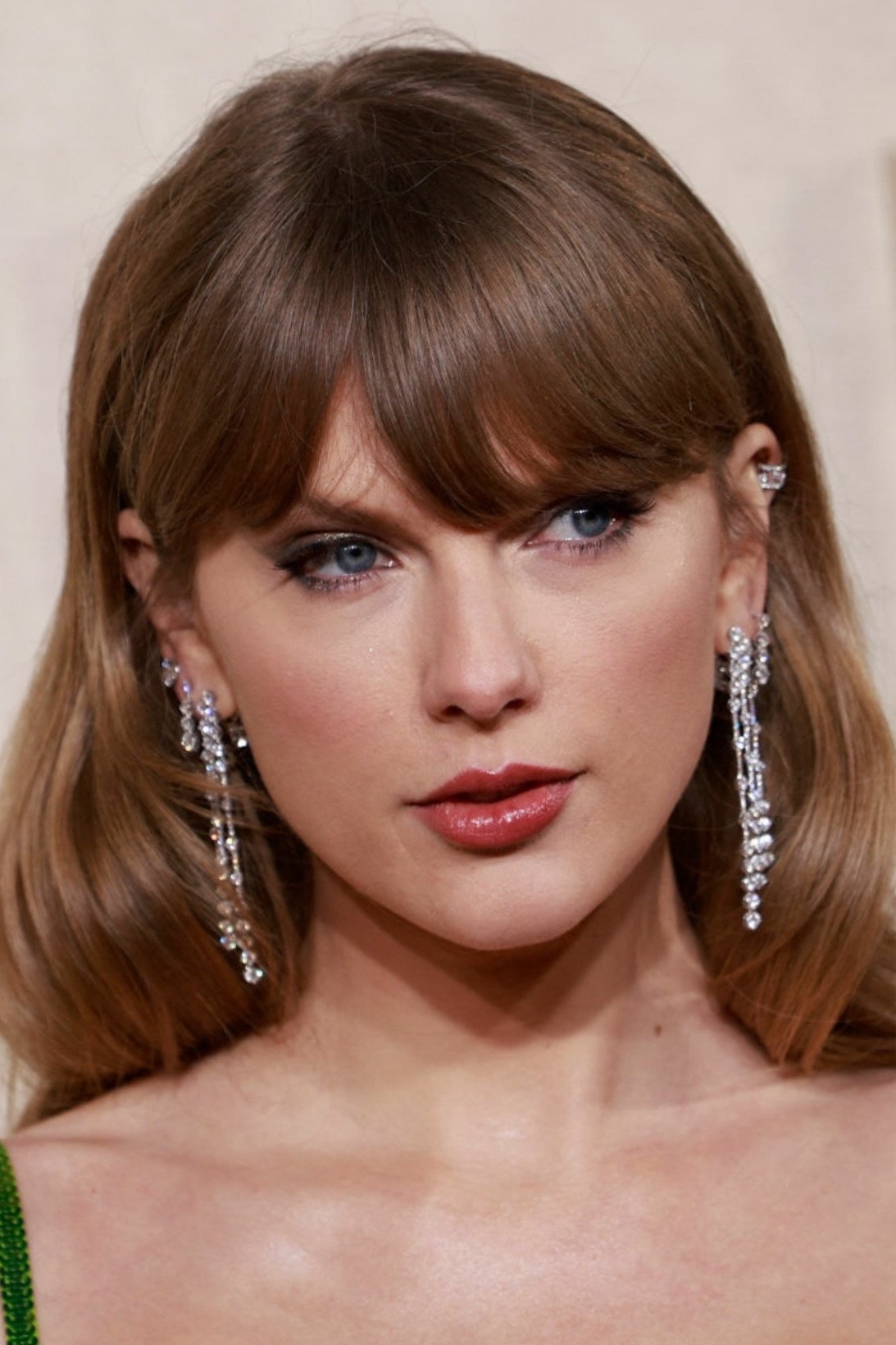
Taylor Swift shifted her business model by re recording earlier albums to control new masters while keeping publishing and touring at the center. Those re releases revitalized catalog demand and drove merchandise, ticketing, and synchronization opportunities tied to the updated versions.
Her stadium tour became a global economic event with premium dynamic pricing and extended runs, and the concert film ‘Taylor Swift The Eras Tour’ used an unconventional theatrical distribution that sent revenue directly toward the artist’s venture. The combination of owned masters, tour economics, and film proceeds elevated her wealth into billionaire territory.
Michael Jordan
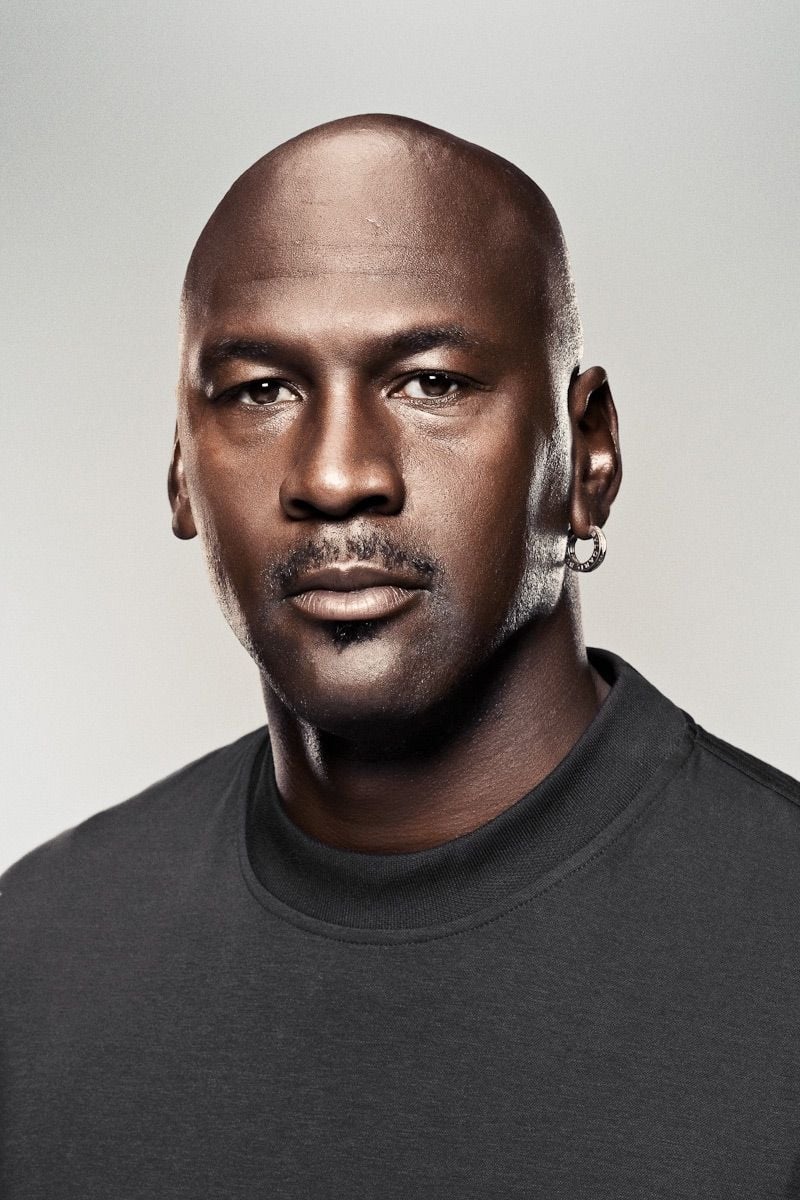
Michael Jordan’s royalty structure with a major athletic brand pays a percentage on the Air Jordan line across footwear and apparel. That arrangement produces annual income that compounds as the brand grows in retro and performance segments worldwide.
His purchase of an NBA franchise created an asset that appreciated over time and later yielded a large gain upon the sale of a controlling stake. With additional investments across spirits, motorsports, and partnerships, those returns transformed athlete earnings into a durable billionaire fortune.
Magic Johnson
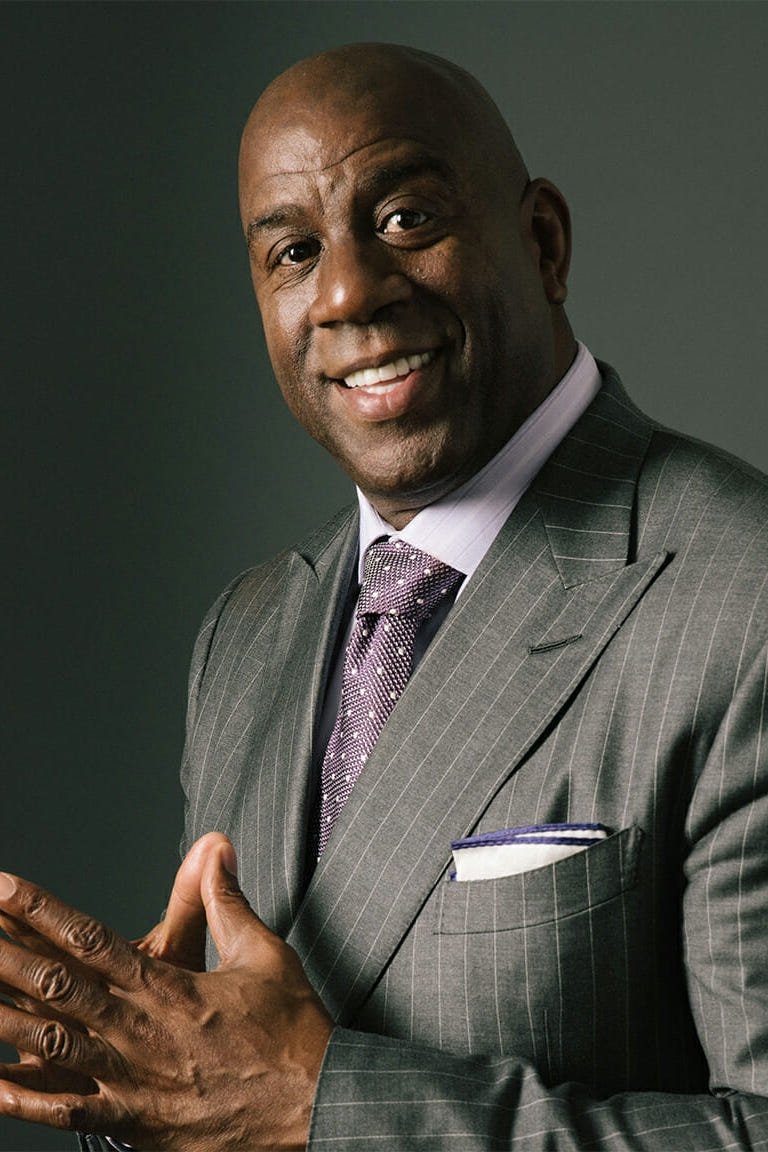
Magic Johnson diversified early with urban real estate funds and franchise operations in food and retail. He later moved into professional sports ownership groups that hold stakes in teams across baseball, soccer, basketball, and football, including participation in the Washington Commanders acquisition.
His investment firm structure spreads risk across sectors while using his operating teams for local execution. The portfolio generates equity appreciation and dividends, which together underpin a billionaire level net worth built on long horizon assets.
LeBron James
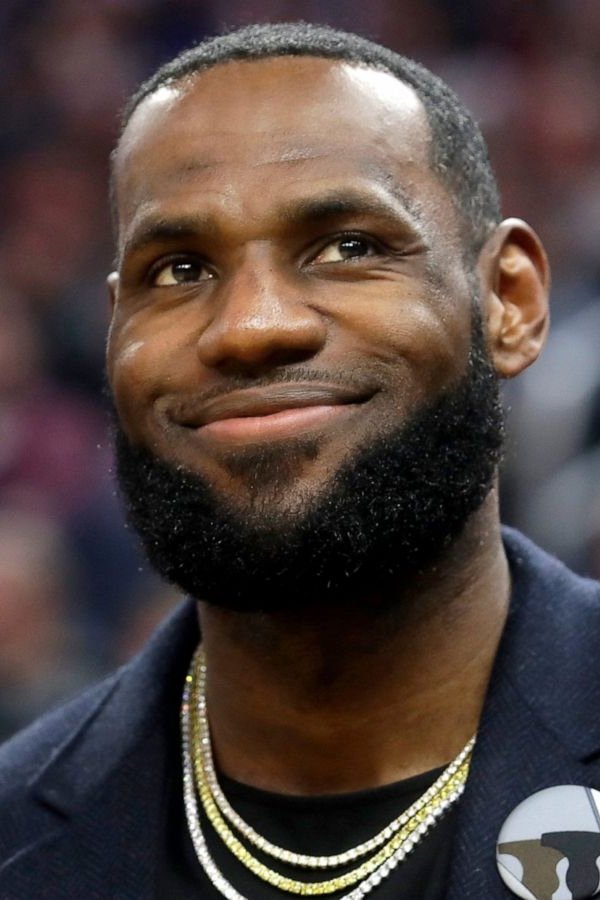
LeBron James co founded The SpringHill Company, which merges production, marketing, and athlete led storytelling under one roof. The company raised institutional capital and signed multi year content deals that produce recurring revenue from scripted and unscripted projects.
He also invested in Blaze Pizza, owns a stake in Fenway Sports Group, and maintains a lifetime endorsement agreement that pays out over decades. These holdings add to on court earnings and create equity value independent of playing years, supporting billionaire status.
Tiger Woods
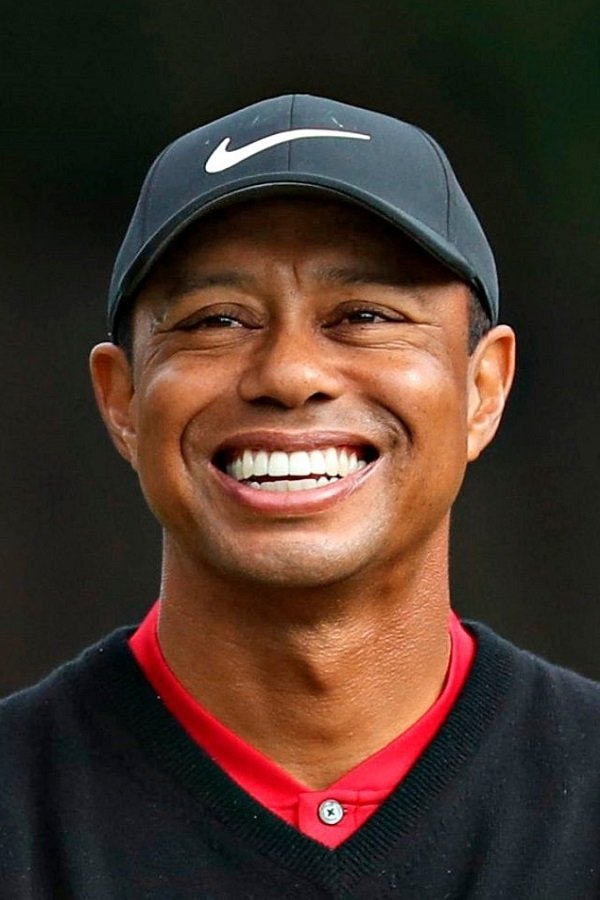
Tiger Woods set up TGR Ventures to house investments in golf course design, hospitality, media, and technology. Course design fees and management contracts produce steady cash while events and brand partnerships extend reach beyond tournament schedules.
He co founded a sports tech venture focused on new golf formats and media properties, positioning for sponsorship and rights revenue. Long term endorsement structures and licensing around his name and logo complete a business platform that sustains a billion plus fortune.
George Lucas
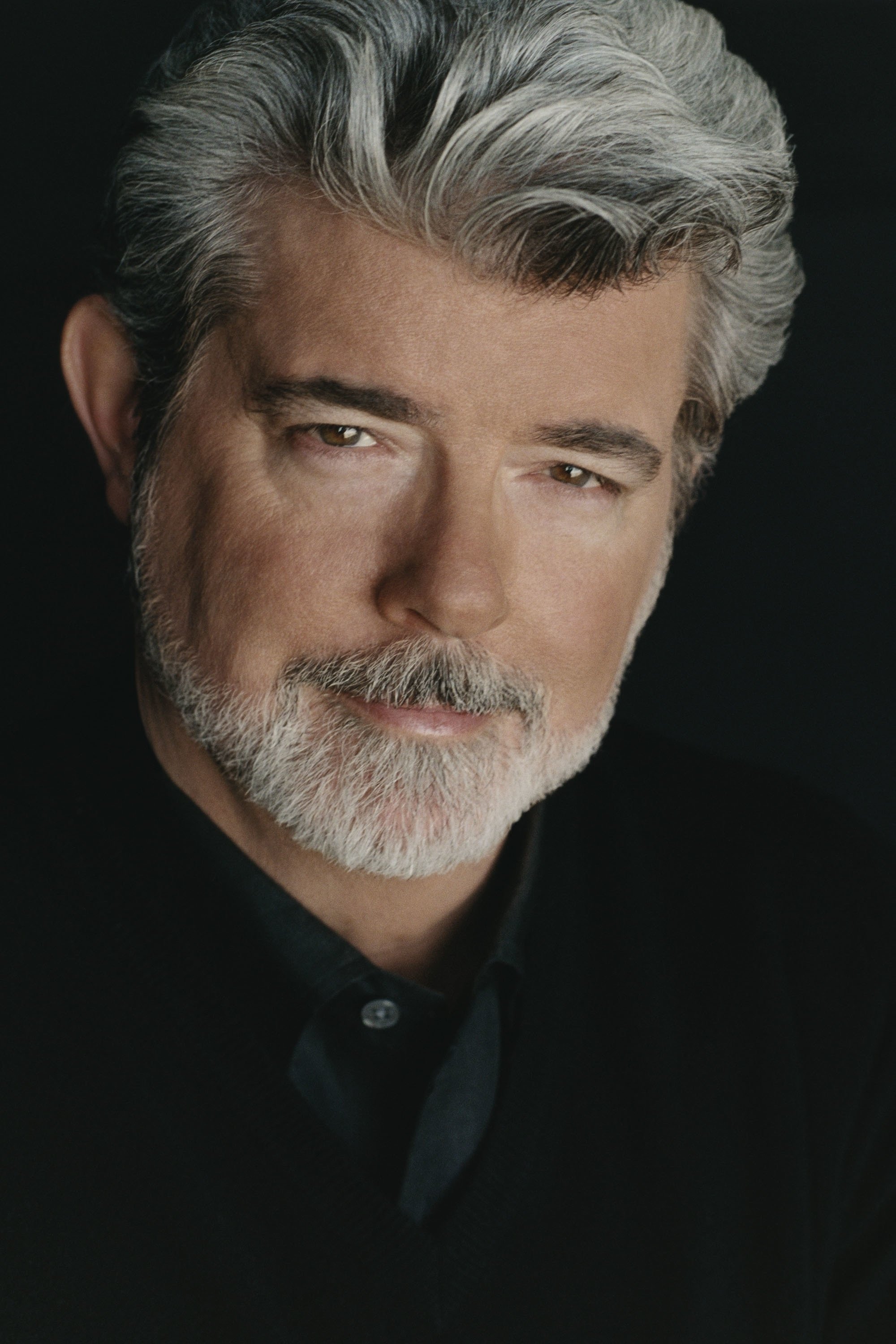
George Lucas retained ownership of Lucasfilm and its intellectual property for decades, then sold the company in a cash and stock deal valued at more than four billion dollars. The transaction converted creative rights into liquid assets and long term holdings in a major entertainment company.
His control of underlying story worlds and character rights before the sale maximized deal value. Ongoing investment management and philanthropy followed, but the pivotal moment was the conversion of IP into a multibillion dollar exit that cemented a billionaire fortune.
Steven Spielberg
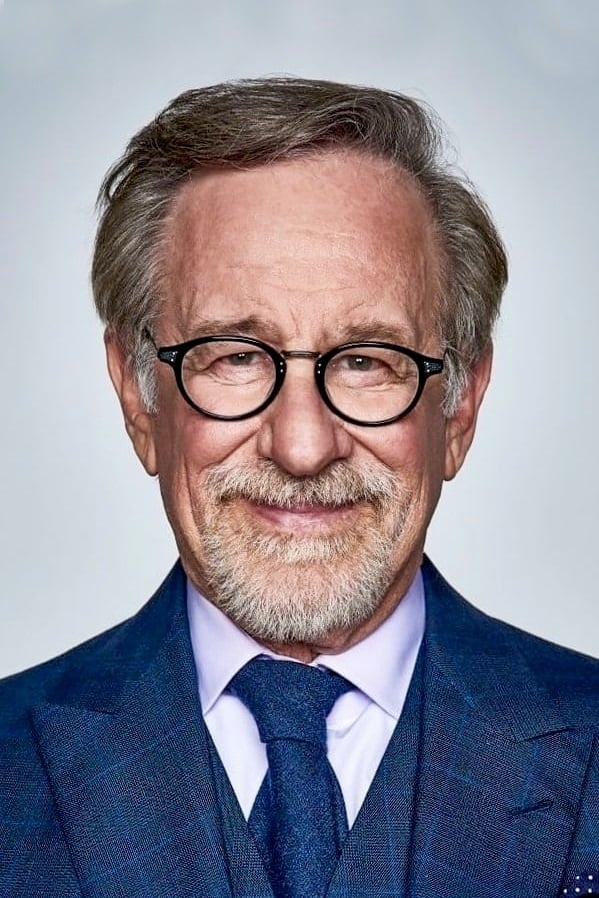
Steven Spielberg built Amblin and related entities to produce films and television while negotiating profit participation on major franchises. Backend points on hits like ‘Jurassic Park’ and ‘E.T. the Extra Terrestrial’ created annuities that continue through broadcast, streaming, and home entertainment.
He also structured theme park royalty agreements tied to attractions based on his films. Combined with a deep catalog, ongoing production deals, and valuable company equity, those arrangements support a long standing billionaire level net worth.
Peter Jackson
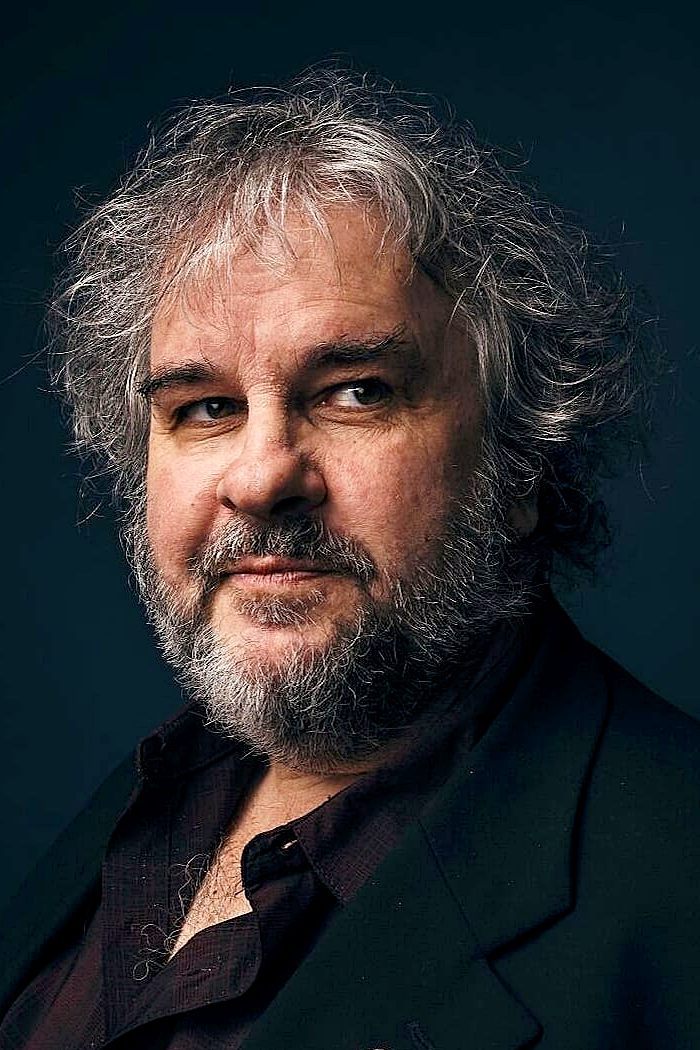
Peter Jackson co founded Weta Digital and developed proprietary visual effects technology used on large scale productions. He later sold the technology assets to a public software company in a deal worth more than a billion dollars in cash and stock while retaining a separate practical effects studio.
Alongside that transaction, his ownership stakes in film rights and participation from franchises kept cash flow steady. The combination of a major tech exit and enduring entertainment assets pushed his personal wealth into the billionaire range.
Tyler Perry
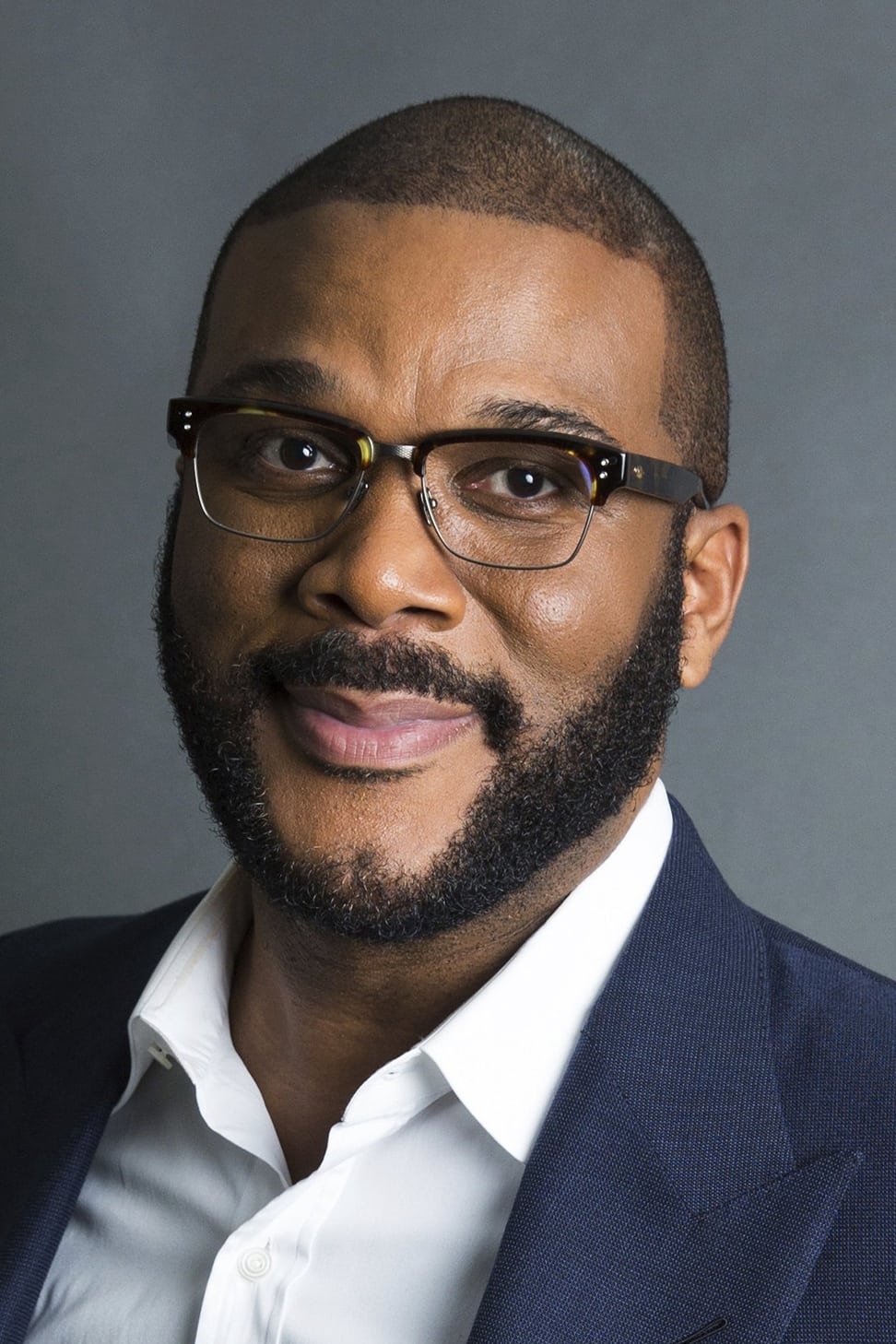
Tyler Perry owns a large studio complex in Atlanta with soundstages, backlots, and post production facilities. By retaining ownership of his characters and scripts, he licenses content to networks and streamers while keeping the underlying IP within his company.
He also holds a stake in a streaming service focused on his target audience and delivers multiple series and films under long form output deals. Real estate, library control, and consistent production volume together support a fortune that crosses the billion mark.
Paul McCartney
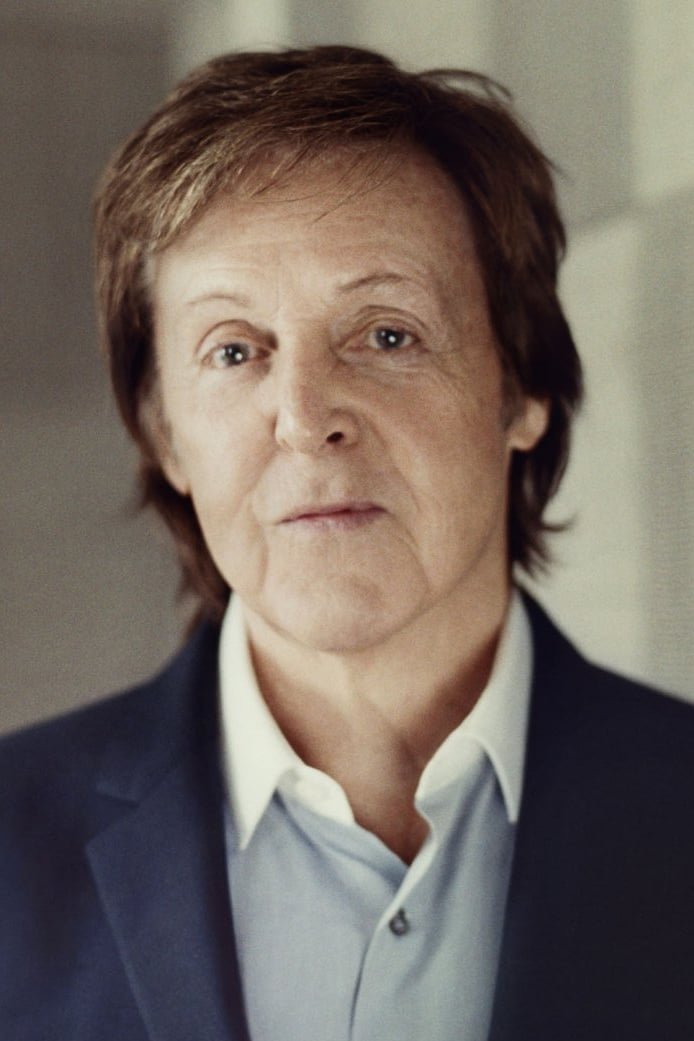
Paul McCartney controls MPL Communications, a publishing company that owns rights to thousands of songs across decades and genres. Publishing generates mechanical, performance, and synchronization income that grows as catalogs find new placements in film, television, and games.
He continues to tour select years with premium ticket pricing and strong merchandise sales. Combined with recording royalties and equity in rights businesses, his catalog ownership strategy is the main driver of a billionaire level fortune.
Andrew Lloyd Webber
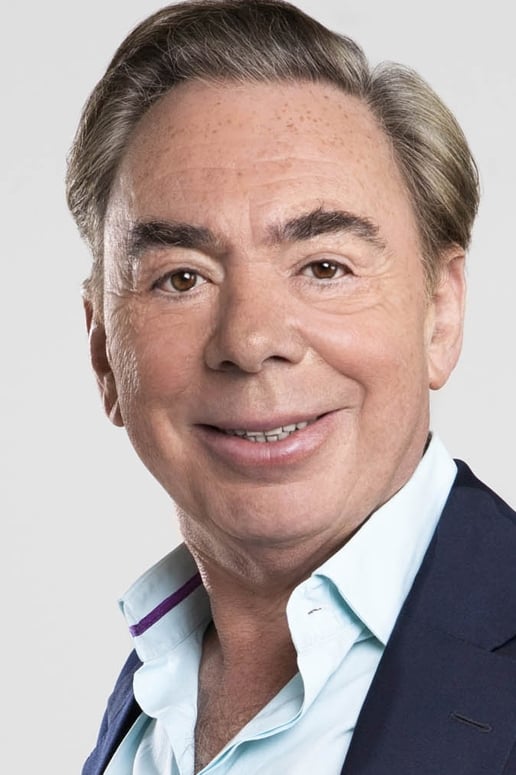
Andrew Lloyd Webber’s Really Useful Group owns the rights and licensing for hit musicals including ‘The Phantom of the Opera’, ‘Cats’, and ‘Evita’. Worldwide productions, touring companies, and school and community licenses produce steady revenue across many territories and languages.
He also owns or operates landmark theatres that host long running shows, tying real estate income to his productions. Film adaptations, cast recordings, and streaming of stage performances add formats that keep the works earning, supporting a personal net worth above a billion.
Share the names you think belong on this list and tell us which star’s business playbook you want covered next in the comments.