


Stars Who Directed Themselves to Acclaim

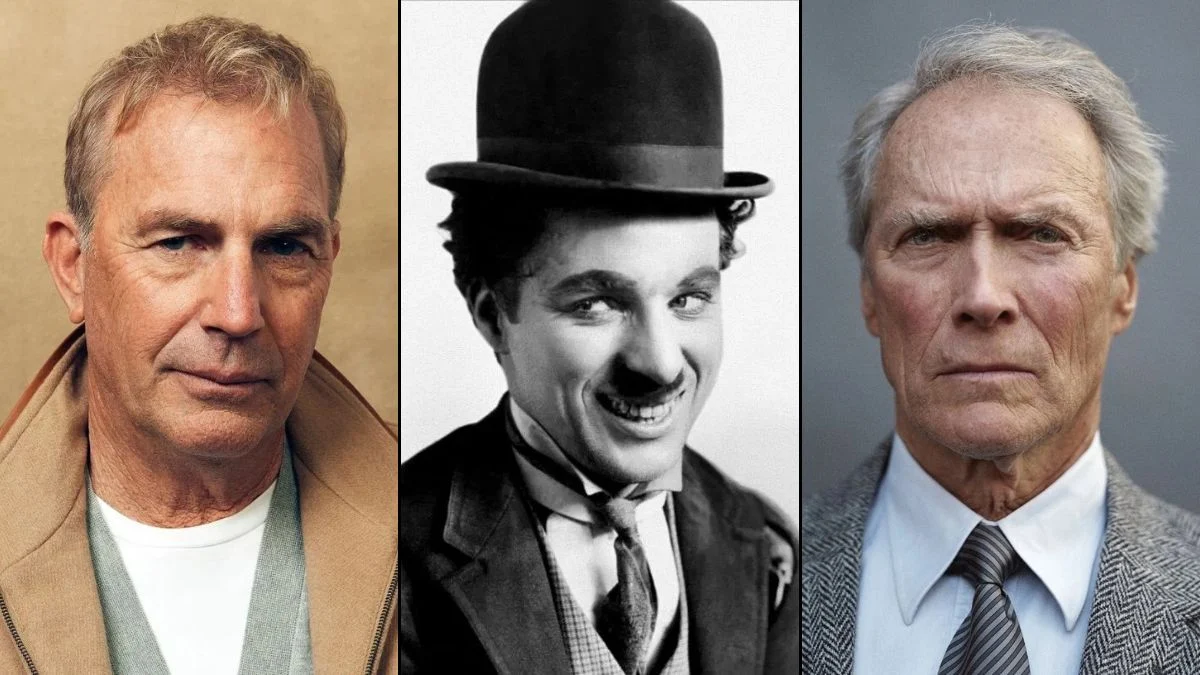


Sometimes the boldest creative leap is pointing the camera at yourself. Throughout film history, a select group of performers have stepped behind the lens and, instead of stepping out of frame, doubled down—shaping their own on-screen work with the precision only a director can bring. When it works, the result isn’t just a good performance or a well-made movie; it’s a singular vision where acting choices, staging, rhythm, and theme all lock together.
These actor-directors didn’t merely multitask; they leveraged the authority of the director’s chair to unlock new facets of their screen personas. From silent-era daredevils to modern multi-hyphenates, the following stars guided themselves to awards, box-office clout, and enduring critical respect—proof that sometimes the best director for a star…is the star.
Charlie Chaplin
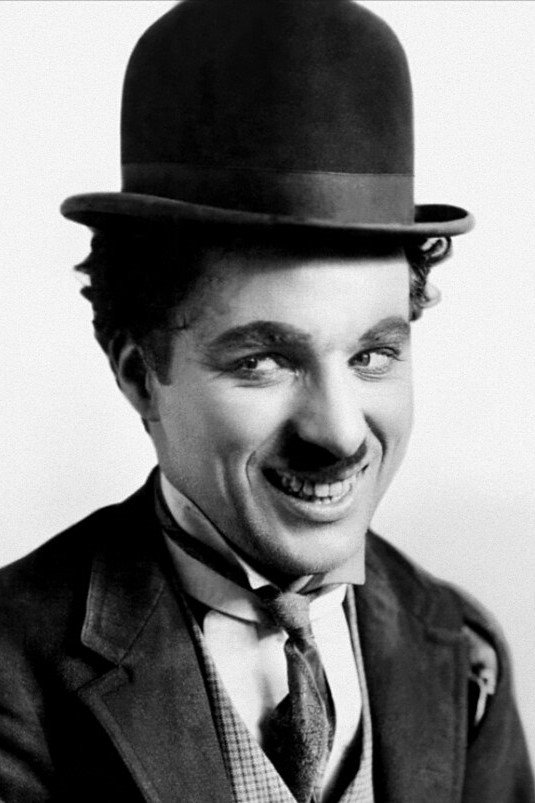
Chaplin’s perfectionism reached its apex when he ran the entire show, crafting elaborate sight gags and heartbreak in equal measure. In films like ‘The Kid’, ‘City Lights’, and ‘Modern Times’, he calibrated his Tramp’s every blink and stumble, trusting only himself to pace the joke and land the feeling.
That self-direction paid off in raves then and reverence now. With ‘The Great Dictator’, he fused satire and moral urgency, showing how a performer-director can expand their comic toolkit into a clear, brave point of view that still resonates.
Orson Welles
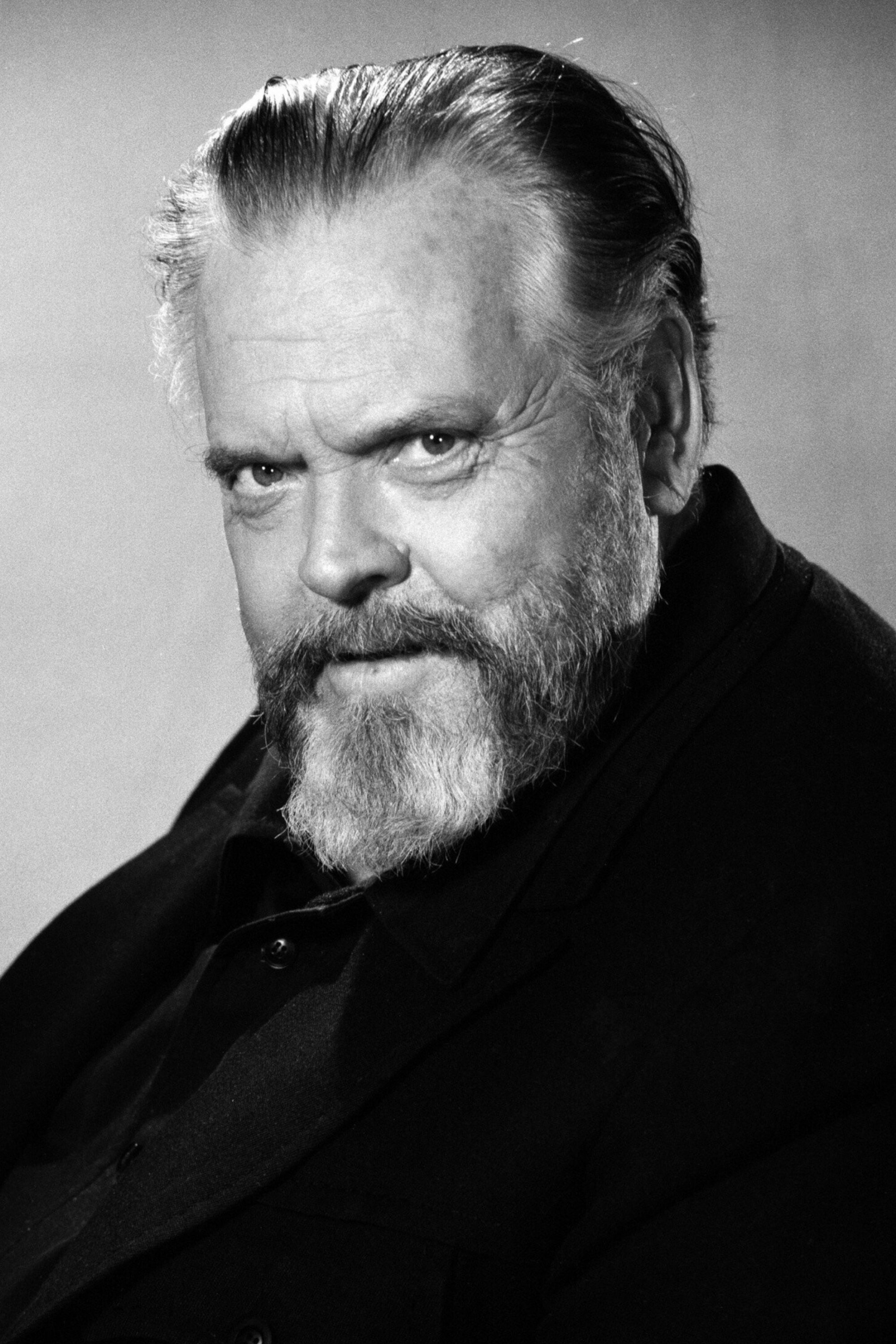
Welles exploded into movies by co-writing, directing, and starring in ‘Citizen Kane’, synthesizing theatrical bravado with cinematic innovation. He understood exactly how to frame his own presence—booming voice, sly grin, wounded ego—so the performance and the filmmaking amplified each other.
He kept chasing that fusion in ‘The Lady from Shanghai’, ‘Touch of Evil’, and ‘Chimes at Midnight’, often re-engineering stories around his physicality and voice. The result: films that critics revisit as much for the towering central turns as for the camera wizardry.
Buster Keaton
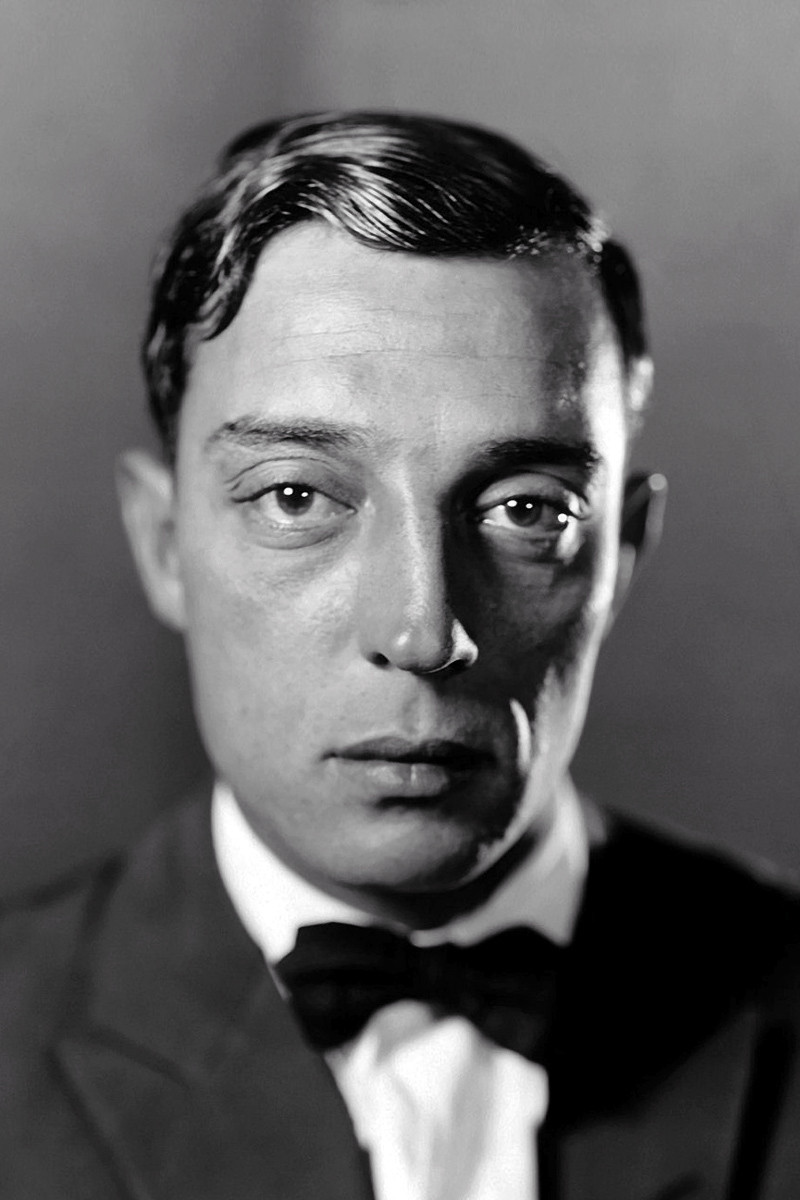
No one staged their own danger like Keaton. In ‘Sherlock Jr.’ and ‘The General’, he directed sequences that demanded split-second timing while anchoring them with his deadpan mystique. He wasn’t just performing stunts; he was directing the audience’s breath.
Because he controlled the frame, Keaton could choreograph comedy as architecture—his body a moving prop inside perfectly plotted peril. Decades later, those self-directed feats still feel modern, and his auteur-performer status only grows.
Laurence Olivier
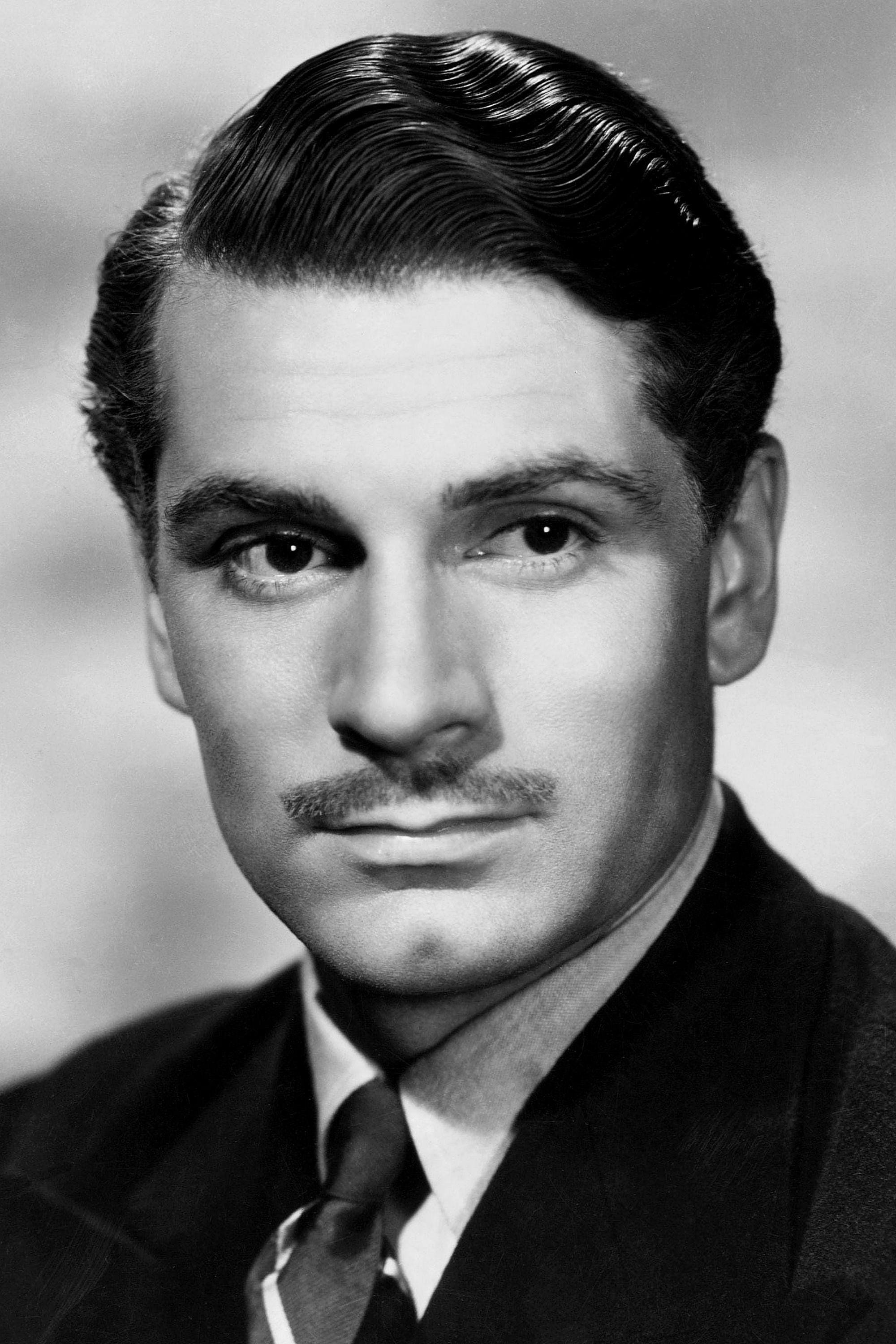
Olivier’s regal authority translated from stage to screen when he directed and starred in Shakespeare adaptations like ‘Henry V’ and ‘Hamlet’. He blocked scenes to foreground vocal music and expressive close-ups, sculpting performances that felt both theatrical and intensely cinematic.
By calling the shots, he tailored the films to his strengths—eloquence, physical command, and a knack for making verse feel urgent. The acclaim confirmed that classical gravitas could thrive under the guidance of the very actor delivering it.
Clint Eastwood
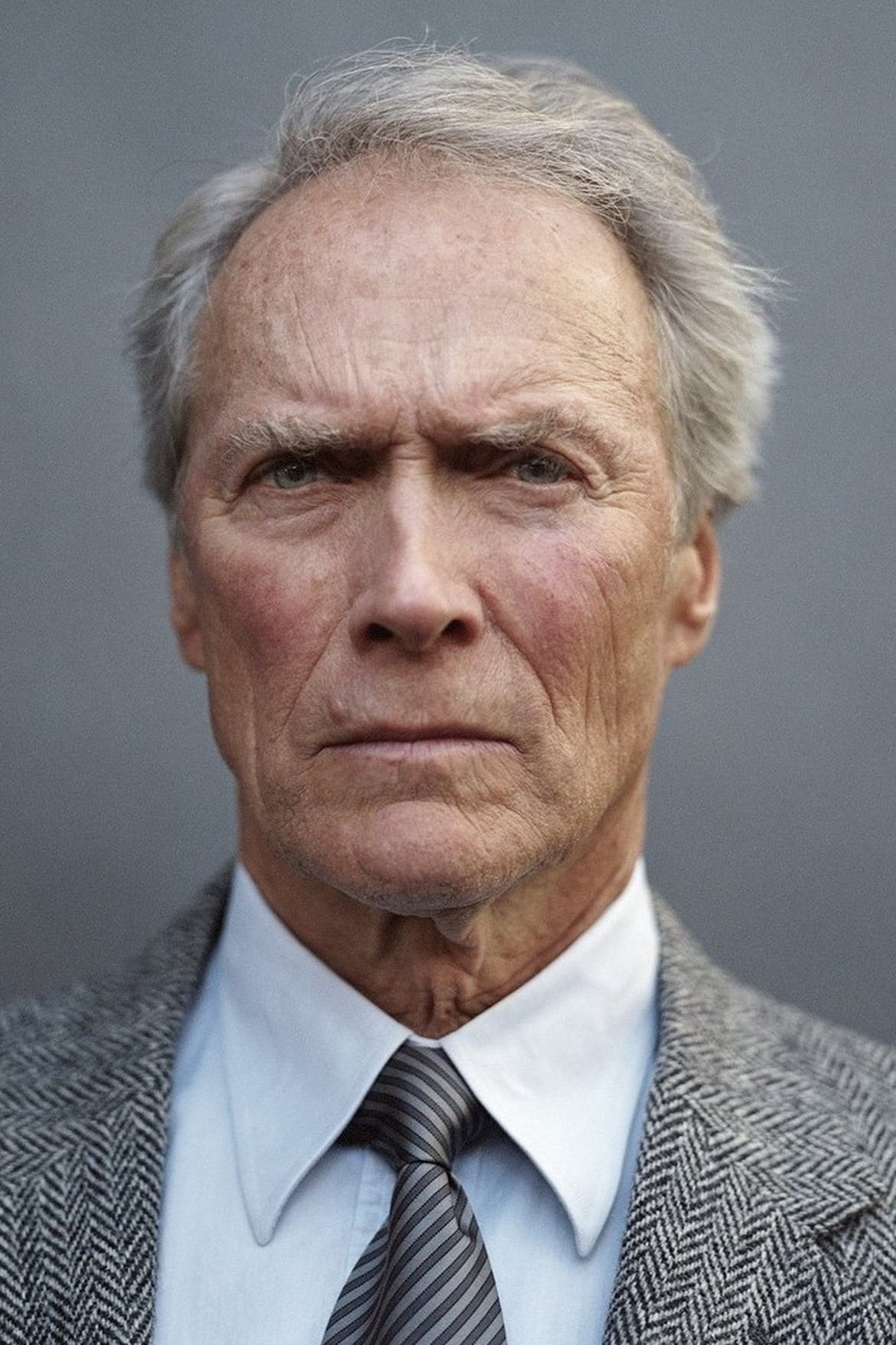
Eastwood’s lean, unshowy directing style perfectly frames his minimalist acting. In ‘Unforgiven’ and ‘Million Dollar Baby’, he guides ensembles with a light touch while positioning himself as a moral and emotional fulcrum, letting silence do the heavy lifting.
Because he understands his own screen aura—flinty, weary, resolute—he sets up shots that let small gestures read loud. The trophies followed, but so did something rarer: a late-career reinvention that deepened a legend.
Kevin Costner
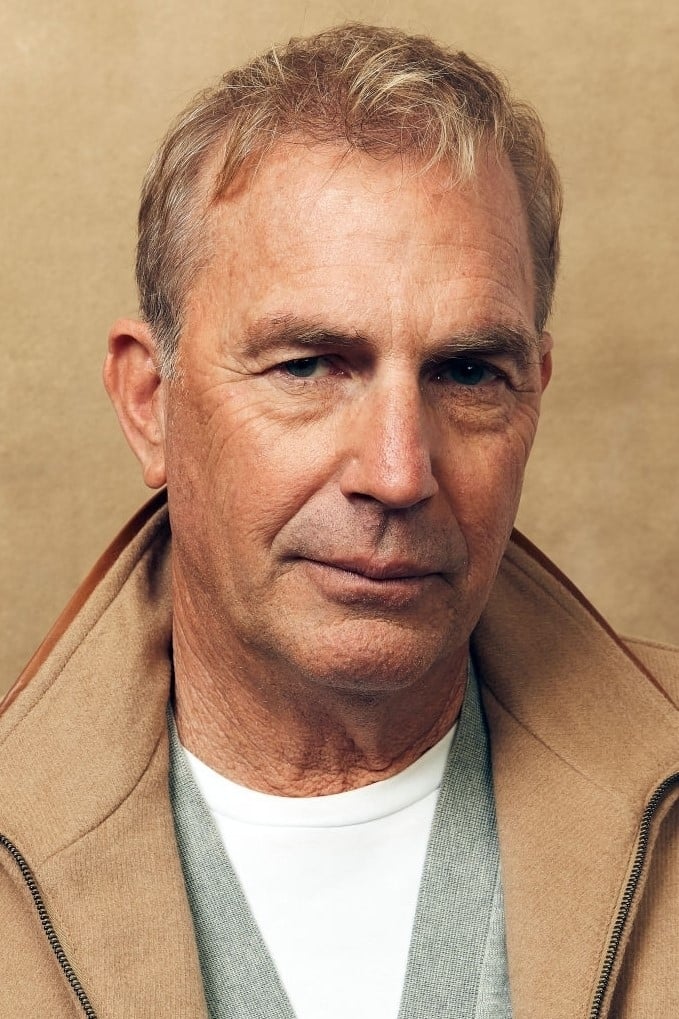
Costner gambled big by directing and starring in ‘Dances with Wolves’, marrying rugged star charisma with a widescreen sense of place. He gave himself the space to underplay, trusting the camera to catch quiet curiosity rather than forced heroics.
That bet paid off in critical and awards glory, and he’d return to the saddle with ‘Open Range’, where his measured, old-school pacing underlined his stoic presence. When Costner directs himself, the mythic and the intimate meet halfway.
Mel Gibson
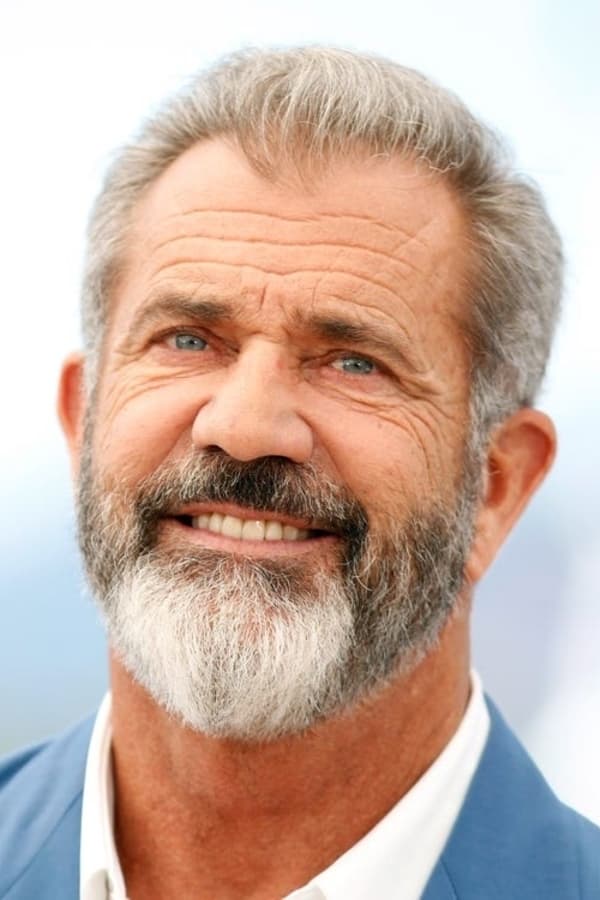
With ‘Braveheart’, Gibson directed and embodied a warrior-poet, staging visceral battles while carving out moments of vulnerability. He knows how to spotlight intensity—his own and everyone else’s—without losing narrative momentum.
The film’s sweeping reception showed how a star can harness scale and sentiment simultaneously. It confirmed Gibson’s knack for directing muscular epics that still hinge on a beating heart at the center: his.
Warren Beatty
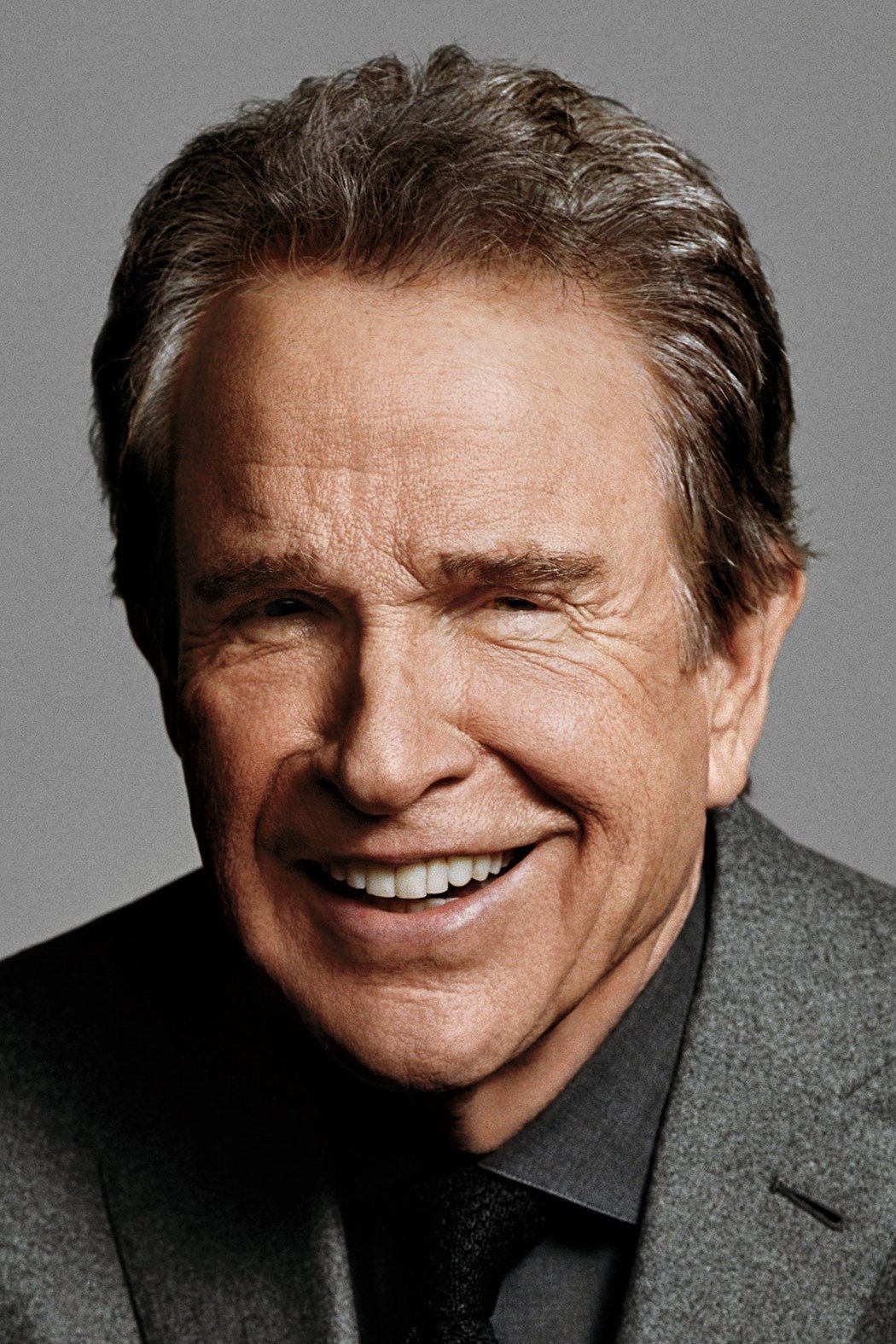
Beatty’s self-directed epics like ‘Reds’ blend romantic obsession with political ambition, and he places himself right where those currents collide. He has a producer’s eye for scope and a star’s instinct for intimacy, shaping scenes to give his performance moral texture.
His later turn in ‘Bulworth’ showed a different trick: satire with teeth, delivered by an actor who trusts his own timing. Beatty’s acclaim underscores how a star’s vanity can be alchemized into rigorous, risk-taking cinema.
Barbra Streisand
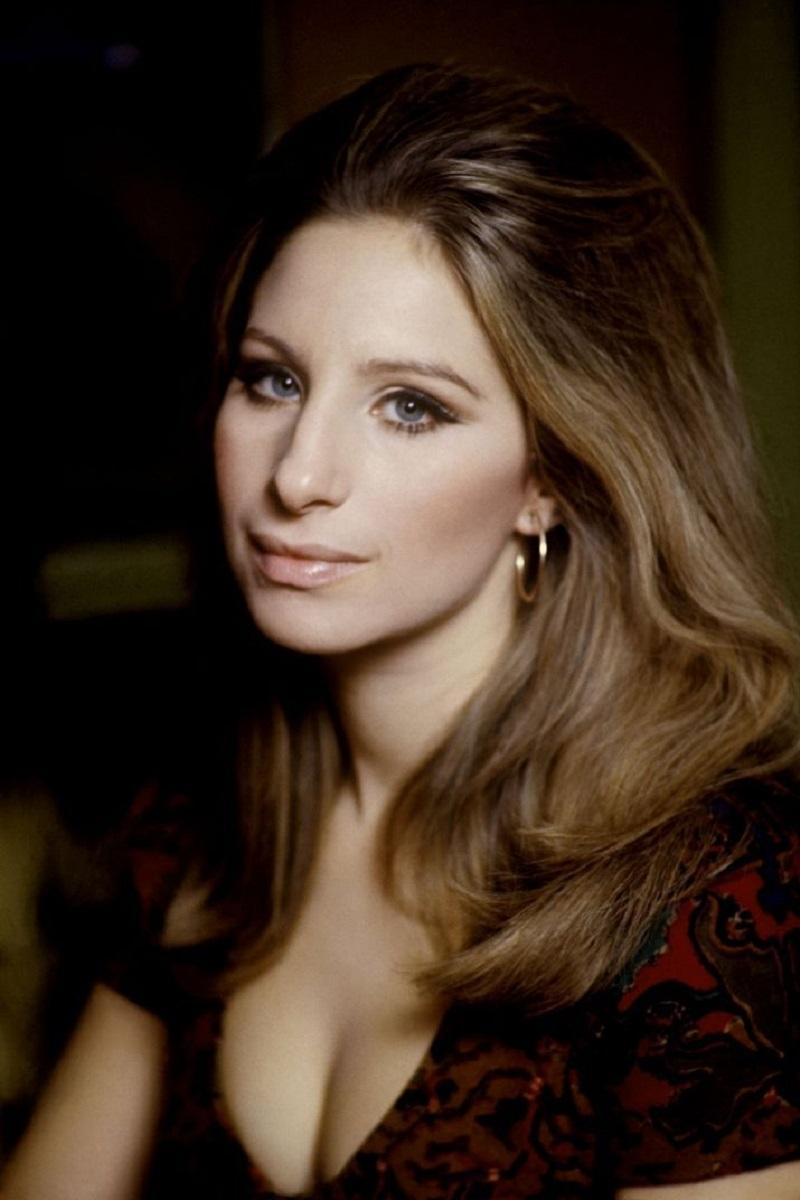
Streisand didn’t wait for roles to match her ambition—she created them. ‘Yentl’ let her direct and perform a story about identity and voice, and that voice came through on both sides of the camera with startling clarity.
She followed with ‘The Prince of Tides’, guiding herself to nuanced, grounded work while coaxing standout performances from co-stars. Awards bodies and audiences took note: Streisand’s self-direction is as precise and confident as her legendary vocals.
Spike Lee
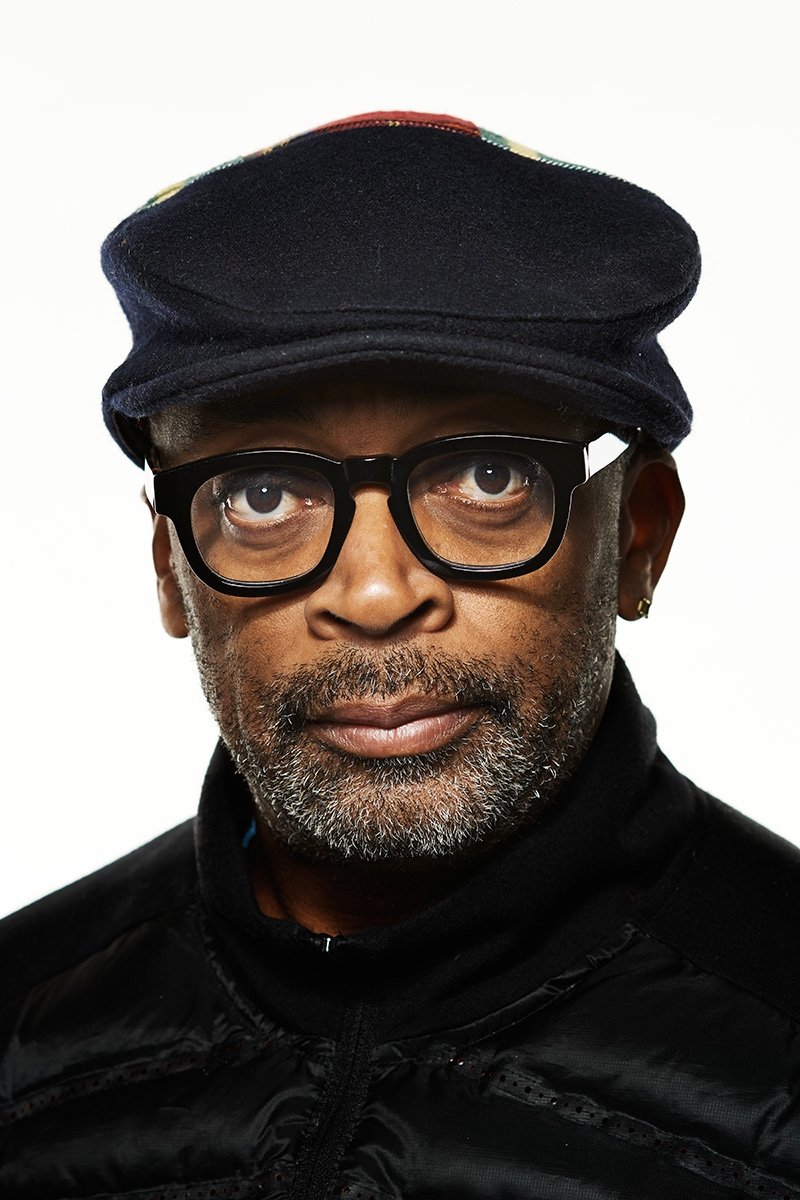
Lee often plants himself inside his own films as a moral litmus test. In ‘Do the Right Thing’, his Mookie is both participant and observer, and Lee’s direction frames that duality with kinetic color, cutting, and music.
By directing himself, he controls the film’s ethical temperature in real time, calibrating when to provoke and when to listen. The acclaim that followed cemented Lee as a filmmaker-performer whose presence sharpens the conversation.
Roberto Benigni
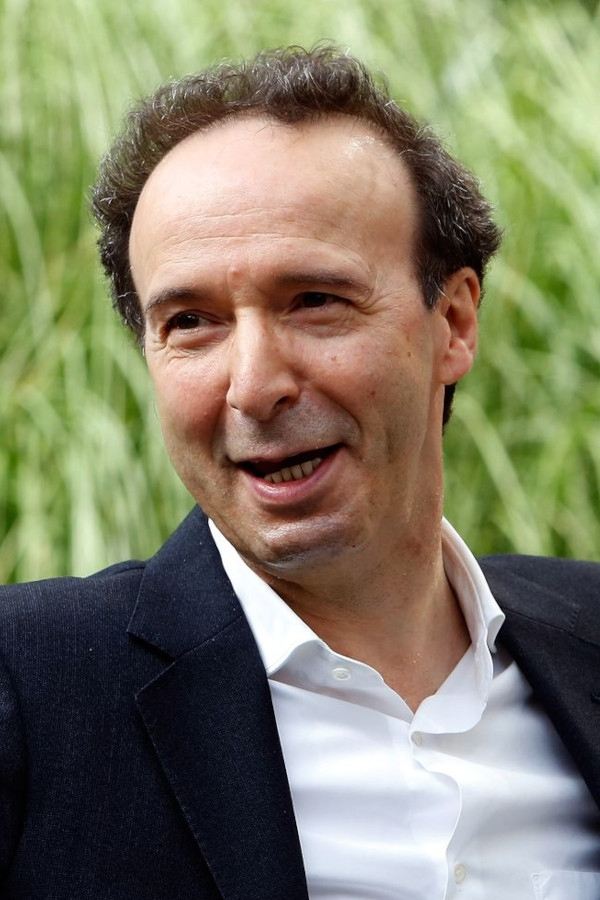
Benigni’s ‘Life Is Beautiful’ walks a perilous tonal tightrope, and directing himself let him adjust the balance millimeter by millimeter. His clown’s heart collides with unspeakable history, and he keeps both truths alive in the same frame.
Audiences and awards bodies embraced that audacity, honoring a performance whose charm never denies pain. It’s a case study in how self-direction can protect a delicate idea all the way to the finish.
Kenneth Branagh
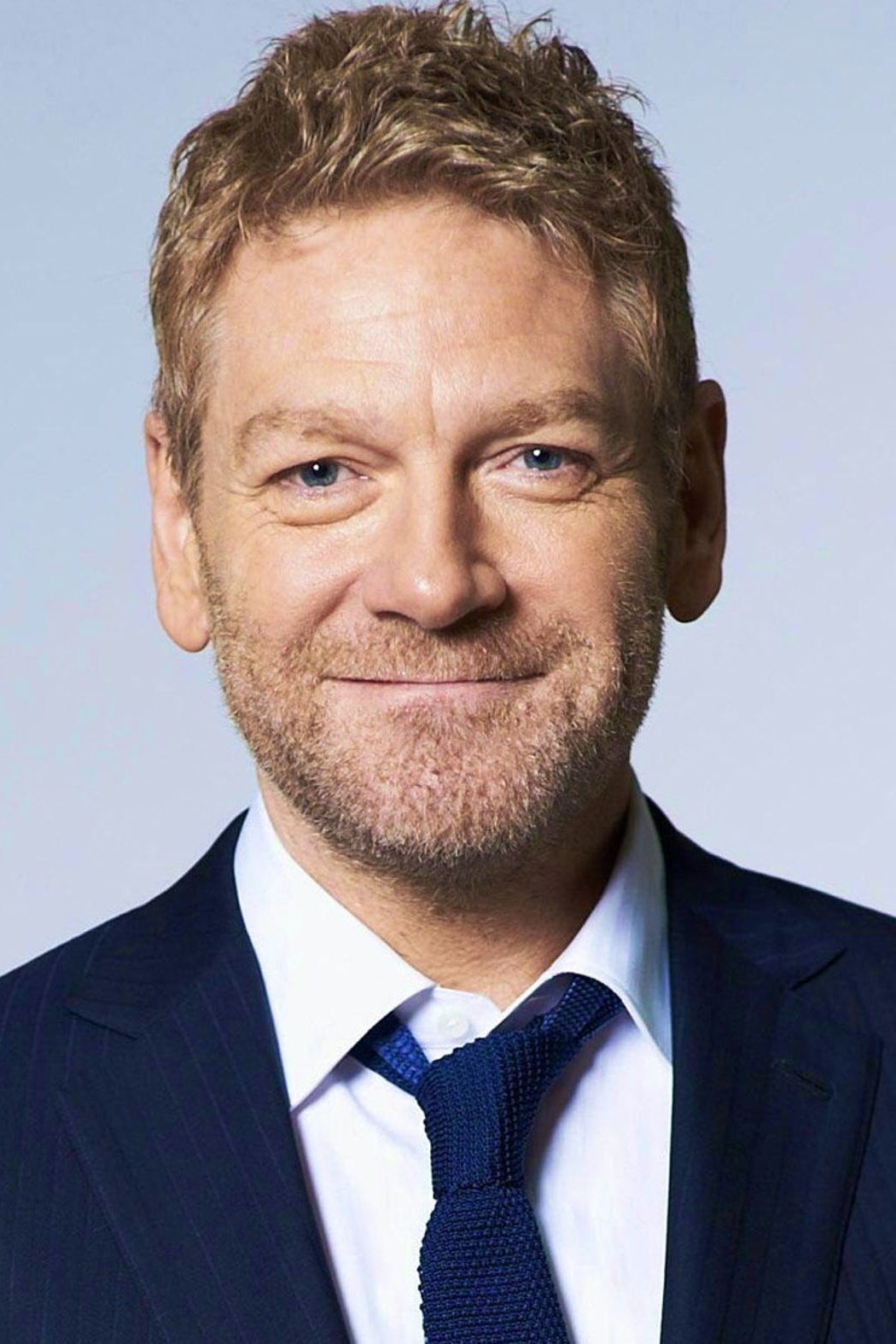
Branagh vaulted to the front rank by directing and starring in ‘Henry V’, translating Shakespeare’s rhetoric into visceral cinema. He stages battle with thunder, then cuts in close to his own haunted doubt, giving the king flesh and blood.
He kept that performer-director groove with ‘Much Ado About Nothing’, where he modulates banter and longing like a conductor. Acclaim followed not just for fidelity to the text, but for making that text pulse with life.
Taika Waititi
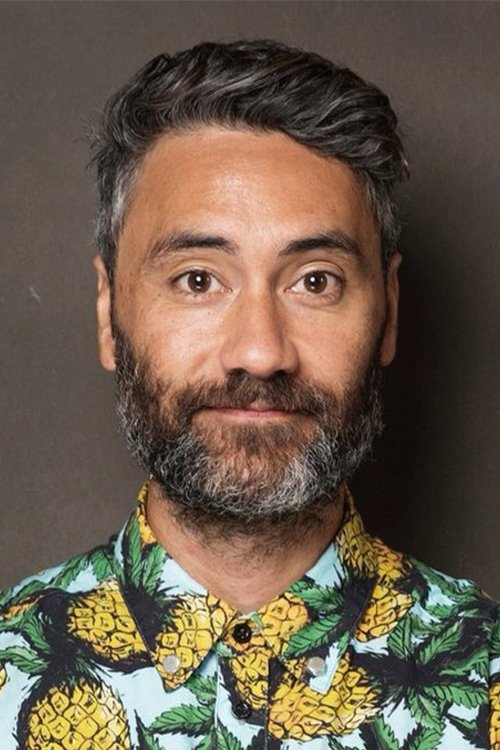
Waititi’s sweet-sour tone clicks when he’s on screen steering it. ‘What We Do in the Shadows’ riffs work because he can improvise as a performer and instantly design the frame as a director to catch the joke’s afterglow.
In ‘Jojo Rabbit’, his wild supporting turn threads absurdity into empathy, a balance his direction maintains scene by scene. The industry recognition for the film’s writing and overall vision confirms the power of that self-guided tightrope walk.
Bradley Cooper
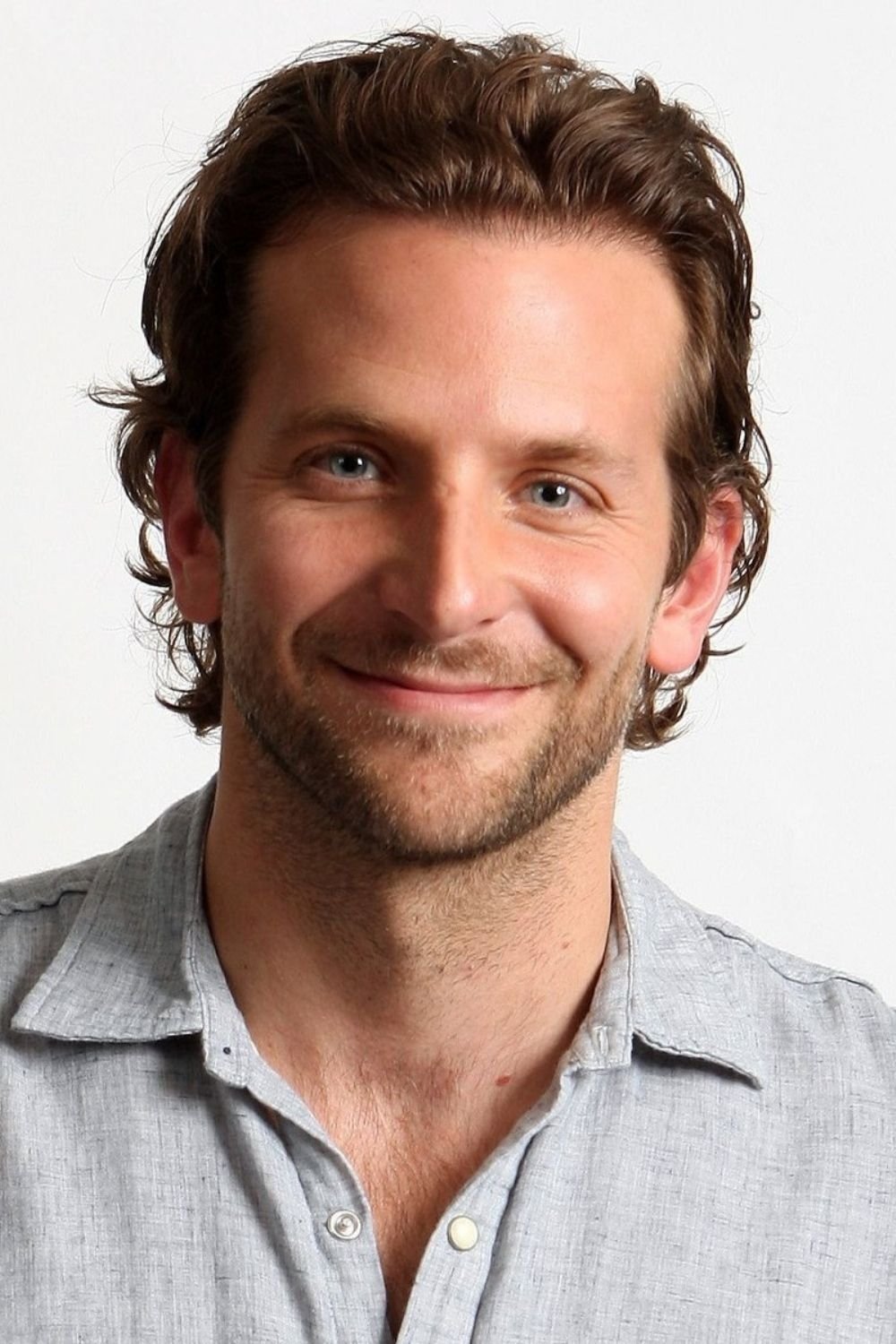
Cooper’s leap with ‘A Star Is Born’ showed a star willing to unglam. By directing himself, he could commit to raw, unvarnished choices—voice, posture, vulnerability—while shaping the camera to meet him at eye level.
He doubled down with ‘Maestro’, orchestrating performance, sound, and structure to chart artistic drive and personal complexity. The wave of nominations and praise signaled that Cooper isn’t dabbling; he’s building a sustained actor-director career.
Denzel Washington
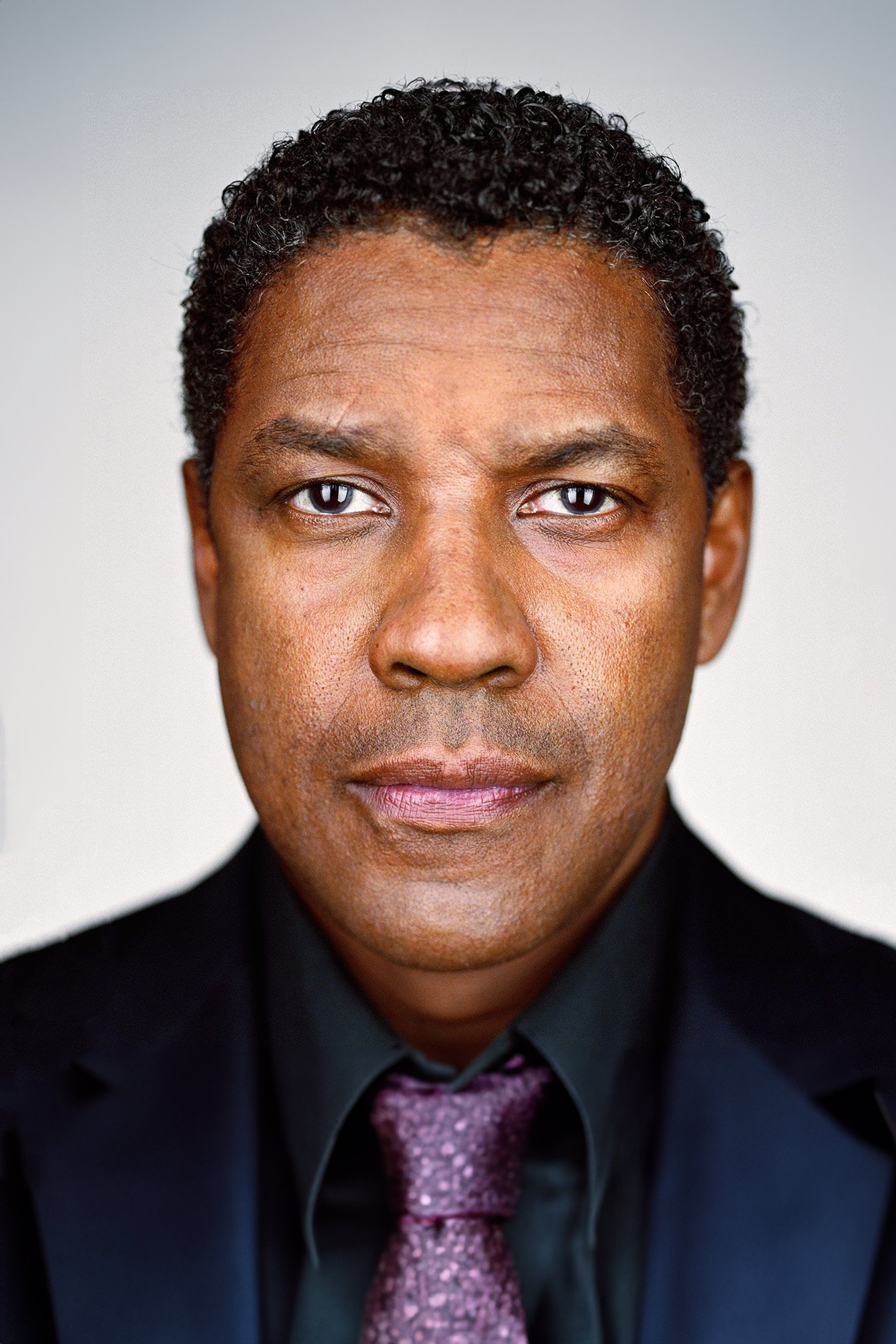
Washington brought his stage-honed command to the director’s chair with ‘Fences’, guiding himself to a towering, interior performance. He trusts long takes and clean staging, letting language, stillness, and stare do the work.
That restraint—rare in adaptations—drew acclaim while spotlighting his co-stars. Washington’s self-direction proves the quietest choice can roar the loudest when the actor and the filmmaker share the same pulse.
Share your favorite examples of stars directing themselves—and the performances that floored you—in the comments below.