


Stars Who Have Publicly Criticized Cancel Culture

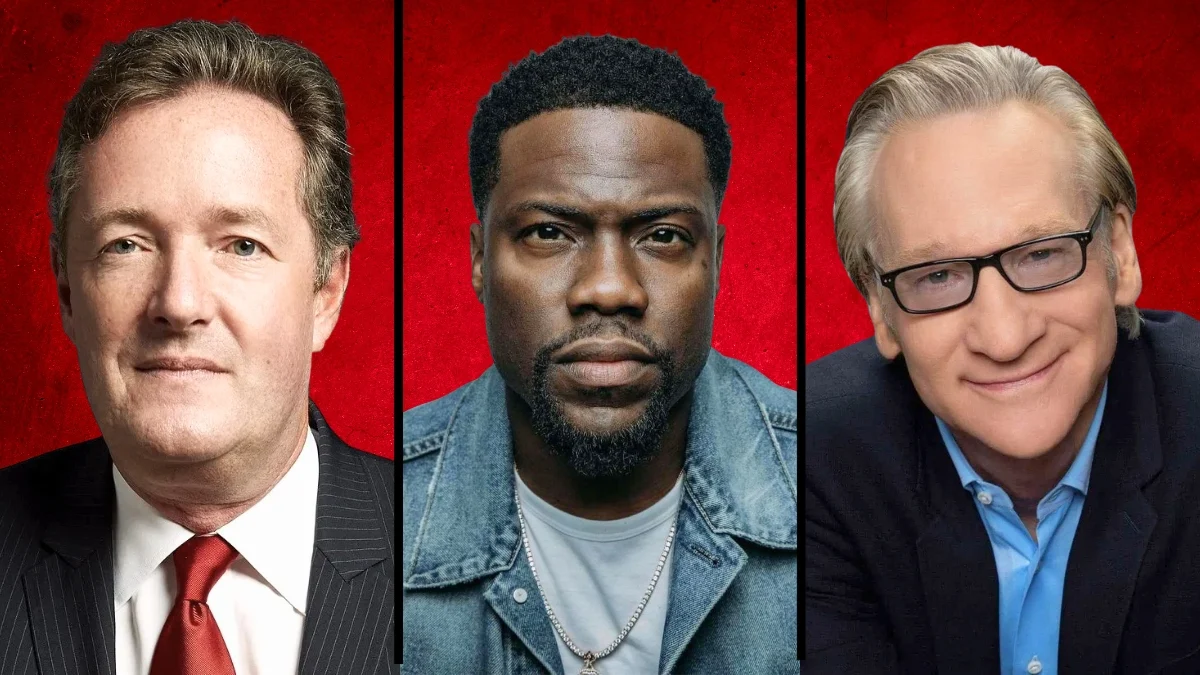


Cancel culture has become a prevalent force in modern media, often leading to public figures facing social ostracization for controversial statements or actions. Many celebrities have begun to speak out against this trend, arguing that it stifles free speech and prevents productive dialogue. These public figures suggest that a climate of fear discourages creativity and inhibits the ability to learn from mistakes. While the debate over accountability remains ongoing, these specific stars have voiced their concerns regarding the long-term impact of public shaming on the entertainment industry.
Ricky Gervais
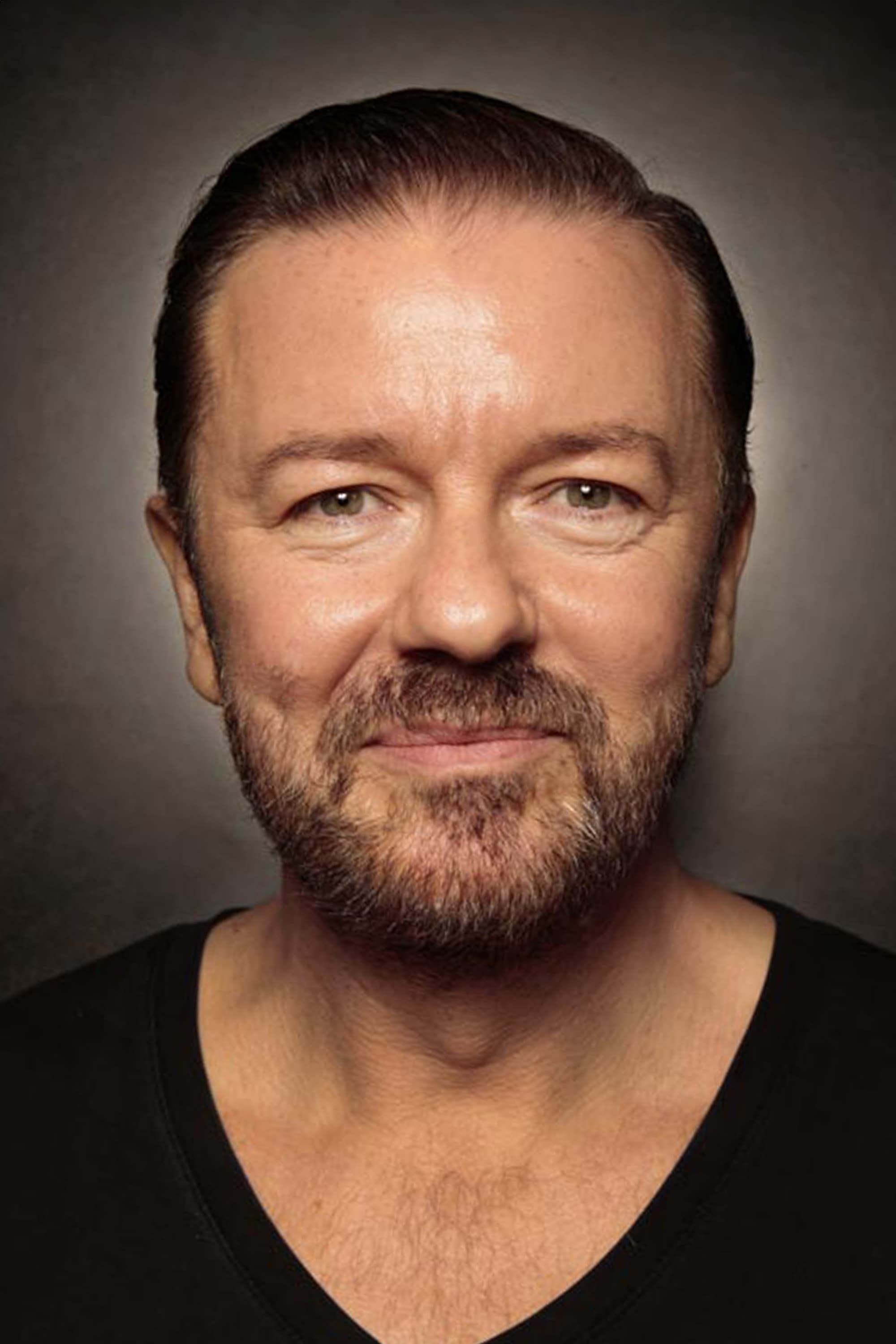
The comedian has frequently expressed his disdain for the current social climate, arguing that everyone has a right to be offended. During his various hosting stints at the Golden Globes, he used his platform to mock the sensitivity of Hollywood elites. Gervais maintains that humor should be allowed to push boundaries without the threat of professional destruction. He often uses social media to engage with critics and reiterate his stance on the importance of free expression in comedy.
Dave Chappelle
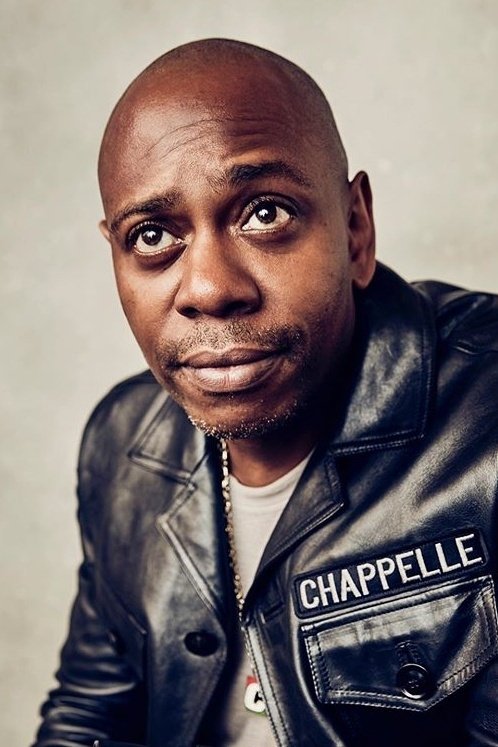
Following the release of several stand-up specials on Netflix, the comedian faced significant backlash for his jokes regarding the LGBTQ+ community. Chappelle has addressed these controversies directly during his shows, stating that he refuses to be silenced by public pressure. He argues that the culture of “canceling” individuals prevents the nuance required for complex social discussions. Despite calls for his specials to be removed, he has continued to perform and receive support from his peers.
Jennifer Aniston
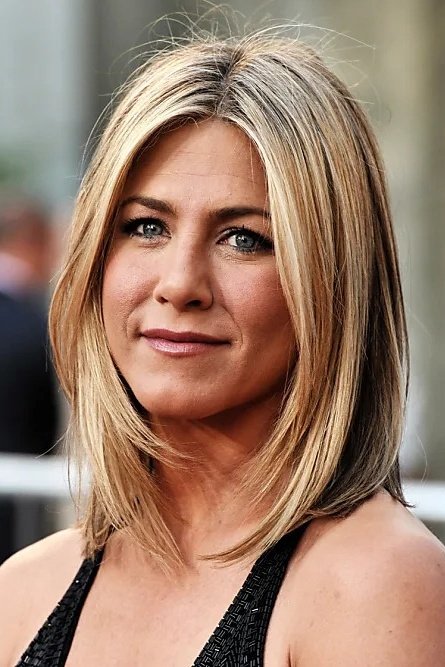
The ‘Friends’ star shared her thoughts on the evolution of comedy and the sensitivity of modern audiences during an interview. She noted that while some older content may now be seen as insensitive, the current environment makes it difficult for comedians to take risks. Aniston expressed a belief that society needs to find a balance between accountability and the ability to laugh at ourselves. She remains concerned that the fear of being “canceled” is hindering the creation of new artistic works.
Chris Rock
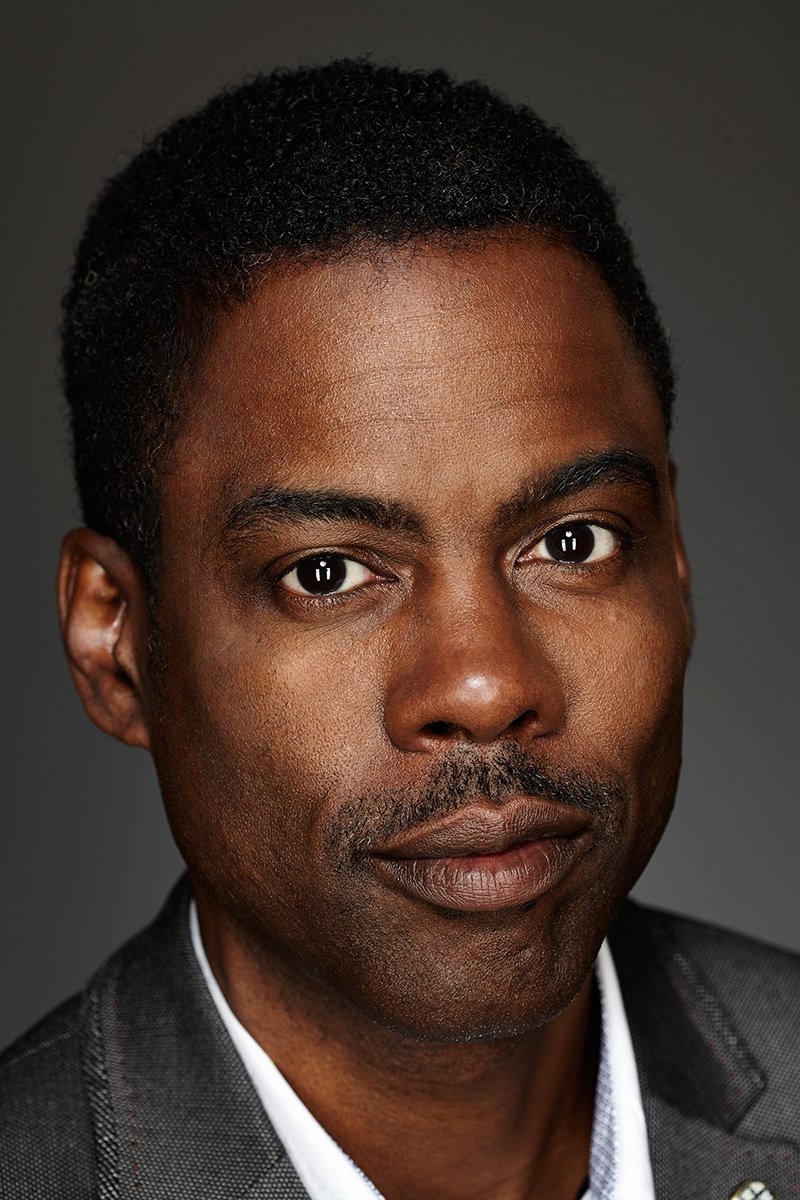
The veteran comedian has often described the current cultural climate as “unfunny” due to the constant fear of backlash. During his stand-up performances, he has critiqued the way people are quick to judge others for their past actions or words. Rock suggests that this environment leads to a lack of authenticity in public discourse and entertainment. He continues to advocate for a space where performers can fail or be controversial without permanent social consequences.
Bill Maher
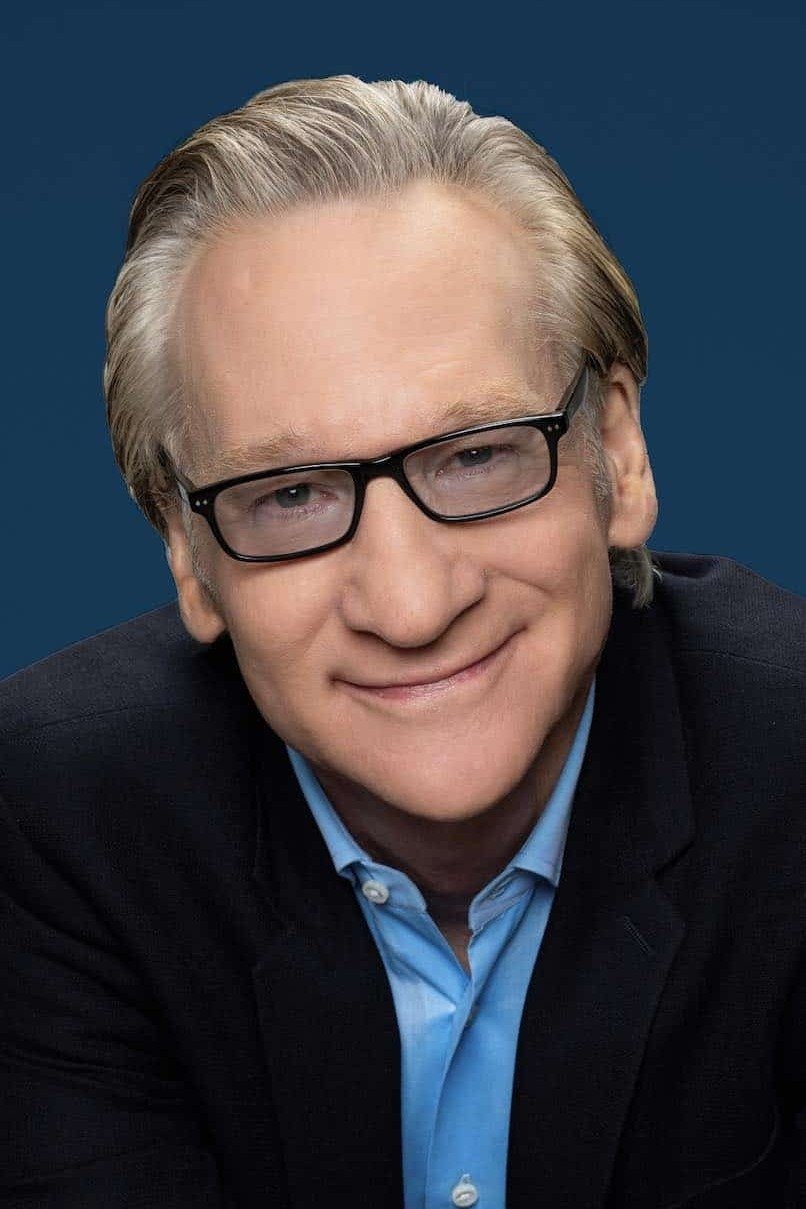
As the host of ‘Real Time with Bill Maher’, the comedian regularly dedicates segments to criticizing what he perceives as the excesses of progressivism. He has frequently labeled cancel culture as a form of “modern-day McCarthyism” that punishes people for holding different viewpoints. Maher argues that the practice often targets individuals for minor infractions rather than addressing significant systemic issues. He maintains that a healthy democracy requires the exchange of ideas, even those that are unpopular.
J.K. Rowling
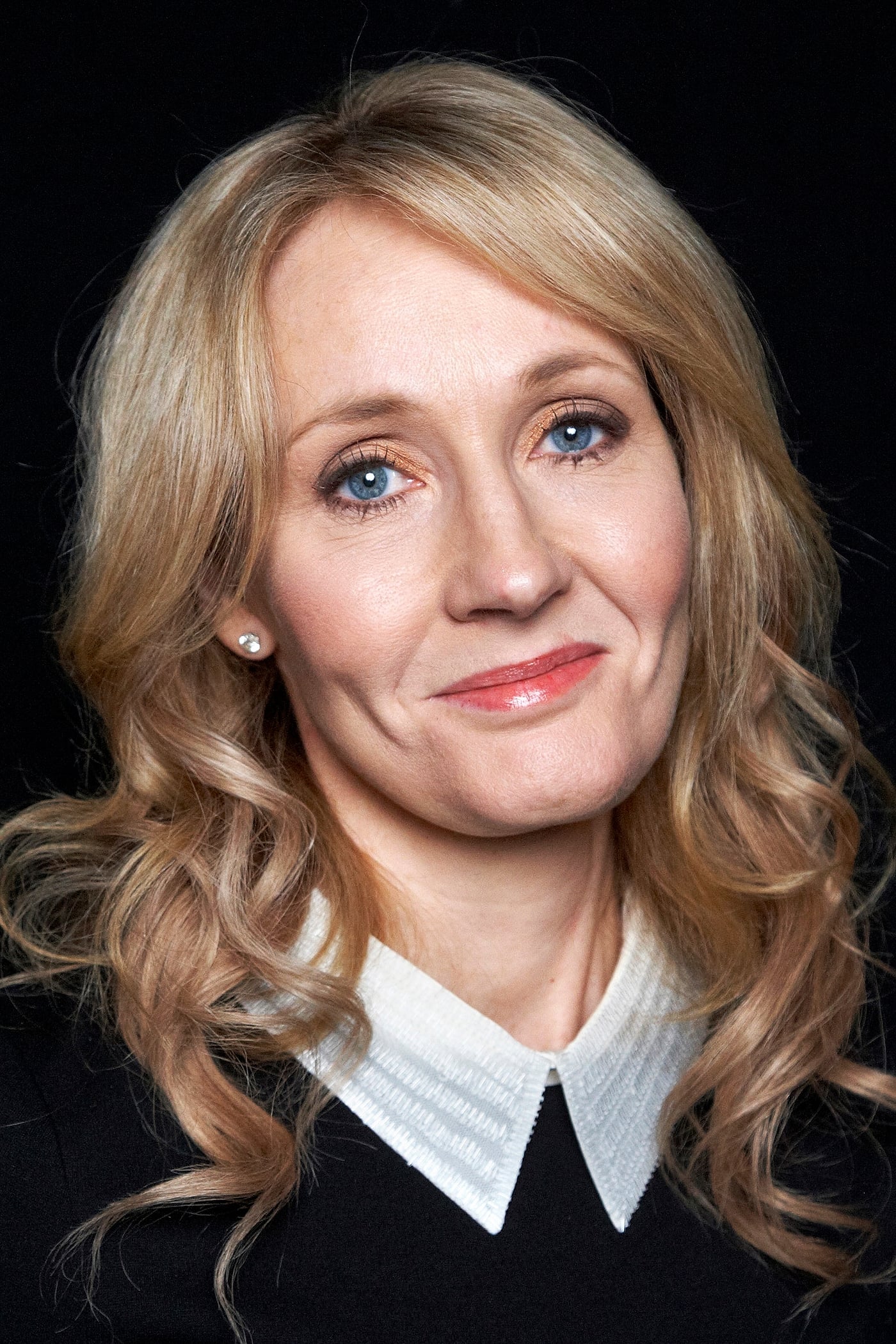
The ‘Harry Potter’ author has been a vocal critic of what she describes as the stifling of debate regarding gender identity. She signed an open letter in ‘Harper’s Magazine’ alongside other intellectuals to voice concerns about a growing intolerance for opposing views. Rowling has faced intense public backlash and boycotts but continues to defend her right to state her opinions publicly. She asserts that the fear of social retribution is damaging to the literary and academic communities.
John Cleese
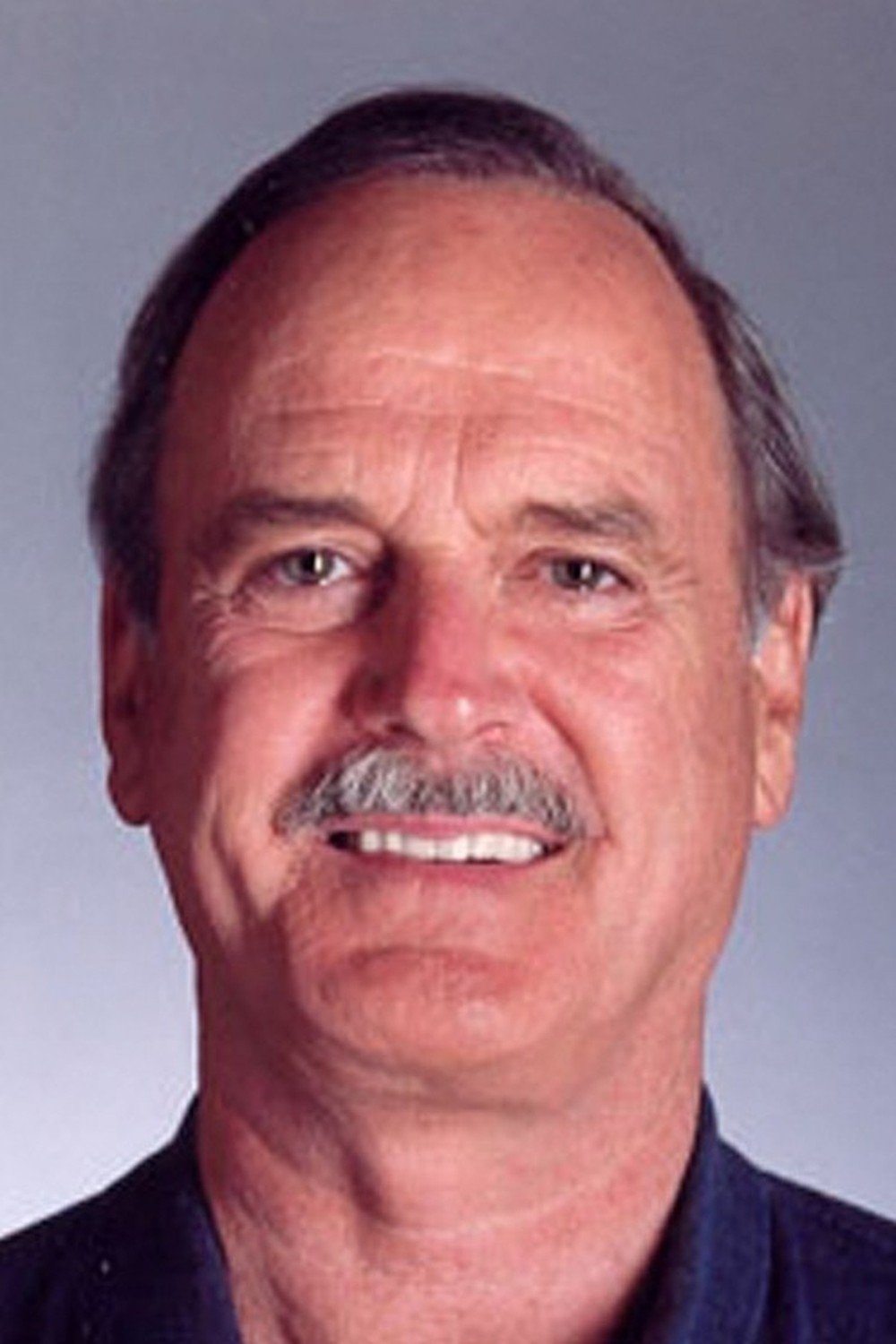
The ‘Monty Python’ co-founder has become an outspoken critic of “woke” culture and its impact on comedic legacy. He recently pulled his name from a documentary project after becoming frustrated with what he perceived as censorship. Cleese argues that comedy must involve the exploration of uncomfortable truths to be effective. He frequently uses his social media accounts to discuss the dangers he believes cancel culture poses to the future of creative arts.
Sharon Osbourne
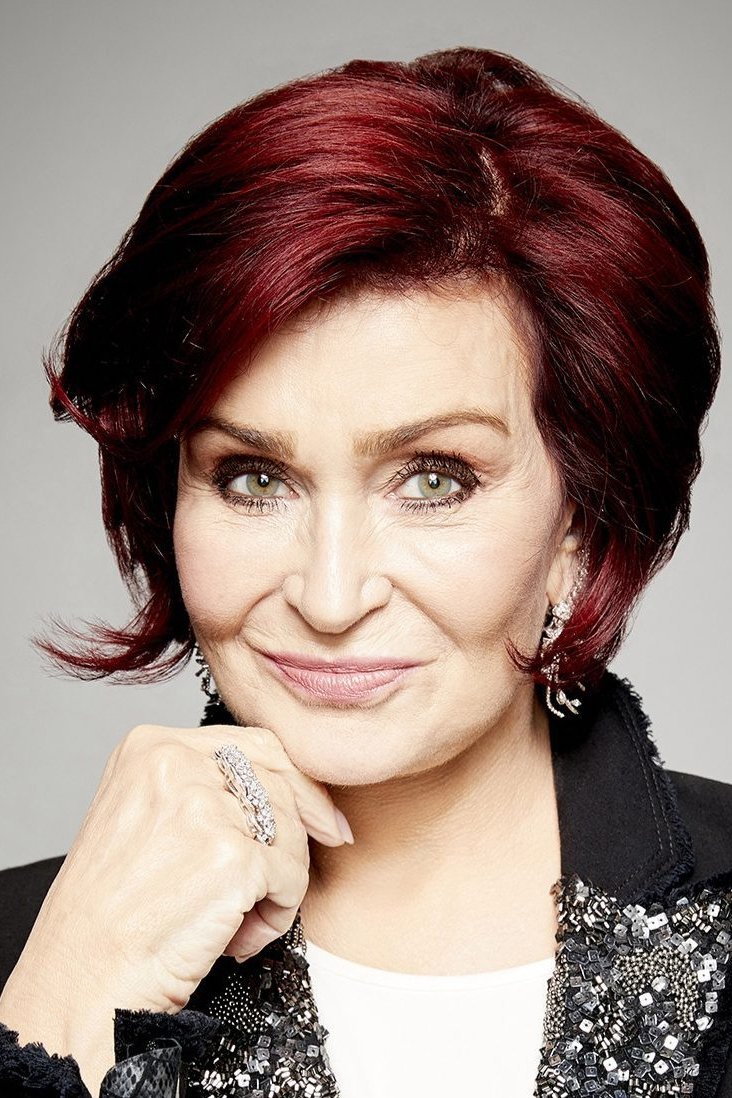
After her departure from the talk show ‘The Talk’, she became a vocal critic of the circumstances surrounding her exit. Osbourne claimed she was a victim of a culture that does not allow for disagreement or the defense of friends. She has since appeared on various news programs to discuss the emotional and professional toll of being publicly shamed. She maintains that the industry is currently dominated by a fear of saying the wrong thing.
Kevin Hart
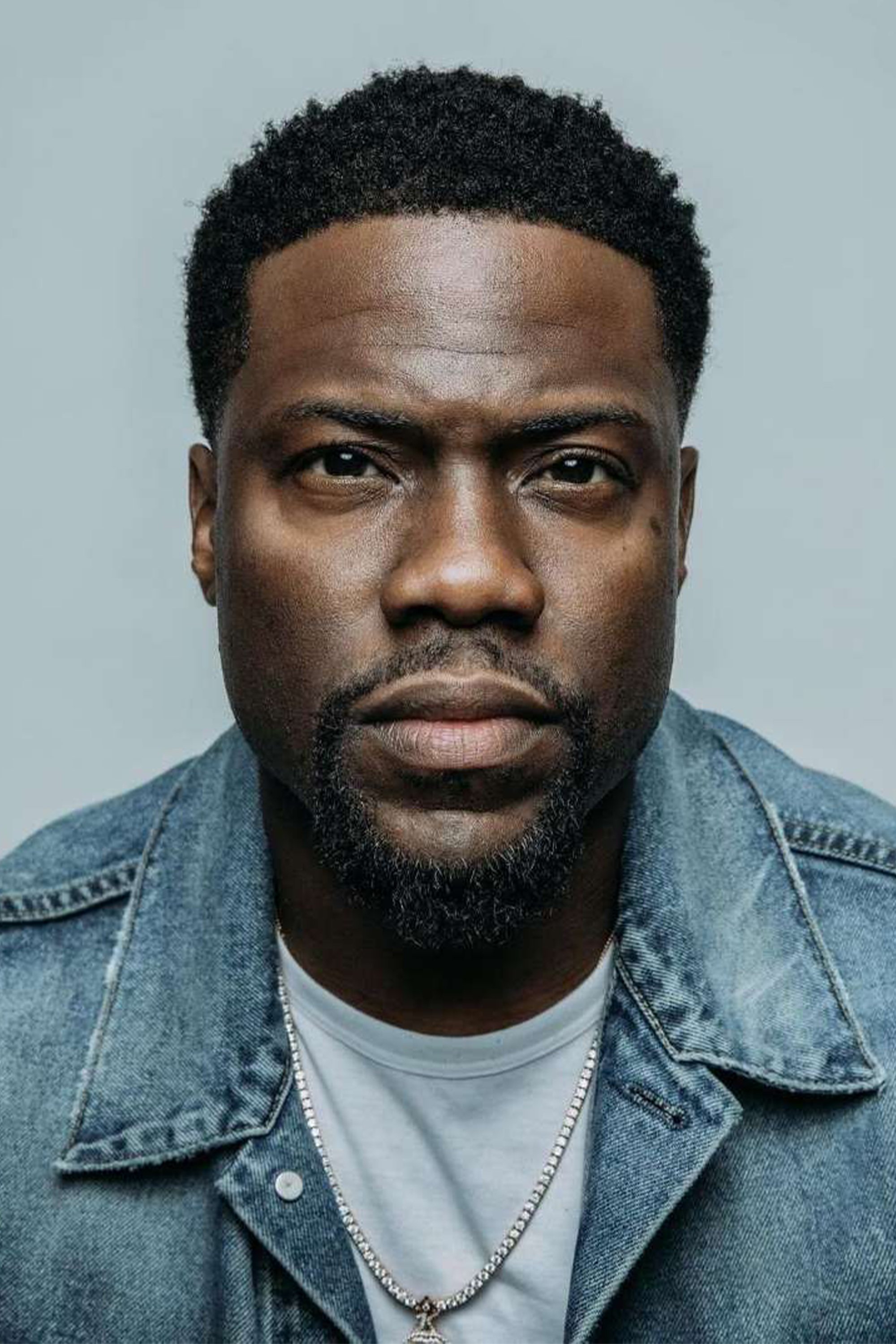
The actor and comedian stepped down from hosting the Academy Awards after old tweets resurfaced, sparking a debate about growth and forgiveness. Hart has since spoken out about the lack of a “pathway to redemption” in the current social media era. He argues that people should be allowed to evolve and that their past mistakes shouldn’t define their entire careers. Hart emphasizes the importance of dialogue over immediate dismissal.
Cate Blanchett
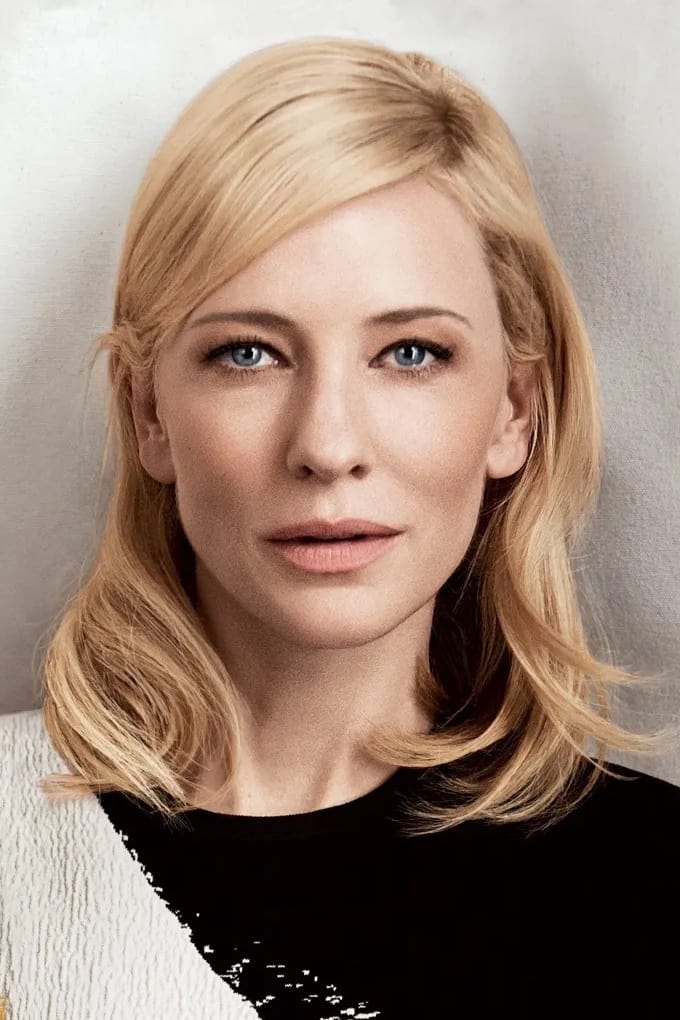
The Academy Award winner has expressed concern about the “monumental” impact of judging historical art through a modern lens. She believes that erasing or censoring works from the past prevents society from understanding its own history. Blanchett has advocated for contextualization rather than outright removal of controversial content. She suggests that the creative process requires the freedom to explore dark or difficult themes without fear of total rejection.
Winston Marshall
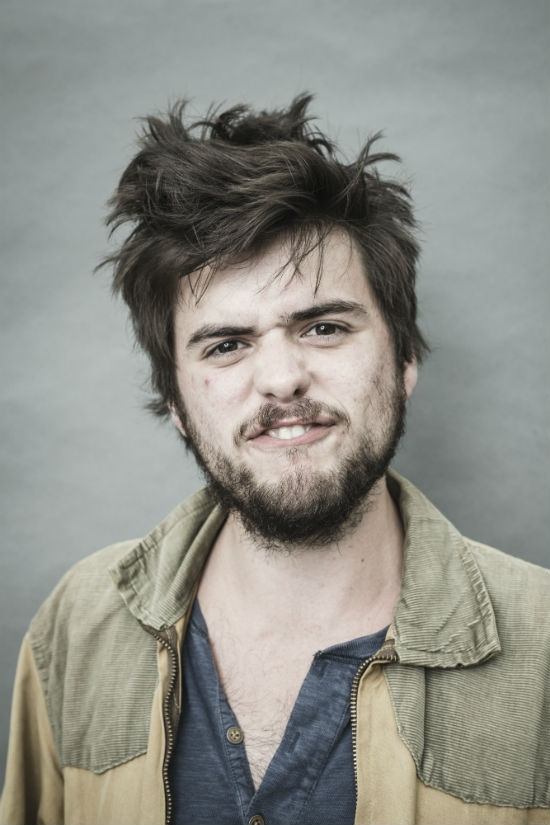
The former Mumford & Sons banjoist left the band after facing backlash for praising a book written by a conservative journalist. Marshall stated that his decision to leave was influenced by a desire to speak his mind without bringing further controversy to his bandmates. He has since become a public commentator on the importance of intellectual diversity. He argues that the pressure to conform to a single narrative is detrimental to the music industry.
Gina Carano
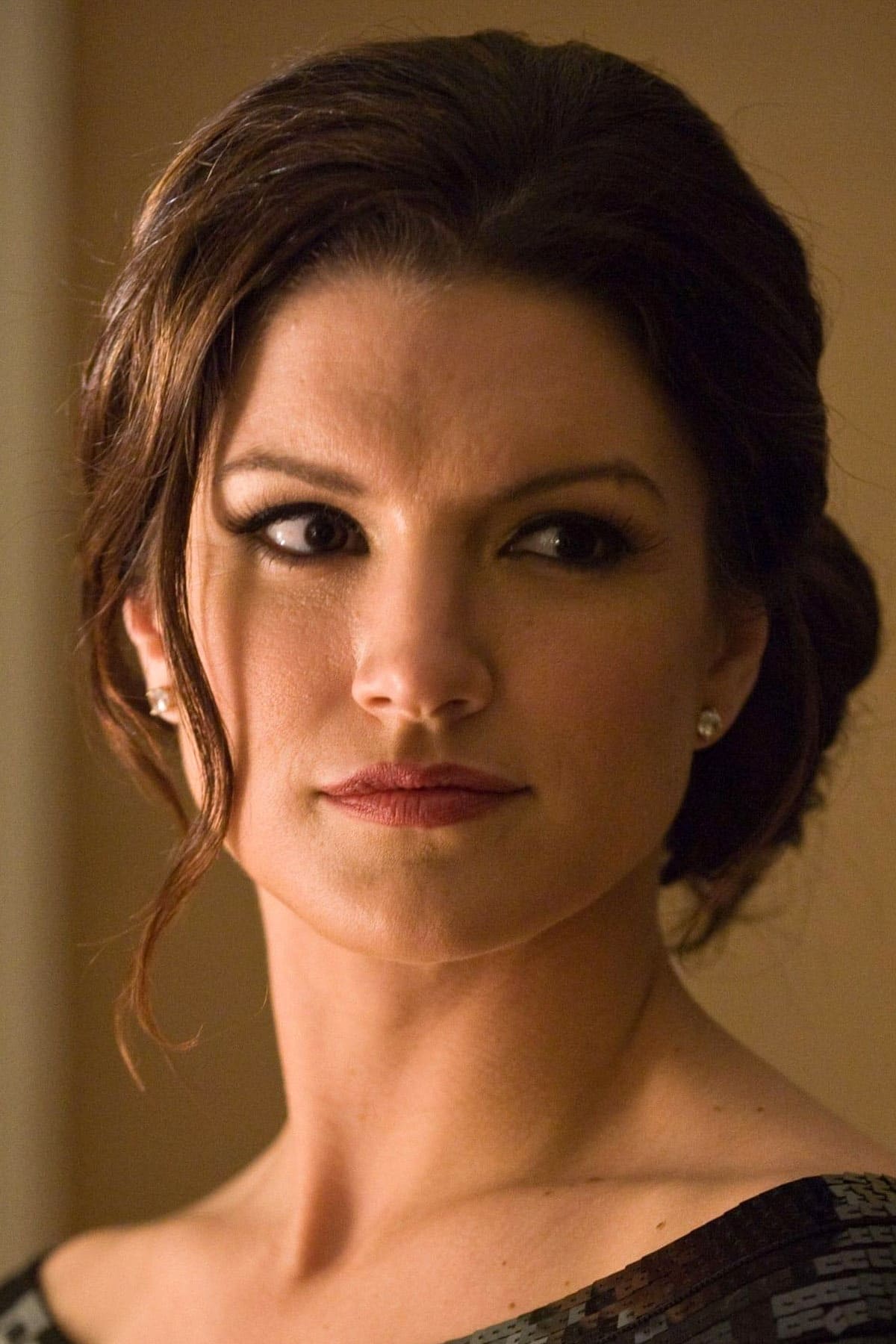
Following her dismissal from ‘The Mandalorian’, the actress has been vocal about her experiences with what she terms “the cancel culture mob.” She has partnered with conservative media outlets to produce films and continue her career outside the traditional studio system. Carano maintains that she was targeted for her political beliefs and refuses to apologize for her social media posts. She frequently encourages others to stand up against public pressure to conform.
Seth MacFarlane
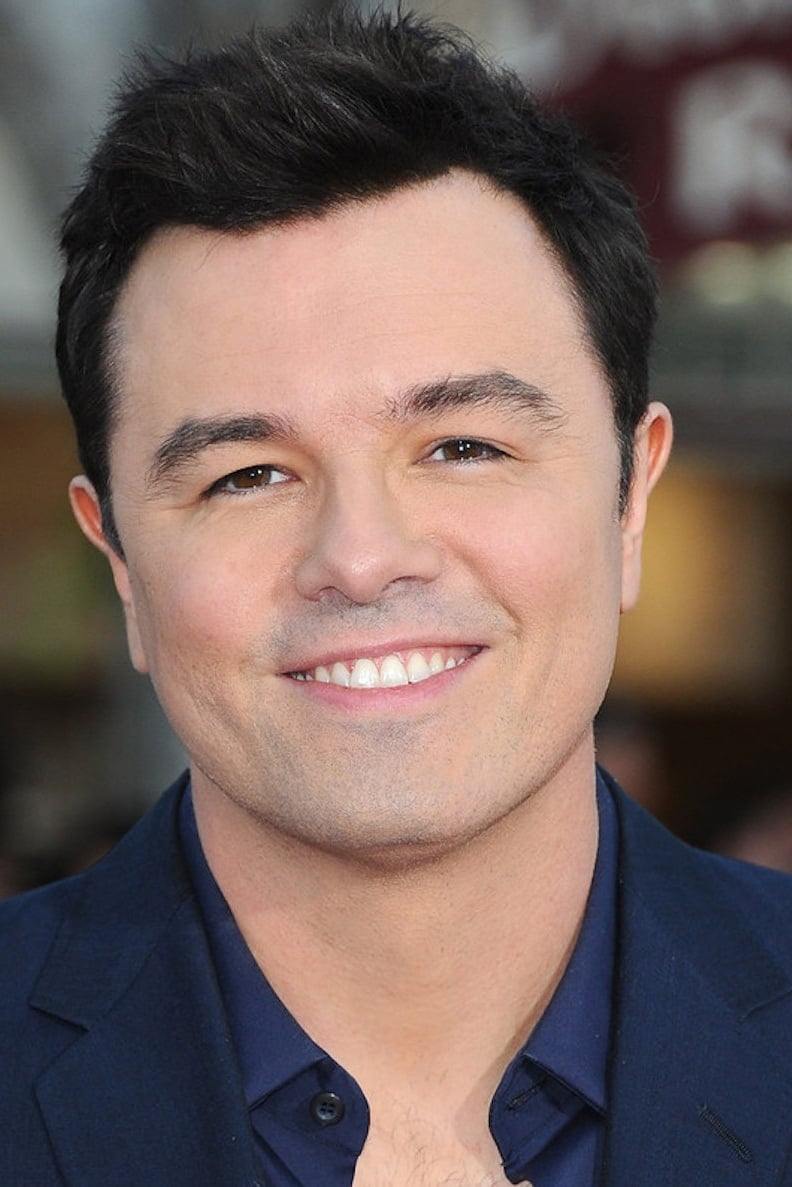
The creator of ‘Family Guy’ has often poked fun at the concept of political correctness within his animated shows. He has expressed concern that the constant scrutiny of jokes leads to a watering down of satire. MacFarlane believes that the ability to offend is a crucial component of effective comedy and free speech. He continues to produce content that pushes boundaries despite the changing cultural landscape.
Piers Morgan
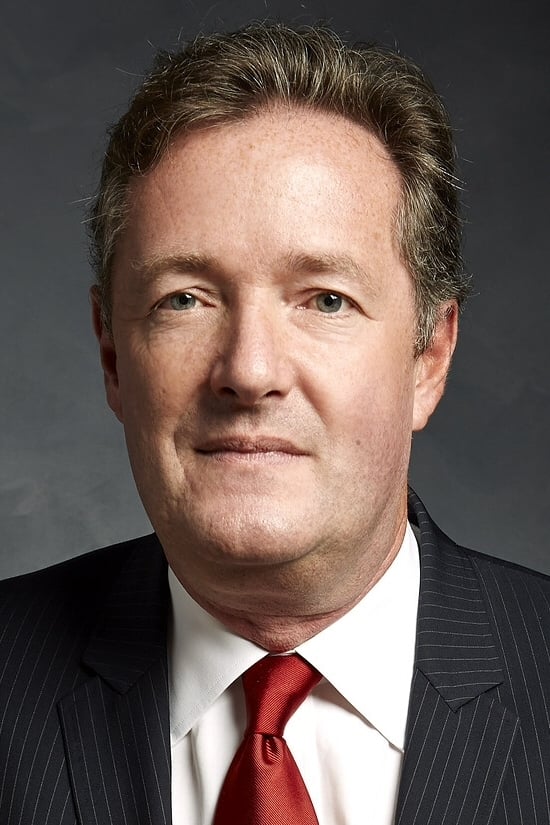
The television personality famously walked off the set of ‘Good Morning Britain’ after a heated debate regarding Meghan Markle. Since then, he has written a book titled ‘Wake Up’ which serves as a critique of cancel culture. Morgan argues that the current climate encourages a “mob mentality” that seeks to destroy anyone with a dissenting opinion. He remains a prominent voice in the UK and US media advocating for the return of robust, unfiltered debate.
Roseanne Barr
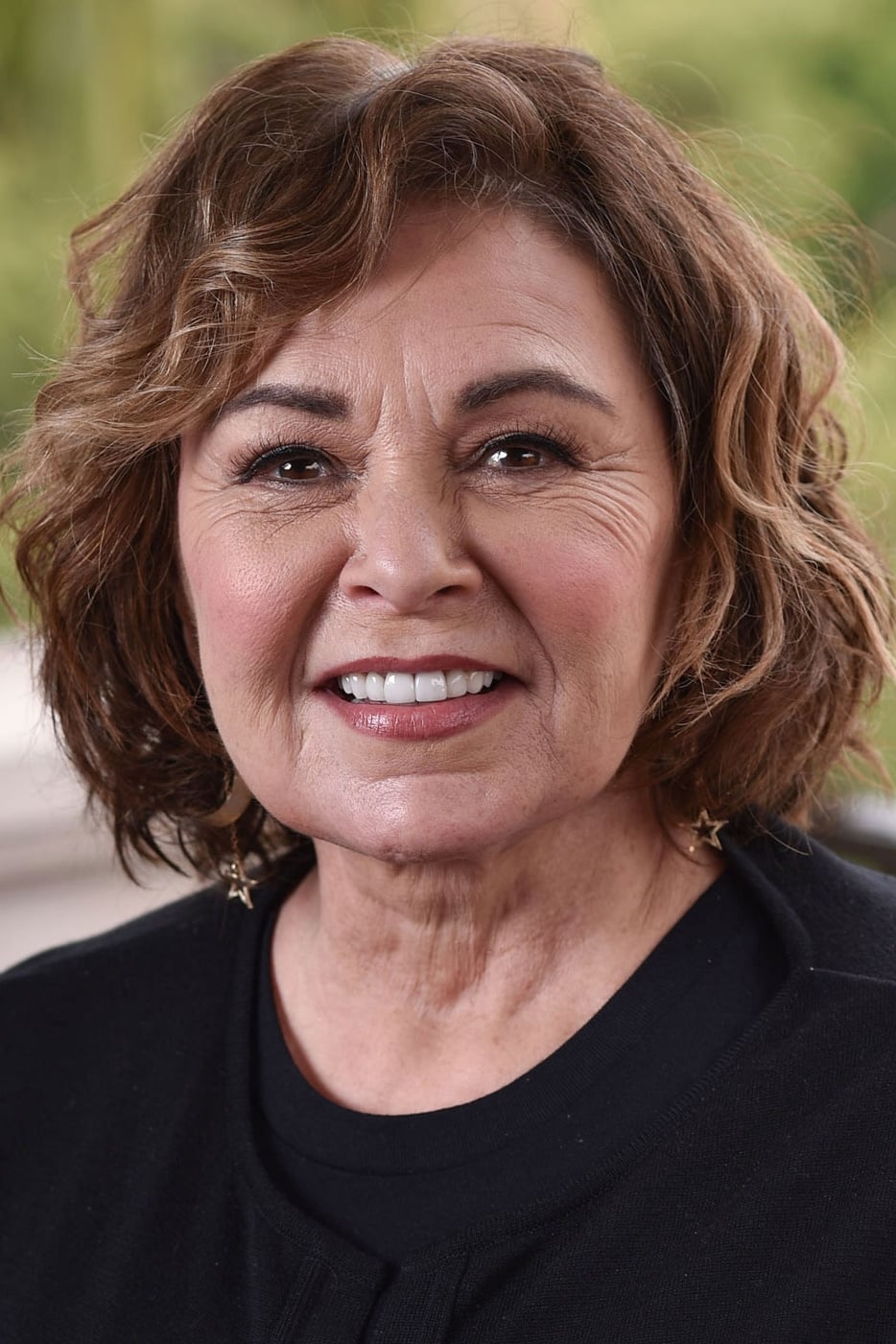
After her sitcom ‘Roseanne’ was canceled due to a controversial tweet, the comedian became a vocal opponent of the industry’s reaction. She has claimed that she was treated unfairly and that her political leanings played a role in the swift termination of her show. Barr continues to perform stand-up and uses her platform to criticize what she sees as a double standard in Hollywood. She argues that the fear of being canceled is silencing many performers with conservative views.
Matthew McConaughey
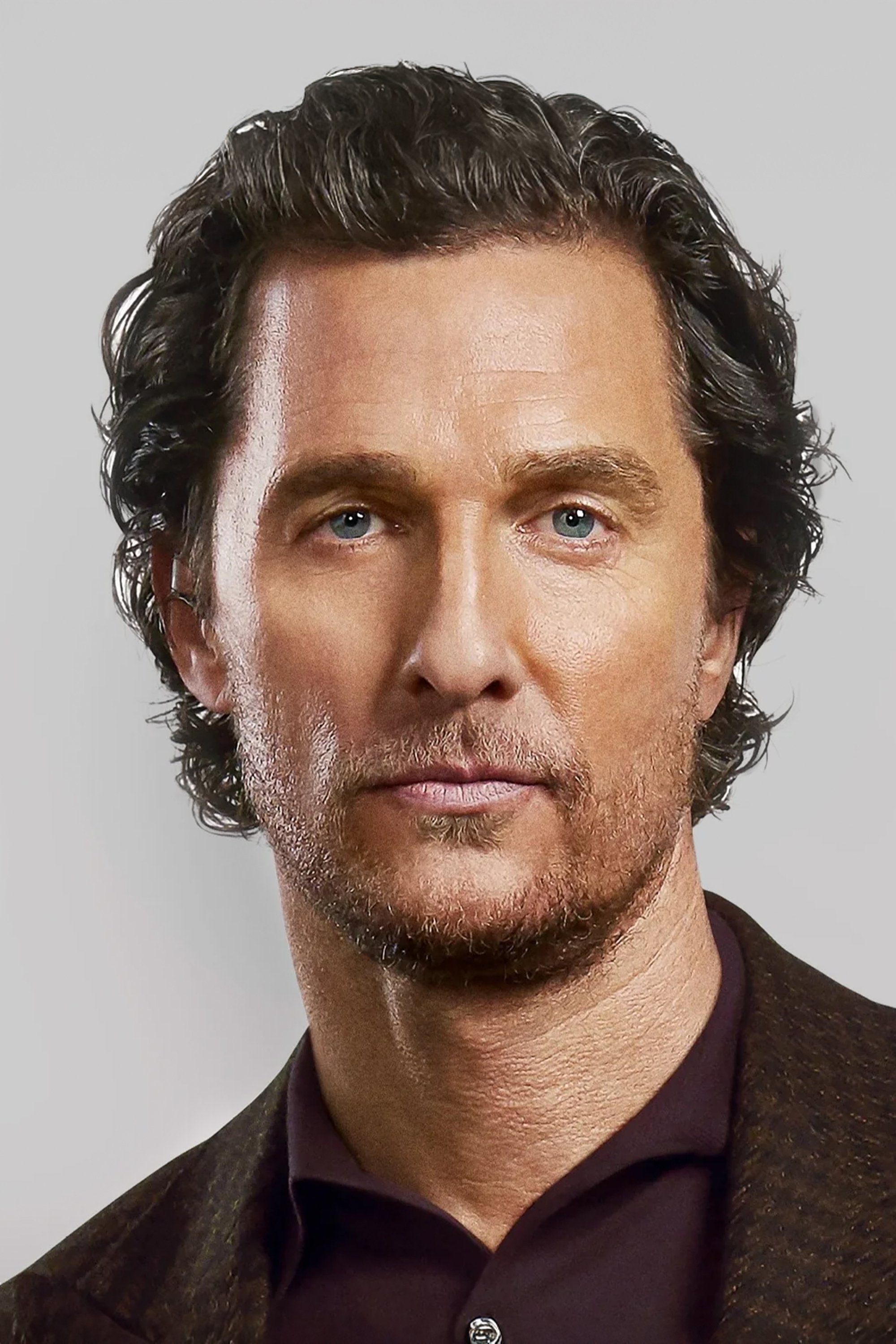
The Oscar-winning actor has spoken about the “illiberal” nature of certain aspects of the political left, including cancel culture. He has advocated for a “middle way” that avoids the extremes of both sides of the political spectrum. McConaughey suggests that the rush to judgment often overlooks the complexities of human behavior. He believes that a more compassionate approach to disagreement would benefit the entertainment industry and society at large.
Nick Cave
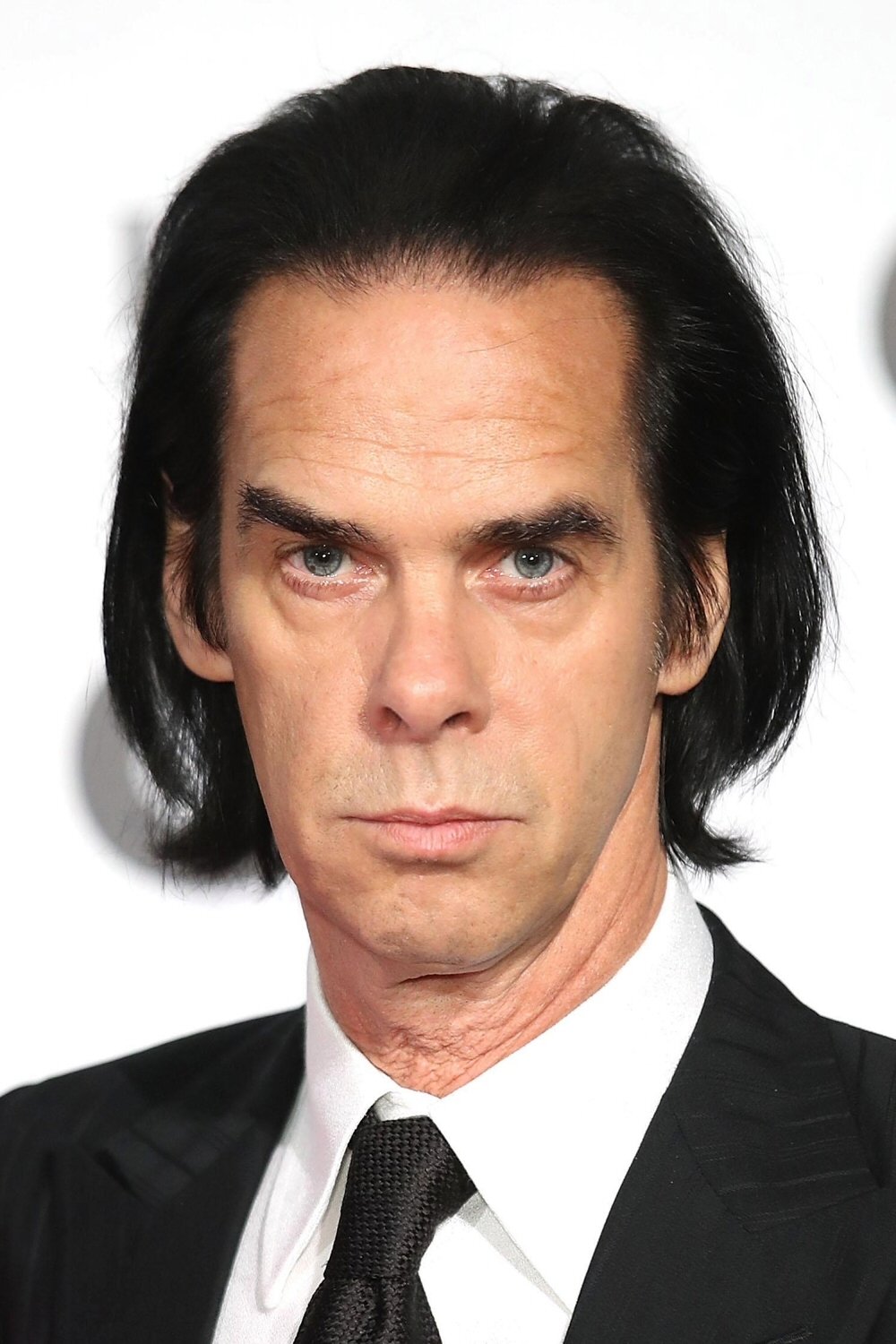
The musician has described cancel culture as “mercy’s antithesis” in his newsletter, ‘The Red Hand Files’. He argues that the refusal to forgive or allow for growth is a destructive force within the arts. Cave believes that the creative process is inherently messy and that artists must be free to make mistakes. He maintains that a culture without room for redemption is a culture that stifles true artistic expression.
Helena Bonham Carter
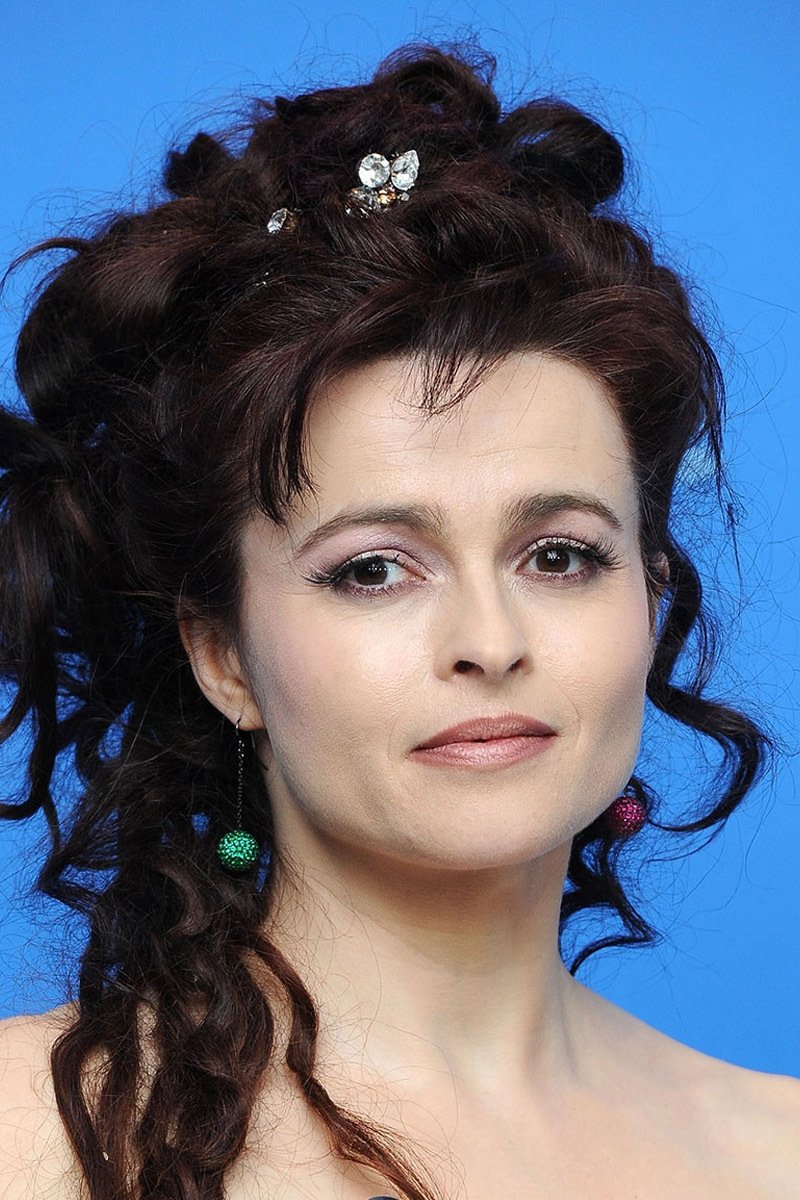
The actress has defended J.K. Rowling and Johnny Depp, stating that people should not be “canceled” for their personal lives or opinions. She has criticized the “hysterical” nature of public shaming and the lack of nuance in modern discourse. Bonham Carter believes that an individual’s professional work should be evaluated separately from their personal controversies. She remains a proponent of the idea that people should be allowed to have different perspectives without facing career ruin.
Bryan Cranston
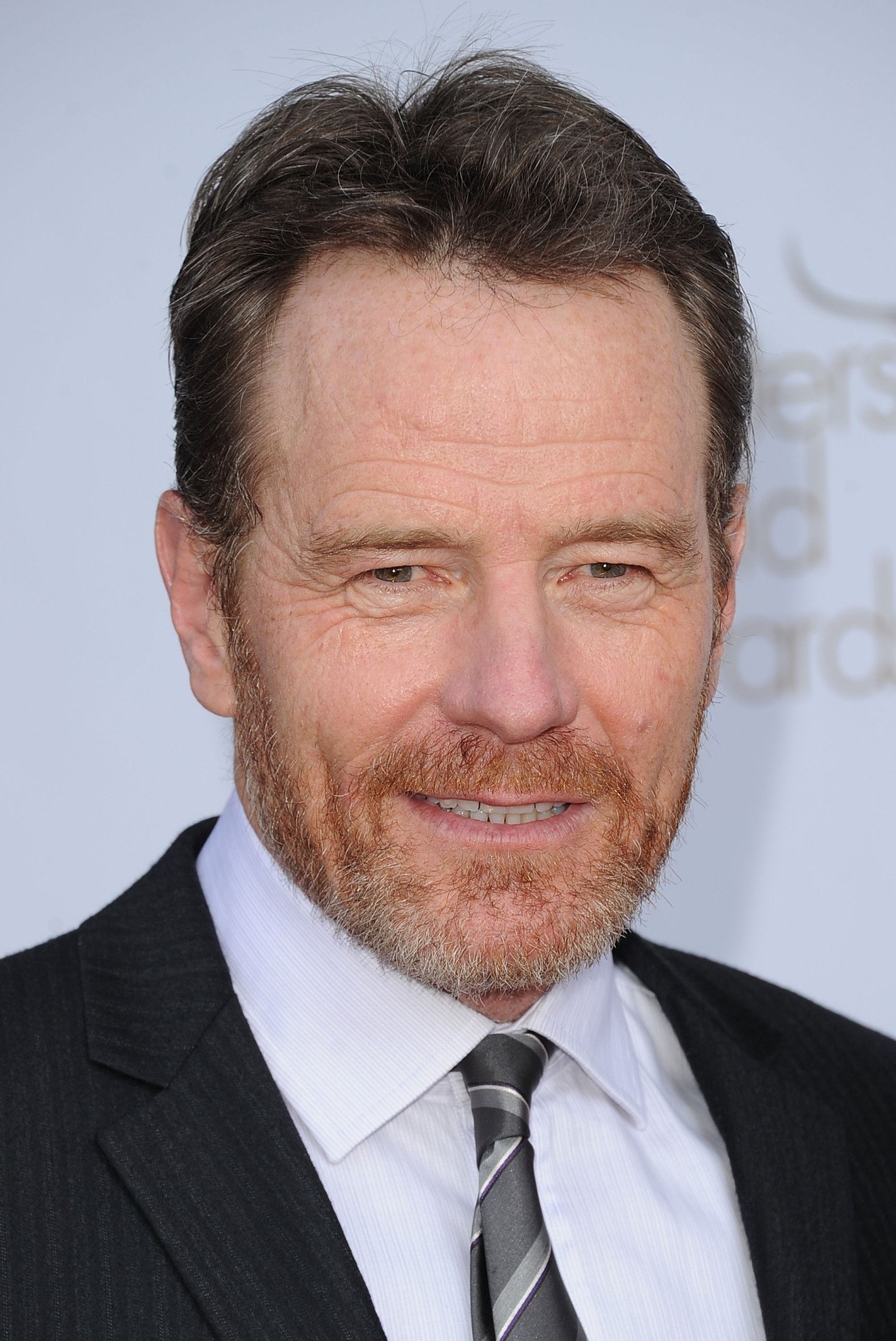
The ‘Breaking Bad’ star has voiced his concerns about the lack of forgiveness in modern society. He has noted that the current environment makes it difficult for people to apologize and move forward after making a mistake. Cranston suggests that the focus should be on education and growth rather than permanent ostracization. He believes that a more empathetic approach to public discourse would lead to more meaningful change.
Gary Oldman
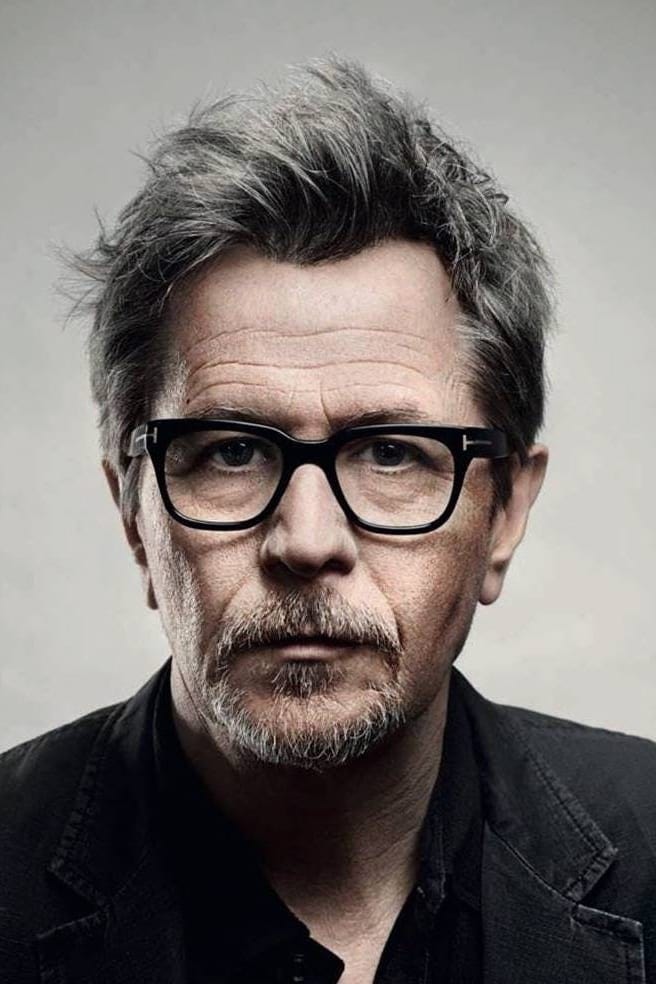
The actor once defended Mel Gibson and Alec Baldwin in a controversial interview, criticizing what he saw as “political correctness” in Hollywood. He argued that many people in the industry are hypocritical when it comes to judging the behavior of others. Oldman has expressed a desire for a more honest and less judgmental environment for performers. He maintains that the rush to condemn individuals often ignores the nuances of their situations.
Jon Favreau
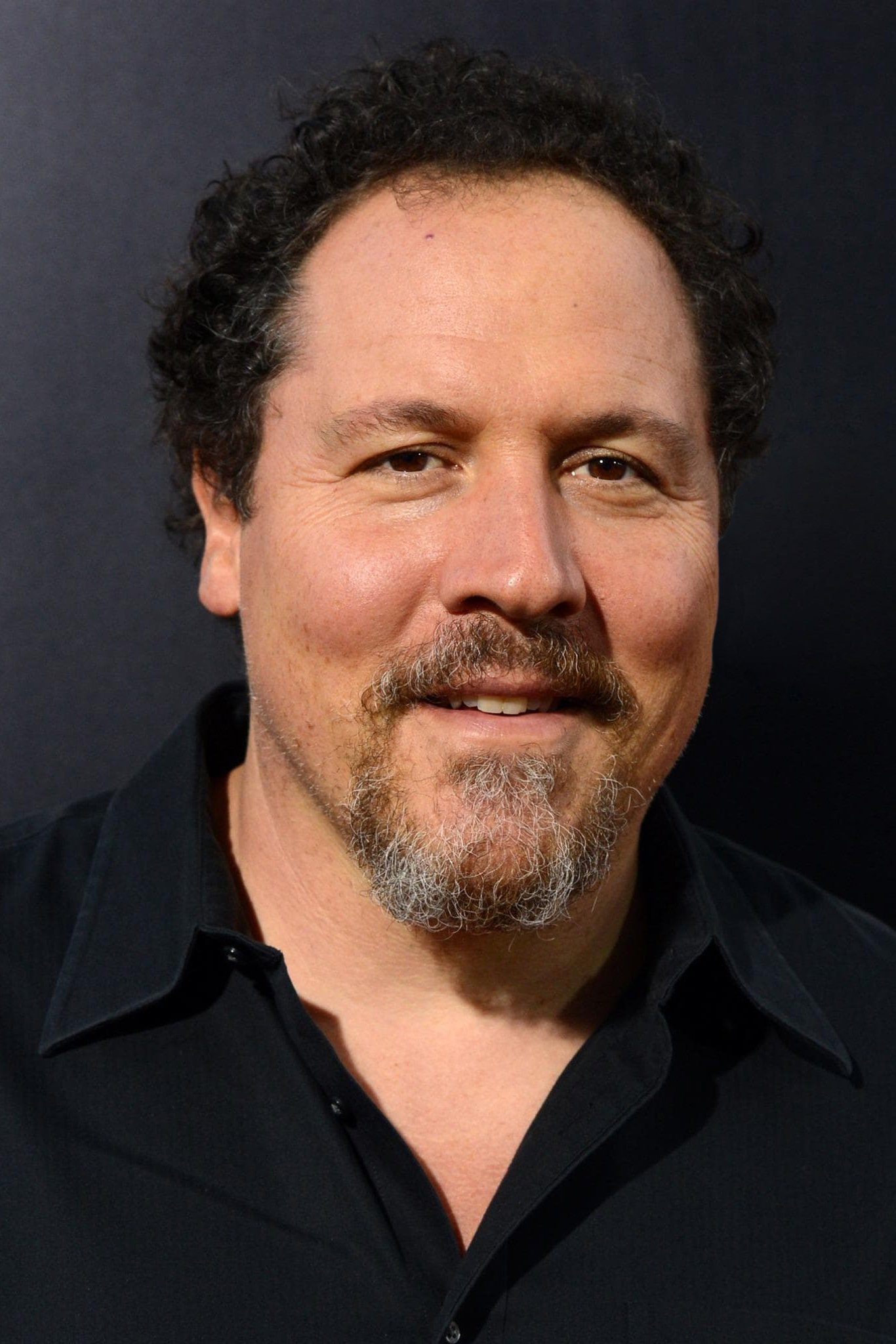
While often staying out of direct political debates, the director has spoken about the importance of creative freedom in projects like ‘The Mandalorian’. He has emphasized the need for a collaborative environment where artists feel safe to share ideas. Favreau has navigated several casting controversies by focusing on the work rather than the public outcry. He suggests that the longevity of a franchise depends on maintaining a focus on storytelling over external social pressures.
Patton Oswalt
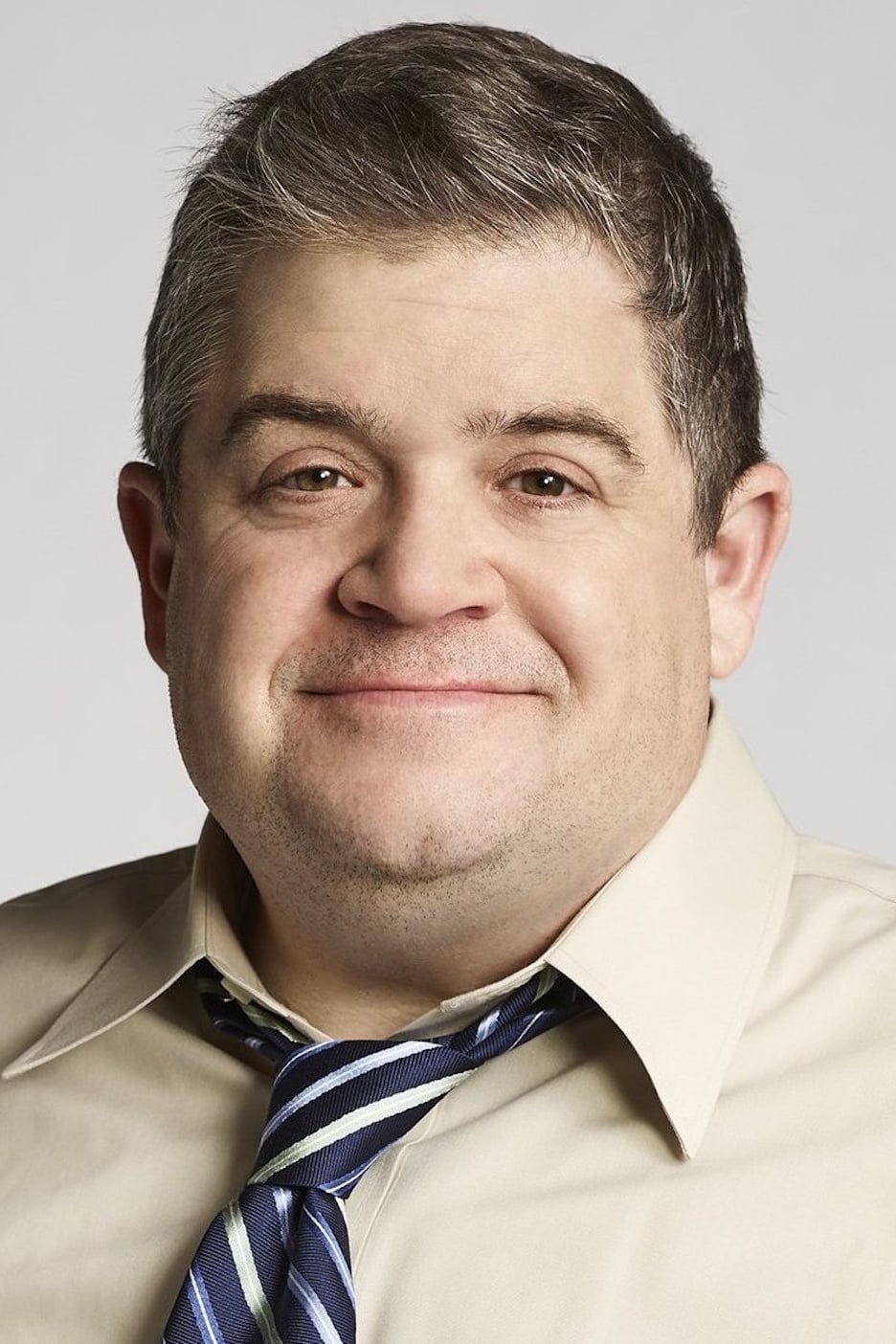
The comedian faced his own brush with cancel culture after posting a photo with Dave Chappelle, leading to a lengthy public explanation. While he often aligns with progressive causes, he expressed frustration with the demand that he cut ties with a long-time friend over artistic disagreements. Oswalt argued that it is possible to disagree with someone’s content while still valuing their personhood. He continues to navigate the balance between his personal values and the expectations of his audience.
Judi Dench
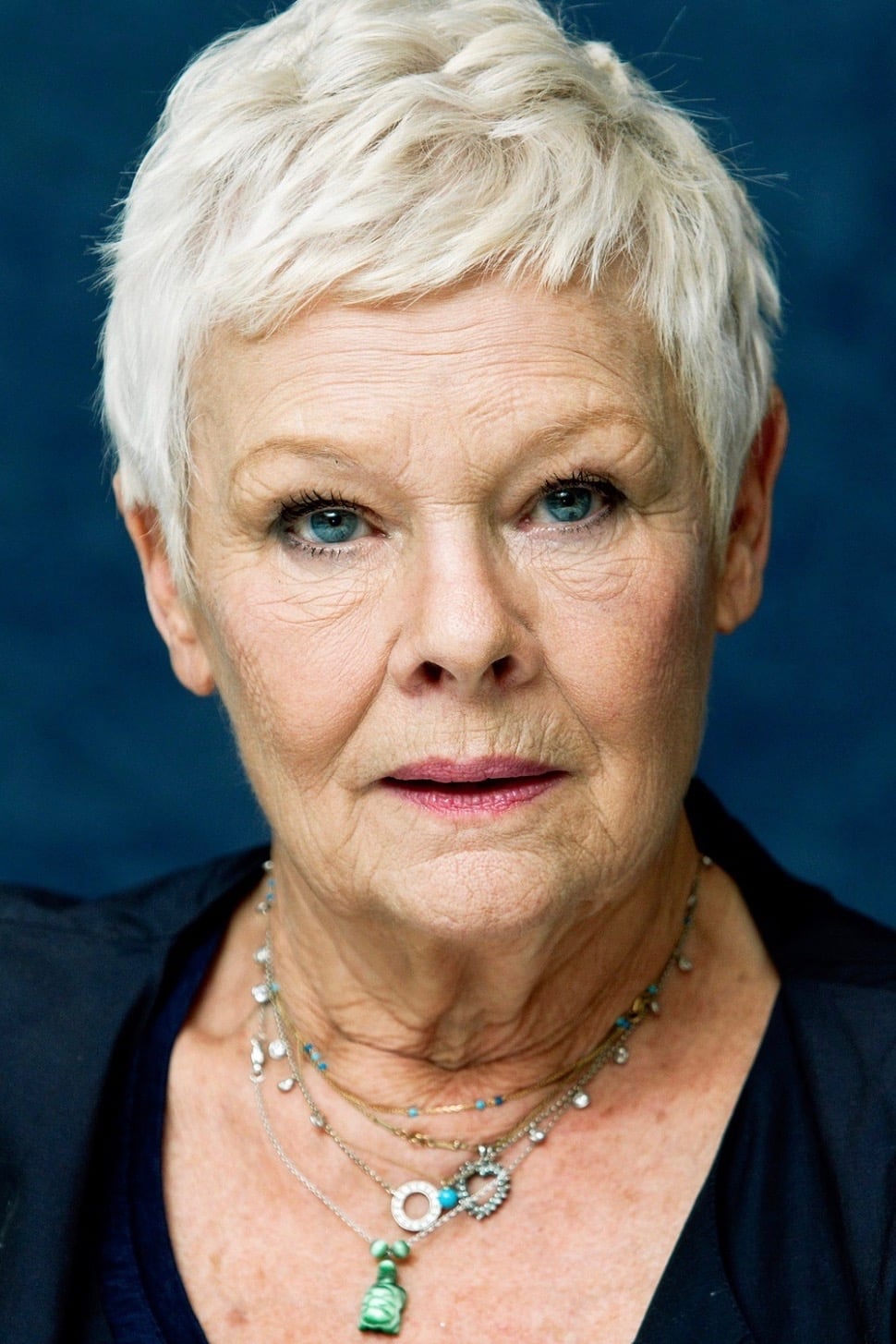
The legendary actress has expressed her disapproval of “erasing” actors from films due to their personal scandals. She specifically referenced the removal of Kevin Spacey from ‘All the Money in the World’, questioning the precedent it sets. Dench believes that the history of cinema should be preserved regardless of the later actions of the individuals involved. She advocates for a separation between the art created and the artist’s personal life.
Terry Gilliam
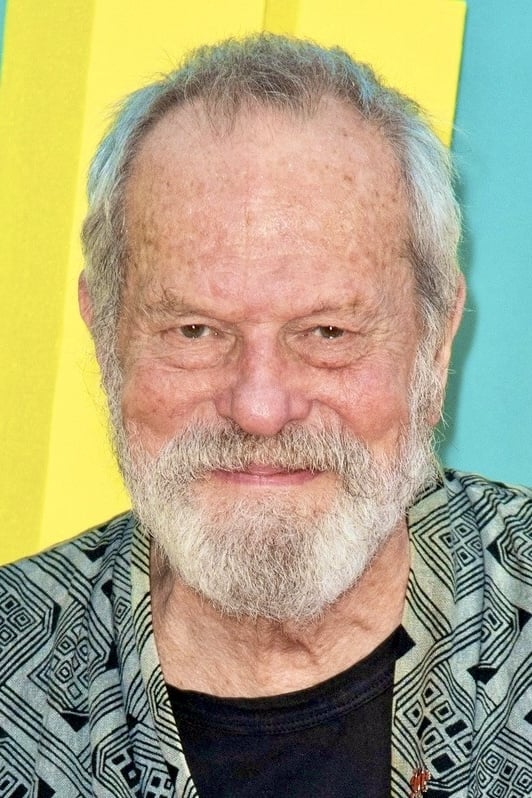
The ‘Monty Python’ member and director has been a frequent critic of the “boring” nature of modern political correctness. He has described the current cultural climate as a threat to creativity and humor. Gilliam argues that the fear of offending specific groups prevents filmmakers from exploring the full range of the human experience. He remains vocal about his belief that the industry is becoming too restrictive and risk-averse.
Diane Keaton
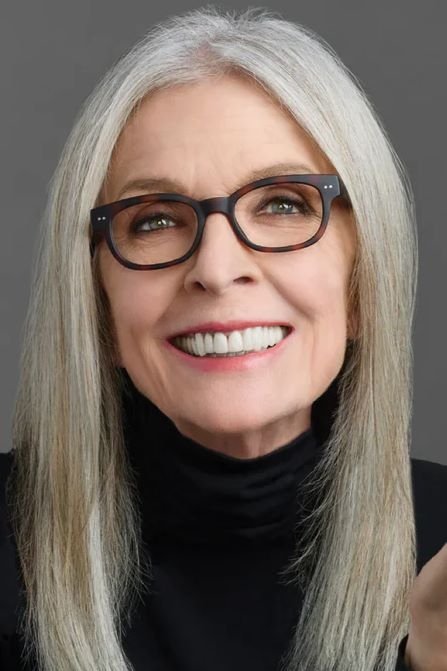
The ‘Annie Hall’ actress has defended Woody Allen amidst ongoing controversies, stating that she believes her friend. Her stance has drawn criticism, but she has remained firm in her support, rejecting the idea that she should abandon him due to public pressure. Keaton emphasizes the importance of personal loyalty and the complexities of long-term relationships. She continues to work in the industry while maintaining her personal convictions.
Justin Bieber
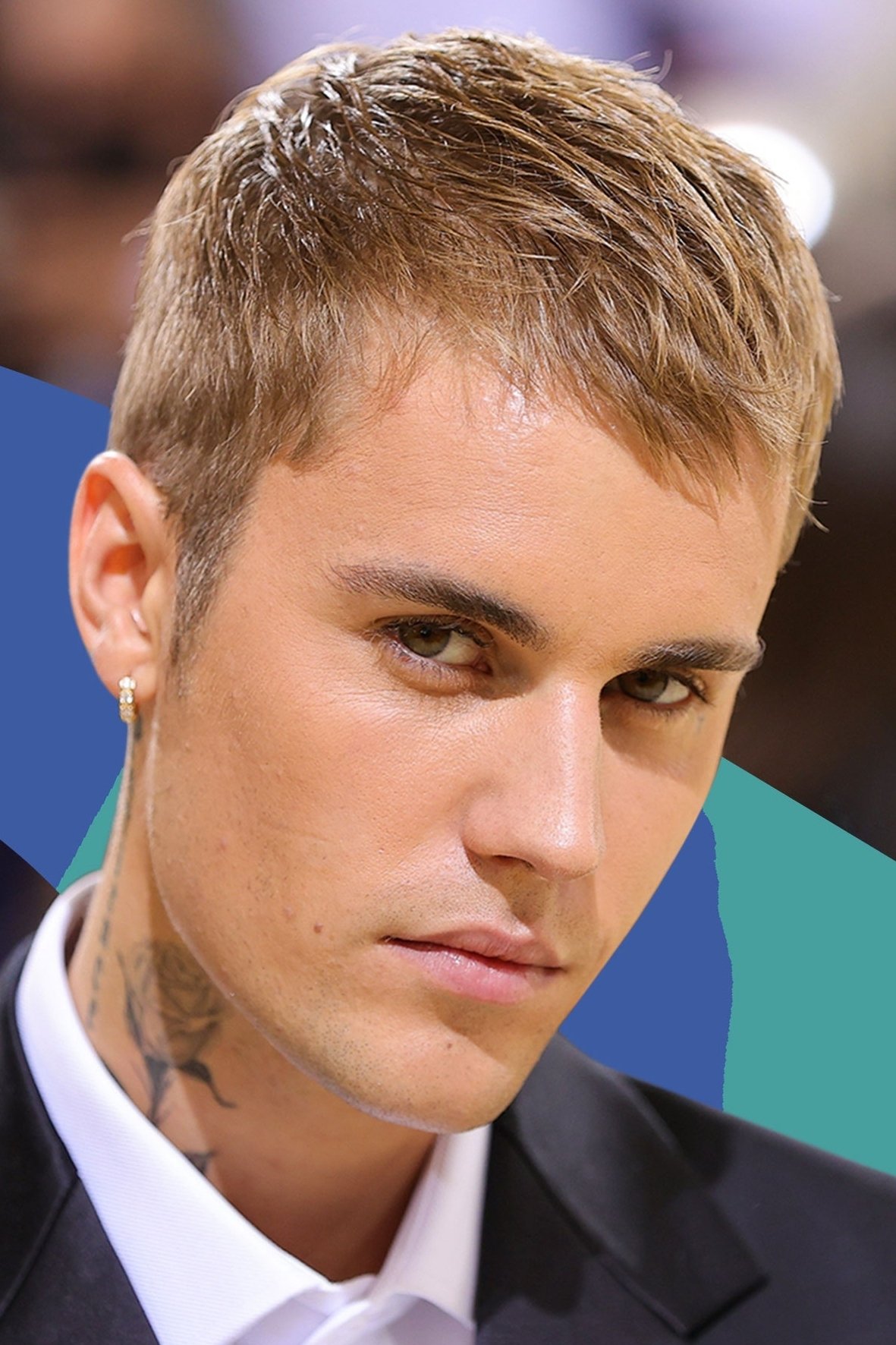
The pop star has used his social media platform to speak about the importance of grace and forgiveness. He has reflected on his own past mistakes and the public scrutiny he faced as a teenager. Bieber argues that cancel culture does not allow room for people to learn and change for the better. He encourages his fans to practice empathy instead of participating in the trend of tearing people down.
Sarah Silverman
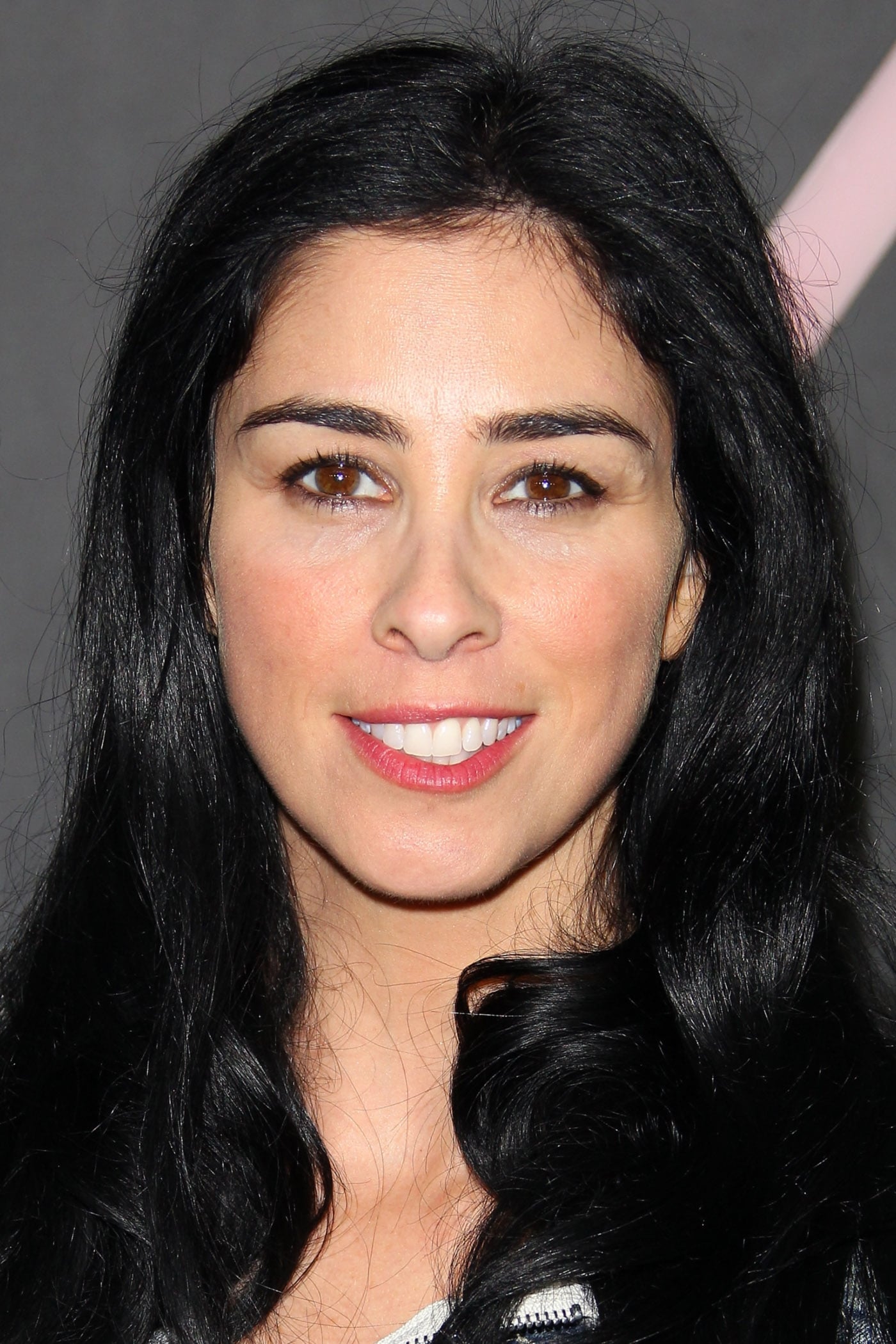
The comedian has spoken about the “righteousness porn” that she believes fuels cancel culture. She has expressed concern that the movement often targets people who are actually on the same side of social issues but made a mistake. Silverman suggests that the focus should be on calling people in for a conversation rather than calling them out for destruction. She continues to advocate for a more nuanced approach to social accountability.
Kelly Osbourne
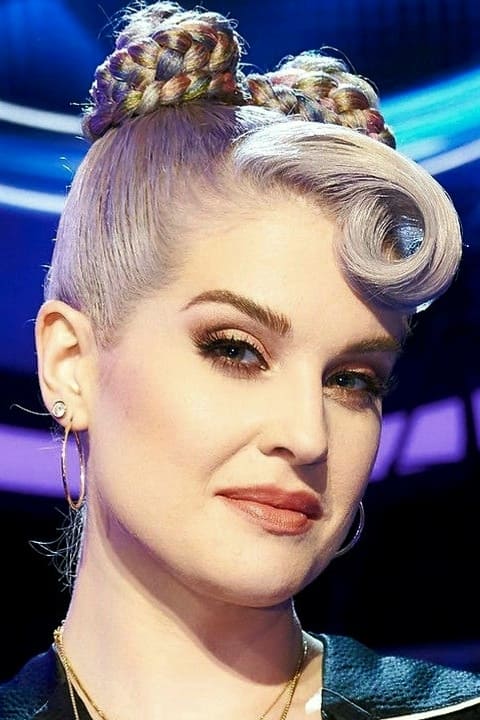
The media personality has criticized the “woke” culture that she believes has gone too far in recent years. She has shared her experiences of feeling like she has to “walk on eggshells” when speaking publicly. Osbourne argues that the constant fear of being misinterpreted or canceled is detrimental to mental health and authentic communication. She has called for a return to a more common-sense approach to social interactions.
Ice Cube
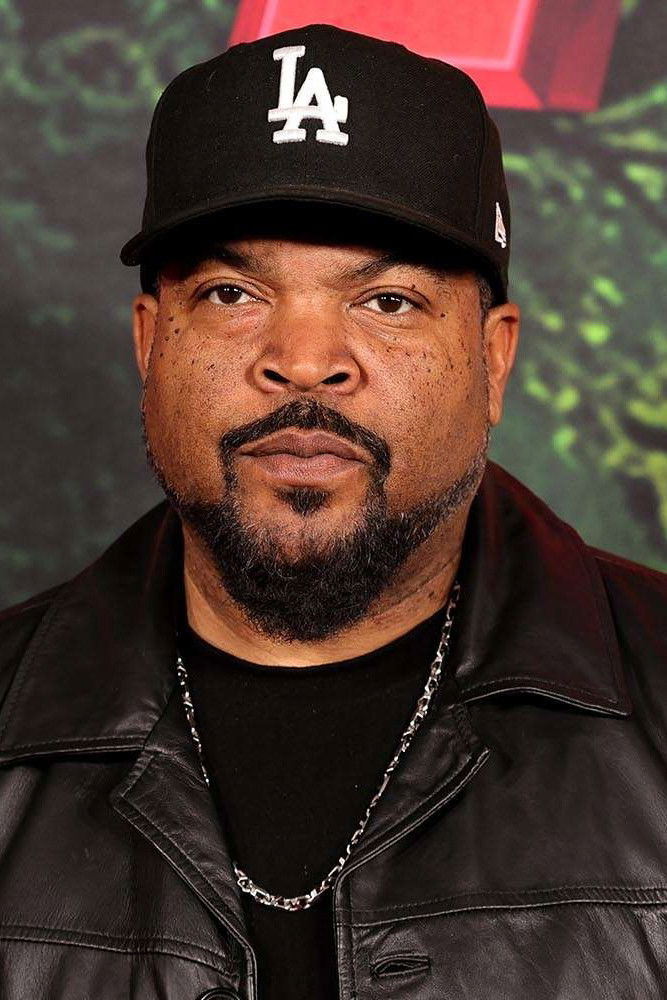
The rapper and actor has been vocal about his refusal to be silenced by critics of his political and social views. He has faced backlash for various statements but maintains that he has a right to express his perspective. Ice Cube argues that cancel culture is often used as a tool to control the narrative and suppress dissenting voices. He continues to work on his own terms, prioritizing his creative vision over public approval.
Jim Carrey
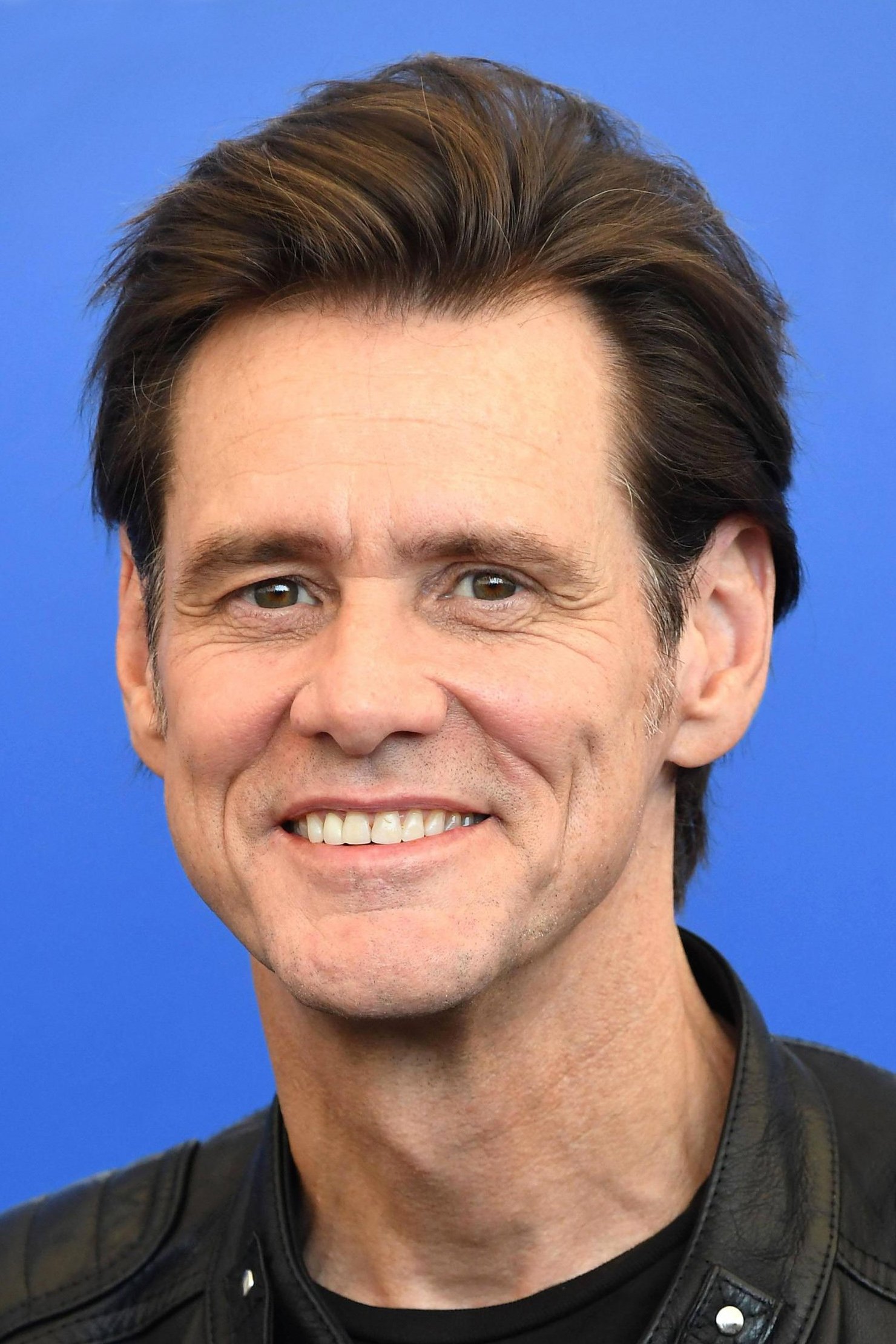
The actor and artist has commented on the “exhausting” nature of the current social climate. He has expressed a desire for a return to a time when people could make mistakes without facing immediate and permanent consequences. Carrey suggests that the focus on public shaming distracts from more important issues facing society. He continues to use his art to comment on the world, often touching on themes of perception and reality.
Donald Glover
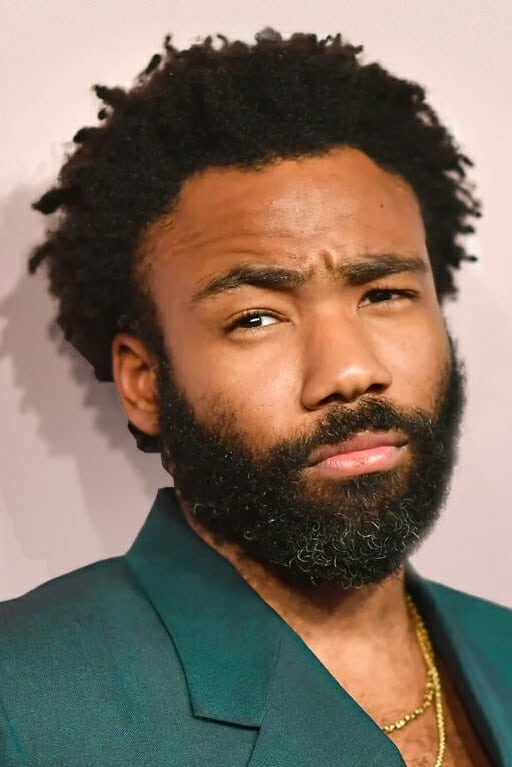
The ‘Atlanta’ creator has tweeted about his concerns that the fear of being “canceled” is leading to boring television and movies. He argues that when artists are afraid to take risks, the quality of storytelling suffers. Glover believes that the best art comes from a place of experimentation and the possibility of failure. He has encouraged creators to focus on their vision rather than trying to please everyone.
Mark Duplass
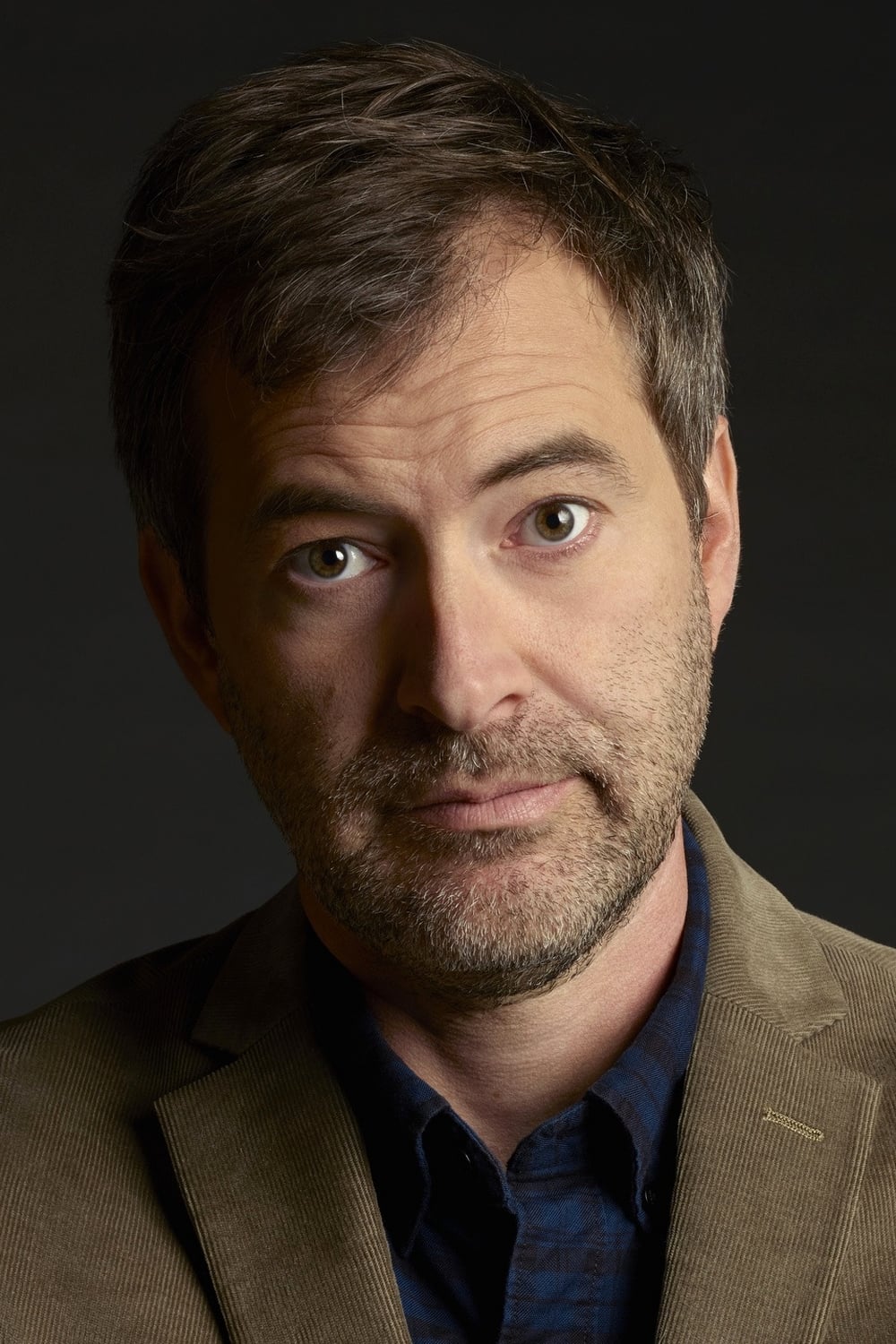
The indie filmmaker faced a backlash after suggesting that people should follow a conservative commentator to understand different viewpoints. He eventually apologized for the way he phrased his suggestion but later reflected on the intensity of the reaction. Duplass has spoken about the difficulty of fostering genuine dialogue in a polarized environment. He remains interested in exploring ways to bridge the gap between opposing groups through storytelling.
Rob Lowe
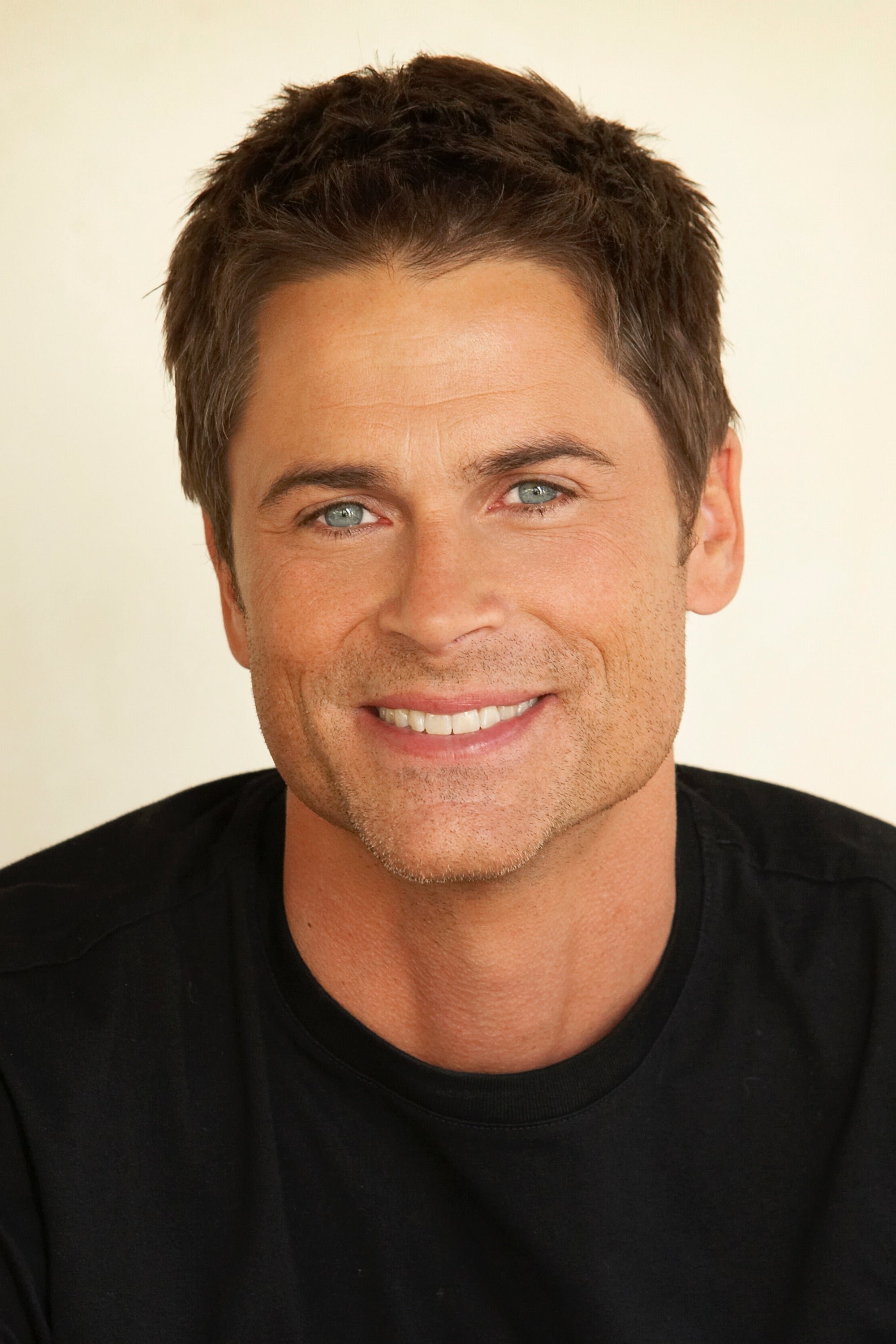
The actor has praised the “un-cancelable” nature of some of his peers who refuse to conform to social pressure. He has spoken about the importance of having a thick skin in the entertainment industry. Lowe suggests that the current culture of outrage is often fleeting and that performers should stay true to themselves. He continues to have a successful career by focusing on his craft and maintaining a positive outlook.
Jamie Foxx
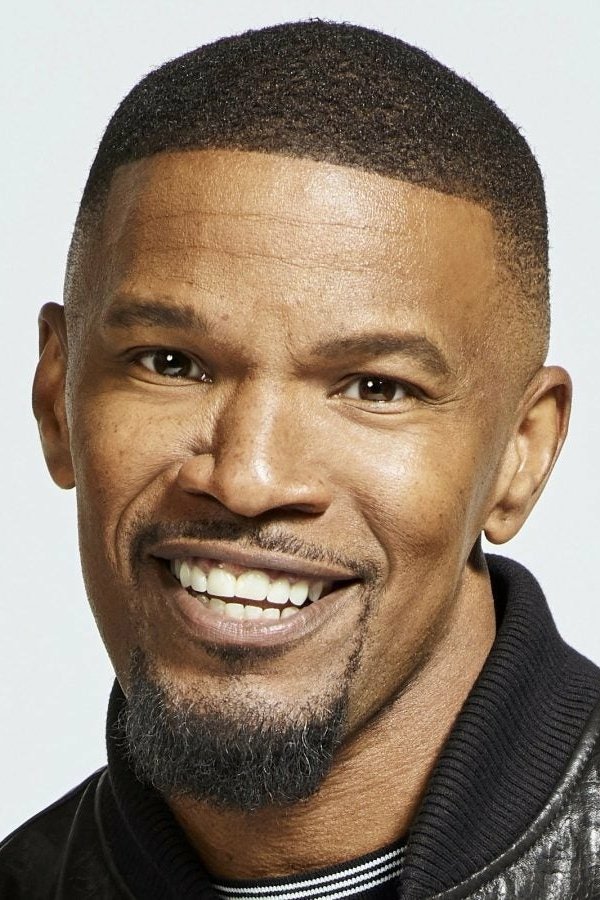
The Oscar winner defended his friend Robert Downey Jr. for his role in ‘Tropic Thunder’, arguing against the retrospective criticism of the performance. Foxx maintained that the film was a satire and that the context of the comedy is vital to understanding it. He has expressed frustration with the tendency to judge past creative choices by today’s standards. Foxx continues to support his colleagues and advocate for artistic freedom in comedy.
Idris Elba
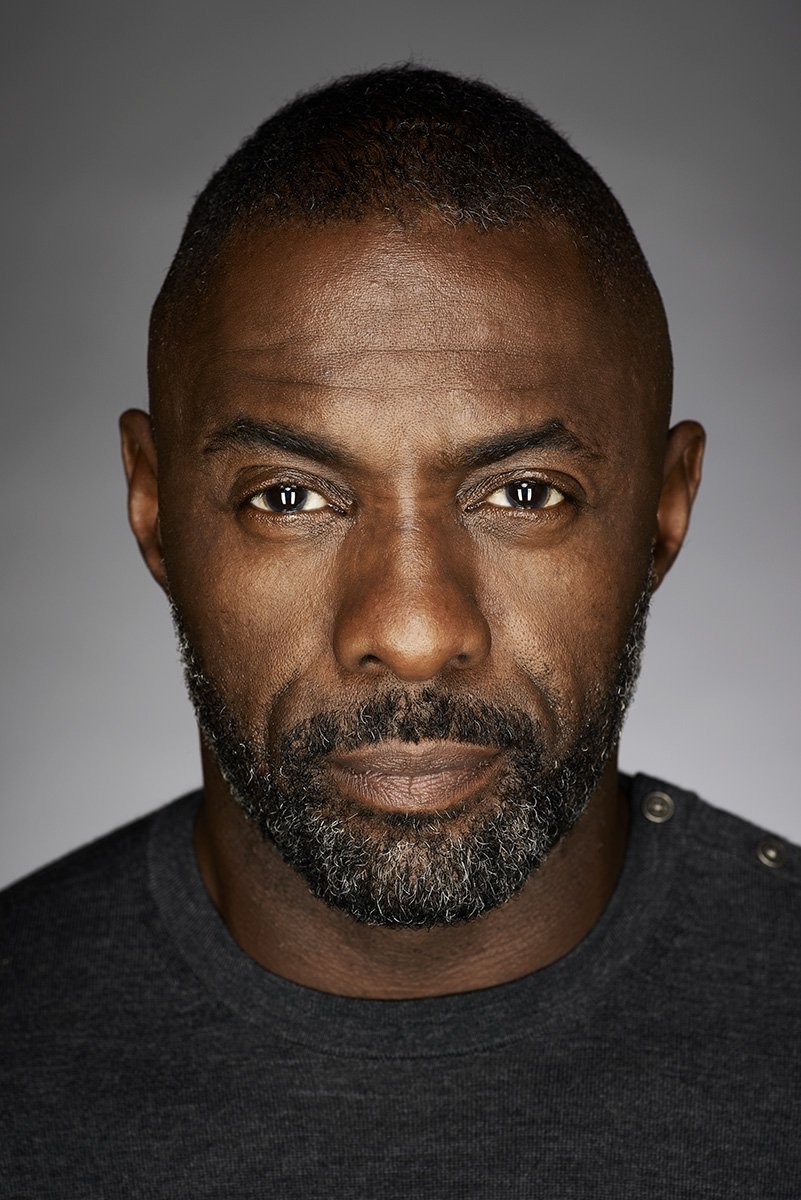
The actor has voiced his opposition to censoring old television shows or movies that contain controversial content. He suggests that instead of removing these works, they should be used as educational tools to show how society has changed. Elba believes that viewers should have the agency to decide what they want to watch. He argues that erasing the past does not help in building a better future.
Scarlett Johansson

The actress faced significant criticism for her casting in ‘Ghost in the Shell’ and her initial decision to play a transgender character in ‘Rub & Tug’. While she eventually withdrew from the latter project, she has spoken about the difficulty of navigating casting in the current climate. Johansson has expressed a belief that, as an actor, she should be allowed to play any person, tree, or animal. She continues to be a prominent figure in the industry while navigating these complex cultural conversations.
David Mamet
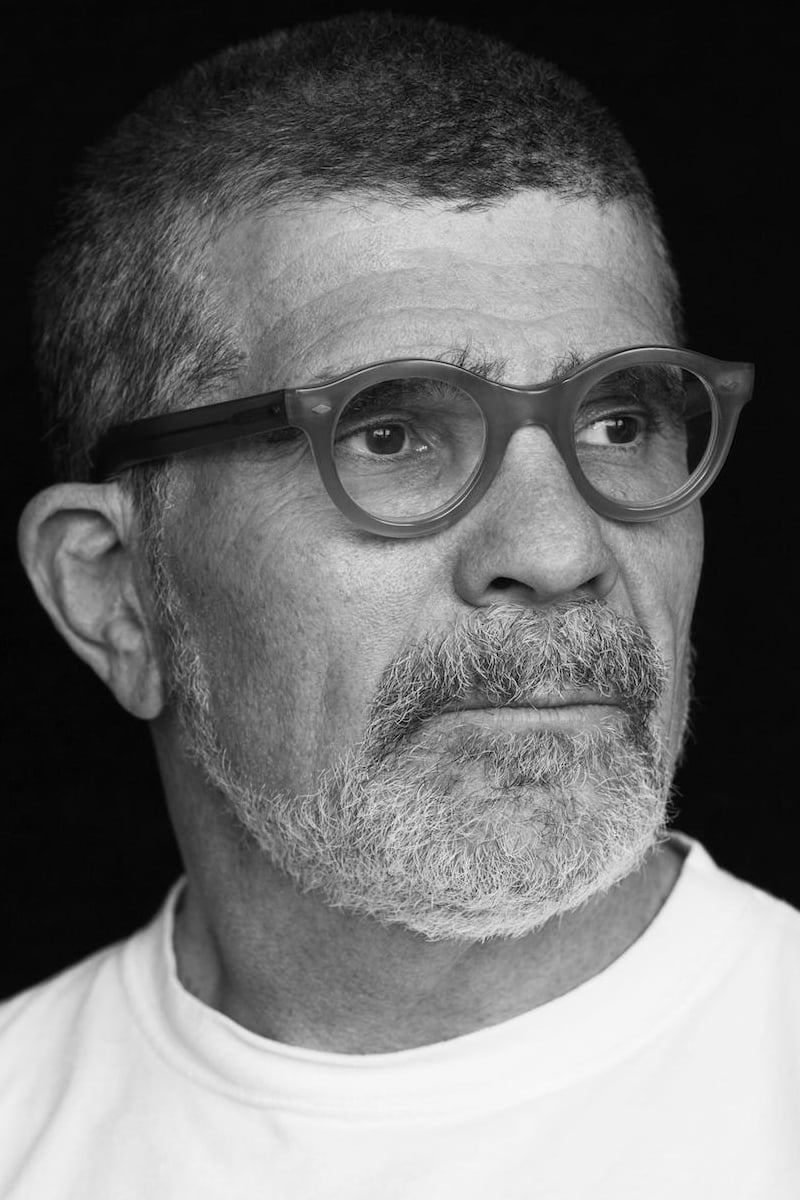
The renowned playwright and director has become an outspoken critic of what he calls the “self-righteousness” of Hollywood. He argues that the industry has become a place where political conformity is required for success. Mamet has written extensively about his shift in political views and his disdain for the current cultural trends. He maintains that true art requires the freedom to challenge prevailing social norms.
Michael Bublé
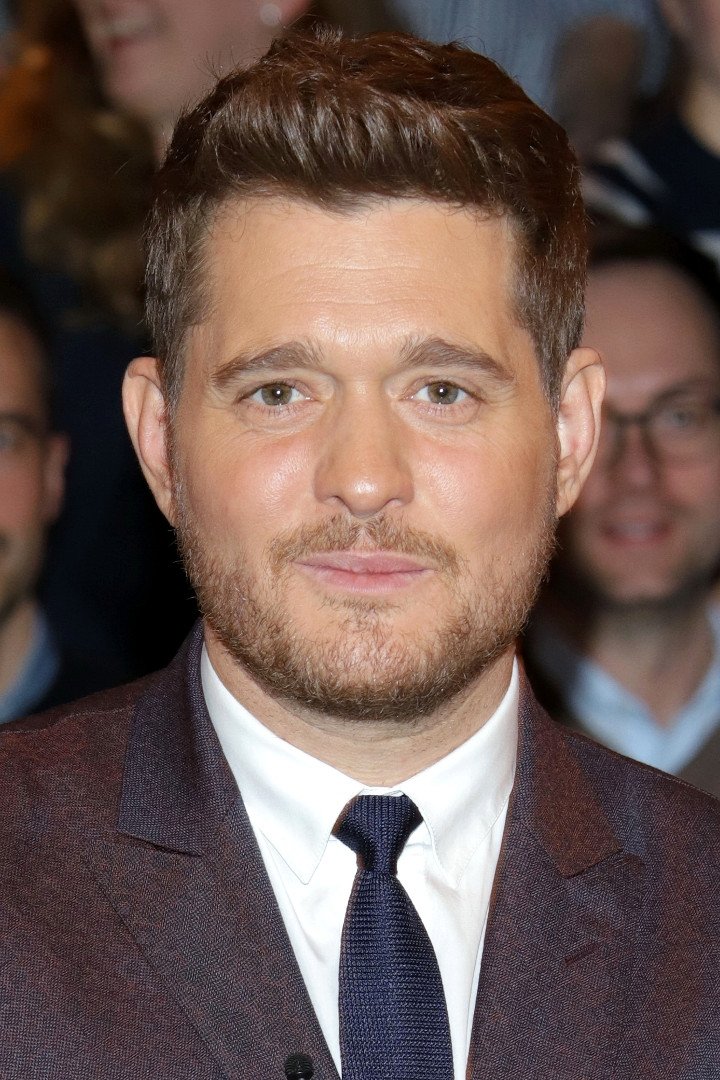
The singer has shared his thoughts on the “dangerous” nature of cancel culture and the impact it has on the younger generation. He believes that the rush to judge others online creates an environment of fear rather than growth. Bublé has advocated for more kindness and understanding in public discourse. He suggests that everyone has the capacity for change and should be given the opportunity to do so.
Candace Cameron Bure
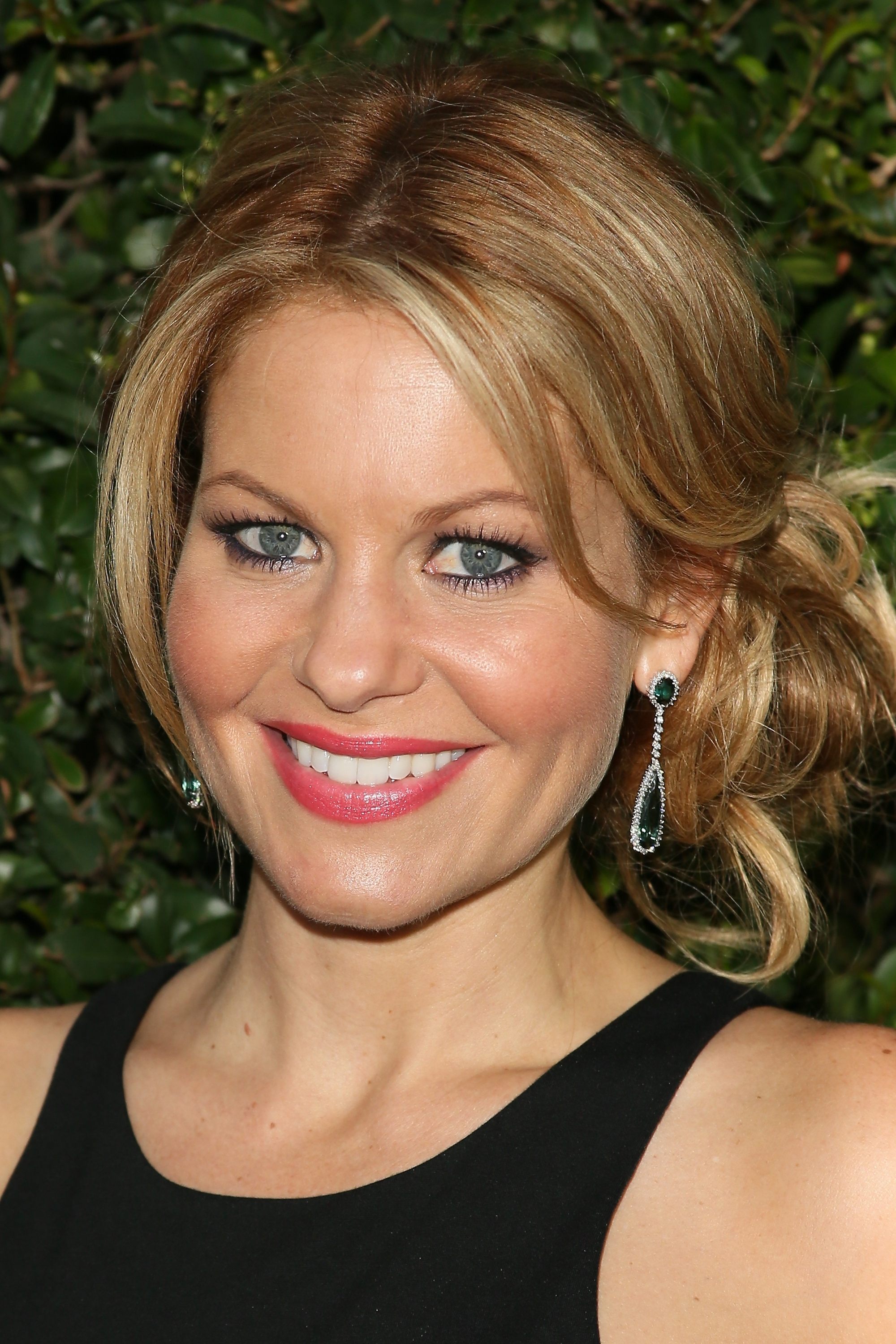
The ‘Full House’ star has frequently spoken about her experiences as a conservative Christian in the entertainment industry. She has faced criticism for her views on traditional marriage and other social issues. Bure maintains that she refuses to be “canceled” for her faith or her personal values. She continues to produce content that aligns with her beliefs, often appearing on networks that cater to a similar audience.
Rapman
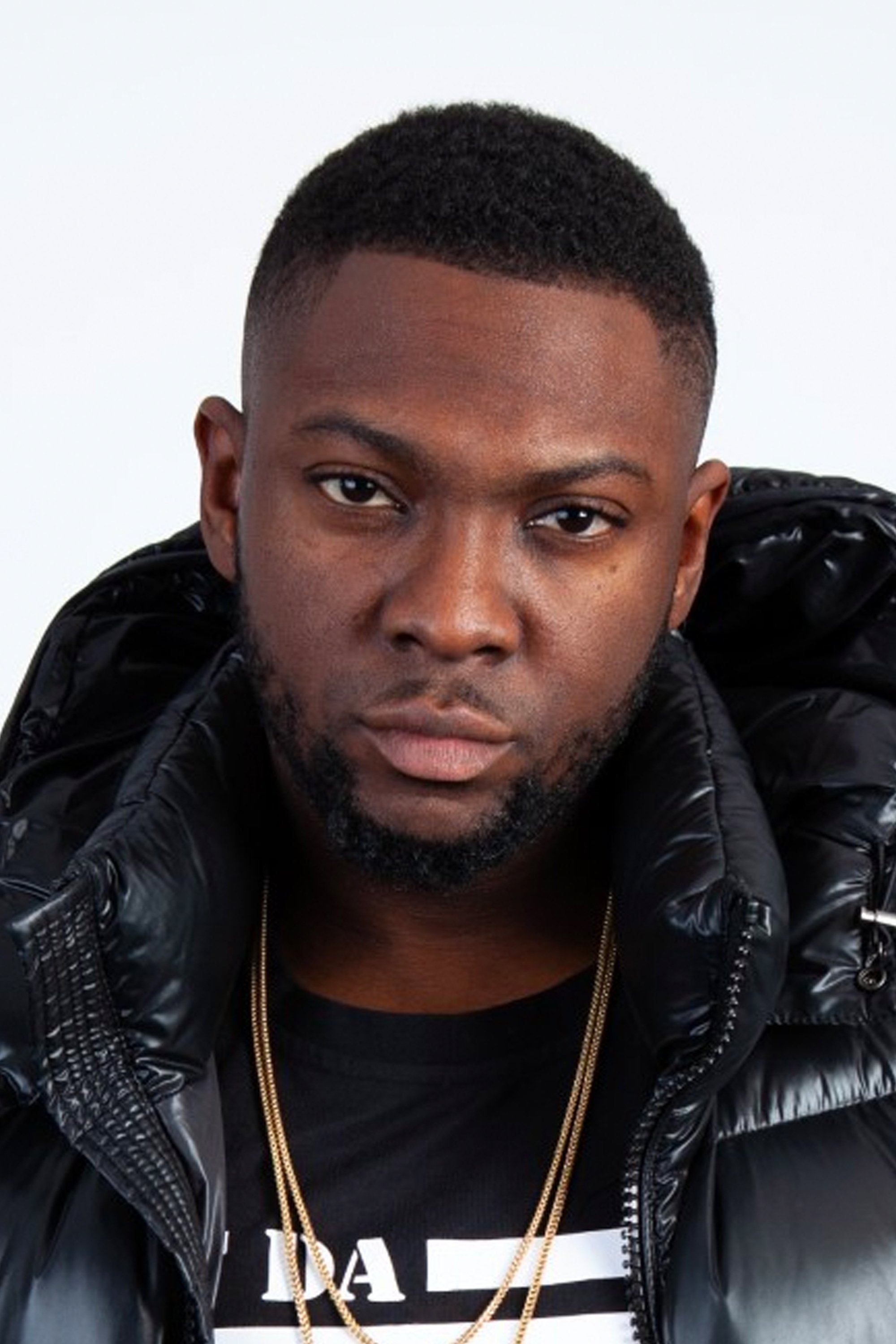
The British filmmaker and creator of ‘Blue Story’ has spoken about the impact of public perception on his work. He has expressed concern that certain communities are more likely to be “canceled” or censored than others. Rapman argues for a more equitable approach to creative expression where all voices can be heard. He continues to use his platform to tell stories that challenge societal expectations and explore complex urban themes.
Please share your thoughts on the impact of cancel culture on the entertainment industry in the comments.