


Stars Who Were Contractually Obligated to Stay a Certain Weight or Face Fines




Hollywood has long treated the physical appearance of its stars as a commodity that can be legally regulated through binding contracts. During the Golden Age, major studios like MGM and Fox frequently inserted strict weight penalty clauses that allowed them to dock pay or suspend actors for minor fluctuations. These draconian measures forced performers to endure starvation diets, dangerous medication regimens, and invasive monitoring to protect their livelihoods. While modern cinema has shifted toward role-specific transformations, the pressure to meet precise physical standards remains a central part of the industry’s legal framework.
Judy Garland

MGM executives monitored the young star’s diet with draconian strictness during her tenure at the studio. Producers famously forced her to consume only chicken soup and black coffee to maintain a waifish figure. The studio prescribed amphetamines to suppress her appetite and keep her working long hours. Any deviation from her assigned weight class resulted in severe reprimands and threats of suspension. This traumatic treatment contributed significantly to her lifelong struggles with health and substance abuse.
Elizabeth Taylor

Studio heads at MGM placed strict weight penalty clauses in the actress’s contracts during the 1940s and 1950s. She faced constant scrutiny regarding her figure and was often put on rigid diets before filming began. Executives threatened to withhold her salary if she did not meet their specific physical standards. Taylor eventually rebelled against these controls later in her career as her star power grew. Her early years remain a testament to the commodification of women in the studio system.
Marlene Dietrich

Director Josef von Sternberg demanded the actress lose a significant amount of weight before he would cast her in ‘The Blue Angel’. Her contract with Paramount Pictures included specific clauses requiring her to maintain this slimmer frame. The studio dictated her meals and monitored her physique to ensure she fit the glamorous image they created. Failure to adhere to these stipulations could result in a breach of contract and loss of roles. She maintained this discipline throughout her peak years in Hollywood.
Clara Bow

The silent film icon signed a contract that explicitly stated she must not exceed 118 pounds. Studio executives weighed her regularly to ensure she remained within this strict limit. Bow often restricted her caloric intake severely to avoid the financial penalties associated with weight gain. This constant pressure to stay thin took a toll on her mental and physical health. She remains one of the earliest examples of contractually enforced dieting in cinema history.
Pierce Brosnan

The actor faced strict weight clauses during his tenure as James Bond in the 1990s and early 2000s. Producers reportedly threatened heavy fines if he exceeded a certain weight while filming the spy franchise. The role demanded a specific silhouette that the studio was unwilling to compromise on. Brosnan has since spoken about the immense pressure he felt to maintain his physique for the role. This stipulation underscored the high stakes involved in leading a major blockbuster franchise.
Rebel Wilson

This comedic actress had a contract for the ‘Pitch Perfect’ franchise that forbade her from losing weight. The producers required her to stay the same size to maintain her character’s specific identity. Wilson stated that she delayed her personal health journey until her contractual obligations to the series were finished. She felt trapped by the legal requirement to remain at a higher weight for the sake of comedy. Once the franchise ended, she immediately embarked on a publicized year of health.
Joan Crawford

MGM enforced a strict morality and appearance clause that governed every aspect of the star’s life. She was required to maintain a specific weight and figure to keep her contract valid. The studio provided her with diet plans and exercise regimens that were mandatory to follow. Crawford was known for her discipline, but the threat of suspension without pay was always present. Her adherence to these rules helped cement her status as a screen legend.
Rita Hayworth

Columbia Pictures transformed the actress from a Spanish dancer into a Hollywood icon through rigorous physical controls. Her contract involved electrolysis to change her hairline and strict weight management to alter her body shape. Studio boss Harry Cohn monitored her appearance obsessively and threatened penalties for any fluctuation. Hayworth endured these invasive demands to secure her place as a leading lady. The physical transformation was a non-negotiable part of her employment.
Carrie Fisher

George Lucas famously instructed the actress to lose weight before she could play Princess Leia in ‘Star Wars’. She referred to her contract as containing an unwritten “fat farm” clause that she had to obey. The studio pressured her to maintain a slender figure throughout the filming of the original trilogy. Fisher often spoke with wit and candor about the absurdity of these demands in a sci-fi fantasy. Her experience highlighted the industry’s obsession with female thinness even in space operas.
Gene Tierney

Fox executives included a weight clause in her contract that stipulated she must stay at a specific size. The studio fined her or docked her pay if she reported to the set over the agreed limit. Tierney famously recounted instances where she was sent home to lose weight before she could work. This financial leverage was a common tool used by studios to control their female stars. She struggled with these demands throughout her time as a top-tier actress.
Marietta Millner

This silent film actress suffered a tragic fate due to the extreme weight clauses in her contract. She engaged in a starvation diet to meet the studio’s demands and stay employed. The severe malnutrition weakened her immune system significantly. She reportedly died of tuberculosis that her body was too weak to fight off. Her death serves as a grim reminder of the physical dangers posed by the studio system.
Chrissy Metz
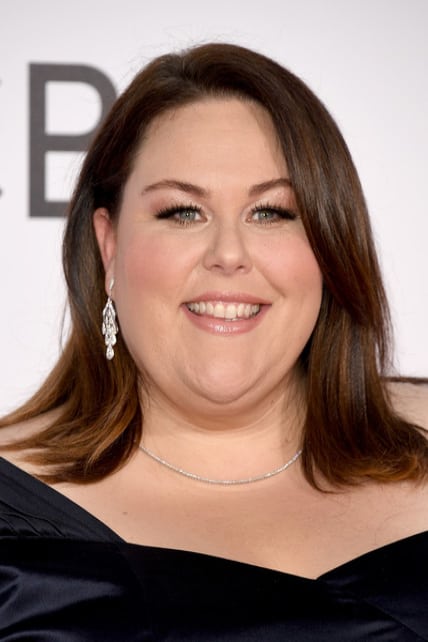
The actress signed a contract for the show ‘This Is Us’ that required her to lose weight in tandem with her character. The role of Kate Pearson involved a specific narrative arc about weight loss that Metz had to mirror in real life. While she viewed this as a motivation, it was nonetheless a legal obligation tied to her employment. The producers stipulated that her physical trajectory must align with the script. This unique clause blurred the lines between personal health and professional duty.
Lana Turner

MGM executives frequently threatened to suspend the actress if her weight fluctuated. She was often put on crash diets before production began to ensure she fit the studio’s ideal of a “sweater girl”. Turner faced the constant risk of being placed on suspension without pay if she did not comply. The studio viewed her body as property that had to be maintained according to their specifications. These pressures added to the turbulence of her personal and professional life.
Greta Garbo

Louis B. Mayer famously told the Swedish actress that American audiences did not like “fat women” when she arrived in Hollywood. She was immediately placed on a strict diet of spinach and toast to reduce her weight. Her contract and continued employment were contingent upon her transforming her physique. Garbo adhered to these demands rigidly to secure her place at MGM. She became one of the biggest stars in the world only after conforming to these standards.
Jean Harlow

The “Blonde Bombshell” was subject to intense scrutiny regarding her curves and weight. Her contract with MGM included standard clauses that allowed the studio to penalize her for changes in appearance. She worked tirelessly to maintain the figure that made her a sex symbol. Studio fixers monitored her lifestyle to ensure she remained camera-ready at all times. Harlow’s career was short but defined by these rigorous physical expectations.
Mark Hamill

The actor was contractually required to lose a significant amount of weight to reprise his role as Luke Skywalker in ‘The Force Awakens’. Disney and Lucasfilm provided him with a trainer and a nutritionist to ensure he met the goal. The studio made his physical transformation a condition of his return to the franchise. Hamill joked about the “torture” of the diet but acknowledged it was a mandatory part of the job. The requirement highlighted that male actors are not immune to strict physical standards in modern blockbusters.
Molly O’Day

This actress took drastic measures to save her career when told she was too heavy for leading roles. She underwent a surgical procedure to have pounds of flesh removed from her hips and legs. The studio had threatened to drop her contract if she did not slim down. This extreme and dangerous surgery was a direct result of the pressure to maintain a certain weight. It stands as one of the most horrifying examples of Hollywood’s physical requirements.
Kirstie Alley

The actress faced a public legal battle when she was sued for allegedly breaching her contract as a spokesperson for Jenny Craig. The company claimed she failed to maintain her weight loss as stipulated in their agreement. While not a film role, this highlighted the financial penalties stars face when their weight is tied to a contract. The lawsuit brought the discussion of contractual weight obligations into the public eye. It demonstrated that commercial endorsements often carry the same strict clauses as studio contracts.
Jennifer Hudson

The singer and actress signed a deal with Weight Watchers that required her to maintain her weight loss. She faced contractual obligations to represent the brand’s success through her own physique. Hudson reportedly had to adhere to the program strictly to keep the endorsement deal. Breaching the weight maintenance clause would have resulted in the termination of the lucrative contract. She successfully maintained the weight for the duration of the partnership.
Valerie Bertinelli

The actress was famously let go from her role as a Jenny Craig spokesperson after gaining weight. She revealed that her contract was terminated because she could not maintain the size required by the company. The dismissal served as a public penalty for failing to meet physical standards. Bertinelli later spoke out against the toxicity of the diet culture she had been contractually bound to promote. Her experience underscored the conditional nature of employment based on body size.
Ava Gardner

MGM included penalty clauses in her contract that punished her for gaining weight or becoming pregnant. The studio expected her to maintain her status as a sex symbol without interruption. Gardner wrote in her autobiography about the control the studio exerted over her body. She lived under the constant threat of suspension if she defied these orders. The actress eventually left Hollywood to escape the suffocating control of the studio system.
Chris Pratt

Marvel Studios required the actor to undergo a massive physical transformation for ‘Guardians of the Galaxy’. His contract stipulated that he had to lose a significant amount of weight and build muscle. Failure to achieve the superhero physique would have cost him the role. He worked with trainers and nutritionists for months to meet the studio’s strict criteria. Pratt’s transformation became a standard for male leads in the Marvel Cinematic Universe.
Renée Zellweger

The actress signed a contract to play Bridget Jones that required her to gain a specific amount of weight. Conversely, she was obligated to lose the weight after filming ended for other roles. This yo-yo dieting was a professional requirement dictated by her casting agreements. Zellweger spoke about the physical toll of rapidly changing her size for the franchise. Her experience illustrates that contractual weight mandates can go in both directions.
Charlize Theron

For her role in ‘Monster’, the actress was contractually obligated to gain over 30 pounds. She had to maintain this higher weight throughout the production to keep the character authentic. The studio and director required this physical commitment as a condition of her starring role. Theron found the process grueling and struggled to lose the weight afterward. The role won her an Oscar, validating the extreme physical demands placed upon her.
Tom Hanks

Production on ‘Cast Away’ was halted for a year so the actor could lose over 50 pounds to portray a castaway. His contract structured the filming schedule around this mandatory weight loss. Hanks had to adhere to a starvation-level diet to meet the visual requirements of the film’s second half. The studio made his physical deterioration a central part of the production agreement. This remains one of the most famous examples of method acting enforced by a production schedule.
Christian Bale
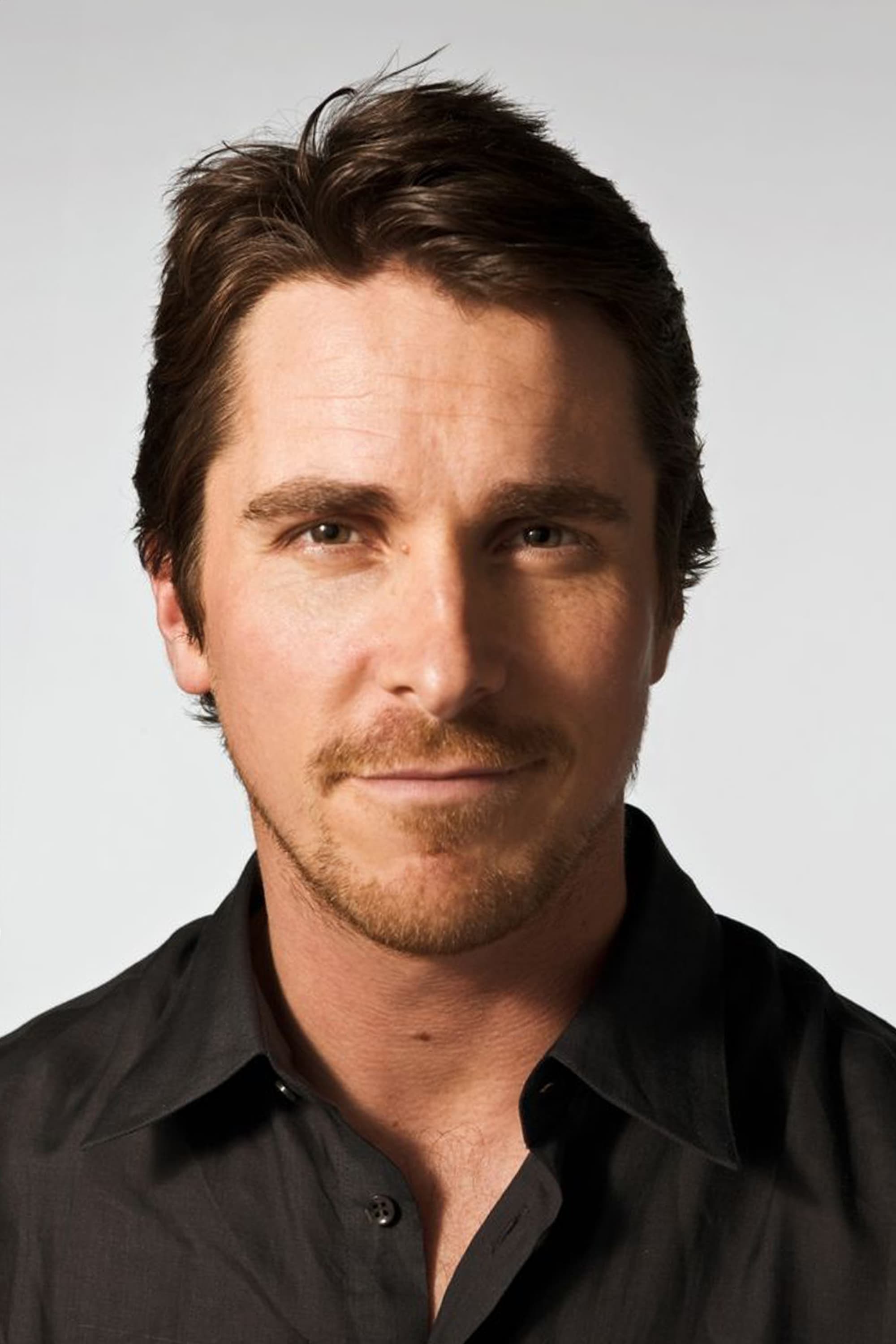
The actor is known for signing contracts that require dangerous weight fluctuations, most notably for ‘The Machinist’. He dropped to a skeletal 120 pounds to meet the director’s vision for the character. While self-imposed to a degree, the production relied on his contractual promise to show up in that state. He immediately had to bulk up for ‘Batman Begins’, facing another strict physical deadline. Bale has since stated he will no longer agree to such extreme physical demands.
Jessica Simpson

To play Daisy Duke in ‘The Dukes of Hazzard’, the singer was told she had to meet a strict physical ideal. Her contract reportedly hinged on her ability to fit into the character’s iconic denim shorts. Producers pressured her to diet and exercise rigorously to achieve the look. The role became defined by her body, and the studio ensured she maintained it for the film. Simpson later discussed the damage this pressure did to her body image.
Anne Hathaway

The actress agreed to lose a dangerous amount of weight to play Fantine in ‘Les Misérables’. Her contract for the film involved transforming into a dying character through extreme dieting. She ate “dried oatmeal paste” to meet the visual demands of the director. The production team supported this unsafe weight loss to capture a realistic performance. Hathaway won an Academy Award but admitted the process was physically and mentally damaging.
50 Cent

The rapper signed on to star in ‘All Things Fall Apart’ and contractually agreed to lose over 50 pounds. He played a football player stricken with cancer and needed to look emaciated. He achieved this through a liquid diet and excessive exercise. The independent film relied on his shocking transformation for publicity and authenticity. He returned to his normal weight after fulfilling his obligation to the role.
Matthew McConaughey
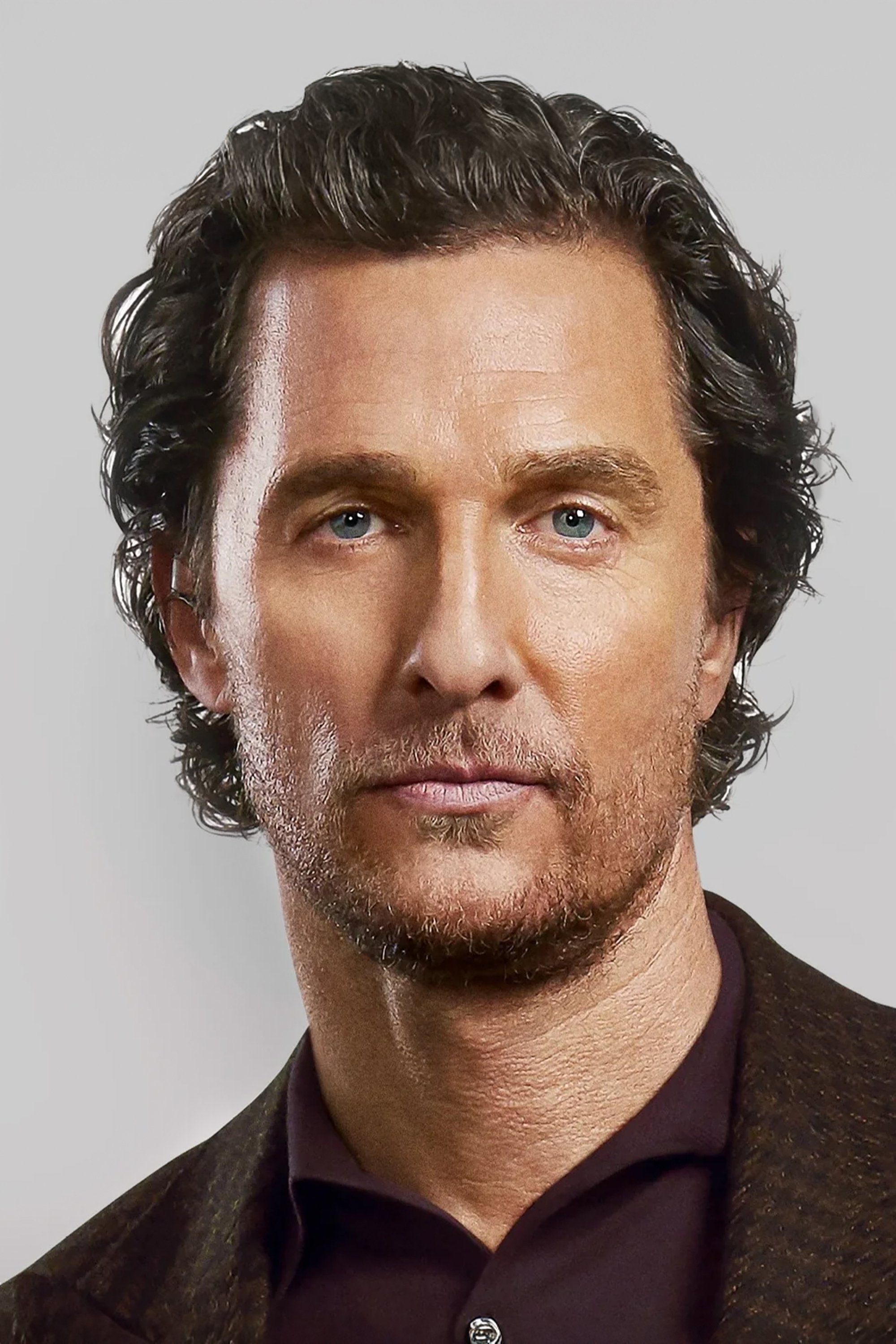
For ‘Dallas Buyers Club’, the actor signed a contract that required him to lose nearly 50 pounds. He played an AIDS patient and needed to appear dangerously thin to be convincing. The production schedule was tight, and he had to maintain the low weight for the duration of the shoot. McConaughey survived on Diet Coke, egg whites, and a piece of chicken a day. His adherence to this strict physical requirement earned him an Academy Award.
Jason Segel

Universal Pictures told the actor he had to lose weight to star in ‘The Five-Year Engagement’. The studio executives reportedly felt he was too heavy to be believable as Emily Blunt’s love interest. Segel was forced to exercise and diet as a condition of keeping the role he co-wrote. He spoke publicly about the absurdity of being told to slim down for a comedy. This instance showed that male actors in romantic leads are also subject to studio vanity metrics.
Ben Affleck

Director Michael Bay forced the actor to undergo a physical overhaul to star in ‘Armageddon’. Affleck was contractually obligated to fix his teeth, tan, and spend hours in the gym. The studio wanted him to look like a traditional action hero rather than an indie actor. He adhered to the regime to secure his first major blockbuster lead. The transformation successfully launched him into action stardom.
Please share your thoughts on these Hollywood standards in the comments.