


Stars Who Write Their Own Dialogue (Sometimes)

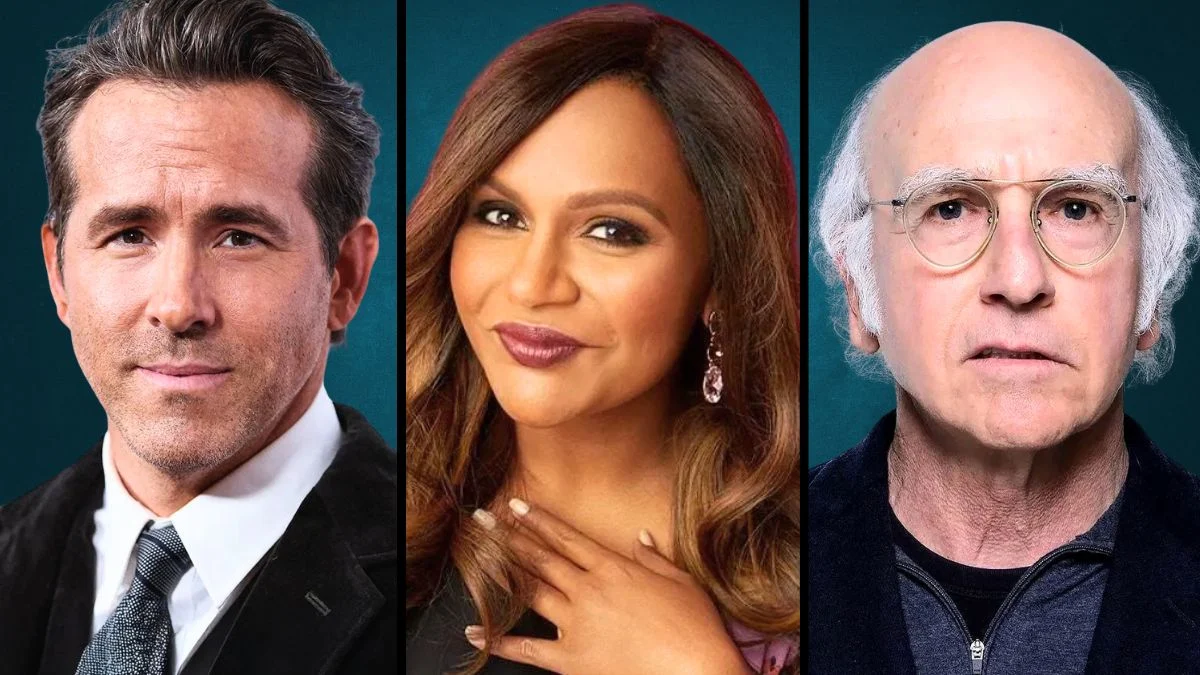


In every production there are scripts, rewrites, and on the day changes. Some performers step in at that last step and help shape what their characters actually say. They come with alternate lines, riff in the moment, or build dialogue from detailed outlines so the words feel natural to them. Sometimes they also hold formal writing credits, which means they helped create the very lines they deliver.
This list highlights actors who sometimes write or improvise their own dialogue. You will see examples that range from tightly scripted shows where the star is the creator to films that encourage on set ad libbing. In each case there is a clear track record of performers contributing words that end up on screen.
Robert Downey Jr.
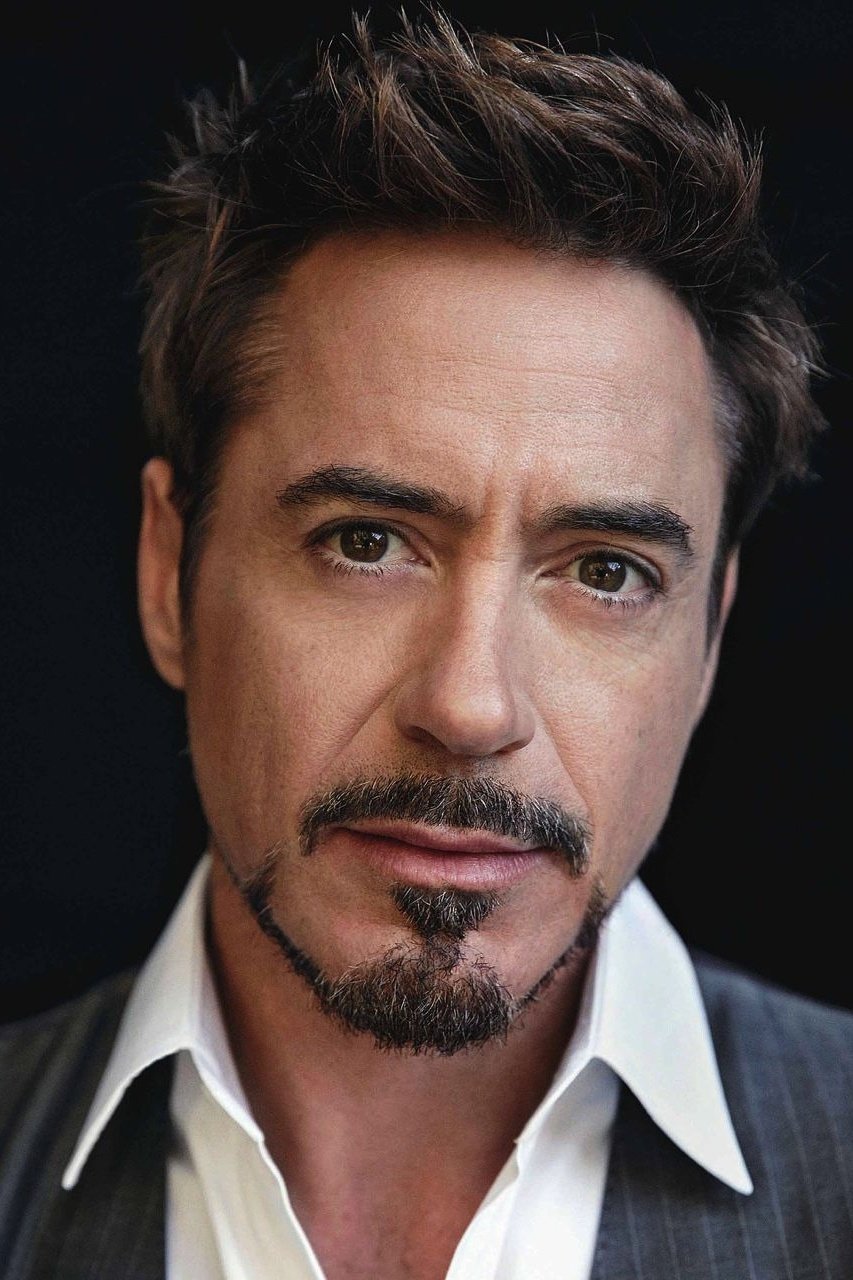
On ‘Iron Man’ and the films that followed, director Jon Favreau encouraged loose takes and quick rewrites during production. Robert Downey Jr. often pitched alternate lines for Tony Stark and adjusted dialogue to fit the rhythm of a scene. The famous press conference ending of ‘Iron Man’ where Stark reveals his identity grew from this improv friendly approach.
He continued that practice across appearances in ‘The Avengers’ films and ‘Spider Man Homecoming’. On set reports and cast recollections frequently note Downey bringing fresh options to each setup and then locking the best version on camera.
Ryan Reynolds
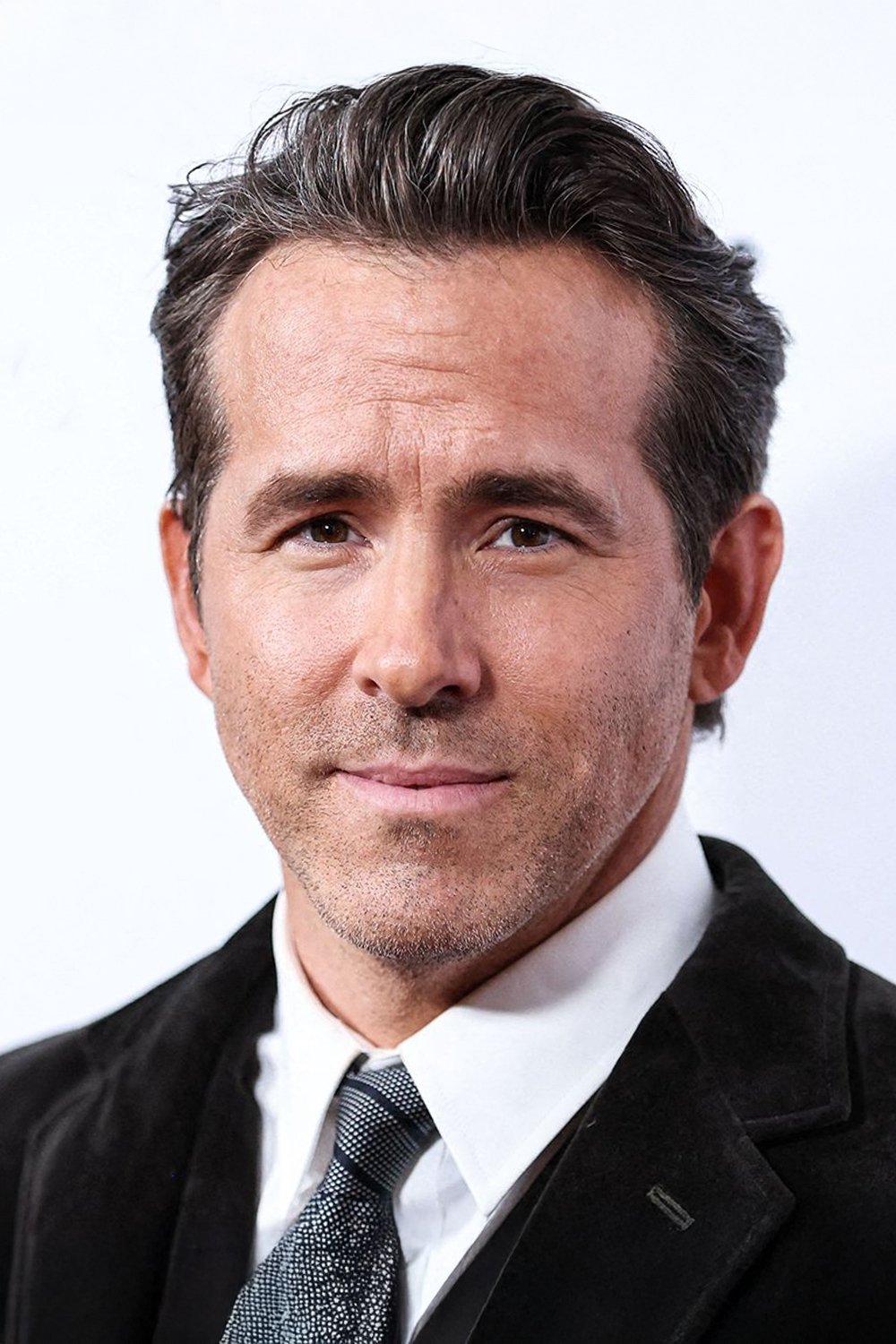
Ryan Reynolds has formal writing credit on ‘Deadpool 2’ along with Rhett Reese and Paul Wernick. He also shaped the voice of the character through on set alts and pickups in both ‘Deadpool’ and ‘Deadpool 2’. The production schedule for those films included time for wild lines to support punch ups in editing.
He has carried that habit into other projects by providing alternate gags and rephrased dialogue during coverage. His hands on involvement extends to marketing pieces tied to ‘Deadpool’ where he regularly scripts in character bits that match the film.
Bill Murray
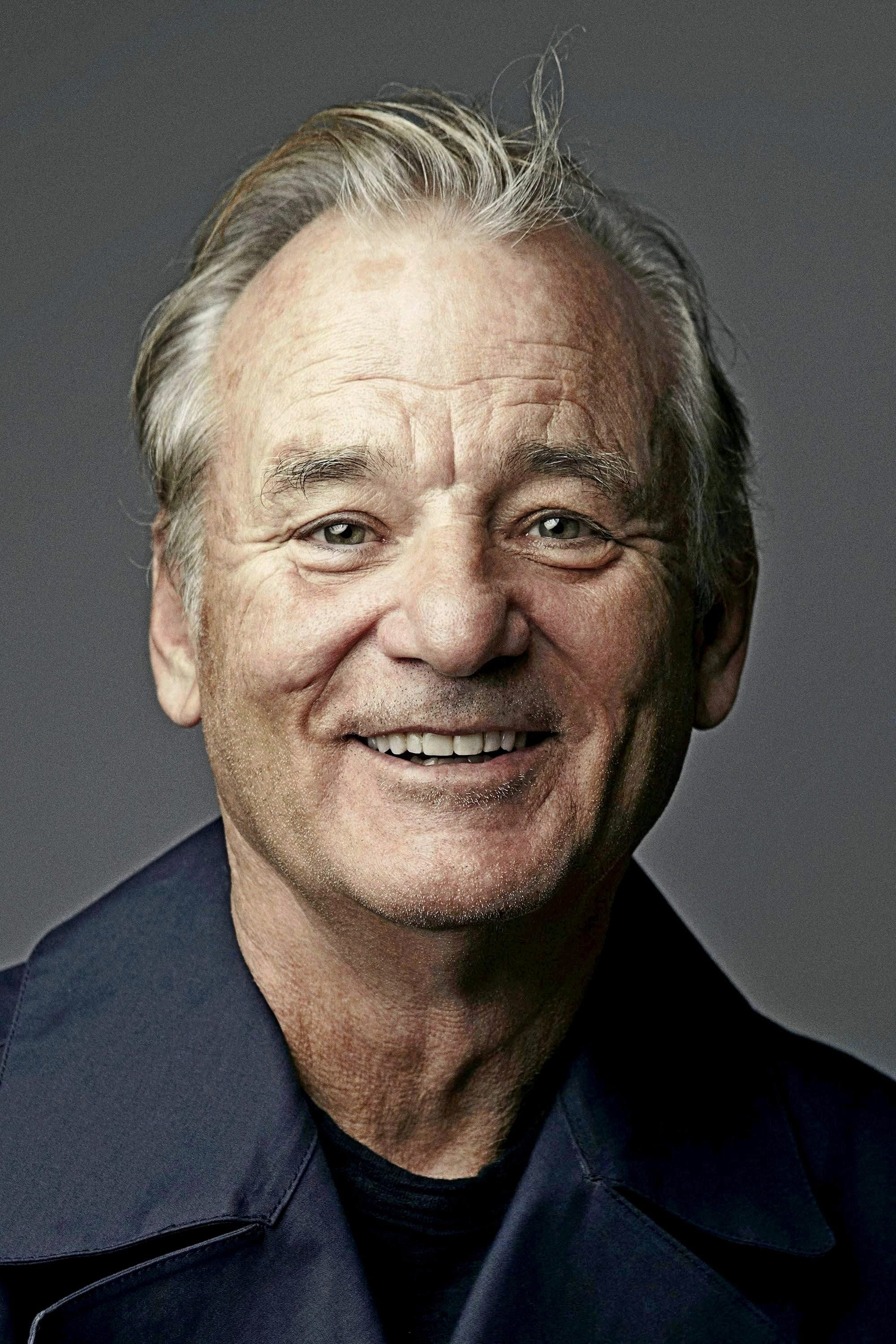
During ‘Caddyshack’ Bill Murray improvised the Cinderella story monologue on the golf course. The crew filmed the sequence after discussing only the situation and a general goal for the scene. Murray has used similar methods on ‘Ghostbusters’ where several Venkman quips were created during takes.
Directors who work with him often schedule extra film time to capture variations. Productions like ‘Groundhog Day’ and ‘Stripes’ made room for him to try new lines that were not on the page and then keep the ones that played best in the edit.
Robin Williams
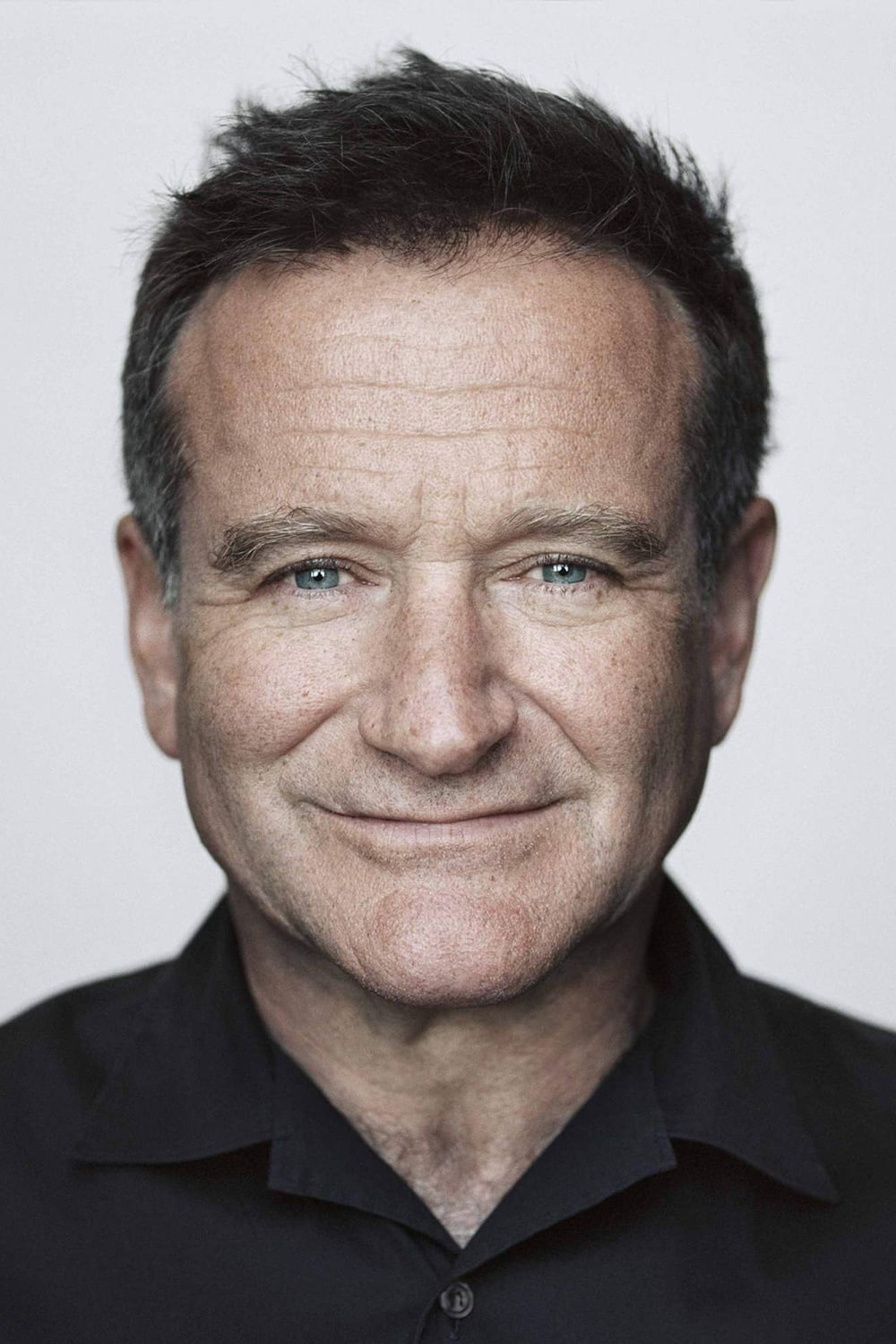
Robin Williams recorded hours of improvised material for ‘Aladdin’ as the Genie. The animation team selected portions of those sessions and matched them with new storyboards, which means much of the final dialogue came from his spontaneous riffs in the recording booth.
He followed a similar process on ‘Good Morning Vietnam’, where improvisation was a planned part of his performance. The script provided scenarios and direction while Williams delivered rapid fire lines that were captured and shaped in the cutting room.
Sacha Baron Cohen
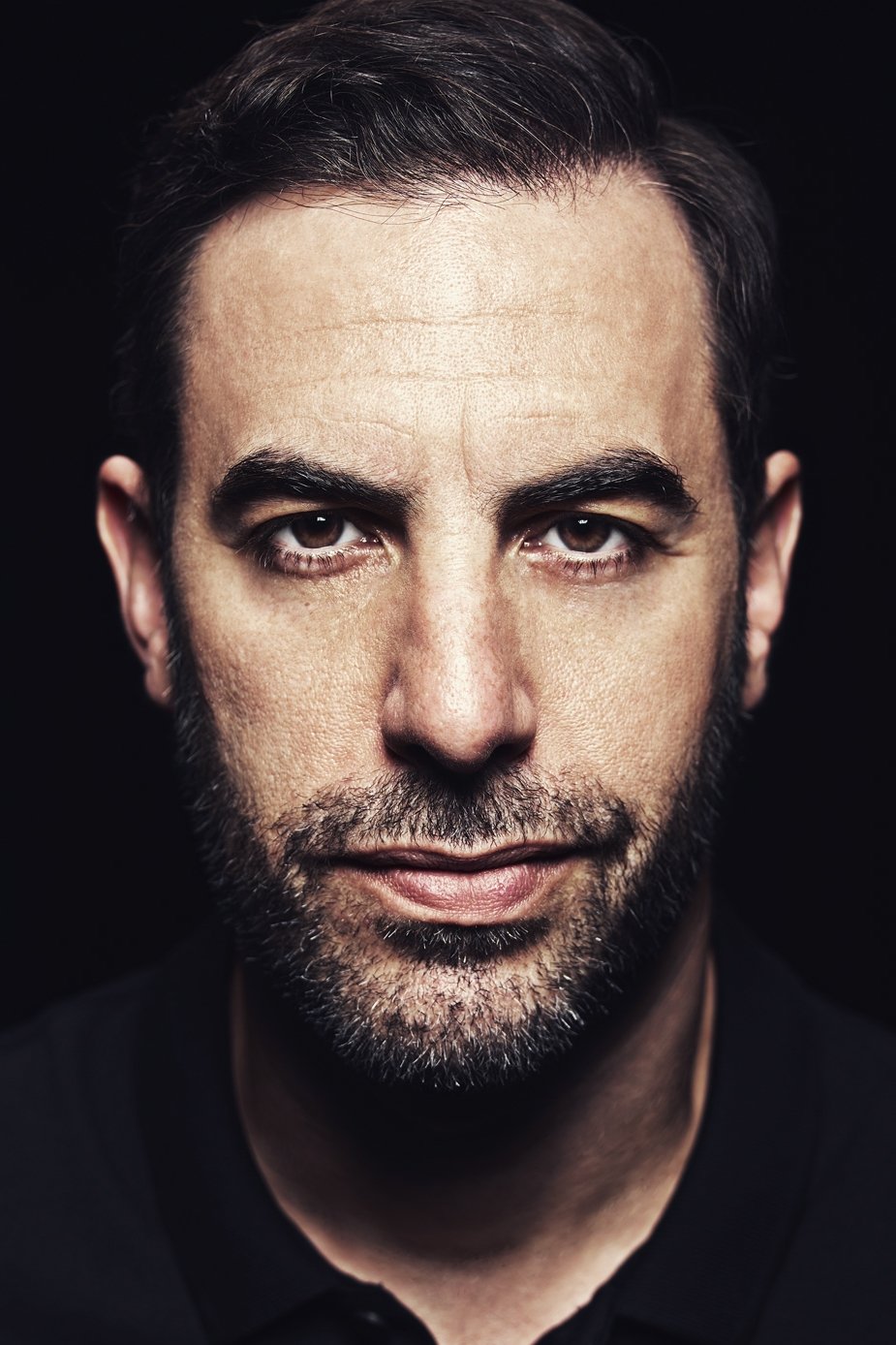
Sacha Baron Cohen co writes his character driven films and shows, including ‘Borat’, ‘Bruno’, and ‘Who Is America’. The projects rely on unscripted interactions where he improvises dialogue in real time while staying in character. The final cut blends planned beats with spontaneous exchanges.
His preparation includes building a persona with specific background details and then responding to the situation with new lines. That method lets him generate dialogue that matches the environment while still advancing the story he designed with his writing partners.
Larry David
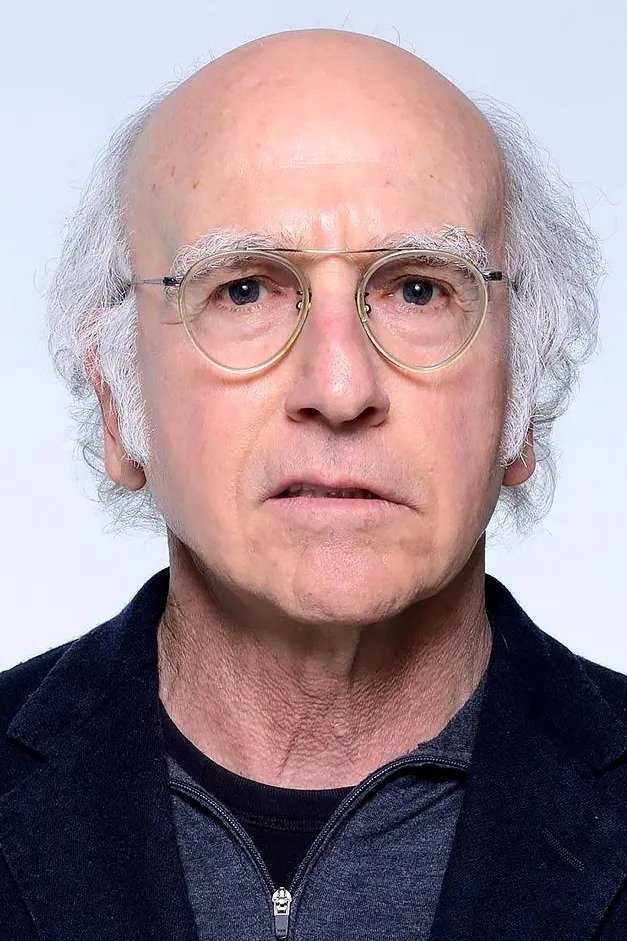
‘ Curb Your Enthusiasm’ is produced from detailed scene outlines. Larry David writes those outlines and then performs the scenes without scripted dialogue. He and the cast improvise the words while following the story beats, so his character’s lines are created on the day.
This format allows him to tailor phrasing to the moment while keeping the plot intact. Rehearsals focus on clarifying objectives and then cameras roll as dialogue is discovered in real time and refined over multiple takes.
Tina Fey
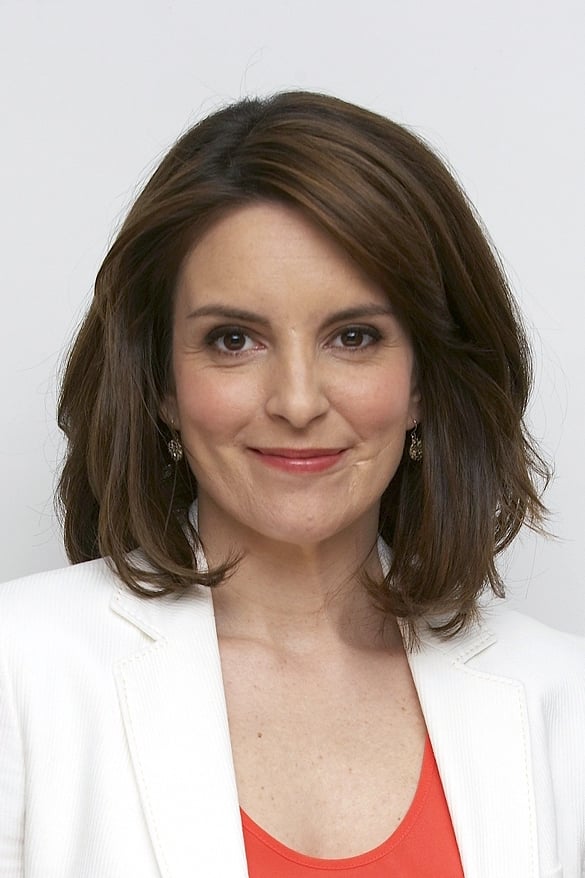
Tina Fey created ’30 Rock’ and served as head writer while starring as Liz Lemon. She wrote episodes and supervised rewrites, which included adjusting her own dialogue during table reads and production. Studio and network drafts often reflected changes that came from those sessions.
Her film work shows a similar pattern. She wrote ‘Mean Girls’ and later revised lines during shooting to fit timing and performance. When she acts, she brings a writer’s sensibility to phrasing, which gives her flexibility to tweak her character’s words within the script.
Mindy Kaling
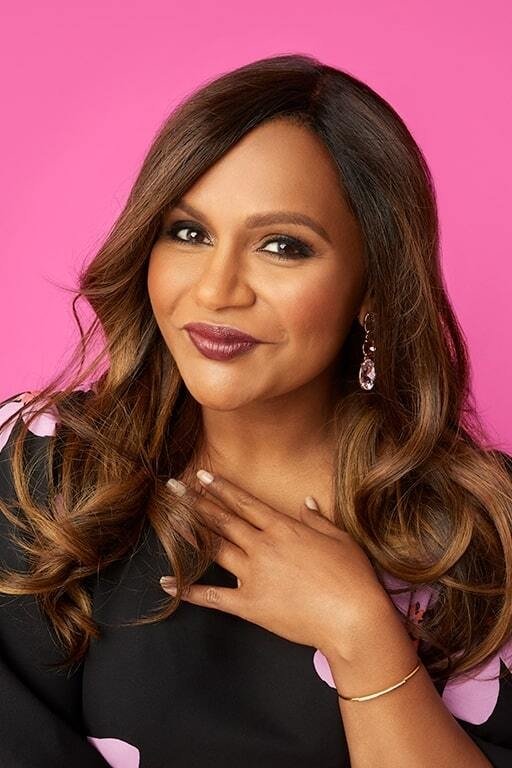
Mindy Kaling wrote many episodes of ‘The Office’ and acted as Kelly Kapoor. In that role she shaped her own dialogue through rewrites and alts that were common in the show’s production. Scripts went through table read changes and on set options that she helped generate.
She continued this dual role model on ‘The Mindy Project’ as creator and star. Writers room drafts were refined at rehearsals, and she frequently adjusted her character’s lines to fit the scene’s pace and comedic rhythm.
Donald Glover

Donald Glover created ‘Atlanta’ and wrote or co wrote numerous episodes while starring as Earn. The show’s production process included script revisions during prep and filming, which gave him latitude to modify his own dialogue to match tone and setting.
Before ‘Atlanta’ he wrote for ’30 Rock’ and performed on ‘Community’. That combination of writers room experience and screen acting made him comfortable updating lines in the moment while protecting the intent of the scene.
Ricky Gervais
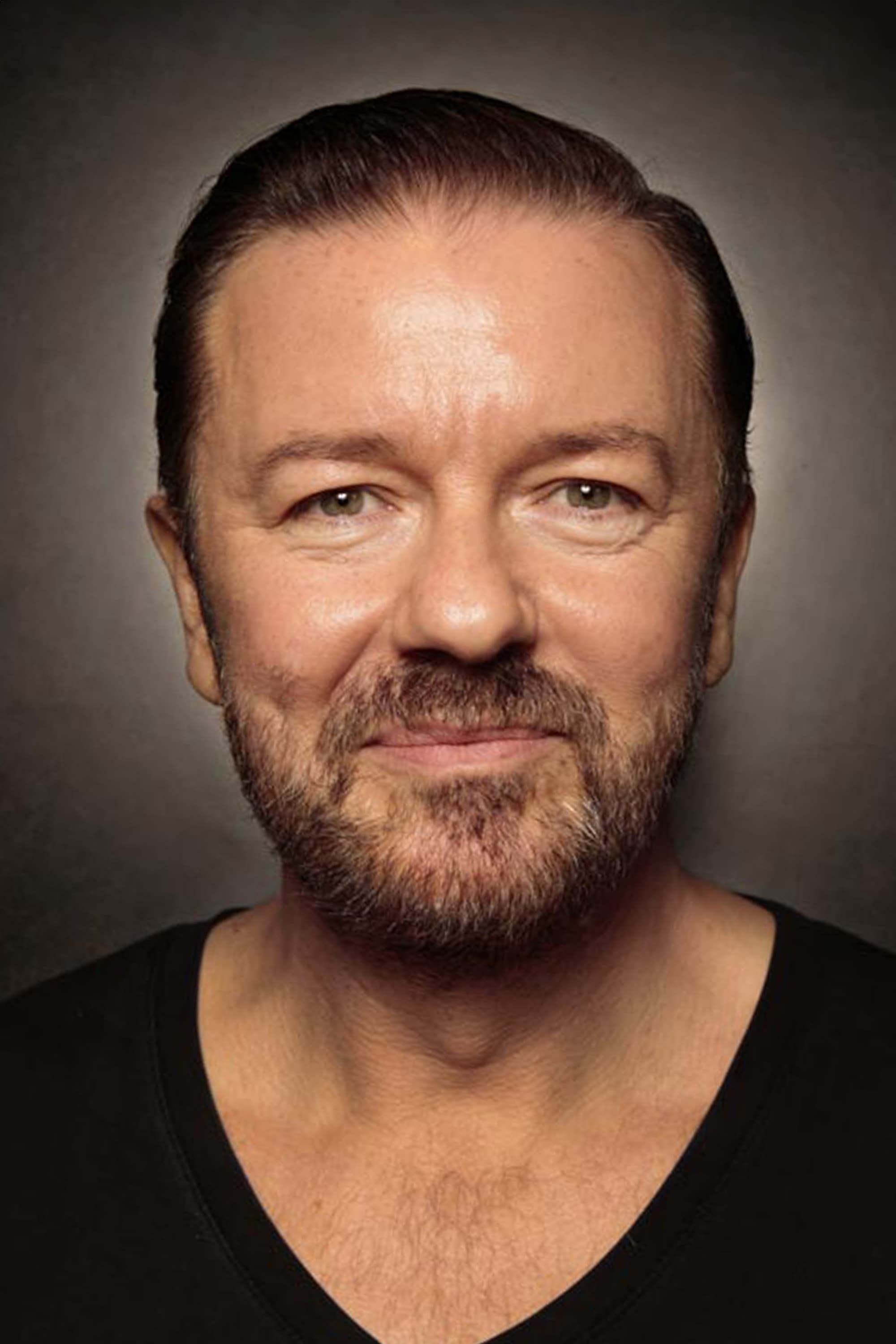
Ricky Gervais co created and co wrote ‘The Office’ in the United Kingdom and starred as David Brent. The mockumentary style encouraged naturalistic delivery, and he refined his dialogue through rehearsals and multiple takes to capture a realistic cadence.
He used the same approach on ‘Extras’ where he again served as creator and writer while acting. Story outlines and scripts were adjusted to suit performance, and his lines were often fine tuned during shooting to maintain the documentary feel.
Amy Schumer
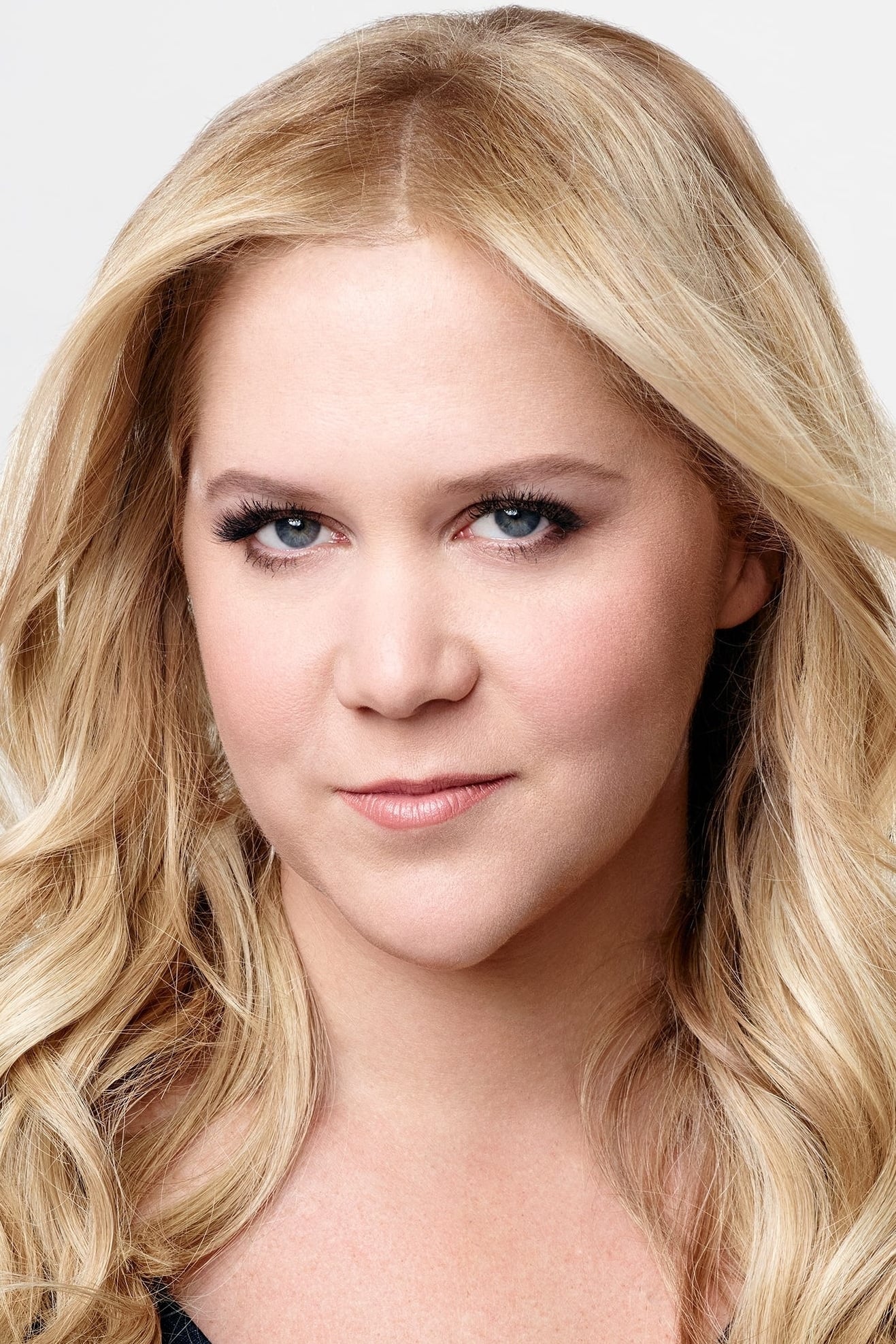
Amy Schumer wrote and starred in ‘Trainwreck’, which gave her direct control over her character’s dialogue. She collaborated with the director during rehearsals and on set to adjust lines for timing and clarity, adding alts as needed for coverage.
She takes a similar role on ‘Life and Beth’, writing episodes and leading the show. Scripts go through writers room drafts, table reads, and production polishes, and she regularly updates her own dialogue across those stages.
Jordan Peele
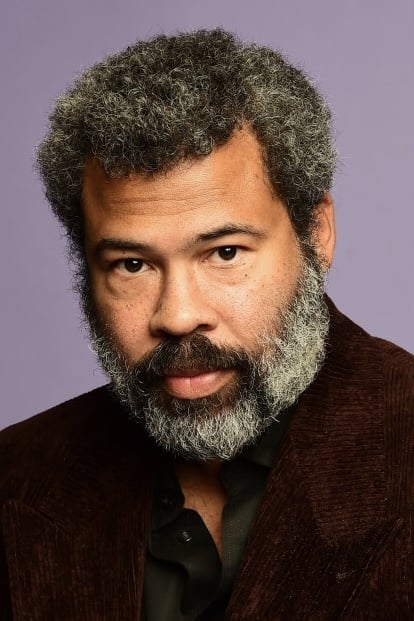
Before moving behind the camera for films, Jordan Peele wrote and performed on ‘Key and Peele’. Sketches began with writer brainstorming and then evolved through rehearsal where Peele and Keegan Michael Key refined their lines for performance.
That process meant Peele often wrote the dialogue he later delivered on screen. The show’s structure supported both scripted lines and in room improvisation, which allowed him to tailor phrasing to each character.
Greta Gerwig
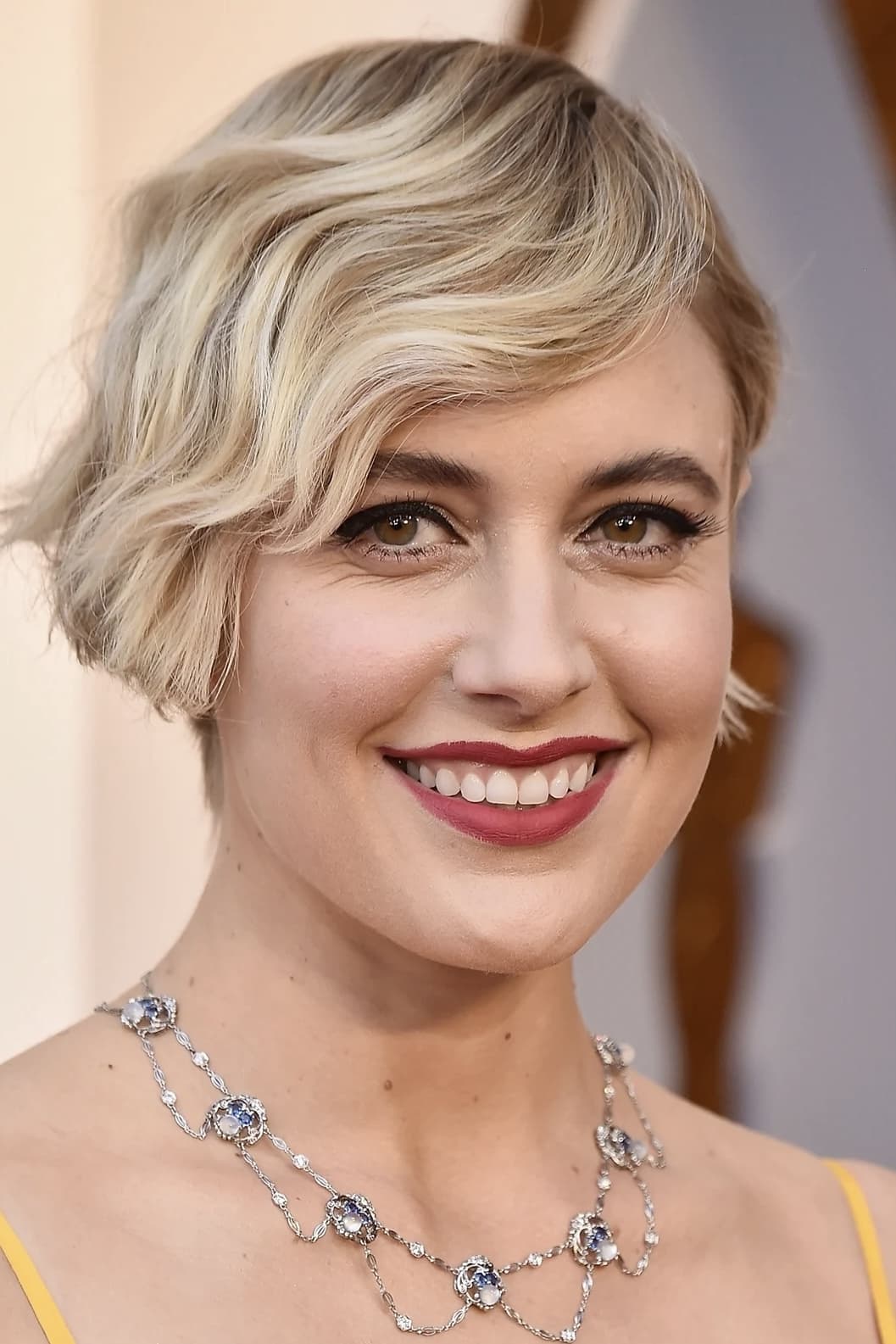
Greta Gerwig co wrote and starred in ‘Frances Ha’ and ‘Mistress America’. She worked with Noah Baumbach on drafts that captured conversational rhythms, and rehearsals allowed her to settle on phrasing that felt right for the scenes she would perform.
In addition to those projects she has worked on scripts while acting in independent films. That background gave her room to adjust lines during production with the approval of the director, ensuring her dialogue matched the character she helped create.
Kumail Nanjiani
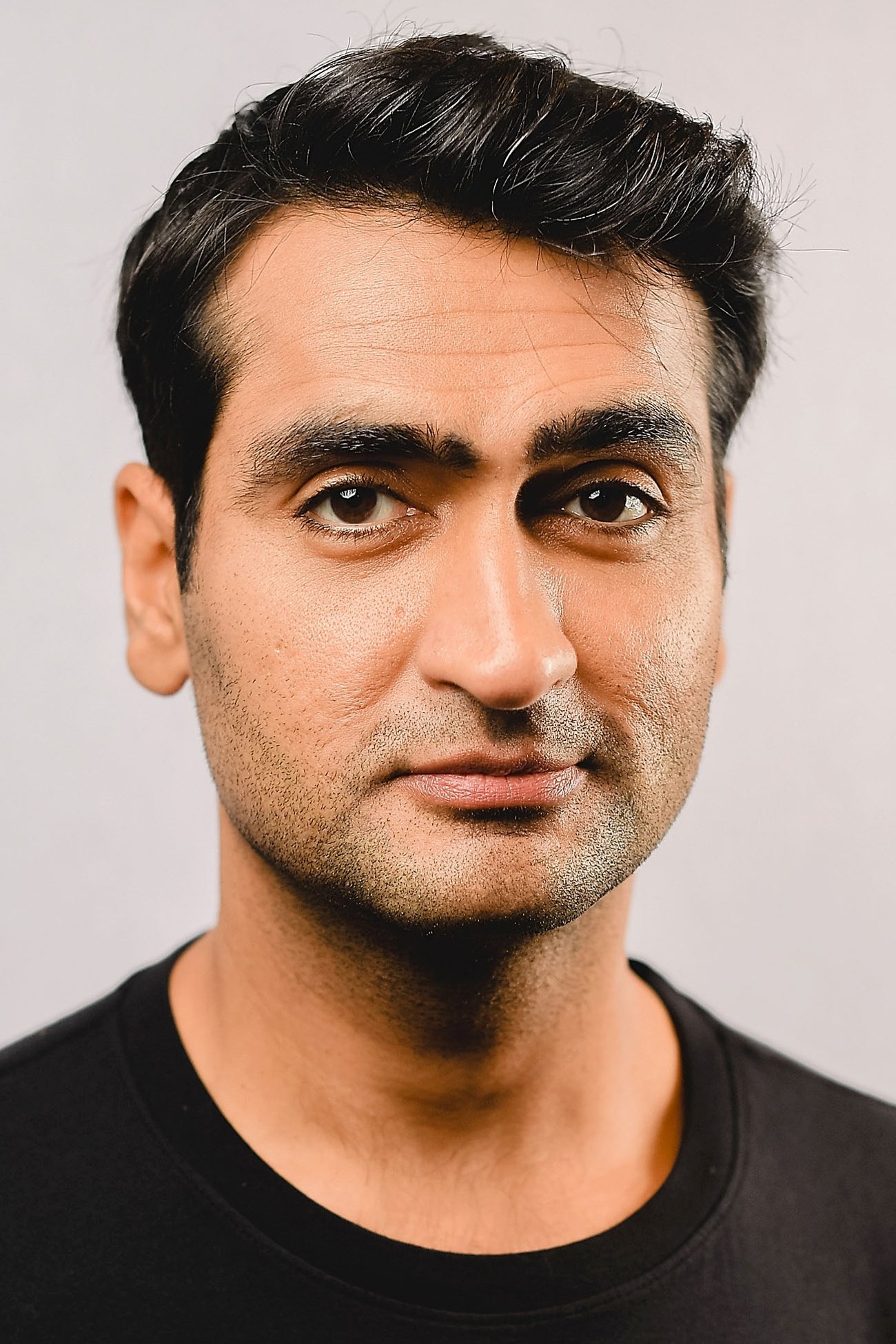
Kumail Nanjiani co wrote ‘The Big Sick’ with Emily V Gordon and starred as a version of himself. The film draws on his stand up and personal history, so he had direct input on how lines were phrased and delivered during filming.
He has also contributed to dialogue on television by writing episodes and then acting in them. That crossover lets him make small changes on set that keep the words consistent with character and story.
Sylvester Stallone
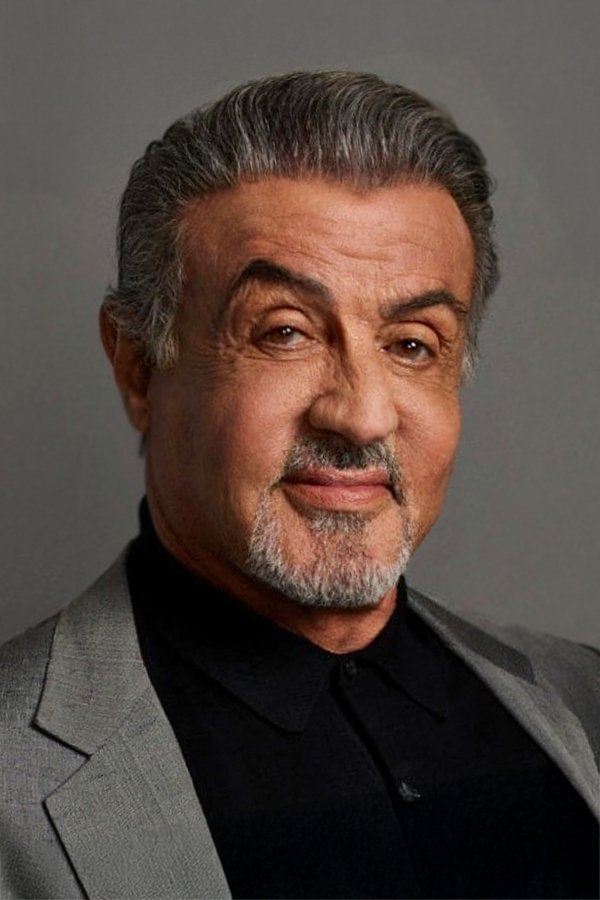
Sylvester Stallone wrote ‘Rocky’ and starred as the title character. He revised dialogue during production to fit performance and later authored sequels where he again shaped his lines as both the writer and the actor.
He followed the same pattern on ‘First Blood’ and later entries in the ‘Rambo’ series. Writing and starring allowed him to maintain continuity of voice for the character and to adjust speech during rehearsals and filming.
Emma Thompson
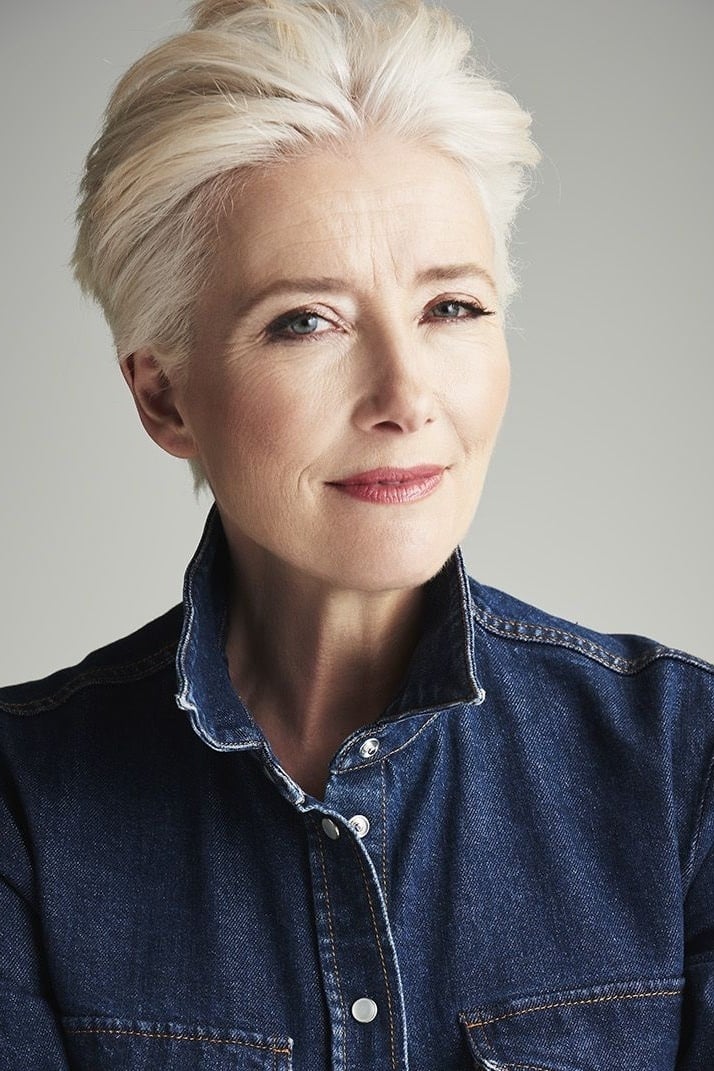
Emma Thompson wrote the screenplay for ‘Sense and Sensibility’ and starred as Elinor Dashwood. She adapted dialogue from the novel while also crafting original lines, and she worked through multiple drafts that reflected how the words would play on camera.
She wrote ‘Nanny McPhee’ and led the film as the title character. That production gave her another opportunity to finalize dialogue in both the writing phase and on the set to match costume, makeup, and performance needs.
Ben Affleck
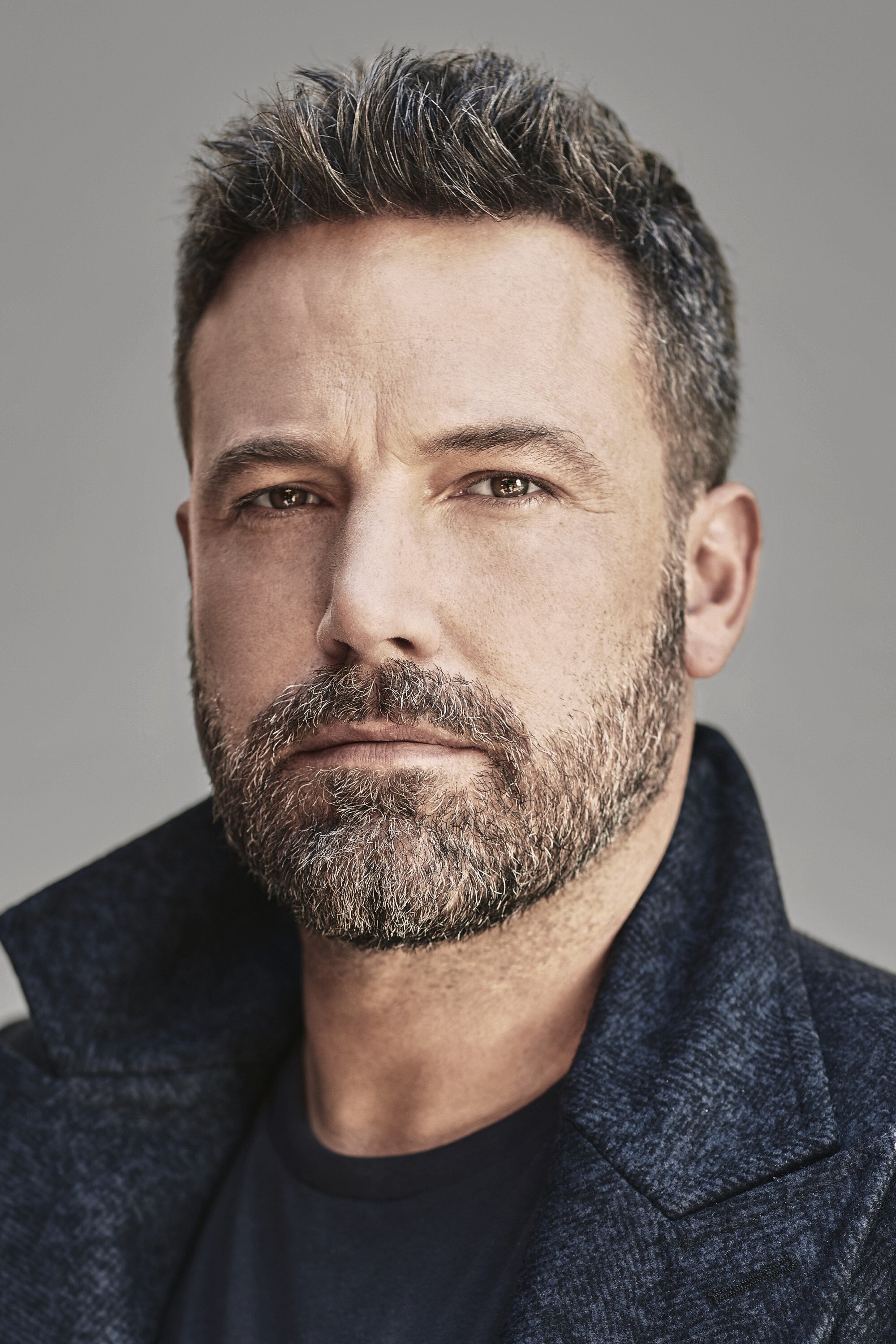
Ben Affleck co wrote ‘Good Will Hunting’ with Matt Damon and acted in the film. As a writer on the project he helped craft dialogue, including his own scenes, and participated in revisions during production.
He later co wrote and starred in ‘The Town’. As a director on that film he supervised on set rewrites and adjusted his lines to fit changes in blocking and location.
Matt Damon
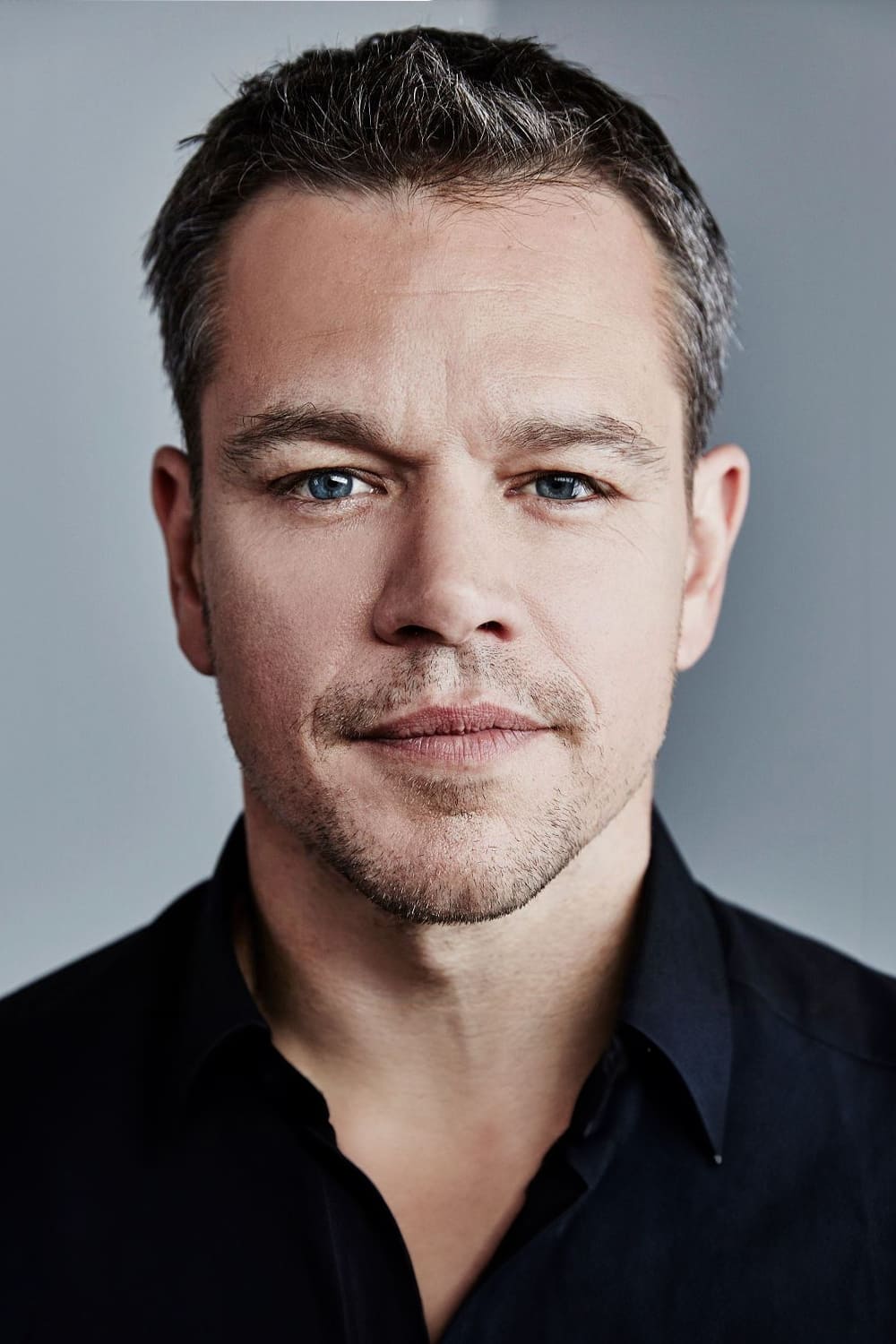
Matt Damon co wrote ‘Good Will Hunting’ and played Will Hunting. He worked through script drafts that set the dialogue and then continued refining lines during rehearsals and filming.
He has contributed to story and character adjustments on other projects as a producer and collaborator. When those adjustments involve his scenes he works with directors to update his dialogue while preserving continuity.
Phoebe Waller-Bridge
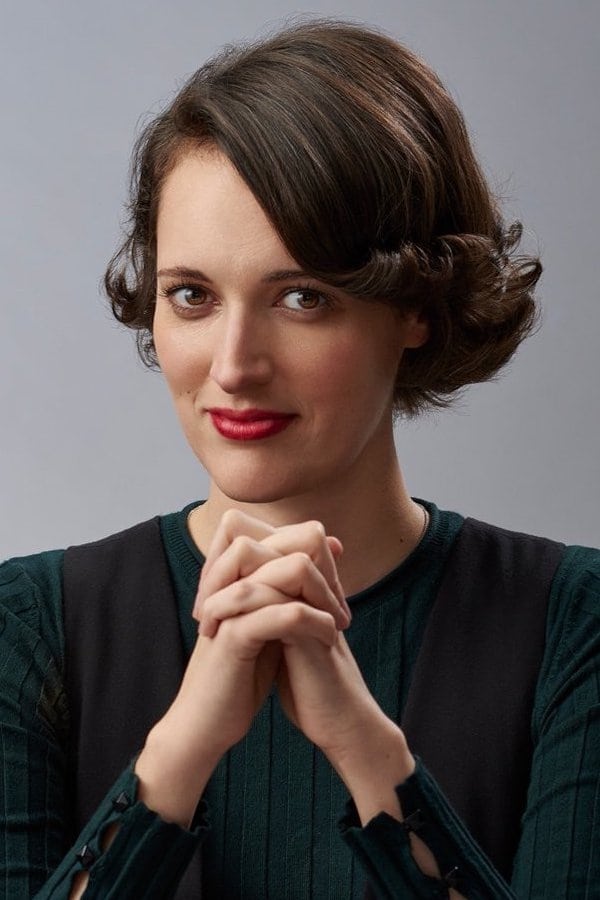
Phoebe Waller Bridge created ‘Fleabag’ and wrote every episode while starring as the lead. The show began as a stage piece and was adapted with scripts that she tailored to her performance, with further refinements during table reads.
She also served as head writer on ‘Killing Eve’ in its first season. While she did not star there, the experience reinforced a workflow where she can adjust dialogue quickly, a habit she brings when performing in her own work.
Nia Vardalos
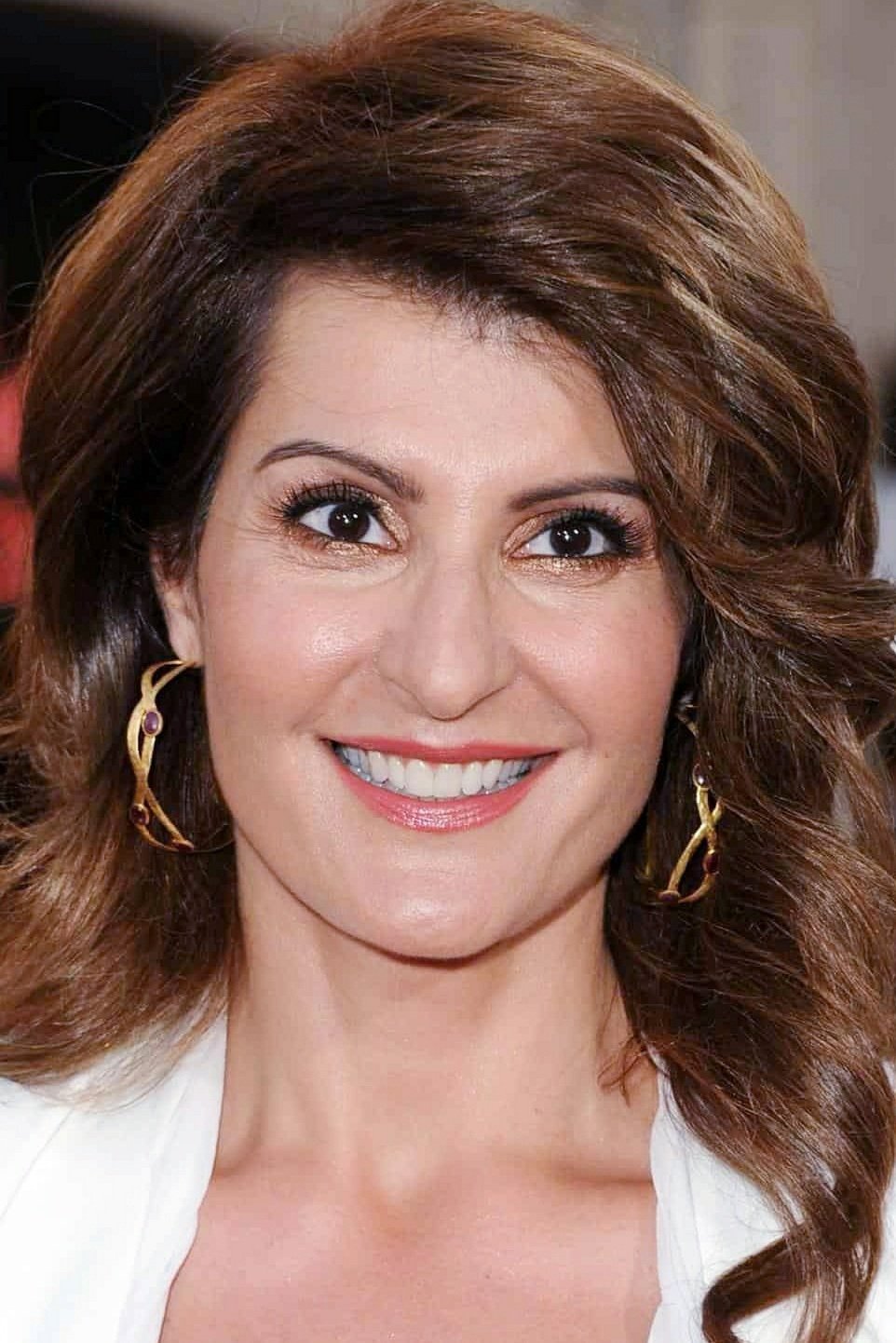
Nia Vardalos wrote ‘My Big Fat Greek Wedding’ and played Toula Portokalos. She developed the script from a solo show and refined dialogue to fit family dynamics that she knew well, then adjusted lines during production to match ensemble timing.
She has continued to write sequels and related projects while returning to the lead role. That combination keeps her in control of how Toula speaks and allows on set changes that preserve character voice.
Share your favorite examples of actors shaping their own lines in the comments so everyone can compare notes.