


Straight Actors Who Were Accused of Stealing the Spotlight From Actual Queer Artists

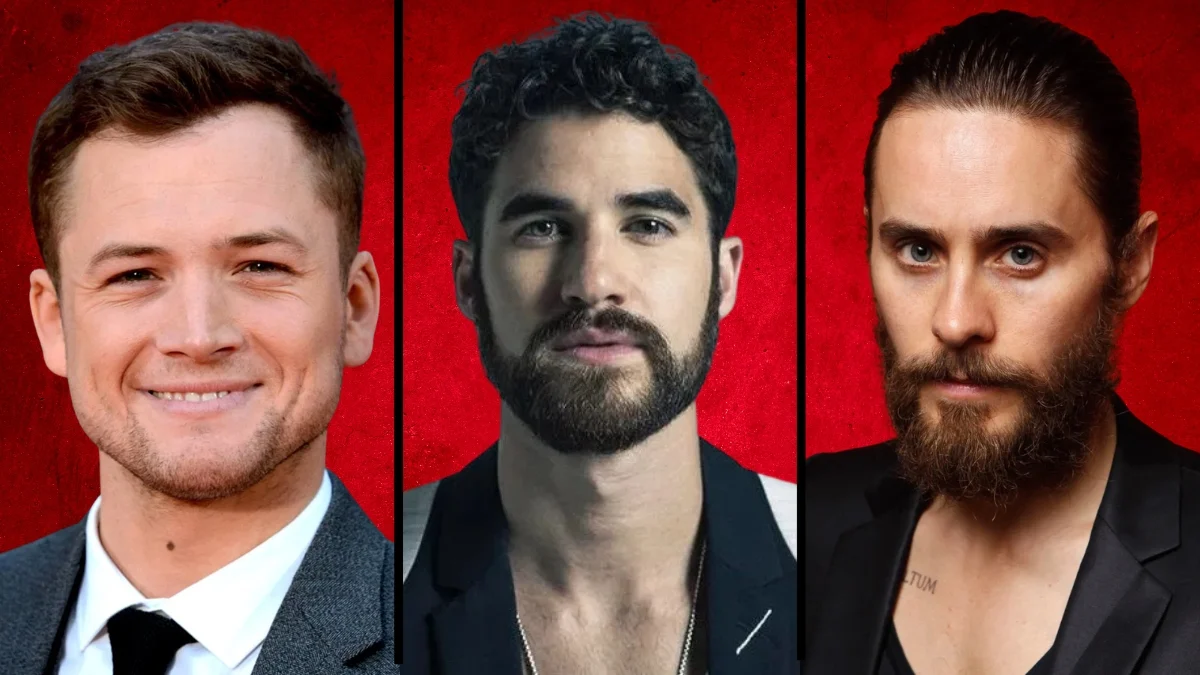


The conversation surrounding authentic representation in Hollywood has intensified as audiences demand more visibility for marginalized communities. For years, straight male actors have been cast in prominent LGBTQ+ roles, often winning prestigious awards for their performances. However, this practice has faced increasing scrutiny from queer artists and activists who argue that these opportunities should be reserved for those with lived experience. Critics suggest that casting straight actors in these roles can sometimes result in performances that lean on stereotypes or fail to capture the nuances of queer life. This list explores several straight actors who faced public backlash or sparked debate for taking the spotlight in queer-centric narratives.
Eddie Redmayne
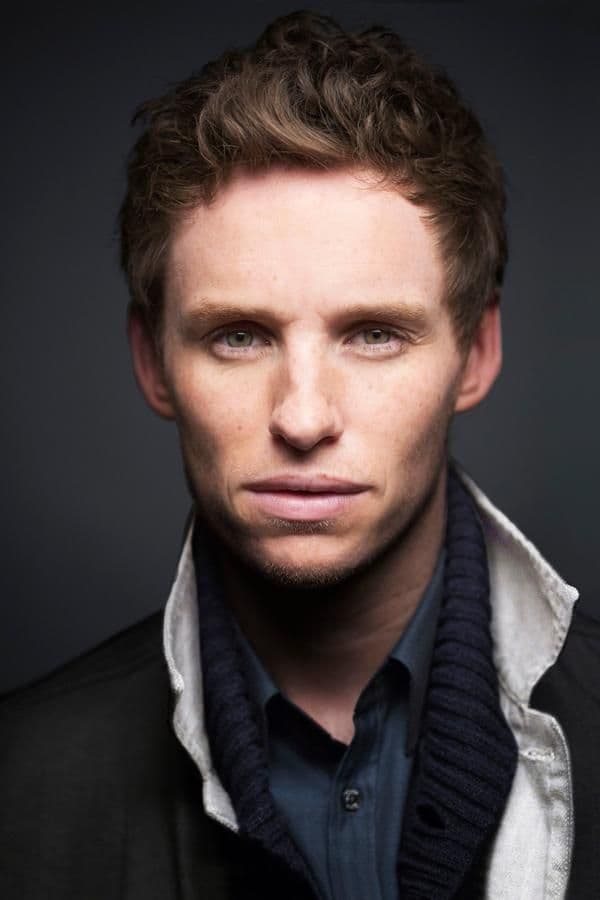
Eddie Redmayne received an Oscar nomination for his portrayal of trans pioneer Lili Elbe in ‘The Danish Girl’. Despite the critical acclaim, the casting choice faced significant backlash from the transgender community for not hiring a trans actress. Redmayne later expressed regret over taking the role in a 2021 interview, calling the decision a mistake. He noted that the discussion surrounding the casting highlighted the systemic lack of opportunities for queer and trans performers. The controversy remains a landmark case in the push for more authentic representation in cinema.
James Corden
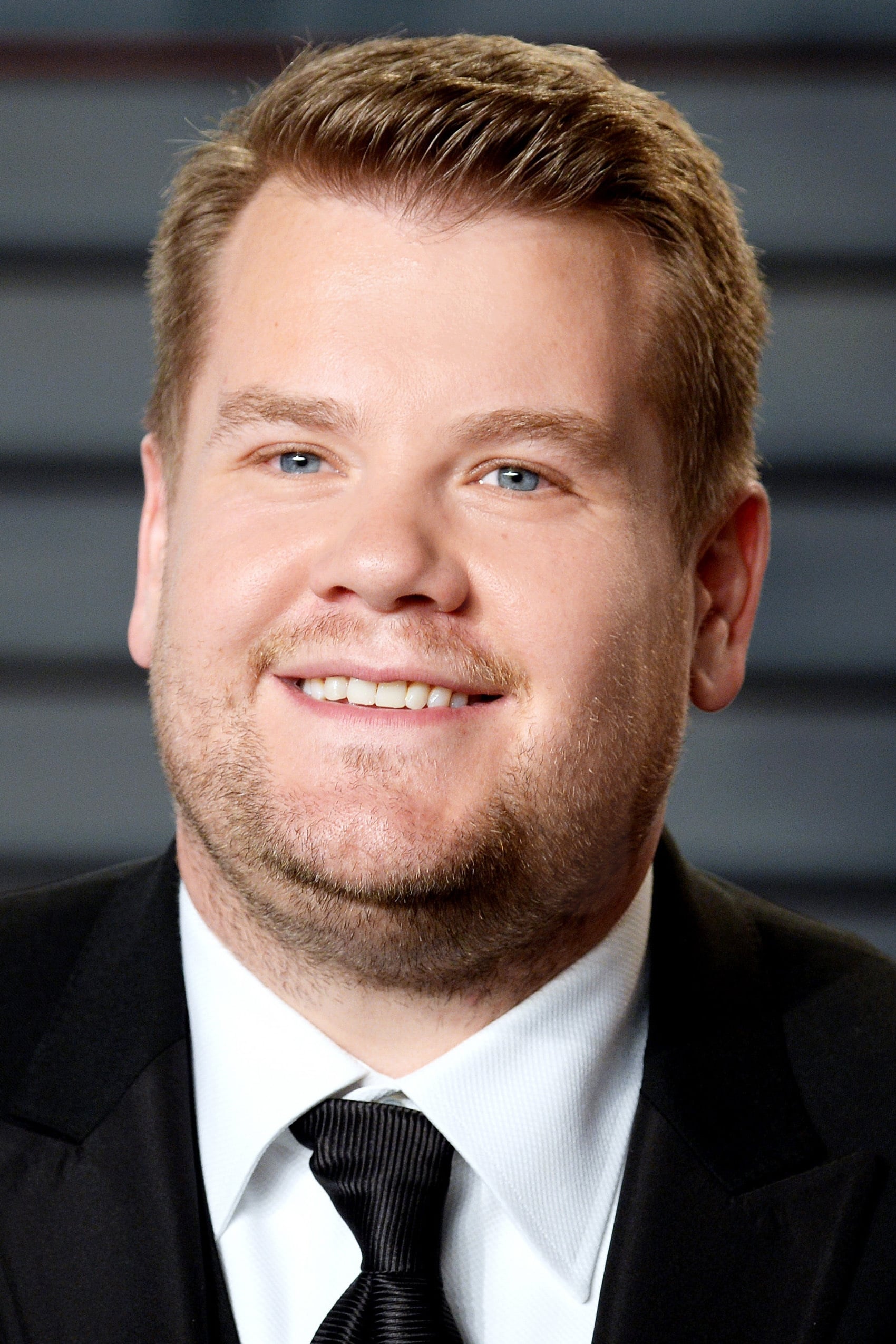
James Corden’s performance as Barry Glickman in the musical film ‘The Prom’ was widely panned by critics for its reliance on stereotypical mannerisms. Many viewers felt his portrayal of a flamboyant gay man was offensive and lacked the nuance a queer actor might have provided. The controversy sparked a broader conversation about the concept of “gayface” in modern Hollywood productions. Critics argued that casting a straight man in such a caricatured way was a step backward for genuine representation. This backlash overshadowed much of the film’s release and its message of inclusivity.
Jared Leto
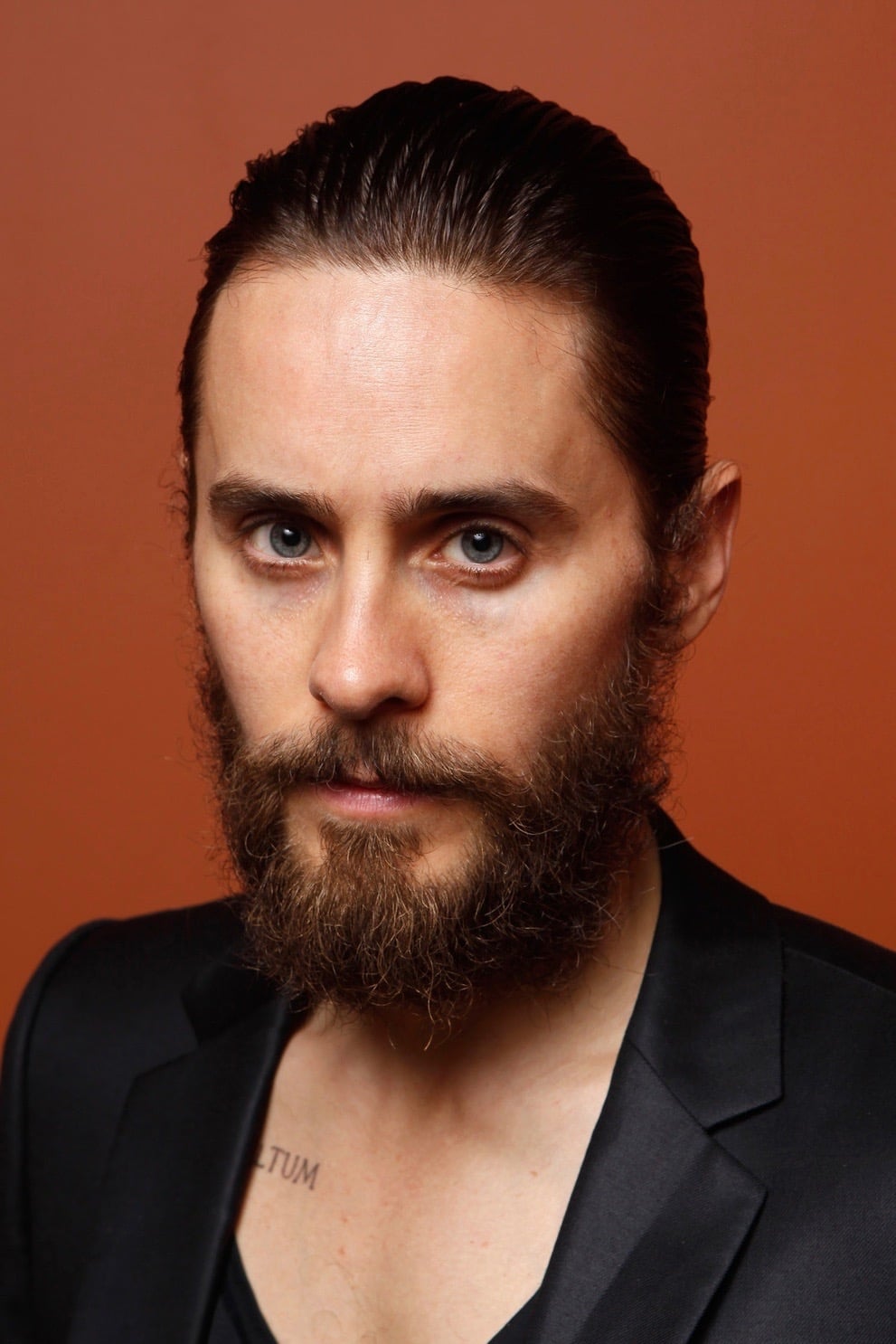
Jared Leto won an Academy Award for playing Rayon, a trans woman living with HIV, in ‘Dallas Buyers Club’. The casting was met with protests from activists who argued that trans women should have been allowed to audition for the part. Leto was criticized for his approach to the role, which some felt leaned into tragic tropes without the benefit of lived experience. This specific instance is often cited by film historians as a turning point in the industry’s approach to casting trans characters. Since then, the demand for cisgender actors to stop playing trans roles has grown significantly louder.
Benedict Cumberbatch
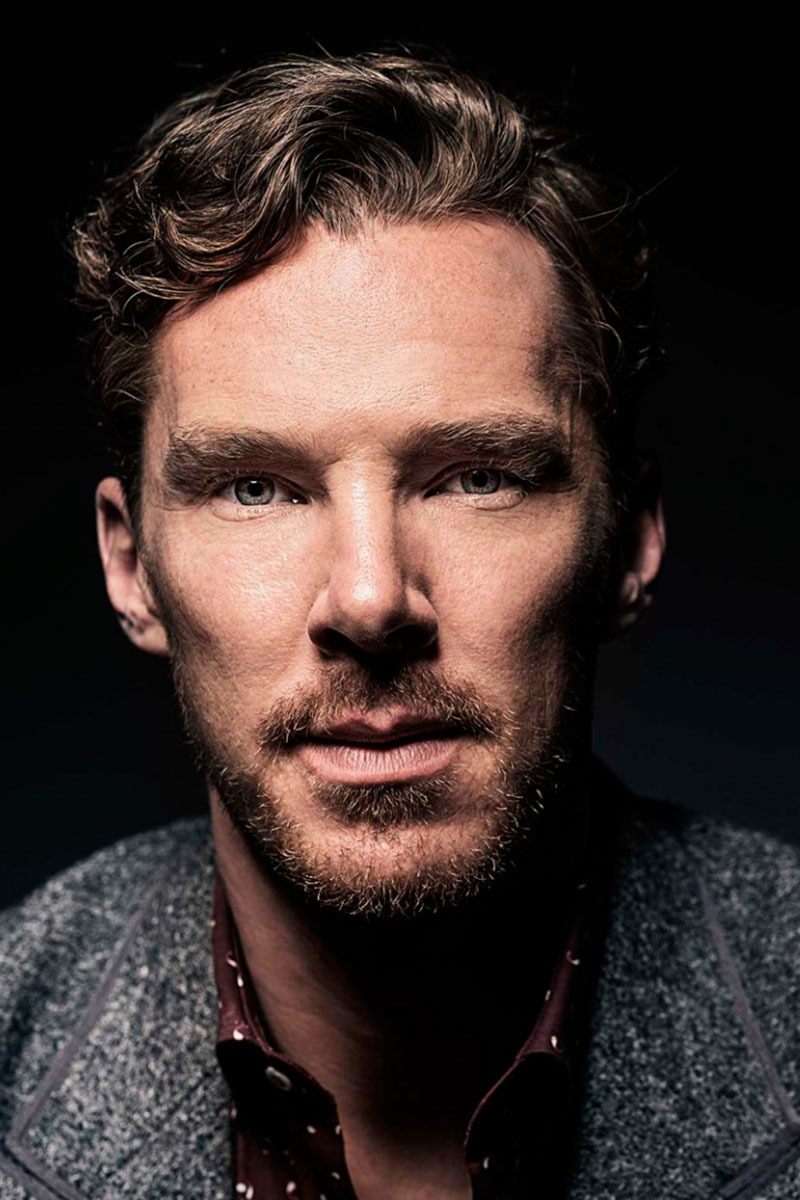
Benedict Cumberbatch played the closeted rancher Phil Burbank in the 2021 film ‘The Power of the Dog’. Critics questioned why a straight actor was chosen for a role defined by suppressed queer desire when queer actors face significant barriers to lead roles. Cumberbatch defended his casting by stating that a person’s private life should not be a prerequisite for a role. However, the film remained a centerpiece in the ongoing debate over who has the cultural right to tell queer stories. The discussion highlighted the tension between traditional acting philosophies and the need for diversity.
Darren Criss
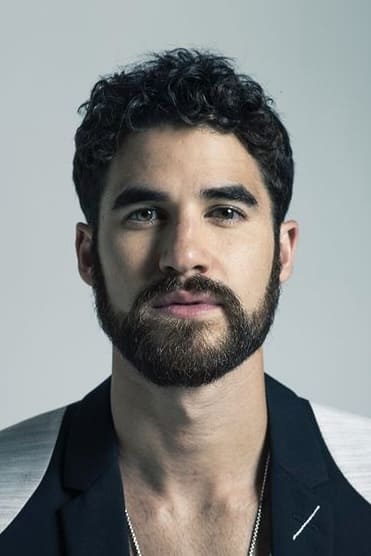
Darren Criss gained fame through roles in ‘Glee’ and ‘The Assassination of Gianni Versace’, where he played high-profile gay characters. Following his Emmy win for portraying Andrew Cunanan, he announced he would no longer take queer roles to ensure they go to LGBTQ+ actors. He acknowledged that he did not want to be another straight man taking opportunities from a marginalized community. His decision was seen as a direct response to years of criticism regarding his frequent casting in queer-coded projects. Criss was one of the first major stars to publicly commit to this change in casting philosophy.
Ewan McGregor
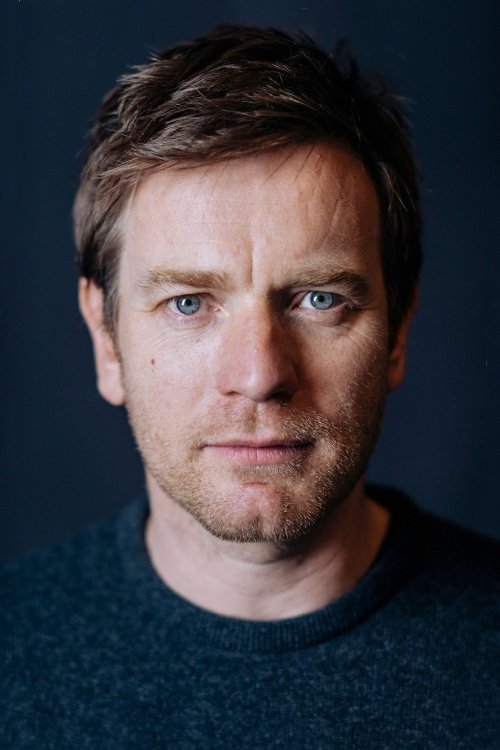
Ewan McGregor faced criticism for his portrayal of the legendary fashion designer in the Netflix miniseries ‘Halston’. Critics argued that the role should have been filled by a gay man, given Halston’s immense significance in queer culture and history. McGregor responded to the controversy by stating that if a role is only about sexuality, then the casting process becomes more complex. He maintained that his performance was focused on capturing the essence of the person rather than just their orientation. Despite his defense, the project fueled more discussions about the “straight-washing” of queer icons.
Brendan Fraser
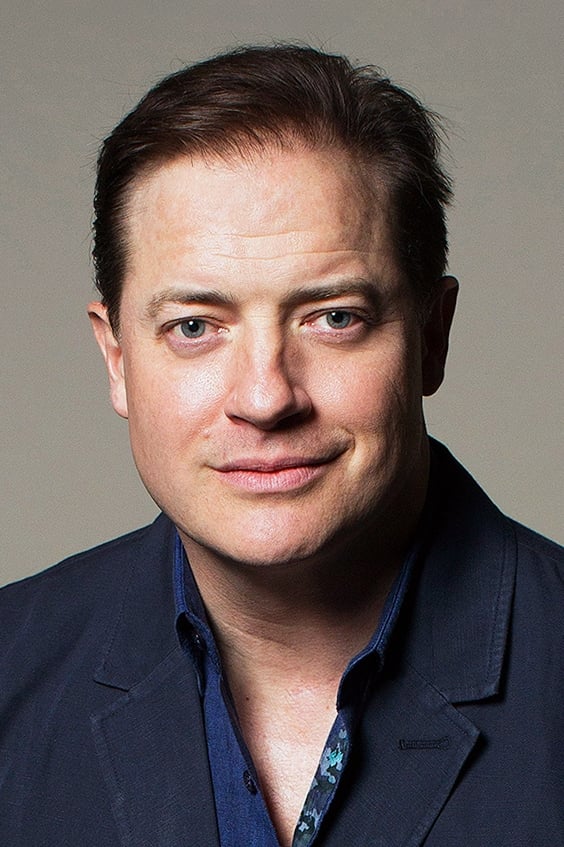
Brendan Fraser’s comeback role in ‘The Whale’ involved playing a reclusive gay man named Charlie who is struggling with grief. While Fraser received an Oscar for his performance, some critics and actors pointed out the lack of queer representation in the film’s lead casting. The discussion centered on why a straight man was chosen to represent a character with such specific queer trauma and physical challenges. This debate occurred alongside criticisms regarding the use of a prosthetic suit to depict the character’s body. The film became a lightning rod for discussions on both fatphobia and the lack of queer leads.
Rami Malek
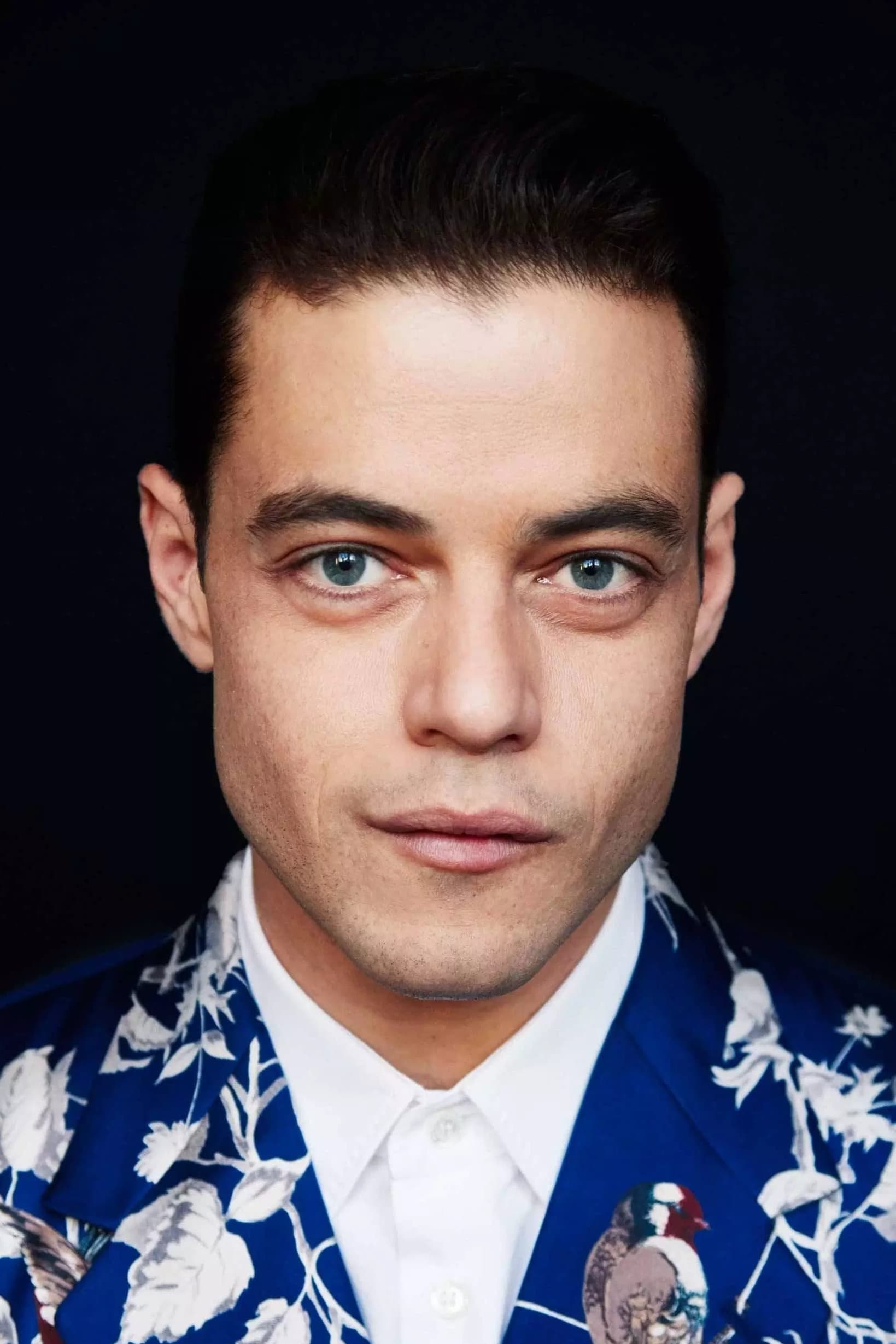
Rami Malek portrayed the iconic Queen frontman Freddie Mercury in the biopic ‘Bohemian Rhapsody’. While Malek won an Oscar for the role, many fans and critics felt that a queer actor could have brought more depth to the performance. The film’s approach to Mercury’s personal life and sexuality was a major point of contention within the LGBTQ+ community. Some argued that casting a straight lead contributed to the film’s perceived hesitance to fully embrace Mercury’s identity. This led to accusations that the production prioritized commercial safety over authentic storytelling.
Taron Egerton
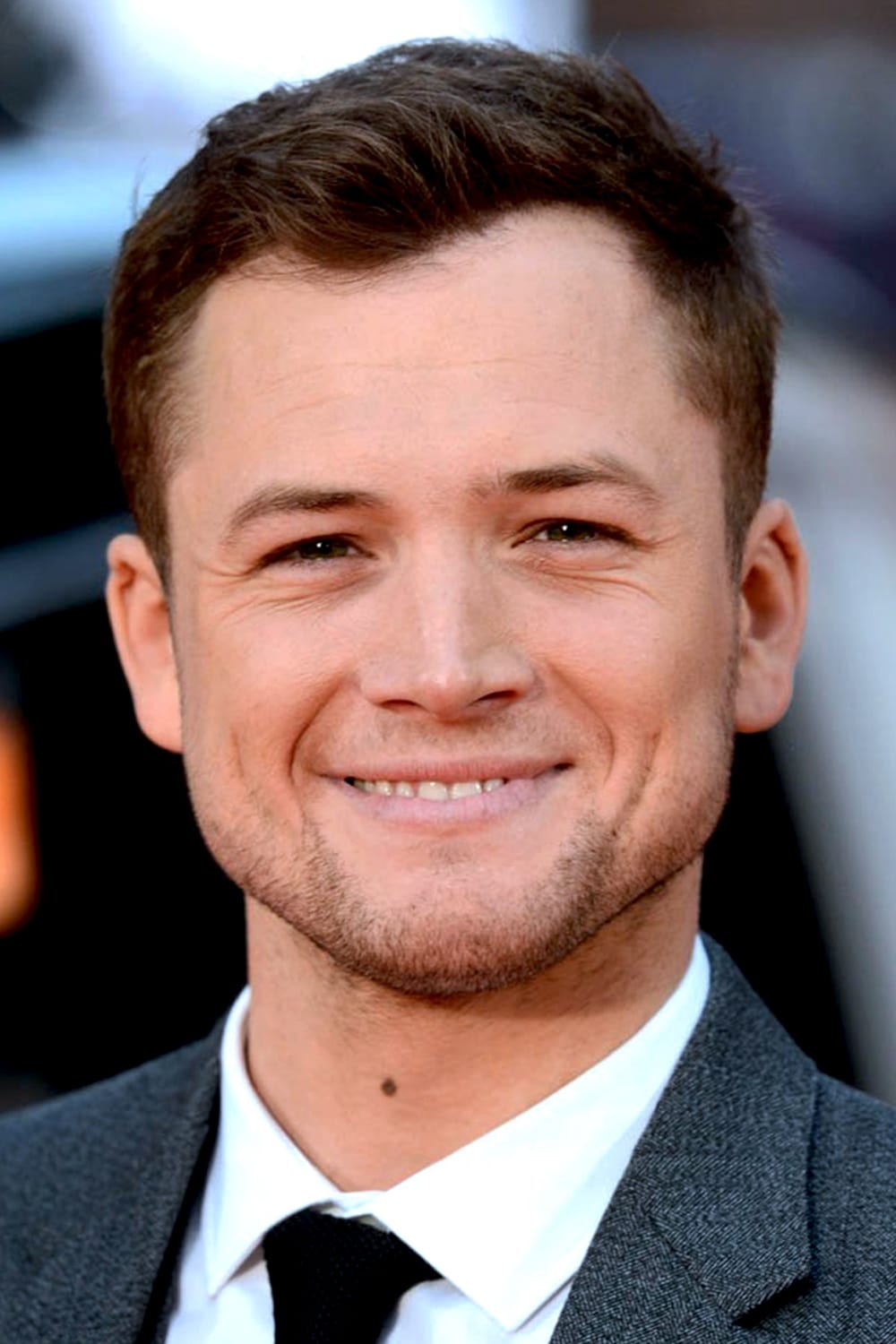
Taron Egerton played Elton John in the 2019 biopic ‘Rocketman’, which included explicit depictions of the singer’s sexuality. Egerton addressed the casting controversy by stating that he felt a deep connection to the role regardless of his own orientation. Activists pointed out that while Egerton was supportive of the community, his casting still displaced potential queer leads in a major studio film. The film was commercially successful, but it remains a frequent example in discussions about the necessity of queer actors in queer biopics. Many believe that the industry’s reliance on straight stars limits the growth of queer talent.
Sean Penn
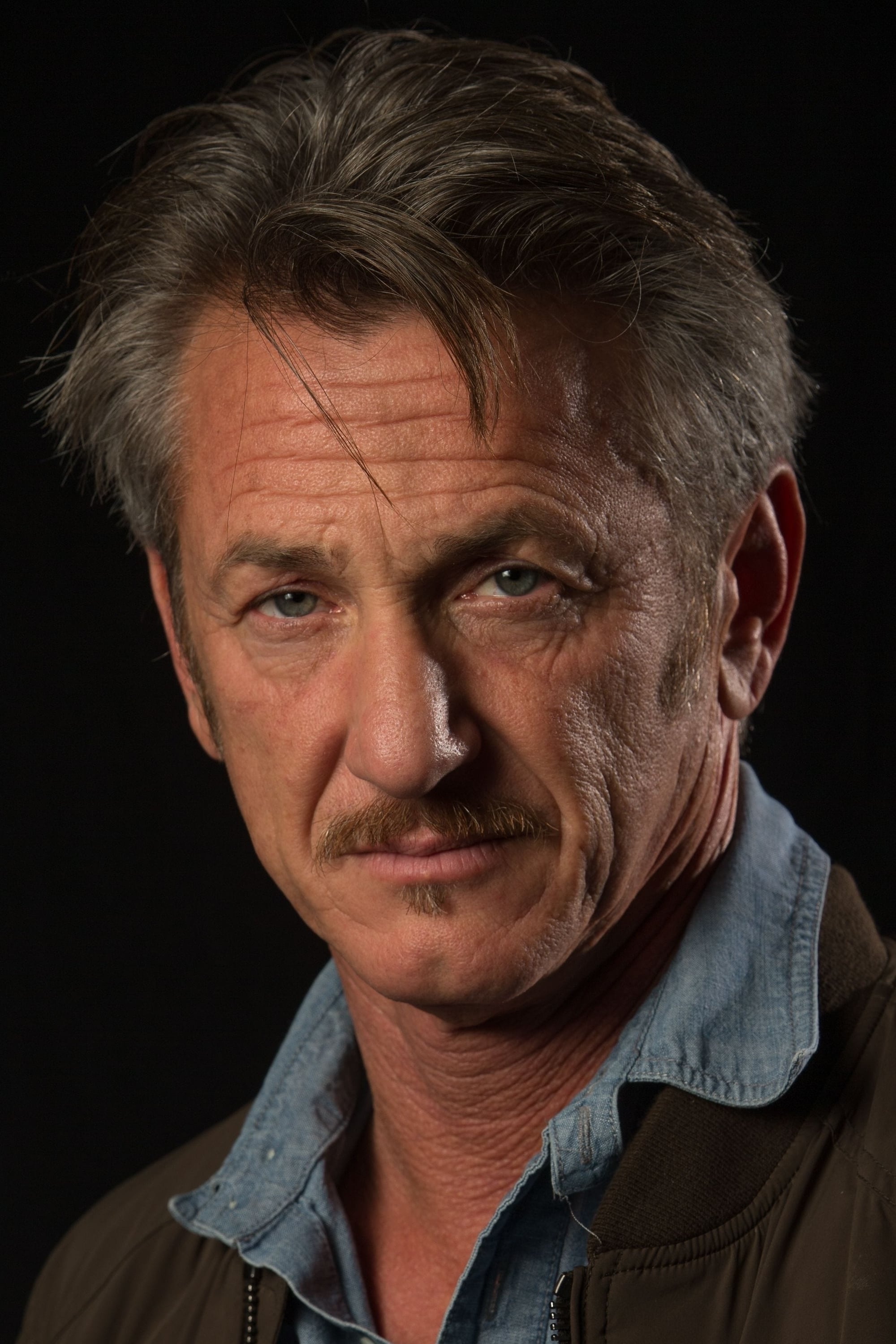
Sean Penn won an Academy Award for playing the political activist Harvey Milk in the 2008 film ‘Milk’. At the time, the casting was praised for its technical merit, but modern retrospectives often highlight the lack of queer actors in the lead cast. Critics have noted that while Penn’s performance was powerful, it fits into a historical pattern of straight actors being rewarded for playing gay figures. The film is often used by media scholars to illustrate the “Oscar bait” trend associated with these casting choices. This has led to a reevaluation of how historical queer narratives are packaged for mainstream audiences.
Bradley Cooper
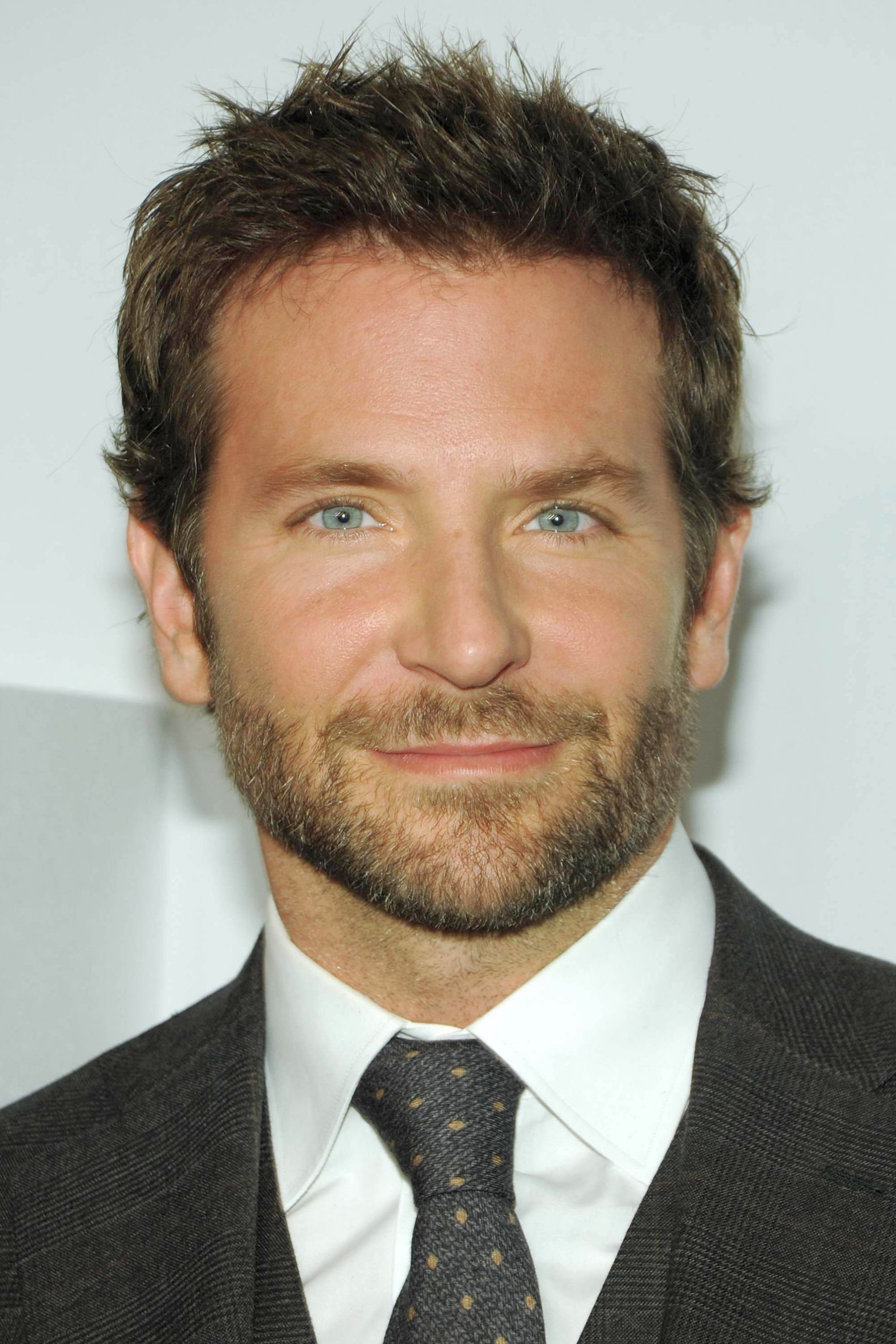
Bradley Cooper directed and starred as Leonard Bernstein in ‘Maestro’, which explores the conductor’s complex relationships with both men and women. The casting faced scrutiny because Bernstein was a prominent figure whose bisexuality was a significant part of his public and private life. Cooper’s status as a straight man led to accusations of taking space from queer performers who could have brought a different perspective. The film’s focus on Bernstein’s marriage rather than his queer identity was also a major point of critique from LGBTQ+ writers. This highlighted the perceived trend of straight directors shaping queer history to suit their own narratives.
Eric Stonestreet
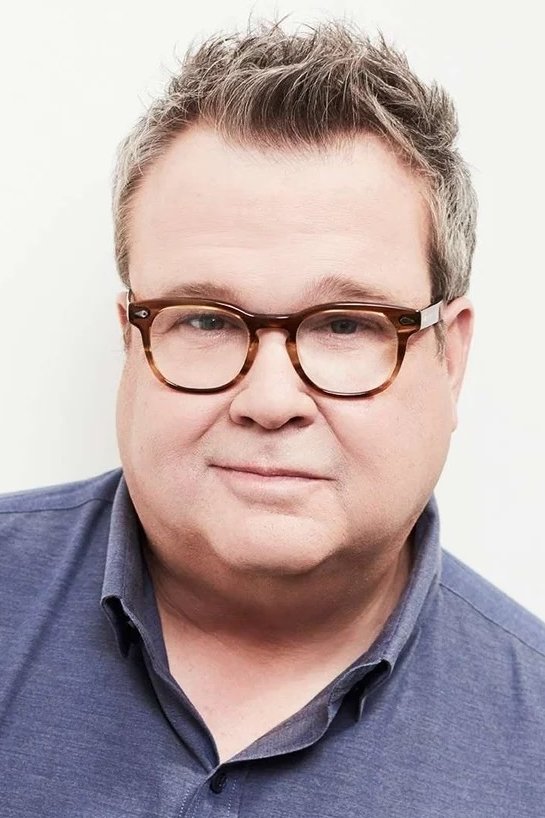
Eric Stonestreet spent eleven seasons playing Cameron Tucker on the hit sitcom ‘Modern Family’. As a straight man playing a flamboyant gay father, Stonestreet became one of the most recognizable faces of queer representation on television. Over time, critics began to argue that his portrayal relied too heavily on stereotypical camp for comedic effect. This sparked debates about whether a queer actor would have brought a different level of sensitivity to the role. While Stonestreet was praised for his acting, his career remains a focal point for discussions on the ethics of “performing” queerness.
Stanley Tucci
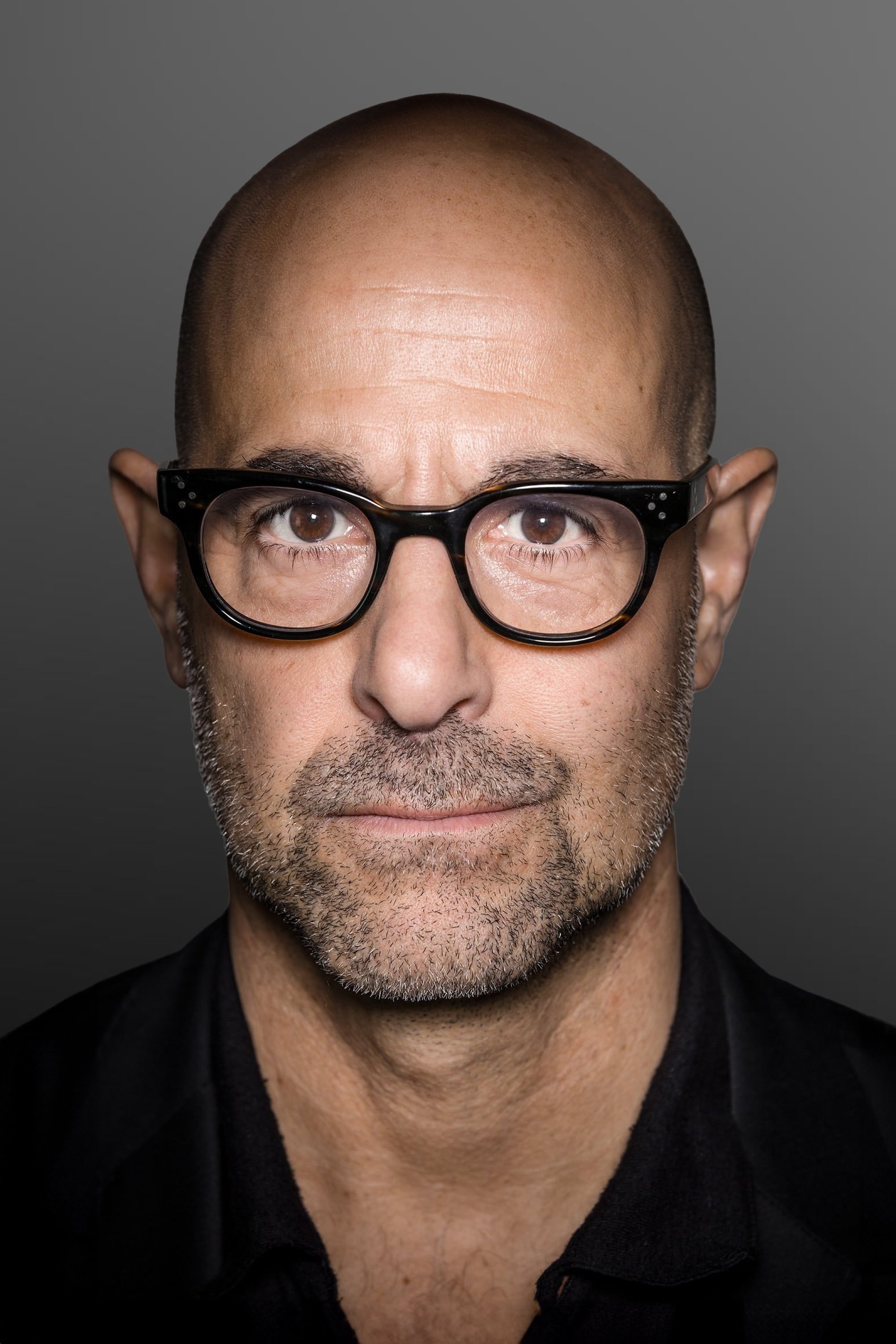
Stanley Tucci has played several gay characters throughout his career, including roles in ‘The Devil Wears Prada’ and ‘Supernova’. In the film ‘Supernova’, he played one half of a gay couple alongside Colin Firth, leading to questions about the lack of queer leads in romantic dramas. Tucci defended his career choices, stating that actors should be allowed to play anyone as long as they do so with respect. Despite his defense, the film’s casting was criticized for overlooking queer actors who struggle to find consistent work. The project served as a catalyst for renewed calls for “nothing about us without us” in casting.
Armie Hammer
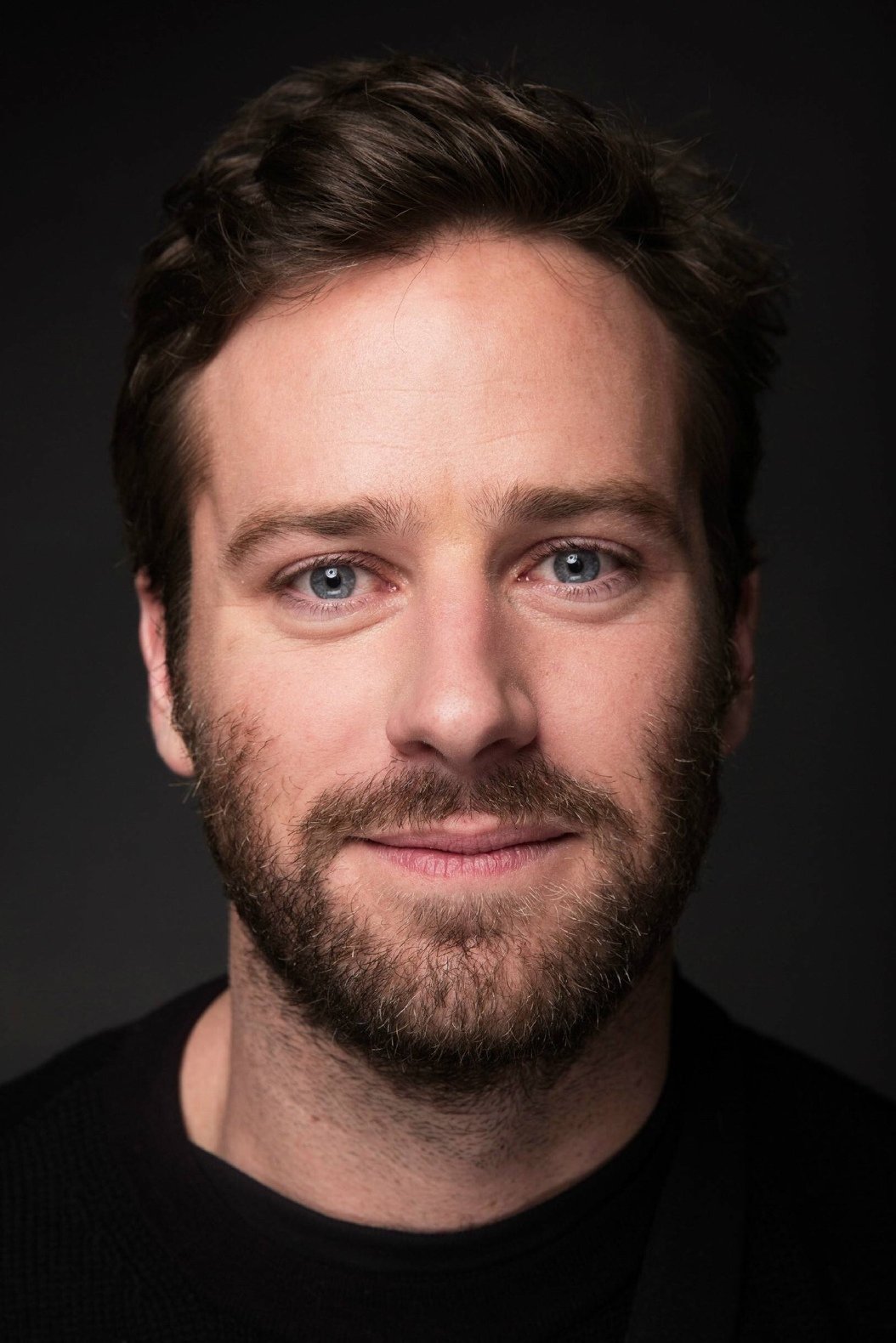
Armie Hammer starred as Oliver in the acclaimed 2017 film ‘Call Me By Your Name’. The film was criticized by some for casting two straight leads to play characters in a deeply intimate queer romance. Critics argued that the lack of lived experience may have affected the physical chemistry and the overall authenticity of the storytelling. Hammer’s casting was often discussed alongside the film’s decision to exclude certain sexual elements present in the original novel. This led to accusations that the film was catered specifically to the “straight gaze” by using straight actors.
Timothée Chalamet
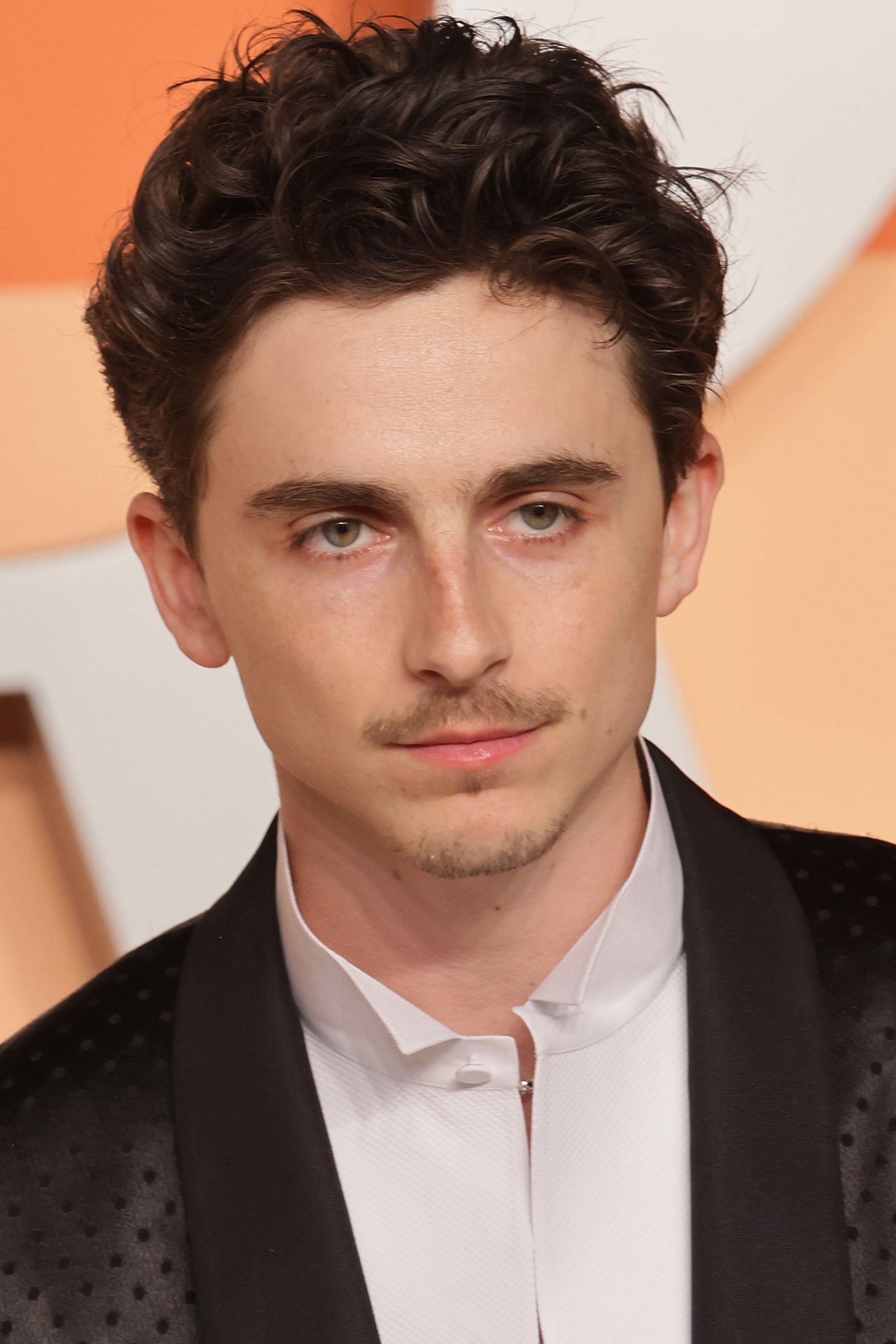
Like his co-star Armie Hammer, Timothée Chalamet was a straight actor cast in a lead queer role in ‘Call Me By Your Name’. While his performance was highly praised and earned him an Oscar nomination, it reignited the debate over the industry’s preference for straight leads. Some members of the LGBTQ+ community felt that the industry continues to reward straight actors for playing queer while queer actors remain marginalized. Chalamet’s subsequent rise to superstardom has continued to keep him at the center of discussions regarding Hollywood’s casting biases. Critics point out that queer actors are rarely given the same path to stardom.
James Franco
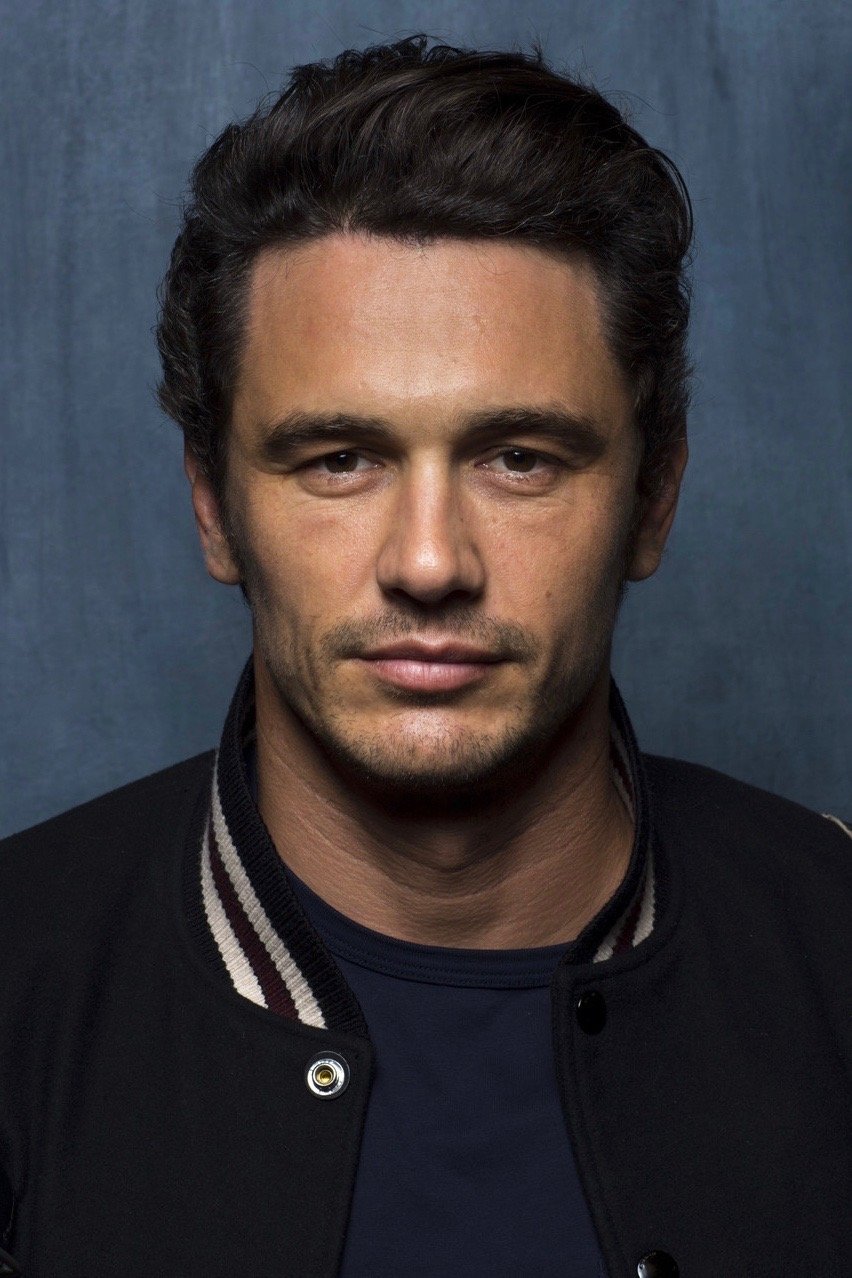
James Franco has played numerous queer roles in films such as ‘Milk’, ‘I Am Michael’, and ‘The Broken Tower’. Franco once referred to himself as “a little bit gay” in interviews, which some critics found dismissive of actual queer identities and struggles. His frequent casting in these roles led to accusations that he was monopolizing queer narratives for his own artistic prestige. Activists argued that his performances often felt like a form of experimentation rather than authentic representation. This pattern contributed to the fatigue many queer audiences feel toward straight actors exploring gay themes.
Jake Gyllenhaal
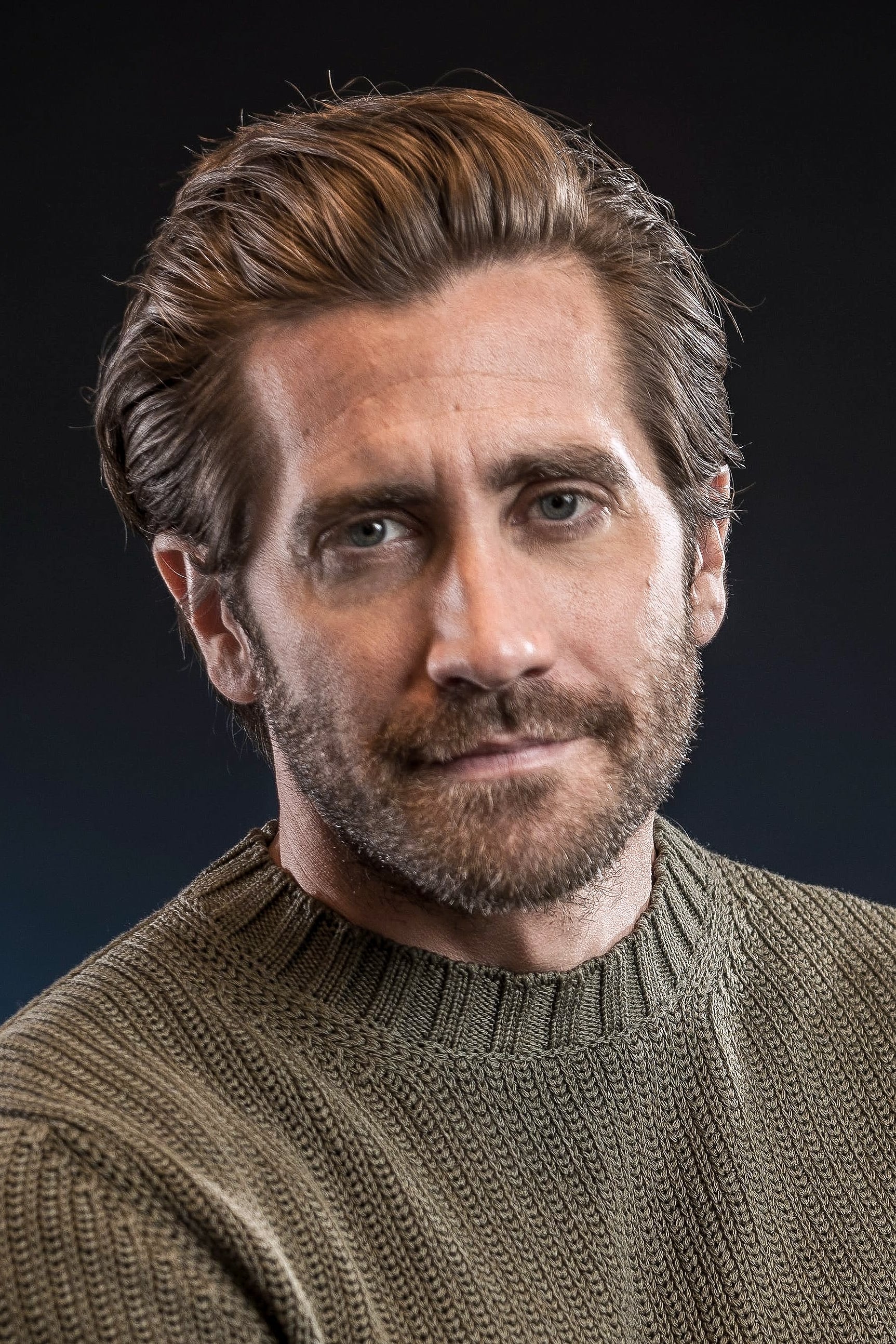
Jake Gyllenhaal starred as Jack Twist in the 2005 landmark film ‘Brokeback Mountain’. While the film is credited with bringing queer stories to the global mainstream, it did so with two straight leads in the primary roles. Critics have pointed out that at the time of its release, out queer actors were rarely considered for such high-profile projects. The film’s legacy is often discussed in terms of its social impact versus the limitations of its casting. Many argue that the film’s success was built on the safety of using established straight stars to portray forbidden love.
Heath Ledger
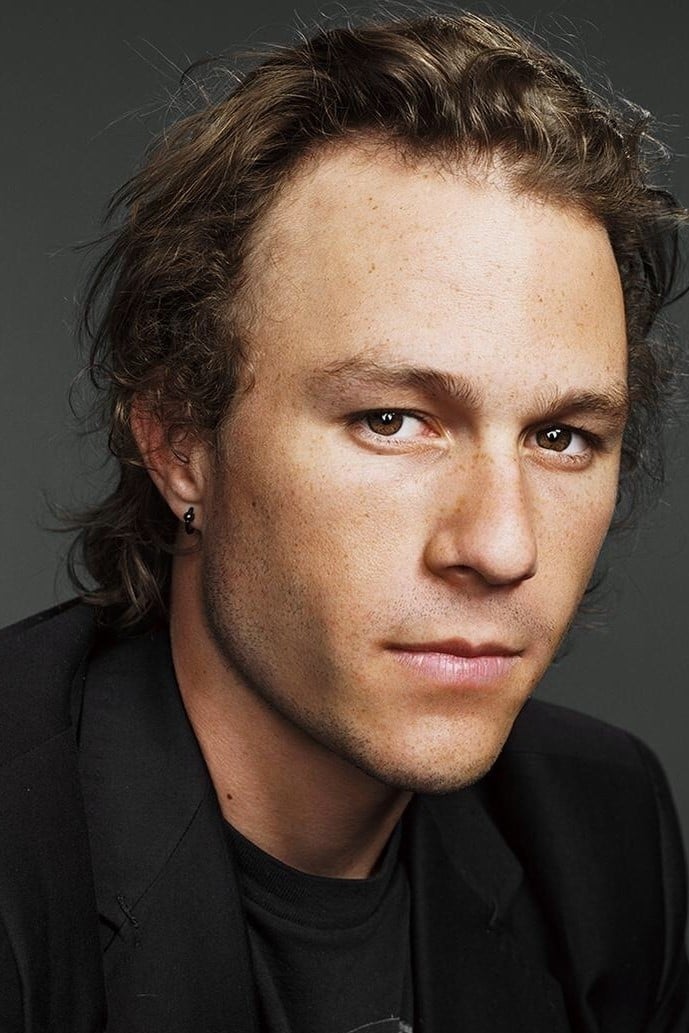
Along with Gyllenhaal, Heath Ledger played a closeted cowboy in ‘Brokeback Mountain’ to massive critical acclaim. The casting was seen as a strategic choice for Hollywood studios that were hesitant to market a film starring actual queer actors. Years later, the film is often used to show how straight actors are celebrated for taking “risks” by playing gay characters. This perceived double standard remains a core issue for queer artists who do not receive the same accolades for their own stories. Ledger’s performance is iconic, yet it remains inseparable from the debate over casting opportunities.
Colin Firth
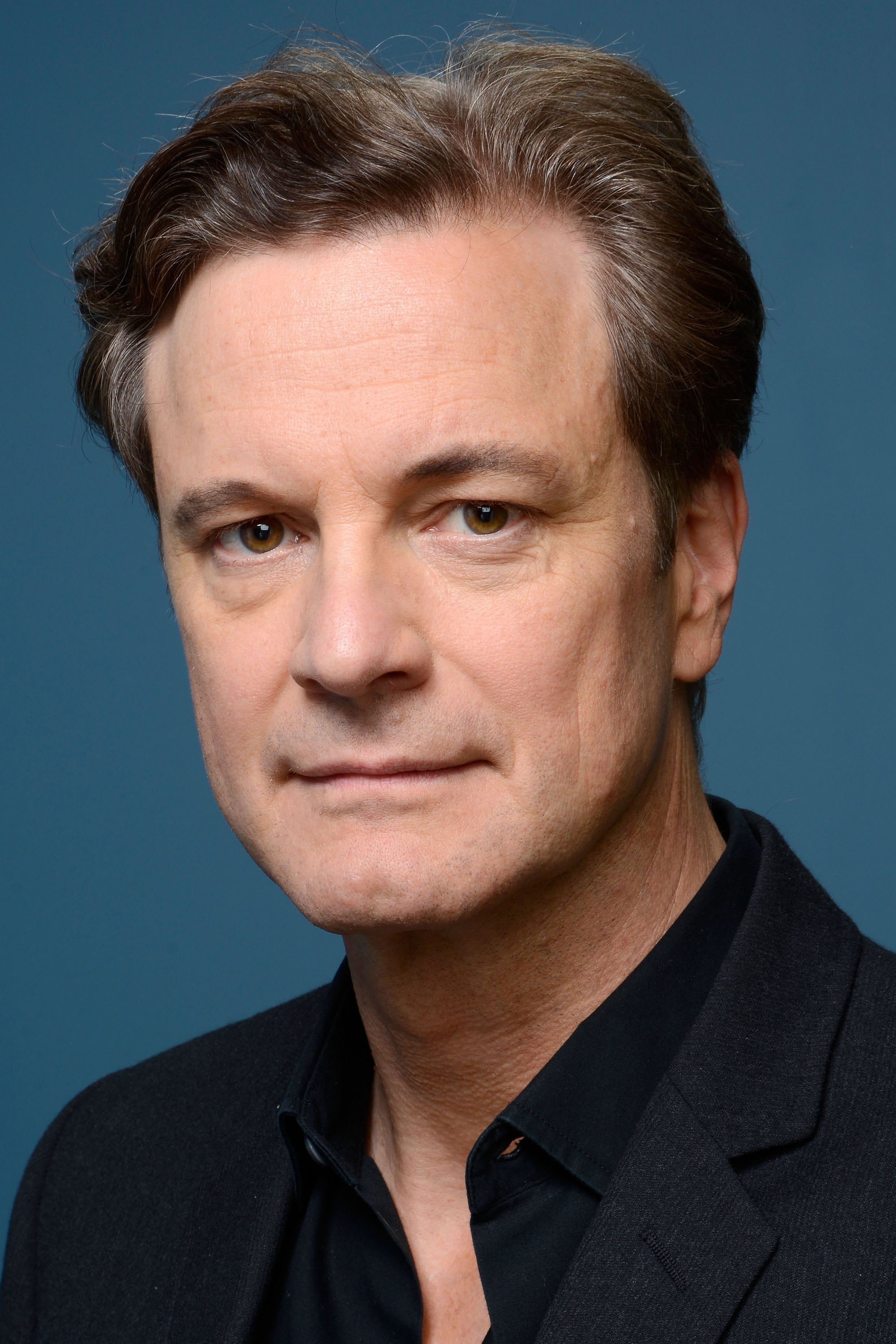
Colin Firth received an Oscar nomination for ‘A Single Man’ and later starred in ‘Supernova’ as a man living with early-onset dementia and his gay partner. Firth has frequently been cast in roles where his character’s sexuality is a central theme of the narrative. The consistency of these casting choices has led to criticism that he is taking opportunities that could help launch the careers of queer actors. Like his frequent co-star Stanley Tucci, Firth has faced questions about the ethics of straight men portraying the specific grief of the LGBTQ+ community. His roles are often cited as examples of the industry’s “comfort zone” in queer storytelling.
Richard Madden
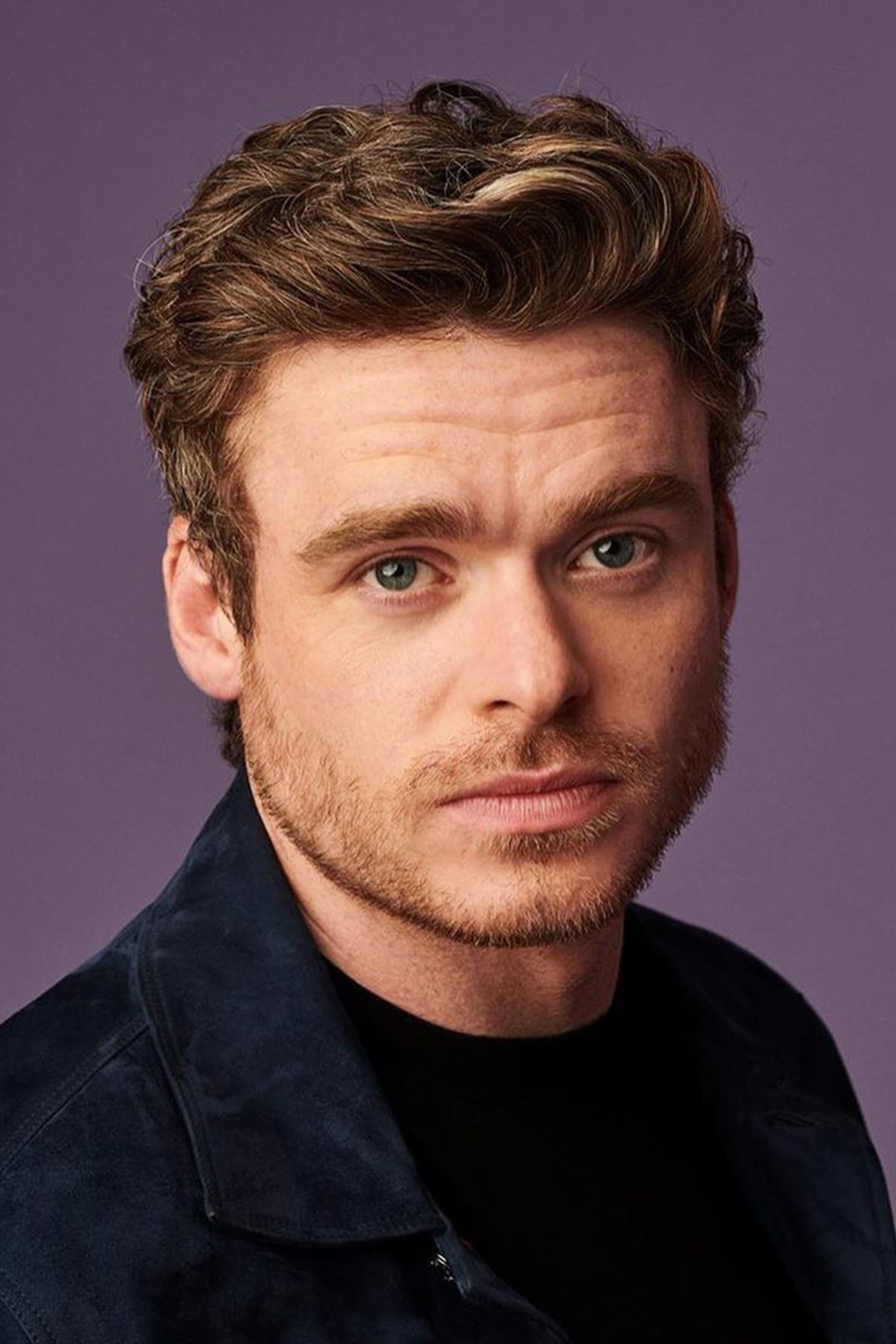
Richard Madden played John Reid, Elton John’s manager and lover, in ‘Rocketman’ and also played a queer character in the Marvel film ‘Eternals’. His casting in multiple queer roles while identifying as straight has drawn attention from those advocating for better industry representation. Critics argue that when straight actors are repeatedly cast in these roles, it reinforces the glass ceiling for out actors who are often typecast. Madden has addressed the topic by saying he hopes the focus stays on the quality of the acting. However, the recurring nature of his queer roles continues to spark debate among activists and film historians.
Share your thoughts on whether Hollywood should prioritize authentic casting for queer roles in the comments.