


Straight Actresses Who Were Accused of Queerbaiting for Publicity Stunts

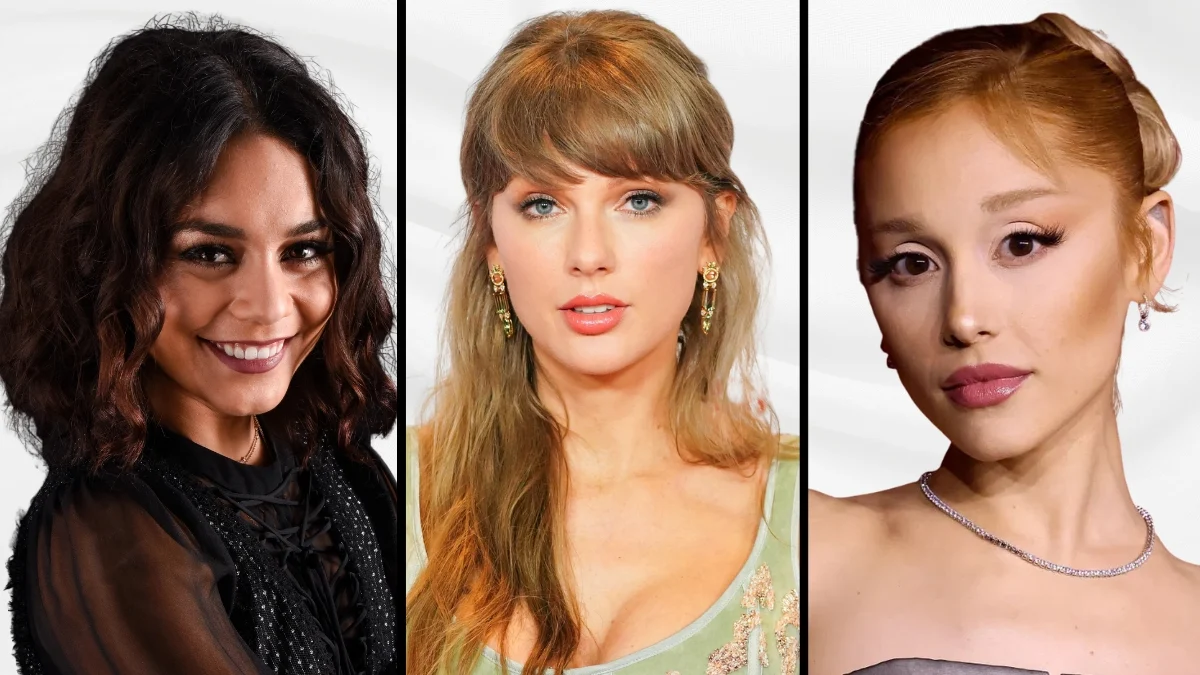


The term queerbaiting has evolved from a critique of fictional media to a significant point of contention regarding real-life celebrity marketing and public relations. In the entertainment industry, several prominent stars have faced public backlash for allegedly teasing a non-heterosexual identity to garner attention or engagement from the LGBTQ+ community. While some of these instances are viewed as misunderstood expressions of allyship, others are criticized as calculated publicity stunts designed to boost record sales, viewership, or social media metrics. This list examines several actresses and performers who have been accused of using queer aesthetics or ambiguous statements to enhance their public profiles while identifying as straight.
Taylor Swift
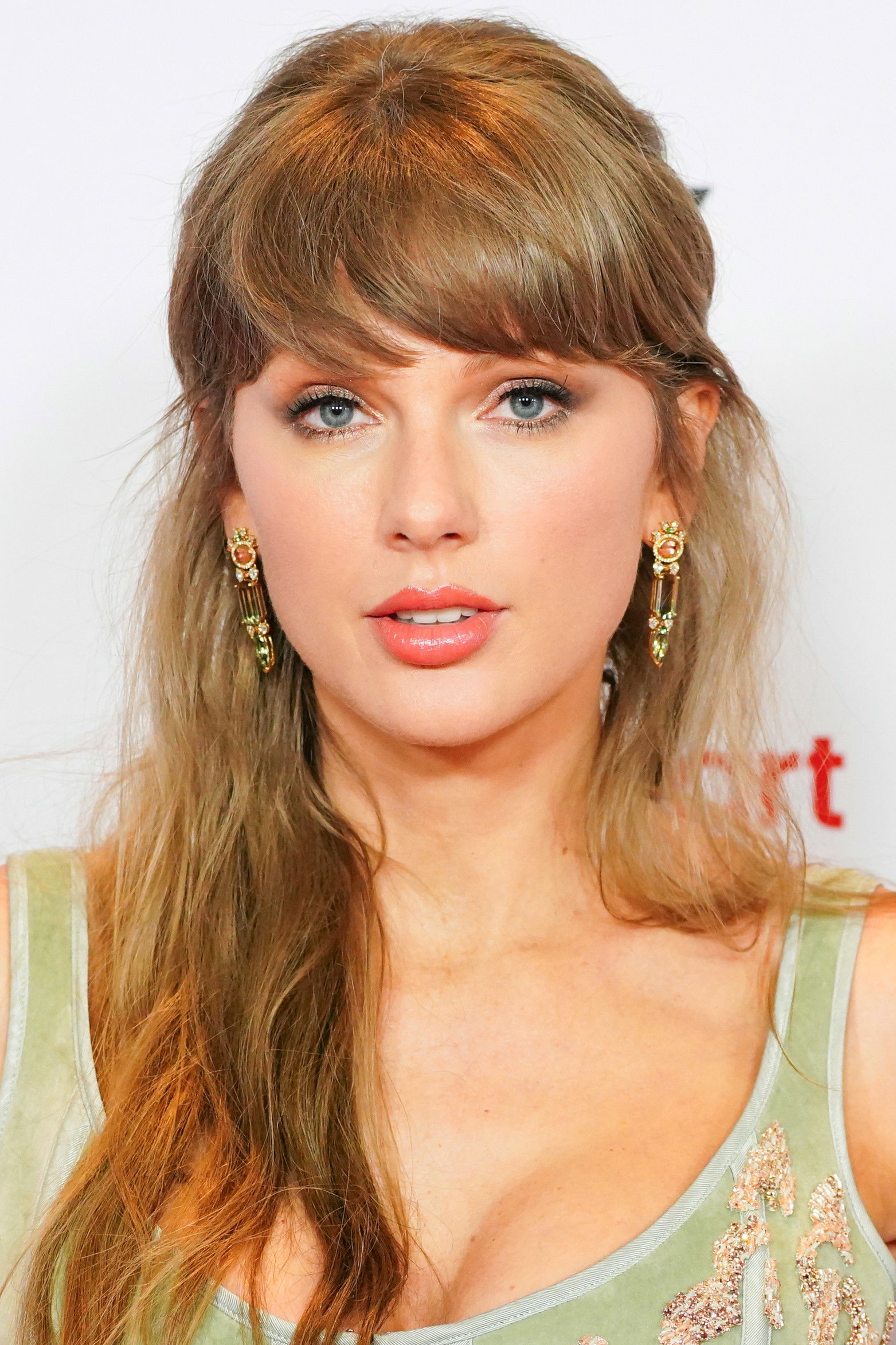
During the ‘Lover’ album cycle, Taylor Swift was heavily accused of queerbaiting due to her use of rainbow aesthetics and her music video for ‘You Need To Calm Down’. The video featured a large cast of LGBTQ+ celebrities, leading some critics to argue she was using the community as a backdrop for her own brand pivot. Fans spent months analyzing her lyrics and hair colors for “Easter eggs” suggesting she might come out, but she eventually clarified her role as a straight ally. This period remains a central point of discussion regarding how straight artists engage with queer spaces for commercial visibility.
Ariana Grande
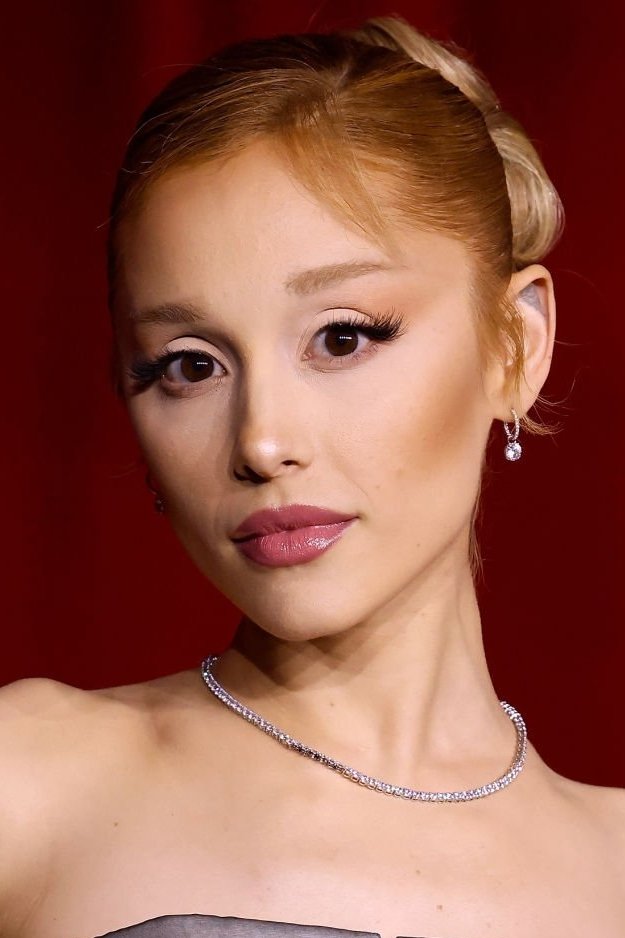
In 2019, Ariana Grande released the song ‘Monopoly’, which featured the lyric “I like women and men” and sparked immediate accusations of queerbaiting for publicity. Critics and fans questioned whether the singer was genuinely coming out or simply using the ambiguity to generate digital buzz and “clout.” Grande responded to the backlash on social media by stating that she does not feel the need to label her sexuality, though she has only ever publicly dated men. The incident is frequently cited as an example of using fluid identity markers to appeal to a younger, queer-aware demographic.
Katy Perry
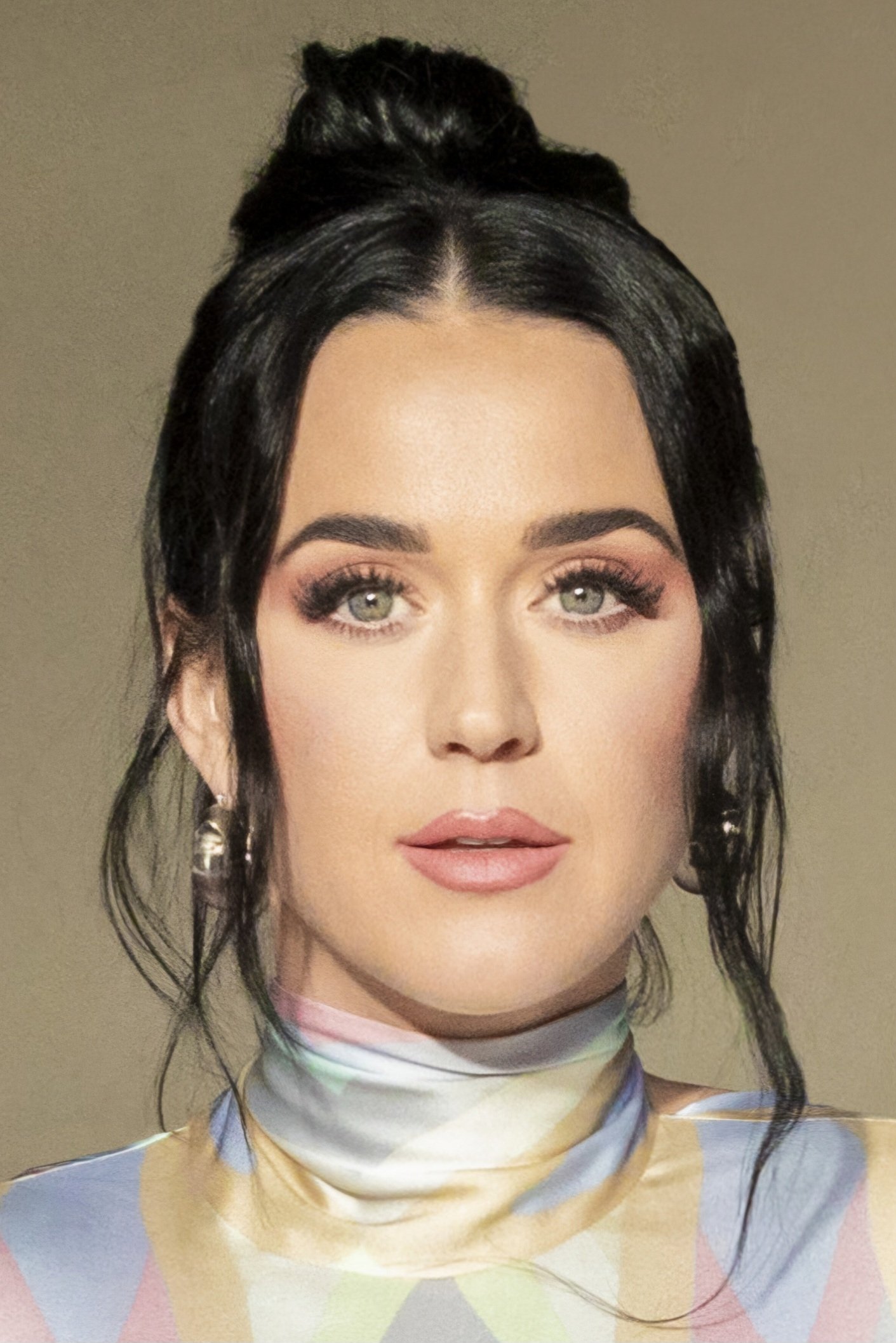
The 2008 hit ‘I Kissed a Girl’ is often described as the modern blueprint for pop-centric queerbaiting. Critics argued that the song trivialized female same-sex attraction by framing it as a rebellious, experimental phase intended for male attention. While the singer later mentioned she had done more than just kiss a girl, her public persona and career have remained strictly heteronormative. The massive success of the track is often attributed to the controversy generated by its provocative, yet non-committal, subject matter.
Madonna
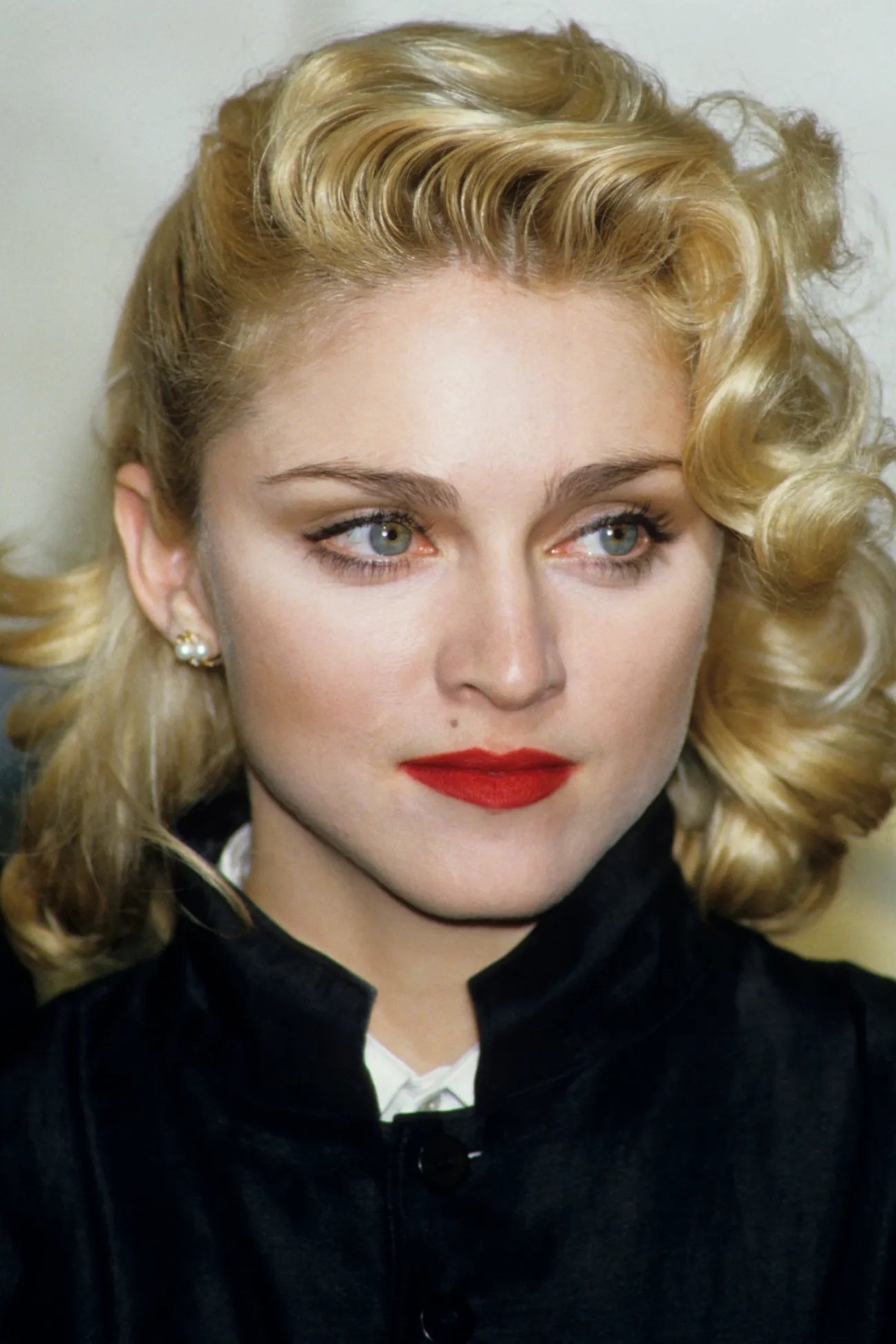
As a pop icon known for provocation, Madonna has a long history of incorporating queer imagery into her work, but the 2003 MTV Video Music Awards remains her most debated stunt. By kissing Britney Spears and Christina Aguilera on stage, she garnered worldwide headlines and ensured the performance became a permanent part of pop culture history. Many critics viewed this as a calculated move to maintain her “edgy” reputation rather than a sincere expression of queer identity. This moment is often analyzed as a foundational example of mainstream stars using same-sex intimacy specifically for shock value.
Britney Spears

Following her participation in the 2003 VMA kiss with Madonna, Britney Spears faced criticism for participating in what many saw as a performance tailored for the male gaze. Although the moment was culturally iconic, it was not followed by any genuine exploration of queer themes in her personal life or public advocacy at the time. Advocacy groups questioned if the stunt was disrespectful to those who face real-world consequences for their sexuality. The incident is frequently used to illustrate how major stars might use queer-coded actions to boost their media presence during peak career moments.
Christina Aguilera
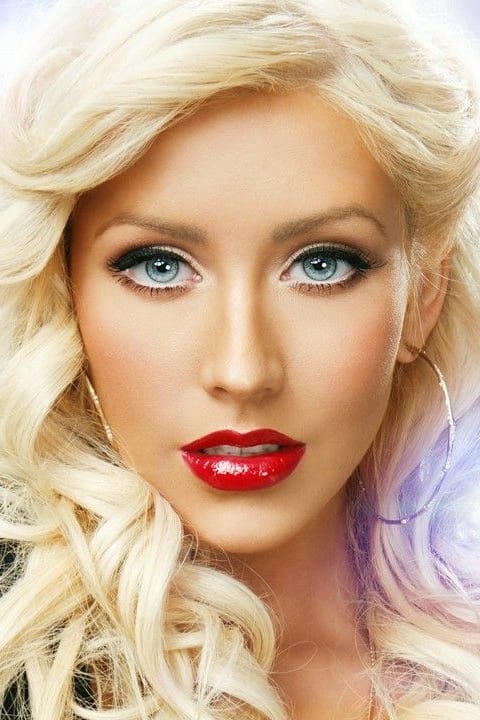
As the third participant in the 2003 VMA kiss, Christina Aguilera was also accused of using queer imagery to promote her more provocative ‘Stripped’ era. While her kiss with Madonna received less media attention than Spears’, it contributed to the narrative that same-sex attraction was being used as a marketing tool. Critics pointed out that the performance relied on the novelty of the act to generate tabloid interest and record sales. Despite being a vocal ally for years, Aguilera’s involvement in that specific stunt is still categorized by some as opportunistic.
Shay Mitchell
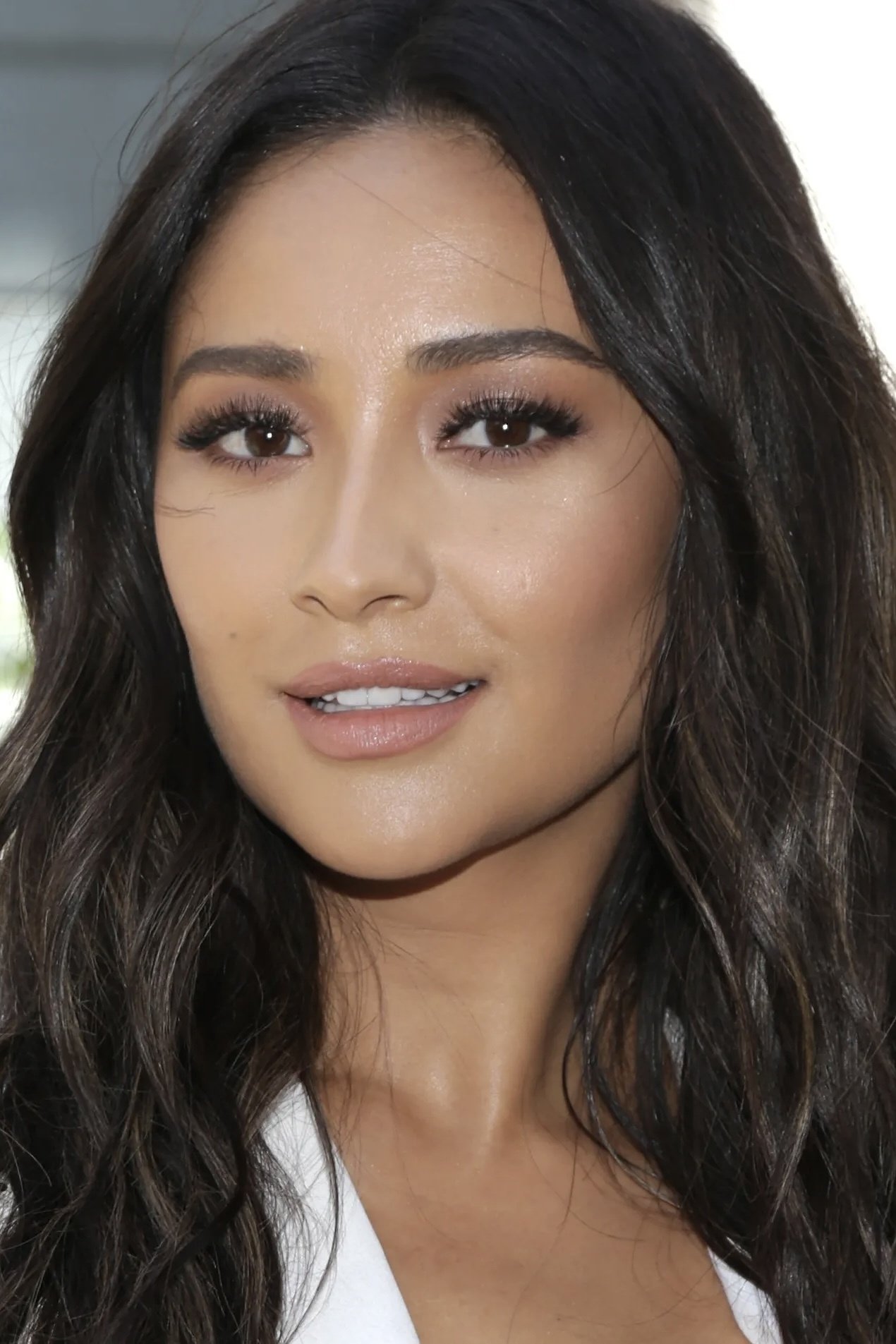
The ‘Pretty Little Liars’ actress has faced recurring accusations of “closet-baiting” due to the way she manages her social media and YouTube presence. She frequently posts content that leans into “wlw” tropes and teases her sexuality without ever confirming a non-heterosexual identity. This has led to frustration among some fans who feel she is profiting from the curiosity of the queer community to maintain her personal brand. Mitchell has stated in interviews that she prefers not to use labels, but the criticism regarding her marketing tactics persists among online commentators.
Selena Gomez
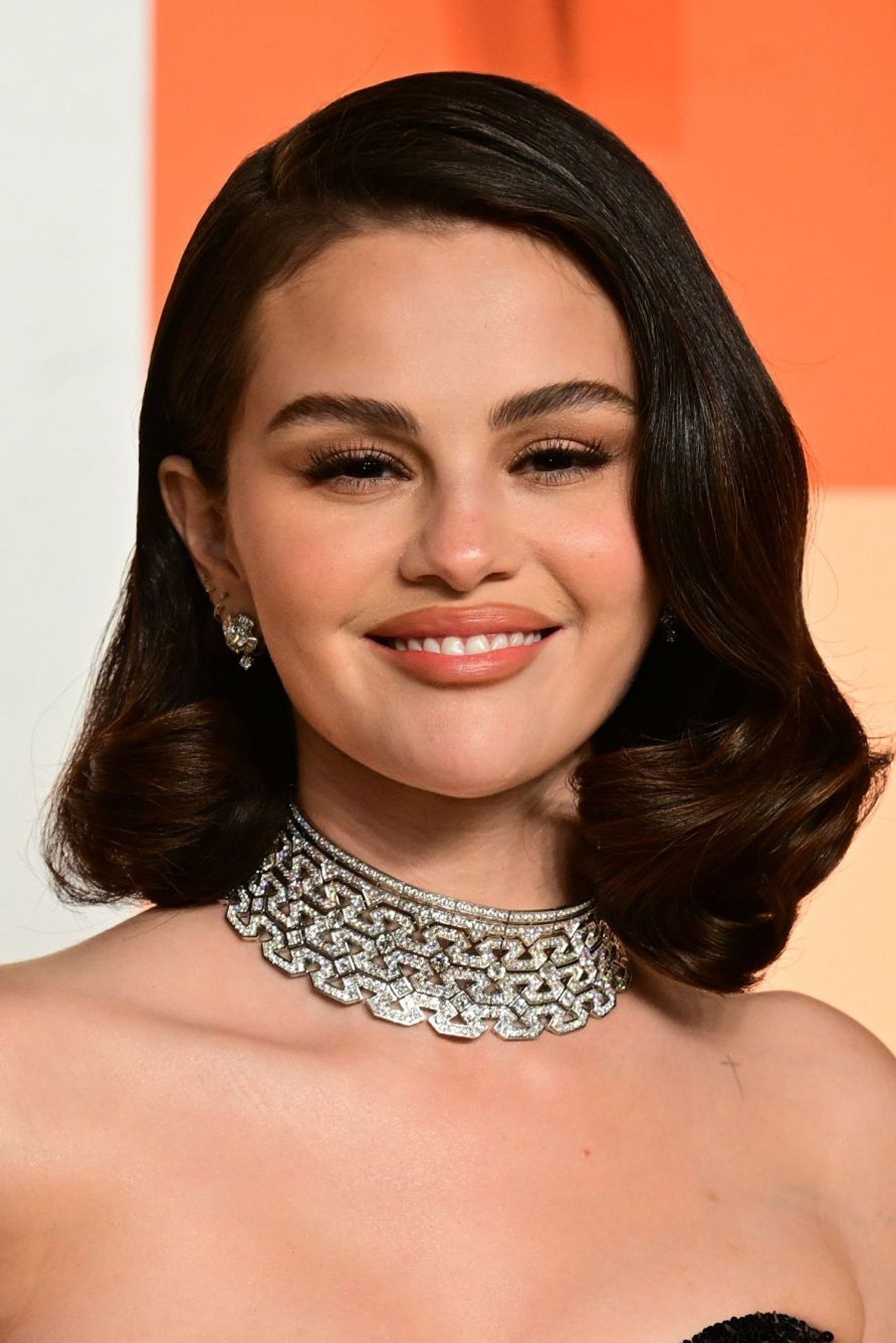
Between 2014 and 2015, Selena Gomez was the subject of intense speculation due to her close social media relationship with model Cara Delevingne. The two were frequently photographed in intimate-looking settings, leading many observers to believe the interactions were a deliberate attempt to pivot Gomez’s image away from her Disney roots. Gomez later addressed the rumors in interviews, acknowledging that people questioned her sexuality but confirming she is straight. This period is often viewed by media analysts as a strategic use of “shipping” culture to maintain tabloid relevance.
Bella Hadid
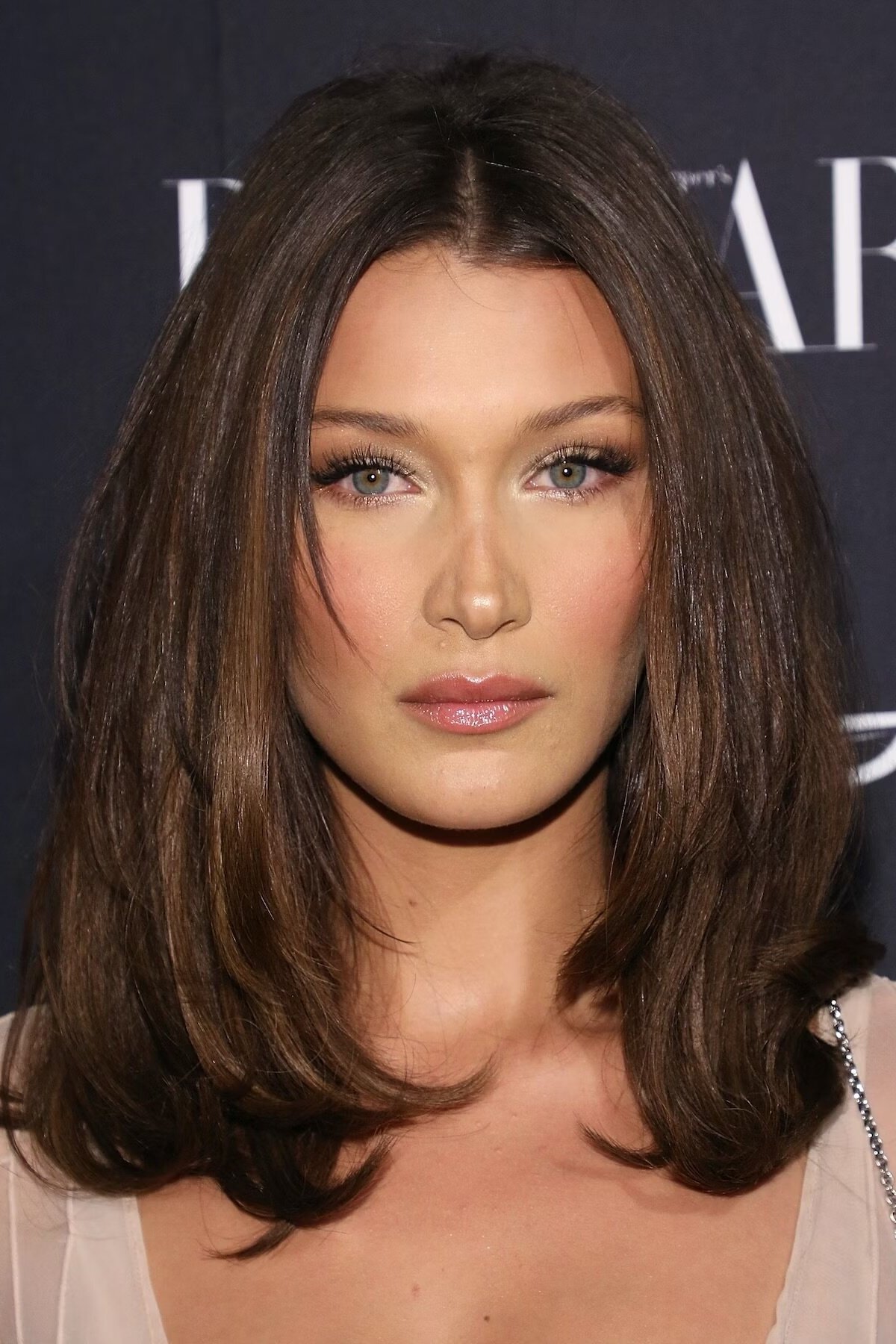
The supermodel and ‘Ramy’ actress faced significant backlash in 2019 following a Calvin Klein commercial in which she kissed a female humanoid robot named Lil Miquela. The brand and Hadid were accused of queerbaiting to appeal to Gen Z consumers without offering any actual representation of queer people. Calvin Klein eventually issued an official apology for the advertisement, admitting that the use of same-sex intimacy for “shock value” was a mistake. Hadid’s involvement in the campaign remains a prominent example of how corporate and celebrity interests can intersect to produce performative content.
Nicki Minaj

Throughout her career, Nicki Minaj has utilized lyrics and social media posts that hint at a fluid sexuality, most notably in the song ‘Barbie Tingz’. She later sparked a major controversy with a verse in the ‘Say So’ remix where she claimed she “used to be bi” but was now “just hetero.” This led to widespread accusations that she was using the LGBTQ+ community for digital engagement and viral moments. Critics argue that these references are often used to generate conversation during promotional cycles for her new music.
Addison Rae

The TikTok star and ‘He’s All That’ actress was accused of queerbaiting after a series of social media posts and interactions with other female influencers. Fans noted that her content often utilized queer-coded aesthetics and “shipping” tropes to drive engagement on her profiles during her transition from social media to mainstream acting. These accusations grew more intense as observers felt she was using the attention to broaden her fan base across different demographics. Rae has never identified as queer, leading many to conclude that the behavior was a calculated publicity tactic.
Priyanka Chopra Jonas
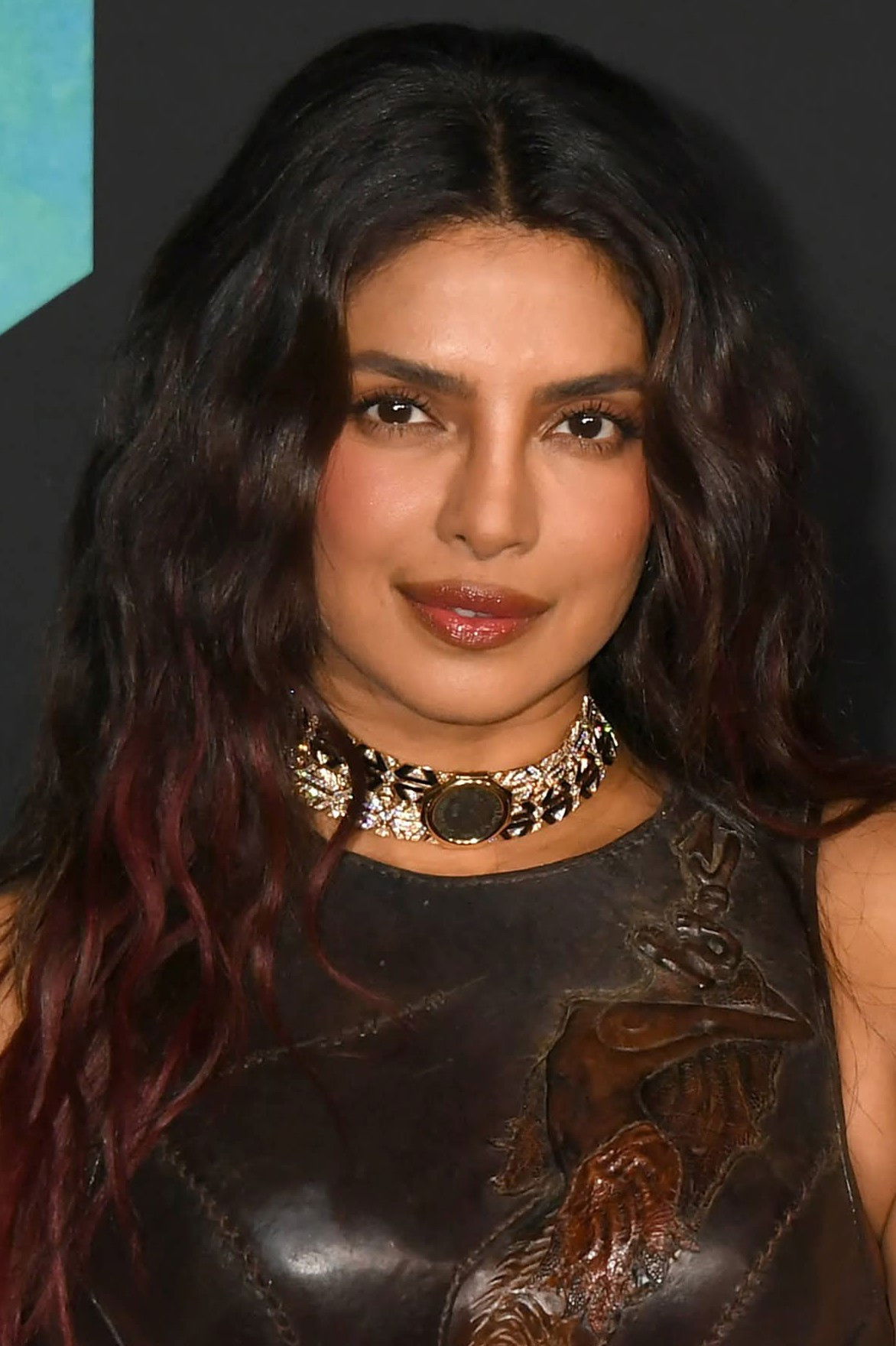
The ‘Citadel’ star has occasionally been accused of using performative interactions with female co-stars or friends to generate media headlines. Critics have pointed to various red carpet moments and social media captions that mimic the language of “shipping” popular in queer fan circles. While Chopra Jonas is married to Nick Jonas and identifies as straight, these instances are often flagged as attempts to remain trendy within online discourse. The timing of these events frequently coincides with the release of major film or television projects.
Lucy Hale

Similar to her former co-star Shay Mitchell, Lucy Hale was often accused of posting ambiguous content during the height of ‘Pretty Little Liars’. Social media posts featuring intimate-looking photos with female friends were seen by some as a way to maintain the interest of the show’s large queer audience. Critics argued that this “teasing” lacked authenticity, as the actress has only ever publicly dated men. The pattern was viewed by some as a way to capitalize on the fan fervor surrounding the show’s LGBTQ+ characters.
Sydney Sweeney

The ‘Euphoria’ actress has faced scrutiny for certain photoshoots and social media captions that fans interpreted as queer-coded or performative. Because her breakout role involved intense sexual themes, some critics felt her off-screen persona was being curated to appeal to all demographics through suggestive content. While Sweeney has not explicitly teased a queer identity, the way her image is marketed has been a point of contention in discussions about the “male gaze.” Her team has focused on her status as a fashion icon, but the accusations of performative behavior continue to surface online.
Vanessa Hudgens

The ‘High School Musical’ alumna was accused of queerbaiting following a 2013 incident where she was seen kissing a female friend in a series of paparazzi photos. This occurred during a period where she was transitioning into more mature film roles, leading to theories that the photos were staged to craft a “bad girl” image. More recently, her presence at queer-centric events has prompted questions about whether she is an ally or using the community for branding. Hudgens has consistently identified as straight throughout her entire career in the spotlight.
Victoria Justice

The ‘Victorious’ star has been accused of queerbaiting due to her social media interactions and “shipping” posts with former female castmates. Fans often pointed out that the timing of these posts appeared to align with new music releases or the premiere of her television projects. Like others on this list, Justice has been criticized for benefiting from the attention of queer fans without sharing their lived experiences. The actress has maintained a strictly heterosexual public dating history despite the frequent online speculation.
Hailee Steinfeld
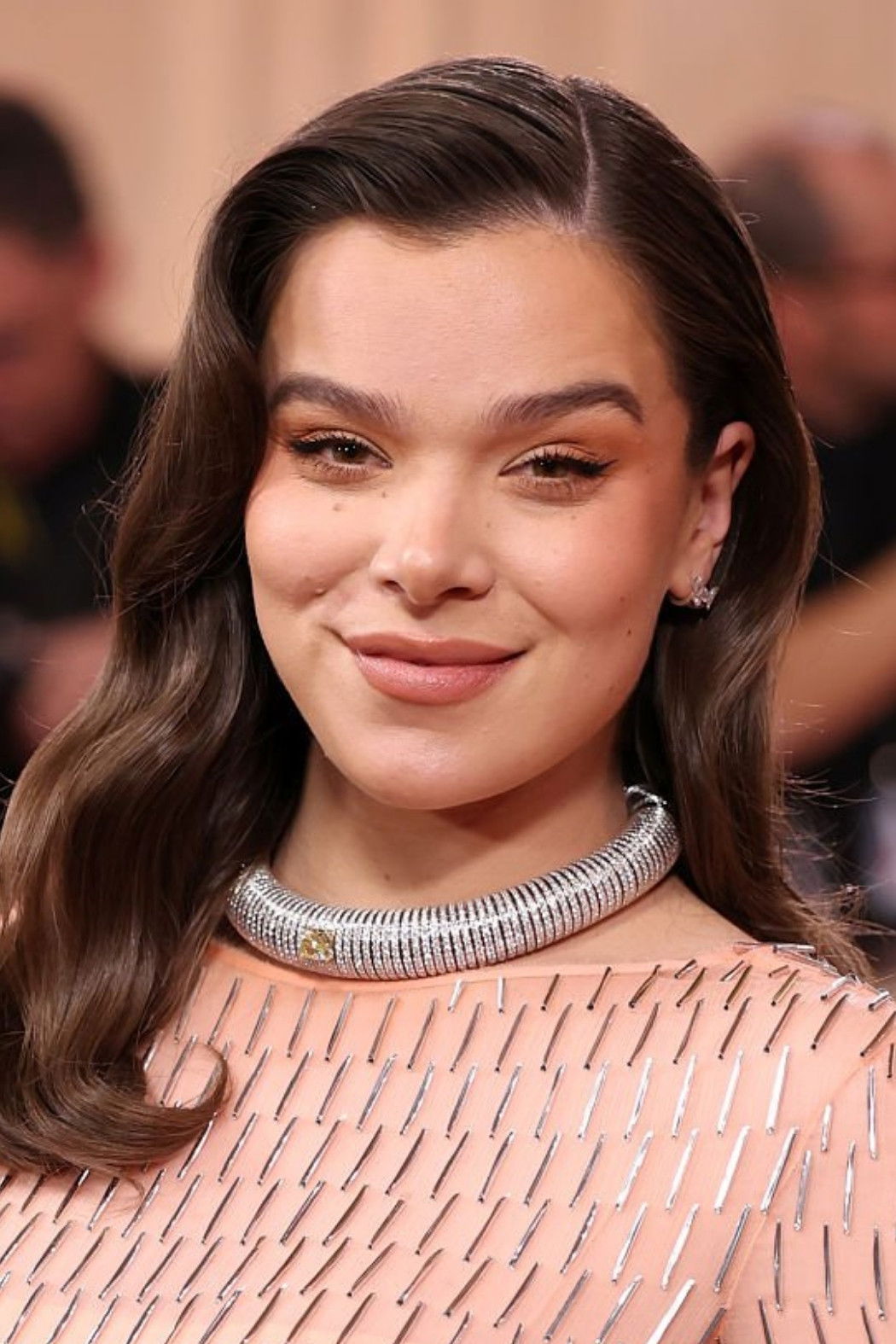
Hailee Steinfeld was accused of queerbaiting during the promotion of the television series ‘Dickinson’. While her character on the show was queer, the way her personal social media accounts teased “shipping” with female friends was criticized by those who felt she was using the aesthetic for engagement. Critics argued that she was playing into the “wlw” fandom to boost the show’s ratings while remaining heteronormative in her own life. The actress has consistently been linked to male partners and identifies as a straight ally.
Please share your thoughts on the ethics of celebrity queerbaiting and publicity stunts in the comments.