


Straight Male Actors Who Faced Massive Backlash for Playing Queer Icons

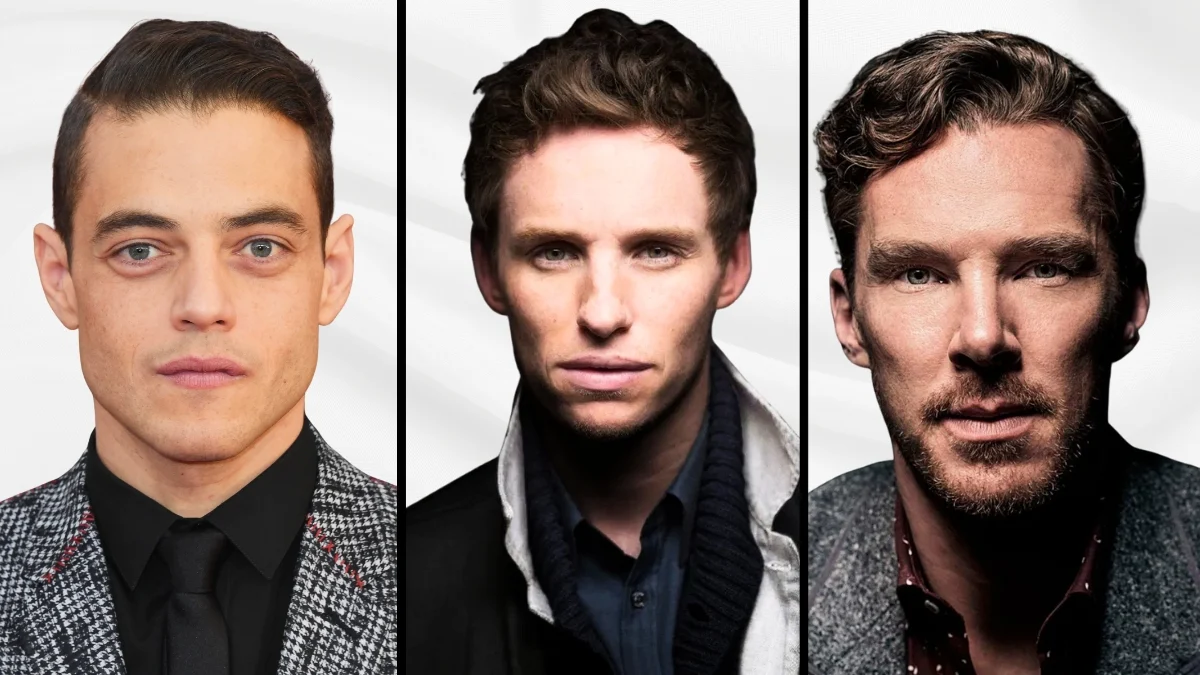


The debate regarding authentic representation in film and television has grown significantly as audiences and activists push for LGBTQ+ actors to be cast in queer roles. While straight actors have historically won prestigious awards for these portrayals, many now face intense scrutiny for taking opportunities away from the community. Critics often argue that lived experience is essential to capturing the nuance and struggle of queer icons without relying on stereotypes. This list explores thirty-two straight male actors whose casting in queer roles sparked significant public backlash and industry wide discussion.
Eddie Redmayne
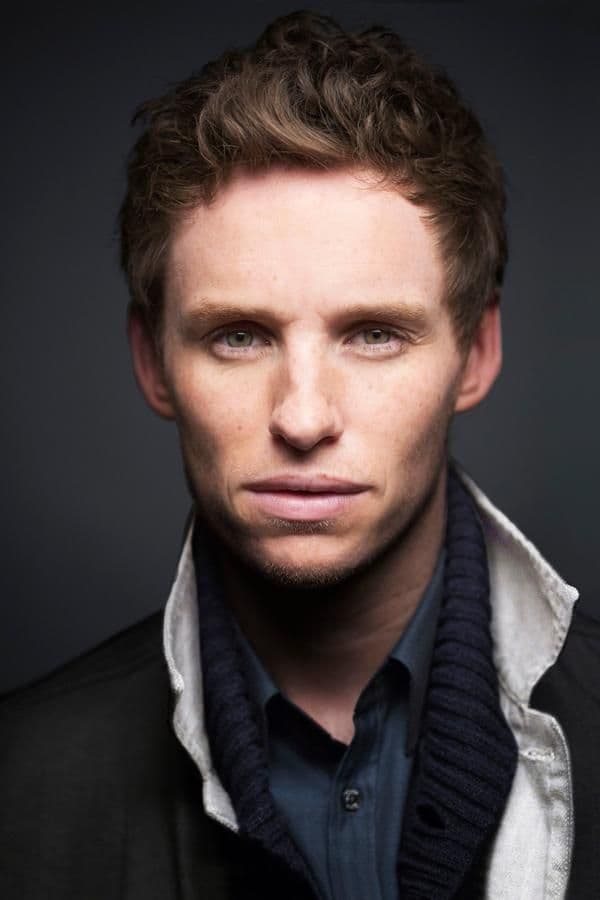
Eddie Redmayne portrayed the transgender pioneer Lili Elbe in the 2015 film ‘The Danish Girl’. The casting choice sparked immediate criticism from activists who argued that a transgender actress should have played the role. Many critics pointed out that cisgender actors playing trans characters contributes to the erasure of trans people in the film industry. Redmayne eventually addressed the controversy in a 2021 interview and called his decision to take the role a mistake. He stated that he would not accept the part if it were offered to him today due to the valid concerns raised by the community.
James Corden
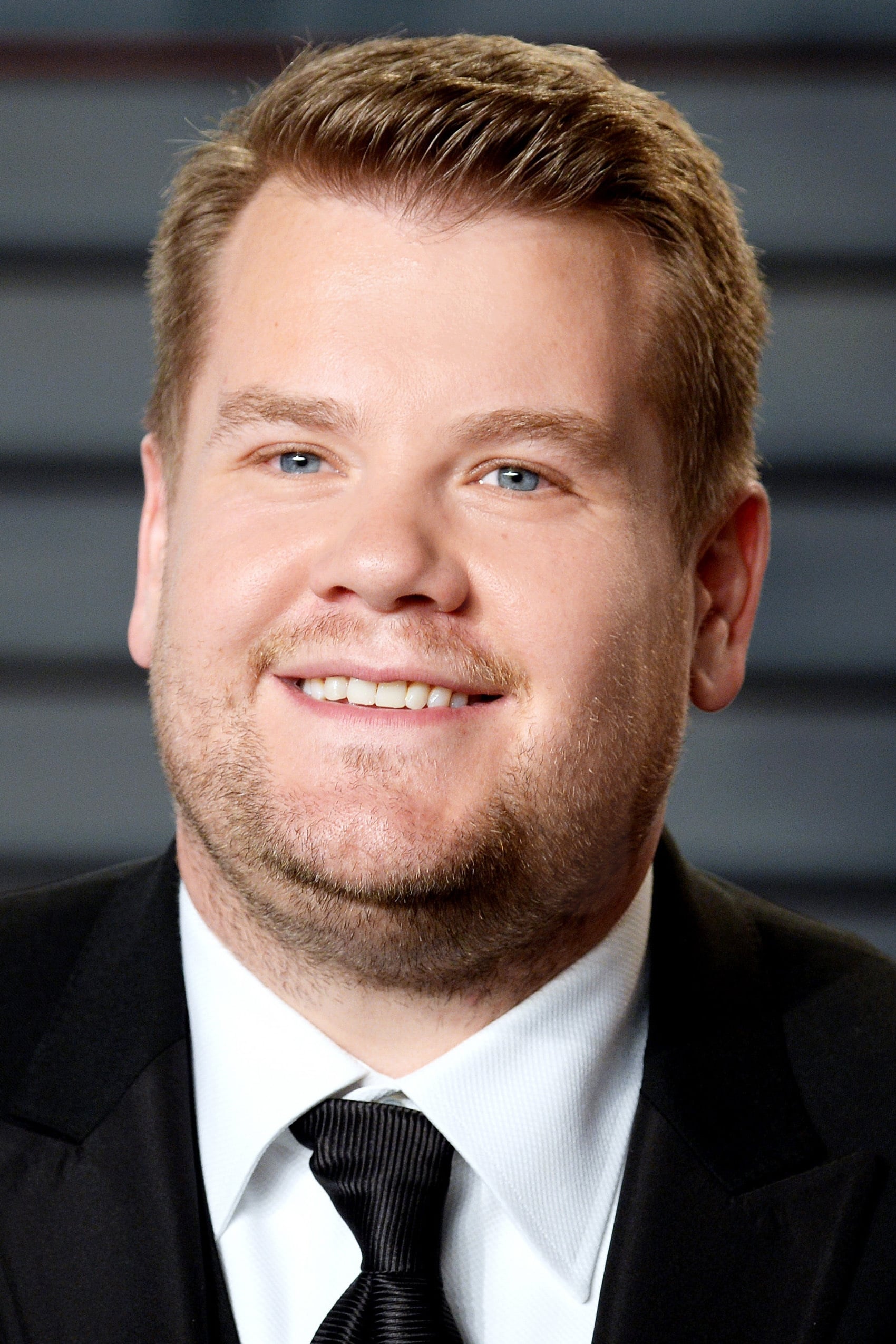
James Corden faced intense scrutiny for his role as Barry Glickman in the musical film ‘The Prom’. Critics and viewers labeled his performance as an offensive caricature that relied on tired stereotypes of gay men. Several reviewers described his acting as gayface and suggested that his flamboyant portrayal was regressive for modern cinema. The backlash became a central point of discussion during the awards season because many felt a queer actor would have offered more depth. Corden remained largely silent on the specific criticisms even as the film received mixed reactions from LGBTQ+ audiences.
Jared Leto
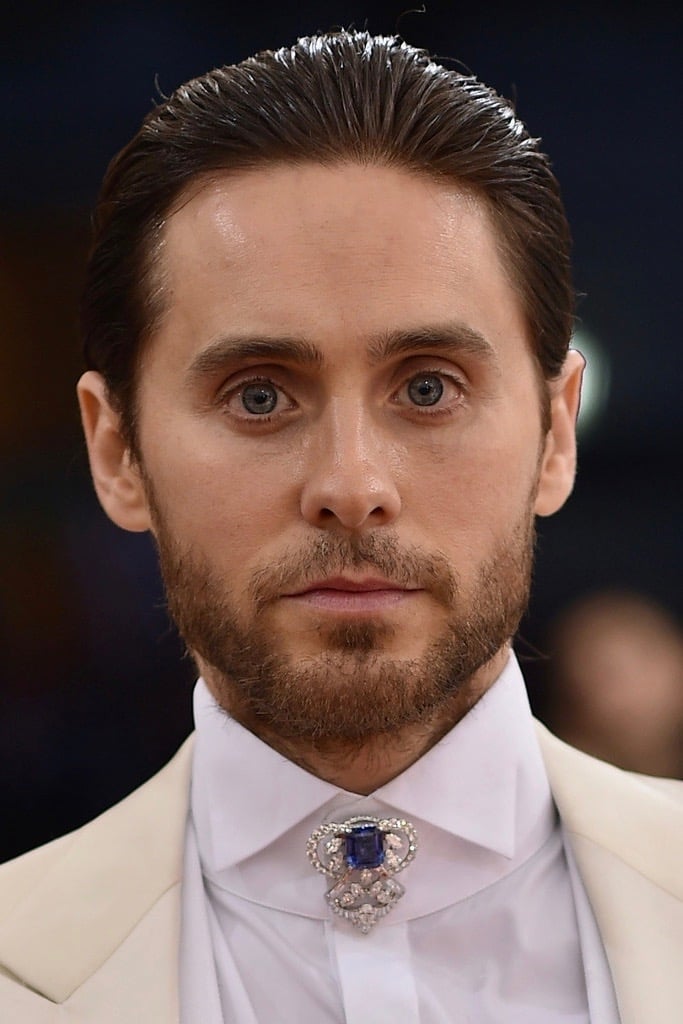
Jared Leto won an Academy Award for his portrayal of Rayon in ‘Dallas Buyers Club’. Despite the critical acclaim, the casting of a cisgender man as a transgender woman was met with heavy backlash from the trans community. Activists argued that casting Leto reinforced the harmful idea that trans women are simply men in costumes. During his Oscar acceptance speech, Leto did not specifically mention the transgender community which further fueled the frustration of critics. The controversy remains a landmark case in the ongoing conversation about transgender representation on screen.
Harry Styles
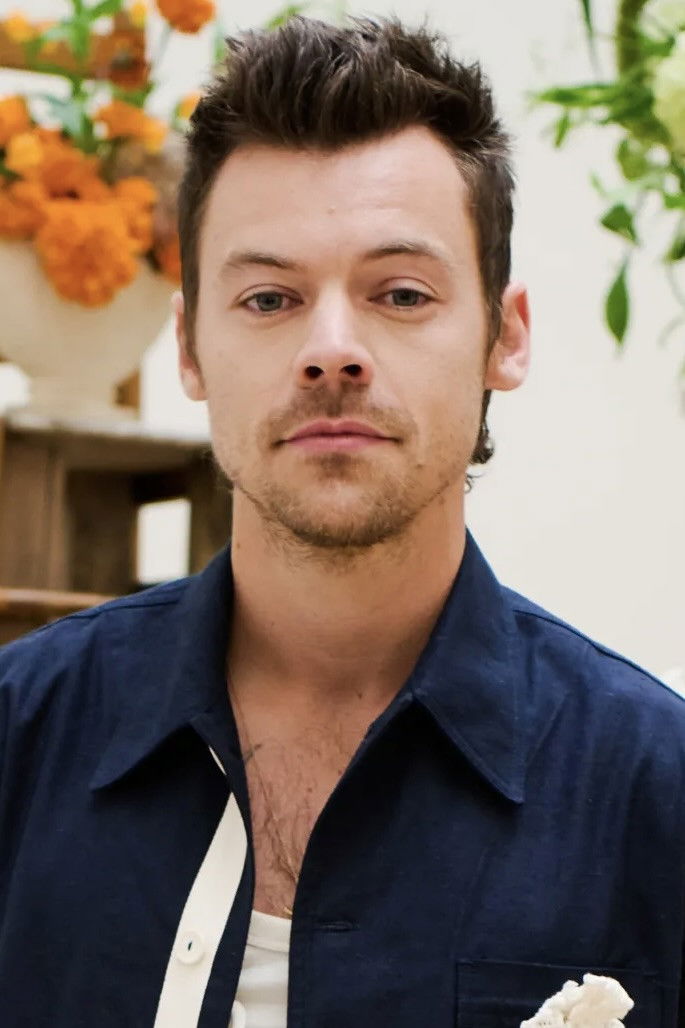
Harry Styles played a closeted police officer in the 2022 drama ‘My Policeman’. The singer and actor faced accusations of queerbaiting and taking a role that should have gone to an openly gay performer. Critics felt the performance lacked the interiority and specific emotional resonance that a queer actor might have provided. Styles defended his privacy regarding his own sexuality in several promotional interviews for the film. The backlash highlighted the tension between high profile celebrity casting and the need for authentic LGBTQ+ representation.
Ewan McGregor
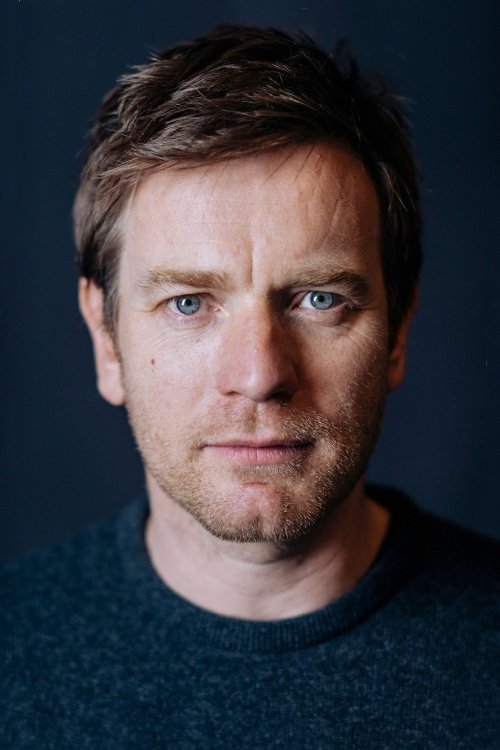
Ewan McGregor starred as the iconic fashion designer Halston in the Netflix limited series ‘Halston’. His casting as the legendary gay icon led to questions about why a straight actor was chosen to lead the project. McGregor responded to the criticism by stating that he understood the concerns but believed the role was about the character rather than the sexuality. Some critics felt his performance leaned too heavily into theatricality and missed the internal complexities of Halston. The series ultimately received mixed reviews despite McGregor winning an Emmy for the role.
Bradley Cooper
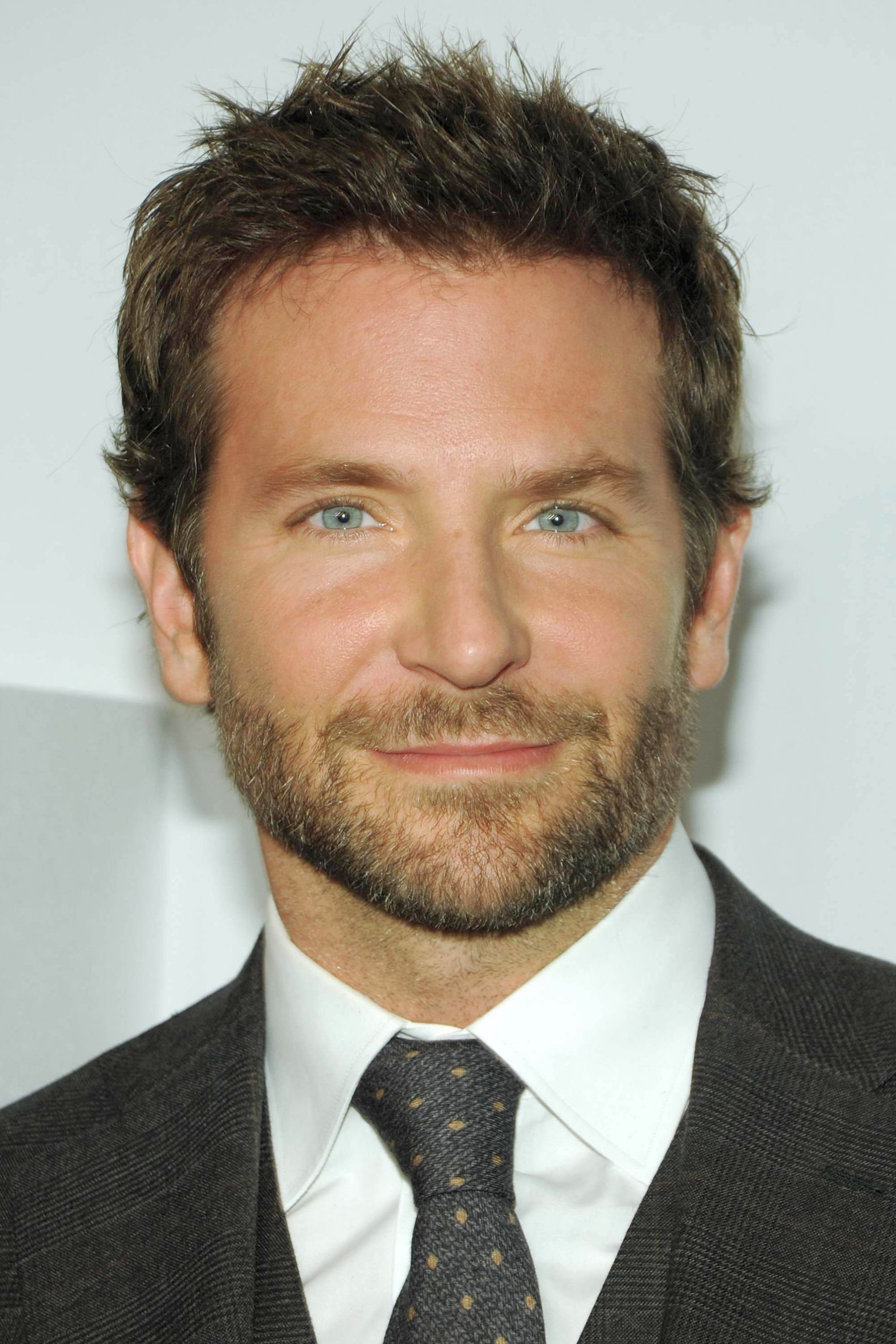
Bradley Cooper directed and starred in ‘Maestro’ as the legendary composer Leonard Bernstein. While much of the initial backlash focused on the use of a prosthetic nose, many also questioned the casting of a straight actor as a queer icon. Critics argued that Bernstein’s complex sexuality was a central part of his life and deserved an authentic portrayal. Some felt that the film focused more on the technical aspects of conducting than on the queer identity of the subject. The controversy sparked a wider debate about whether straight directors should prioritize queer actors for such roles.
Jeffrey Tambor
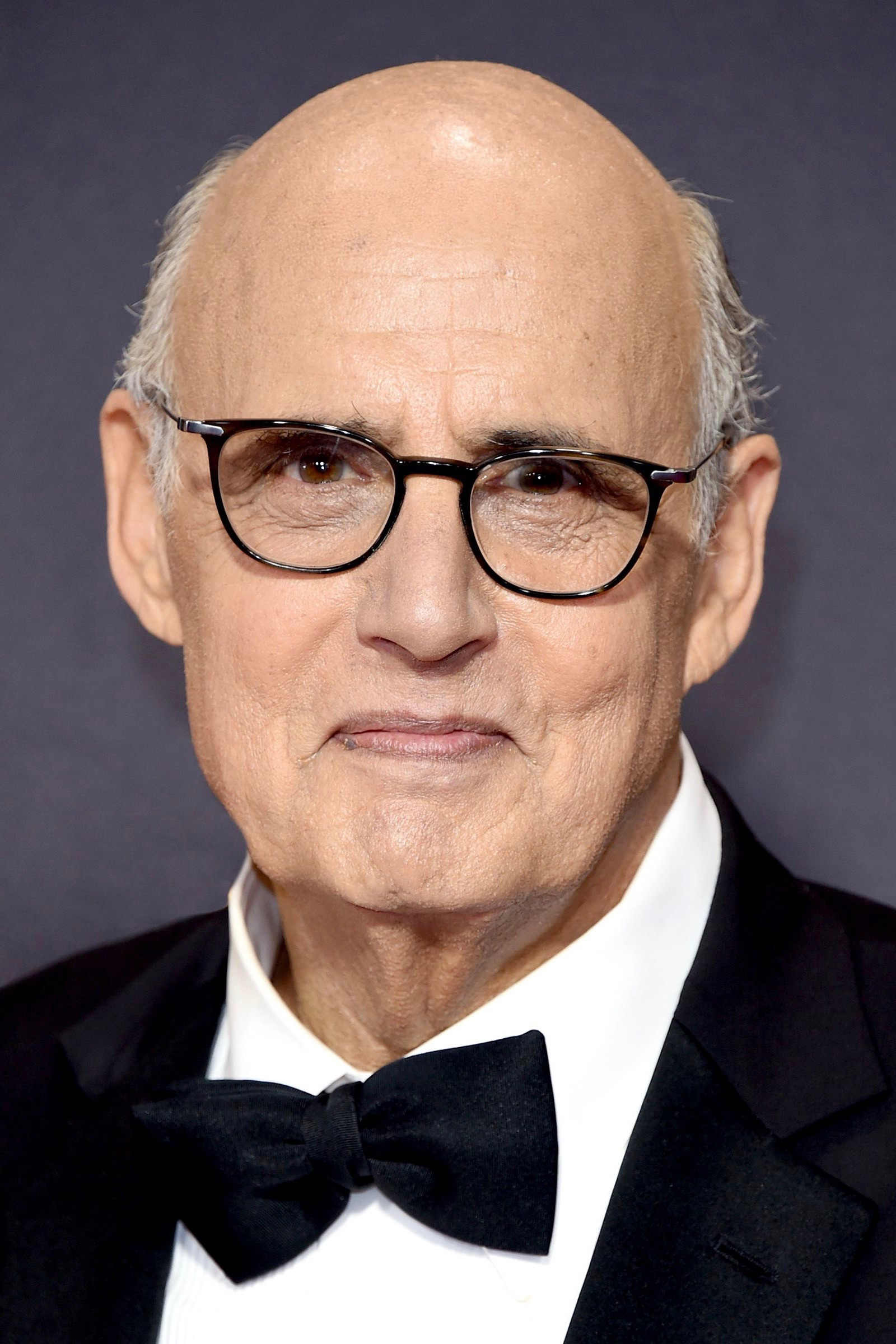
Jeffrey Tambor played the lead role of Maura Pfefferman in the television series ‘Transparent’. While the show was initially praised for its storytelling, the casting of a cisgender man as a trans woman was a constant source of friction. Many trans activists used the show as a platform to demand that productions stop hiring cisgender men for trans female roles. Tambor himself eventually used his Emmy acceptance speech to urge Hollywood to give trans talent a chance. He stated that he hoped he would be the last cisgender man to play a trans woman.
Brendan Fraser
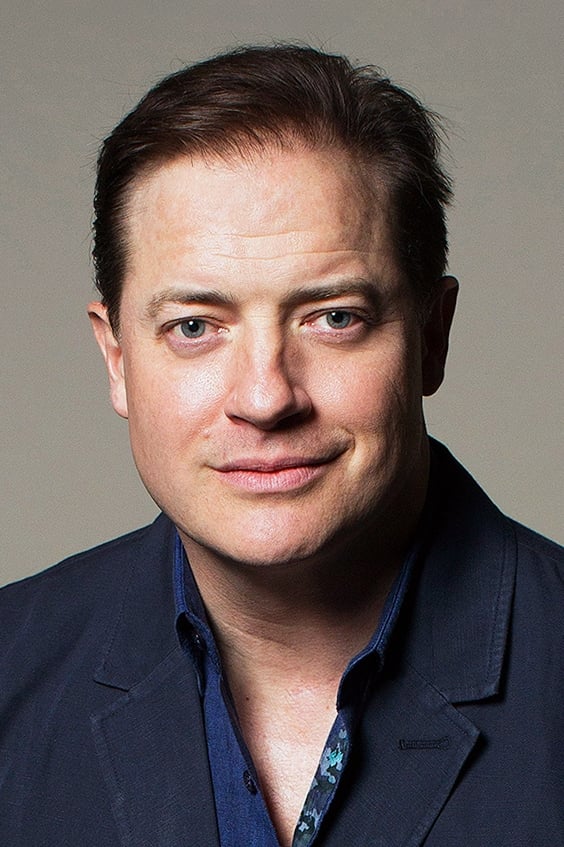
Brendan Fraser returned to the spotlight in ‘The Whale’ playing a reclusive gay man living with obesity. The film faced criticism for using a straight actor and employing a fat suit to transform Fraser for the role. Some reviewers argued that the movie treated the character with a voyeuristic lens rather than genuine empathy. While Fraser received a standing ovation at film festivals, the LGBTQ+ community remained divided on the authenticity of the performance. The film won several awards but continues to be a point of contention regarding how queer bodies are depicted.
Darren Criss
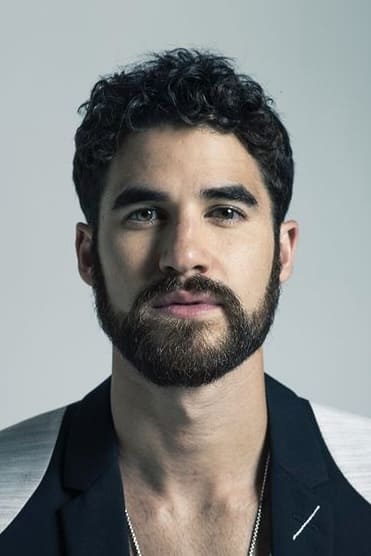
Darren Criss portrayed Andrew Cunanan in ‘The Assassination of Gianni Versace’ and received significant praise for his performance. However, he also faced backlash for being a straight identifying actor who frequently took gay roles. Criss eventually responded to the criticism by pledging that he would no longer play queer characters. He stated that he did not want to be another straight boy taking a role from a talented queer performer. This decision made him one of the few actors to publicly step away from queer roles in response to community feedback.
James Franco
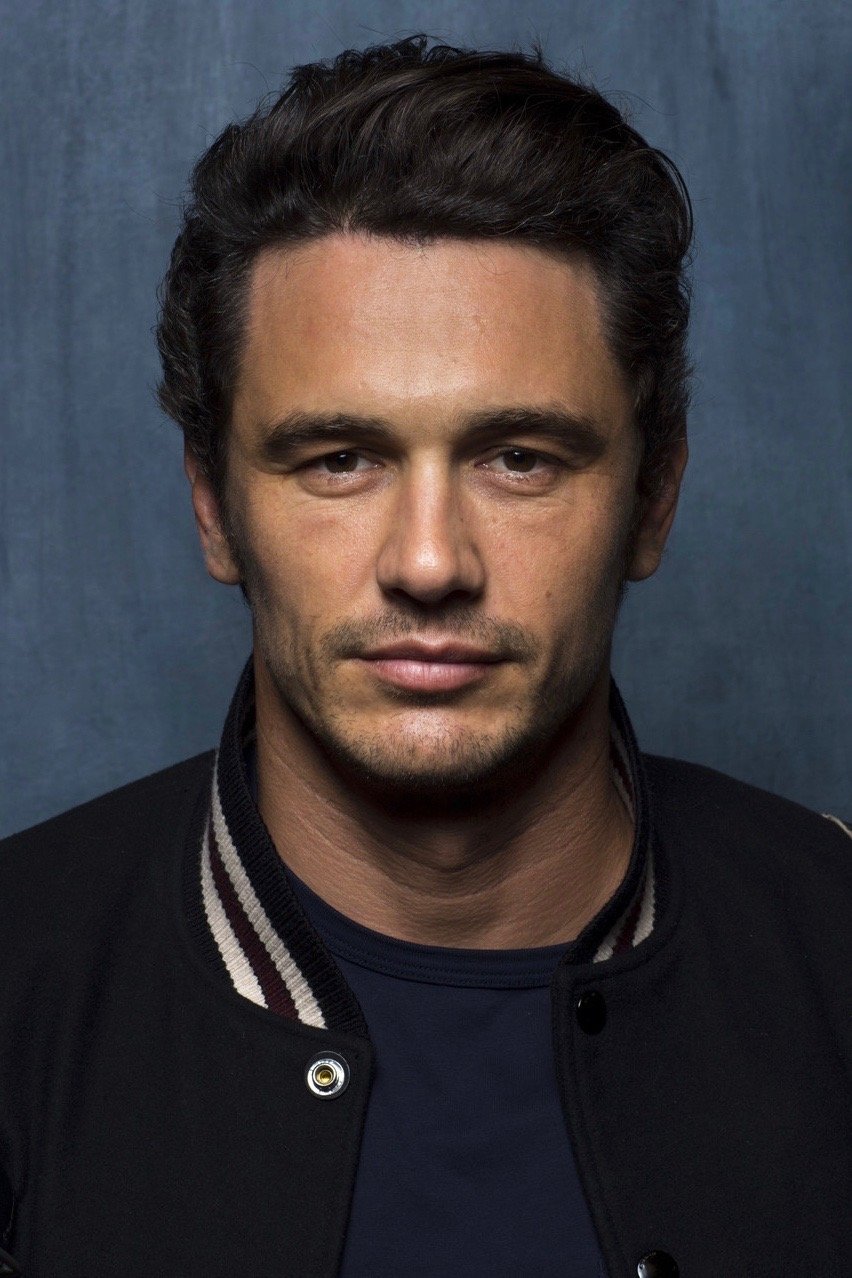
James Franco played several queer characters throughout his career including roles in ‘Milk’ and ‘I Am Michael’. His portrayal of Michael Glatze in ‘I Am Michael’ was particularly controversial because the character was a former gay activist who became a Christian pastor. Critics felt that Franco’s frequent casting in gay roles felt like a gimmick rather than a commitment to representation. Many in the community argued that he was profiting from queer narratives without having any personal stake in the movement. The backlash eventually led to a broader discussion about straight actors who make a brand out of playing gay roles.
Sean Penn
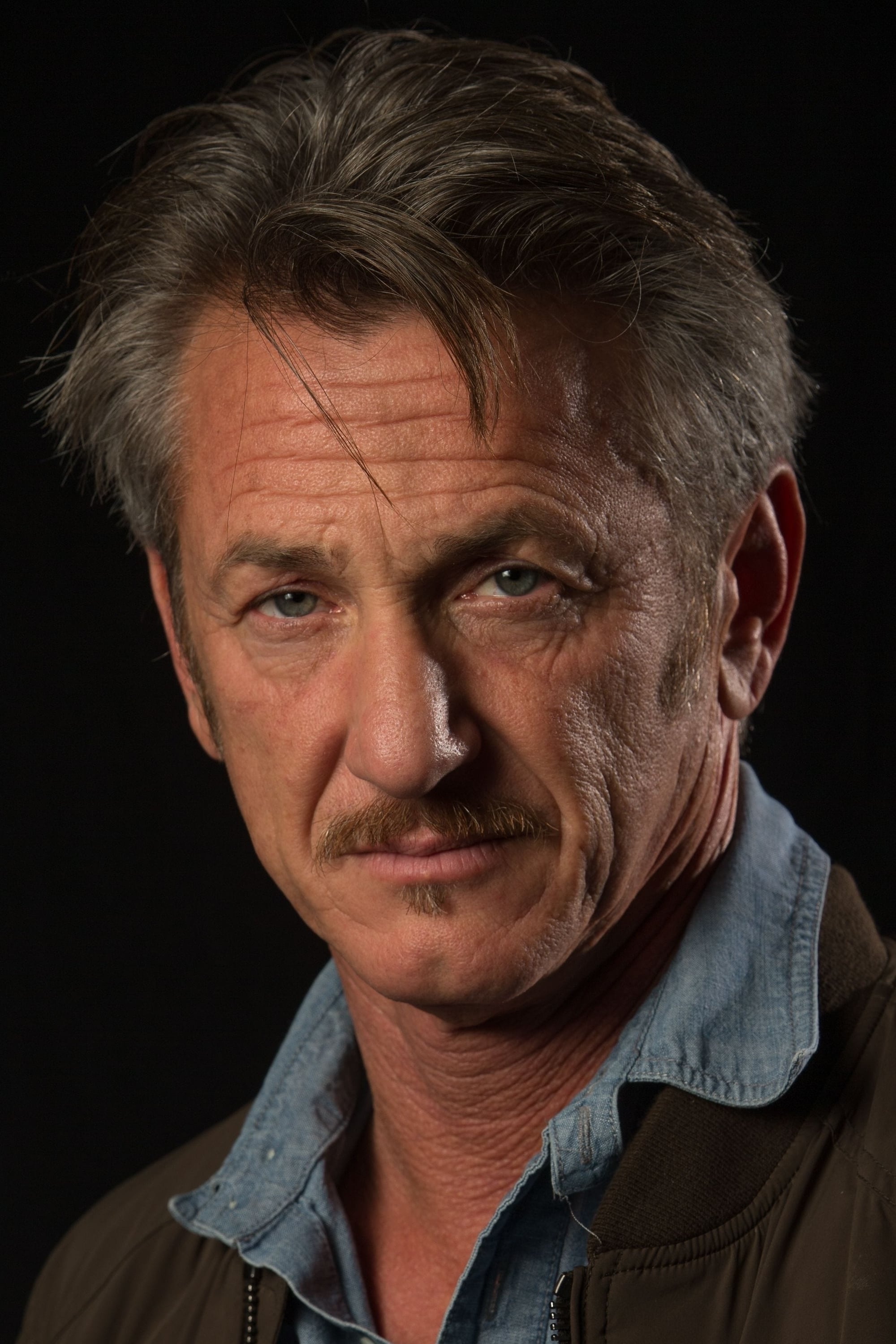
Sean Penn won an Academy Award for playing the legendary activist Harvey Milk in the 2008 film ‘Milk’. At the time of the release, some activists were critical of the casting because Penn had not been a vocal supporter of queer rights in his personal life. The backlash grew as the movement for marriage equality gained momentum and fans wanted a queer actor to represent the martyr of the movement. While the performance is still considered one of his best, it is often cited as a turning point for the representation debate. Penn’s win helped solidify the trend of straight actors winning Oscars for queer portrayals.
Nicholas Galitzine

Nicholas Galitzine has played queer characters in projects like ‘Handsome Devil’ and ‘Red, White & Royal Blue’. The actor has faced consistent questions from the media and fans about his sexuality because of his frequent casting in these roles. Some critics argue that his career has been built on queer narratives that should have gone to openly gay actors. Galitzine has addressed the backlash by stating that he tries to approach every role with sensitivity and respect for the community. Despite the criticism, he continues to be cast in high profile projects with queer themes.
Rami Malek
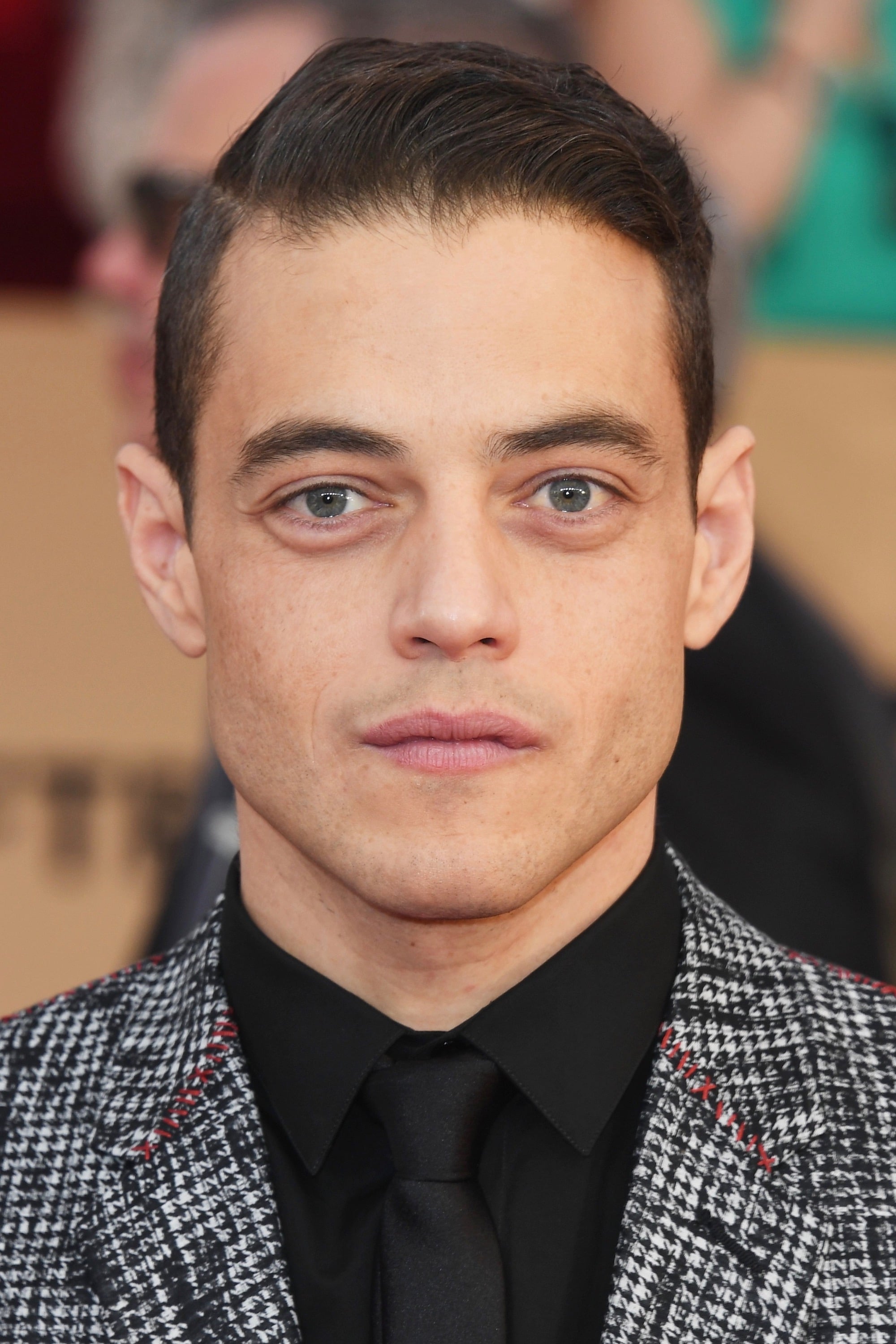
Rami Malek won an Oscar for his portrayal of Freddie Mercury in the biopic ‘Bohemian Rhapsody’. The film was criticized for sanitizing Mercury’s sexuality and focusing more on his relationship with Mary Austin. Many fans felt that a queer actor would have insisted on a more honest and less heteronormative depiction of the Queen frontman. Malek was praised for his physical transformation but faced backlash for his perceived lack of understanding of the queer subculture Mercury inhabited. The film remains a commercial success but a critical disappointment for many LGBTQ+ historians.
Taron Egerton
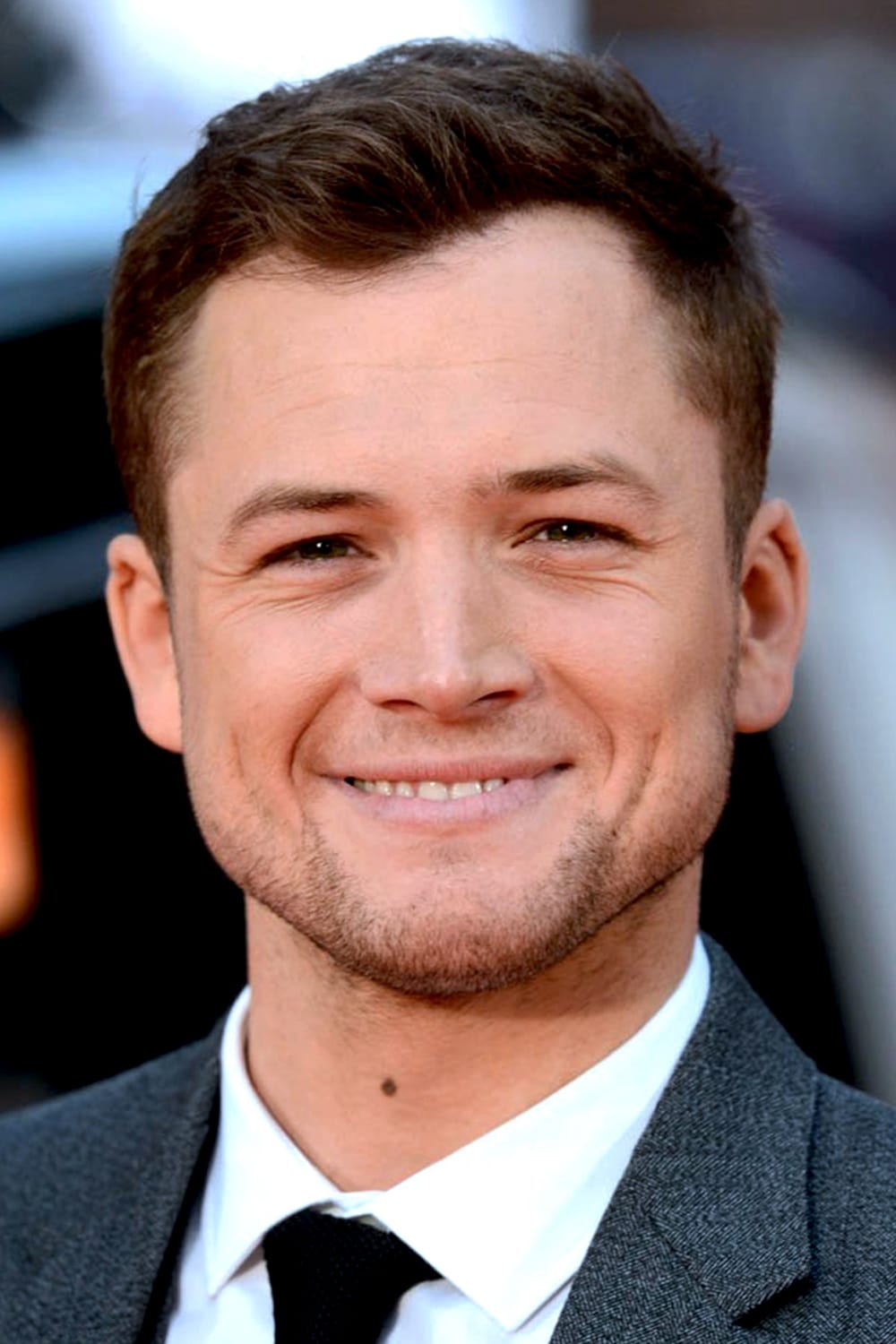
Taron Egerton played the music legend Elton John in the 2019 film ‘Rocketman’. While the film was praised for its bold fantasy sequences, some viewers were unhappy that a straight actor was chosen for the role. Egerton defended his casting by stating that he felt a deep connection to the character and the music. He also worked closely with Elton John to ensure the portrayal was accurate and respectful. However, the backlash highlighted the ongoing frustration with the lack of gay leading men in big budget musical biopics.
Andrew Garfield
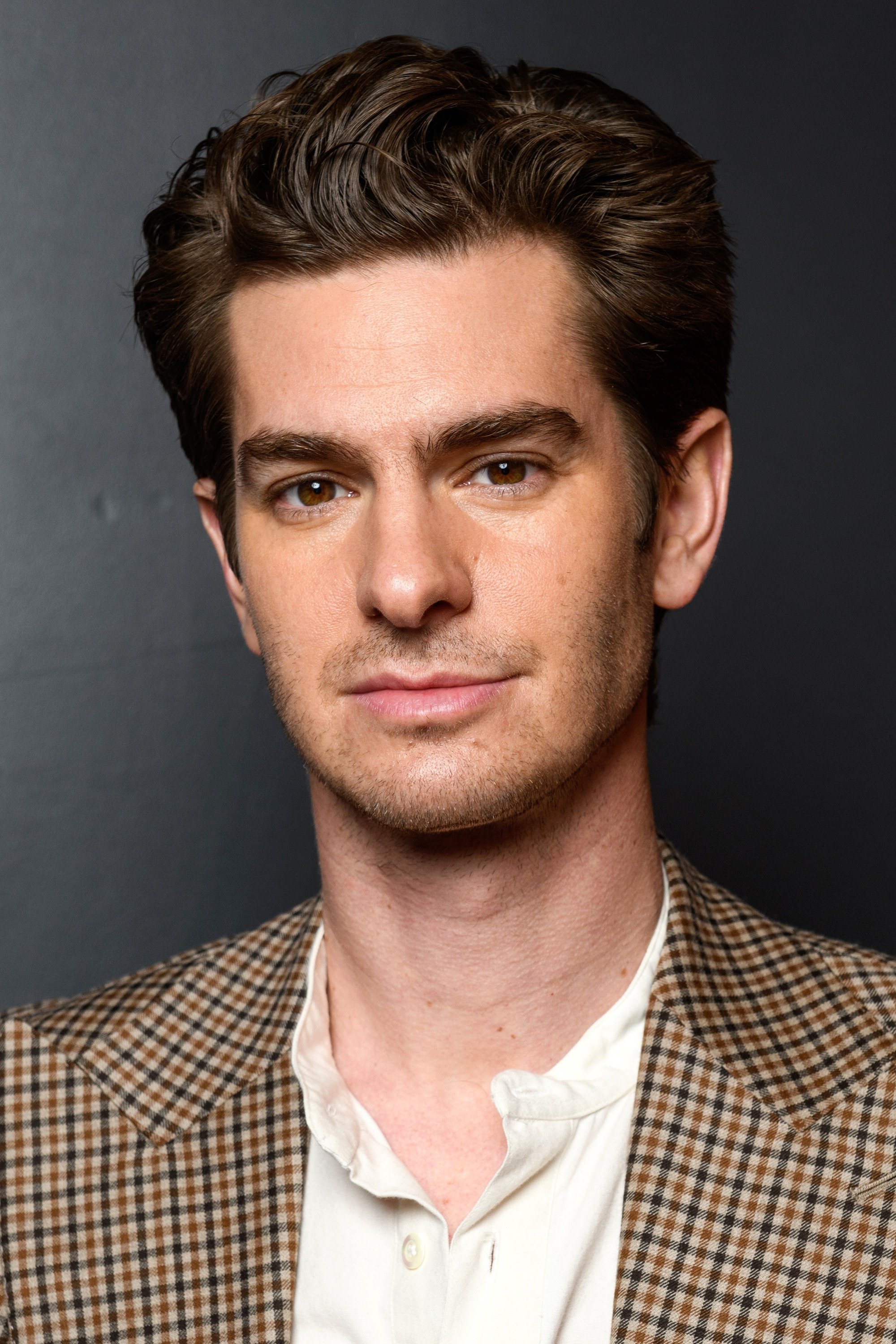
Andrew Garfield starred as Prior Walter in the stage revival and television adaptation of ‘Angels in America’. He faced significant backlash after making a comment during a panel where he joked about being a gay man without the physical act. Critics found the remark insensitive to the actual struggles and dangers faced by gay men in society. Garfield later apologized and clarified that he wanted to honor the community through his work. The controversy overshadowed his performance and led to intense debates about the boundaries of straight actors in queer spaces.
Paul Mescal
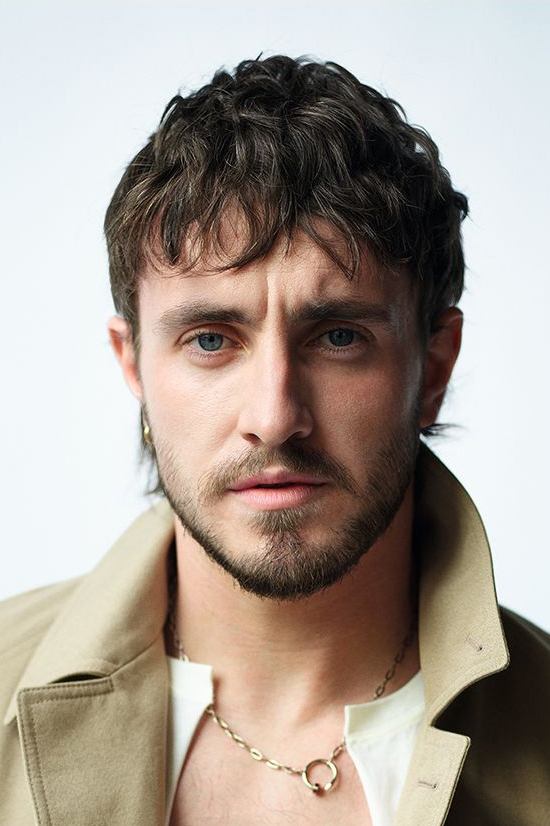
Paul Mescal starred in the romantic drama ‘All of Us Strangers’ alongside Andrew Scott. While the film was critically acclaimed, Mescal’s casting as a queer character sparked discussions about the dominance of straight actors in the indie film circuit. Some viewers felt that the chemistry would have been even more powerful if both leads were played by queer men. Mescal has expressed his own nerves about taking such roles and his desire to do the community justice. The film remains a favorite among critics but serves as another example of the straight lead trend.
Timothée Chalamet
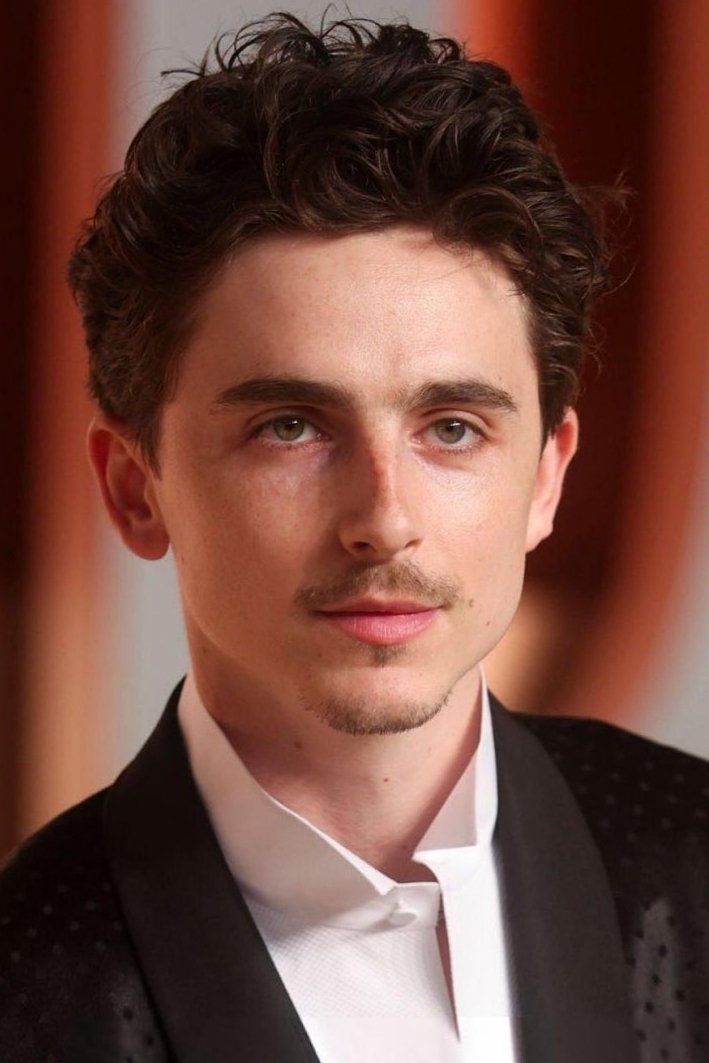
Timothée Chalamet rose to international stardom for his role in ‘Call Me by Your Name’. The casting of two straight identifying actors as the leads in a gay romance was a major point of contention for some viewers. Critics argued that the film felt like a sanitized version of queer desire designed for a straight audience. Chalamet has largely avoided the controversy in interviews while continuing to take various roles across different genres. The film is still beloved by many but is often used as a primary example in debates about queer cinema.
Armie Hammer
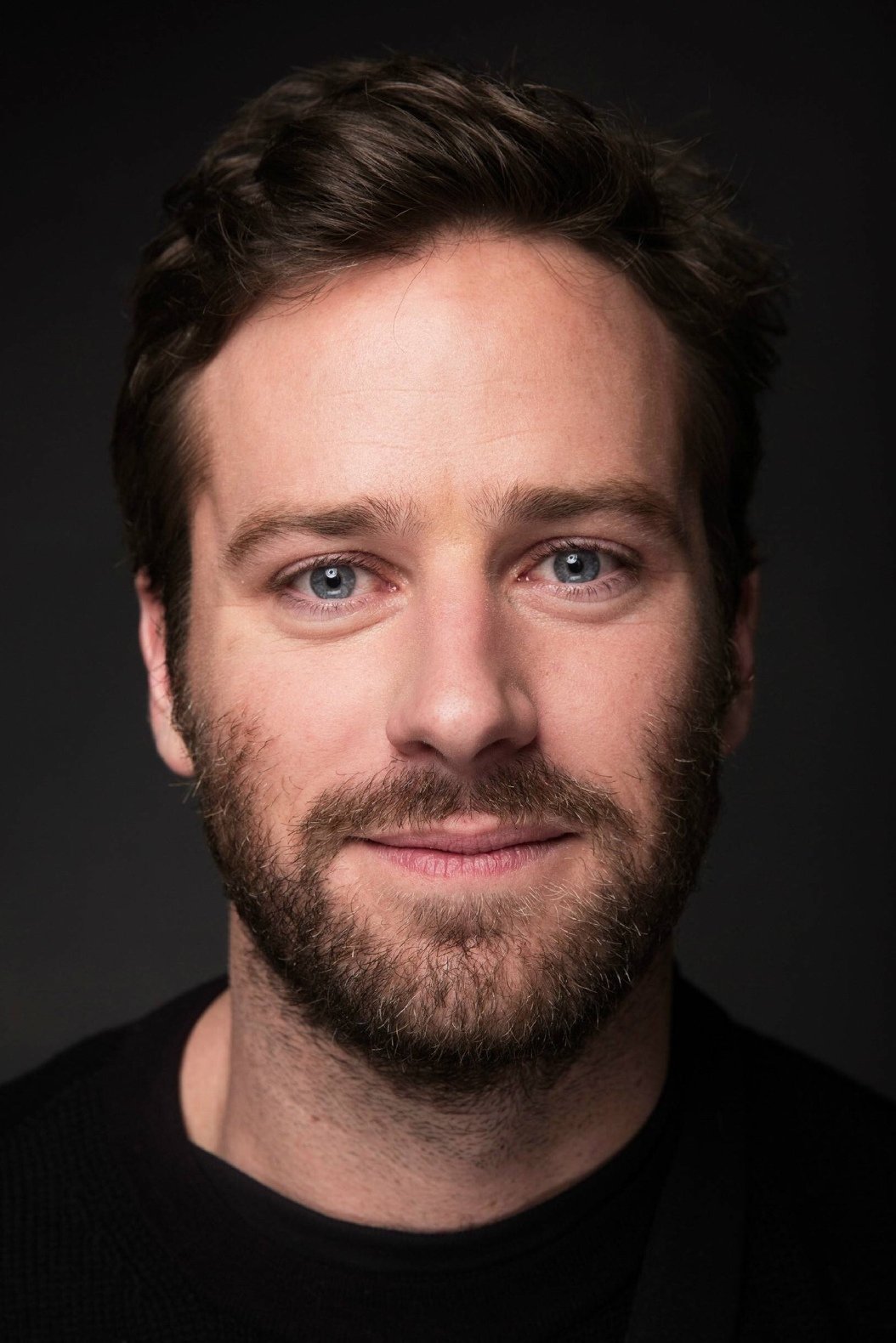
Armie Hammer starred alongside Timothée Chalamet in ‘Call Me by Your Name’ and faced similar criticisms. Many activists questioned why a gay actor was not chosen for the role of Oliver especially given the film’s focus on sexual awakening. Hammer defended the film by stating that the chemistry between the actors was what mattered most for the story. The backlash focused on the lack of authentic representation in a film that became a cultural phenomenon. This controversy helped ignite the current movement demanding more transparency in casting for LGBTQ+ stories.
Jake Gyllenhaal

Jake Gyllenhaal starred in ‘Brokeback Mountain’ and earned an Academy Award nomination for his performance. While the film was groundbreaking in 2005, it has faced retrospective criticism for its casting of two straight men. Gyllenhaal has acknowledged in recent years that the industry has changed and that he understands the calls for more authenticity. He stated that the film was a product of its time when casting gay actors in such roles was even more difficult. The debate over ‘Brokeback Mountain’ continues to influence how modern queer westerns are cast.
Heath Ledger
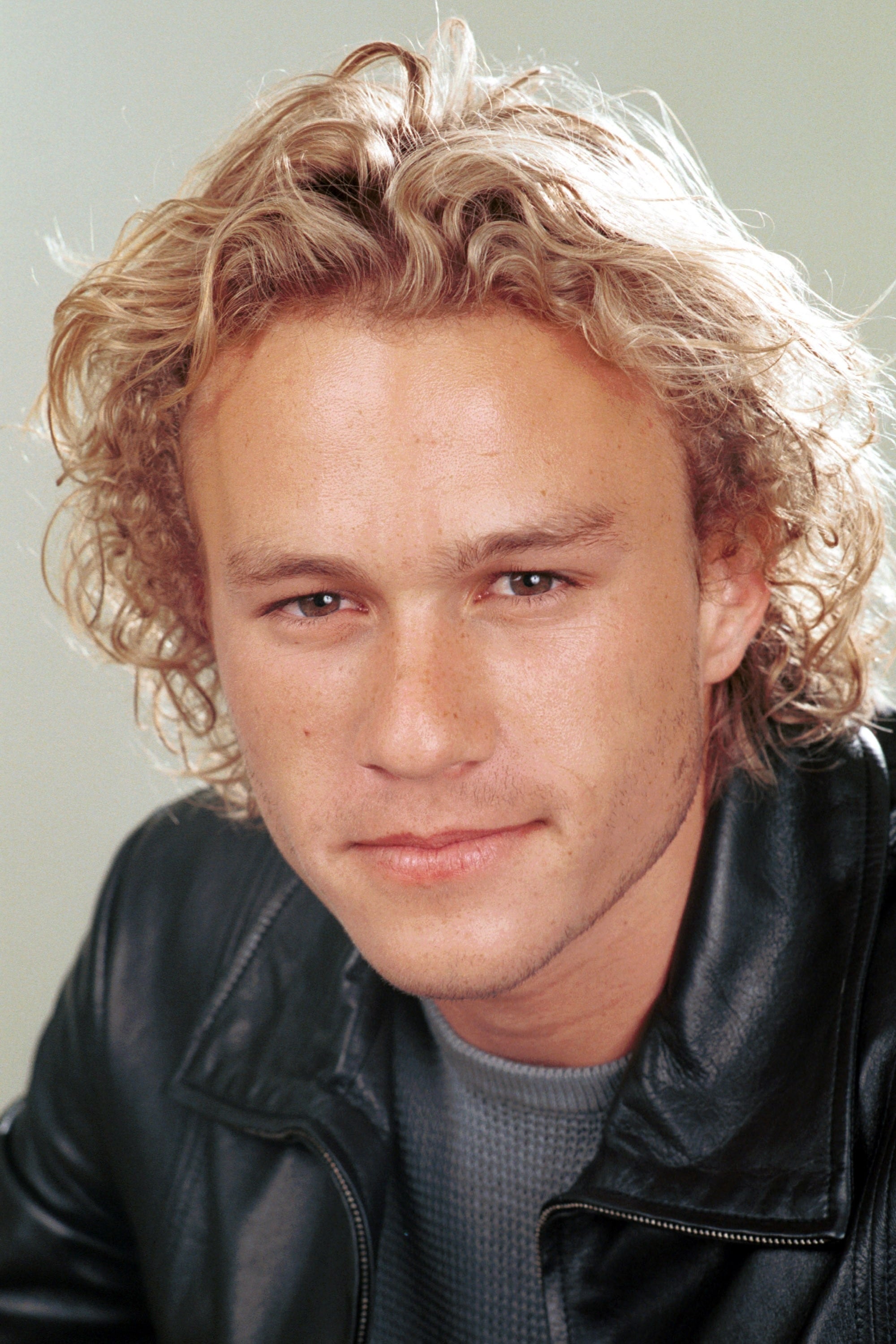
Heath Ledger’s portrayal of Ennis Del Mar in ‘Brokeback Mountain’ is often cited as one of the most iconic queer performances in history. However, the casting of a straight heartthrob in the role was seen by some as a safe choice for Hollywood studios. Critics argued that the film used Ledger’s straight status to make the queer subject matter more palatable to mainstream audiences. While the performance remains legendary, it is frequently analyzed through the lens of straight actors being rewarded for playing gay. Ledger’s legacy is tied to this role which helped change the landscape of queer storytelling in film.
Stanley Tucci
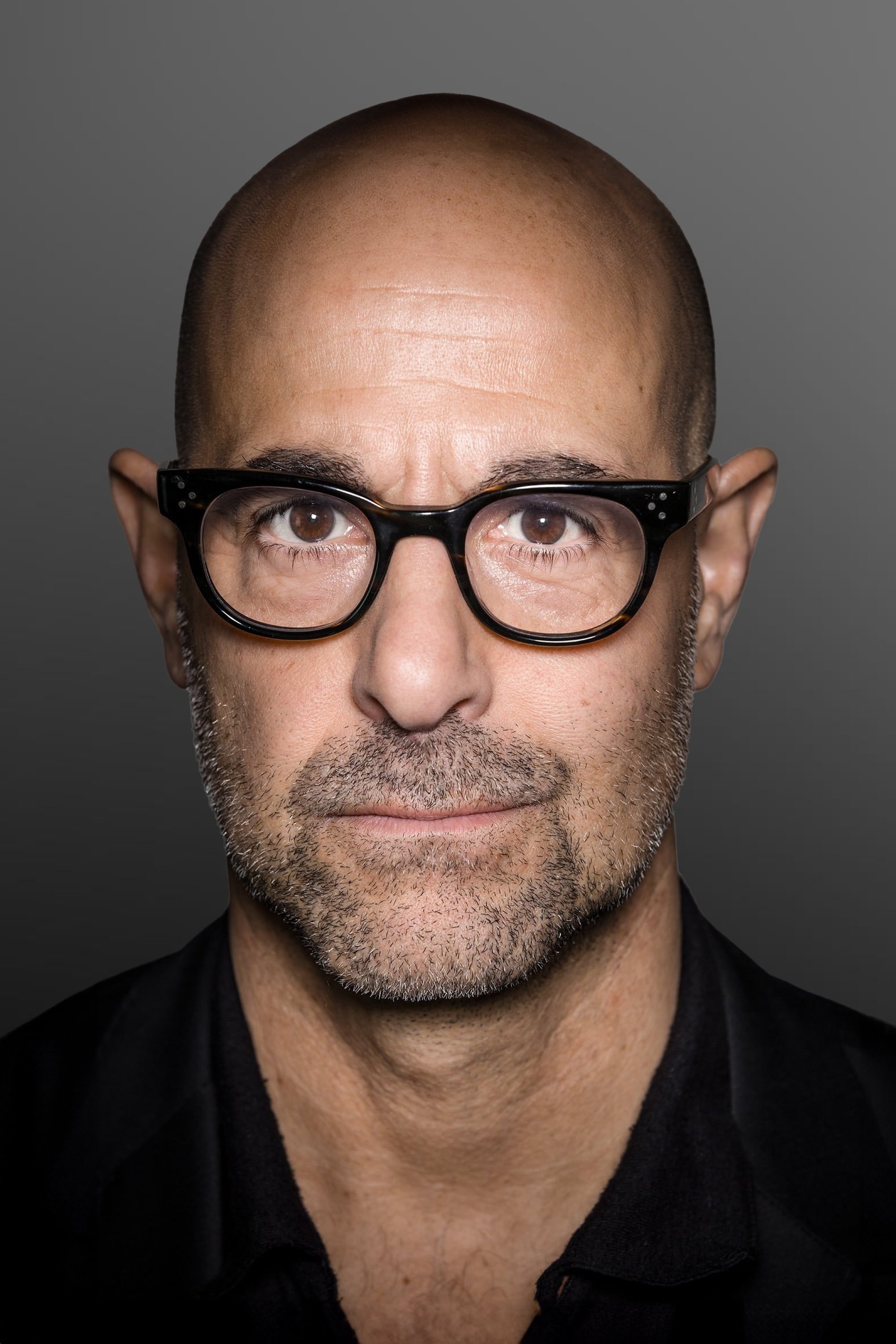
Stanley Tucci starred as a man suffering from dementia in ‘Supernova’ alongside Colin Firth. The film faced criticism for casting two straight actors as a longtime gay couple. Tucci defended his choice to play the role by stating that actors should be allowed to play anyone as long as they do it with heart. He has been vocal about his belief that limiting actors to their own identities is a mistake for the craft. The backlash was significant enough that it became a major talking point during the film’s promotional tour.
Colin Firth
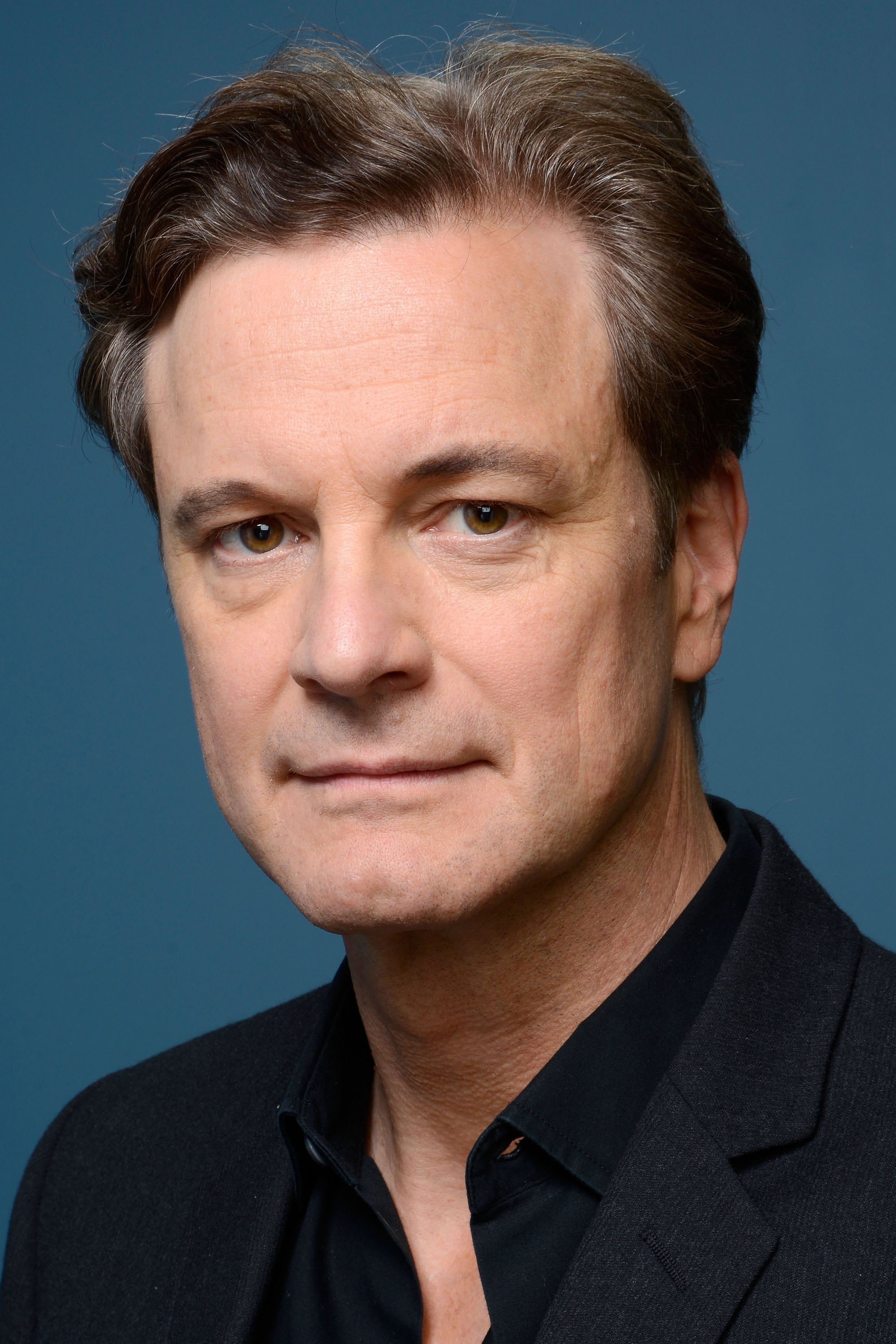
Colin Firth starred in ‘A Single Man’ and ‘Supernova’ as gay characters in prominent romantic dramas. His casting in ‘A Single Man’ won him many awards but also drew criticism from those who wanted to see gay actors in lead roles. Critics felt that Firth’s frequent portrayals of repressed gay men became a recurring trope in his career. Firth has acknowledged the sensitivity of the issue but has continued to accept roles that interest him regardless of sexuality. His career highlights the ongoing tension between established movie stars and the demand for new queer talent.
Viggo Mortensen
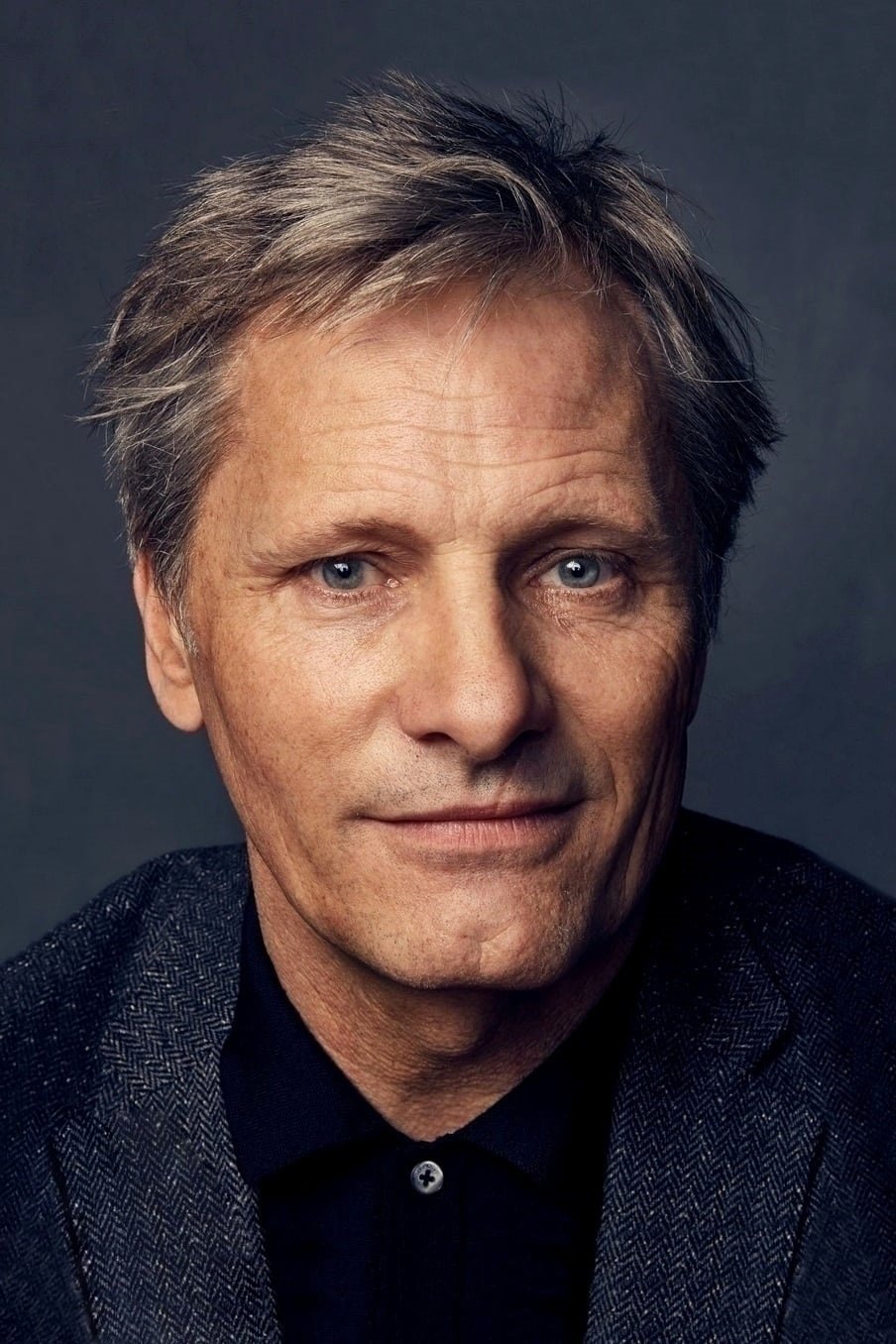
Viggo Mortensen directed and starred in ‘Falling’ as a gay man caring for his conservative father. The casting choice led to direct questions from the media about Mortensen’s own sexuality and his right to tell this story. Mortensen responded by stating that people should not assume they know his private life or the lives of his cast members. He defended the film as a personal story that transcended the specific identity of the protagonist. The backlash was notable because it involved a director defending his own casting decisions against representation critics.
Eric McCormack
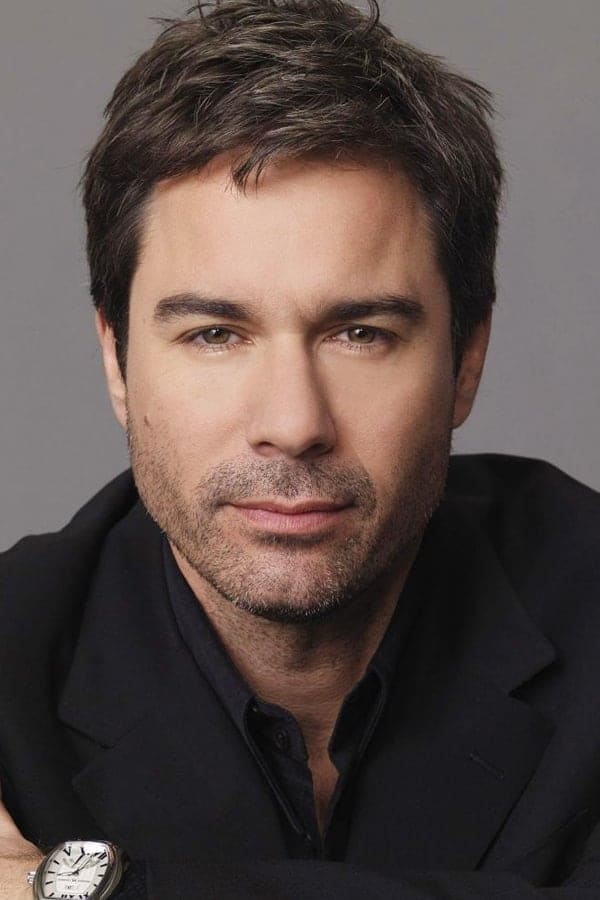
Eric McCormack played the lead role in ‘Will & Grace’ for eleven seasons and became a household name. While the show was a pioneer for gay representation on television, McCormack has faced modern backlash for being a straight man in the role. In recent interviews he has stated that he probably would not be cast in the role if the show were made today. He acknowledged that the industry has moved toward a model that prioritizes authentic lived experience. His perspective reflects the shift in Hollywood standards since the show first aired in the late nineties.
Tom Hanks
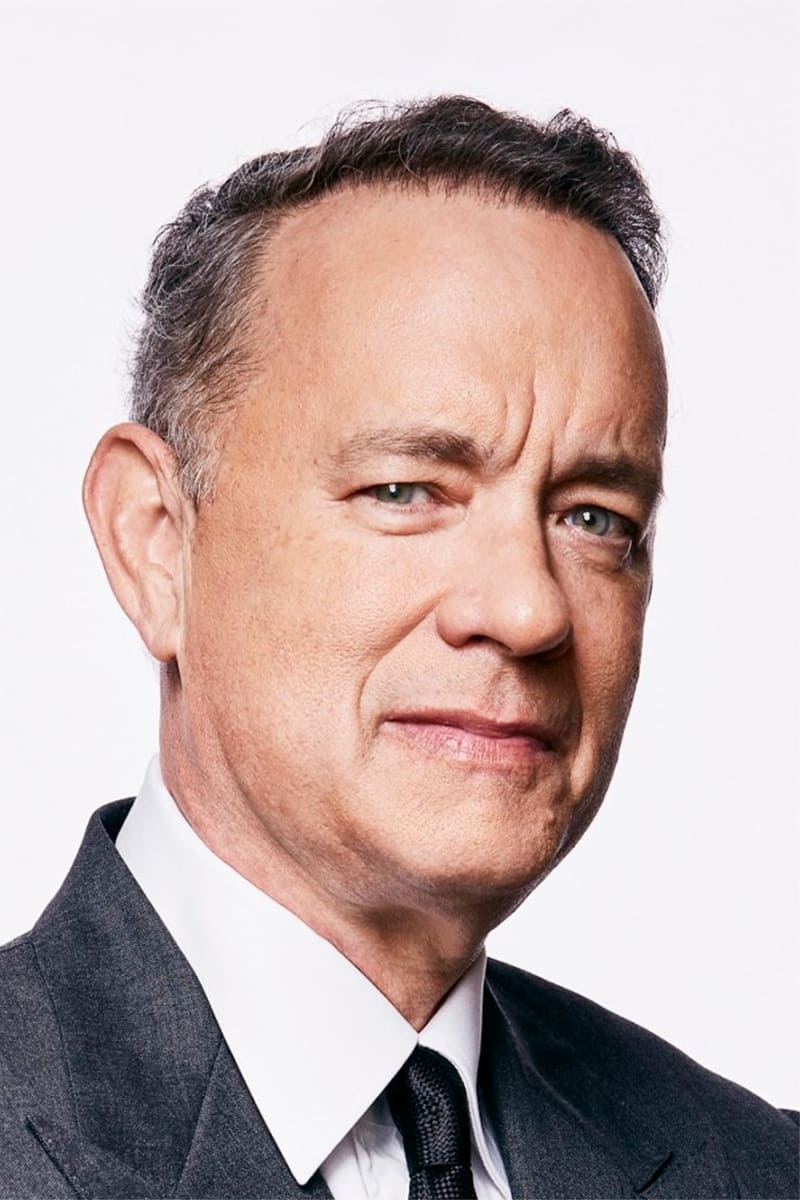
Tom Hanks won his first Academy Award for playing Andrew Beckett in the 1993 film ‘Philadelphia’. While the film was a monumental moment for HIV awareness, Hanks has since stated that a straight actor could not play that role today. He acknowledged that the audience now expects more authenticity and that he would not accept the part in the current environment. This admission from one of Hollywood’s most respected actors was seen as a major validation of the representation movement. The film remains a historic piece of cinema but is now viewed as part of a different era in casting.
Matt Damon
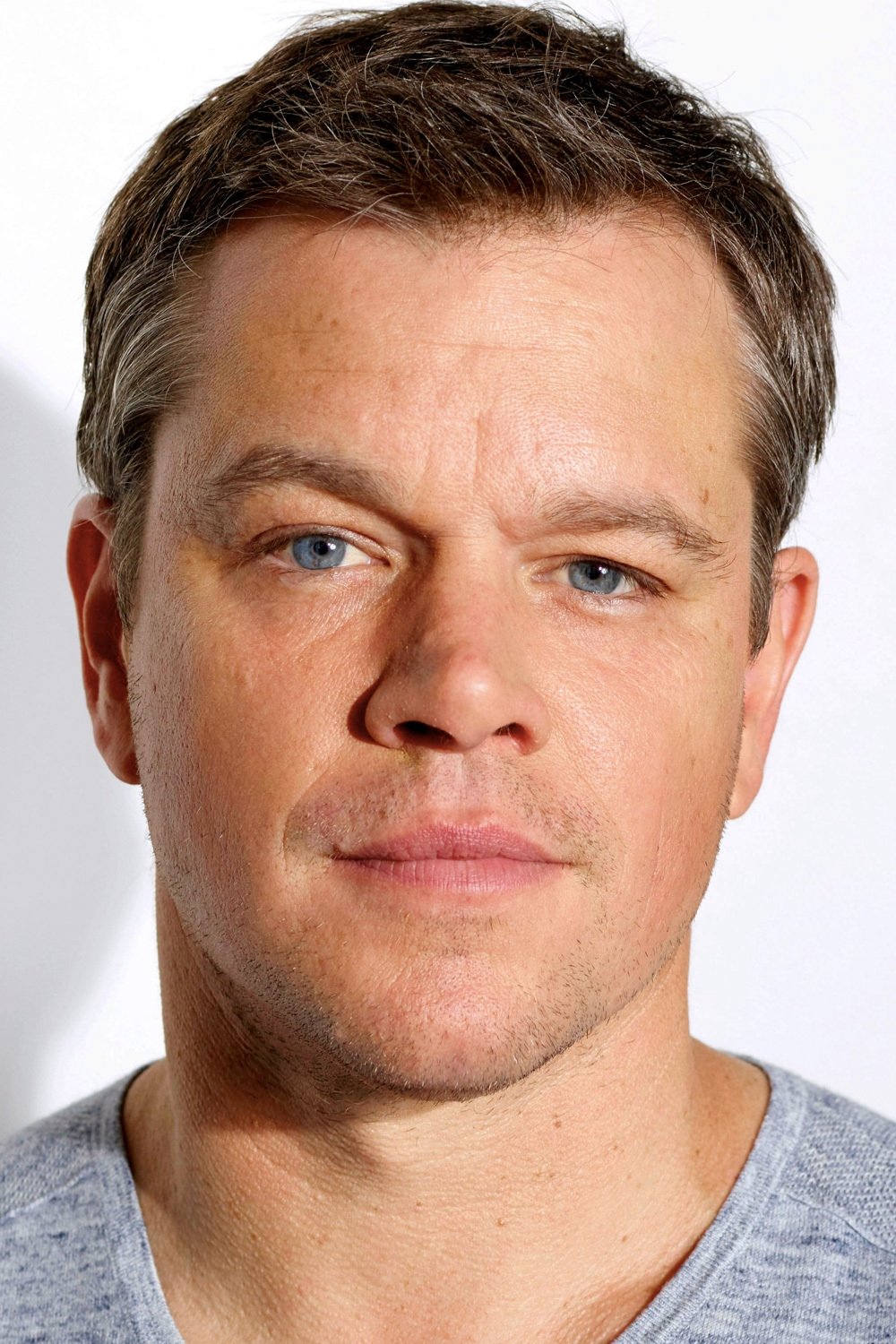
Matt Damon played Scott Thorson in ‘Behind the Candelabra’ which focused on the secret life of Liberace. The film was criticized for using two of the biggest straight stars in Hollywood to play a famous gay couple. Some reviewers felt that the performances were more about the spectacle of straight actors playing gay than the actual relationship. Damon expressed his admiration for the story but faced backlash for the perceived lack of risk involved for straight actors. The project was a hit for HBO but sparked many editorials about the glass ceiling for gay actors.
Michael Douglas
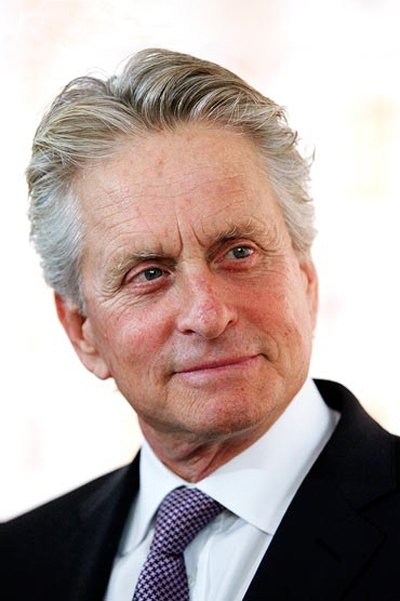
Michael Douglas starred as Liberace in ‘Behind the Candelabra’ and won an Emmy for his performance. Critics were divided on his portrayal with some praising his commitment and others finding it to be a campy imitation. The backlash centered on the idea that Douglas was taking a role that could have been a career defining moment for a queer actor. Many felt that the casting was based on star power rather than a desire for authentic storytelling. Douglas has remained proud of the film despite the ongoing debates about its casting choices.
Richard Madden
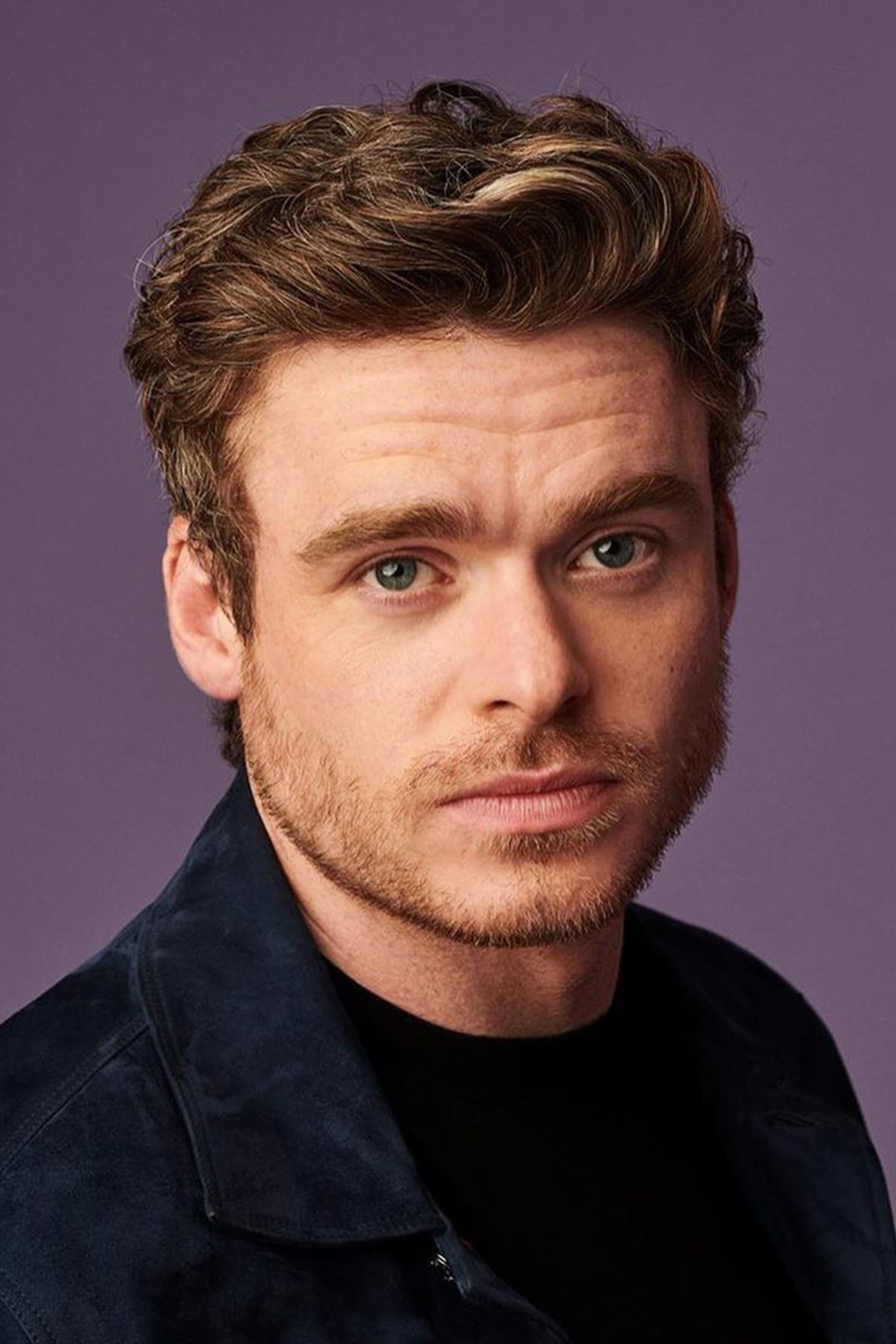
Richard Madden played John Reid in ‘Rocketman’ and faced criticism for his portrayal of a gay man. The backlash was exacerbated by his refusal to discuss his personal life during interviews which led to accusations of queerbaiting. Critics argued that his performance leaned into the villainous gay trope without providing much depth. Madden has stated that he believes the best person for the role should get it regardless of their personal life. His experience illustrates the pressure on straight actors to justify their presence in queer narratives.
Hugh Grant
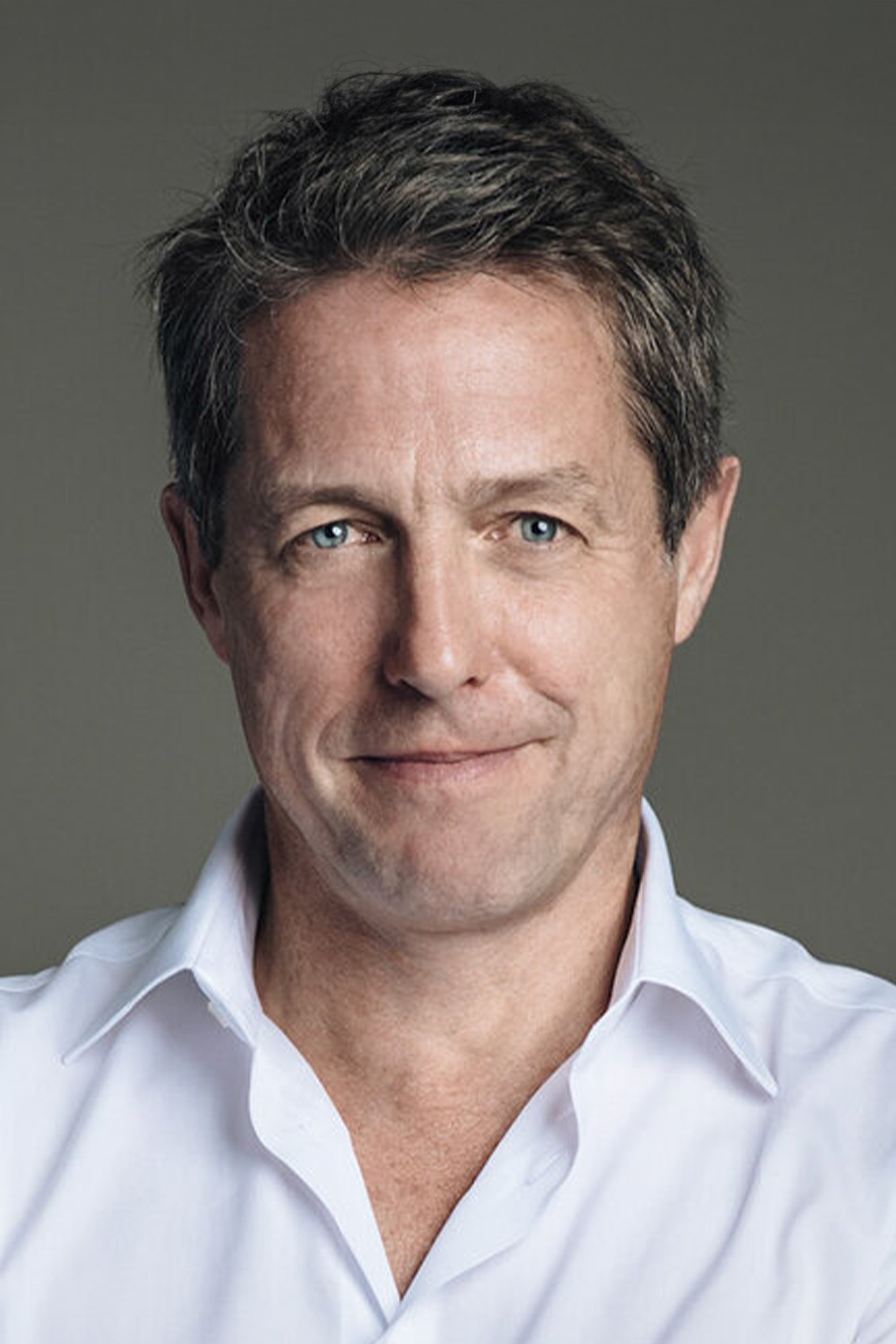
Hugh Grant starred as Jeremy Thorpe in ‘A Very English Scandal’ and received critical acclaim for his performance. However, some viewers were disappointed that such a prominent role based on a real gay politician went to a straight actor. Grant has spoken about the challenges of the role and his efforts to understand the motivations of the character. The backlash was part of a larger conversation in the United Kingdom about the lack of leading roles for out gay actors. The series was successful but served as another reminder of the industry’s reliance on established straight stars.
Jim Carrey
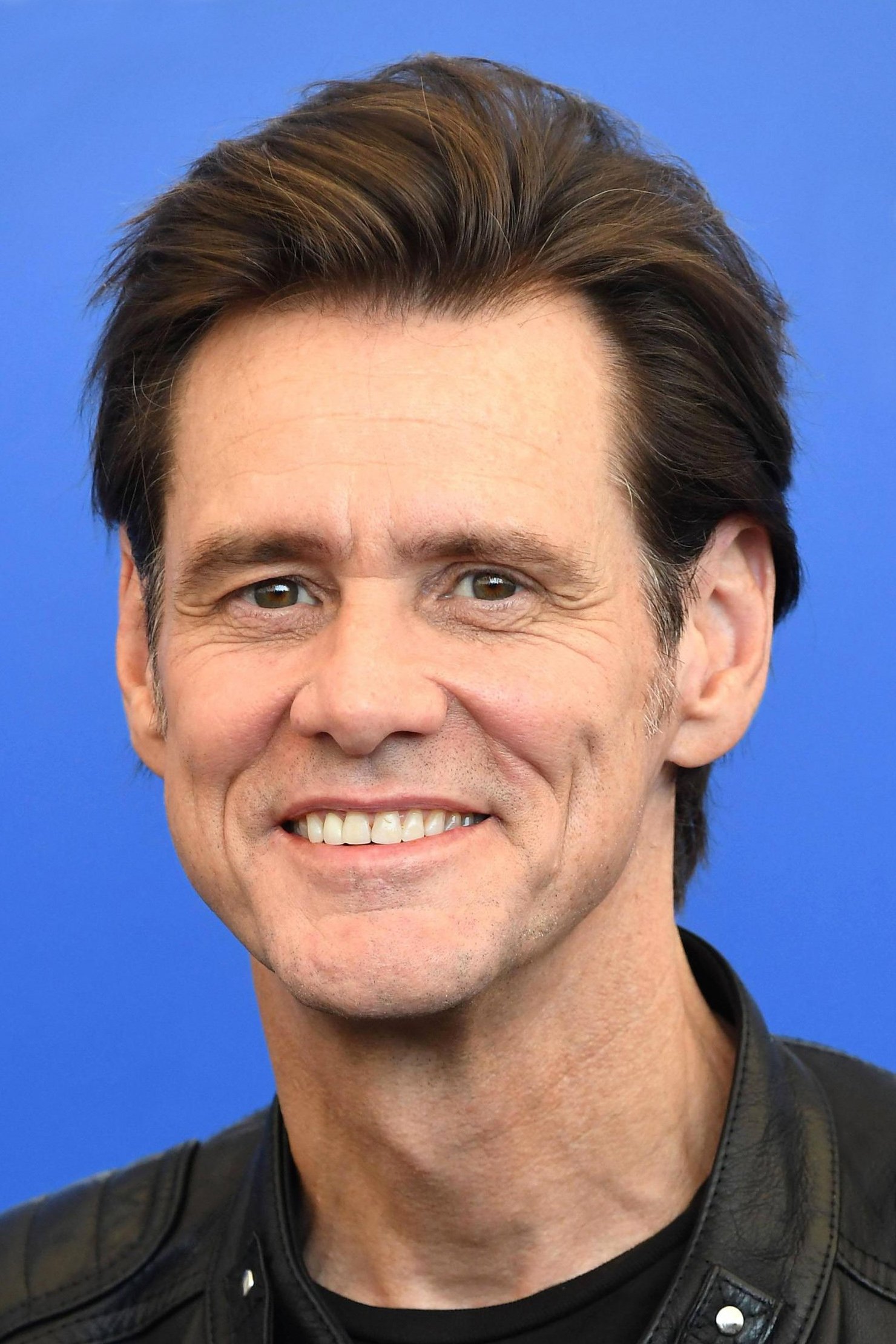
Jim Carrey starred in the dark comedy ‘I Love You Phillip Morris’ as a con artist who falls in love with his cellmate. The film faced backlash for its broad and sometimes stereotypical depiction of gay romance. Critics felt that Carrey’s performance was more about his usual physical comedy than a genuine exploration of the character’s identity. The movie struggled to find a distributor in the United States for a long time which some blamed on the subject matter. Carrey has not taken many queer roles since the film was released in 2009.
Christopher Plummer
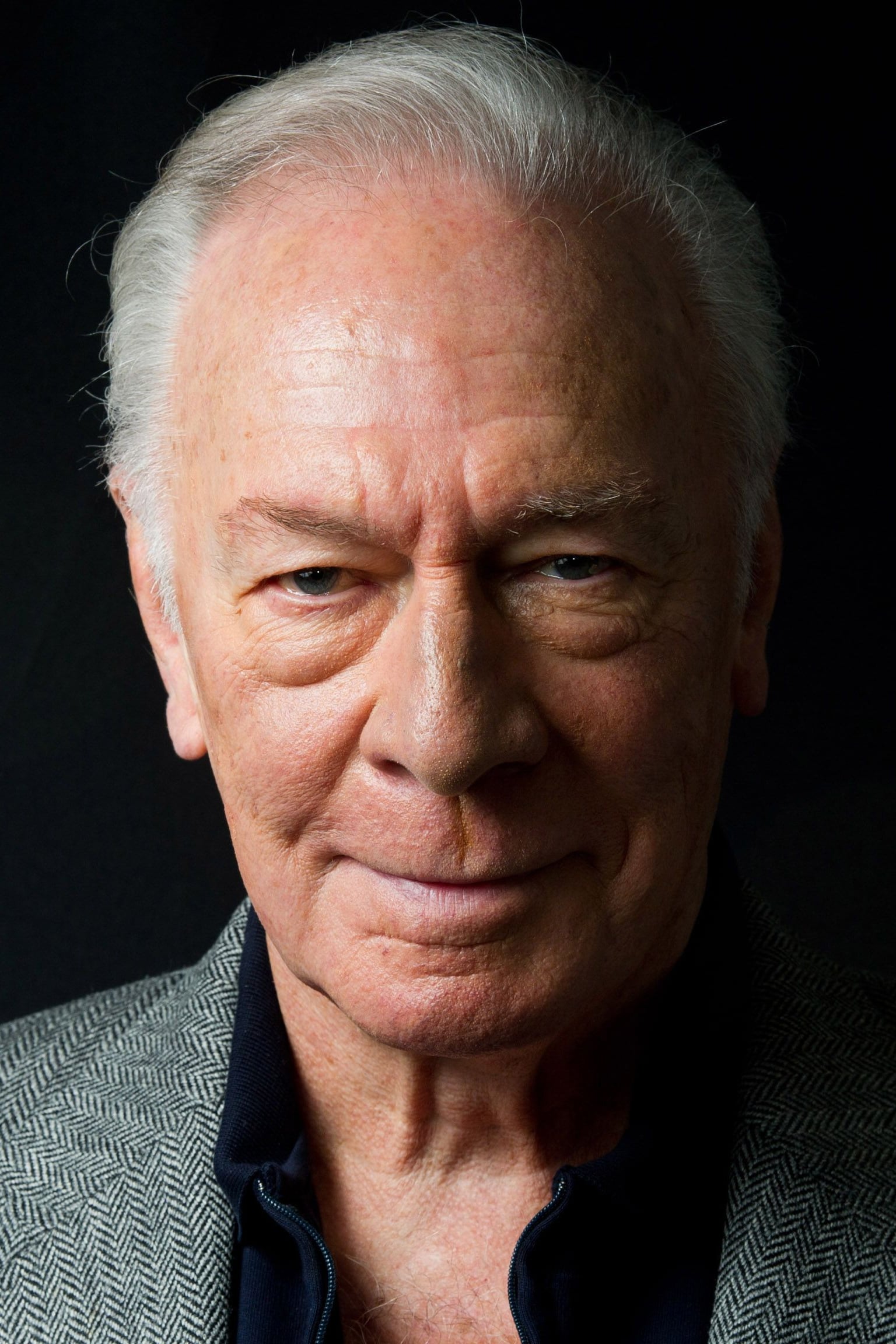
Christopher Plummer won an Academy Award for his role as a man who comes out as gay in his final years in the film ‘Beginners’. While the performance was widely praised for its warmth, some critics noted the irony of a straight man winning for a story about late in life queer discovery. There were calls for more veteran gay actors to be given the same opportunities to tell their own stories on screen. Plummer’s win was seen as a safe choice for the Academy which often rewards straight actors for playing gay. The film remains a touching drama but is part of the broader pattern of straight excellence in queer roles.
Benedict Cumberbatch
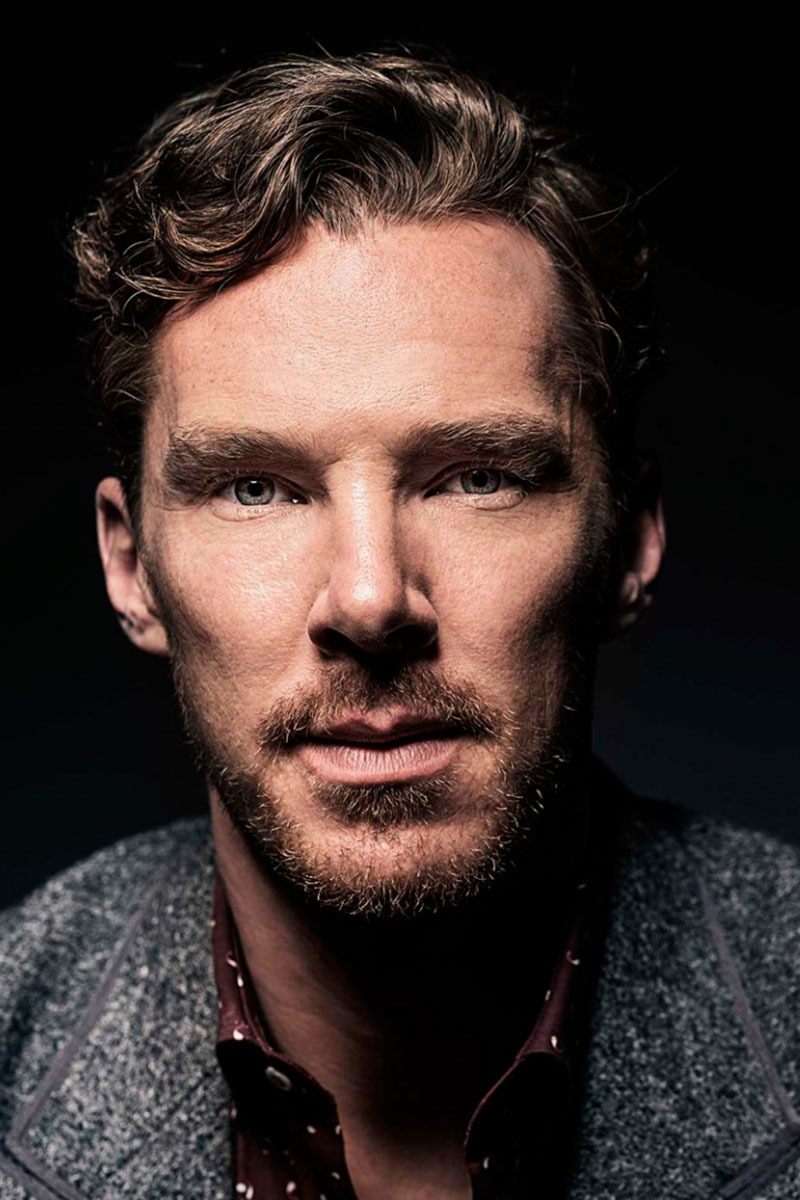
Benedict Cumberbatch played the gay mathematician Alan Turing in ‘The Imitation Game’ and received an Oscar nomination. The film was criticized for downplaying Turing’s sexuality in favor of his work as a codebreaker. Many fans felt that a queer actor would have brought a more profound understanding of the tragedy of Turing’s life. Cumberbatch also faced backlash for his role in ‘The Power of the Dog’ where he played a repressed cowboy. He defended his casting by stating that he was interested in the character’s internal struggle rather than just his sexual identity.
Share your thoughts on which actors you believe provided the most authentic portrayals in the comments.