


‘Succession’ Mistakes You’ll Never Be Able to Unsee




Even the sharpest prestige dramas slip up, and ‘Succession’ is no exception. Across four seasons, the show occasionally bends timelines, geography, and business mechanics to keep the story racing. Once you spot these rough edges—wonky travel times, compressed days, and boardroom shortcuts—you can’t help noticing them on every rewatch. Here are the most notable mistakes viewers keep catching, with quick context on how they diverge from real-world logistics or continuity.
Season 4’s “one crazy week” continuity

Season 4 is staged to unfold over roughly a couple of weeks, with several episodes occurring on consecutive days. That compressed clock creates visual continuity hiccups—fresh haircuts, wardrobe rotations, and next-day grooming shifts that would be tough to square with a 24-hour turnaround. Scenes presented as the same day sometimes show lighting and time-of-day cues that jump from morning to sunset to midday again. When you track phones, meals, and meeting gaps, the “single-day” episodes can contain enough activity for two or three normal days.
Kendall’s 40th birthday math

Kendall’s “big 4-0” bash lands while the series’ broader timeline implies only about a year has passed since the pilot. That creates age-math whiplash when you line up earlier dialogue about how recently events have occurred. The party also features planning and production elements that would require weeks of lead time, even though the surrounding plot beats suggest only a handful of days between major crises. Once you clock the numbers, the birthday becomes a timeline speed bump every time the episode plays.
Shiv’s pregnancy timing vs. medical milestones

Shiv’s pregnancy is revealed and then advanced across Season 4 at a pace that doesn’t always line up with medical cues shown on screen. Sonogram timing, doctor visit spacing, and physical changes appear to compress into the season’s tight day-by-day structure. Some appointments happen sooner than typical scheduling would allow, especially in high-profile New York practices. The result is a character arc that reads as weeks or months longer than the episodes actually give it.
Coast-to-coast and transatlantic travel times

Characters bounce between Manhattan, Virginia, California, and Europe in windows that don’t match flight durations and ground transfers. Private aviation does cut some time, but even nonstop business-jet routes New York–Los Angeles take around five to six hours airborne, plus ground logistics. Several episode transitions show morning meetings on the East Coast followed by same-day evening events overseas that would require near-impossible turnarounds. Track airport scenes against actual flight times, and the schedule breaks become obvious.
Daylight and time-zone slip-ups with GoJo

Calls and video meetings with Sweden often show daylight on both ends, even when dialogue implies morning in New York and mid-meeting in Europe. With a typical six-hour difference, early-morning Manhattan should align with early afternoon in Stockholm, not shared golden-hour light. In a few scenes, late-night New York conversations still play as business hours abroad without corresponding background cues. Watch the windows and wall clocks, and the time-zone mismatches pop.
Shareholder vs. board approvals blurred
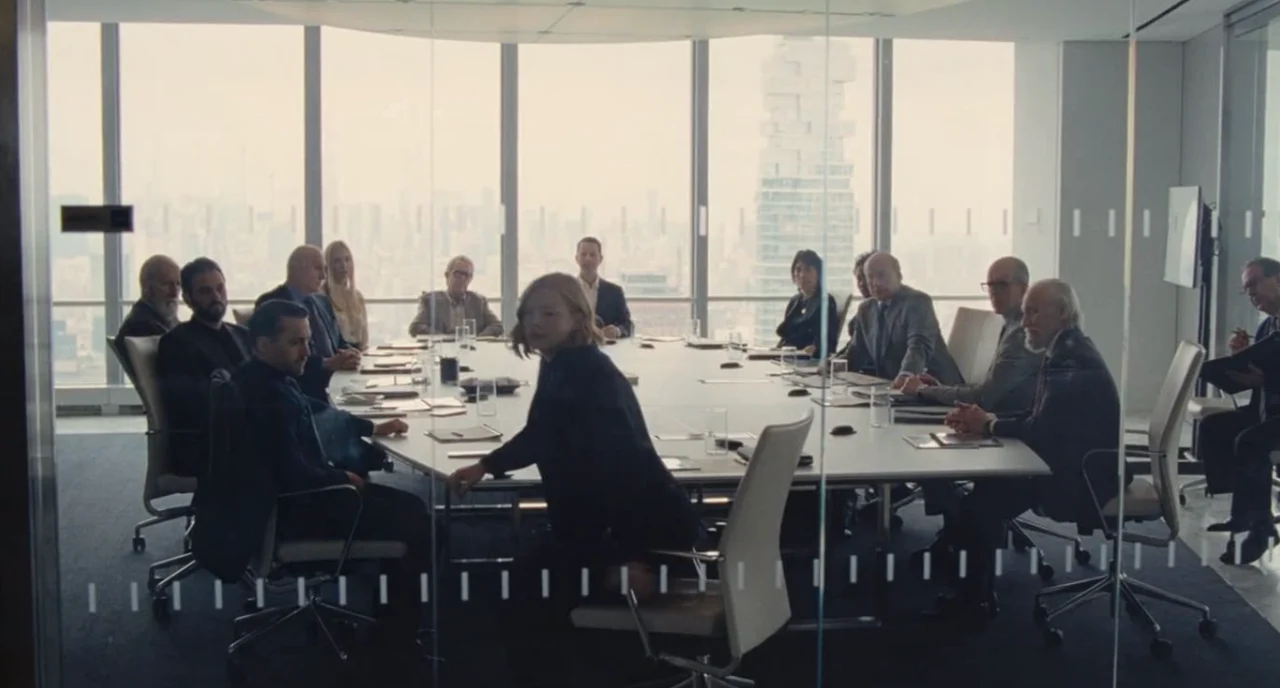
The show frequently compresses corporate governance by treating shareholder votes, board approvals, and executive appointments as interchangeable. In reality, mergers and CEO appointments run through specific bylaws: boards approve deals, shareholders vote on certain transactions, and committees handle compensation and succession. Several episodes stage dramatic “the vote is tonight” moments that leapfrog required notices, proxy timelines, and regulatory steps. If you’ve sat through a real proxy season, those instantaneous pivots ring false.
Antitrust and regulatory timing shortcuts
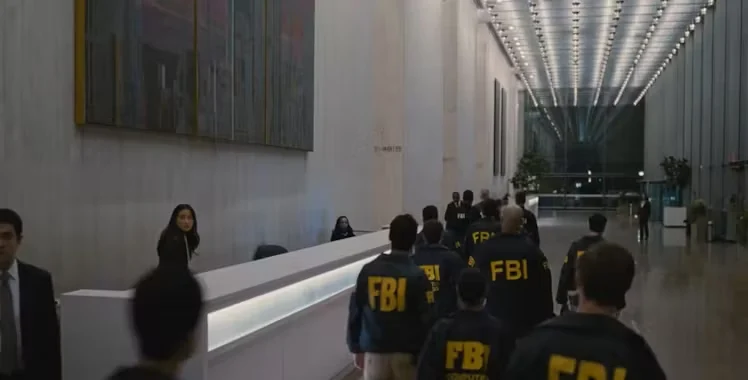
Major transactions depicted—whether acquiring a legacy network or selling to a tech giant—would trigger filings, reviews, and potential remedies that take weeks to months. The show often moves from handshake to “it’s closing” within days, skipping pre-merger notifications, waiting periods, and consultations with regulators. Even divestiture-heavy solutions typically involve iterative negotiations not shown on screen. Once you know the Hart-Scott-Rodino and competition-law playbook, the speed of these deals becomes hard to ignore.
News-decision desk procedures at ATN
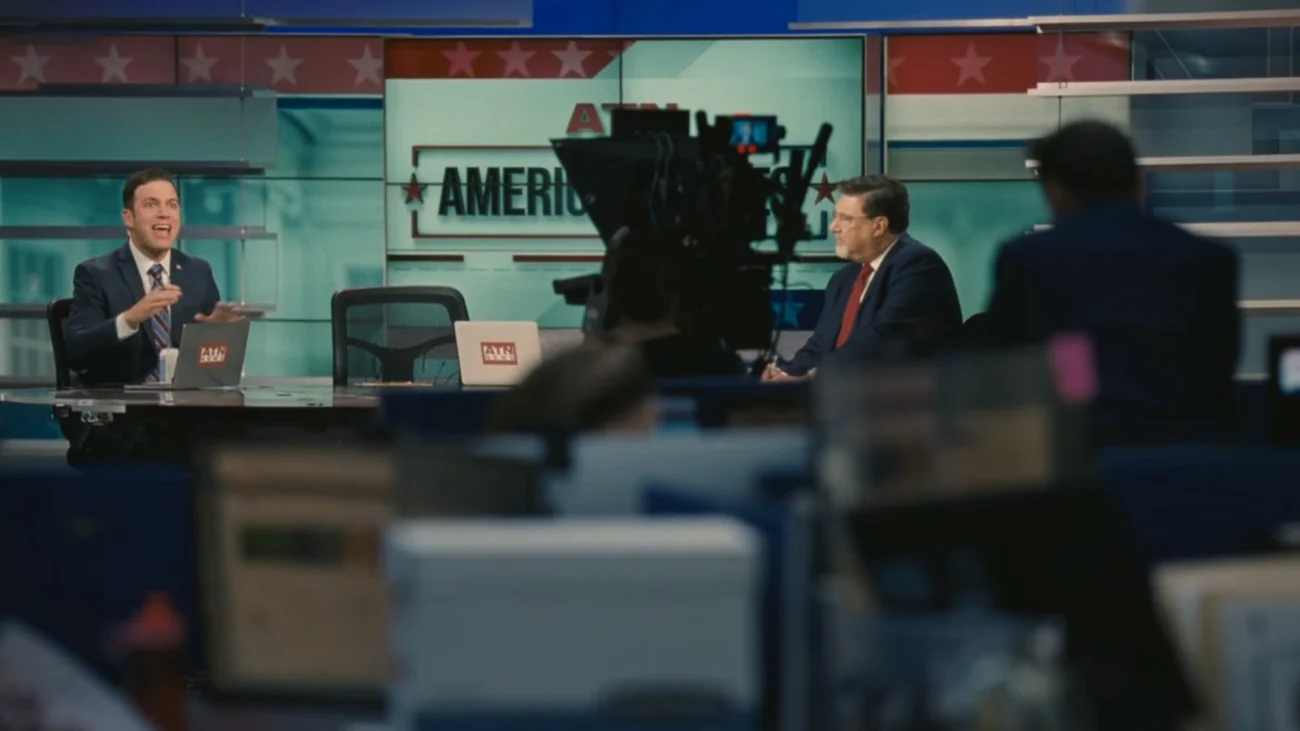
The network’s election-night call dramatizes ownership influence in a way that downplays the firewall between executives and decision desks. Real networks rely on statisticians, county-level data, and formal protocols that make last-minute executive overrides far less straightforward. The depiction also smooths over standards around projections, retractions, and coordination among affiliates. Rewatch the sequence with those safeguards in mind, and the editorial chain-of-command looks unusually porous.
Valuation swings that outpace disclosures

Company valuations jump billions between scenes, sometimes on the basis of a single rumor or meeting, with immediate term-sheet shifts to match. While markets do react to news, private deal valuations usually move through diligence cycles, comps, and financing constraints that resist hour-by-hour whiplash. The show also treats cash vs. stock mix changes as quick swaps rather than renegotiations with tax and control implications. Follow the numbers closely, and the instant re-pricing starts to feel like TV-magic math.
Open-access offices during active investigations

Multiple episodes show family members and non-cleared staff roaming sensitive floors while government inquiries or litigation holds are in effect. In practice, companies wall off materials, restrict badge access, and institute communications protocols to avoid spoliation or privilege breaches. The free-for-all chats in glass conference rooms—with bankers, lawyers, and executives mixing—would be tightened considerably under counsel. Once you notice those open doors during discovery, it’s tough not to wince at the compliance gaps on display.
Got another blink-and-you-miss-it flub from ‘Succession’ that drives you nuts now—drop your spot in the comments!