


16 Superhero Films That Don’t End with a Giant Sky Beam

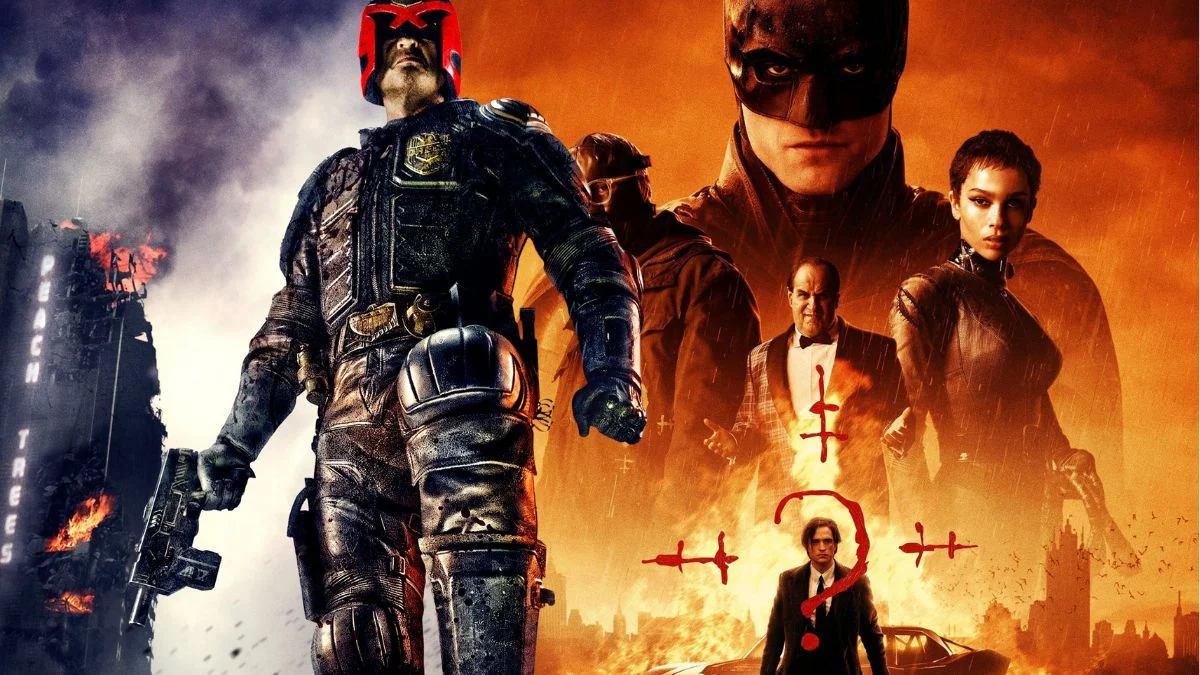


The superhero genre often faces criticism for repetitive third acts involving a glowing pillar of light shooting into the sky. Audiences frequently express fatigue with this specific visual trope that usually signifies an impending apocalypse or an alien invasion portal. Many filmmakers have actively chosen to ground their climactic battles in more personal stakes or unique environments to avoid this cliché. These movies demonstrate that high-stakes storytelling does not require a cosmic energy beam to capture viewer attention.
‘Logan’ (2017)
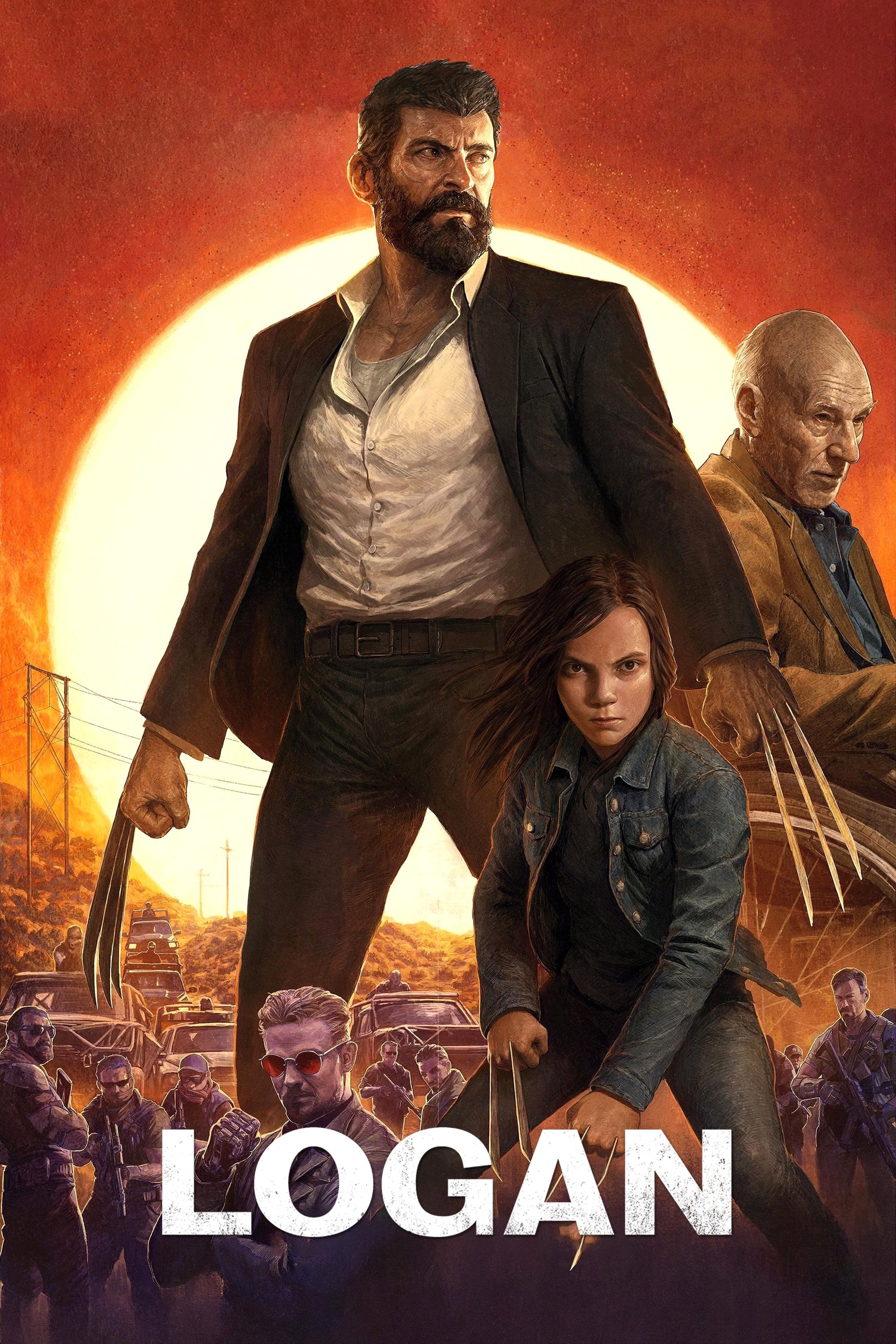
James Mangold directs a gritty conclusion to the Wolverine saga that resembles a western more than a traditional comic book movie. The final confrontation takes place in a forest near the Canadian border rather than a crumbling metropolis. Logan fights to protect a group of mutant children from paramilitary forces in a raw and physical battle. The intimate stakes focus on survival and legacy instead of global destruction.
‘The Dark Knight’ (2008)
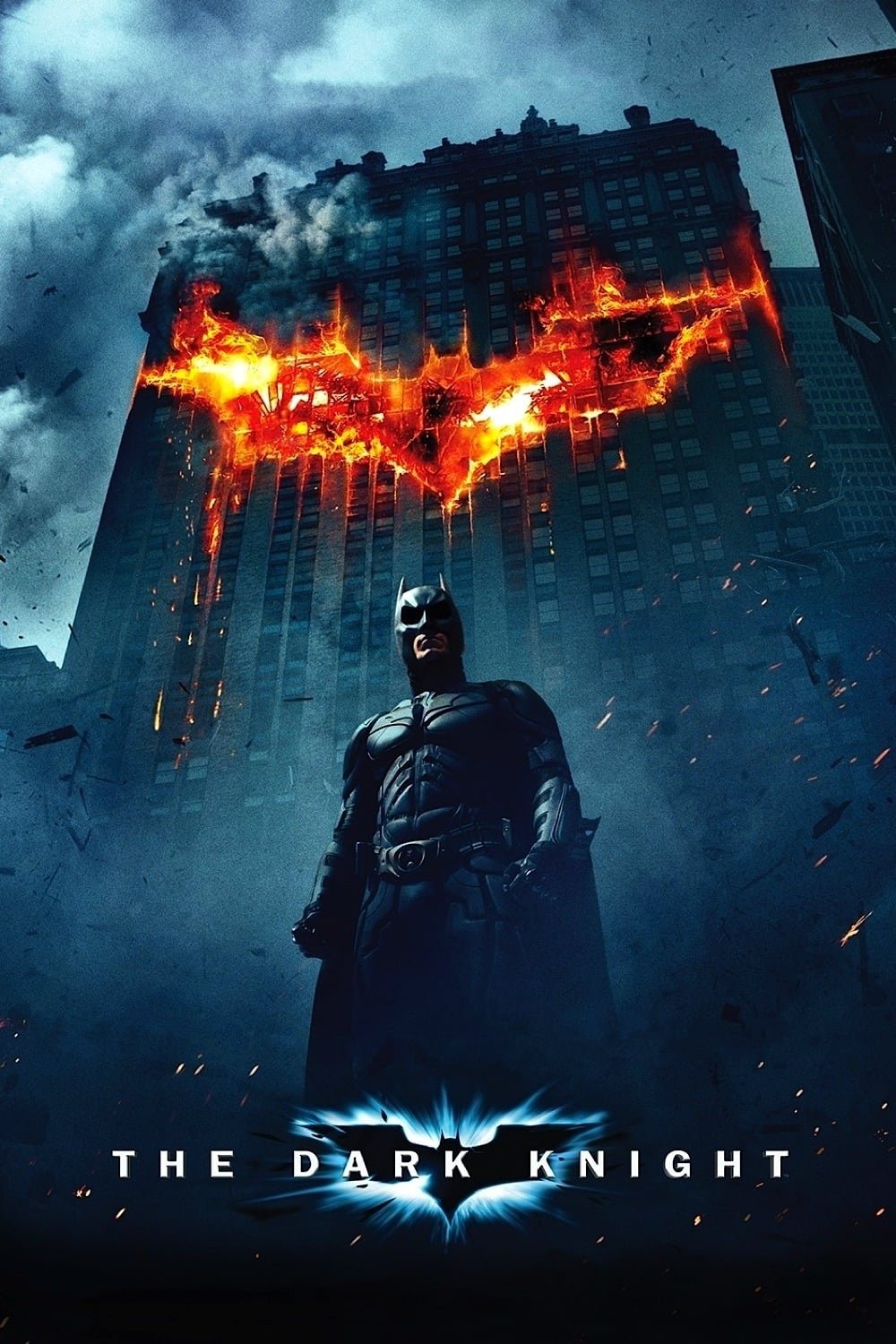
Christopher Nolan grounds this Batman sequel in a realistic crime drama aesthetic that avoids supernatural elements entirely. The climax involves a tense hostage situation on two ferries and a physical confrontation in a construction site. Batman uses sonar technology to locate the Joker while facing a profound moral dilemma regarding the citizens of Gotham. The threat remains psychological and immediate without relying on mystical portals.
‘Captain America: Civil War’ (2016)
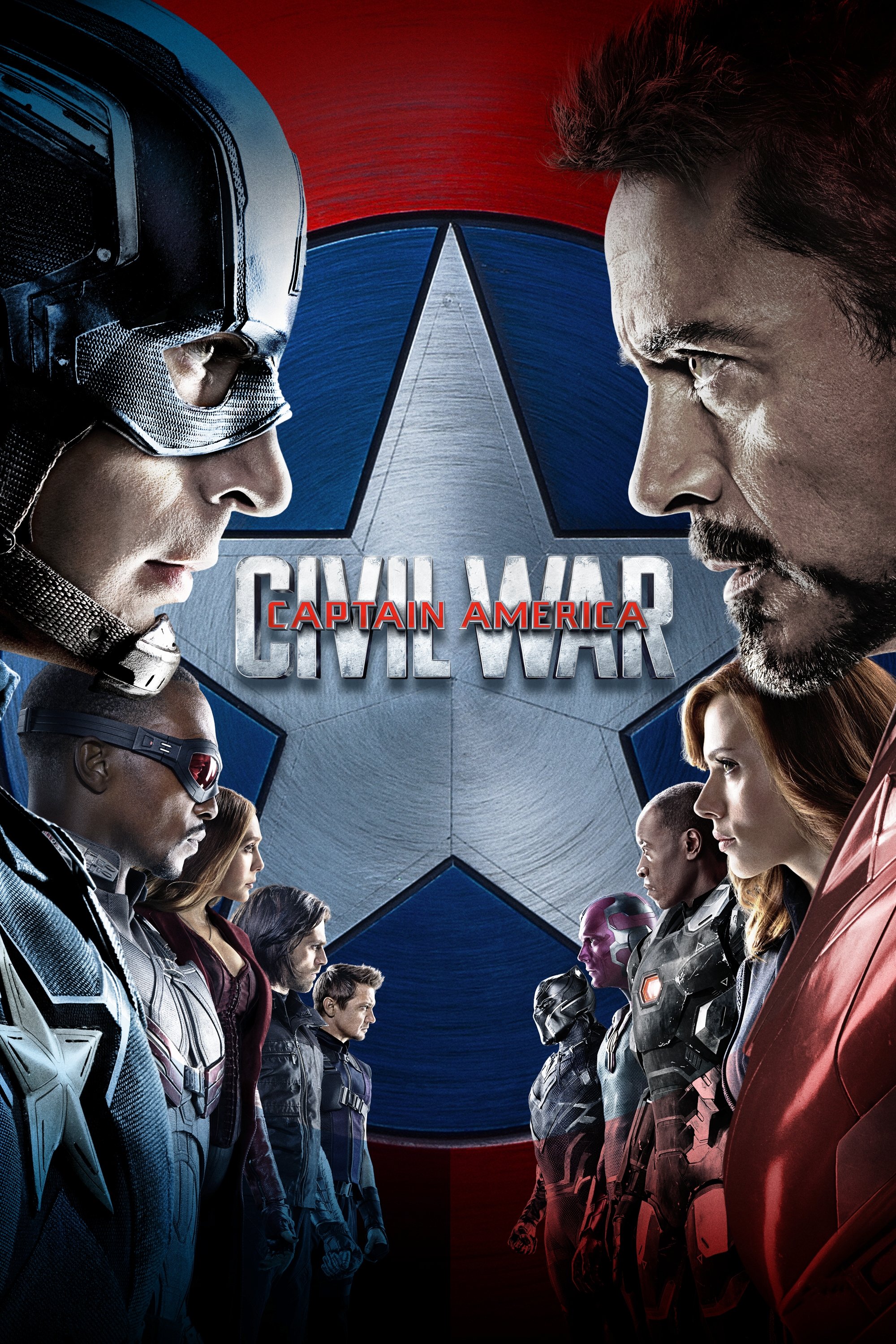
The Avengers fracture from within leading to a deeply personal finale in a Siberian bunker. Captain America and Bucky Barnes engage in a brutal hand-to-hand brawl against Iron Man. This conclusion eschews massive armies for an emotional fight between former allies. The central conflict revolves around vengeance and betrayal rather than saving the world from annihilation.
‘Spider-Man: Homecoming’ (2017)
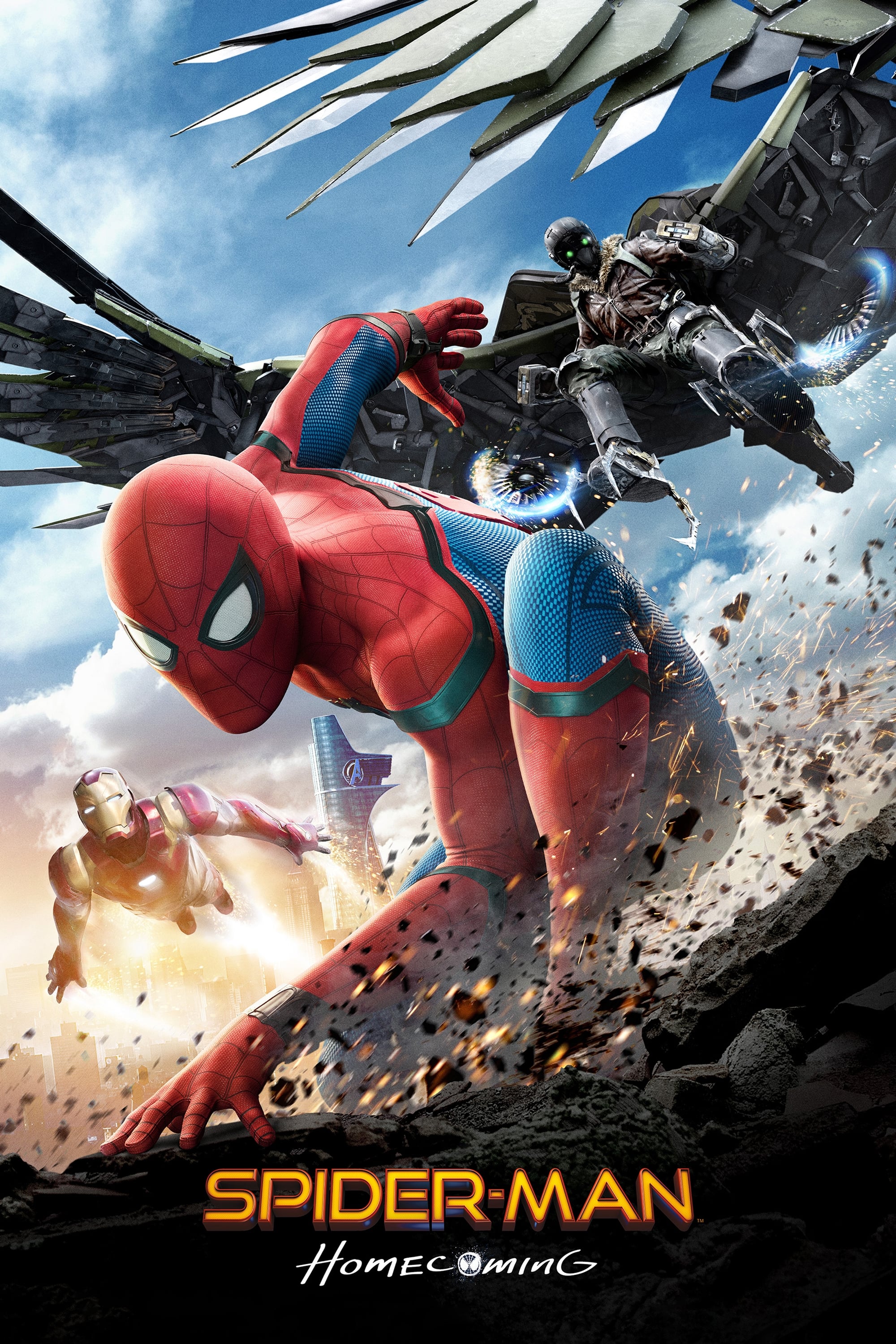
Peter Parker faces the Vulture in a chaotic struggle atop an invisible jet carrying Avengers equipment. The action eventually crashes onto a beach near Coney Island for a desperate final stand. This smaller scale finale focuses on Peter saving his enemy rather than defeating a cosmic threat. It reinforces the grounded nature of a friendly neighborhood hero learning to handle his powers.
‘Black Panther’ (2018)
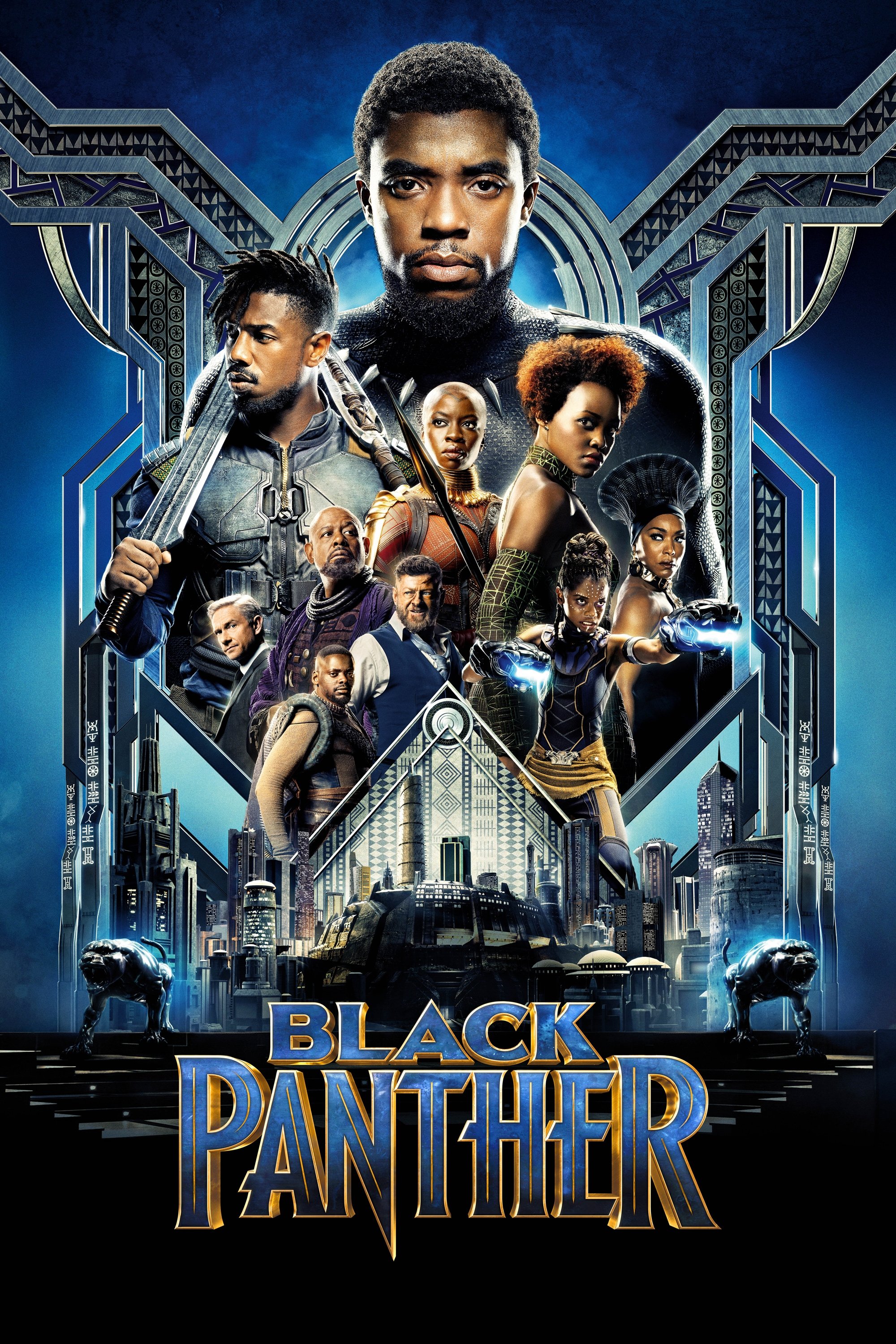
T’Challa battles his cousin Killmonger for the throne of Wakanda in the vibranium mines. The fight utilizes sonic disruptors to destabilize their suits and force a raw duel of skill. While a larger battle occurs on the surface the emotional core remains focused on the two kings. The technological setting enhances the themes of tradition versus innovation without resorting to aerial beams.
‘Deadpool’ (2016)
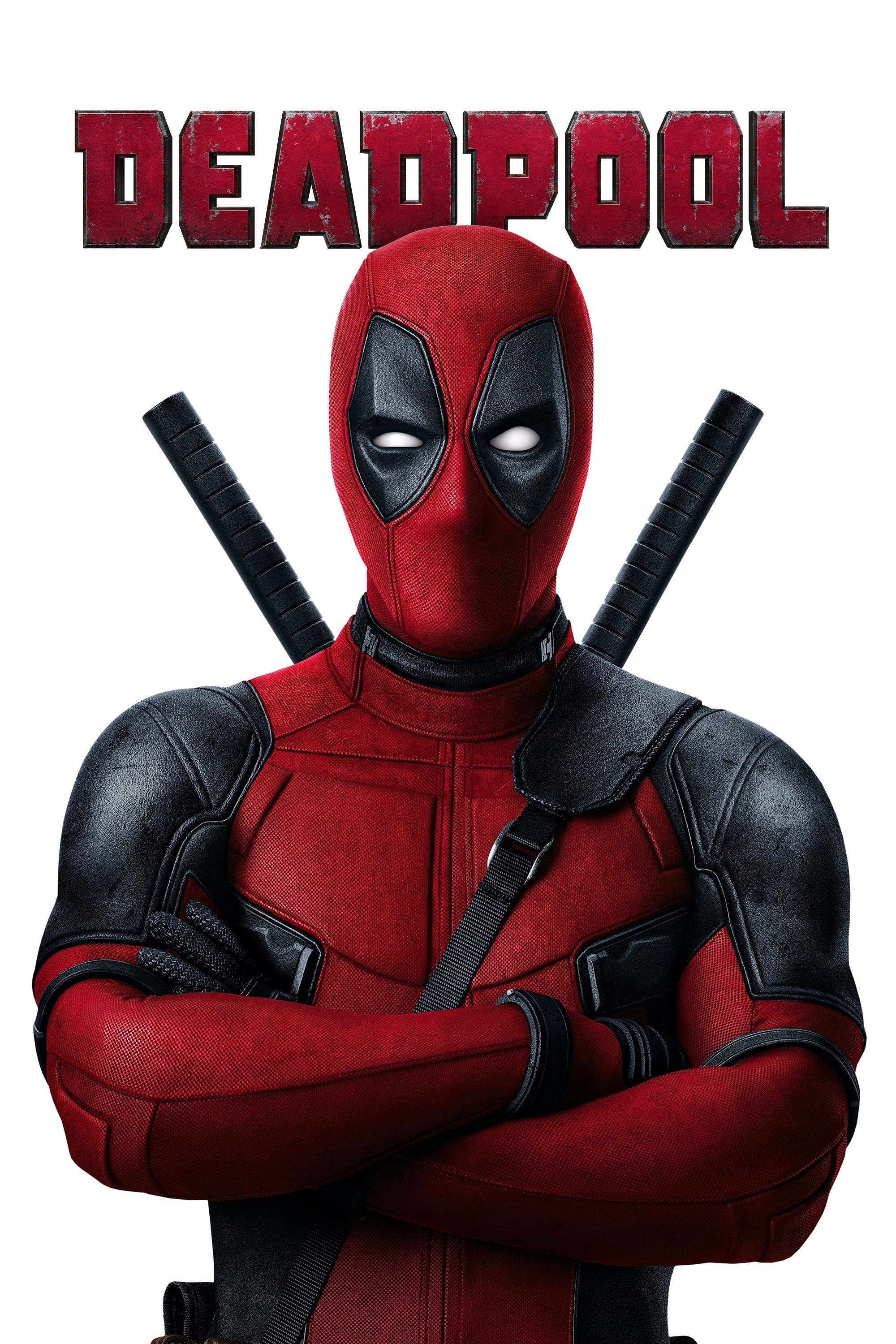
Wade Wilson seeks revenge against Ajax at a scrapyard filled with helicarrier debris. The Merc with a Mouth teams up with X-Men members to dismantle the villain’s operation. This climactic battle maintains a smaller scale that fits the lower budget and personal vendetta of the protagonist. The destruction creates a visually distinct set piece that mocks genre conventions.
‘Batman Returns’ (1992)
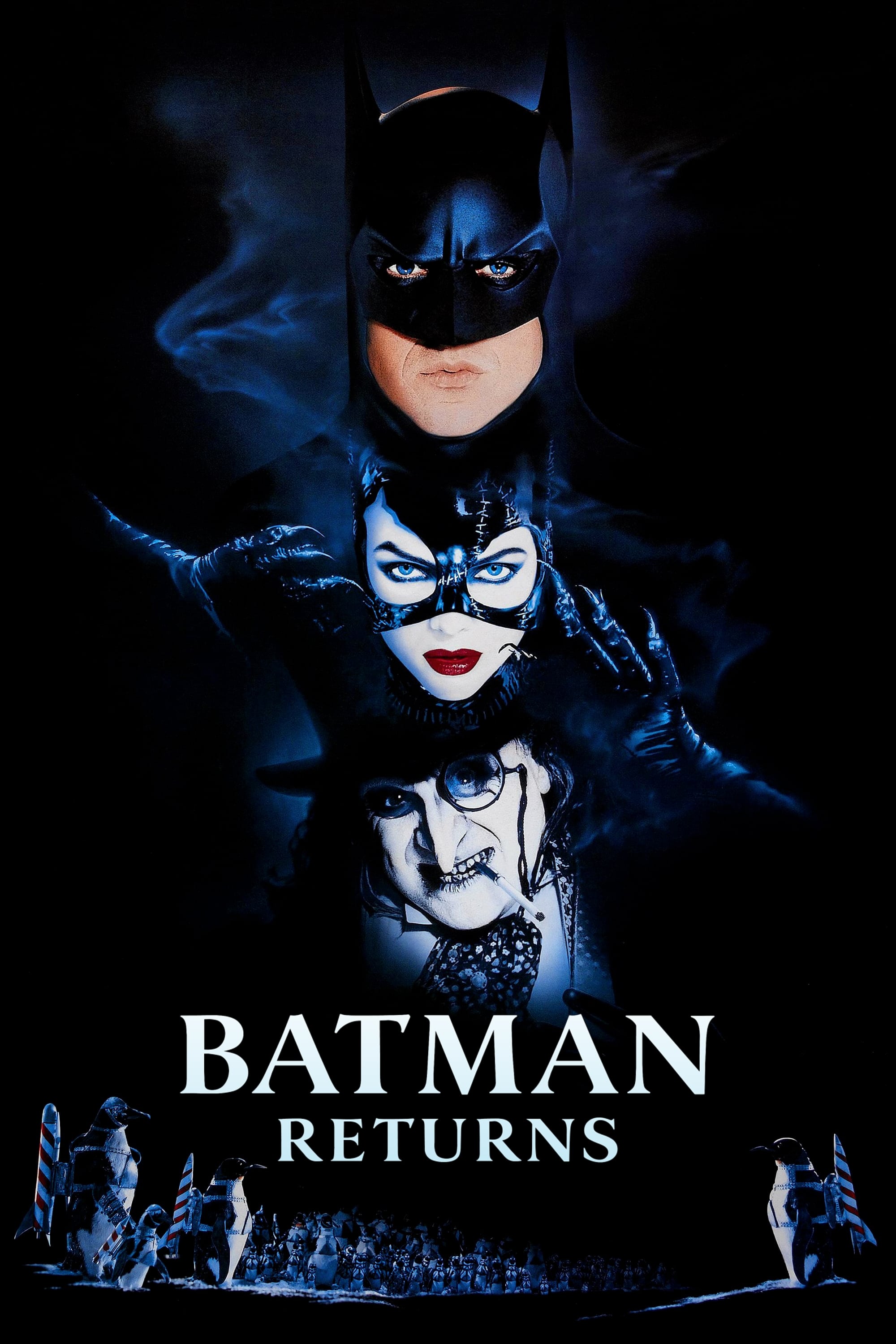
Tim Burton delivers a gothic atmosphere where the final conflict occurs in the sewers beneath Gotham City. Batman must stop the Penguin from unleashing an army of rocket-equipped penguins upon the population. The surreal nature of the threat fits the dark tone established throughout the film. It remains a bizarre and unique ending that stands apart from modern blockbuster formulas.
‘Blade’ (1998)
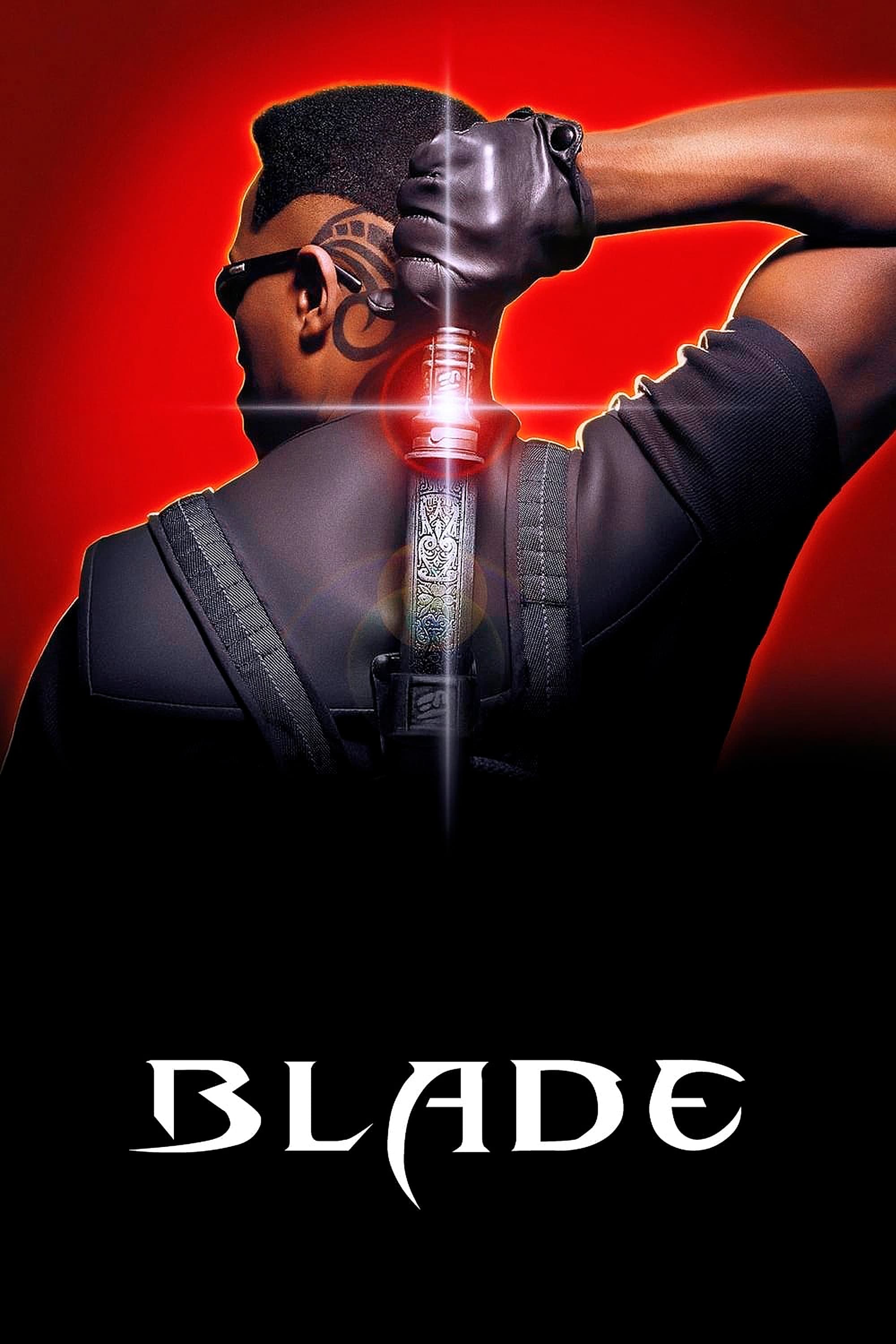
The Daywalker infiltrates the Temple of Eternal Night to prevent Deacon Frost from summoning the blood god La Magra. Blade engages in a martial arts showdown using his sword and serum to defeat the enhanced vampire. The choreography highlights physical prowess and practical effects over computer-generated destruction. This conclusion set a precedent for action-heavy superhero films.
‘The Batman’ (2022)
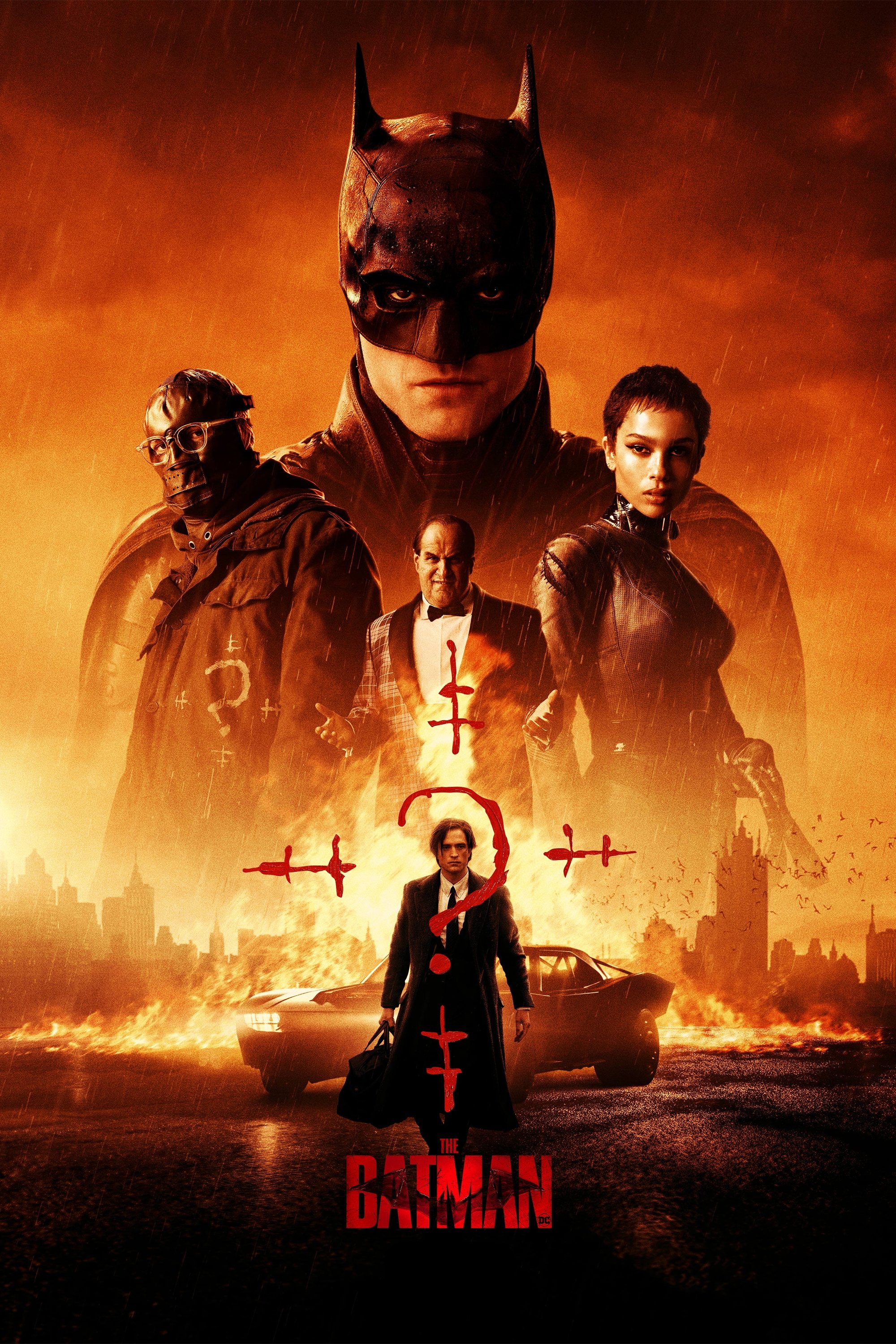
The Riddler bombs the seawall to flood Gotham City and force survivors into a large indoor arena. Batman leads a rescue effort while fighting off armed followers in the rafters above the rising water. The sequence emphasizes his role as a symbol of hope rather than just a vigilante striking fear. Lighting flares and water effects create a visually stunning finale rooted in disaster cinema.
‘Kick-Ass’ (2010)
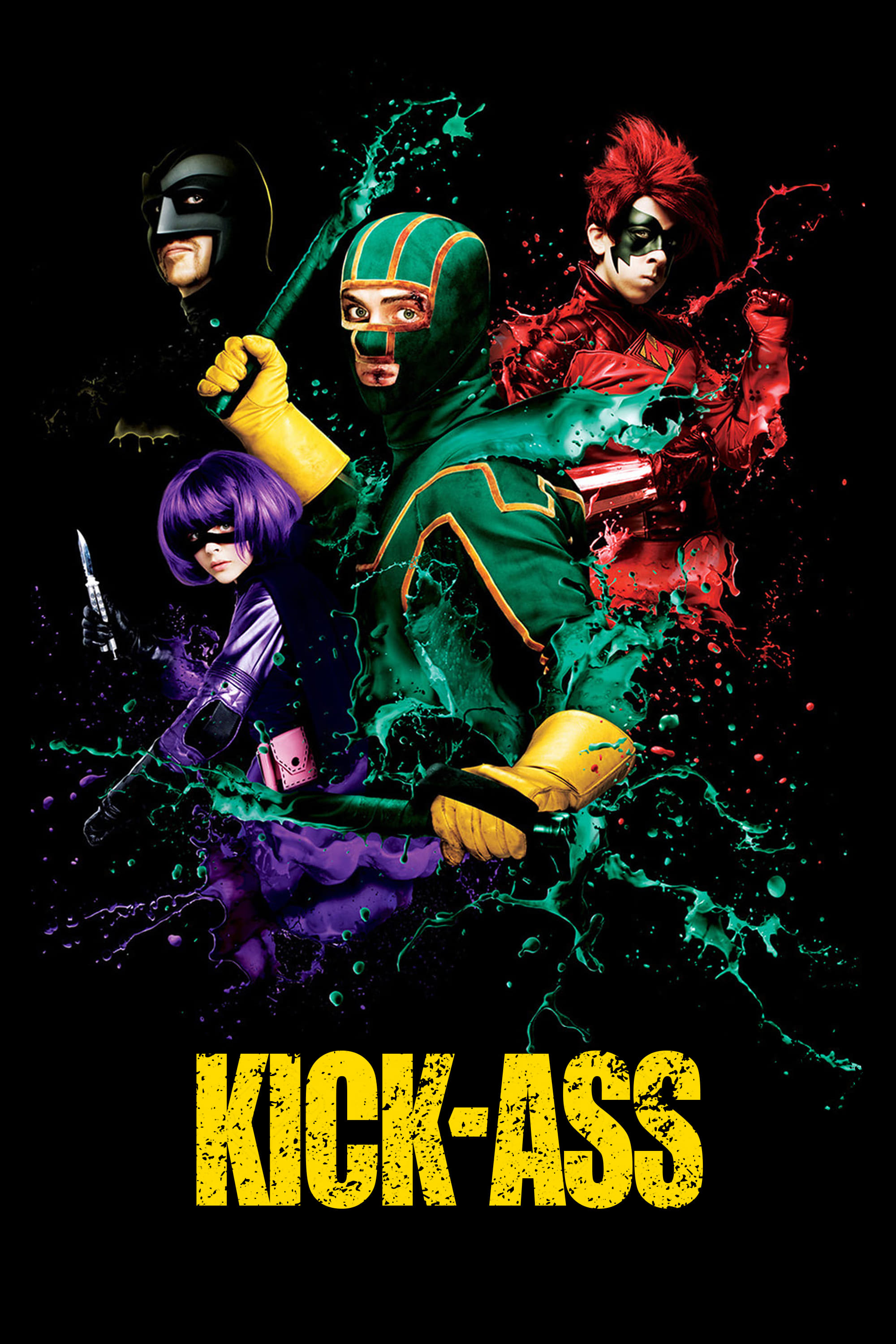
Dave Lizewski and Hit-Girl infiltrate the headquarters of a crime boss for a violent showdown. The finale features a high-speed Gatling gun assault via jetpack outside a high-rise office window. It serves as a bloody and energetic subversion of traditional superhero heroism. The stakes are entirely local and focus on dismantling a specific criminal organization.
‘Unbreakable’ (2000)
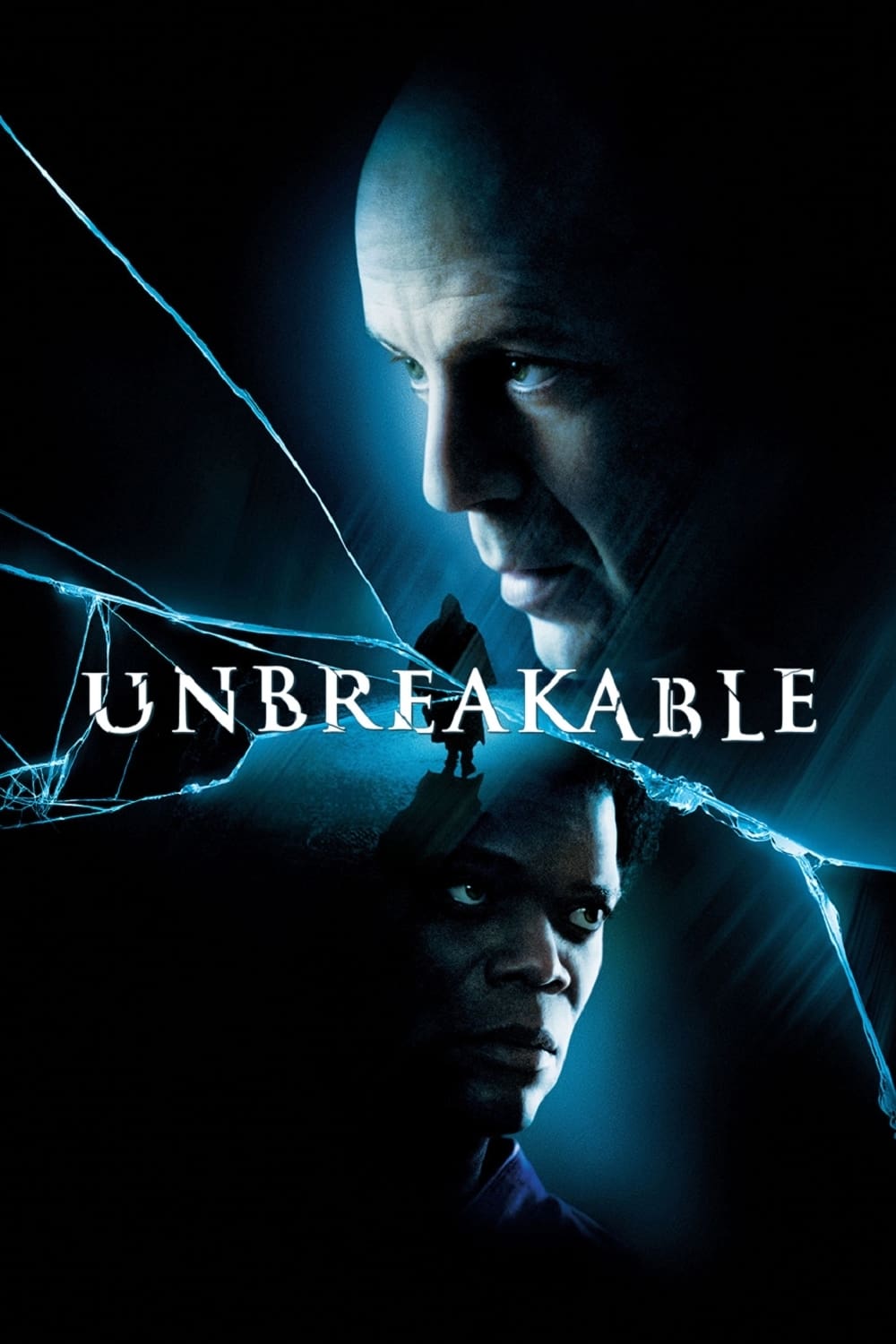
David Dunn accepts his destiny as a protector and tracks a serial killer to a private residence. The confrontation is quiet and claustrophobic as David struggles against his one weakness while saving captured children. M. Night Shyamalan directs the scene with long takes and minimal dialogue to build suspense. It stands as one of the most grounded and realistic climaxes in the genre.
‘Ant-Man’ (2015)
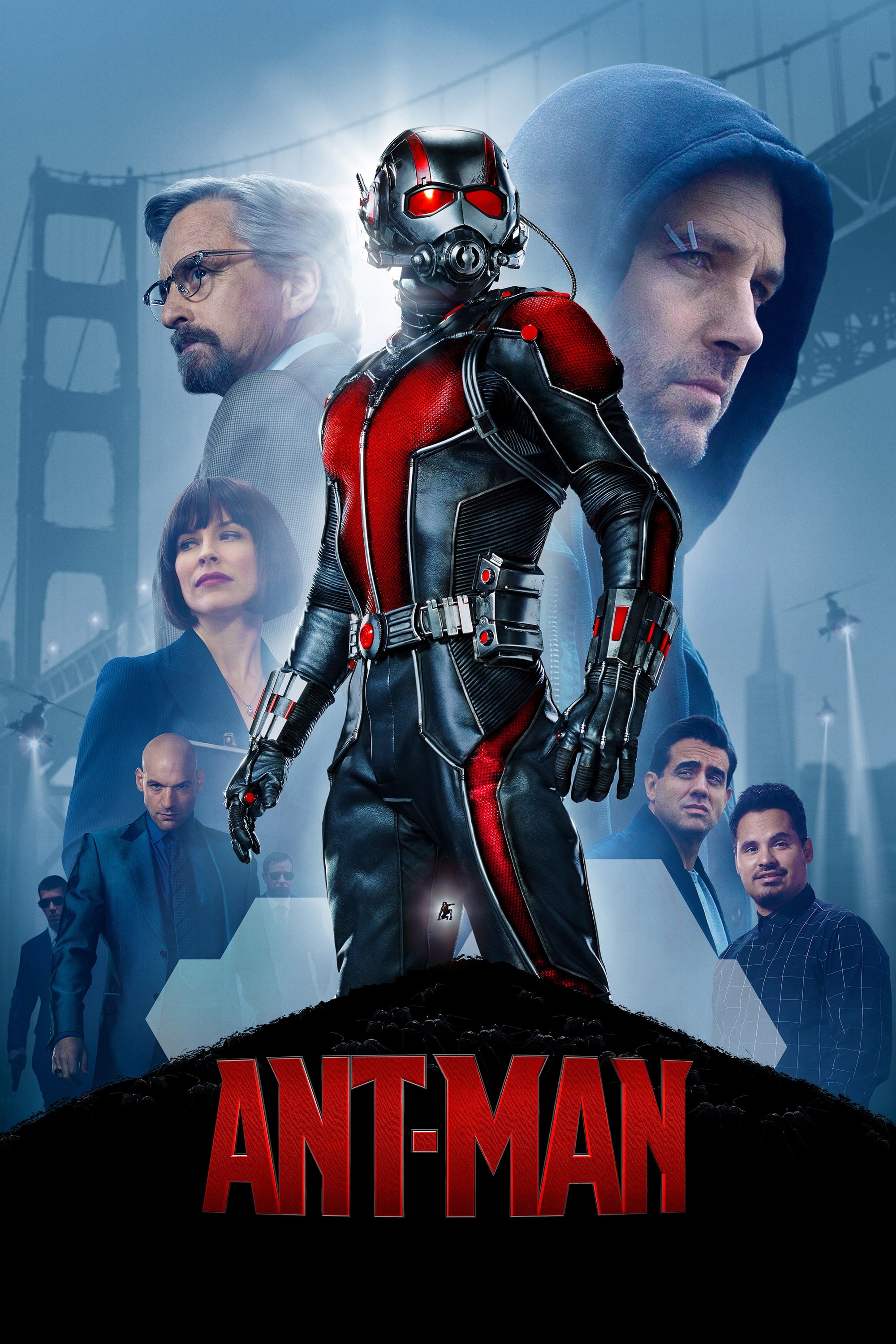
Scott Lang shrinks down to fight Yellowjacket inside a child’s bedroom on a model train set. The shifting perspectives turn ordinary toys into massive obstacles and dangerous weapons. This creative use of shrinking technology provides humor and unique visual gags during the fight. The personal stakes revolve around a father protecting his daughter from immediate danger.
‘Hellboy II: The Golden Army’ (2008)
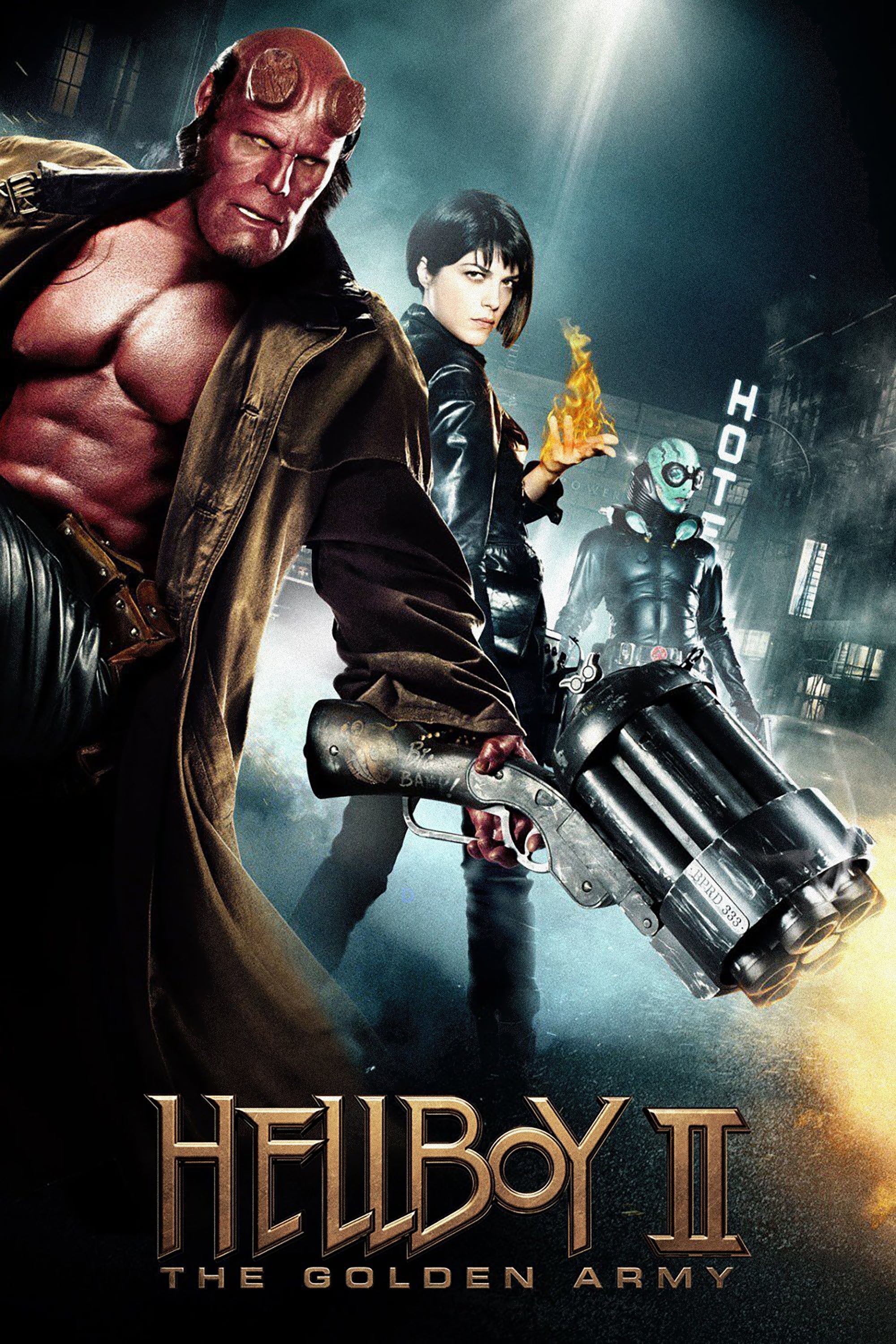
Hellboy challenges Prince Nuada for command of the indestructible Golden Army within an ancient underground chamber. The mechanical soldiers provide a formidable backdrop for the duel between the protagonist and the antagonist. Guillermo del Toro infuses the scene with fantasy elements and clockwork designs. The resolution relies on honor and choice rather than destroying a world-ending device.
‘Spider-Man 2’ (2004)
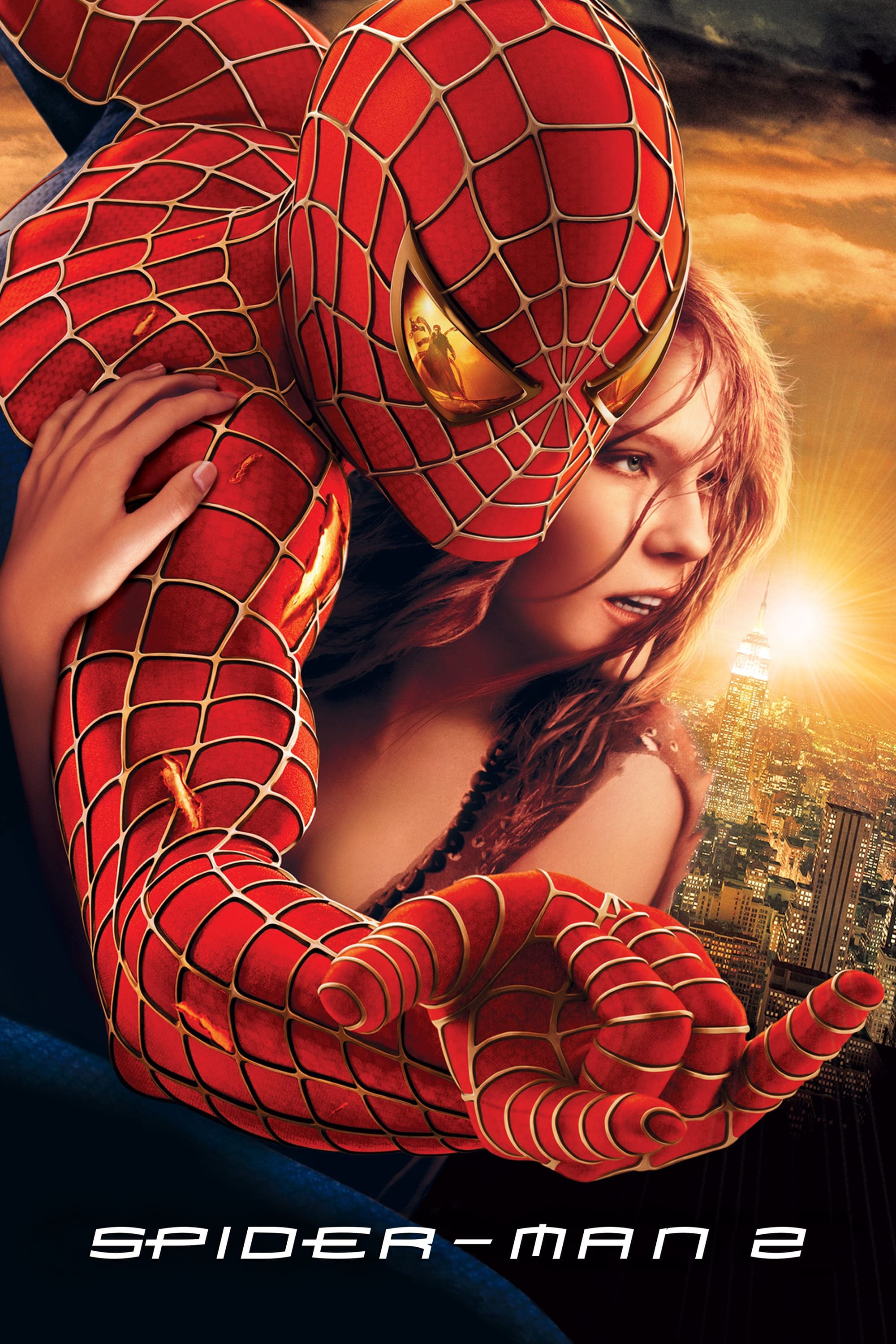
Doctor Octopus builds a fusion reactor on a pier that threatens to consume the city. Spider-Man reveals his identity to unmask the humanity within his mentor and convince him to destroy the machine. The mechanical arms intervene to pull the unstable sun into the river below. This emotional resolution prioritizes character redemption over a simple fistfight.
‘Dredd’ (2012)
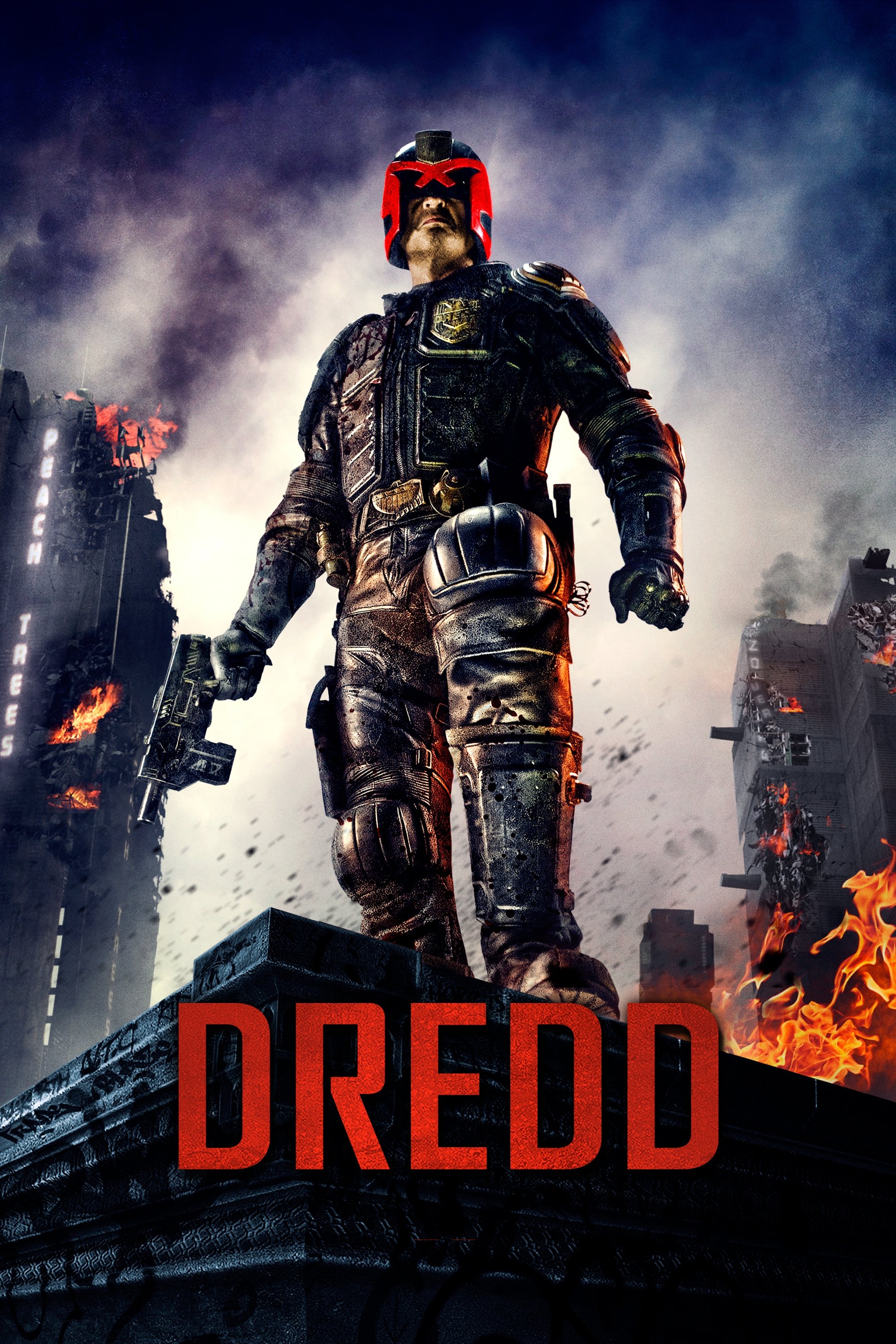
Judge Dredd and his rookie partner fight their way up a massive mega-block controlled by a drug lord. The entire film acts as a contained siege movie with the climax taking place in the villain’s penthouse. Slow-motion effects visualize the drug Slo-Mo as Dredd dispenses final justice. The action remains tightly focused on tactical combat within a single building.
‘Joker’ (2019)
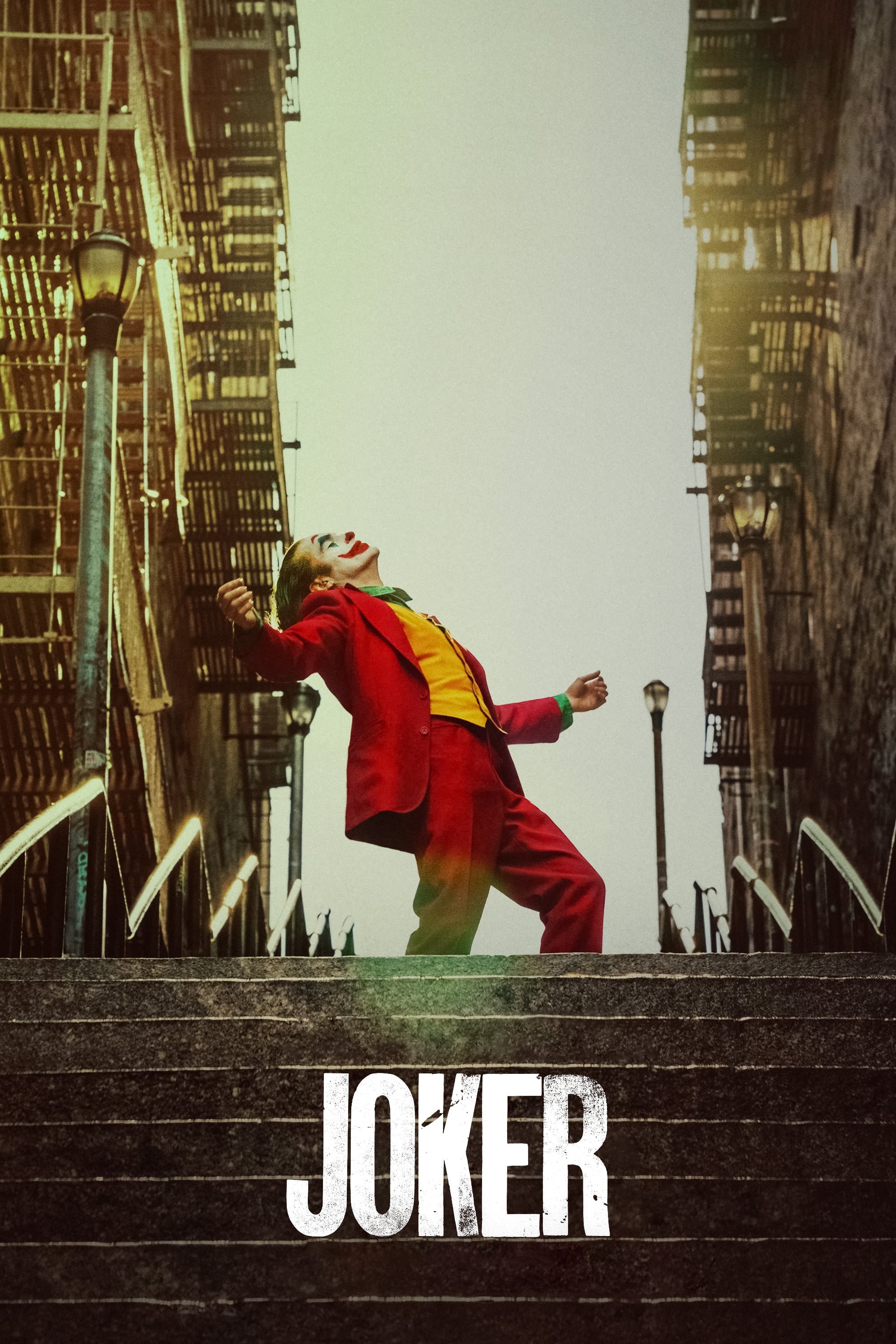
Arthur Fleck completes his transformation into the Joker during a live television broadcast. His actions incite a citywide riot that embraces him as a symbol of chaos. The film ends with a disturbingly triumphant moment for the villain amidst a burning cityscape. It serves as a psychological character study that completely ignores traditional action movie structures.
Tell us which unconventional superhero movie ending is your favorite in the comments.