


Superhero Movies That Killed The Genre

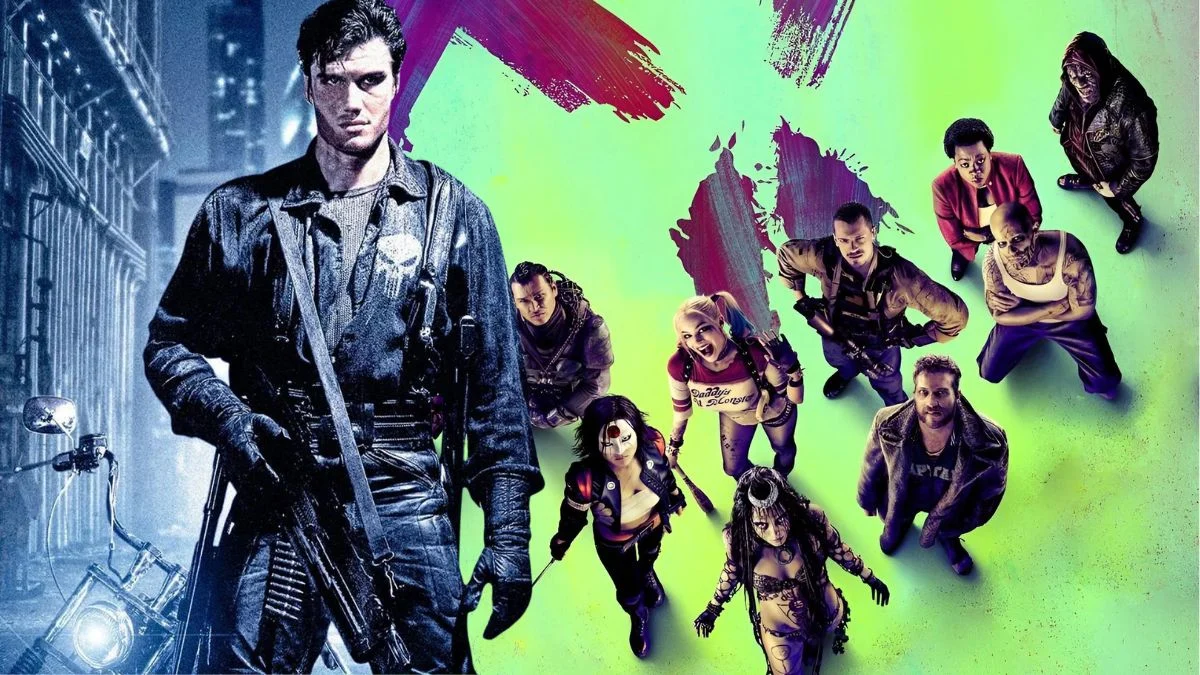


The superhero genre has dominated the global box office for the last two decades but has faced significant hurdles along the way. While films like ‘The Avengers’ and ‘The Dark Knight’ elevated the medium, other productions have caused critical and commercial setbacks that threatened the stability of the industry. These movies often suffered from rushed production schedules, interference from studios, or a fundamental misunderstanding of the source material. The following list explores the films that stalled franchises or contributed to audience fatigue.
‘Howard the Duck’ (1986)
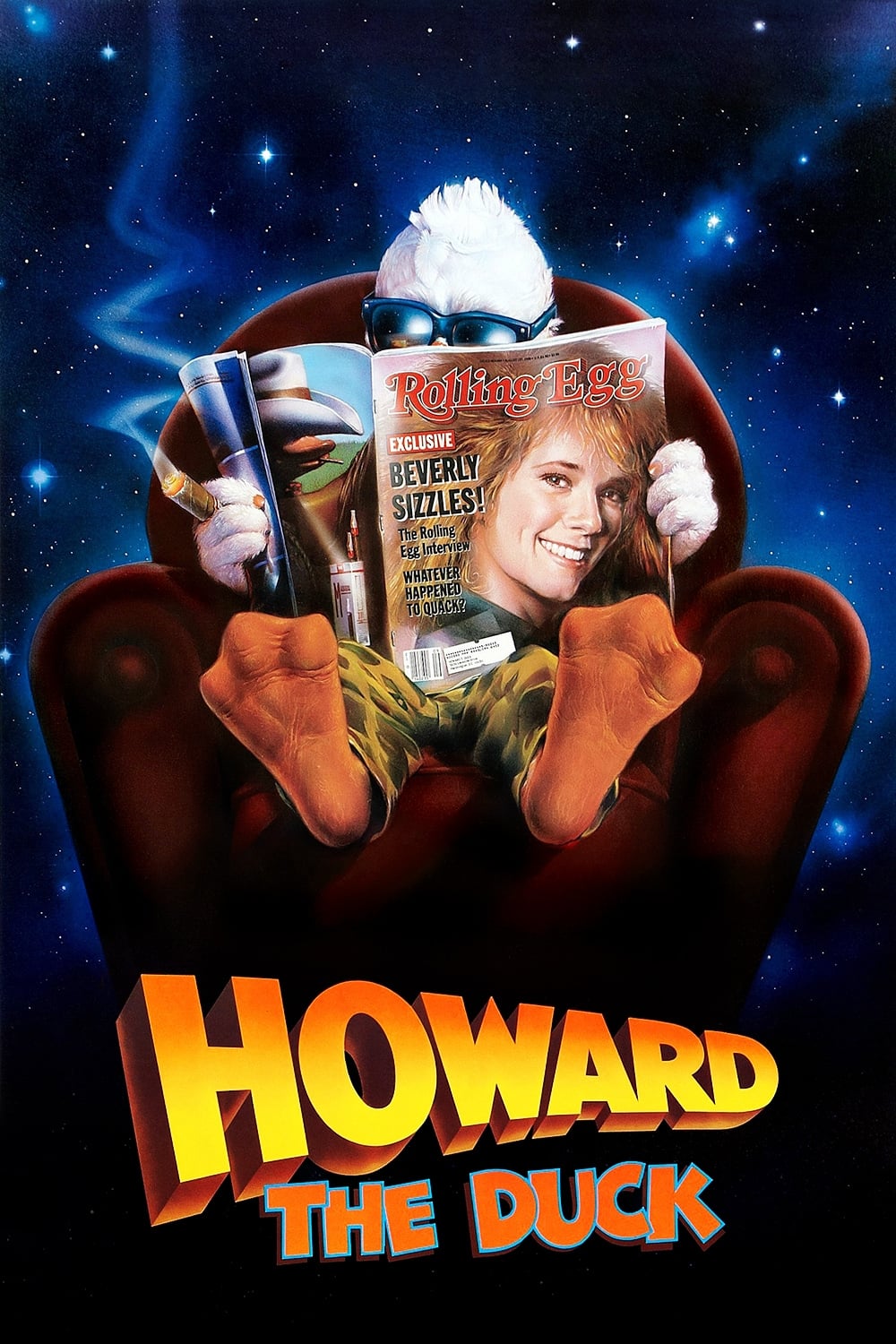
George Lucas produced this adaptation of the Marvel Comic regarding an anthropomorphic duck trapped on Earth. The film attempted to blend comedy with special effects but resulted in a tonal disaster that baffled audiences. Critics panned the animatronics and the suggestive humor that felt inappropriate for the intended demographic. Its massive commercial failure discouraged studios from adapting Marvel properties for nearly a decade.
‘Superman IV: The Quest for Peace’ (1987)
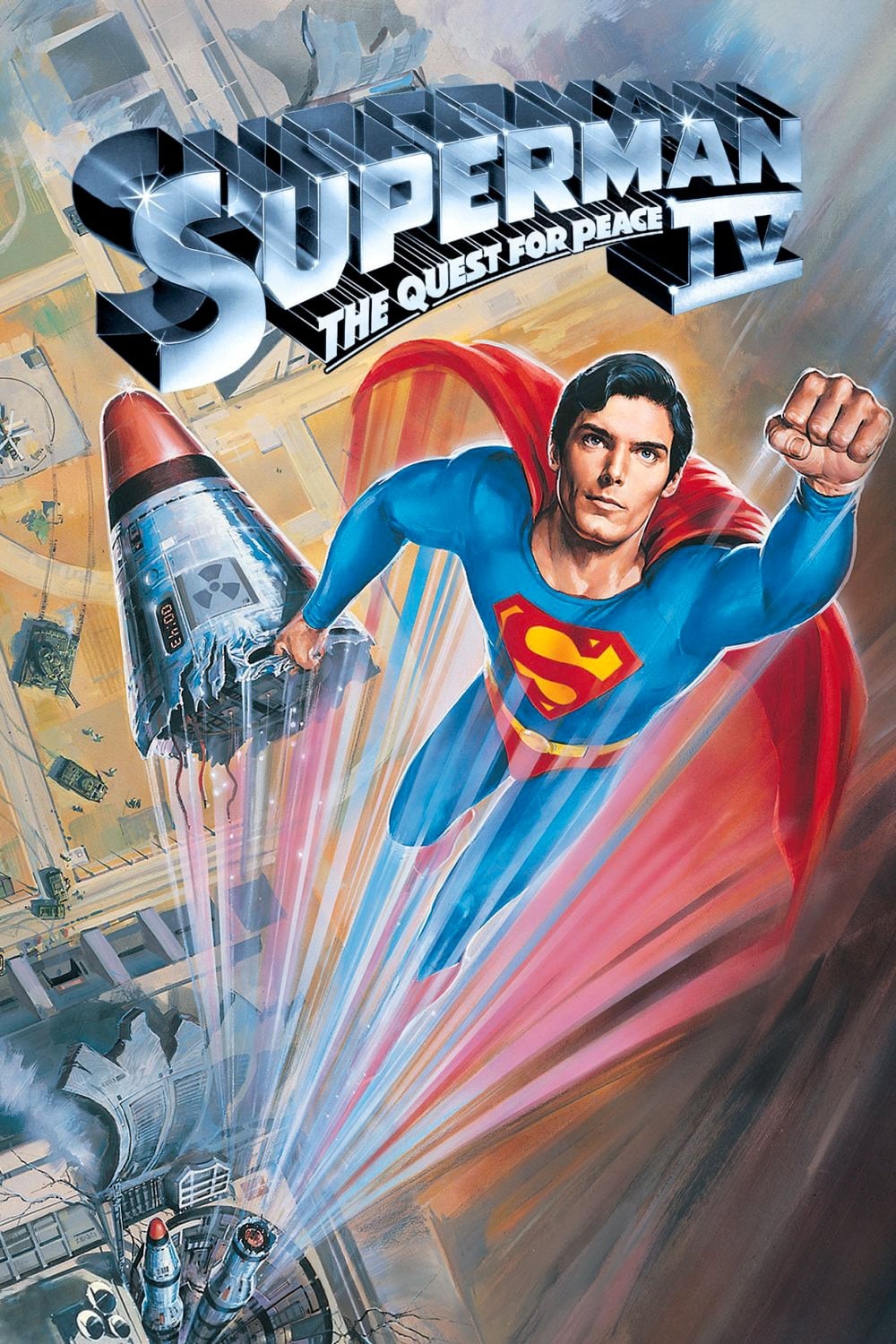
Christopher Reeve returned for a final outing as the Man of Steel in a production plagued by severe budget cuts. The reduced funding resulted in recycled special effects shots and visible wires during flight sequences. The plot involved Superman trying to rid the world of nuclear weapons while fighting a villain named Nuclear Man. This cinematic failure put the Superman franchise on ice for almost twenty years.
‘The Punisher’ (1989)
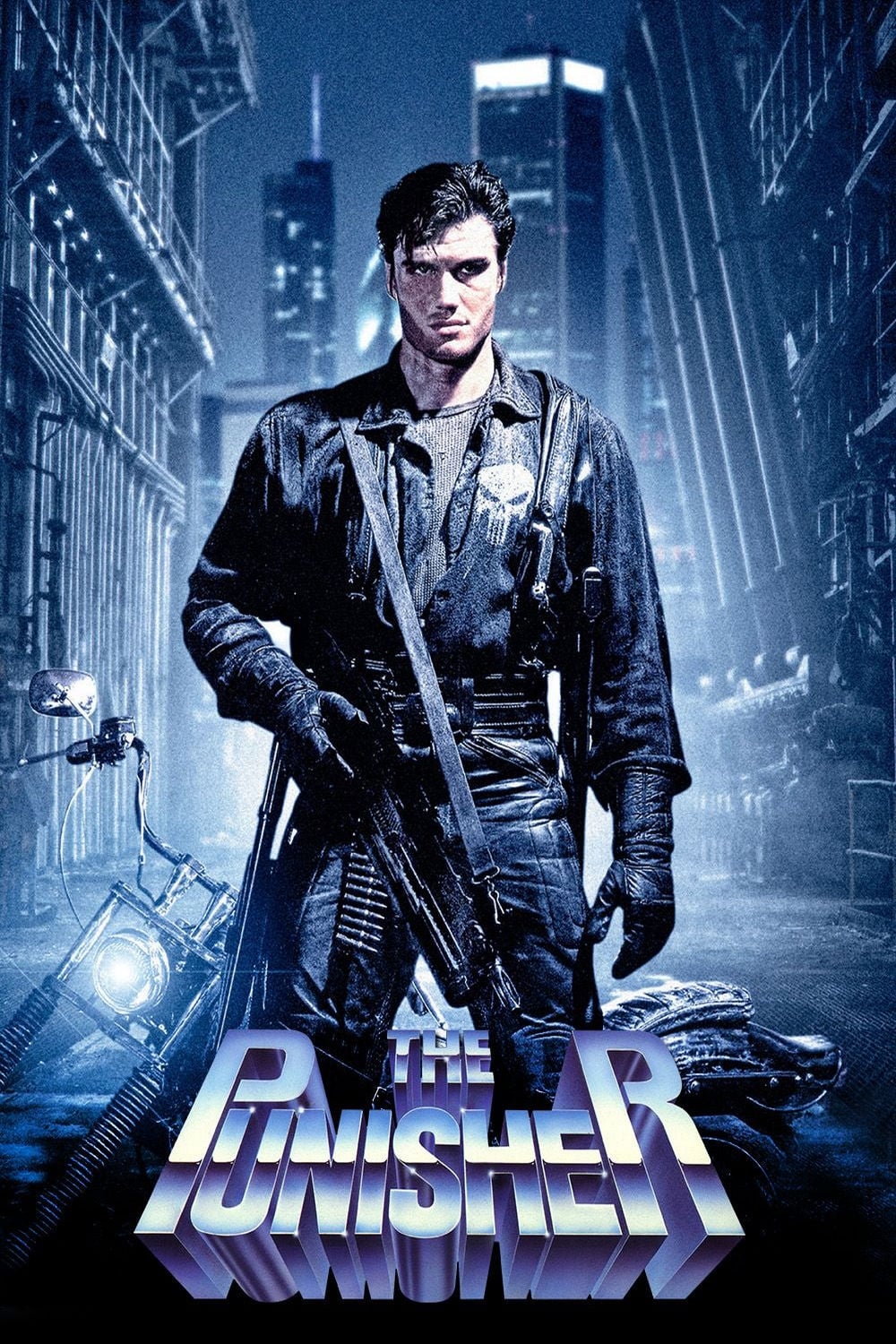
Dolph Lundgren starred as Frank Castle in this loose adaptation that stripped the character of his iconic skull insignia. The movie bypassed a theatrical release in the United States due to the financial struggles of its production company. Audiences felt the film functioned more as a generic action movie than a faithful comic book adaptation. It failed to capture the gritty psychological depth that defines the character in the comics.
‘Captain America’ (1990)
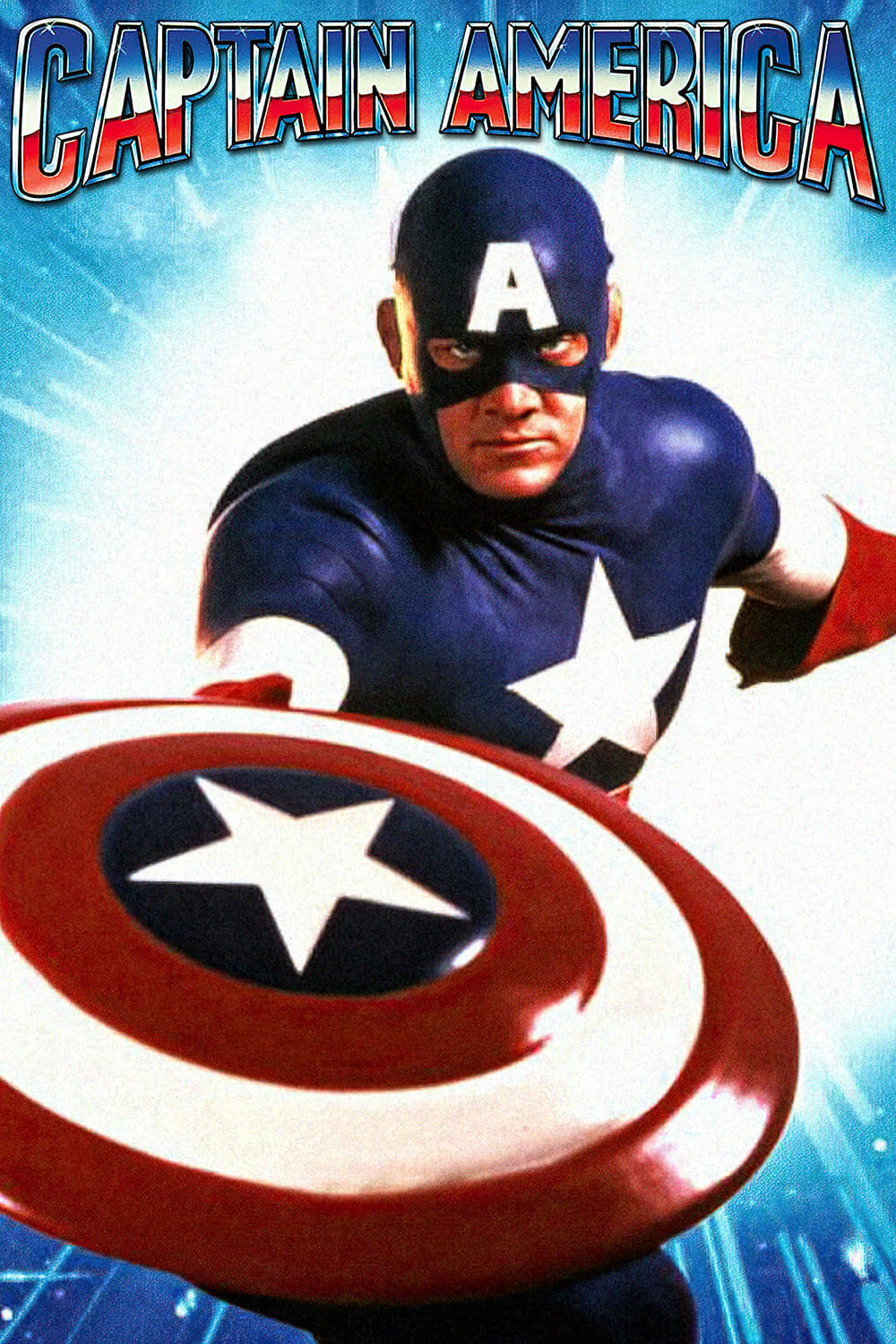
This low-budget attempt to bring the First Avenger to the big screen suffered from a convoluted script and poor production values. Matt Salinger played Steve Rogers in a story that rushed through his origin and pitted him against a Red Skull with a questionable Italian accent. The film was never released theatrically in the United States and only found an audience on home video. It served as a cautionary tale about adapting major heroes without the necessary budget.
‘Judge Dredd’ (1995)
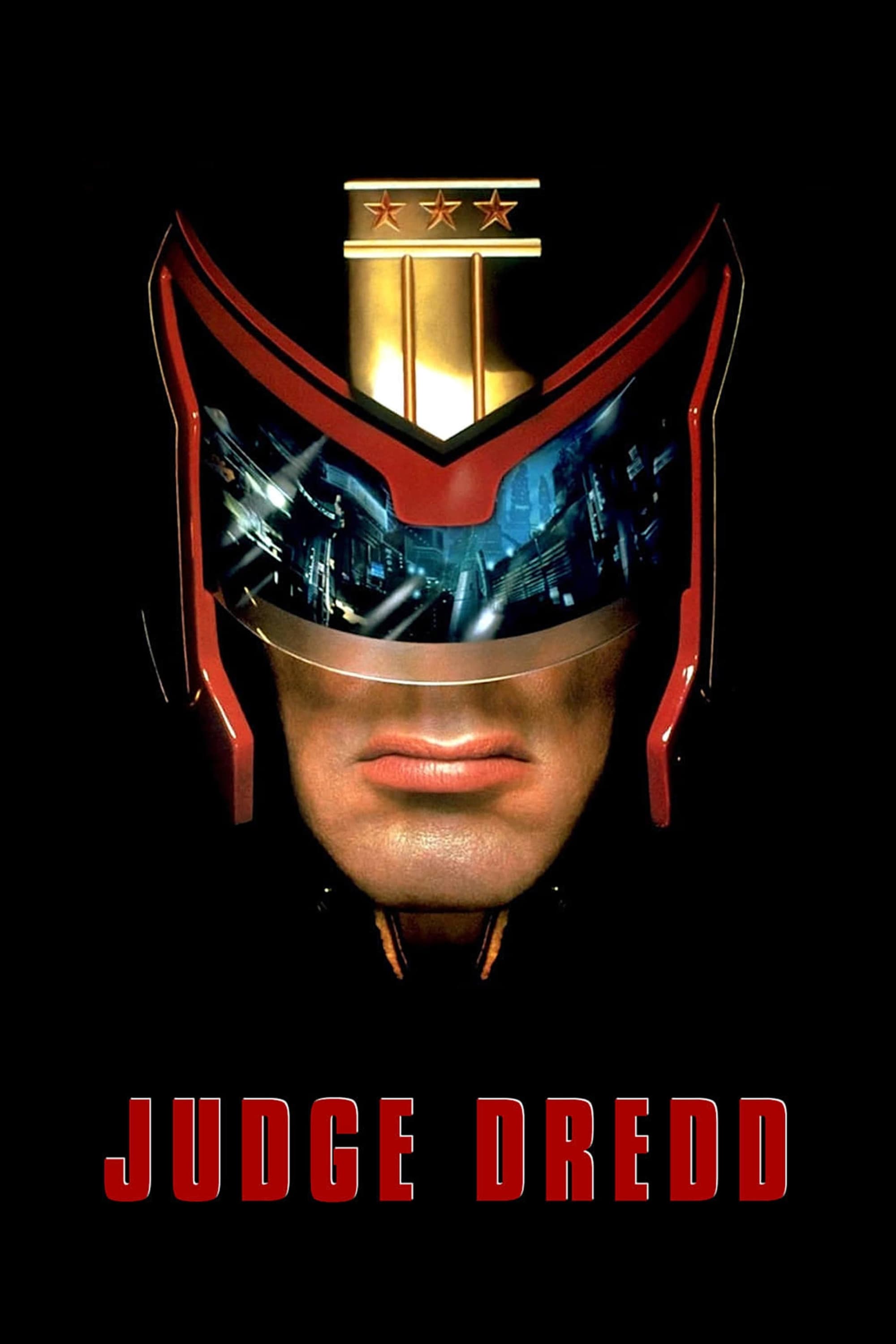
Sylvester Stallone starred as the law-enforcing icon in a movie that disregarded key elements of the source material. Fans were disappointed that Dredd removed his helmet early in the film which is something the comic character never does. The tone oscillated wildly between dark dystopia and campy humor involving Rob Schneider. This critical misfire stalled development on darker comic book properties for several years.
‘Batman & Robin’ (1997)
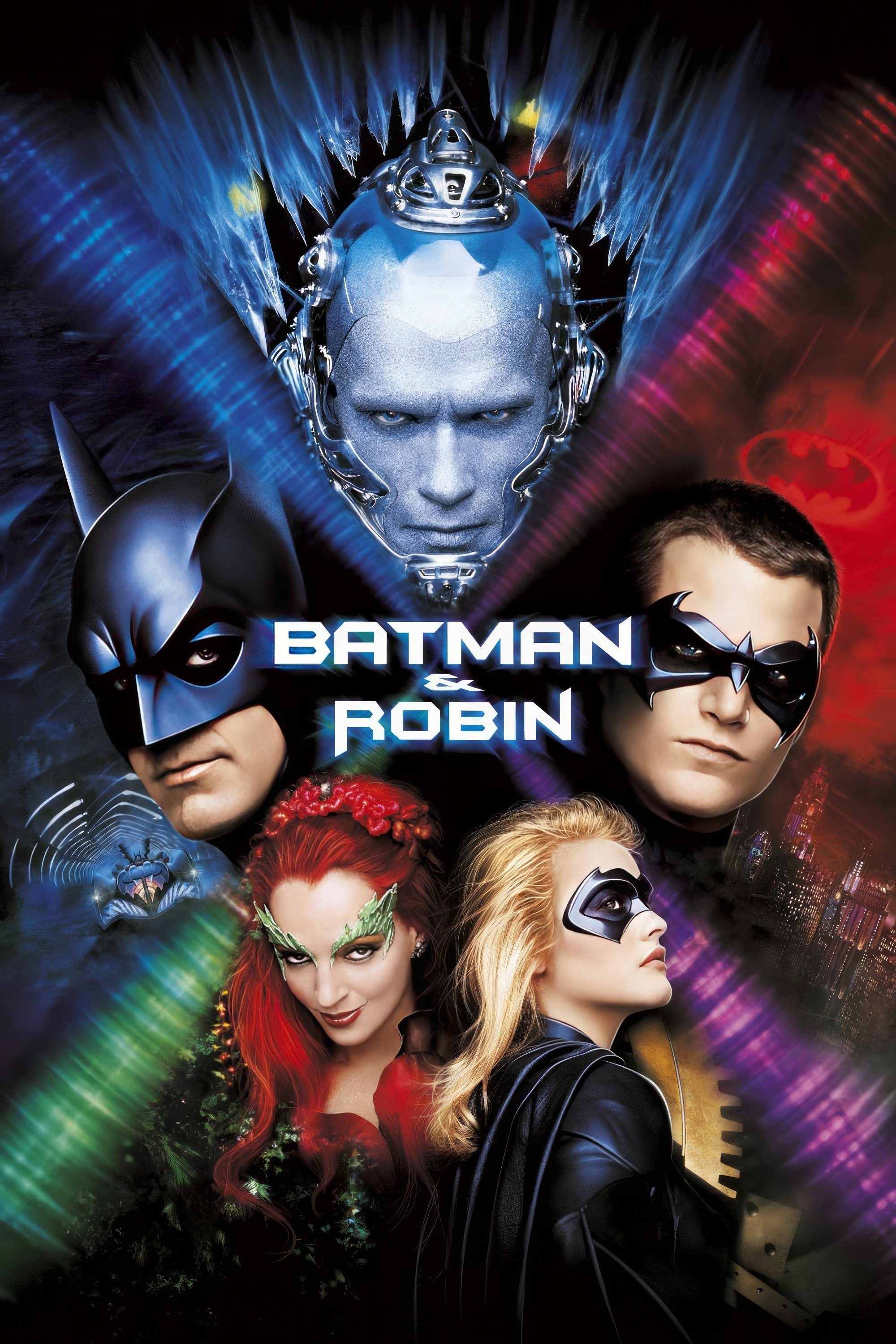
Joel Schumacher directed this toy-focused installment that is infamous for its neon aesthetic and rubber nipples on the Batsuit. George Clooney starred as Batman alongside Arnold Schwarzenegger who delivered endless ice puns as Mr. Freeze. The movie prioritized merchandise sales over storytelling and resulted in a campy spectacle that alienated fans. Warner Bros. cancelled plans for a sequel and rebooted the character with a darker tone eight years later.
‘Steel’ (1997)

Basketball star Shaquille O’Neal attempted to transition into acting with this adaptation of the DC Comics character John Henry Irons. The film suffered from a lack of budget which turned the high-tech armor suit into a rubbery costume. The plot deviated significantly from the comics by removing the connection to Superman entirely. It stands as one of the lowest-grossing superhero films of all time.
‘Spawn’ (1997)
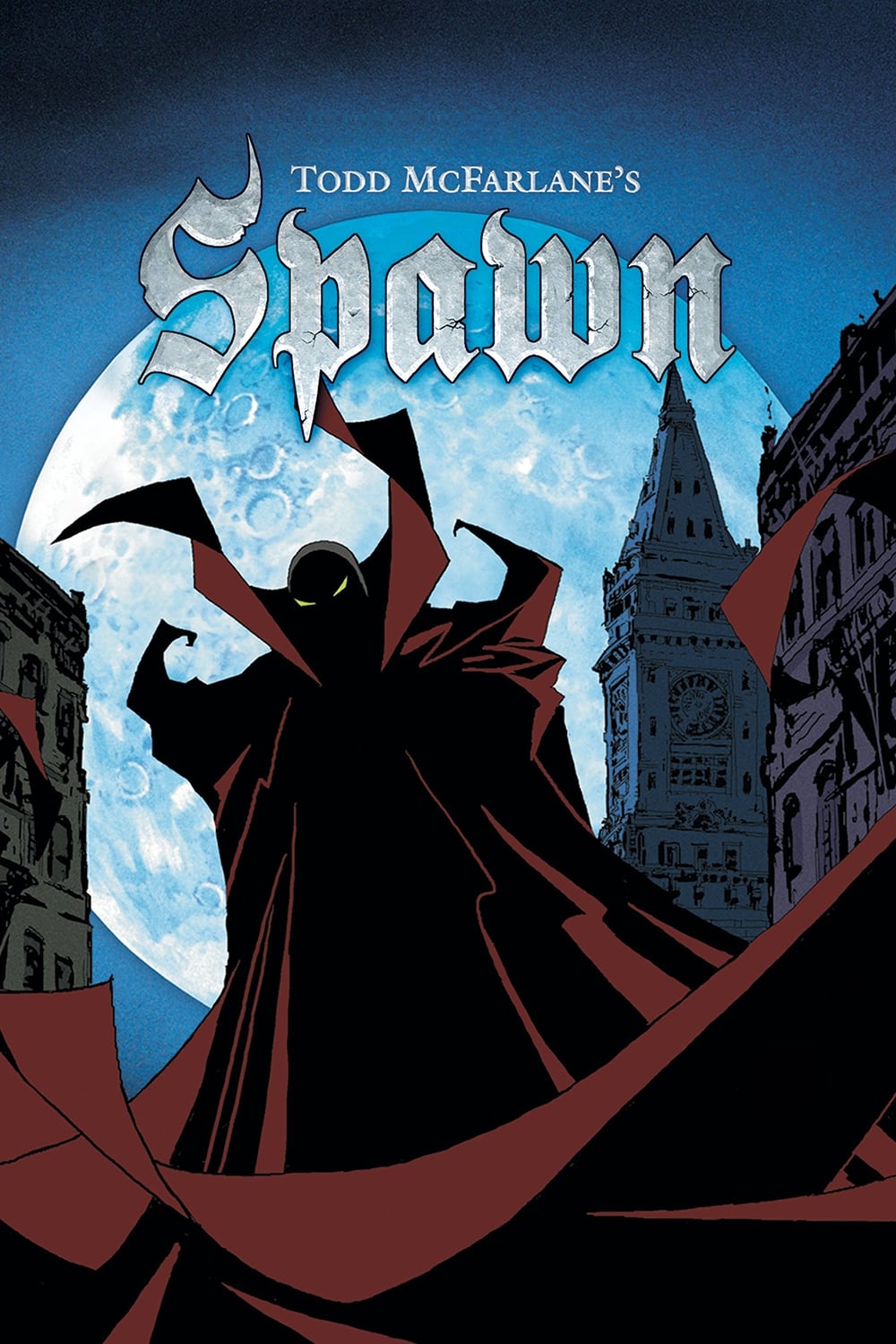
Todd McFarlane’s dark anti-hero arrived in theaters with a heavy reliance on early computer-generated imagery. While the makeup effects for the title character were praised, the digital villain Malebolgia looked unfinished even by the standards of the time. The narrative struggled to condense a complex mythology into a standard action movie runtime. The critical panning of the film prevented a sequel despite the character’s popularity.
‘Daredevil’ (2003)
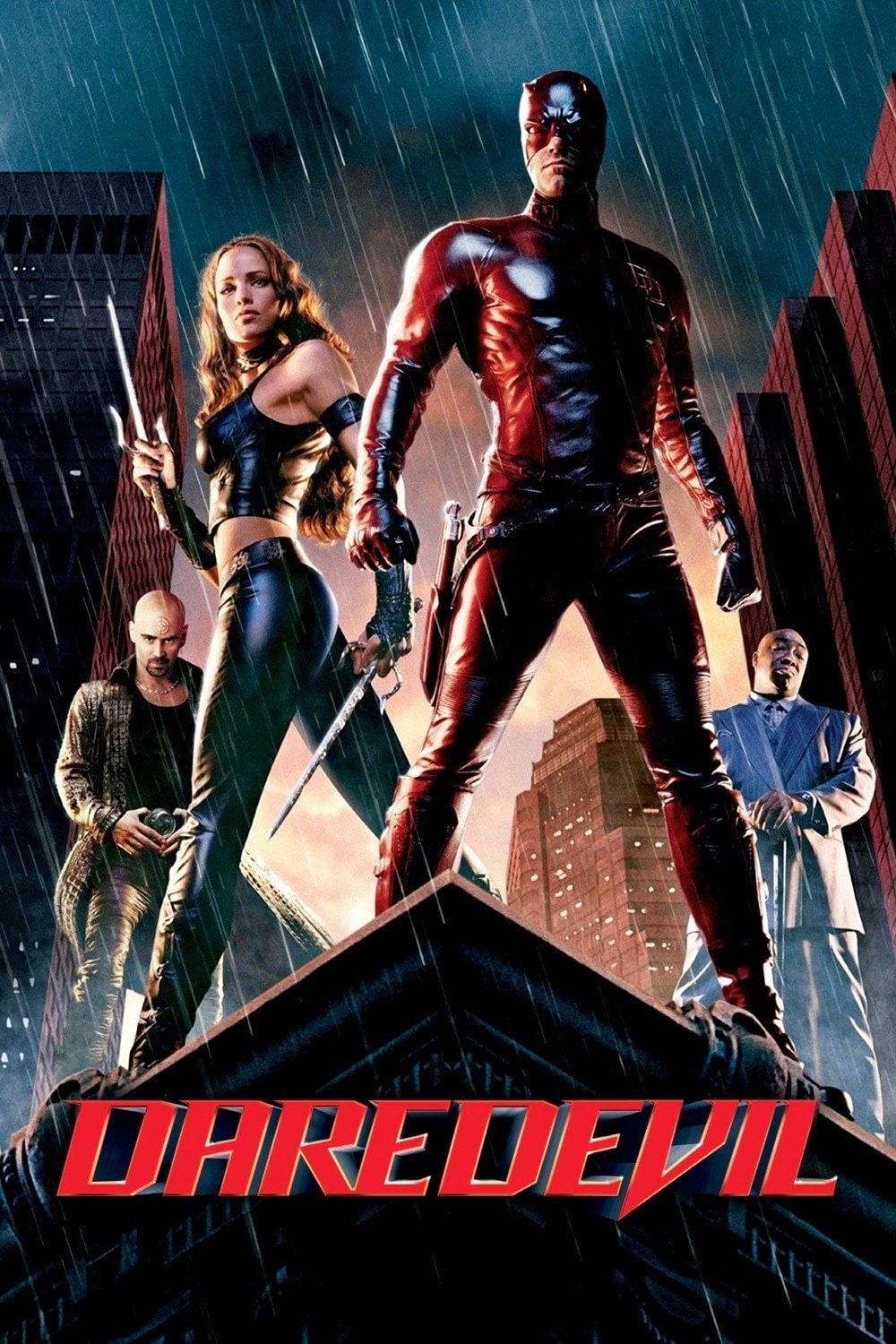
Ben Affleck played the blind lawyer Matt Murdock in a film that tried to capitalize on the early 2000s superhero boom. The movie struggled to balance the grim tone of the character with the studio’s desire for a blockbuster action hit. Critics cited the uneven pacing and the over-the-top performance by Colin Farrell as Bullseye. The theatrical cut felt disjointed, although a later director’s cut repaired some narrative issues.
‘Hulk’ (2003)
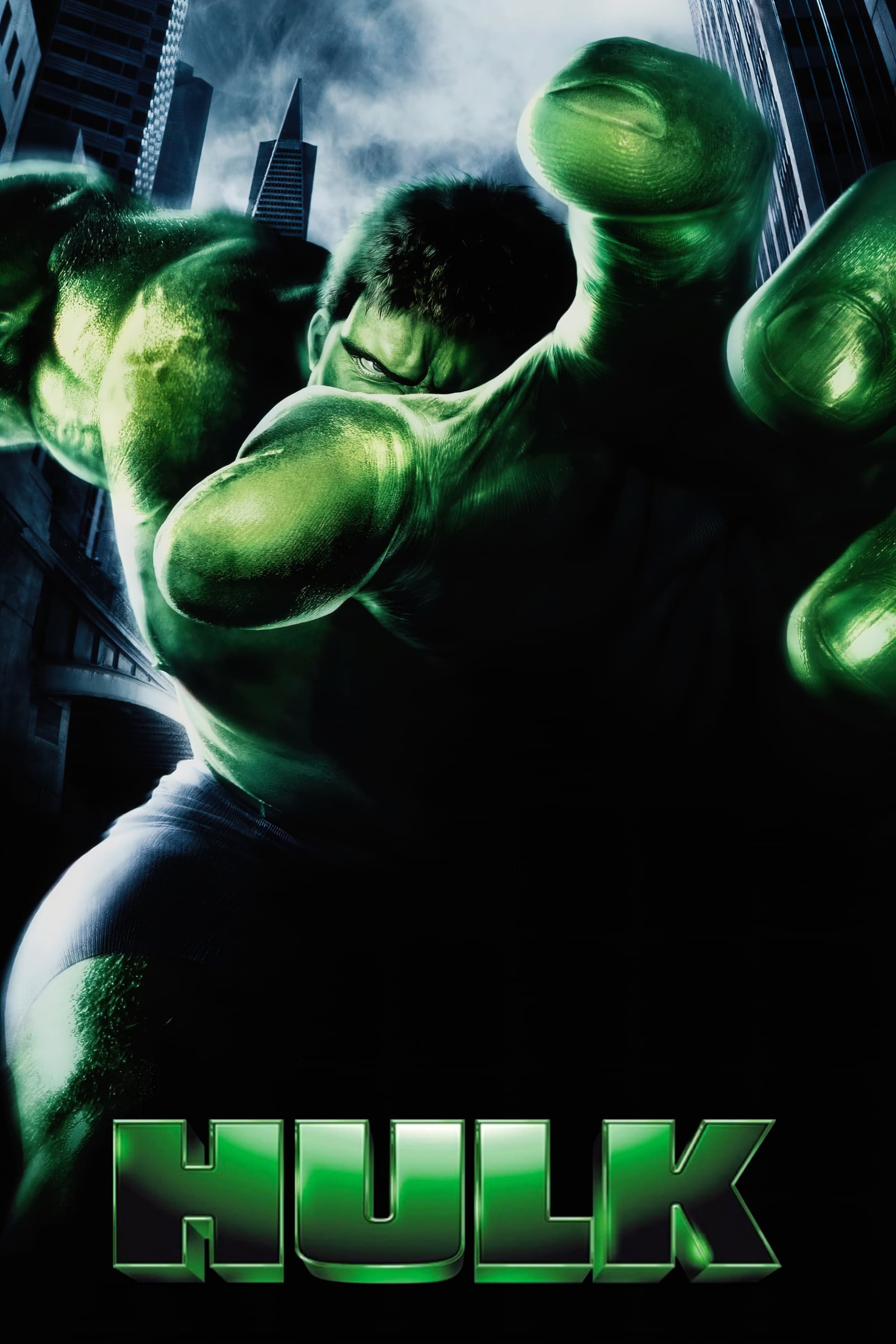
Ang Lee directed this ambitious attempt to treat a comic book movie as a psychological drama. The film utilized split-screen editing to mimic comic book panels but left audiences bored with its slow pacing. The CGI Hulk faced criticism for looking too rubbery and changing size inconsistently throughout the action sequences. It remains a divisive entry that failed to launch a franchise until the character was rebooted for the MCU.
‘The League of Extraordinary Gentlemen’ (2003)
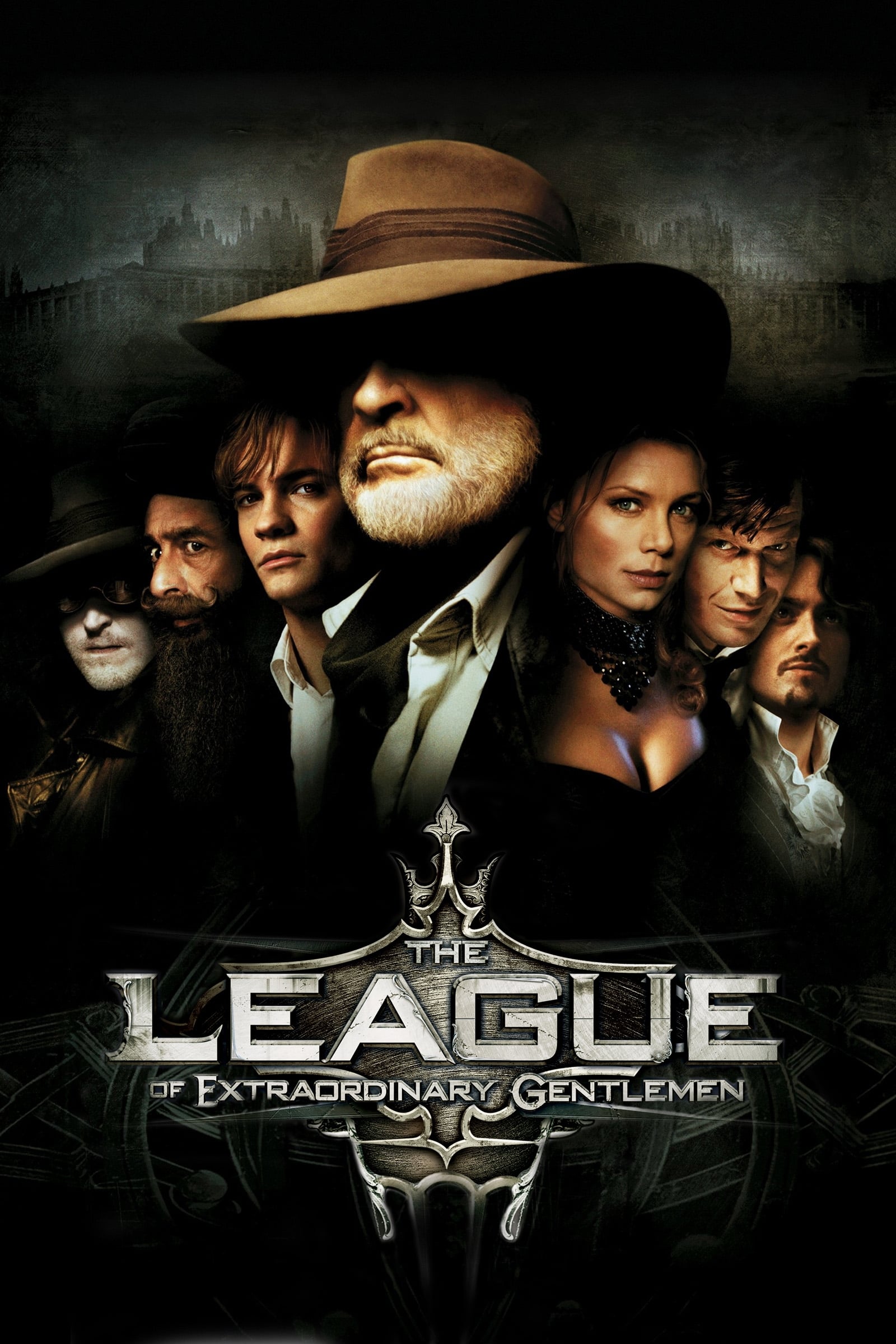
Sean Connery starred in his final live-action role in this loose adaptation of Alan Moore’s acclaimed graphic novel. The production was notoriously difficult and led to significant clashes between the star and the director. The film ignored the nuance of the source material in favor of generic action set pieces. Its critical failure contributed to Sean Connery retiring from acting permanently.
‘Catwoman’ (2004)
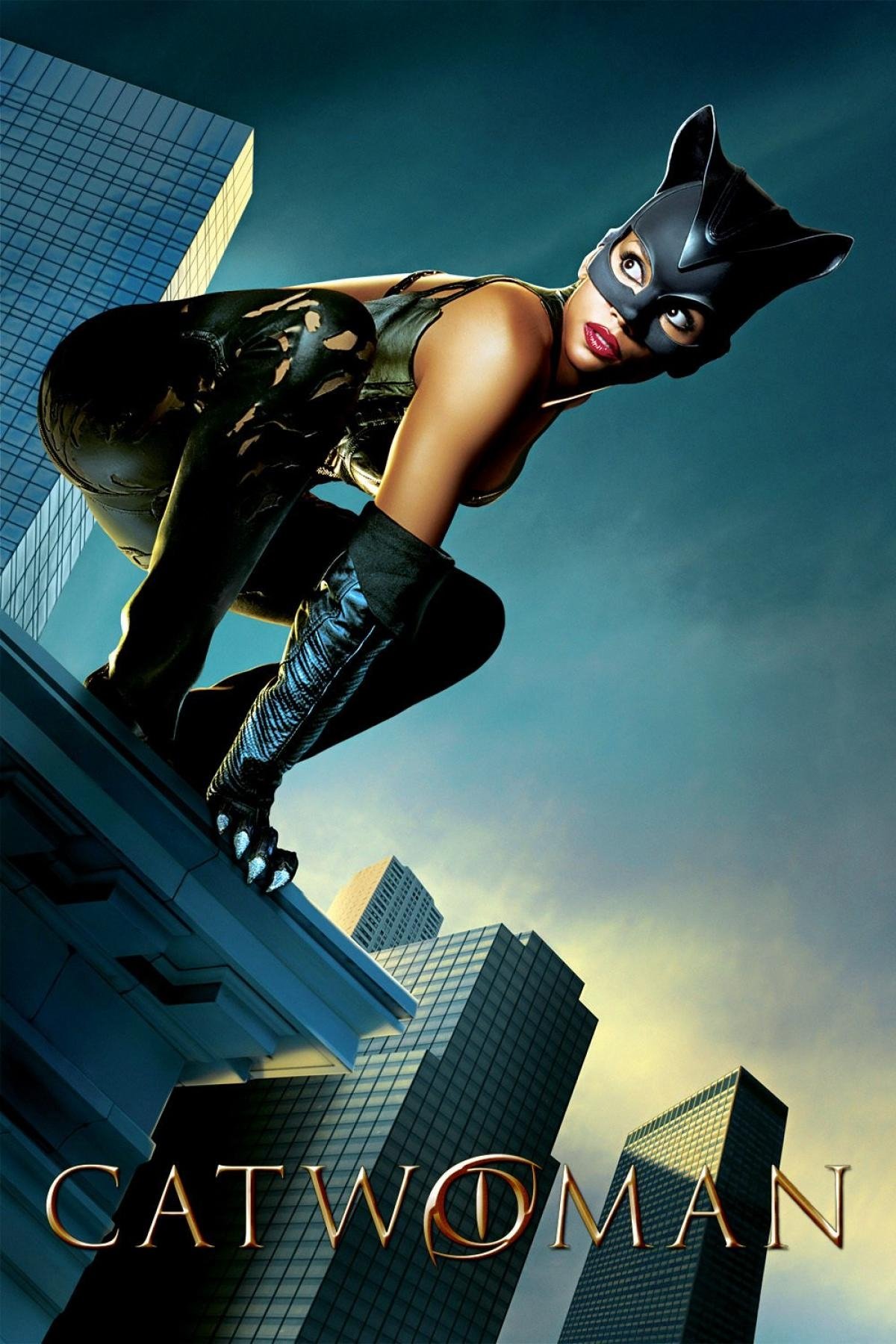
Halle Berry starred in this standalone film that bore almost no resemblance to the DC Comics character. The script replaced Selina Kyle with a new character named Patience Phillips who gains powers from a mystical cat. Critics ridiculed the plot involving an evil cosmetics company and the strange editing choices during action scenes. It is widely considered one of the worst films ever made and damaged the reputation of female-led superhero movies.
‘Blade: Trinity’ (2004)
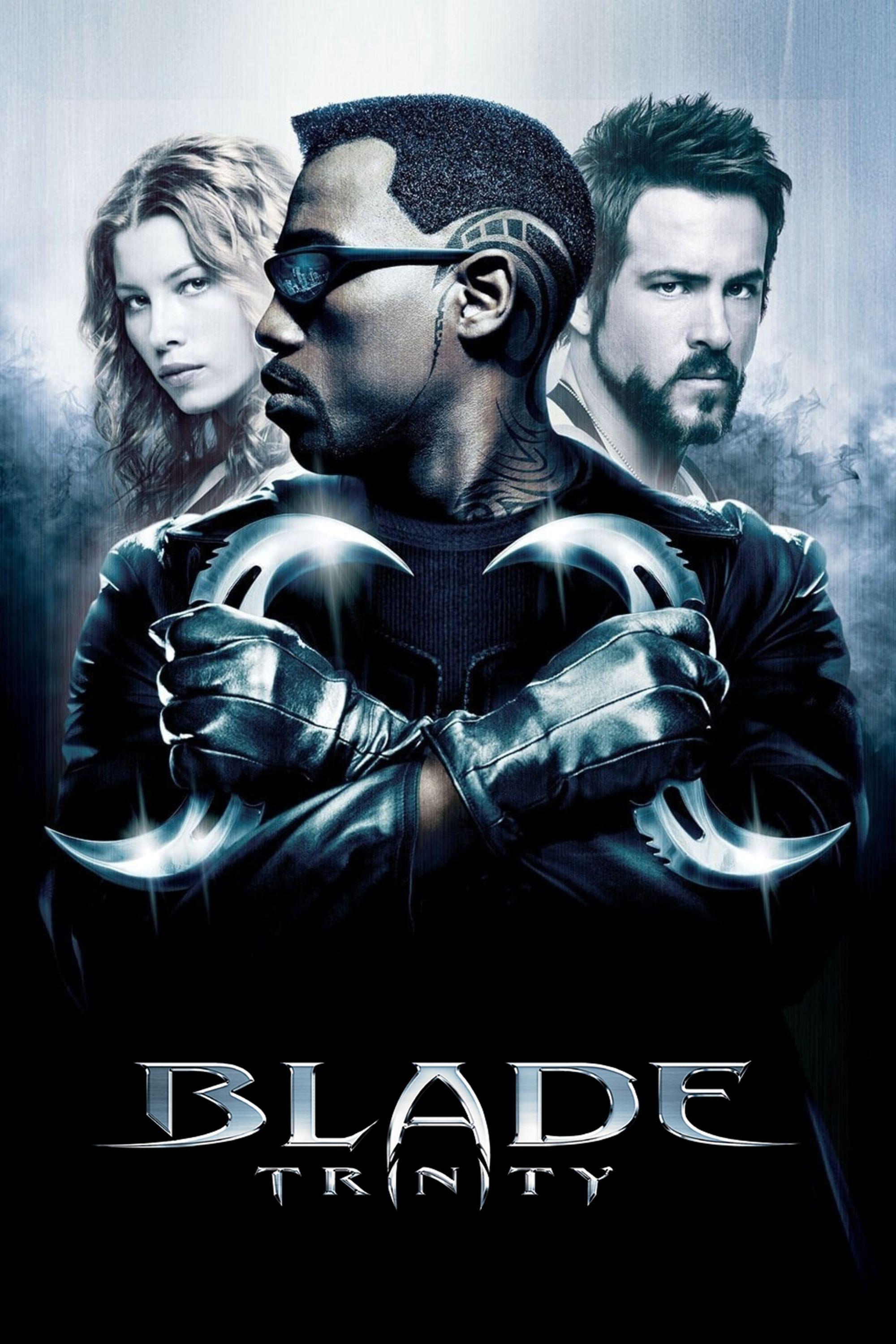
The third installment of the successful Wesley Snipes franchise suffered from behind-the-scenes conflict and a muddled script. Snipes reportedly clashed with the director and refused to open his eyes for one scene, requiring CGI correction. The film shifted focus to supporting characters played by Ryan Reynolds and Jessica Biel to launch a spinoff that never happened. The poor reception effectively ended the Blade franchise until Marvel Studios regained the rights.
‘Elektra’ (2005)
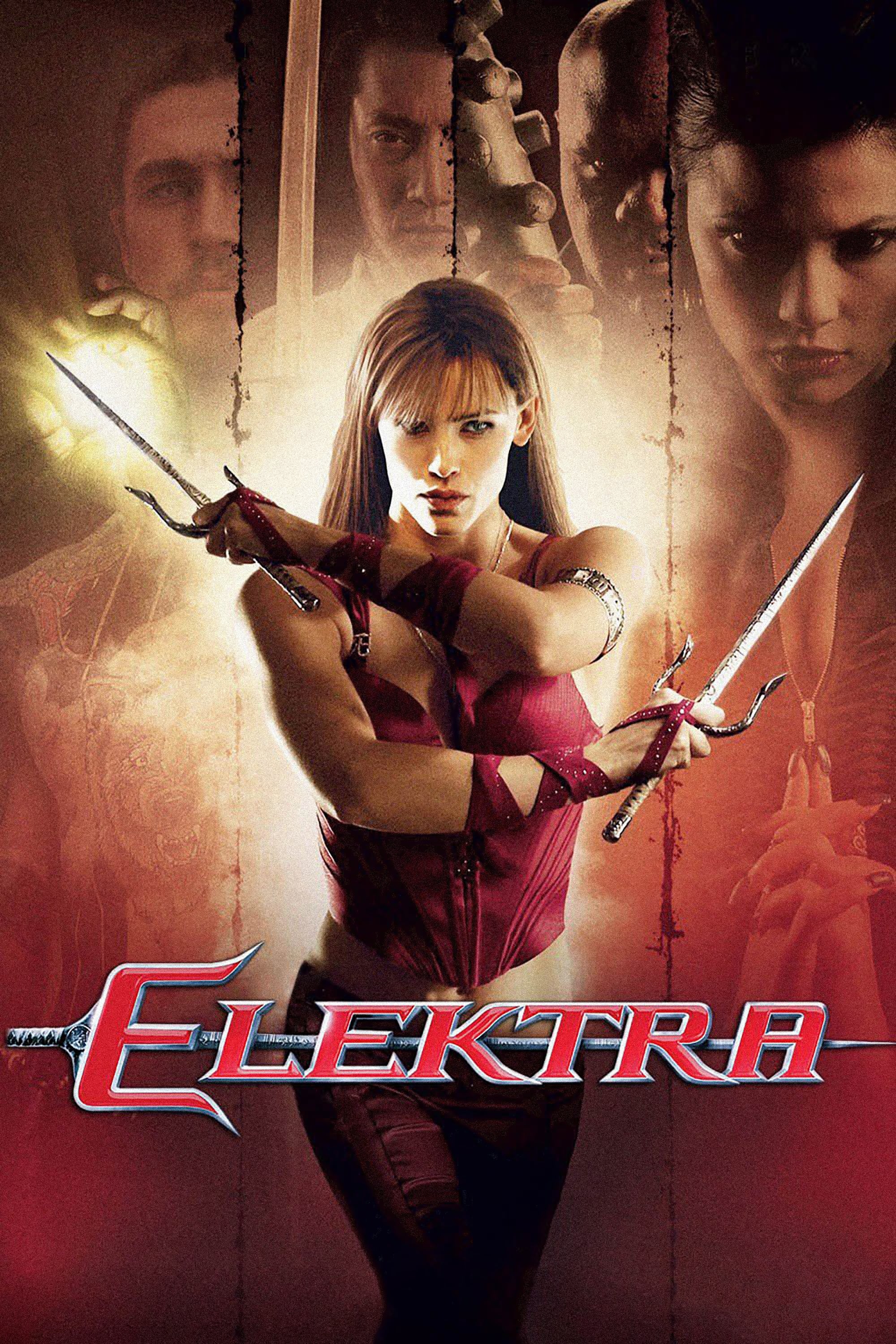
Jennifer Garner reprised her role from ‘Daredevil’ in a spinoff that was fast-tracked into production. The story involved mystical ninjas and a young ward but lacked the grit associated with the assassin character. The movie was a critical and commercial failure that reinforced studio hesitation regarding female superheroes. It arrived during a time when audiences were beginning to demand higher quality from the genre.
‘Fantastic Four’ (2005)
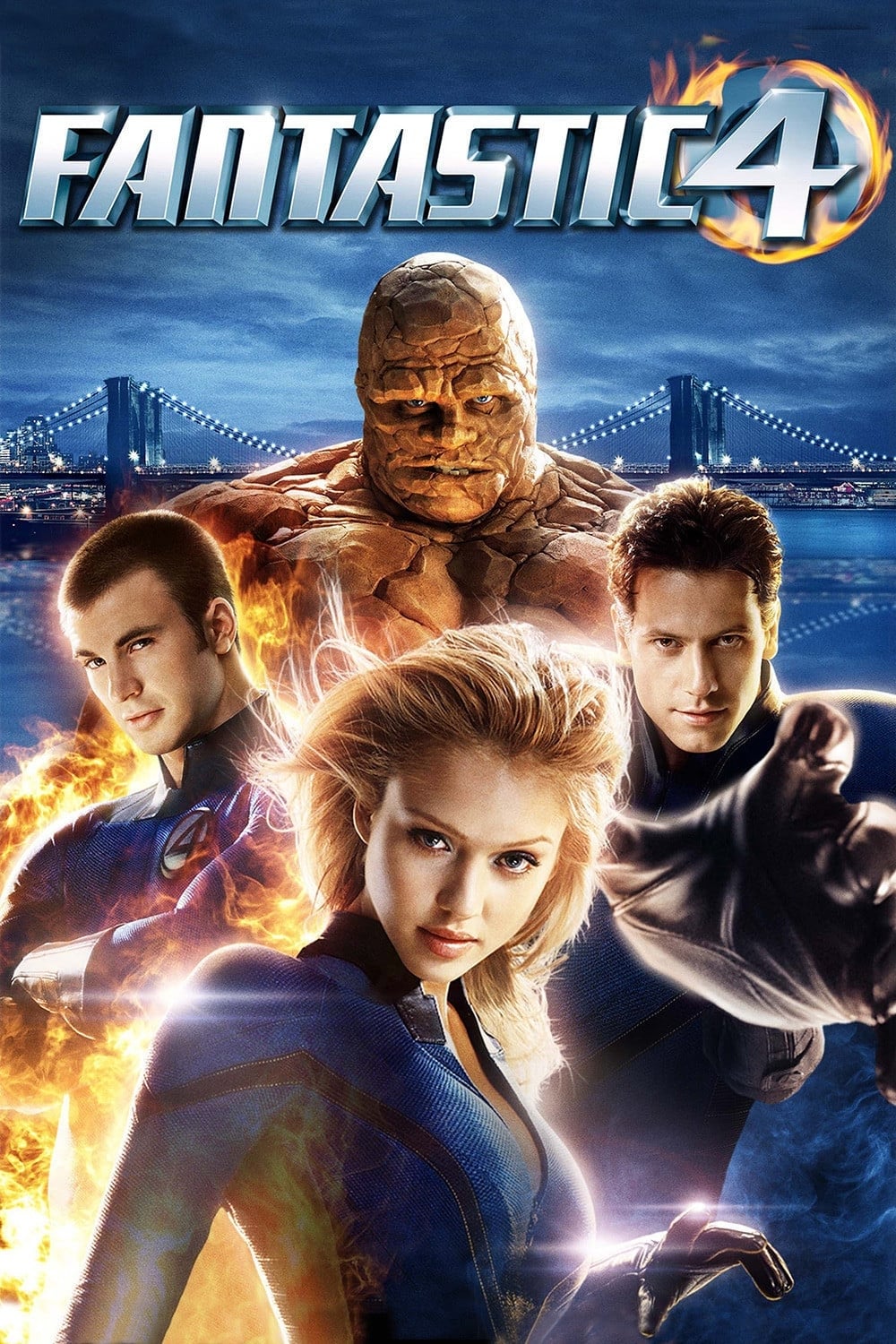
Fox attempted to launch Marvel’s First Family with a lighthearted tone that felt dated upon arrival. While Chris Evans received praise as the Human Torch, the film was criticized for its low stakes and lack of action. The chemistry between the actors could not save a script filled with forced humor and questionable science. It made money but left fans wanting a more serious take on the team.
‘X-Men: The Last Stand’ (2006)
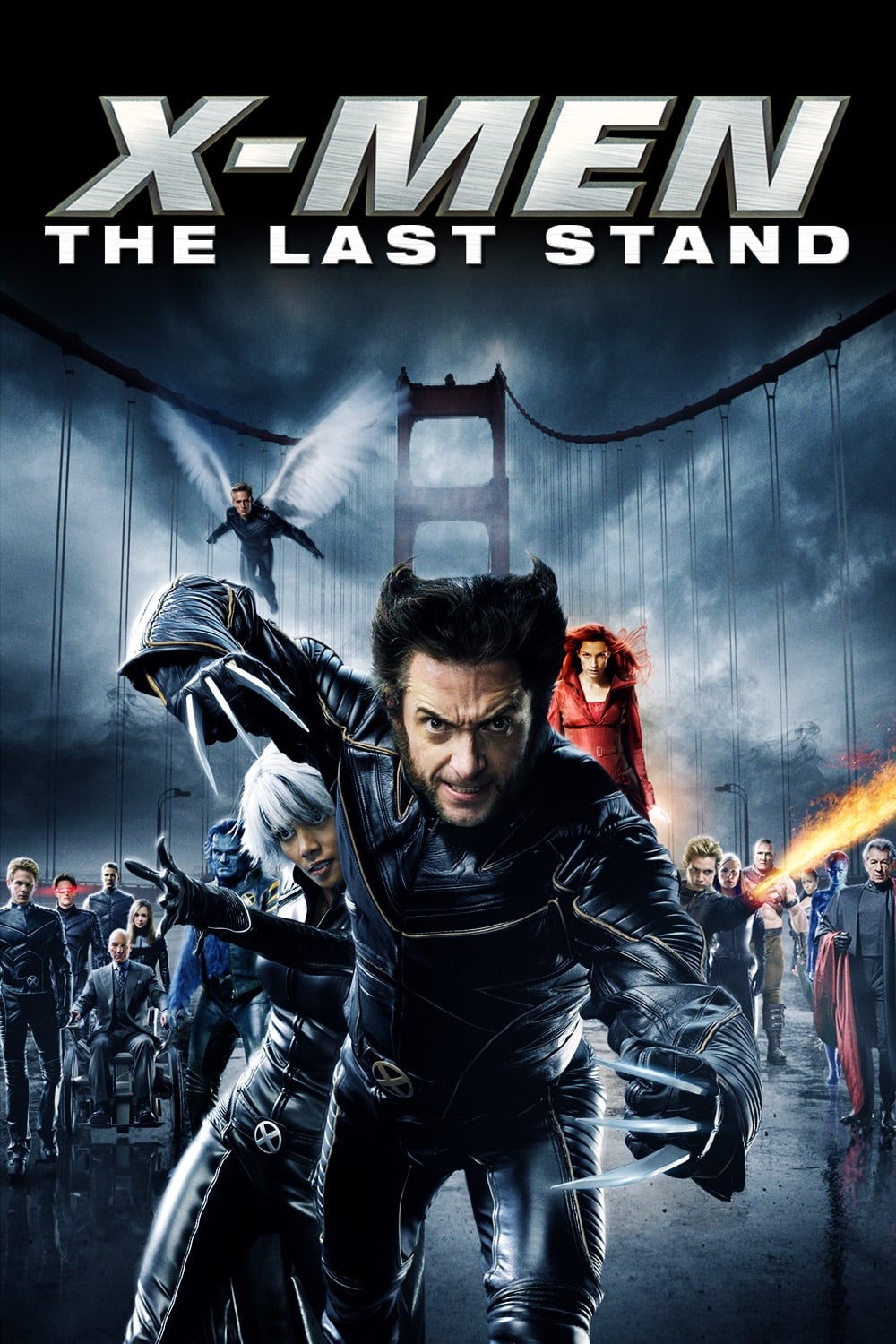
Brett Ratner took over the director’s chair for the third X-Men film which attempted to adapt the Dark Phoenix Saga. The movie was criticized for killing off major characters like Cyclops and Professor X unceremoniously. It overcrowded the narrative with too many mutants and failed to give the emotional storylines room to breathe. The mixed reception forced the studio to pivot toward prequels and eventual timeline resets.
‘Zoom’ (2006)
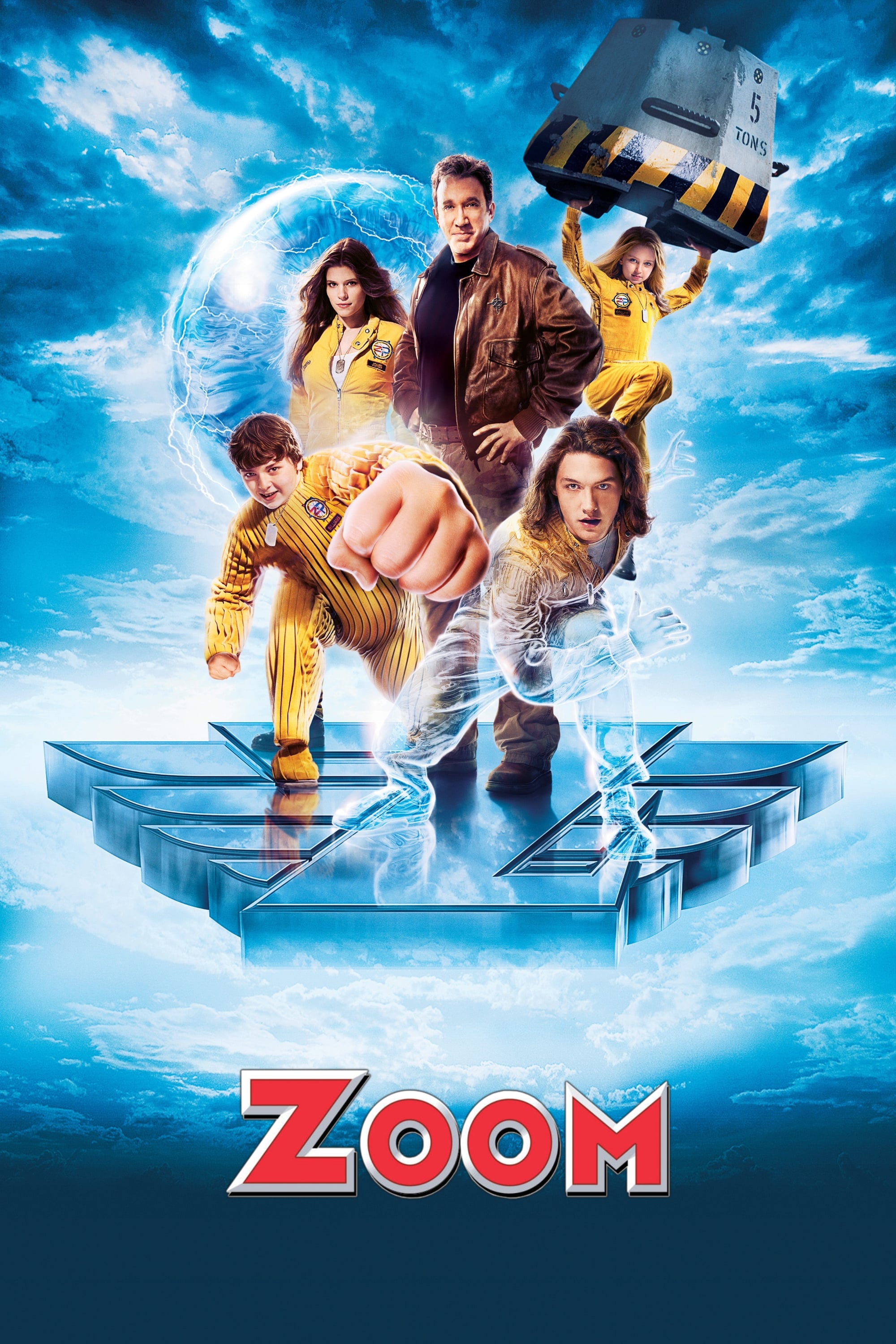
Tim Allen starred in this family-friendly comedy that satirized superhero tropes but failed to deliver laughs. The plot followed a retired hero training a group of misfit kids to save the world. It was released directly against other major films and vanished from theaters quickly due to poor word of mouth. The movie represents a generic era of superhero content that lacked the passion of the source material.
‘Ghost Rider’ (2007)
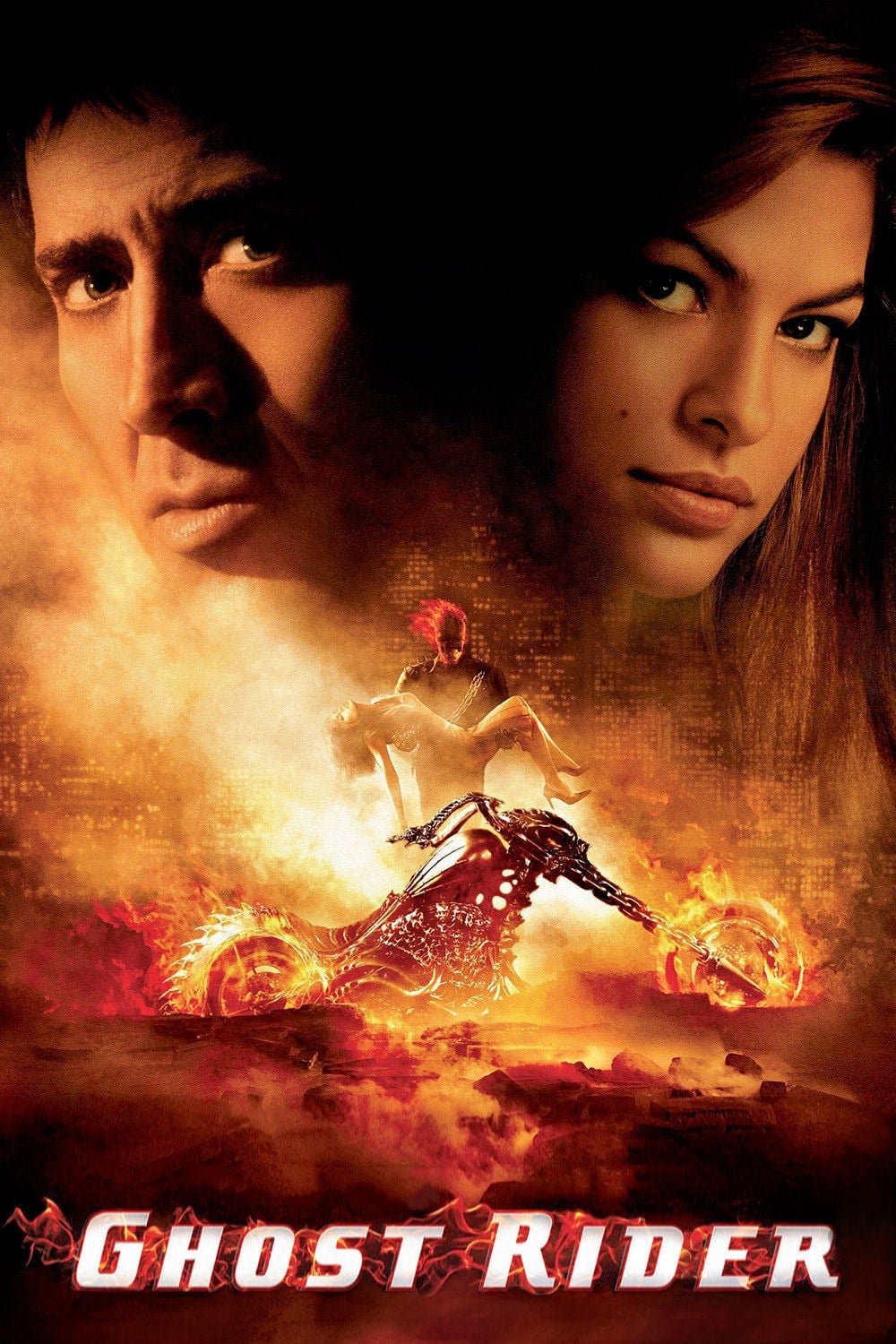
Nicolas Cage brought his passion to the role of Johnny Blaze but the film suffered from tonal inconsistencies. The script relied on clichés and the villain Blackheart lacked the menacing presence required for a supernatural thriller. The CGI for the flaming skull looked impressive but the story around it felt hollow. It was successful enough to warrant a sequel but failed to become a fan favorite.
‘Spider-Man 3’ (2007)
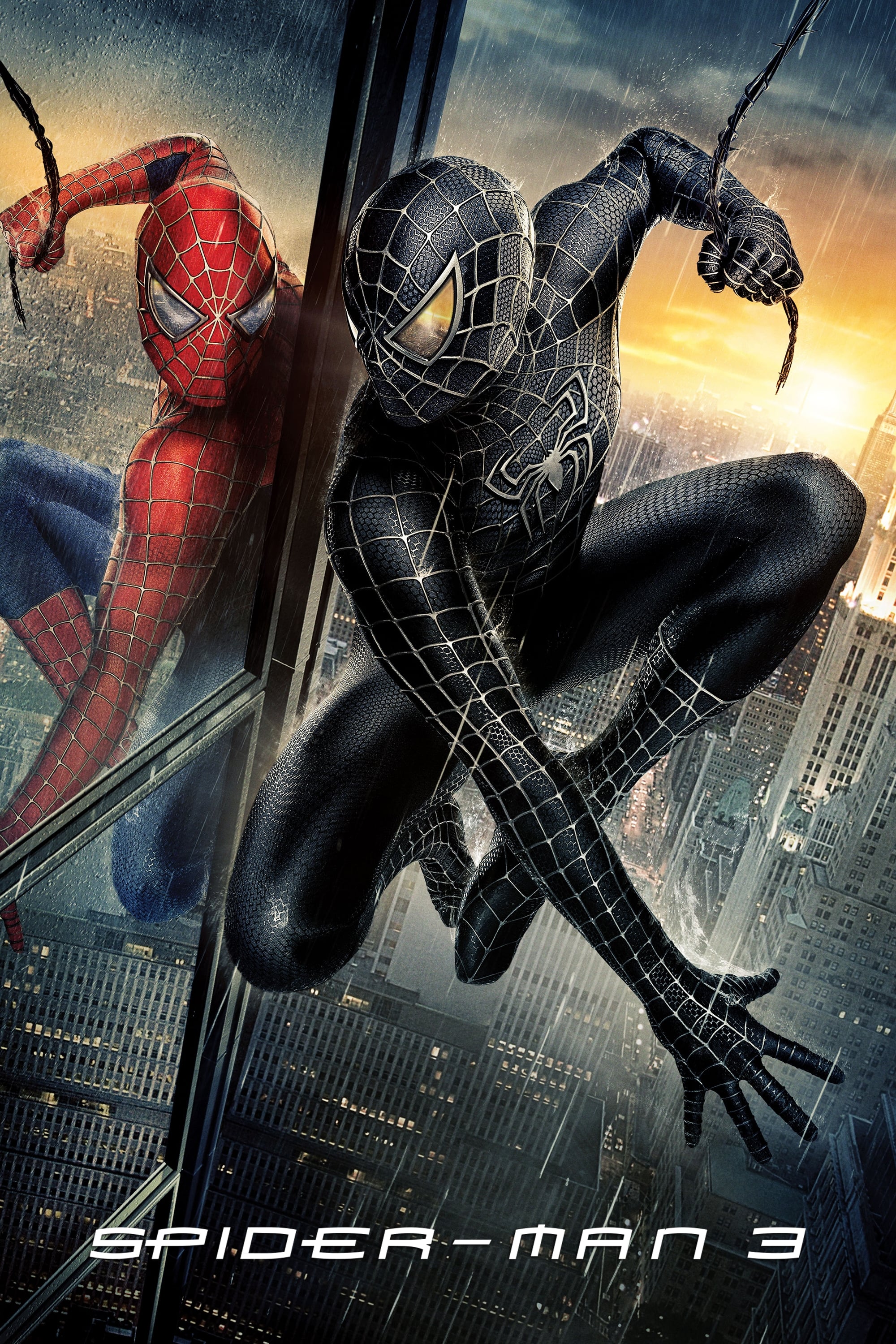
Sam Raimi’s trilogy concluded with a film that suffered from studio interference and an overabundance of villains. The inclusion of Venom felt forced and resulted in a rushed storyline that crowded out the Sandman and Harry Osborn arcs. Fans mocked the scene where Peter Parker dances down the street under the influence of the symbiote. The mixed reaction led Sony to cancel the fourth installment and reboot the series entirely.
‘Fantastic Four: Rise of the Silver Surfer’ (2007)
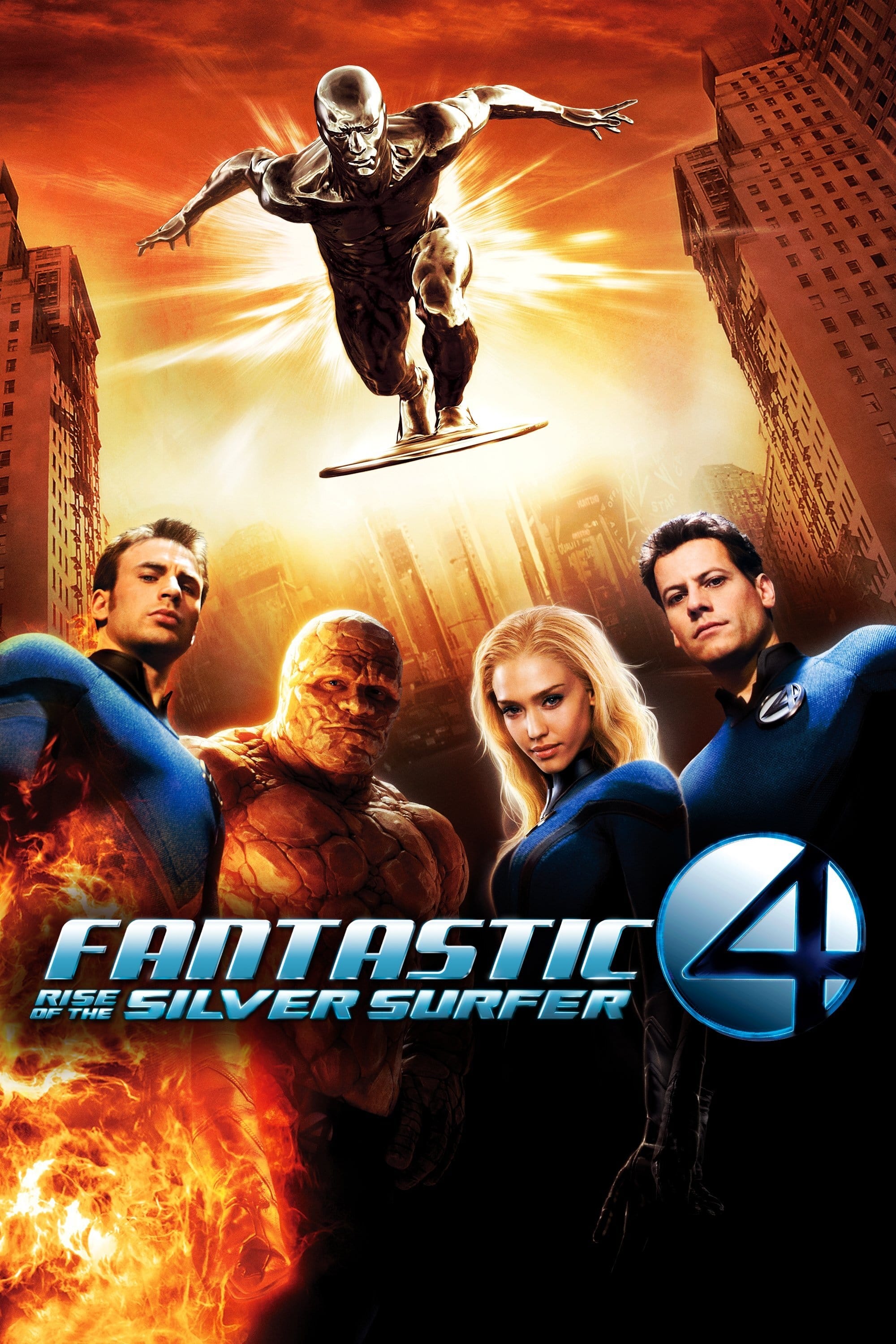
The sequel improved on the special effects of the original but failed to deliver a compelling version of Galactus. Fans were outraged that the devourer of worlds was depicted as a giant cloud rather than his comic book form. The film maintained the campy tone of its predecessor which felt increasingly out of step with the genre. Its disappointing performance led to the cancellation of a Silver Surfer spinoff.
‘The Spirit’ (2008)
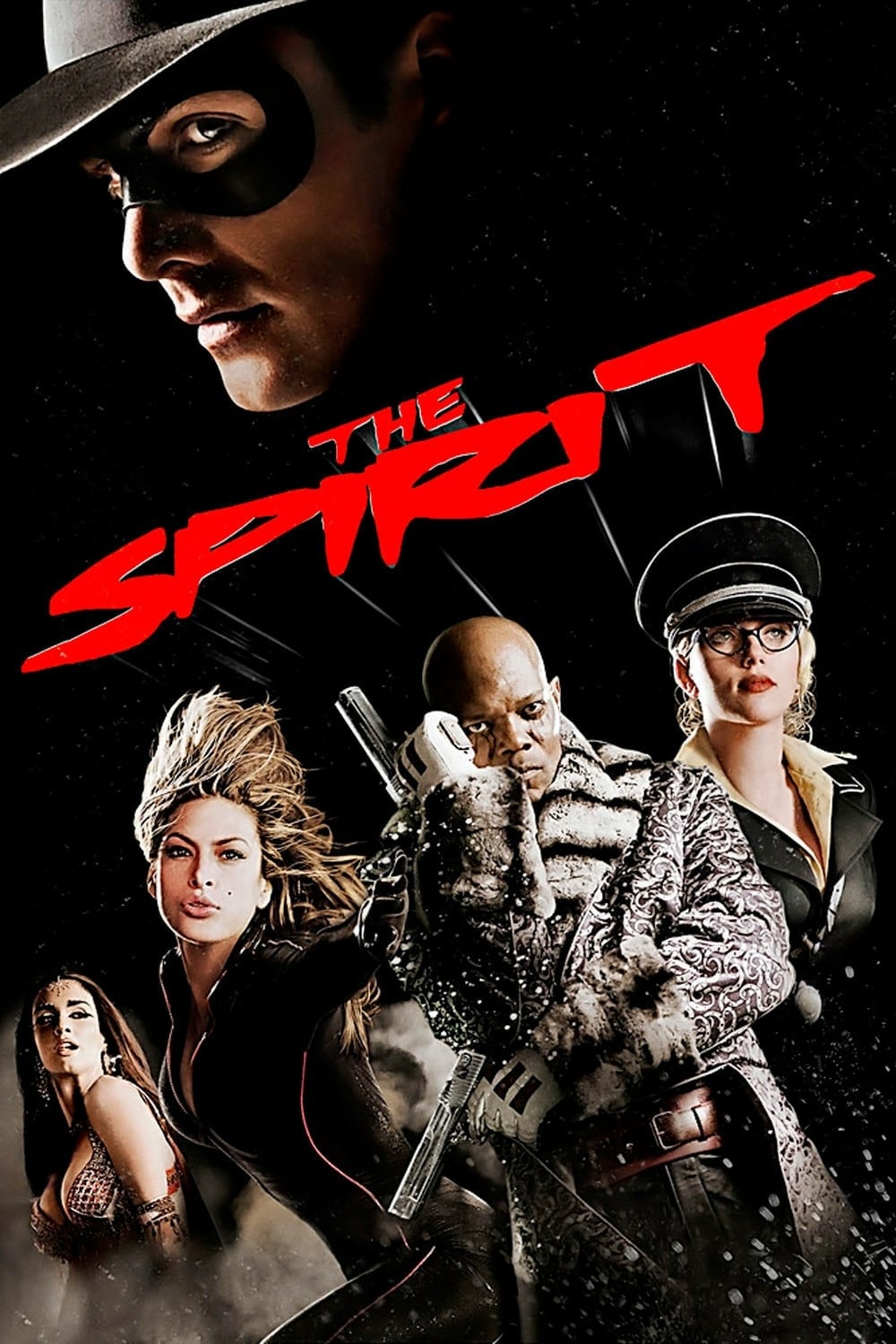
Frank Miller directed this adaptation of Will Eisner’s classic strip using the same visual style as ‘Sin City’. The film was criticized for its nonsensical plot and the bizarre performance by Samuel L. Jackson as the villain. Audiences found the monochrome visuals stylish but the substance completely lacking. It bombed at the box office and halted further directorial efforts by Frank Miller.
‘X-Men Origins: Wolverine’ (2009)
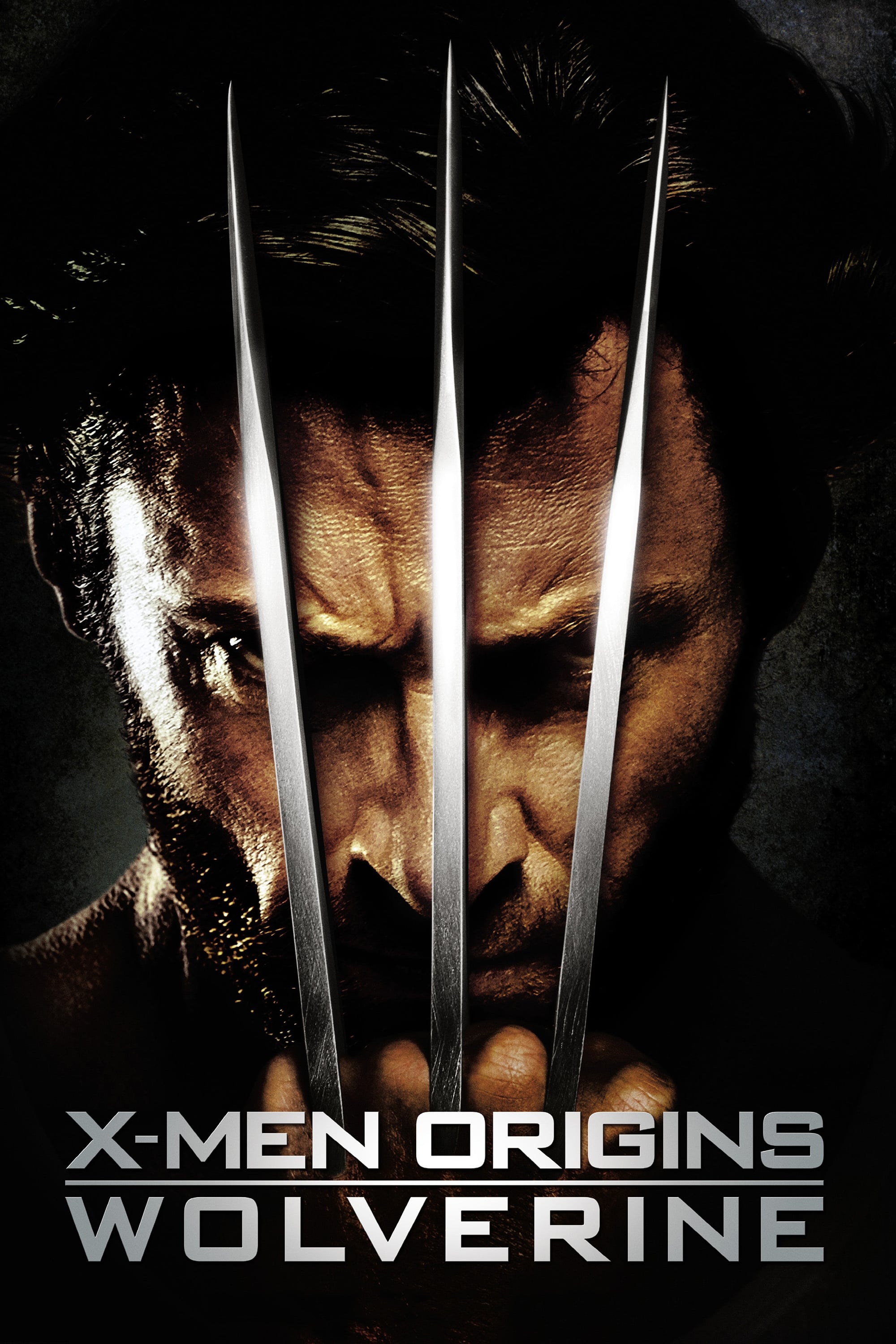
Hugh Jackman returned as Wolverine in a prequel that is infamous for its mishandling of Deadpool. The film sewed the Merc with a Mouth’s mouth shut and gave him an array of random powers. Poor CGI effects, including a notorious scene with adamantium claws in a bathroom, drew ridicule. The negative reaction forced Fox to rethink their entire strategy for solo character spinoffs.
‘Jonah Hex’ (2010)
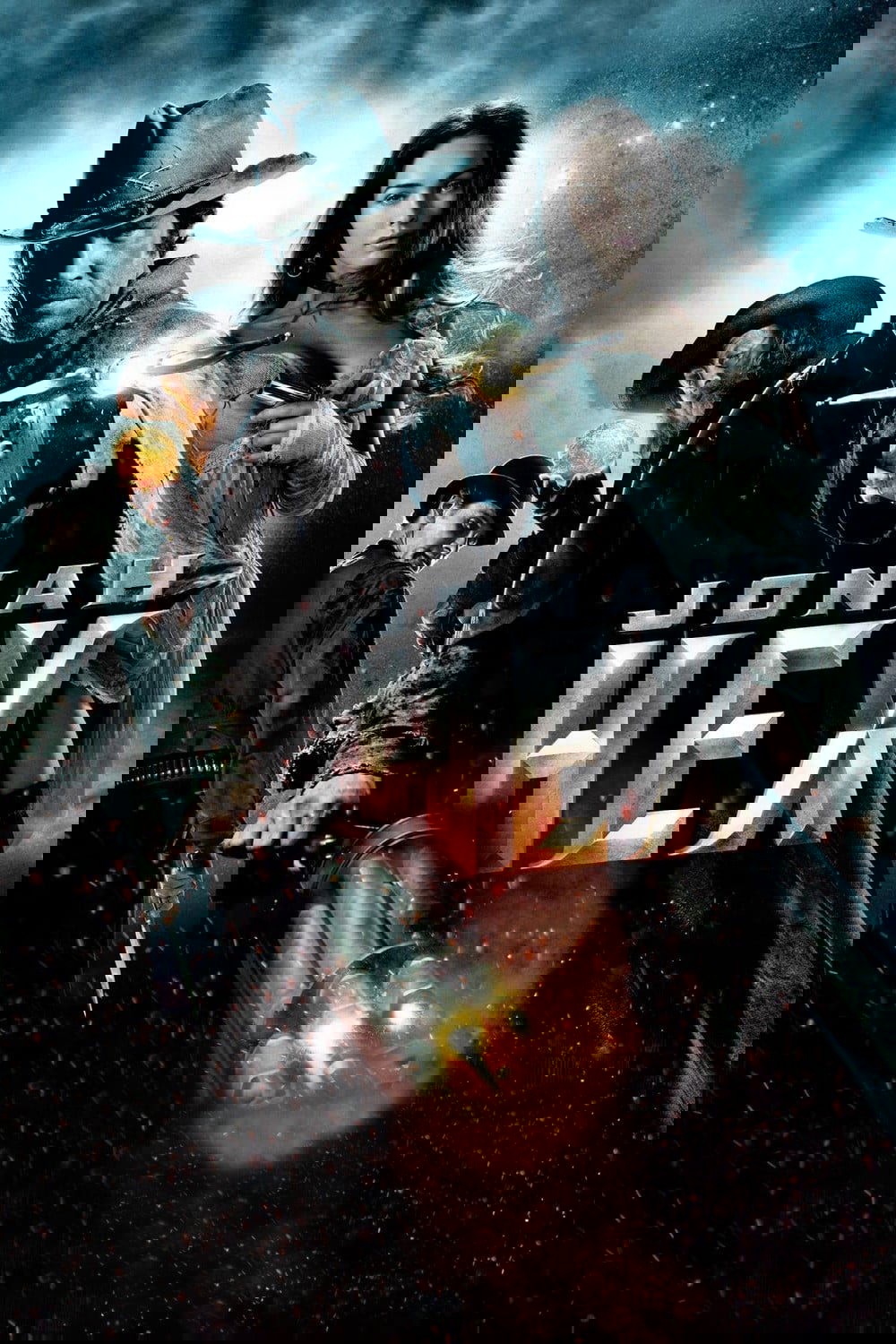
Josh Brolin starred as the scarred bounty hunter in a film that ran a scant 81 minutes due to heavy reshoots. The production was troubled and the resulting movie felt chopped up and incoherent. It attempted to blend supernatural elements with a western setting but failed to satisfy fans of either genre. The movie was a massive financial bomb that discouraged further DC Vertigo adaptations.
‘The Green Hornet’ (2011)
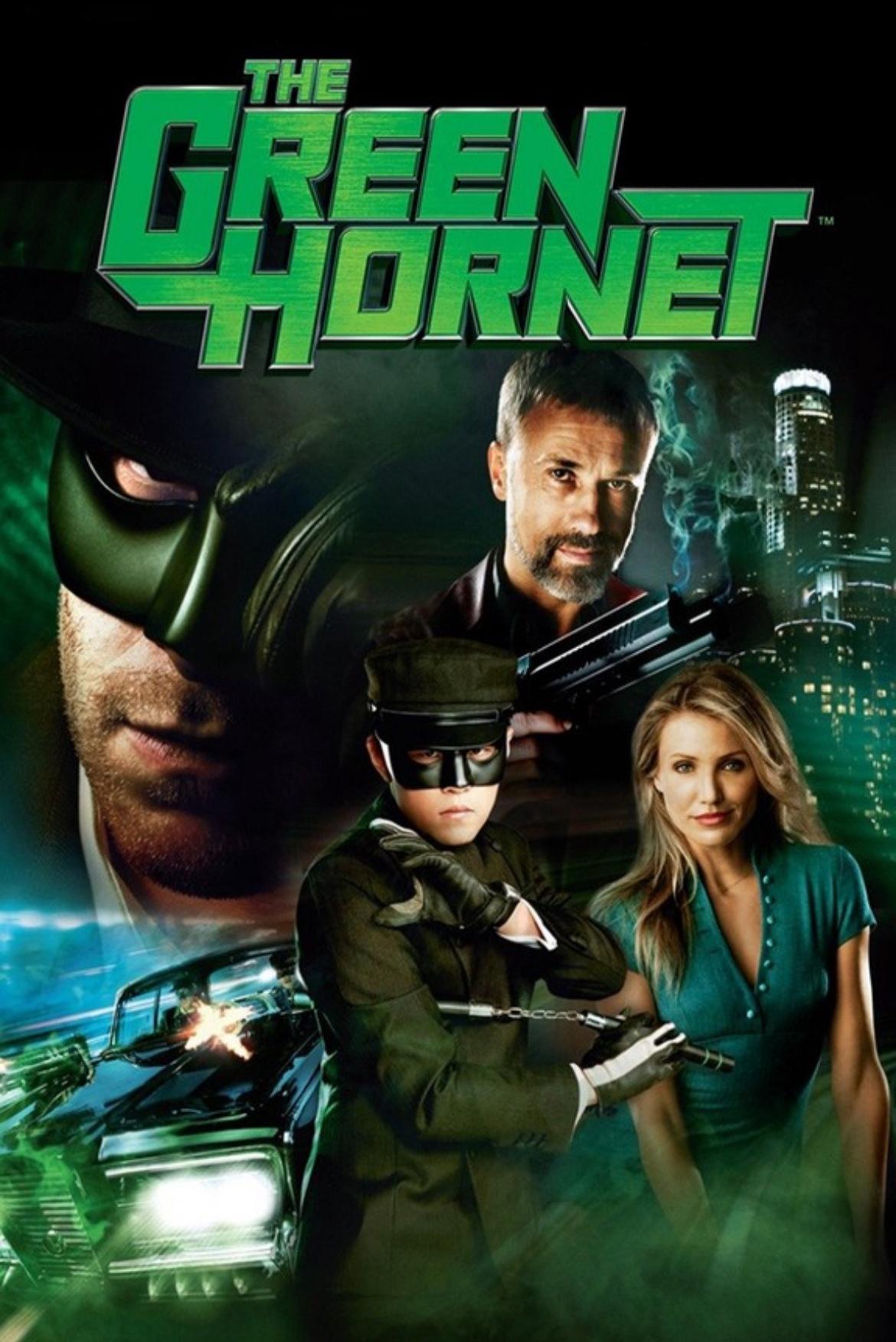
Seth Rogen co-wrote and starred in this action-comedy that struggled to find the right balance between humor and heroism. Fans of the classic radio and TV series felt the film disrespected the legacy of the character. The chemistry between Rogen and Jay Chou was praised, but the plot was forgettable. It performed modestly but not enough to justify a sequel or franchise.
‘Green Lantern’ (2011)
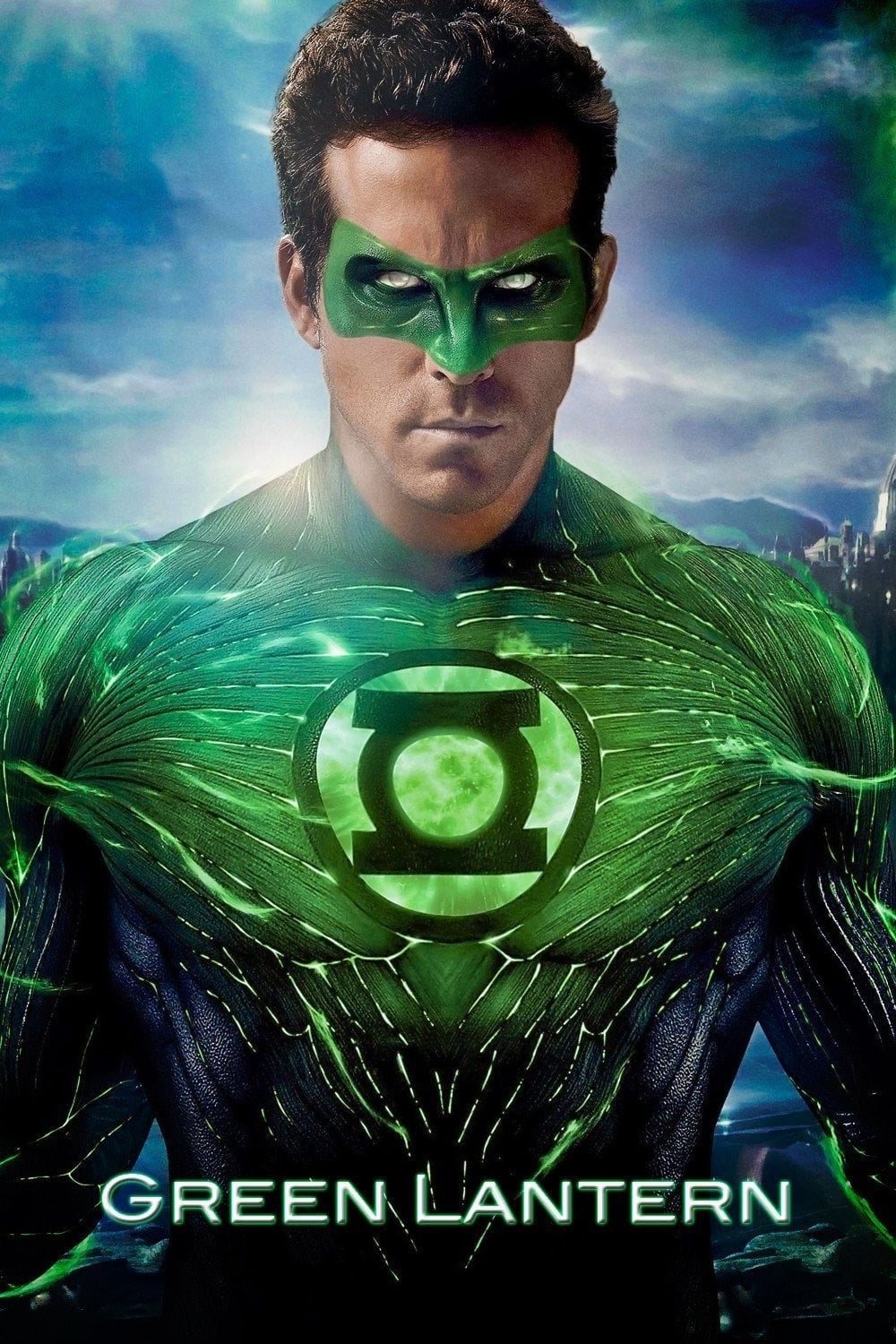
Warner Bros. intended this film to launch a shared cinematic universe similar to the MCU. Ryan Reynolds starred as Hal Jordan in a movie heavily criticized for its overuse of CGI costumes and environments. The script felt formulaic and the villain Parallax was reduced to a space cloud similar to Galactus. The critical and commercial failure caused DC to scrap their plans and restart with a Superman movie two years later.
‘Ghost Rider: Spirit of Vengeance’ (2011)
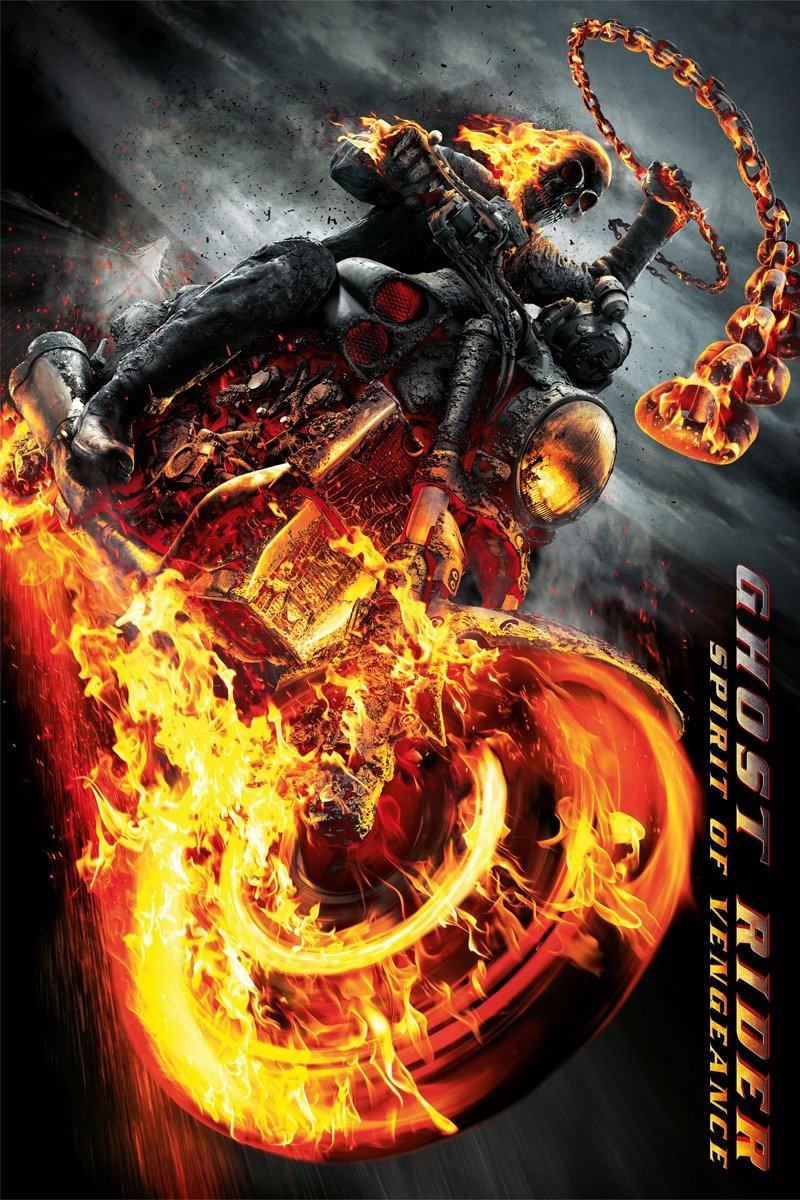
This sequel arrived years after the original and attempted a grittier aesthetic with handheld camera work. The narrative was chaotic and the darker tone did not mask the thin plot. Nicolas Cage delivered a typically unhinged performance, but the budget cuts were evident on screen. The film’s poor reception ended Nicolas Cage’s tenure as the character and the rights eventually reverted to Marvel.
‘R.I.P.D.’ (2013)
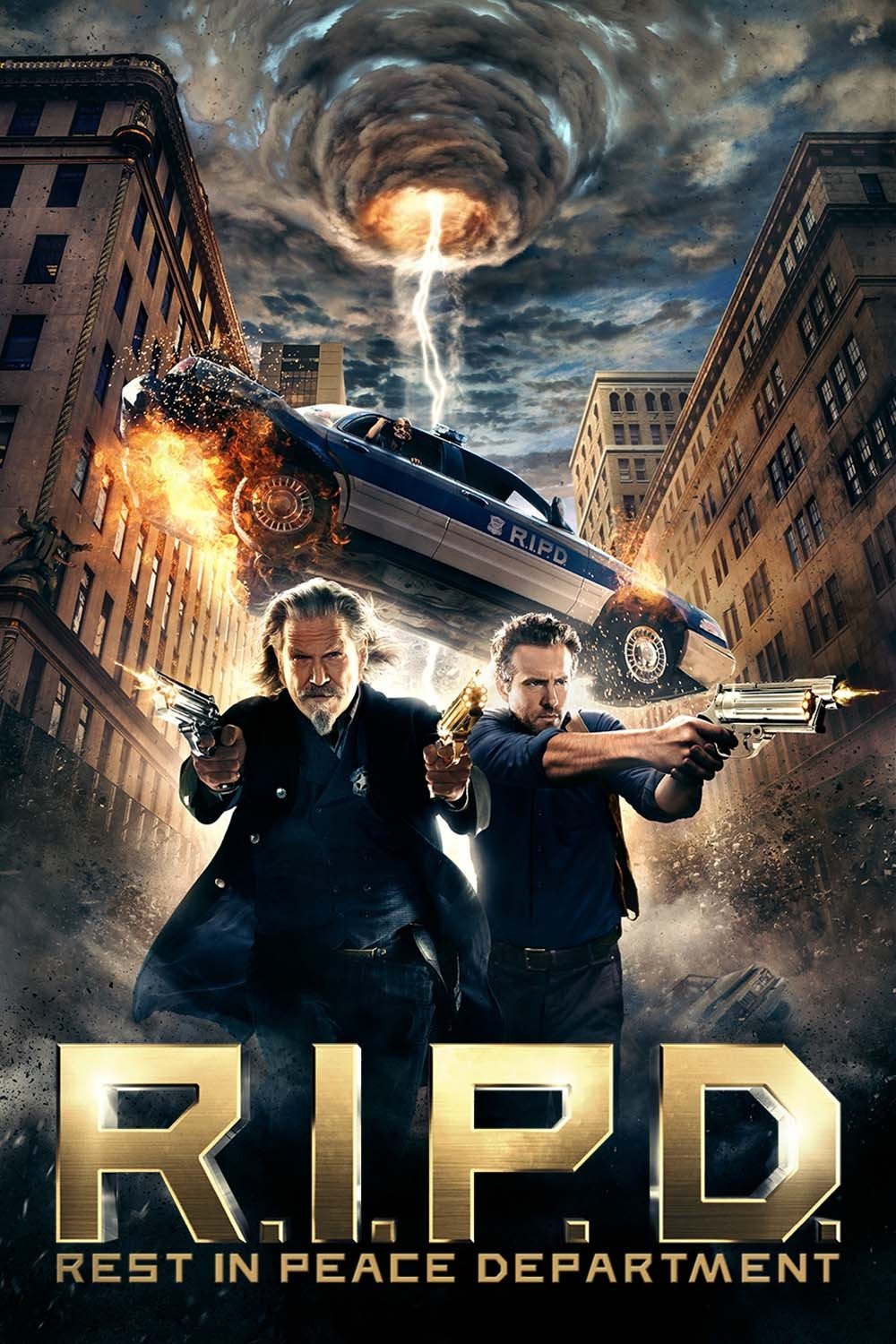
Ryan Reynolds and Jeff Bridges starred in this supernatural action movie adapted from a Dark Horse comic. The film was widely criticized for being a derivative clone of ‘Men in Black’ with ghosts instead of aliens. The humor fell flat and the visual effects did little to enhance the generic story. It was a massive box office bomb that lost the studio millions of dollars.
‘The Amazing Spider-Man 2’ (2014)

Sony attempted to build an entire cinematic universe within one film by introducing multiple villains and setting up the Sinister Six. The plot became convoluted as it tried to balance Peter Parker’s relationship with Gwen Stacy and the mystery of his parents. The tone shifted jarringly between romantic comedy and dark tragedy. The critical disappointment led to a deal with Marvel Studios to integrate Spider-Man into the MCU.
‘Fantastic Four’ (2015)
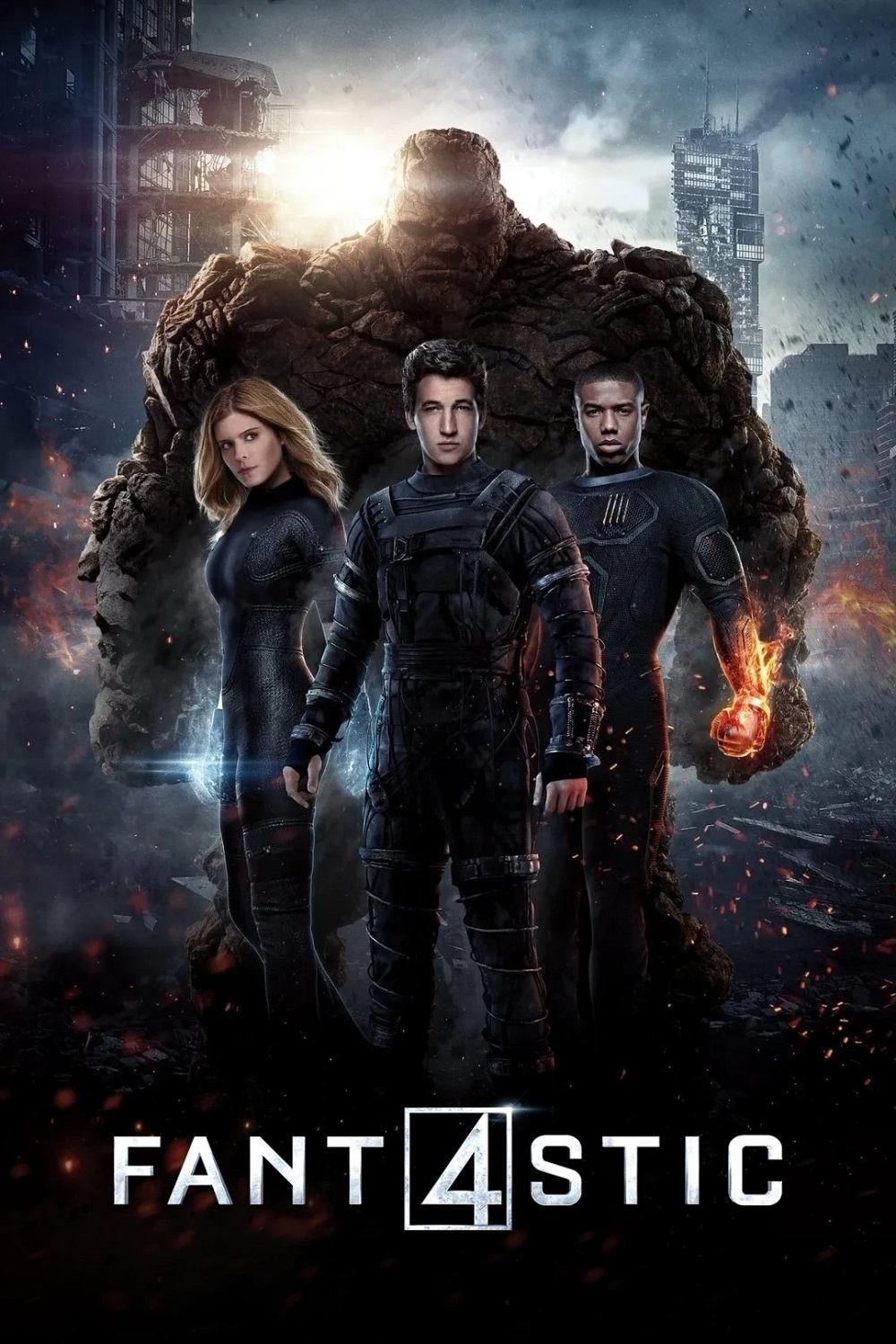
Director Josh Trank sought to create a body-horror interpretation of the classic team, but studio interference led to a disjointed final product. The film suffered from obvious reshoots where the actors wore different wigs and the tone shifted dramatically in the third act. It was critically savaged for being dull, dark, and lacking the family dynamic central to the team. This disaster solidified the end of Fox’s attempts to make the franchise work.
‘Batman v Superman: Dawn of Justice’ (2016)
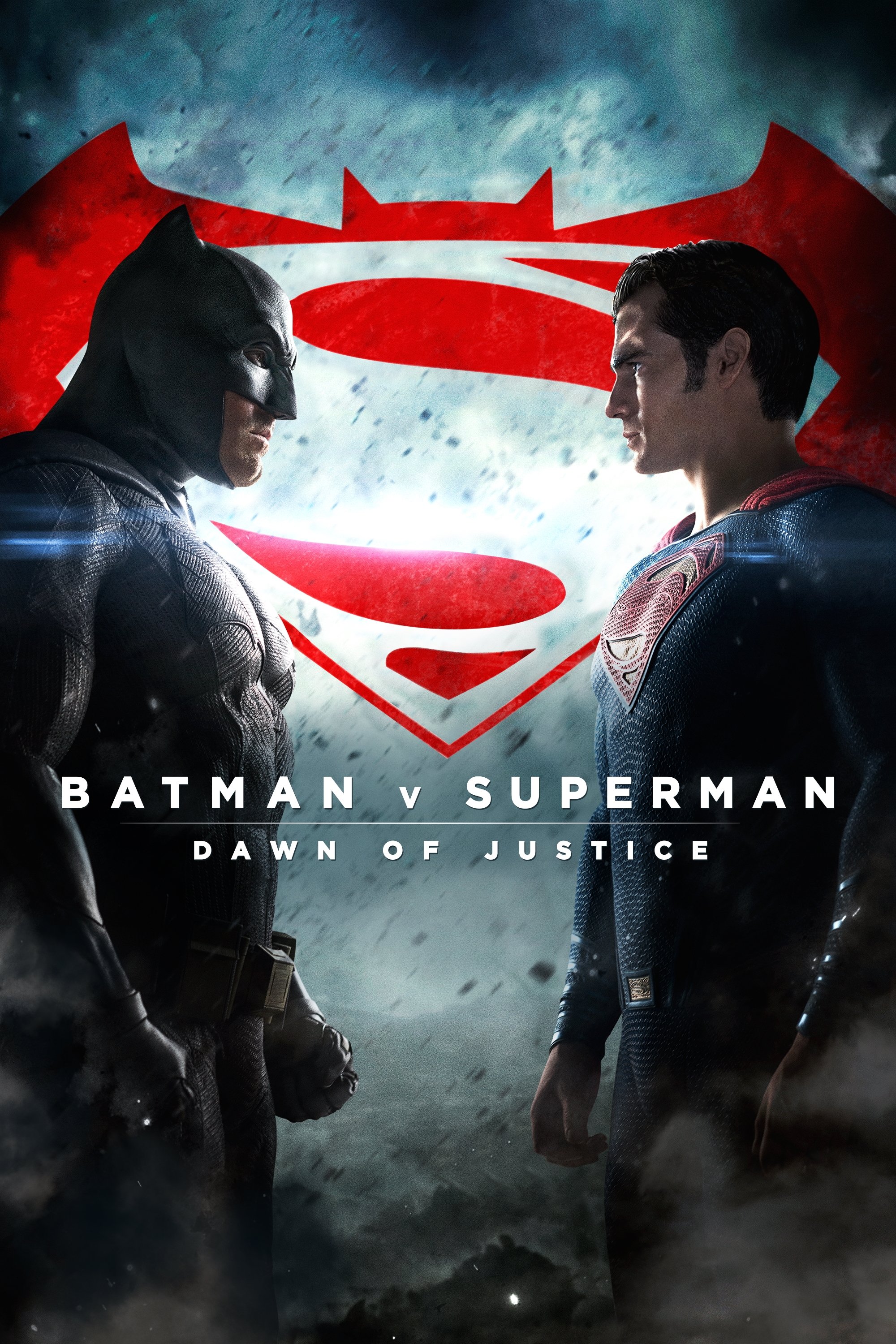
Zack Snyder’s deconstruction of the two icons was highly anticipated but polarized audiences with its grim tone. The complex plot involving Lex Luthor and political maneuvering left many viewers confused or bored. The infamous “Martha” moment became a subject of ridicule and debate regarding the film’s writing. While it made money, the steep second-week drop indicated poor word of mouth and damaged the brand’s long-term stability.
‘Suicide Squad’ (2016)
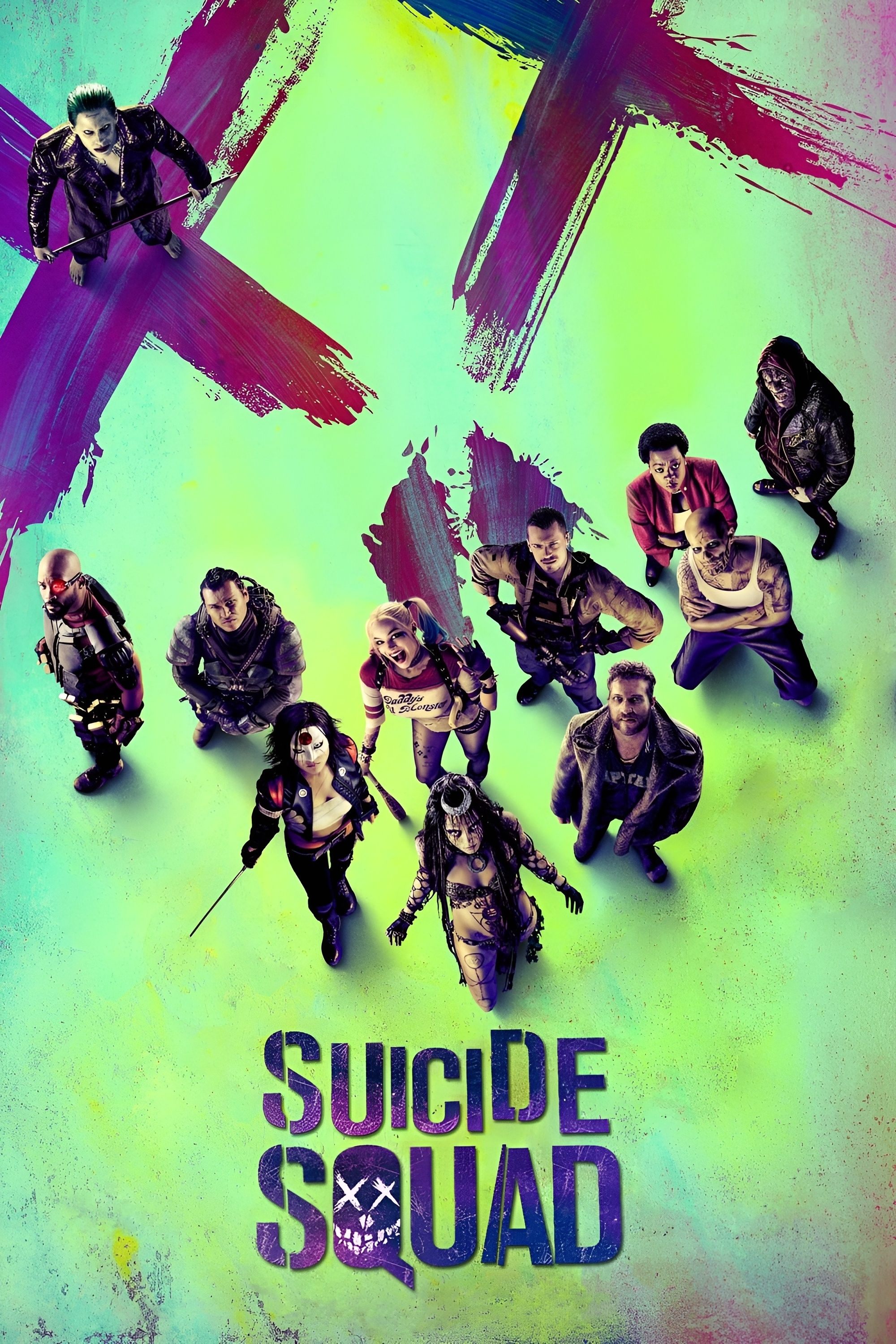
Trailer editing companies were brought in to recut the film to match the energetic tone of its marketing campaign. The result was a movie with pacing issues, intrusive licensed music, and a muddled villain plot. Jared Leto’s interpretation of the Joker proved controversial and his screen time was significantly reduced. The film was a financial success but a critical failure that led to a soft reboot years later.
‘Justice League’ (2017)
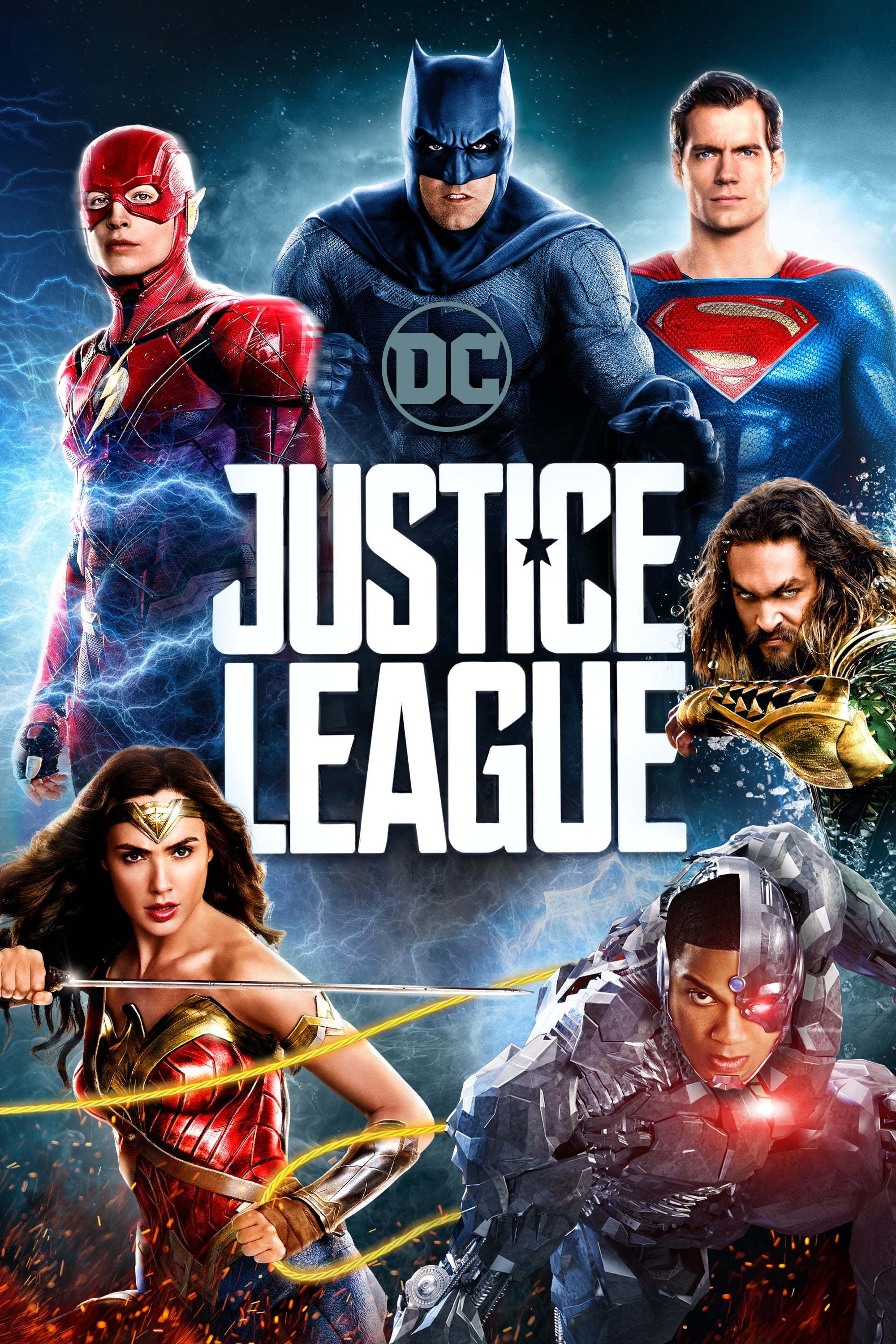
Tragedy forced Zack Snyder to leave the production, leading Joss Whedon to step in for extensive reshoots. The final theatrical release was a tonal mess that clashed Snyder’s visual style with Whedon’s quippy humor. Henry Cavill’s digitally removed mustache became a distracting symbol of the troubled production. The film underperformed at the box office and forced a complete restructuring of the DC film division.
‘Hellboy’ (2019)
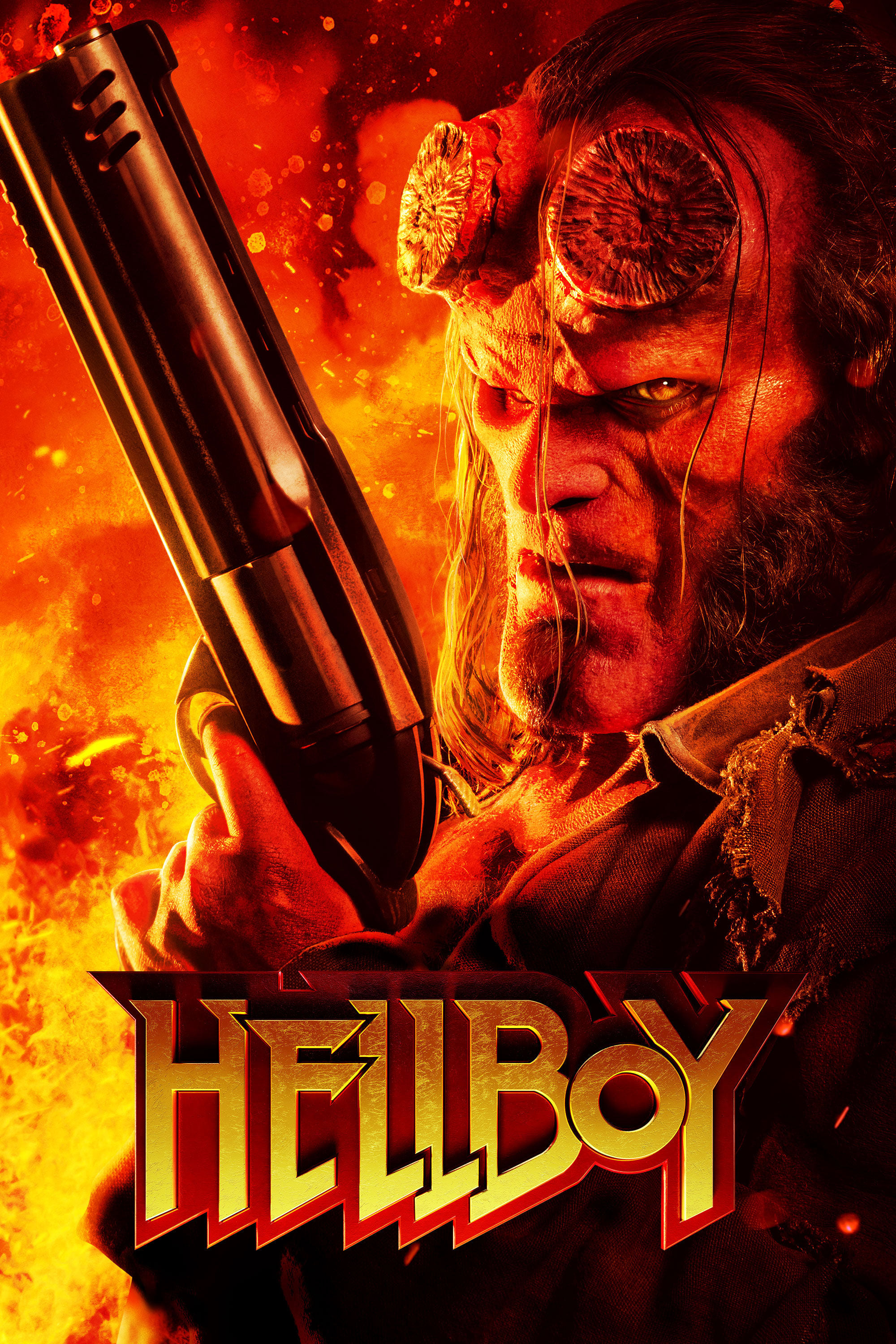
This reboot attempted to restart the franchise with an R-rating and a darker horror focus closer to the comics. David Harbour replaced Ron Perlman, but the makeup and prosthetics drew mixed reactions. The story was criticized for being disjointed and overstuffed with lore that alienated general audiences. It failed to capture the charm of the Guillermo del Toro films and bombed spectacularly.
‘Dark Phoenix’ (2019)
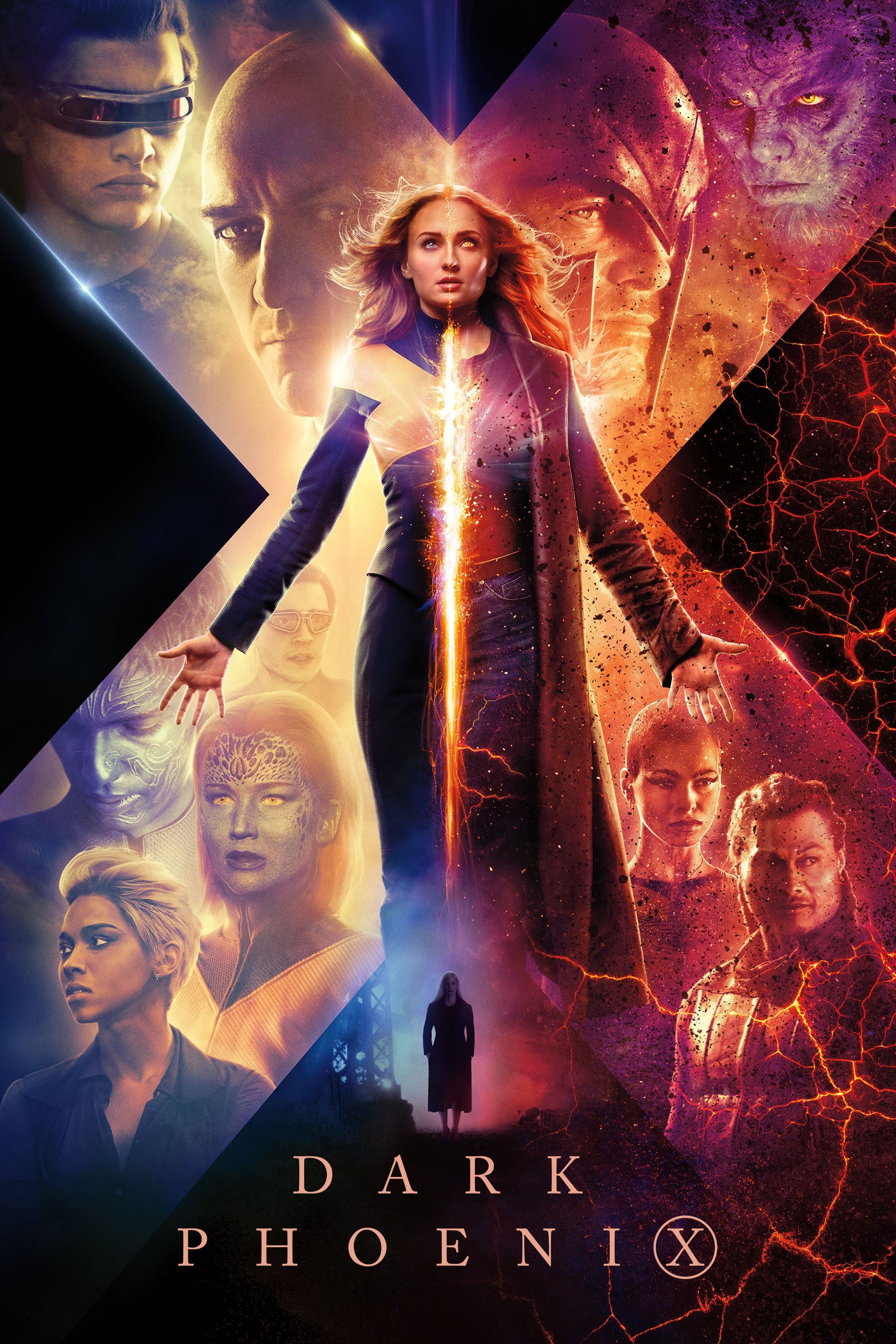
The X-Men franchise under Fox ended with a whimper in this second failed attempt to adapt the Phoenix Saga. Reshoots changed the third act to avoid similarities with another superhero film released the same year. The cast looked visibly tired of the roles and the drama felt unearned. It became the biggest box office bomb in the X-Men series and marked a low point before the Disney acquisition.
‘The New Mutants’ (2020)
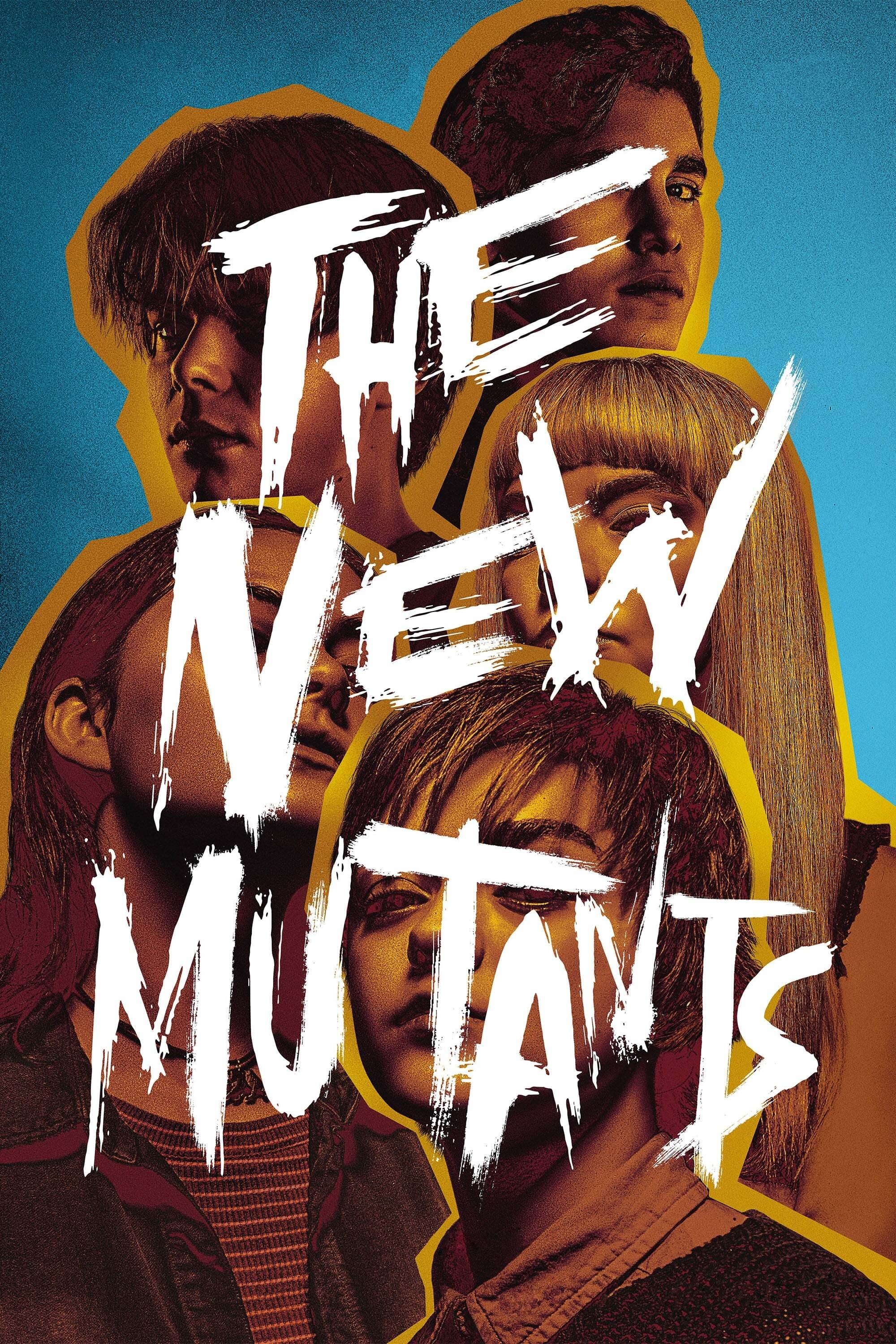
Filmed in 2017 but delayed for years, this movie attempted to blend superhero elements with the horror genre. The endless delays killed any hype, and the final release felt small and inconsequential. The characters spent most of the runtime in a single location engaging in teen drama rather than using their powers. It was released during the pandemic and quickly forgotten, serving as a final footnote to the Fox era.
‘Wonder Woman 1984’ (2020)
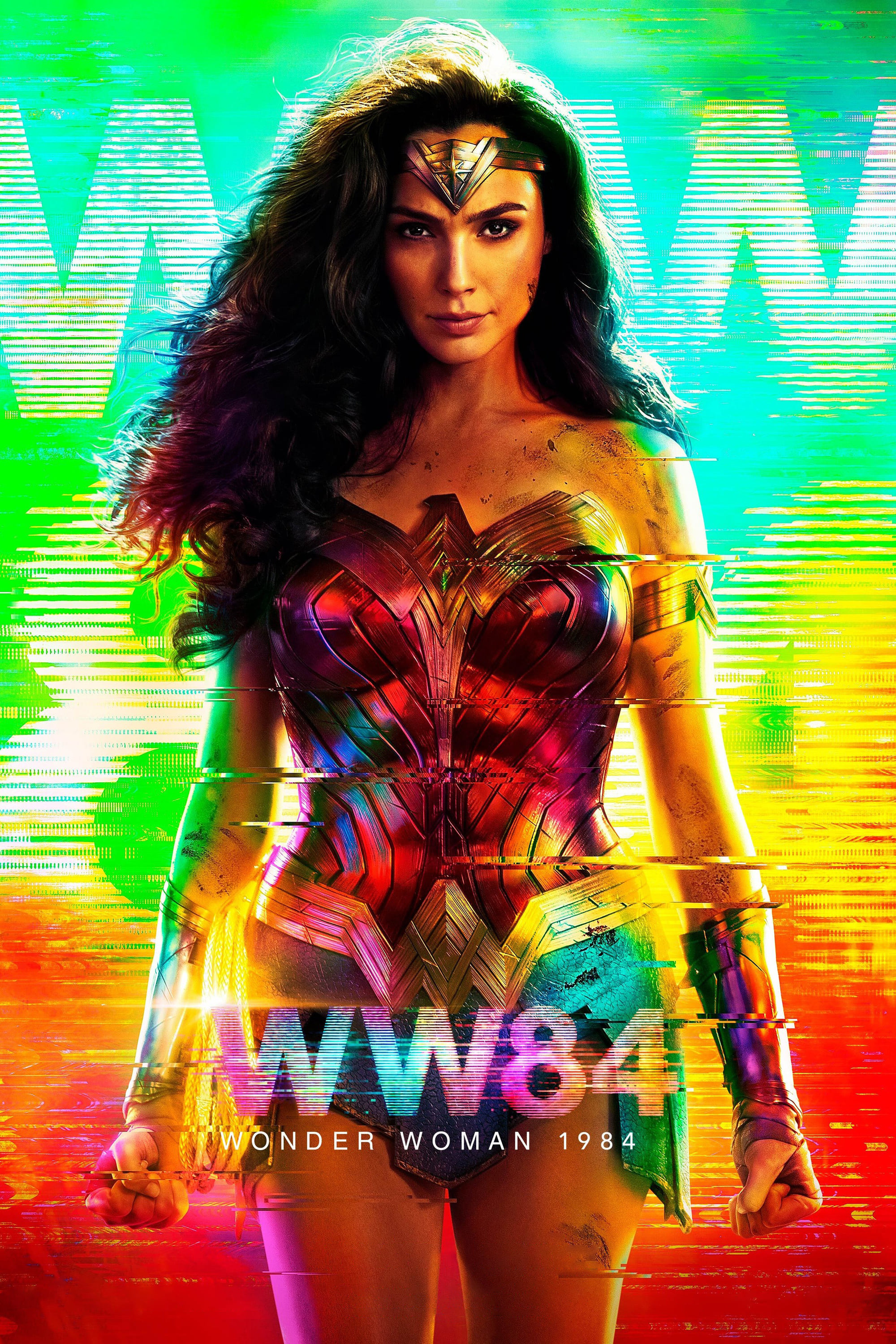
Patty Jenkins returned to direct a sequel that embraced the campiness of the 1980s but lost the narrative focus of the first film. The method used to bring Steve Trevor back from the dead raised uncomfortable moral questions that the script ignored. The visual effects were criticized for looking unfinished and the runtime felt excessive. The mixed reception halted the momentum the character had built in her previous appearance.
‘Eternals’ (2021)
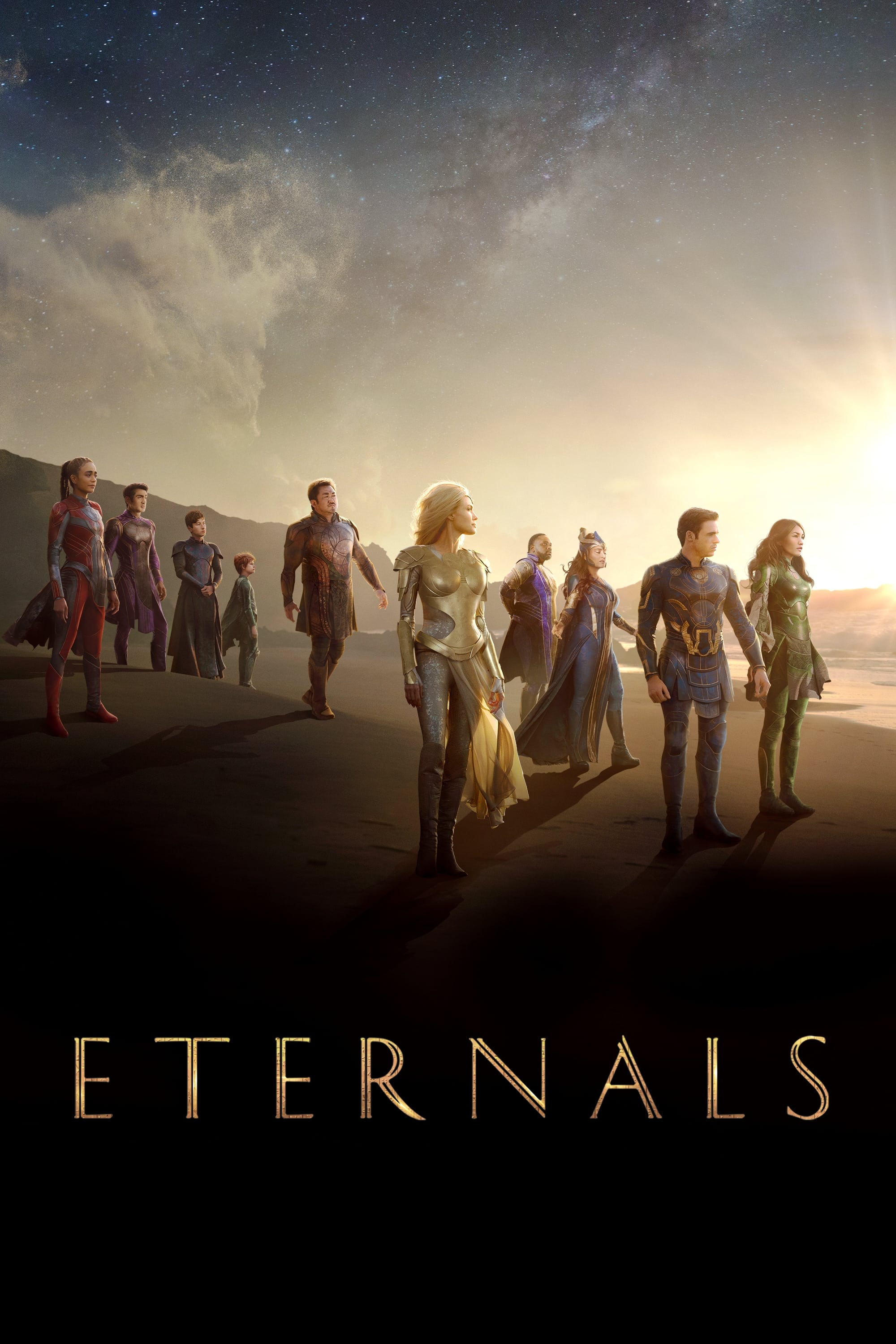
Marvel Studios took a risk with this sprawling epic directed by Chloé Zhao that spanned thousands of years. Audiences found the large ensemble cast difficult to connect with and the pacing sluggish. The visual style was beautiful but the Deviant villains were generic CGI monsters. It became the first MCU movie to receive a “rotten” score on review aggregator sites.
‘Morbius’ (2022)
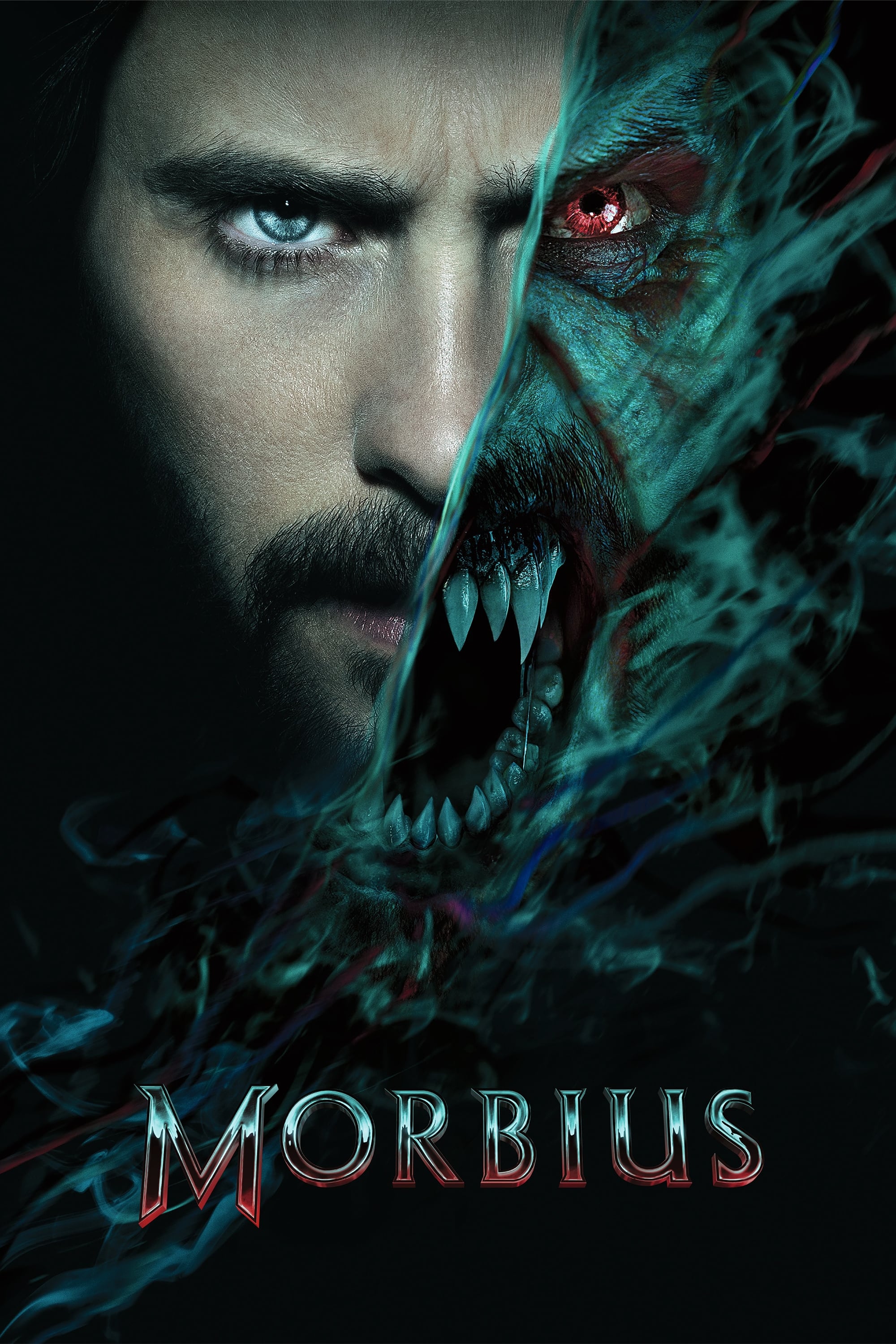
Jared Leto starred as the living vampire in a Sony film that became famous for internet memes rather than its quality. The plot was formulaic and the post-credits scene attempting to link to Spider-Man made little narrative sense. The visual effects for the vampire powers were often confusing and the action was hard to follow. It flopped twice at the box office after a misguided re-release based on ironic social media engagement.
‘Thor: Love and Thunder’ (2022)
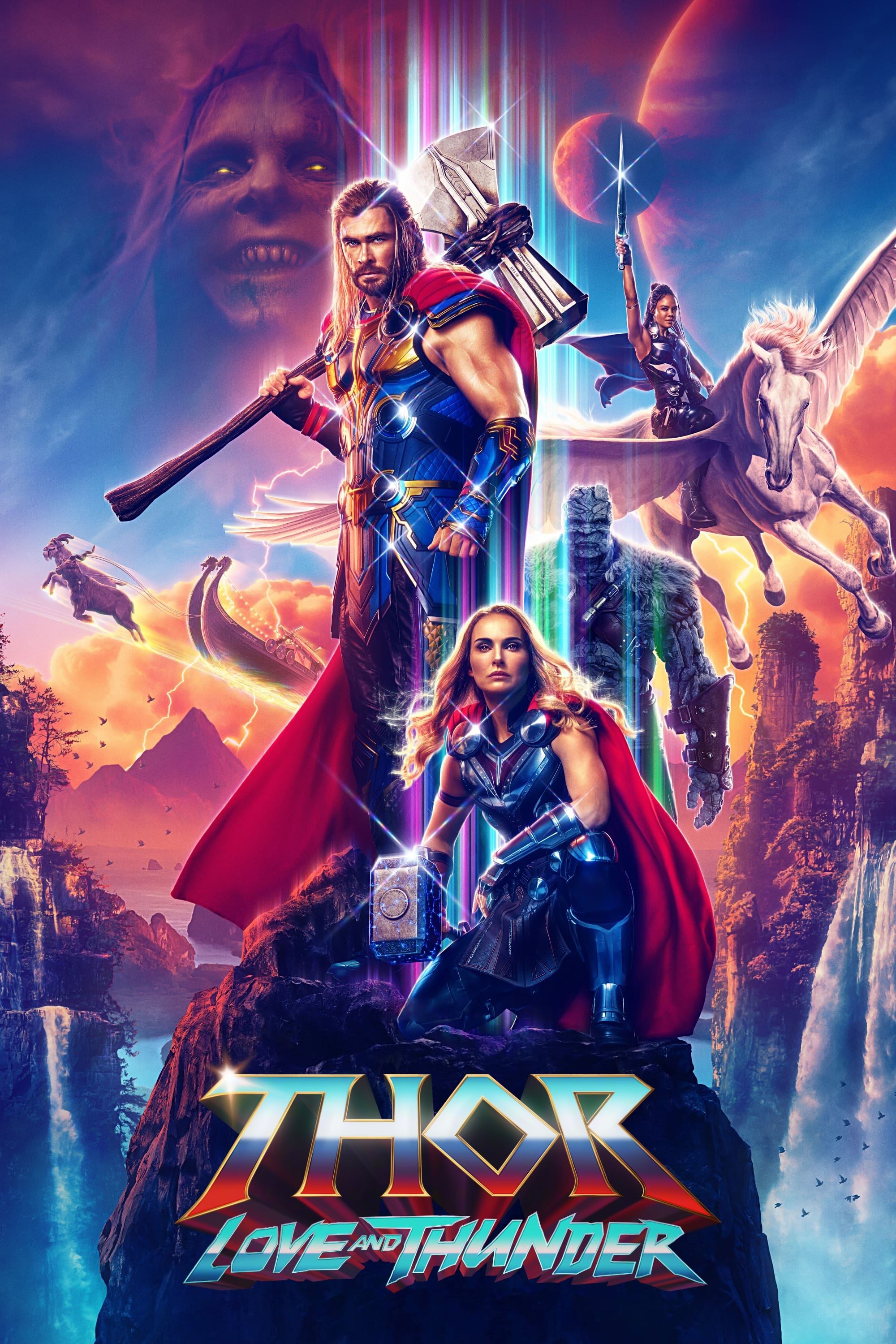
Taika Waititi returned to the franchise but pushed the comedy to levels that many fans found exhausting. The tonal clash between Gorr the God Butcher’s tragic story and the screaming goats created a disjointed experience. The visual effects notably suffered, with some scenes looking like they were filmed on a flat soundstage. The mixed reception signaled that the MCU’s Phase 4 was struggling with quality control.
‘Black Adam’ (2022)
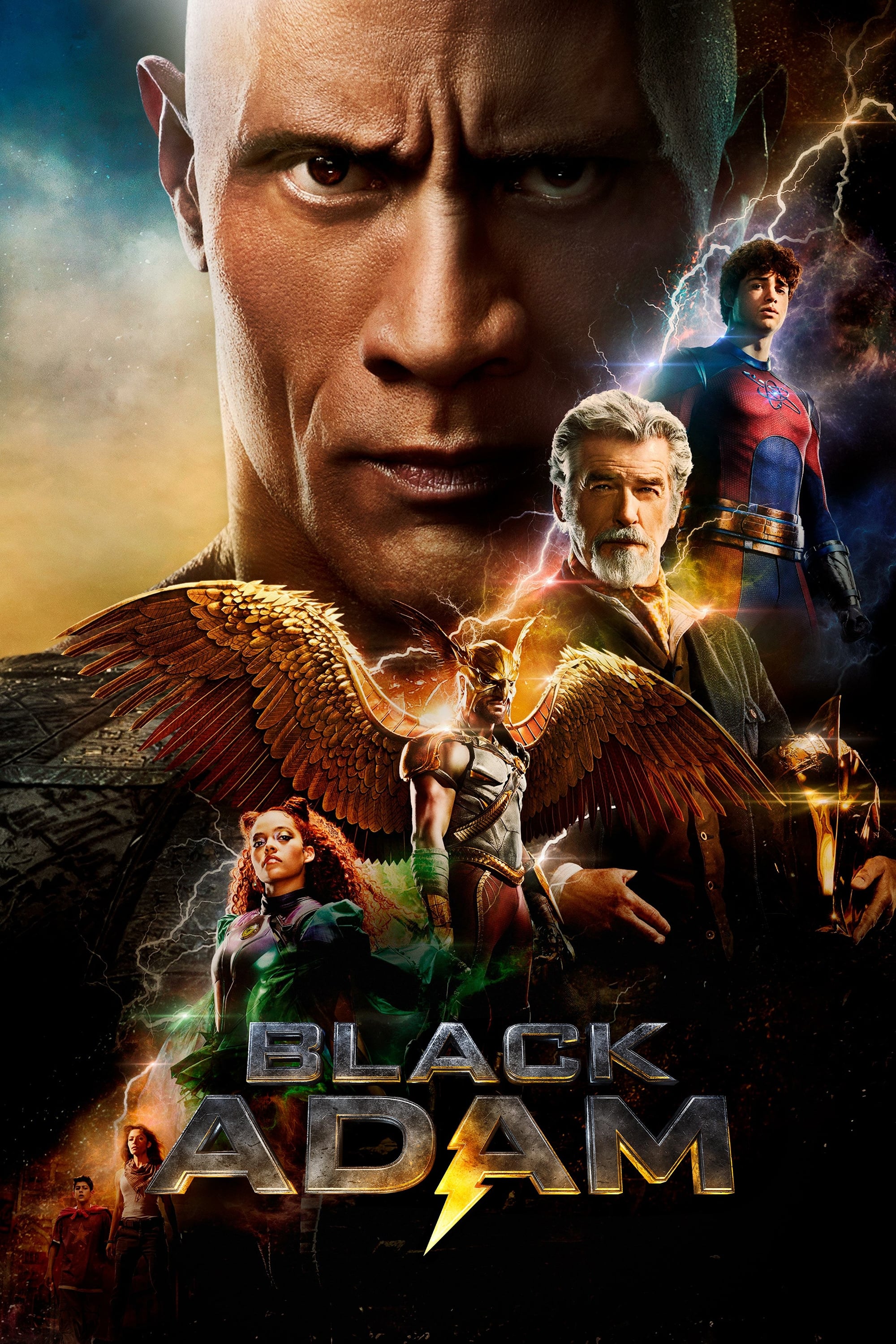
Dwayne Johnson promised that the hierarchy of power in the DC universe would change with this film. Instead, audiences received a generic action movie with a protagonist who refused to lose a fight or show vulnerability. The return of Henry Cavill in the post-credits scene proved fruitless as the universe was rebooted weeks later. The film failed to break even theatrically and became a symbol of the old DC regime’s failure.
‘Ant-Man and the Wasp: Quantumania’ (2023)
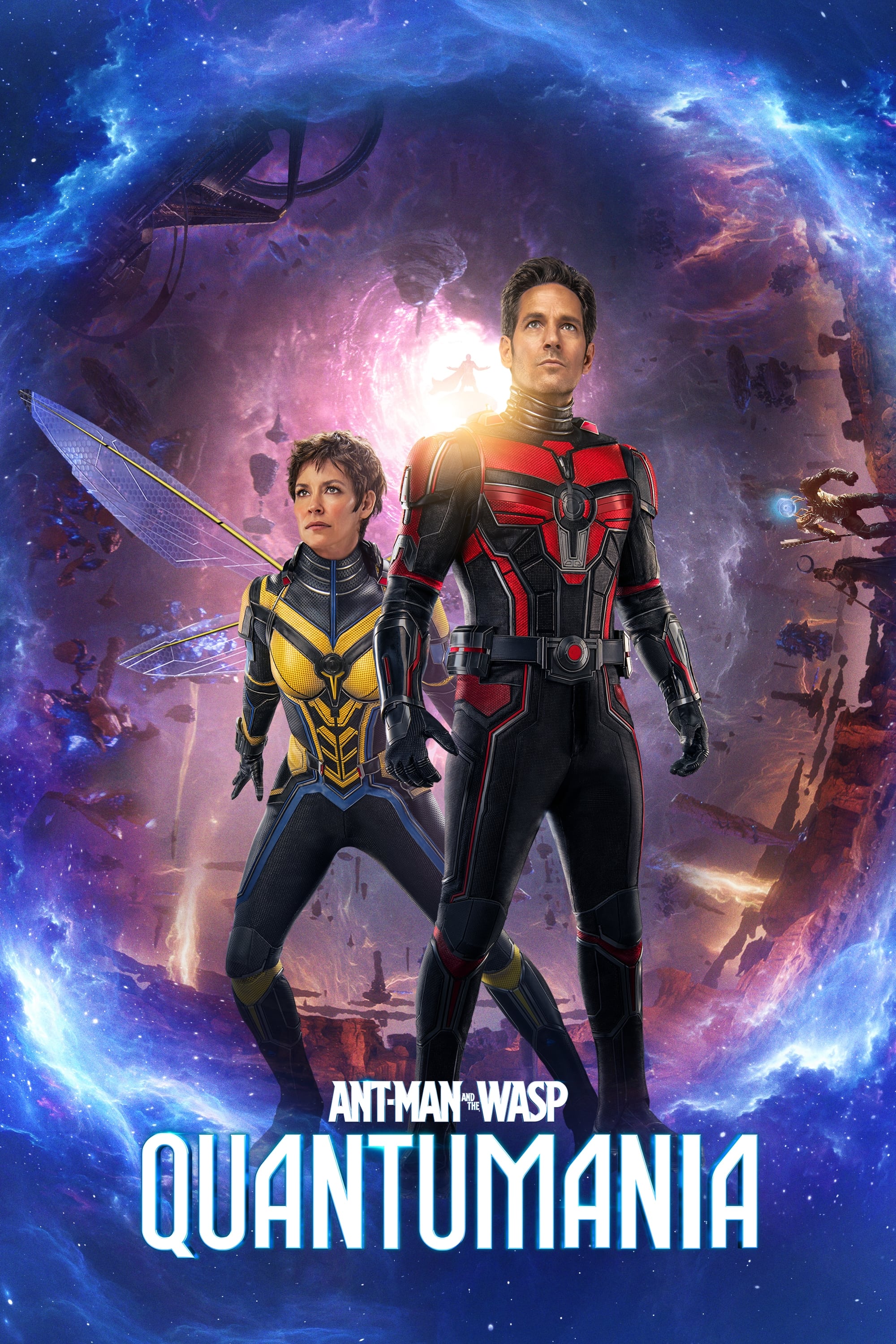
This film was intended to launch the next big villain, Kang the Conqueror, but was bogged down by poor visuals. The entire movie took place in a CGI environment known as the Volume which looked flat and artificial. The script struggled to balance the family comedy with the high stakes of a multiverse threat. Its critical failure and steep box office drop signaled severe audience fatigue with the Marvel formula.
‘Shazam! Fury of the Gods’ (2023)
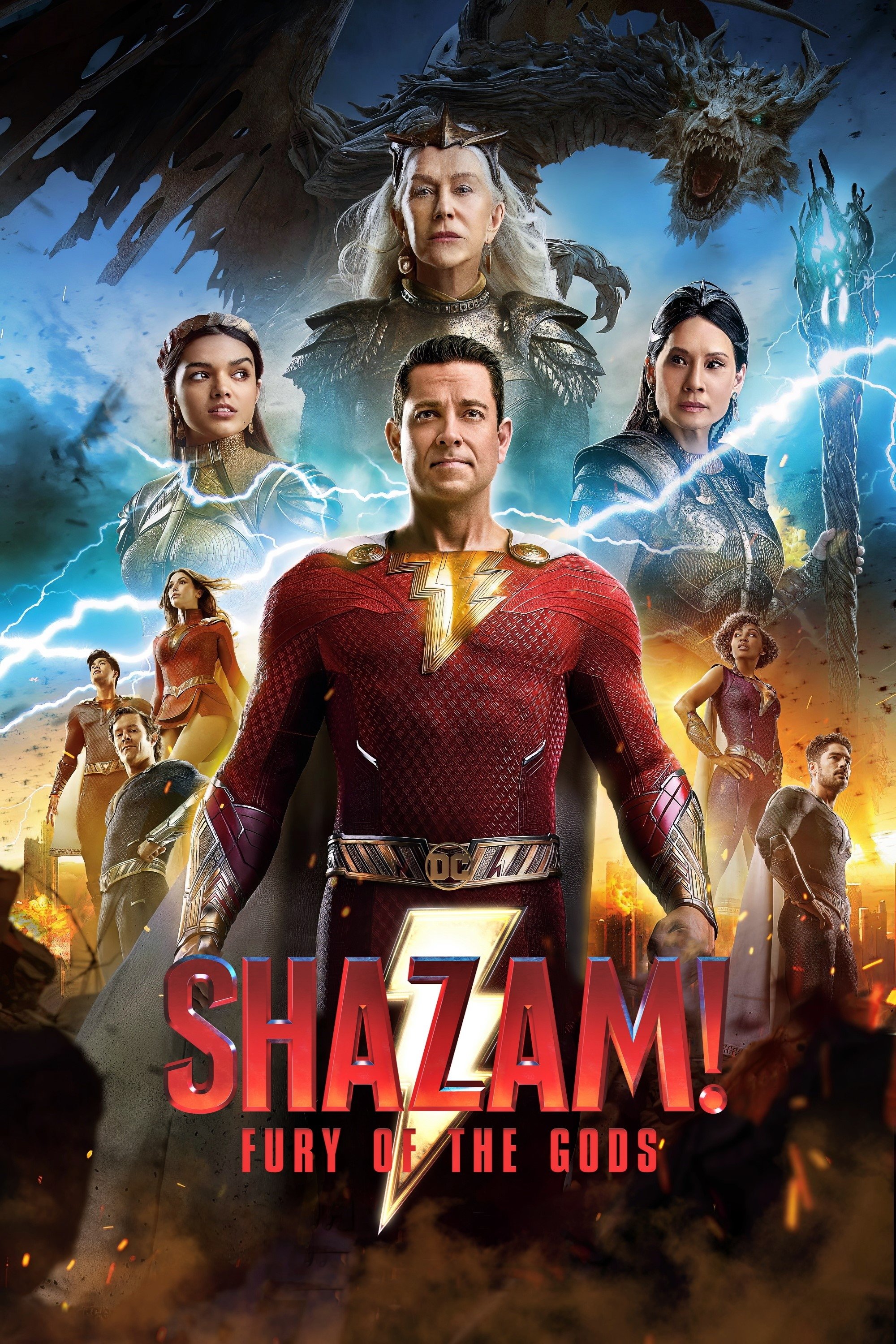
The sequel to the charming original lost the heart of the first film by focusing on generic villains and CGI dragons. Zachary Levi’s performance was criticized for being too childish compared to the character’s teenage alter ego. The film felt irrelevant as it was released just as the DC universe was being publicly dismantled for a reboot. It became one of the biggest box office bombs in the genre’s history.
‘The Flash’ (2023)
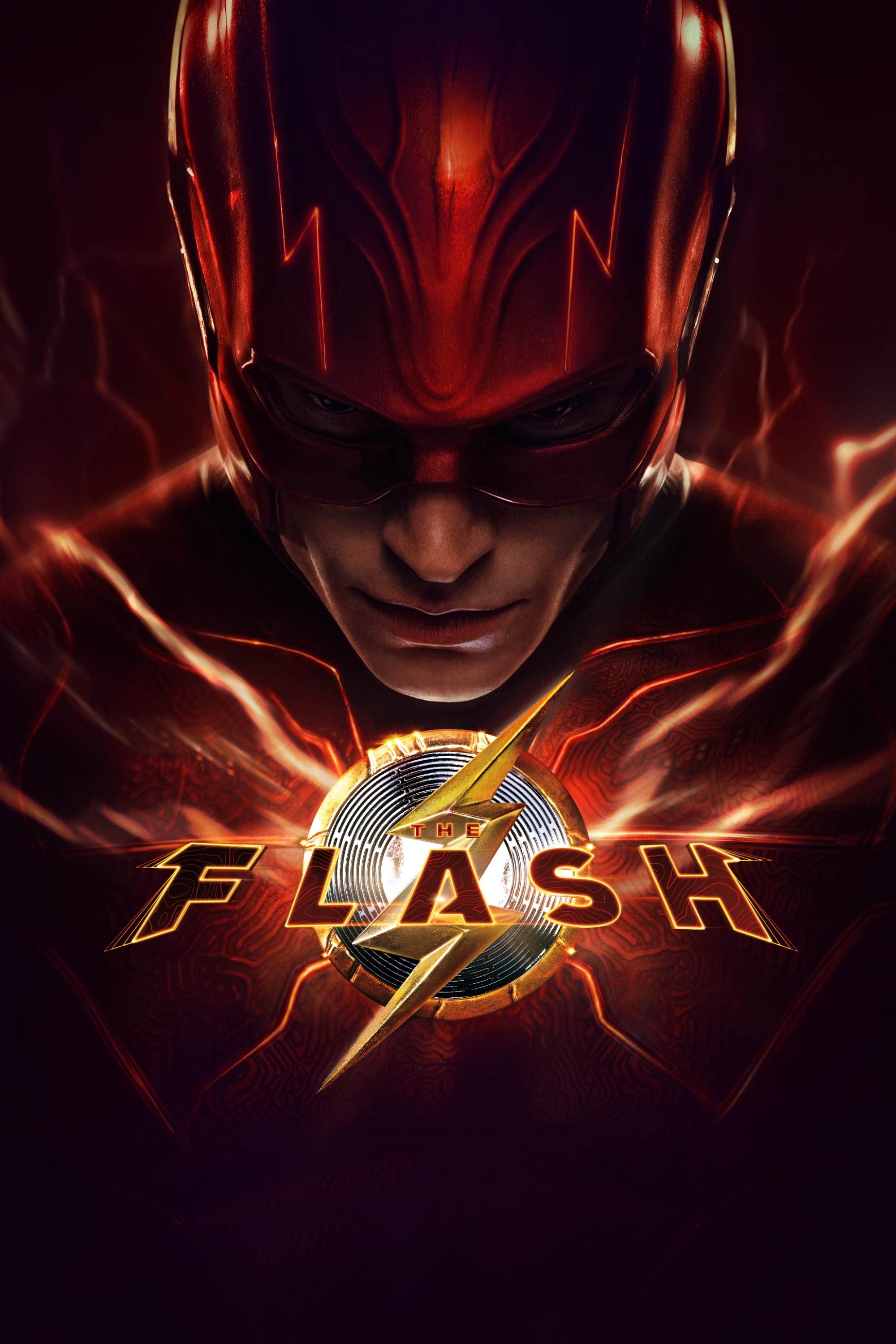
Marketed as one of the greatest superhero movies ever made, this film collapsed under the weight of its own hype and legal controversies. The visual effects were widely mocked for looking like video game graphics, particularly in the multiverse sequence. The story used nostalgia as a crutch by bringing back Michael Keaton but failed to provide a satisfying conclusion to the DCEU. It stands as a massive financial loss for the studio.
‘The Marvels’ (2023)
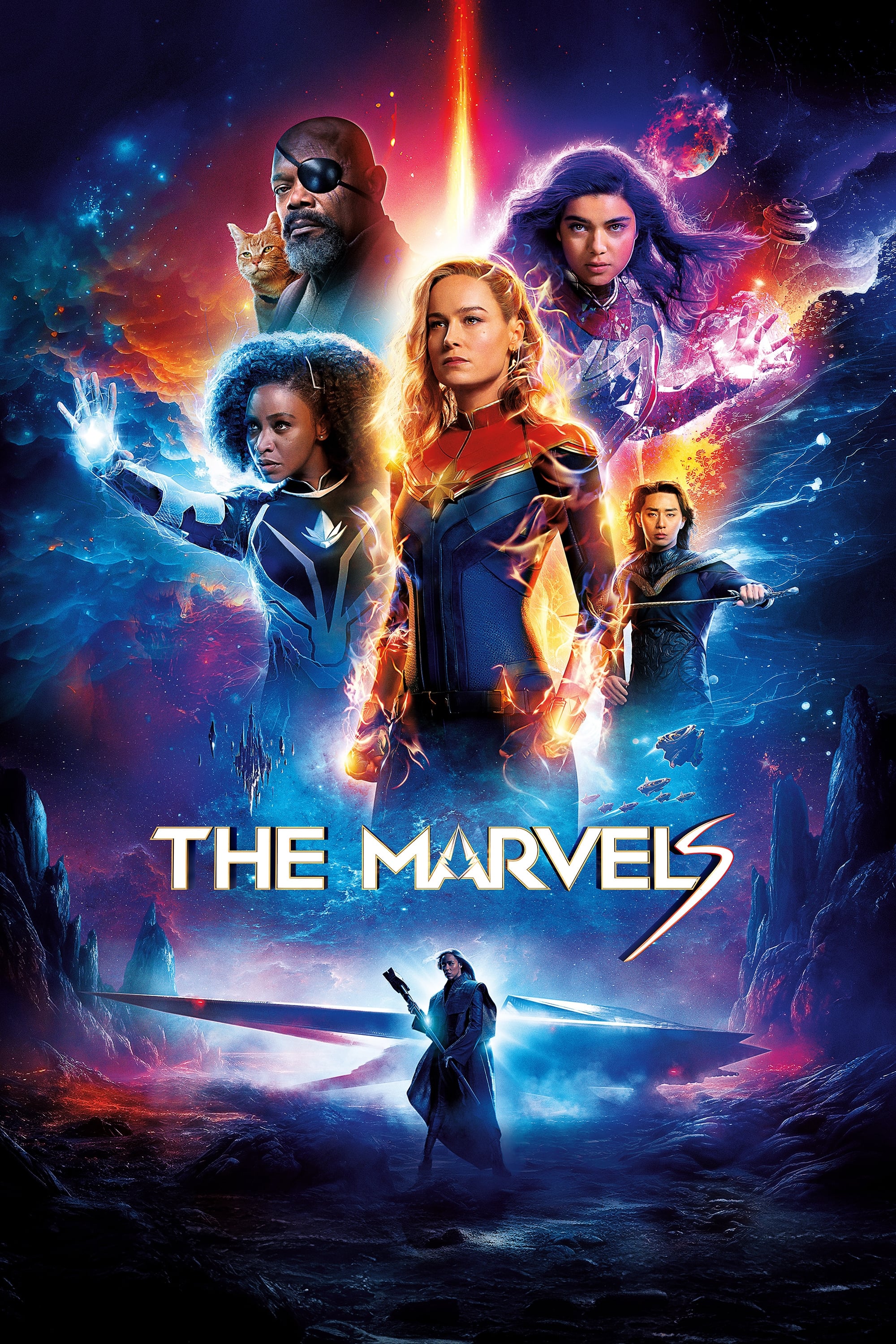
This team-up movie suffered from a requirement that audiences watch two different Disney+ shows to understand the backstory. The chemistry between the leads was praised, but the villain was forgettable and the plot felt rushed. It arrived during the height of the actors’ strike which prevented the cast from promoting the film. The movie set a record for the lowest opening weekend in MCU history.
‘Madame Web’ (2024)
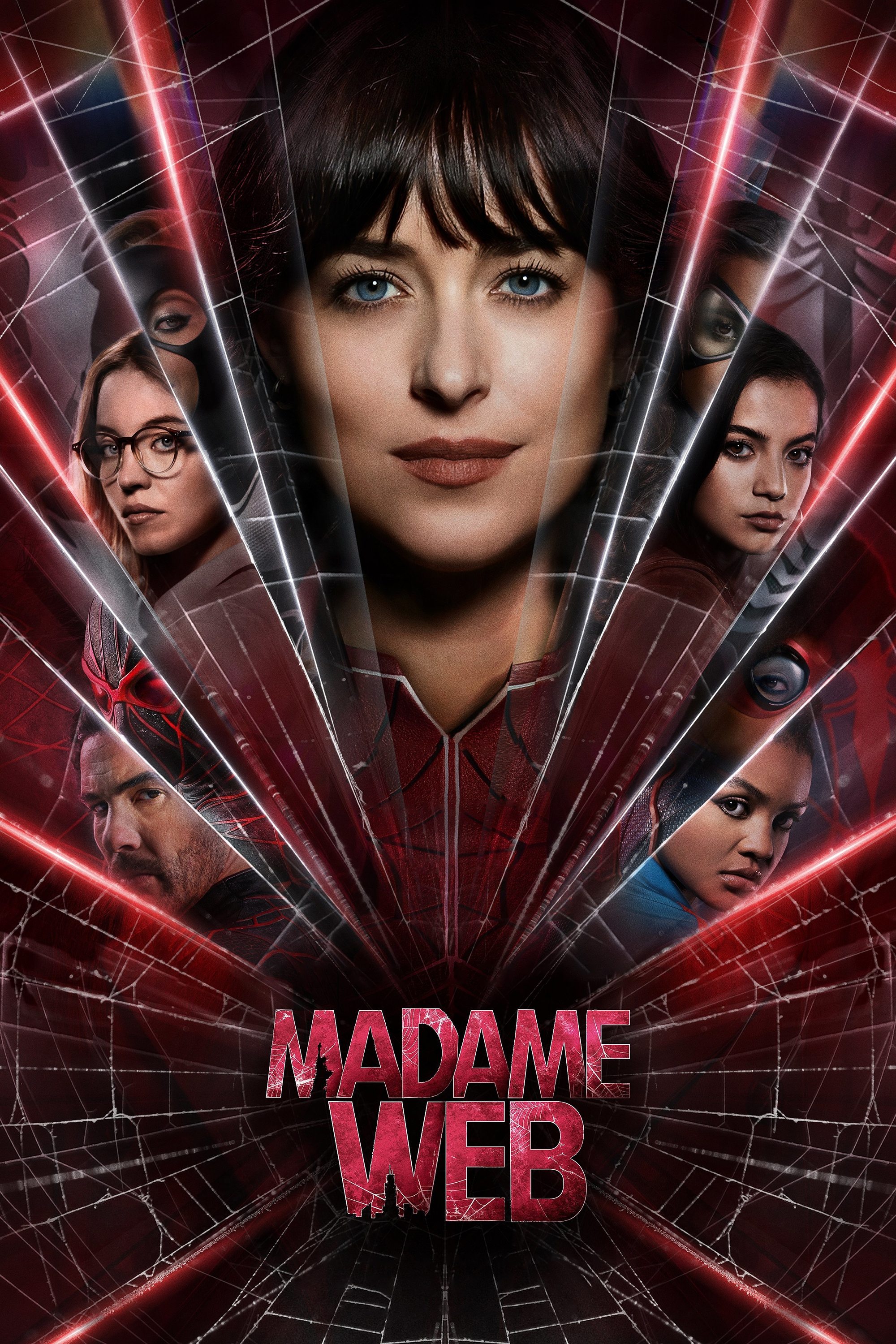
Dakota Johnson starred in this baffling entry in Sony’s Spider-Man Universe that featured almost no superhero costumes. The dialogue was widely mocked for its awkward exposition and the editing felt choppy and unfinished. The villain’s motivations were unclear and the action scenes were brief and underwhelming. It was dead on arrival at the box office and became an instant punchline for the state of modern superhero films.
Tell us which of these movies disappointed you the most in the comments.