


15 Superhero Stories Without A Single Fight Scene



Superhero media is typically defined by explosive action sequences and battles between good and evil. However, some of the most resonant entries in the genre strip away the violence to focus on character drama. These stories utilize the fantastical elements of their worlds to explore grief and human connection rather than physical conflict. Writers of television and film occasionally slow the pace to prove that heroism comes from the heart rather than super strength. The following selections showcase the quiet moments that define these larger-than-life figures.
‘WandaVision’ (2021)
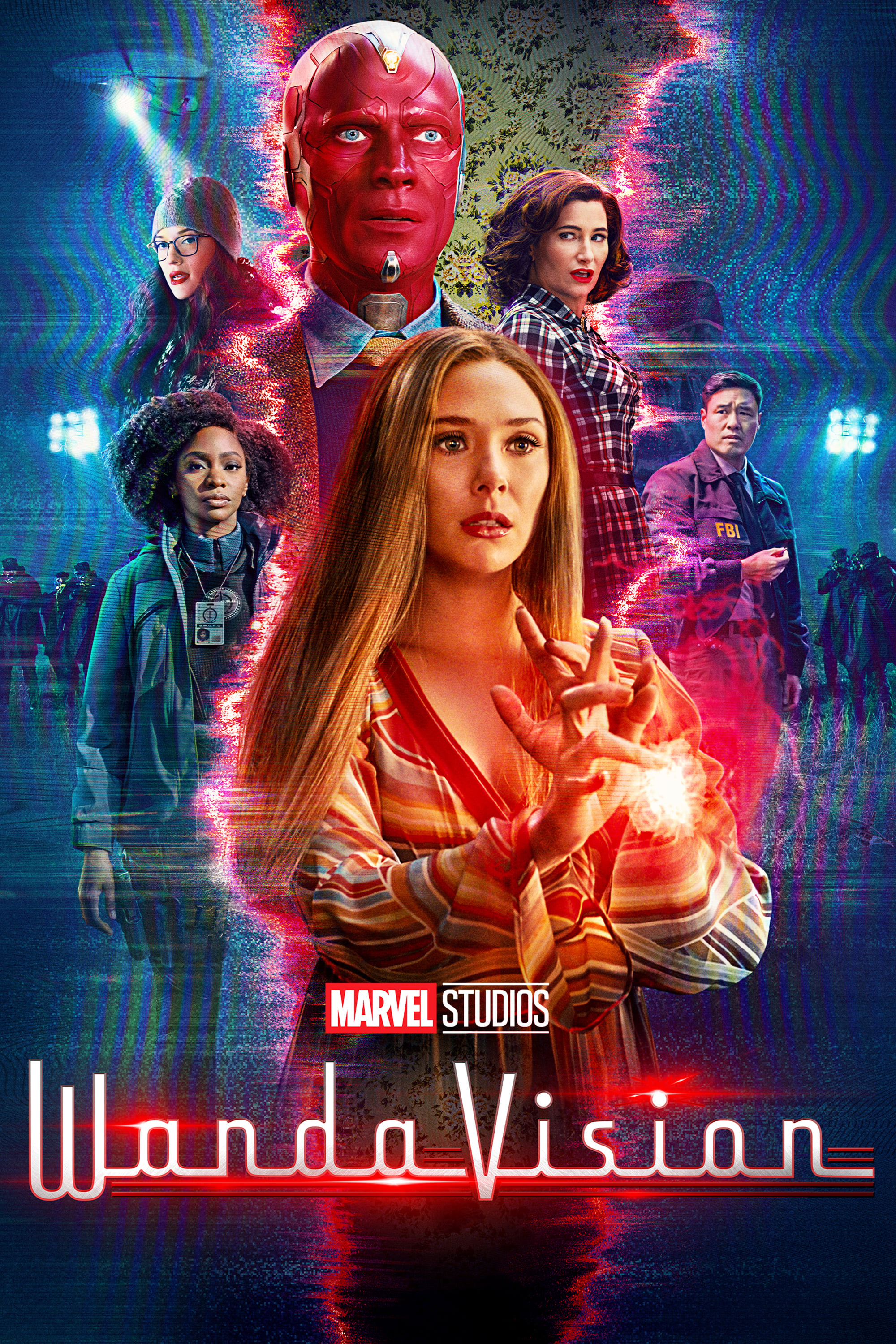
The premiere episode of this Marvel Cinematic Universe series fully commits to the format of a classic 1950s sitcom. Wanda and Vision struggle to hide their abilities while hosting a dinner party for a demanding boss. The conflict arises entirely from kitchen mishaps and the pressure to fit into a suburban norm. Tension builds through awkward social interactions rather than energy blasts or supervillain attacks. The episode relies on charm and mystery to hook the audience before the wider plot unfolds.
‘The Sandman’ (2022)

The episode titled ‘The Sound of Her Wings’ serves as a meditative epilogue to the first major arc of the series. Dream walks through the city with his older sister Death as she claims the lives of various individuals. The story is a philosophical reflection on mortality and purpose rather than a conflict between powerful entities. Viewers follow the siblings as they feed pigeons and discuss the nature of their existence. It establishes the melancholic but hopeful tone that defines the Neil Gaiman adaptation.
‘Buffy the Vampire Slayer’ (1997–2003)

The episode ‘The Body’ is widely cited as one of the most accurate depictions of grief in television history. Buffy Summers returns home to find her mother dead on the couch from natural causes. The show strips away its usual background score and supernatural metaphors to focus on raw human reaction. There are no vampires to slay and no demons to fight during this harrowing hour. It highlights the helplessness even a superhero feels when faced with the absolute finality of death.
‘She-Hulk: Attorney at Law’ (2022)
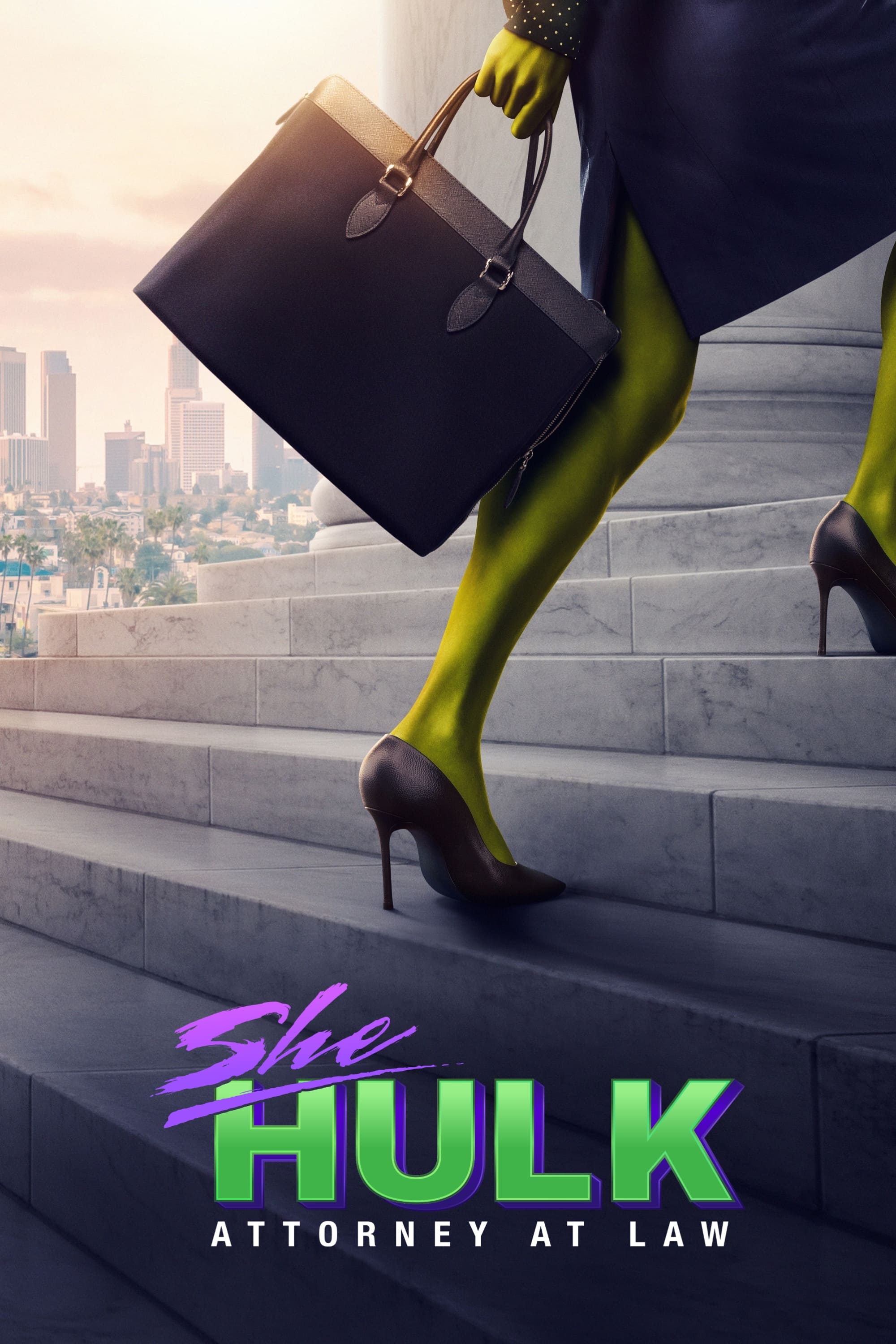
The episode titled ‘The Retreat’ finds Jennifer Walters visiting a wellness center run by the reformed villain Abomination. She ends up participating in a group therapy session with various minor antagonists from the Marvel universe. The narrative focuses on Jen confronting her insecurities about her dual identity and romantic life. Emotional breakthroughs replace physical confrontations as the characters support one another. It deconstructs the concept of a villain by showing them as people seeking self-improvement.
‘Smallville’ (2001–2011)
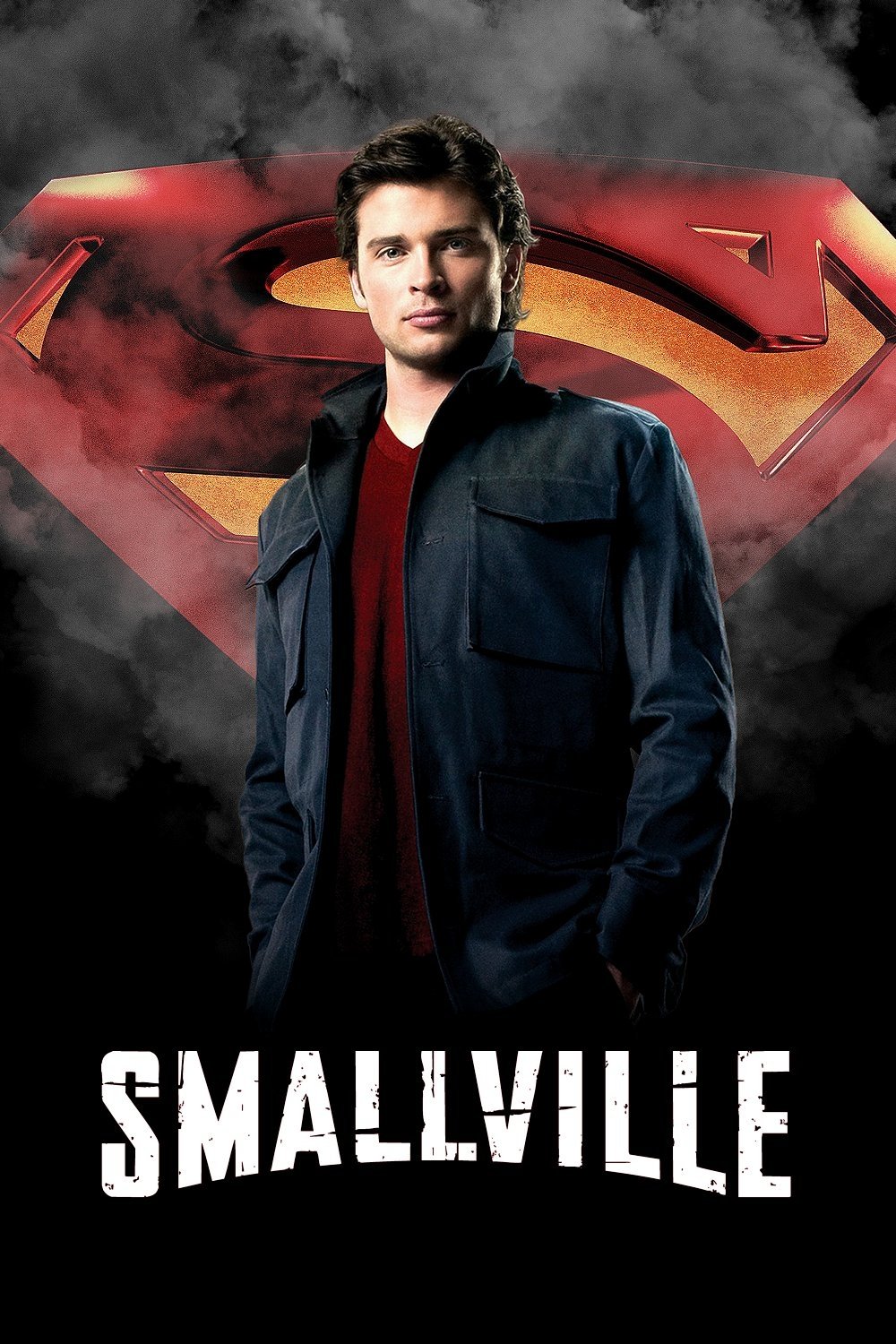
The second season episode ‘Ryan’ features Clark Kent attempting to save a young telepathic boy from a terminal illness. Clark breaks the boy out of a research facility to give him a few days of joy before the inevitable occurs. The story centers on the bond between the future Superman and a child who sees his true self. Despite his alien powers, Clark is forced to accept that he cannot save everyone. The episode is a tearful reminder of the limitations of physical strength.
‘Doom Patrol’ (2019–2023)

The episode ‘Therapy Patrol’ features the main cast gathering for an impromptu group therapy session led by Cliff Steele. Each character airs their grievances and confronts their personal demons in a dilapidated room. The team navigates their complex traumas and dysfunctional relationships through shouting matches and tearful confessions. The narrative drives forward through emotional catharsis rather than external threats. It solidifies the show’s focus on mental health and found family dynamics.
‘Justice League’ (2001–2004)
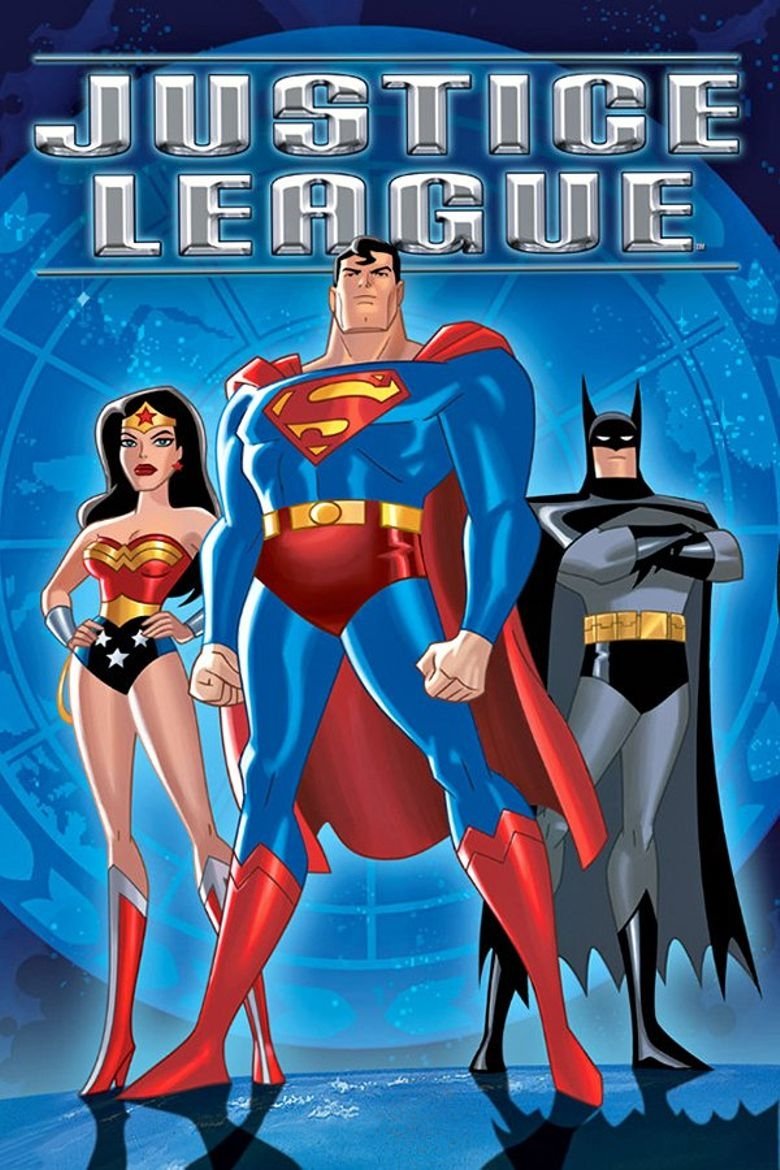
The holiday episode ‘Comfort and Joy’ follows various members of the team as they celebrate Christmas in their own ways. Superman invites the Martian Manhunter to Smallville to experience a traditional family holiday with his parents. Green Lantern and Hawkgirl share a quiet evening on an alien world by engaging in a snowball fight. The Flash dedicates his time to finding a specific toy for children at an orphanage. The script prioritizes warmth and character bonding over saving the world.
‘Batman: The Animated Series’ (1992–1995)
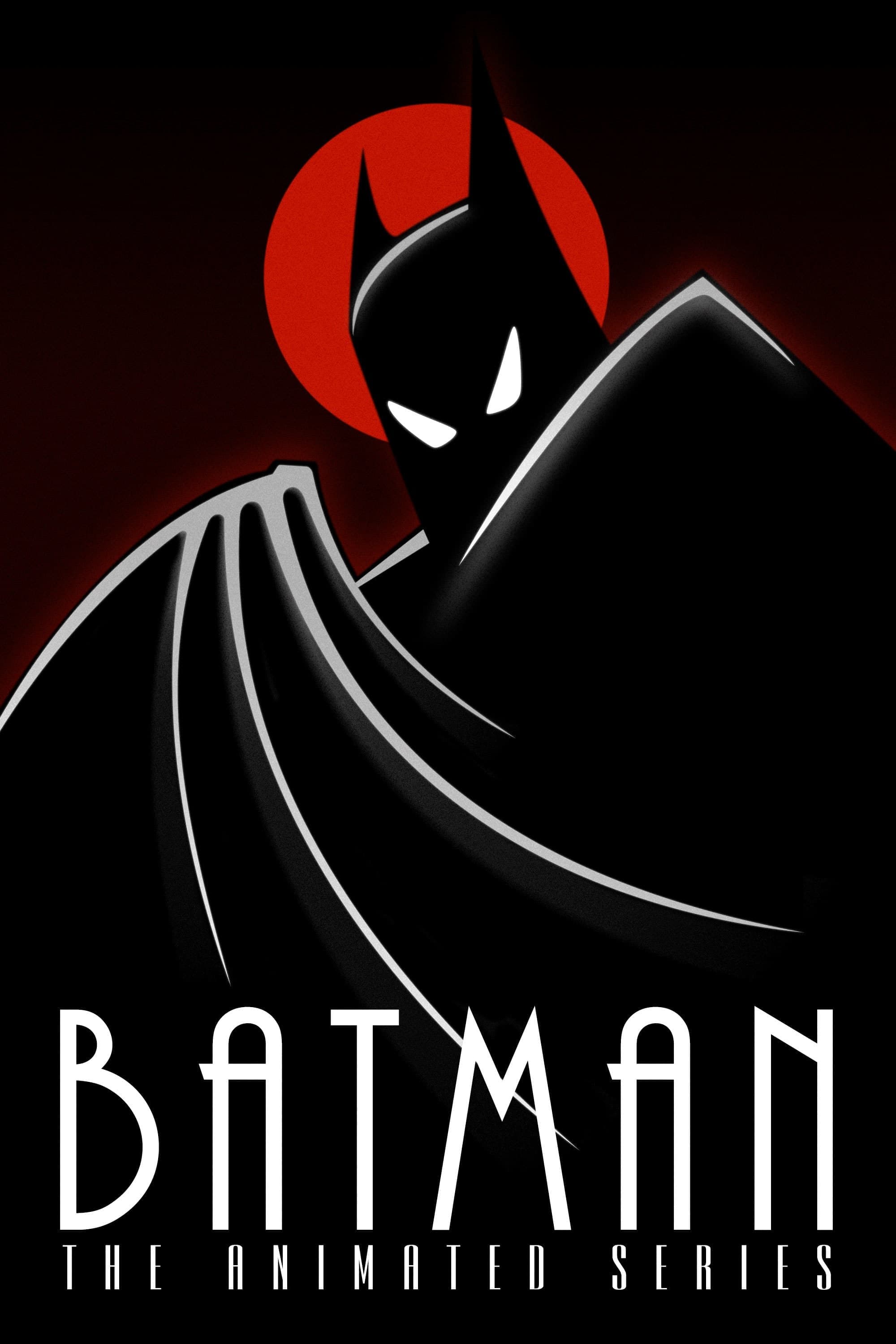
In ‘Perchance to Dream’, Bruce Wayne wakes up in a world where his parents are alive and he never became Batman. He navigates this idyllic life while struggling with the memory of a masked vigilante existence that now seems like a nightmare. The conflict is entirely psychological as Bruce tries to determine which reality is the truth. The episode explores the tragic sacrifice required to be the Dark Knight. It remains a poignant character study of the man behind the mask.
‘The Flash’ (2014–2023)
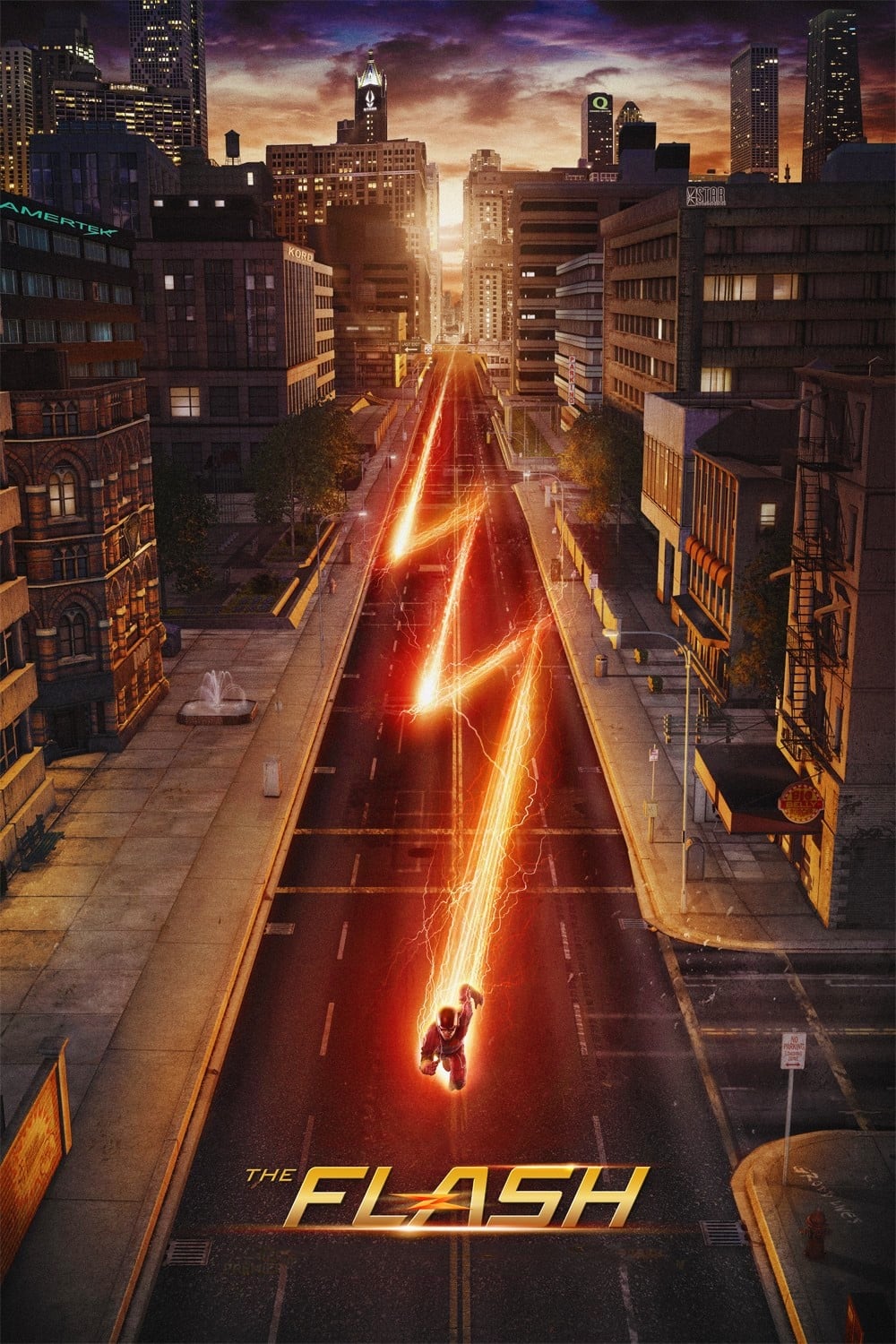
During the episode ‘The Runaway Dinosaur’, Barry Allen is trapped inside the Speed Force and must confront his past. The Speed Force manifests as familiar faces to guide him through his grief over his mother’s death. The resolution comes from acceptance and emotional healing rather than running fast or punching a villain. Barry reclaims his powers by making peace with his trauma. The episode is a spiritual journey that deepens the mythology of the series.
‘Legion’ (2017–2019)
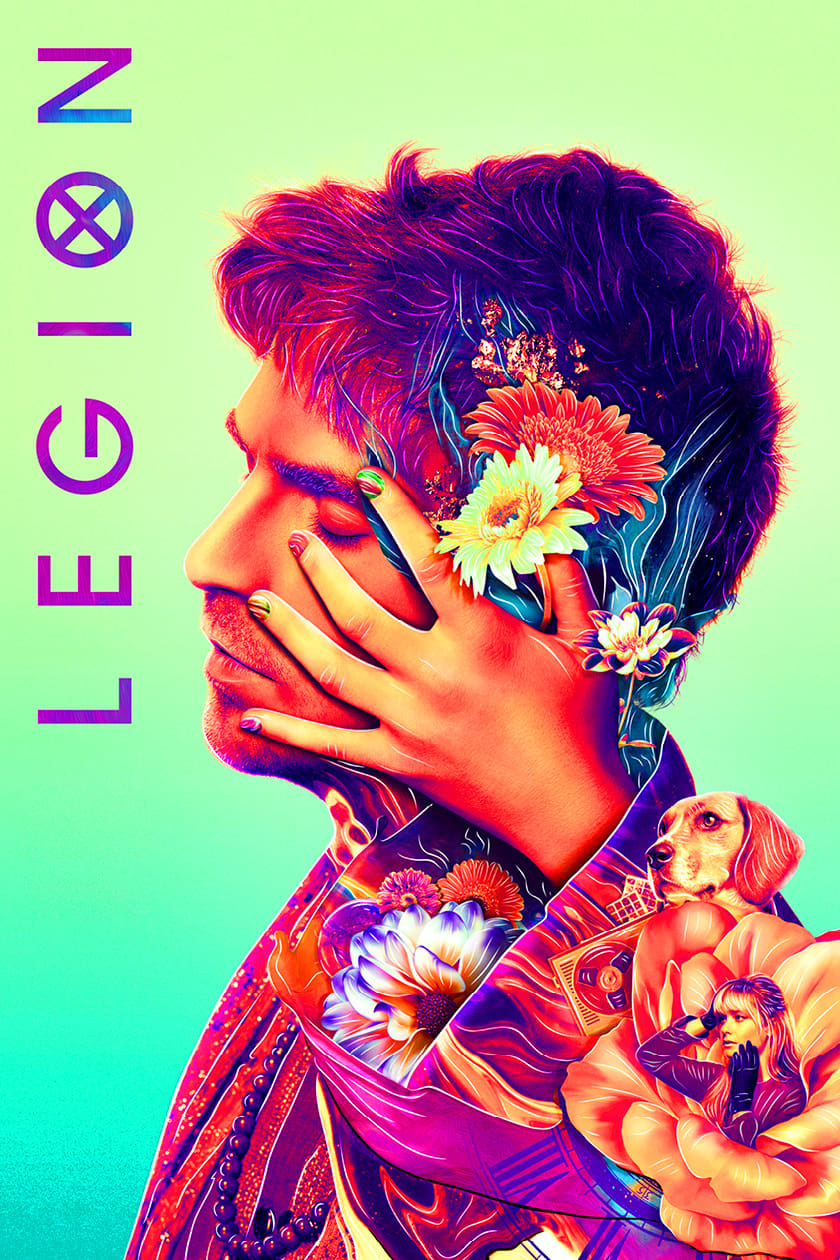
‘Chapter 4’ takes a break from the psychedelic horror to focus on David Haller exploring the astral plane. He investigates his own memories and the history of those around him to uncover the truth about his parasite. The episode functions as a surreal detective story where the clues are hidden within the mind. Dialogue and visual metaphors drive the plot forward instead of telekinetic battles. It showcases the cerebral nature of the show’s approach to the mutant genre.
‘Supergirl’ (2015–2021)
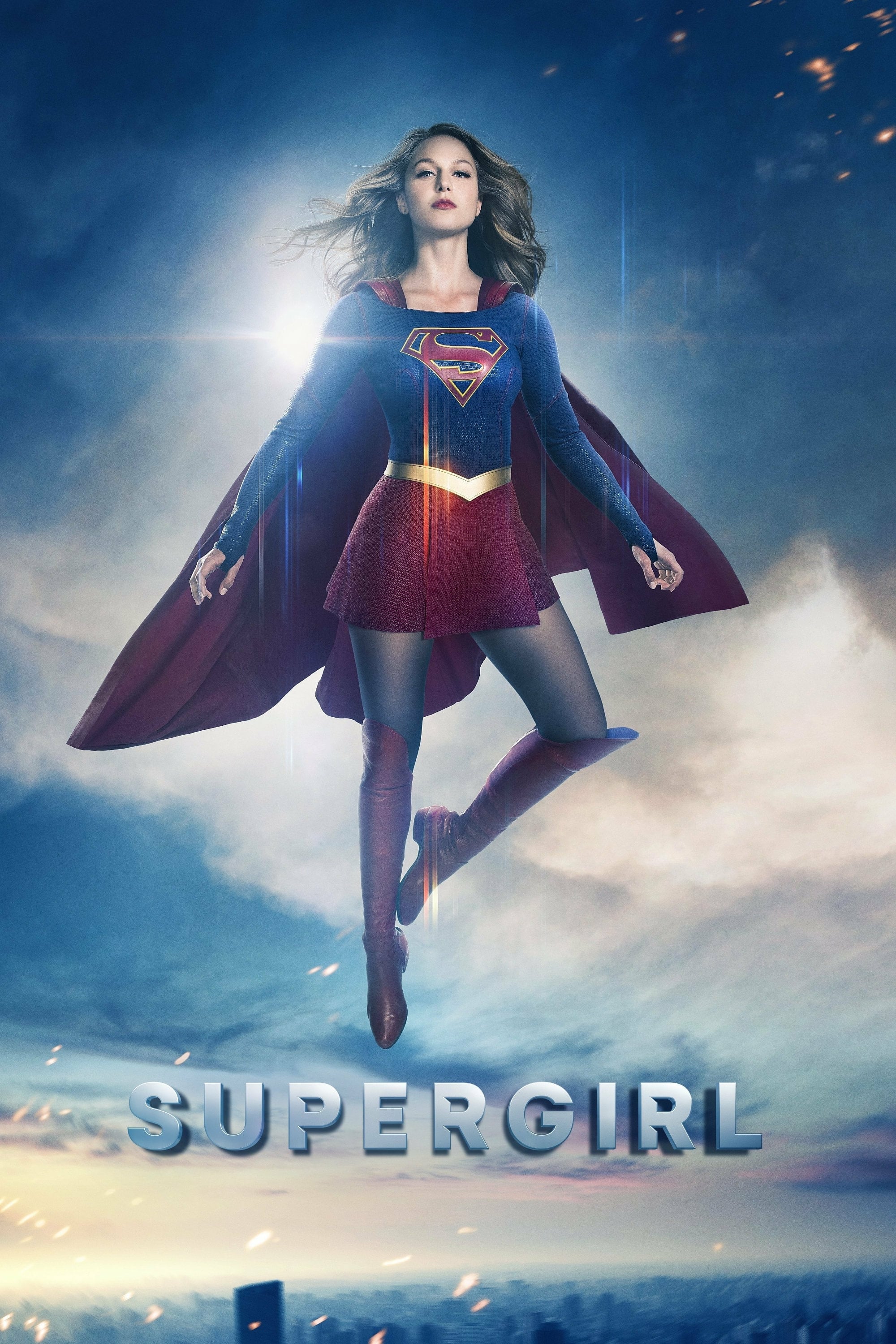
The episode ‘Midvale’ is a flashback story that follows a teenage Kara and her sister Alex solving a mystery in their hometown. The plot focuses on the early days of their relationship and the friction caused by Kara’s alien heritage. It plays out like a teen drama with low stakes compared to the usual alien invasions. The narrative emphasizes the bond of sisterhood that becomes the core of the entire series. It proves that the characters are compelling even without their capes.
‘Watchmen’ (2019)
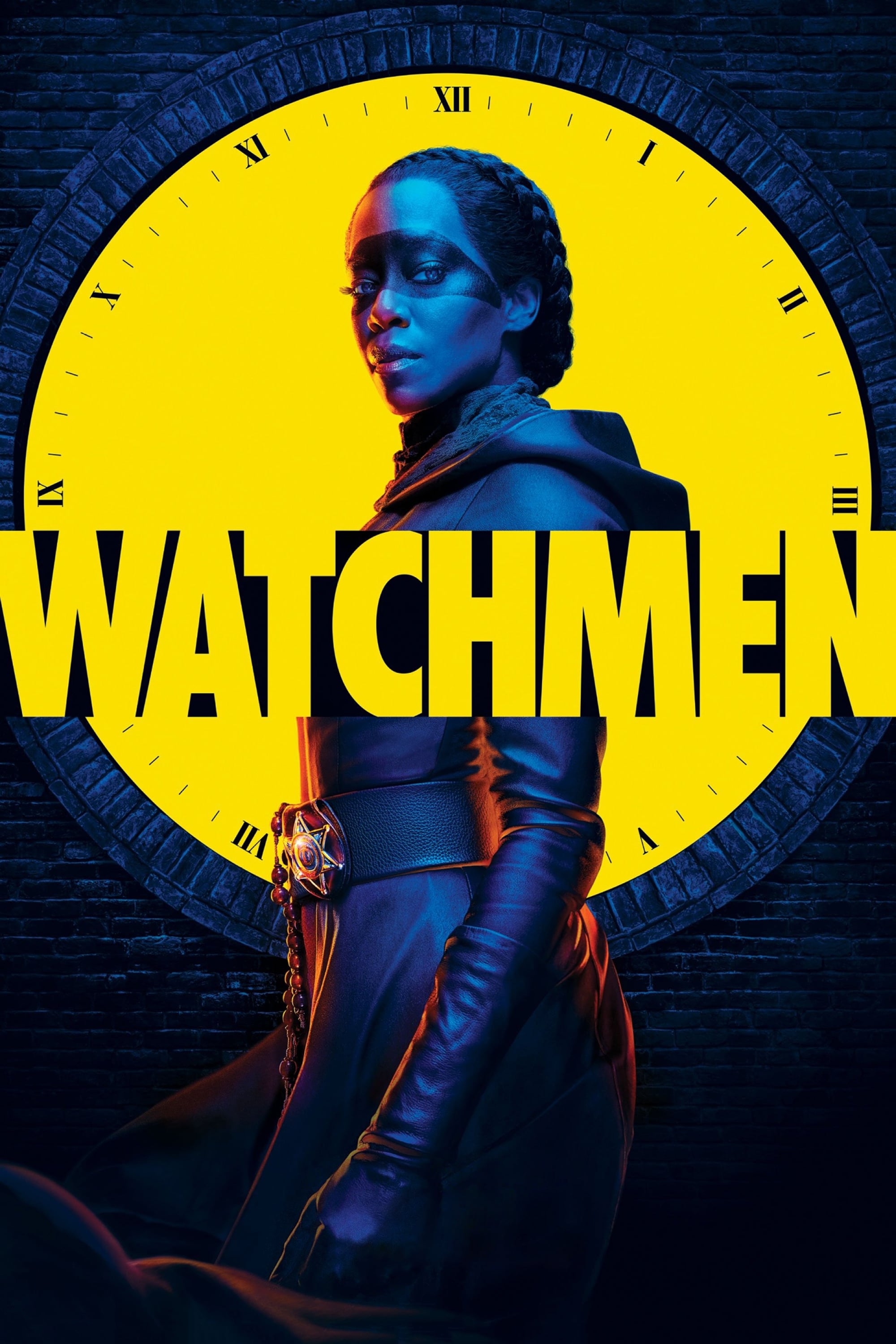
The episode ‘A God Walks into Abar’ focuses on the nonlinear romance between Angela Abar and Doctor Manhattan. Most of the runtime consists of a conversation in a bar that spans across different points in time simultaneously. The dialogue explores concepts of destiny and love from the perspective of an omnipotent being. It serves as a complex puzzle box of storytelling that rewards attentive viewers. The emotional weight of their connection anchors the high-concept science fiction elements.
‘Moon Knight’ (2022)
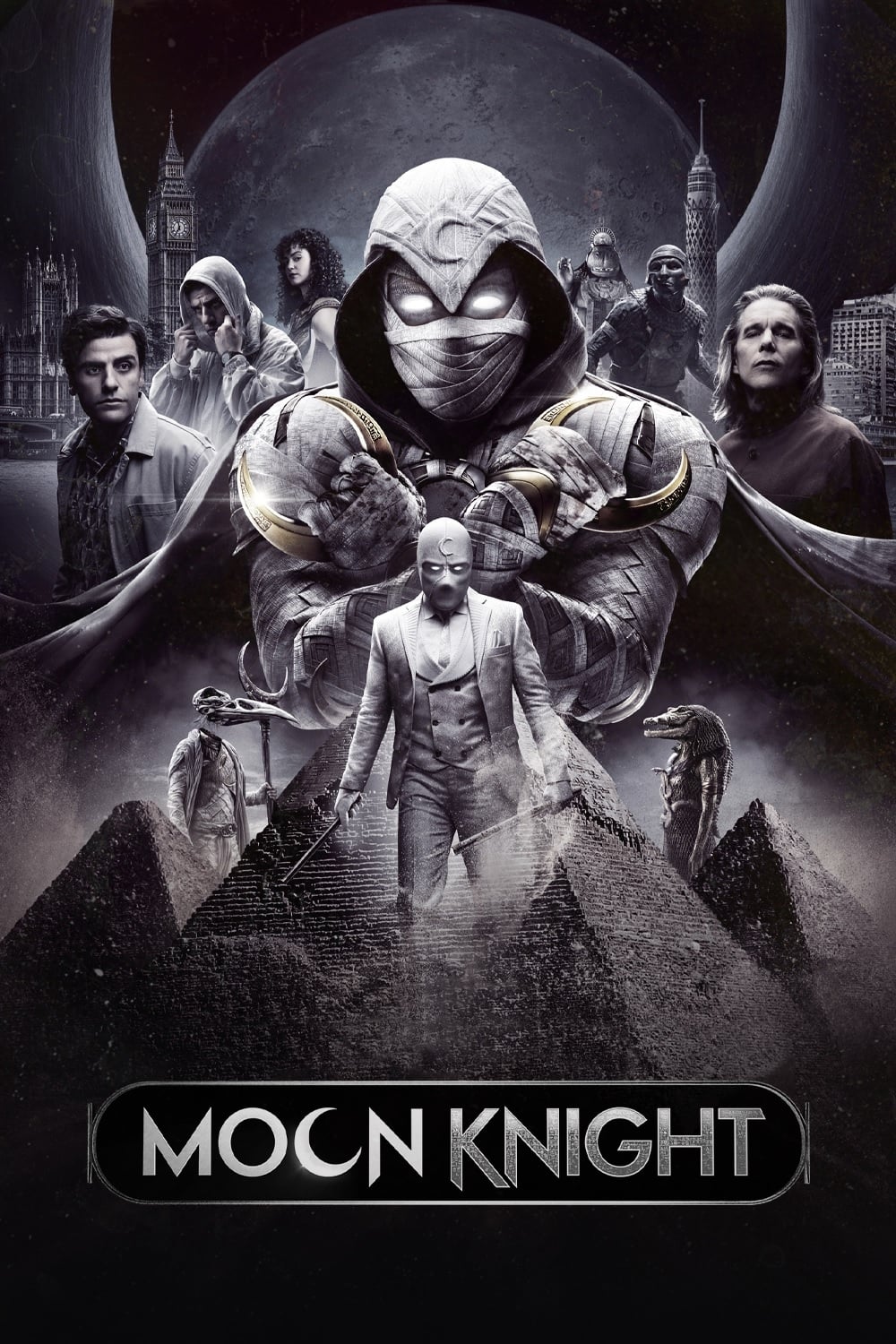
The episode ‘Asylum’ takes place almost entirely within the protagonist’s mind as he navigates a metaphysical hospital. Marc Spector and Steven Grant must balance their souls by revisiting their most traumatic memories. The journey uncovers the origin of their dissociative identity disorder and the roots of their pain. It is a heartbreaking exploration of child abuse and survival mechanisms. The climax involves emotional reconciliation between the alters rather than a physical fight.
‘Lois & Clark: The New Adventures of Superman’ (1993–1997)

The holiday special ‘Season’s Greedings’ sees the Daily Planet staff affected by a toy that makes adults act like greedy children. Superman must solve the problem without using force against the innocent civilians under the toy’s influence. The episode relies on humor and the charm of the cast to deliver a Christmas message. Lois and Clark’s developing romance takes center stage amidst the comedic chaos. It captures the lighthearted and family-friendly tone of 90s television.
‘Powerless’ (2017)
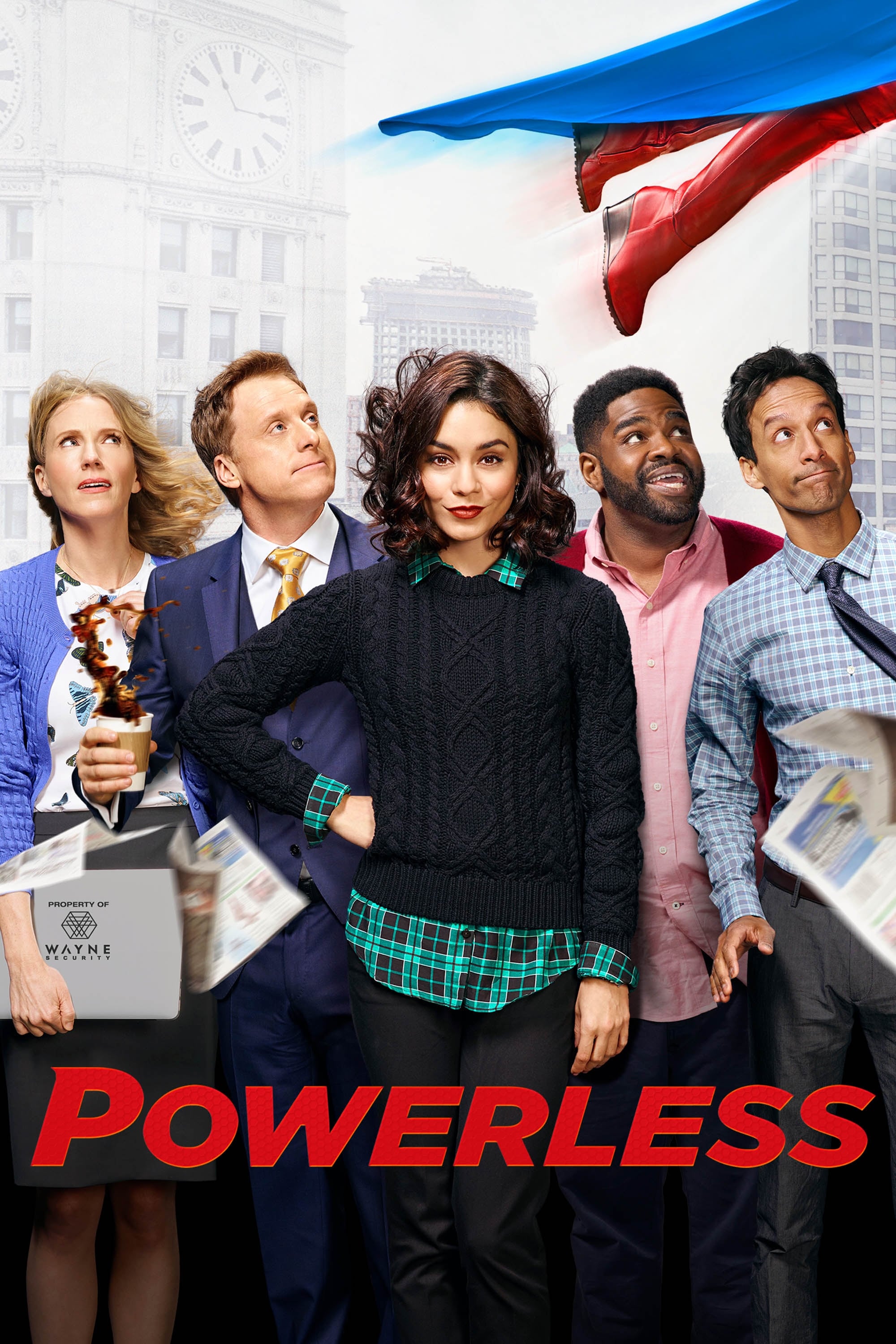
The pilot episode ‘Wayne or Lose’ introduces a team of employees at Wayne Security who design products to protect bystanders. The show is a workplace comedy that focuses on the collateral damage caused by superhero battles. The characters deal with office politics and demanding bosses rather than fighting crime themselves. It offers a unique ground-level perspective on a world filled with flying vigilantes. The humor comes from the absurdity of trying to live a normal life in Gotham City.
Please describe which of these non-violent stories resonated with you the most in the comments.