


15 Surprising Discoveries in Celebrity Autopsies




Autopsy findings often do more than identify a cause of death. They can clarify events, reveal hidden medical conditions, and correct public assumptions that formed in the hours after a tragedy. When reports are released, the details frequently show a fuller picture than headlines ever could.
From natural disease that went unnoticed in life to medical complications that unfolded in minutes, these cases highlight how forensic medicine answers difficult questions. Here are fifteen times official findings brought new information to light and helped explain what really happened.
Michael Jackson
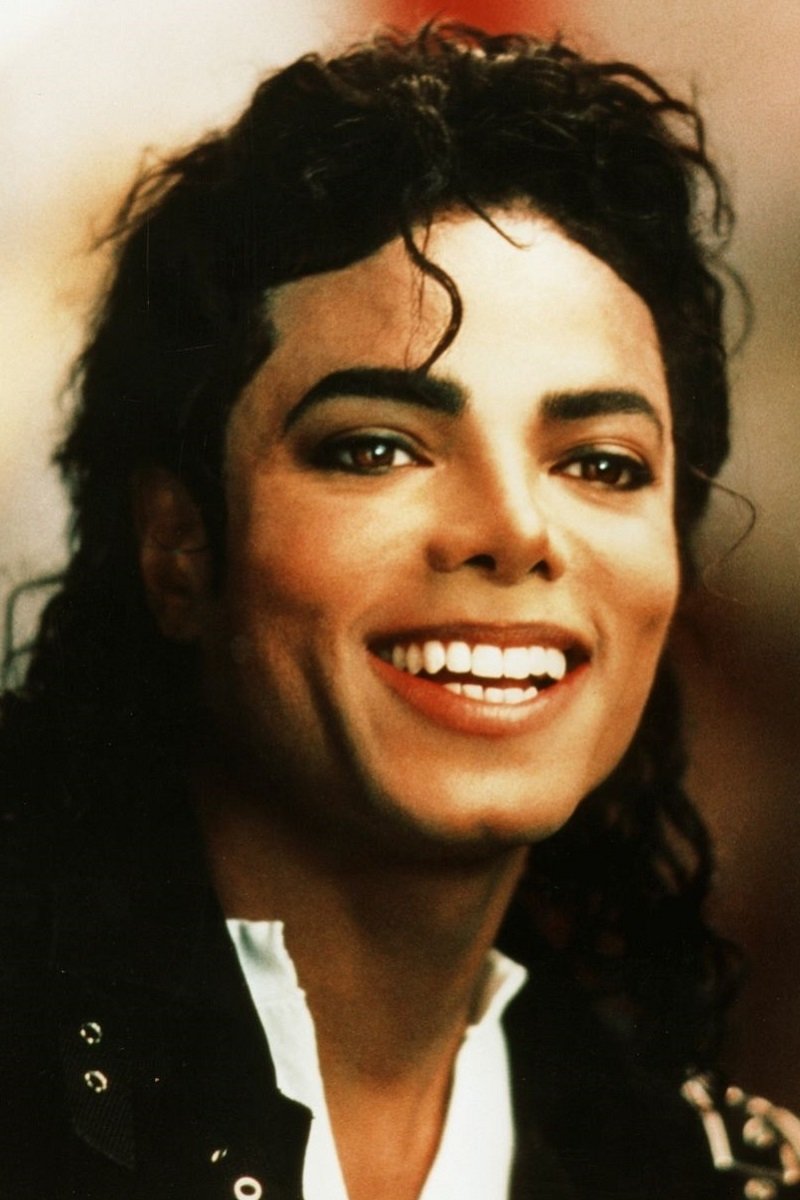
The autopsy determined that death was caused by acute propofol intoxication with benzodiazepines present, and the manner was ruled homicide. Examiners documented medical treatment marks and resuscitation injuries that occurred during the attempt to save his life.
Pathology also confirmed vitiligo on his skin, a diagnosis he had stated during his lifetime. The report described otherwise unremarkable organ findings for his age and noted therapeutic pharmaceuticals consistent with recent medical care.
Whitney Houston

Investigators reported drowning as the immediate cause of death with atherosclerotic heart disease and recent cocaine use listed as contributing factors. The environment and water exposure were documented in detail to explain the circumstances in the bathroom.
Toxicology supported the presence of cocaine metabolites, while screening did not indicate other illicit substances at fatal levels. The heart findings gave medical context that helped explain why a sudden emergency could have occurred in the tub.
Prince

The medical examiner concluded death was due to fentanyl toxicity and classified it as an accident. Toxicology showed fentanyl at levels consistent with a fatal overdose, which aligned with evidence that the drug had been ingested rather than administered in a medical setting.
No significant natural disease was identified that could explain a sudden collapse. The absence of other lethal drugs in combination underscored how potent fentanyl alone can be when taken unknowingly or in excessive amount.
Brittany Murphy

The coroner determined that pneumonia was the primary cause of death, complicated by iron deficiency anemia and the effects of multiple prescription medications. The manner was ruled accidental rather than intentional.
Toxicology identified legally obtained drugs at therapeutic to elevated levels, with no illicit substances detected. The lung findings explained her rapid decline and showed how a treatable infection can become fatal when compounded by anemia and sedating medications.
Joan Rivers
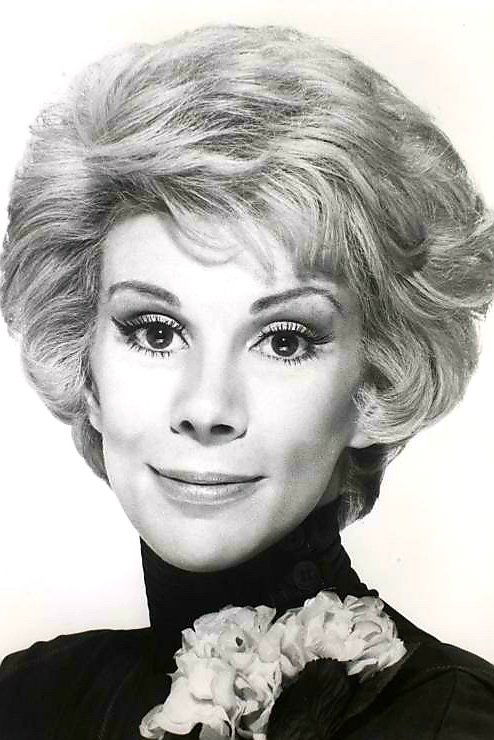
The report identified anoxic encephalopathy due to hypoxic arrest following elective endoscopy, and the manner was certified as a therapeutic complication. The timing of the respiratory failure was linked to the procedure and sedation.
There was no evidence of underlying disease that alone would have caused her sudden deterioration that day. The findings detailed how a rare but recognized medical risk unfolded in a clinical setting despite immediate intervention.
Robin Williams
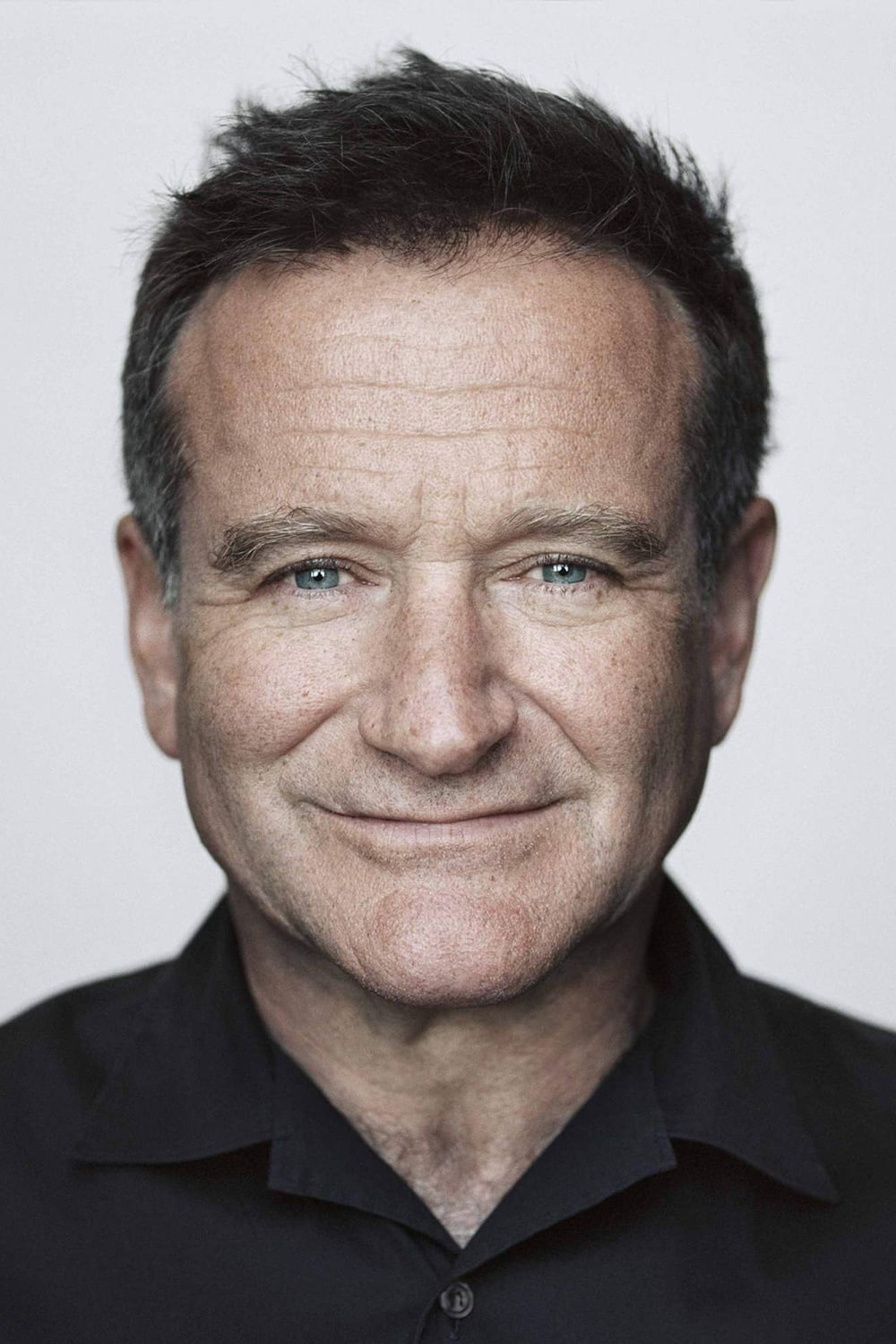
The autopsy confirmed death by asphyxia due to hanging. Routine toxicology did not reveal alcohol or illicit drugs, and only prescribed medications were present at nonlethal levels.
Neuropathologic examination found widespread Lewy body disease. That diagnosis explained the severe neuropsychiatric symptoms his family described and provided a medical basis for the rapid cognitive and mood changes seen in the months before his death.
Paul Walker
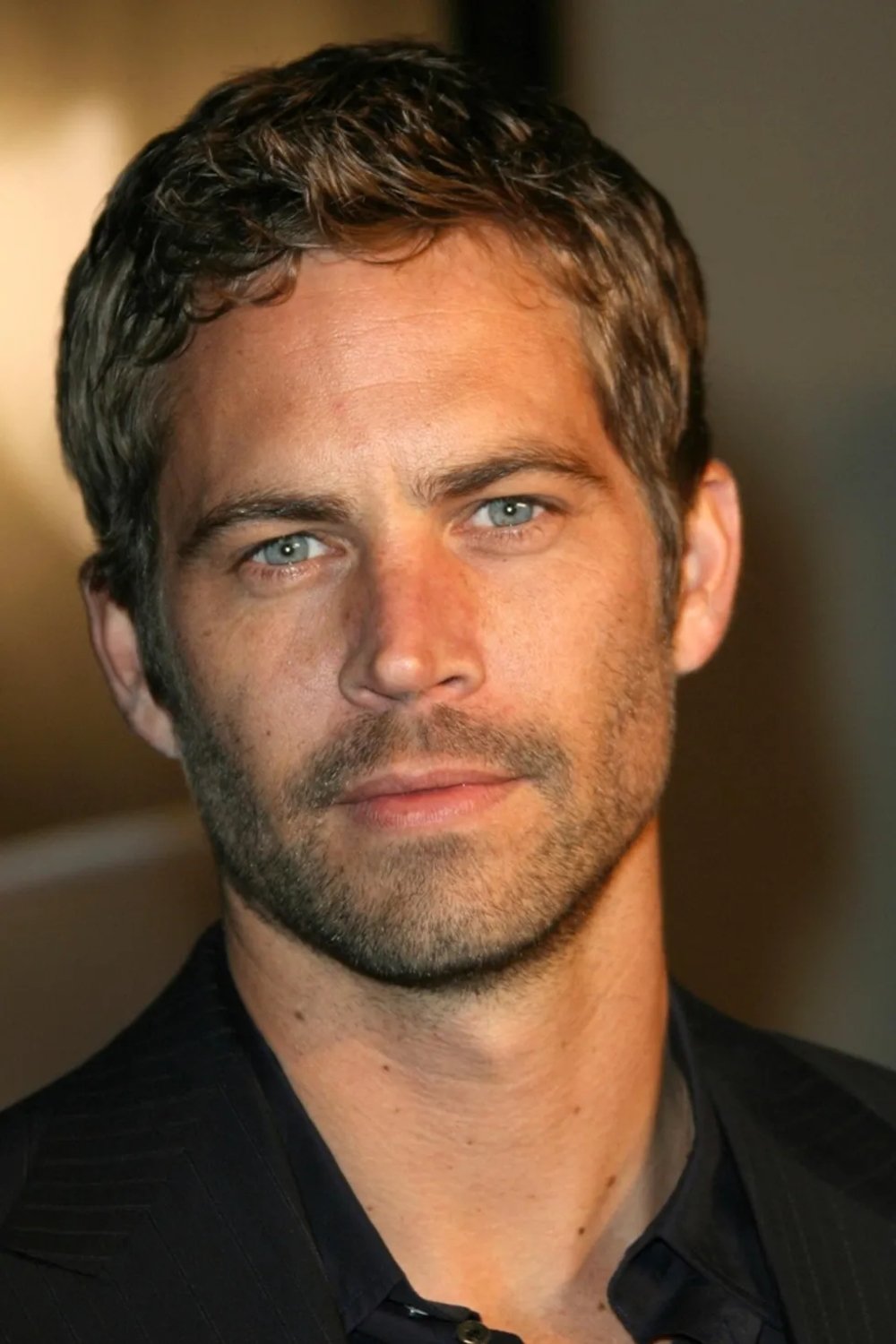
The coroner concluded he died from the combined effects of traumatic injuries and thermal injuries following the crash. Soot in the airways indicated he was breathing after the impact, which explained why fire contributed to the fatal outcome.
Toxicology did not show alcohol or drugs. The sequence of injuries outlined how a survivable impact can become unsurvivable when a post crash fire develops before escape is possible.
Philip Seymour Hoffman

The cause of death was acute mixed drug intoxication that included heroin, cocaine, benzodiazepines, and amphetamine. The manner was ruled accidental based on the scene investigation and toxicology profile.
No natural disease process explained the sudden collapse. The combination of central nervous system depressants with stimulants documented a well known but dangerous pattern of use that can overwhelm normal respiratory drive.
Amy Winehouse

The inquest accepted the pathologist’s finding of alcohol toxicity and certified the manner as misadventure. Blood analysis showed a level consistent with fatal alcohol poisoning.
Toxicology did not detect illicit drugs that could have confounded interpretation. The absence of other substances focused attention on acute ethanol effects rather than a mixed drug event.
Jimi Hendrix
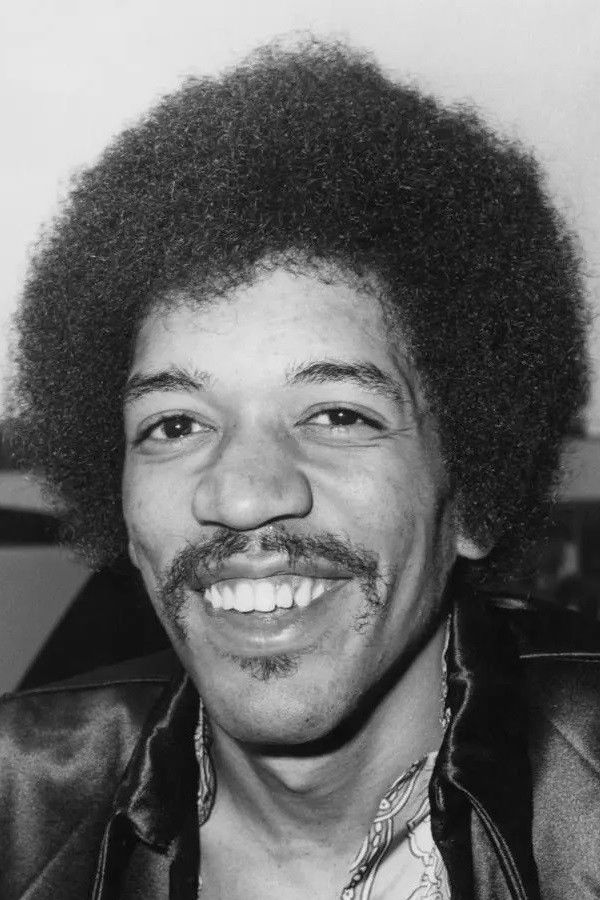
Examiners recorded asphyxia due to aspiration of vomit in the setting of barbiturate intoxication. The contents of the airways and stomach supported the conclusion that airway obstruction occurred before emergency help arrived.
The sedative effect of the barbiturates explained the impaired protective reflexes that normally prevent aspiration. The combination of central nervous system depression and a prone position created conditions that led to rapid respiratory failure.
George Michael

The coroner cited dilated cardiomyopathy with myocarditis and fatty liver as the causes of death and certified it as natural. The heart enlargement and inflammation explained a fatal arrhythmia risk without evidence of external factors.
No controlled substances were listed as causal in the final determination. The liver findings reflected chronic changes that can accompany metabolic and lifestyle factors and provided additional medical context to the cardiac disease.
Cory Monteith
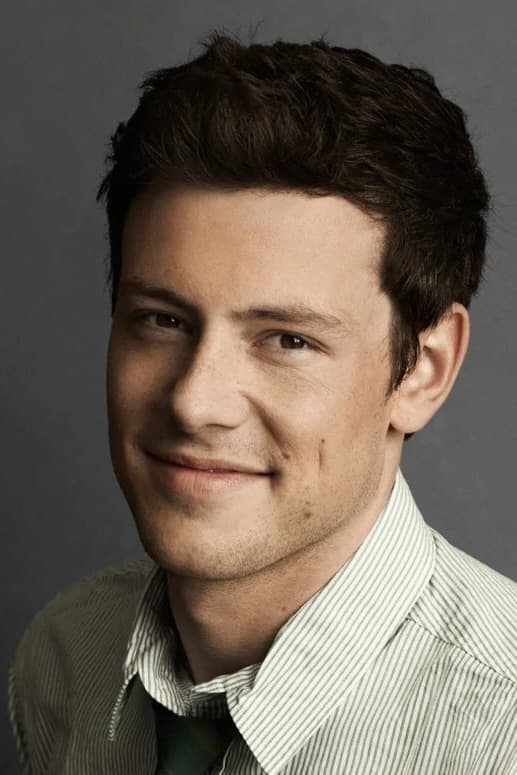
The investigation found mixed drug toxicity involving heroin and alcohol, and the manner of death was ruled accidental. Toxicology quantified both substances in ranges known to depress respiration when combined.
There were no traumatic injuries to account for the sudden collapse. The circumstances in the hotel room matched the pharmacologic evidence that respiratory suppression occurred quietly and quickly.
Dolores O’Riordan
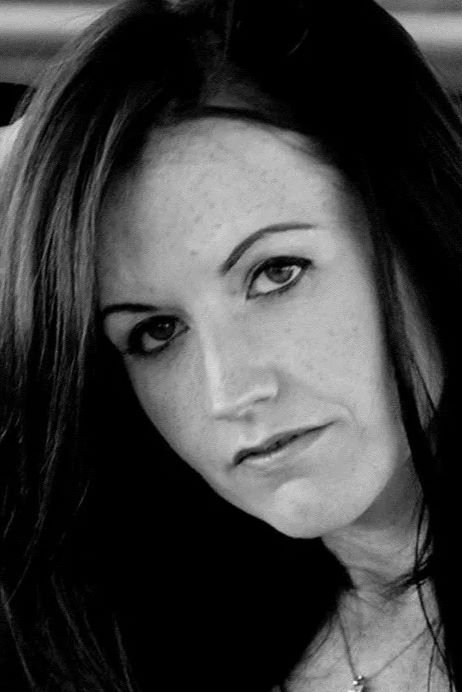
The cause of death was drowning due to alcohol intoxication, and the manner was ruled accidental. The scene and autopsy findings showed immersion in a hotel bathtub with impairment from ethanol.
Toxicology did not identify illicit drugs at lethal levels. The case illustrated how even a familiar environment can become hazardous when alcohol blunts alertness and motor control.
Bob Saget

The medical examiner determined he died from blunt head trauma and ruled the manner an accident. Skull and brain injuries were consistent with a fall in a hotel room without evidence of foul play.
Toxicology did not show drugs or alcohol that would complicate interpretation. The pattern of fractures and hemorrhage explained why symptoms could progress out of sight and become fatal without immediate treatment.
Jim Morrison
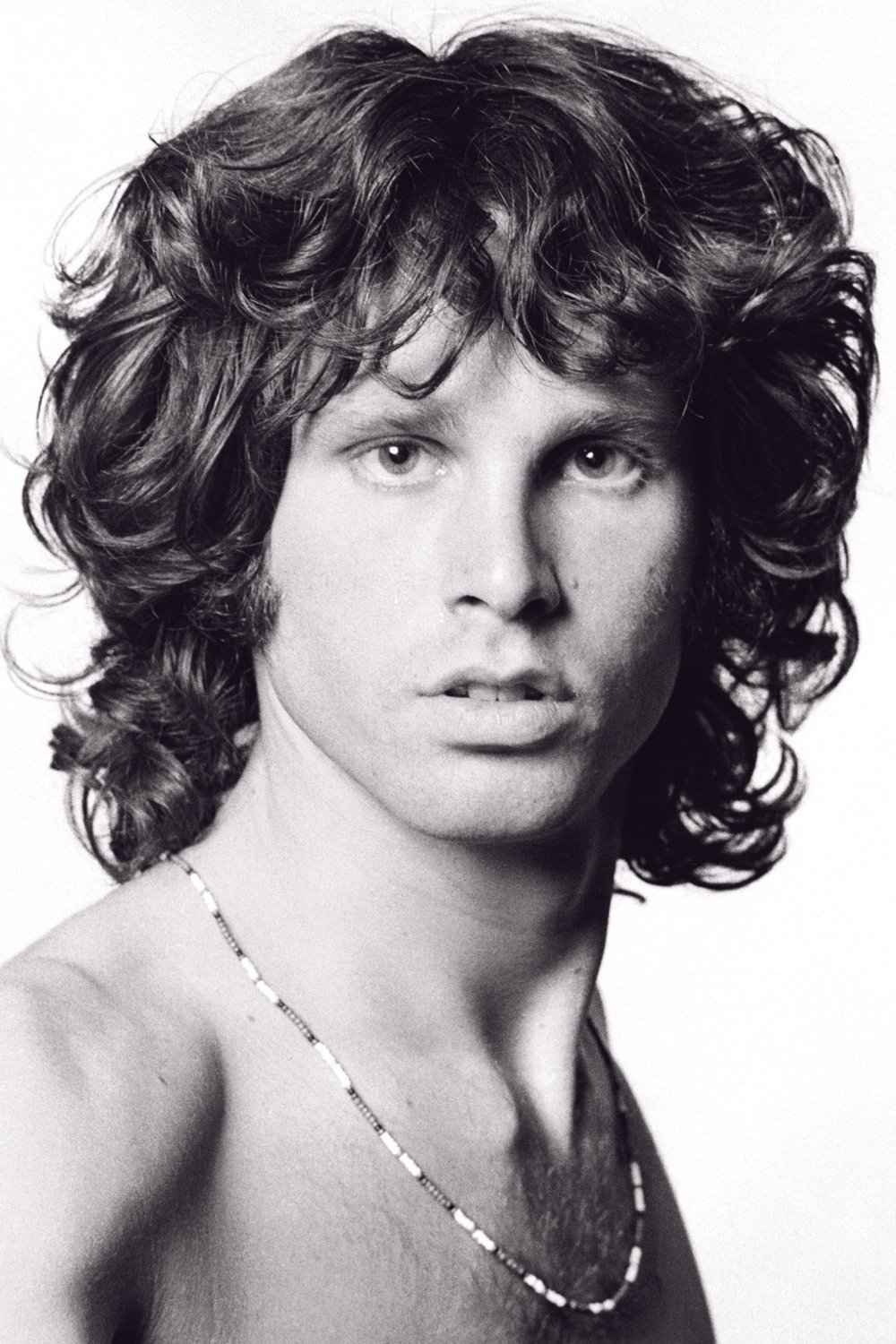
Records show no autopsy was performed at the time of death. The death certificate listed heart failure, which was a common certification in Paris when postmortem examination was not legally required under specific circumstances.
Because no internal examination or toxicology was conducted, the official documents do not provide further medical detail about underlying causes. The absence of an autopsy remains a notable fact in the historical record and explains why later questions could not be resolved by forensic evidence.
Share which case surprised you most in the comments and tell us which other autopsy findings you think should be included next.