Taylor Sheridan Doesn’t Care What Critics Think and Admits He Rage-Baits Them on Purpose

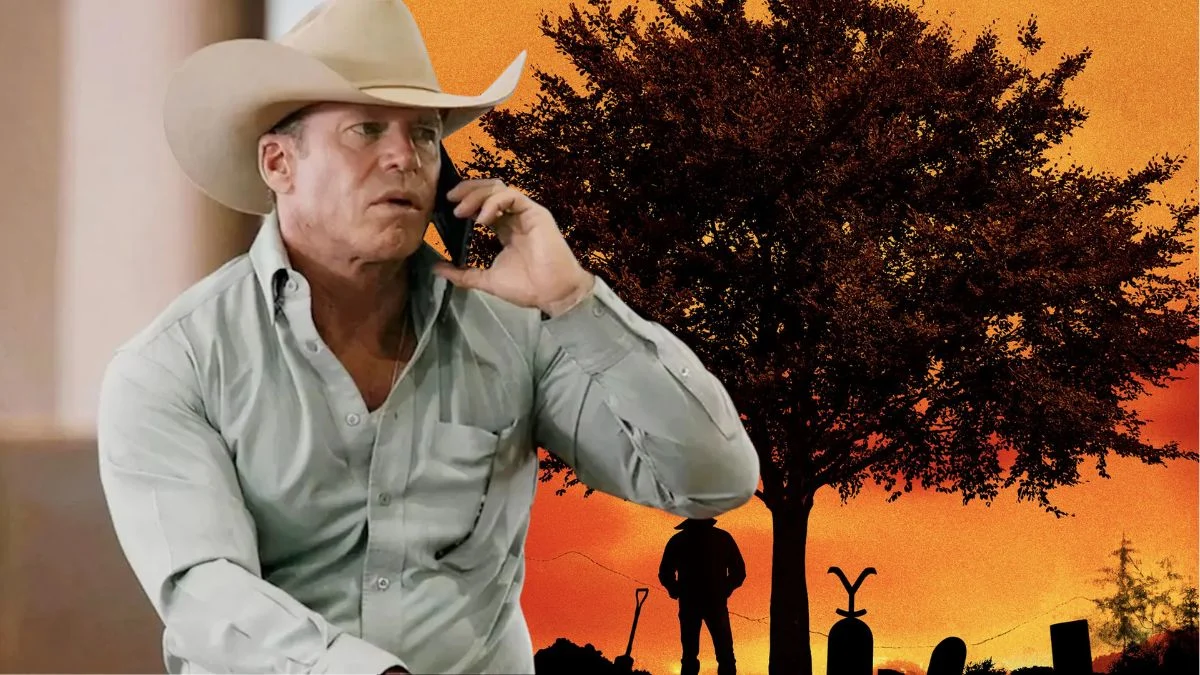

Taylor Sheridan has never been one to court approval, but a candid new interview has made that clearer than ever. The multihyphenate creator built one of television’s most unlikely empires at Paramount, spawning a universe of interconnected shows that includes ‘Yellowstone,’ ‘Mayor of Kingstown,’ ‘Tulsa King,’ ‘Landman,’ and ‘The Madison,’ among others. Through all of it, he has operated with an approach that is radically different from the consensus-driven machine that runs most of Hollywood today.
Sheridan appeared on ‘The Bill Simmons Podcast’ to promote his new book, co-written with Tom Nelson, and the conversation quickly expanded into a wide-ranging critique of studio culture, the critical establishment, and what he sees as a broken development pipeline. He argued that the creative freedom filmmakers once enjoyed, citing the era when writers and directors were turned loose without endless rewrites or meetings about tone and mood, has been eroded by a class of executives he described as marketing people who stumbled into storytelling jobs without any real understanding of narrative craft.
When Sheridan signed his deal with Paramount, he laid down terms that left little room for negotiation. “This is not a democracy. There’s no committee. You’re going to pay me and you’re going to give me a bunch of money and I’m going to deliver you these shows,” he recalled telling the studio, adding that Emmy recognition was never part of the plan. “My goal is to sit somebody on their couch and move them, make them think, make them laugh, scare the shit out of them, excite them.”
It was his handling of Demi Moore’s role in ‘Landman’ that brought the admission about critics into sharp focus. Sheridan told Moore upfront that she would essentially be an extra for the first several episodes of the show’s debut season before her character Cami took over the oil company following her husband’s death. He anticipated the critical reaction entirely, and as he told the podcast, he knew reviewers would accuse him of underutilizing Moore and being unable to write for women. He was banking on it.
The deliberate provocation extended beyond Moore’s arc. Sheridan also revealed that the storyline involving Ainsley’s nonbinary college roommate Paigyn was intentionally split across two episodes, despite pushback from both the network and some of the show’s actors who suggested compressing the resolution. His response was blunt: he wanted to frustrate viewers first so the payoff would land harder the following week.
Sheridan has built eight shows over the last decade, and despite the scale of that output, he and his programs have yet to receive a single major Emmy nomination, though Michelle Pfeiffer could change that with ‘The Madison’ this awards cycle. He has since signed a major deal with NBCUniversal, marking a significant departure from the Paramount home where his television identity was formed. The move signals a new chapter, but based on everything Sheridan said during the interview, his approach to storytelling and his relationship with critical opinion are unlikely to change at his new studio.
Whether you think Sheridan is a populist genius or a provocateur hiding behind audience numbers, his willingness to admit the strategy out loud is something genuinely rare in television, so where do you land on his approach, and do you think the rage-baiting actually makes his shows better or just more divisive?