


The 10 Most Underrated Antonio Banderas Movies, Ranked (from Least to Most Underrated)




Antonio Banderas has played everything from Almodóvar anti-heroes to Hollywood action leads, often slipping between Spanish-language auteur projects and global studio releases without missing a step. Across that range, a surprising number of strong titles tend to be overshadowed by his biggest hits, even though they feature distinctive directors, unusual premises, or career-shaping performances that reward a closer look.
Below is a focused tour through ten such projects. To keep things clear and consistent, each entry includes concrete details—who made it, what it’s about, where it sits in Banderas’s filmography, and notable production or awards context—so you can quickly decide what to watch next.
‘Ballistic: Ecks vs. Sever’ (2002)

This action thriller pairs Banderas with Lucy Liu in a story about a former FBI agent drawn into a covert war involving a stolen micro-device and a rogue operative. The production was mounted on location in Canada with extensive practical pyrotechnics and second-unit stunt work, leaning into late-era “gun-fu” choreography and large set-piece demolitions.
Directed by Wych Kaosayananda (credited as Kaos), the film is adapted from an original screenplay and later inspired several licensed video-game tie-ins sharing character names and broad plot hooks. Banderas’s character is framed as a grief-stricken investigator whose personal history drives the chase mechanics, while the narrative structure alternates between surveillance, double-crosses, and urban shootouts.
‘Automata’ (2014)
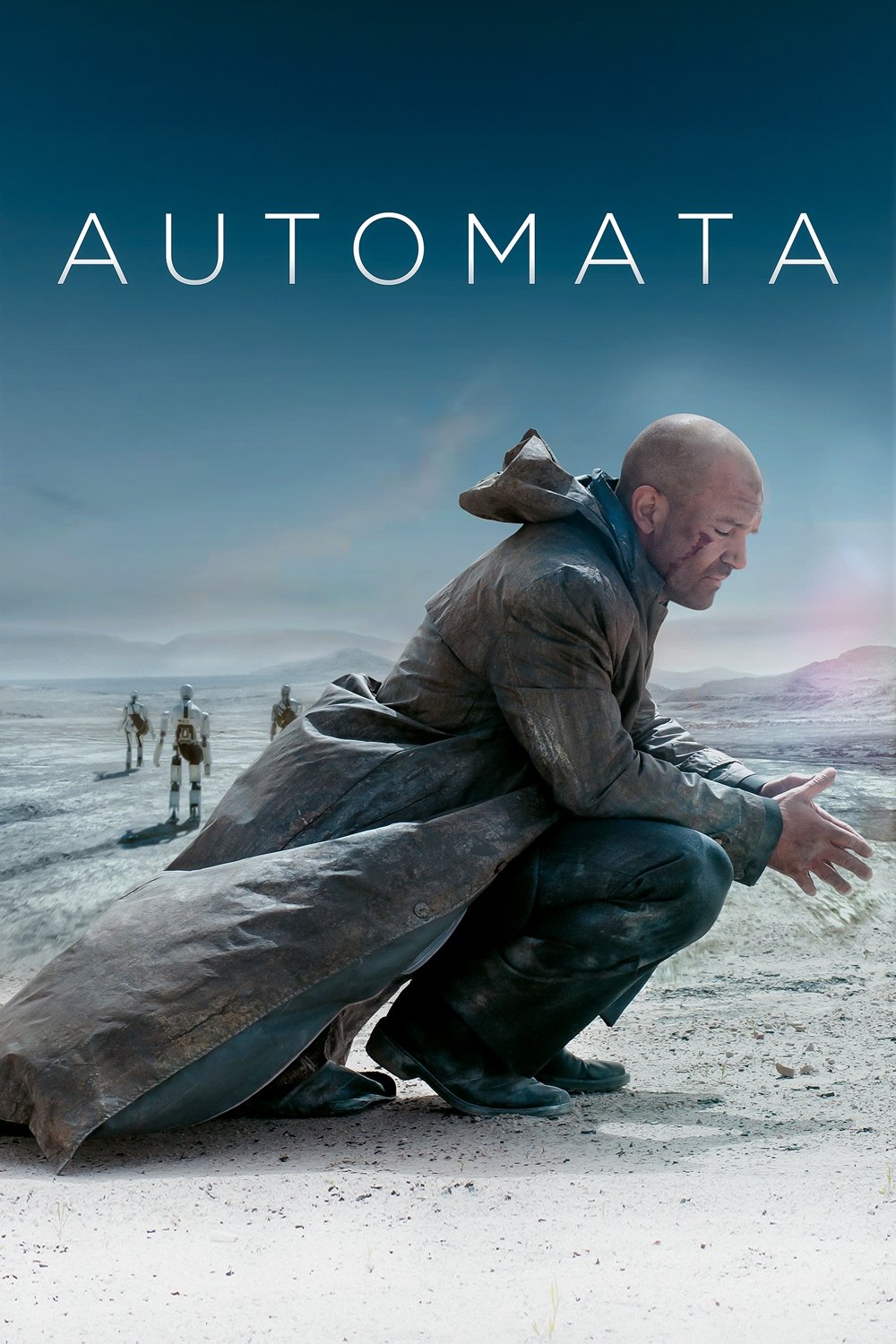
Set in a near-future world where solar storms have damaged Earth’s ecosystem, this science-fiction drama centers on a robotics insurance investigator examining cases in which service androids may be self-modifying beyond their built-in protocols. The story uses classic robot-ethics frameworks—hardwired rules, emergent behavior, and liability—to build its mystery.
Shot largely in Bulgaria and Spain, the film uses practical robot designs and worn-in industrial locations to ground its speculative elements. Banderas also served as a producer, aligning the project with more cerebral sci-fi traditions by emphasizing investigation procedures, corporate governance angles, and the consequences of automation on human labor.
‘Assassins’ (1995)
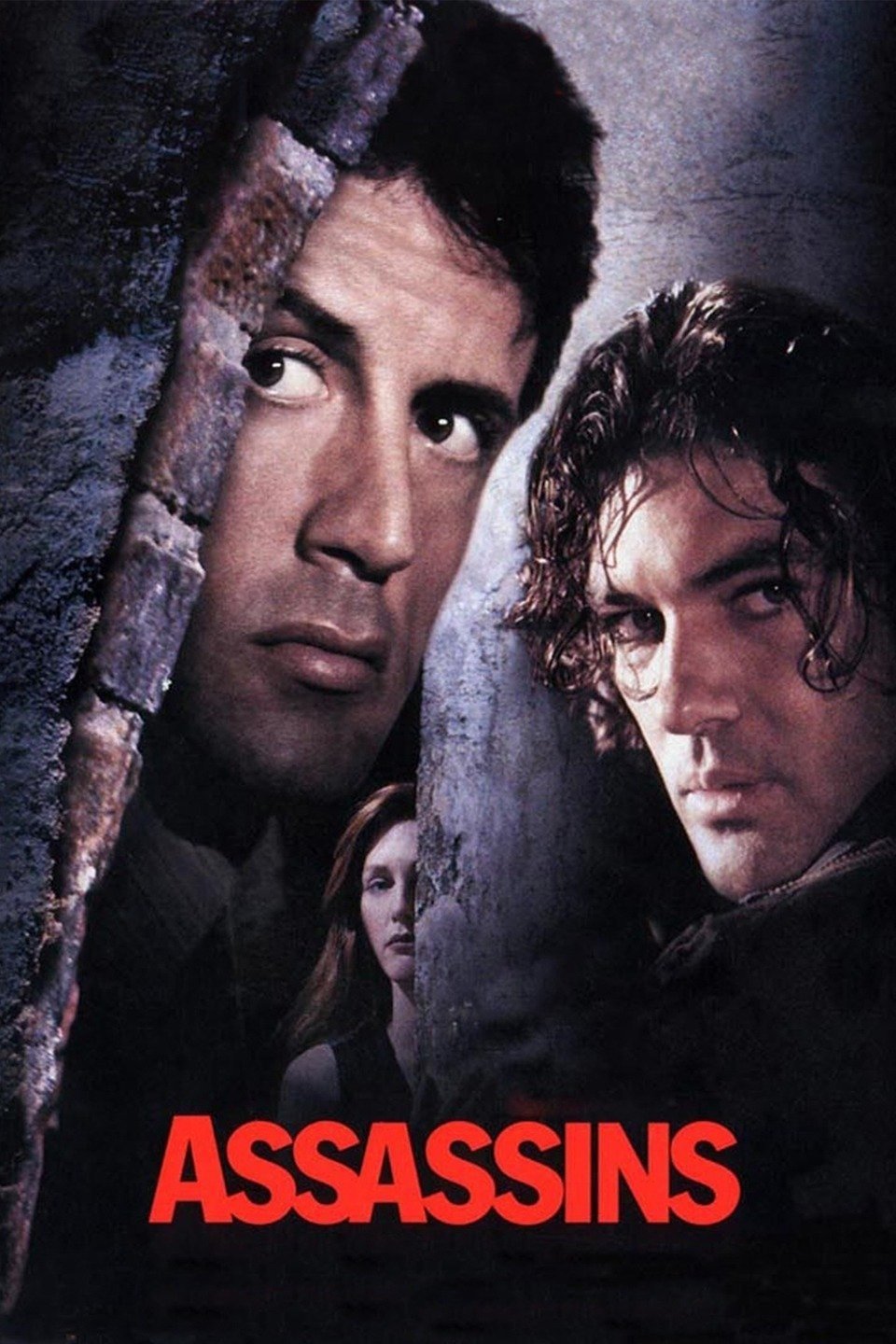
This cat-and-mouse thriller follows a veteran contract killer pursued by a younger, ambitious rival, with a surveillance-heavy plot that moves between safe houses, transit hubs, and encrypted communications. The script went through multiple revisions during development, resulting in a scenario that highlights tradecraft—dead drops, burner lines, and counter-tailing tactics.
Directed by Richard Donner, the film features Banderas opposite Sylvester Stallone and includes a central heist sequence involving high-value financial data. The production employed then-contemporary digital effects sparingly, favoring practical stunt driving, wire rigs, and in-camera tension beats across confined interiors and rain-slicked streets.
‘The 13th Warrior’ (1999)

Adapted from Michael Crichton’s novel about a cultured outsider joining a Norse expedition, this historical action-adventure follows a diplomatic exile who becomes an interpreter and strategist for a band of warriors confronting a mysterious raiding force. Linguistic acquisition and cultural exchange are built into the plot as the protagonist learns to communicate and operate within the group.
The film’s production is notable for its location work in British Columbia and extensive practical costuming—chainmail, furs, and hand-forged props—supported by large night shoots and fog-laden battlefield setups. Musical themes and production design blend Middle Eastern motifs with Scandinavian elements to reflect the character’s shifting role within the ensemble.
‘Four Rooms’ (1995)

An anthology set in a single hotel on New Year’s Eve, this film comprises four segments by different directors, with Banderas headlining one of the vignettes as a sharply dressed guest whose suite devolves into escalating chaos. The structure follows a bellhop navigating each floor’s escalating emergencies, linking the chapters through recurring props and corridor gags.
The production was coordinated to maintain continuity in the hotel’s geography—lobbies, elevators, and penthouse spaces—while each director applied a distinct tonal palette. Banderas’s segment leans on visual symmetry, rapid blocking, and dialogue timing, making use of the suite’s layout to stage entrances, exits, and sight-line reveals.
‘Evita’ (1996)
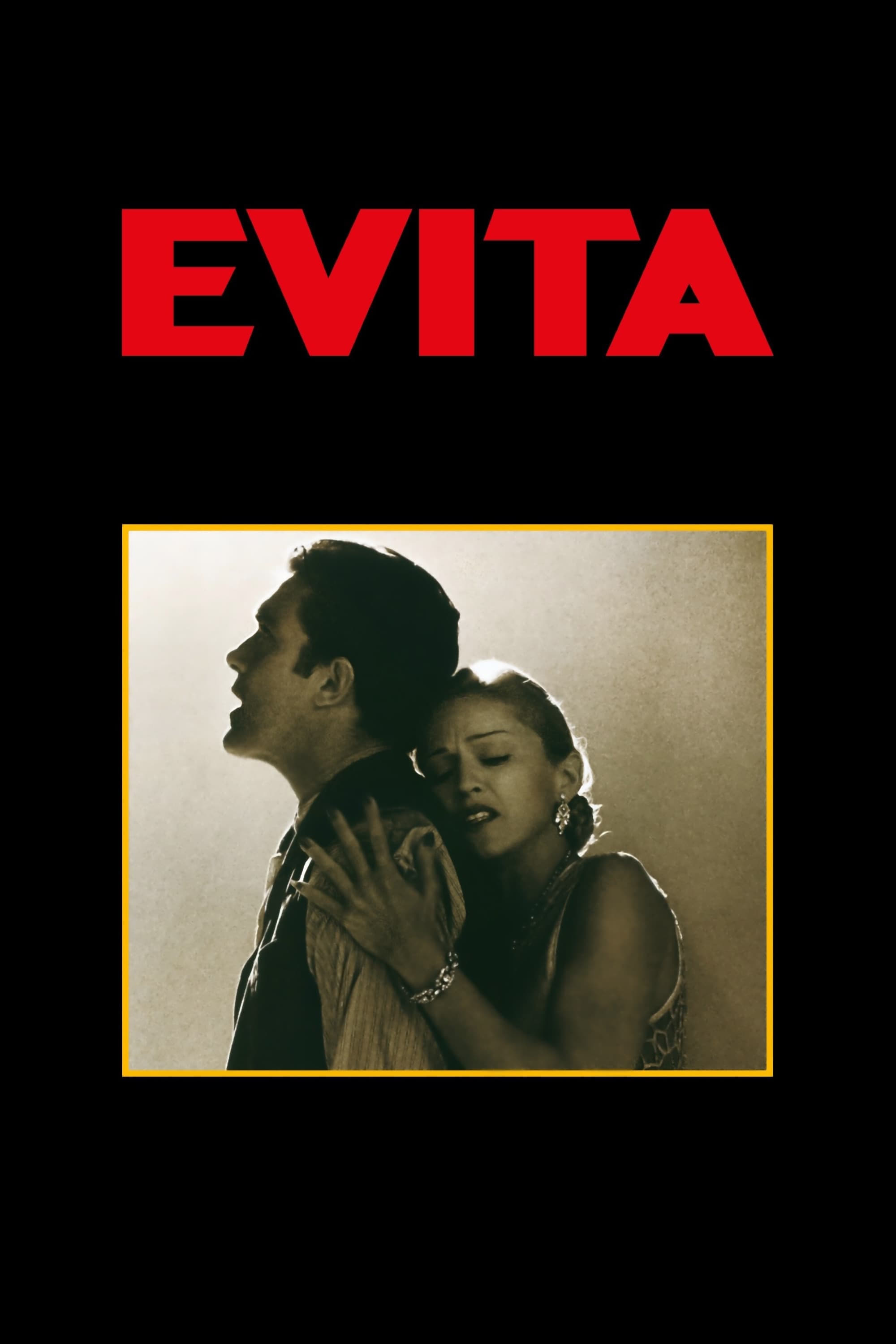
This musical biography charts the ascent of Eva Perón through a sung-through format, with Banderas appearing as Che, a narrating observer who guides viewers through political and personal milestones using recurring motifs and counterpoint. The role requires quick shifts between commentary and participation, often breaking the fourth wall to frame scenes.
Directed by Alan Parker, the film was shot across Argentina, the United Kingdom, and Hungary, combining large-scale crowd scenes, period costumes, and location doubles for major landmarks. Orchestration, choral arrangements, and on-set playback were coordinated to synchronize camera movement with vocal performances, while the production integrated archival-style interludes to situate events within national history.
‘Tie Me Up! Tie Me Down!’ (1990)
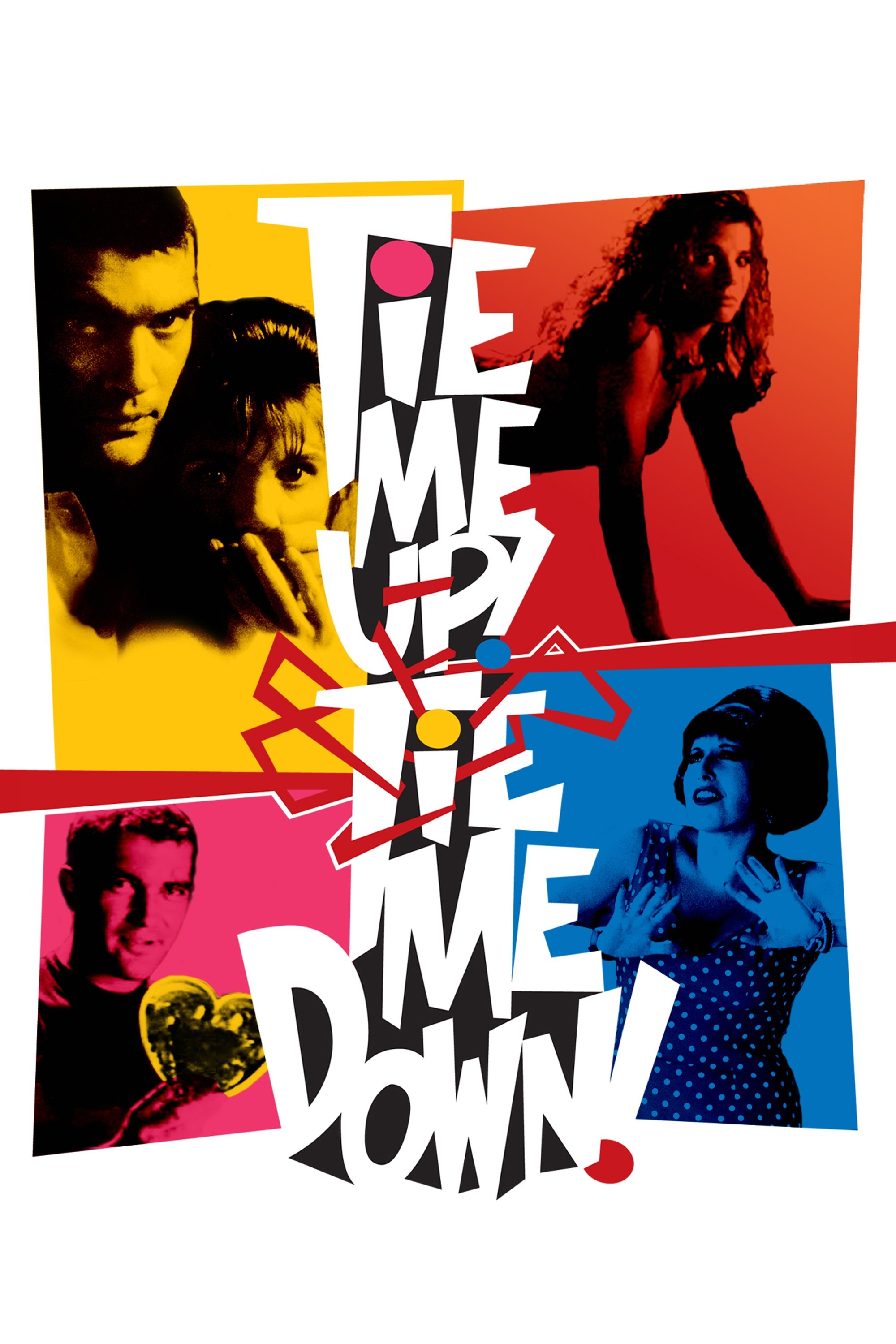
This dark romantic crime comedy follows a recently released psychiatric patient who kidnaps a struggling actor in an attempt to force a relationship, merging illicit captivity with industry commentary about low-budget genre filmmaking. The narrative juxtaposes studio backlots, apartments, and hospital spaces to trace shifting power dynamics between captor and captive.
Written and directed by Pedro Almodóvar, the film uses bold color design, prop symbolism, and recurring musical cues to underline character intent. Banderas’s role is structured around behavioral tics, abrupt tonal pivots, and physical business that interacts closely with set dressing—bath fixtures, makeup kits, and soundstage equipment—creating a precise choreography within confined interiors.
‘Law of Desire’ (1987)

This melodrama centers on a film director entangled in a volatile love triangle that spirals into jealousy, forged letters, and legal peril. The plotting interweaves rehearsal footage, theatrical staging, and domestic spaces to examine authorship, identity, and consequences as professional and private lives collide.
Another collaboration with Pedro Almodóvar, the film established ongoing thematic signatures—creative process as narrative engine, siblings as confidants, and Catholic iconography reframed through contemporary desire. Banderas’s character arc moves through police inquiries, sudden travel, and clandestine meetings, structured to reveal key motivations through props such as typewritten pages, telephones, and discarded tapes.
‘Pain and Glory’ (2019)

This semi-autobiographical drama follows an aging filmmaker confronting creative paralysis while revisiting formative relationships, early artistic influences, and unresolved collaborations. The story is organized around medical appointments, domestic renovations, and a rediscovered stage piece, using these touchpoints to unlock memory sequences and new work.
Costume and production design track the character’s health and mood through textiles, wall art, and carefully arranged books, while the score marks transitions between present action and recollection. Banderas’s performance aligns with the project’s meta-cinematic layer—onstage readings, rehearsals, and screenings—mapping how artistic routines and physical limitations intersect with craft.
‘The Skin I Live In’ (2011)

This psychological thriller revolves around a gifted surgeon conducting unauthorized research into synthetic skin, with a captive subject at the center of a methodically unfolding backstory. The narrative is built from flashbacks, altered identities, and a layered reveal structure that connects a home laboratory, a secluded estate, and off-site incidents into a single timeline.
Directed by Pedro Almodóvar, the production emphasizes sterile surfaces, mirrored interiors, and tight camera placements to reflect clinical control and concealment. Wardrobe choices, framed artwork, and recurring motifs—keys, masks, and sewn seams—serve as visual markers for shifts in agency and information, while the editing pattern withholds and releases crucial details to recontextualize prior scenes.
Share your picks for the most overlooked Banderas performances in the comments and tell us which titles you’d add to the list!