


The 10 Most Underrated Giancarlo Esposito Movies, Ranked (from Least to Most Underrated)



Giancarlo Esposito has carved out one of the most varied filmographies of the last four decades, moving from indie breakthroughs to studio thrillers and international co-productions with almost effortless precision. Long before many viewers discovered him on television, he was building a resume across crime dramas, political satires, character-driven indies, and inventive genre films—often in sharply drawn supporting turns that give stories their edge and momentum.
This countdown focuses on feature films where his work adds crucial texture around the leads—sometimes as a catalyst in the plot, sometimes as a steadying force inside an ensemble. You’ll find collaborations with Spike Lee and Abel Ferrara, prestige ’90s crime, modern corporate thrillers, and a couple of titles that traveled widely on streaming. Each entry below highlights the essentials: who made it, what it’s about, where Esposito fits into the story engine, and how the film sits in his broader body of work.
‘School Daze’ (1988)

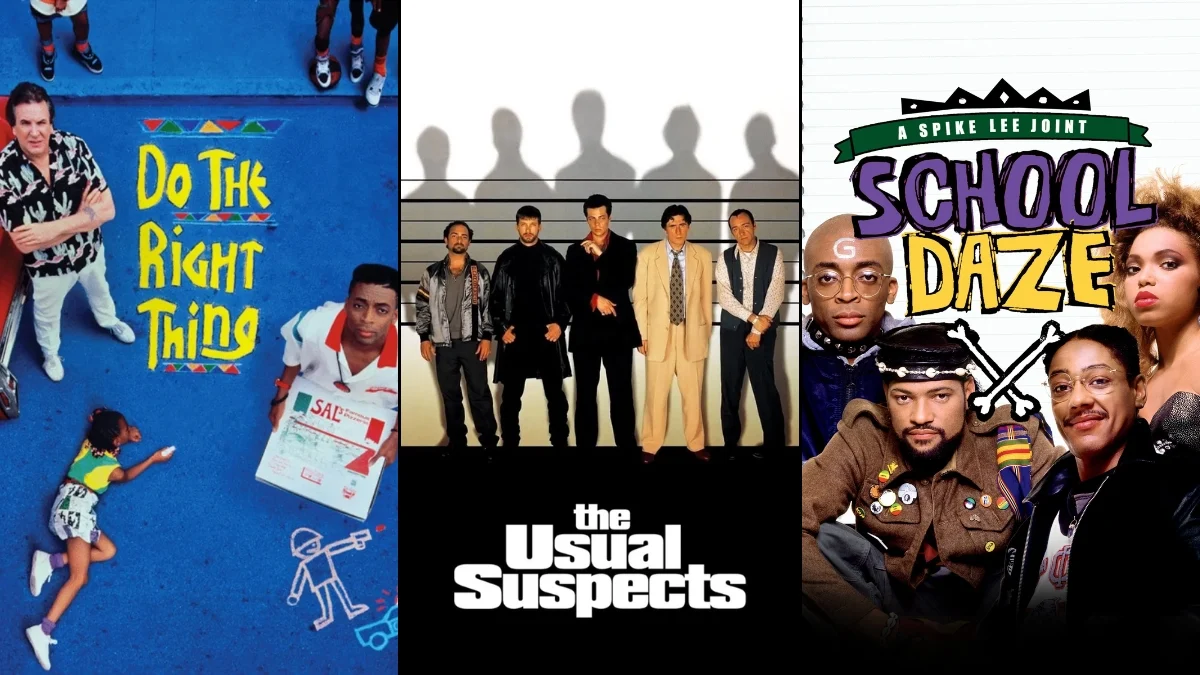
Spike Lee’s campus-set musical-drama follows intersecting social circles at a historically Black college during homecoming weekend, weaving fraternity life, class tensions, and activism into a stylized narrative. The production mixes musical numbers with grounded dorm-room and quad scenes, building to a homecoming parade and a climactic call-to-conscience moment that became one of Lee’s early signature endings.
Esposito appears within the central fraternity storyline, where power dynamics and image-making drive several confrontations and set pieces. The film helped establish a recurring collaboration between the actor and Lee, while also introducing audiences to a young ensemble that would reappear across late-’80s and early-’90s American cinema.
‘Harley Davidson and the Marlboro Man’ (1991)
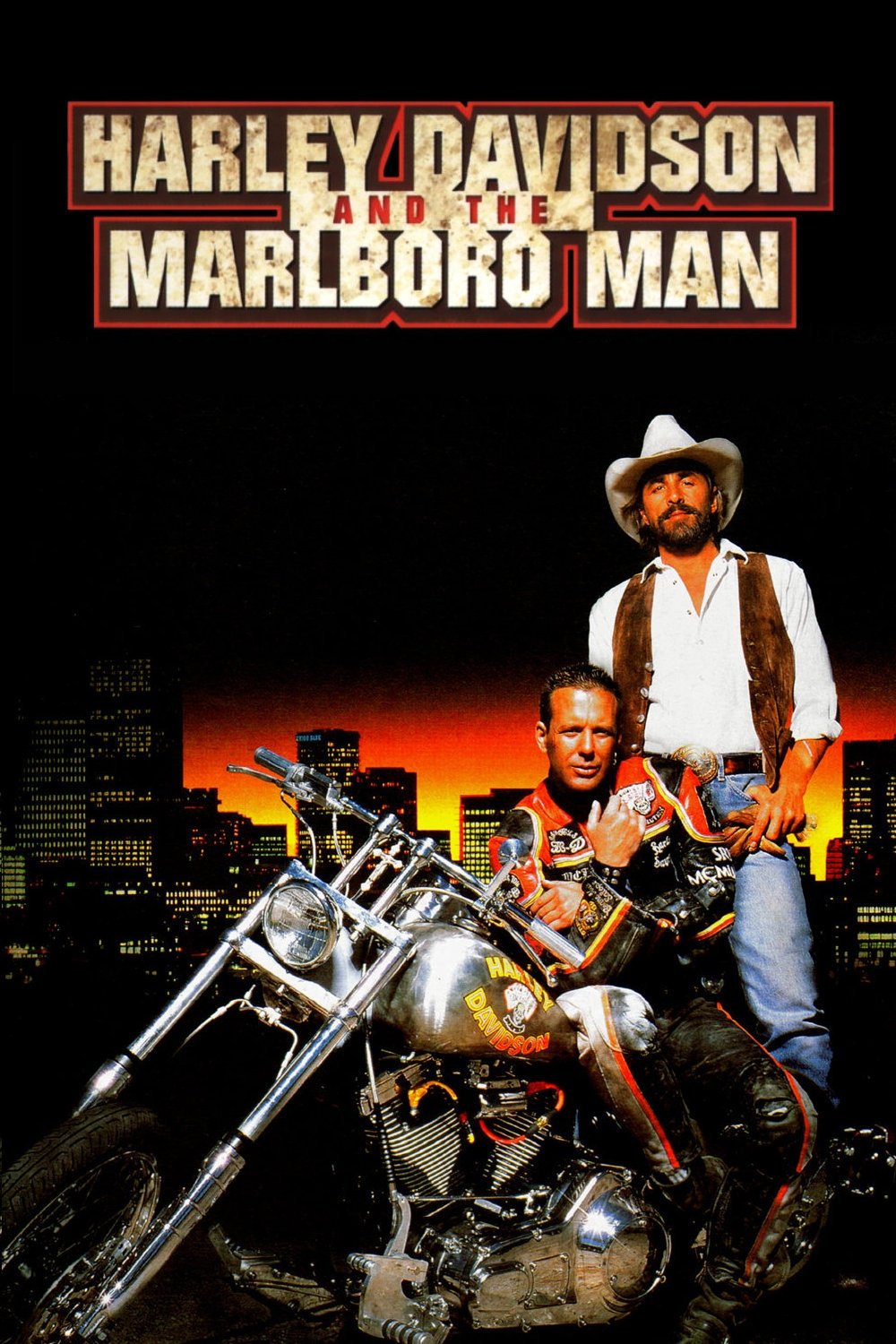
Set in a near-future Los Angeles, this action film pairs a drifter biker with a rodeo-cowboy friend for a heist that spins into a corporate crime conspiracy. The production combines biker-movie aesthetics with slick early-’90s action staging, using downtown rooftops, banks, and night streets as backdrops for chases and shootouts.
Esposito features among the supporting players orbiting the duo’s botched score and its fallout, interacting with the film’s mix of hired guns and fixers. The role sits in a run of early-’90s genre appearances where he threads character work into commercial action frameworks, adding connective tissue between big set pieces.
‘Mo’ Better Blues’ (1990)
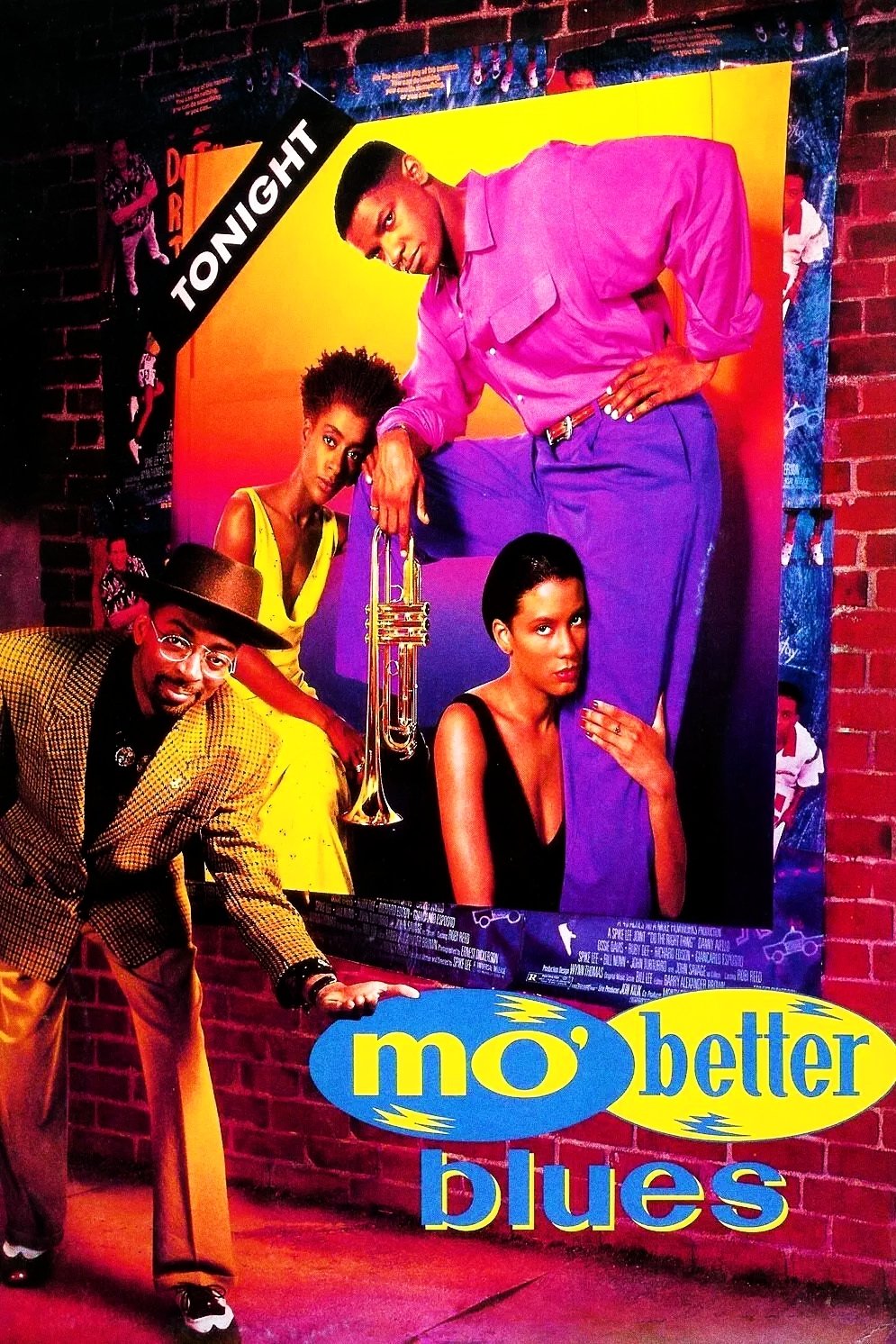
Spike Lee’s jazz-drama centers on a brilliant trumpeter balancing band politics, romance, and career choices, with performance sequences anchoring the film’s mood and rhythm. The soundtrack and club interiors are key design elements, and the narrative returns to rehearsal rooms and after-hours spaces to chart creative friction.
Within the band ecosystem, Esposito plays off the film’s musicians and managers as rehearsals, gigs, and personal decisions clash. It’s a portrait of working-artist logistics as much as onstage flash, and his presence contributes to the film’s lived-in sense of how a small ensemble actually functions night after night.
‘Money Monster’ (2016)
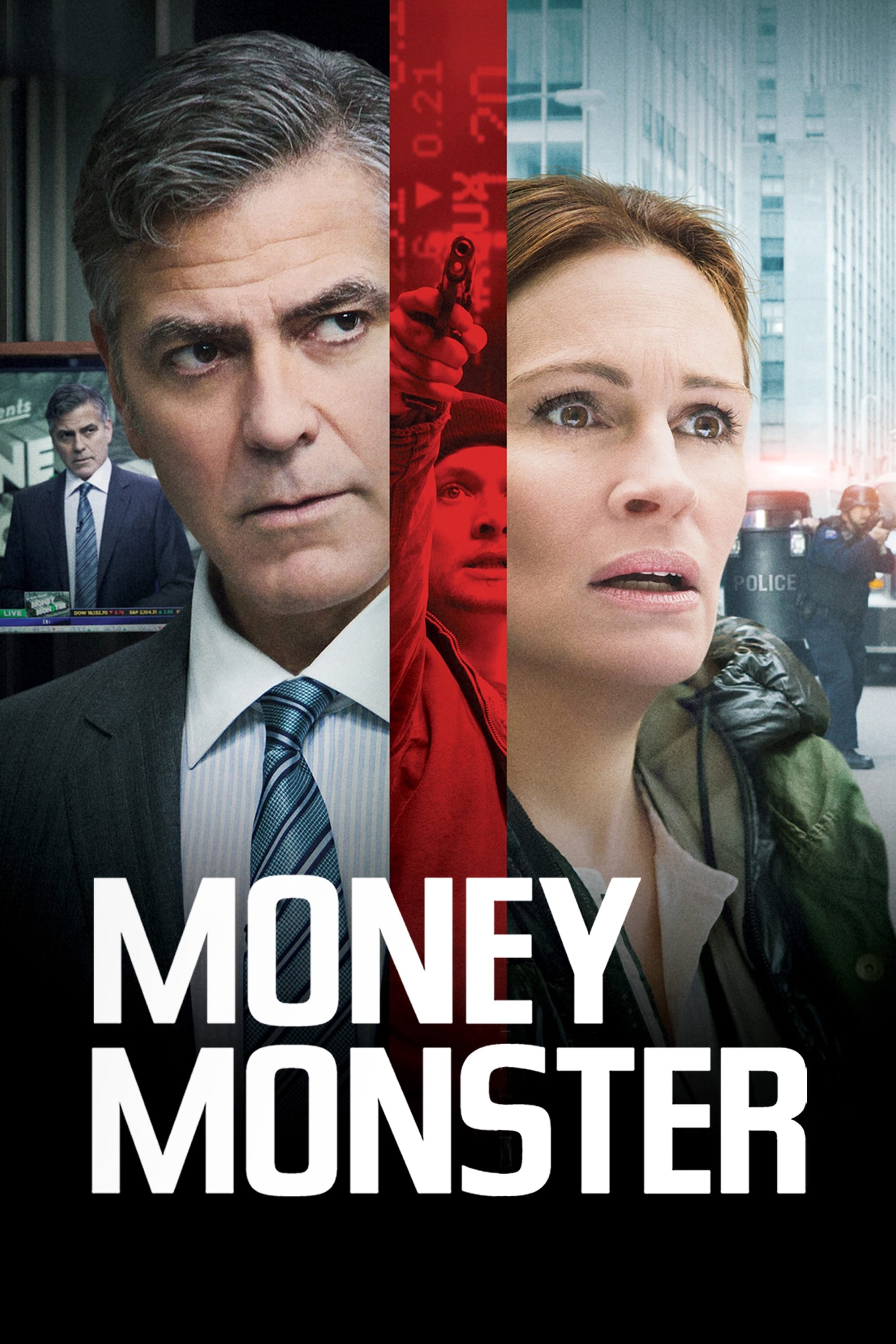
A real-time thriller set inside a live financial-TV broadcast, the film follows a desperate investor who storms the studio and forces the host and crew into an on-air reckoning. Jodie Foster directs with an emphasis on control rooms, earpieces, and the choreography of live television, cutting between the stage, the booth, and an active police perimeter.
Esposito appears on the law-enforcement side of the crisis, interacting with producers and negotiators as the broadcast unfolds without a cut. The part leverages his poised authority in high-pressure environments, aligning with other roles where he navigates chain-of-command pressures and public optics in real time.
‘King of New York’ (1990)
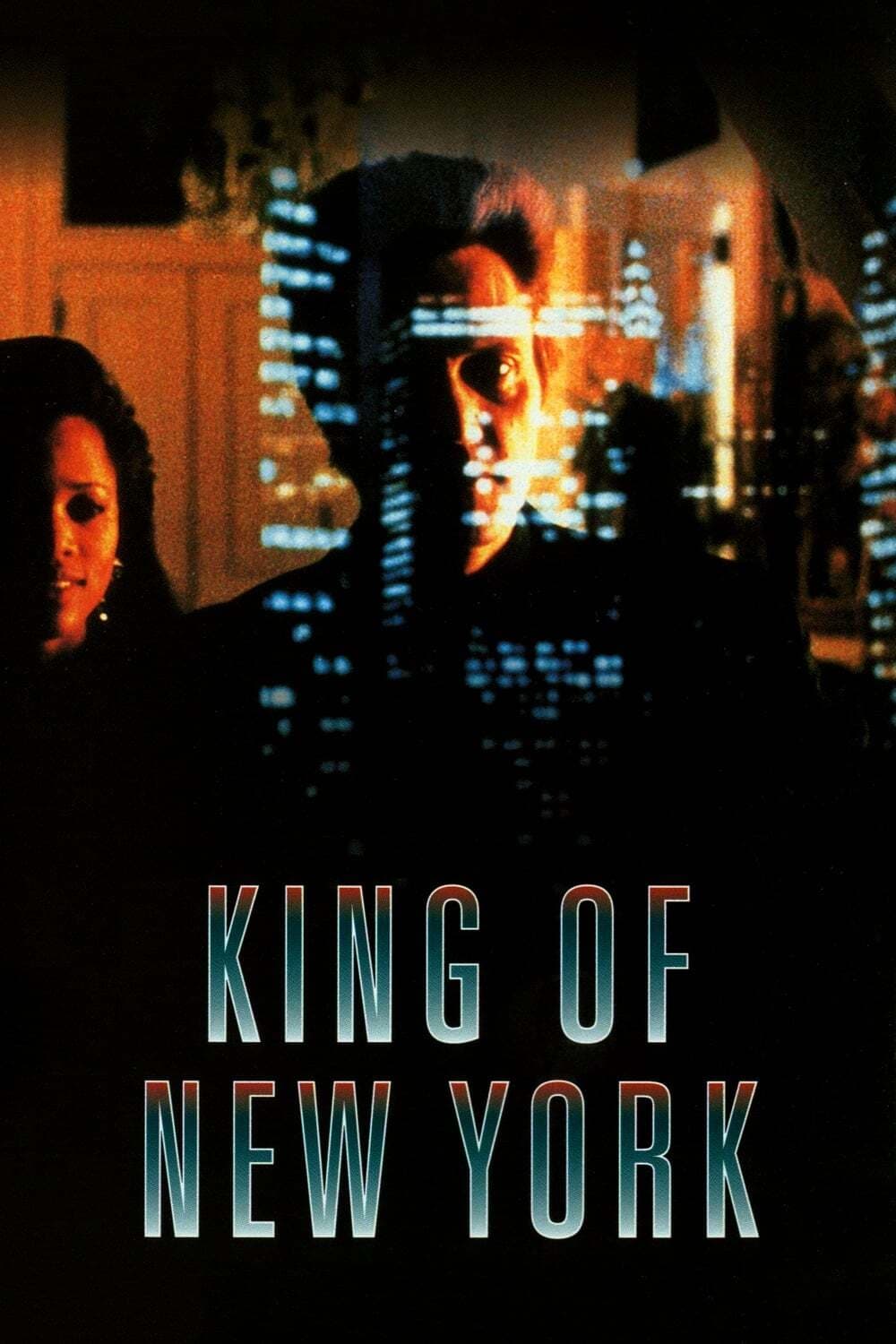
Abel Ferrara’s crime drama tracks a drug-world power player who emerges from prison and reasserts control, sparking a violent contest with rivals and an obsessed crew of cops. The film’s New York locations—hotels, subways, nightclubs—are central to its atmosphere, and the stylized lighting and synth-driven score give it a distinct early-’90s nocturnal feel.
Esposito works within the film’s dense network of lieutenants, crews, and task-force detectives whose moves tighten the story’s vice around the kingpin. Slotted among a stacked ensemble, his presence helps map the city’s criminal and police hierarchies the plot keeps crossing and collapsing.
‘Okja’ (2017)

Bong Joon-ho’s globe-spanning adventure follows a girl trying to rescue her genetically engineered companion from a conglomerate, blending corporate satire with chase-movie propulsion. The production moves from South Korean mountains to New York boardrooms and labs, using practical locations and VFX creature work to keep the human-animal bond front and center.
Esposito plays a senior corporate adviser whose meetings and hallway conversations steer high-level strategy as the company’s public-facing narrative starts to fracture. The role situates him in the C-suite layer of the satire, interacting with executives, PR handlers, and scientists as the story alternates between spectacle and boardroom maneuvering.
‘Fresh’ (1994)
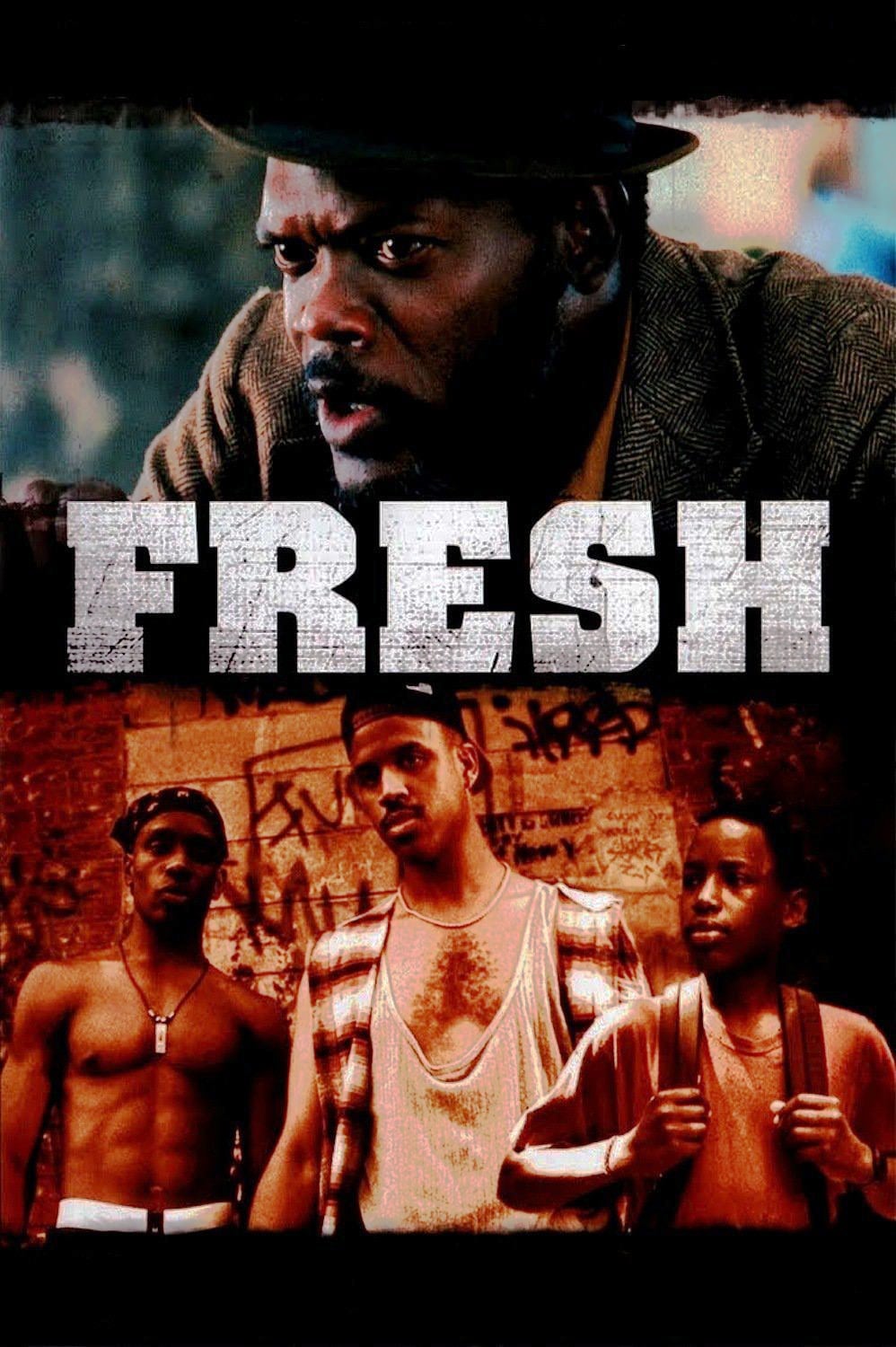
Set in Brooklyn, this urban drama follows a 12-year-old chess-savvy courier who uses careful planning to navigate rival dealers and a dangerous home life. The film emphasizes street-level geography—parks, projects, bus routes—and builds tension through quiet observation rather than constant gunfire, culminating in a strategy that clicks into place like a tournament endgame.
Esposito portrays a pivotal figure in the neighborhood’s drug economy, appearing in scenes that define the stakes and rules the boy has to outthink. His interactions underline the social architecture the protagonist must decode, and the performance sits among Esposito’s most memorable ’90s turns in independent cinema.
‘Malcolm X’ (1992)
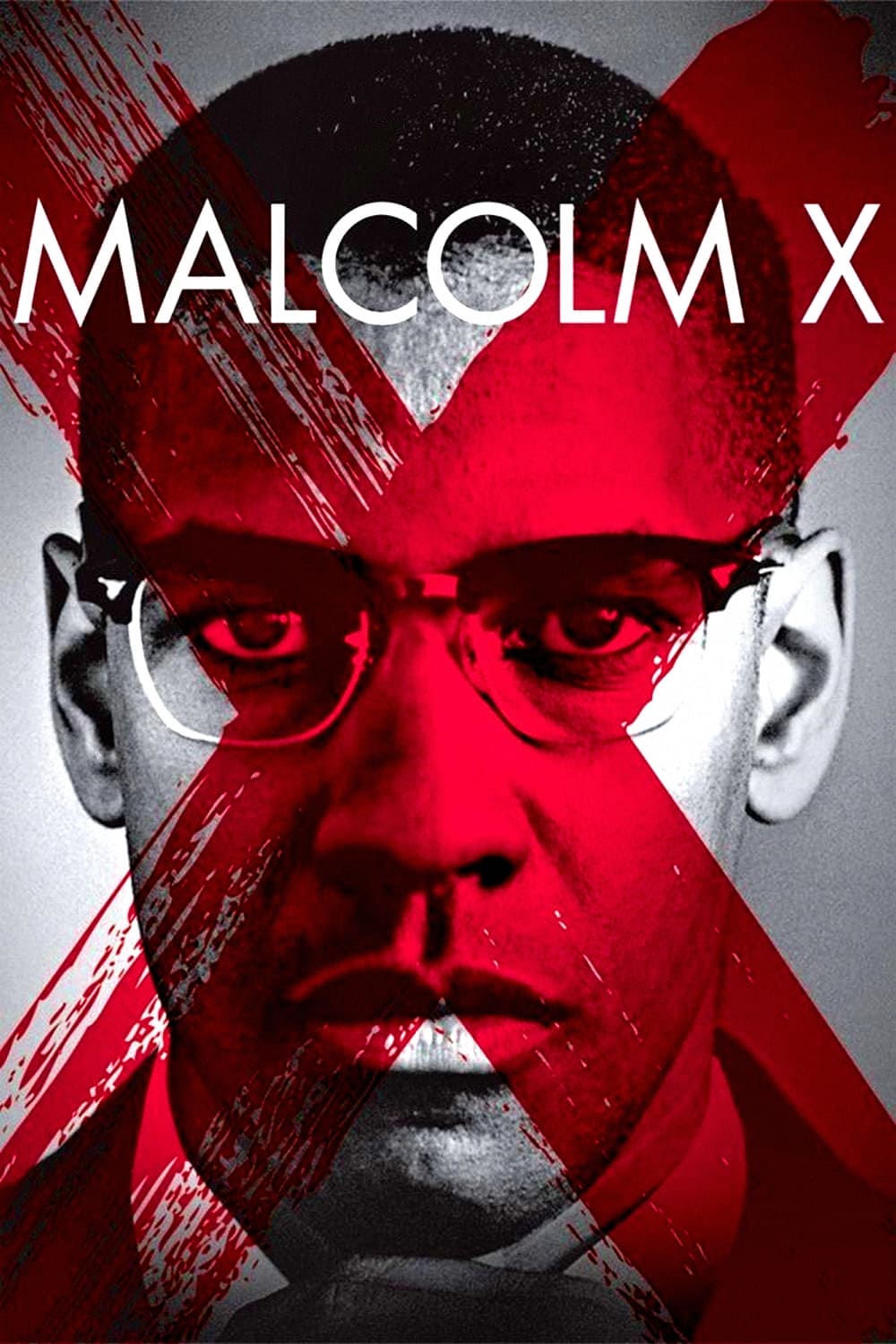
Spike Lee’s biographical epic traces the life of the civil-rights leader from his Boston and Harlem years through the Nation of Islam period and beyond, staging key speeches and historical milestones with large-scale set pieces. The production mounts extensive location work and period costuming, reconstructing nightclubs, mosque interiors, and public venues to carry the timeline forward.
Esposito appears in the ensemble surrounding the film’s major political and personal transitions, intersecting with scenes that mark shifts in allegiance and ideology. The role complements Lee’s broad canvas by adding specificity to the movement’s day-to-day operations, where alliances and threats are always in flux.
‘Do the Right Thing’ (1989)
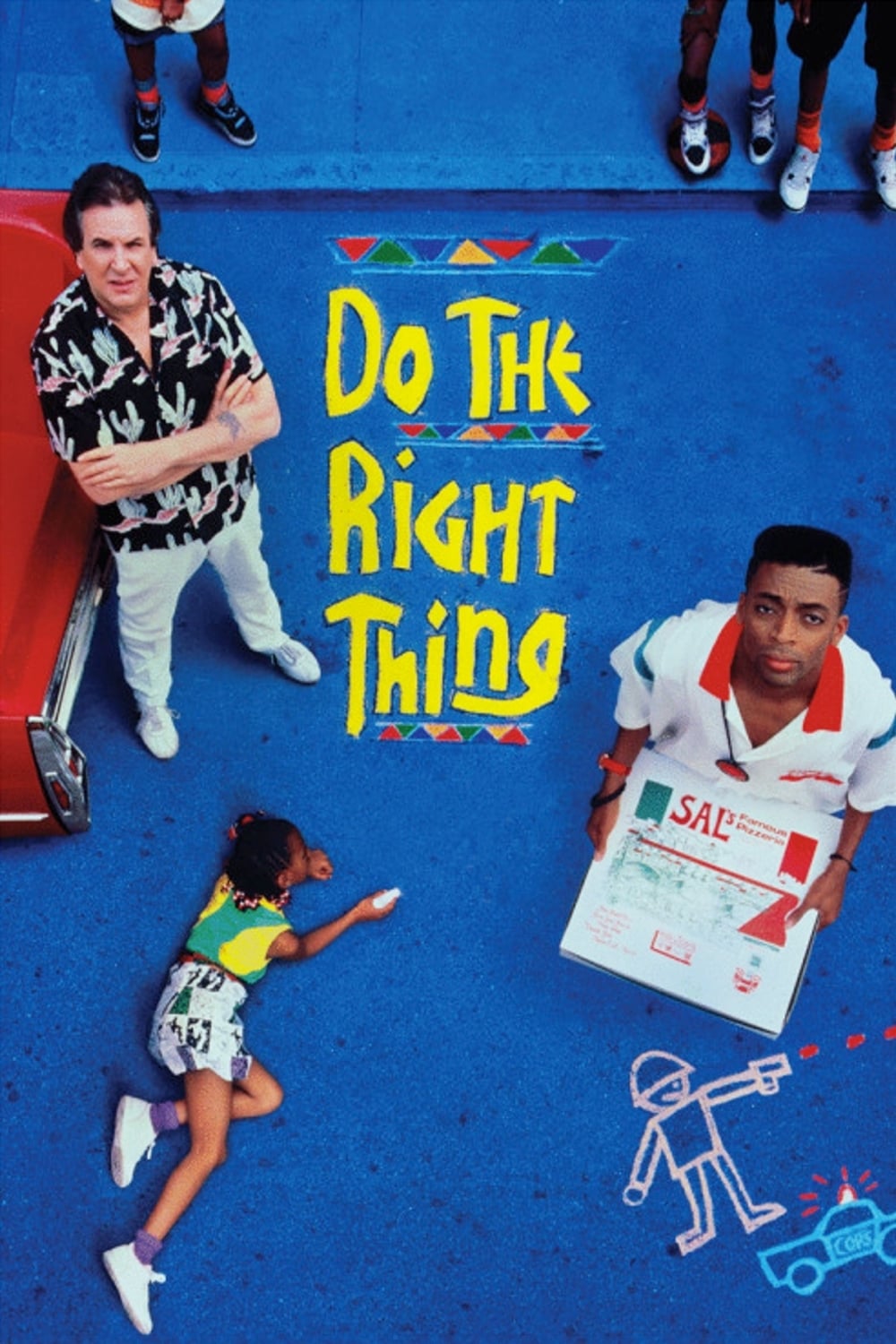
Set on one sweltering day in Bed-Stuy, Spike Lee’s landmark drama follows a cross-section of neighbors and business owners as conversations, jokes, and arguments gradually boil over. Street corners, the pizzeria, and a boom-box soundtrack define the film’s grammar, and the color design and camera movements amplify the heat both literal and social.
Esposito’s character is central to several key encounters that escalate tensions across the block, linking early comic beats to later clashes. The part became one of his earliest widely recognized roles, anchoring him in a film that remains foundational in discussions of American neighborhood storytelling.
‘The Usual Suspects’ (1995)
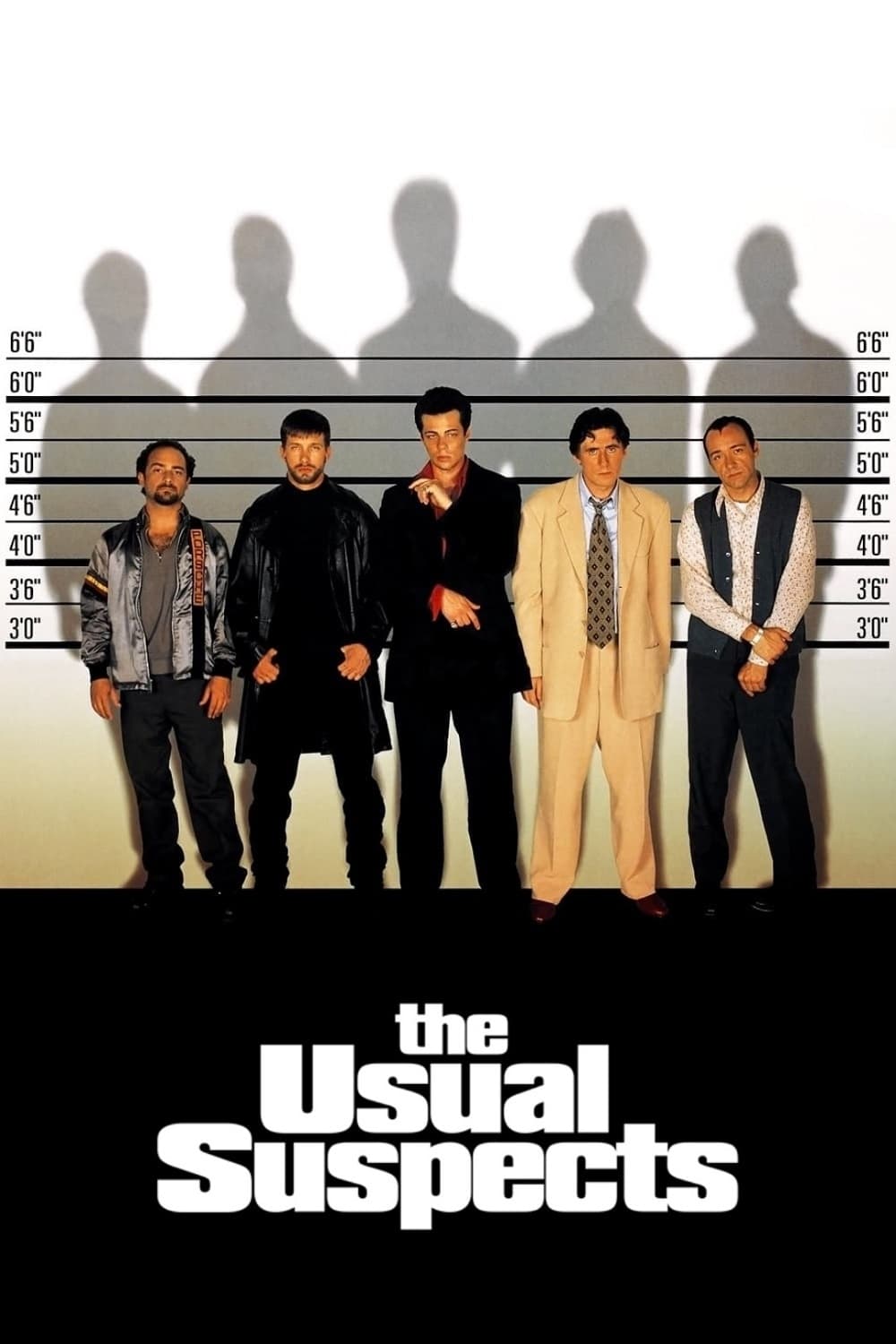
This ensemble crime mystery begins with a ship explosion and works backward through a lineup room, interrogations, and unreliable testimony toward a mythic crime figure. The film’s structure relies on shifting timelines and voiceover, with police precincts, docks, and safe houses forming a puzzle the audience assembles scene by scene.
Esposito plays a federal agent whose interviews and briefings frame crucial investigative beats, translating street-level chaos into case files and composite narratives. The role positions him at the interface between procedural detail and the story’s larger sleight-of-hand, giving the film a pragmatic anchor amid its misdirections.
Share your picks for the most overlooked Esposito performances in the comments—what would you add or swap?