


The 10 Most Underrated Hilary Swank Movies, Ranked (from Least to Most Underrated)

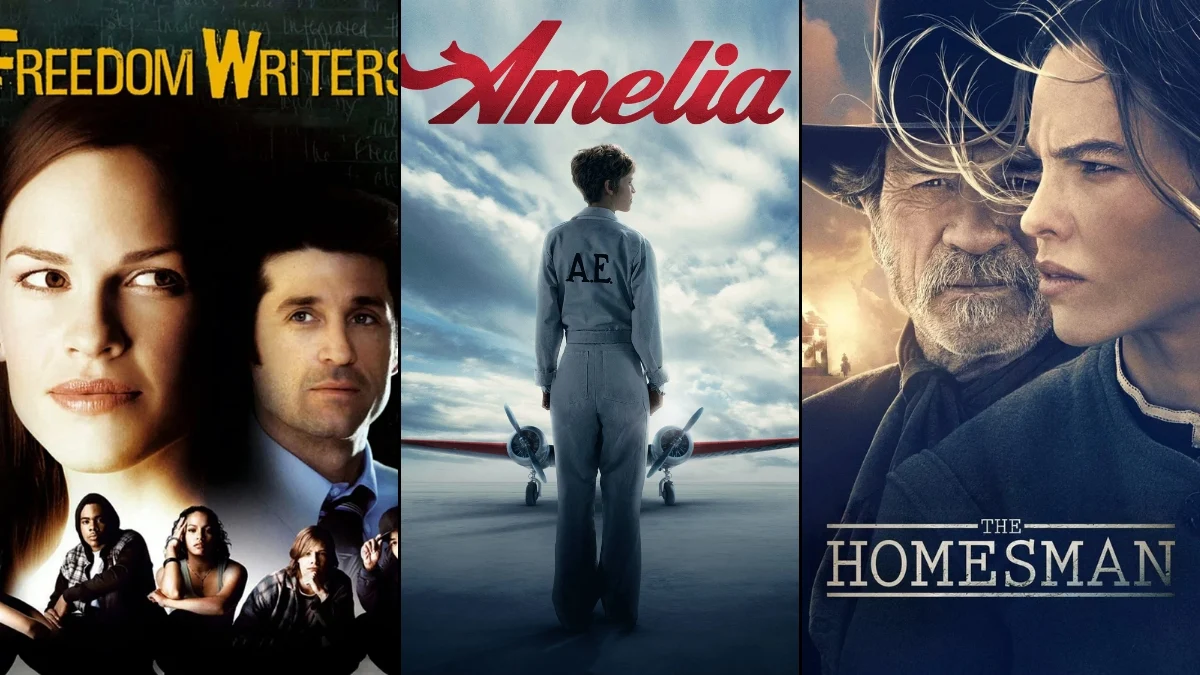


Hilary Swank’s filmography stretches from intimate true-story dramas to pulpy thrillers and offbeat indies. Beyond the most cited titles, there’s a deep bench of projects where she anchored complex roles, collaborated with notable filmmakers, and took risks across genres.
Below is a countdown of ten films that often sit just outside the spotlight. Each entry includes concise details on the story, Swank’s role, key collaborators, and relevant production context so you can quickly see what each project brings to the table.
‘The Next Karate Kid’ (1994)
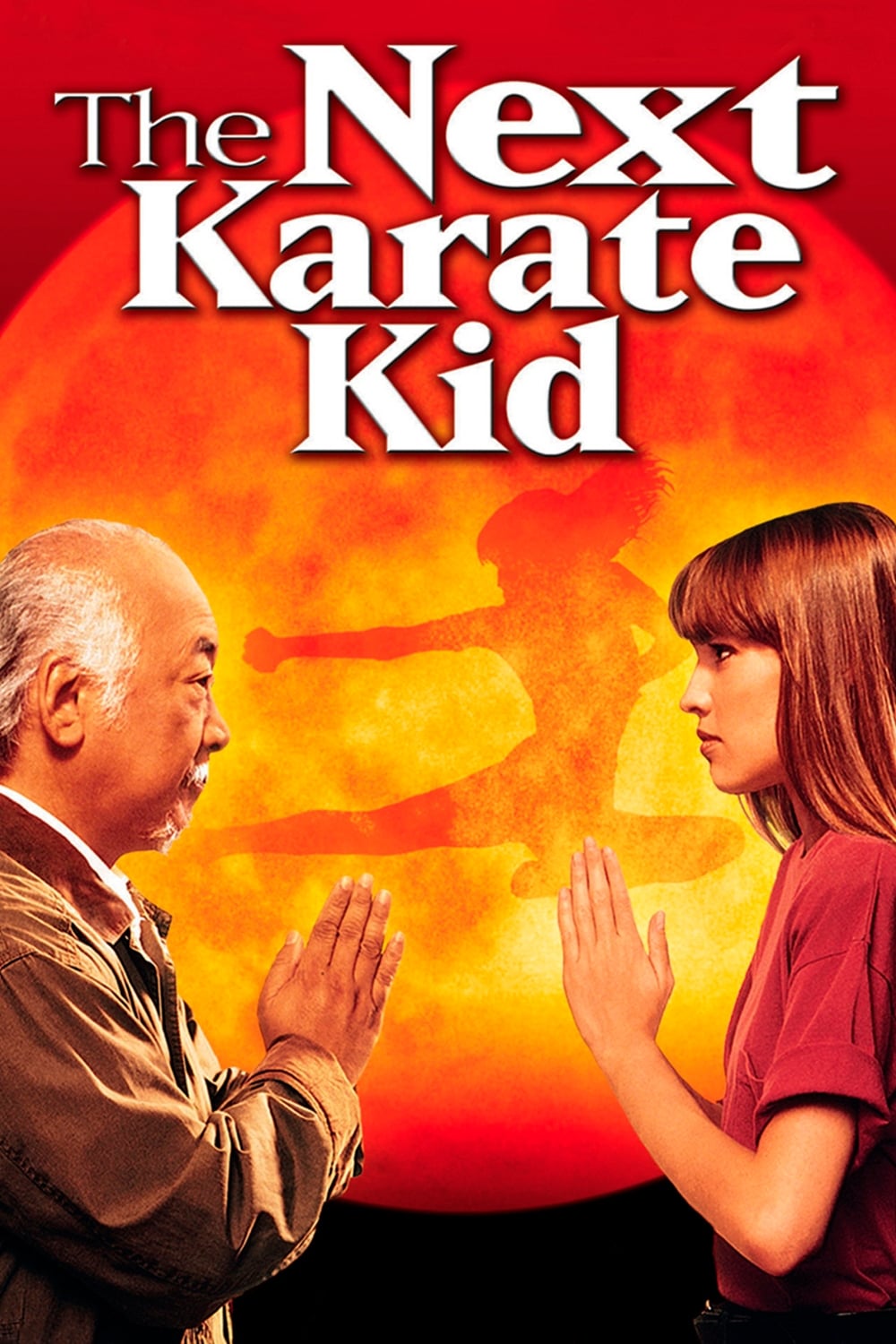
Hilary Swank plays Julie Pierce, a Boston teenager mentored by Mr. Miyagi, with Pat Morita reprising his iconic role. Directed by Christopher Cain, the film extends the martial-arts franchise to a new protagonist, focusing on Julie’s training, school tensions, and a retreat with Buddhist monks that shapes her discipline. The production was released by Columbia Pictures and shot partly in Massachusetts and California, continuing the series’ emphasis on mentorship.
Swank’s participation marked an early leading role in a major studio franchise. The film’s narrative places her character within the established ‘Karate Kid’ universe while introducing new settings, including the monastery sequence, and a contemporary high-school milieu. The project positioned Swank as a fresh face in a legacy series prior to her later awards-season breakthroughs.
‘Fatale’ (2020)
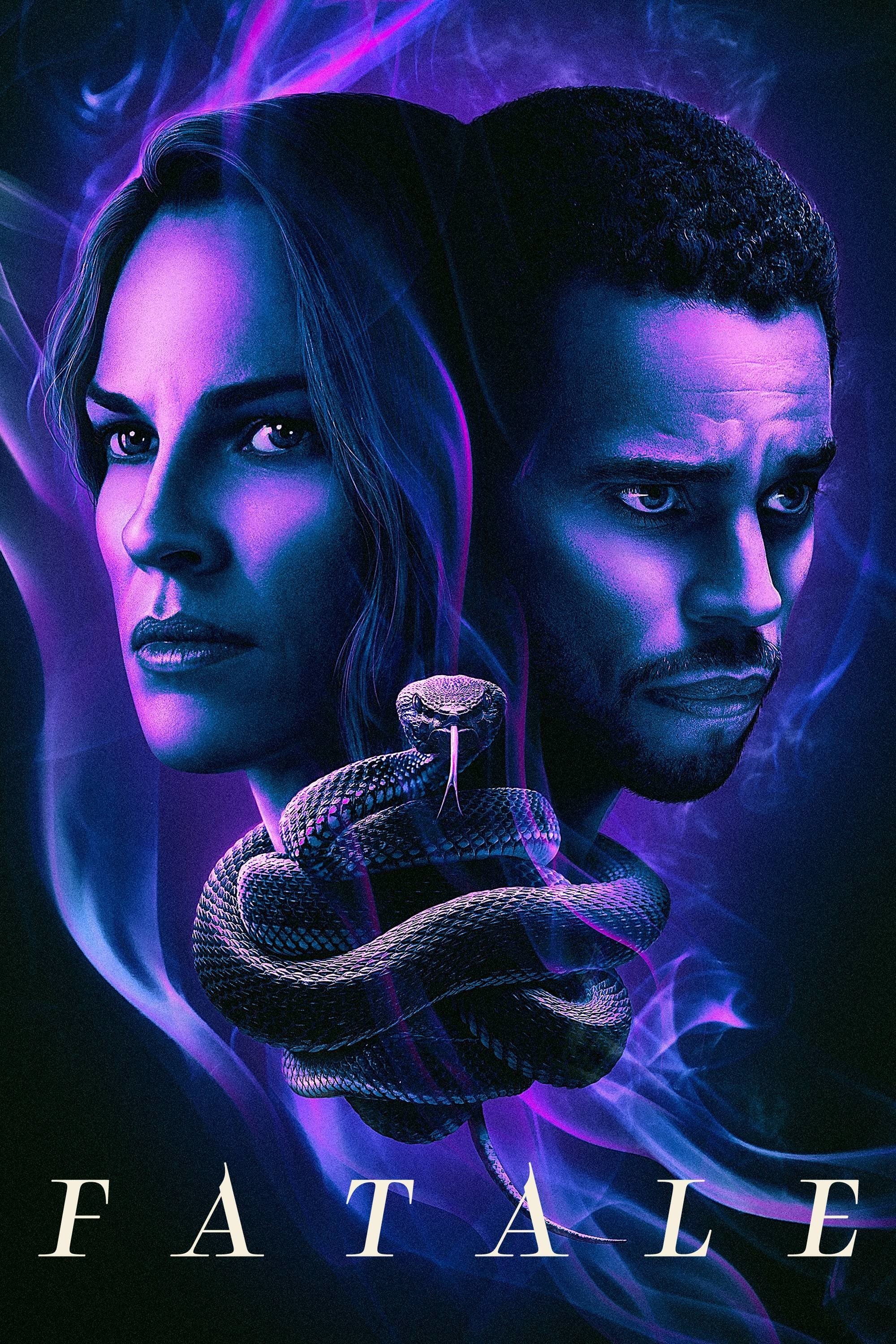
Set in Los Angeles, ‘Fatale’ pairs Hilary Swank with Michael Ealy in a neo-noir thriller directed by Deon Taylor. Swank portrays Detective Val Quinlan, whose involvement with a married sports agent entangles both in a criminal investigation and a spiral of suspicion. The film was released by Lionsgate and leans on modern noir hallmarks—chance encounters, compromised decisions, and escalating fallout.
The production uses urban locations and a contained roster of characters to drive a cat-and-mouse structure. Swank’s role places her at the center of the investigative thread, aligning the film with contemporary thrillers that foreground law-enforcement perspectives alongside personal entanglements. The movie fits within Taylor’s run of genre pieces featuring twist-driven narratives.
‘The Core’ (2003)
‘The Core’ is a science-adventure film directed by Jon Amiel in which Hilary Swank plays Major Rebecca “Beck” Childs, a space-shuttle pilot recruited for a mission to restart the Earth’s core. The ensemble includes Aaron Eckhart, Delroy Lindo, and Stanley Tucci, with large-scale setpieces built around a subterranean vessel and global electromagnetic disruptions. Paramount Pictures handled distribution.
The production combined practical sets with early-2000s visual effects to stage a specialized-team scenario. Swank’s character is central to the mission’s flight operations and crew dynamics, giving her a leadership role within the film’s procedural framework. The project aligns with disaster-adventure conventions, emphasizing technical problem-solving sequences and coordinated teamwork.
‘Amelia’ (2009)

In ‘Amelia’, directed by Mira Nair, Hilary Swank portrays aviator Amelia Earhart, covering milestones such as record-setting flights and her partnership with publisher George Putnam, played by Richard Gere. The film includes portrayals of figures from Earhart’s circle, including Ewan McGregor as Gene Vidal, and tracks the lead-up to Earhart’s final, ill-fated journey. Fox Searchlight Pictures released the biographical drama.
Production elements highlight period aviation, with vintage aircraft, costuming, and international locations used to recreate 1930s settings. The narrative interweaves Earhart’s public accomplishments with professional logistics and media management, situating Swank’s performance within a historical reconstruction that reflects documented events and relationships.
‘The Homesman’ (2014)
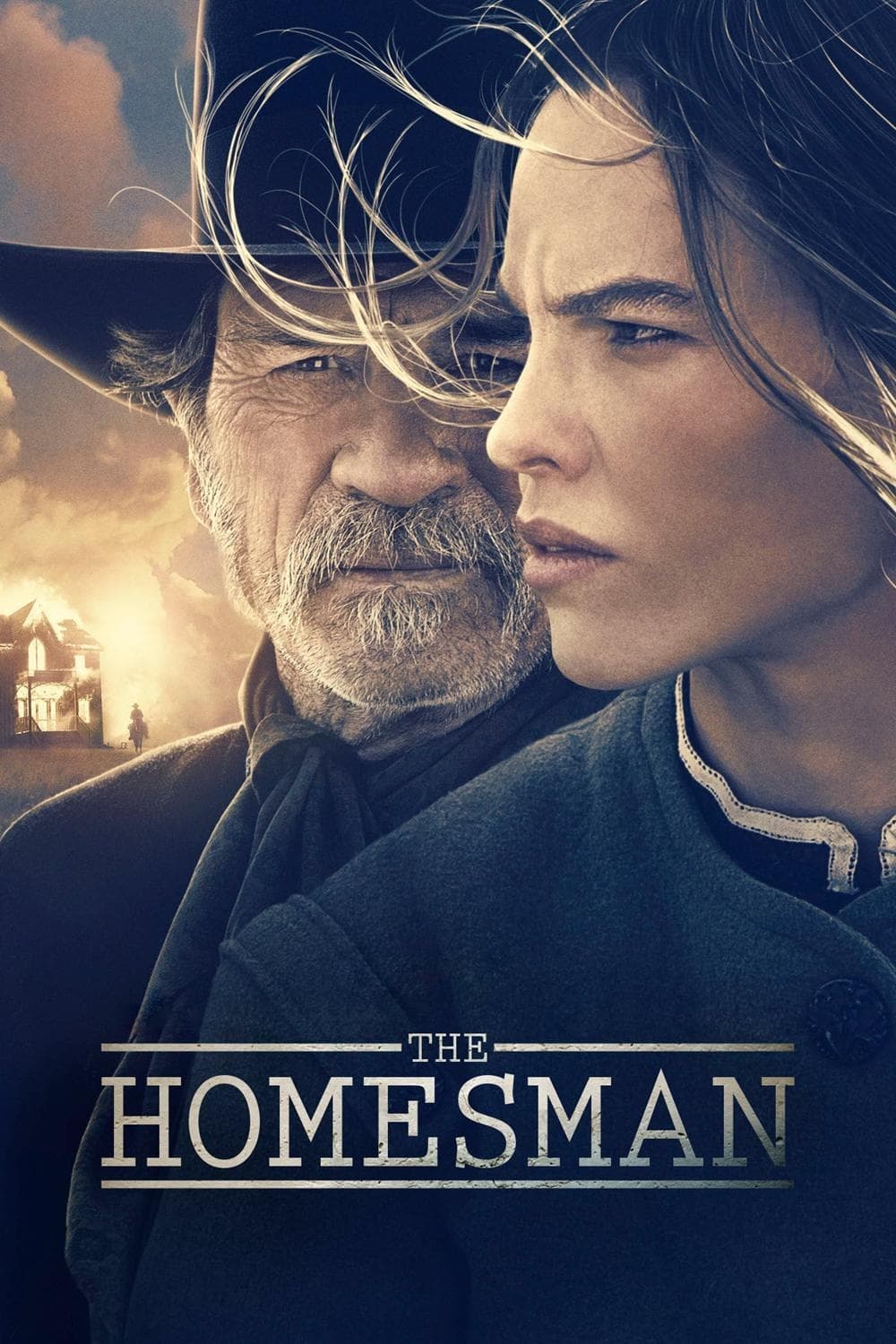
Directed by Tommy Lee Jones and based on Glendon Swarthout’s novel, ‘The Homesman’ casts Hilary Swank as Mary Bee Cuddy, a frontierswoman escorting three women across the Nebraska Territory. The film co-stars Tommy Lee Jones, with appearances by Hailee Steinfeld, Meryl Streep, and John Lithgow. It premiered at the Cannes Film Festival and emphasizes the rigors of mid-19th-century travel.
The production foregrounds survival logistics—river crossings, supplies, and route choices—while tracing Mary Bee Cuddy’s coordination with Jones’s character during the passage. Swank’s role is structured around decision-making and caretaking responsibilities, aligning the film with Western dramas that center on arduous overland journeys and community obligations.
‘What They Had’ (2018)
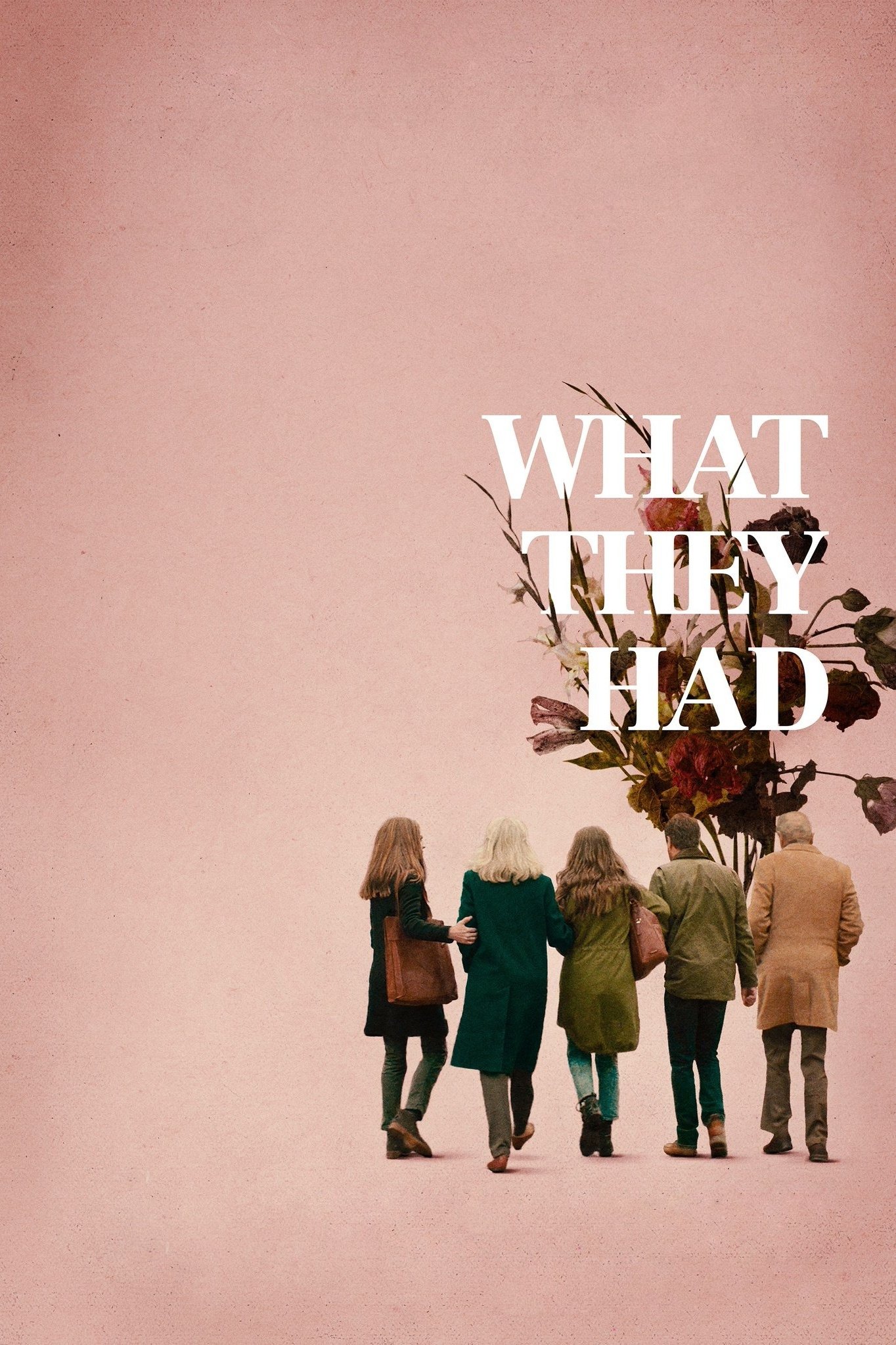
‘What They Had’ is a family drama written and directed by Elizabeth Chomko, with Hilary Swank starring alongside Michael Shannon, Blythe Danner, Robert Forster, and Taissa Farmiga. The story focuses on an adult daughter returning home as her family navigates a parent’s memory loss and the practical steps that follow. The film premiered at the Sundance Film Festival and was released by Bleecker Street.
Swank’s character manages medical, housing, and financial logistics while negotiating differing viewpoints among relatives. The production centers on Chicago settings and uses a compact timeframe to depict caregiving decisions, sibling interactions, and shifting responsibilities, emphasizing realistic details around health, power of attorney, and household transitions.
‘P.S. I Love You’ (2007)

Directed by Richard LaGravenese and based on the novel by Cecelia Ahern, ‘P.S. I Love You’ stars Hilary Swank as Holly Kennedy opposite Gerard Butler, with supporting roles for Kathy Bates, Jeffrey Dean Morgan, and Lisa Kudrow. Set between New York and Ireland, the film follows letters arranged by a late spouse that guide Holly through a series of planned experiences. Warner Bros. released the adaptation.
Production elements include location shooting in Ireland and New York, integrating music venues, neighborhoods, and countryside vistas into the narrative. The film’s structure uses pre-scheduled messages to organize character tasks and travel sequences, tying personal milestones to specific places and dates as Holly acts on the instructions she receives.
’11:14′ (2003)

’11:14′ is an ensemble crime thriller written and directed by Greg Marcks, structured as intersecting stories that all converge around the same late-night moment. Hilary Swank appears alongside Rachael Leigh Cook, Colin Hanks, Patrick Swayze, and Barbara Hershey, with each segment revealing context for the others through a non-linear timeline. The film was produced as an independent feature and released in select markets.
The narrative relies on chronological resets, shifting perspectives, and recurring props and locations to connect separate plots. Swank’s segment integrates workplace and small-town details that link back to other characters’ choices, illustrating how coincidences and miscommunications accumulate into the central incident.
‘Conviction’ (2010)
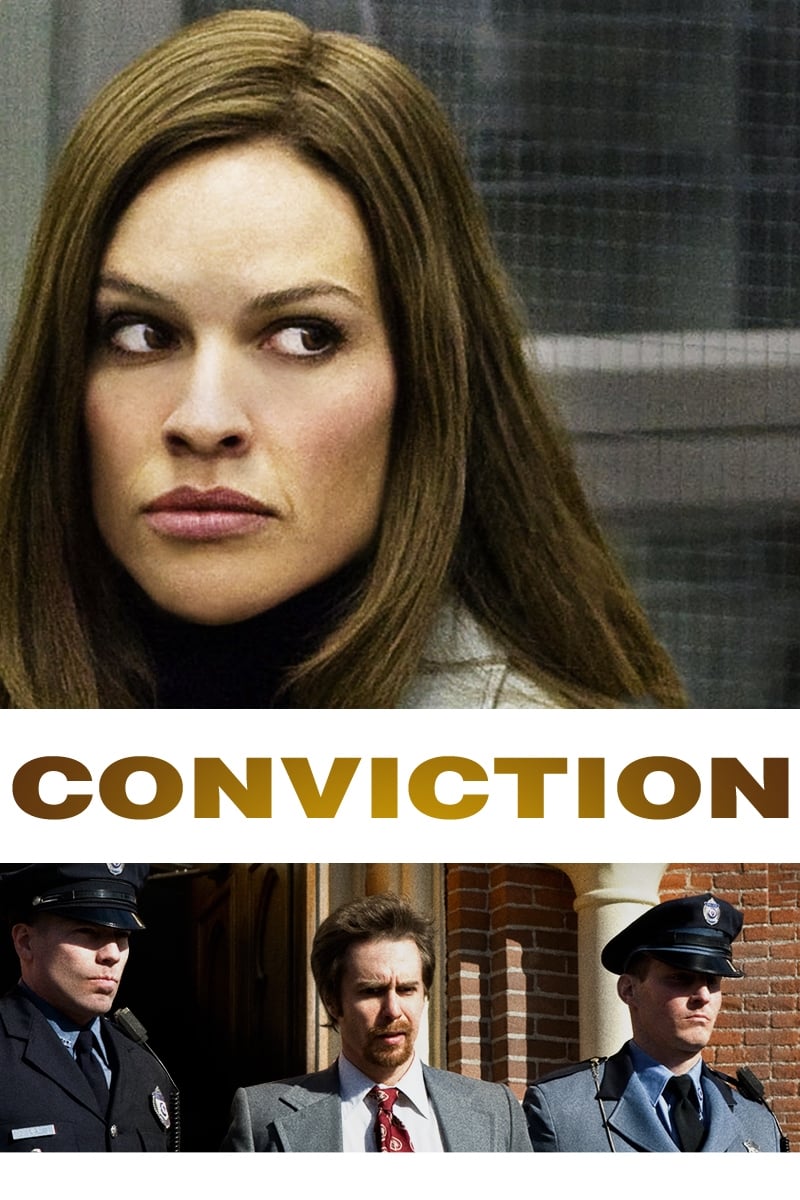
In ‘Conviction’, directed by Tony Goldwyn, Hilary Swank portrays Betty Anne Waters, a Massachusetts woman who pursues a GED, college degree, and law school over many years to challenge her brother’s murder conviction. The film co-stars Sam Rockwell, Minnie Driver, and Juliette Lewis, and is based on documented events involving case files, appeals, and forensic review. The release included screenings at the Toronto International Film Festival.
The production focuses on procedural steps: records requests, Innocence-project-style advocacy, and the re-examination of evidence. Swank’s character navigates legal timelines and institutional requirements, with scenes built around court filings, custody arrangements, and support from collaborators, reflecting the practical aspects of long-term post-conviction work.
‘Freedom Writers’ (2007)
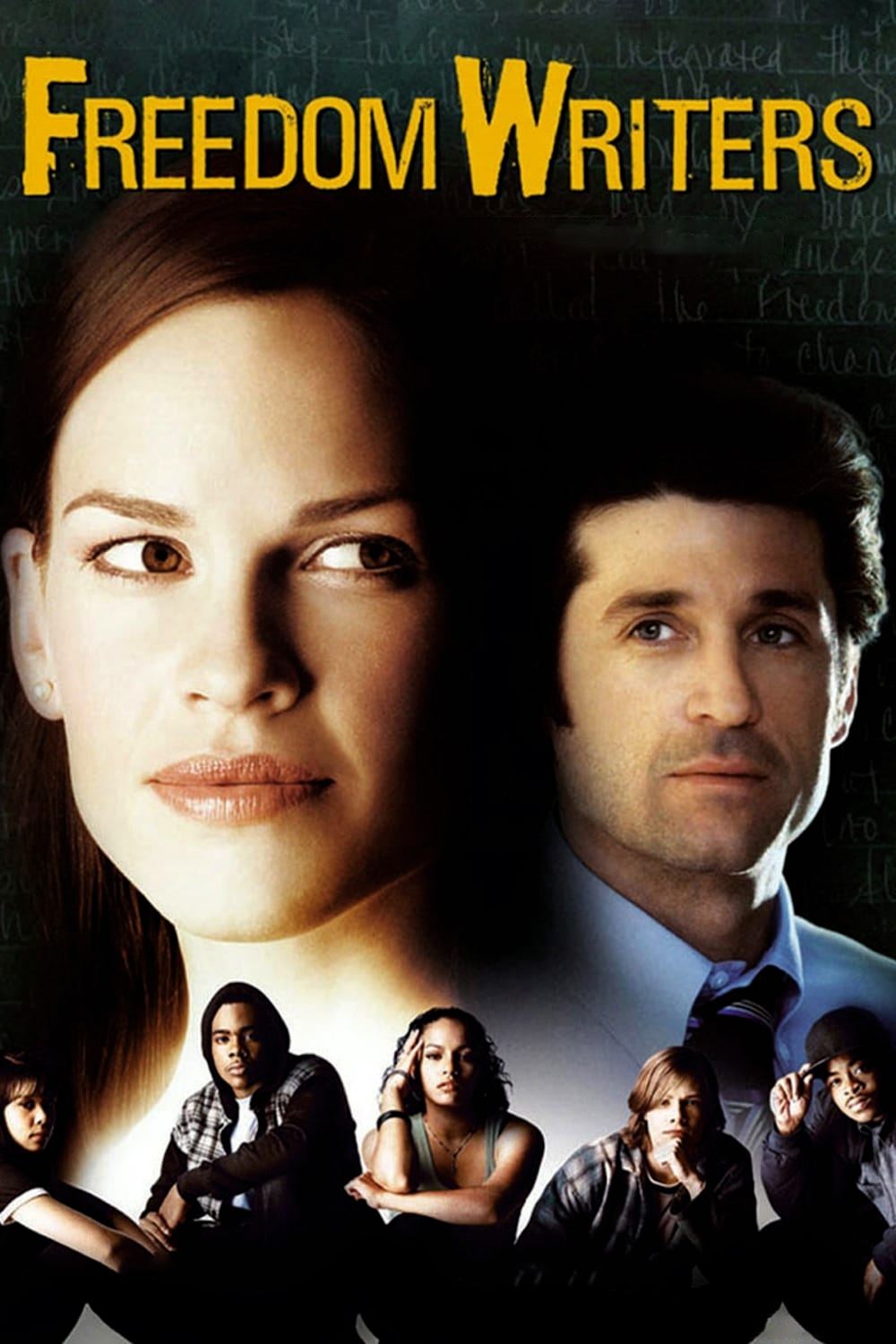
‘Freedom Writers’, directed by Richard LaGravenese and based on ‘The Freedom Writers Diary’, features Hilary Swank as teacher Erin Gruwell in Long Beach, California. The cast includes Imelda Staunton, Patrick Dempsey, and a classroom ensemble depicting students from varied backgrounds. The story follows classroom practices, journal writing, and community outreach initiatives connected to real-world events and educational resources. Paramount Pictures handled distribution.
Production details incorporate school interiors, neighborhood locations, and curricular materials that anchor scenes in day-to-day instruction. The film’s timeline traces specific projects—journaling, guest speakers, and museum visits—alongside administrative pressures, documenting how schedules, funding, and course planning shape classroom outcomes.
Share your picks in the comments—what would you add or swap on this list?