


The 10 Most Underrated James Gandolfini Movies, Ranked (from Least to Most Underrated)




James Gandolfini is forever linked to television history, yet his film work stretches across crime capers, political satire, noir homages, and intimate character dramas. Across these projects he collaborated with directors like Tony Scott, the Coen brothers, Kathryn Bigelow, Spike Jonze, and Nicole Holofcener, leaving sharply drawn roles that showcased his range beyond the archetypes people often associate with him.
This list spotlights ten films where his performances add texture, momentum, or surprising warmth to the story at hand. Presented as a countdown, it moves from entries that flew under the radar to those that now sit comfortably among the most widely celebrated titles in his filmography—each one offering a clear view of the craft he brought to the screen.
‘The Mexican’ (2001)
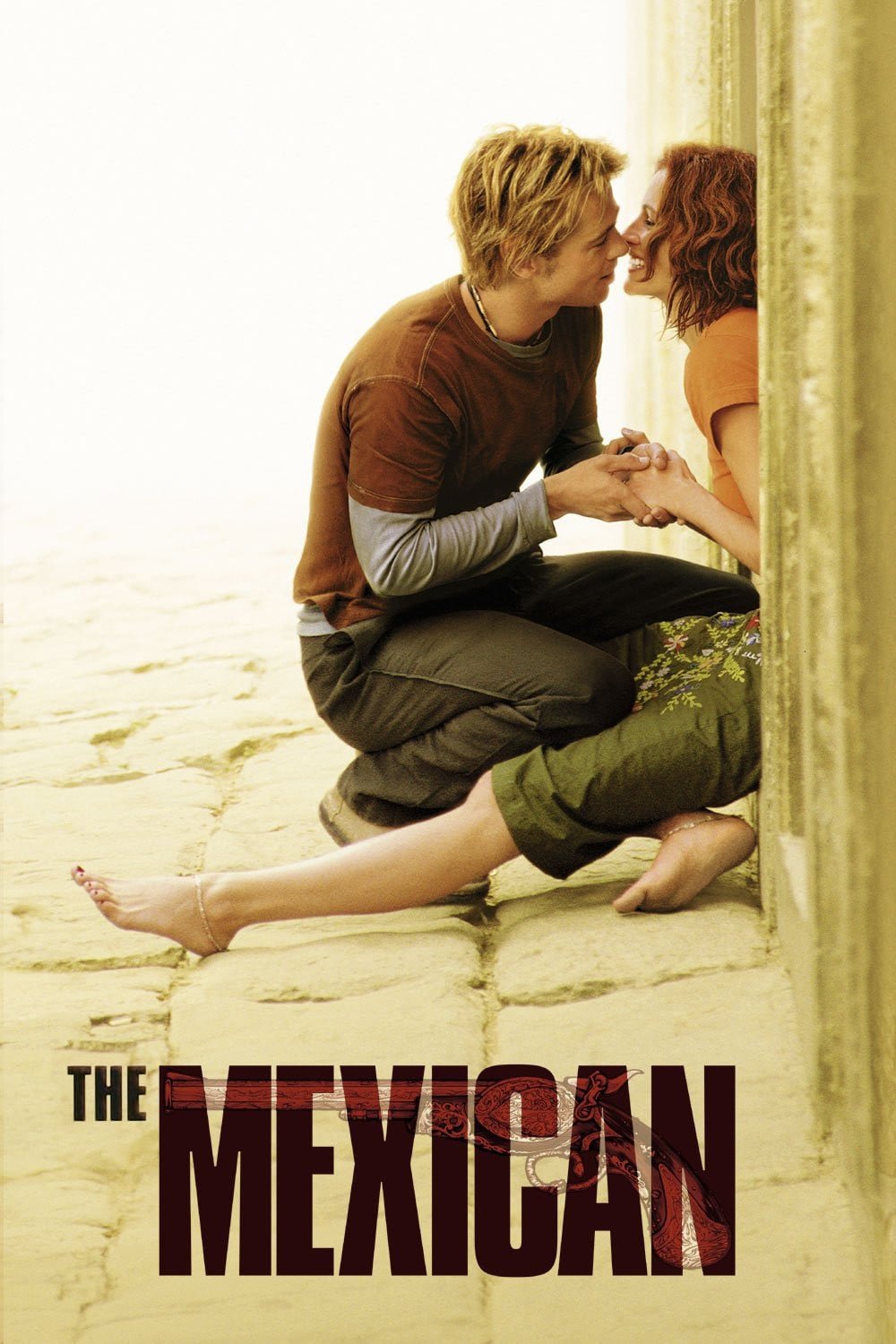
Directed by Gore Verbinski, ‘The Mexican’ pairs Brad Pitt and Julia Roberts in a cross-border adventure built around a cursed antique pistol and a string of complications that keep separating and reuniting its lead characters. James Gandolfini appears as Winston Baldry, a hired gun whose assignment unexpectedly intersects with a hostage situation and the central romance, pulling the film into darker, more character-driven territory mid-story.
Gandolfini’s character is written with extensive backstory and quiet interludes that reveal motivations and contradictions while the plot hops between road-movie escapades and crime-film stakes. Scenes between Baldry and Julia Roberts’ character deliver extended dialogue exchanges that deepen the film’s themes about loyalty and survival, giving the narrative a second axis that runs parallel to the chase for the titular heirloom.
‘Killing Them Softly’ (2012)
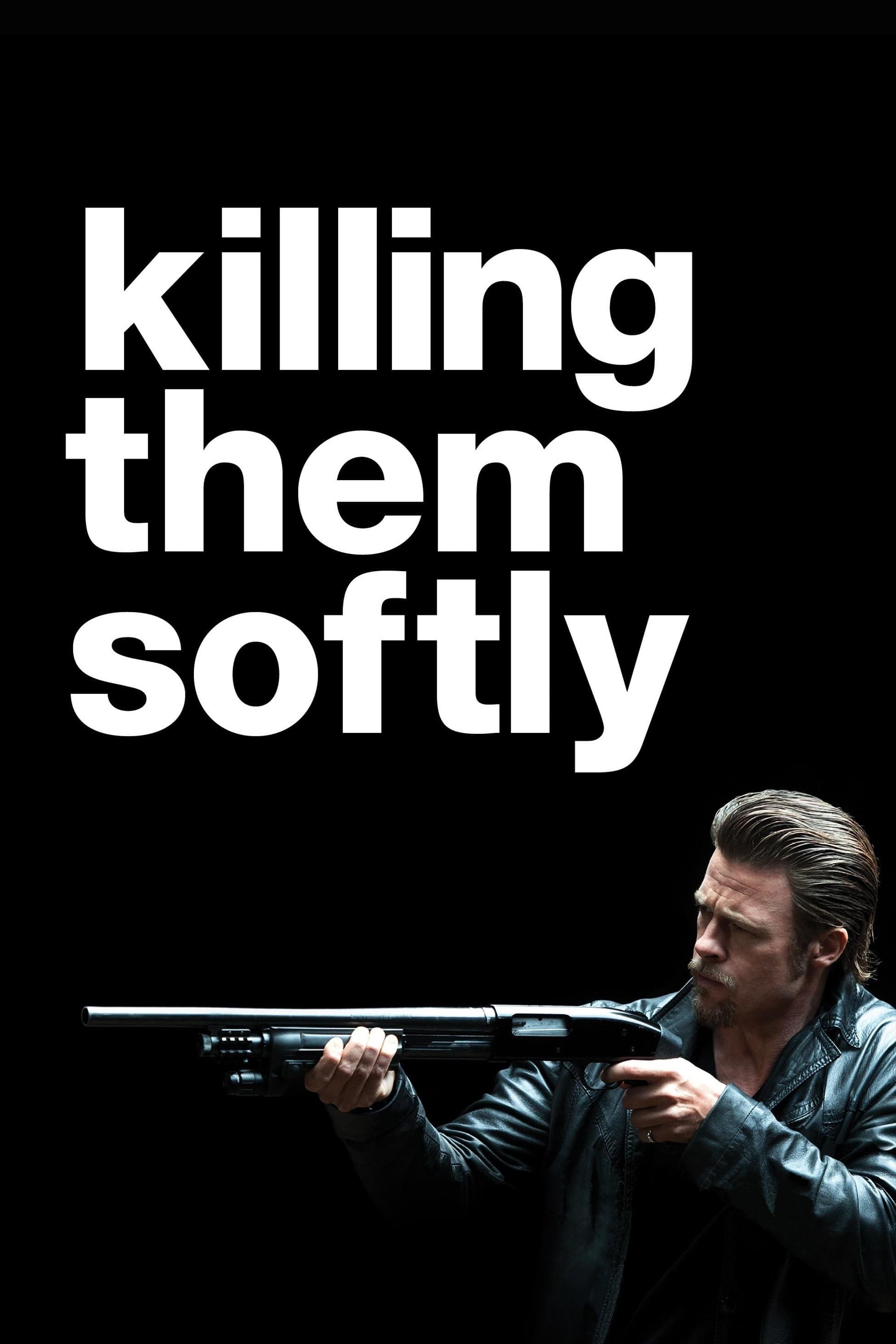
‘Killing Them Softly’, directed by Andrew Dominik from George V. Higgins’ novel, follows the fallout after small-time thieves rip off a mob-protected card game and trigger a cleanup operation. Gandolfini plays Mickey, a veteran hitman summoned as reinforcement, whose personal troubles complicate the job and underline the business-like way violence is administered in the film’s ecosystem.
The film frames criminal work as contract labor with procedures, handlers, and audits, and Gandolfini’s scenes serve as case studies in how burnout and personal instability threaten even well-planned operations. His segments are structured around procedural check-ins and travel-day logistics, adding a grounded layer of detail to the film’s larger picture of cause, effect, and bureaucratic oversight in organized crime.
‘Where the Wild Things Are’ (2009)

Spike Jonze adapts Maurice Sendak’s classic into a live-action and voice-performance hybrid that follows a runaway boy, Max, to an island of towering creatures who crown him king. Gandolfini voices Carol, a central Wild Thing whose creativity, jealousy, and desire for connection shape the community’s mood and Max’s trial-and-error lessons about leadership.
Voice performance and physical creature work are blended via suit acting and post-production sound design, and Carol’s vocal presence anchors several sequences that map group dynamics, conflict mediation, and reconciliation. The film uses Carol’s shifting temperament to chart practical challenges in building a shared home—setting boundaries, dividing labor, and managing hurt feelings—within a story told at a child’s eye level.
‘Get Shorty’ (1995)
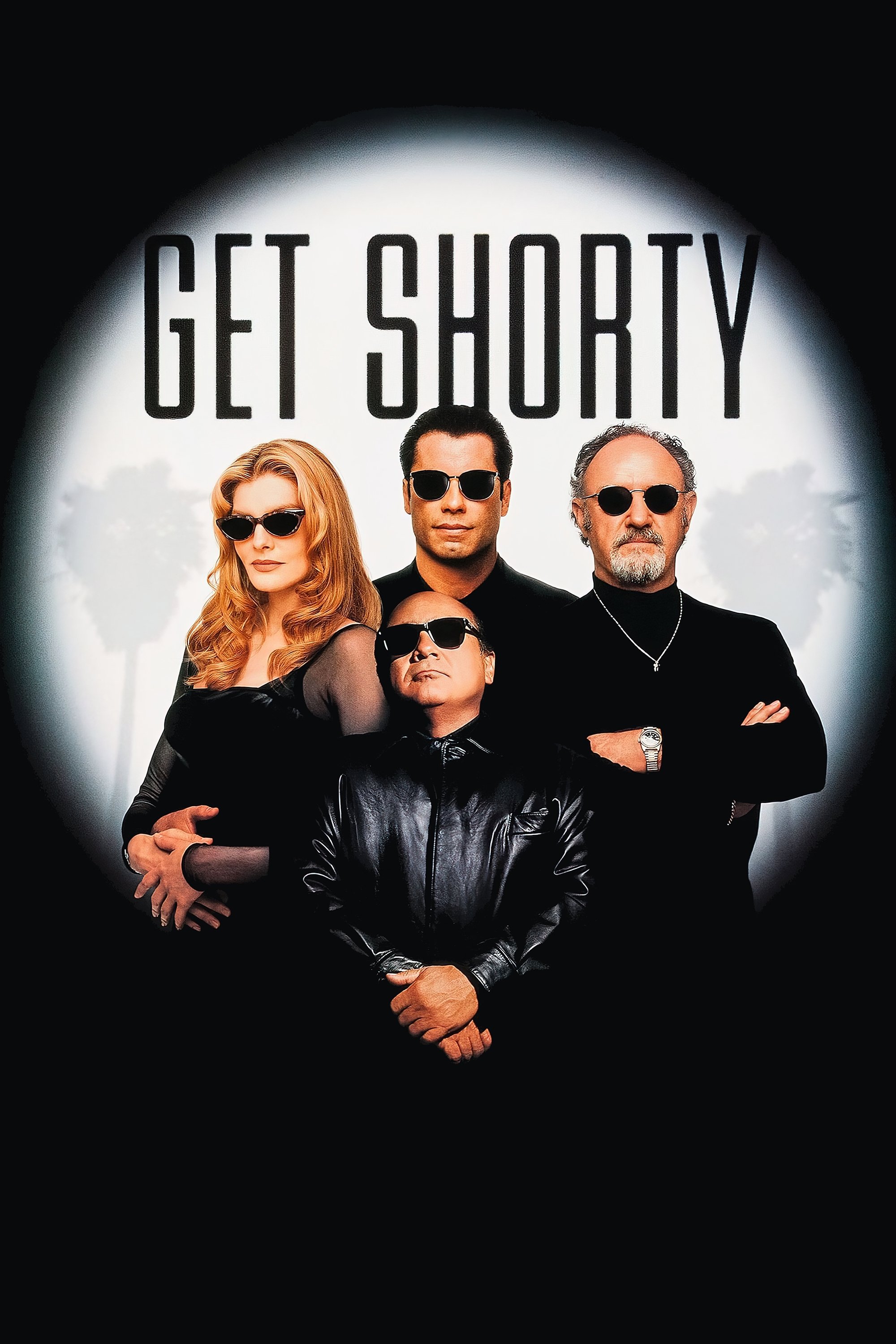
Barry Sonnenfeld’s ‘Get Shorty’ tracks a Miami loan shark who heads to Hollywood to collect a debt and discovers that producing movies draws on the same negotiation skills as running rackets. Gandolfini plays Bear, a stuntman and occasional heavy whose professional expertise intersects with egos, budgets, and on-set hazards that drive the film’s show-business satire.
Bear’s scenes illustrate how physical risk management, union rules, and side-gigs overlap for below-the-line workers navigating volatile employers and shifting alliances. The film places Bear at the point where creative ambition meets practical safety concerns, using his stunt background to show how credibility and craft affect who gets listened to when production pressure rises.
‘Enough Said’ (2013)
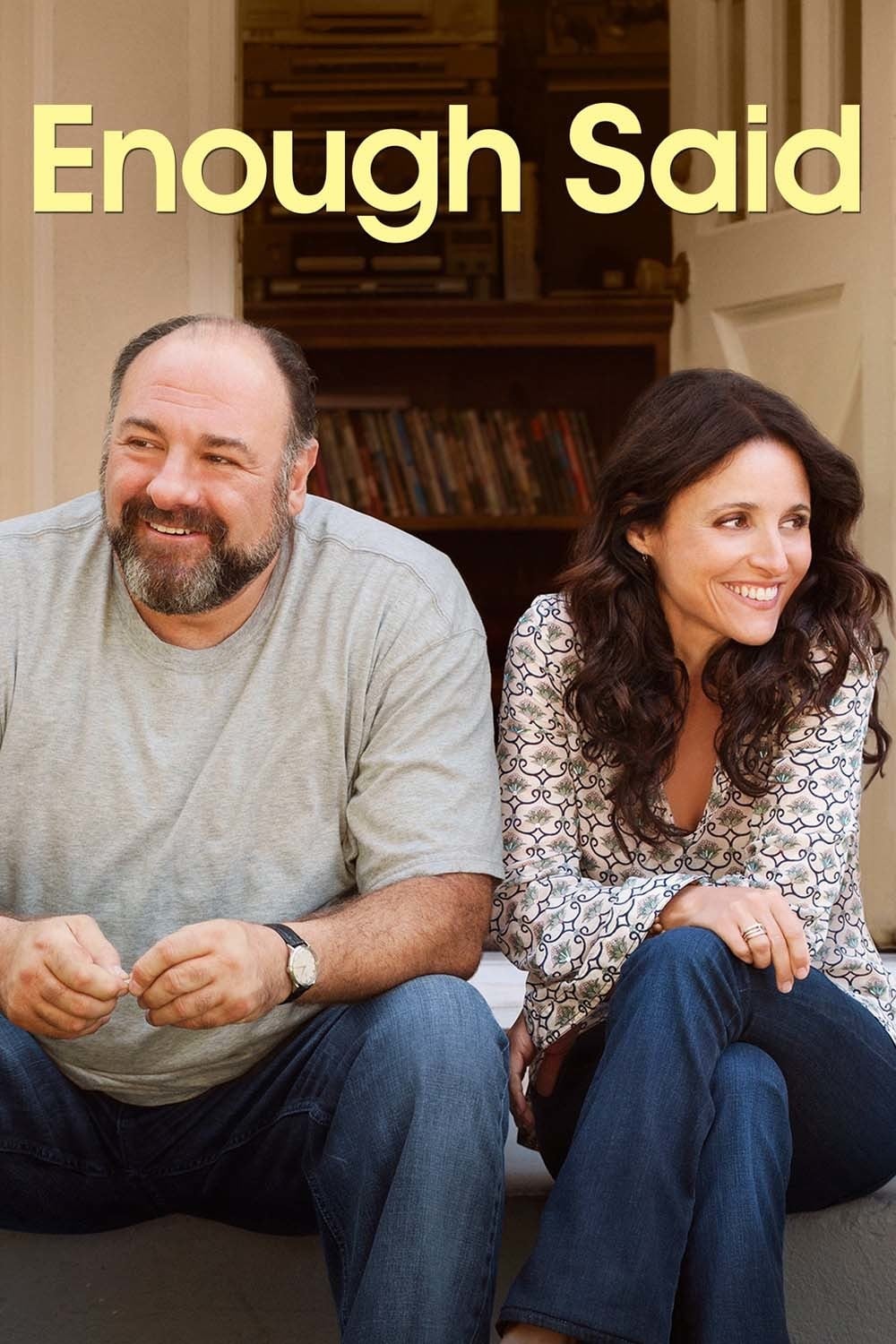
Written and directed by Nicole Holofcener, ‘Enough Said’ follows a divorced massage therapist and a television archivist who begin dating while unknowingly linked through an unlikely friendship. Gandolfini plays Albert, and the film builds out his routines—archiving work, co-parenting rhythms, and small domestic habits—so the romance unfolds through everyday scheduling, text messages, and low-key gatherings rather than grand gestures.
Because the story is constructed from conversations and incremental reveals, Albert’s scenes chart communication patterns, boundaries around ex-partners, and how old anecdotes land differently once identities are attached. The production was completed shortly before Gandolfini’s passing, and the finished film emphasizes naturalistic blocking, close-up coverage, and overlapping dialogue that reflect Holofcener’s focus on relational detail.
‘Crimson Tide’ (1995)

Tony Scott’s submarine thriller centers on a U.S. ballistic-missile sub grappling with conflicting orders during a global crisis, forcing the command structure to the breaking point. Gandolfini appears among the ship’s officers, and his presence situates key exchanges within the chain of command as procedures, launch protocols, and communications breakdowns are debated and executed.
The film’s tension is engineered through real-time decision trees—message authentication, readiness drills, and hierarchical sign-offs—filmed with tight interiors and rapid cutting that mirror operational urgency. Gandolfini’s scenes help map how authority, training, and morale function inside a sealed environment, especially when incomplete information collides with strict rules of engagement.
‘In the Loop’ (2009)
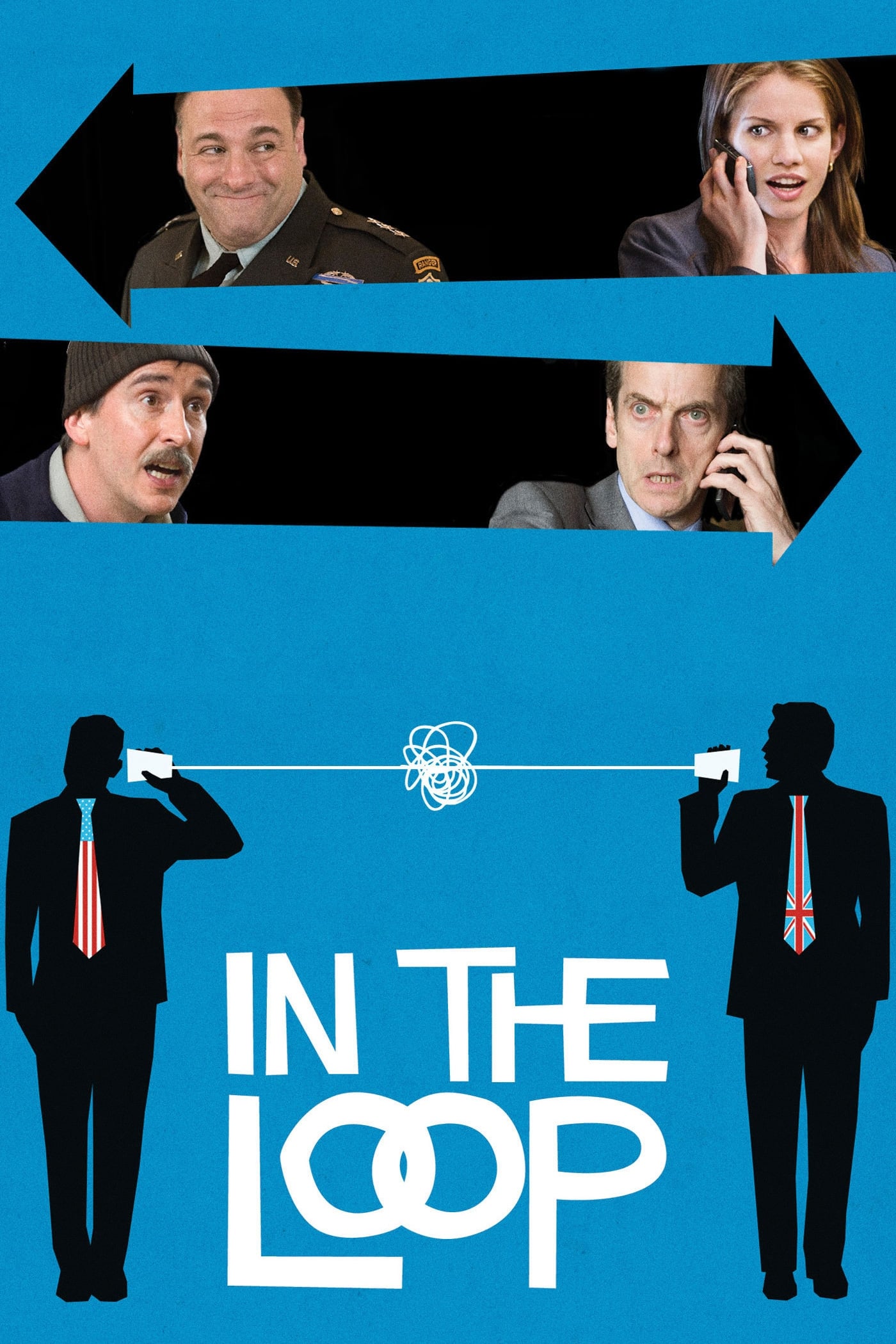
Armando Iannucci’s ‘In the Loop’ extends the world of a political communications team into a transatlantic scramble over a prospective Middle East intervention. Gandolfini plays U.S. Lieutenant General George Miller, a Pentagon figure whose briefings, committee meetings, and back-channel chats add military planning detail to a story otherwise driven by spin doctors and parliamentary process.
The film’s structure alternates between media management and policy drafting, and Miller’s consultations lay out vote-counts, troop projections, and diplomatic timing that influence how memos are worded and leaked. Gandolfini’s scenes delineate the practical interplay between civilian decision-makers and defense planners, showing how jargon, minutes, and interdepartmental turf shape outcomes before any official announcement is made.
‘Zero Dark Thirty’ (2012)

Directed by Kathryn Bigelow, ‘Zero Dark Thirty’ chronicles the long intelligence hunt that culminates in the Abbottabad raid, following analysts, field officers, and policymakers across multiple theaters. Gandolfini portrays the CIA Director, appearing in high-level meetings where resource allocation, interagency coordination, and legal thresholds are discussed as the investigation narrows.
The film integrates dramatized versions of cables, surveillance leads, and tasking orders, and the Director’s scenes track how operational briefings are filtered into strategic decisions. His presence situates the narrative at the junction of oversight and execution, connecting field intelligence to authorization frameworks and the practical constraints inside secure conference rooms.
‘The Man Who Wasn’t There’ (2001)
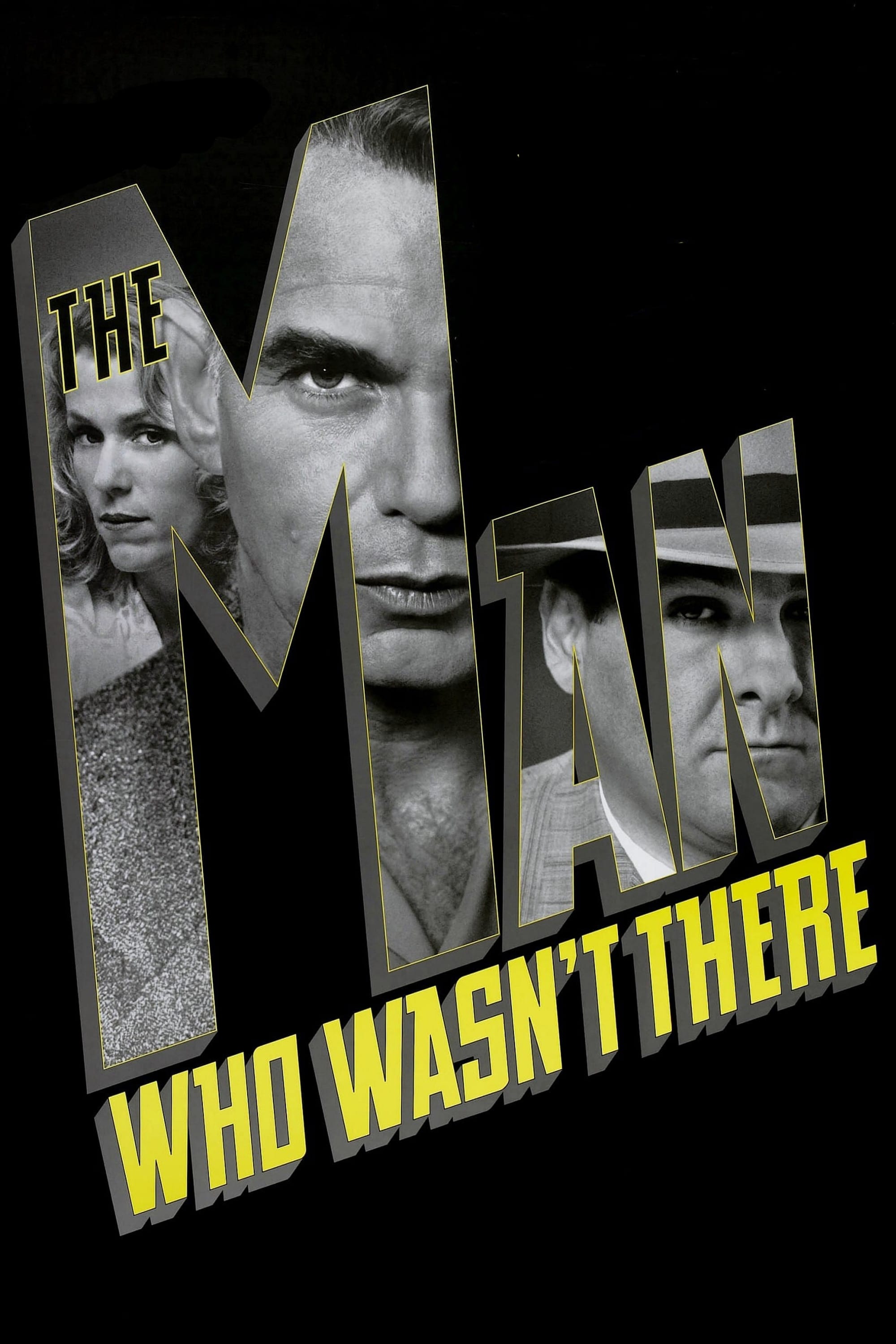
The Coen brothers’ black-and-white neo-noir follows a quiet barber whose decision to enter a side venture pulls him into fraud, blackmail, and worse. Gandolfini plays Big Dave Brewster, a department-store owner whose business dealings, personal entanglements, and public reputation intersect with the protagonist’s schemes, catalyzing several reversals.
Careful period design—retail displays, office décor, and small-town civic life—frames Big Dave’s role in the local economy, while key scenes chart how rumor, bookkeeping, and face-saving operate inside a mid-century community. Gandolfini’s character connects legal jeopardy, social standing, and financial exposure, tying the film’s procedural mechanics to the domino effects that drive its plot.
‘True Romance’ (1993)
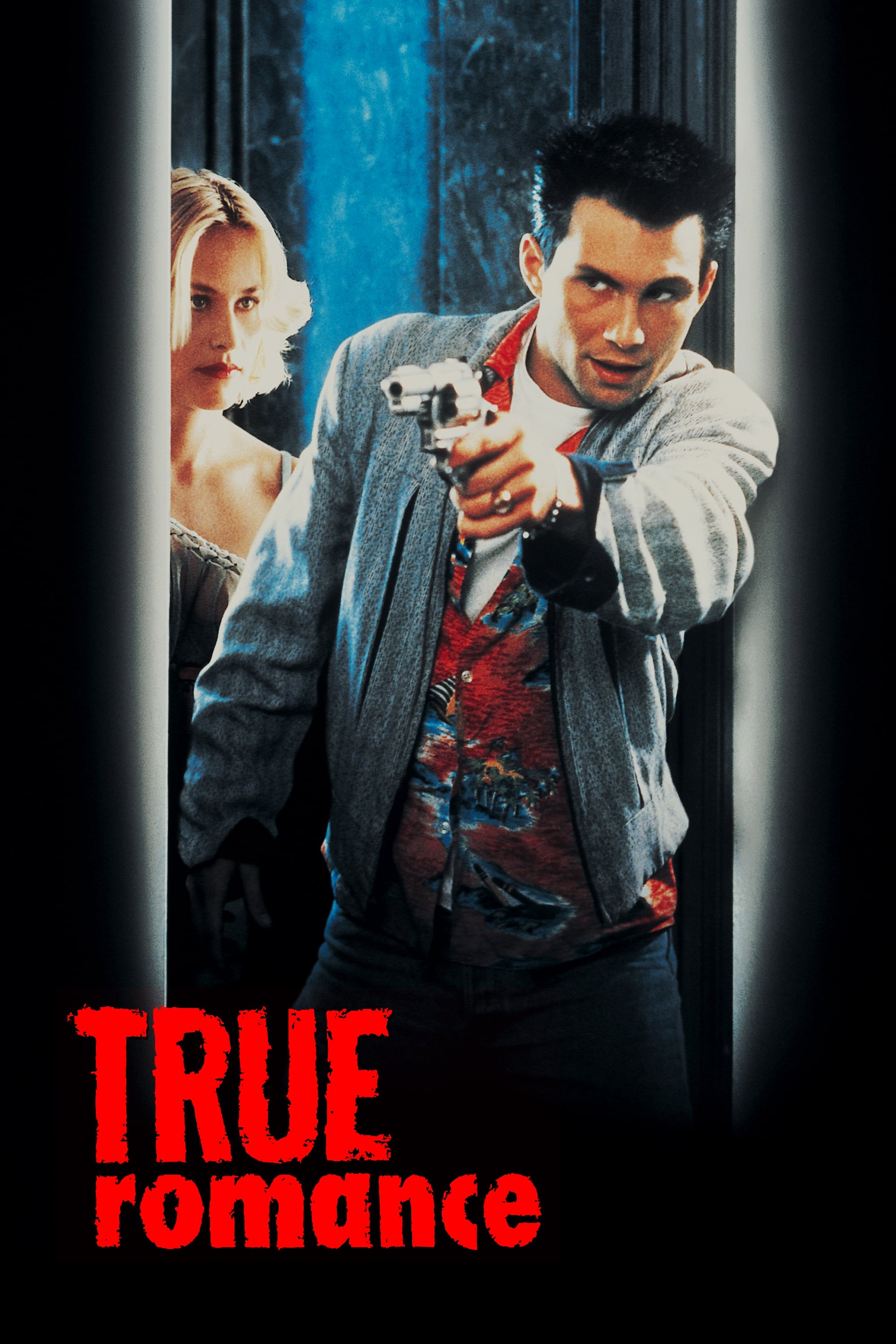
Tony Scott directs from a Quentin Tarantino script in ‘True Romance’, a cross-country crime story about newlyweds caught between factions after a heist yields the wrong score. Gandolfini plays Virgil, a mob enforcer whose investigation leads to a pivotal confrontation that alters the trajectory of multiple characters and resets the stakes before the final act.
The film’s structure braids police inquiries, studio dealings, and interstate pursuit, and Virgil’s appearances show how enforcement logistics—surveillance, interrogation, and inter-crew coordination—are handled inside the criminal side of the story. His scenes are staged with close-quarters blocking and practical effects that contribute to the film’s reputation for escalating tension and meticulously choreographed set pieces.
Share your picks and what you’d include or swap in the countdown in the comments below.