


The 10 Most Underrated Jodie Foster Movies, Ranked (from Least to Most Underrated)



Jodie Foster’s filmography is stacked with headliners and award-winners, but tucked between the obvious landmarks are projects that deserve a lot more attention. Across acting and directing, she’s taken risks with genre, language, and form, often choosing character-driven stories that don’t fit neatly into one box. Those choices produced a run of films that quietly showcase her range—thrillers with tight, high-concept hooks, intimate dramas, and smart studio pictures that move with craftsmanship.
Below is a countdown of ten titles that fly under the radar compared to her most famous work. Each entry notes what the film does, who made it, and where Foster fits—whether she’s front and center on screen or guiding the story from behind the camera. If you’re filling gaps in a Jodie Foster watchlist, this set will give you a broad view of how widely she’s stretched her career.
‘Hotel Artemis’ (2018)

Set during a riot in Los Angeles, ‘Hotel Artemis’ follows a secret members-only emergency ward for criminals run by a world-weary nurse played by Jodie Foster. The ensemble includes Sterling K. Brown, Dave Bautista, Sofia Boutella, Zachary Quinto, Brian Tyree Henry, and Jeff Goldblum, and the story confines most of its action to the clinic’s art-deco interiors. Writer-director Drew Pearce structures the plot like a pressure cooker, with strict house rules, tiered memberships, and a ticking clock built around a high-stakes heist gone sideways.
Production was mounted as an original mid-budget thriller, with practical sets emphasizing claustrophobic hallways and themed patient rooms. Foster’s character, Jean Thomas, anchors the film’s rules-and-consequences world—tracking medications, access privileges, and conflicts among patients—while the choreography leans on close-quarters fight design rather than large-scale effects. The storytelling approach keeps the focus on procedures, gear, and the hospital’s black-market ecosystem.
‘Flightplan’ (2005)
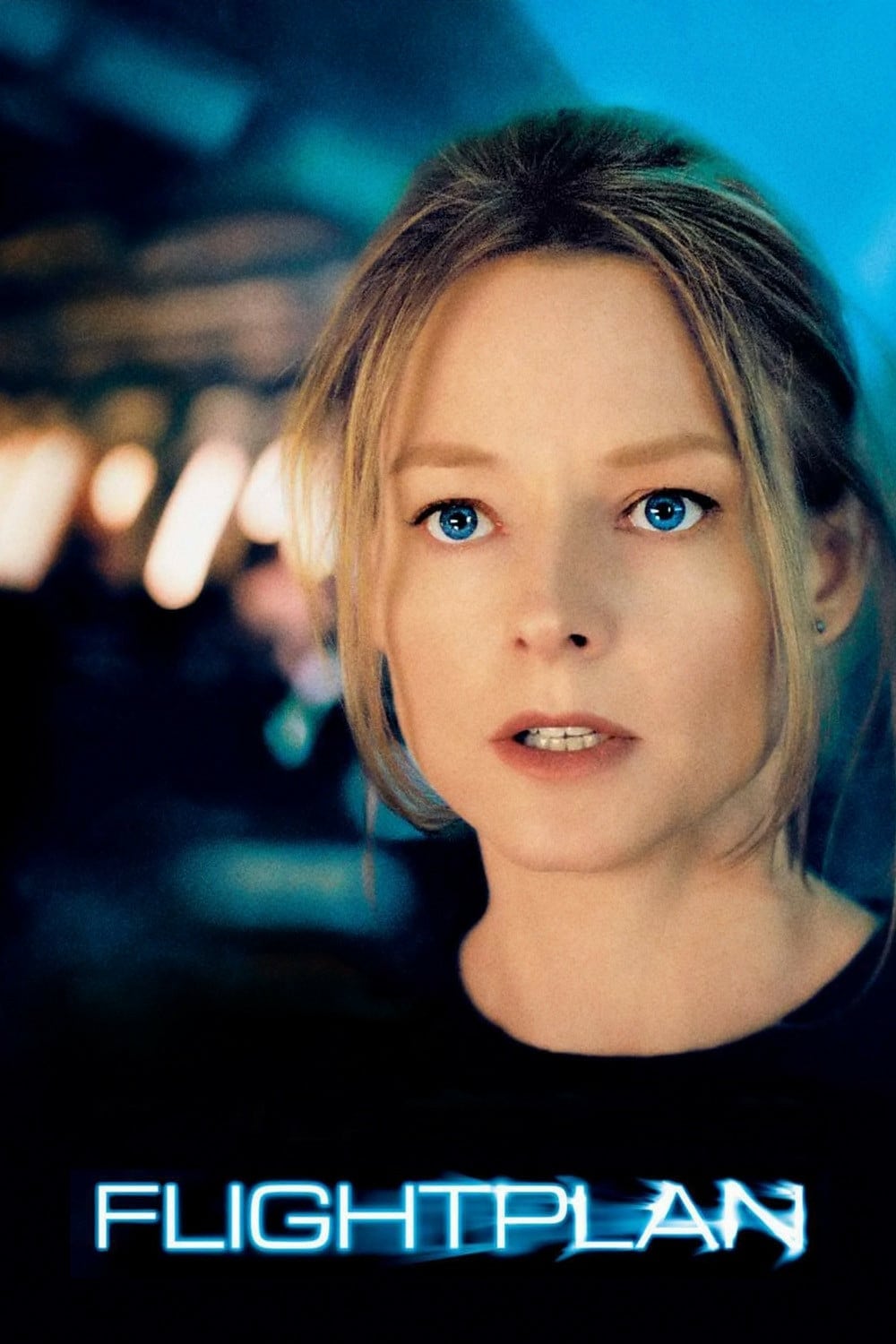
‘Flightplan’ centers on aircraft engineer Kyle Pratt, played by Jodie Foster, whose young daughter disappears mid-flight aboard a double-decker passenger jet she helped design. The thriller uses the plane’s architecture—cargo holds, avionics bays, service corridors, and galley spaces—as a maze, with Peter Sarsgaard and Sean Bean among the key crew characters. Director Robert Schwentke deploys spatial continuity and cabin-layout specifics to turn a single location into a sustained search narrative.
The production built extensive plane interiors on soundstages, enabling controlled camera movement through economy, business, and cockpit areas. Plot mechanics hinge on manifest logs, passenger lists, and security protocols, and the script plays with chain-of-custody details that govern modern aviation. Foster’s performance is calibrated to the film’s logistical beats: checklists, access doors, and system knowledge that an aerospace professional would plausibly leverage.
‘Money Monster’ (2016)
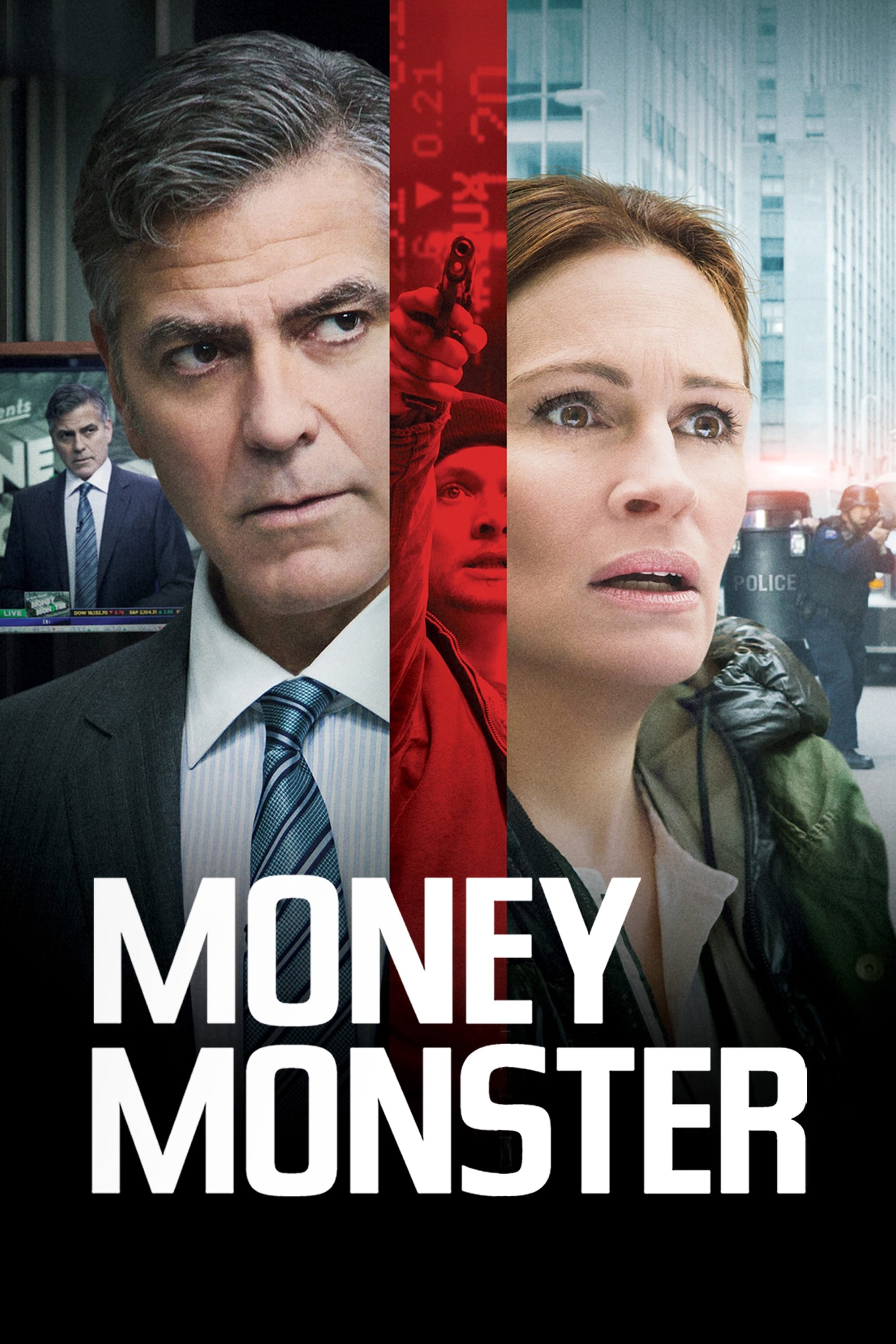
Directed by Jodie Foster, ‘Money Monster’ is a real-time hostage thriller set inside a live financial-TV broadcast. George Clooney plays showman host Lee Gates, with Julia Roberts as longtime producer Patty Fenn and Jack O’Connell as an aggrieved investor who storms the set. The narrative unfolds across control-room comms, studio floor marks, and the show’s live graphics, with the production recreating an entire network program—earpieces, switchers, teleprompters, and on-air cues—to maintain continuous time.
Foster’s direction emphasizes media workflows: segment rundowns, satellite feeds, and real-time fact-checking while the cameras keep rolling. The film integrates location units outside the studio—trading floors, corporate offices, and city streets—into the live control-room timeline, using cutaways that mirror the grammar of live TV. The result is a process-driven look at how a broadcast team manages on-air crises with technical precision.
‘Nell’ (1994)
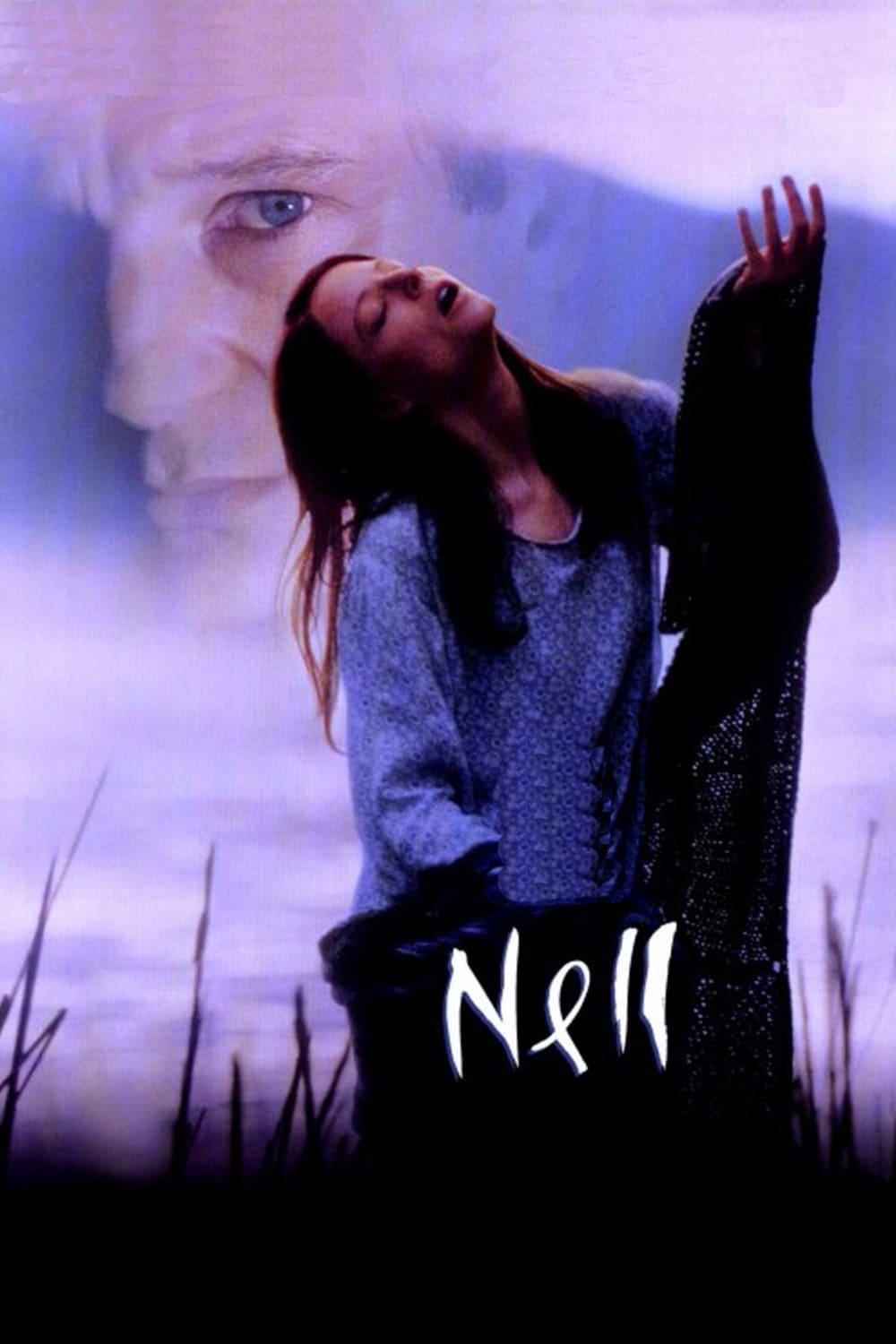
In ‘Nell’, Jodie Foster portrays a woman who has grown up in isolation and communicates with an idiosyncratic speech pattern shaped by limited contact with the outside world. Liam Neeson and Natasha Richardson play doctors who study—and debate—the ethics of intervening in her life. The drama tracks medical, legal, and social-services processes as authorities and caregivers evaluate guardianship and care plans.
The screenplay is adapted from Mark Handley’s play ‘Idioglossia’, and the production stages much of the story in rural settings that underline the character’s self-sufficient routines. Foster’s work was recognized by major awards bodies for its technical demands—particularly the creation and consistency of a constructed dialect—while the film explores tests, assessments, and documentation typical of clinical observation and court review.
‘The Beaver’ (2011)

‘The Beaver’ marks a directing turn by Jodie Foster, who also co-stars as the spouse of a severely depressed toy-company executive played by Mel Gibson. The plot follows a treatment strategy in which the protagonist communicates exclusively through a beaver hand puppet, establishing rules for voice, presence, and personal boundaries. The film examines workplace succession, family dynamics, and the measurable steps of therapy and relapse.
Screenwriter Kyle Killen’s script lays out behavioral contracts and accountability checkpoints that drive the character’s arc. Foster’s direction uses prop continuity, wardrobe transitions, and editing rhythms to delineate the puppet’s “voice” as a separate operational persona. The production balances domestic interiors, office settings, and school environments to track how routines shift as the coping mechanism takes hold.
‘Home for the Holidays’ (1995)
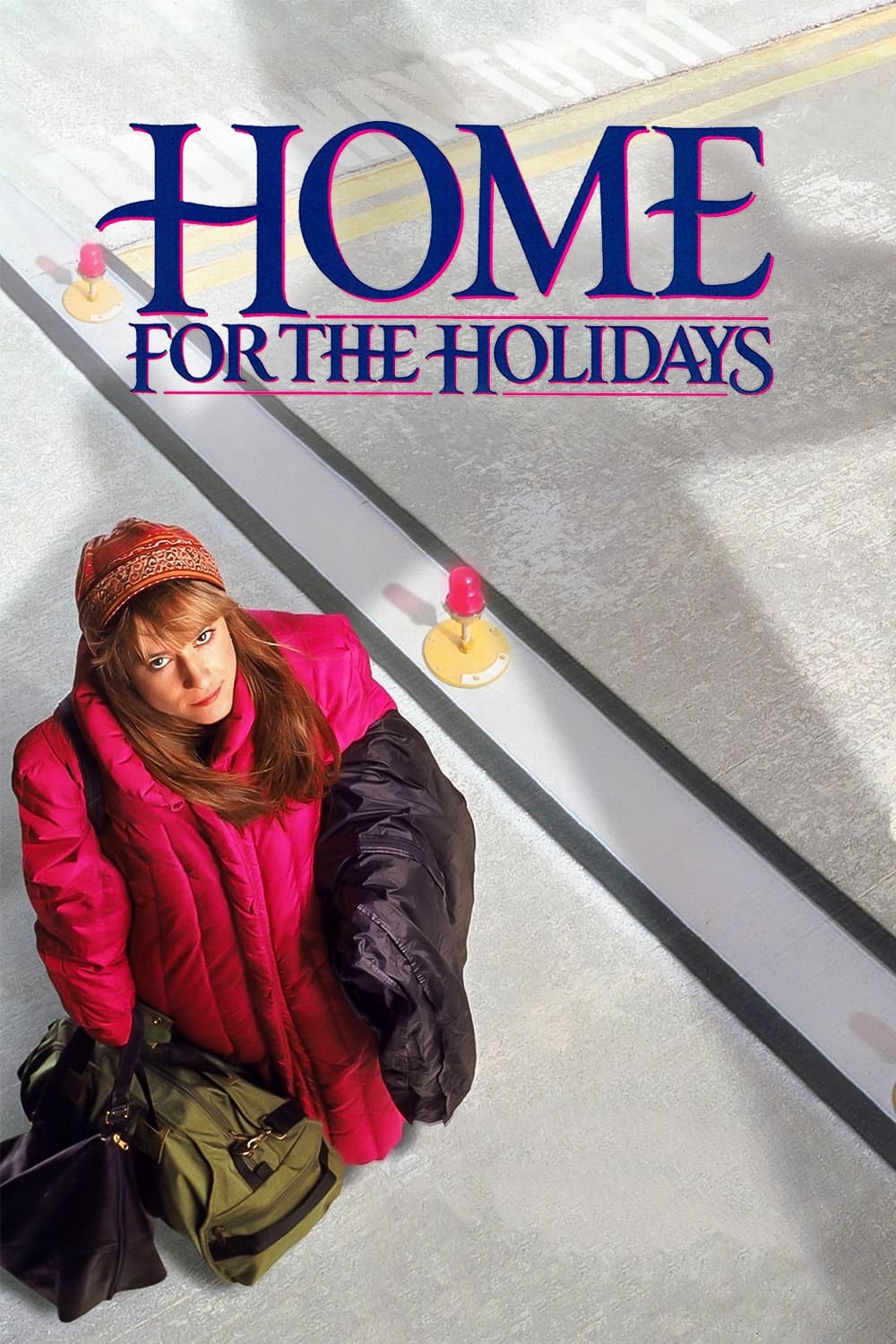
Directed by Jodie Foster, ‘Home for the Holidays’ focuses on a multigenerational Thanksgiving gathering led by Holly Hunter, with key roles for Robert Downey Jr., Anne Bancroft, Charles Durning, Dylan McDermott, and Steve Guttenberg. The film organizes its ensemble around the logistics of travel days, meal prep, seating plans, and family traditions. The house location functions as a central set, mapped through recurring spaces—kitchen, dining room, basement—where conversations overlap and recur.
Behind the camera, Foster favors overlapping dialogue and long takes to capture group timing, using practical lighting associated with holiday interiors. Costuming and production design track time-of-day and hosting duties—aprons, formalwear, and post-dinner cleanup—while the script structures conflicts and reconciliations as a sequence of household tasks. The result is an event-driven chronicle of how families operate under a holiday schedule.
‘The Brave One’ (2007)

‘The Brave One’ stars Jodie Foster as radio host Erica Bain, whose life is upended by a violent attack that triggers a sequence of encounters across New York City. Terrence Howard plays a detective whose investigative work intersects with her movements, and the narrative pays close attention to procedural elements—incident reports, evidence handling, and surveillance patterns. Director Neil Jordan stages the city as a network of parks, subways, bodegas, and walk-ups, grounding the thriller in identifiable urban geography.
Cinematography and sound design emphasize location authenticity—ambient station announcements, street noise layers, and police-scanner chatter. The film charts recovery milestones alongside investigative checkpoints, marking time with radio segments and case updates. Foster’s performance maps to these structures, aligning Erica’s on-air monologues with the unfolding casework.
‘Bugsy Malone’ (1976)
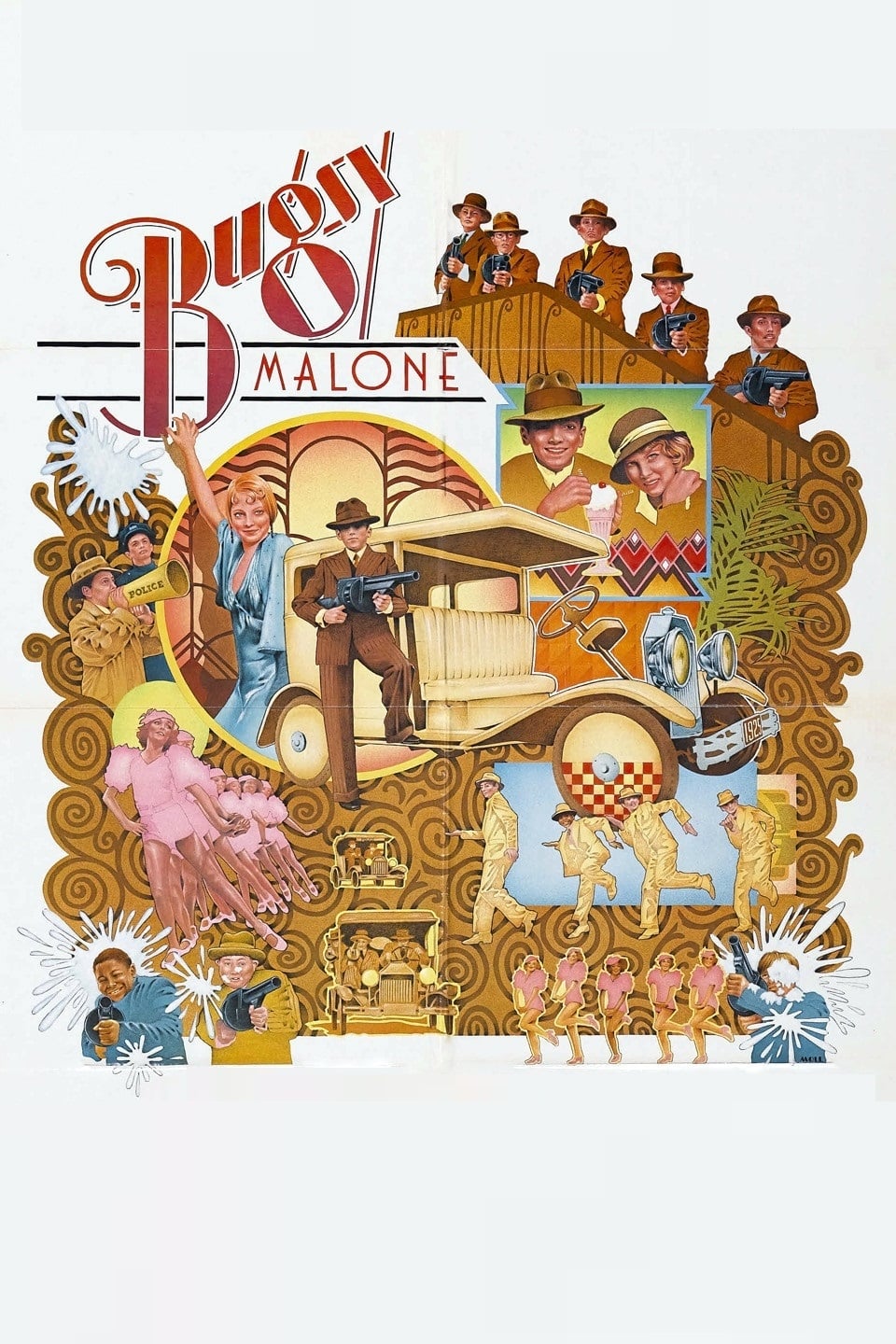
‘Bugsy Malone’ is Alan Parker’s all-kid gangster musical, with Jodie Foster as Tallulah opposite Scott Baio’s title character. The production famously swaps bullets for custard “splurge” guns and populates speakeasies and boxing gyms with child performers lip-syncing to Paul Williams’ songs. Sets and costumes reproduce Prohibition-era motifs—pinstripes, fedoras, and vintage cars—scaled to young actors.
The film employs musical-theater craft at every level: choreographed numbers, diegetic performances, and reprise structures that echo stage conventions. Foster’s role integrates acting and musical staging, while the production manages child-labor restrictions through tight scheduling and set-schooling logistics. Over time, the movie developed a cult presence through repertory screenings and soundtrack reissues that highlight its unique concept execution.
‘Maverick’ (1994)
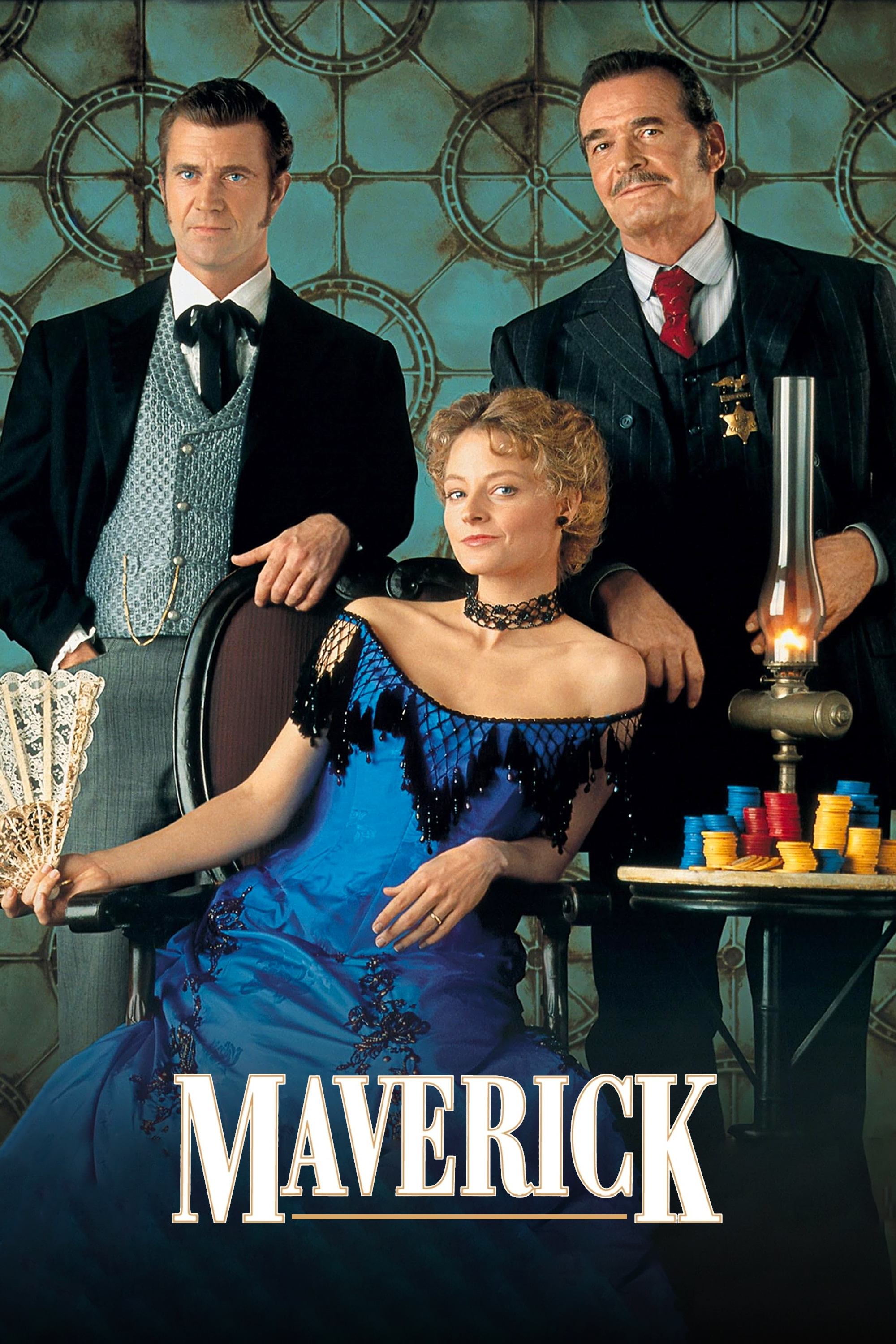
In ‘Maverick’, Jodie Foster plays con artist Annabelle Bransford alongside Mel Gibson’s gambler Bret Maverick and James Garner’s lawman Zane Cooper. Directed by Richard Donner, the story builds toward a high-stakes poker tournament aboard a riverboat, with plot mechanics hinging on cardplay, entry fees, and side hustles. The screenplay by William Goldman layers cons within cons, using signature reveals to reframe earlier scenes.
Production leaned on location photography in desert canyons and on watercraft sets that accommodate large crowds, dealers, and tournament procedures. Costuming details—dusters, waistcoats, and accessories—track character identities and social status within the frontier-gambling world. Foster’s Annabelle operates as a self-interested player whose travel trunks, disguises, and forged documents function as practical tools within the scheme.
‘The Little Girl Who Lives Down the Lane’ (1976)
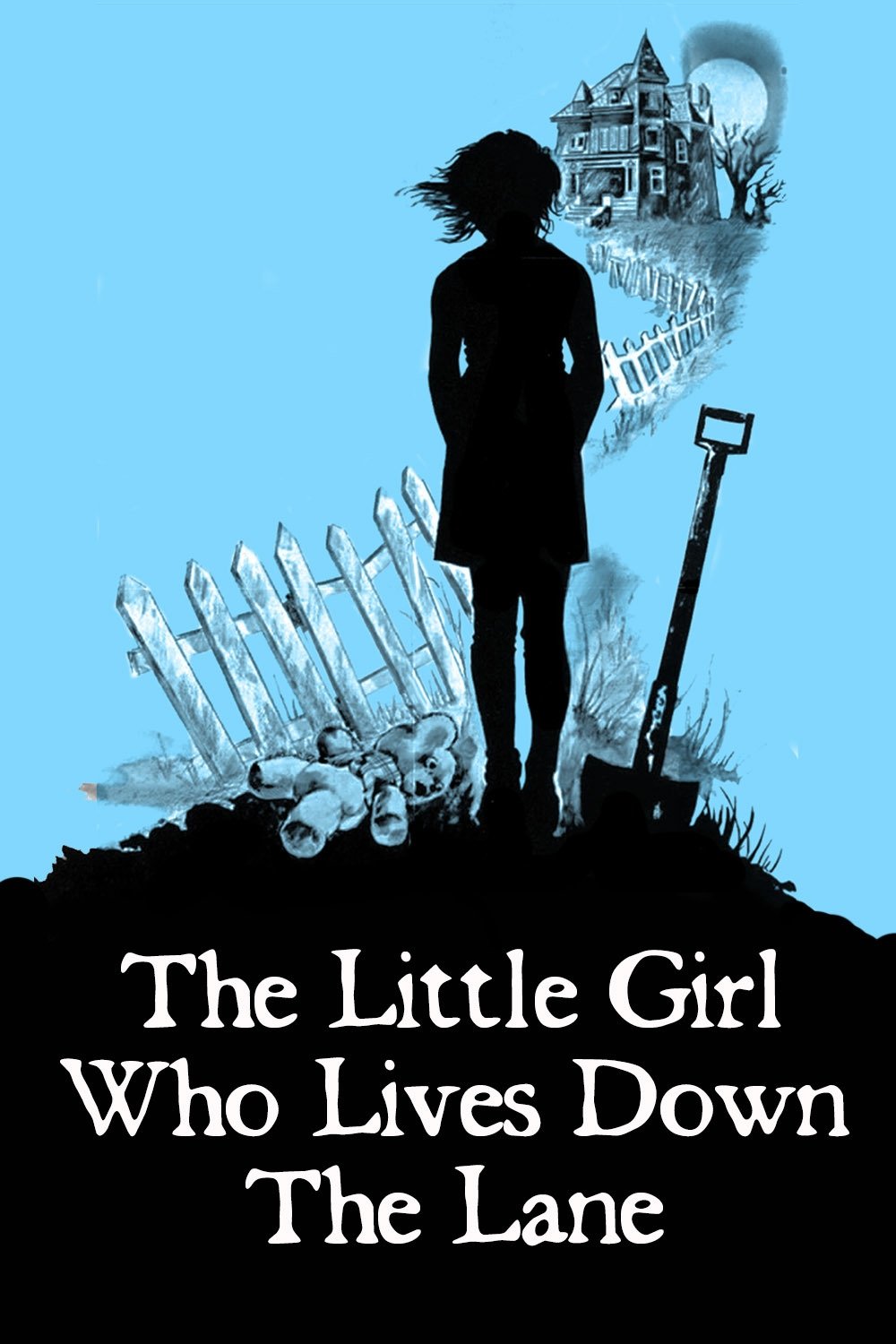
‘The Little Girl Who Lives Down the Lane’ casts Jodie Foster as Rynn Jacobs, a self-reliant teenager guarding a series of secrets in a coastal New England town. The thriller adapts Laird Koenig’s novel, with Martin Sheen and Alexis Smith in pivotal roles. The narrative uses a small set of locations—house, cellar, and nearby public spaces—to stage confrontations that depend on keys, leases, and guardianship claims.
The production foregrounds legal and property details—rent agreements, school attendance expectations, and town oversight—as levers in the plot. Foster’s performance won recognition from genre organizations, citing the role’s technical demands and sustained tension across contained settings. Editing and blocking strategies create precise sight-line control inside the house, emphasizing doorways, staircases, and hidden spaces that drive the thriller’s mechanics.
Share your own picks for overlooked Jodie Foster gems in the comments!