


The 10 Most Underrated Steve Buscemi Movies, Ranked (from Least to Most Underrated)

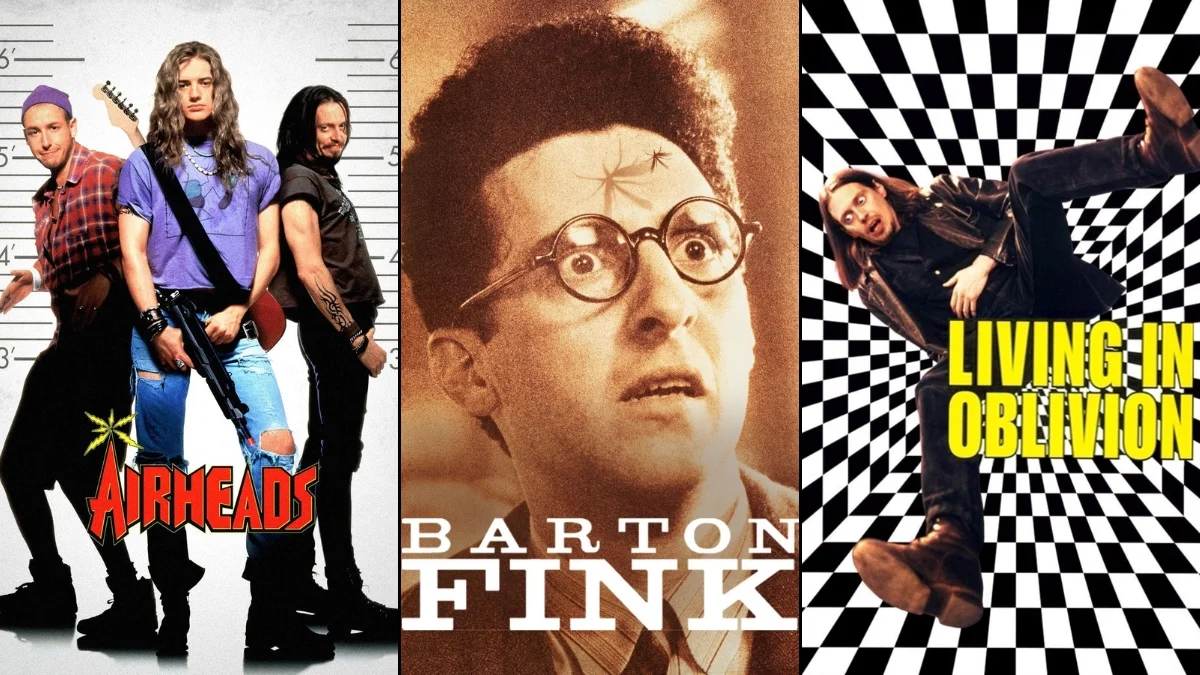


Steve Buscemi’s filmography stretches across indie landmarks, studio thrillers, director-for-hire gigs, and passion projects he wrote or directed himself. Beyond the well-known hits, there’s a deep bench of titles where he shaped the tone of a story, anchored an ensemble, or steered the whole production from behind the camera. This list spotlights those projects and what they actually contain—who made them, who stars in them, what they’re about, and how they were put together.
Below you’ll find a countdown that focuses on Buscemi’s feature work as actor or filmmaker. Each entry notes creators, cast, character names when relevant, production context, and plot specifics—concrete information that helps place these films in the right corner of his career.
‘Domestic Disturbance’ (2001)
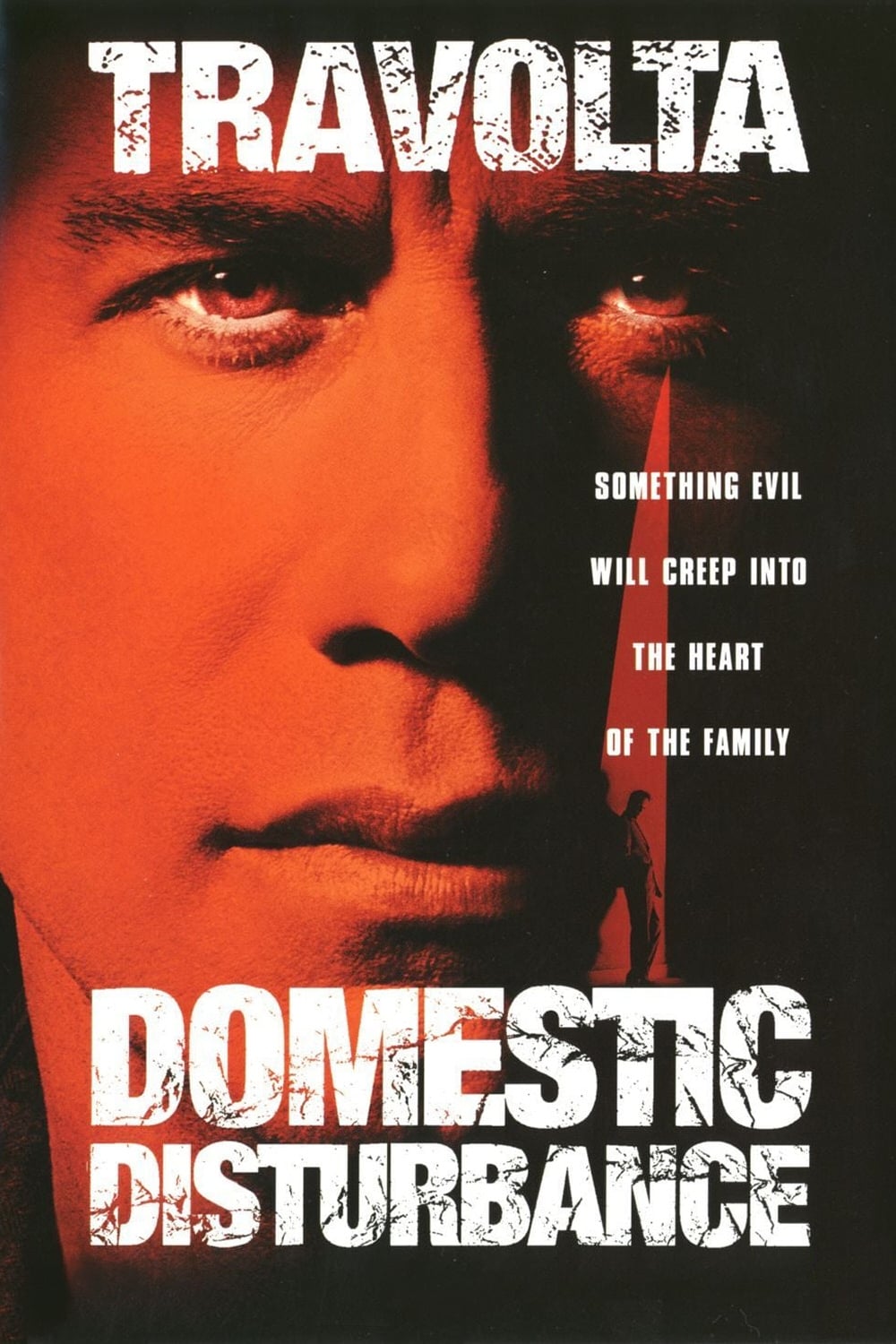
Harold Becker directs ‘Domestic Disturbance’, a suburban thriller in which Steve Buscemi plays Ray Coleman, a drifter whose knowledge of a crime threatens the façade of a newly formed family. John Travolta portrays Frank Morrison, a boatbuilder and father who starts digging into the past of Vince Vaughn’s character, whose charm masks violence.
The film builds its plot through police reports, custody arrangements, and the logistics of a coastal town’s marinas and warehouses. Produced and released by a major studio, it pairs location work with controlled set pieces, keeping the narrative focused on witness credibility, physical evidence, and the chain of events that law enforcement tries to assemble.
‘Airheads’ (1994)
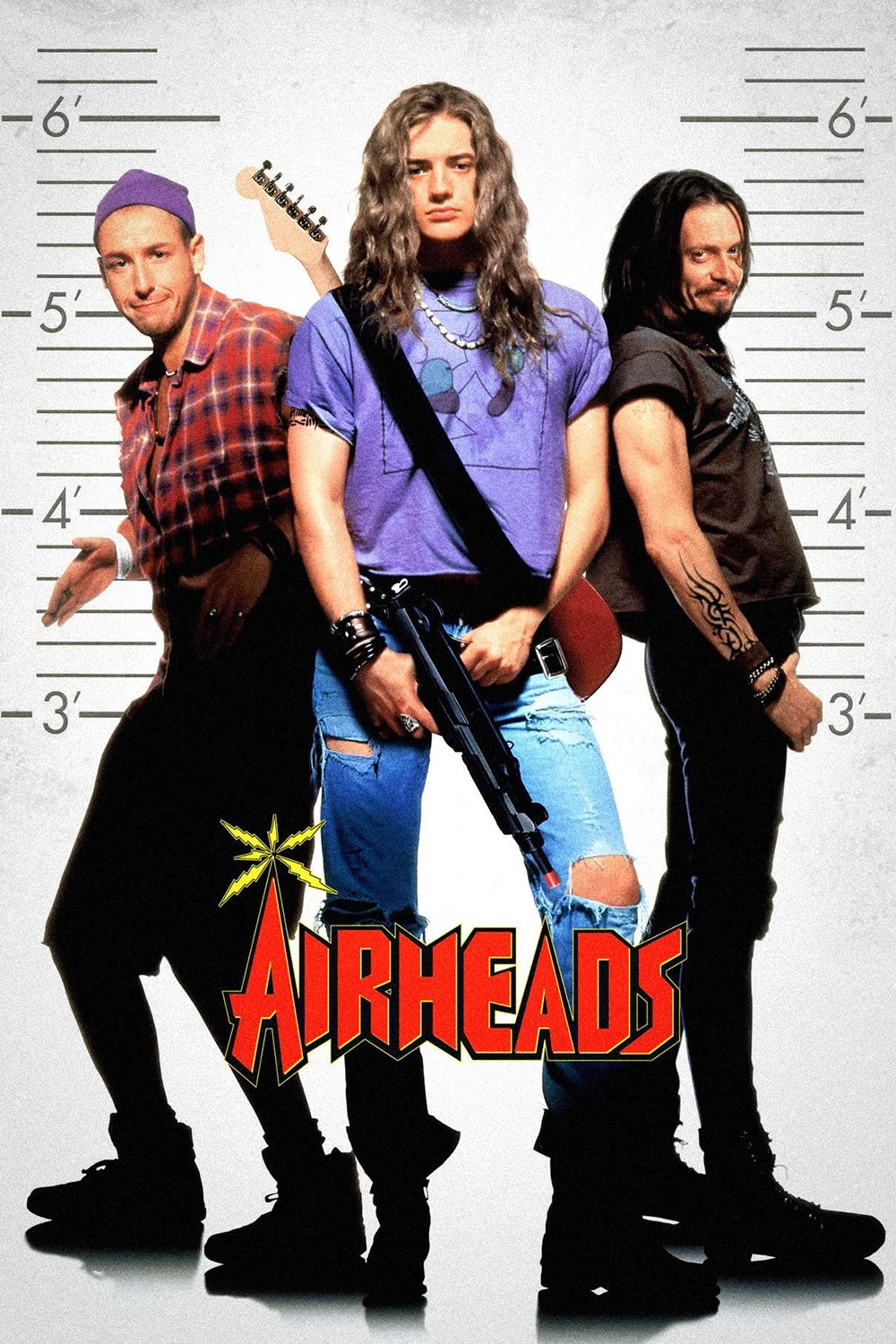
Directed by Michael Lehmann, ‘Airheads’ centers on the hard-luck rock trio “The Lone Rangers,” with Steve Buscemi as bassist Rex, Brendan Fraser as singer Chazz, and Adam Sandler as drummer Pip, who storm a Los Angeles radio station to force a spin of their demo. The plot tracks the on-air hostage situation as police, station brass, and fans descend, detailing how playlists are controlled and how publicity can snowball around a stunt.
The ensemble includes Joe Mantegna as the DJ, Michael McKean as the station manager, Ernie Hudson as the lead detective, and Chris Farley as a rookie cop. Shot on soundstages and around L.A., the film folds in record-industry politics, corporate radio programming, and the practicalities of a live broadcast under pressure.
‘Lonesome Jim’ (2005)
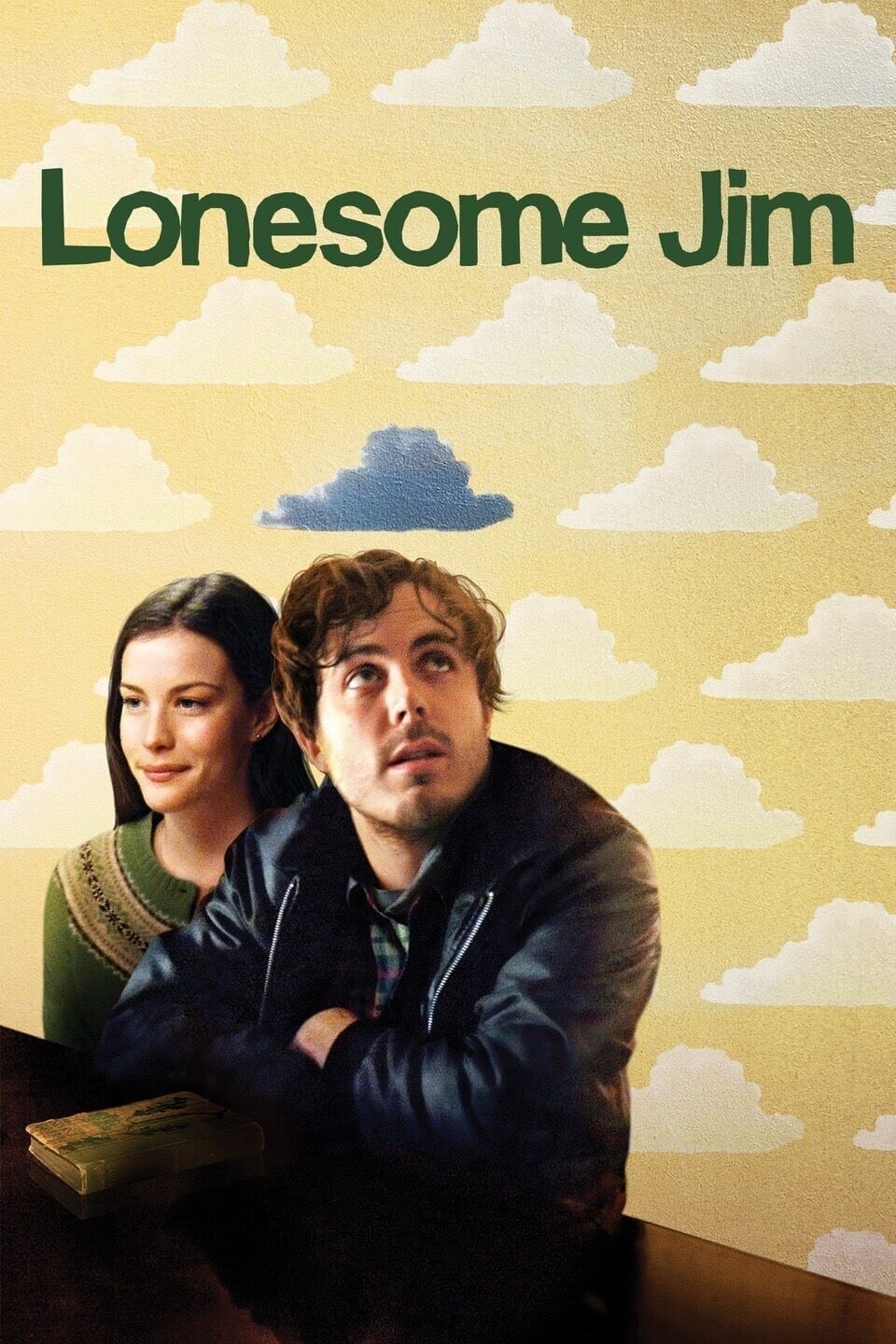
Directed by Steve Buscemi, ‘Lonesome Jim’ stars Casey Affleck as Jim, who returns from New York to his Indiana hometown and moves back in with his family, played by Mary Kay Place, Seymour Cassel, and Kevin Corrigan, with Liv Tyler as a local nurse who becomes his ally. The film tracks small-town routines—factory shifts, hospital rounds, and family business obligations—against the push-pull of leaving versus staying.
Shot on a modest budget in northern Indiana, the production leans on real locations—houses, diners, and back roads—to ground the story. Buscemi’s direction emphasizes working schedules, healthcare logistics, and the economics of family-run enterprises, while keeping the camera close to day-to-day details that shape the characters’ choices.
‘Delirious’ (2006)
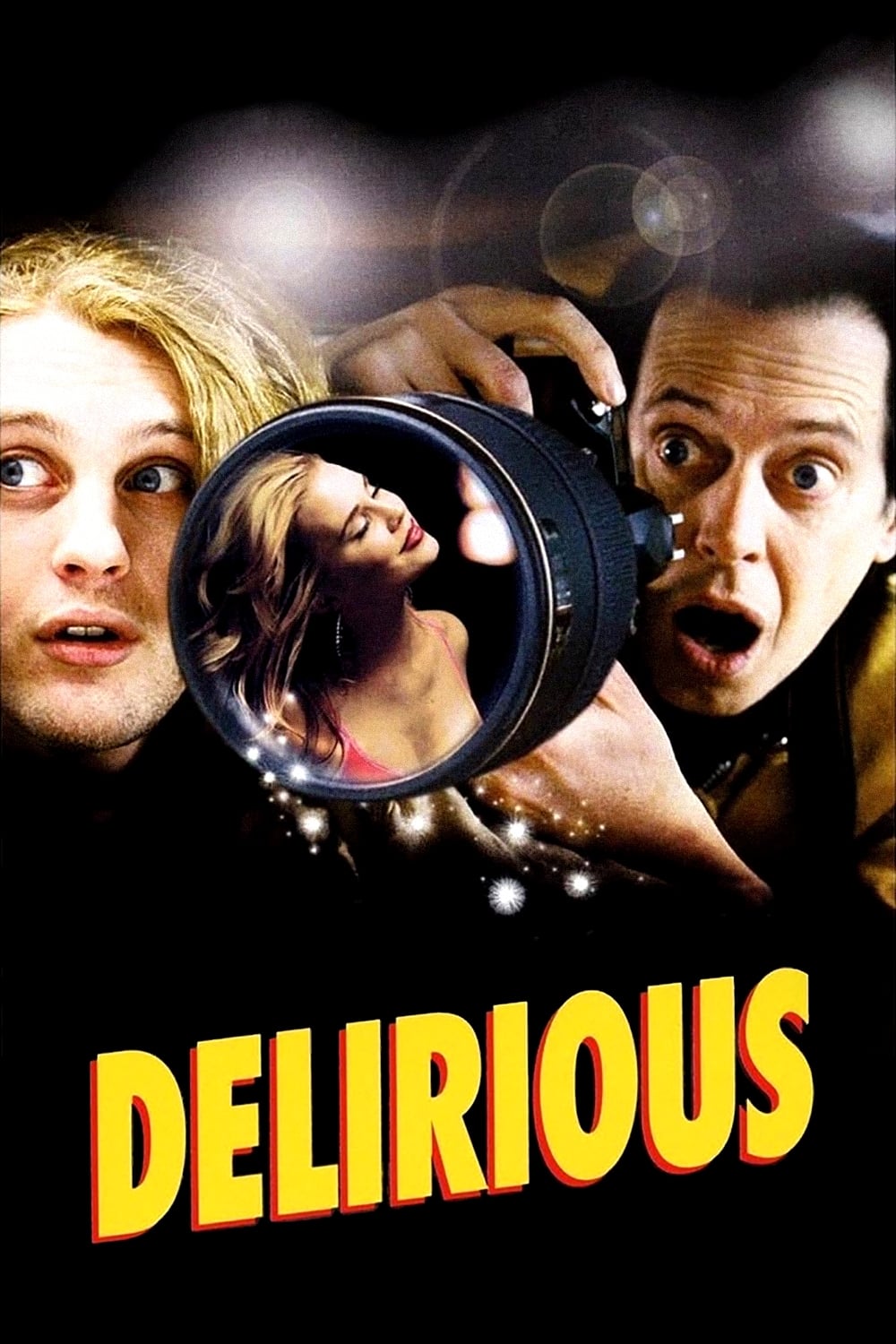
Written and directed by Tom DiCillo, ‘Delirious’ follows New York paparazzo Les Galantine, played by Steve Buscemi, as he mentors a homeless aspiring actor named Toby, played by Michael Pitt, whose path crosses with rising pop star K’Harma Leeds, played by Alison Lohman. The film maps the mechanics of tabloid photo-hunting, access games, and publicists’ gatekeeping, showing how celebrity coverage gets made on the sidewalk and at velvet-rope events.
The production reunites Buscemi with DiCillo, who previously directed him in ‘Living in Oblivion’. The supporting cast includes Gina Gershon, Callie Thorne, and Elvis Costello in a cameo, and the film uses Manhattan locations—clubs, alleys, and sidewalks—to stage the scrums that drive the story forward.
‘Animal Factory’ (2000)
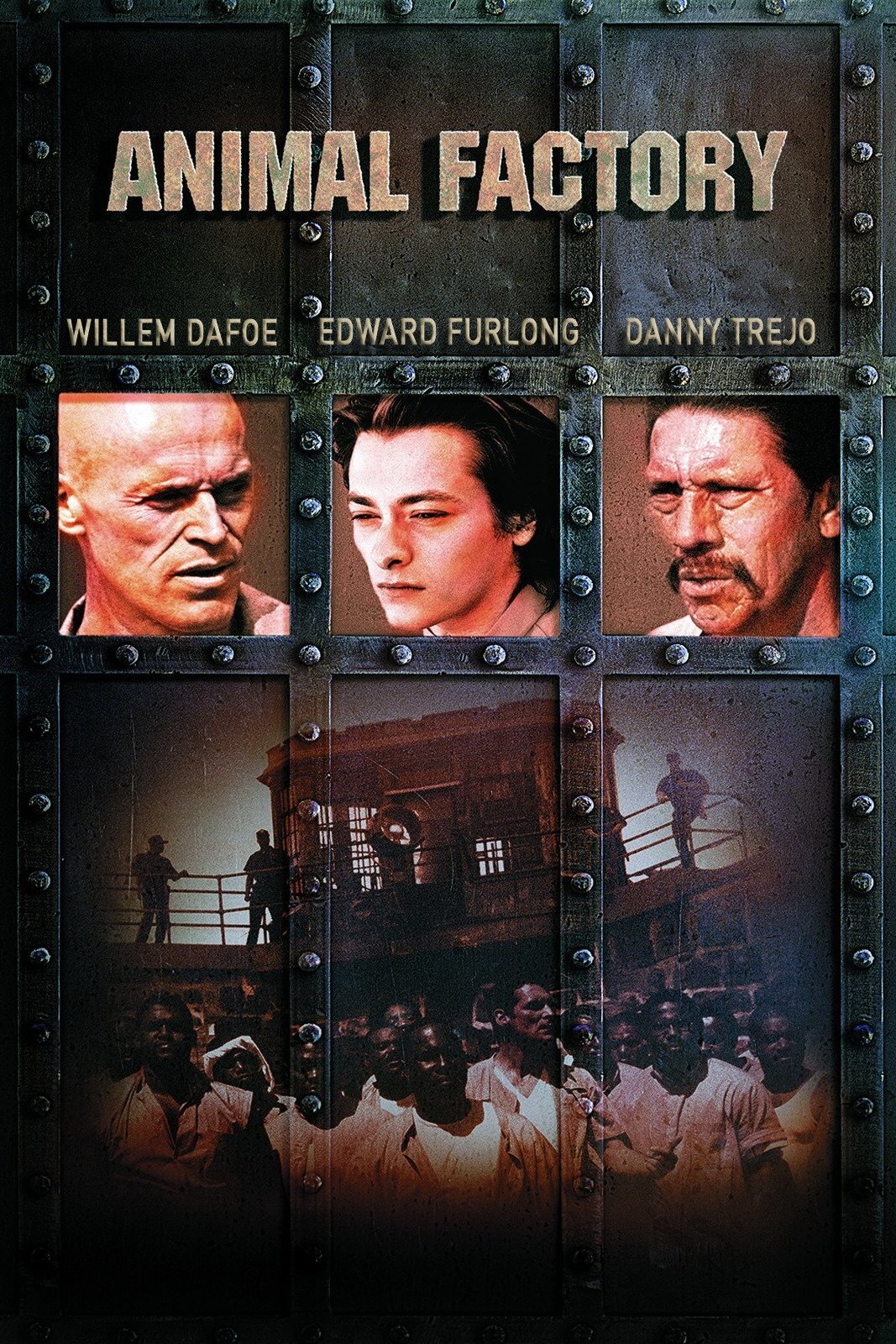
‘Animal Factory’, directed by Steve Buscemi and adapted from Edward Bunker’s novel, follows a young inmate, Ron Decker (Edward Furlong), who learns the realities of prison life under the protection of Earl Copen (Willem Dafoe). Buscemi appears as a correctional officer, and the cast includes Danny Trejo, Tom Arnold, and Mickey Rourke, whose characters map out prison hierarchies, contraband routes, and survival strategies.
The film makes extensive use of decommissioned prison facilities to capture layout, lockdown procedures, visitation protocols, and inmate work details. Its plot hinges on transfers, parole hearings, and the internal economies that govern food, favors, and information, reflecting the institutional processes that structure every scene.
‘Interview’ (2007)
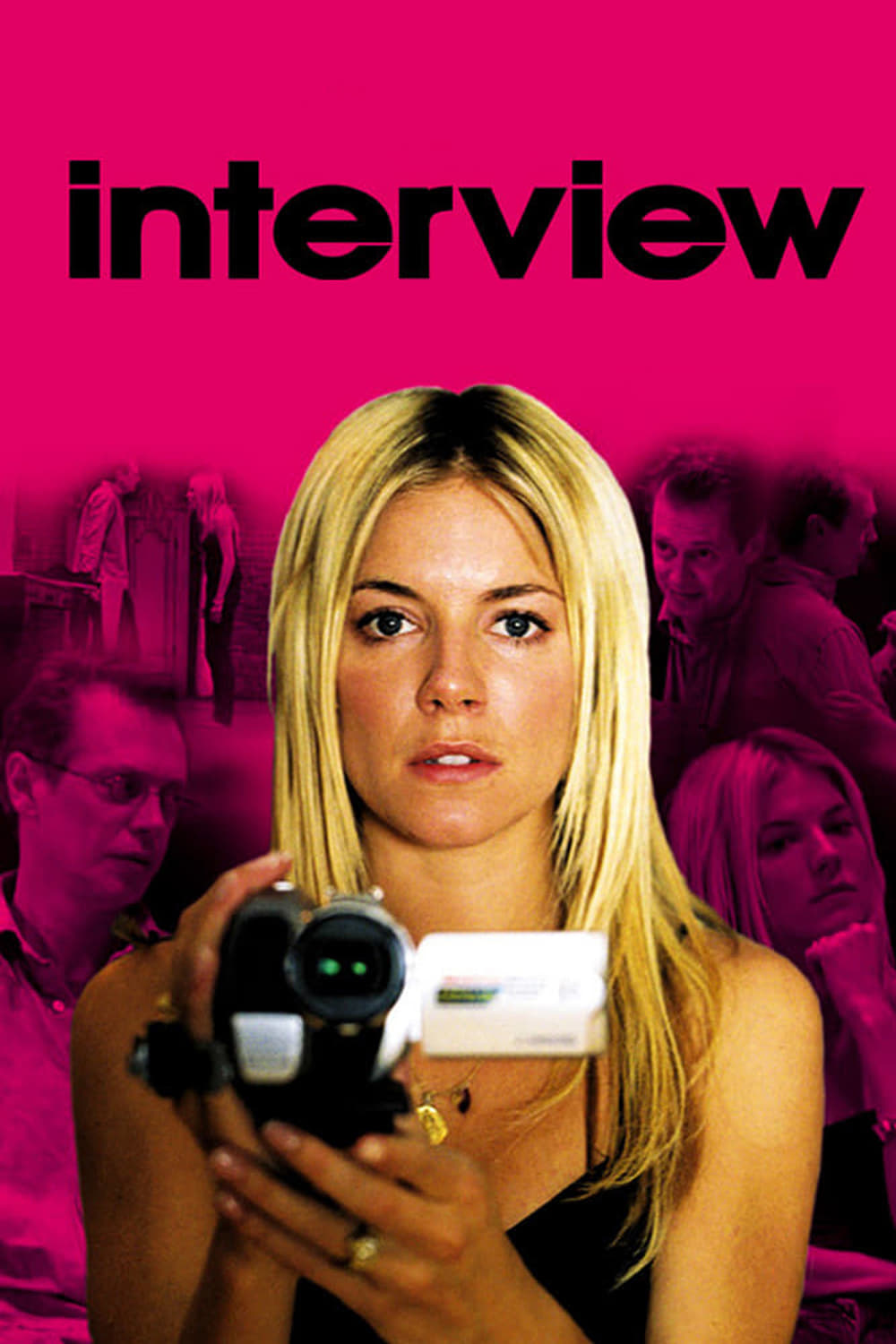
Directed by and starring Steve Buscemi, ‘Interview’ is an English-language remake of Theo van Gogh’s drama, pairing Buscemi’s political journalist Pierre with Sienna Miller’s film star Katya in an extended conversation that unpacks professional reputations, leaked information, and media tactics. The story uses a confined setting—an apartment and nearby interiors—to chart how each character controls a narrative.
The production foregrounds interview mechanics: recording devices, notes, fact-checking, and spin. With minimal locations and a two-hander structure, the film emphasizes performance and dialogue, documenting shifts in power and the deliberate withholding or release of personal details that shape a profile.
‘Trees Lounge’ (1996)
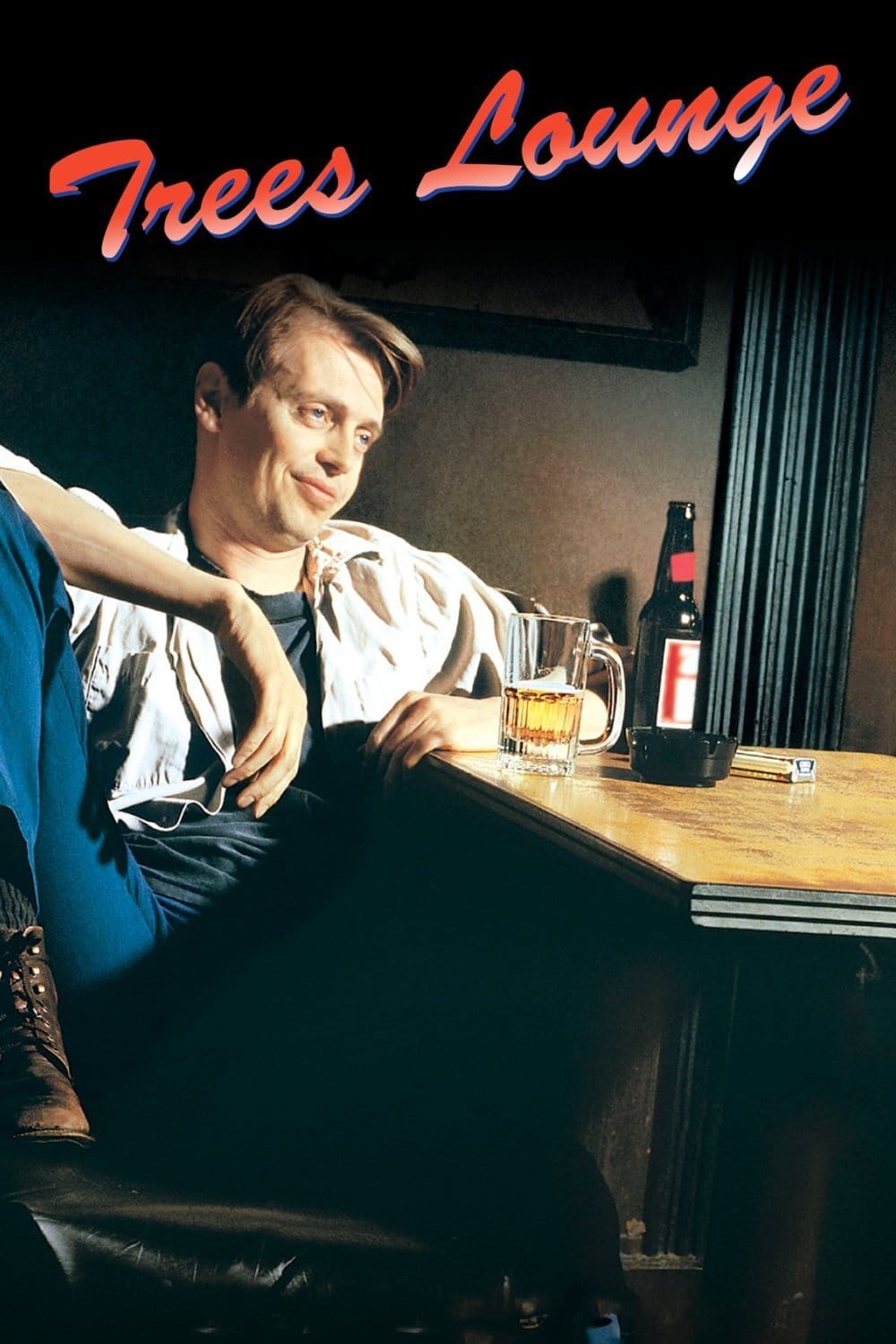
Written, directed by, and starring Steve Buscemi, ‘Trees Lounge’ follows Tommy, an out-of-work mechanic who drifts between a neighborhood bar, odd jobs, and complicated relationships. The film lays out the routines of bar culture—tabs, regulars, closing time—and neighborhood logistics like ice-cream truck routes and auto-shop shifts that intersect with Tommy’s life.
Shot on Long Island and in Queens, the cast features Chloë Sevigny, Mark Boone Junior, Carol Kane, Daniel Baldwin, and Anthony LaPaglia. The film’s production emphasizes street-level locations and working-class spaces—apartments, garages, and storefronts—giving a clear map of the environment that shapes each character’s decisions.
‘In the Soup’ (1992)
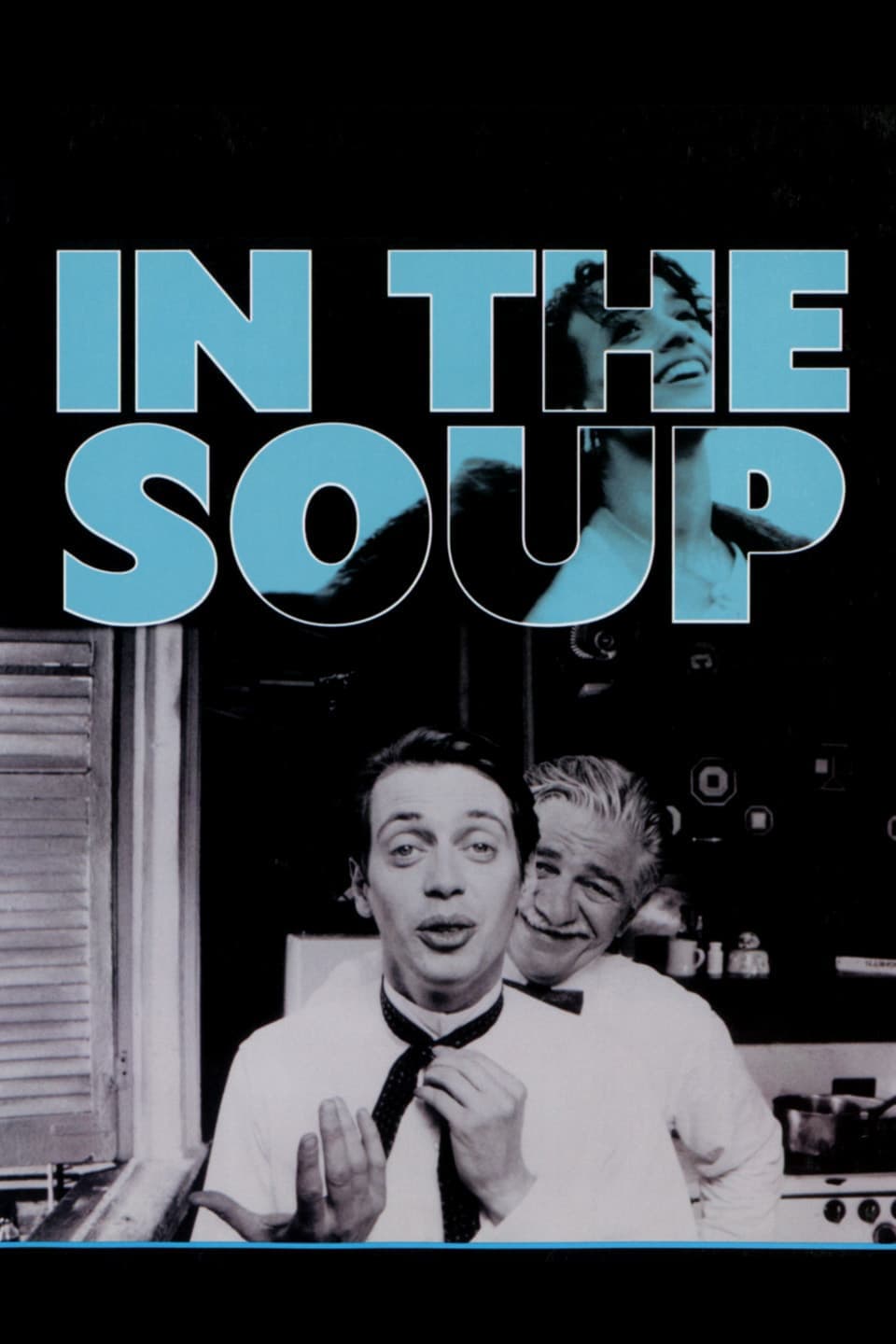
Directed by Alexandre Rockwell, ‘In the Soup’ stars Steve Buscemi as Adolfo Rollo, a broke writer-director who tries to get his script financed by a small-time operator played by Seymour Cassel. The film tracks the nuts and bolts of indie production: script pages, casting attempts, and the search for cash, placing Buscemi’s character in meetings that mix creative ambition with off-book deals.
Shot in black-and-white, the production uses New York apartments, rooftops, and streets to stage the stop-start momentum of trying to mount a first feature. The ensemble includes Jennifer Beals and Stanley Tucci, and the story shows how handshake agreements, unpaid favors, and borrowed gear drive low-budget filmmaking.
‘Living in Oblivion’ (1995)
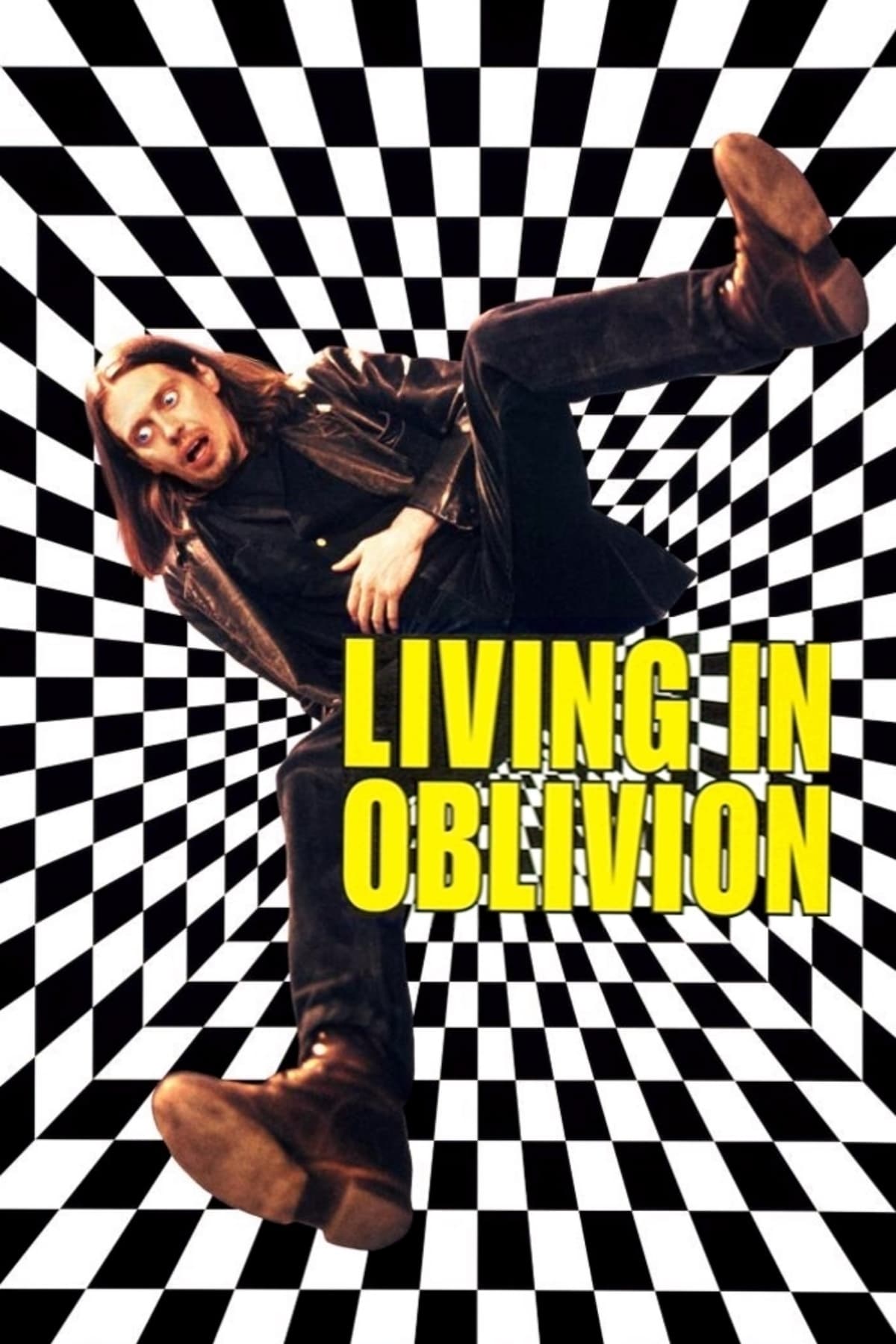
Tom DiCillo’s ‘Living in Oblivion’ follows an indie film shoot led by Buscemi’s character, director Nick Reve, across a chaotic day of production. The plot is structured around practical tasks—camera setups, slate calls, sound checks, catering, and scheduling—complicated by actors’ anxieties, equipment failures, and a dream sequence that requires precision blocking.
The cast includes Catherine Keener, Dermot Mulroney, Peter Dinklage, and James LeGros, and the film details the collaboration between departments: costume, art, lighting, and sound. It documents how call sheets, shot lists, and time overruns ripple through a set, capturing the technical language and workflow of a small crew at work.
‘Barton Fink’ (1991)
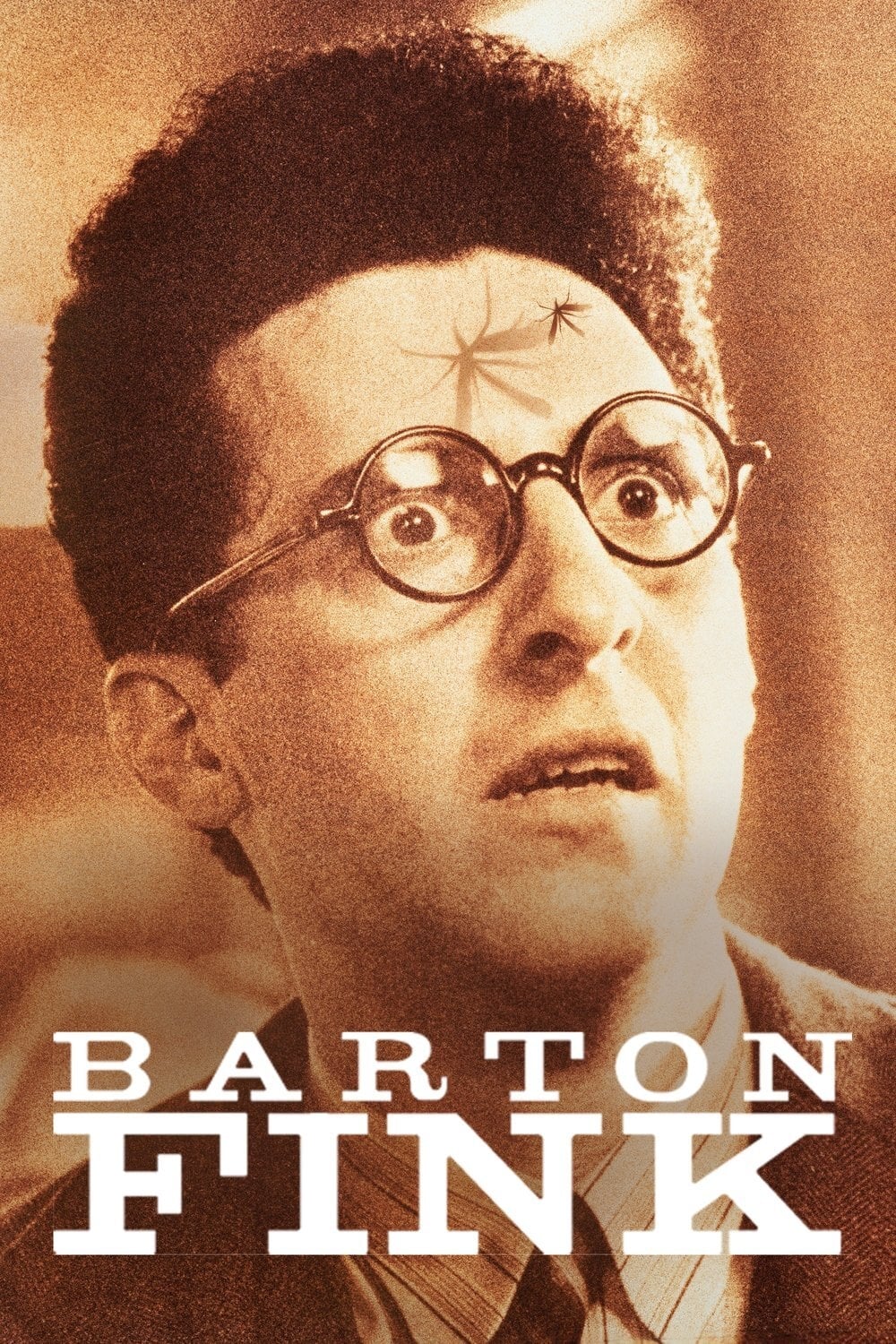
Written and directed by Joel and Ethan Coen, ‘Barton Fink’ follows a New York playwright who takes a Hollywood screenwriting contract and moves into a Los Angeles hotel, where Buscemi plays Chet, the front-desk clerk. The film charts studio practices—assignments, producer notes, and contract obligations—alongside the protagonist’s attempts to deliver a wrestling picture while navigating the building’s peculiar residents.
The production places John Turturro and John Goodman at the center, with design choices that map corridors, offices, and writer’s rooms across a single hotel floor and studio lot spaces. The film’s release brought major festival recognition and widespread critical attention to the Coens’ period detail, with Buscemi’s role positioned within the hotel’s tightly choreographed comings and goings.
If you’ve got a favorite deep-cut Buscemi performance or filmmaking turn that belongs here, share your picks in the comments!