


The 15 Best Fictional LGBTQ+ Role Models




From TV ensembles to big-screen standouts and animated heroes, LGBTQ+ characters have moved from the margins to the center of popular storytelling, giving audiences layered portrayals with real stakes, culture, and community. The picks below highlight characters whose narratives include family, friendship, identity, and leadership, and who helped push representation forward across genres and formats. Each entry notes the performer, the series or film, and concrete context about the character’s impact and arc so you can dive straight into the stories that shaped today’s landscape.
Chiron in ‘Moonlight’
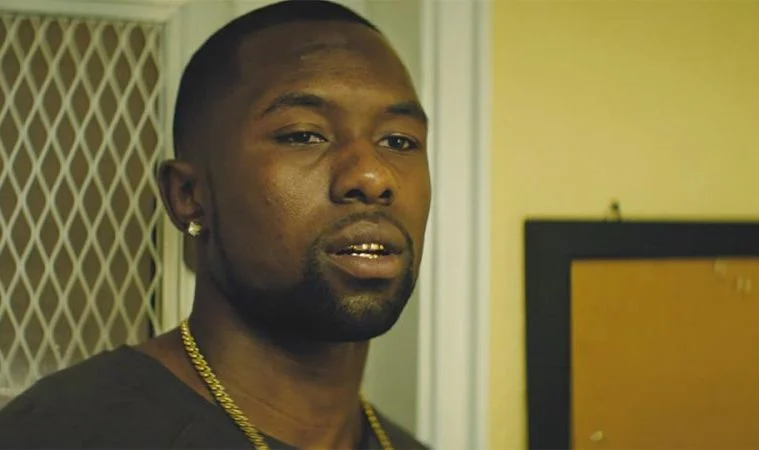
Portrayed by Trevante Rhodes, Ashton Sanders, and Alex R. Hibbert across different life stages, Chiron is the protagonist of Barry Jenkins’s film adapted from Tarell Alvin McCraney’s play. The story follows Chiron’s upbringing in Miami and his evolving understanding of masculinity, sexuality, and intimacy. The film’s focus on a Black queer lead marked a major milestone when it won Best Picture at the Academy Awards. Its production foregrounded collaboration with the playwright’s community roots, and the narrative centers on chosen family as much as biological ties.
Carol Aird in ‘Carol’
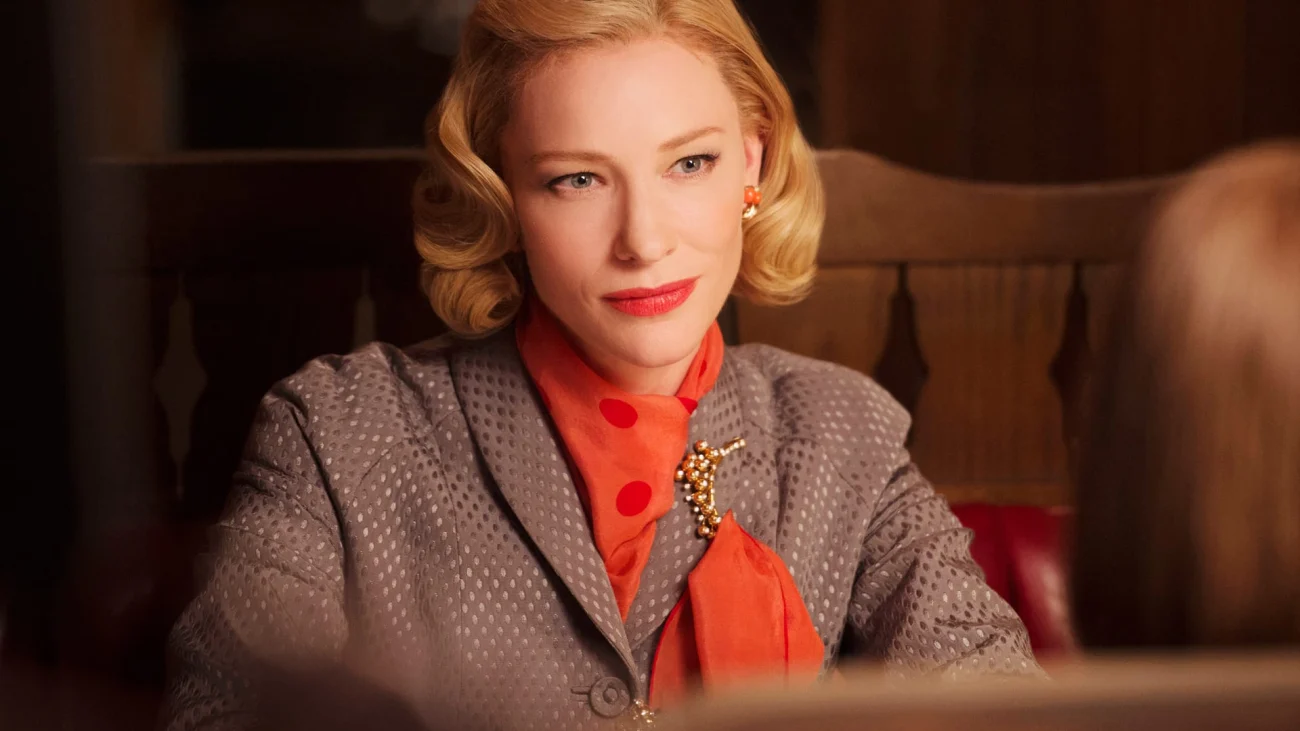
Cate Blanchett plays Carol Aird in Todd Haynes’s adaptation of Patricia Highsmith’s novel. The film traces a romance between Carol, a sophisticated woman navigating a divorce, and Therese, an aspiring photographer, set against the constraints of mid-century social expectations. Blanchett and Rooney Mara received widespread awards recognition, with the film noted for its meticulous period design and cinematography. The adaptation highlights legal and custodial pressures that LGBTQ+ parents have historically faced, grounding the love story in concrete social realities.
Korra in ‘The Legend of Korra’

Voiced by Janet Varney, Korra is the Avatar who succeeds Aang in Nickelodeon’s animated sequel. The series closes with Korra and Asami Sato choosing to be together, a relationship later confirmed and expanded in official comics. The creative team publicly clarified the couple’s romantic status, and later media continued their story as partners and leaders. The show’s worldbuilding addresses political upheaval, spirituality, and disability, placing a bisexual heroine at the center of an action-adventure narrative.
Haruka Tenoh in ‘Sailor Moon’

Haruka Tenoh, also known as Sailor Uranus, appears in Naoko Takeuchi’s franchise and is frequently portrayed alongside Michiru Kaioh/Sailor Neptune as an iconic couple. Japanese broadcasts and official materials identify Haruka as a gender-nonconforming character who presents masculinely and is romantically involved with Michiru. Early international localizations altered or obscured their relationship, but later releases restored it. Their partnership features prominently in battles and music performance arcs, embedding queer visibility in a mainstream magical-girl series.
Willow Rosenberg in ‘Buffy the Vampire Slayer’
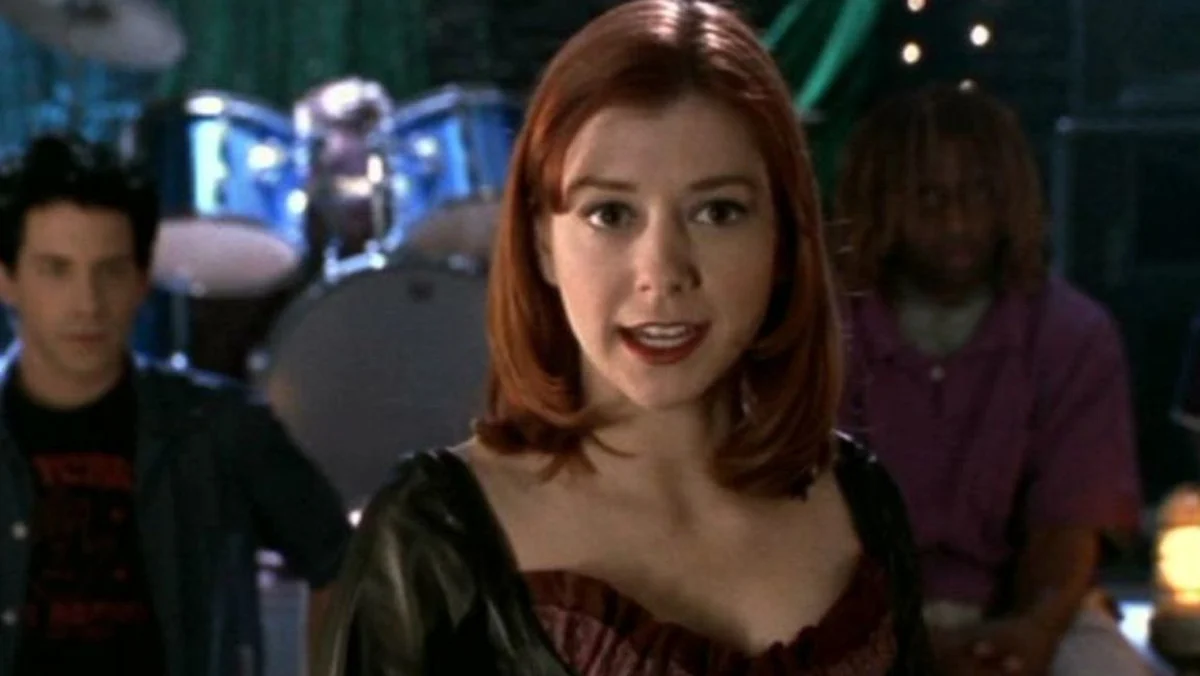
Alyson Hannigan plays Willow Rosenberg, who evolves from a shy student into a powerful witch whose relationships include Tara Maclay and later Kennedy. The character’s arc introduced one of the most visible lesbian couples on network television at the time, with on-screen intimacy and sustained storytelling. Key plotlines address grief, addiction metaphors, and ethical boundaries in power, giving Willow complex motivations and consequences. The show’s writers’ room and comics continuations further developed her magical mythology and community ties.
Captain Raymond Holt in ‘Brooklyn Nine-Nine’
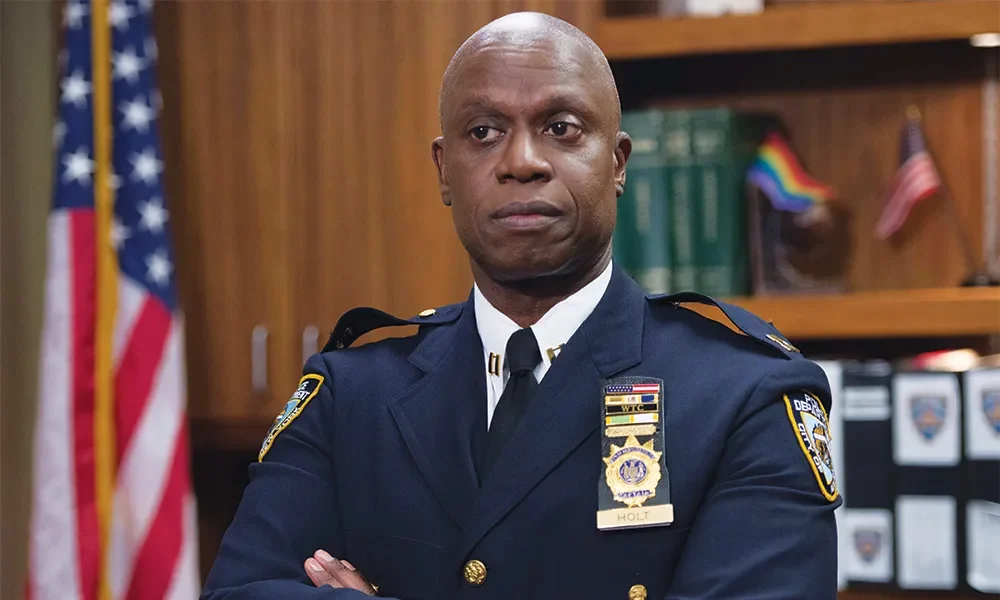
Andre Braugher portrays Captain Raymond Holt, an openly gay precinct commander whose career includes breaking barriers in the NYPD. Holt’s storylines reference real workplace challenges, including discrimination, mentorship, and strategic reform. The character’s marriage to Kevin Cozner and his leadership of the 99th Precinct provide consistent representation of a Black gay man in a position of authority. The series integrates his professional excellence with personal life without reducing him to a stereotype.
Sophia Burset in ‘Orange Is the New Black’
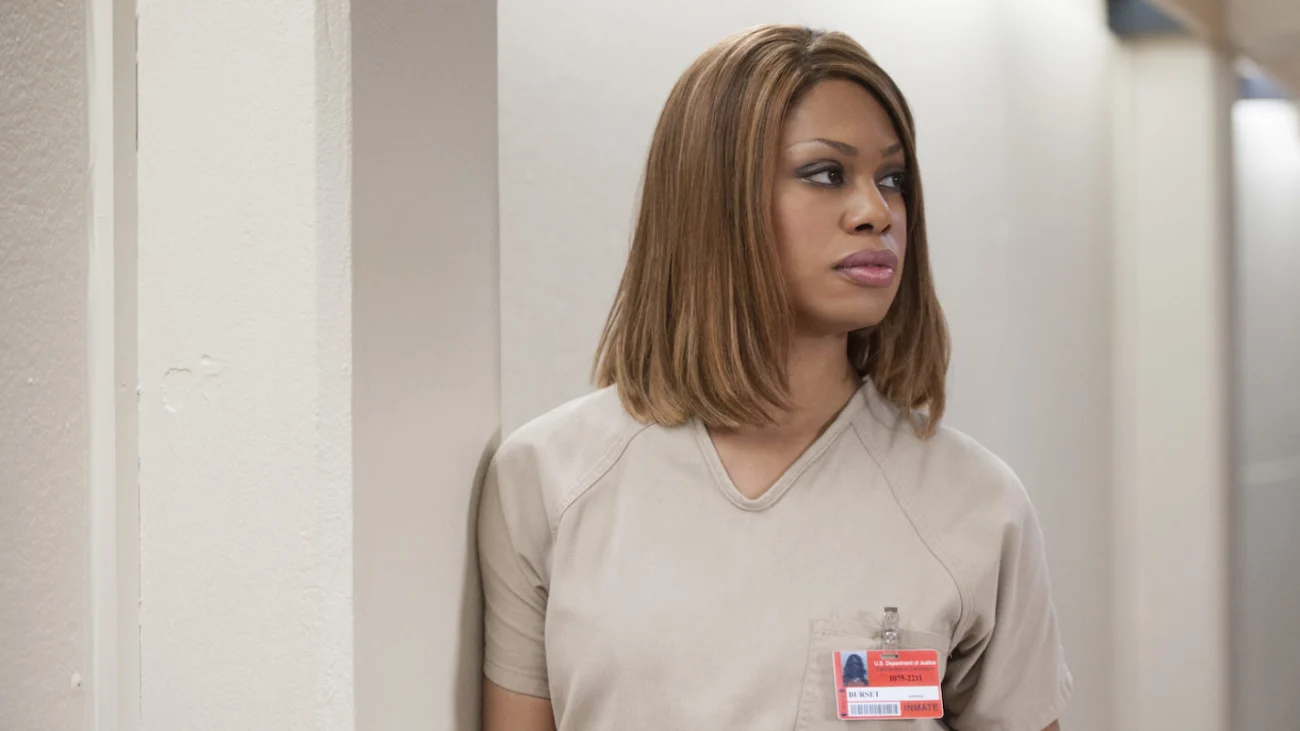
Laverne Cox plays Sophia Burset, a transgender woman navigating incarceration and healthcare access within a women’s prison. The show depicts her backstory as a hairstylist and parent alongside systemic issues such as solitary confinement and medical care. Cox received historic awards recognition and used the role to amplify discussions about trans rights and representation in media. The production consulted on aspects of trans experiences, contributing to more grounded storytelling for the character.
Blanca Evangelista in ‘Pose’
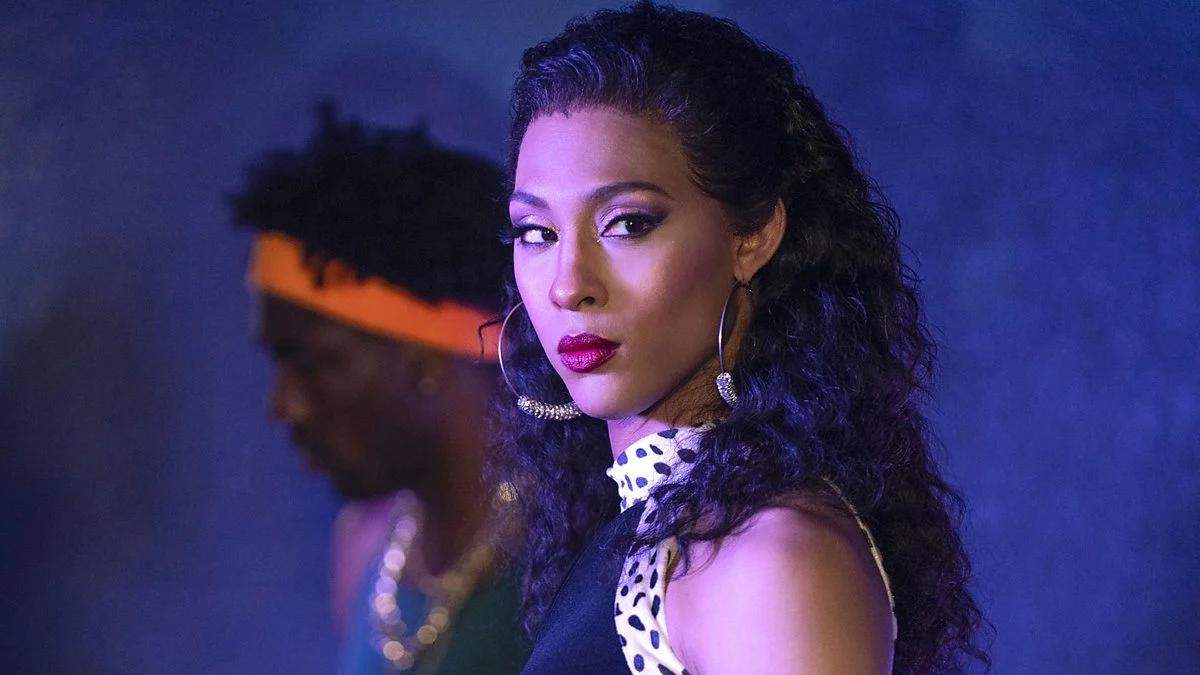
Mj Rodriguez (Michaela Jaé Rodriguez) stars as Blanca Evangelista, a house mother in New York City’s ballroom scene. Blanca’s arc centers on caregiving, entrepreneurship, and HIV advocacy, including founding the House of Evangelista and opening a nail salon. The show employs a large number of trans actors and creatives, bringing authenticity to ballroom culture and community networks. Rodriguez’s performance received major accolades, marking a breakthrough in recognition for a trans lead on a scripted series.
Eric Effiong in ‘Sex Education’
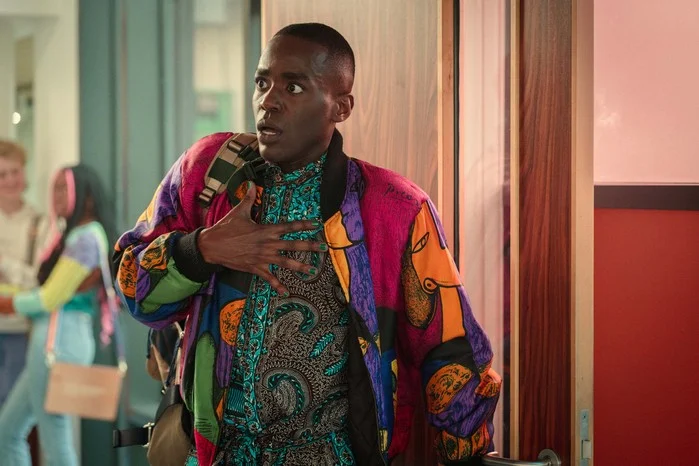
Ncuti Gatwa portrays Eric Effiong, a gay Nigerian-British teen whose storylines explore faith, family expectations, and friendship. Eric’s relationships chart experiences from first love to self-acceptance, with attention to cultural specificity and diaspora identity. The show engages with bullying, public affection, and school policy, grounding his journey in concrete settings. Fashion and music are used to signal Eric’s self-expression, and his bond with his family evolves through candid conversations.
David Rose in ‘Schitt’s Creek’

Dan Levy plays David Rose, a pansexual entrepreneur who co-founds the Rose Apothecary and builds a life in a small town. The series depicts a community where queerness is accepted without centering trauma, focusing instead on relationships, work, and chosen family. David’s romance with Patrick Brewer leads to a wedding and sustained business partnership. The production earned numerous Emmy Awards, and Levy has spoken about crafting a world intentionally free of homophobia to spotlight everyday life.
Nomi Marks in ‘Sense8’

Jamie Clayton portrays Nomi Marks, a transgender hacker and activist connected psychically to seven others around the world. Nomi’s storyline includes a supportive relationship with Amanita, confrontations with medical gatekeeping, and participation in the cluster’s shared skills. The Wachowskis and J. Michael Straczynski created the series, bringing trans authorship to a global sci-fi narrative. Location-shooting across multiple countries underscores the show’s theme of cross-cultural solidarity.
Nick Nelson in ‘Heartstopper’
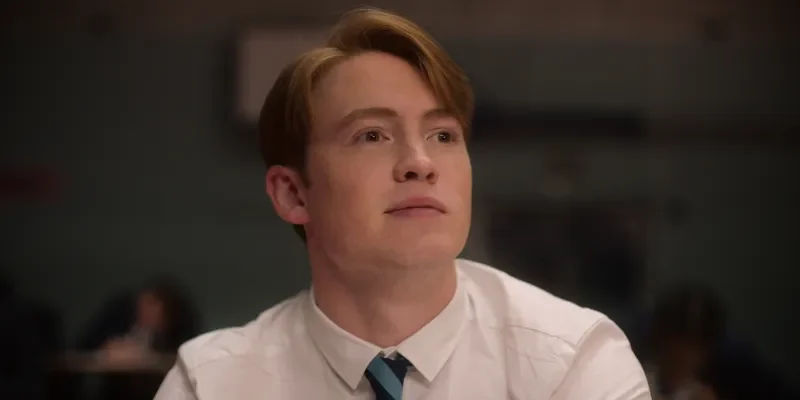
Kit Connor plays Nick Nelson, a rugby player who discovers he is bisexual and begins a relationship with Charlie Spring. The series adapts Alice Oseman’s graphic novels, retaining key scenes that center communication, consent, and mental health. Nick’s coming-out process involves family conversations, public acknowledgment, and support from peers. The production’s collaborative approach with the author ensures continuity from page to screen, including casting that aligns with character ages.
Ellie Williams in ‘The Last of Us’
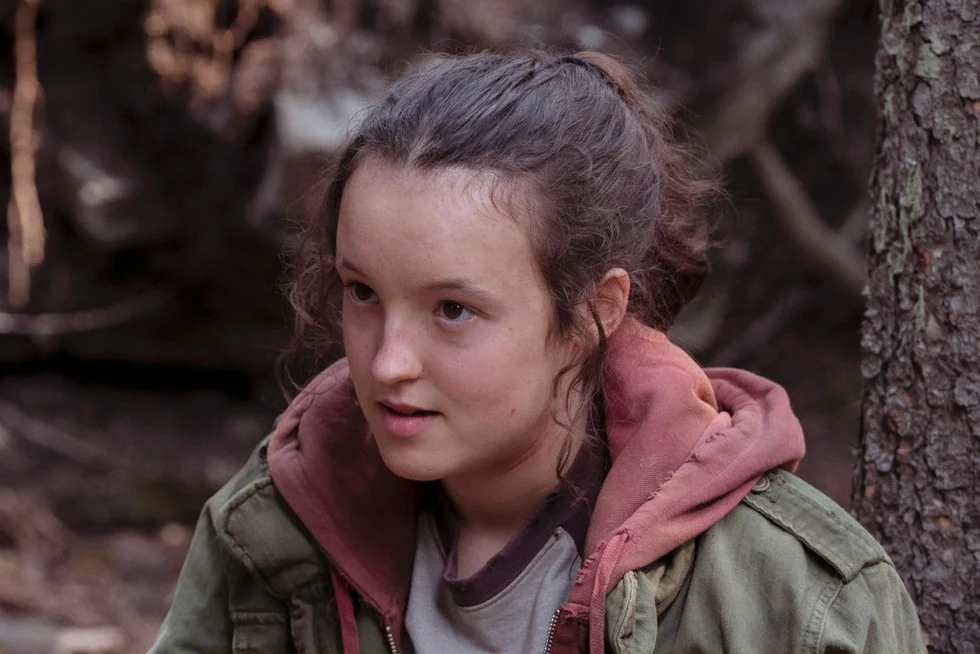
Bella Ramsey portrays Ellie Williams, whose queerness is depicted through relationships that shape her motivations and resilience. The show adapts narrative beats from the game, expanding character backstories and emphasizing survival ethics, grief, and care. An episode focused on Ellie’s connection with Riley underscores first love within a post-apocalyptic setting. The production’s creative team worked closely with original game director Neil Druckmann to translate themes and character dynamics to television.
Ennis Del Mar in ‘Brokeback Mountain’
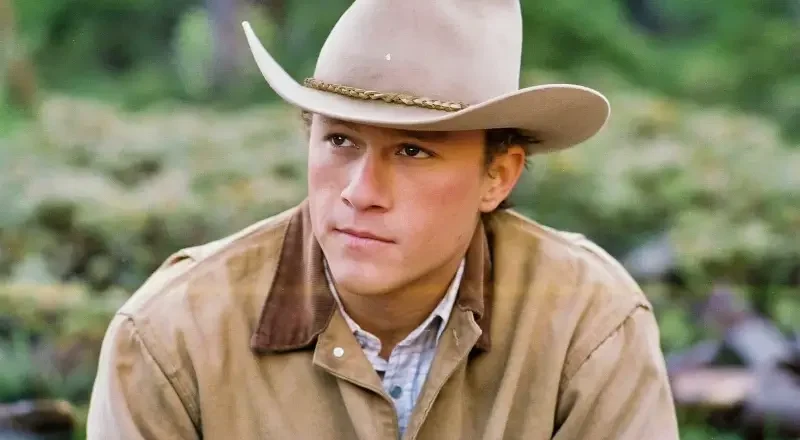
Heath Ledger plays Ennis Del Mar in Ang Lee’s adaptation of Annie Proulx’s short story. The film follows the long-term, complicated relationship between Ennis and Jack Twist, portrayed by Jake Gyllenhaal, set against rural American life. The production garnered major awards, including directing and screenwriting honors, and drew widespread discussion about queer narratives in mainstream cinema. Its depiction of secrecy, constraint, and consequence has been studied in film and cultural studies curricula.
Simon Spier in ‘Love, Simon’

Nick Robinson stars as Simon Spier, a high-school student whose anonymous online romance prompts a journey toward coming out. The film was a wide-release studio teen rom-com centered on a gay lead, a benchmark for mainstream distribution and audience reach. The narrative includes blackmail, friendship dynamics, and family conversations, culminating in visible affirmation at school. A follow-up series extended the universe, showing how the story resonated with younger viewers and streaming audiences.
Share your own picks and why they matter to you in the comments!