


The 15 Richest Fictional Characters (and Their Real-World Net Worth)

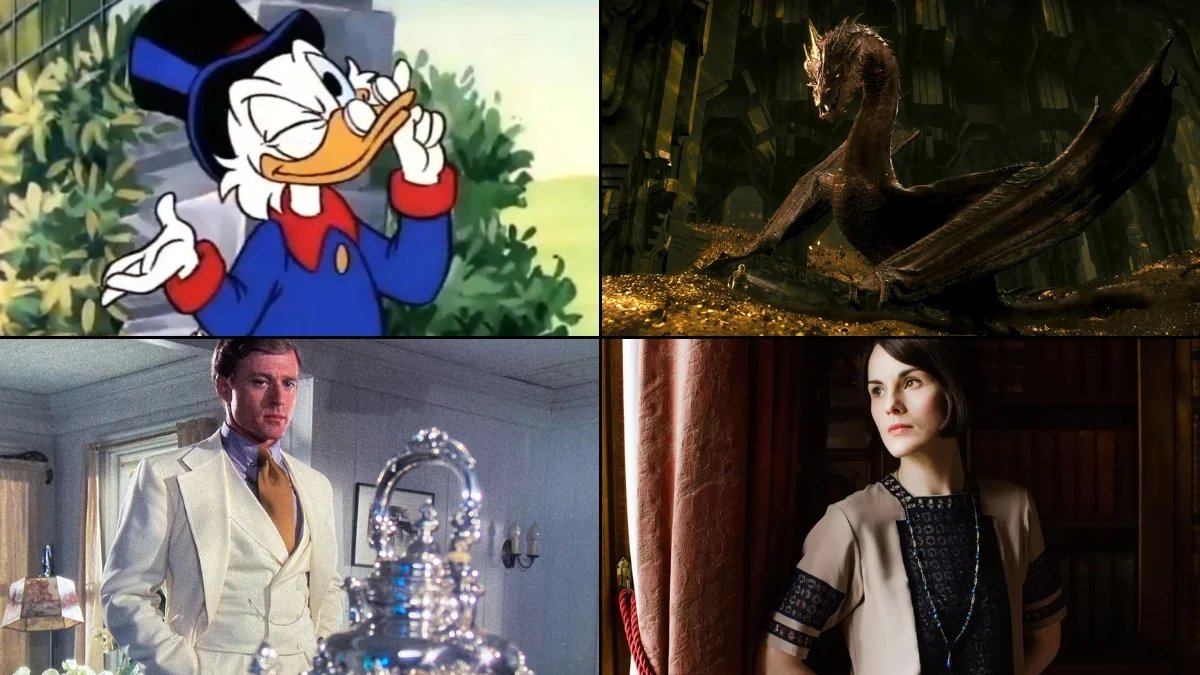


Fiction has never been shy about big money. Across novels, comics, TV, and film, a handful of characters control empires—some built by brains and business, others by inheritance, hoards, or happy accidents. Below, you’ll find their estimated fortunes translated into real-world U.S. dollars and tied to the specific businesses, resources, and assets that make them so wealthy.
These figures draw on the long-running idea behind Forbes’ “Fictional 15,” which compiles the characters and the dollar estimates you’ll see here. Consider this your quick reference to who owns what, where their money comes from, and how large those fortunes really are.
Gordon Gekko

Estimated real-world net worth: $2.2 billion
Gekko’s money comes from corporate raiding—leveraged buyouts, greenmail, asset stripping—and illicit insider trading, producing large, cyclical gains that he channels into equities, bonds, and shell companies.
Gekko is the infamous financier from Oliver Stone’s ‘Wall Street’. His methods highlight how information asymmetry and aggressive deal structures can generate outsized returns, along with the legal and reputational risks that shadow that strategy.
Lady Mary Crawley

Estimated real-world net worth: $2.7 billion
Lady Mary’s wealth is bound to the Downton estate—landed assets, agricultural rents, and investment income associated with British aristocratic holdings. Estate management decisions determine cash flow and long-term preservation.
She is a leading character in ‘Downton Abbey’. The series follows inheritance issues, modernization of estate operations, and capital decisions—sales, leases, and improvements—that directly affect the Crawley family’s financial footing.
Lucius Malfoy

Estimated real-world net worth: $3.3 billion
Malfoy’s fortune is rooted in aristocratic, pure-blood family assets—Malfoy Manor, heirlooms, and long-held stakes in wizarding enterprises—managed to preserve status and liquidity within the wizarding economy.
A prominent character in J.K. Rowling’s ‘Harry Potter’ series, Malfoy also wields political capital that protects and enhances his portfolio. His influence over institutions and networks often aligns with safeguarding family wealth and lineage.
Charles Foster Kane
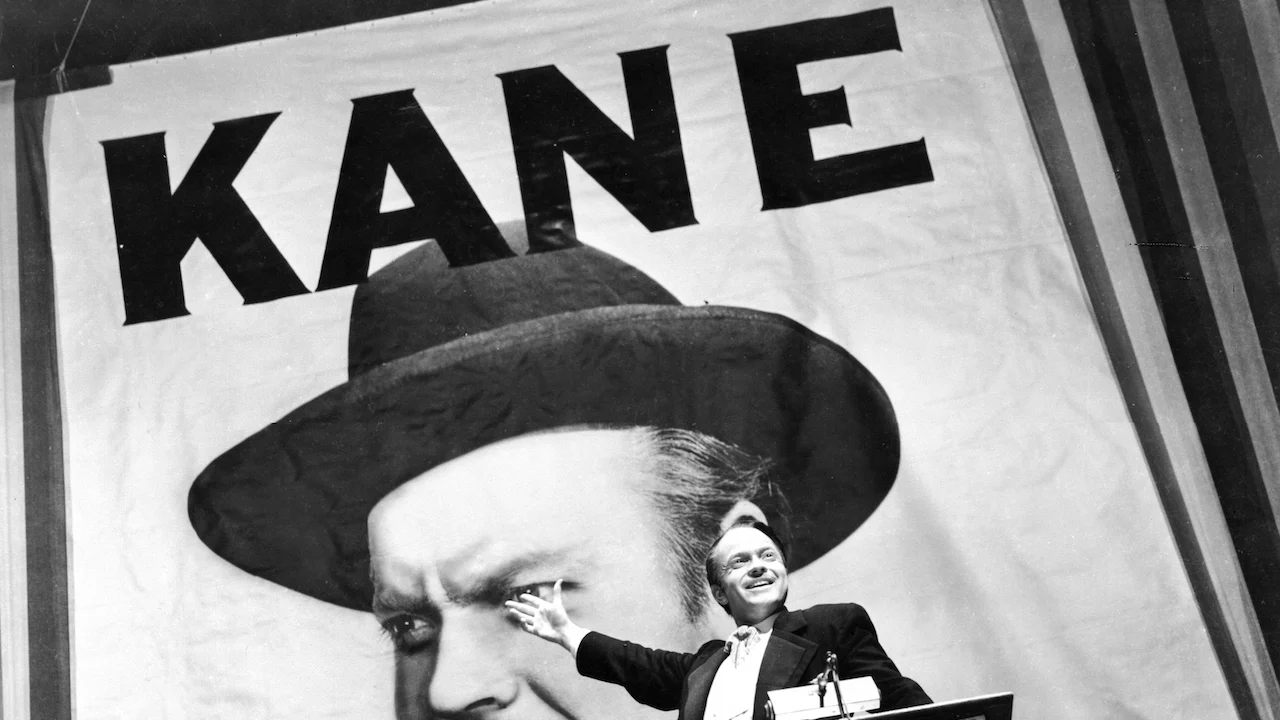
Estimated real-world net worth: $5.8 billion
Kane’s media empire spans newspapers, radio holdings, and syndication assets, delivering advertising revenue and market power that he converts into art, land, and private collections like the Xanadu estate.
Kane is the central figure of Orson Welles’ ‘Citizen Kane’. The film traces his acquisitions, editorial reach, and the feedback loop between media influence and asset accumulation, culminating in a vast but unwieldy collection of properties and artifacts.
Tywin Lannister

Estimated real-world net worth: $6.2 billion
Tywin’s wealth is anchored in the Lannister gold mines around Casterly Rock, producing bullion for minting and financing military campaigns, alliances, and debt instruments. Control of resource flows translates directly to political leverage.
He is a principal power broker in George R.R. Martin’s world, appearing in the novels and in HBO’s ‘Game of Thrones’. House Lannister’s financial clout—taxation rights, loans, and landed estates—gives Tywin operational capital to influence succession and strategy.
Willy Wonka

Estimated real-world net worth: $8.4 billion
Wonka owns a vertically integrated confectionery business: sourcing rare ingredients, manufacturing at scale, and controlling branding and distribution worldwide. Proprietary processes (from edible innovations to packaging) create durable intellectual property.
Wonka is the eccentric chocolatier from Roald Dahl’s ‘Charlie and the Chocolate Factory’. The factory’s closed-door R&D culture, loyal workforce, and unique product line support premium pricing, licensing opportunities, and steady cash generation.
Jay Gatsby
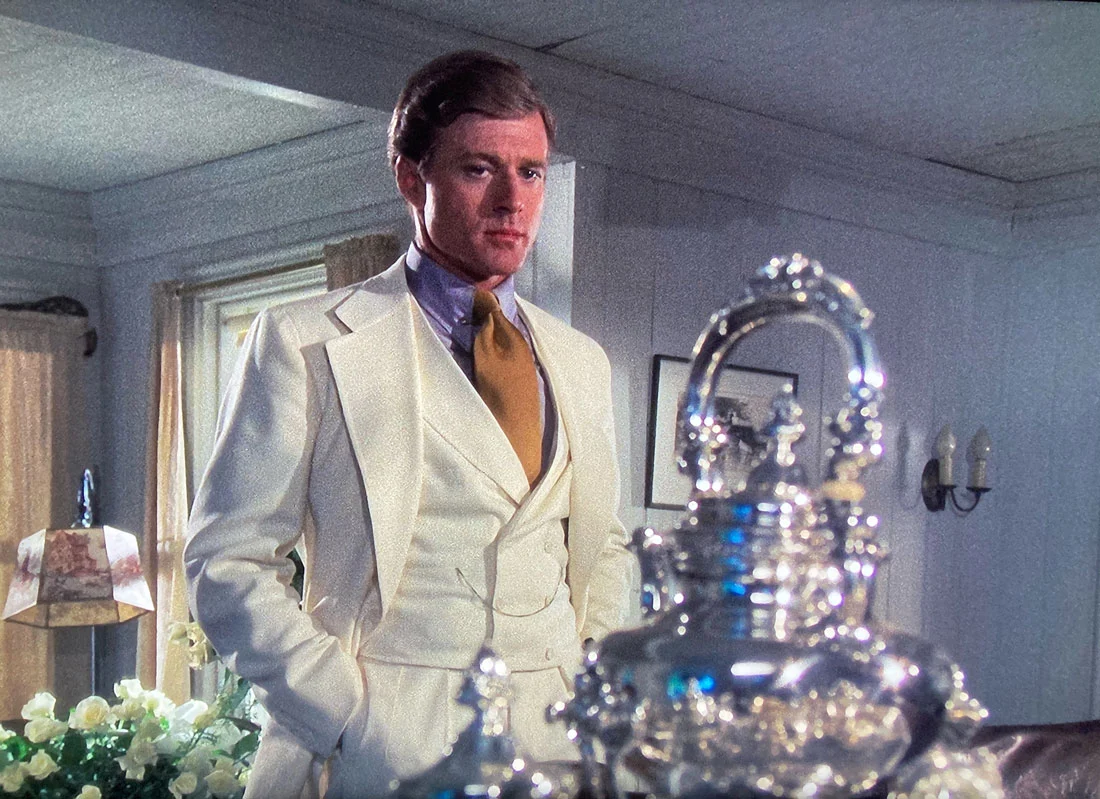
Estimated real-world net worth: $8.6 billion
Gatsby’s money derives from opaque businesses linked to Prohibition-era distribution networks and speculative enterprises, rapidly converted into real estate and luxury assets on Long Island. Liquidity flows through social events that serve as quiet networking and deal venues.
He is the enigmatic lead of F. Scott Fitzgerald’s ‘The Great Gatsby’. The story details West Egg property holdings, extensive staff, and a pattern of high-end consumption that signals large—but ultimately fragile—capital reserves aimed at fueling a personal quest.
C. Montgomery Burns

Estimated real-world net worth: $10.4 billion
Burns controls the Springfield Nuclear Power Plant, giving him a regulated-utility cash engine plus related real-asset holdings and political leverage. Consolidation, aggressive acquisition, and cost control are recurring drivers of his net worth.
Burns is a central figure in ‘The Simpsons’. His wealth is depicted as a mix of legacy capital and opportunistic deal-making, with portfolio items ranging from energy to municipal contracts—always routed through his personal command structure at the plant.
Jed Clampett

Estimated real-world net worth: $11.8 billion
Clampett’s fortune is a textbook resource windfall: a massive oil strike on his rural property. Royalties and lease agreements convert subsurface mineral rights into long-term cash flow, later parlayed into blue-chip investments after relocating to California.
Clampett is the patriarch in the TV series ‘The Beverly Hillbillies’. The narrative follows his move from backwoods landowner to Beverly Hills resident, with wealth management becoming a new family undertaking as oil revenues reshape their finances.
Richie Rich

Estimated real-world net worth: $23.9 billion
The “poor little rich boy” inherits controlling stakes in the Rich family’s companies, extensive real estate, and liquid reserves. His assets routinely include private R&D facilities, logistics fleets, and specialty manufacturing tied to the family empire.
Richie Rich began in Harvey Comics’ ‘Richie Rich’ titles and later moved into animated series and films. Stories depict a professional management apparatus running day-to-day operations while Richie engages in projects that expand the brand and diversify the family portfolio.
Bruce Wayne
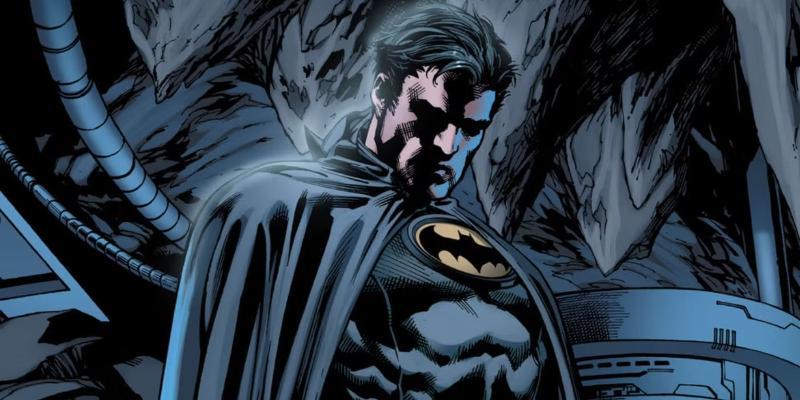
Estimated real-world net worth: $39.9 billion
Wayne’s wealth is anchored in Wayne Enterprises—a diversified conglomerate with divisions in technology, defense, healthcare, and infrastructure—supplemented by significant holdings managed through family trusts and foundations.
A DC Comics mainstay from ‘Batman’, Wayne operates from Gotham City. Corporate governance and philanthropy run through the Wayne Foundation, while the operating company’s breadth (from R&D to heavy industry) sustains both public initiatives and private projects.
Tony Stark

Estimated real-world net worth: $43.4 billion
Stark’s money comes from Stark Industries—defense contracts, advanced materials, clean-energy research, aerospace, and consumer tech spinoffs from his R&D. The company’s recurring government and private-sector revenue streams underpin his personal fortune.
Stark appears in Marvel’s ‘Iron Man’ stories and broader ‘Avengers’ arcs. A prolific patent-holder and inventor, he leverages corporate labs and private workshops alike, translating prototypes into marketable technologies and maintaining controlling interest in his family’s conglomerate.
Carlisle Cullen

Estimated real-world net worth: $46 billion
Cullen’s fortune is the classic case of long horizons and compounding—centuries of diligent investing layered on top of a physician’s income and prudent asset accumulation. The result is a diversified financial base spread across modern securities and real estate.
Introduced in Stephenie Meyer’s ‘Twilight’ saga, Carlisle leads the Olympic coven and works as a doctor. His financial edge stems from an unusually long time frame for investments, conservative spending, and the family’s ability to hold and grow assets quietly over generations.
Smaug
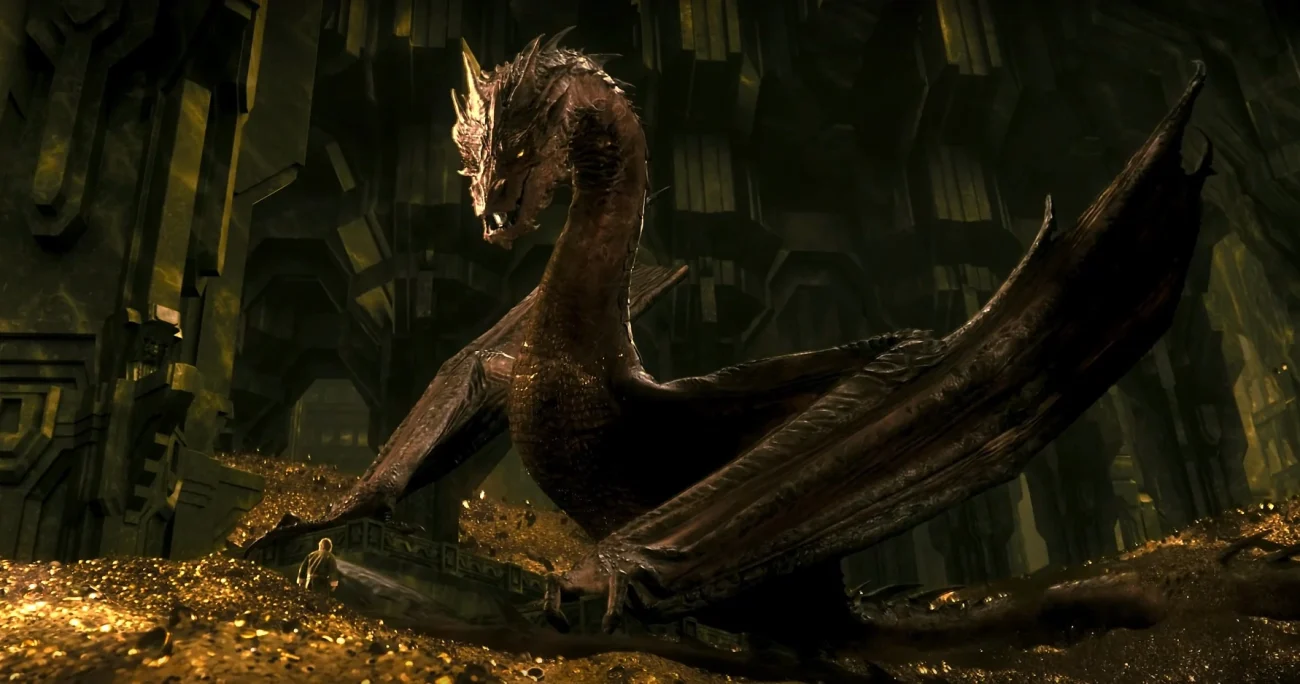
Estimated real-world net worth: $54.1 billion
Smaug’s capital is a single, colossal asset: the treasure of Erebor—gold, jewels, art objects, and heirlooms seized from the Dwarves of the Lonely Mountain. His “portfolio” is illiquid but staggering in raw commodity value, with a hoard large enough to influence regional economies in Middle-earth.
Smaug is the fire-drake from J.R.R. Tolkien’s ‘The Hobbit’. His hoard includes prized artifacts like the Arkenstone and centuries of Dwarven bullion and crafted works, accumulated and guarded by force rather than trade.
Scrooge McDuck

Estimated real-world net worth: $65.4 billion
McDuck’s wealth originates from a global portfolio—mining, shipping, banking, and countless investments—plus the famous Money Bin in Duckburg. His fortune is consistently portrayed as highly liquid (literal piles of coin) yet underpinned by hard-asset businesses and long-term compounding.
Created by Carl Barks for Disney comics, Scrooge appears across ‘Donald Duck’ stories and the animated series ‘DuckTales’. The character’s business history spans prospecting in the Klondike, ownership stakes in mines and railroads, and control of McDuck family companies, all centered on Duckburg.
Share your pick for the most interesting fictional fortune in the comments below!