


The 20 Most Iconic Cartoon Characters, Ranked

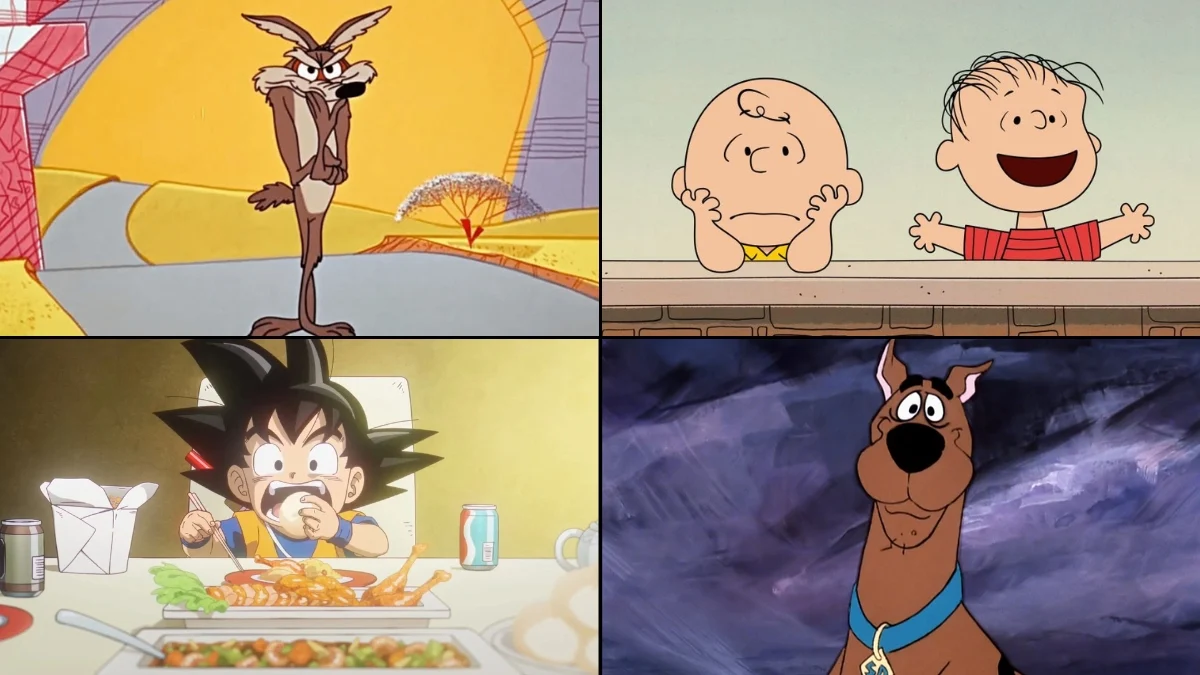


Cartoons have shaped global pop culture for more than a century, introducing characters who leap off the screen and into everyday life. From slapstick pranksters to earnest heroes, these figures started in shorts and series, then spread to toys, comics, games, theme parks, and every corner of merchandising. Their silhouettes alone can trigger memories, music cues, and catchphrases, and their creators—studios, writers, directors, and voice actors—built lasting legacies around them.
This countdown looks at enduring visibility, cross-generational recognition, franchise reach, and historical influence. You’ll see pioneers from black-and-white shorts, Saturday-morning staples that traveled the world, and modern leads whose fandoms power billion-dollar universes. Each entry highlights concrete details—debuts, creative teams, and franchise milestones—that explain why these faces continue to show up on screens and shelves everywhere.
Wile E. Coyote
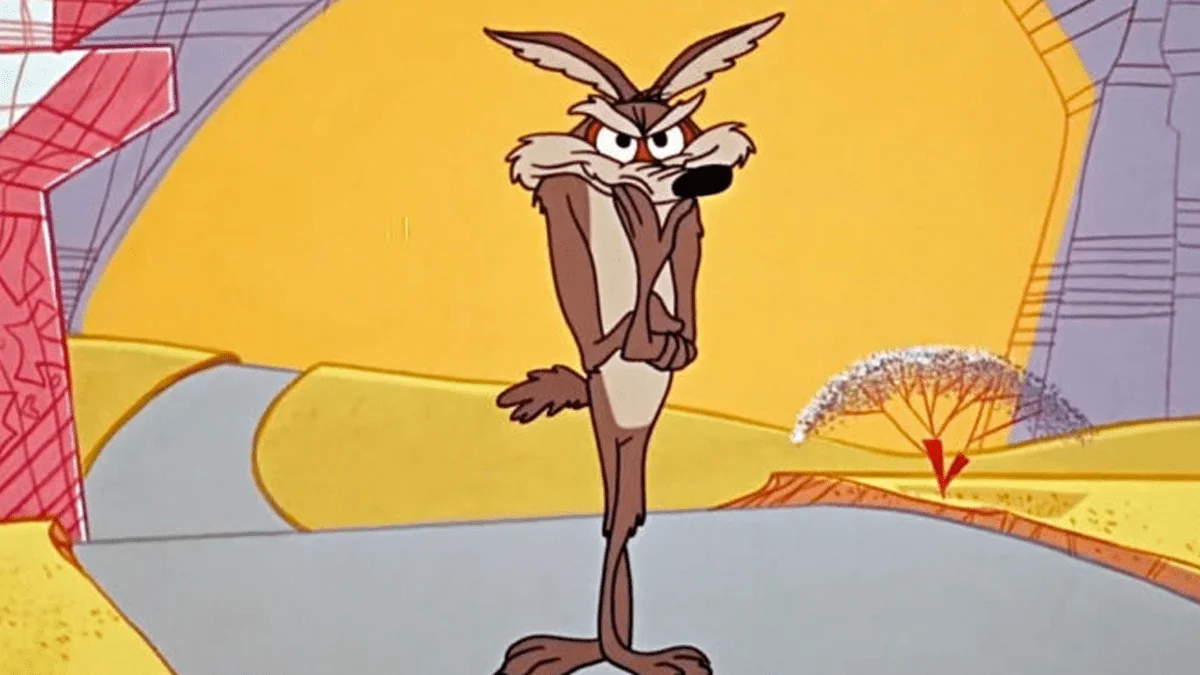
Wile E. Coyote was created by Chuck Jones and writer Michael Maltese for the Warner Bros. series ‘Looney Tunes’ and ‘Merrie Melodies’, debuting in the short ‘Fast and Furry-ous’. The character’s elaborate pursuit of the Road Runner turned mail-order contraptions from the fictional Acme Corporation into a recurring gag, with directors refining the timing rules that governed each chase.
Across dozens of theatrical shorts and later television compilations, the Coyote appeared without dialogue in many entries, relying on signs and physical comedy. Animators codified staging principles around him—straight-ahead chases, clear geography, and escalating gags—that are still taught in animation curricula and echoed in homages across film, TV, and advertising.
Aang
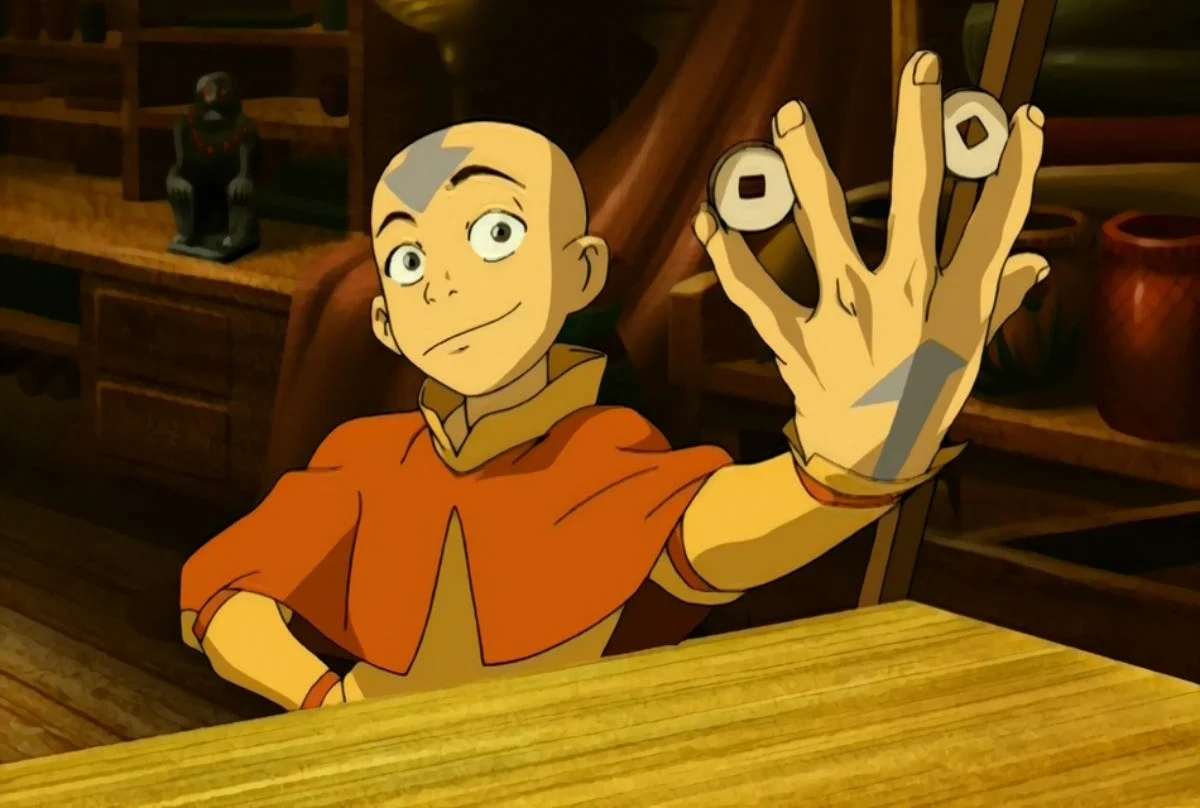
Aang is the central protagonist of Nickelodeon’s ‘Avatar: The Last Airbender’, created by Michael Dante DiMartino and Bryan Konietzko. The series followed his training in air, water, earth, and fire under a serialized structure unusual for Western children’s animation at the time, combining martial-arts choreography with East and South Asian cultural inspirations.
The franchise expanded into comics that continued the story, an animated sequel in ‘The Legend of Korra’, and multiple game adaptations. Aang’s world has also been reinterpreted in live-action projects and ongoing animated films, keeping the character active across formats and platforms long after the original run.
Naruto Uzumaki

Naruto Uzumaki originated in Masashi Kishimoto’s manga before being adapted by Studio Pierrot into the long-running anime ‘Naruto’ and ‘Naruto: Shippuden’. The character’s training arcs, tournament storylines, and village politics formed the spine of a multimedia property with films, novels, and console games.
Merchandise featuring Naruto spans headbands, collectible figures, and apparel that circulate globally through specialty retailers and conventions. The narrative continued into the follow-up series ‘Boruto: Naruto Next Generations’, extending the character’s legacy through family ties and returning cast members.
Sailor Moon (Usagi Tsukino)
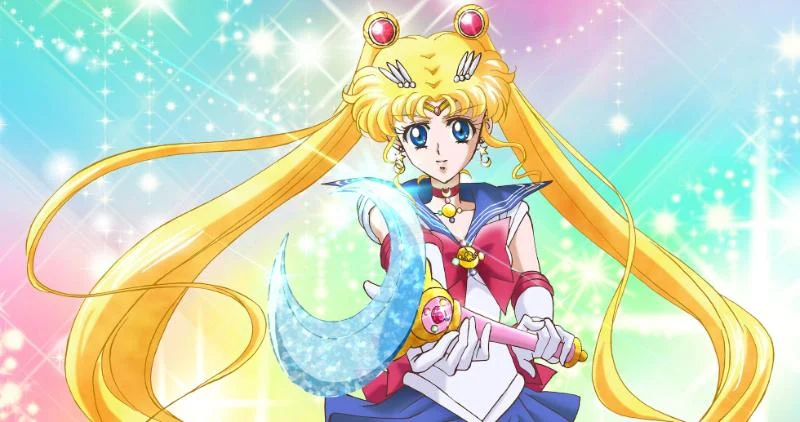
Sailor Moon, created by Naoko Takeuchi, leads the Sailor Guardians in Toei Animation’s adaptation ‘Pretty Soldier Sailor Moon’. The series fused magical-girl tropes with team-based battle structure, transforming items and attacks into recognizable motifs that appear on licensed accessories and cosplay.
Releases of ‘Sailor Moon Crystal’ revisited story arcs with updated designs, while films and stage musicals kept the brand present in Japan and abroad. The character’s image anchors extensive collaborations—from cosmetics to fashion—making Sailor Moon a perennial figure in cross-industry tie-ins.
Goku

Goku is the central hero of Akira Toriyama’s ‘Dragon Ball’ saga, introduced as a child and later depicted through multiple power transformations. Animation by Toei developed tournament arcs and large-scale battles that established pacing and power-scaling templates widely emulated in action series.
Voice actors Masako Nozawa in Japanese productions and Sean Schemmel in English dubs helped cement Goku’s sound across regions. The property’s reach includes console and mobile games, trading cards, and ongoing anime entries like ‘Dragon Ball Super’, ensuring frequent reintroductions to new audiences.
Betty Boop
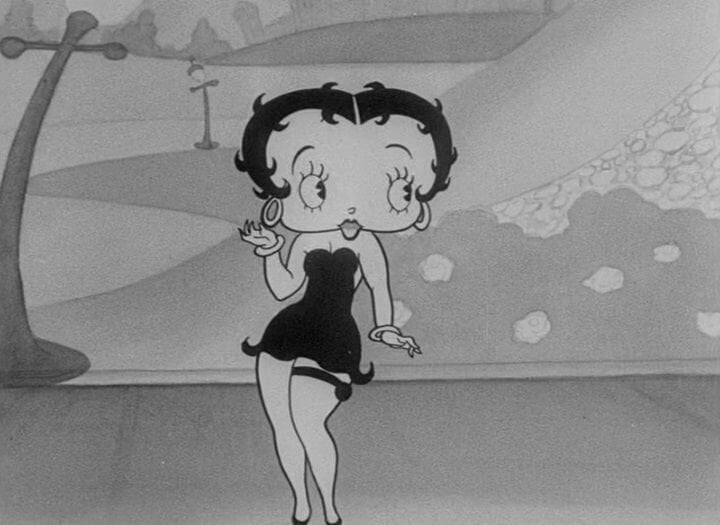
Betty Boop emerged from Fleischer Studios’ ‘Talkartoons’, with a signature look shaped by animators including Grim Natwick. Early shorts integrated jazz performances, featuring musicians and scat-singing that tied the character to contemporary music culture.
Production Code changes in the mid-1930s softened the character’s presentation, but reissues on television revived interest decades later. Betty Boop remains a licensing mainstay on apparel and accessories, and museum retrospectives regularly situate her within early sound-era animation history.
Popeye

Popeye debuted in E. C. Segar’s ‘Thimble Theatre’ comic strip before Fleischer Studios adapted him into theatrical shorts for Paramount. The sailor’s spinach gag, side characters like Olive Oyl and Bluto, and maritime settings provided consistent hooks for animators and marketers.
Government and corporate campaigns used Popeye to promote spinach consumption and wartime messaging, while later TV packages introduced the shorts to new generations. The character has headlined video games, a musical film adaptation, and theme-park attractions, sustaining brand recognition across eras.
Fred Flintstone
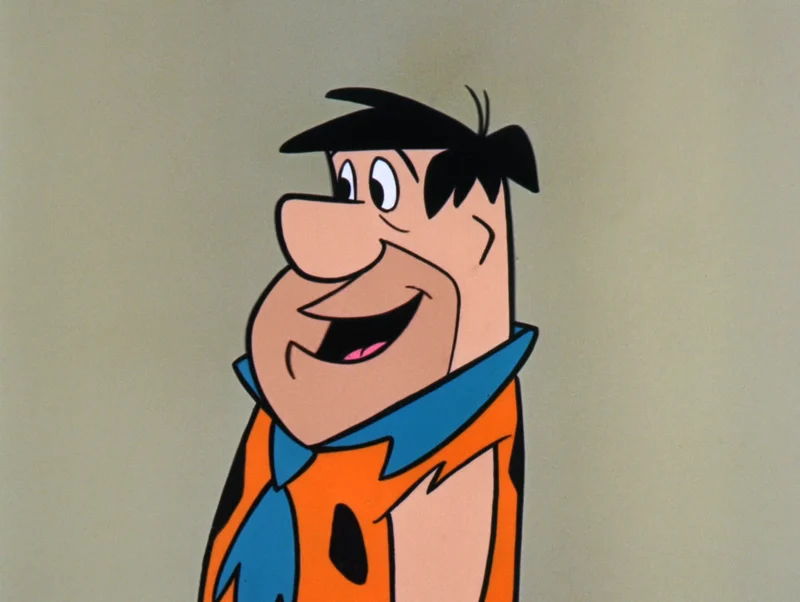
Fred Flintstone was developed by William Hanna and Joseph Barbera for ‘The Flintstones’, a prime-time animated sitcom set in a stone-age suburb. The series pioneered the domestic-comedy format in animation, complete with laugh track and episodic plots that parodied contemporary life with prehistoric gadgets.
The character fronted major advertising campaigns and licensed tie-ins, including breakfast cereals and children’s vitamins. Syndication kept episodes in rotation globally, and subsequent spin-offs and specials reinforced the Bedrock setting as a reusable television backdrop.
Charlie Brown

Charlie Brown comes from Charles M. Schulz’s ‘Peanuts’, which moved from newspaper pages to animation with holiday specials like ‘A Charlie Brown Christmas’ and ‘It’s the Great Pumpkin, Charlie Brown’. The character’s school plays, baseball games, and kite mishaps carried directly from strip panels to screen.
‘Peanuts’ licensing extends to greeting cards, stationery, apparel, and global museum exhibits dedicated to Schulz’s work. The specials’ jazz soundtracks, particularly Vince Guaraldi’s compositions, became seasonal staples that keep Charlie Brown and his friends in annual broadcast and streaming cycles.
Jerry Mouse
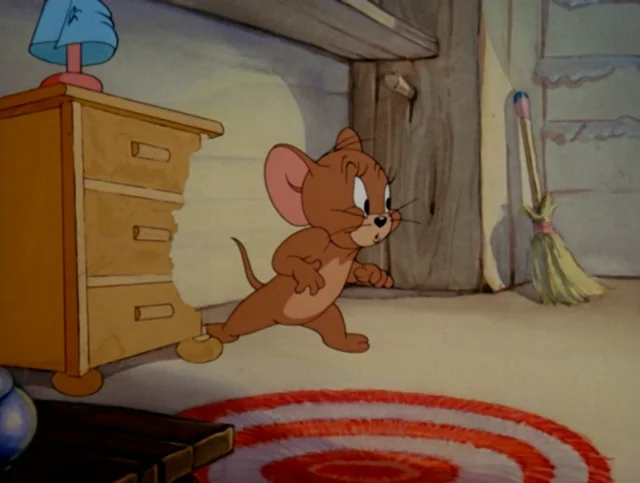
Jerry Mouse, created by William Hanna and Joseph Barbera for MGM’s ‘Tom and Jerry’, is the quick-thinking foil to Tom Cat. Animators emphasized pantomime performance, using precise staging and music synchronization to sell gags without dialogue.
The series collected multiple Academy Awards for Animated Short Film, and later television packages introduced edited versions for broadcast standards. Jerry continues to appear in new projects, crossover features, and branded collectibles that capitalize on the character’s expressive design.
Tom Cat
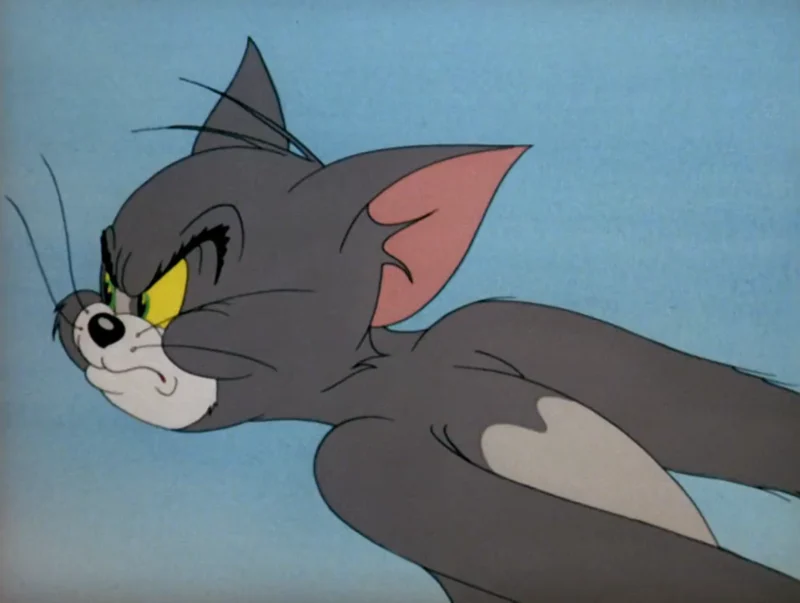
Tom Cat originated alongside Jerry in MGM’s ‘Tom and Jerry’, with animators cycling through design tweaks from rounded early looks to later, sharper styles. Directors across different eras—including Gene Deitch and Chuck Jones—contributed distinct timing and characterizations while preserving the central chase dynamic.
Rereleases on television and home video made the shorts accessible worldwide, aided by the minimal reliance on spoken language. Tom’s role in feature-length projects, mobile games, and compilation series keeps the character active in modern distribution channels.
Scooby-Doo
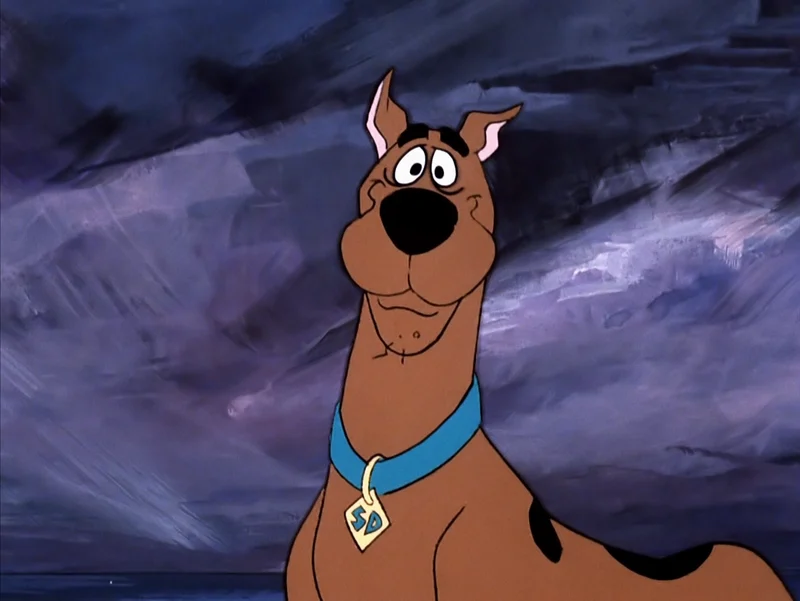
Scooby-Doo was created by Joe Ruby and Ken Spears for Hanna-Barbera in ‘Scooby-Doo, Where Are You!’, teaming a Great Dane with Mystery Inc. to solve episodic cases. Character voices by performers such as Don Messick and Frank Welker defined Scooby’s sound across decades.
The property produced numerous spin-offs, direct-to-video features, and live-action films under the ‘Scooby-Doo’ banner. Licensed snacks, costumes, and theme-park appearances ensure the character’s presence during seasonal events, especially around mystery-themed promotions.
Doraemon

Doraemon, from the duo Fujiko F. Fujio, is a robotic cat who helps a boy named Nobita using gadgets pulled from a four-dimensional pocket. Animated adaptations of ‘Doraemon’ turned items like the Anywhere Door and Take-copter into household terms throughout East and Southeast Asia.
The character has been used in cultural exchange initiatives and tourism campaigns, and appears on stamps, airline liveries, and official collaborations. Annual feature films and steady TV broadcasting maintain high visibility, while educational tie-ins introduce technology themes to younger viewers.
Hello Kitty
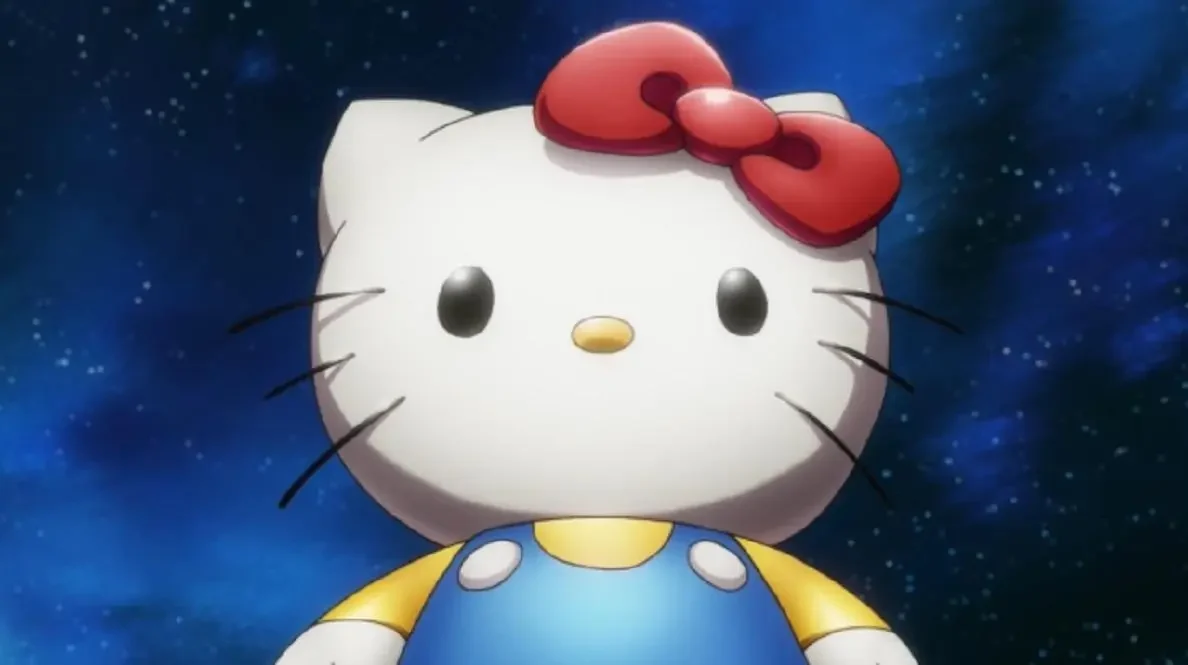
Hello Kitty was created by Sanrio, originally designed by Yuko Shimizu and later stewarded by lead designer Yuko Yamaguchi. The character began on small items like coin purses before scaling into a global licensing program that spans fashion, cosmetics, appliances, and themed cafés.
Animated projects under the ‘Hello Kitty’ umbrella support brand storytelling, but the character’s primary footprint is merchandise and collaborations. Regional pop-up events and permanent attractions showcase Hello Kitty as a corporate mascot with broad cross-generational appeal.
Donald Duck
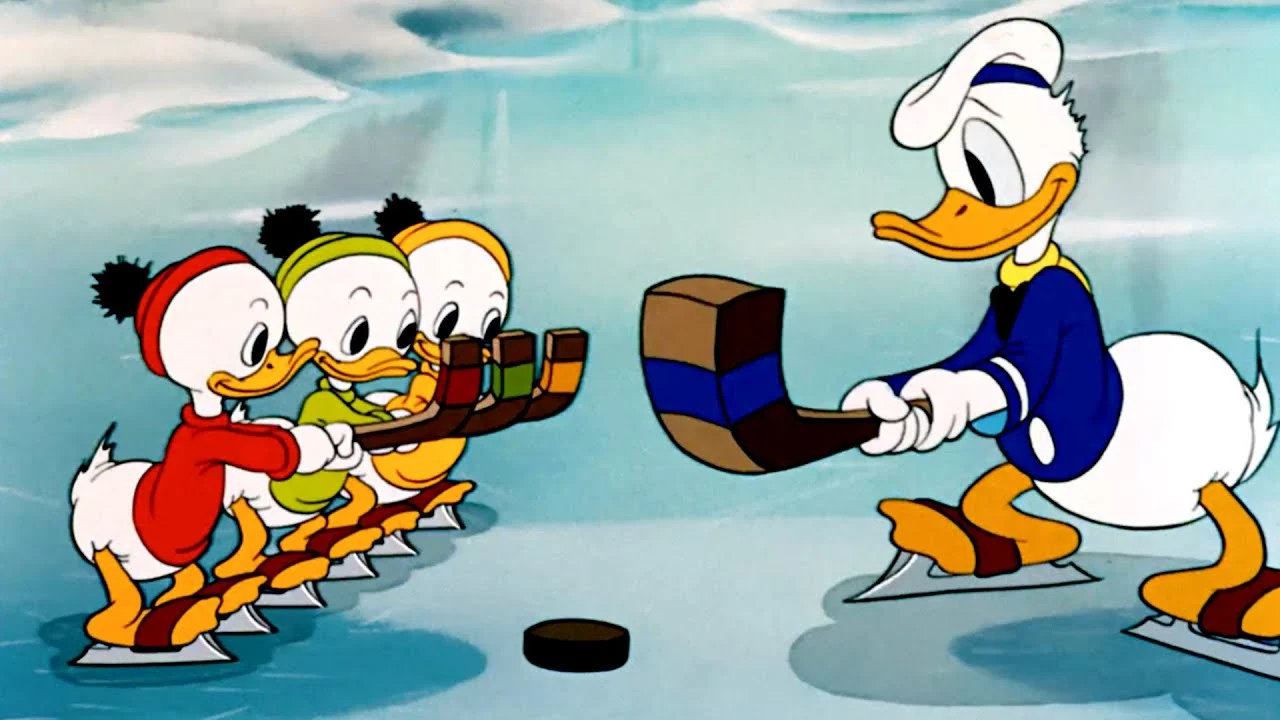
Donald Duck made his screen debut in the Walt Disney short ‘The Wise Little Hen’ and quickly joined ensemble entries in ‘Mickey Mouse’ cartoons before leading his own series. Clarence Nash established the iconic voice, later passed to Tony Anselmo, anchoring Donald’s personality in shorts and television.
Donald starred in wartime animations and the short ‘Der Fuehrer’s Face’, which won an Academy Award. Theme-park meet-and-greets, comics published across Europe and Latin America, and video games have kept the character prominent alongside other Disney leads.
SpongeBob SquarePants
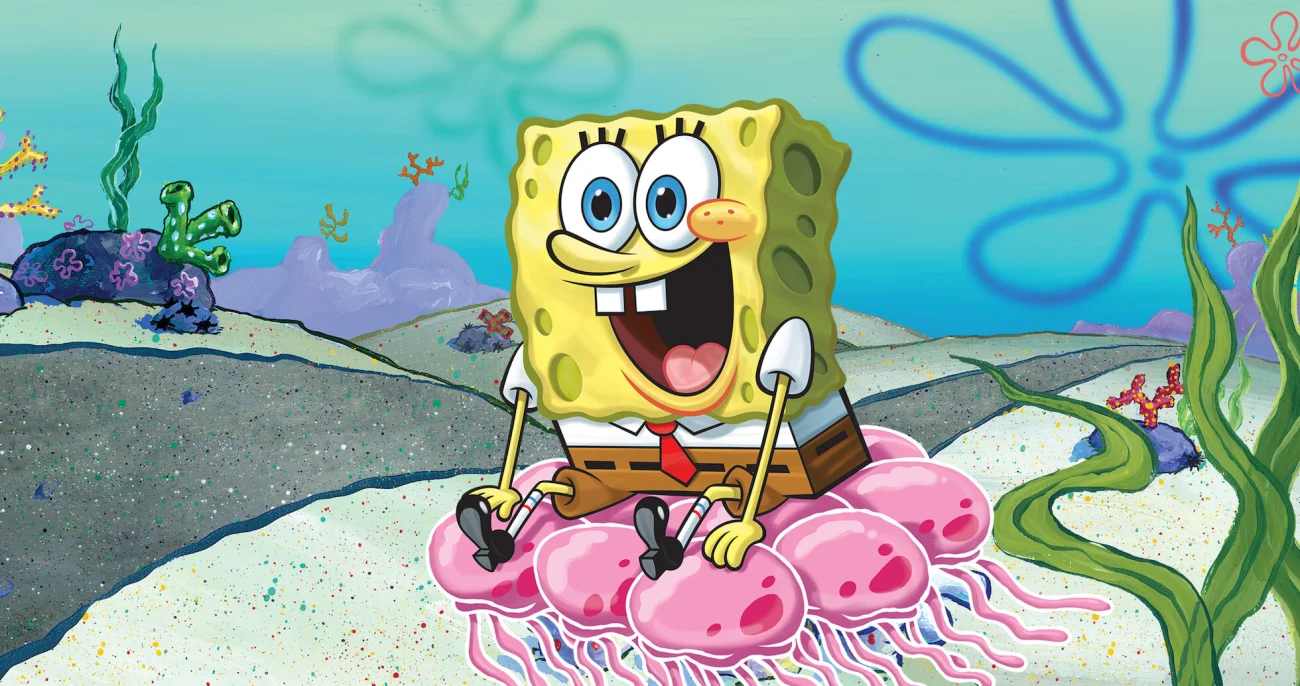
SpongeBob SquarePants was created by marine science educator Stephen Hillenburg for Nickelodeon’s ‘SpongeBob SquarePants’. The series integrated nautical references—boating school, jellyfishing, and undersea occupations—into comedic plots, supported by a cast of characters built around Bikini Bottom.
The brand extends to feature films, a Broadway musical titled ‘The SpongeBob Musical’, console and mobile games, and extensive toy lines. Meme culture amplified scenes and lines from the show, circulating SpongeBob’s image well beyond its core youth audience.
Pikachu
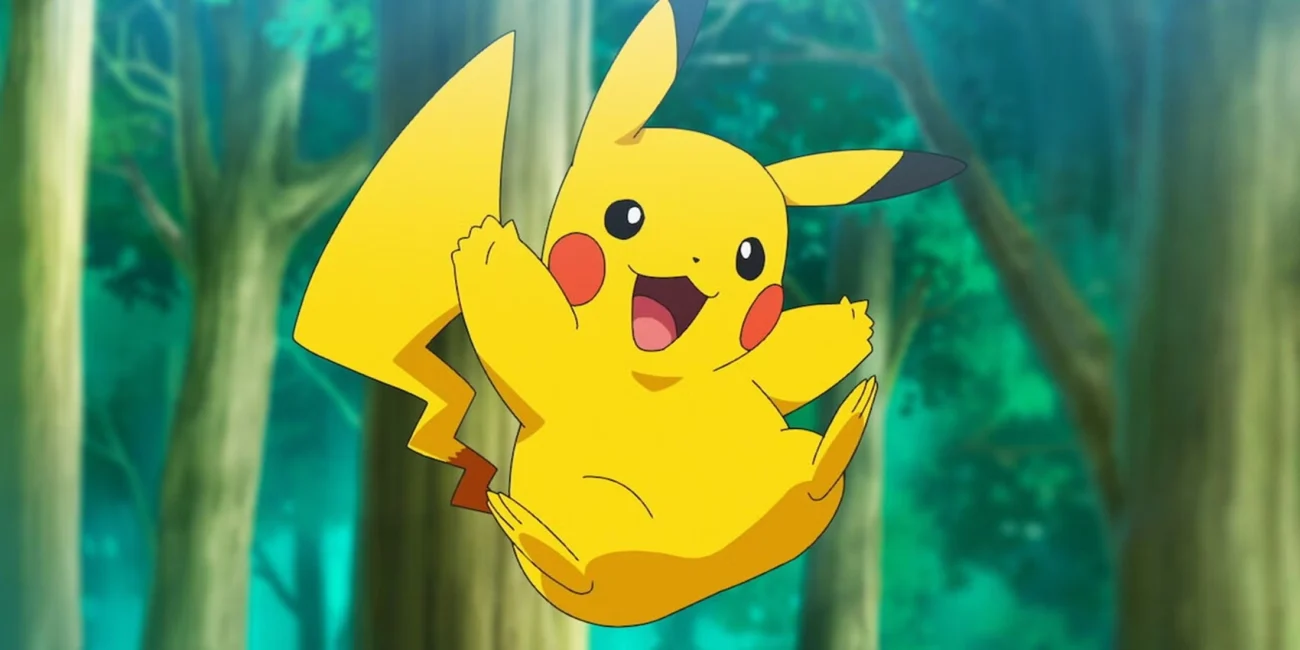
Pikachu is a central species in ‘Pokémon’, designed at Game Freak with contributions from artists including Atsuko Nishida and Ken Sugimori. The character’s electric-type abilities and simplified, rounded features were optimized for readability on handheld hardware and small screens.
Pikachu serves as a franchise mascot across games, the long-running anime, trading cards, and international events. Collaborations with airlines, sports teams, and city festivals regularly deploy Pikachu imagery at large scale, reinforcing instant recognition in markets worldwide.
Homer Simpson

Homer Simpson was created by Matt Groening for ‘The Simpsons’, originating in short segments on ‘The Tracey Ullman Show’ before the half-hour prime-time format. Dan Castellaneta’s performance established catchphrases and emotional beats that sustained long-form storytelling across hundreds of episodes.
The show’s production pipeline—writers’ room, storyboard revisions, and overseas animation—helped standardize processes for animated sitcoms. Homer’s presence spans console games, feature films under ‘The Simpsons’ banner, and a theme-park ride, while scripts and episodes are archived and studied for television history.
Bugs Bunny
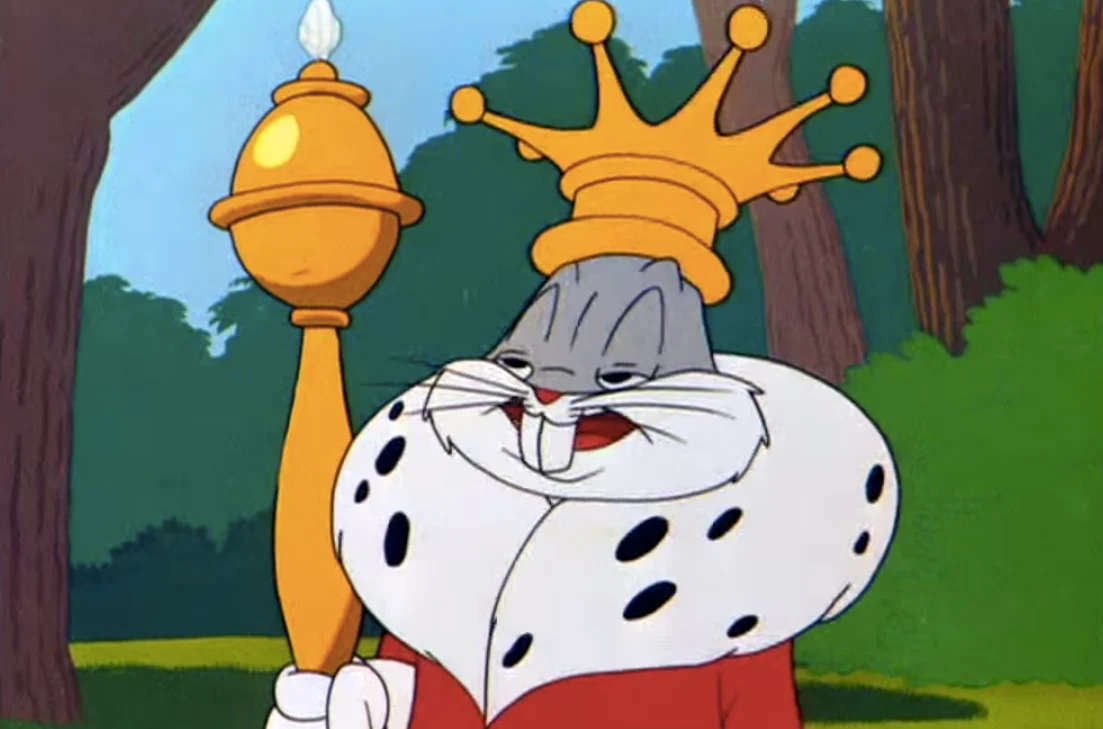
Bugs Bunny emerged from a group effort at Warner Bros., with contributions from directors such as Tex Avery and model sheets by artists like Bob Givens. The rabbit’s defining short ‘A Wild Hare’ established voice actor Mel Blanc’s performance and the signature greeting associated with the character.
Bugs headlined theatrical shorts under ‘Looney Tunes’ and ‘Merrie Melodies’ and later anchored TV blocks, compilation films, and crossover projects like ‘Space Jam’. The character’s image is widely licensed on apparel, sports collaborations, and advertising, and continues in new productions featuring ensemble casts from the same stable.
Mickey Mouse
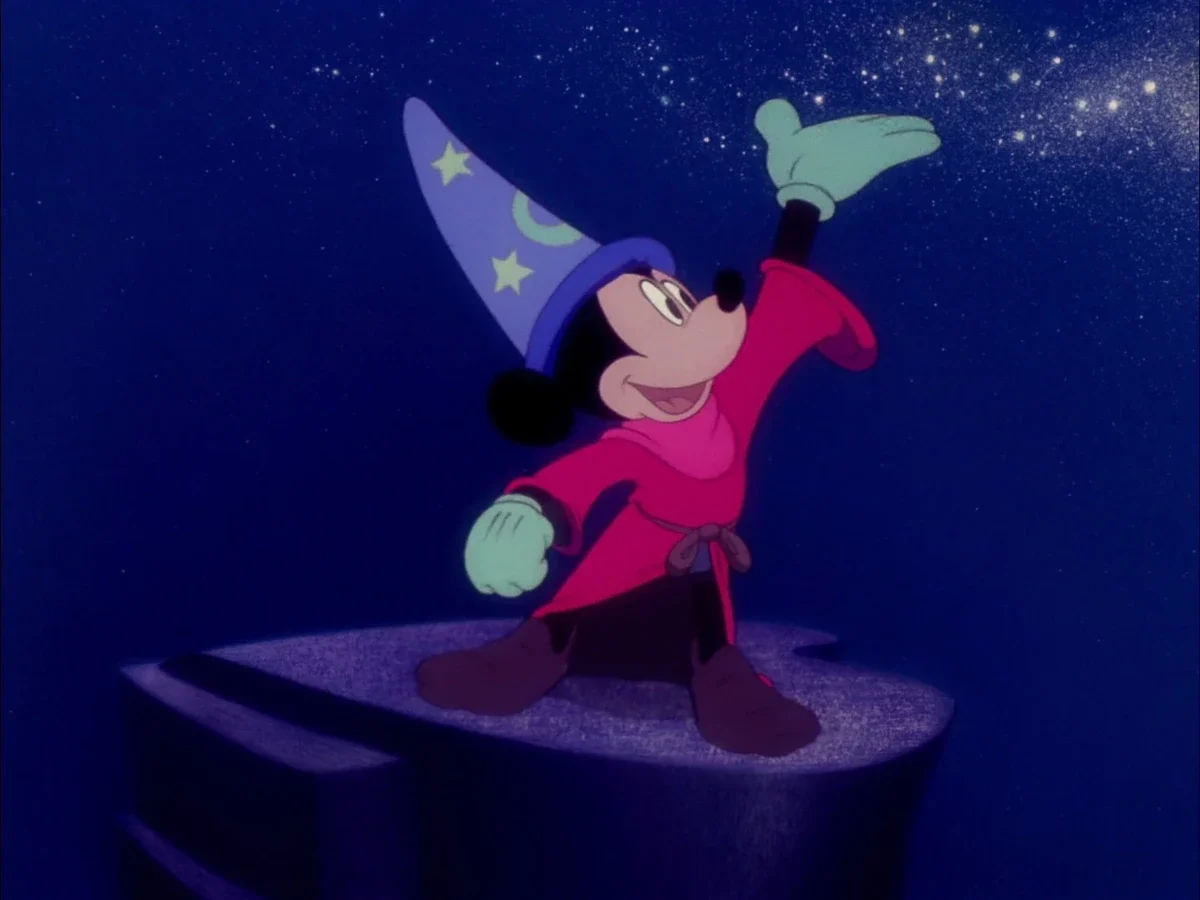
Mickey Mouse was created by Walt Disney and Ub Iwerks, with early prominence established through the synchronized-sound short ‘Steamboat Willie’. The character’s design evolved from rubber-hose limbs to the modern look used in television series, games, and parks.
Mickey fronts ‘Mickey Mouse’ shorts and television shows, appears in attractions and parades at Disney parks worldwide, and stars in game franchises like ‘Kingdom Hearts’. The character received extensive centennial and anniversary campaigns, and serves as a corporate symbol across film logos, branding, and global merchandising.
Share your picks in the comments—who would you add to the list, and which appearances in ‘shows’ or ‘movies’ made them unforgettable?