


The 45 Most Divisive Award Wins That Sparked Fan Riots



Award ceremonies are designed to recognize the highest achievements in entertainment, but the results often clash with public sentiment and critical reviews. When a dark horse candidate or a controversial project takes home a major trophy, it can spark heated debates that last for decades. These divisive wins frequently highlight the differences between industry voters and the global audience. Whether through perceived snubs or unexpected upsets, these award moments remain some of the most talked-about events in Hollywood history.
‘Shakespeare in Love’ (1998)
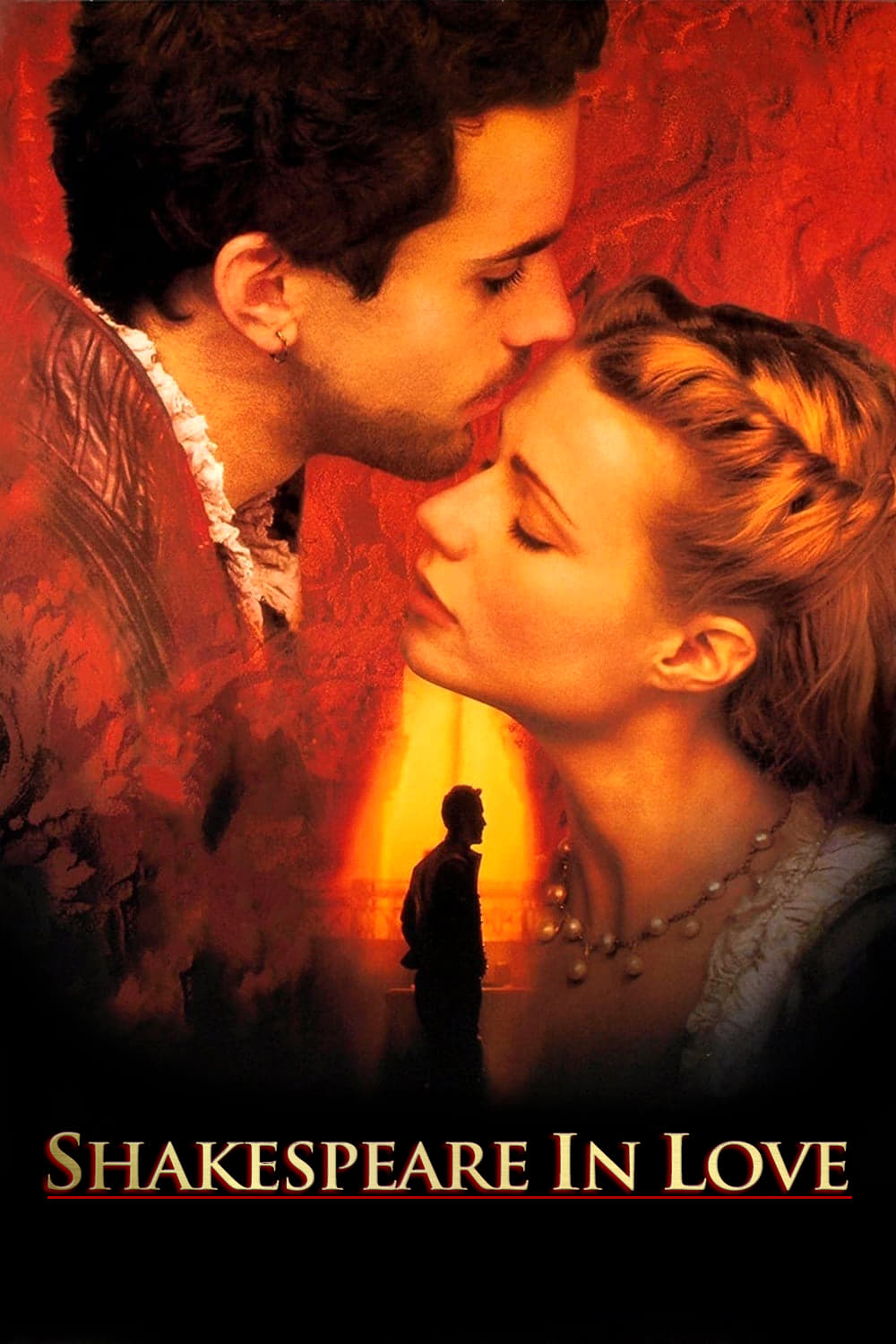
The 71st Academy Awards featured one of the most significant upsets in the Best Picture category. This romantic drama won the top prize over Steven Spielberg’s acclaimed war film ‘Saving Private Ryan’. Many industry observers attributed the victory to the unprecedented Oscar campaigning led by Miramax. The decision sparked a lasting debate about the effectiveness of marketing versus artistic merit in awards season. It remains a focal point for discussions regarding Academy voting patterns.
‘Crash’ (2004)
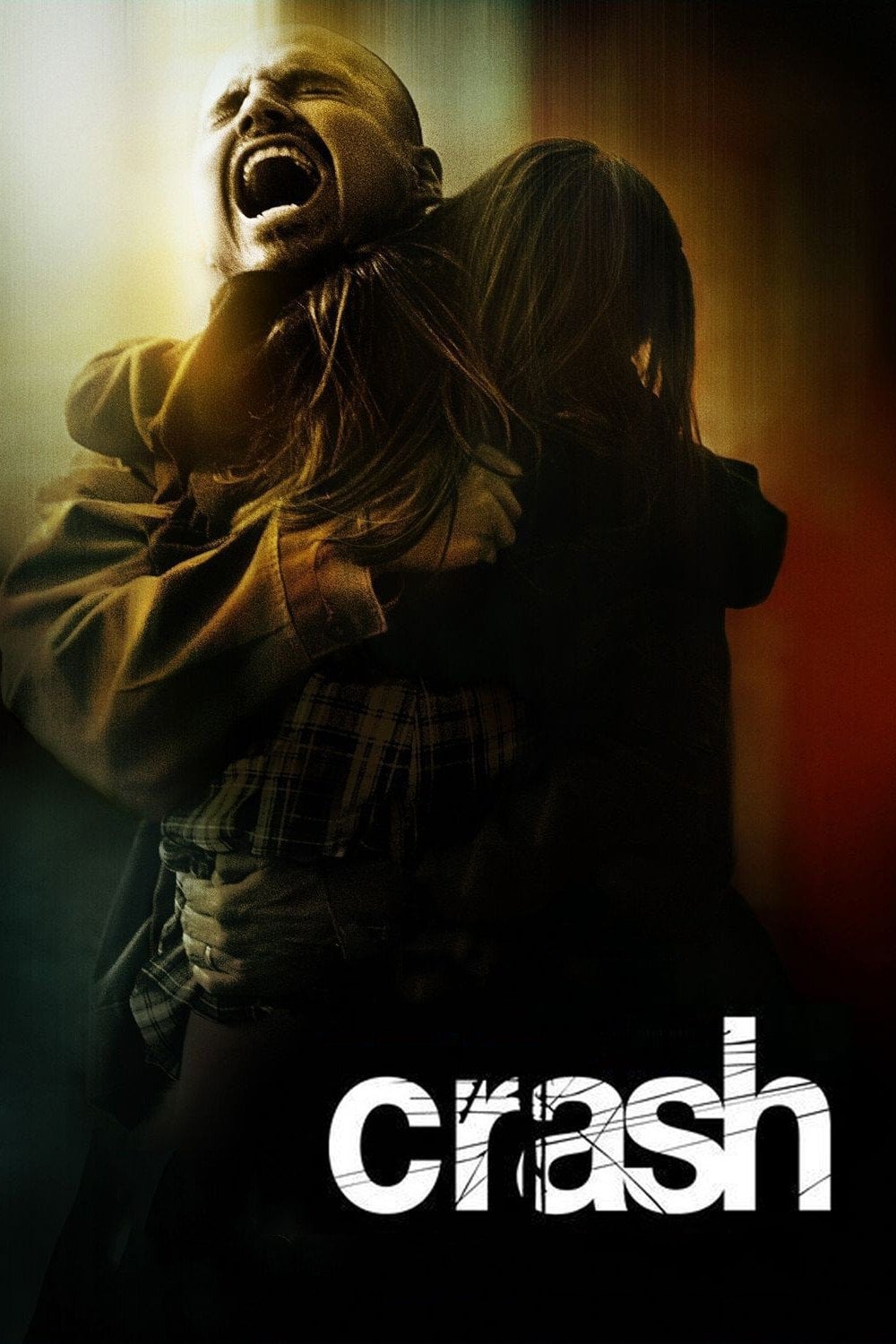
During the 78th Academy Awards, this film secured Best Picture in a move that shocked the industry and audiences alike. It defeated the heavy favorite ‘Brokeback Mountain’, which had won numerous precursor awards. Critics often cite this win as one of the biggest mistakes in Oscar history due to the film’s handling of racial themes. The victory prompted widespread discussions about the Academy’s potential bias and voting demographics. Even the film’s director later expressed surprise at the win over its competitors.
‘Green Book’ (2018)
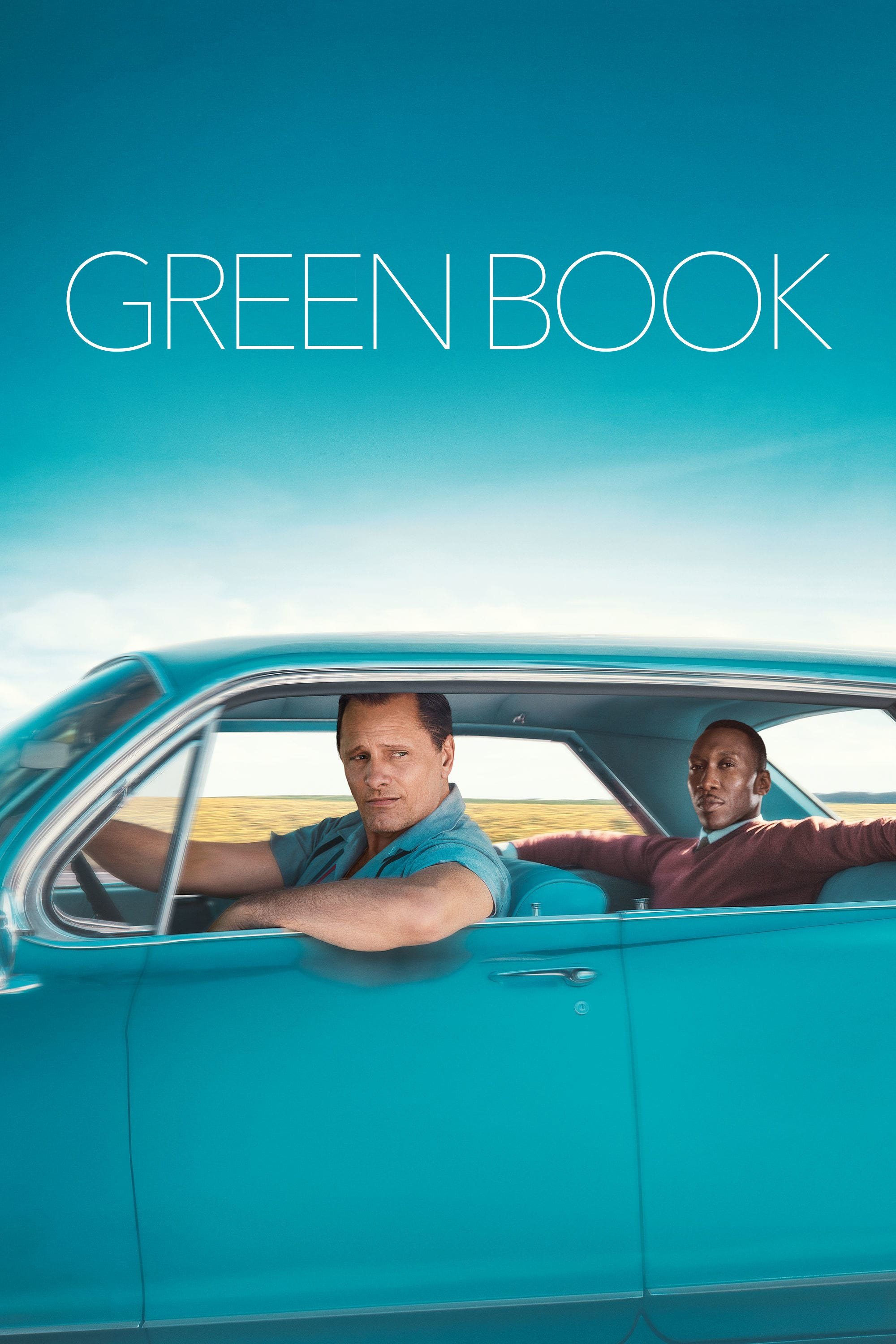
This biographical drama won Best Picture at the 91st Academy Awards, beating out ‘Roma’ and ‘The Favourite’. The win was met with audible gasps in the room and immediate backlash on social media. Critics pointed to the film’s “white savior” narrative and historical inaccuracies as points of major contention. Several high-profile directors and actors expressed their disappointment with the choice publicly. The film’s victory continues to be analyzed as a step backward for the Academy’s efforts toward modernization.
Macklemore & Ryan Lewis
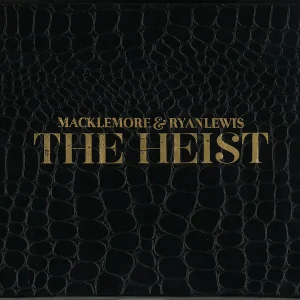
At the 56th Annual Grammy Awards, this hip-hop duo won Best Rap Album for ‘The Heist’. They secured the victory over Kendrick Lamar’s critically acclaimed ‘good kid, m.A.A.d city’. Following the ceremony, Macklemore shared a text message he sent to Lamar apologizing for the win. The incident ignited widespread criticism regarding the Grammy voting process and its recognition of hip-hop culture. Fans and critics alike continue to reference this moment as a significant awards snub.
Jethro Tull
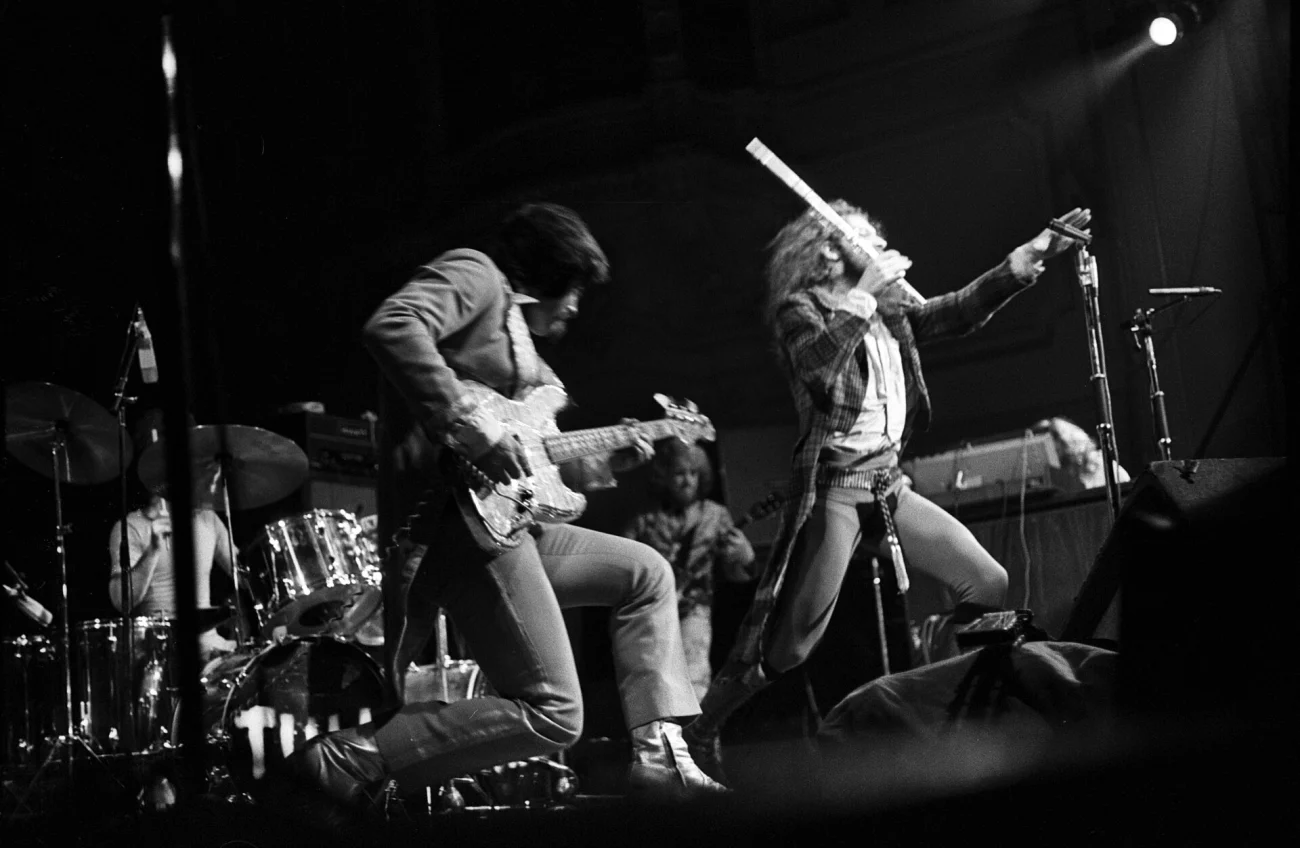
The 1989 Grammy Awards introduced the Best Hard Rock/Metal Performance category for the first time. In a decision that is still mocked today, the folk-rock band Jethro Tull beat out the heavy favorite, Metallica. The audience in the venue hissed during the announcement, and the band was not present to accept the award. This win is frequently cited as proof that the Recording Academy was out of touch with contemporary music genres. It led to a separation of the hard rock and metal categories in subsequent years.
Beck

At the 57th Annual Grammy Awards, Beck’s ‘Morning Phase’ was named Album of the Year. He won the award over Beyoncé’s self-titled visual album, which was considered the frontrunner. Kanye West briefly walked onto the stage during the acceptance speech to protest the decision. The victory sparked a massive online debate regarding artistic complexity versus cultural impact. Many fans argued that Beyoncé’s work had defined the year in a way Beck’s acoustic album had not.
Harry Styles
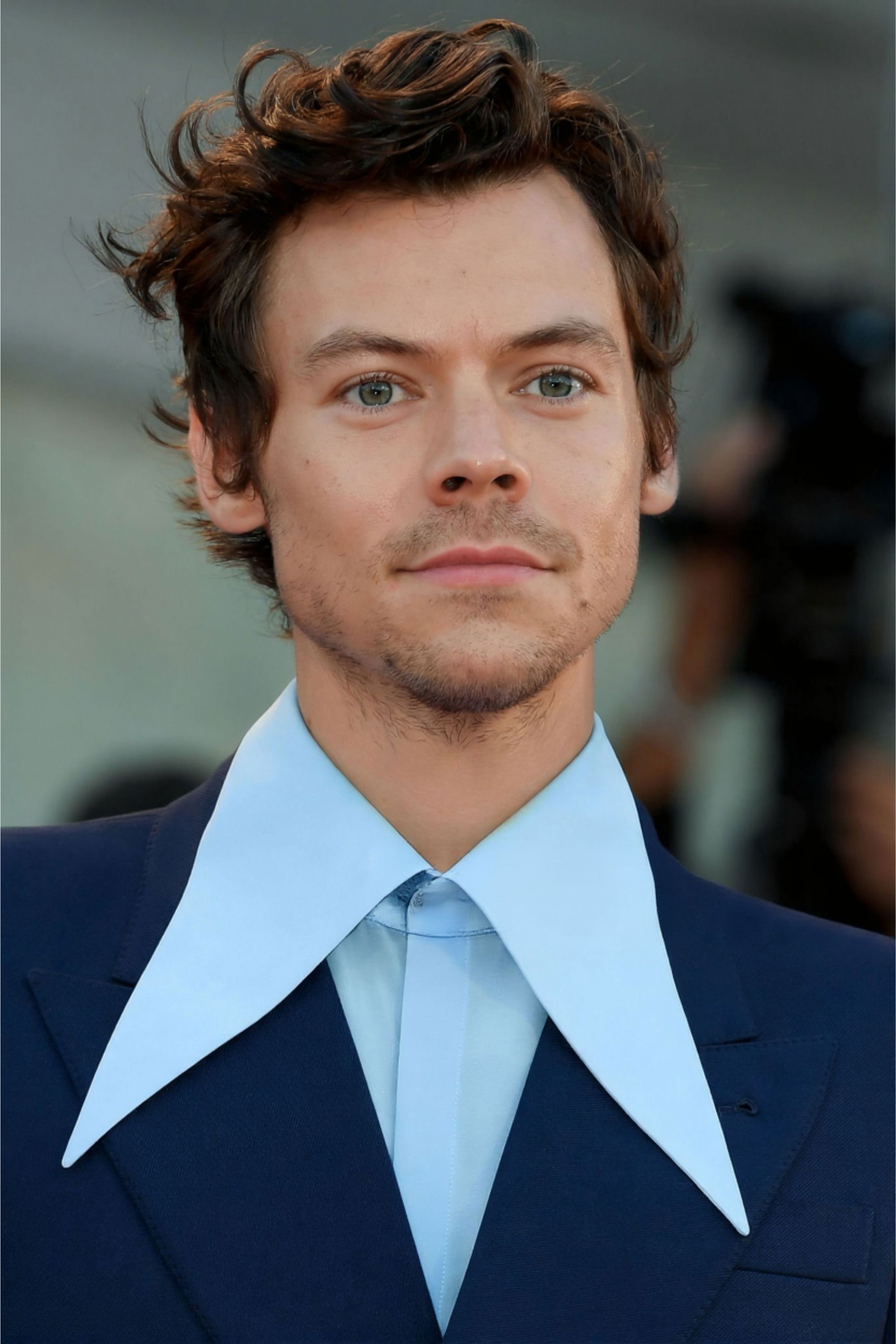
The 65th Annual Grammy Awards saw Harry Styles take home Album of the Year for ‘Harry’s House’. This win came as a surprise to many who expected Beyoncé to win for ‘Renaissance’ or Adele for ’30’. During his acceptance speech, Styles remarked that things like this do not happen to people like him often, which drew further scrutiny. The backlash focused on the Recording Academy’s consistent failure to award Beyoncé the top prize. Social media was flooded with discussions about the criteria used to judge cultural significance.
Steely Dan
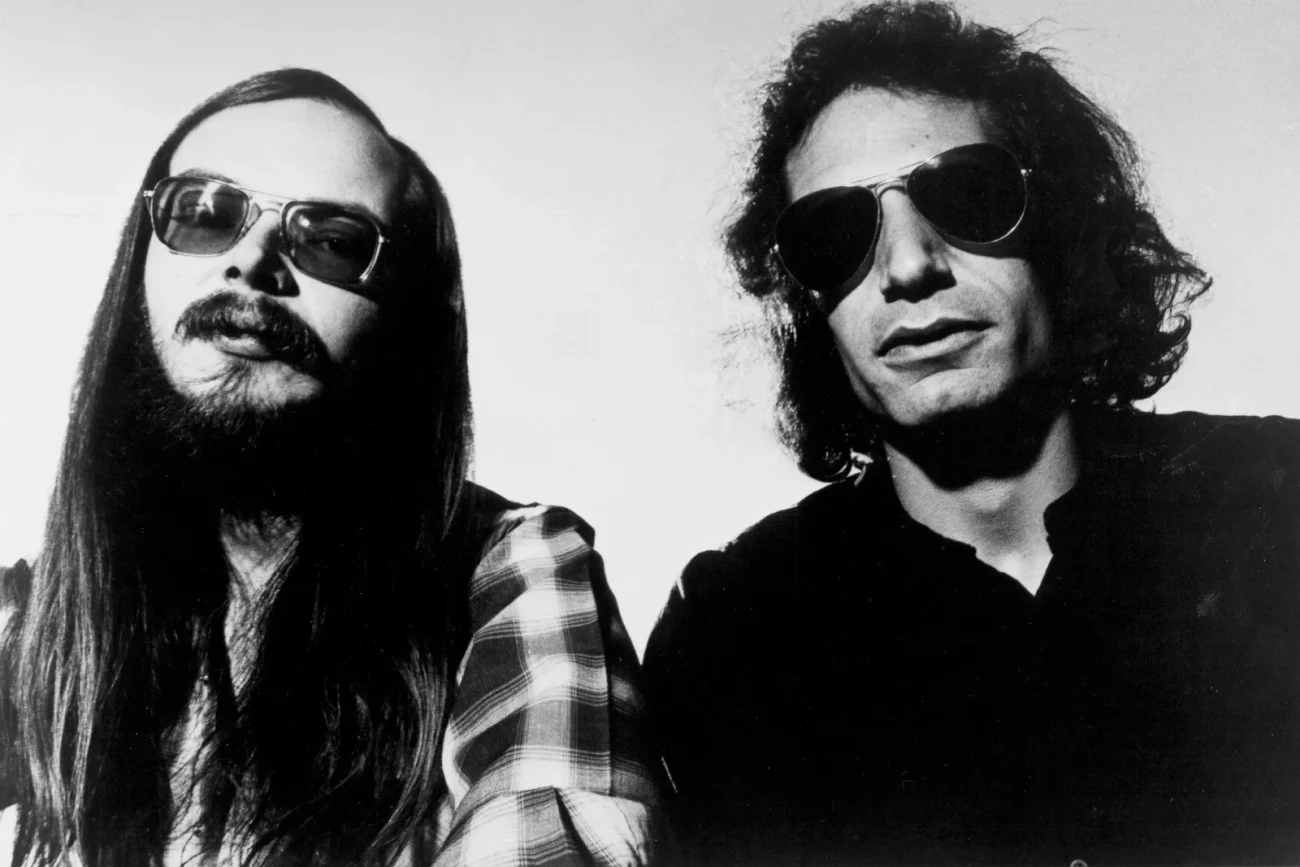
In 2001, the jazz-rock duo Steely Dan won Album of the Year for ‘Two Against Nature’. This win was highly controversial because it came at the expense of Eminem’s ‘The Marshall Mathers LP’ and Radiohead’s ‘Kid A’. Both of the losing albums were considered era-defining works with massive commercial and critical success. Critics argued that the Academy chose a legacy act over artists who were pushing the boundaries of modern music. The decision remains one of the most polarizing moments in Grammy history.
Cardi B

The 61st Annual Grammy Awards saw Cardi B become the first solo female artist to win Best Rap Album for ‘Invasion of Privacy’. While the album was a commercial success, her win over Travis Scott’s ‘Astroworld’ and Mac Miller’s posthumous ‘Swimming’ caused an uproar. Fans of Mac Miller were particularly vocal, as his family had been invited to the ceremony. Cardi B eventually deleted her Instagram account temporarily due to the intensity of the online harassment. The win highlighted the intense competitive nature of the rap categories.
Jon Batiste

At the 64th Annual Grammy Awards, Jon Batiste won Album of the Year for ‘We Are’. He emerged victorious over mainstream powerhouses like Olivia Rodrigo, Taylor Swift, and Lil Nas X. Many viewers were unfamiliar with Batiste’s work, leading to questions about the Academy’s internal voting preferences. While critics praised the album’s craftsmanship, the general public expressed confusion over the lack of commercial dominance from the winner. The win sparked conversations about the balance between industry expertise and popular appeal.
‘The King’s Speech’ (2010)
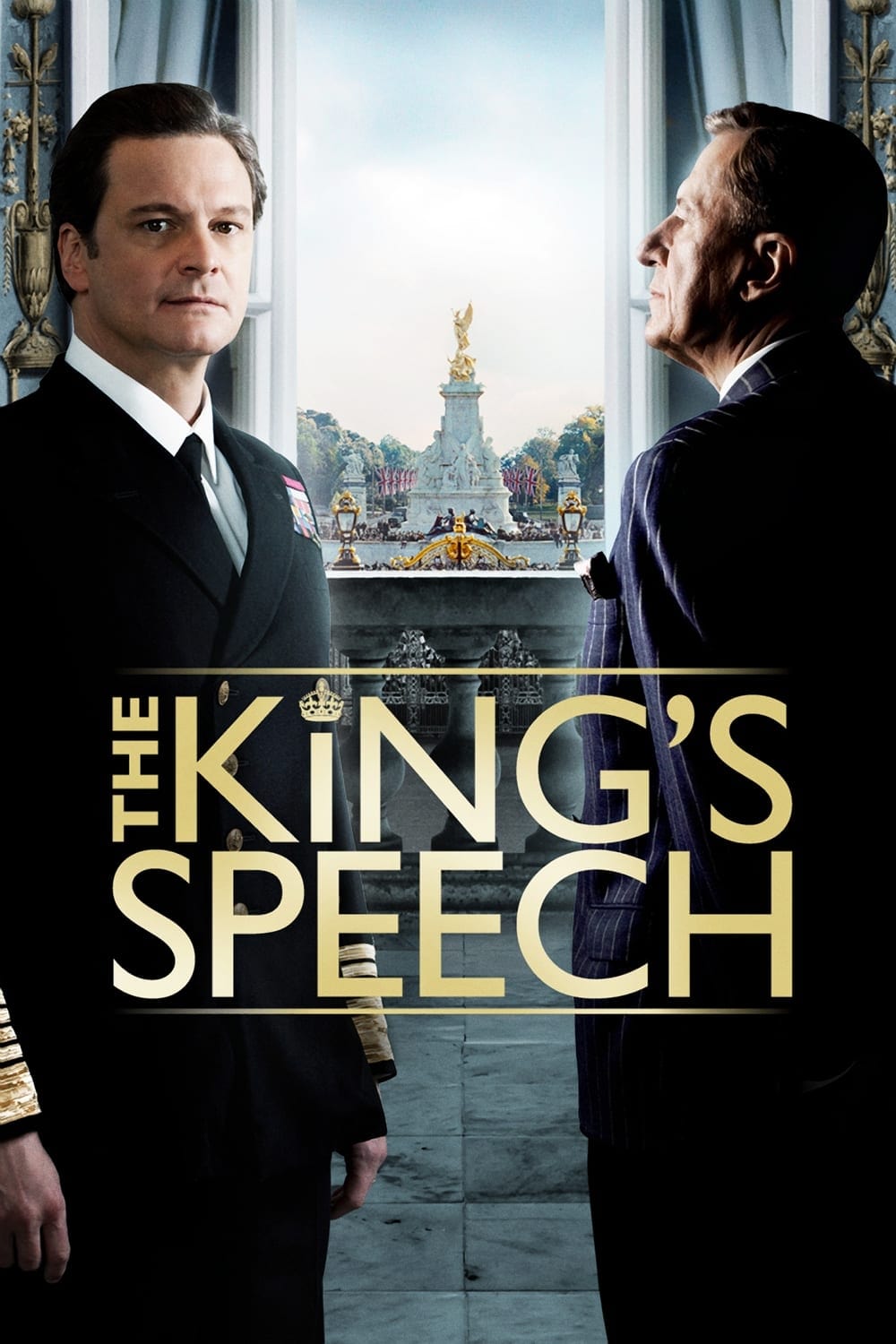
This historical drama won Best Picture at the 83rd Academy Awards, defeating David Fincher’s ‘The Social Network’. While ‘The King’s Speech’ was a critical success, many argued that ‘The Social Network’ was more culturally relevant and technically innovative. The win was seen by some as the Academy choosing a traditional “prestige” film over a modern masterpiece. This outcome is often used as an example of the Academy’s preference for British period pieces. The debate regarding which film has aged better continues to surface annually.
‘Ordinary People’ (1980)
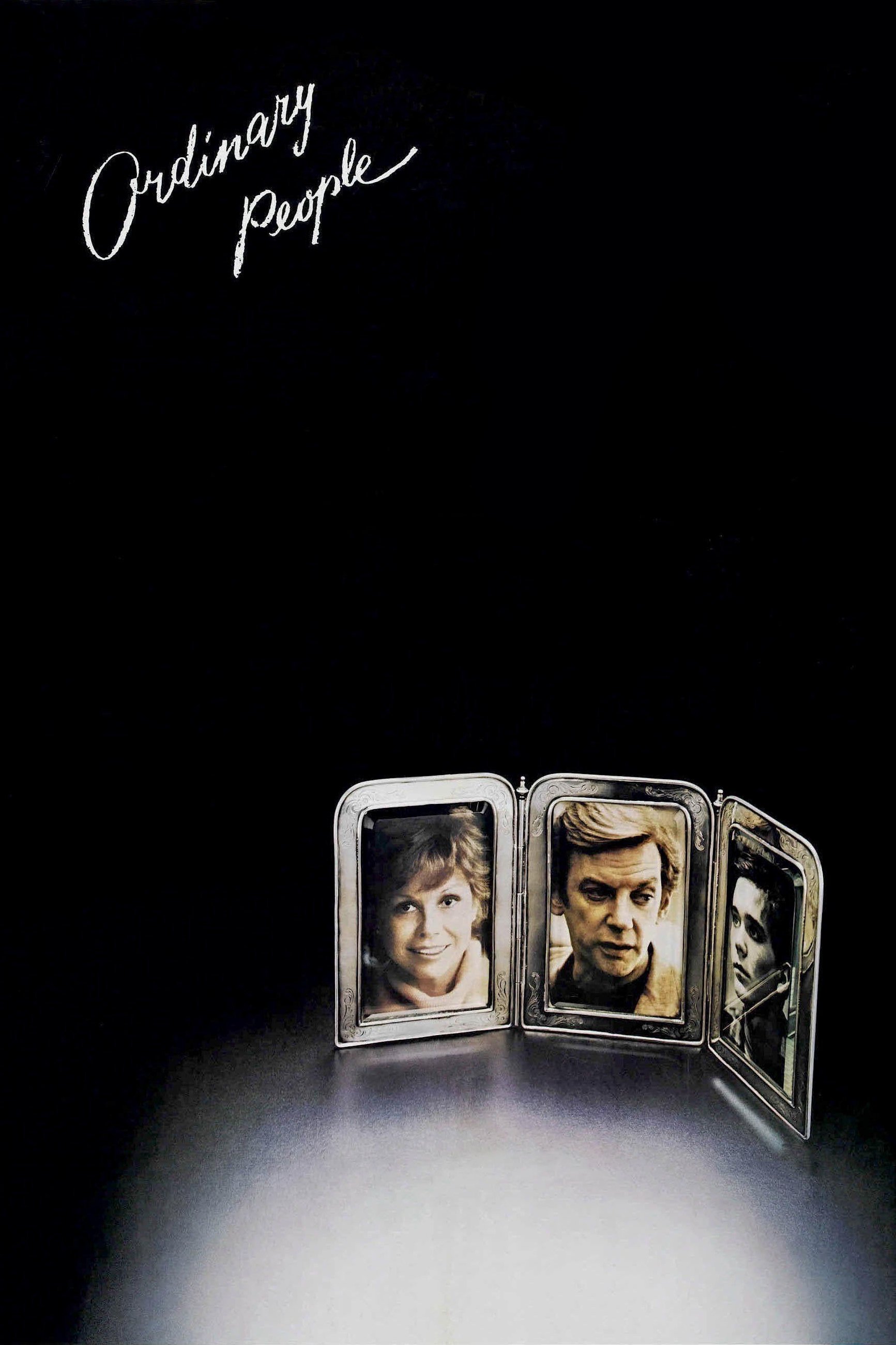
Robert Redford’s directorial debut won Best Picture over Martin Scorsese’s ‘Raging Bull’. While ‘Ordinary People’ was a well-regarded family drama, ‘Raging Bull’ is now considered one of the greatest films ever made. The decision was met with immediate skepticism from critics who felt Scorsese’s work was a superior technical achievement. This win is frequently cited when discussing the Academy’s historical tendency to overlook Scorsese. The contrast between the two films’ lasting legacies remains a point of contention.
‘How Green Was My Valley’ (1941)
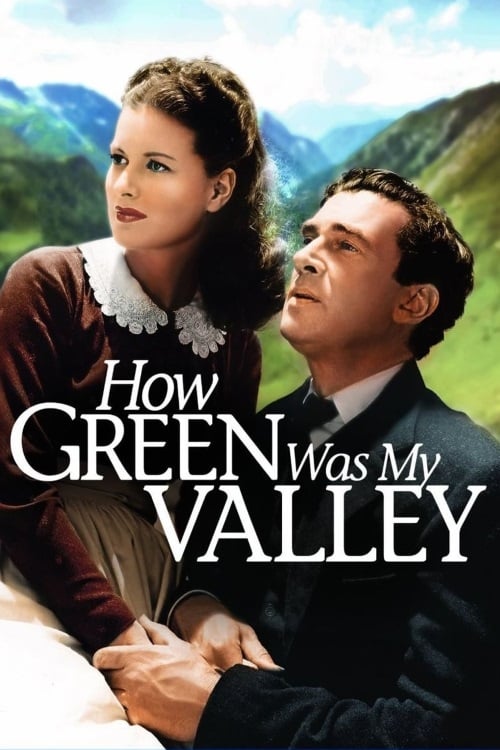
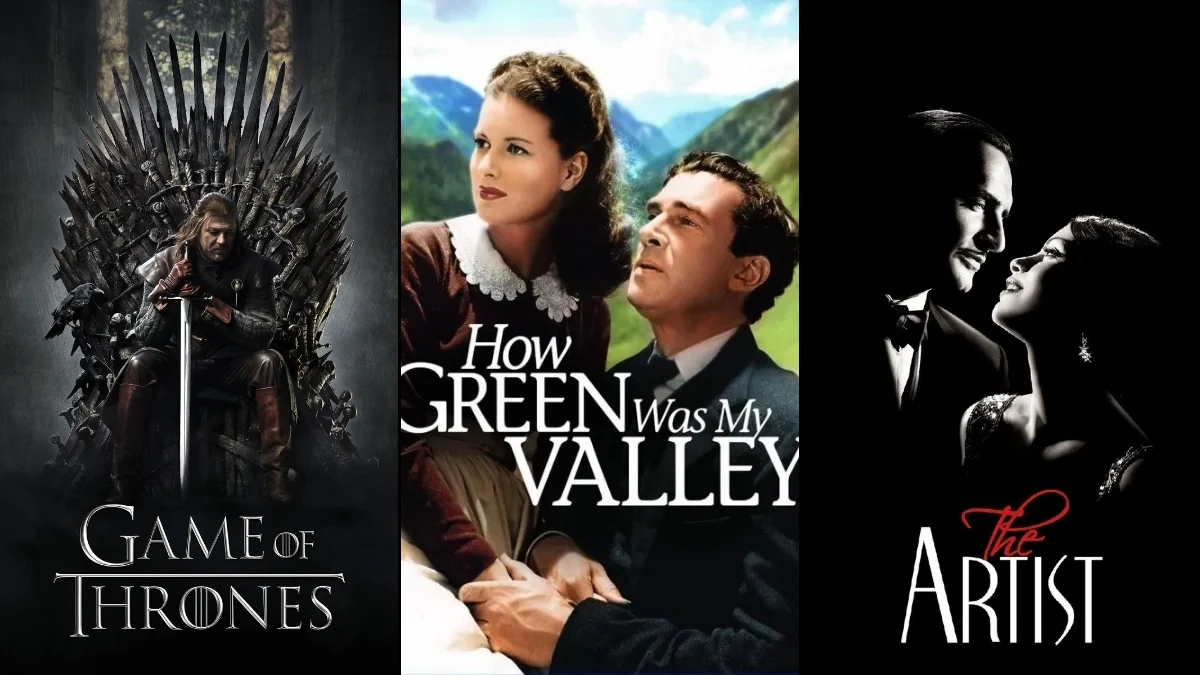
This film famously won Best Picture over ‘Citizen Kane’ at the 14th Academy Awards. ‘Citizen Kane’ is widely regarded as one of the most influential films in cinematic history, yet it only won for Best Screenplay. The victory for John Ford’s family drama was seen as a safe choice by the industry at the time. Over the decades, the decision has become a symbol of the Academy’s failure to recognize groundbreaking innovation. It remains one of the most cited examples of a “wrong” Best Picture winner.
‘Forrest Gump’ (1994)
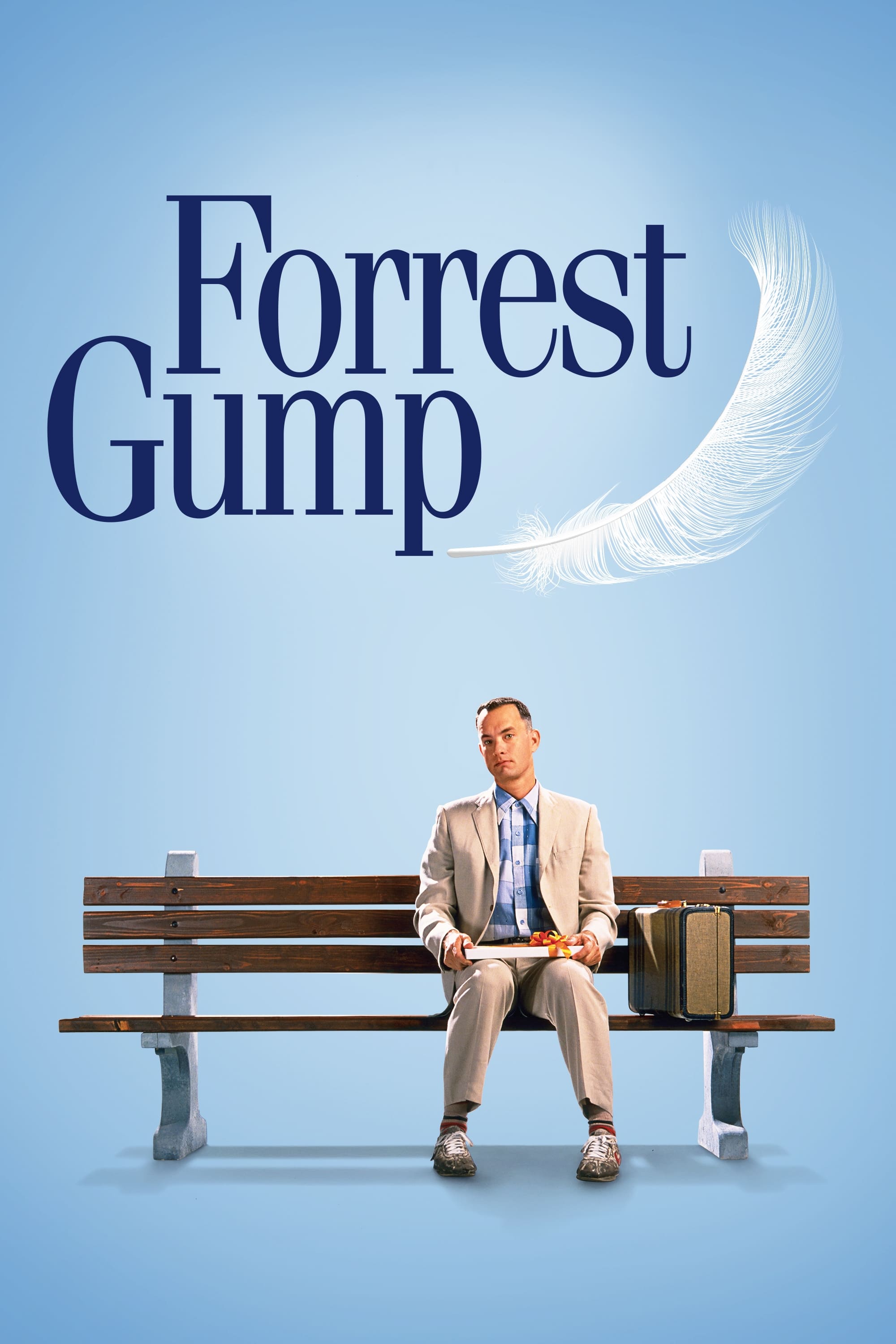
The 67th Academy Awards saw this film win Best Picture over ‘Pulp Fiction’ and ‘The Shawshank Redemption’. All three films are considered classics, but the victory for the more sentimental ‘Forrest Gump’ divided audiences. ‘Pulp Fiction’ fans argued that the film’s non-linear storytelling and stylistic choices were more deserving of the top honor. Meanwhile, ‘The Shawshank Redemption’ has since become one of the most beloved films of all time. The 1994 race is often called the most competitive year in Oscar history.
‘The Greatest Show on Earth’ (1952)
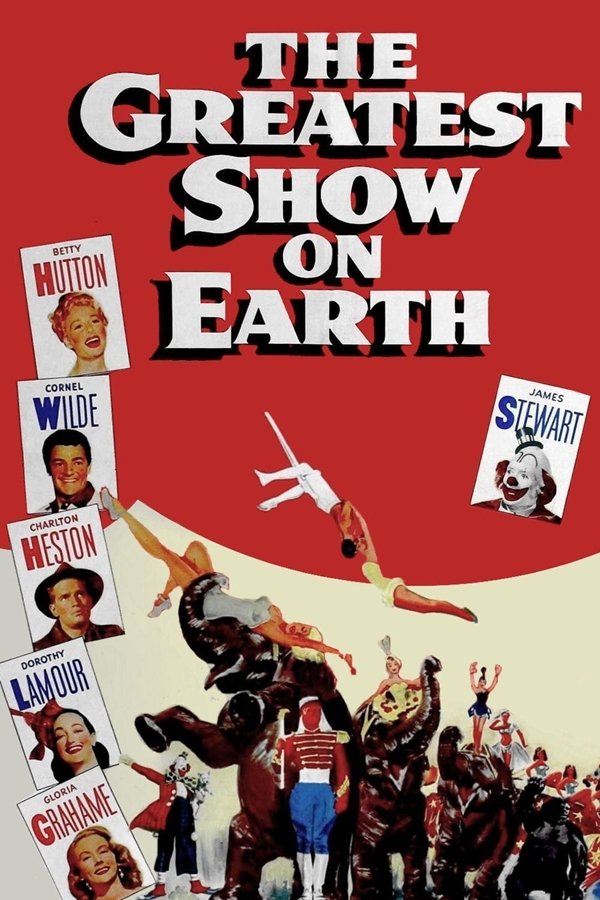
Cecil B. DeMille’s circus epic won Best Picture at the 25th Academy Awards. It defeated the Western classic ‘High Noon’ and the musical ‘Singin’ in the Rain’, the latter of which was not even nominated for the top prize. Critics and historians generally consider this win to be one of the worst in the Academy’s history. The film is often viewed as a career achievement award for DeMille rather than a reflection of the film’s quality. Its reputation has diminished significantly compared to its competitors.
‘Driving Miss Daisy’ (1989)
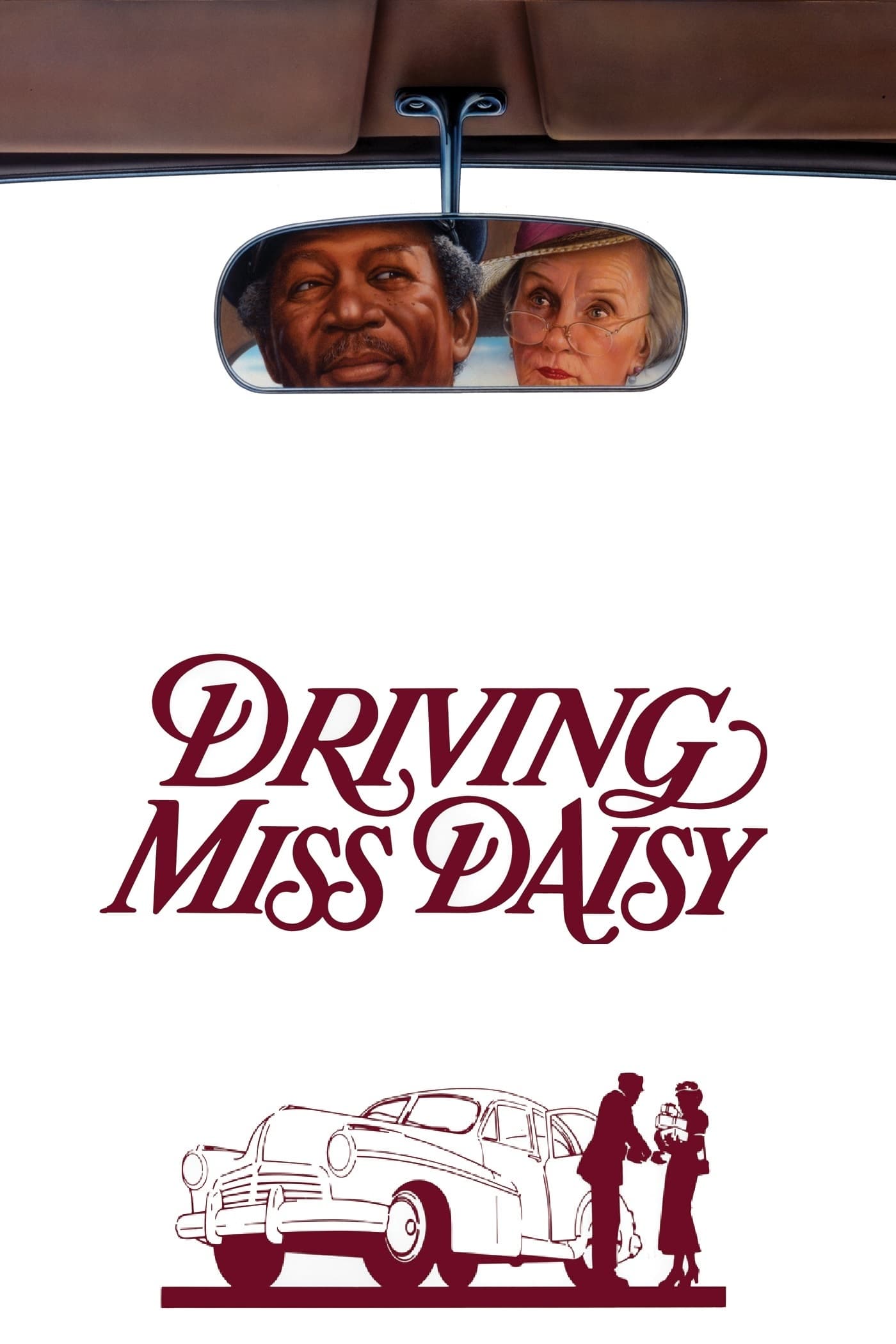
This film won Best Picture at the 62nd Academy Awards during a year when Spike Lee’s ‘Do the Right Thing’ was not even nominated for the category. The contrast between the safe, sentimental ‘Driving Miss Daisy’ and the explosive social commentary of Lee’s film drew heavy criticism. The win sparked a conversation about the Academy’s reluctance to engage with more challenging racial narratives. Even within the nominated field, films like ‘Dead Poets Society’ were considered more enduring by some critics. The win is often viewed as a product of its time.
‘Braveheart’ (1995)
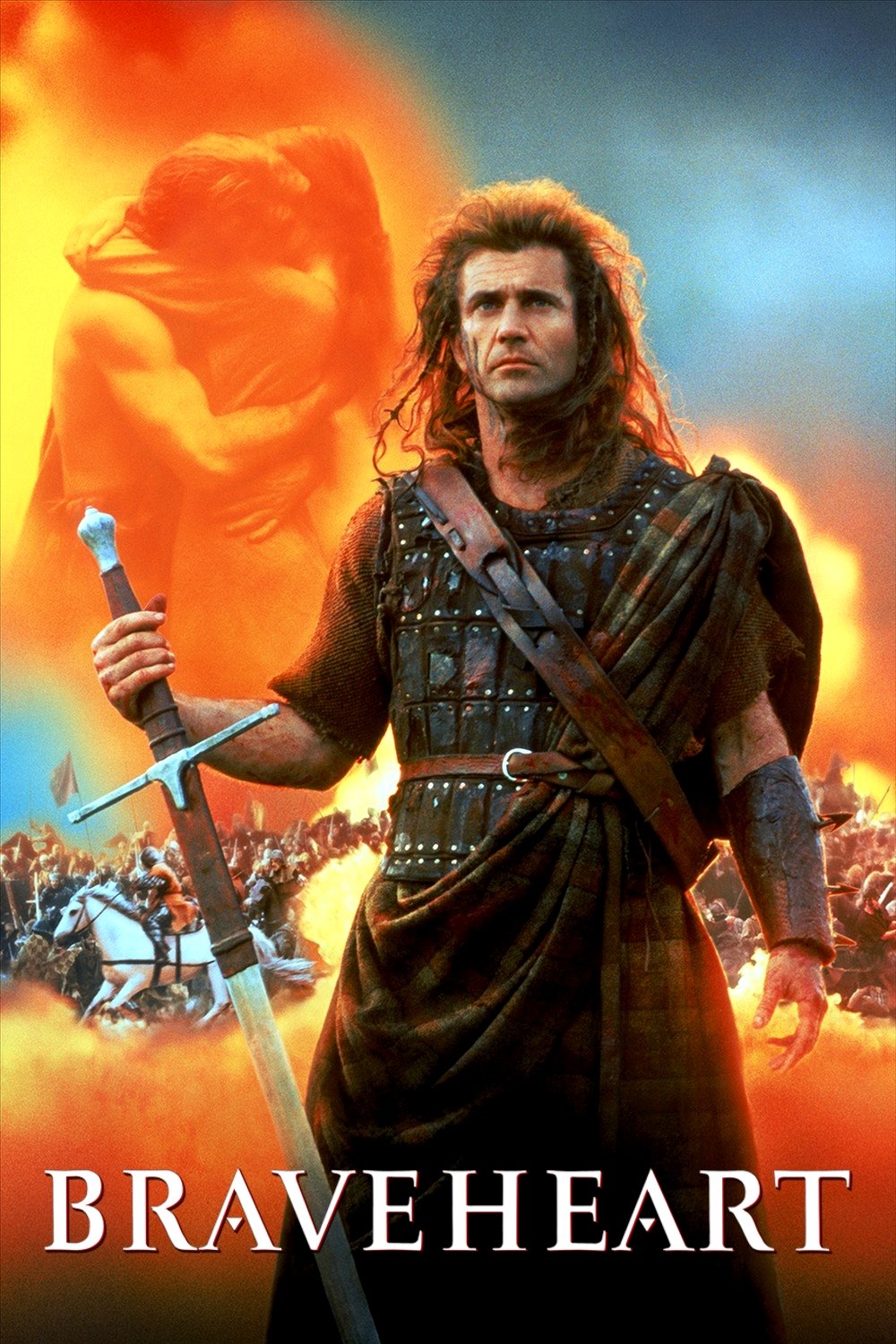
Mel Gibson’s historical epic secured Best Picture at the 68th Academy Awards. It beat out ‘Apollo 13’, ‘Babe’, and ‘Sense and Sensibility’ in a year that many felt lacked a clear frontrunner. The film faced criticism for its significant historical inaccuracies and its graphic violence. Some critics argued that ‘Apollo 13’ was a more technically proficient and emotionally resonant achievement. The victory remains a point of debate among those who prefer historical accuracy over cinematic spectacle.
‘A Beautiful Mind’ (2001)
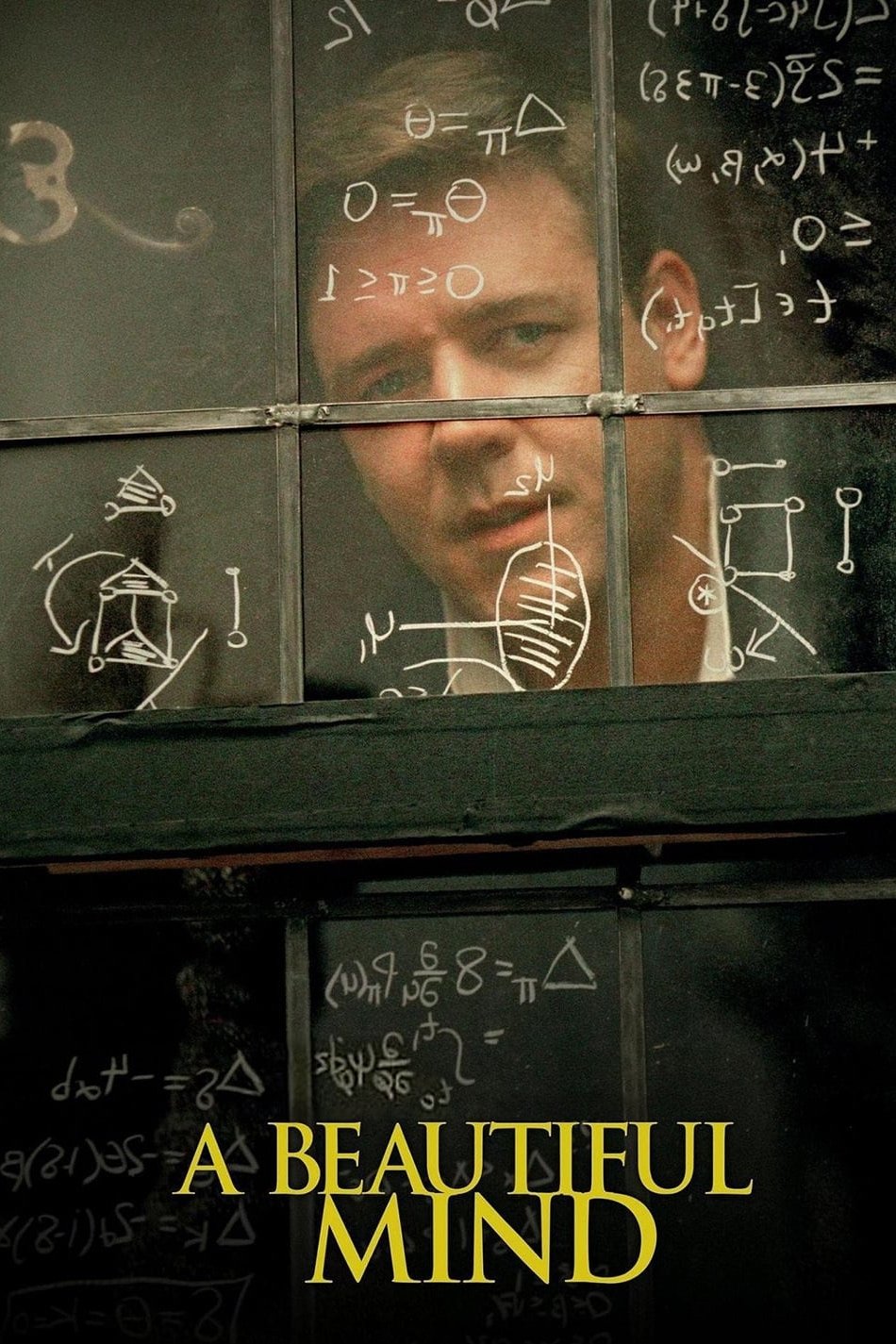
The 74th Academy Awards saw this biographical drama win Best Picture over ‘The Lord of the Rings: The Fellowship of the Ring’. While the film was praised for Russell Crowe’s performance, it faced backlash for ommiting controversial aspects of John Nash’s life. Fans of the fantasy genre were particularly disappointed, as Peter Jackson’s epic was seen as a massive technical breakthrough. The win was categorized by some as a standard biopic triumphing over a genre-redefining work. It remains a divisive choice for fans of the ‘Middle-earth’ franchise.
‘Gigi’ (1958)
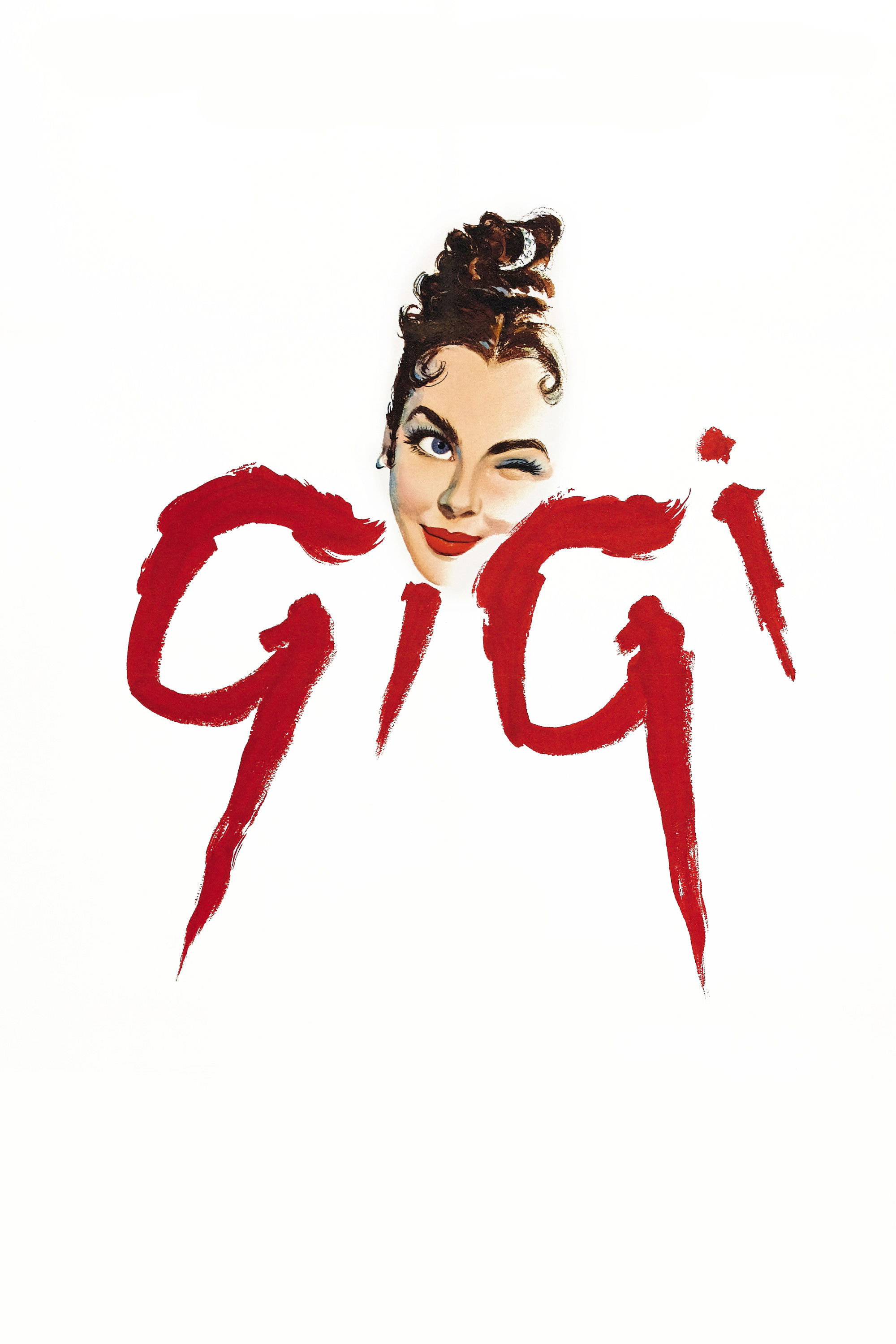
This musical set a then-record by winning all nine of its nominations, including Best Picture. It won over the classic drama ‘Cat on a Hot Tin Roof’, which featured iconic performances by Elizabeth Taylor and Paul Newman. Over time, ‘Gigi’ has faced criticism for its plot and themes, leading many to question its sweep. ‘Cat on a Hot Tin Roof’ is often cited as the more substantial and enduring film of the two. The total dominance of ‘Gigi’ is frequently mentioned in discussions about Oscar sweeps.
‘Cimarron’ (1931)

This Western was the first of its genre to win Best Picture at the 4th Academy Awards. It won over films like ‘The Front Page’ and ‘Skippy’, but its reputation has suffered greatly over time. Modern critics often point to its outdated and offensive depictions of various social groups. It is frequently ranked as one of the least impressive Best Picture winners by film historians. The victory is seen as a reflection of early Academy tastes that have not aged well.
‘Dances with Wolves’ (1990)
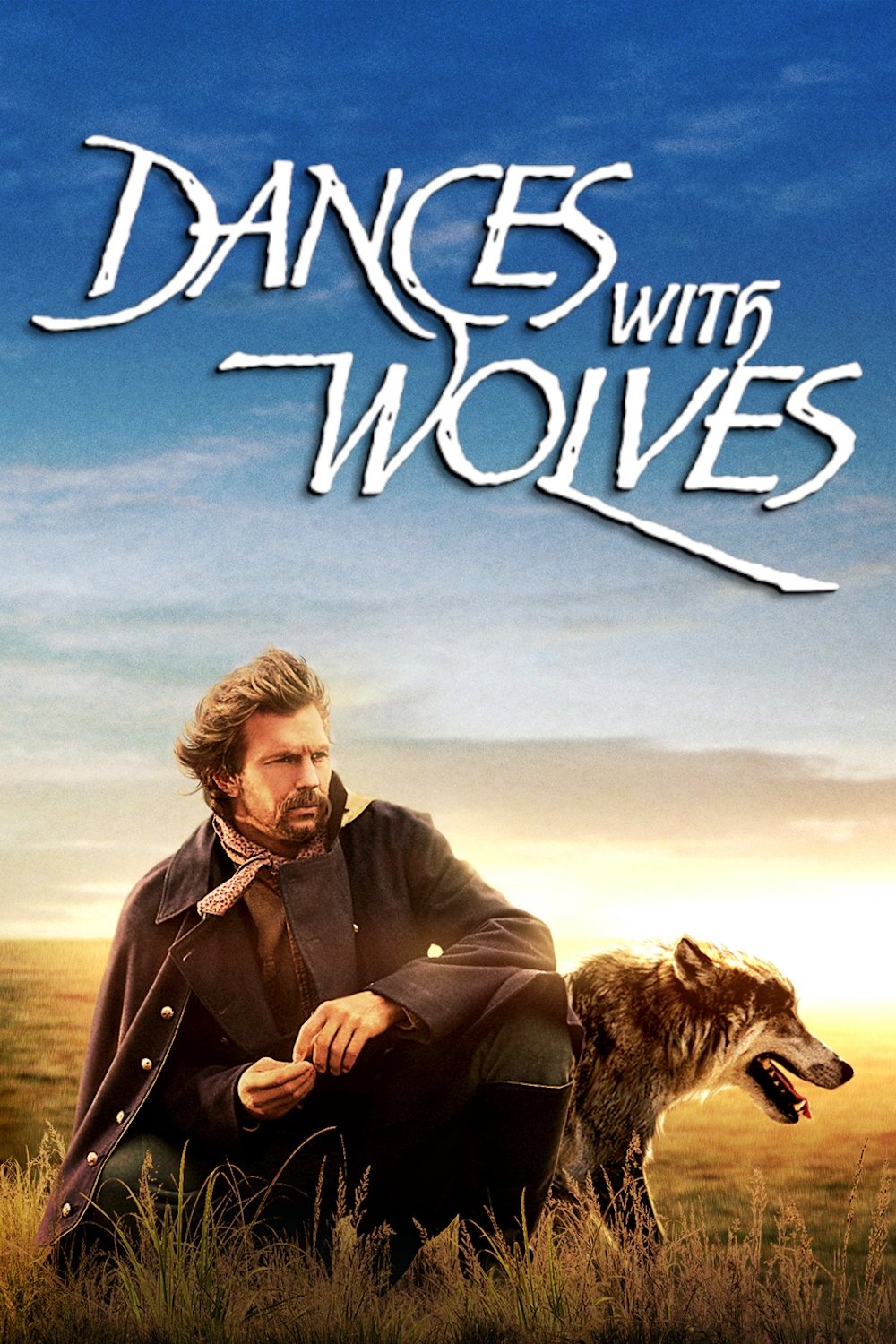
Kevin Costner’s Western epic won Best Picture at the 63rd Academy Awards, famously beating Martin Scorsese’s ‘Goodfellas’. While ‘Dances with Wolves’ was a massive box office success and critically acclaimed, ‘Goodfellas’ is widely considered a masterpiece of the gangster genre. The win ignited a long-standing debate about the Academy’s tendency to favor sweeping epics over gritty crime dramas. Scorsese’s loss is still discussed as one of the most prominent snubs in Hollywood history. The two films represent very different styles of filmmaking.
‘CODA’ (2021)
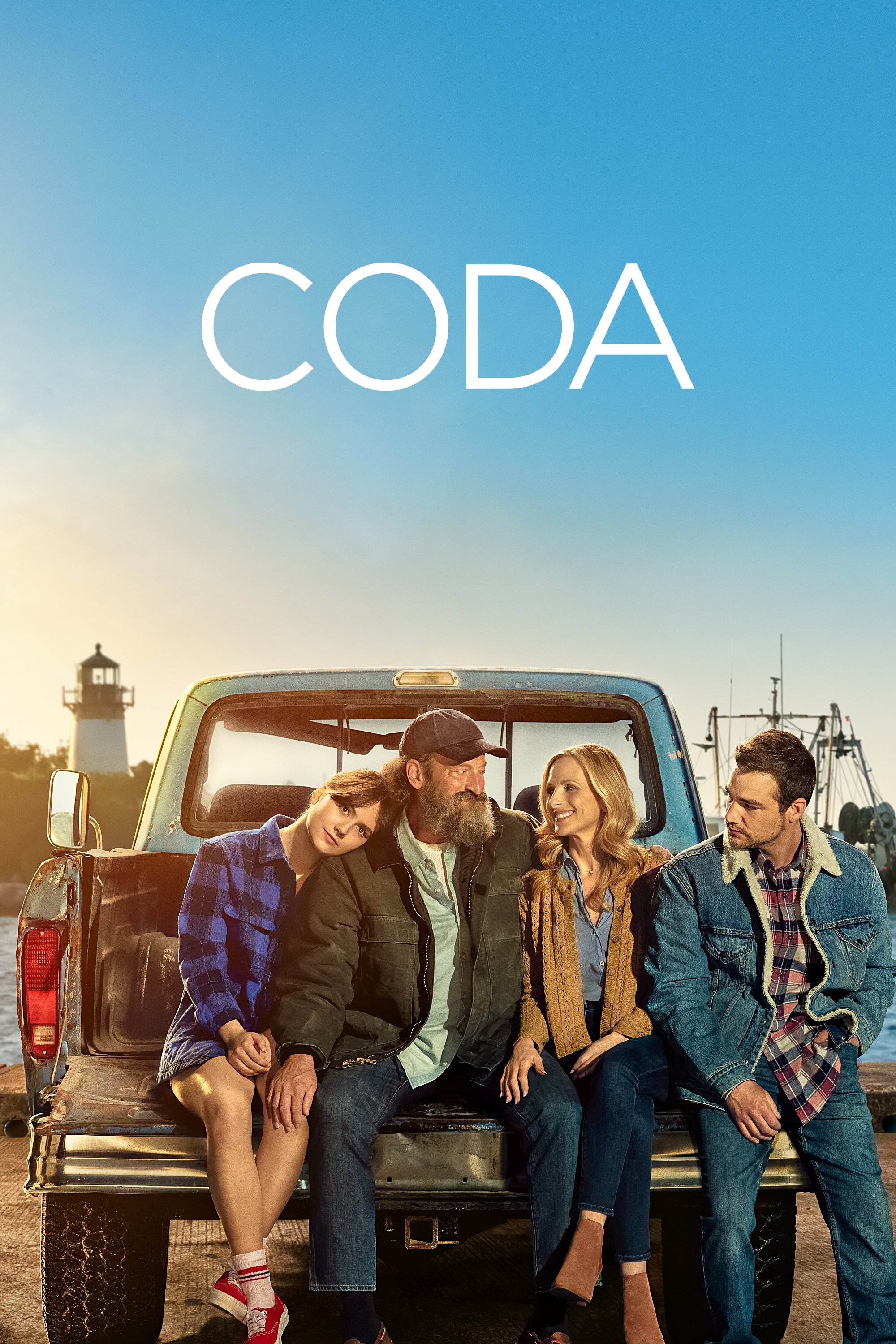
This film’s win at the 94th Academy Awards was a historic moment for streaming services and the Deaf community. However, its victory over the critical darling ‘The Power of the Dog’ sparked significant debate among cinephiles. Critics of the win argued that ‘CODA’ followed a more conventional and sentimental structure compared to its competitors. Supporters pointed to its emotional resonance and the importance of its representation. The win marked the first time a film from a major streaming platform took home the top prize.
‘Around the World in 80 Days’ (1956)
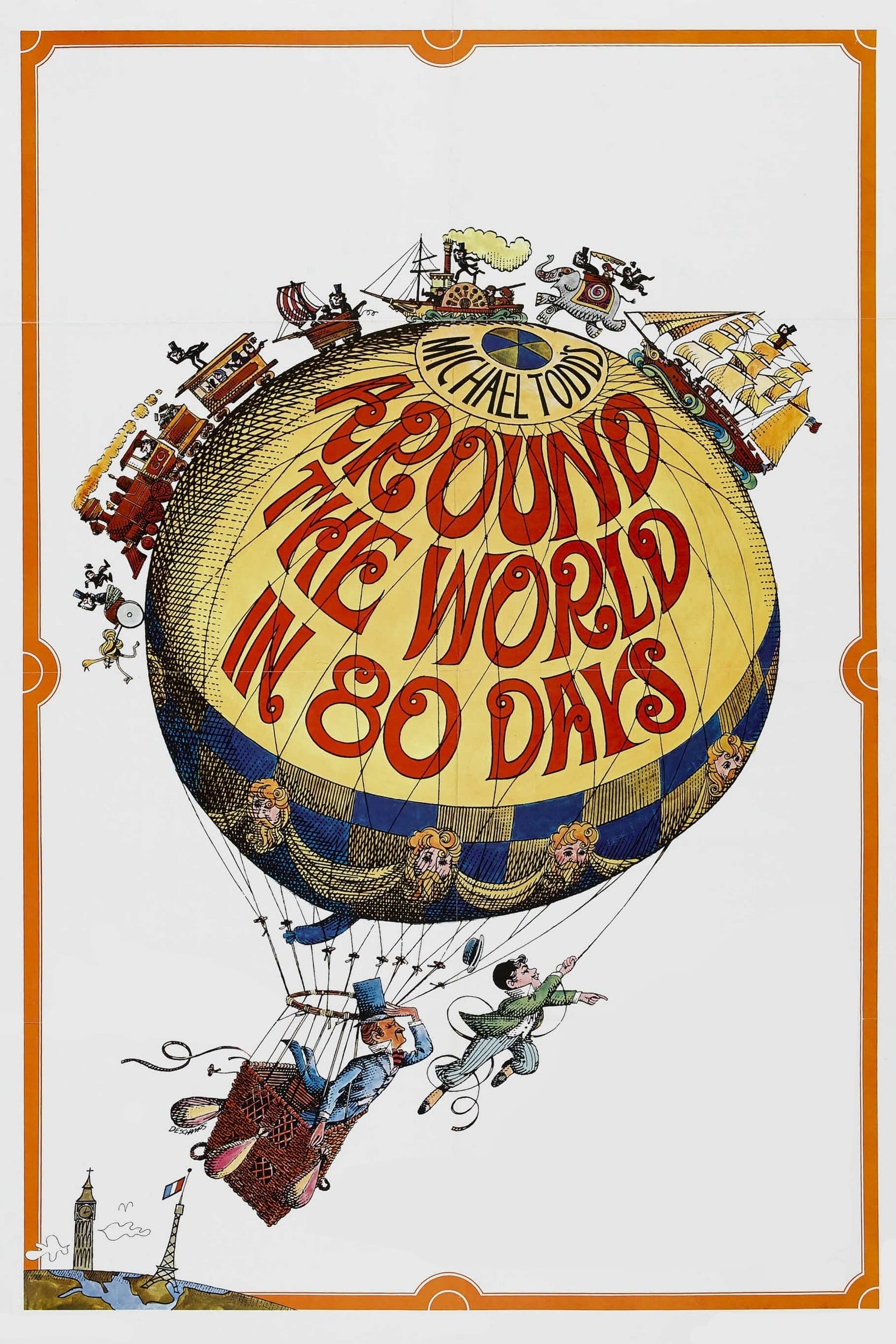
The 29th Academy Awards awarded Best Picture to this star-studded adventure film. It beat out the massive epic ‘The Ten Commandments’ and the critically acclaimed ‘Giant’. Many critics argued that the film was more of a travelogue with celebrity cameos than a cohesive narrative achievement. It is often cited as an example of a film winning due to its scale and production value rather than its script. The win remains one of the more surprising outcomes of the 1950s.
‘Out of Africa’ (1985)
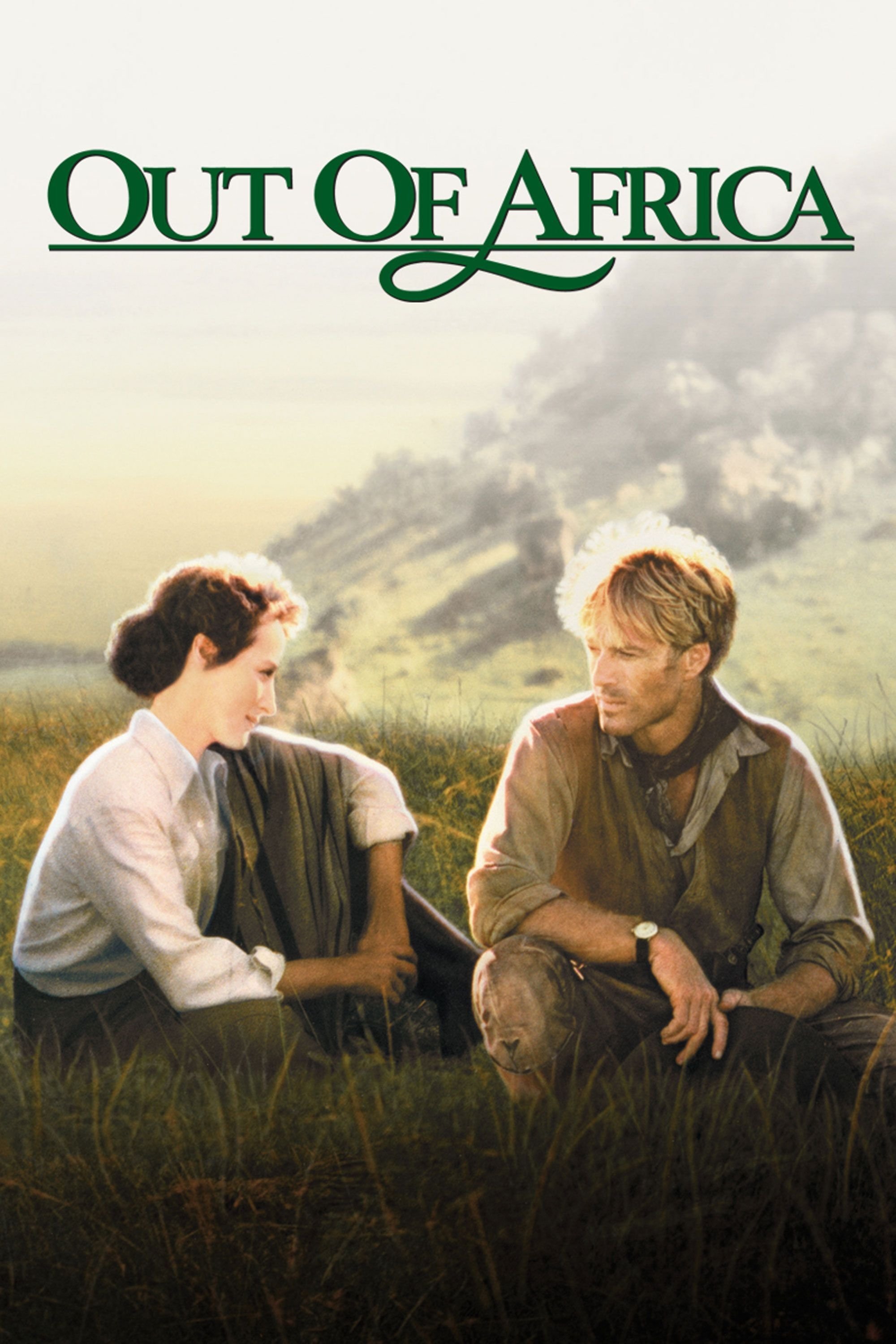
This romantic drama won Best Picture at the 58th Academy Awards over Steven Spielberg’s ‘The Color Purple’. ‘The Color Purple’ received 11 nominations but failed to win a single award, which led to accusations of a snub. Critics argued that ‘Out of Africa’ was visually stunning but lacked the emotional depth of its competitors. The loss for ‘The Color Purple’ is frequently highlighted in discussions about the Academy’s history with Black-led narratives. The victory for Sydney Pollack’s film remains a contentious topic.
‘The Artist’ (2011)
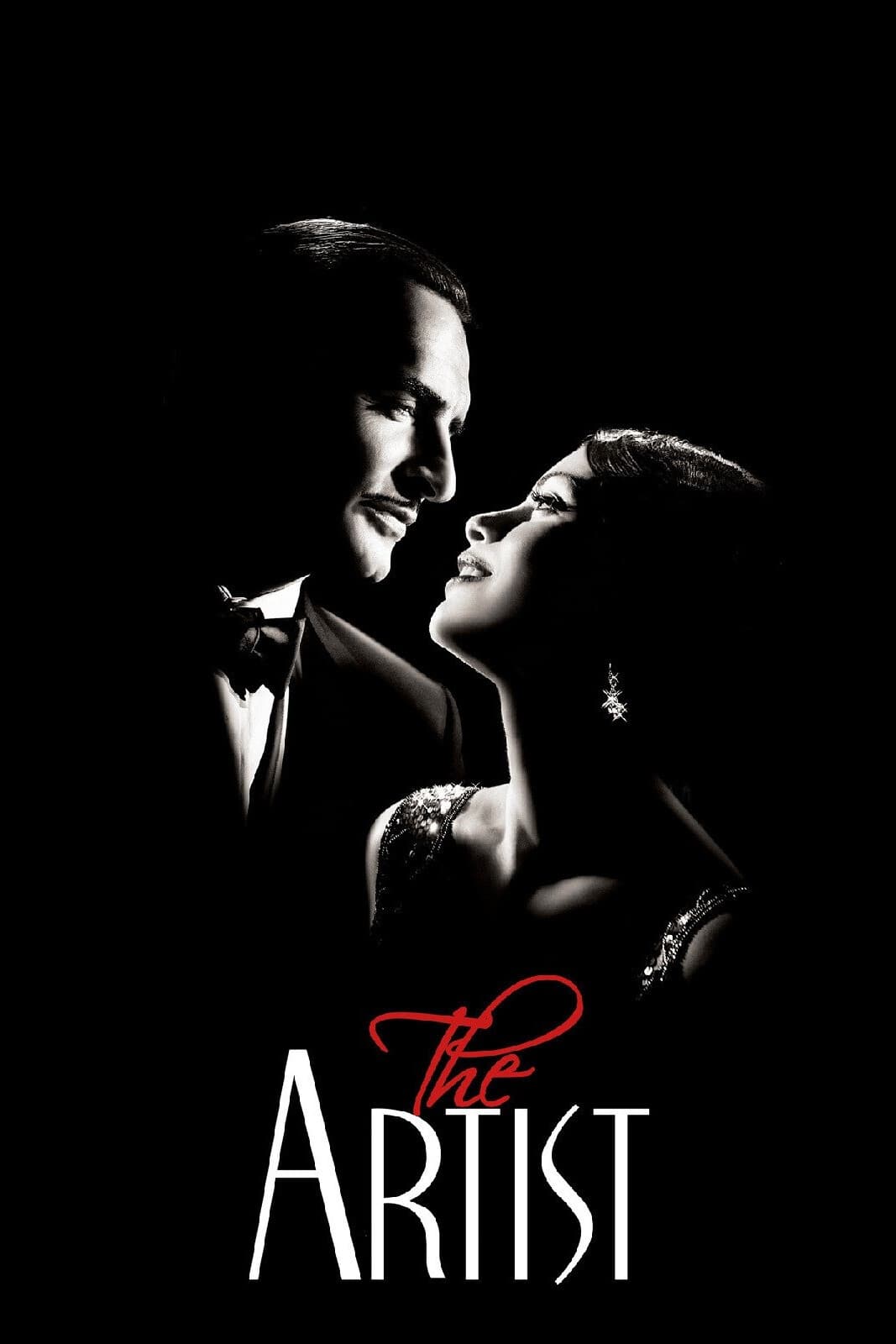
As a silent, black-and-white film, ‘The Artist’ was a unique winner at the 84th Academy Awards. It won Best Picture over ‘Hugo’, ‘The Tree of Life’, and ‘Moneyball’. While initially praised for its charm and novelty, some critics later argued that it was a gimmick that lacked long-term staying power. The win was seen by some as a nostalgic choice by a voting body that predominantly works in the film industry. Its legacy has faced scrutiny in the years following its dominant awards season.
‘An American in Paris’ (1951)
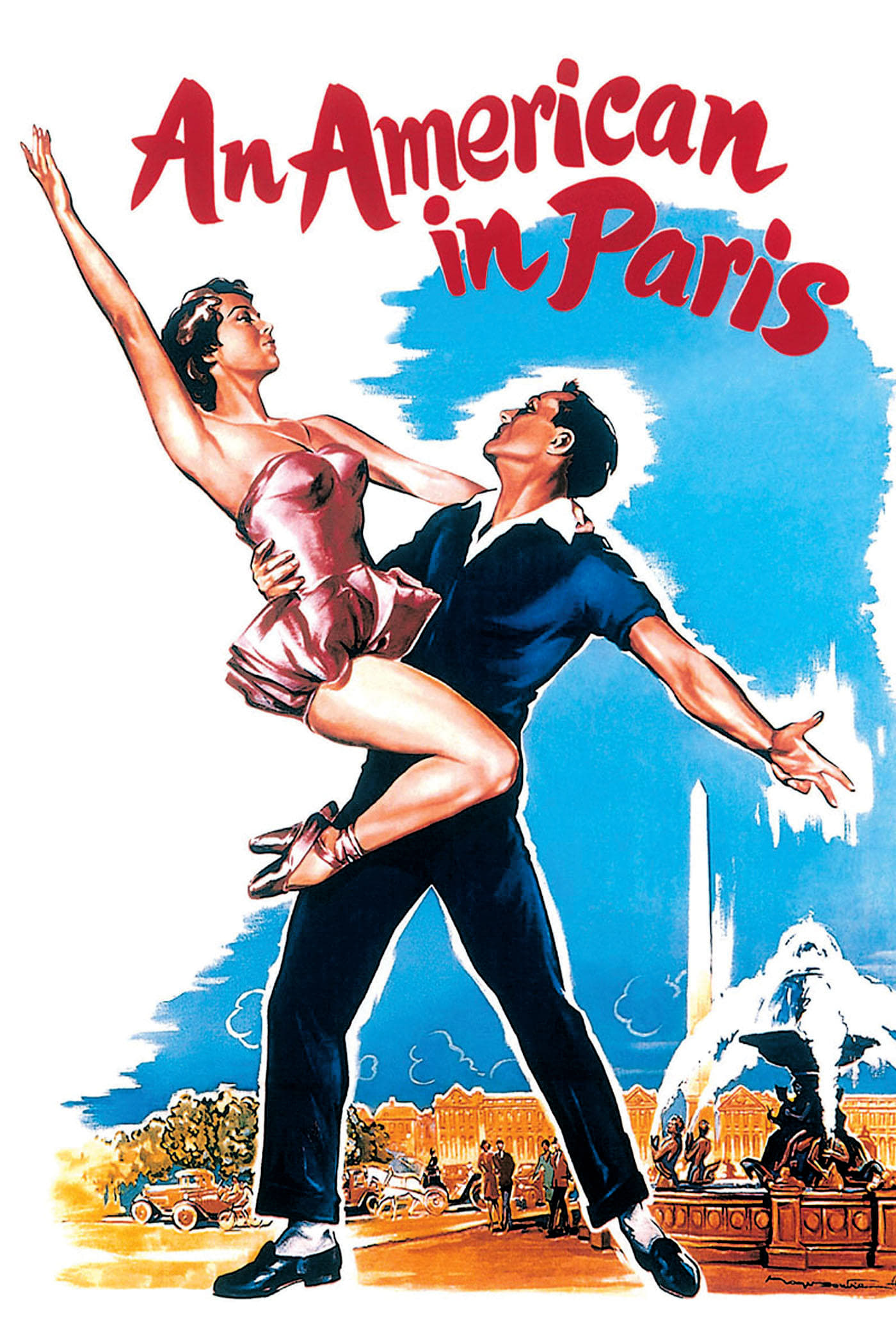
This musical won Best Picture at the 24th Academy Awards, defeating the gritty drama ‘A Streetcar Named Desire’. ‘A Streetcar Named Desire’ won three out of the four acting awards, making its loss in the top category particularly surprising. Critics often argue that Marlon Brando’s performance and the film’s intensity were more deserving of the win. The victory for the colorful, lighthearted musical is seen as the Academy opting for escapism. It remains a classic example of the “musical vs. drama” divide.
‘The Broadway Melody’ (1929)
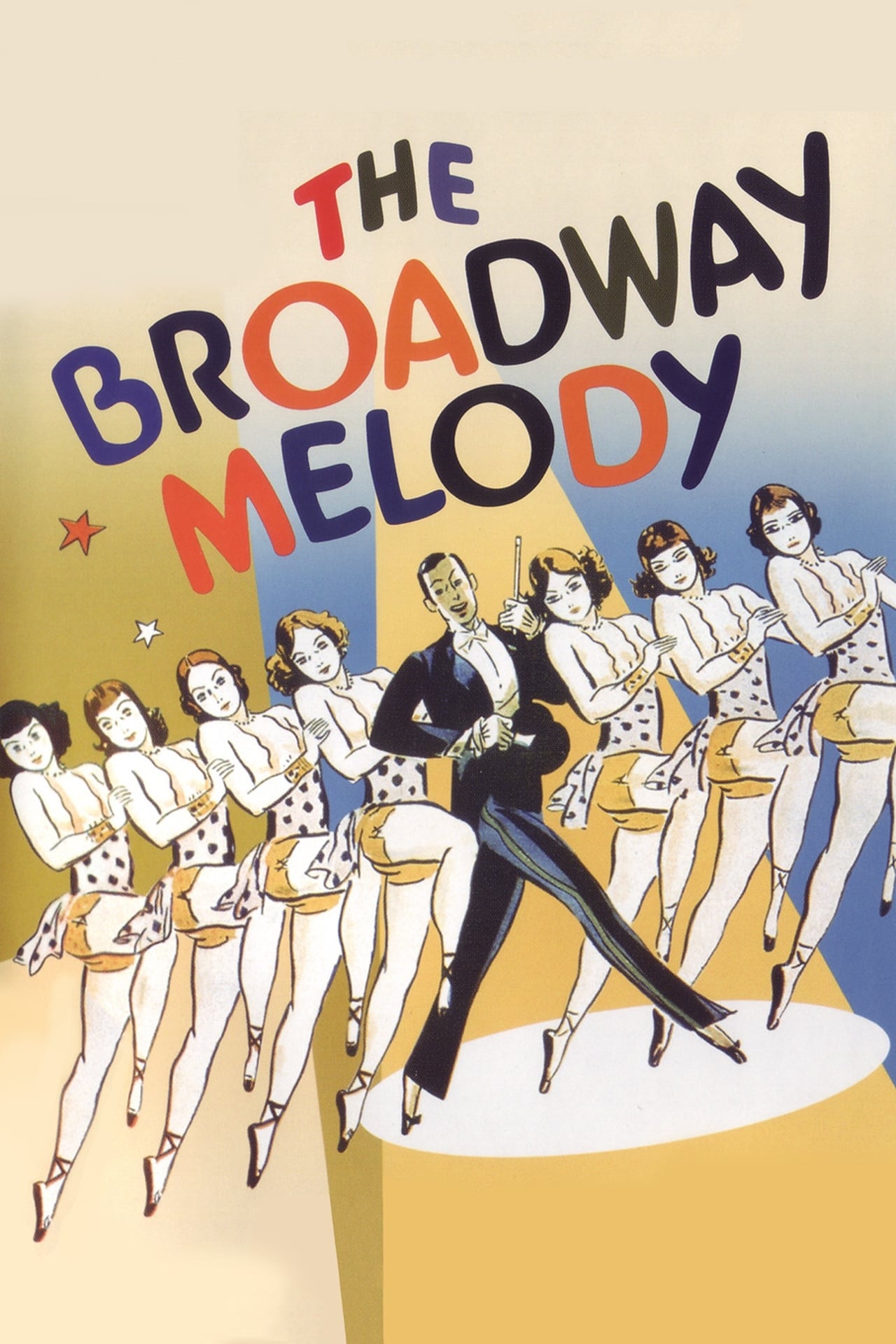
This was the first “all-talking” musical to win Best Picture at the 2nd Academy Awards. It won during a transitional period for the industry, but modern audiences often find it difficult to watch. Critics frequently label it as one of the weakest winners in the history of the Oscars. It beat out silent films that were considered more artistically accomplished. The win is primarily remembered for its historical significance as an early sound film.
‘Gladiator’ (2000)
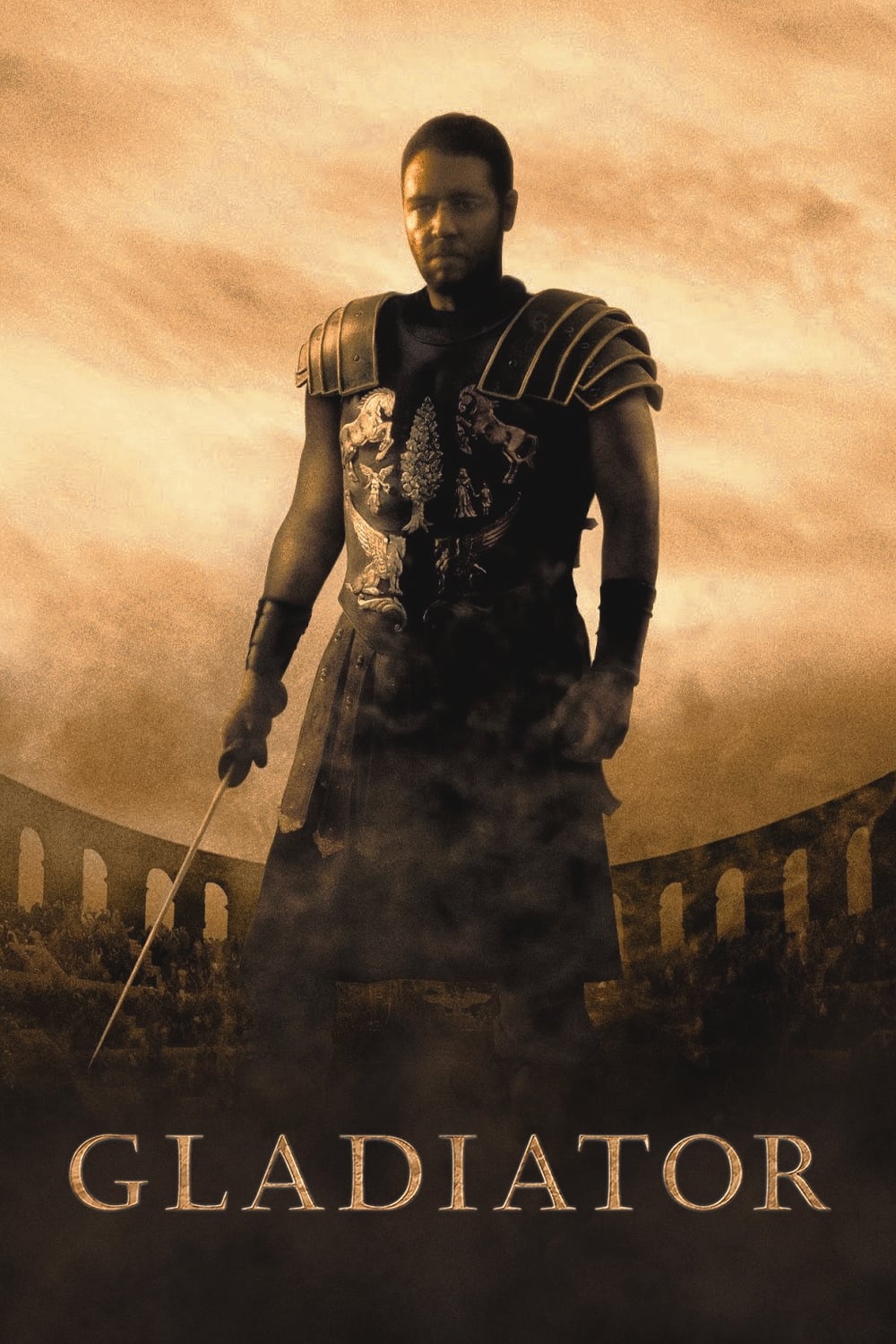
The 73rd Academy Awards saw Ridley Scott’s ‘Gladiator’ take home Best Picture. It won over diverse competitors such as ‘Traffic’, ‘Crouching Tiger, Hidden Dragon’, and ‘Chocolat’. While the film was a massive hit, some critics felt that the more complex storytelling of ‘Traffic’ or the artistry of ‘Crouching Tiger’ deserved the win. The victory was seen as a return to the “swords and sandals” epics of old Hollywood. It remains a popular winner but one that is still debated by critics.
‘Birdman or (The Unexpected Virtue of Ignorance)’ (2014)

Alejandro G. Iñárritu’s film won Best Picture at the 87th Academy Awards. Its primary competitor was ‘Boyhood’, which had been filmed over the course of 12 years and was a critical favorite. The decision to award the technically flashy ‘Birdman’ over the ambitious ‘Boyhood’ divided the film community. Some saw ‘Birdman’ as a self-indulgent look at the acting profession. Others praised its cinematography and energy, but the “one-shot” style remained a point of contention.
‘Spotlight’ (2015)
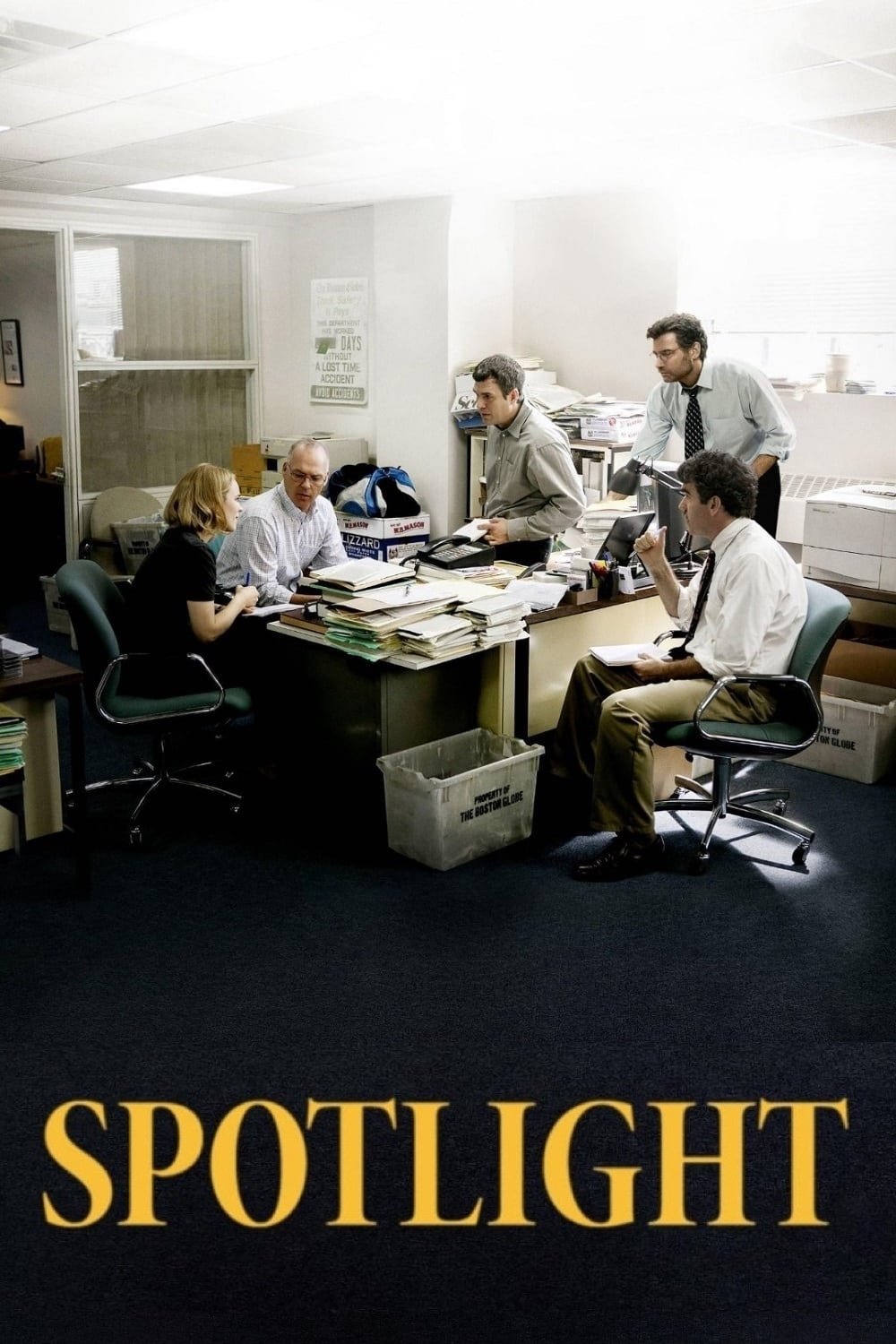
In a surprising turn at the 88th Academy Awards, ‘Spotlight’ won Best Picture after only winning one other award that night. It defeated the highly technical ‘The Revenant’ and the visually stunning ‘Mad Max: Fury Road’. Many expected ‘The Revenant’ to win after Alejandro G. Iñárritu won Best Director. The victory for ‘Spotlight’ was seen as a win for understated, journalistic storytelling. However, fans of the more visually ambitious nominees were left disappointed by the choice.
‘Million Dollar Baby’ (2004)

Clint Eastwood’s boxing drama won Best Picture at the 77th Academy Awards. It beat Martin Scorsese’s ‘The Aviator’, leading to another year where Scorsese was denied the top prize. The film’s controversial third-act twist sparked debate among audiences and disability rights groups. Some critics argued that ‘The Aviator’ was a more impressive feat of production and historical storytelling. The win solidified Eastwood’s status as an Academy favorite but remains polarizing.
‘Tom Jones’ (1963)
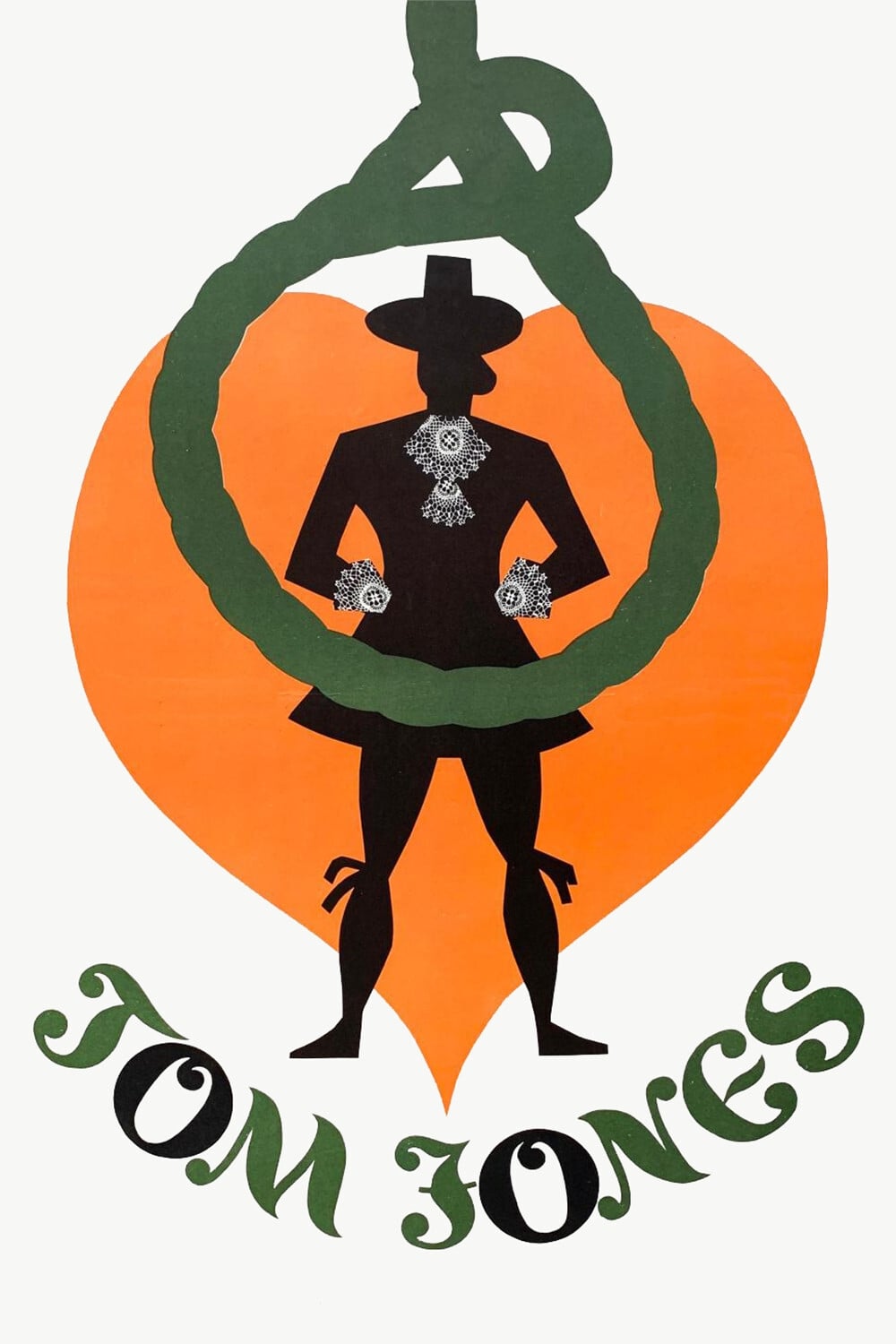
This bawdy comedy won Best Picture at the 36th Academy Awards. It won over the massive production ‘Cleopatra’ and the classic ‘Lilies of the Field’. Critics often find the film’s frantic editing and style to be dated when viewed today. It is considered an unusual choice for the Academy, which typically favors more serious dramas. Its win is often cited as a reflection of the “Swinging Sixties” culture in film.
‘Marty’ (1955)
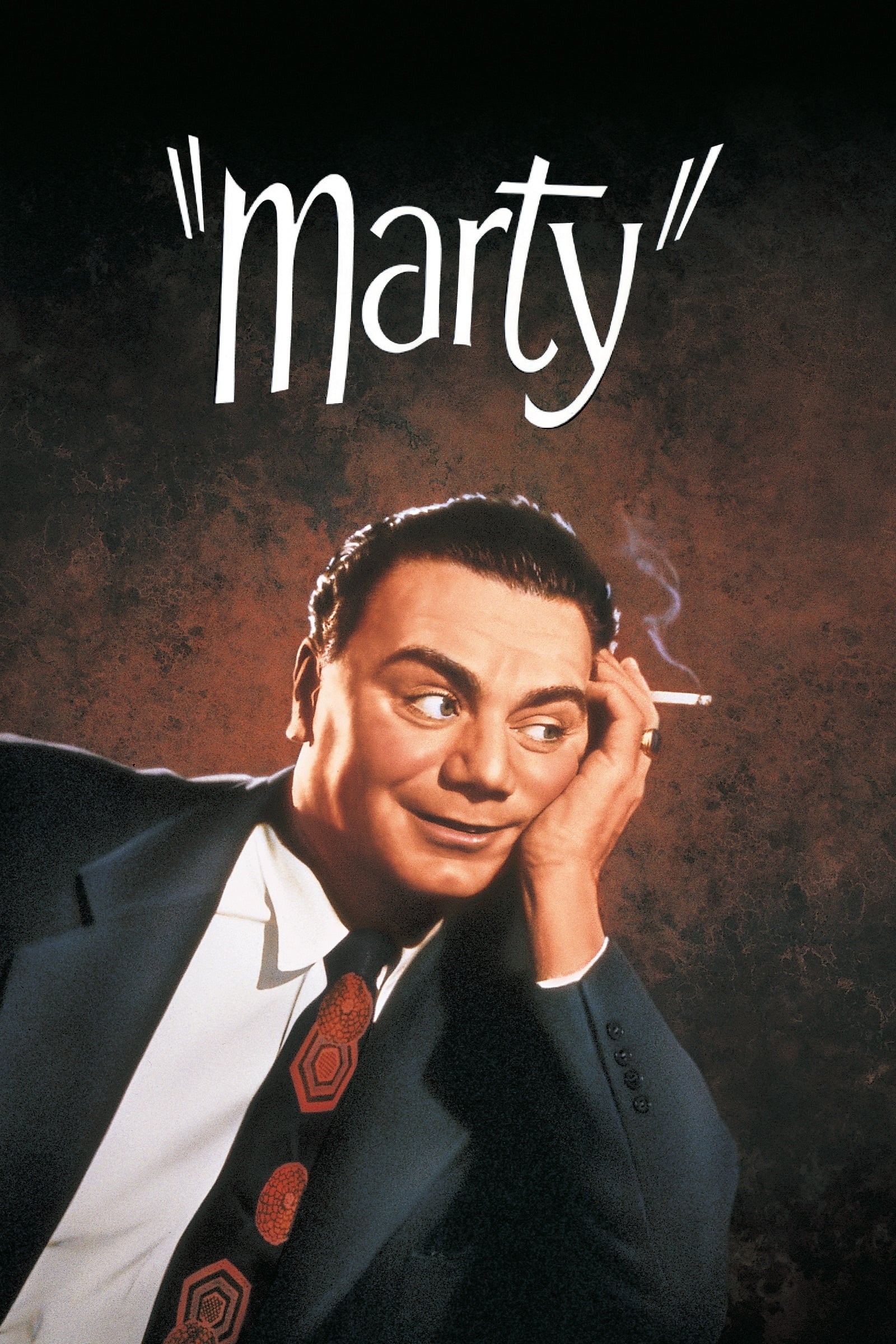
‘Marty’ won Best Picture at the 28th Academy Awards, making it one of the shortest films to ever win the honor. It defeated the star-studded ‘Mister Roberts’ and the epic ‘Love Is a Many-Splendored Thing’. While praised for its realism and heart, its win was seen as an upset against more traditional Hollywood productions. It remains the only film to win both the Palme d’Or and the Academy Award for Best Picture. Some critics at the time felt it was too small in scope for the top prize.
‘The Bear’ (2022–)
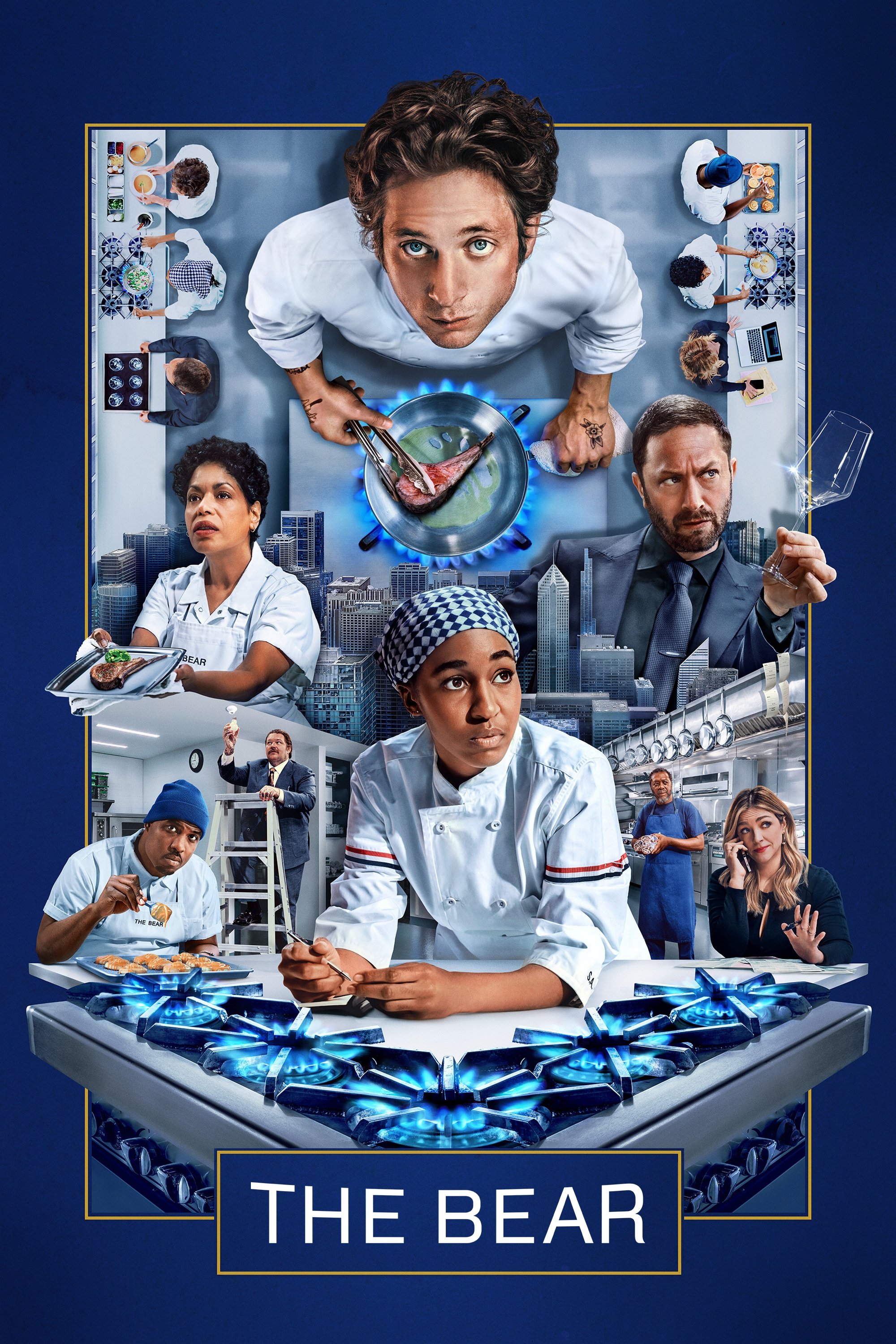
This television series has sparked intense debate regarding its classification in the Comedy category at the Emmy Awards. While the show features comedic elements, its heavy themes of grief, stress, and trauma led many to argue it is a Drama. Its dominant sweep in the Comedy categories has been seen by some as unfair to traditional sitcoms. The controversy has prompted discussions about how award bodies define genre in the era of “prestige” television. Fans continue to argue whether the show’s tone fits the category it competes in.
‘Game of Thrones’ (2011–2019)
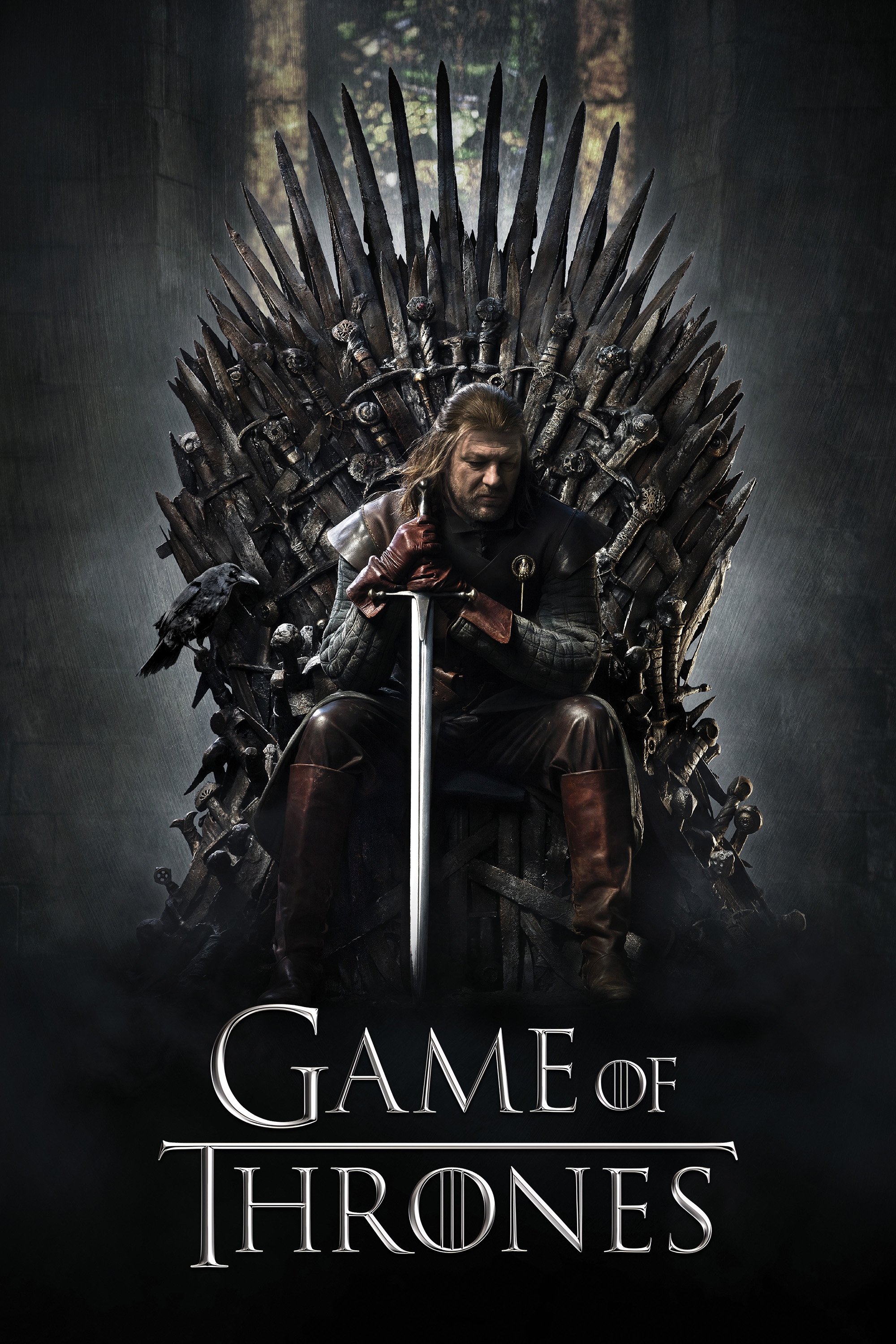
The final season of this fantasy epic won Best Drama Series at the 72nd Primetime Emmy Awards. This win occurred despite a massive backlash from fans and critics regarding the season’s writing and pacing. Many viewers felt the award was a “legacy win” for the series as a whole rather than a reflection of the final season’s quality. The decision sparked widespread frustration on social media platforms. It remains one of the most controversial wins in Emmy history due to the disparity between the award and public opinion.
‘Schitt’s Creek’ (2015–2020)
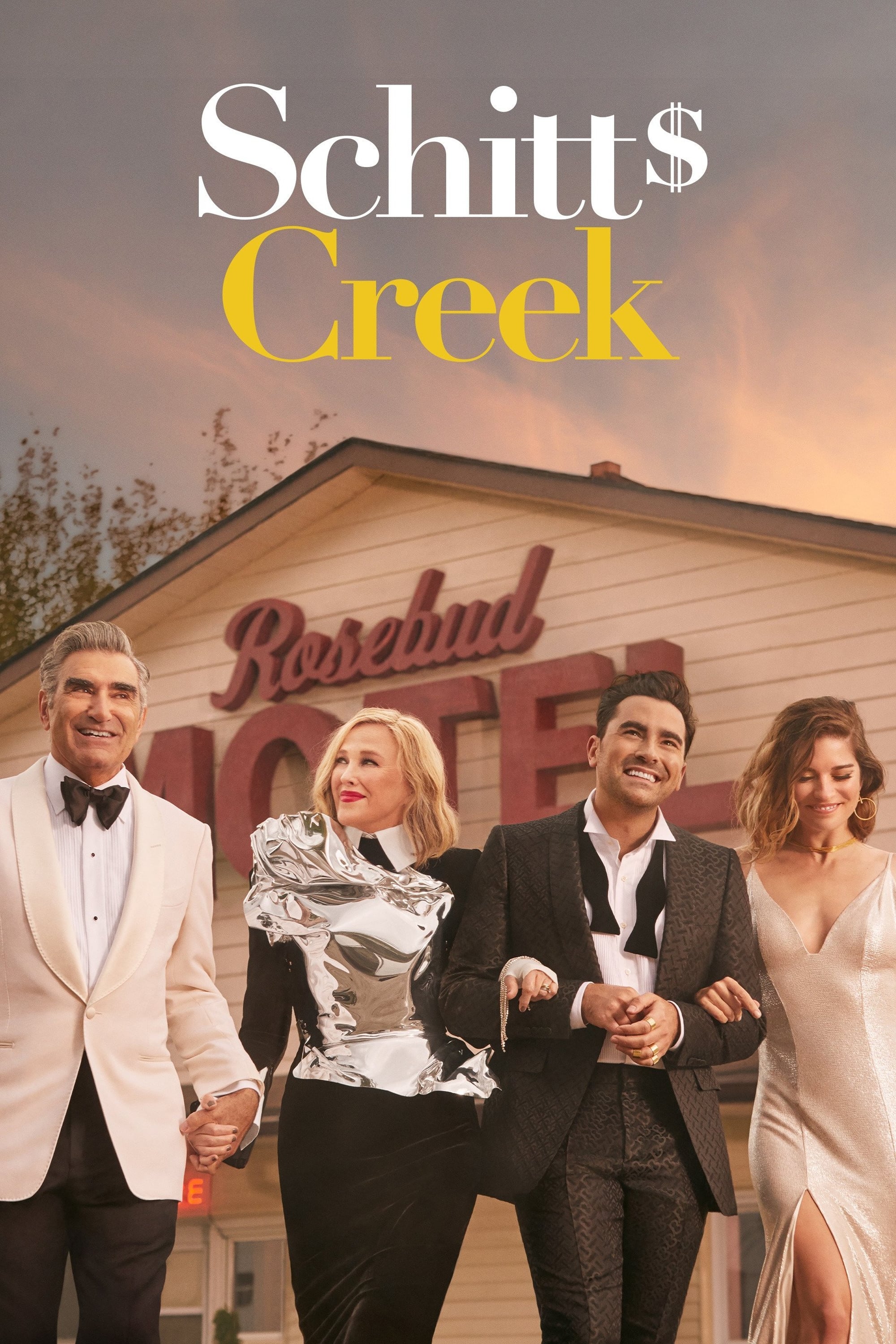
At the 72nd Primetime Emmy Awards, this comedy series achieved an unprecedented sweep of all seven major comedy categories. While the show was widely beloved, the total dominance left no room for other acclaimed series like ‘The Good Place’ or ‘Insecure’. Some critics argued that such a sweep hurts the variety and representation of the awards. Fans of the losing shows expressed their disappointment at the lack of recognition for other diverse voices. The sweep remains a historic but debated moment in television history.
‘Bohemian Rhapsody’ (2018)
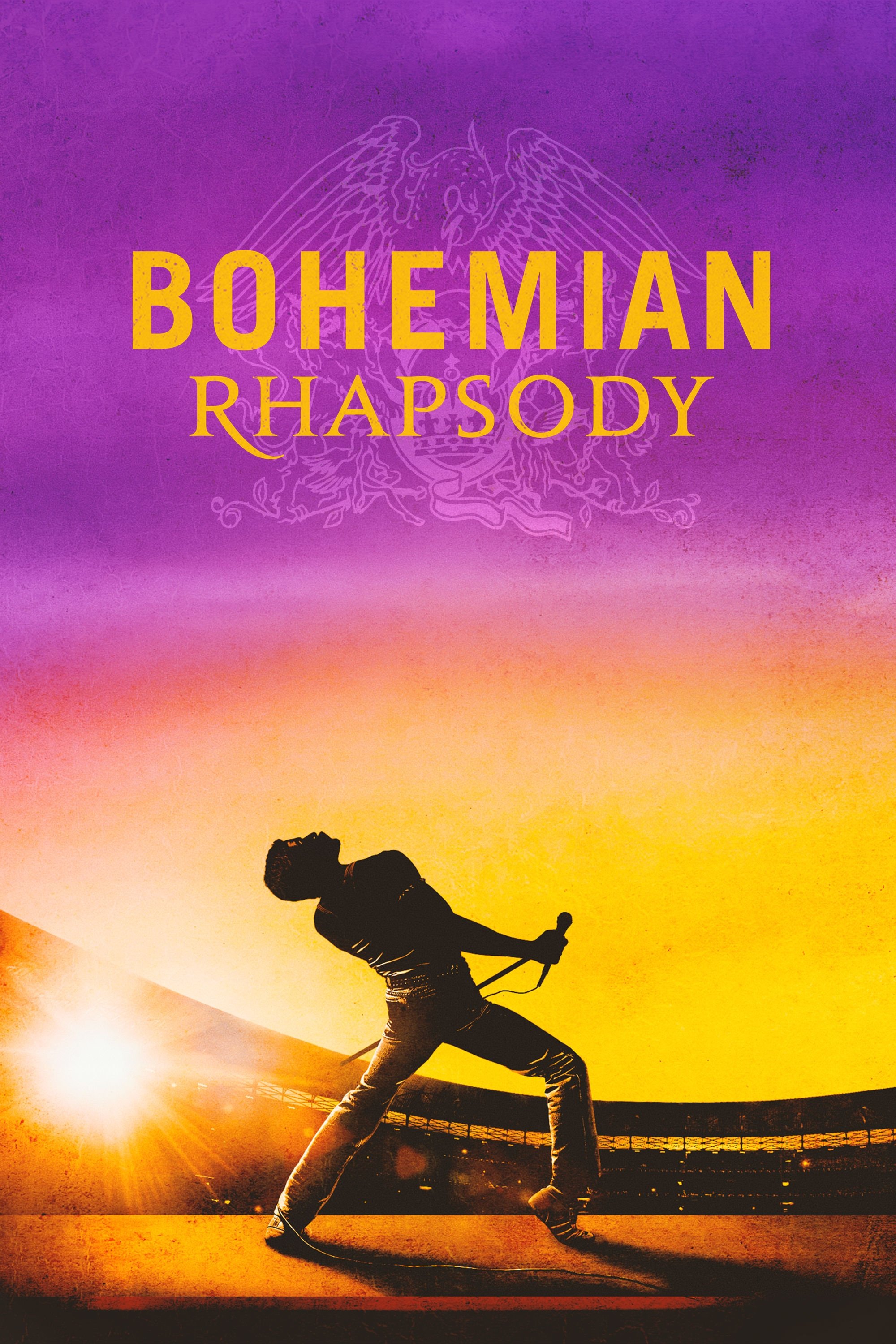
This Queen biopic won several awards at the 91st Academy Awards, including Best Film Editing. The editing win, in particular, became a viral topic of discussion due to a scene in a trailer park with rapid-fire cuts. Many professional editors and film students pointed to the scene as an example of poor continuity and jarring transitions. The win sparked a broader conversation about how the Academy defines “best” in technical categories. Despite the criticism, the film was a massive commercial success and a favorite among general audiences.
Rami Malek
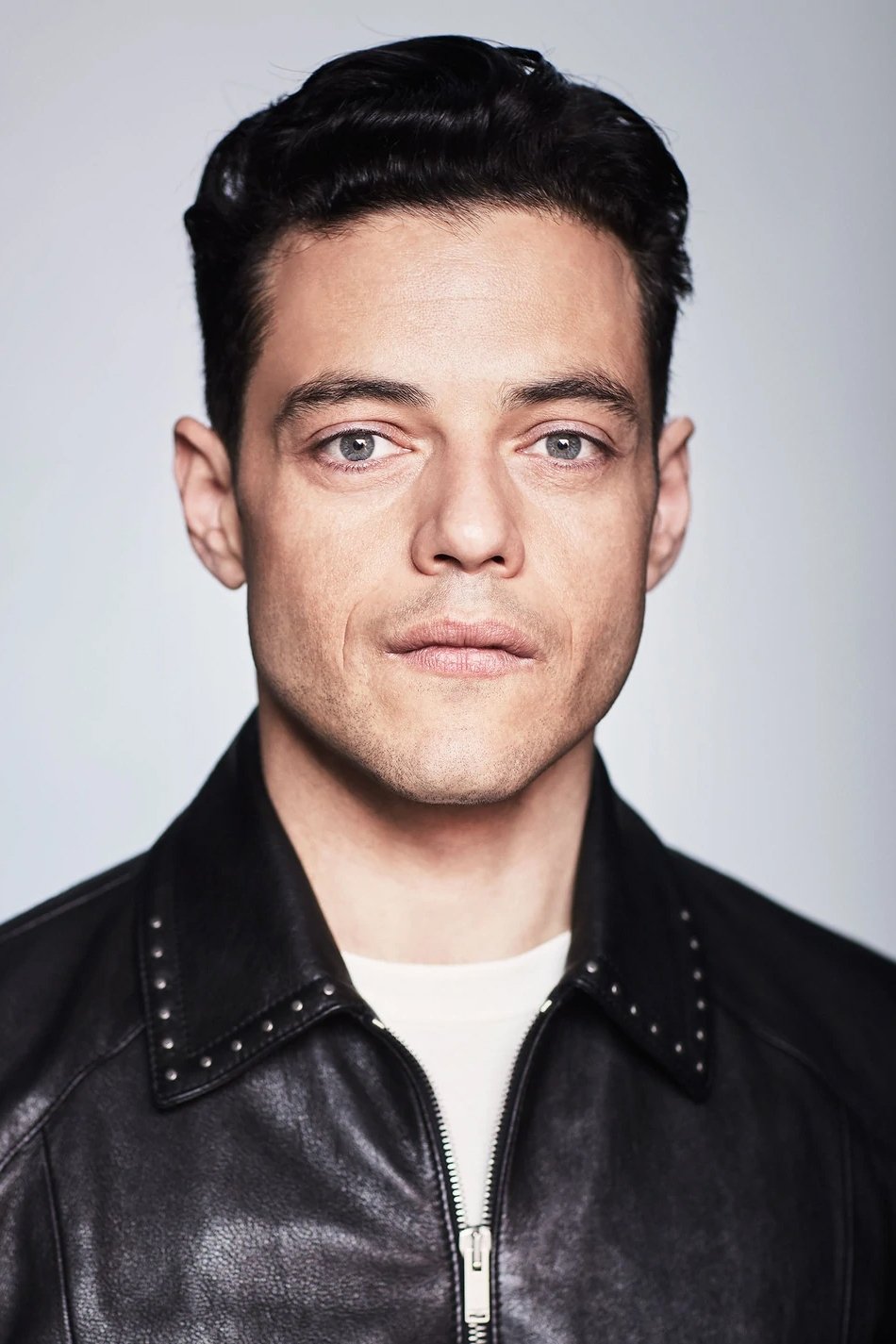
Rami Malek won Best Actor at the 91st Academy Awards for his portrayal of Freddie Mercury in ‘Bohemian Rhapsody’. He won over Christian Bale’s transformative performance in ‘Vice’ and Bradley Cooper in ‘A Star Is Born’. Critics of the win argued that the film relied heavily on lip-syncing and a prosthetic nose rather than a deep character study. The debate centered on whether the performance was a true transformation or a high-quality imitation. It remains one of the most discussed Best Actor wins of the modern era.
Roberto Benigni

At the 71st Academy Awards, Roberto Benigni won Best Actor for his role in ‘Life Is Beautiful’. He beat out heavy hitters like Tom Hanks for ‘Saving Private Ryan’ and Edward Norton for ‘American History X’. Benigni’s enthusiastic reaction, which involved walking over the backs of seats, became an iconic Oscar moment. However, some critics felt the performance was too manic and that the losing actors delivered more nuanced work. The win remains a polarizing topic among fans of the nominated films.
Sandra Bullock

Sandra Bullock won Best Actress at the 82nd Academy Awards for her role in ‘The Blind Side’. Her victory over Carey Mulligan in ‘An Education’ and Gabourey Sidibe in ‘Precious’ was met with a mixed reaction. While Bullock was praised for her charisma, many critics felt the other performances were more artistically rigorous. The film itself also faced criticism for its “white savior” narrative in subsequent years. The win is often viewed as the Academy rewarding a beloved movie star at the peak of her popularity.
Gwyneth Paltrow
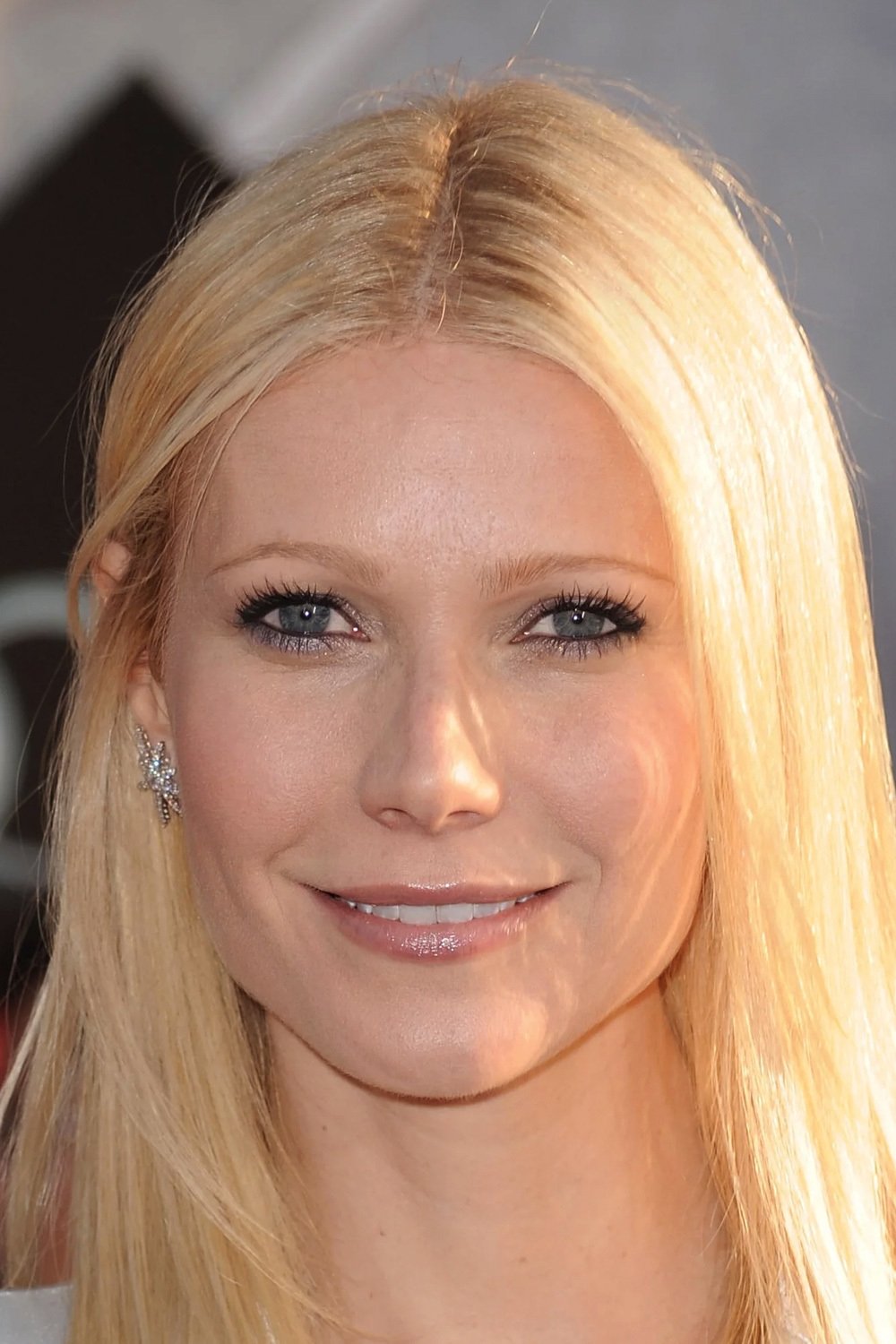
The 71st Academy Awards saw Gwyneth Paltrow win Best Actress for ‘Shakespeare in Love’. She won over Cate Blanchett’s highly acclaimed performance in ‘Elizabeth’, which many felt was the superior work. The victory was another part of the ‘Shakespeare in Love’ sweep that many attributed to intense campaigning. Paltrow’s emotional acceptance speech and the upset victory remain a staple of Oscar history discussions. Critics often compare the two performances when discussing the most egregious acting snubs.
Jamie Lee Curtis

Jamie Lee Curtis won Best Supporting Actress at the 95th Academy Awards for ‘Everything Everywhere All At Once’. She won over her co-star Stephanie Hsu and the favored Angela Bassett for ‘Black Panther: Wakanda Forever’. Bassett’s visible reaction to the loss went viral, highlighting the disappointment of many fans. Critics argued that the win was a “career achievement” award rather than for the specific performance in the film. The choice remains a point of heated discussion in the horror and sci-fi communities.
‘The English Patient’ (1996)
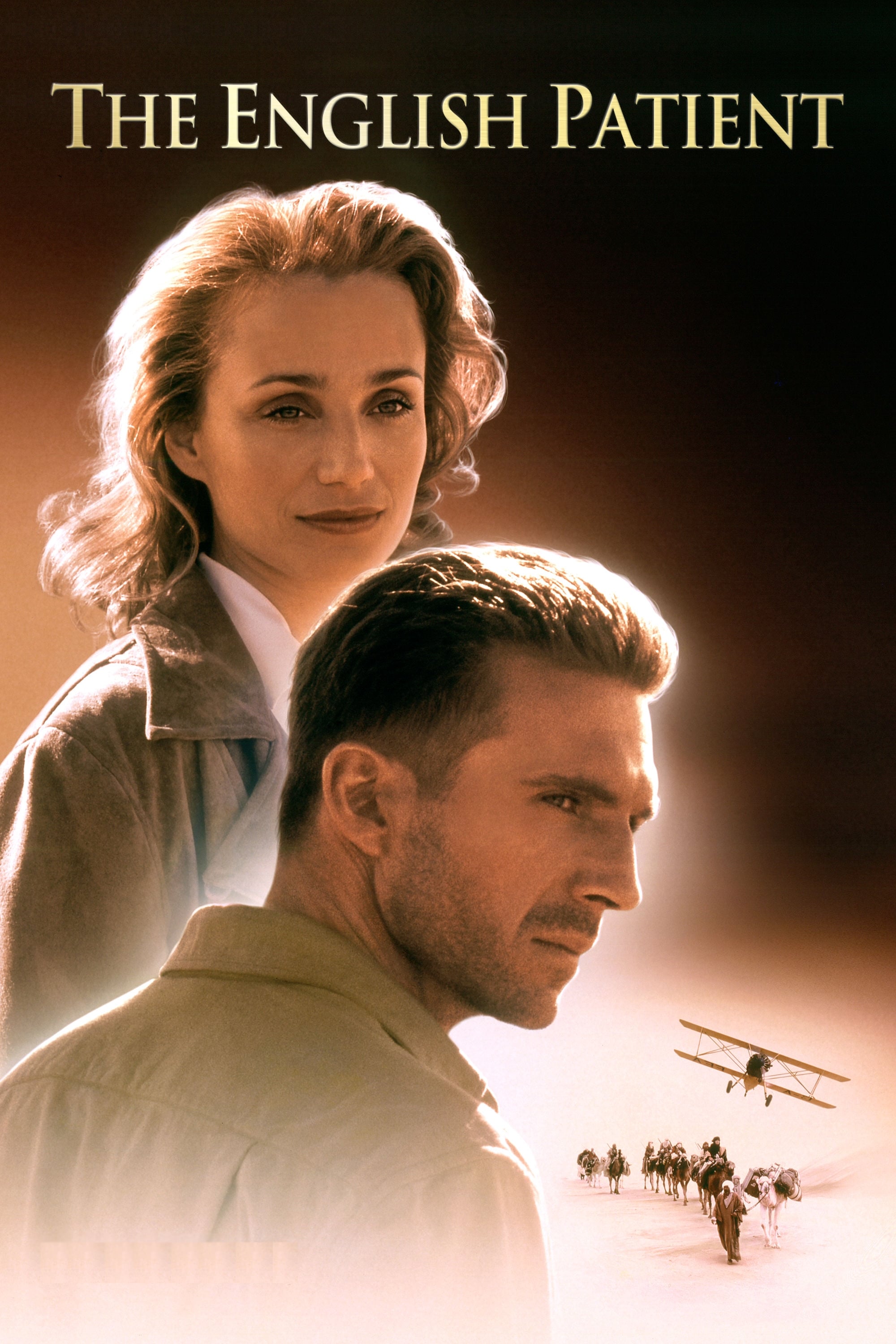
This sweeping romantic drama won nine Academy Awards, including Best Picture, at the 69th ceremony. It beat the Coen brothers’ ‘Fargo’, which has since become a massive cultural touchstone. The film’s long runtime and slow pace were famously parodied in pop culture, most notably on the show ‘Seinfeld’. Many fans felt that ‘Fargo’ or ‘Jerry Maguire’ were more innovative and entertaining choices. The victory is often cited as the epitome of a “prestige” film that fails to connect with a broader audience.
‘Argo’ (2012)
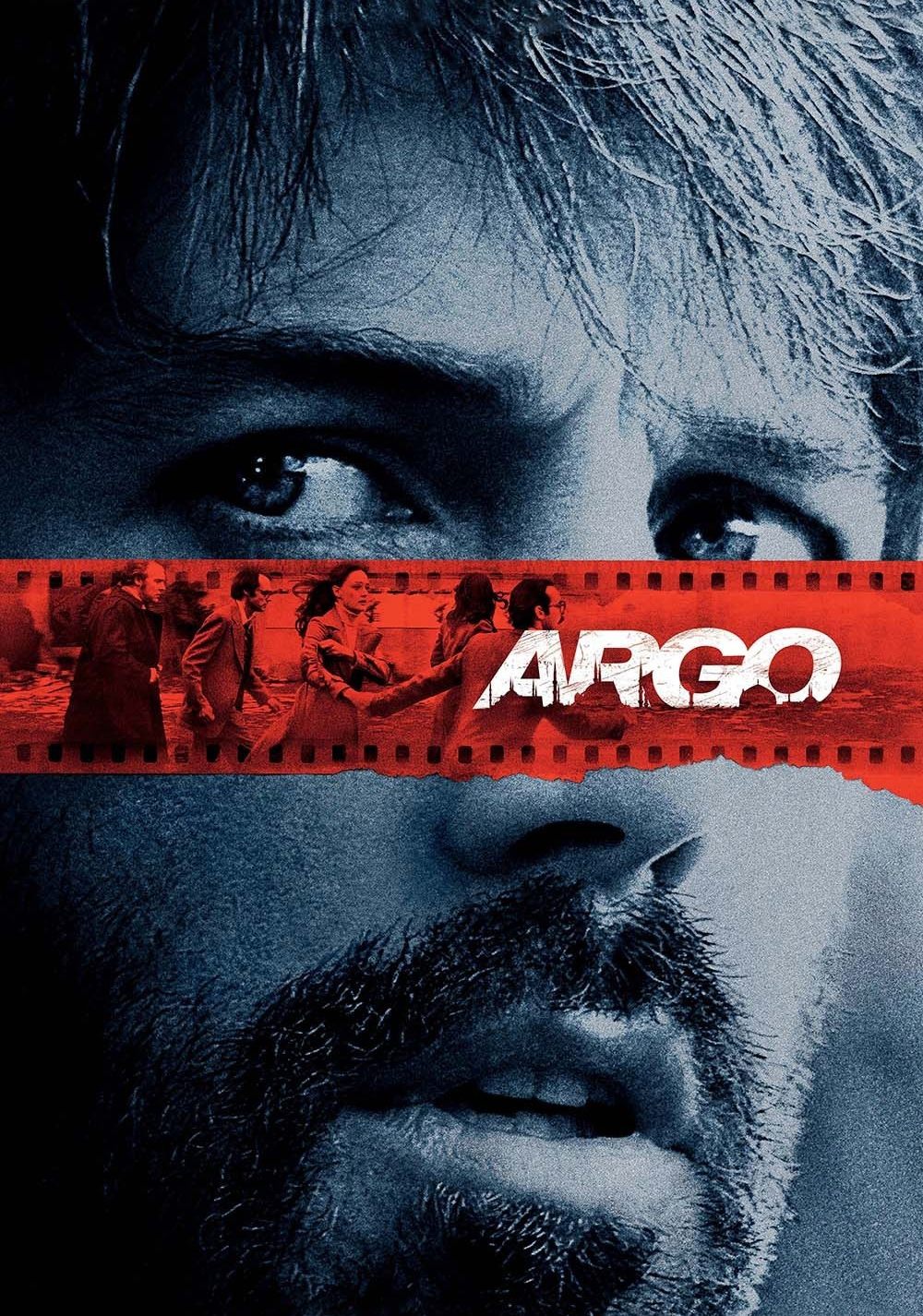
‘Argo’ won Best Picture at the 85th Academy Awards despite its director, Ben Affleck, not being nominated for Best Director. This rare occurrence led to a surge of sympathy and support for the film during the voting period. It won over Steven Spielberg’s ‘Lincoln’ and Ang Lee’s ‘Life of Pi’. Critics argued that the film’s historical inaccuracies and “Hollywood saves the day” narrative were problematic. The win is often viewed as a reaction to the perceived snub of Affleck by the directing branch.
‘The French Connection’ (1971)
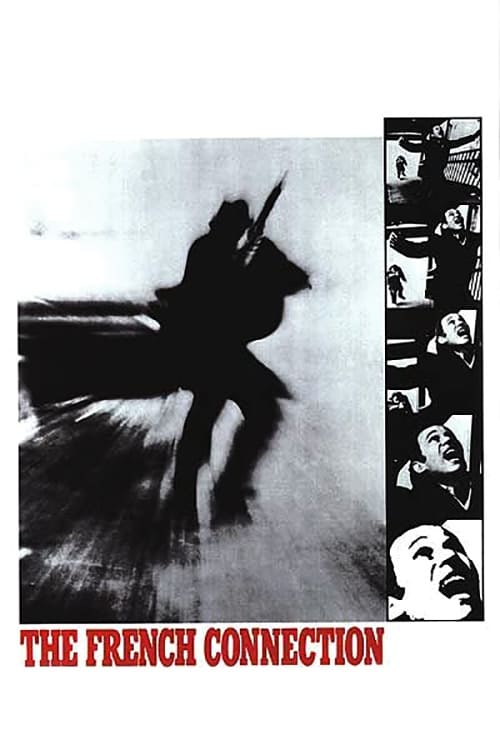
During the 44th Academy Awards, this gritty crime thriller won Best Picture. It defeated Stanley Kubrick’s ‘A Clockwork Orange’, which was one of the most controversial and innovative films of the era. Fans of Kubrick often point to this as a missed opportunity for the Academy to recognize a truly avant-garde masterpiece. While ‘The French Connection’ is praised for its iconic car chase and realism, it represents a more traditional style of filmmaking. The debate between the two films reflects a divide in cinematic philosophy.
Share your thoughts on which of these award wins you found to be the most surprising in the comments.