


The Academy Has Reveales the Best Visual Effects Contenders Shortlist for the 2026 Oscars

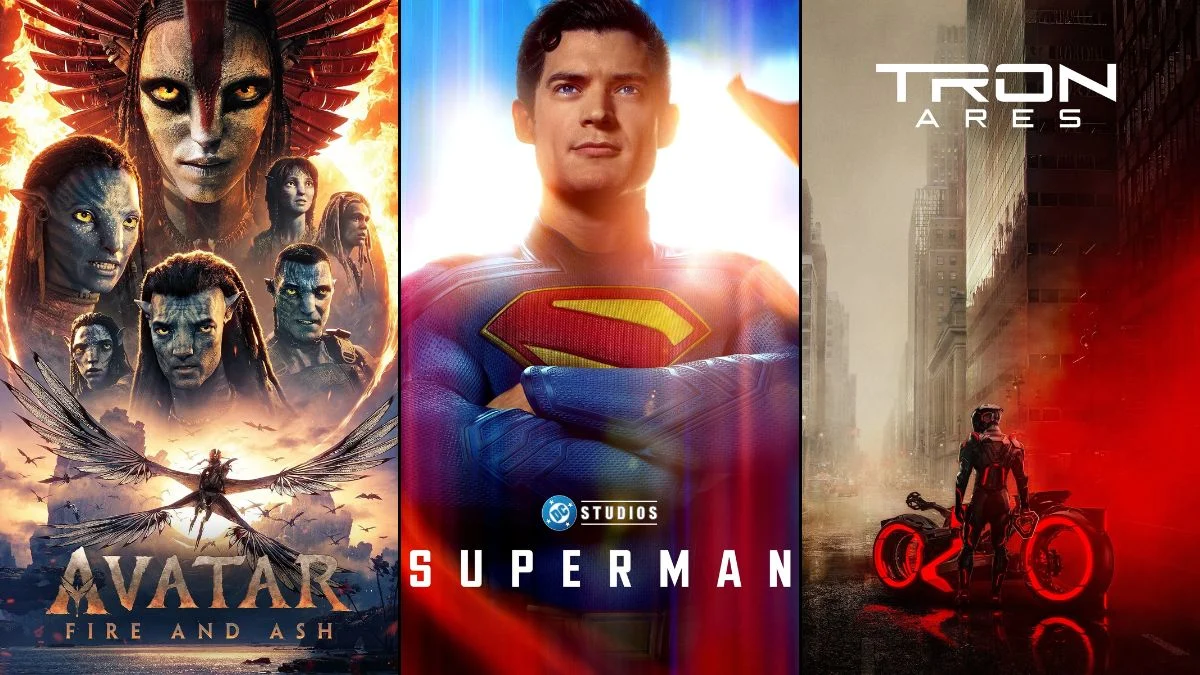


The race for the 98th Academy Awards has narrowed as the Academy of Motion Picture Arts and Sciences reveals the shortlist for the Best Visual Effects category. This year features a diverse collection of films that range from intimate survival stories to massive blockbuster spectacles. The Visual Effects Branch Executive Committee selected these ten films based on their artistic and technical contributions to the medium. Members of the branch will now view excerpts and interviews with the artists to determine the final five nominees.
‘Avatar: Fire and Ash’ (2025)
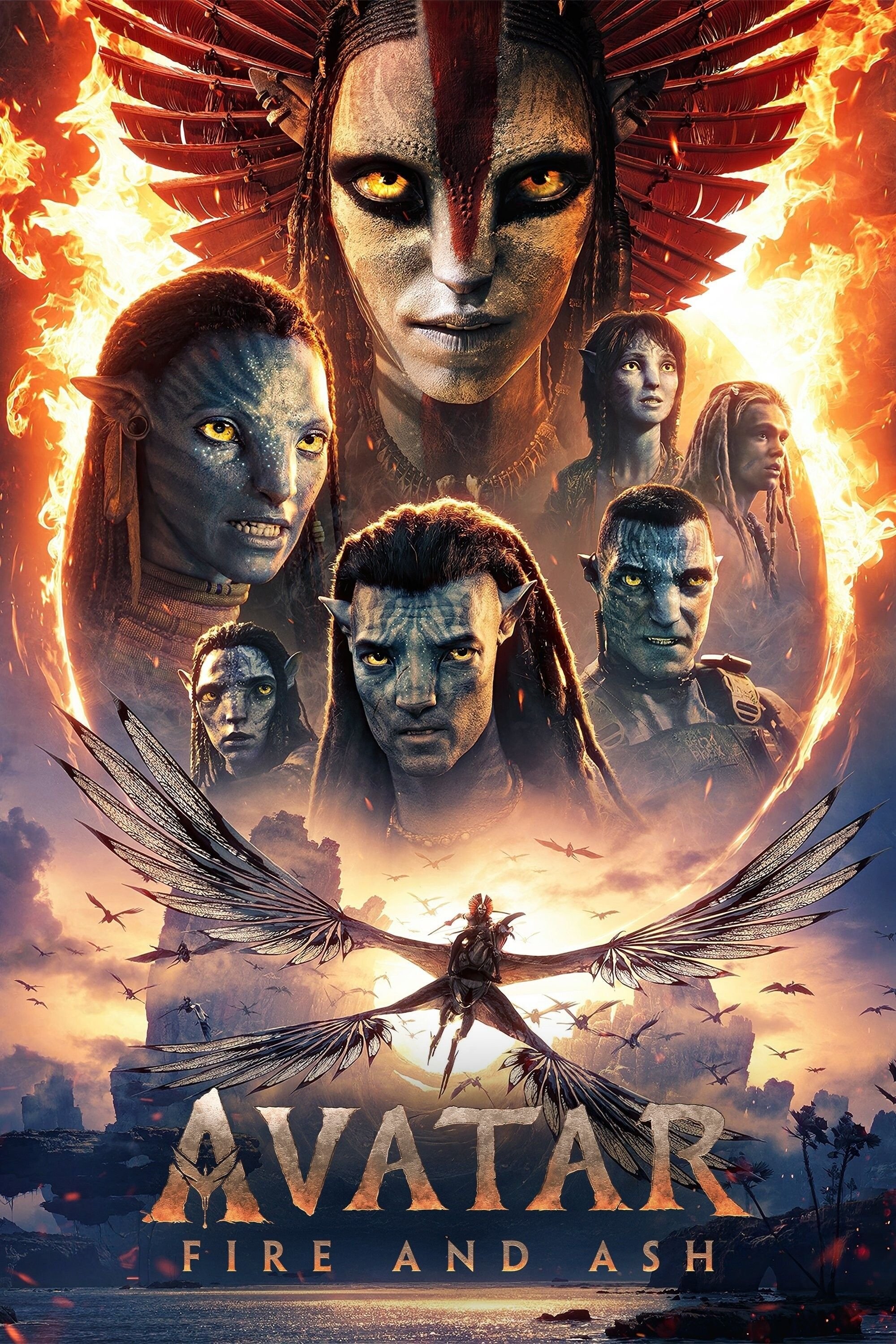
James Cameron returns to the alien world of Pandora to introduce the Ash People in this third installment of the blockbuster franchise. Wētā FX continues to push the boundaries of performance capture and water simulation while adding complex volcanic environments to the mix. The visual effects team focused on creating distinct biome variations that contrast with the aquatic settings seen in the previous film. Viewers witness a darker side of the Na’vi culture through aggressive fire-based distinct character designs.
‘The Electric State’ (2025)
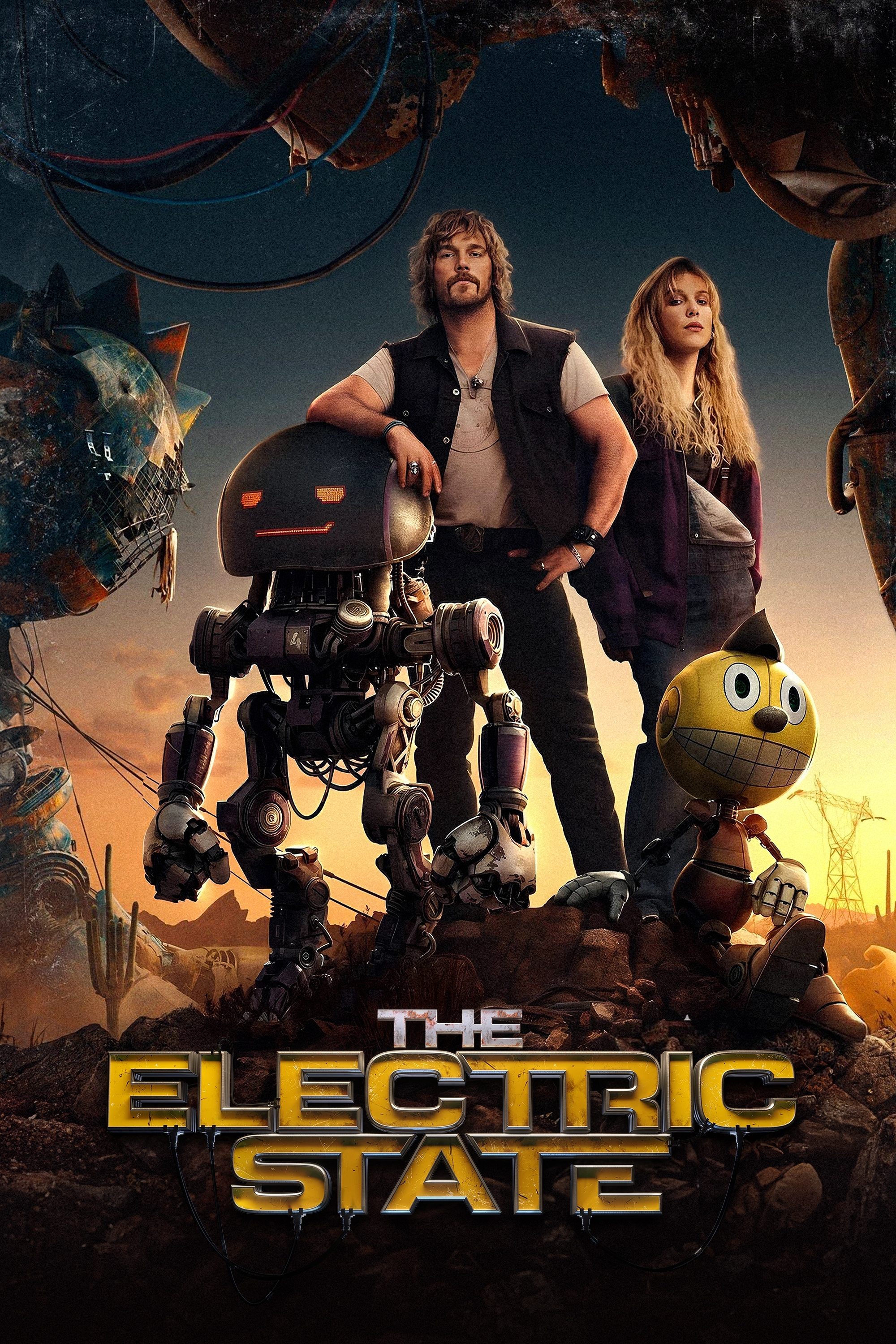
The Russo Brothers bring Simon Stålenhag’s narrative art book to life with a unique retro-futuristic aesthetic. Massive sentient robots wander through a decaying version of the American West in this visually striking road trip movie. The visual effects department blended practical animatronics with heavy digital work to establish the scale and weight of the mechanical giants. Digital environments play a crucial role in constructing a world that feels both nostalgic and dystopic.
‘F1’ (2025)
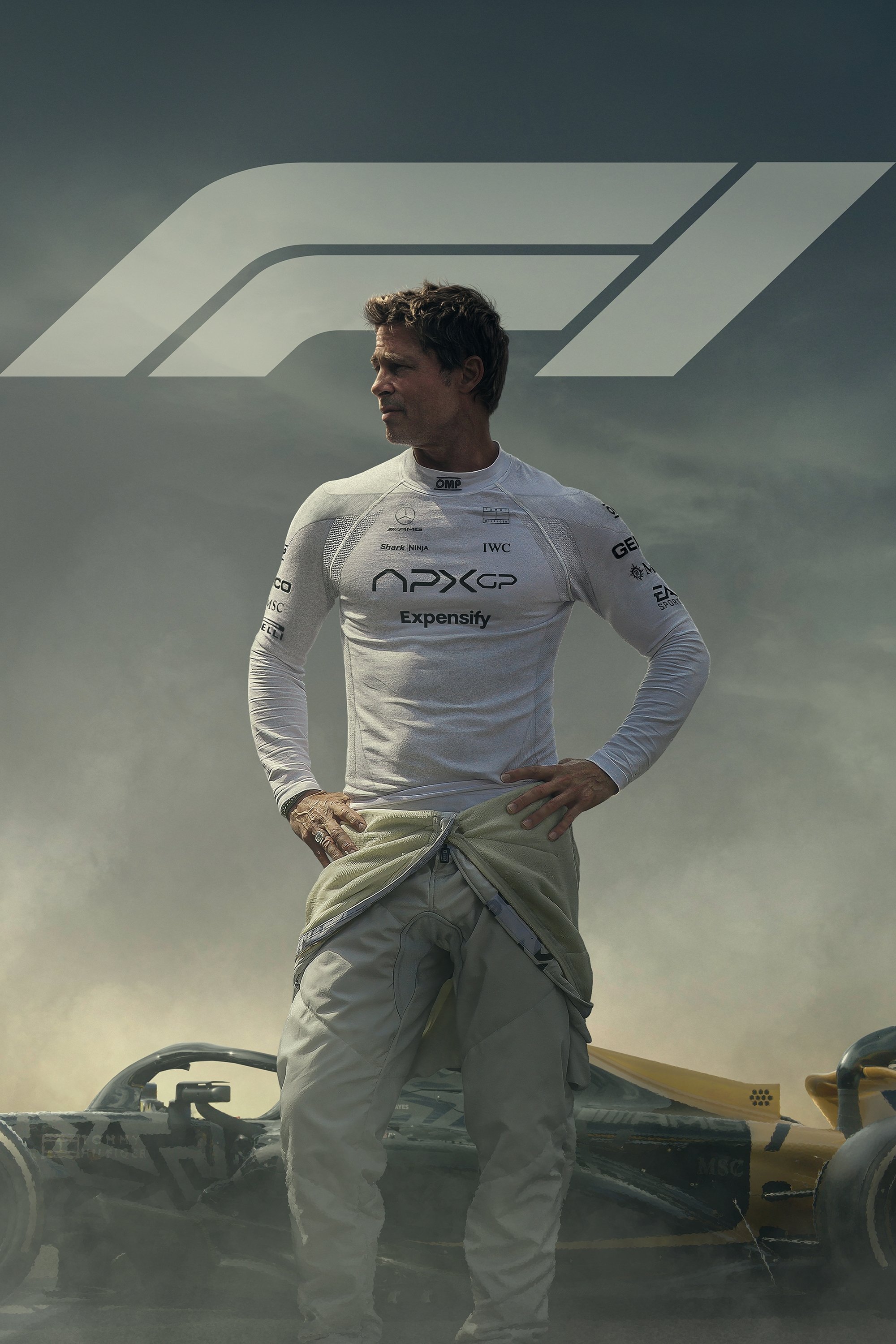
Director Joseph Kosinski applies the groundbreaking filming techniques used in his previous aerial work to the high-speed world of Formula 1 racing. The production utilized real race cars modified to carry IMAX cameras for an immersive sense of speed and authenticity. Visual effects artists worked seamlessly to enhance track environments and crowd simulations without breaking the immersion of practical stunts. This film aims to replicate the visceral experience of the cockpit through invisible effects work that enhances reality rather than replacing it.
‘Frankenstein’ (2025)
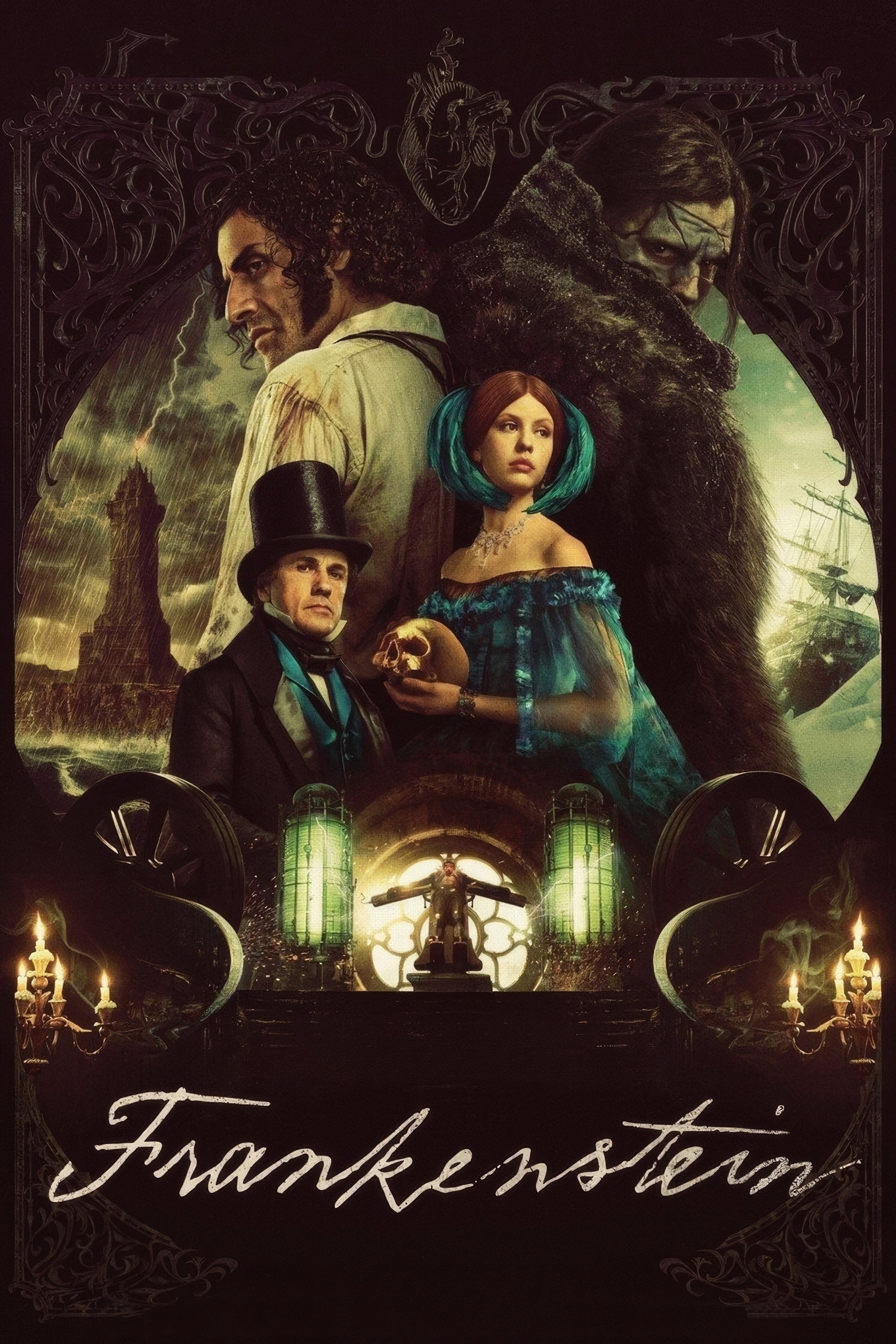
Guillermo del Toro creates a visually dense adaptation of the classic Mary Shelley novel with his signature gothic style. The creature design combines intricate practical makeup effects with digital enhancements to bring the reanimated being to life. Visual effects work extends to the atmospheric period settings that reflect the internal torment of the characters. The production emphasizes tactile textures and lighting to ground the horror elements in a heightened reality.
‘Jurassic World Rebirth’ (2025)
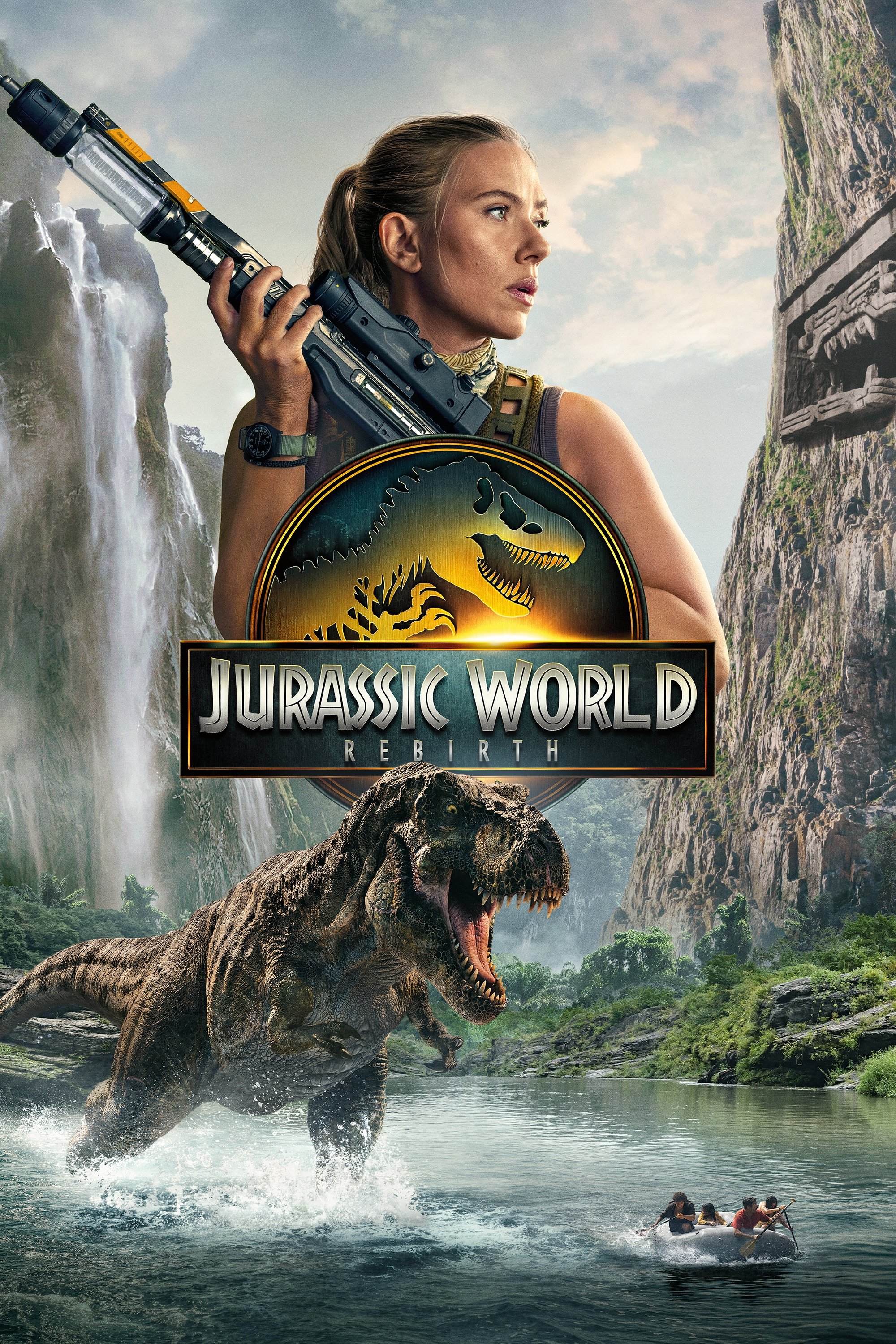
Gareth Edwards takes the helm to steer the dinosaur franchise into a new era with a focus on scale and perspective. The visual effects team was tasked with rendering prehistoric creatures that interact convincingly with tropical environments and human actors. Advances in muscle simulation and skin texturing allow for more realistic animal movements during intense action sequences. This entry introduces fresh dinosaur species that required extensive creature design and animation work to differentiate them from previous iterations.
‘The Lost Bus’ (2025)

Paul Greengrass directs this harrowing survival story set against the backdrop of the devastating 2018 Camp Fire in California. The visual effects crew faced the challenge of recreating massive wildfires that consume the landscape with terrifying realism. Smoke simulations and digital fire were carefully composited with live-action footage to depict the encroaching inferno. The film relies on these environmental effects to establish the high stakes for the bus driver and his passengers.
‘Sinners’ (2025)
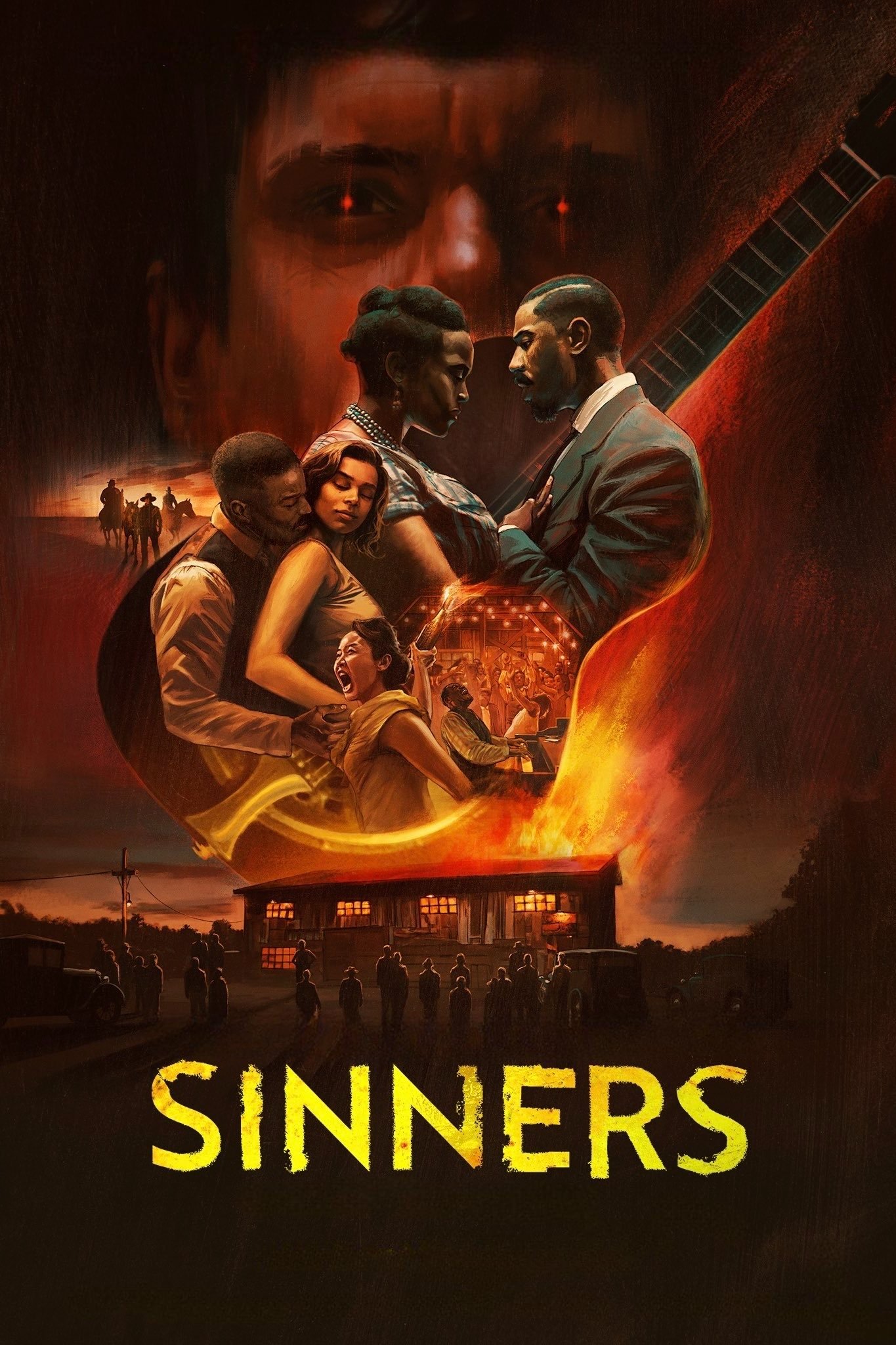
Ryan Coogler reunites with Michael B. Jordan for a supernatural thriller that delves into Southern gothic folklore. The visual effects contribute to the terrifying atmosphere through subtle environmental manipulation and creature enhancements. Artists worked to establish a distinct period look that integrates paranormal elements into a grounded historical setting. The film utilizes shadow and light play to hide its supernatural threats until the pivotal moments of revealing terror.
‘Superman’ (2025)
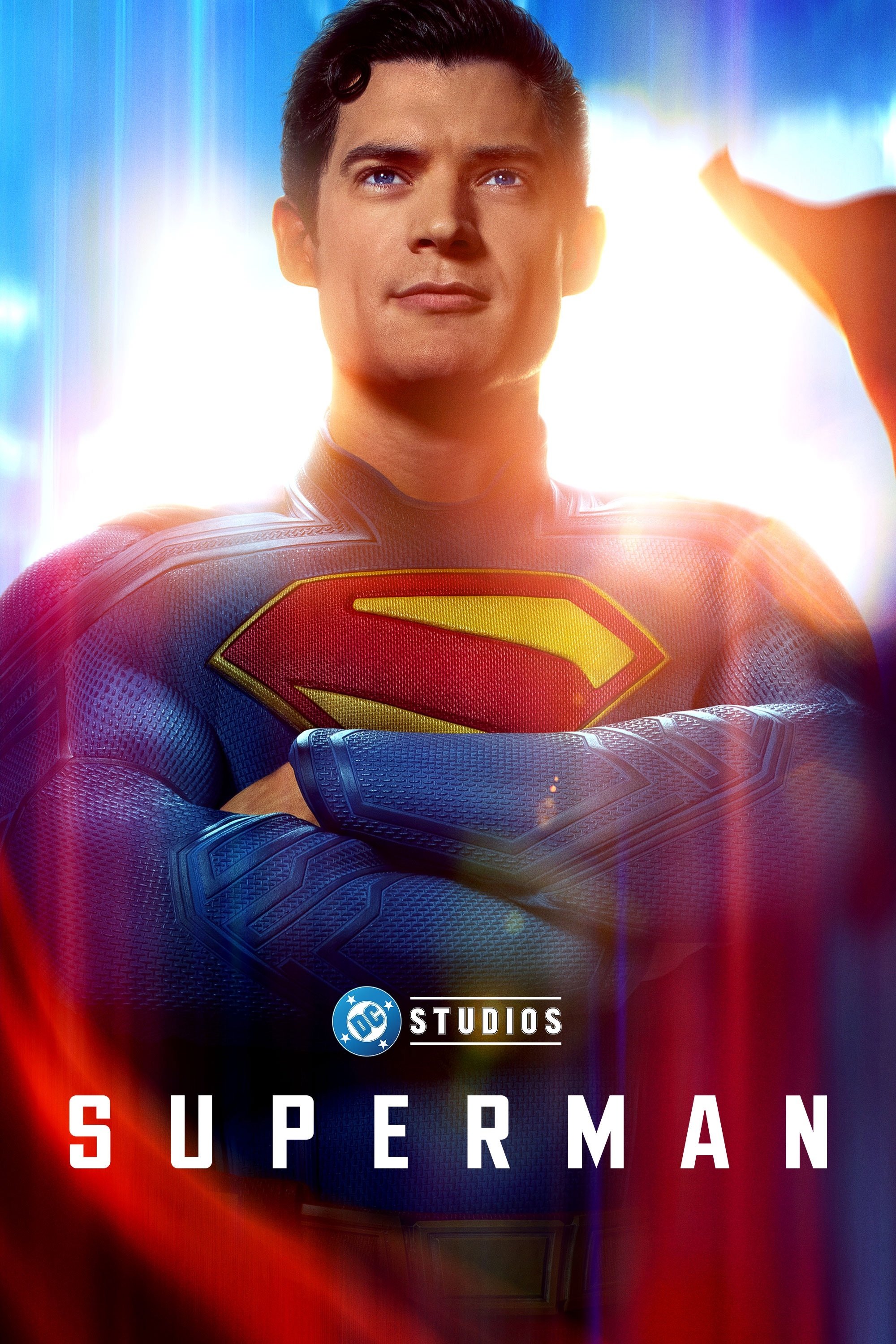
James Gunn launches the new DC Universe with a vibrant interpretation of the Man of Steel and his capabilities. The visual effects team crafted a modern Metropolis that balances futuristic architecture with a classic comic book aesthetic. Flight sequences required innovative digital doubles and background rendering to convey weight and velocity. The production highlights the distinct visual signatures of various superhero abilities displayed throughout the narrative.
‘Tron: Ares’ (2025)
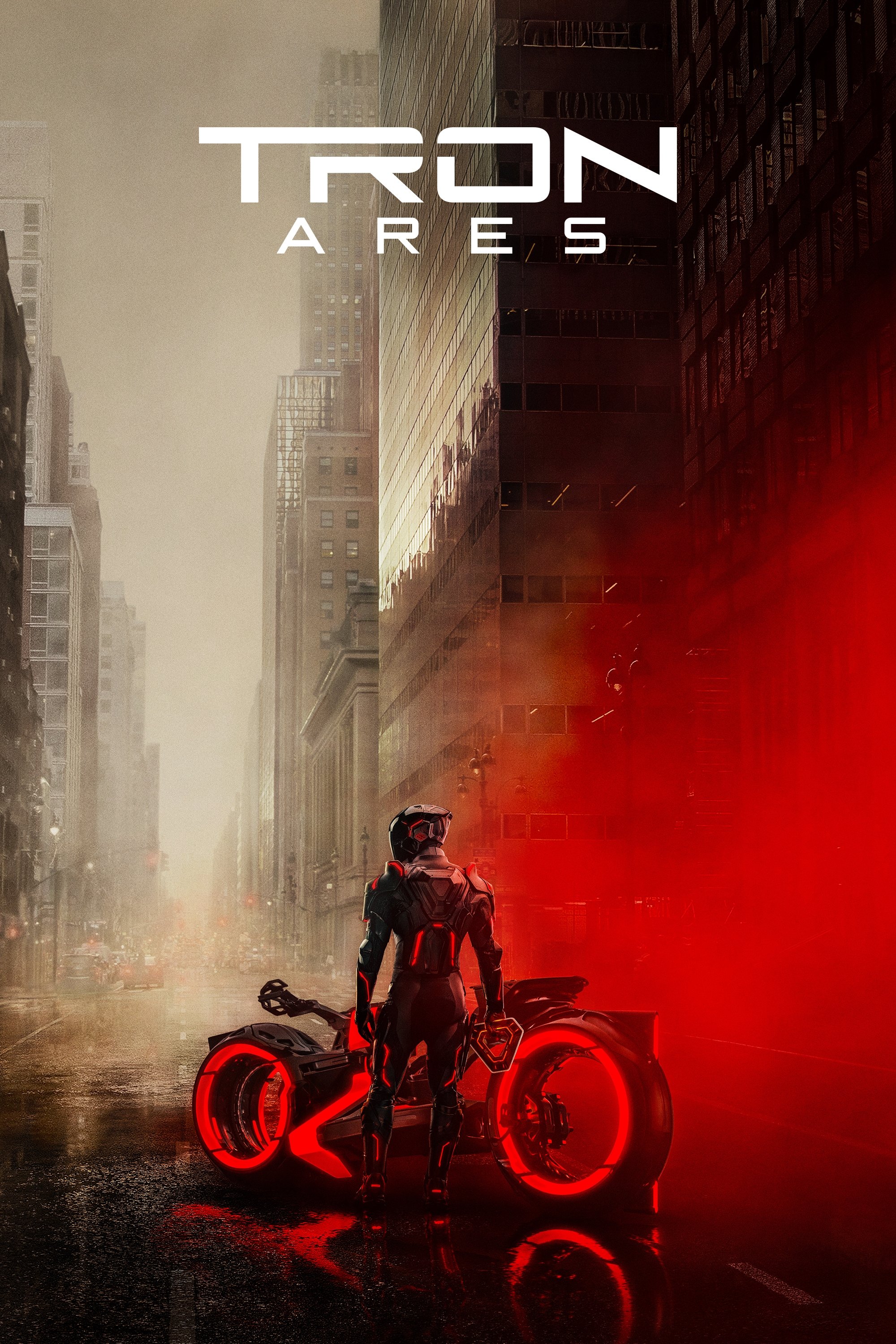
The Grid crosses over into the real world in this visually ambitious continuation of the sci-fi franchise. Visual effects artists were challenged to blend the sleek neon aesthetics of the digital realm with gritty urban environments. The film features updated designs for light cycles and identity discs that retain their iconic glow while interacting with physical physics. High-contrast lighting and digital compositing serve as the primary tools for bridging the two distinct realities.
‘Wicked: For Good’ (2025)
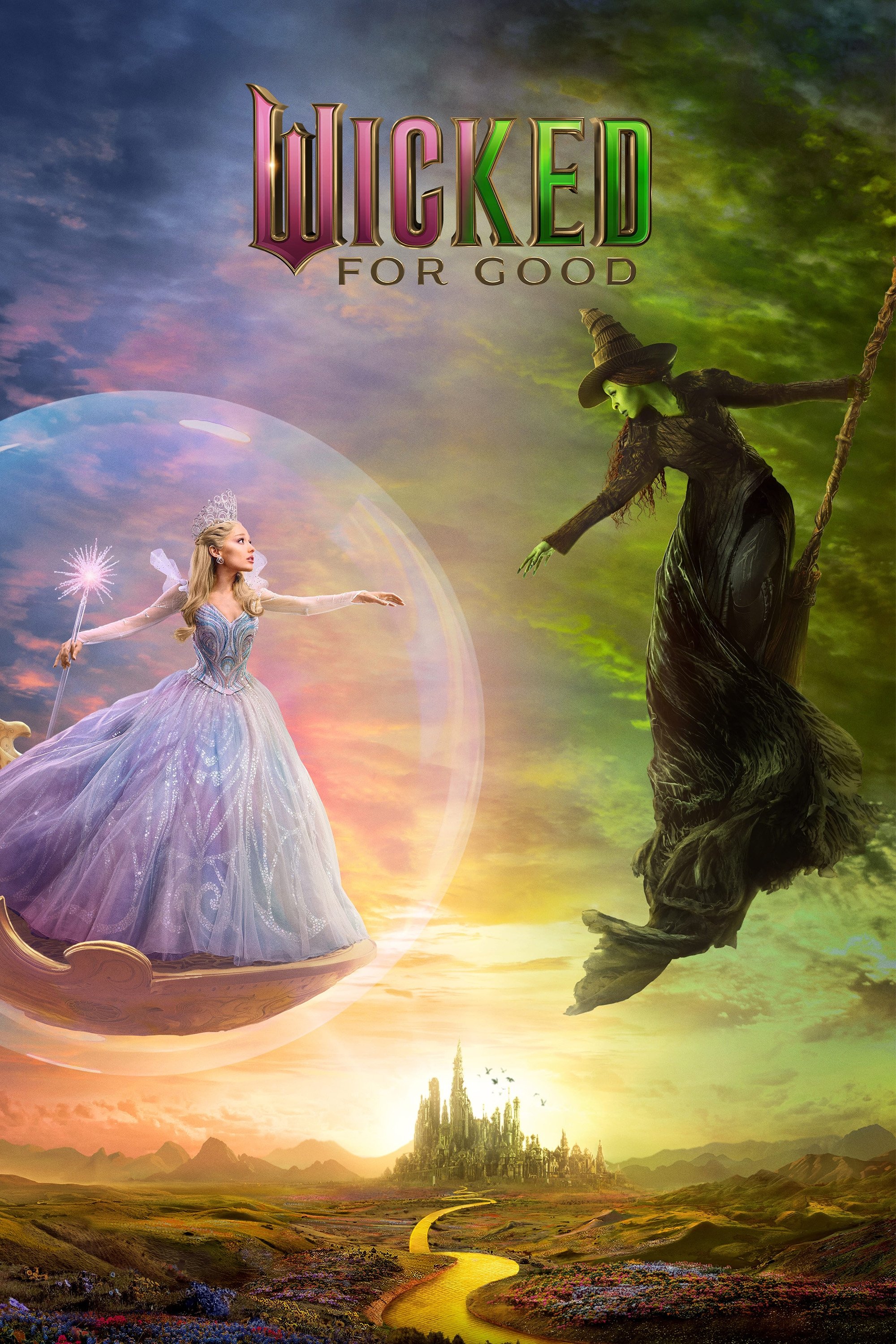
The cinematic journey to Oz concludes as Elphaba and Glinda face the consequences of their choices in the Emerald City. This second chapter expands the magical landscape with elaborate digital set extensions and gravity-defying spell effects. The visual effects team populated the screen with flying monkeys and fantastical creatures that inhabit the vibrant world. Viewers experience the full grandeur of the wizard’s domain through sweeping virtual camera movements and colorful particle simulations.
Share your thoughts on which of these films deserves to take home the Oscar in the comments.