


The Best Actors Who Have Played Martin Luther King Jr., Ranked

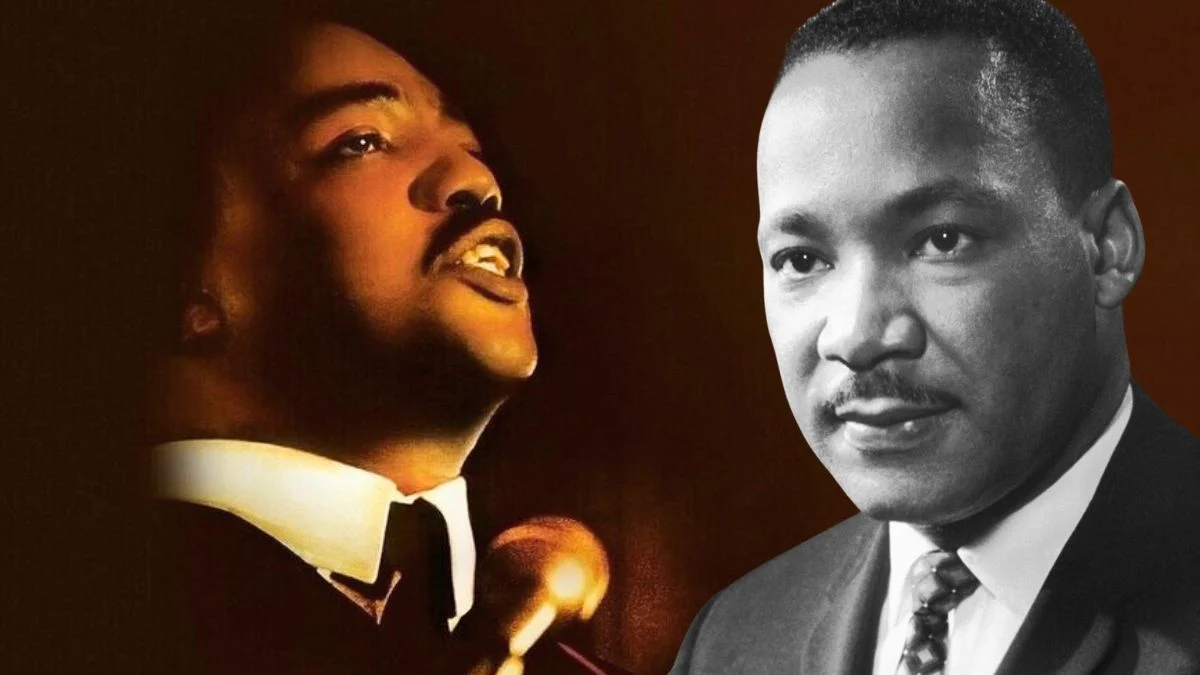


Bringing Martin Luther King Jr. to life on screen or stage takes deep research, careful attention to cadence and movement, and a precise understanding of the civil rights timeline. Many performers have stepped into the role across films, limited series, and plays, each working from different chapters of King’s public and private life to show how strategies, sermons, and relationships shaped the movement.
Some projects focus on the Montgomery bus boycott and King’s early rise. Others capture hard negotiating around voting rights or the final hours at the Lorraine Motel. The roles listed here span feature films, TV dramas, animated storytelling, and Broadway and West End stages, with performers drawing on archival footage, speeches, and biographies to ground their portrayals in verifiable detail.
10. Kevin Michael Richardson
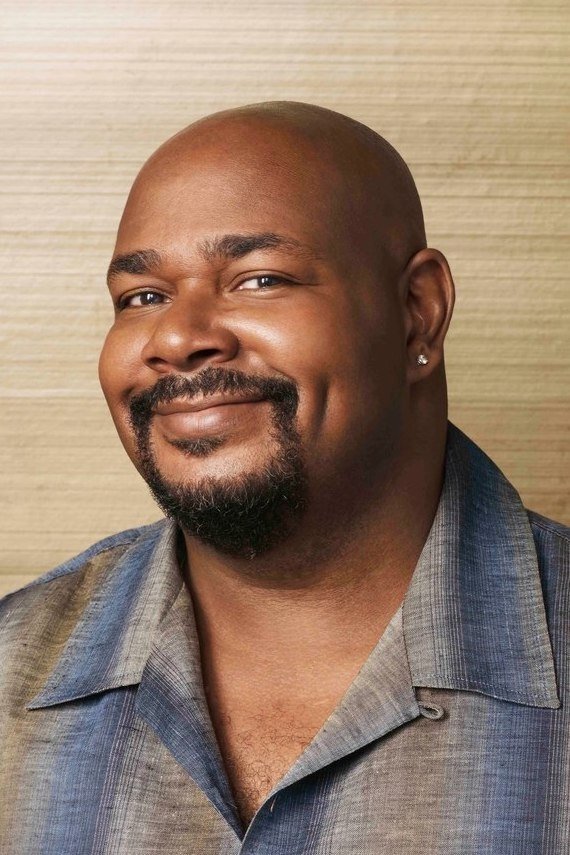
In the animated series ‘The Boondocks’, the episode ‘Return of the King’ imagines King surviving his assassination and finding his voice in a new century. Kevin Michael Richardson provides the speaking performance for King, matching phrasing and pacing while the production blends satire with references to real speeches and events.
The episode uses archival style cutaways and contemporary settings to contrast past and present organizing. Richardson’s voice work tracks recognizable inflection patterns from historical recordings, and the creative team frames King’s message through a modern media lens to underscore how rhetoric and strategy travel across generations.
9. Malik Yoba
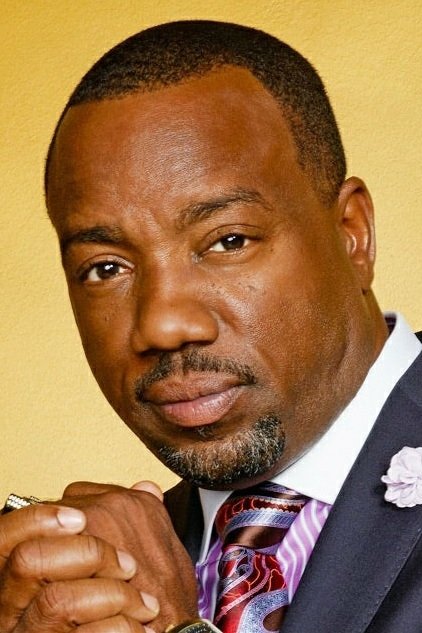
The Lifetime film ‘Betty & Coretta’ centers on Coretta Scott King and Betty Shabazz and follows their parallel paths after the deaths of their husbands. Malik Yoba appears as King in scenes that highlight family life, public pressure, and the demands of constant travel during campaigns.
The film stages strategy meetings and home conversations to show how planning, security risks, and national media attention intersected with day to day routines. Wardrobe, hair, and makeup departments align with period photography, and dialogue references verified milestones in the movement to anchor the dramatization.
8. Clifton Powell
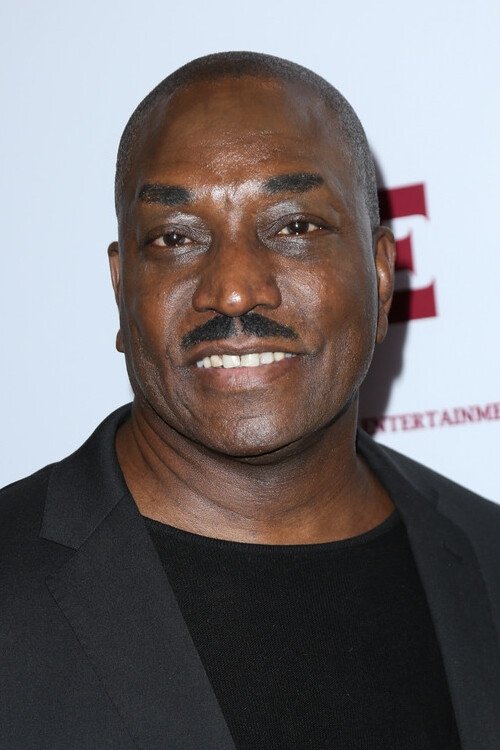
Disney’s ‘Selma, Lord, Selma’ tells the story of the voting rights fight through the perspective of a young witness in Alabama. Clifton Powell portrays King as he organizes in churches, addresses packed congregations, and coordinates with local leaders ahead of marches.
Scenes chart the lead up to major demonstrations with attention to choir rehearsals, clergy briefings, and logistics like routes and permits. Powell’s performance is staged around the call and response energy of mass meetings, and the production folds in period songs and signage to mirror the documented visual language of the era.
7. Nelsan Ellis
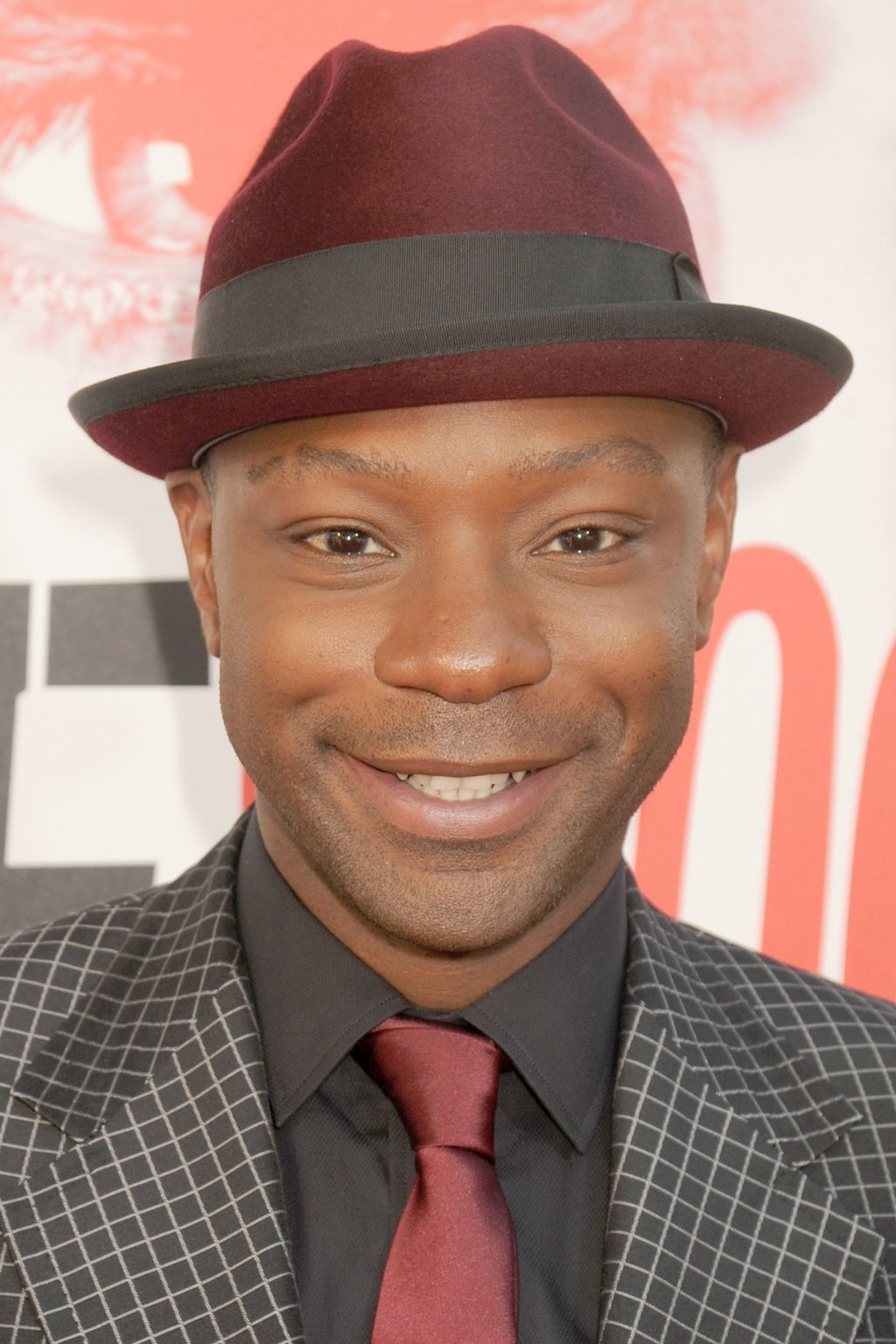
In ‘The Butler’, Nelsan Ellis appears as King during a key dinner sequence that discusses nonviolence, protest tactics, and how movement strategies relate to national politics. The film builds the moment around a private conversation that connects student activism to White House policy.
Ellis’s scenes reference historic debates over sit ins, freedom rides, and labor alliances. Production design places newspapers, photographs, and table settings consistent with the time, while the script situates King within a network of organizers and families whose choices shaped the pace of change.
6. Brandon J. Dirden
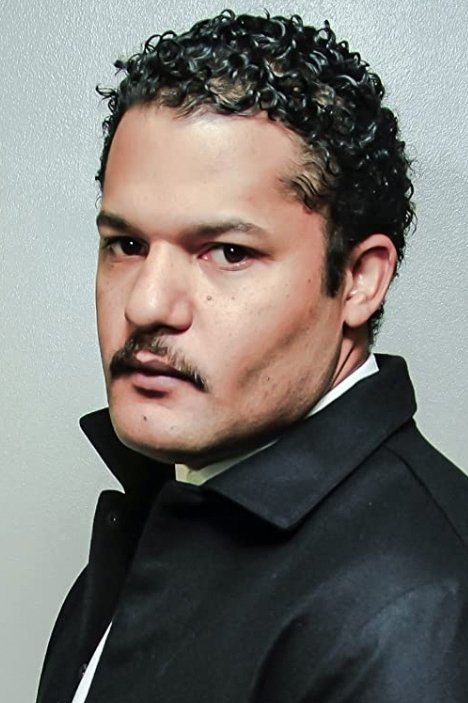
On Broadway’s ‘All the Way’, Brandon J. Dirden plays King opposite Bryan Cranston’s Lyndon B. Johnson as the production traces the push to pass the Civil Rights Act and the political tradeoffs that followed. The staging focuses on closed door meetings, caucus counts, and coalition management across civil rights organizations.
Dirden’s performance incorporates sermon cadence during public moments and a lower, clipped rhythm during strategy sessions to reflect shifts from pulpit to policy table. The production uses rolling set pieces tagged with dates and locations so audiences can track timelines from the Oval Office to convention floors.
5. Samuel L. Jackson
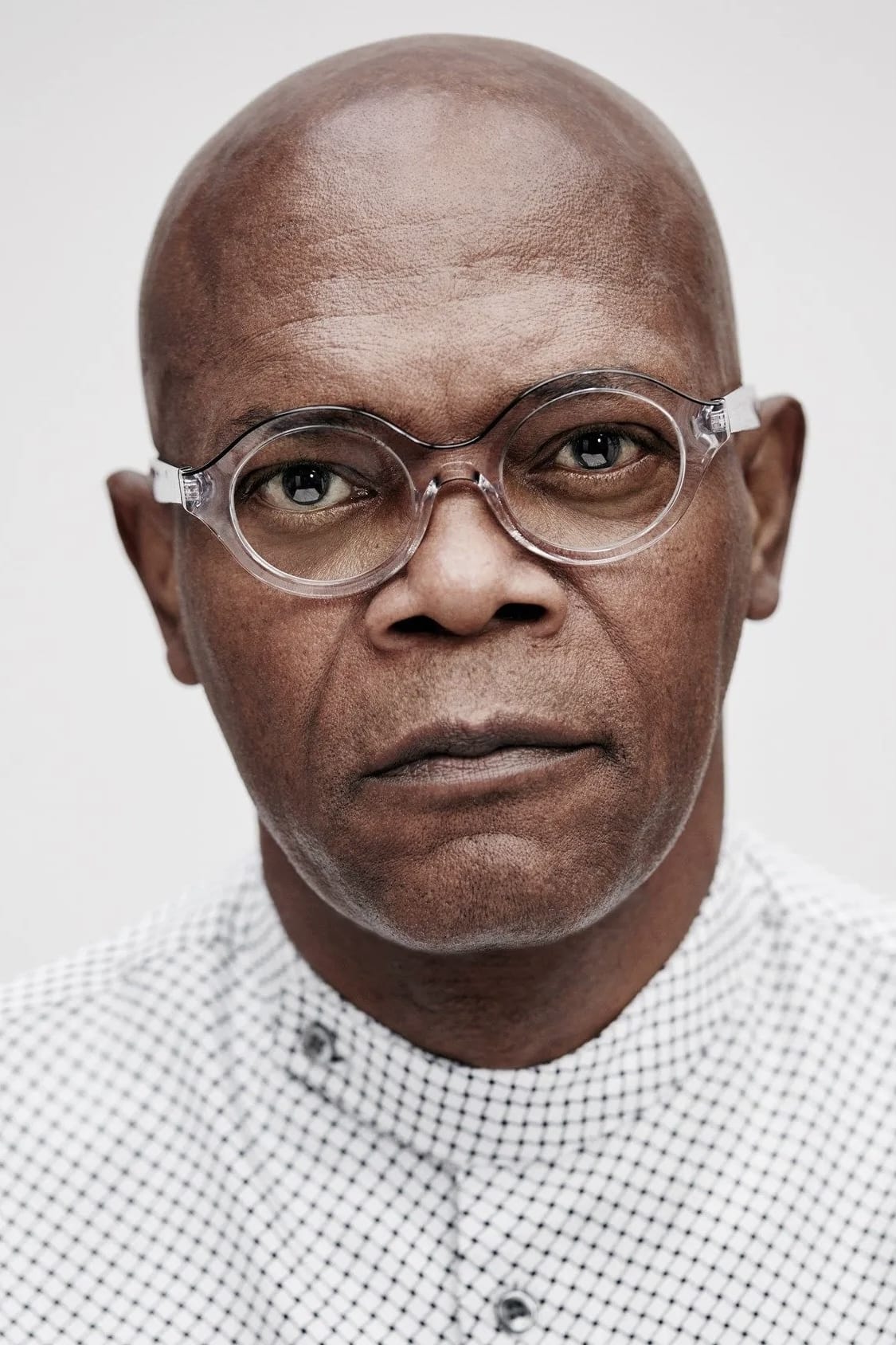
‘The Mountaintop’ is a two character play by Katori Hall set in a Memphis motel room on the night before King’s assassination. Samuel L. Jackson’s performance unfolds in real time as the script blends historical detail with imagined conversation about fear, fatigue, and unfinished work.
The play’s structure places King away from crowds and cameras, so props, lighting cues, and pauses carry added weight. Jackson works within that minimal setting to echo familiar vocal patterns during recollections of speeches while also showing the private side of a public figure during late night planning.
4. Anthony Mackie
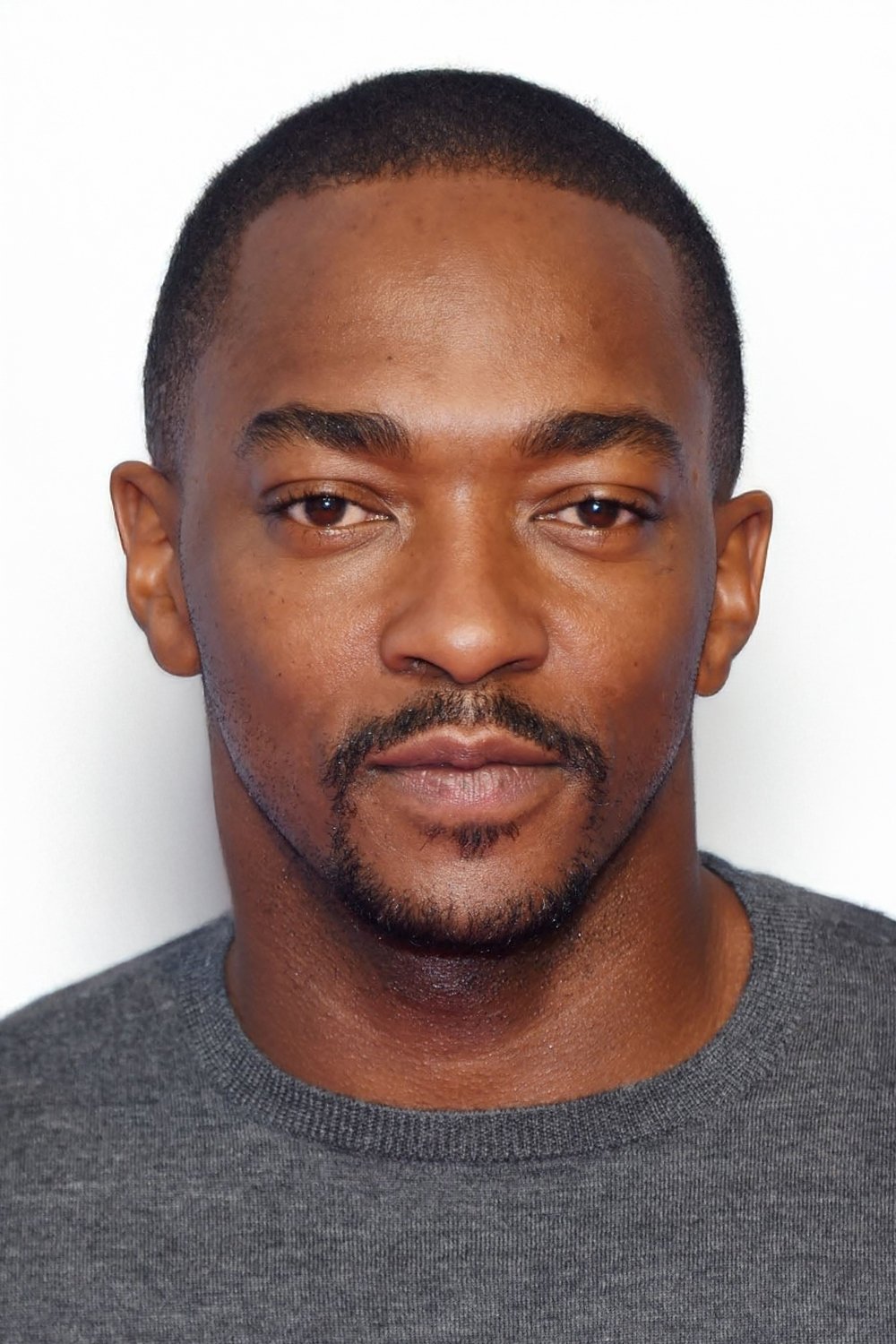
In HBO’s ‘All the Way’, Anthony Mackie portrays King during high stakes negotiations with the White House as the film follows legislative milestones and political conventions. The production recreates meetings with advisers, split screen news coverage, and press briefings to map how public messaging and back room bargaining connected.
Mackie’s scenes cover coalition building across civil rights groups and campaigns that expanded beyond desegregation to voting rights and economic justice. The film employs period accurate sets and costumes and aligns its timeline with documented phone calls and memos that shaped the national agenda.
3. Paul Winfield
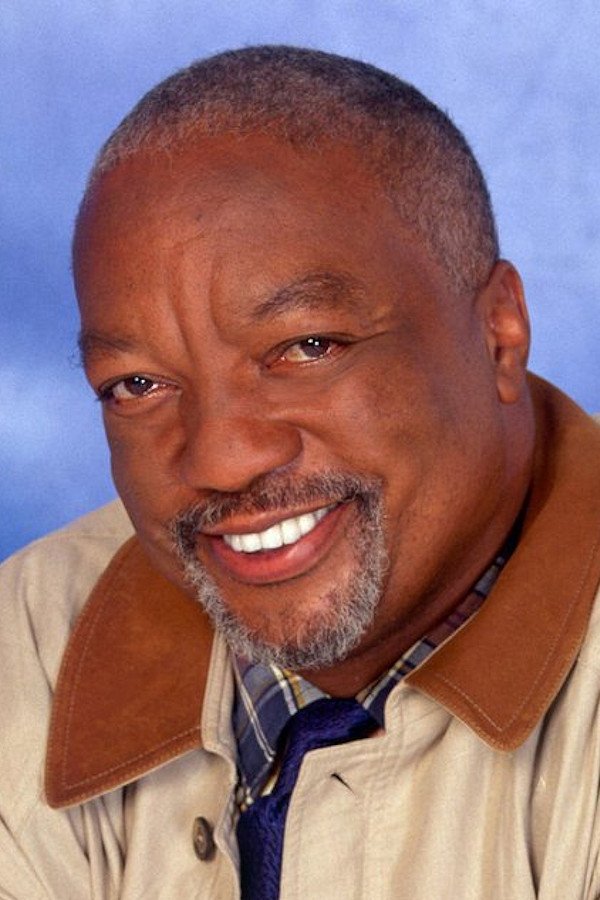
The television miniseries ‘King’ follows Martin Luther King Jr. from the early pastorate through major campaigns, jail time, Nobel recognition, and the final march in Memphis. Paul Winfield’s portrayal tracks both public addresses and private planning sessions with clergy and organizers.
The production uses chaptered episodes to anchor viewers in different cities and campaigns with intertitles and recreated news coverage. Winfield’s vocal work mirrors the measured rise and fall of King’s sermons, and the series charts movement inflection points such as sit ins, freedom rides, and federal interventions.
2. Jeffrey Wright
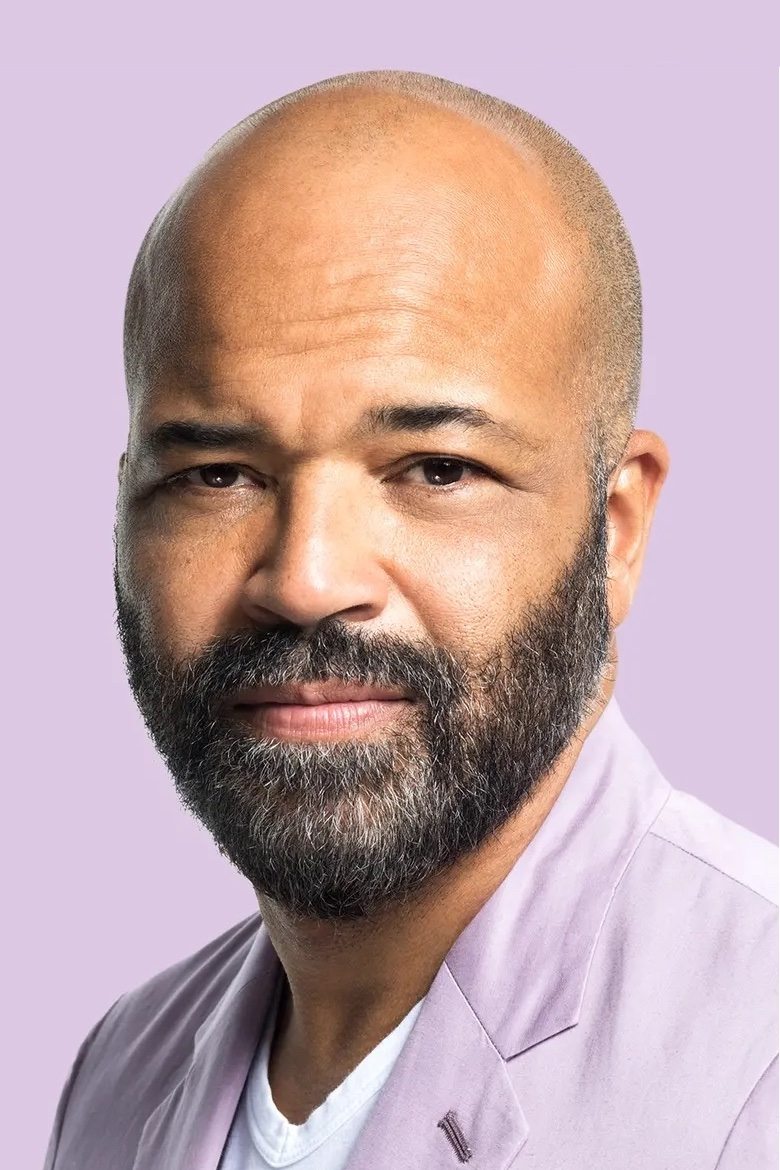
HBO’s ‘Boycott’ concentrates on the Montgomery bus boycott and shows King emerging as a movement leader while working with local activists and national allies. Jeffrey Wright’s portrayal emphasizes the pressure of legal battles, nightly mass meetings, and the coordination of carpools and fundraising.
The film integrates courtroom scenes, church gatherings, and newsreel style sequences that reference real leaflets, leaf pickup points, and volunteer dispatch systems. Wright’s performance aligns with recorded speech patterns from early addresses, and the production tracks key court rulings and negotiating sessions that shaped the boycott’s outcome.
1. David Oyelowo
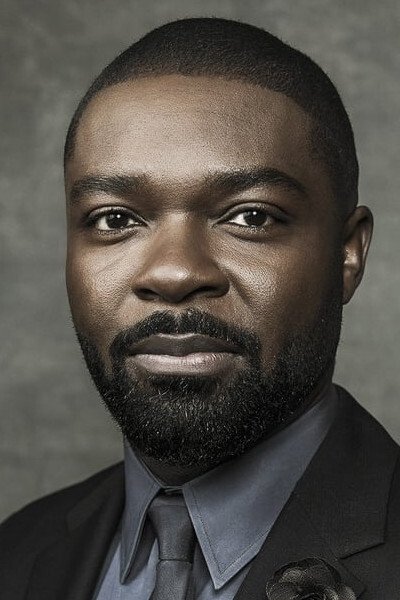
Ava DuVernay’s film ‘Selma’ follows the voting rights campaign that led to the Selma to Montgomery marches and the passage of federal legislation. David Oyelowo studied King’s cadence, posture, and breathing to deliver speeches that match archival rhythm while the script compresses events to fit a feature runtime.
The production filmed in historic locations with period signage and crowd choreography that parallels documented march routes and bridge confrontations. Oyelowo’s work sits within a cast that includes organizers, local officials, and federal figures, and the film’s release prompted renewed public attention to voting rights history and policy.
Share your own picks in the comments and tell us which performances you think captured King’s legacy most effectively.