


The Best Actors Who Have Played Napoleon Bonaparte, Ranked

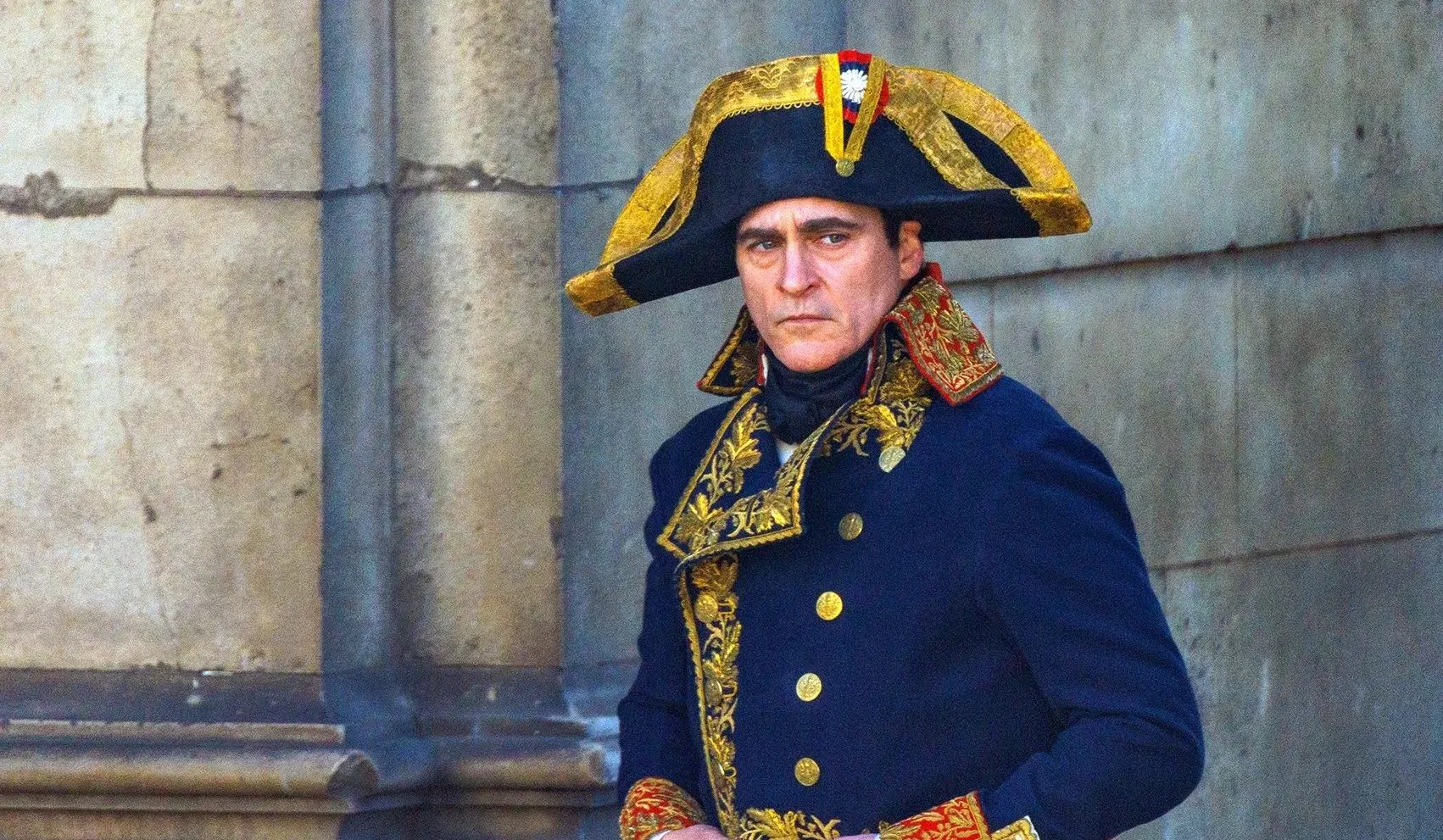


Napoleon Bonaparte has appeared across film and television in dramas, comedies, and sweeping historical epics. Productions in France, the United Kingdom, the United States, Italy, and Russia have all put him on screen, drawing from biographies, classic literature, and imaginative what if stories. Directors have used everything from silent era innovations to large scale battle recreations and modern visual effects to tell his story.
These portrayals span every part of his life from early campaigns and courtship to the imperial court and exile. Some projects focus on military strategy and statecraft, while others follow relationships with Josephine and close allies. Together they show how often filmmakers return to the same figure and how widely the role has been interpreted in different formats that include feature films, limited series, and family adventures.
Pierre Mondy
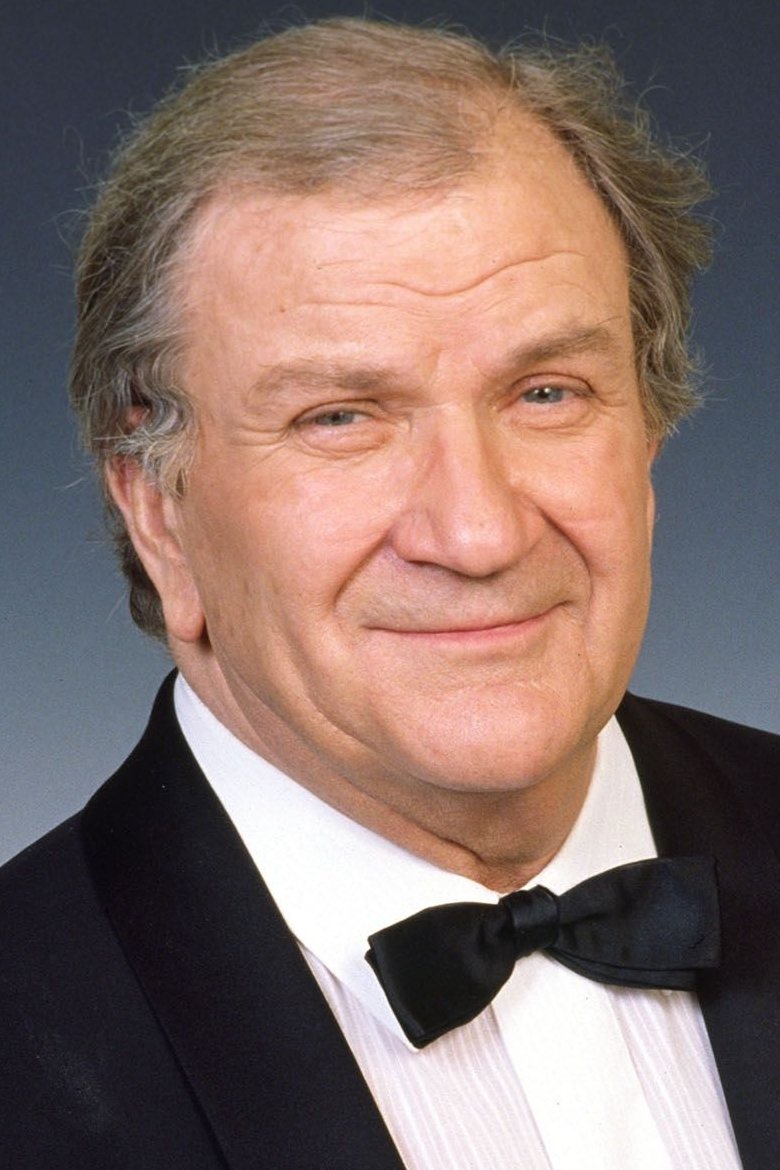
Pierre Mondy played Napoleon in the French historical film ‘Austerlitz’, a production that recreates the campaign leading to the decisive battle of the same name. The film presents councils of war, diplomatic maneuvers, and battlefield planning, placing Mondy at the center of staff meetings and strategy sessions. Director Abel Gance used large ensemble scenes and period costumes to stage the political and military environment around the imperial court.
Mondy’s screen time includes interactions with marshals and ministers as the army advances toward Central Europe. Location work and studio sets combine to show headquarters, map tables, and parade grounds. The film focuses on operational detail and the chain of command as events converge on one of Napoleon’s most studied victories.
Terry Camilleri
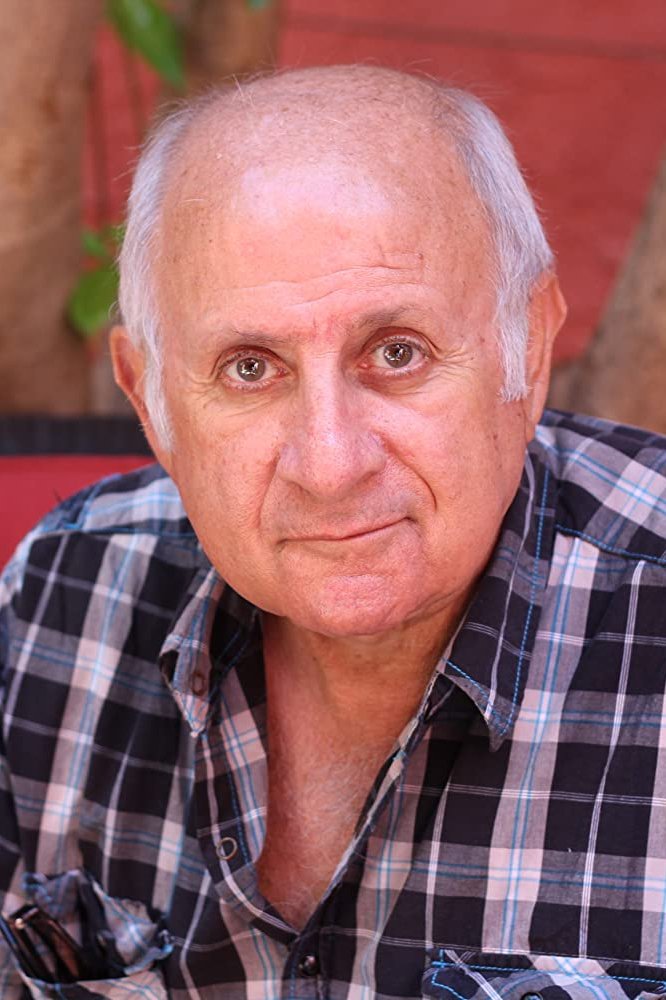
Terry Camilleri appears as Napoleon in the time travel comedy ‘Bill & Ted’s Excellent Adventure’. The character is pulled from a battlefield through a time portal and dropped into suburban California, where he becomes an unexpected tag along in the protagonists’ history project. Scenes place him in everyday American settings that contrast with his original era.
The film uses the fish out of water premise to move him through a bowling alley, an ice cream challenge, and a water park that plays on his past campaigns. Dialogue and sight gags reference tactics and reputation, while props like toy soldiers and maps act as callbacks to the period. Camilleri’s Napoleon is central to several set pieces that tie the historical figure to modern culture.
Alain Chabat
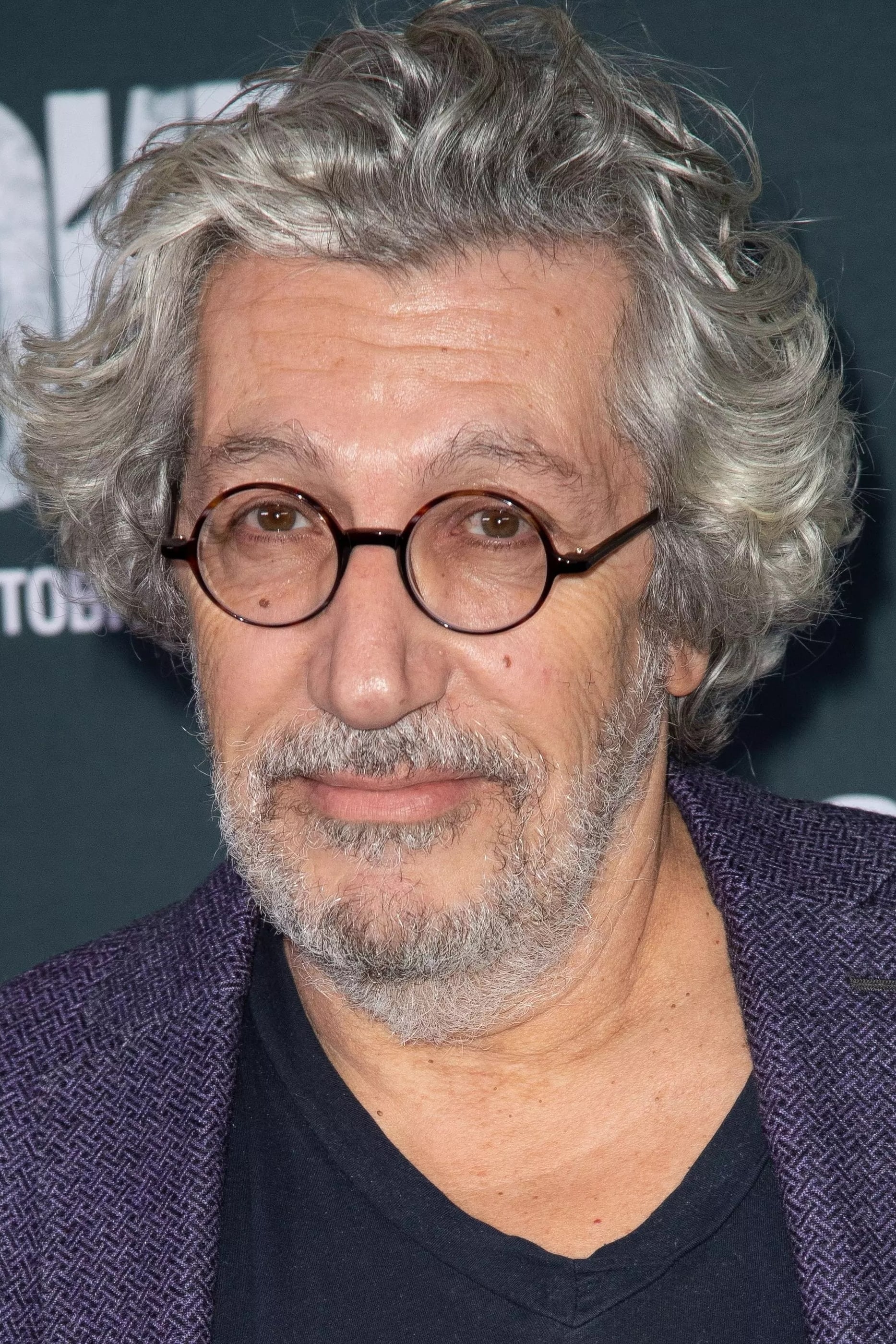
Alain Chabat portrays Napoleon in ‘Night at the Museum: Battle of the Smithsonian’. The character is one of the museum exhibits that come to life after hours inside the Smithsonian complex. He appears alongside other revived figures as part of a coalition assembled by the main antagonist.
Production design places him among aircraft, monuments, and gallery halls that mirror real Washington spaces. The script gives him exchanges with other characters drawn from different eras, creating cross period encounters. Costuming, language quirks, and prop selection underline his identity while the plot uses the museum setting to stage chases and comic confrontations.
Armand Assante
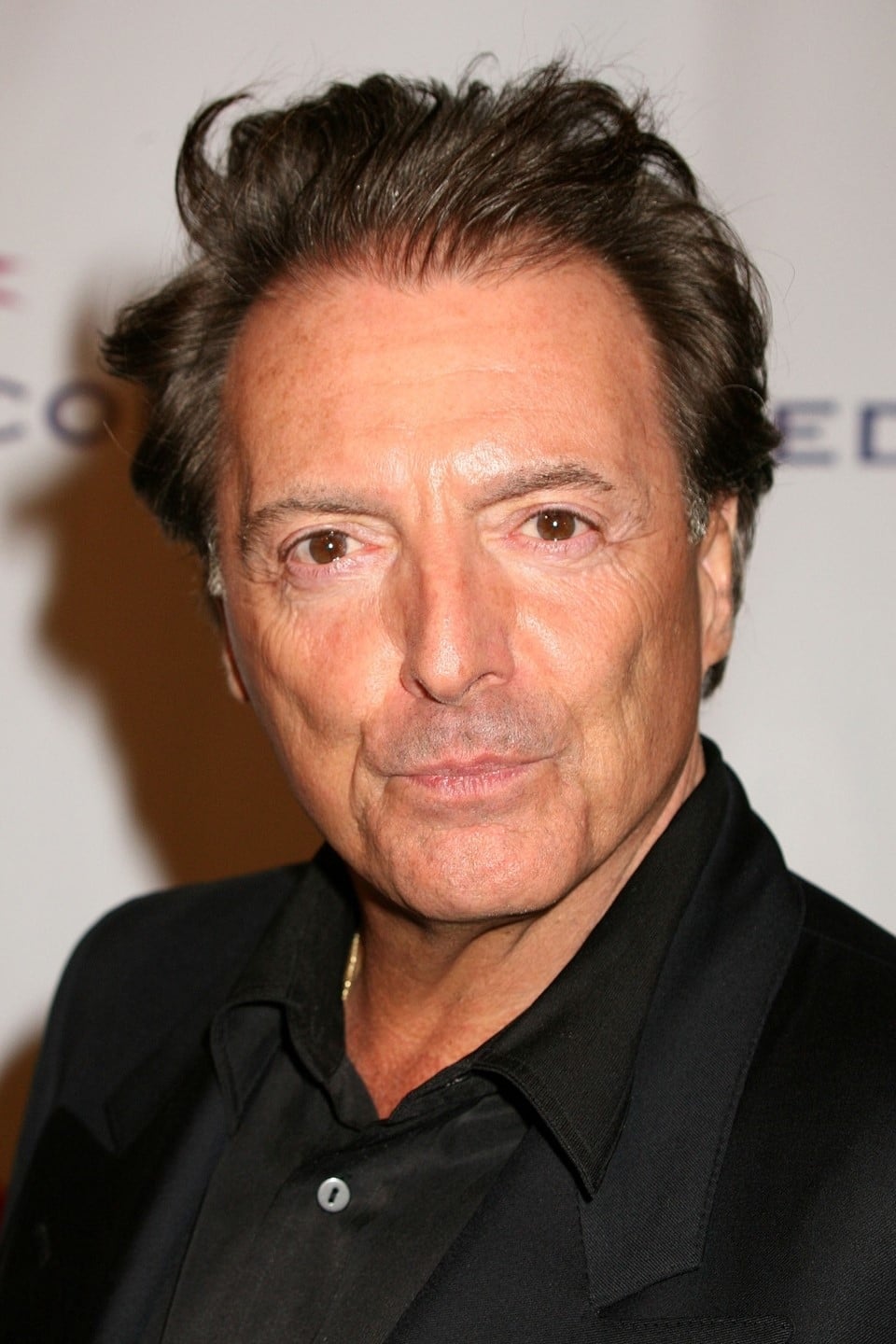
Armand Assante leads the ABC miniseries ‘Napoleon and Josephine: A Love Story’, which concentrates on the relationship between the future emperor and Josephine. The three part format follows their courtship, marriage, and political ascent, intercut with campaigns and shifting alliances. The production uses palaces, salons, and military headquarters to cover private and public life.
The series brings in a large supporting cast as diplomats, generals, and family members move through the narrative. It uses recurring motifs like letters and official proclamations to track how personal choices intersect with state affairs. Location work and soundstage sets recreate French, Italian, and Egyptian backdrops to align the romance with historical events.
Mathieu Amalric
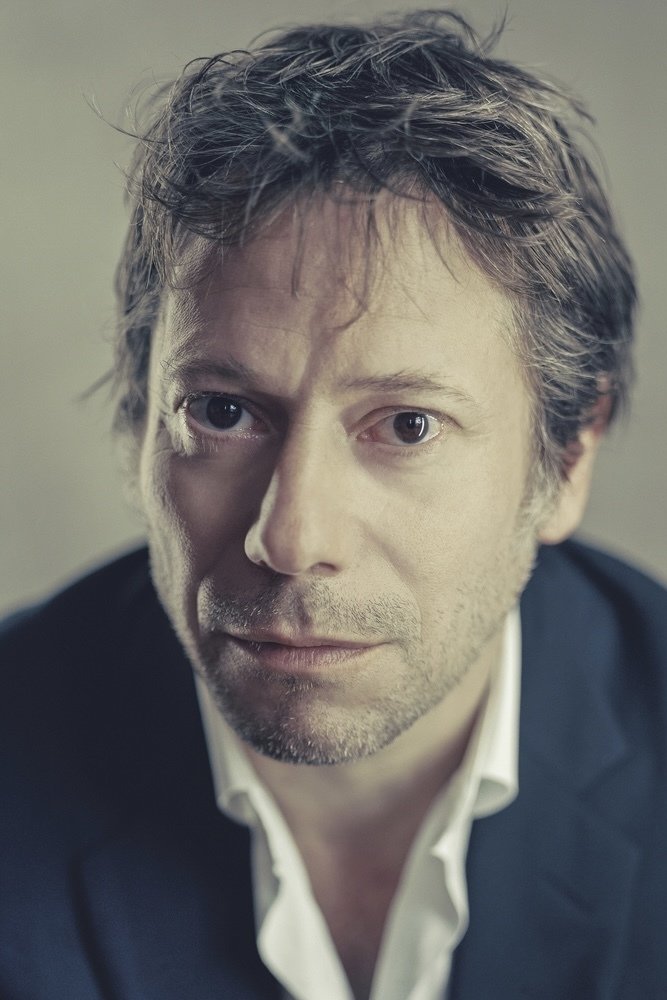
Mathieu Amalric plays Napoleon in the BBC adaptation ‘War & Peace’. His appearances cover the diplomatic buildup to invasion and the logistics of campaigning. The production places him in command tents, carriage interiors, and war rooms alongside aides and marshals.
Sequences trace the movement of armies and the strain of supply lines as the story shifts from courts to battlefields. The series uses multilingual exchanges and letters to convey strategy and intent. Costumes and insignia are matched to period references, and the narrative situates him within the wider European conflict described by Tolstoy’s novel.
Eli Wallach

Eli Wallach takes the role in ‘The Adventures of Gerard’, an adaptation of Arthur Conan Doyle’s Hussar stories. The film follows a French cavalry officer whose exploits intersect with high command, bringing him into Napoleon’s orbit. Wallach appears in scenes that frame orders, audiences, and ceremonial occasions.
Director Jerzy Skolimowski leans on episodic structure, so Napoleon enters and exits at key plot turns. Sets and locations depict staff headquarters, parade grounds, and royal receptions. Dialogue references real campaigns and rival commanders, keeping the story anchored to the Napoleonic Wars while preserving the picaresque tone of the source material.
Herbert Lom
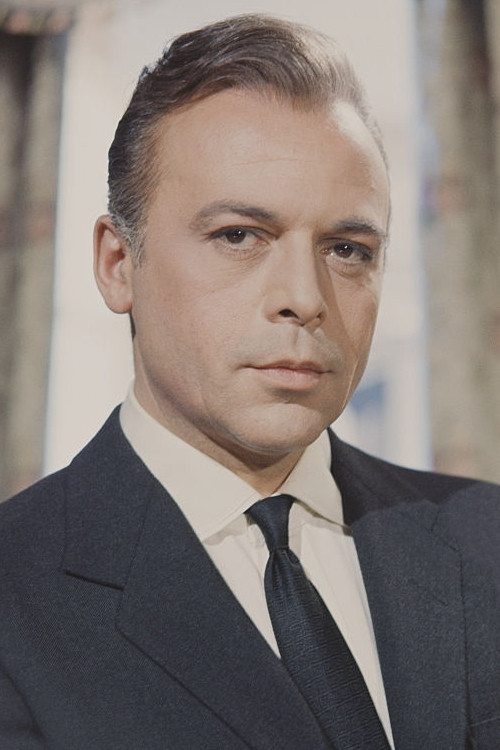
Herbert Lom portrays Napoleon in the Hollywood epic ‘War and Peace’ directed by King Vidor. The adaptation compresses Tolstoy’s narrative into a feature format, placing Lom in scenes that outline the grand strategy behind major battles. His character appears with generals and courtiers as maps and dispatches track the movement of armies.
The production uses large crowd scenes, cavalry charges, and formal balls to switch between war and society. Lom’s sequences often occur at headquarters or during ceremonial moments where proclamations are made. The film integrates his presence with parallel storylines for Pierre, Natasha, and Andrei to trace how imperial decisions affect individual lives.
Charles Boyer
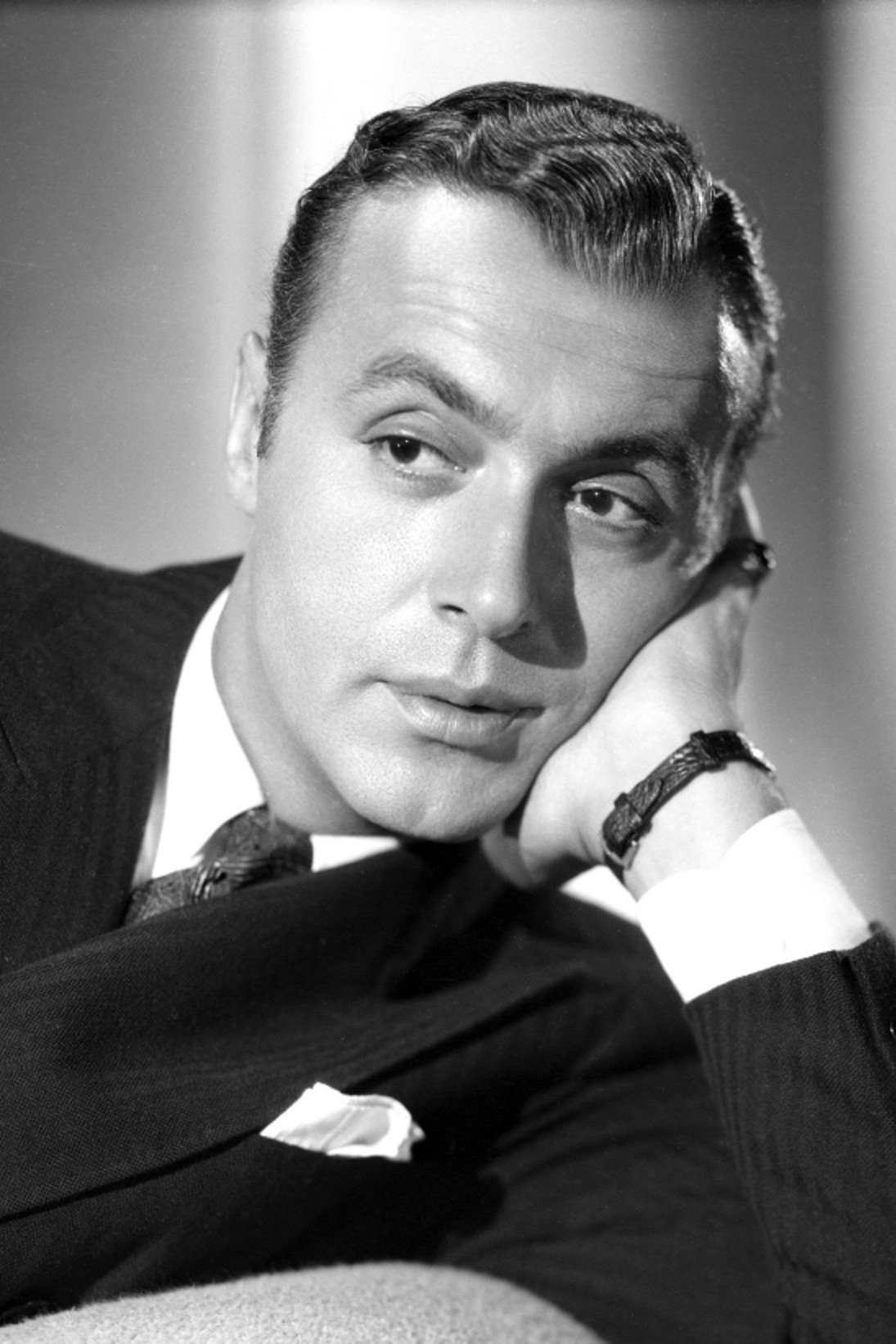
Charles Boyer plays Napoleon in ‘Conquest’, also released as ‘Marie Walewska’. The drama centers on his relationship with the Polish countess Marie Walewska and the political complications that follow. Scenes move from royal estates to imperial residences as the two navigate diplomacy and obligation.
The film was produced by MGM with elaborate costume and set design for court interiors and state functions. Boyer’s portrayal is linked to a romantic plot that intersects with the European balance of power. Contemporary awards recognition included an Academy Award nomination for Best Actor for this performance, tying the role to the studio era’s approach to historical biography.
Marlon Brando
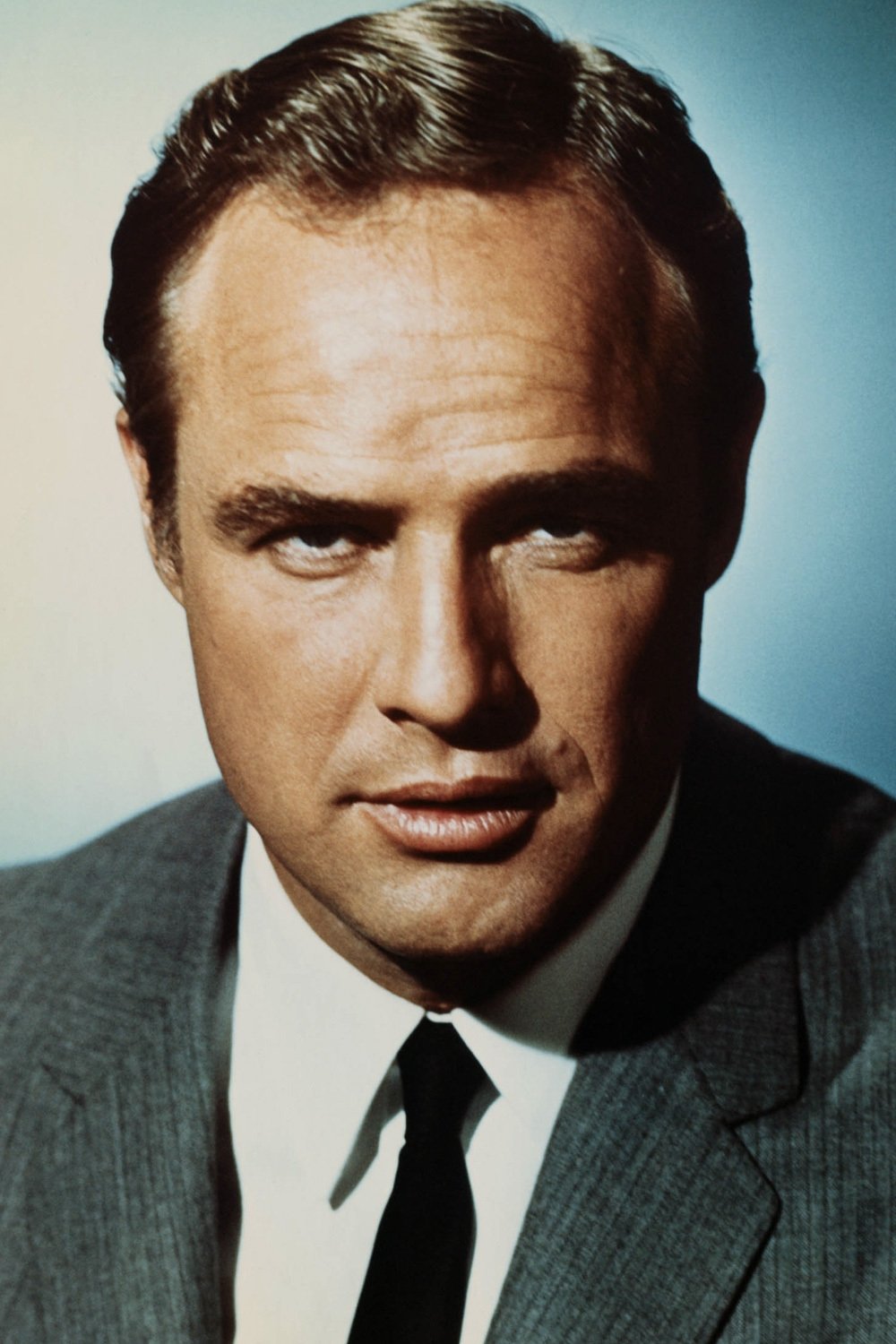
Marlon Brando appears as Napoleon in ‘Désirée’, a studio drama that tells the story of Désirée Clary’s connection to the young officer who rises to rule. The narrative follows engagements, alliances, and changing fortunes as personal relationships overlap with political ambitions.
Director Henry Koster stages audiences, military briefings, and coronation imagery using CinemaScope framing and period decor. The film includes formal receptions and diplomatic visits that highlight protocol and ceremony. Casting pairs Brando with Jean Simmons, aligning the role with a romance that traces how private commitments meet public duty.
Philippe Torreton
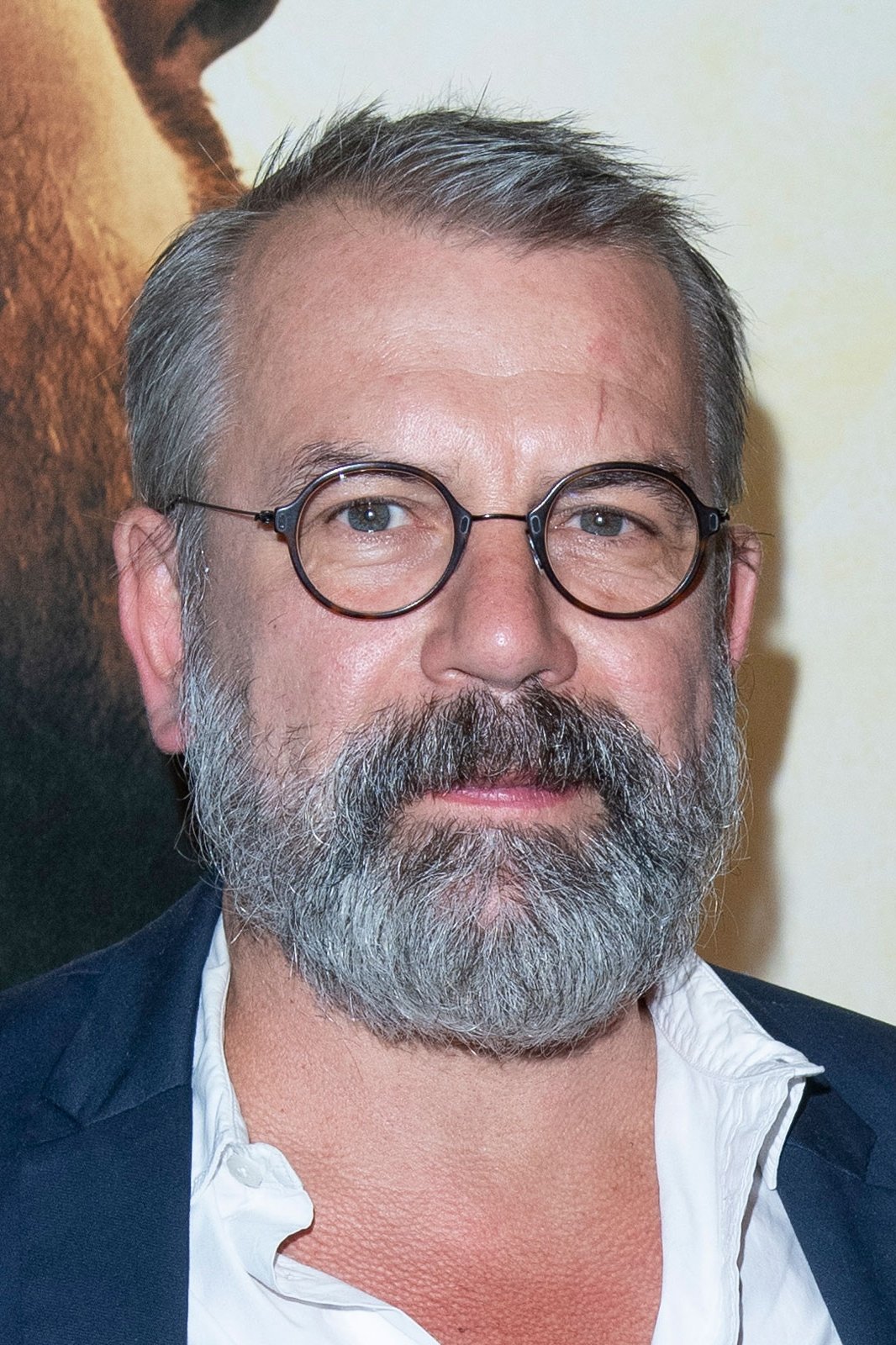
Philippe Torreton embodies Napoleon in ‘Monsieur N.’, a film that focuses on the exile to Saint Helena and the mysteries surrounding his final years. The plot examines the daily routine on the island, the supervision by British authorities, and the circle of attendants who controlled access.
Locations and production design reconstruct the governor’s residence, garrisons, and island terrain. The screenplay weaves in debates about health, security, and legacy, presenting interrogations and clandestine meetings. Director Antoine de Caunes uses official records and personal accounts to frame questions about identity and the circumstances of Napoleon’s death.
Christian Clavier
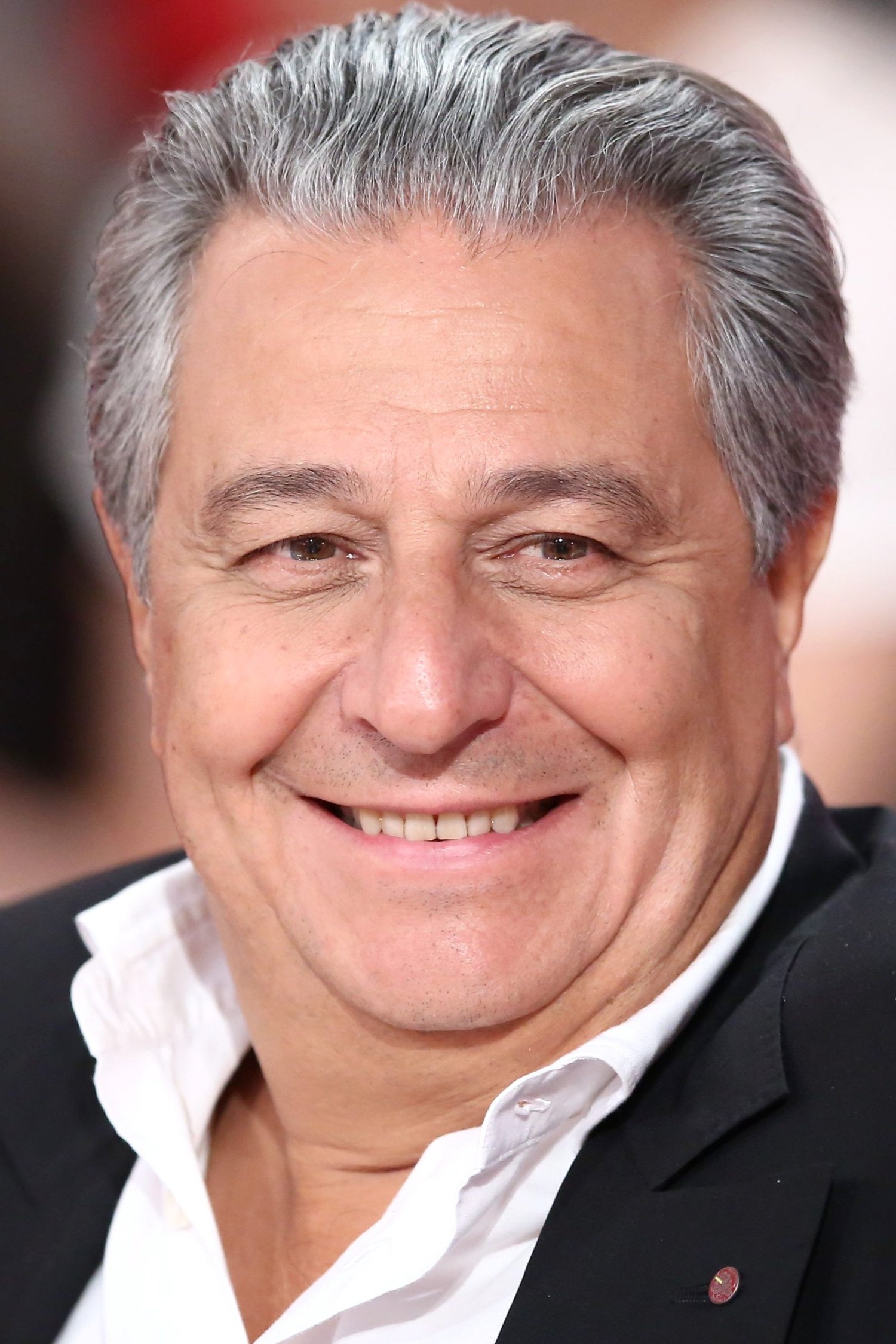
Christian Clavier headlines the four part miniseries ‘Napoléon’, an international co production broadcast in France and released abroad through partners that included A&E. The series covers early campaigns, the Consulate, the Empire, and the path to abdication and exile. Large casts of European actors portray statesmen, marshals, and family members.
Director Yves Simoneau stages battles with extensive extras and mounted units while court scenes unfold in palaces and council chambers. The production uses multiple languages and on screen translations in some versions to reflect diplomacy across borders. Its long form structure allows focus on legal reforms, propaganda, and administration as well as warfare.
Ian Holm
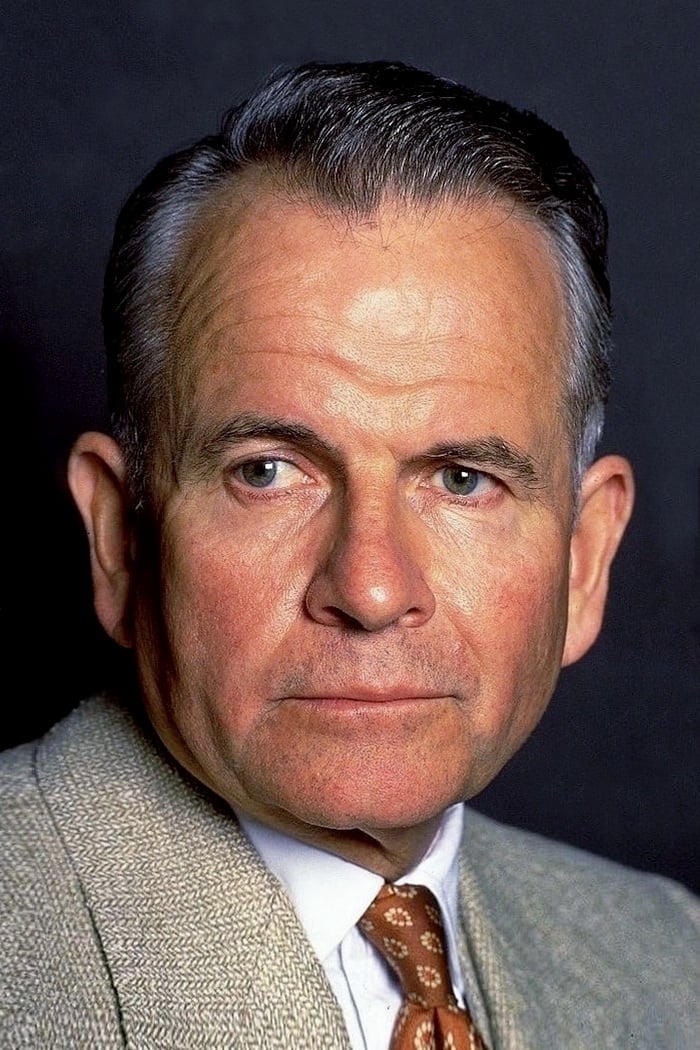
Ian Holm first took on the role in the British serial ‘Napoleon and Love’, which follows his relationships alongside military and political milestones. The series presents salons, campaigns, and state ceremonies, mapping personal ties onto key moments of the period. Costuming and set decoration emphasize shifts from revolutionary austerity to imperial display.
Holm returned to the role in Terry Gilliam’s ‘Time Bandits’, where Napoleon appears during a surreal heist sequence that blends history with fantasy. He later starred in ‘The Emperor’s New Clothes’, directed by Alan Taylor, which imagines a secret return from exile with a double left behind. These projects together place the same figure in historical drama, satire, and alternate history.
Albert Dieudonné
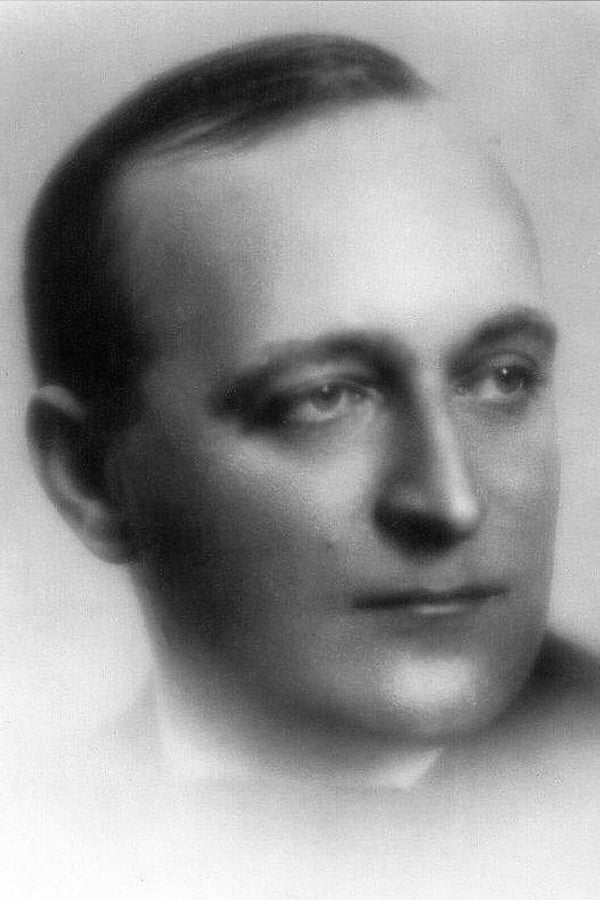
Albert Dieudonné is the lead in Abel Gance’s silent epic ‘Napoléon’. The production follows the future emperor from school through early campaigns, using rapid cutting, handheld shots, and innovative camera rigs that were advanced for the time. Gance employed triptych sequences that expand the image across three screens to stage battles and rallies.
Dieudonné’s work is preserved in multiple restorations that have toured with newly recorded scores and live orchestral accompaniment. The film became a touchstone for large scale historical cinema, influencing how later productions staged military movement and political spectacle. Its editing, staging, and visual experiments remain part of film school curricula and archival programs.
Rod Steiger
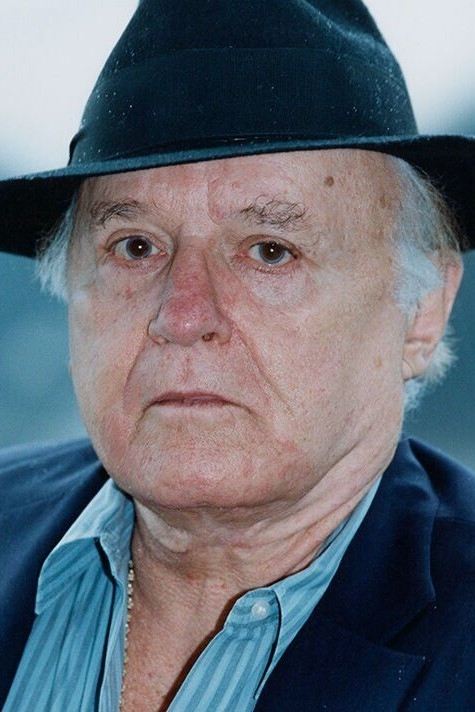
Rod Steiger portrays Napoleon in ‘Waterloo’, directed by Sergei Bondarchuk as an international co production. The film recreates the final campaign with extensive field maneuvers, massed infantry squares, and cavalry charges. Vast formations were staged with military units to depict movement across muddy terrain and ridgelines.
Christopher Plummer appears as the Duke of Wellington, giving the battle scenes a dual command perspective. Sets and locations include chateaus, farmhouses, and command posts that match historical maps and accounts. The film’s scale and attention to order of battle place Napoleon within a detailed reconstruction of the campaign’s final hours.
Joaquin Phoenix
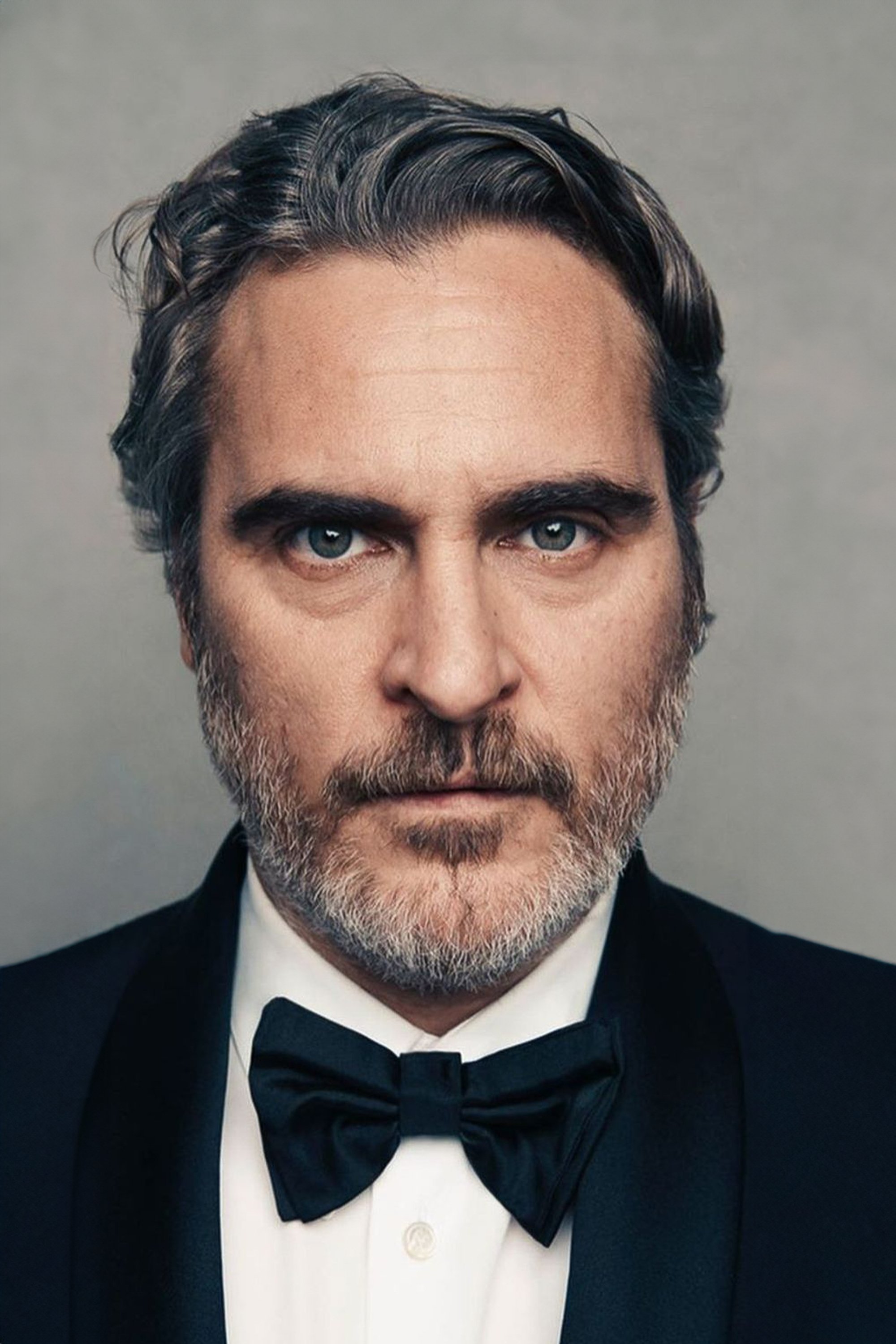
Joaquin Phoenix plays Napoleon in Ridley Scott’s ‘Napoleon’, a feature that charts his rise from artillery officer to emperor and follows the path to exile. The production covers sieges, major set piece battles, and the political steps that led to consolidation of power. Vanessa Kirby co stars as Joséphine, and the film tracks their marriage, separation, and enduring correspondence.
The project was produced by Apple alongside Scott Free Productions and received a theatrical release before streaming on Apple TV+. Filming used historic locations in the United Kingdom and Europe with large practical crowd scenes supported by visual effects. The creative team consulted military historians for formations, uniforms, and artillery handling to align action with period practice.
Share your favorite screen portrayal of Napoleon in the comments and tell us which performance left the strongest impression on you.